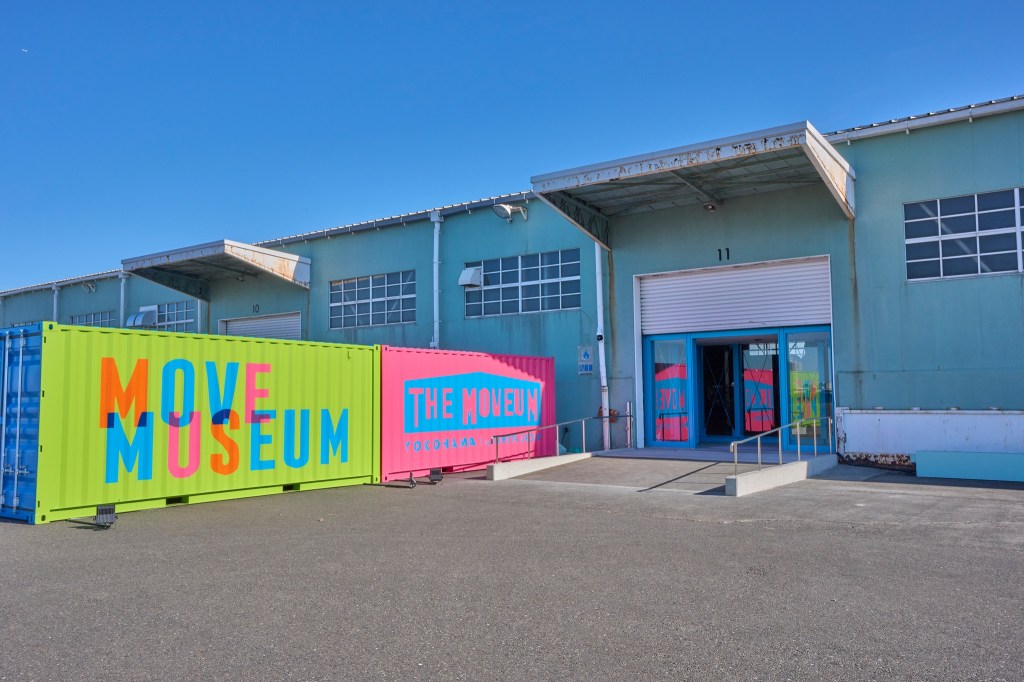
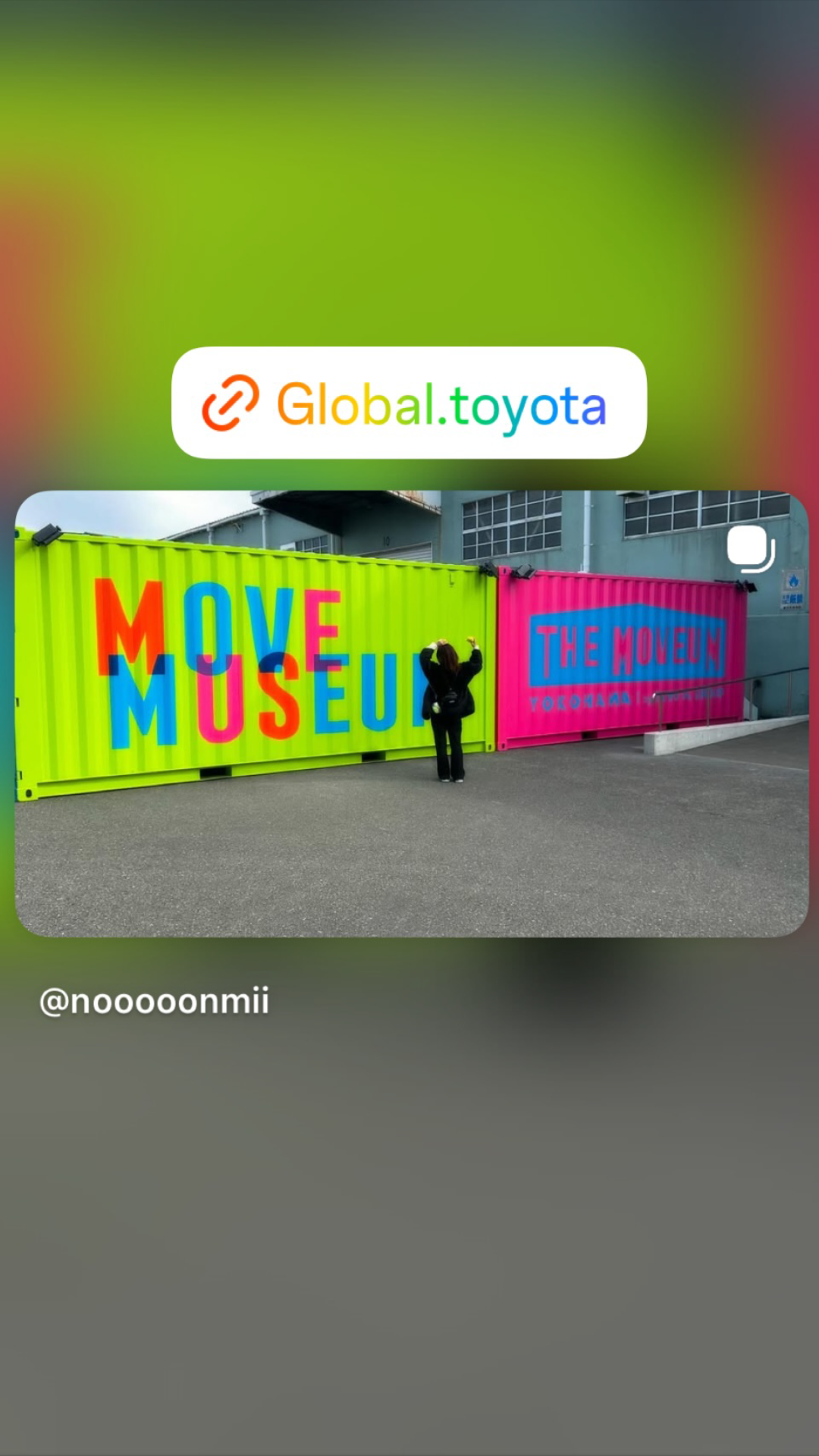
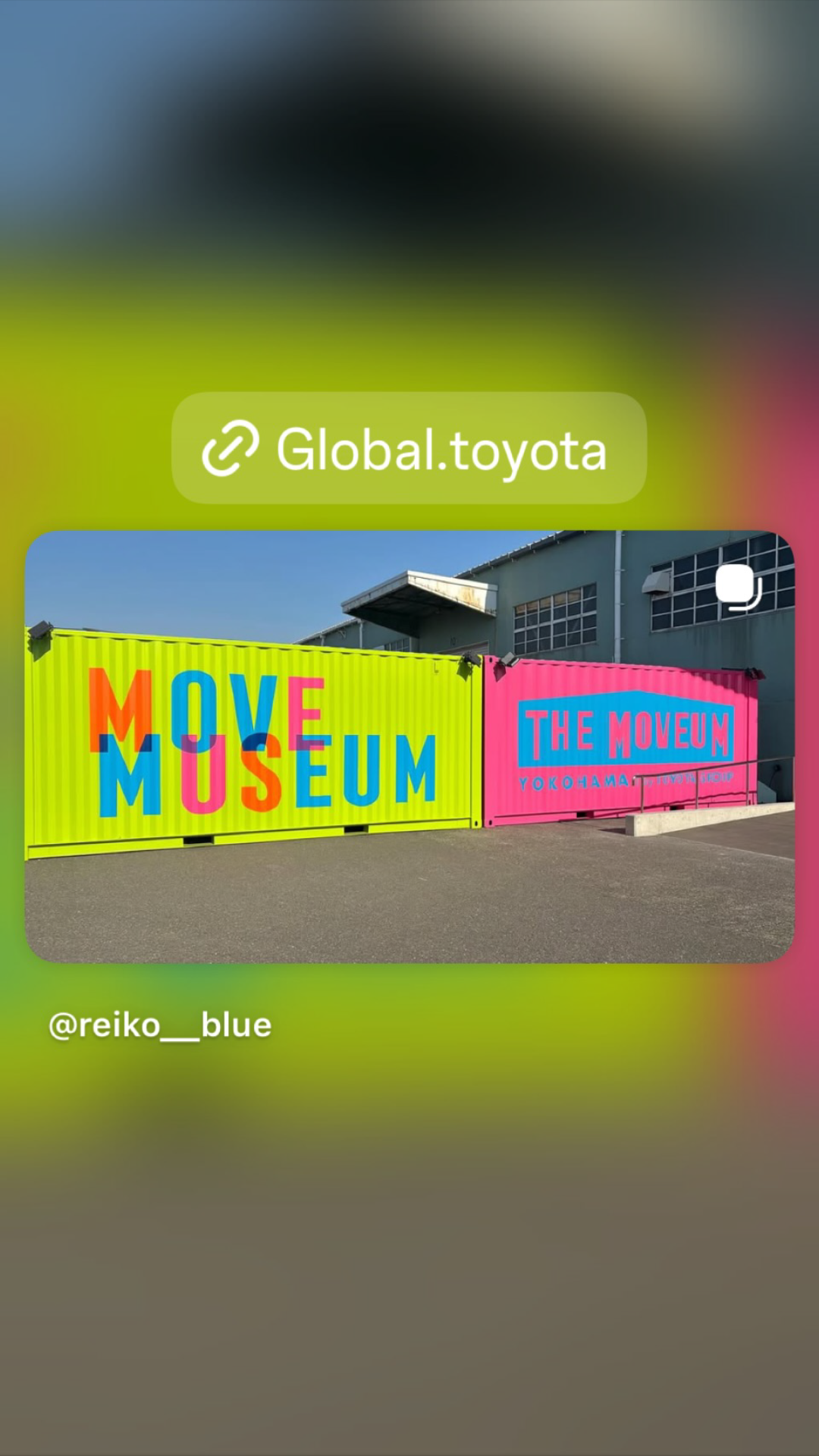
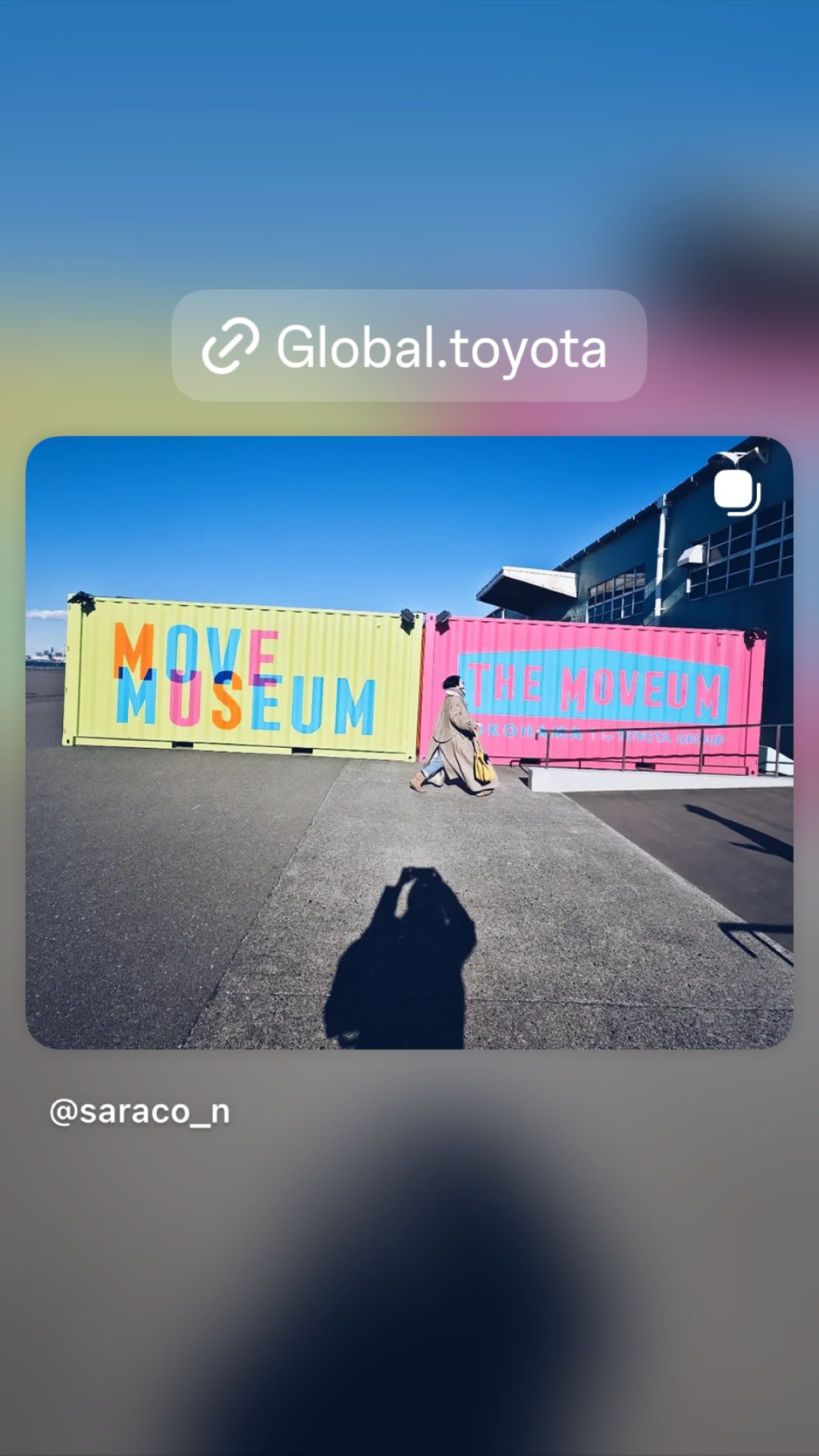
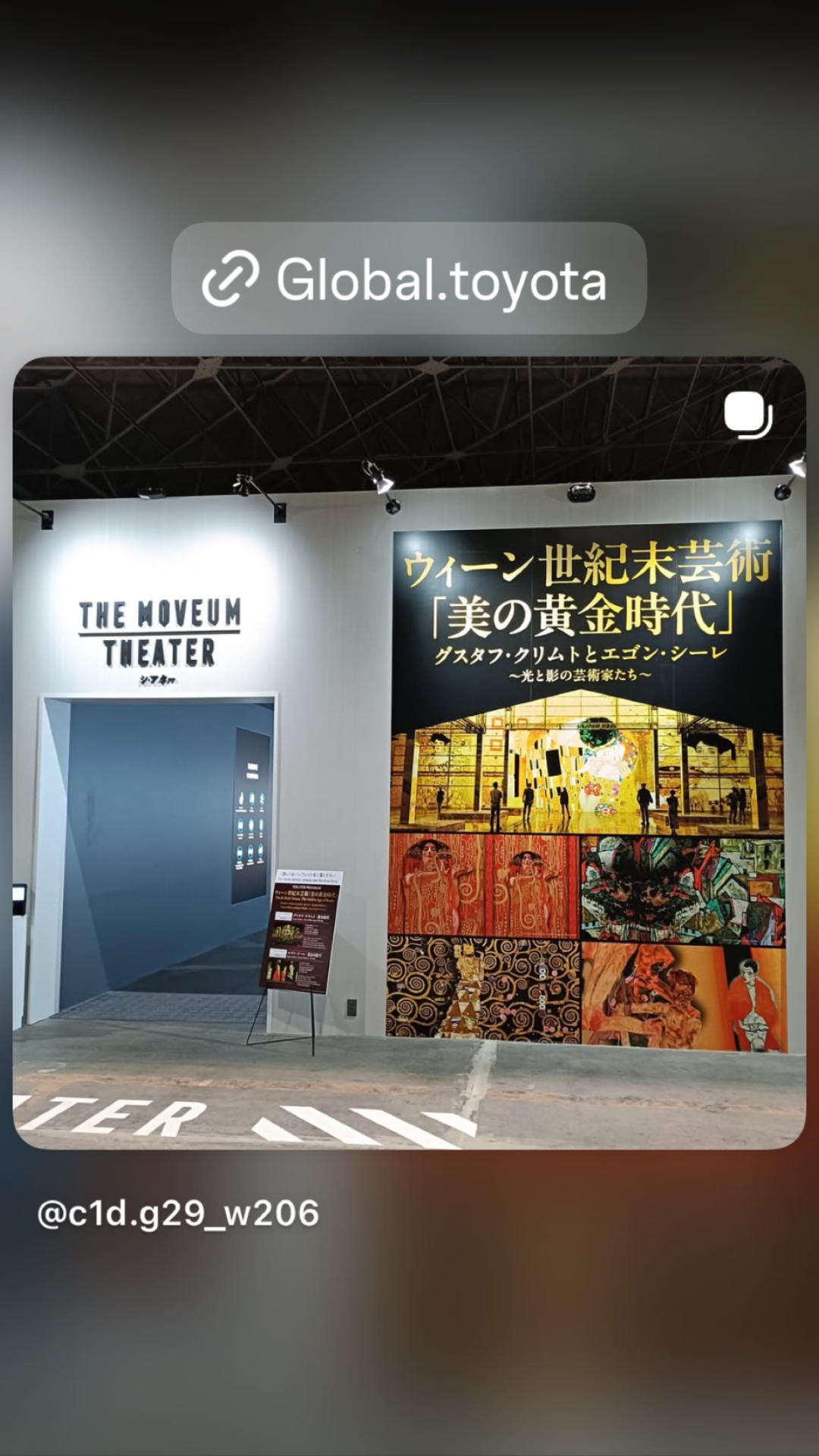
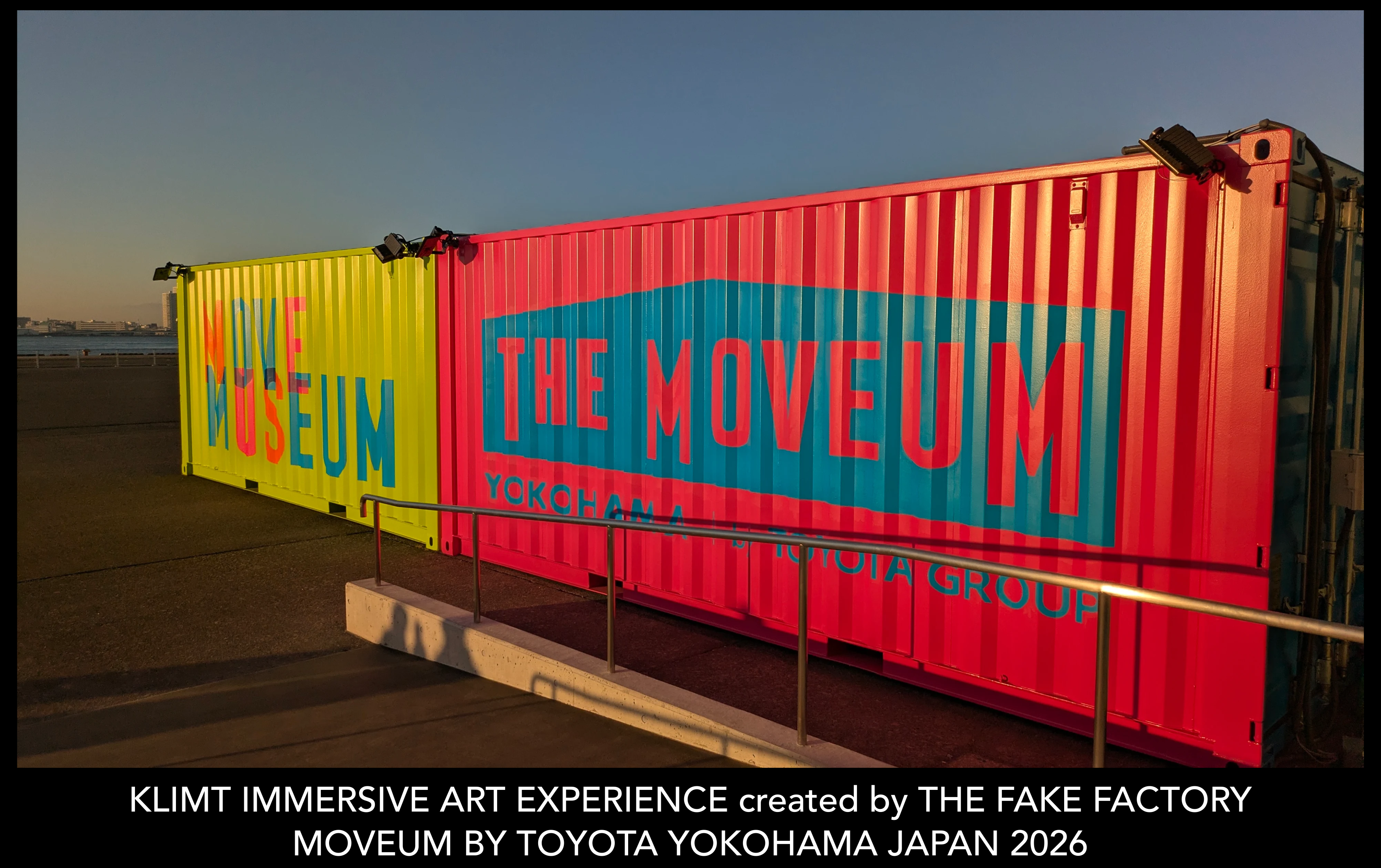
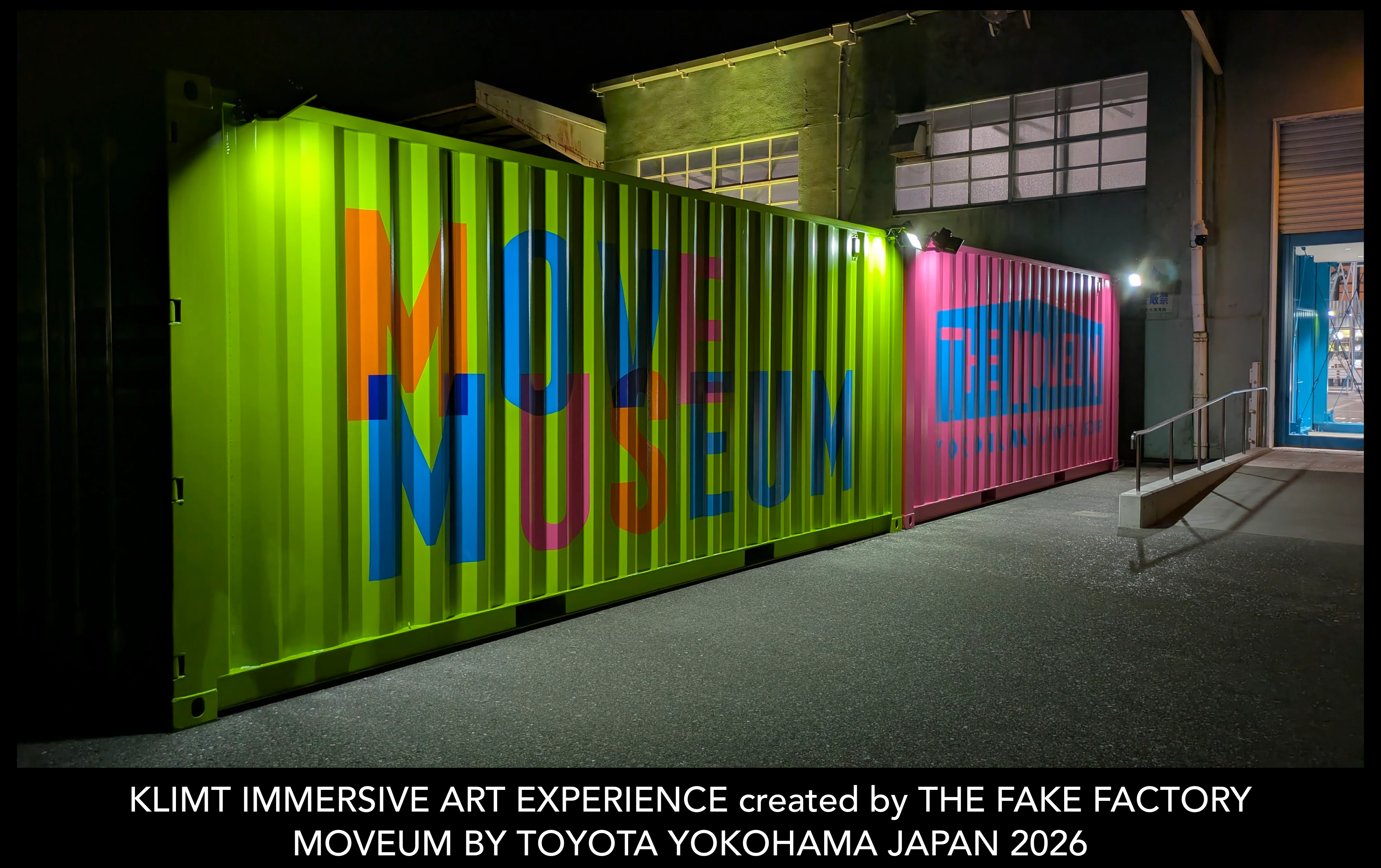
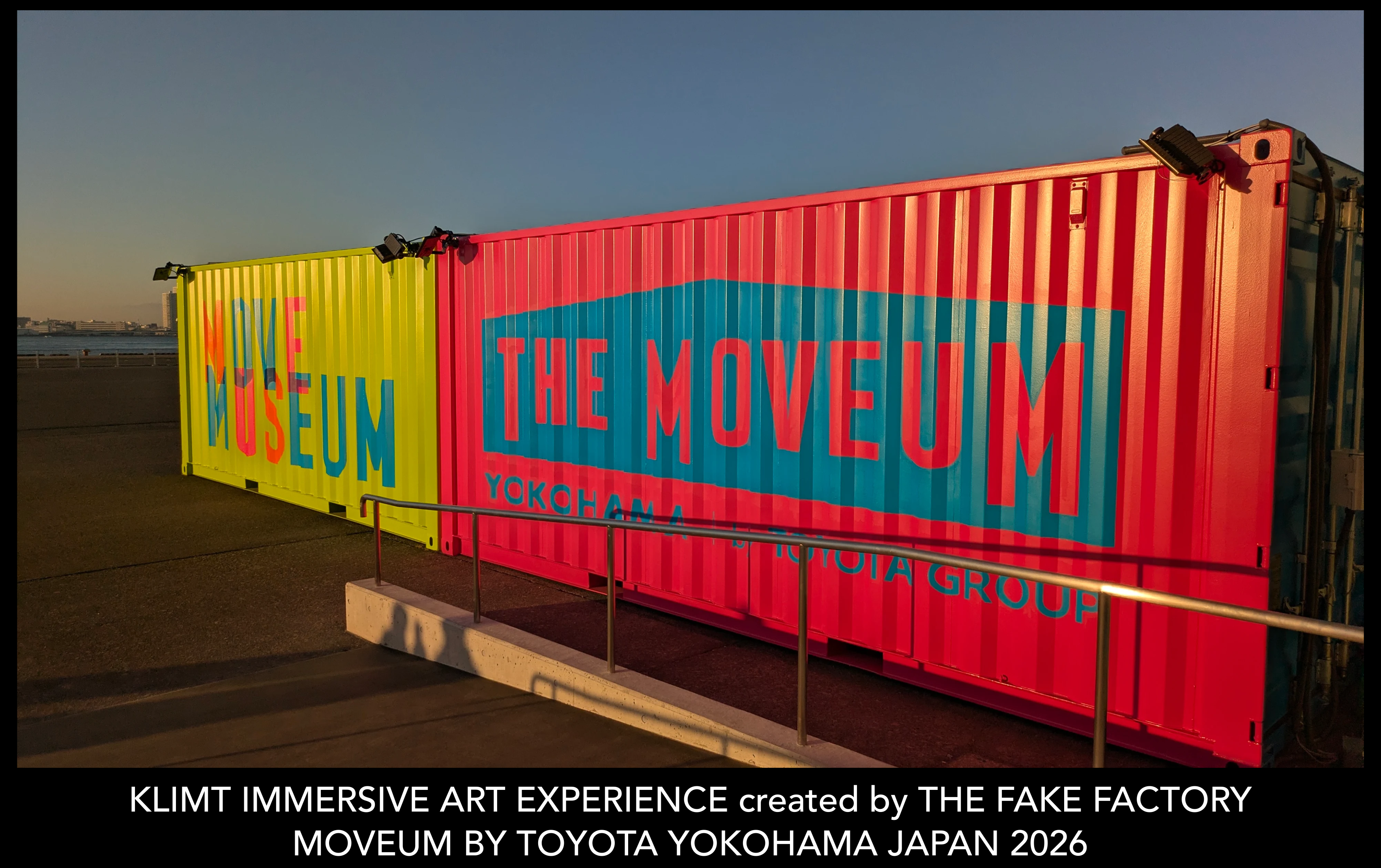
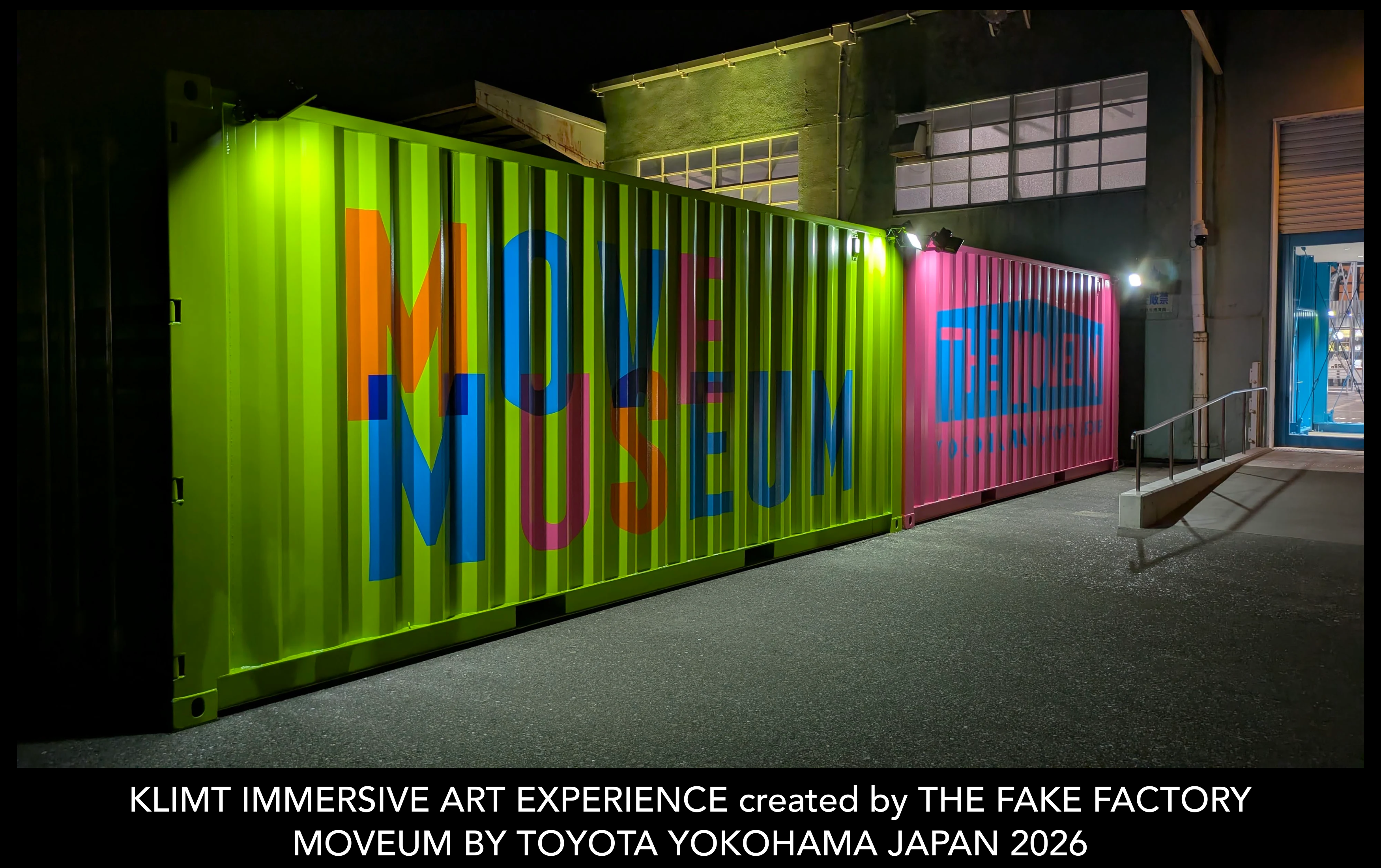
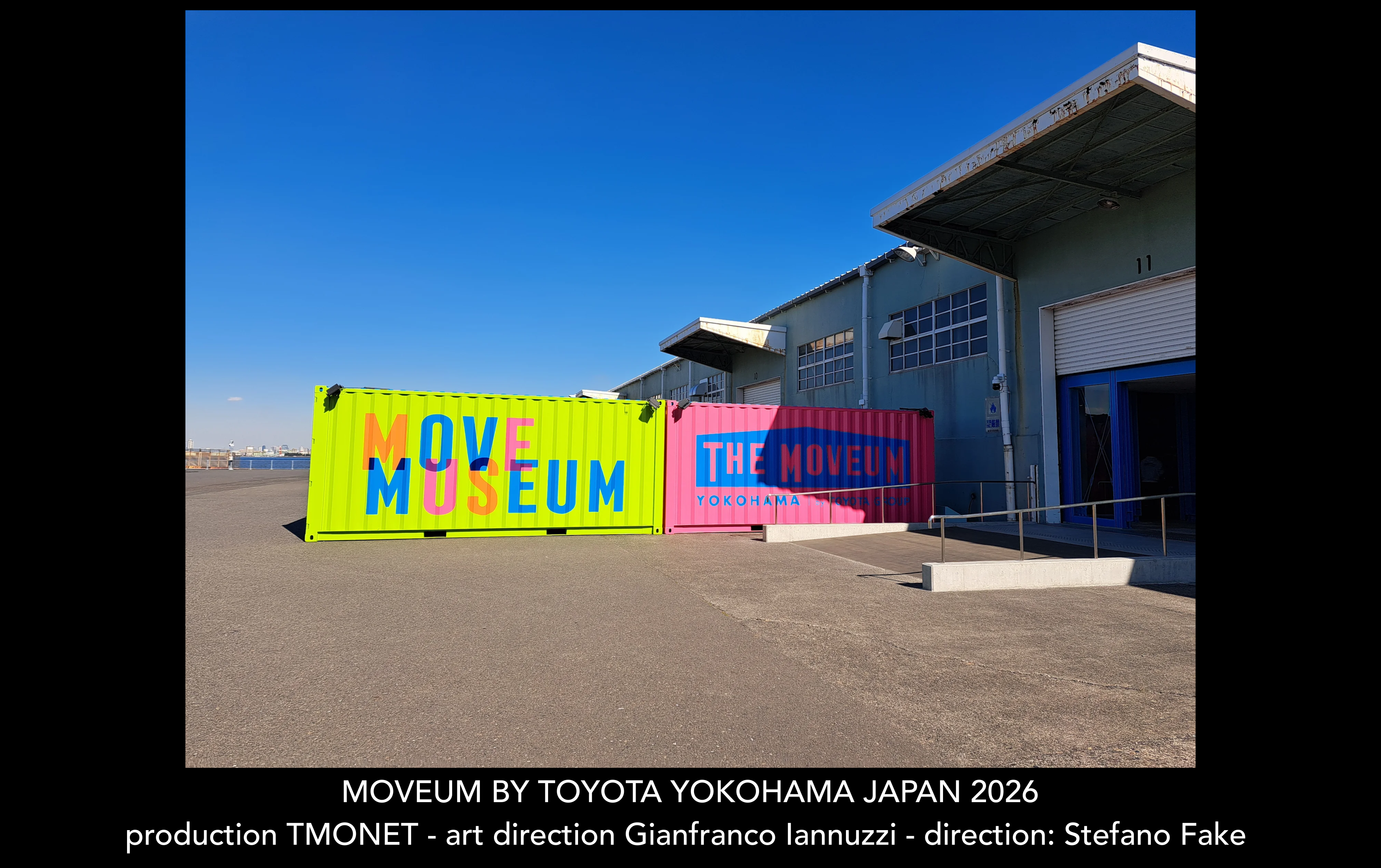
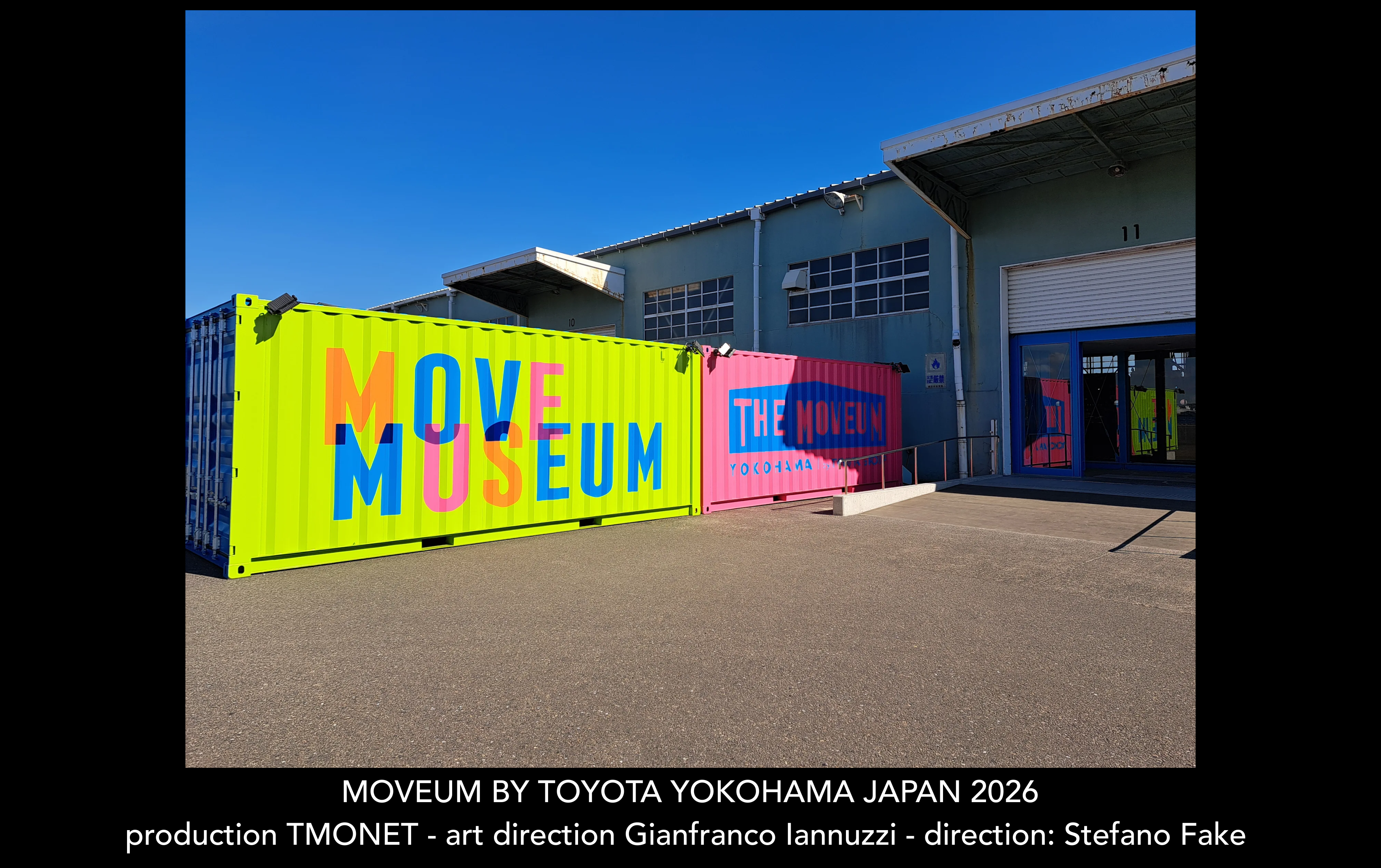
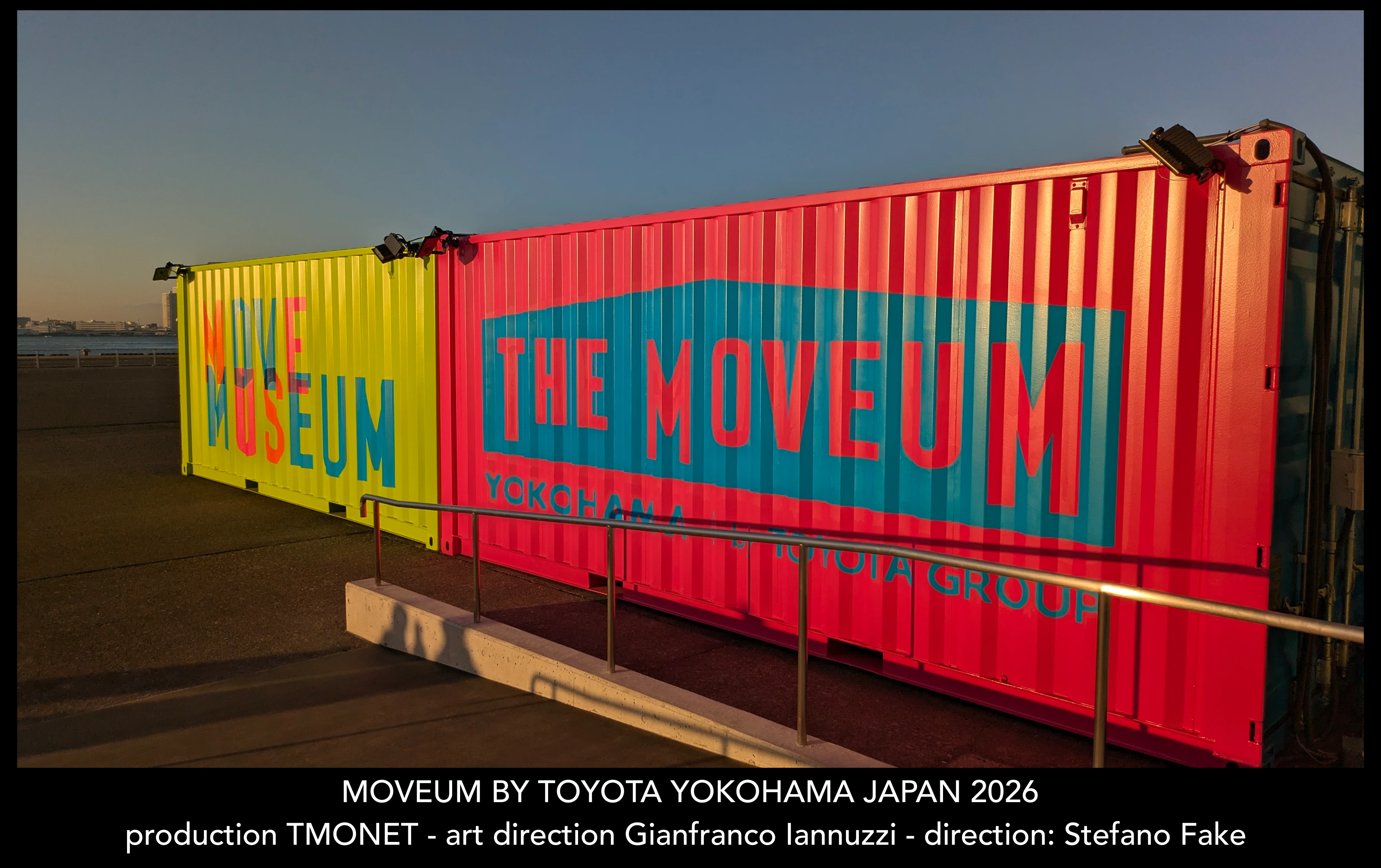
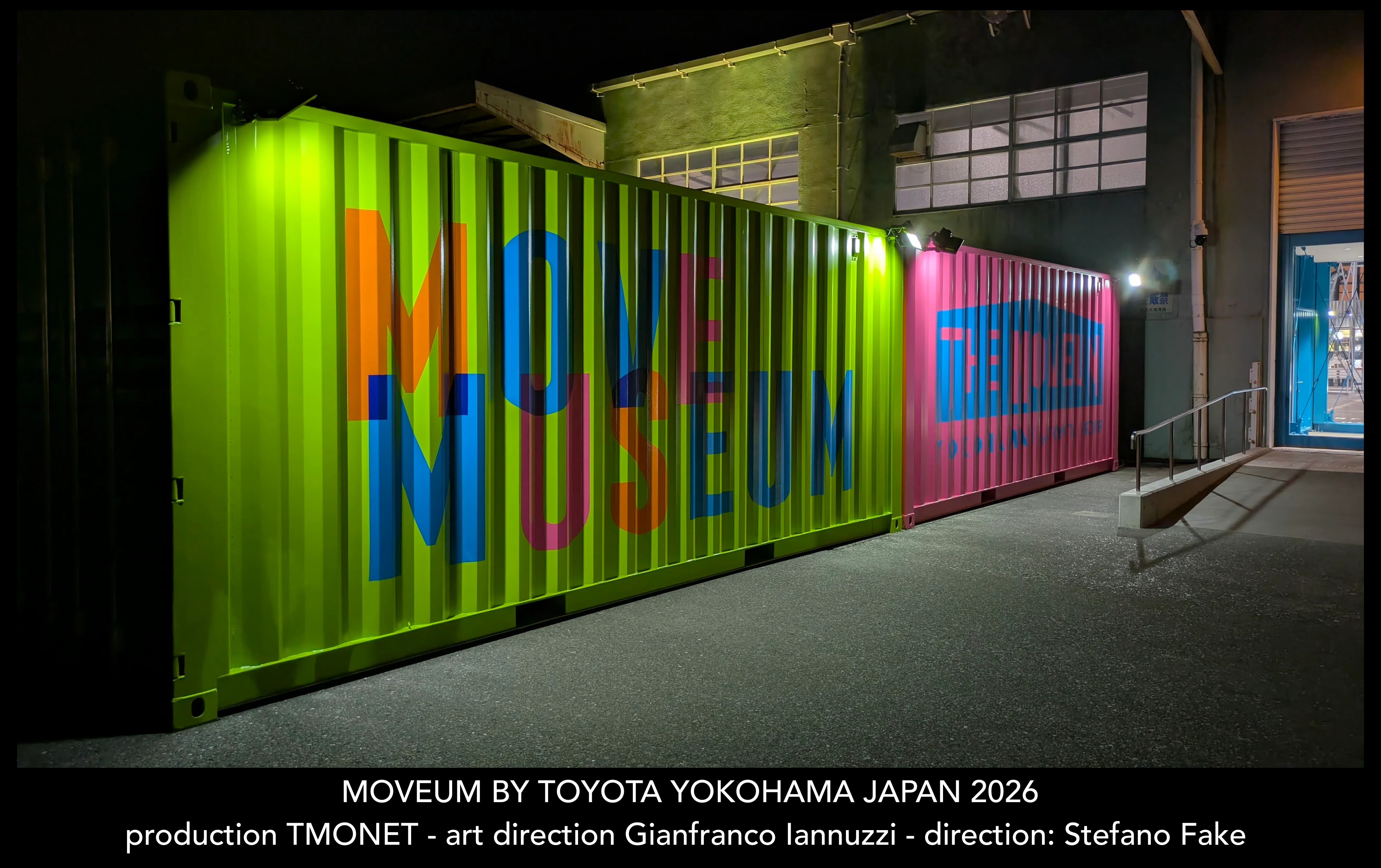
MOVEUM BY TOYOTA MUSEUM YOKOHAMA JAPAN
production: TMONET
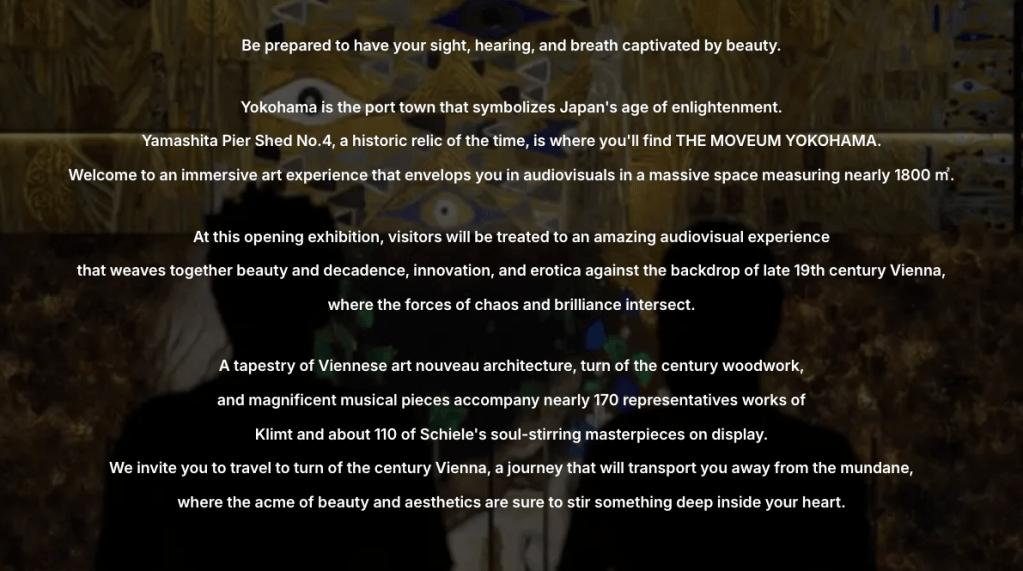
Be prepared to have your sight, hearing, and breath captivated by beauty.
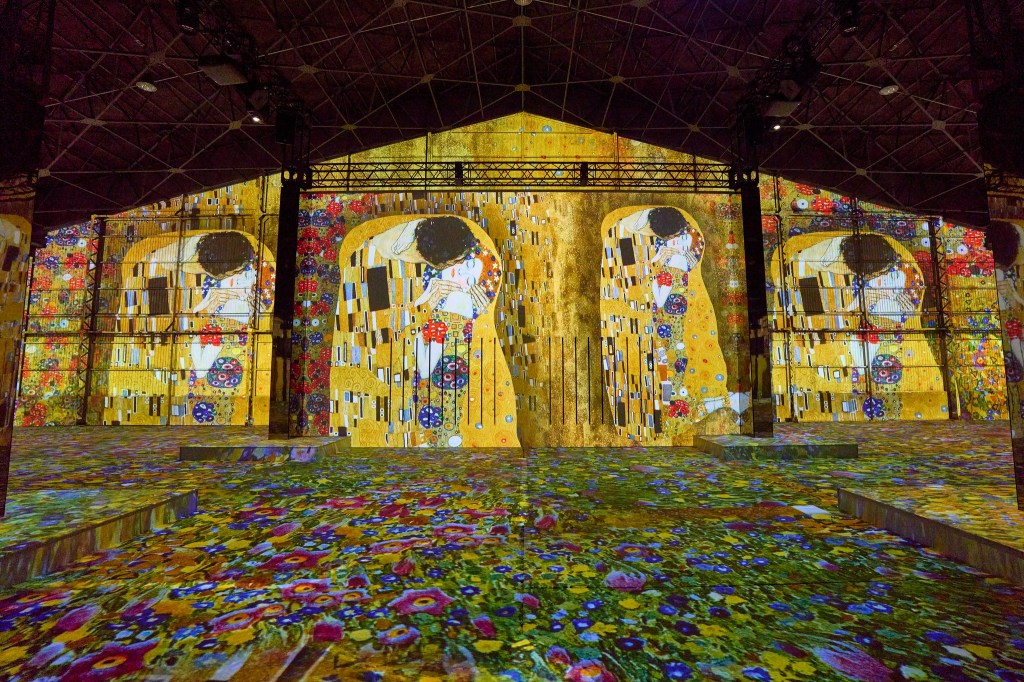
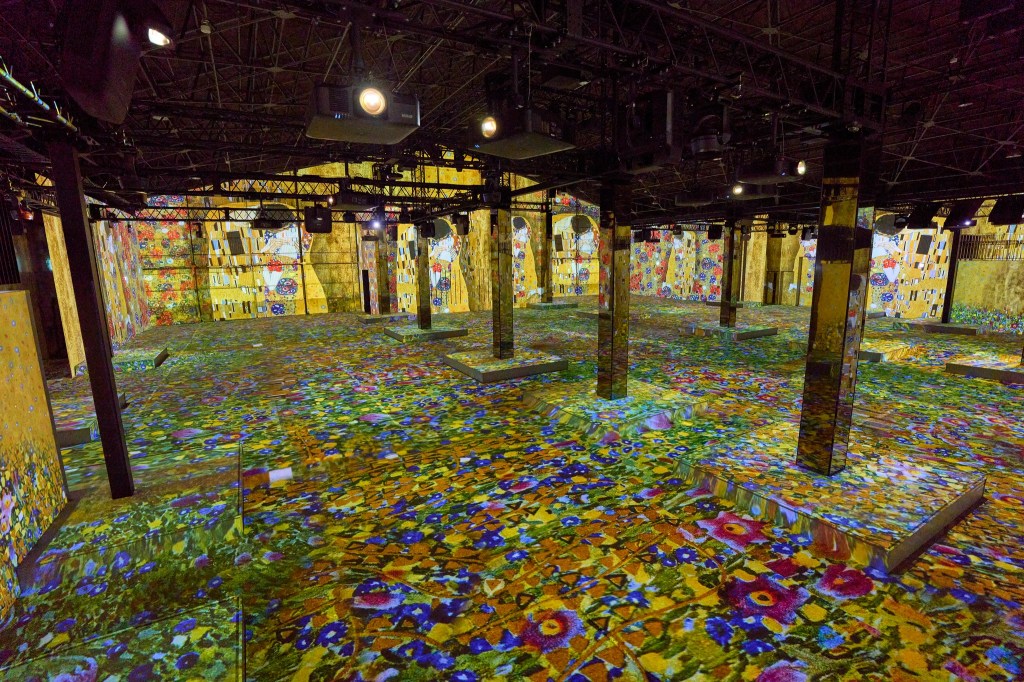
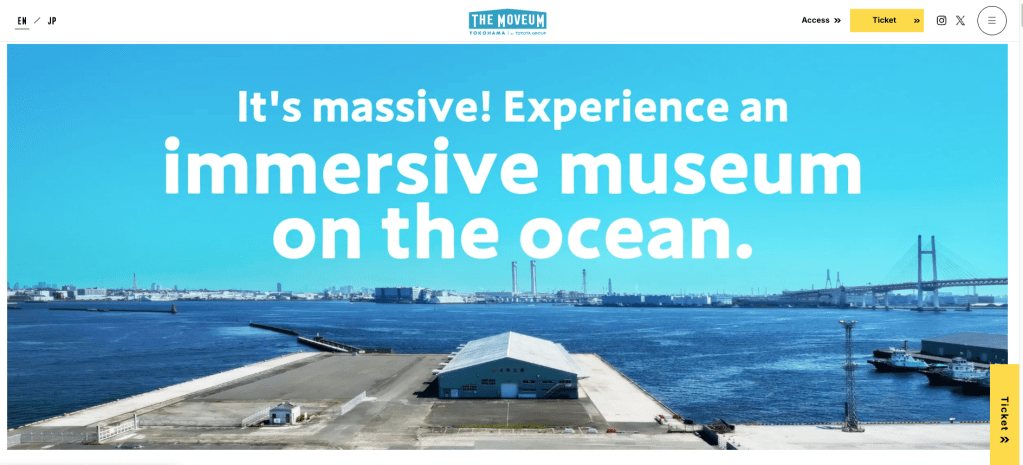
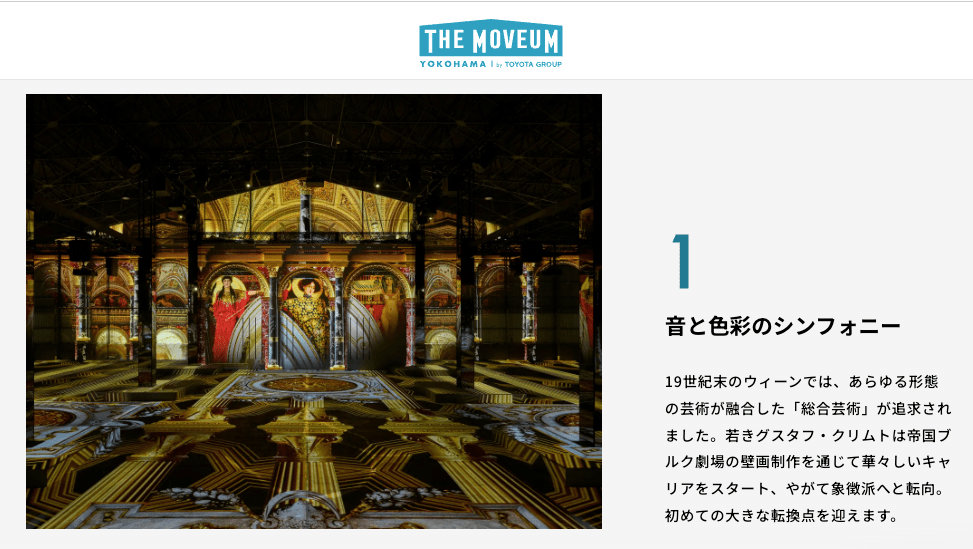
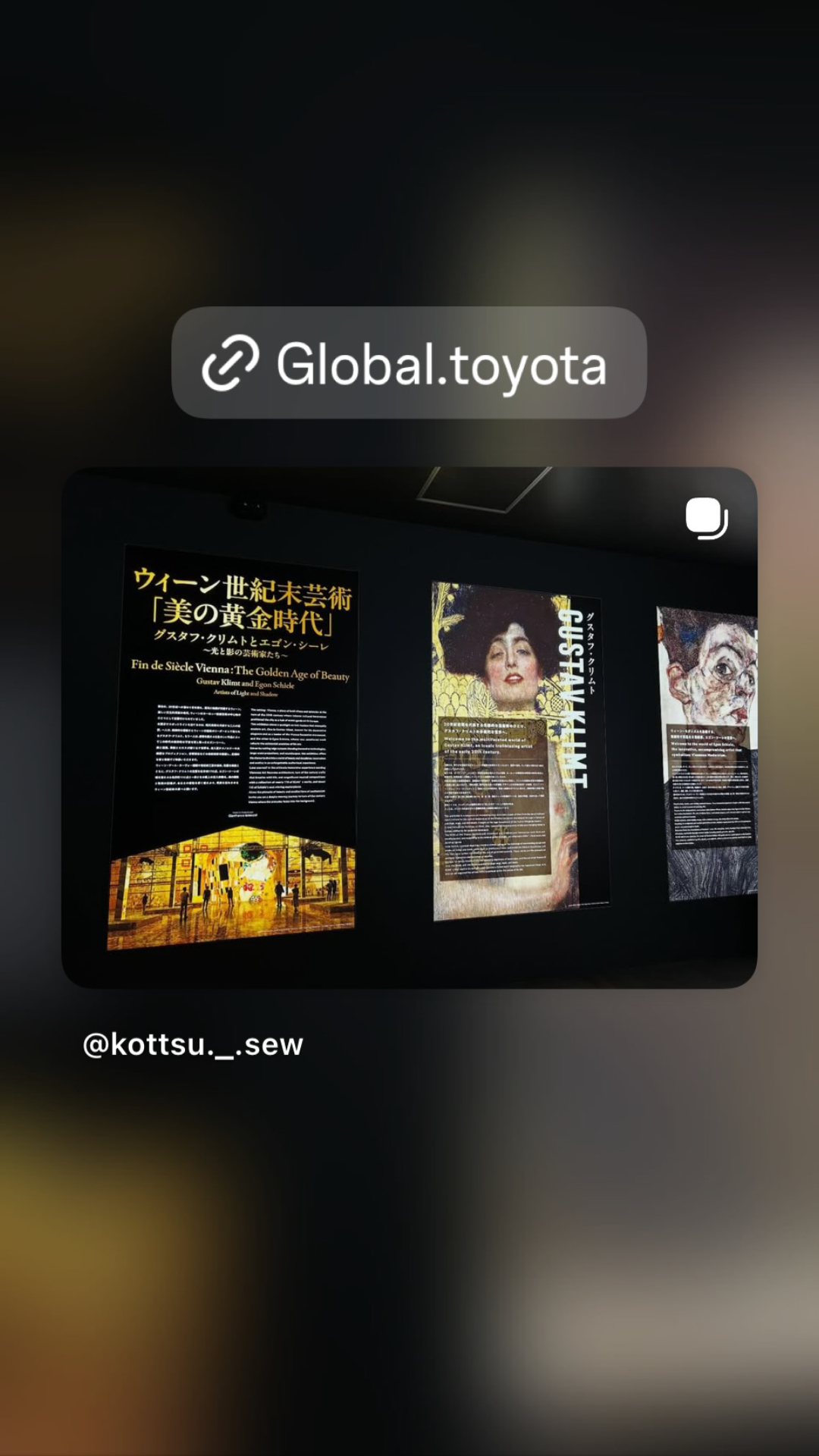
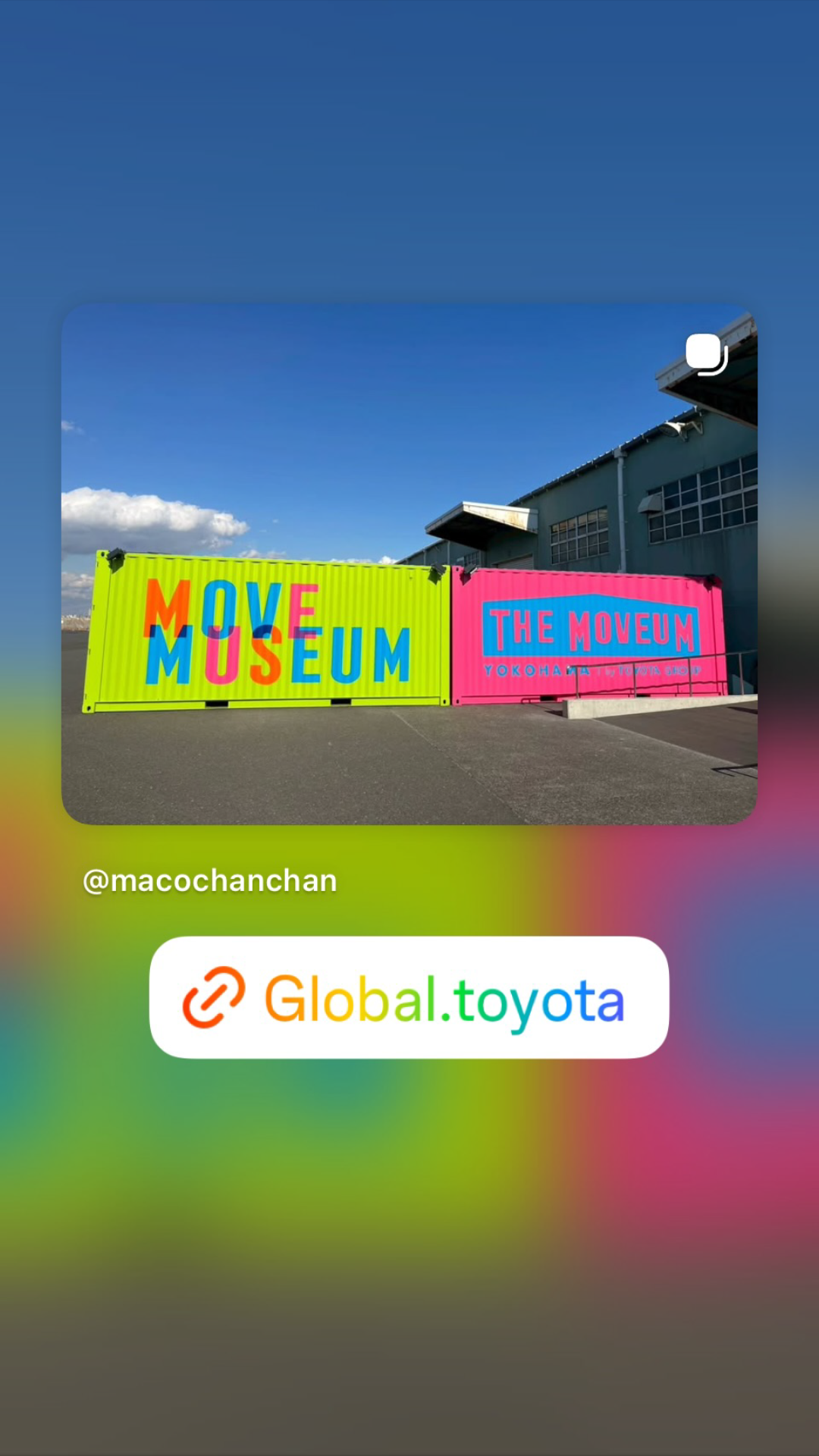
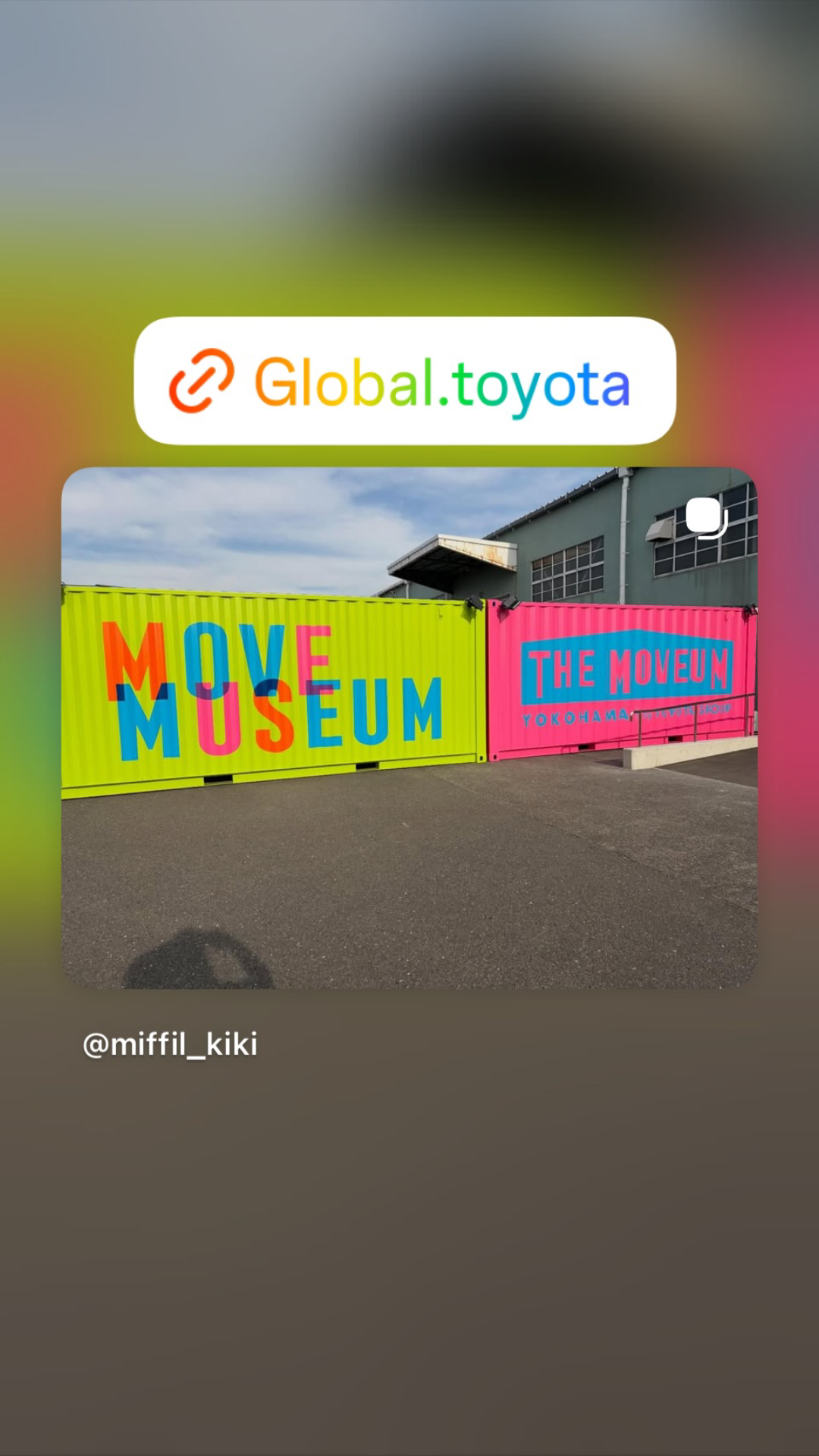
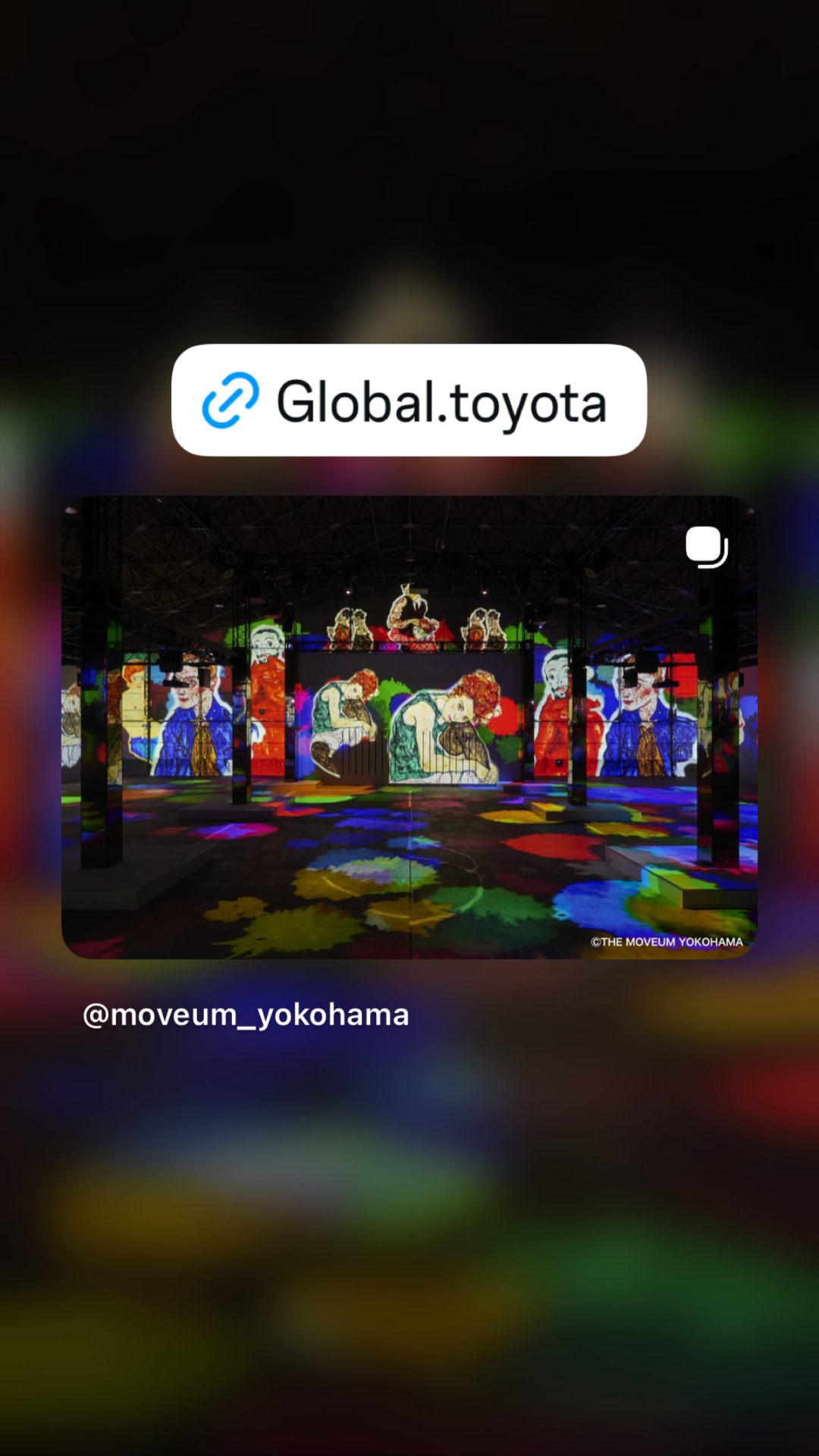
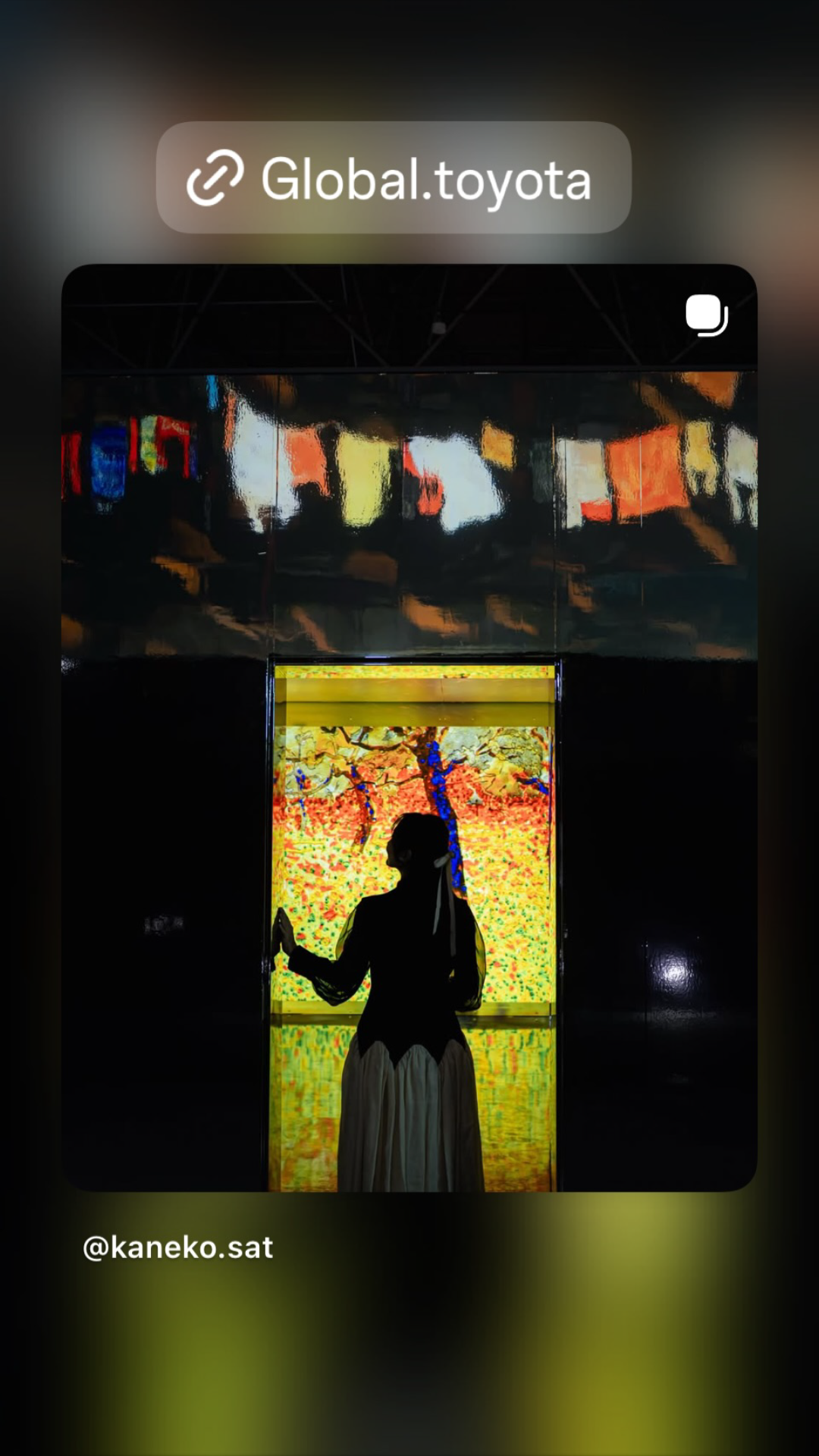
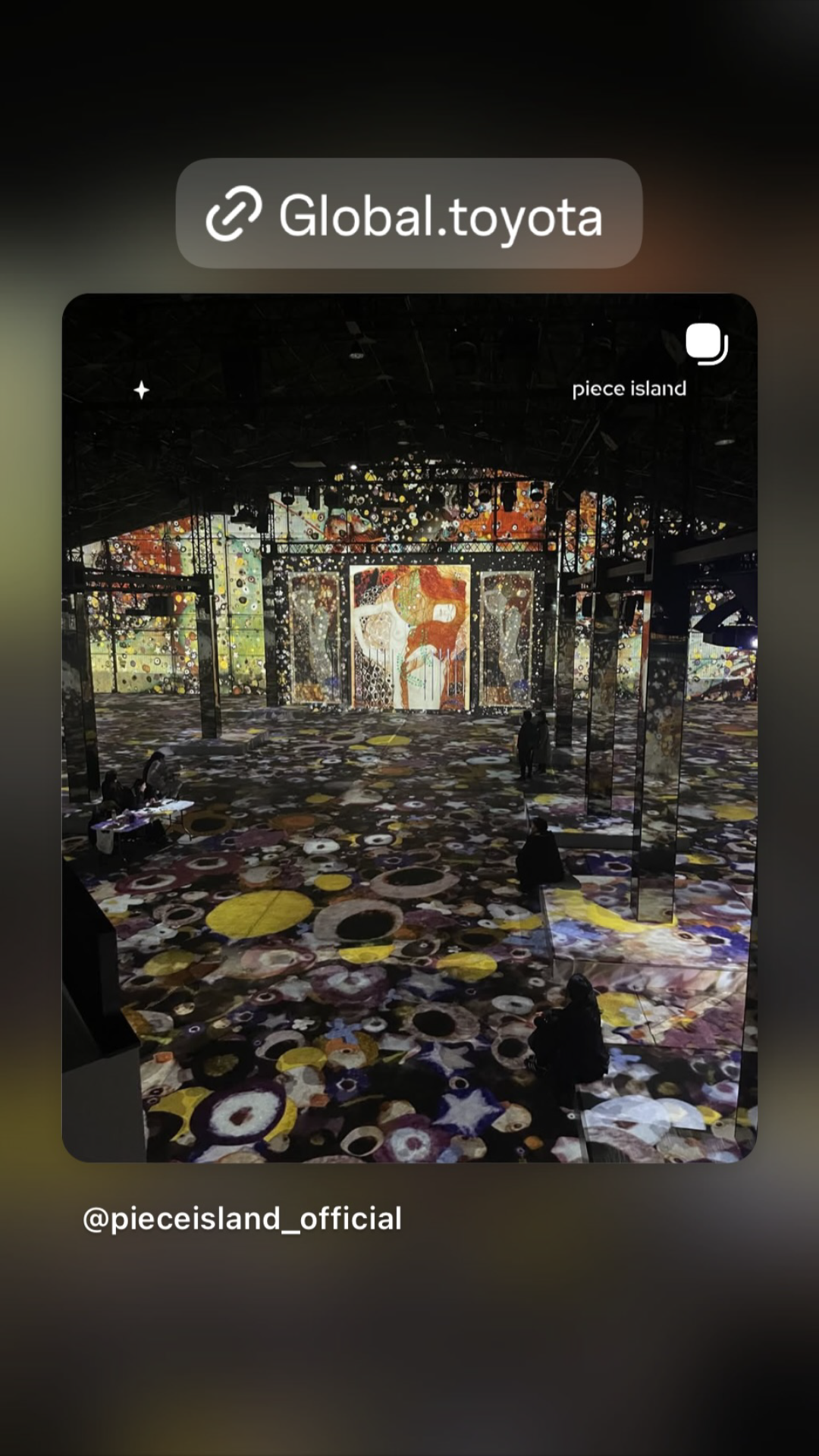
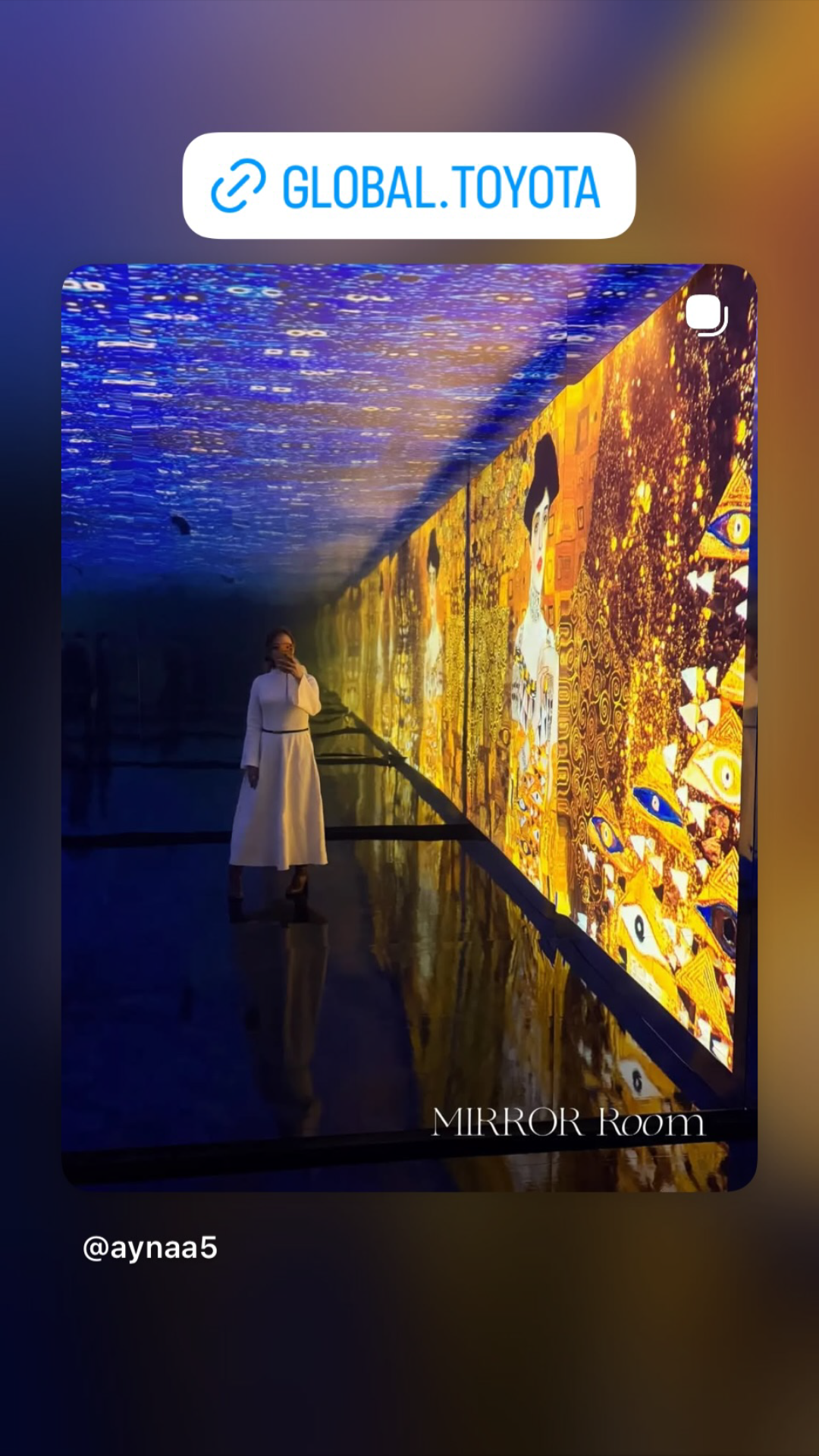
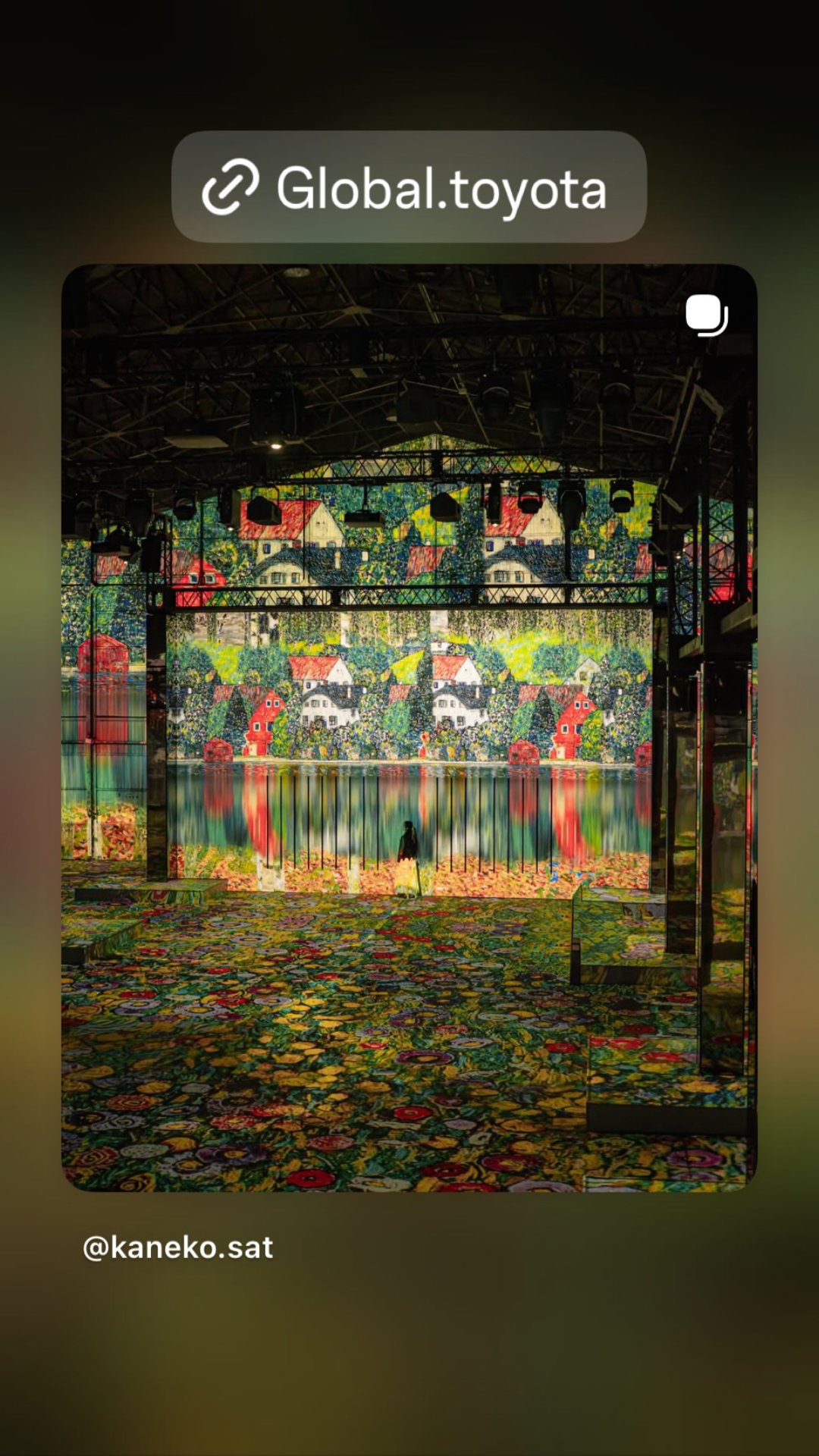
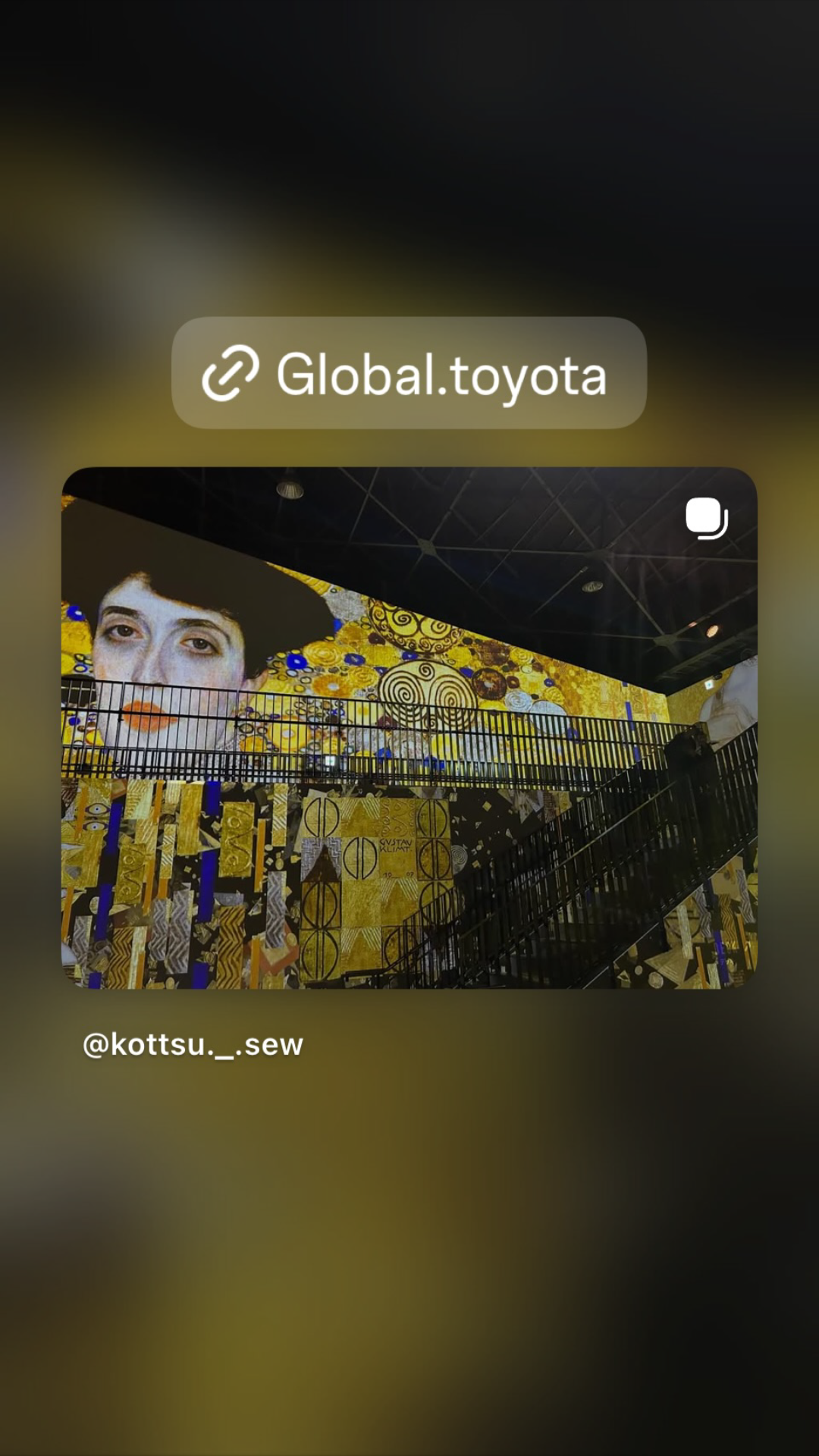
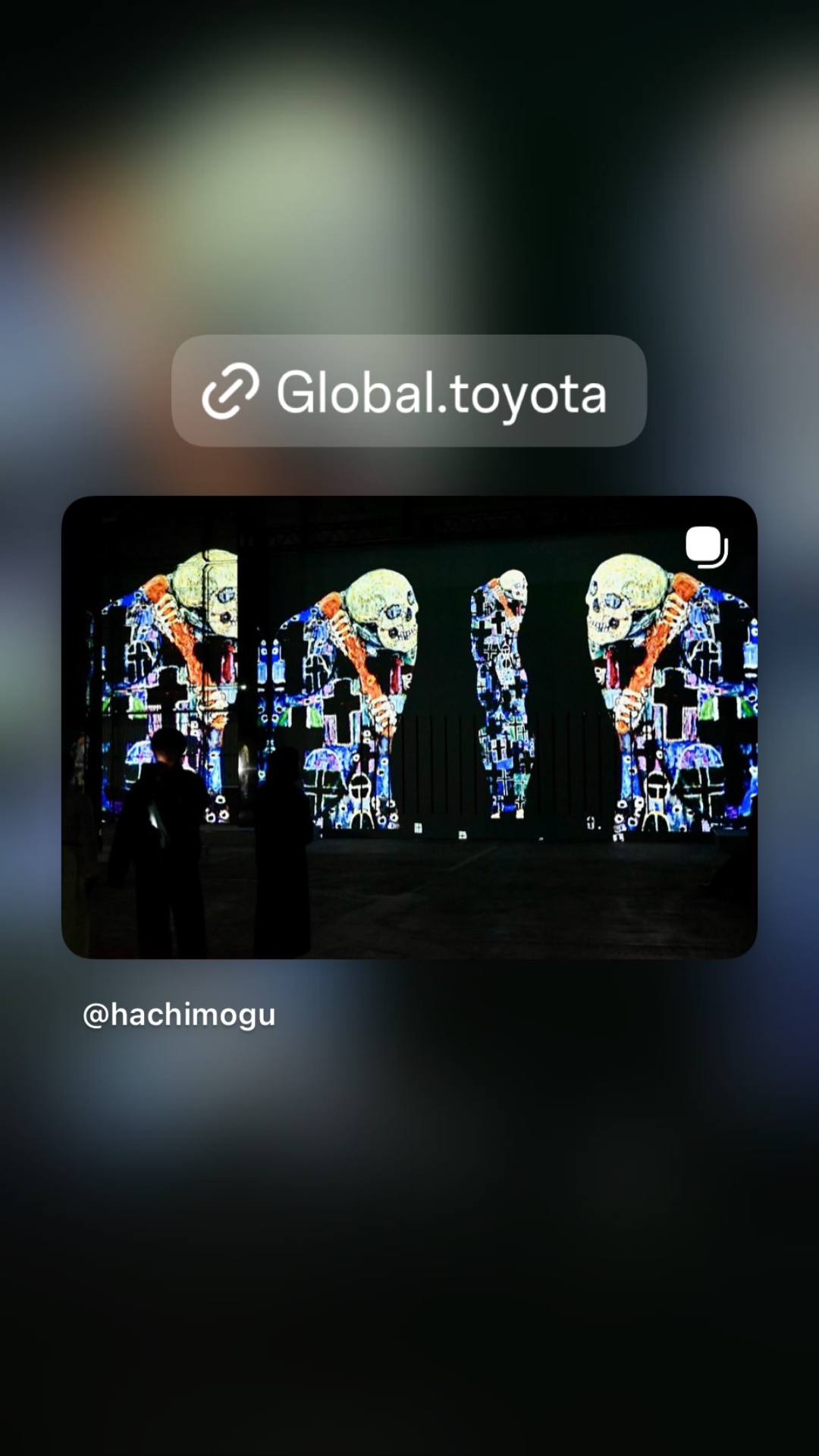
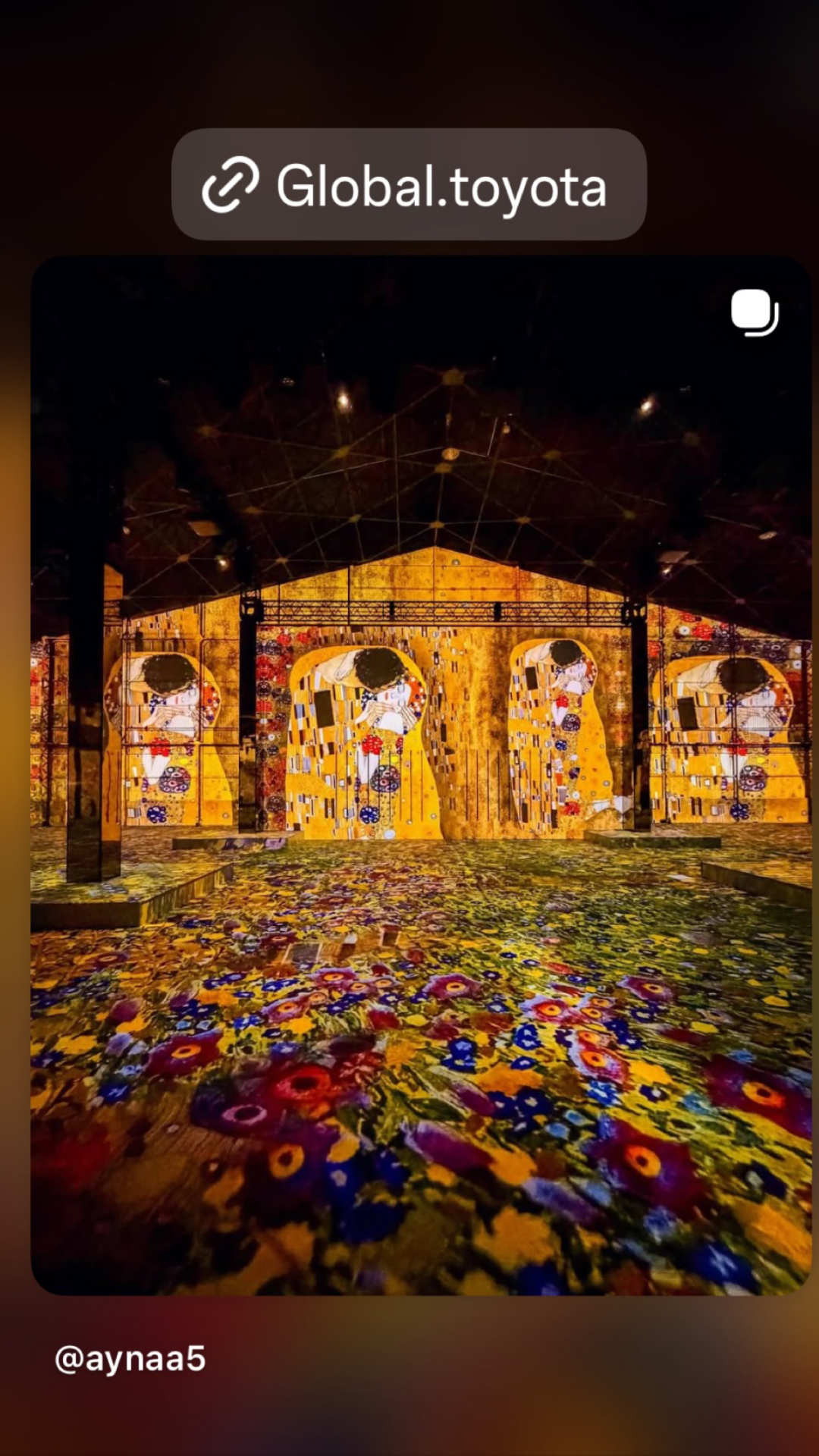
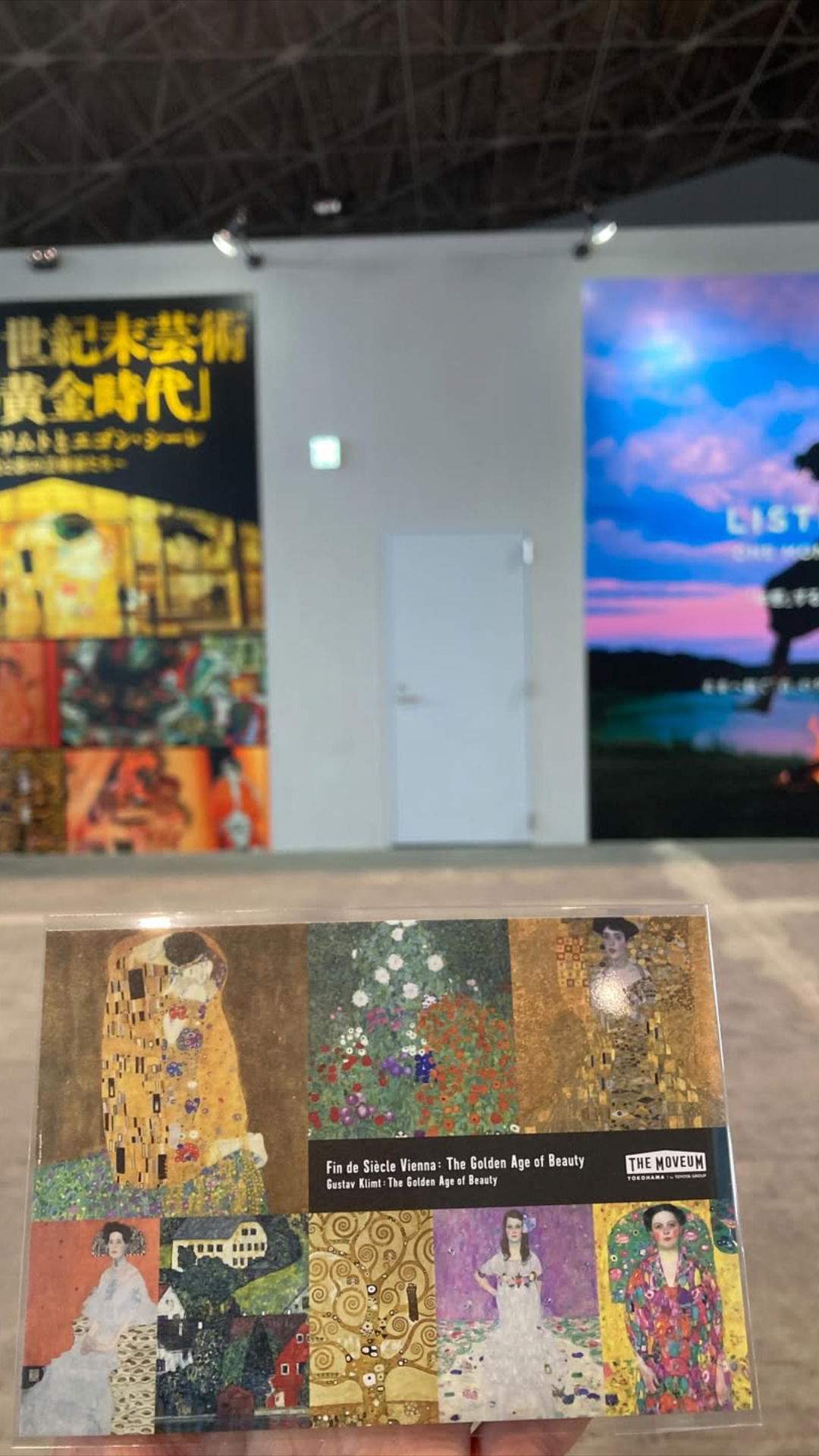
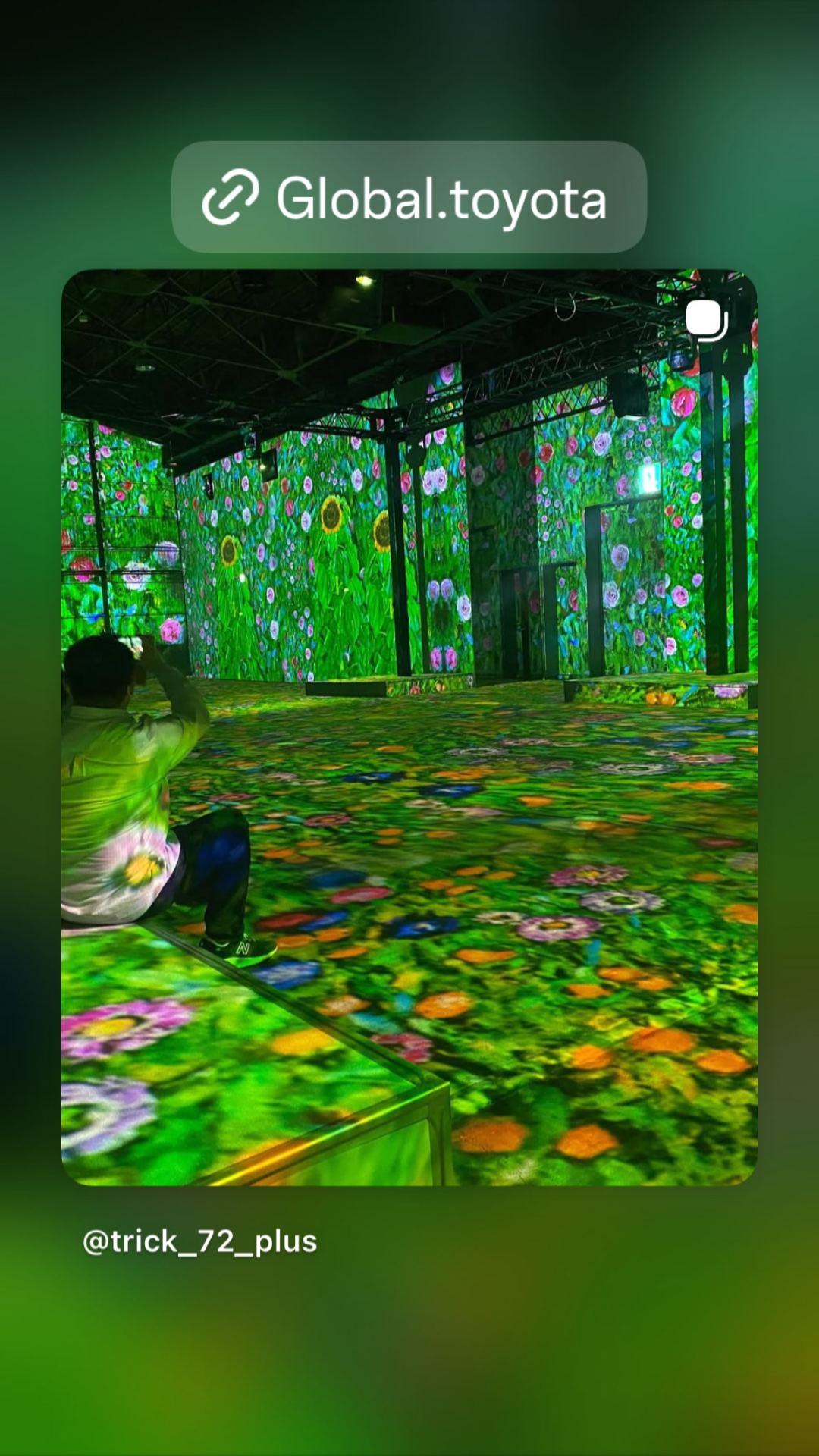
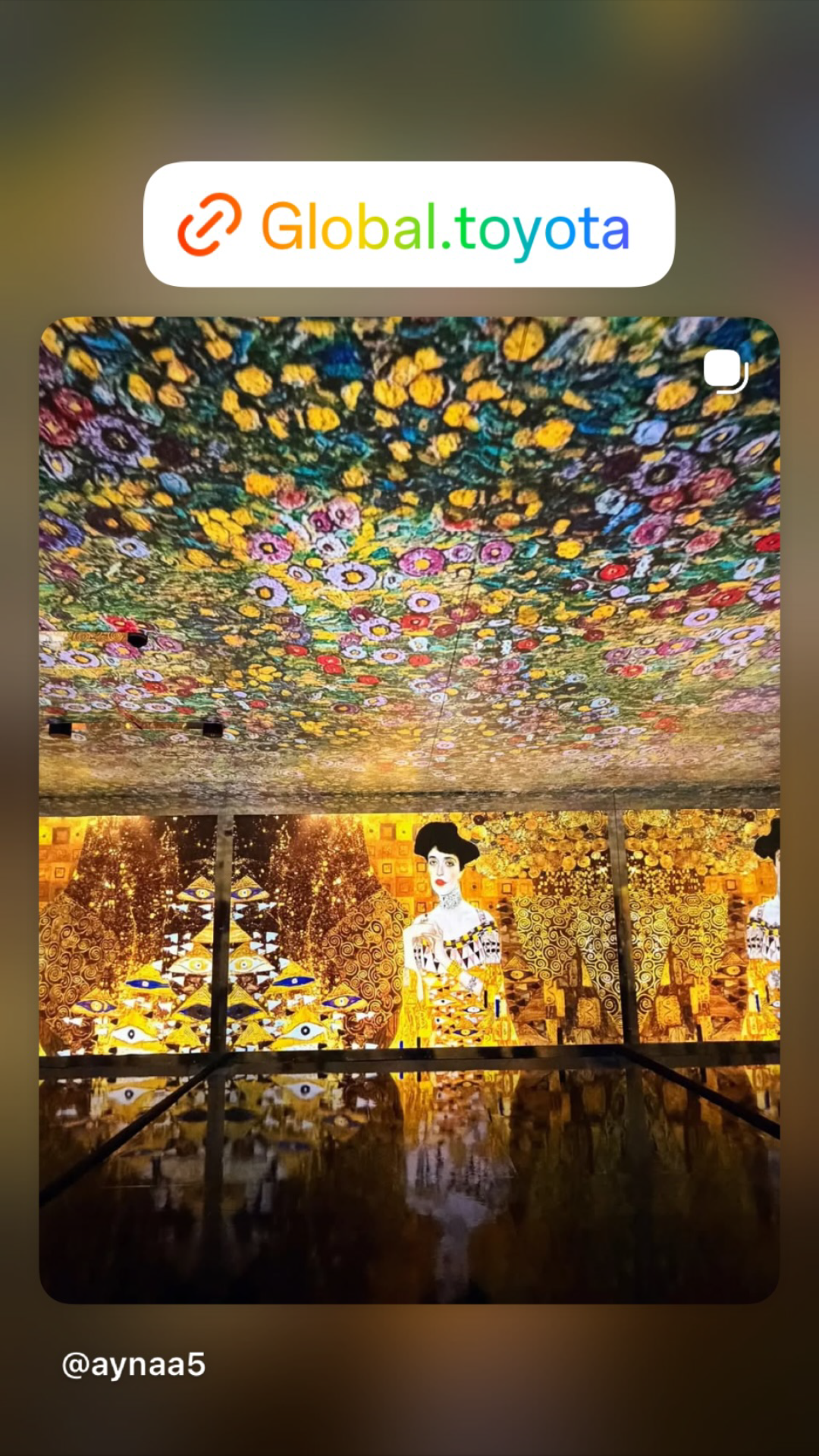
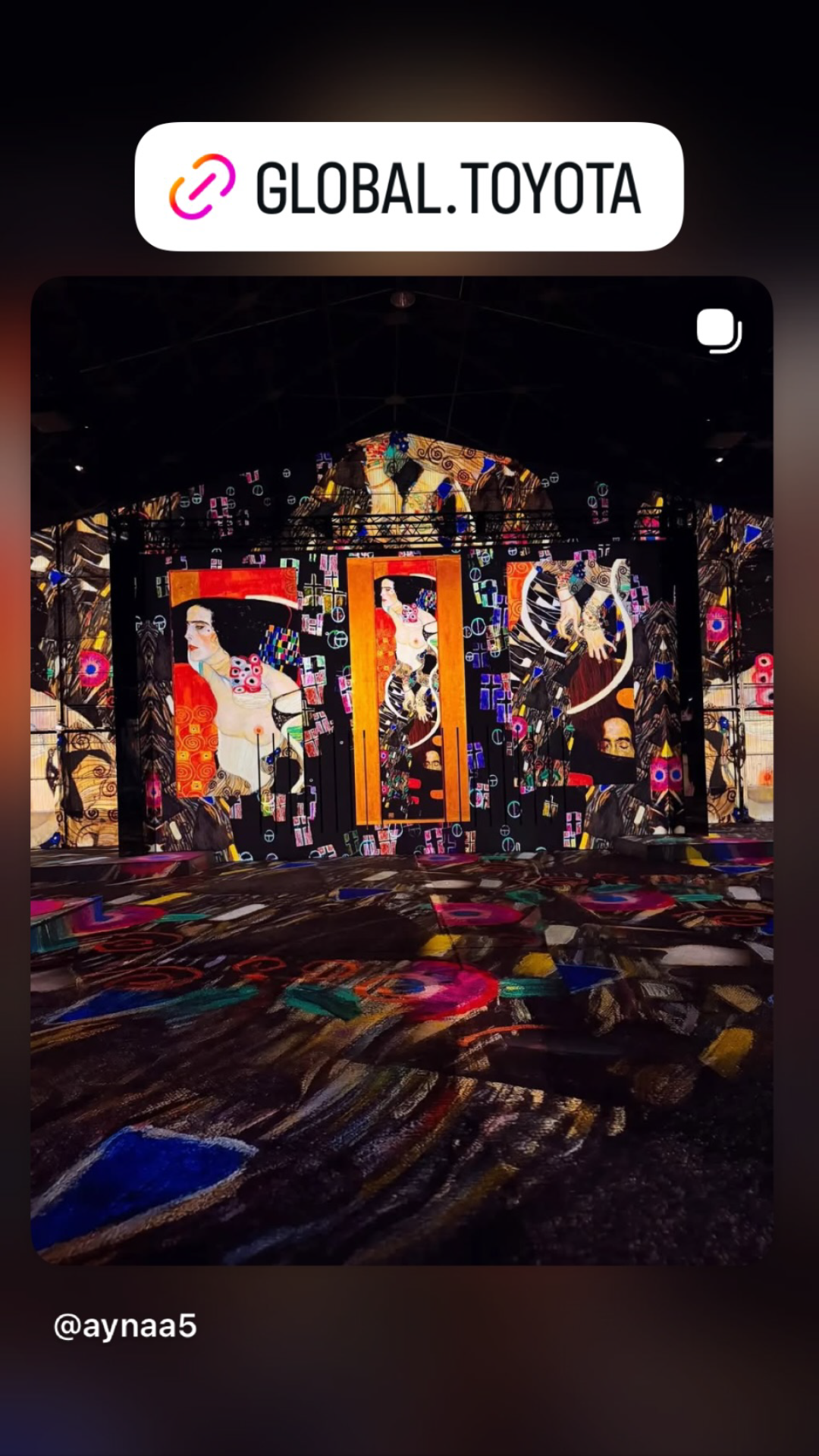
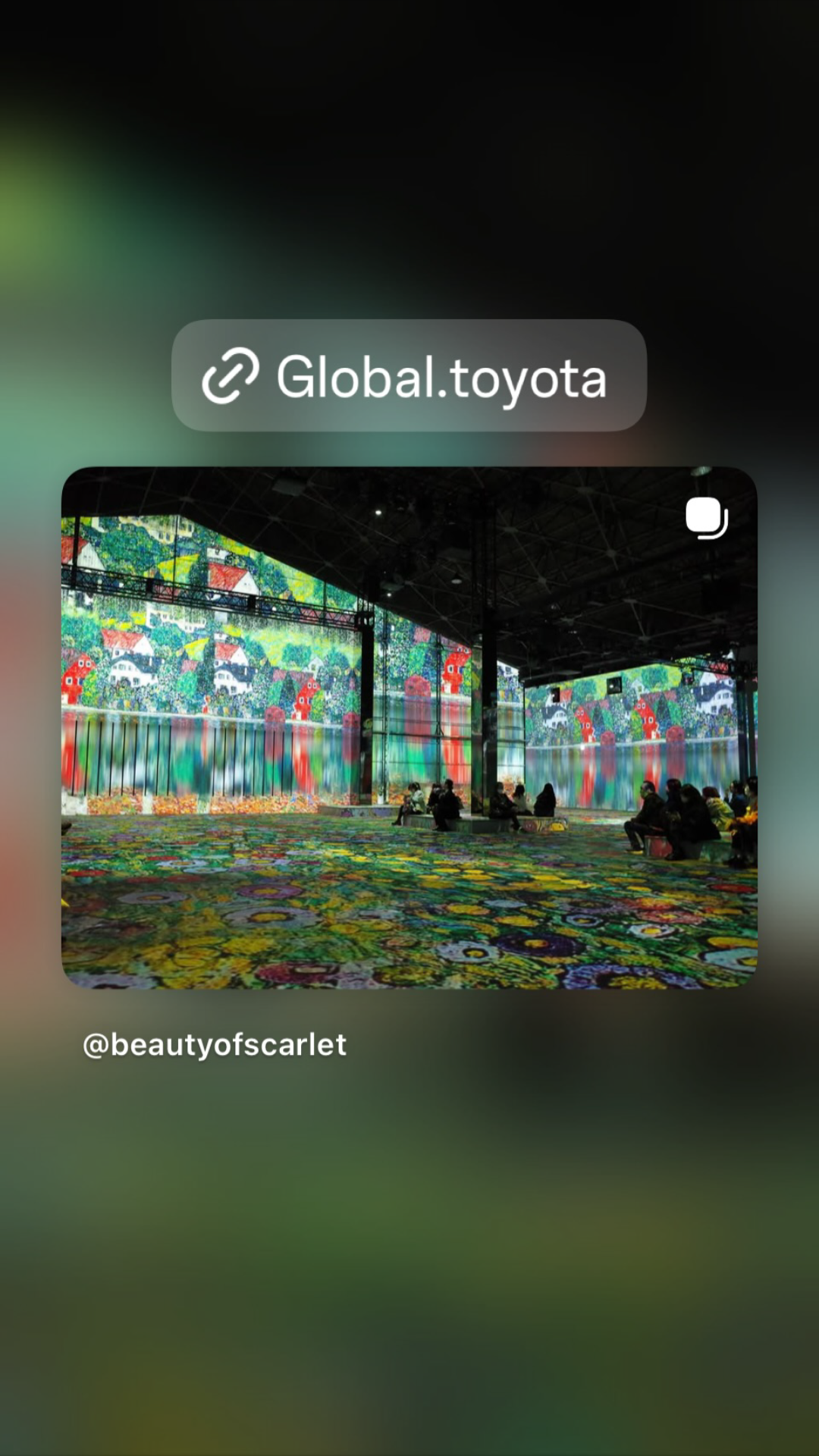
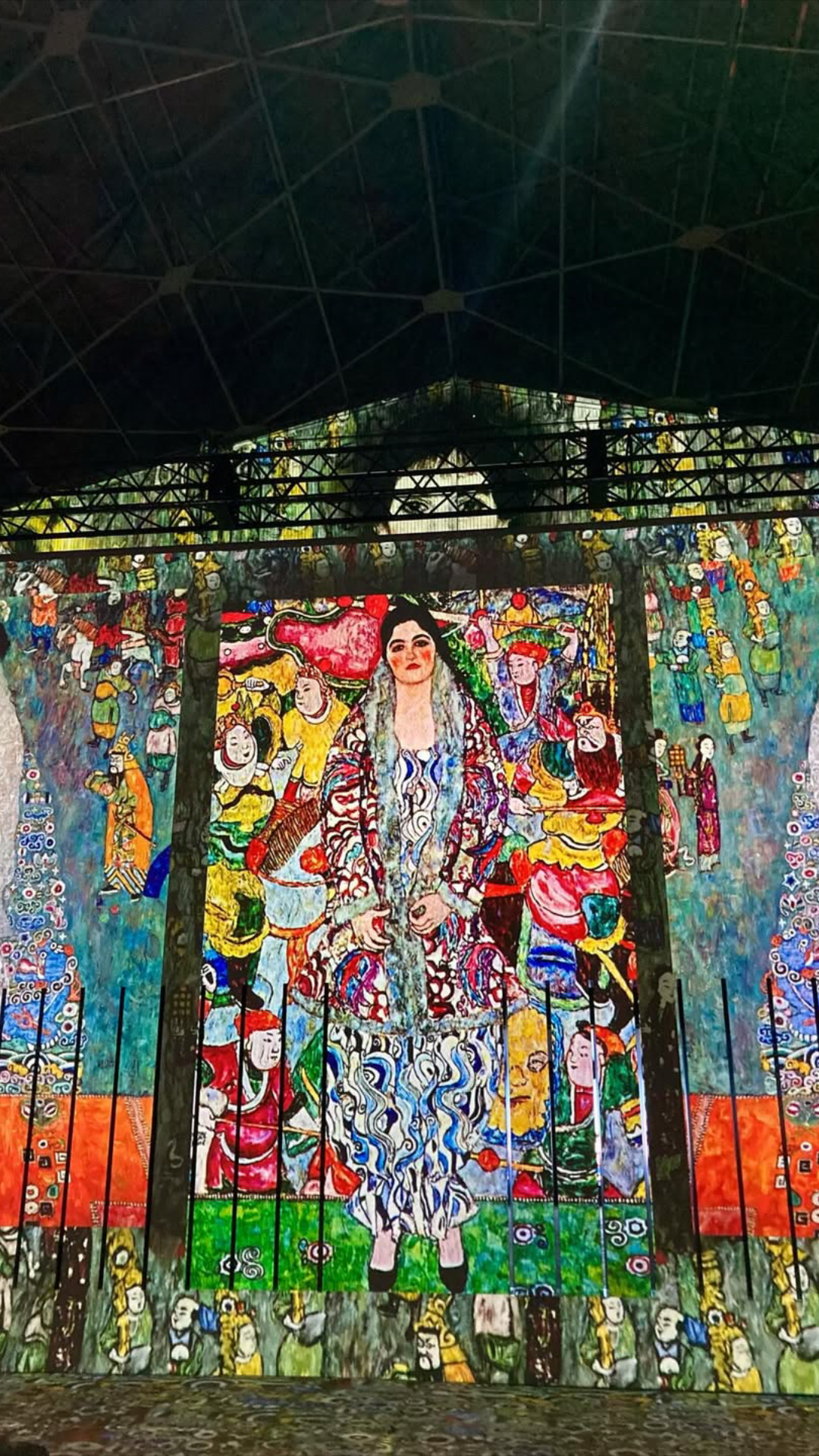
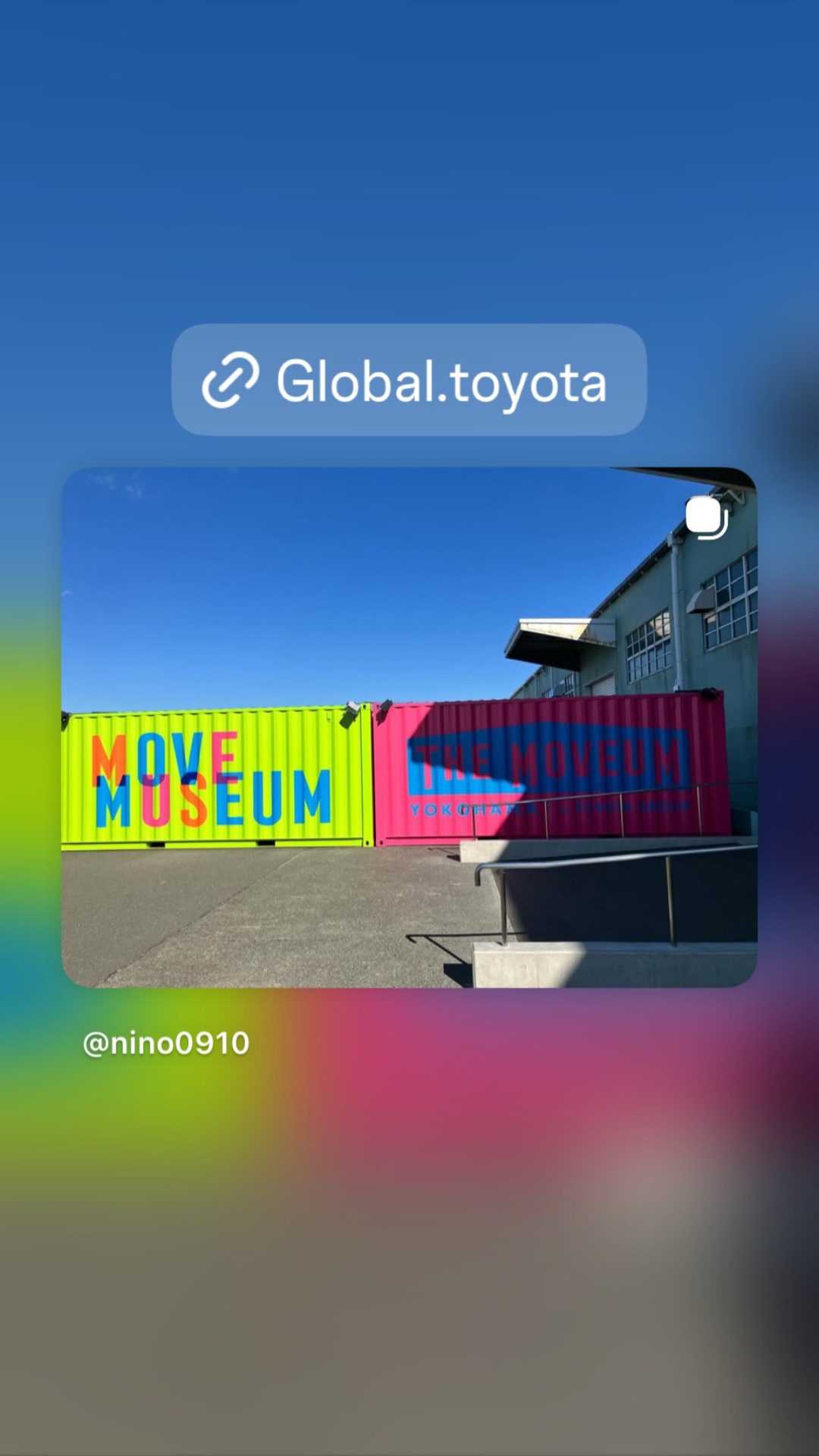
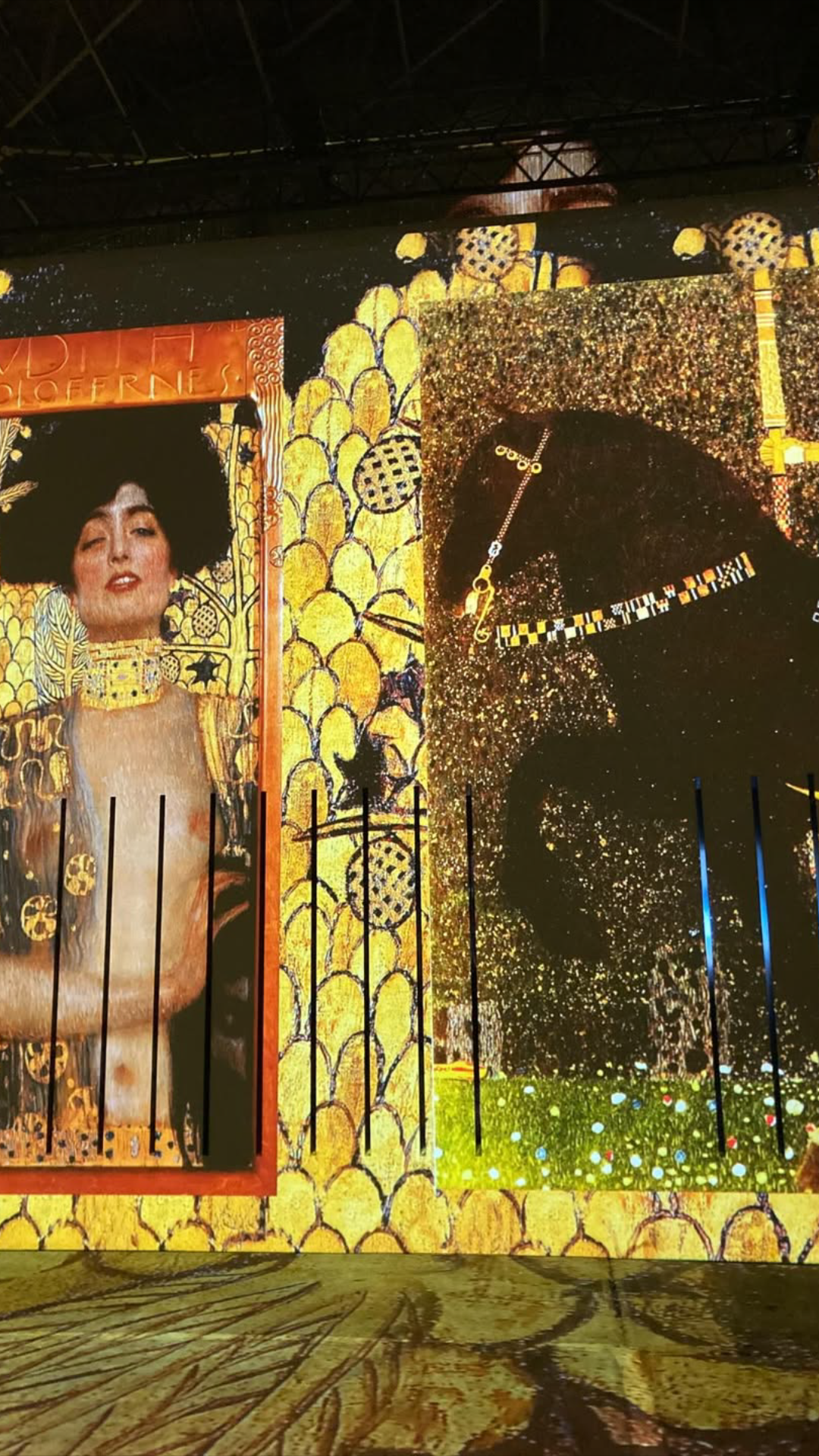
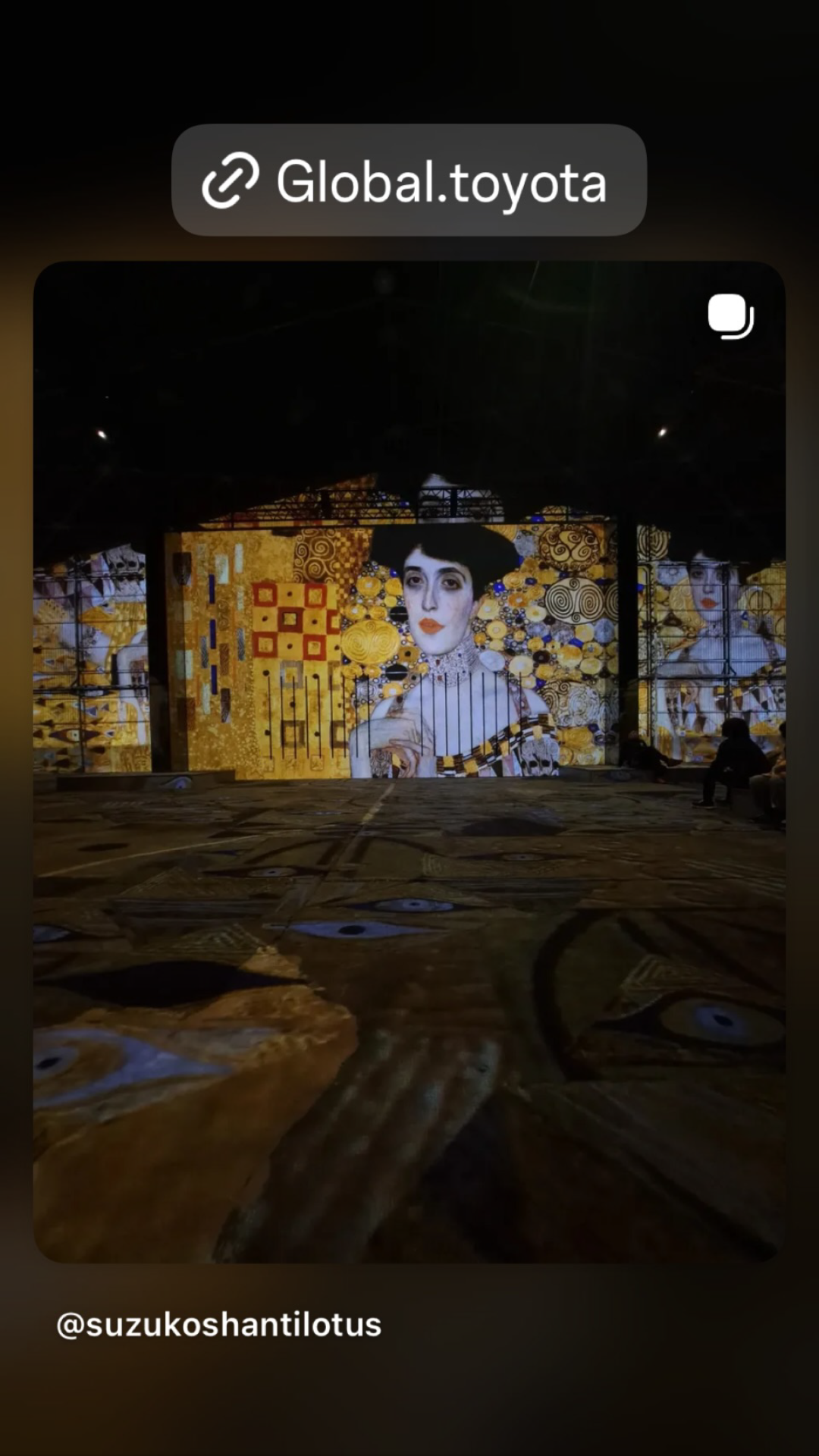
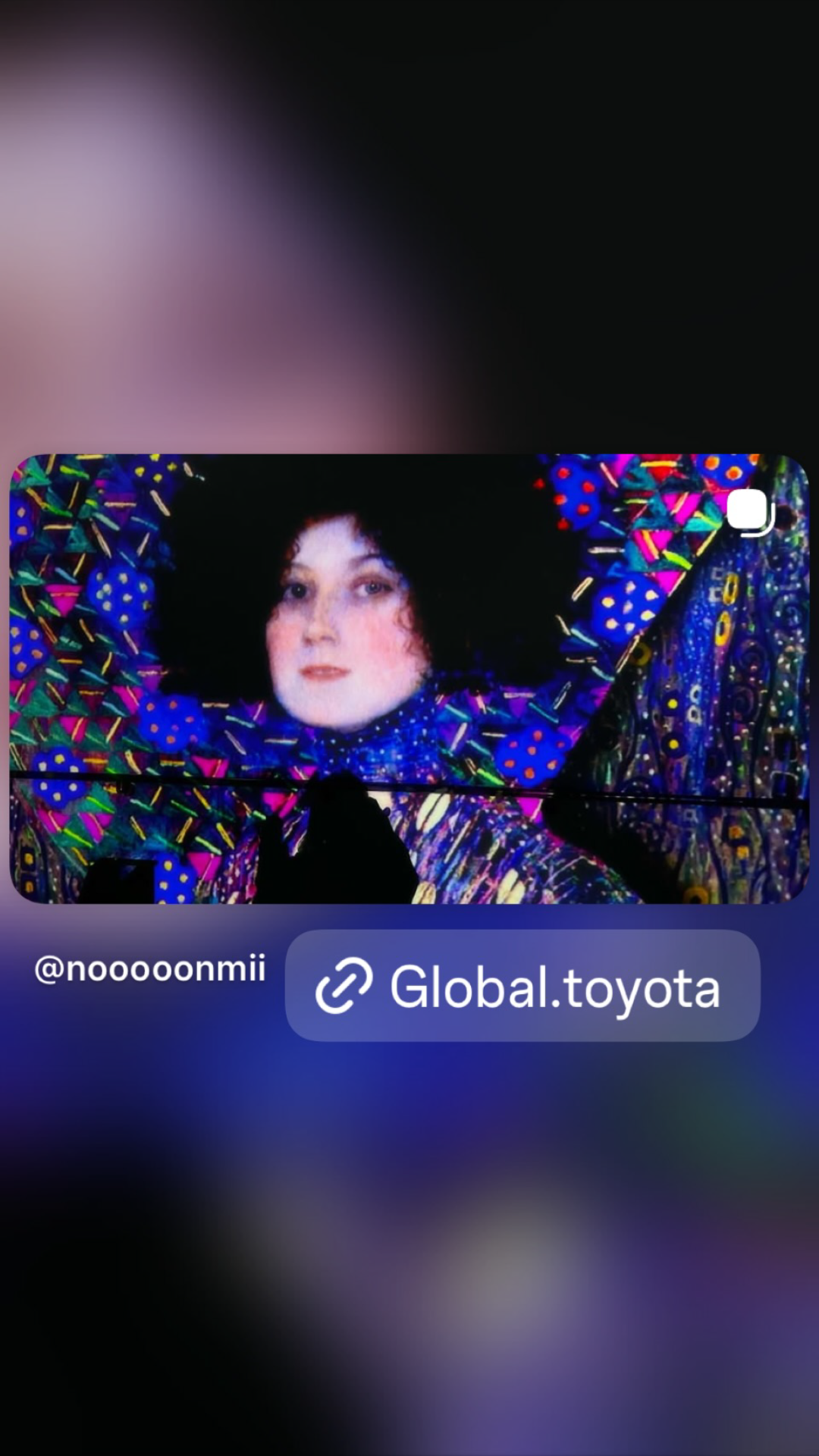
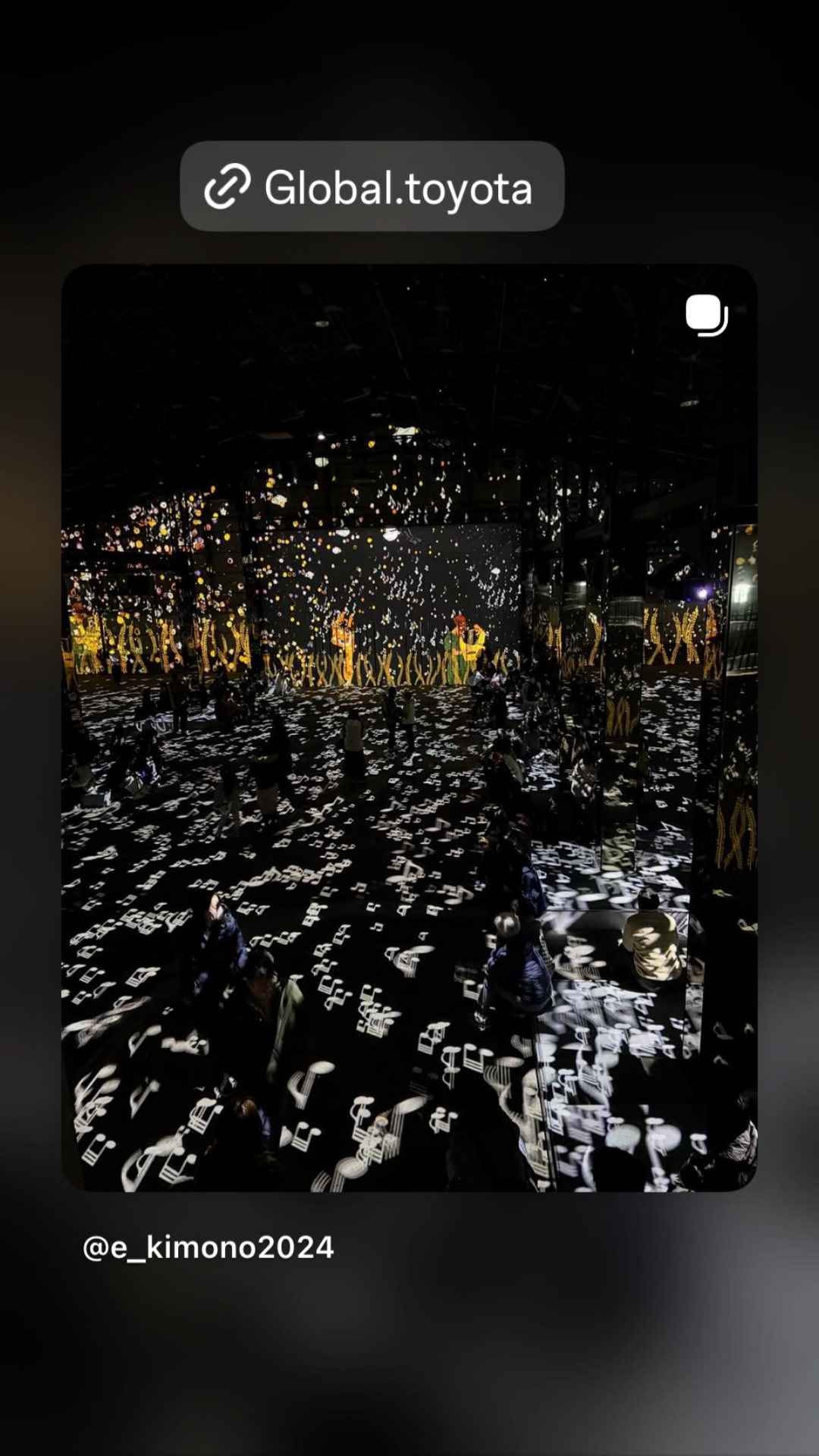
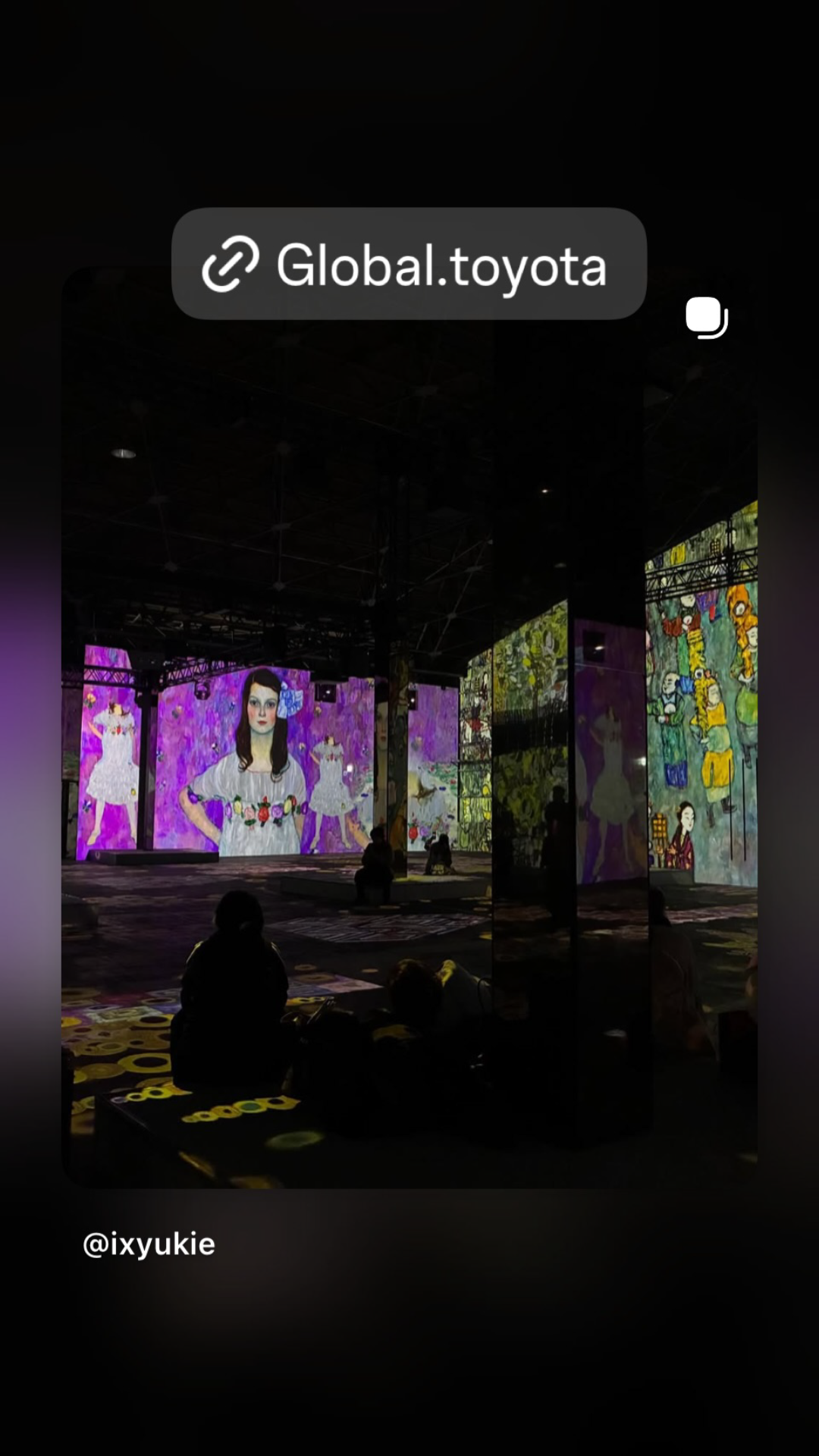
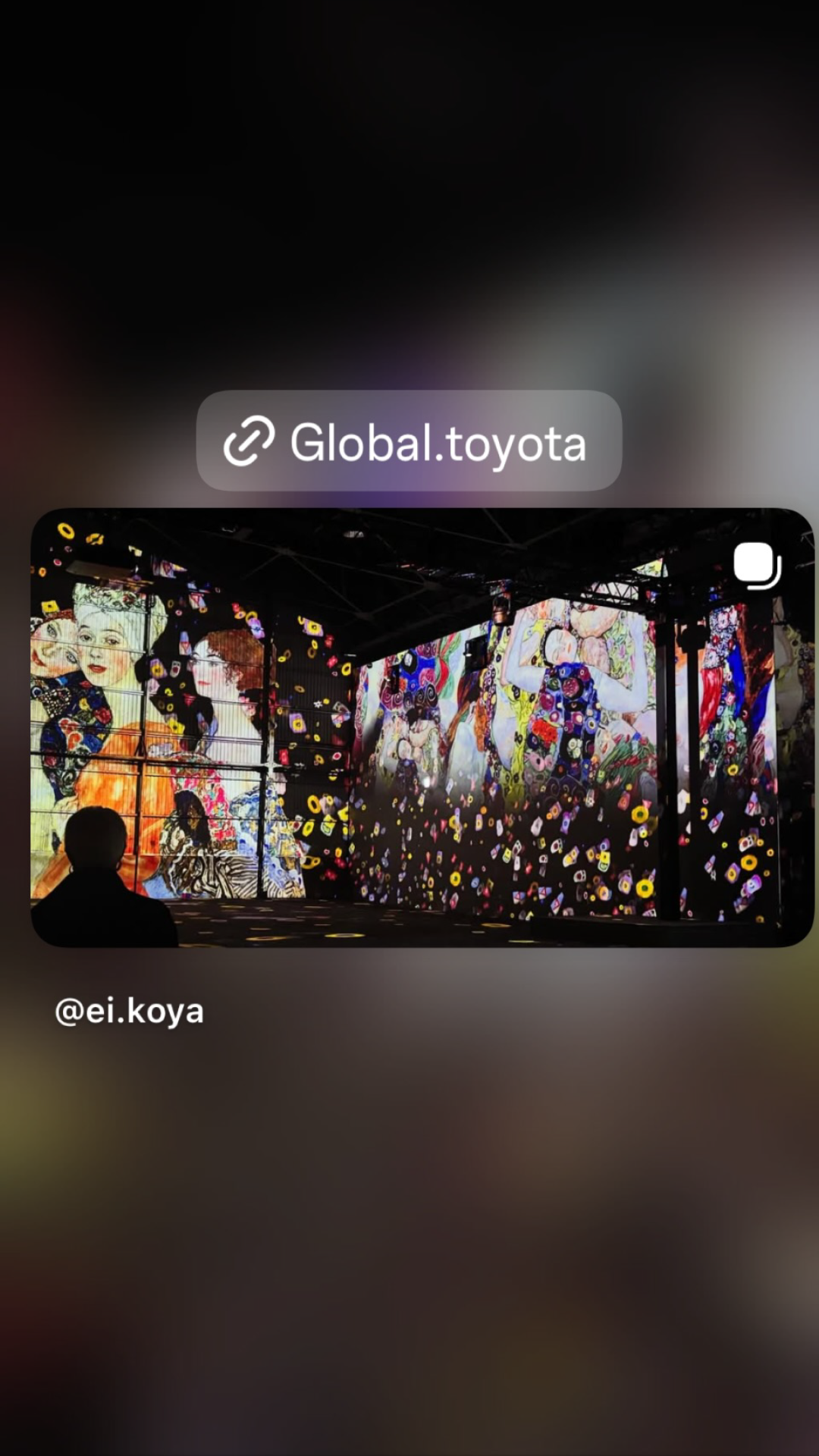
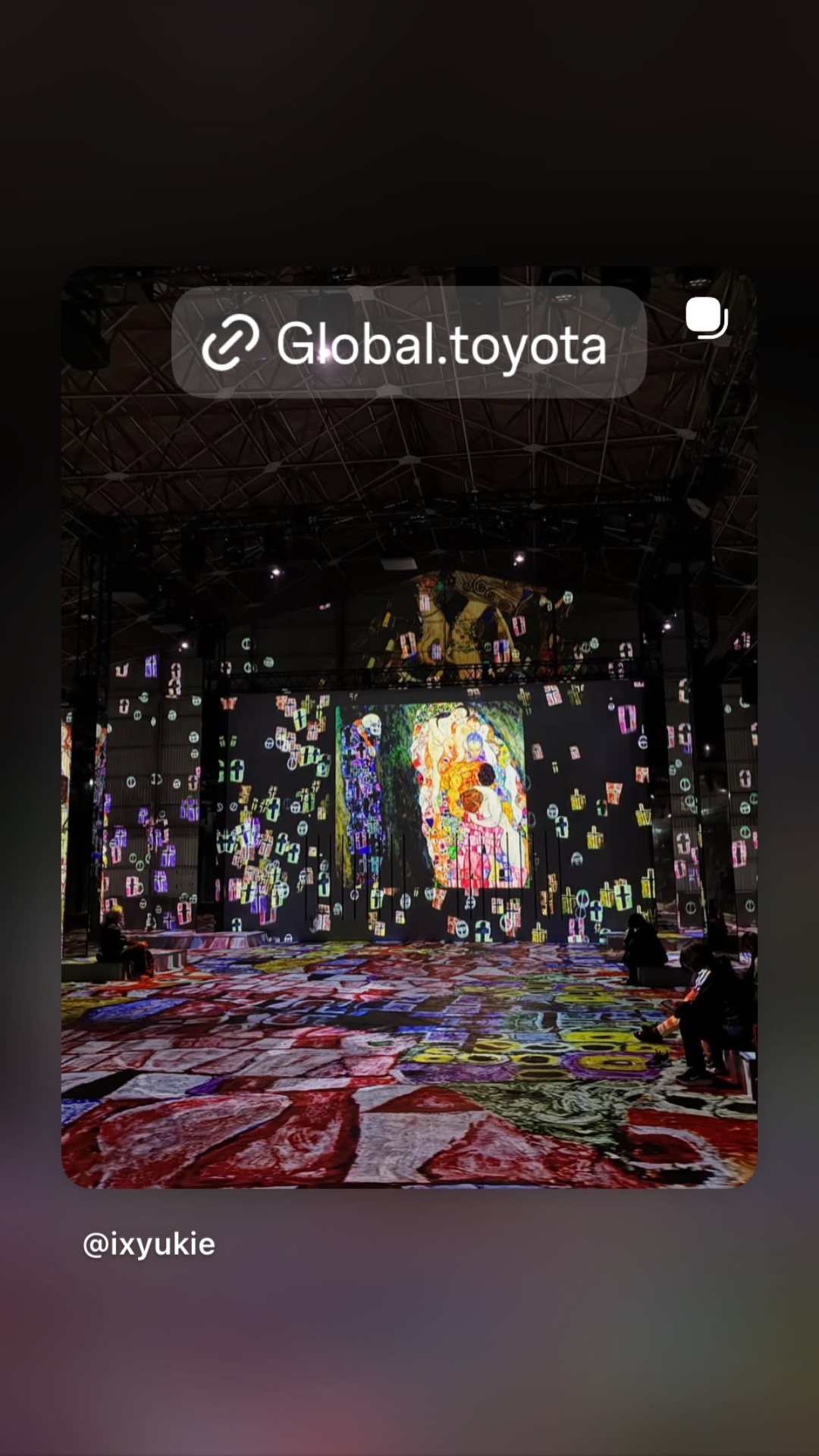
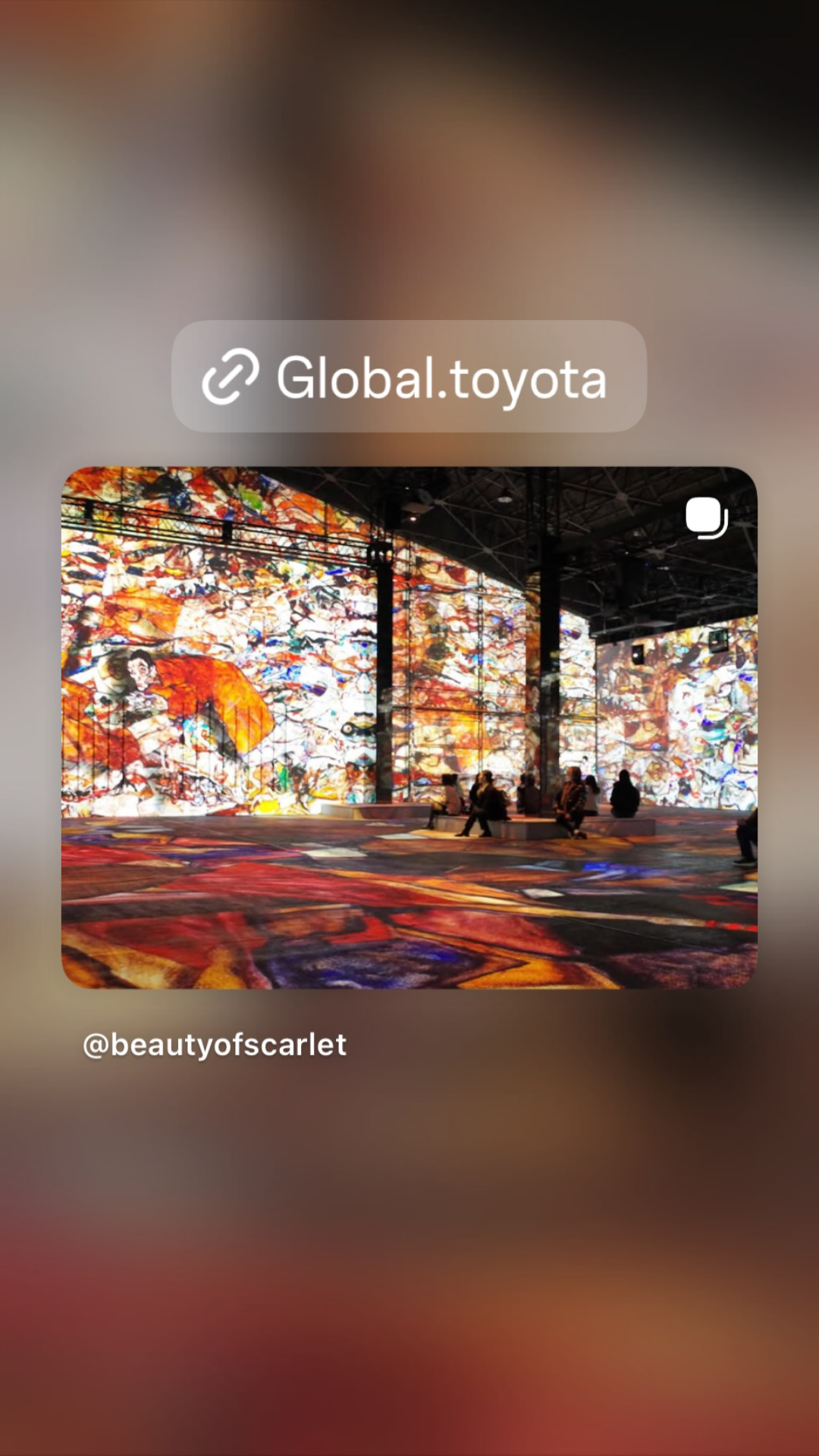
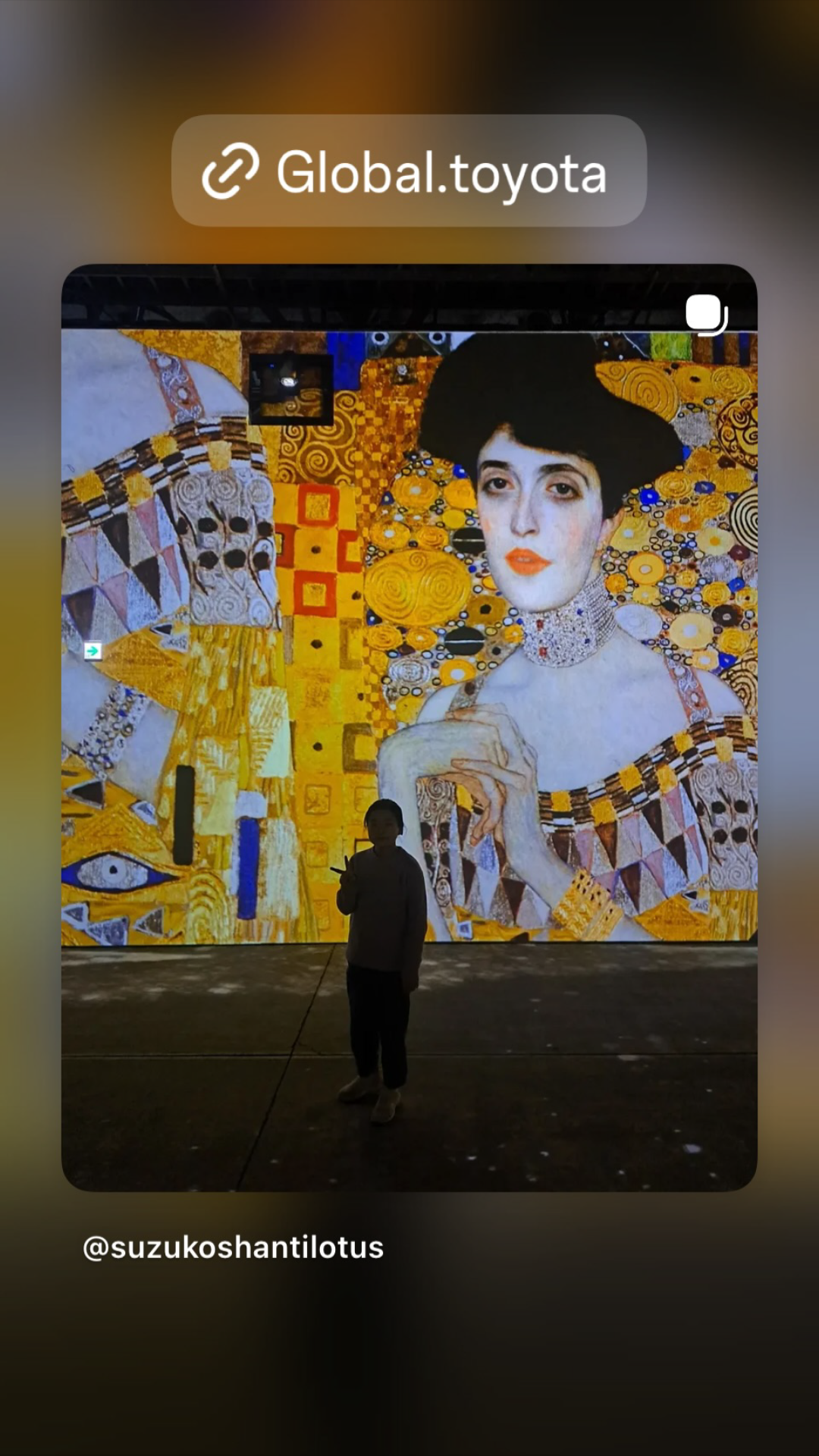
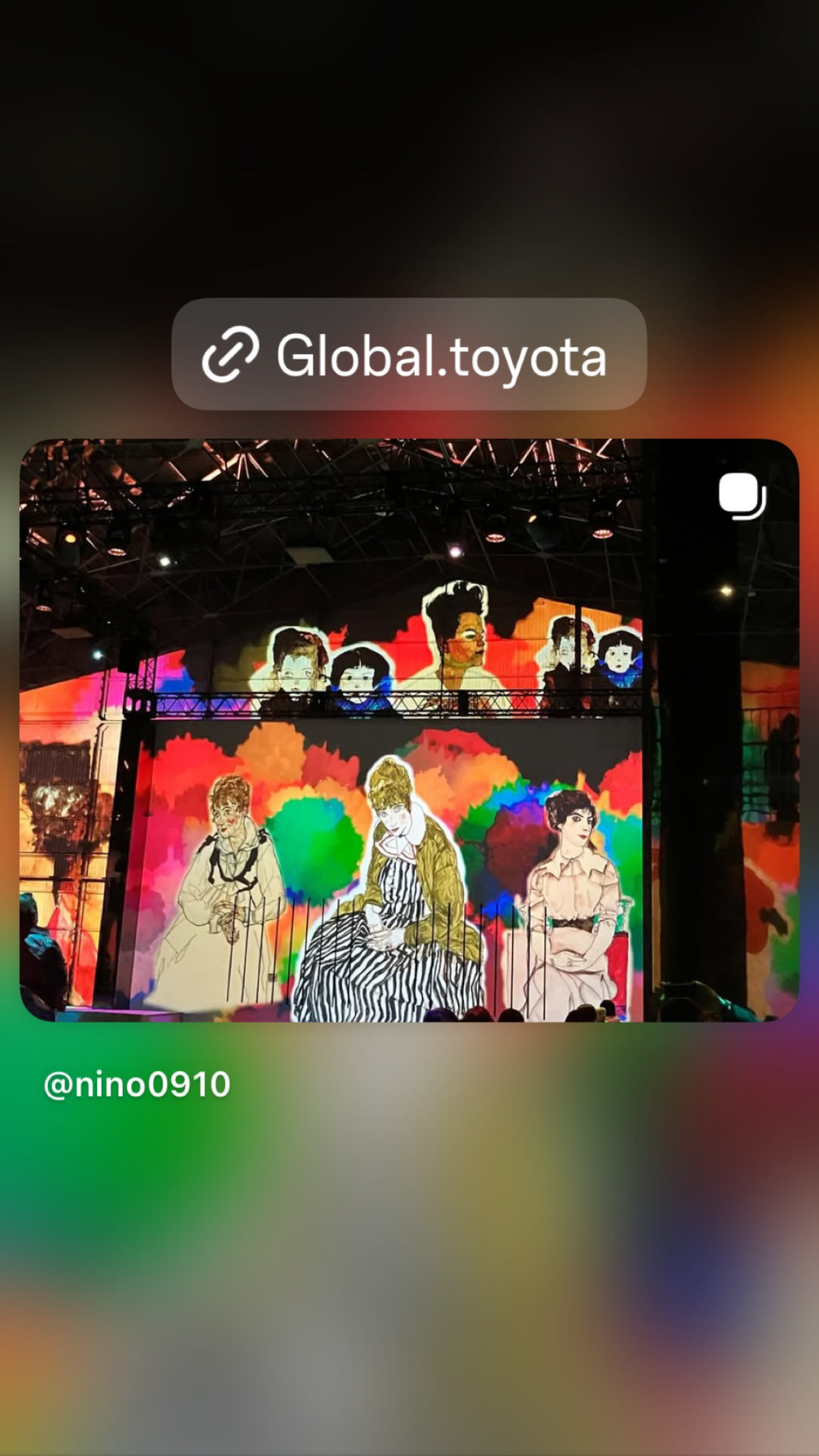
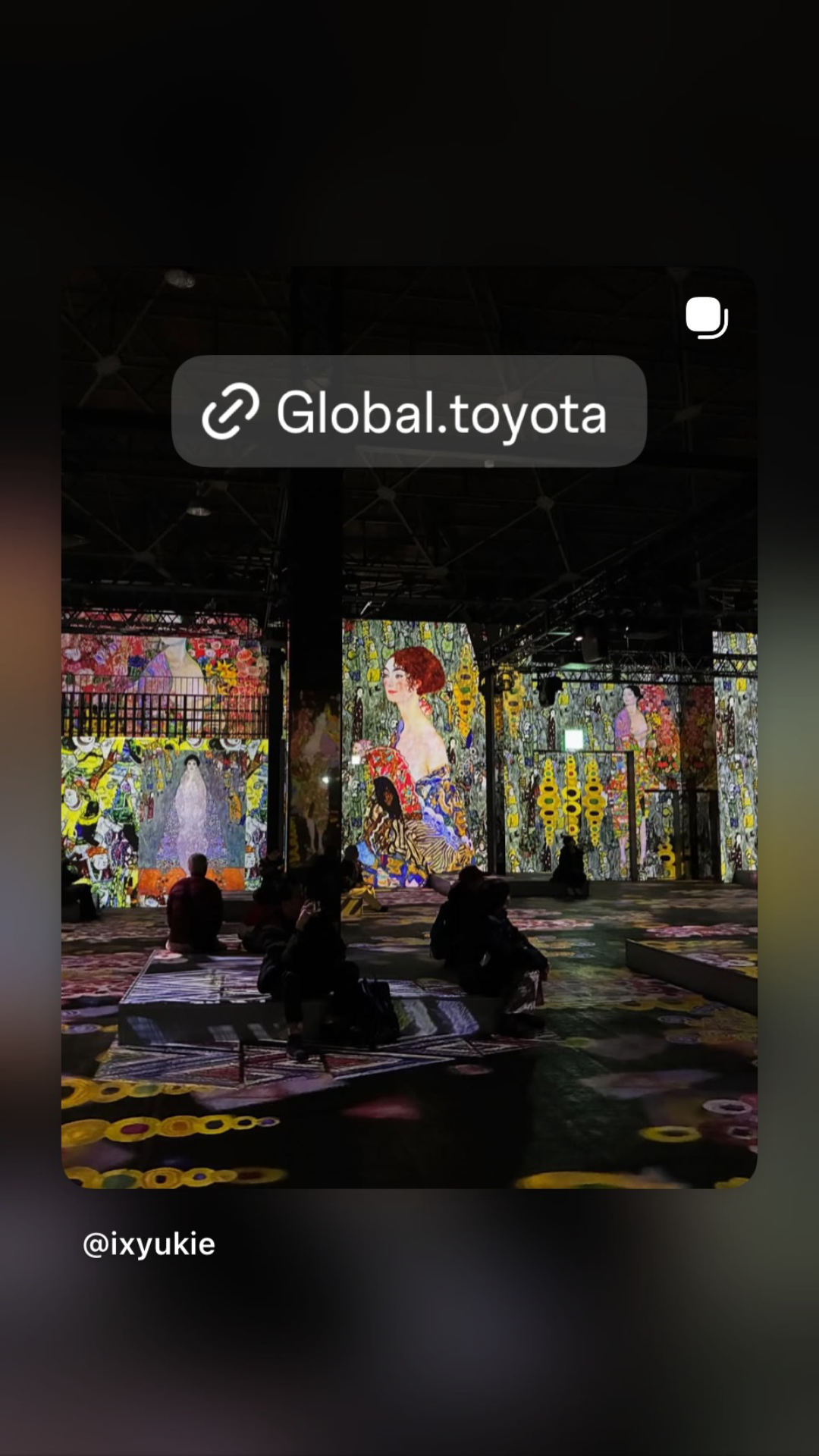
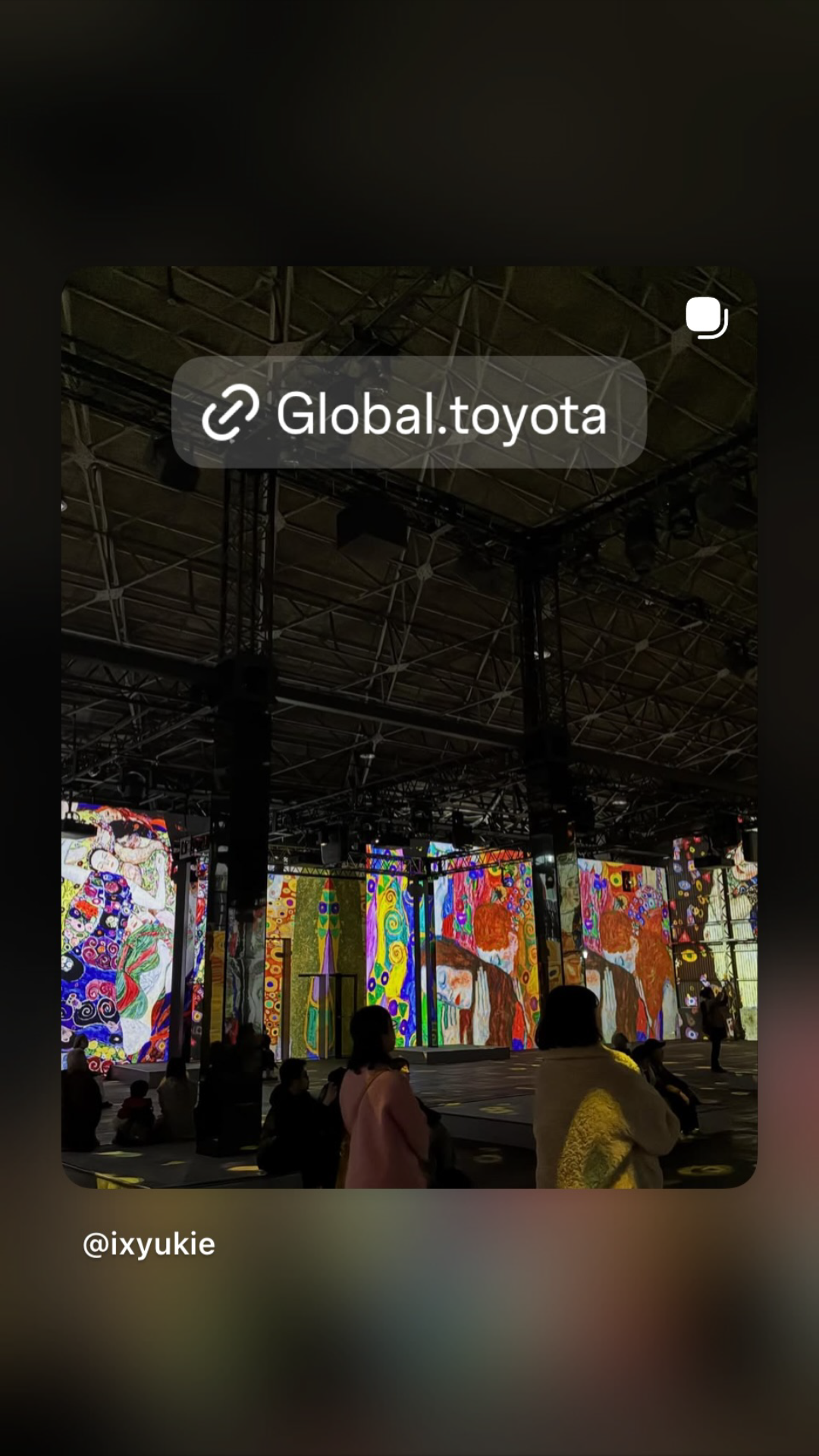
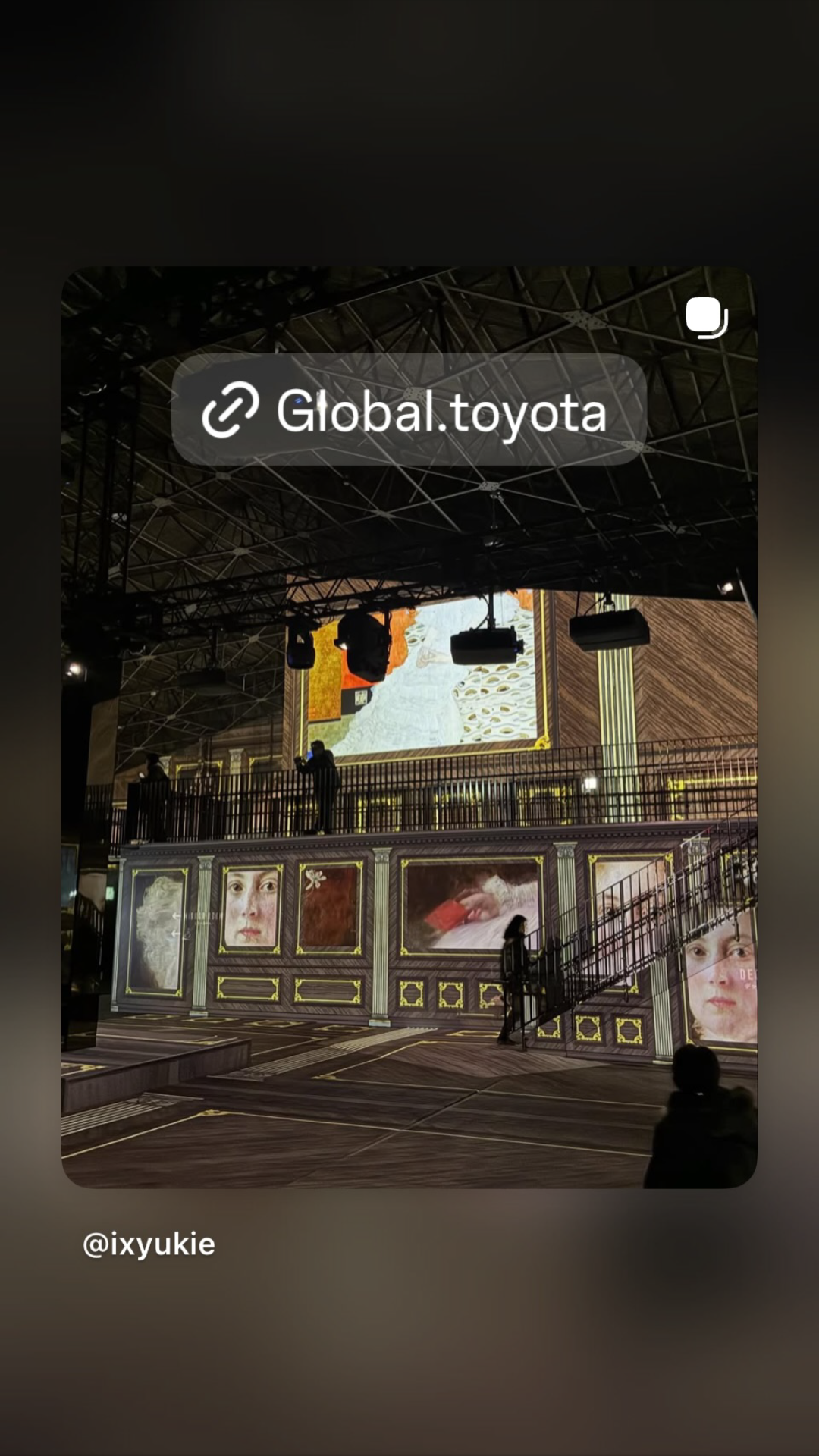
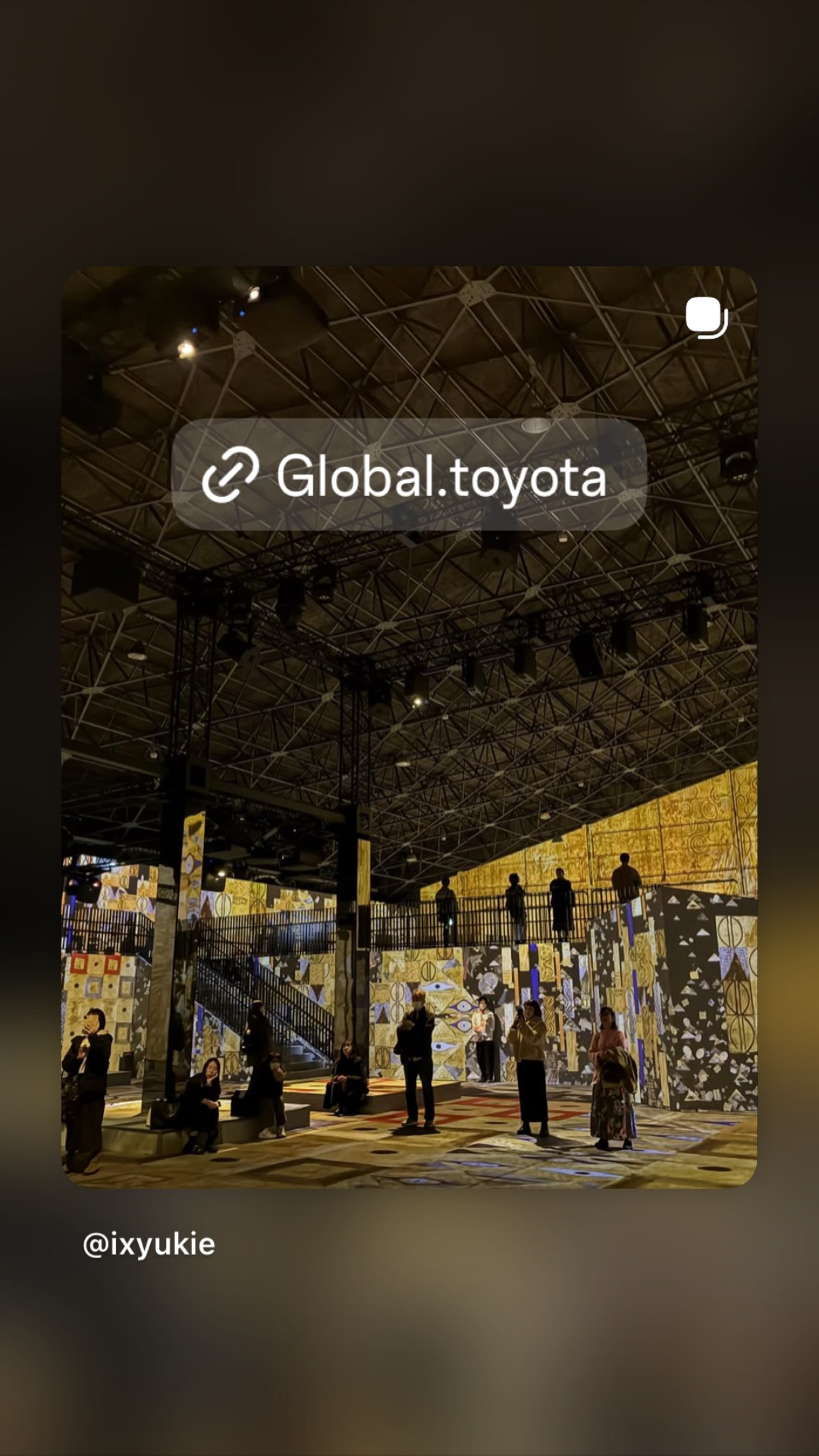
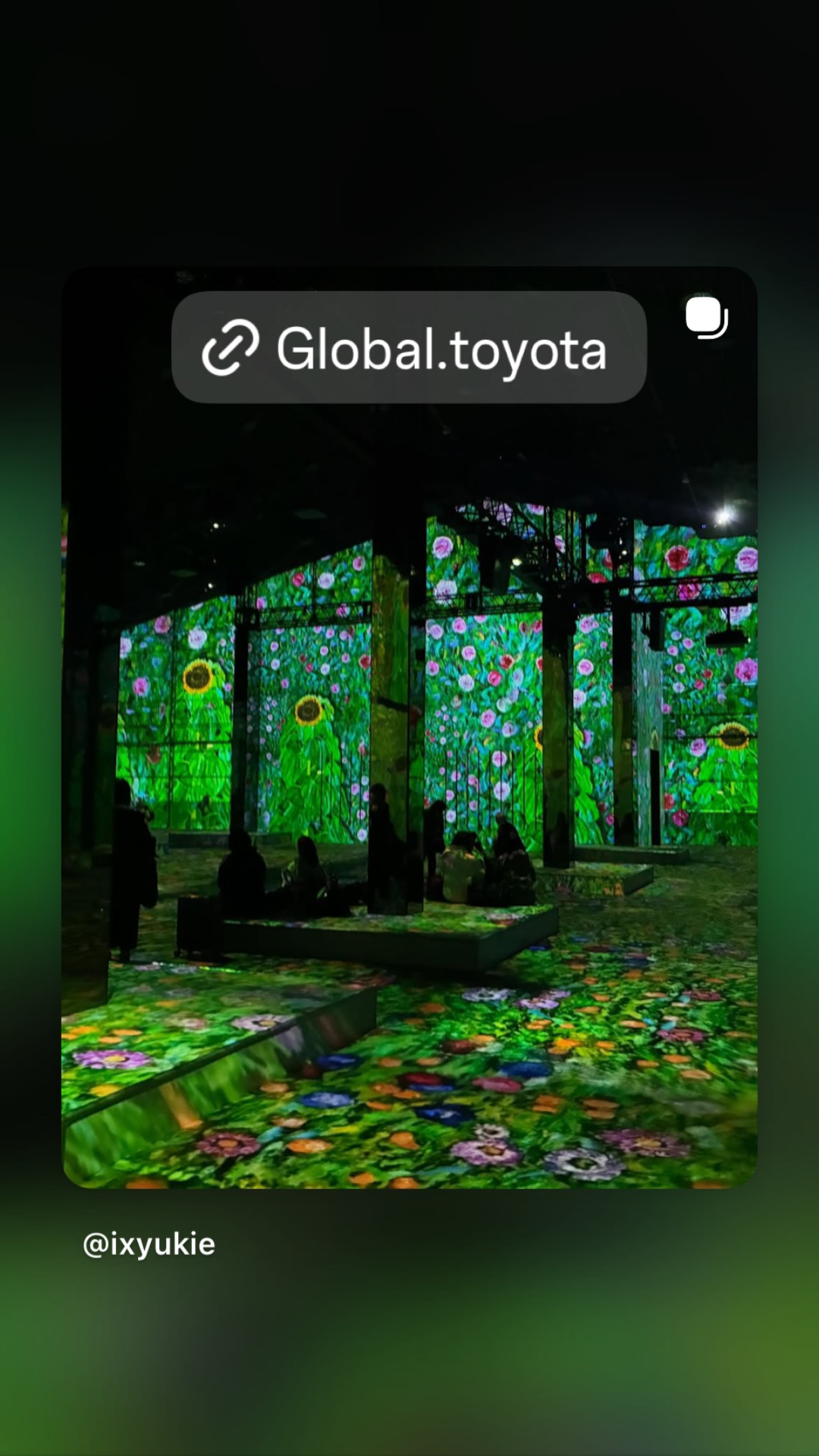
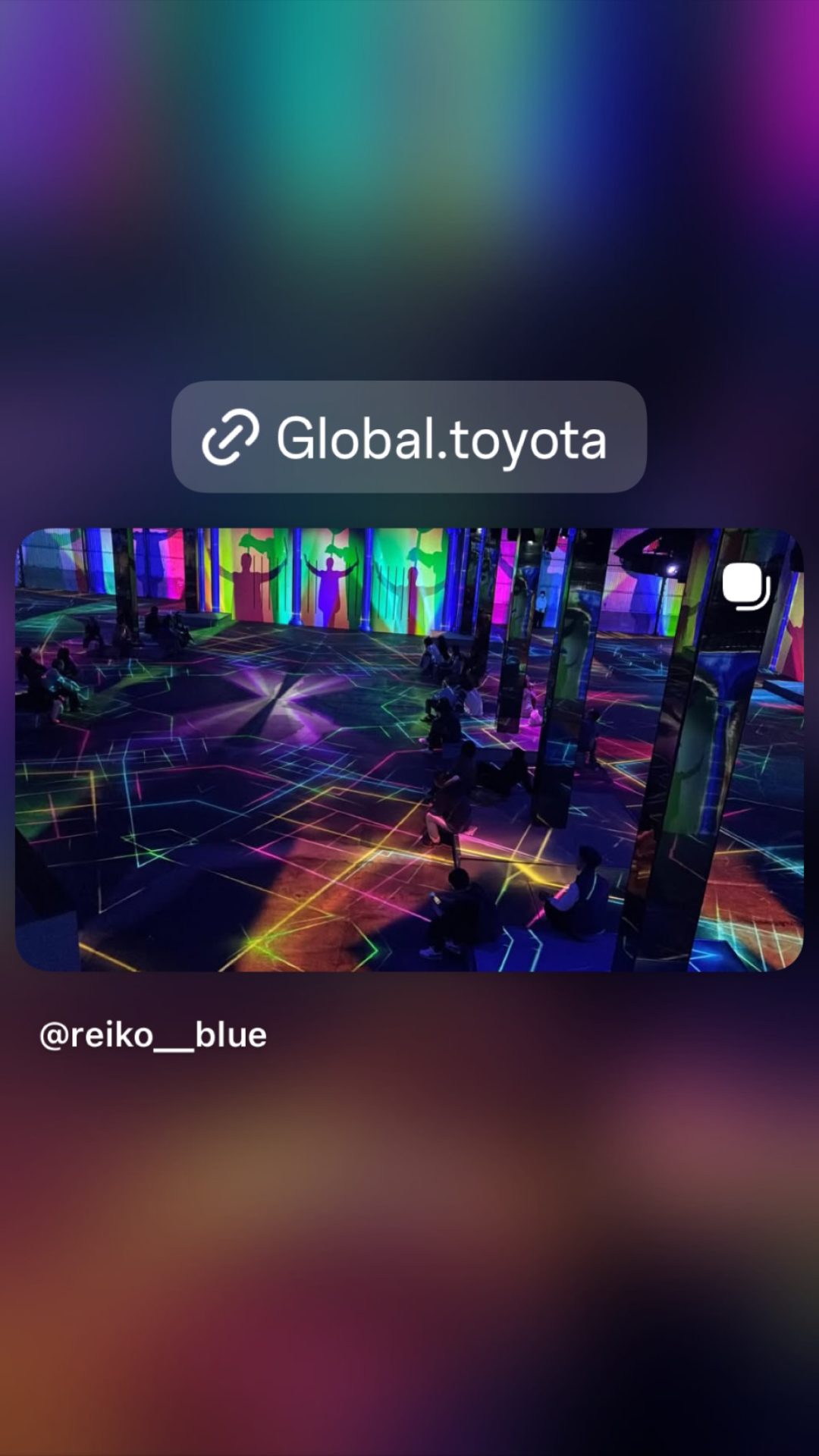
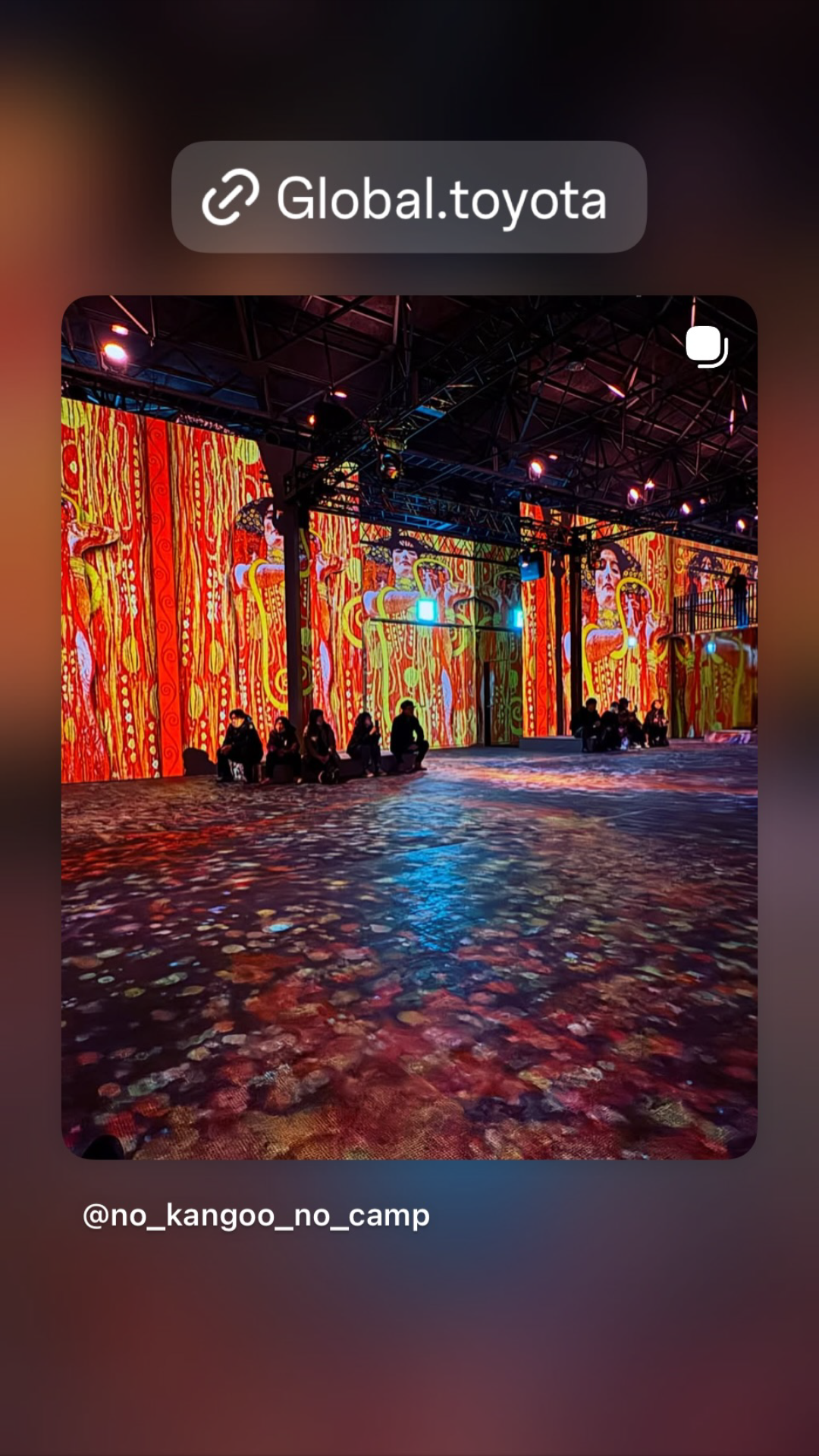
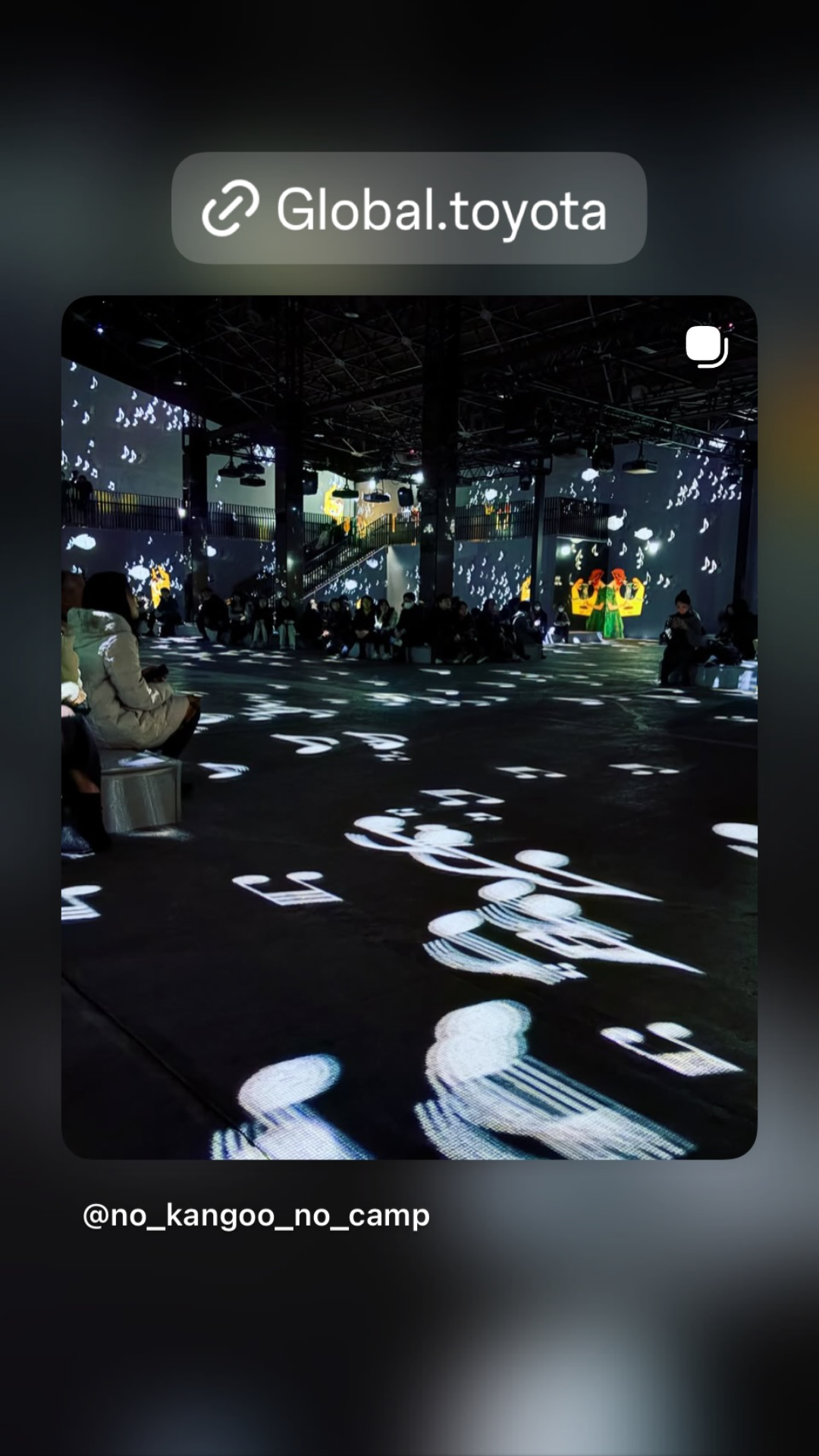
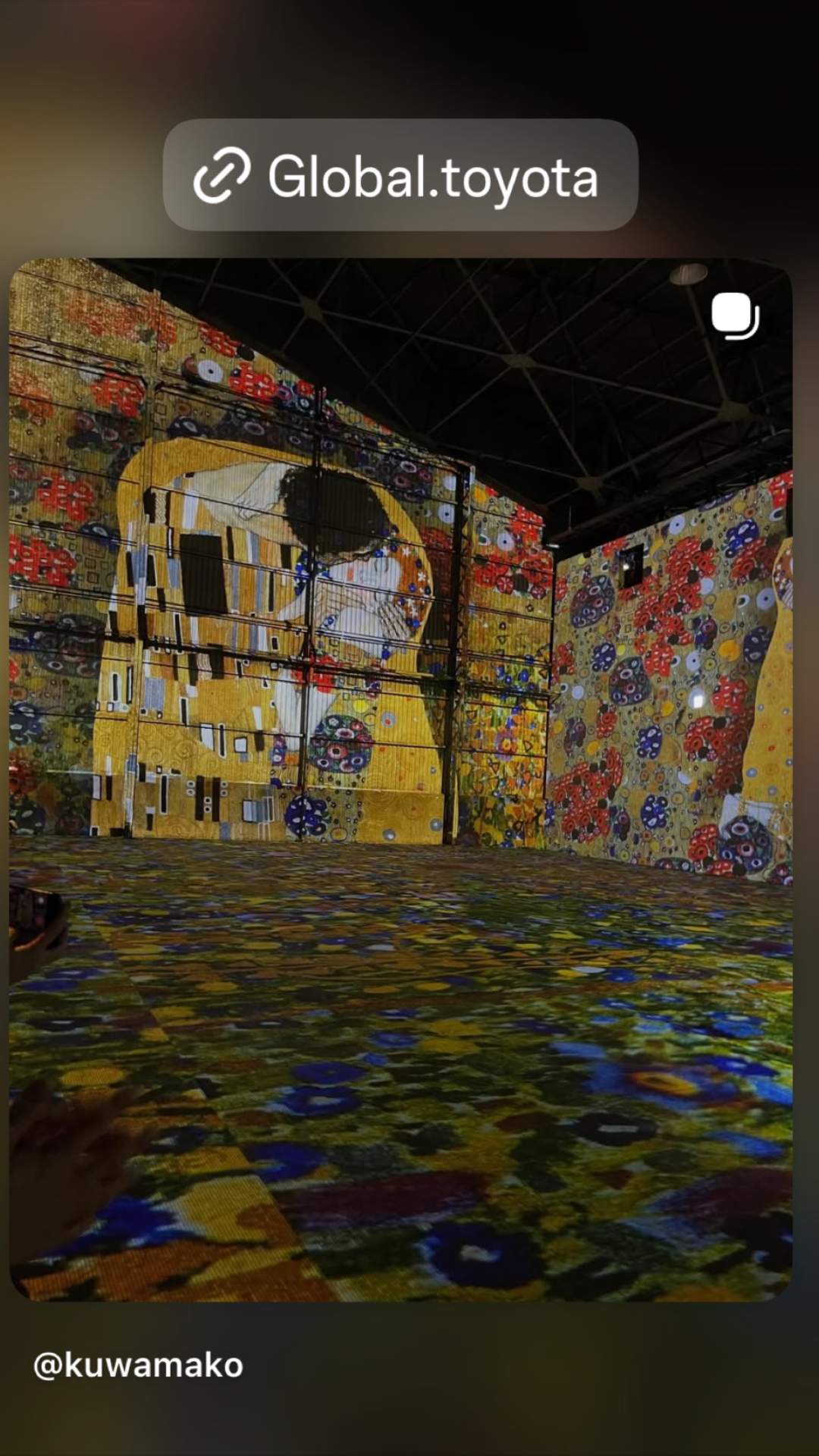
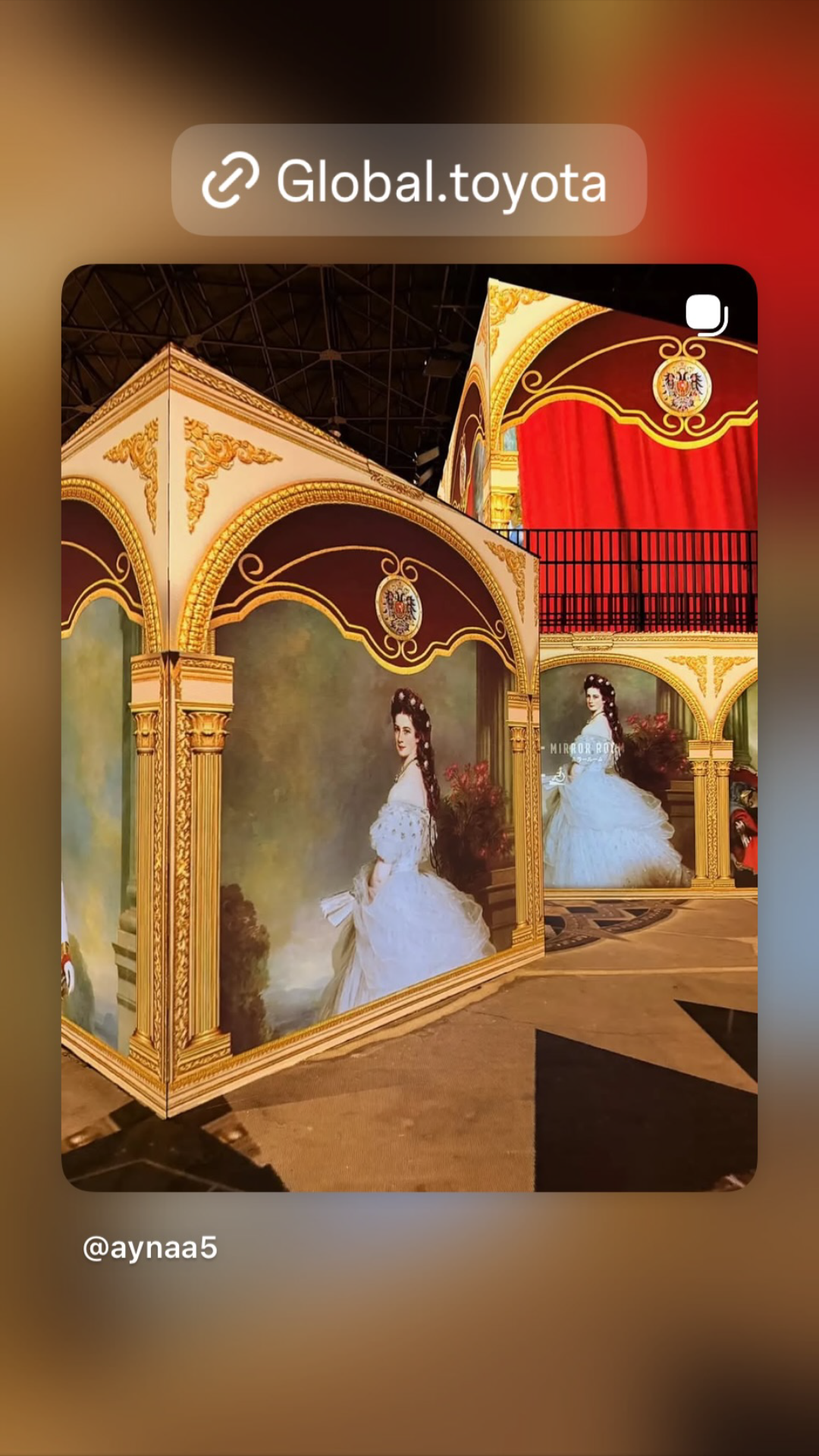
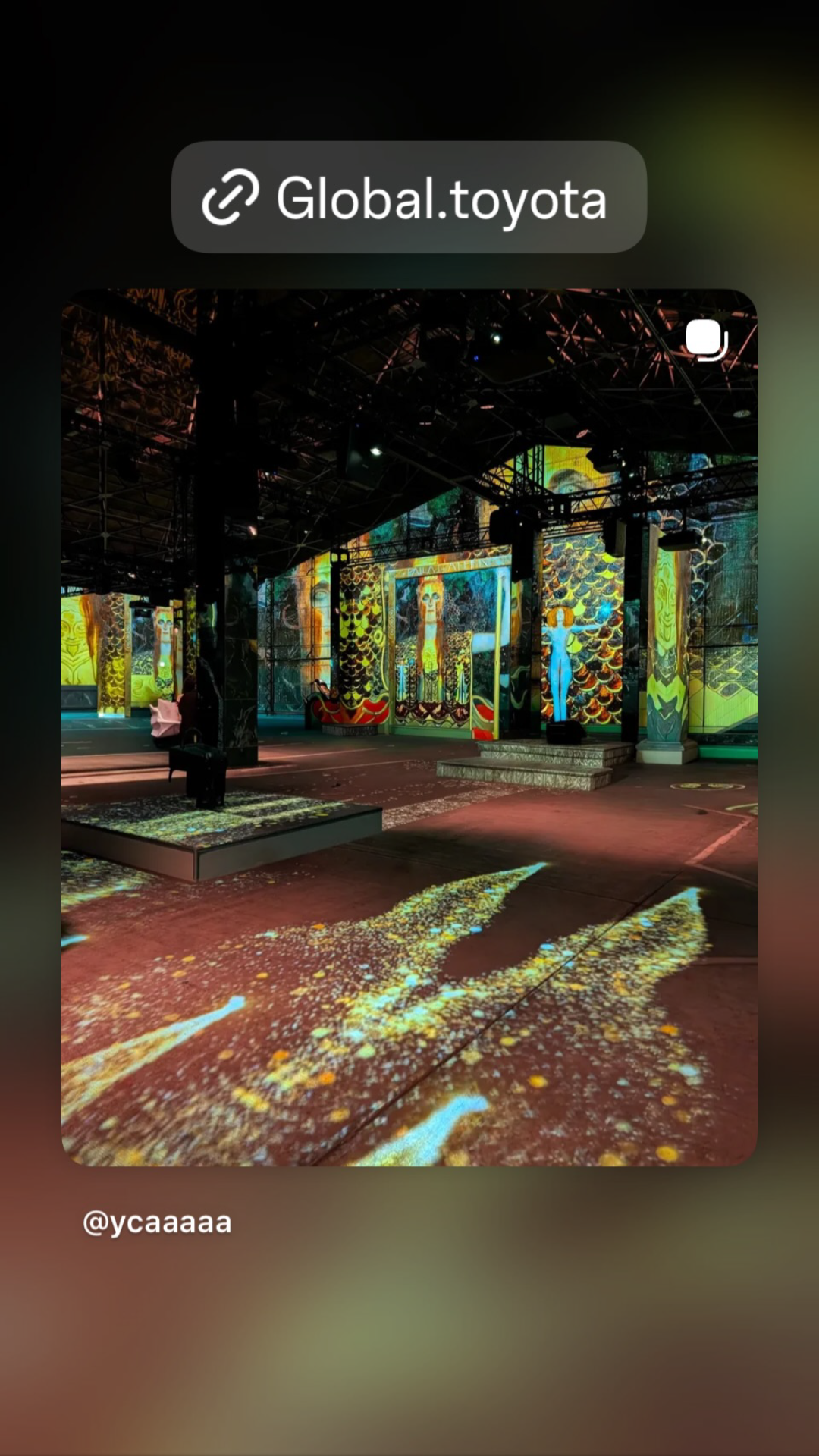
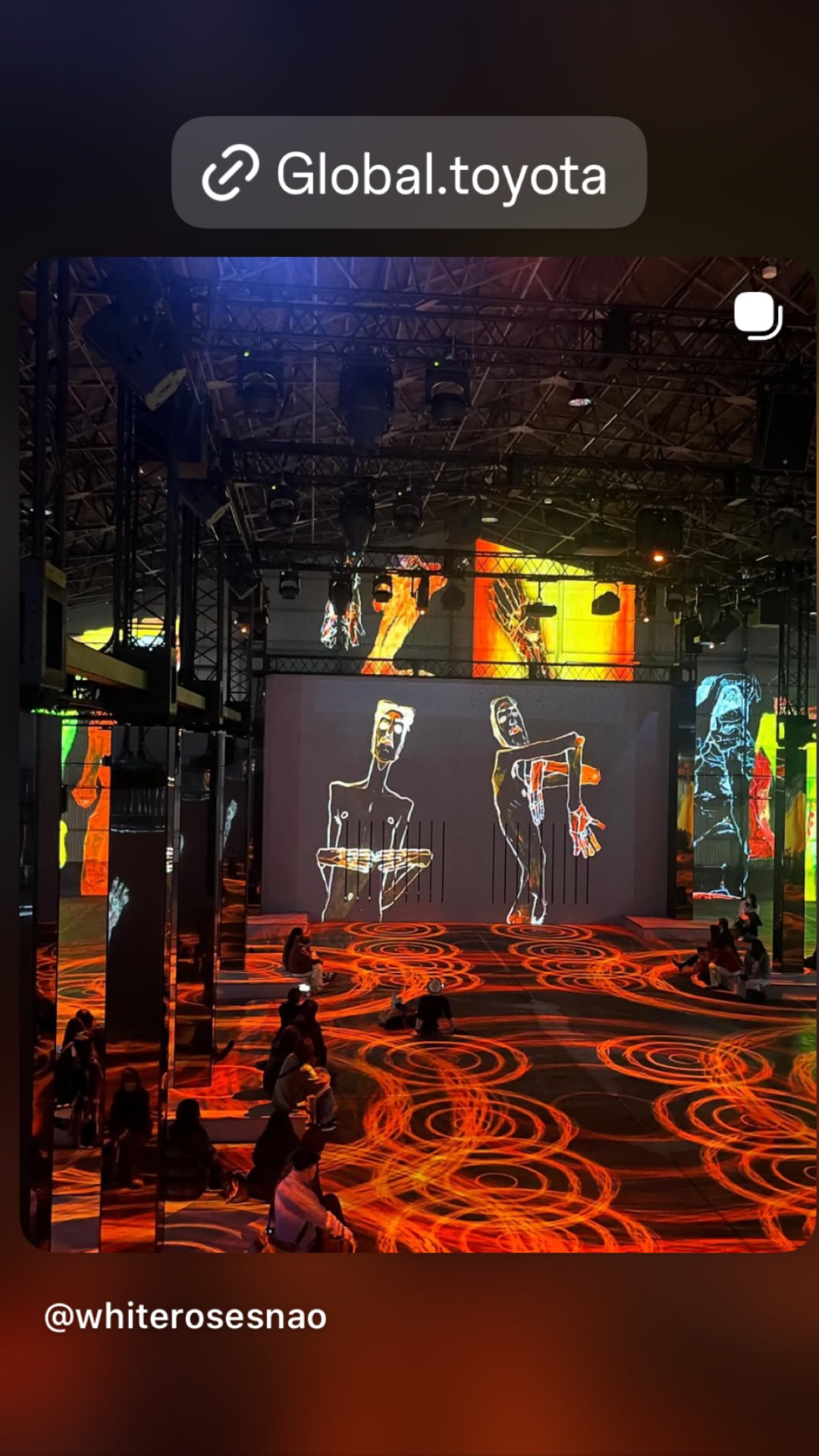
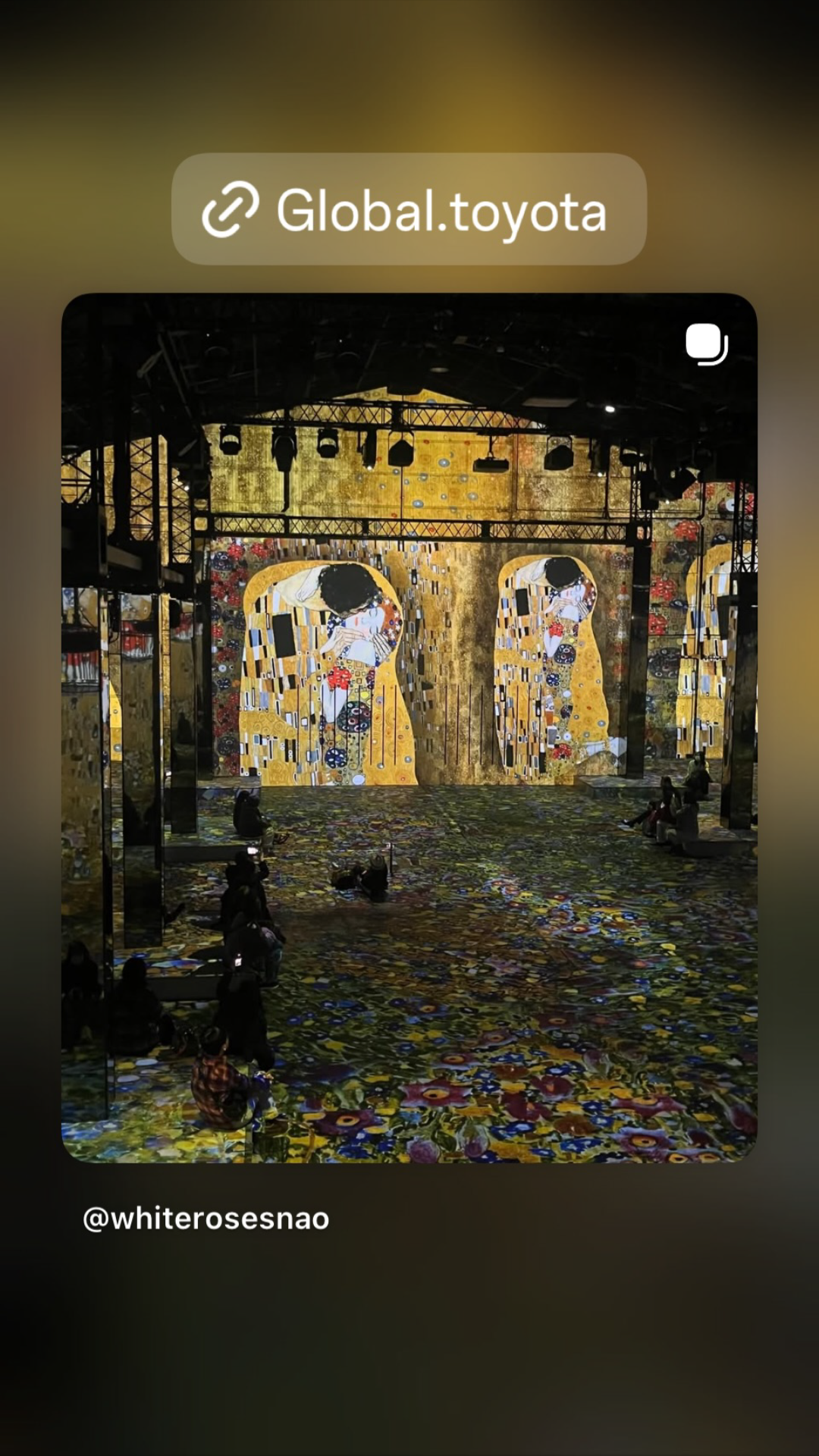
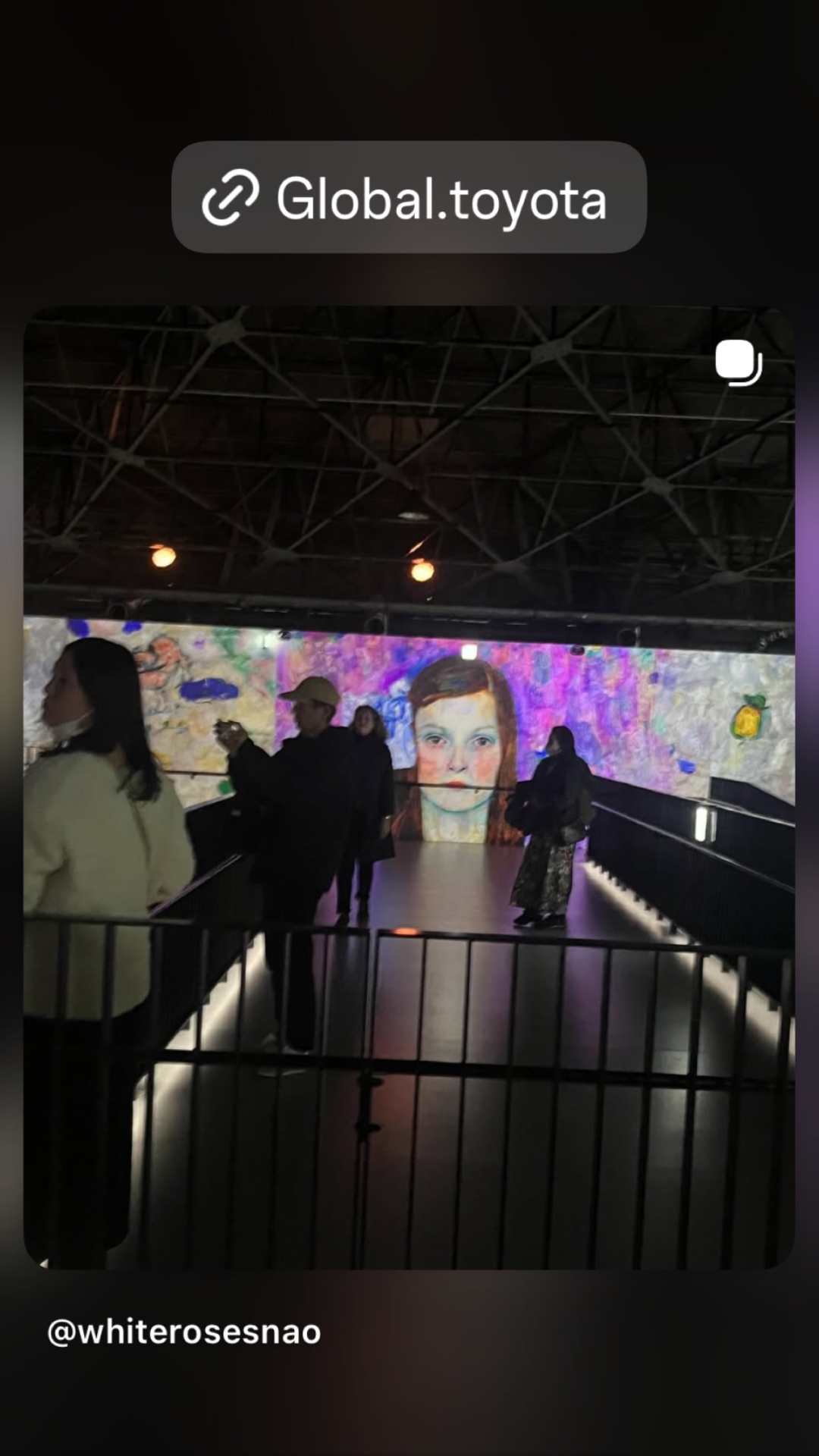
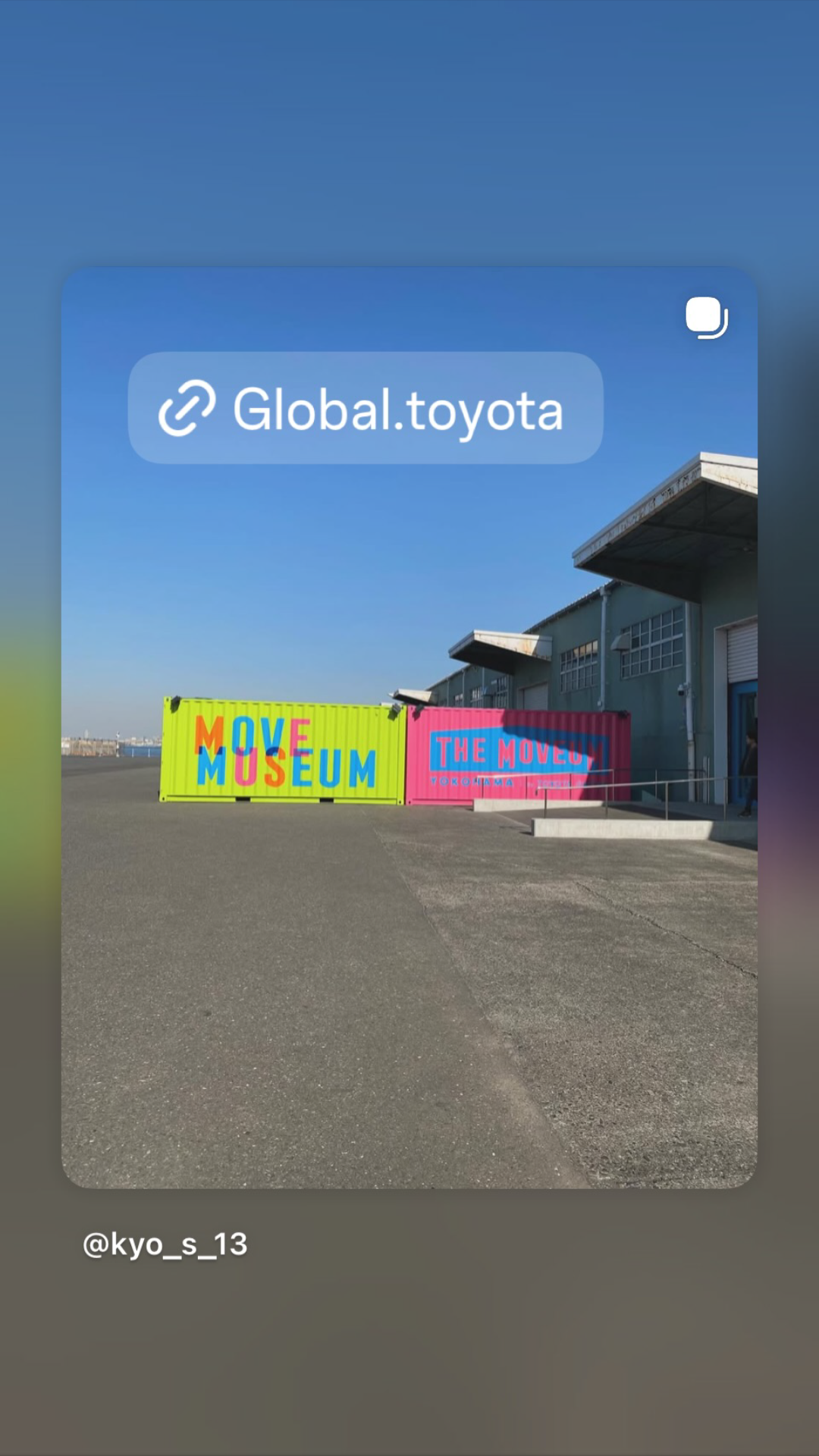
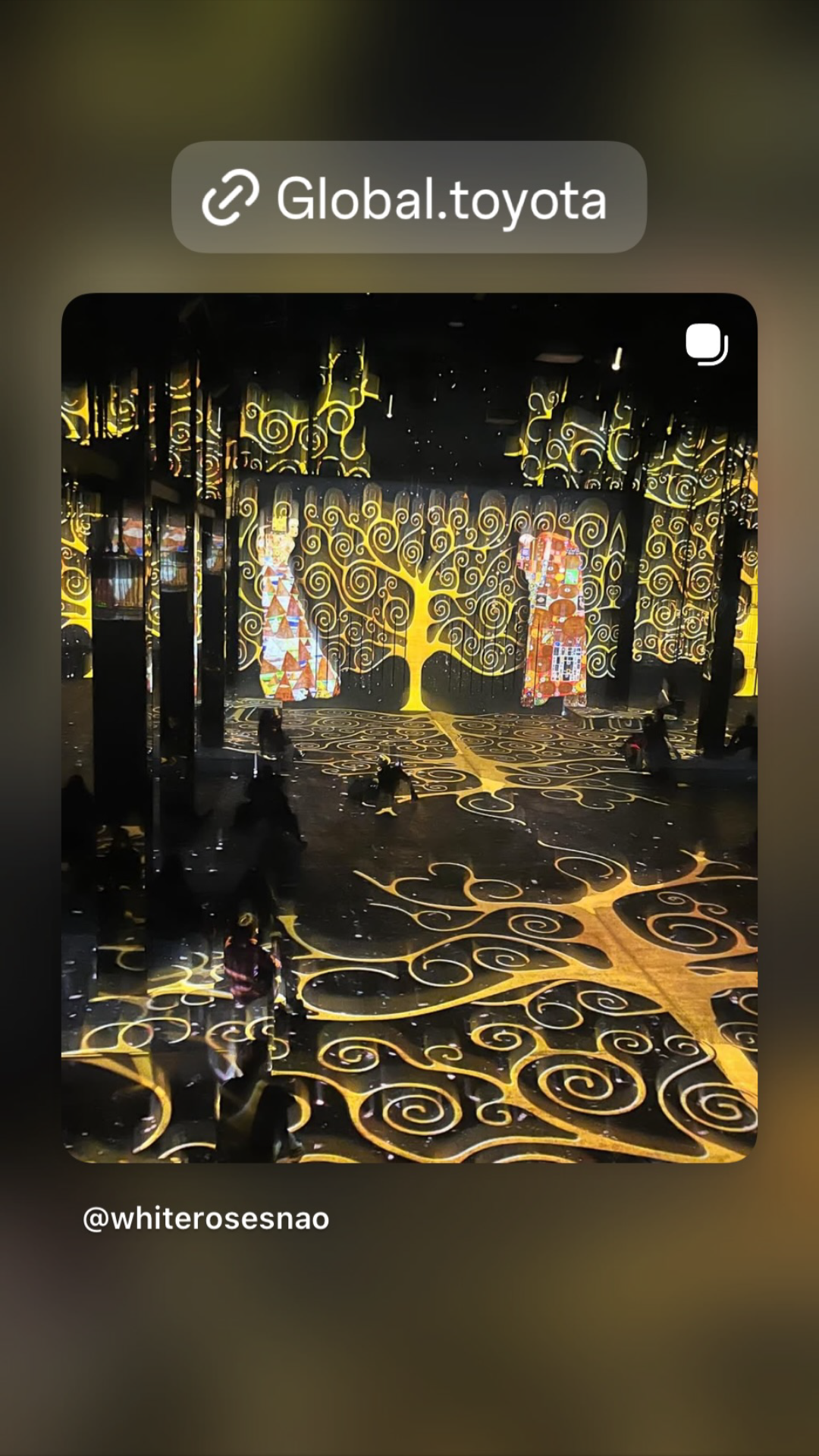
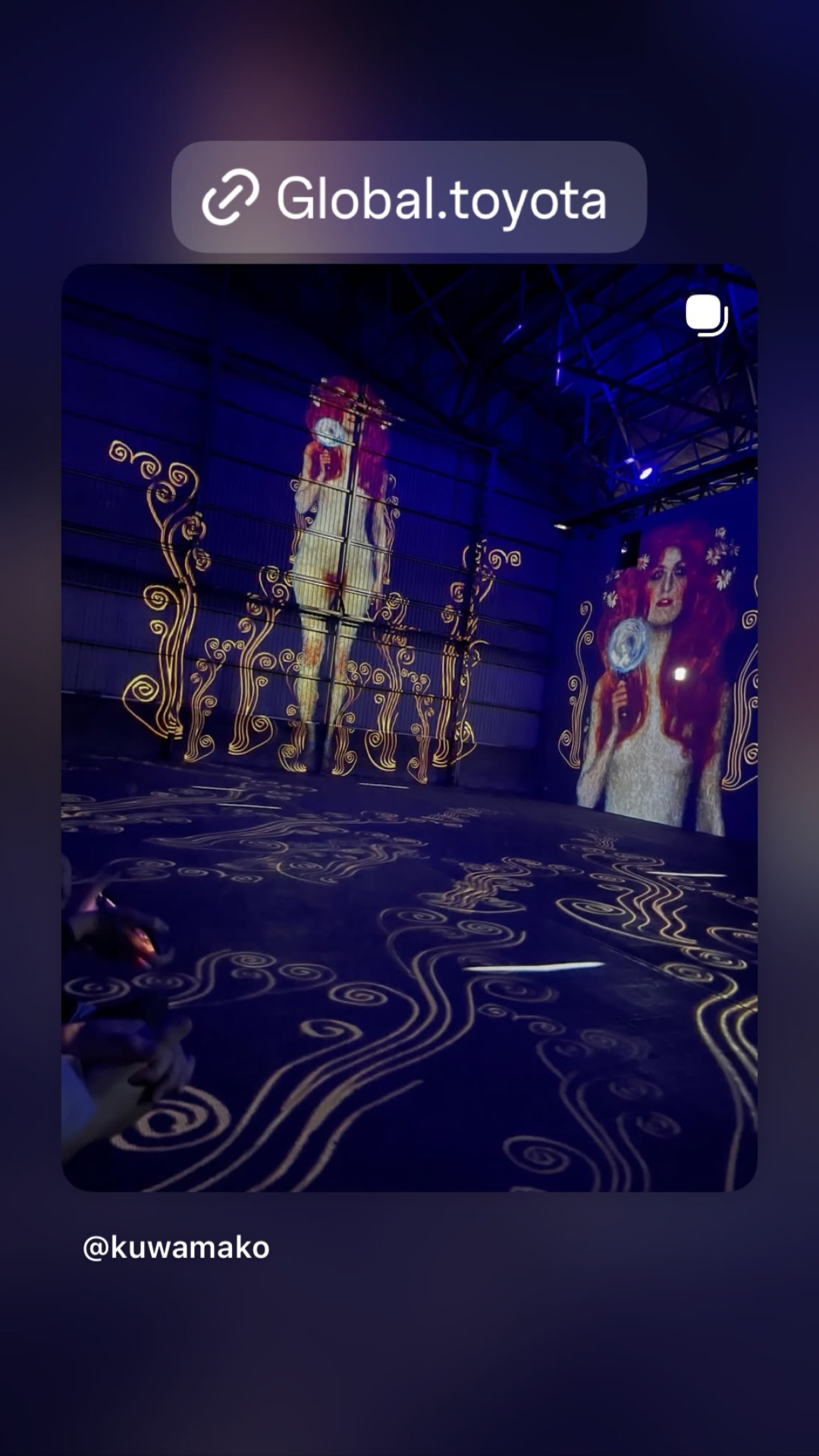
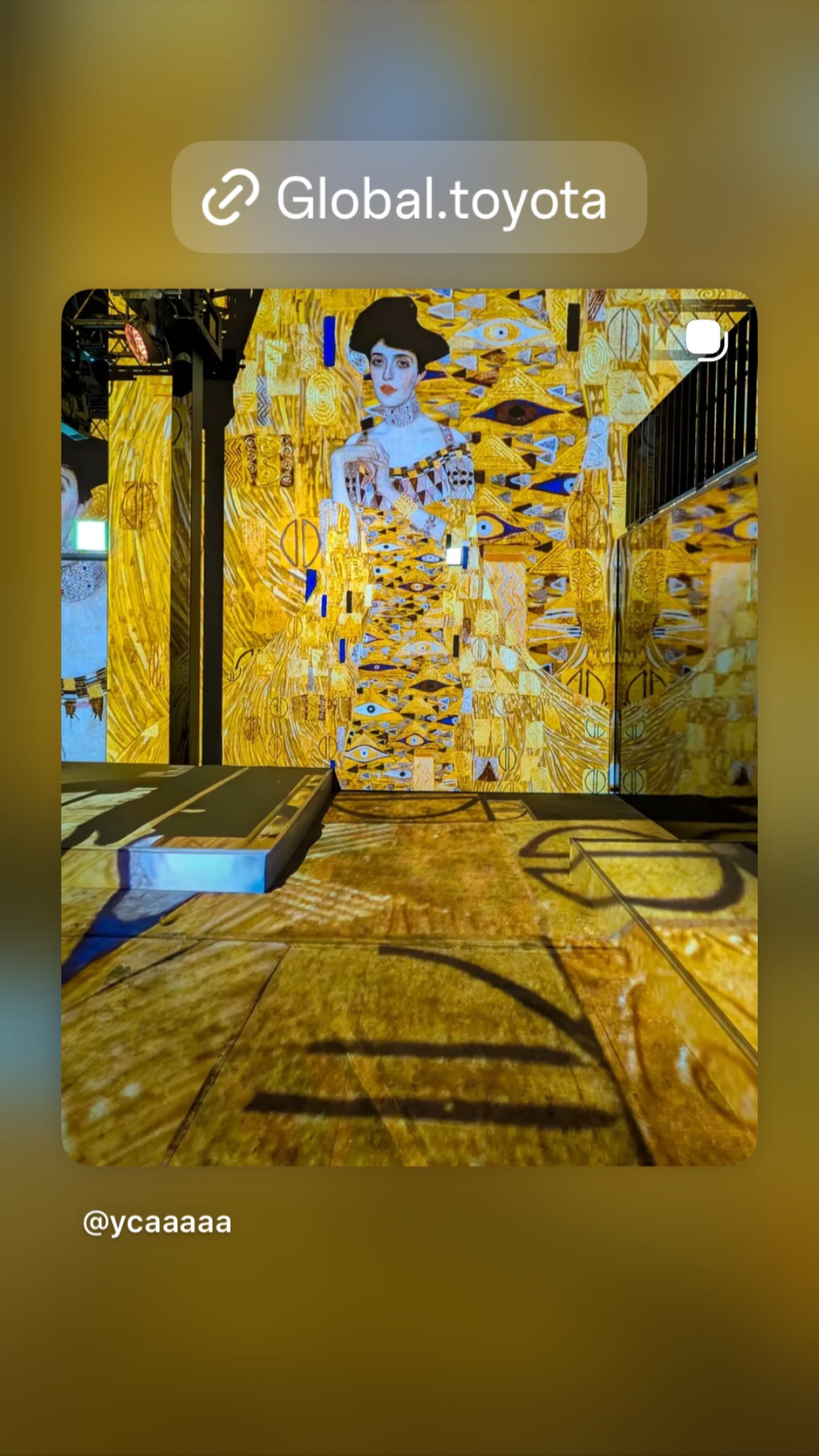
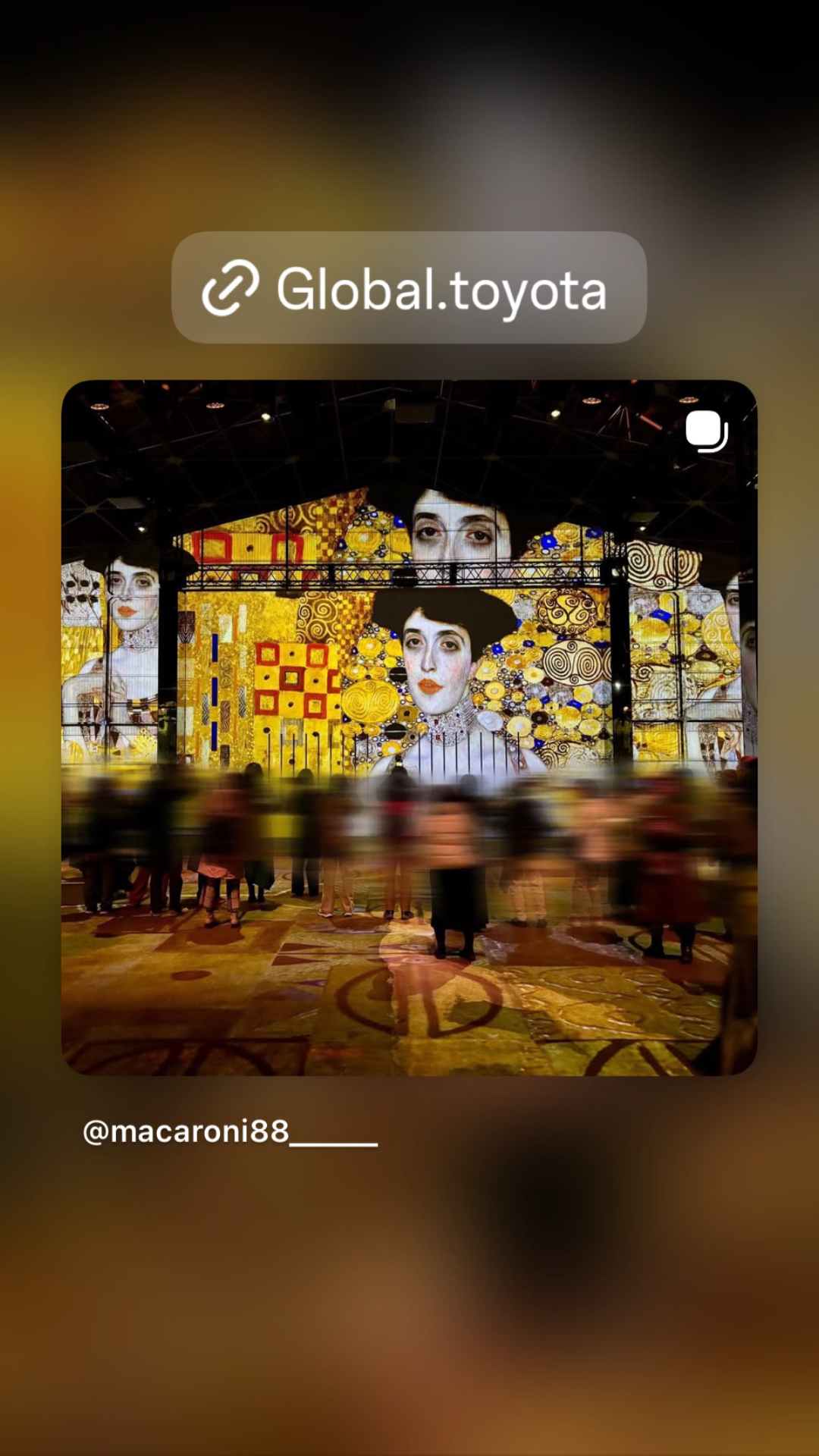
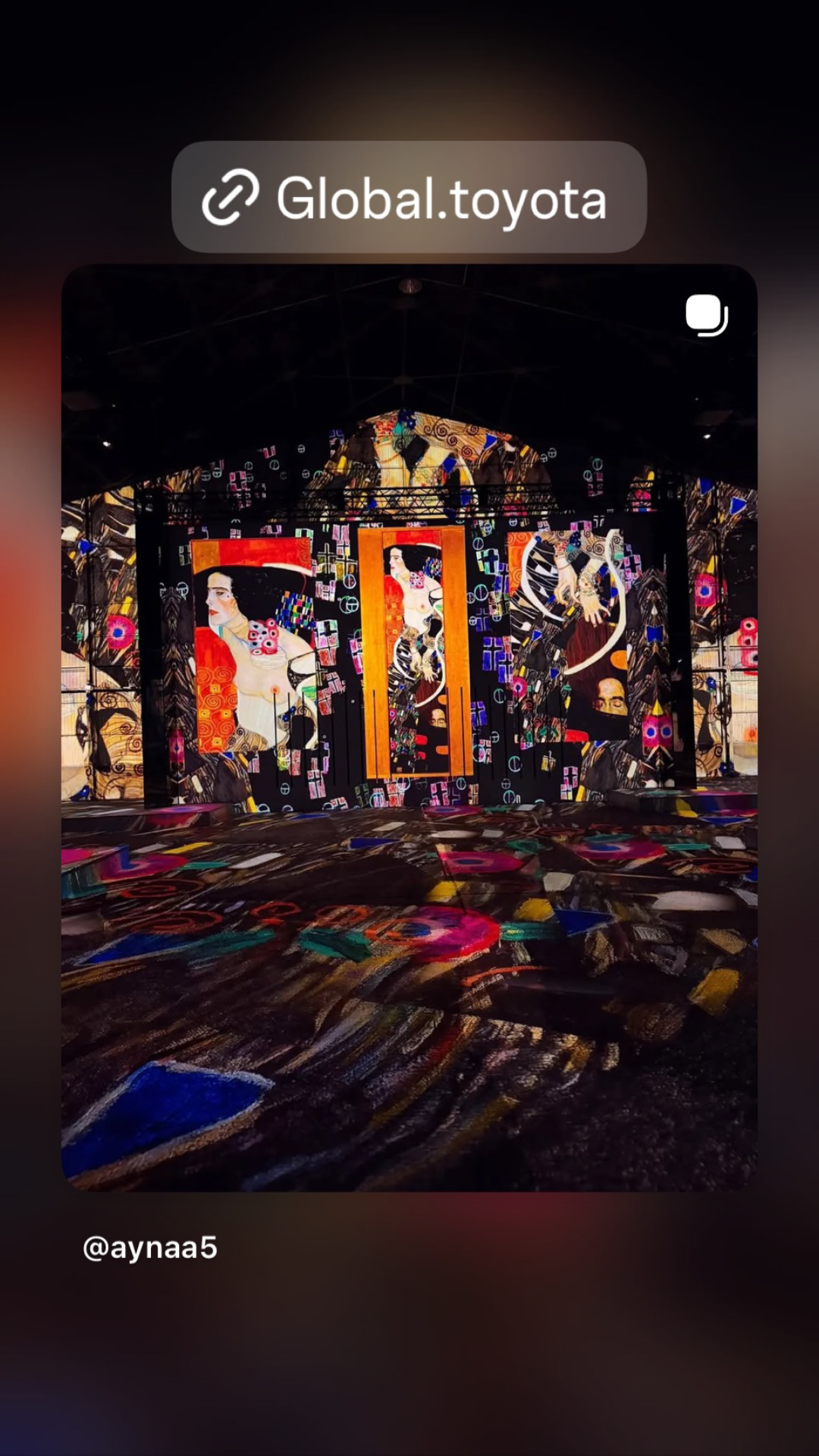
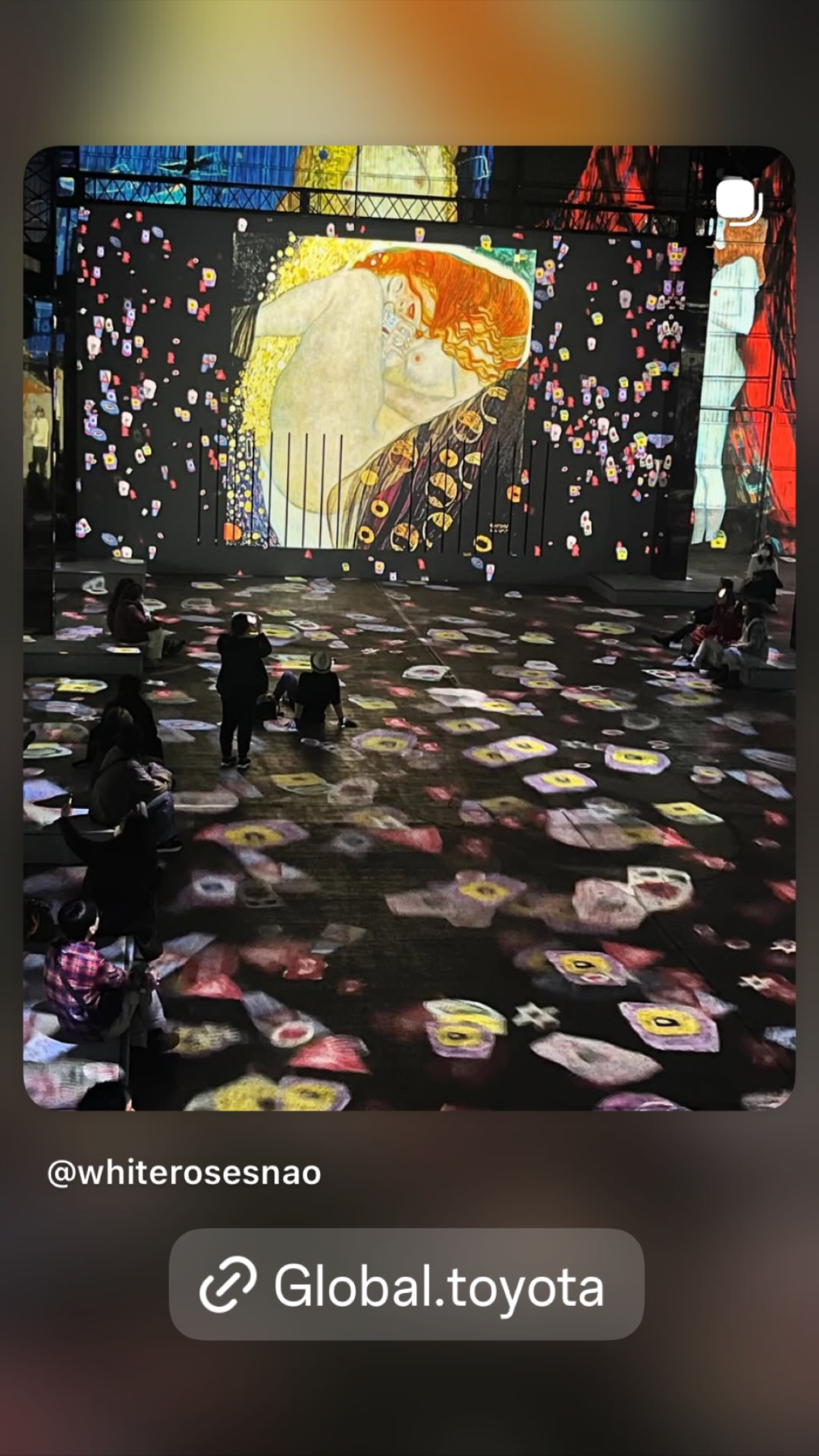
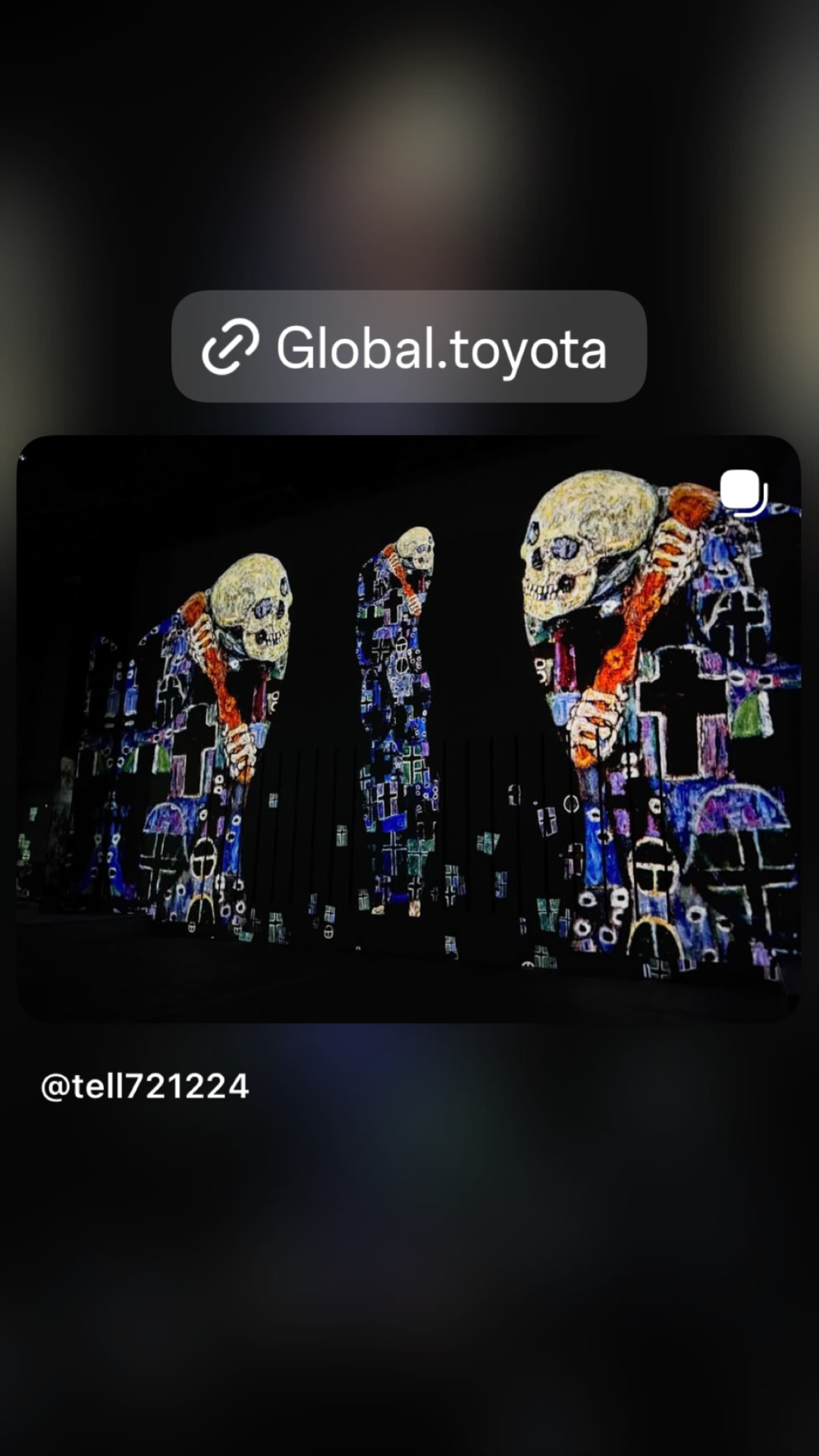
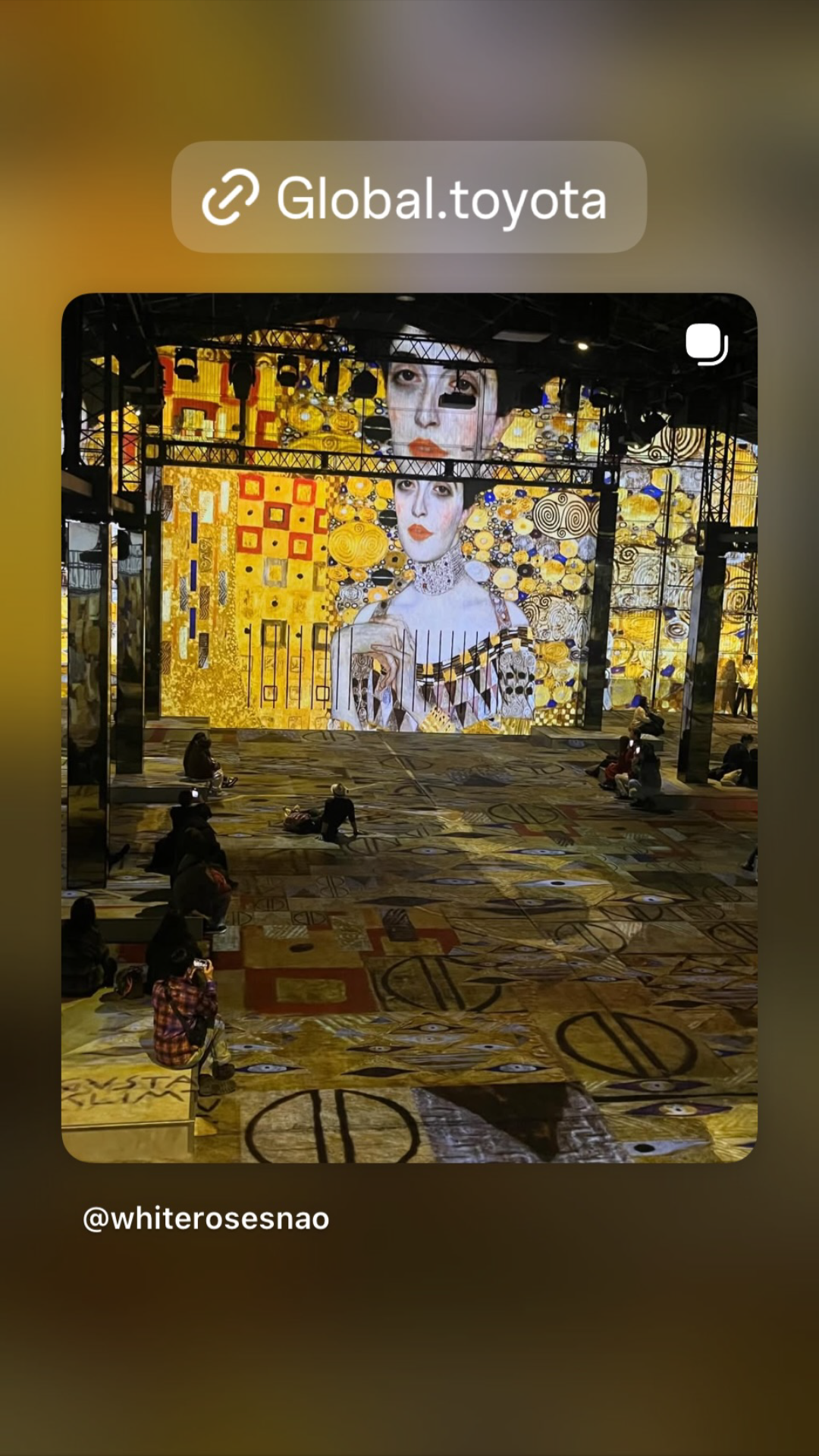
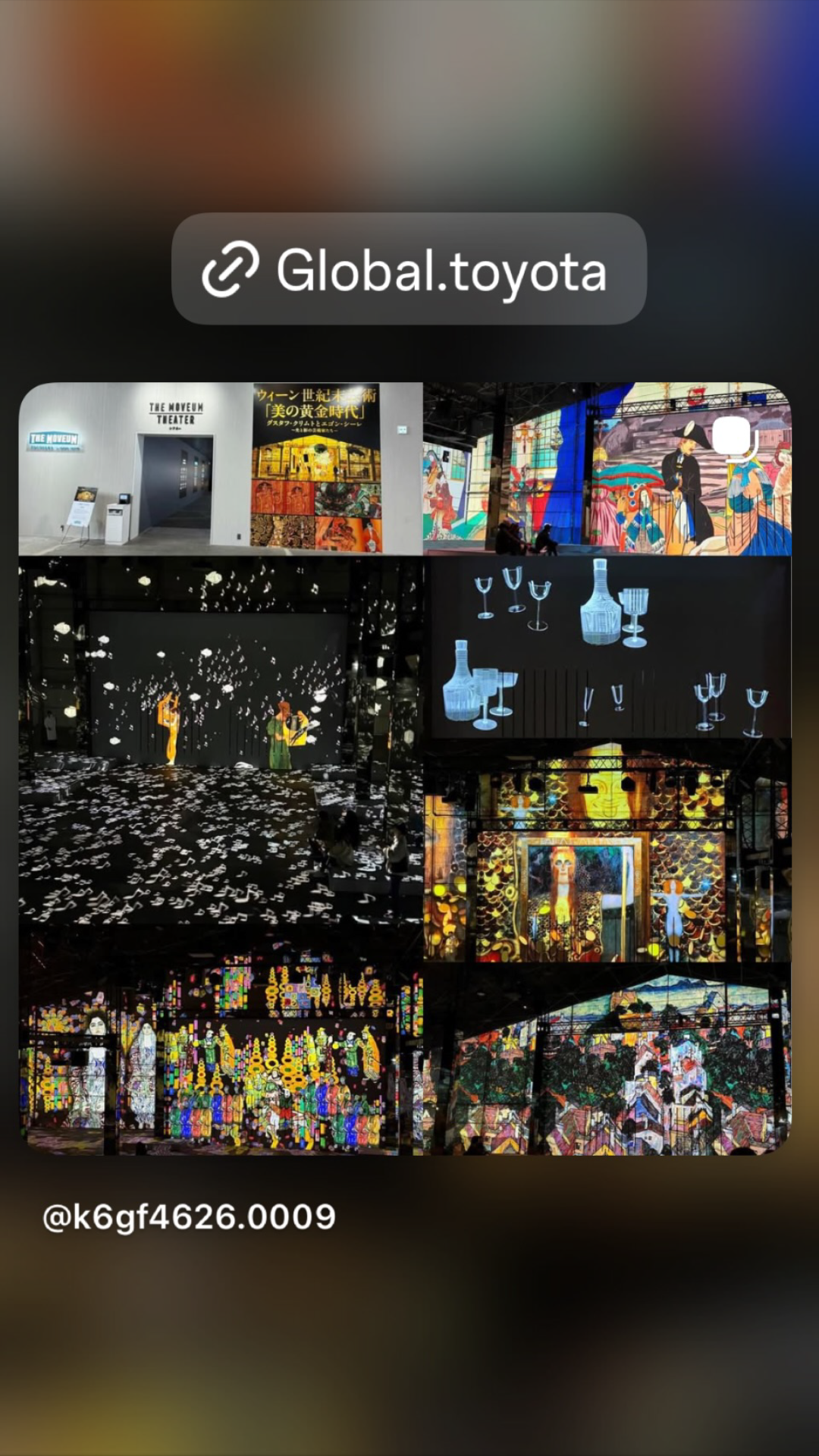
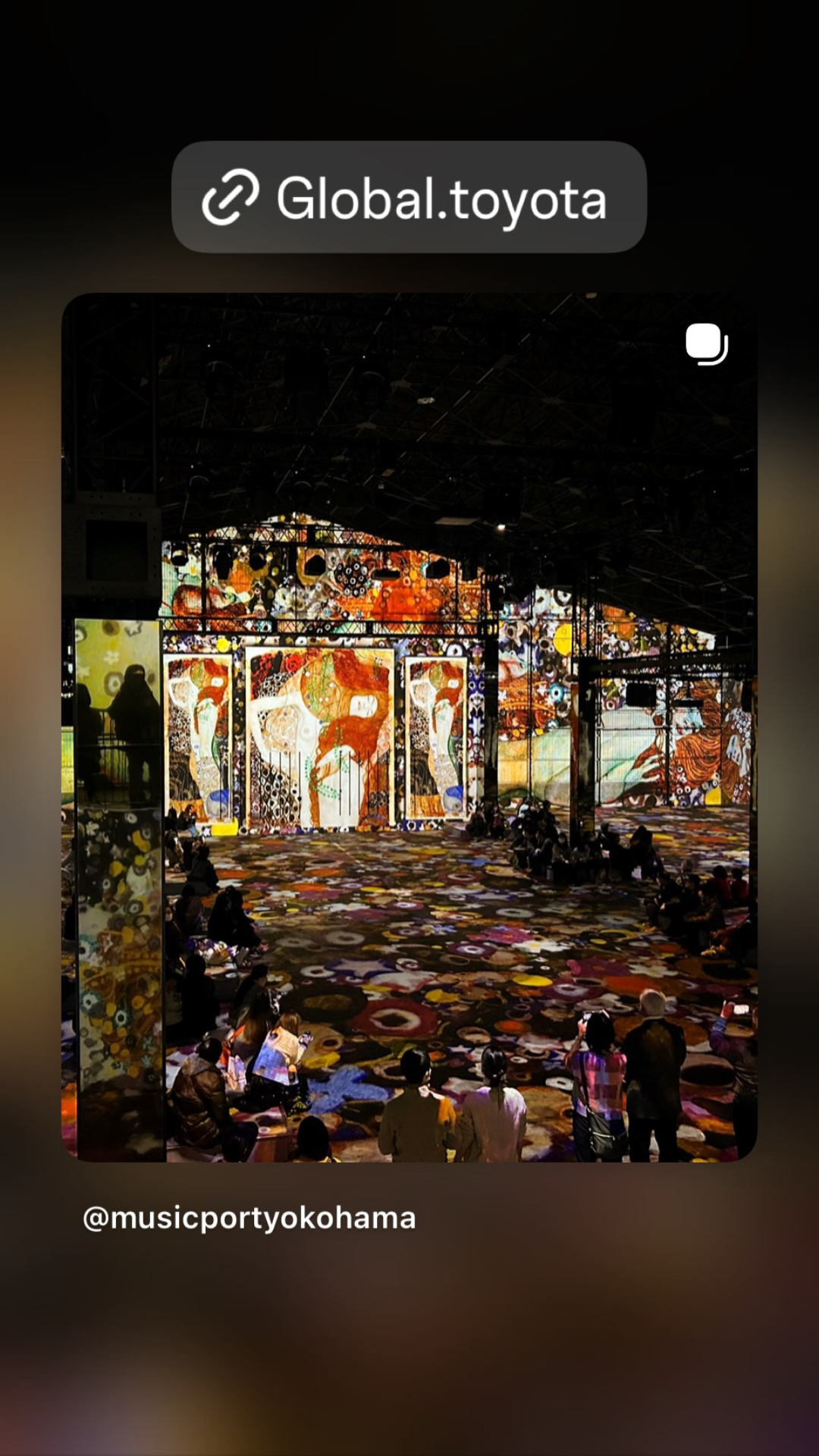
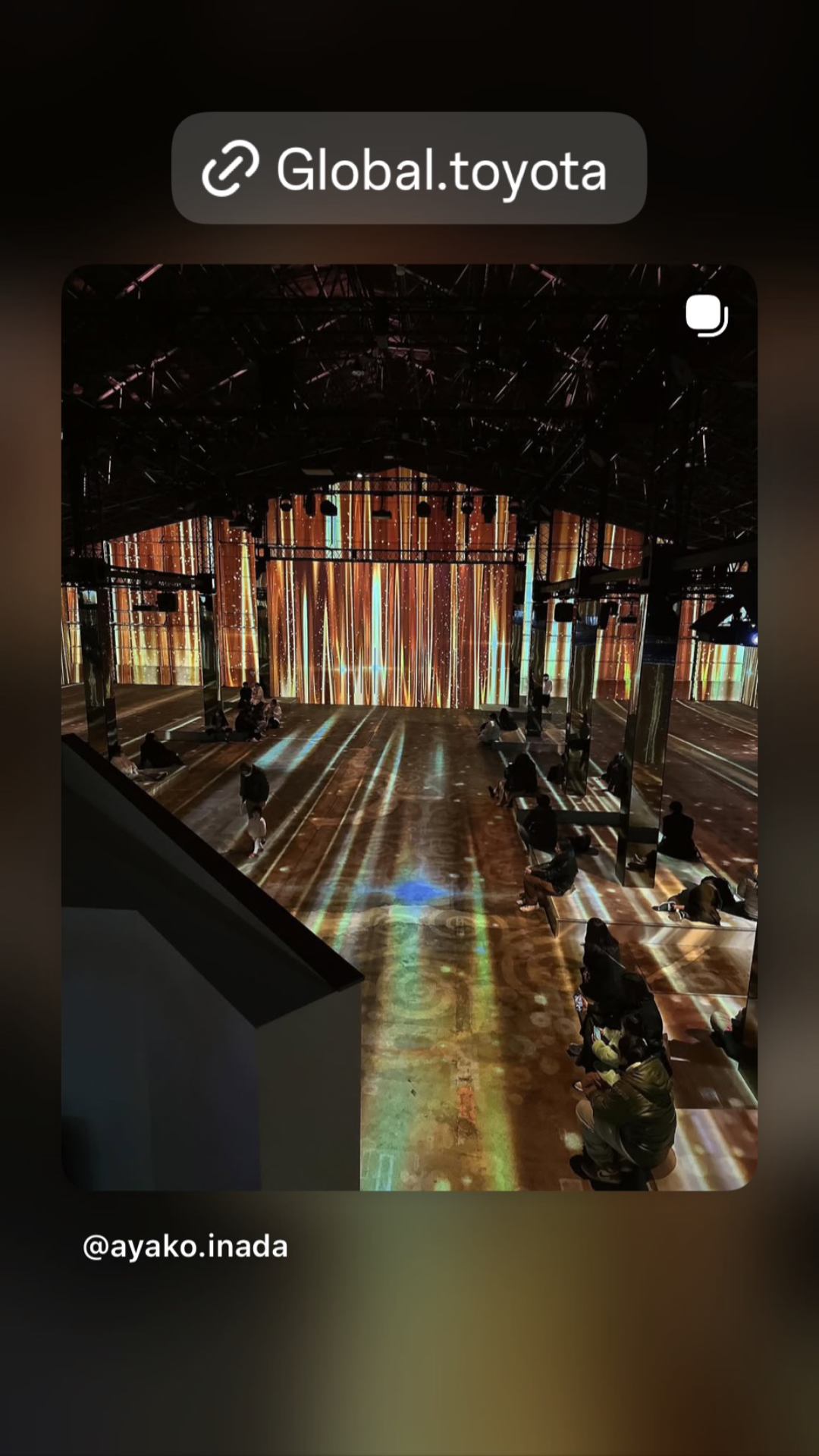
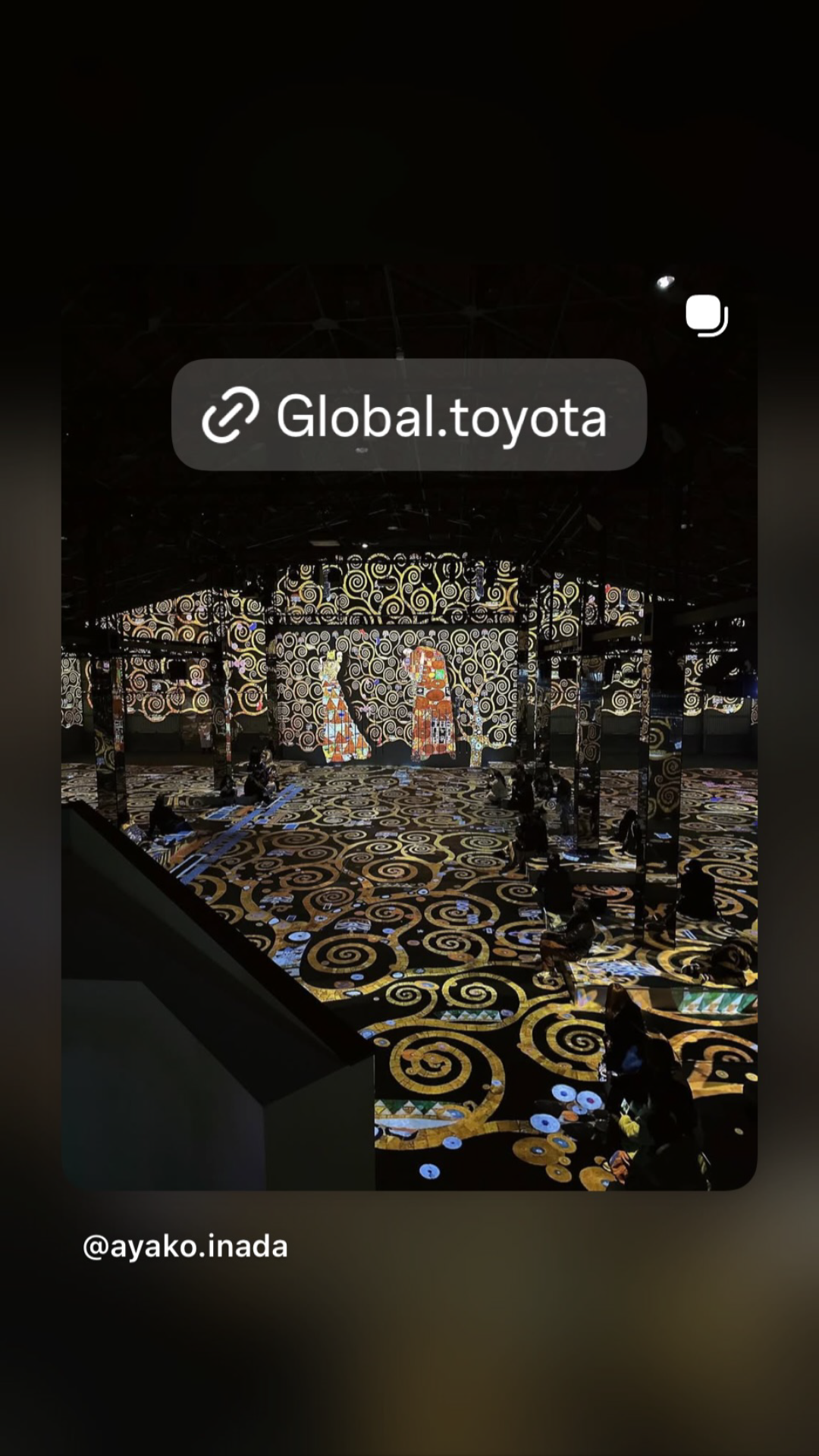
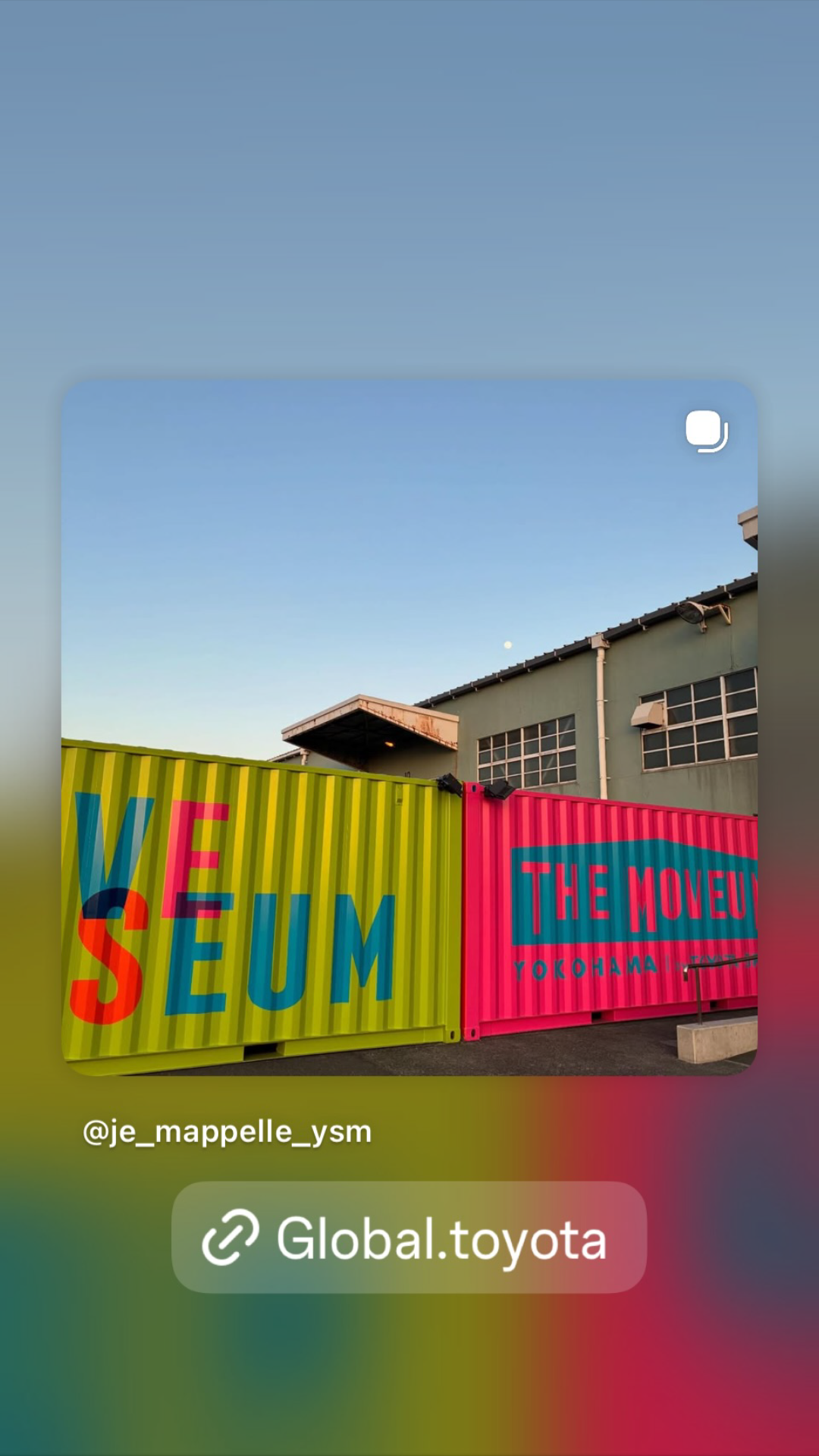
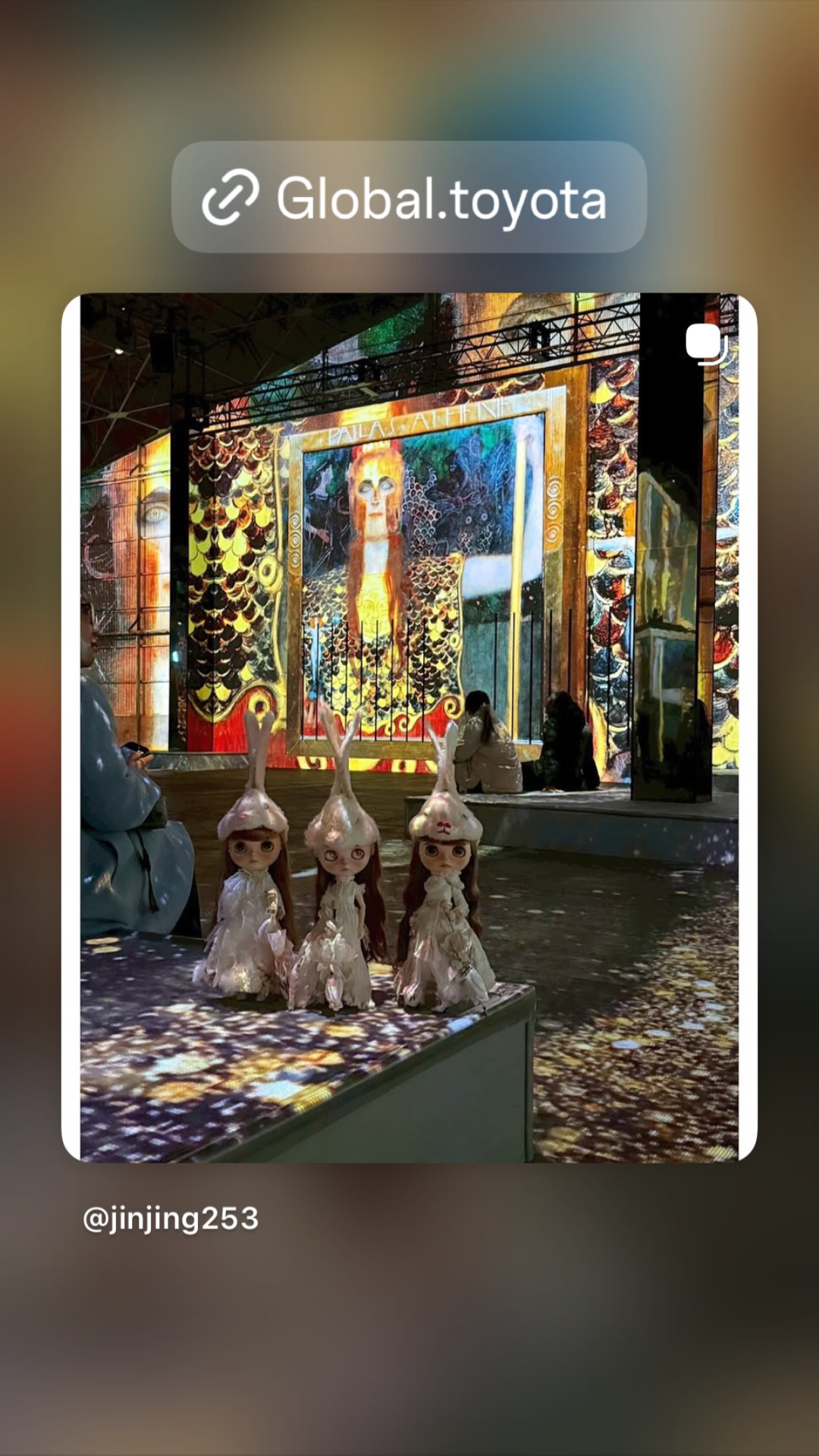
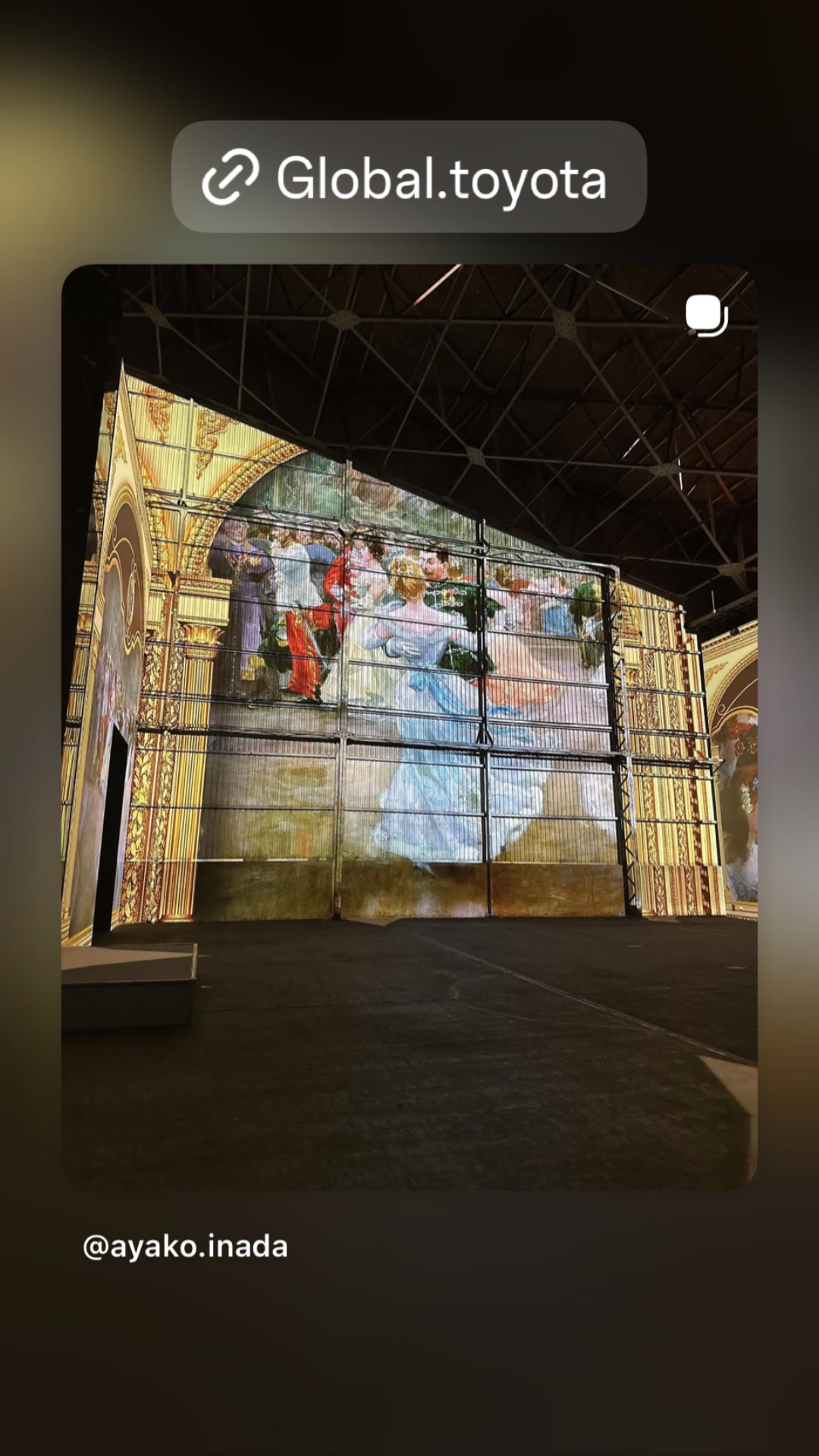
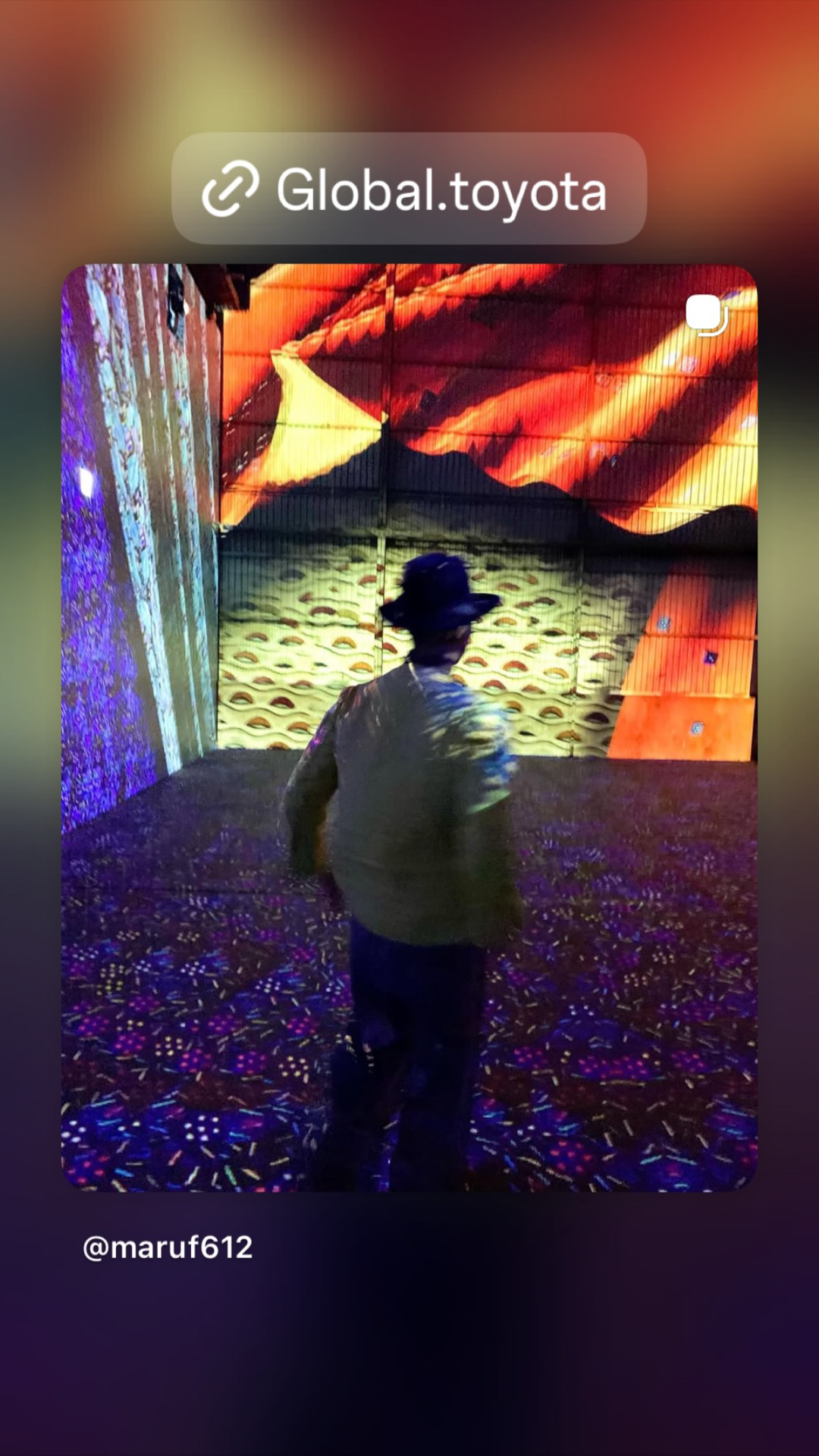
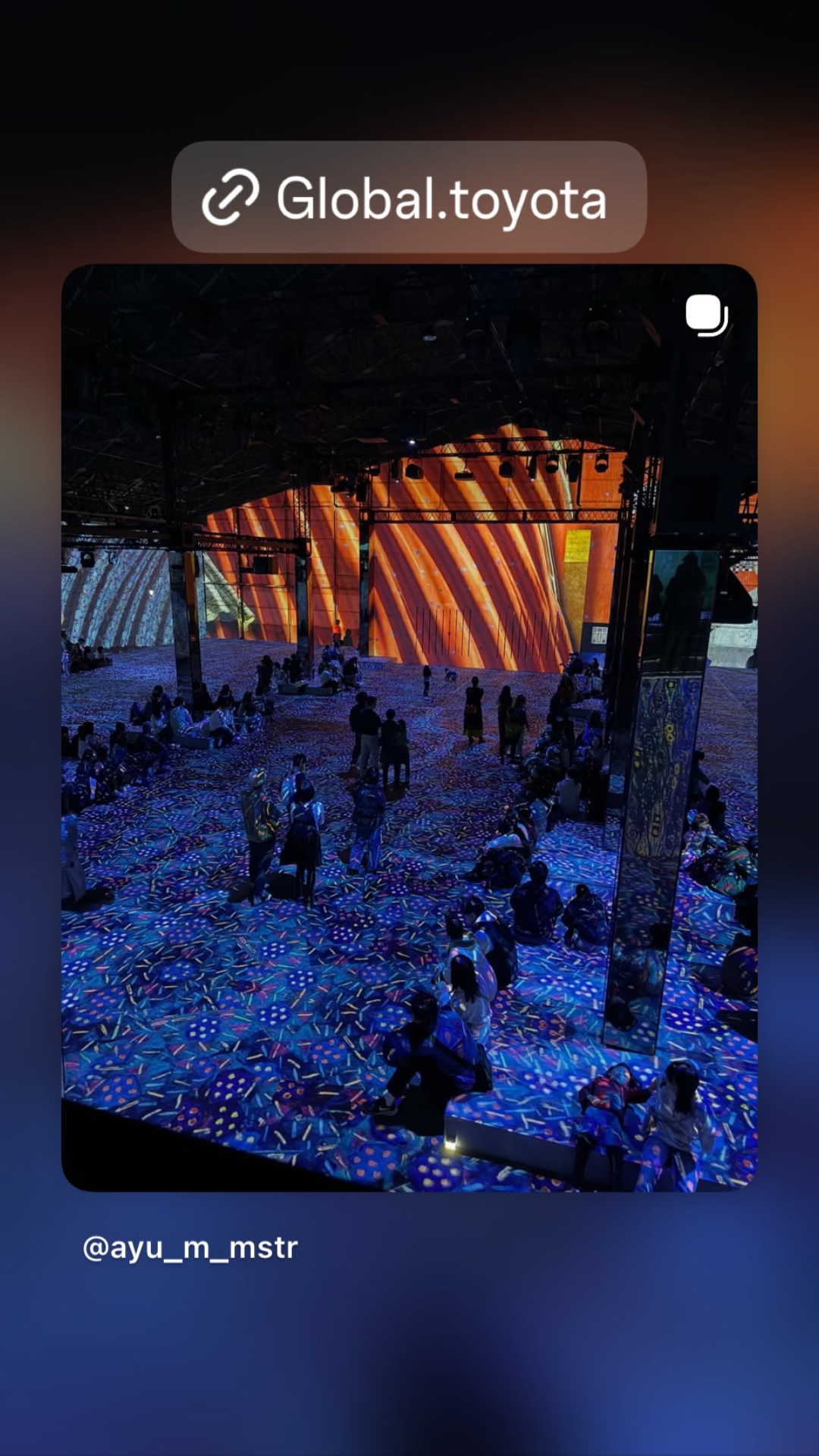
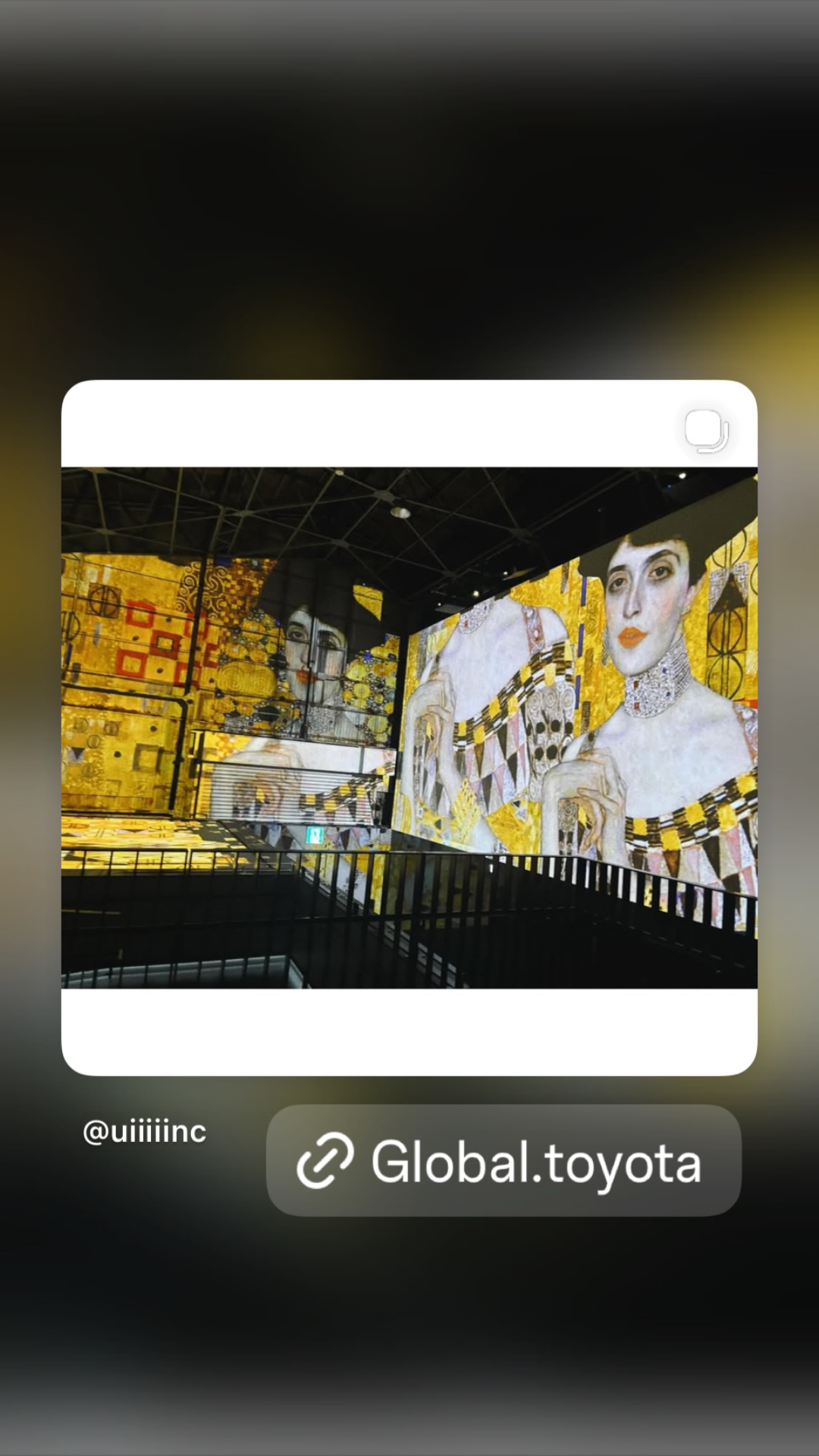
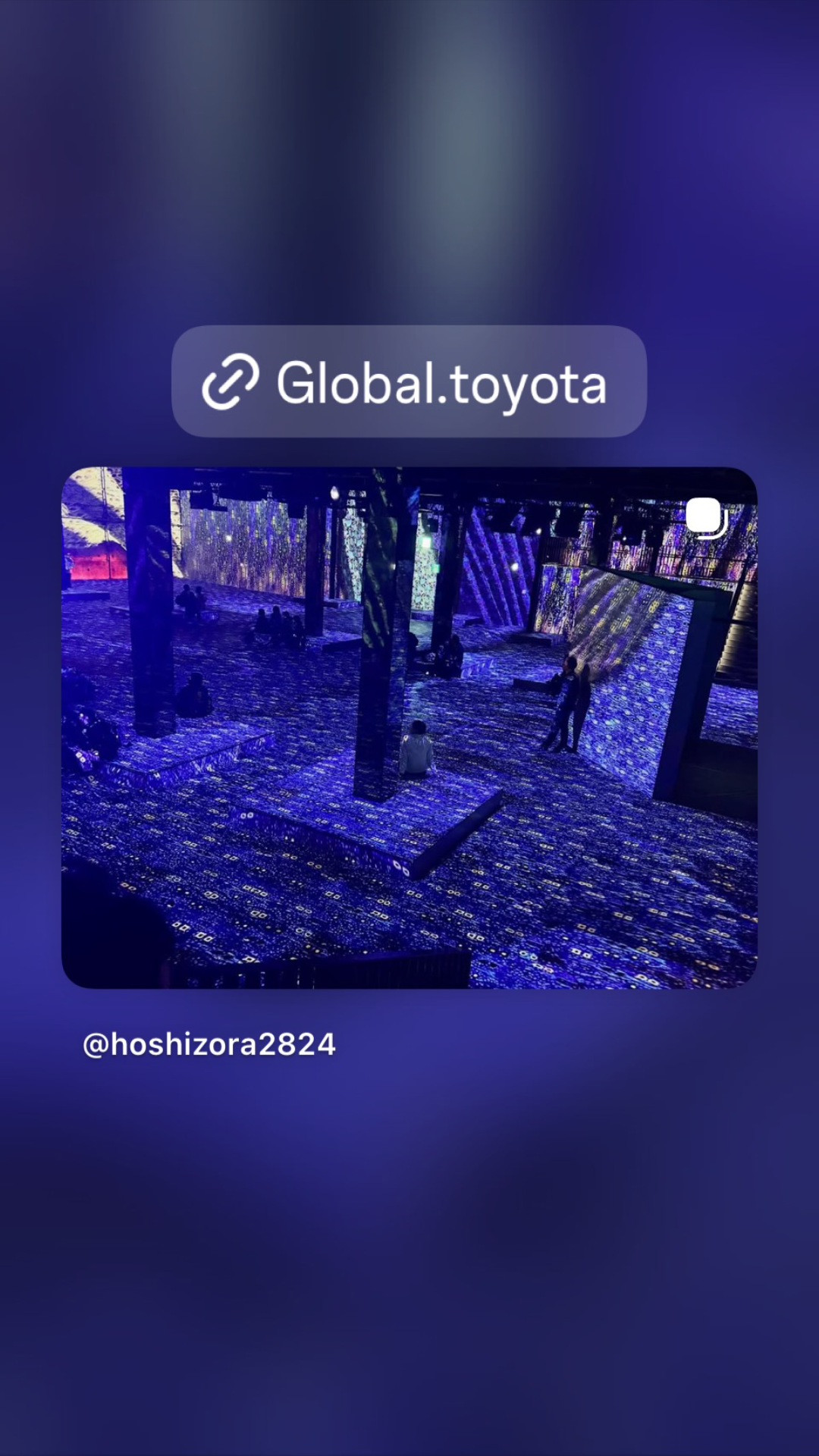
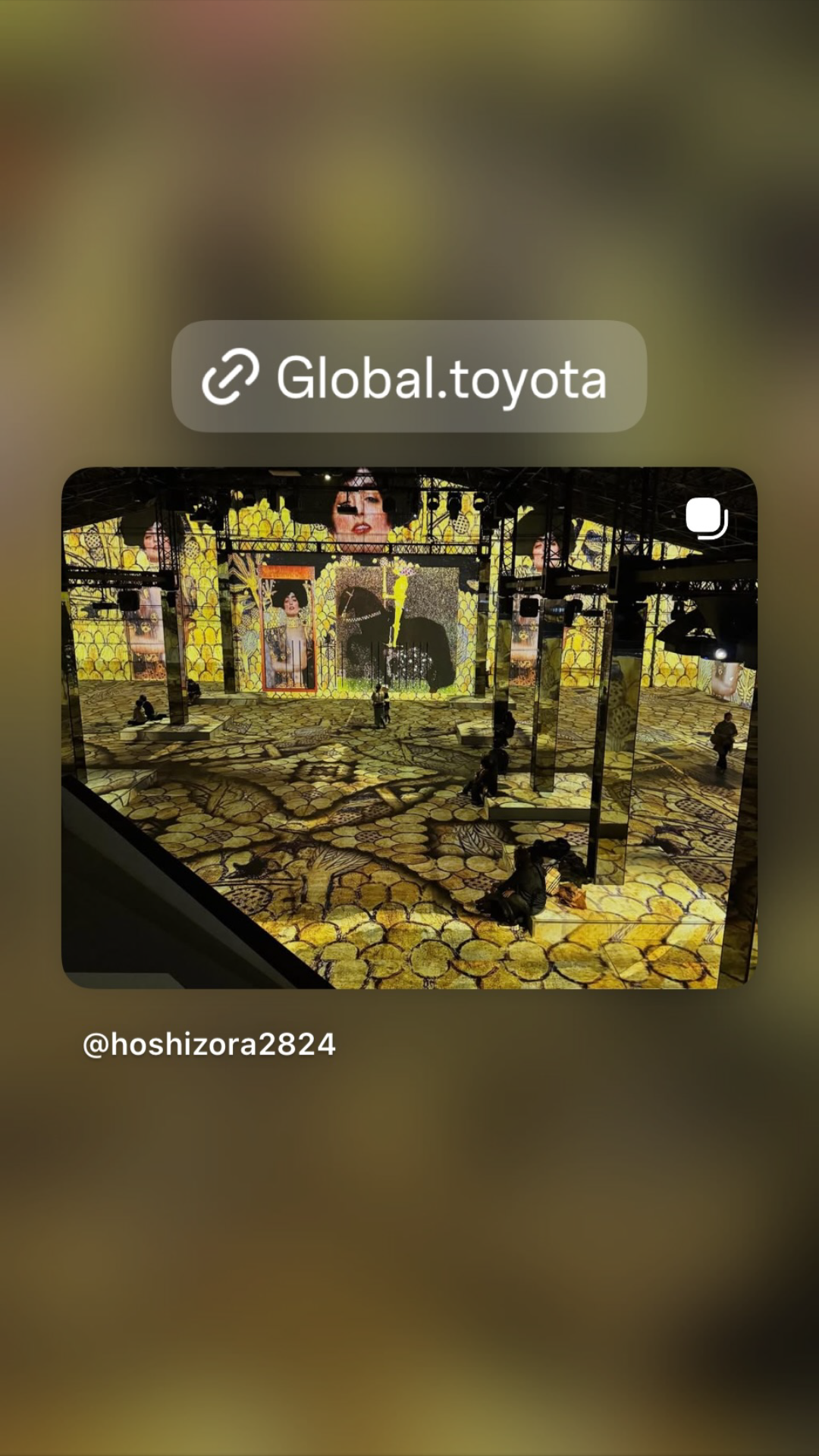
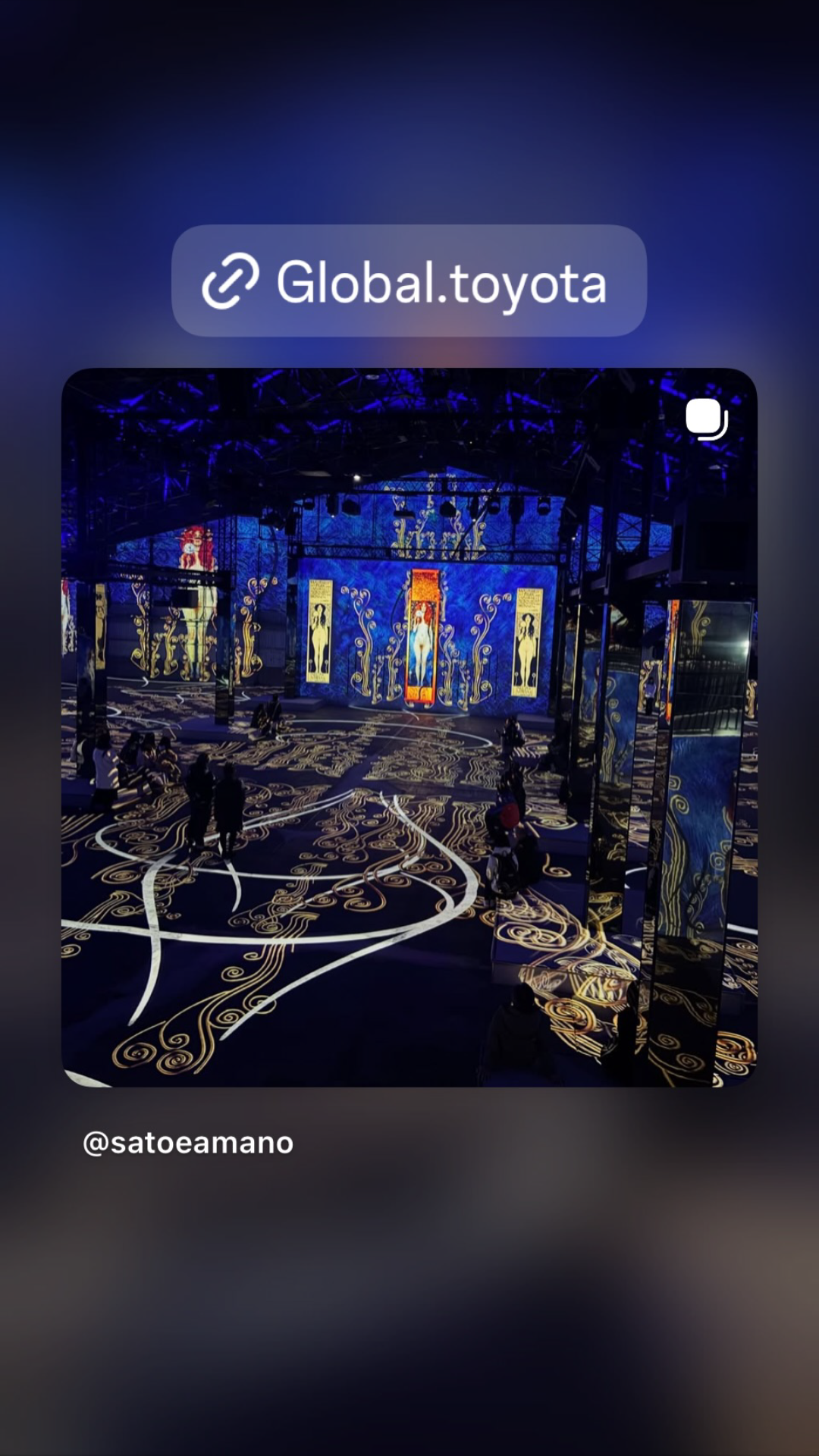
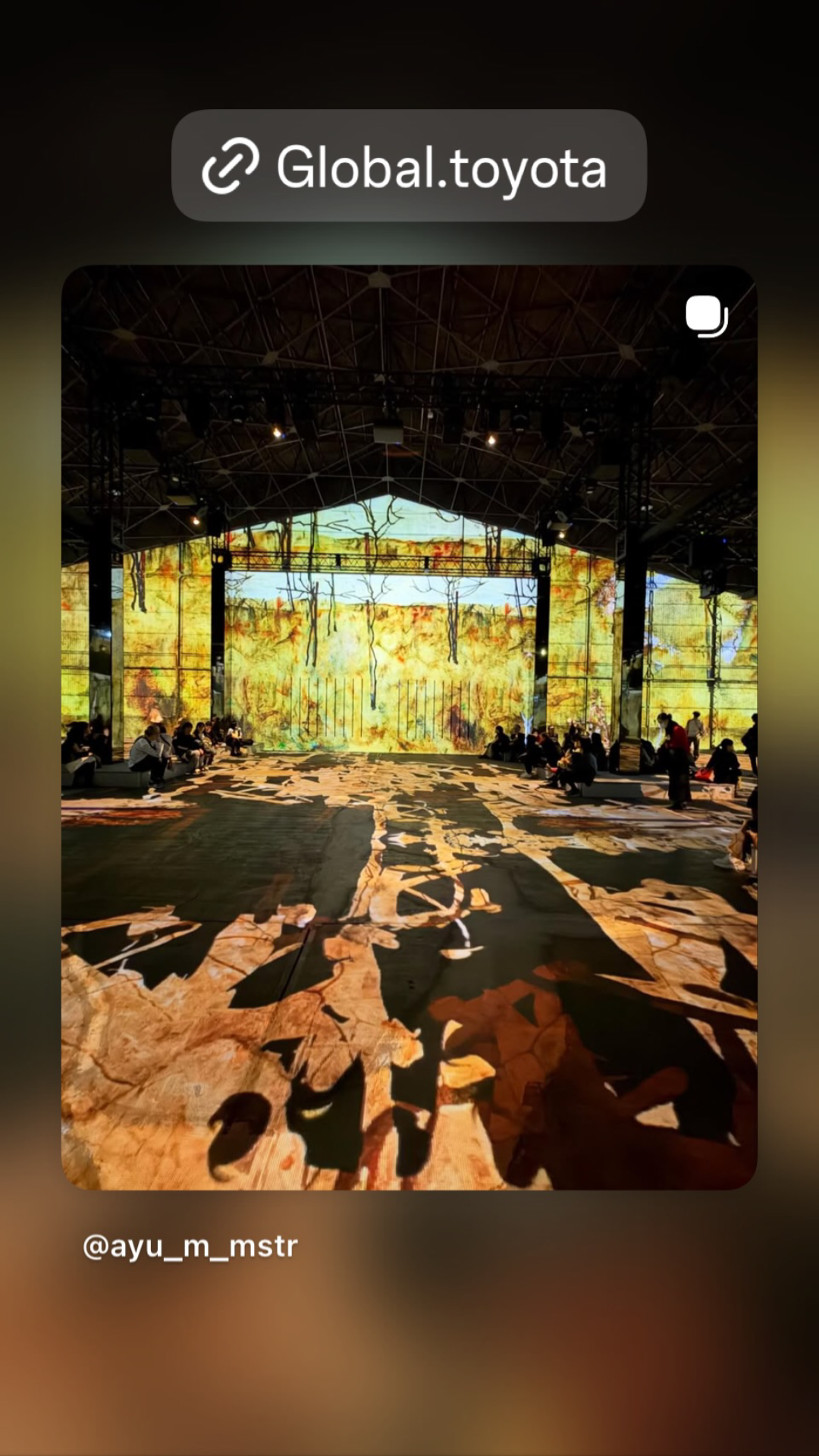
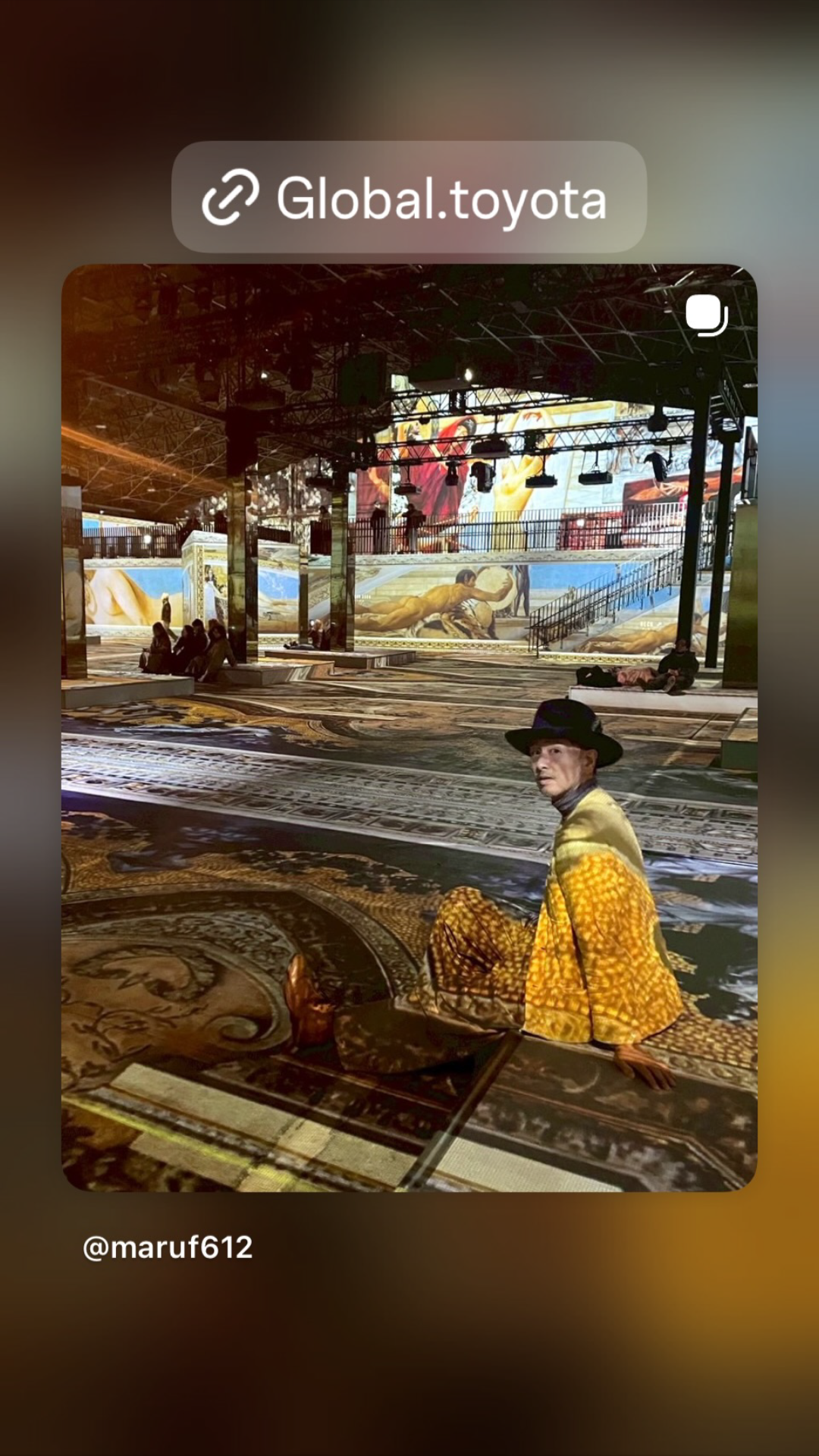
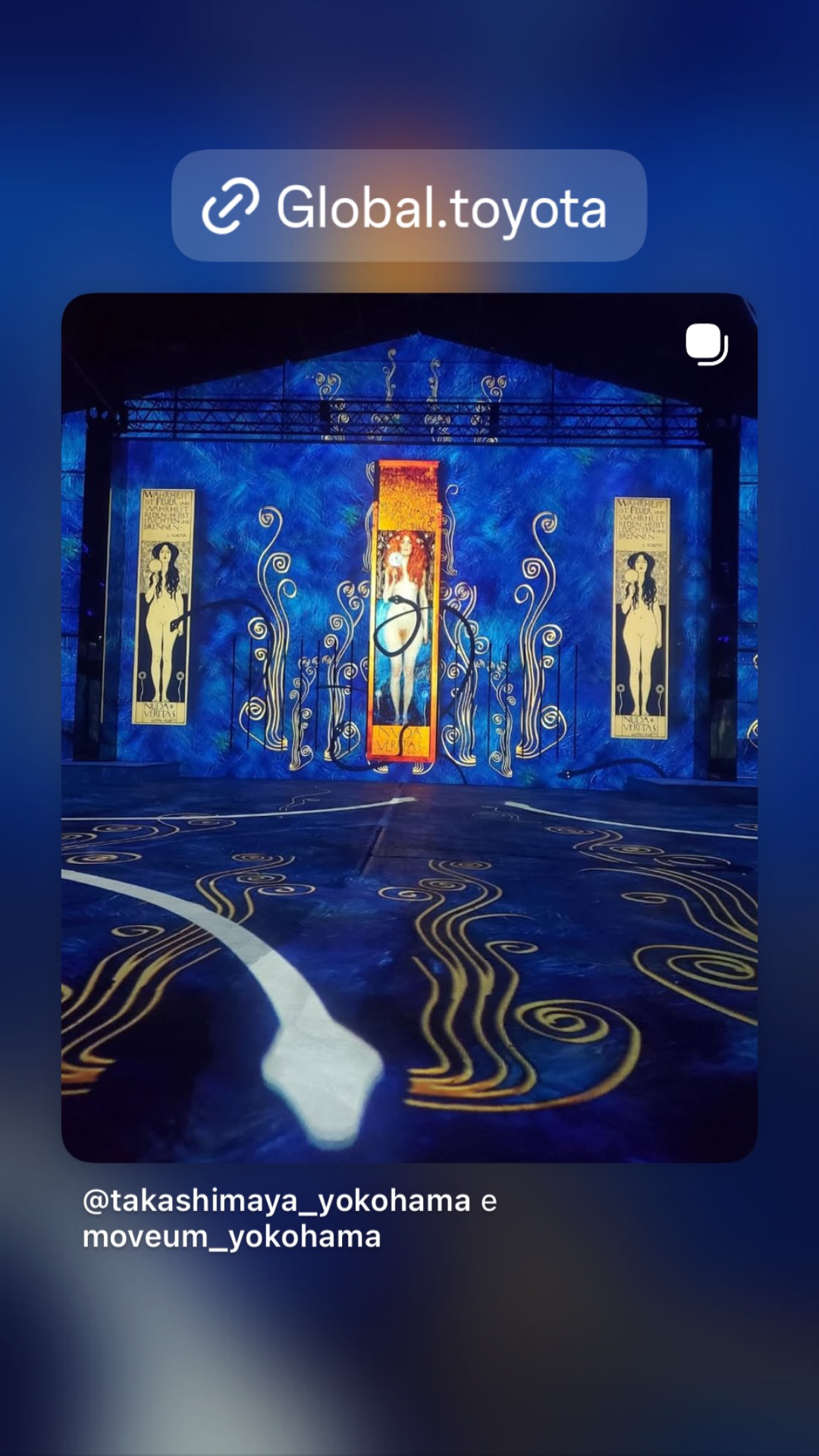
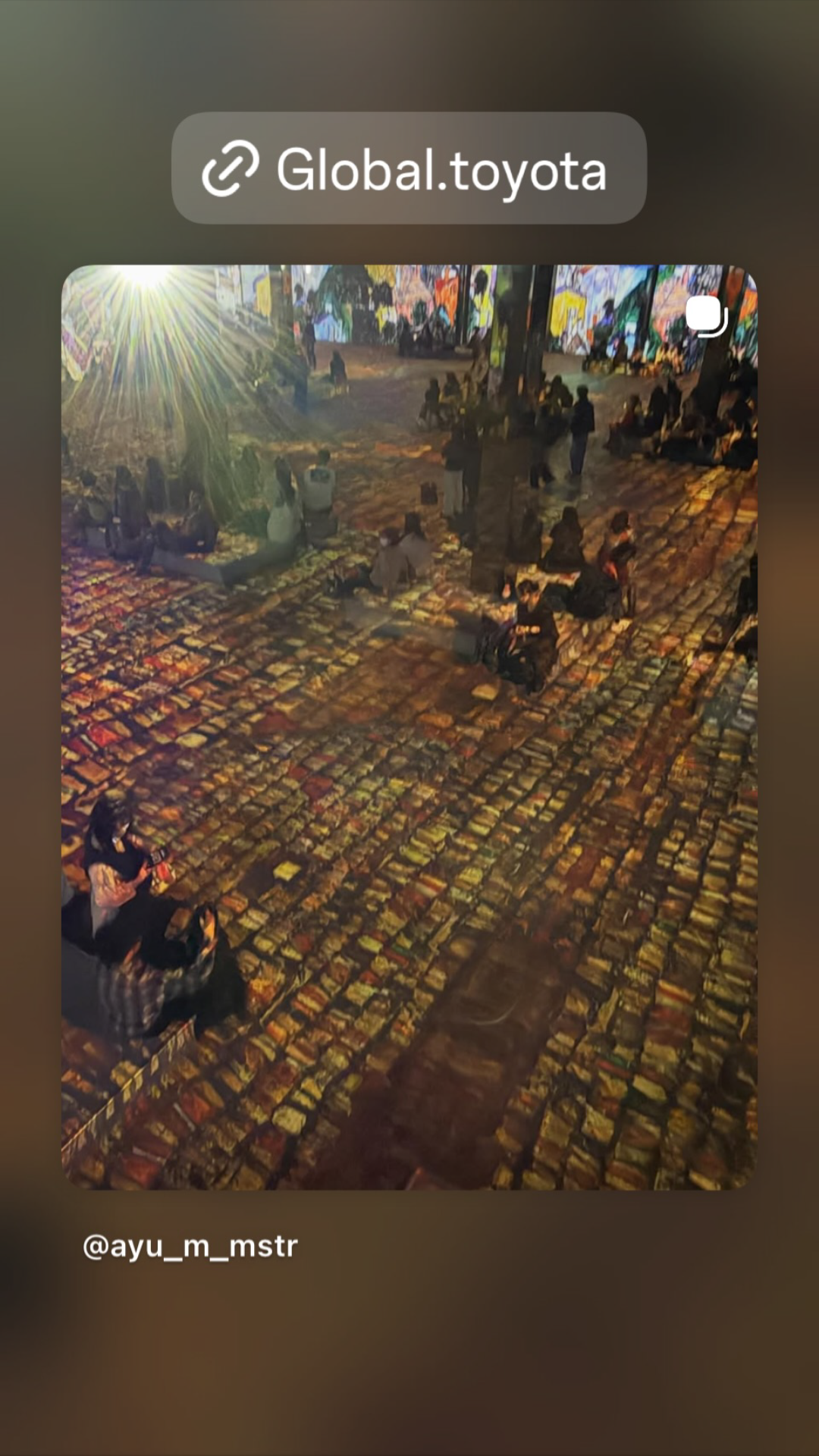
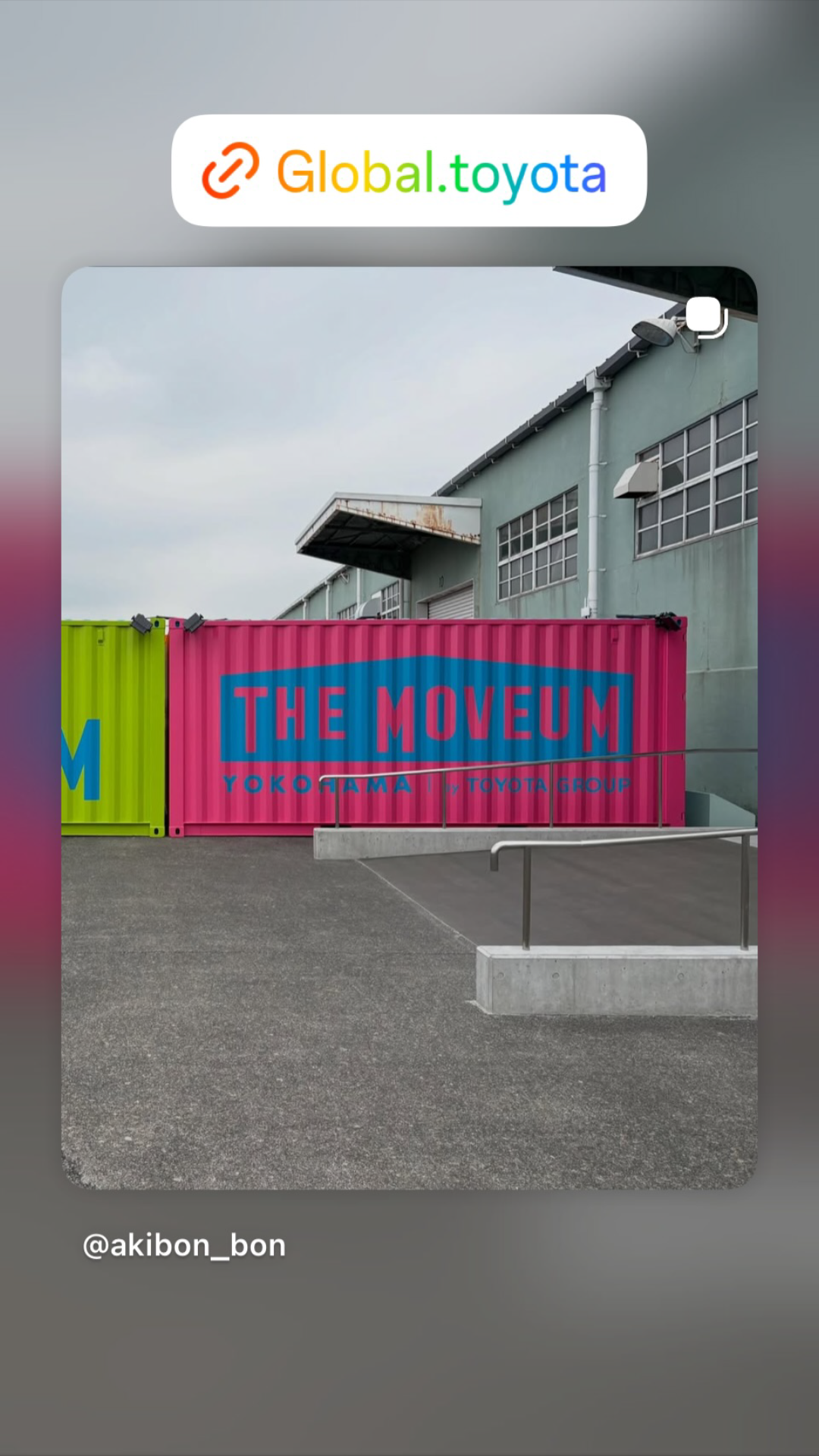
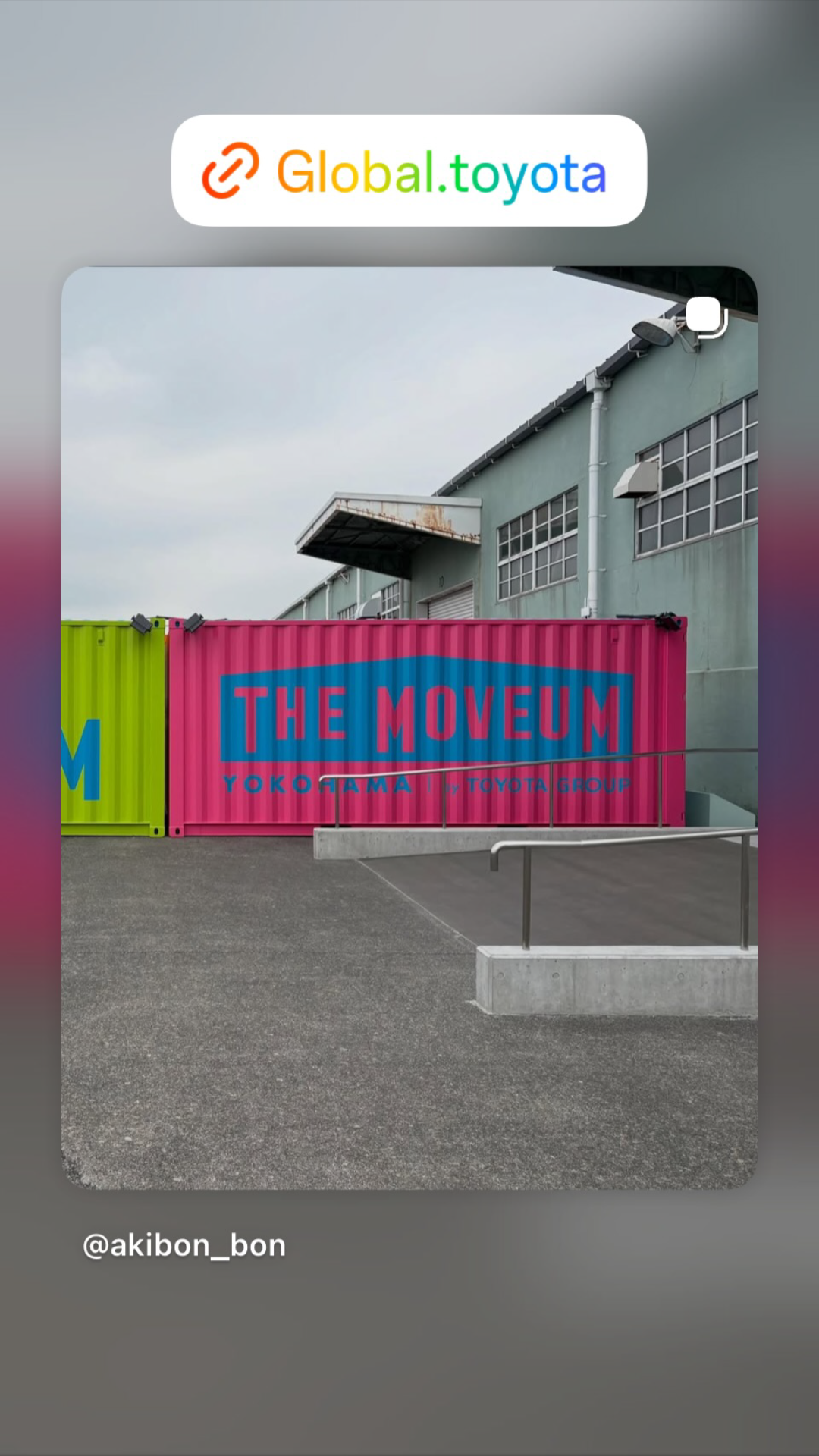
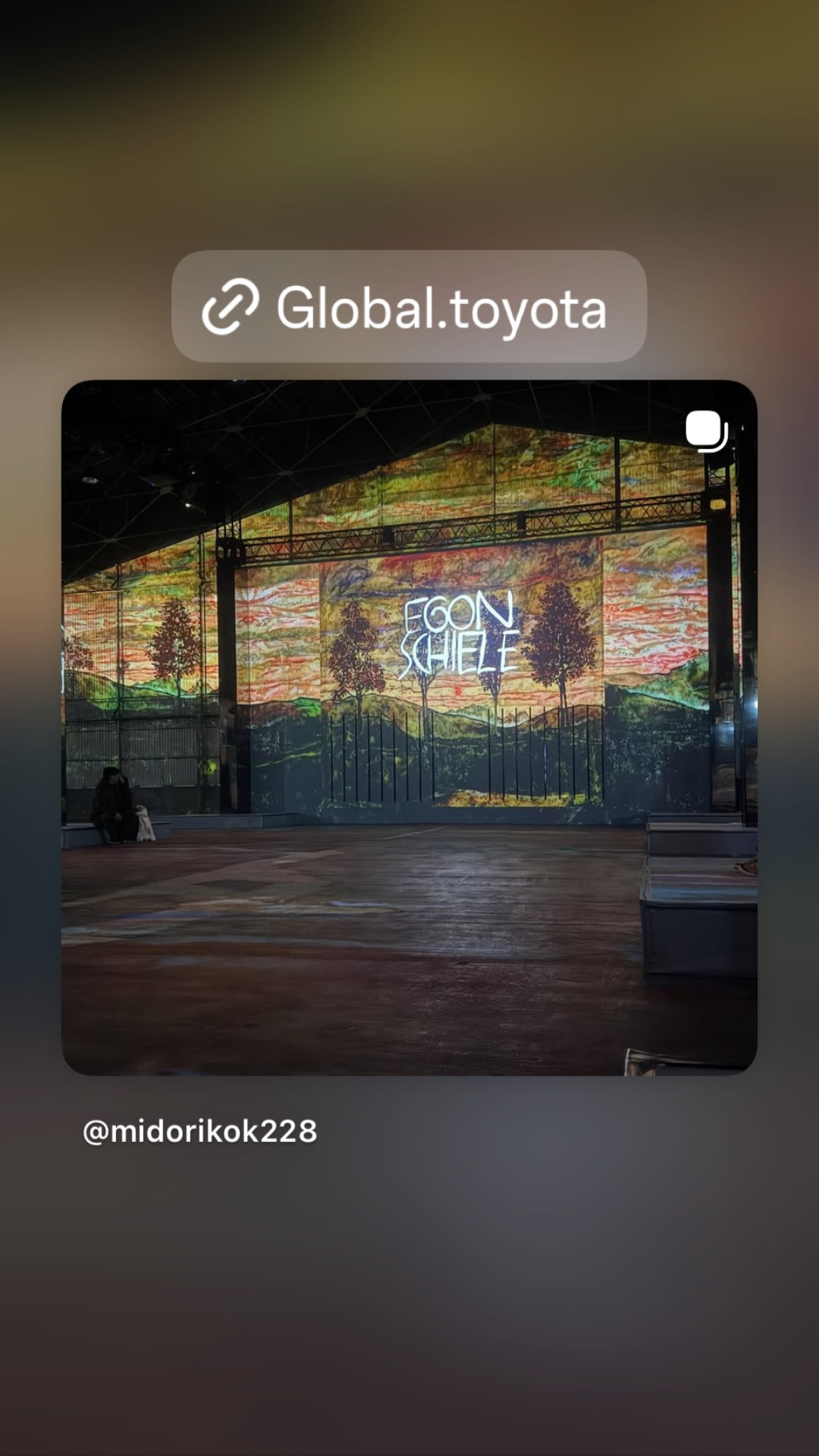
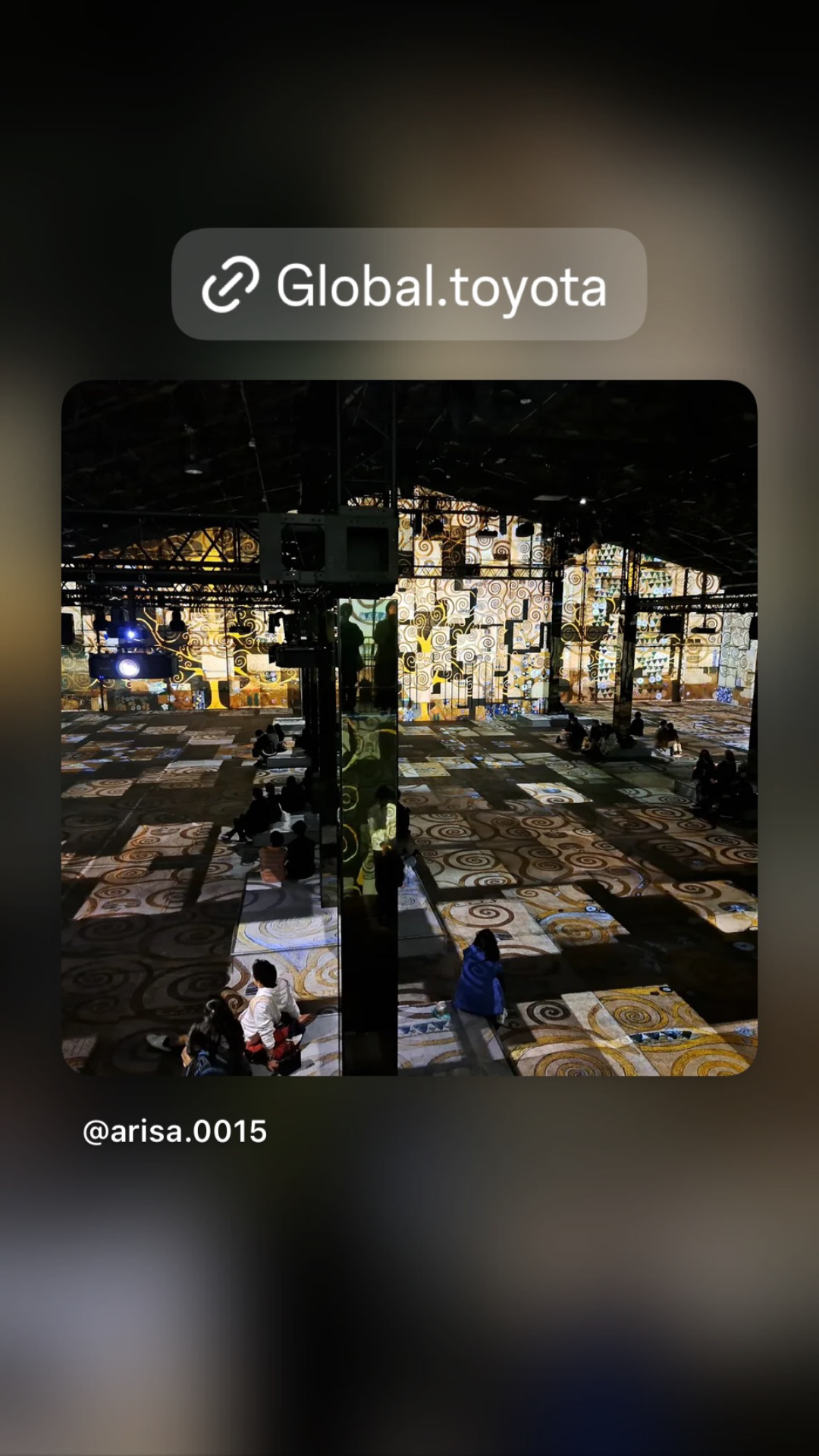
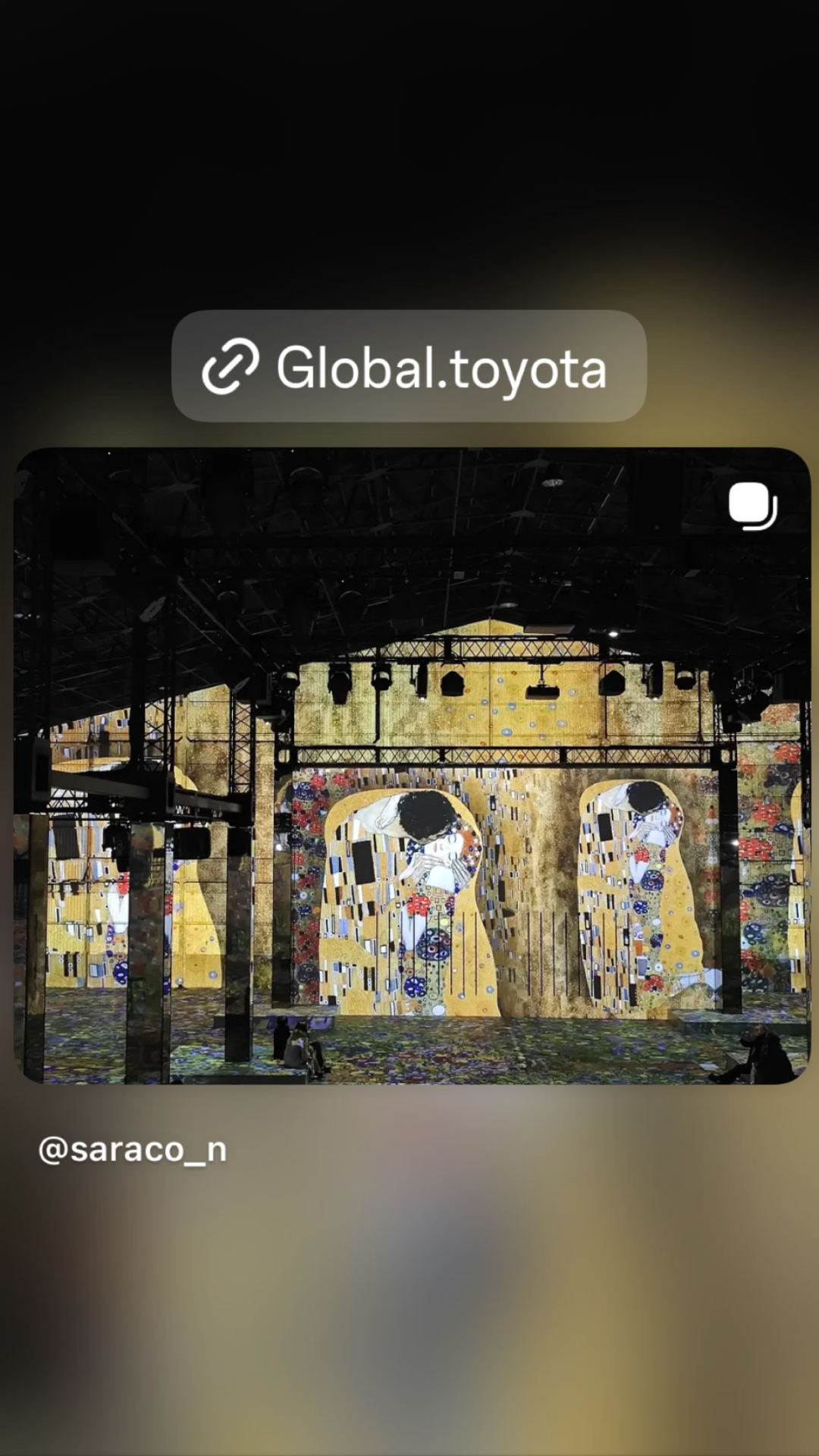
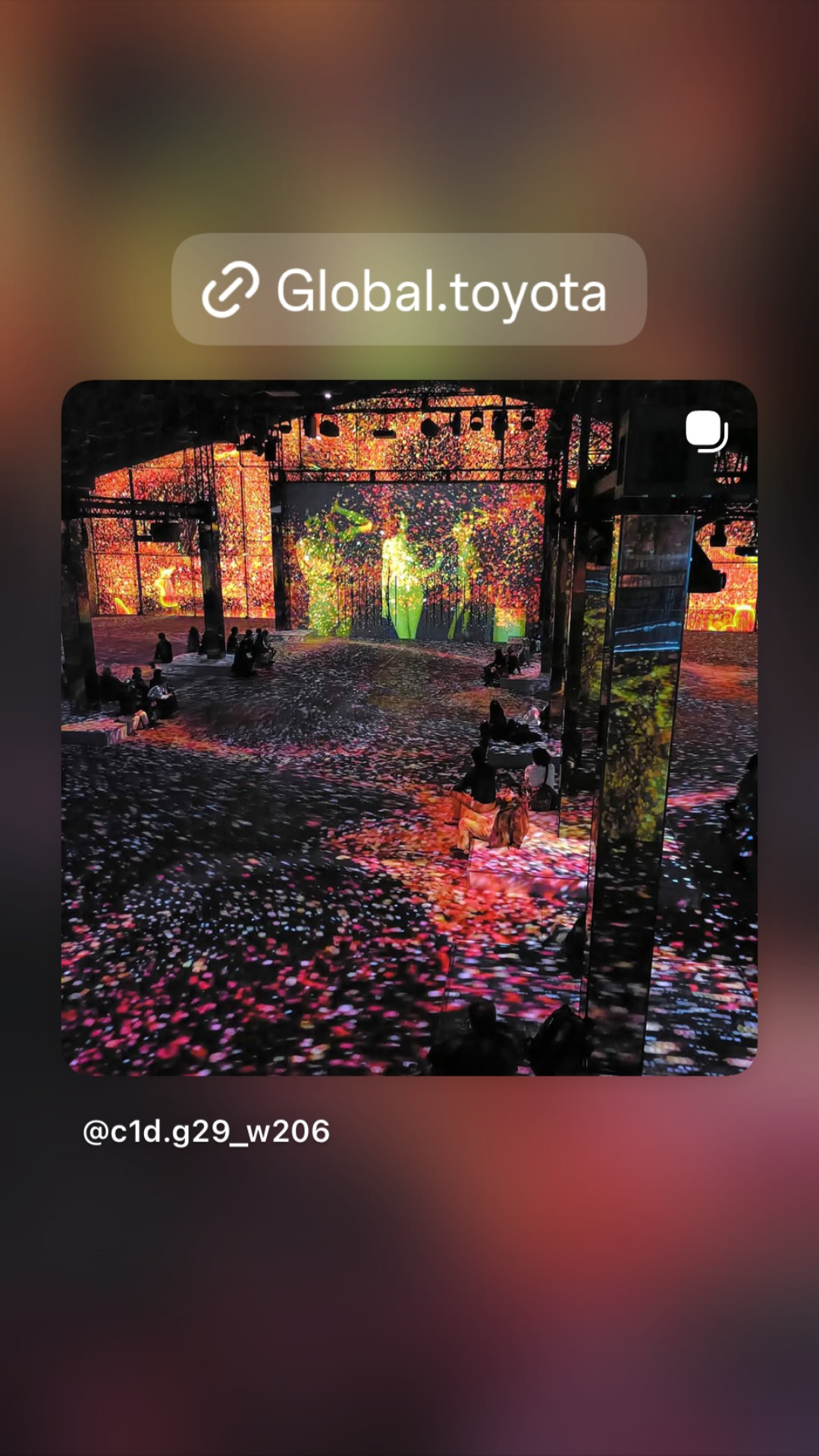
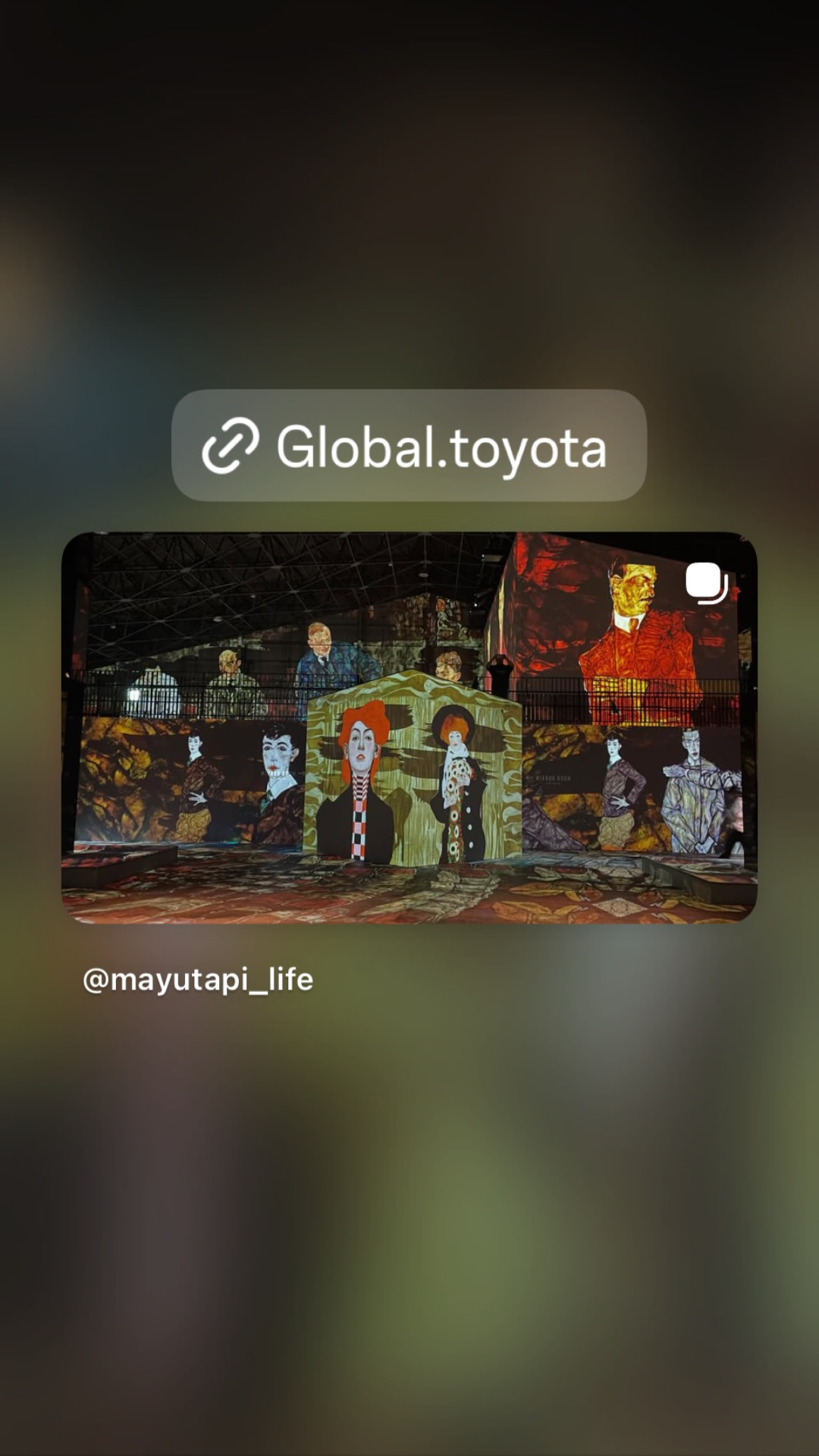
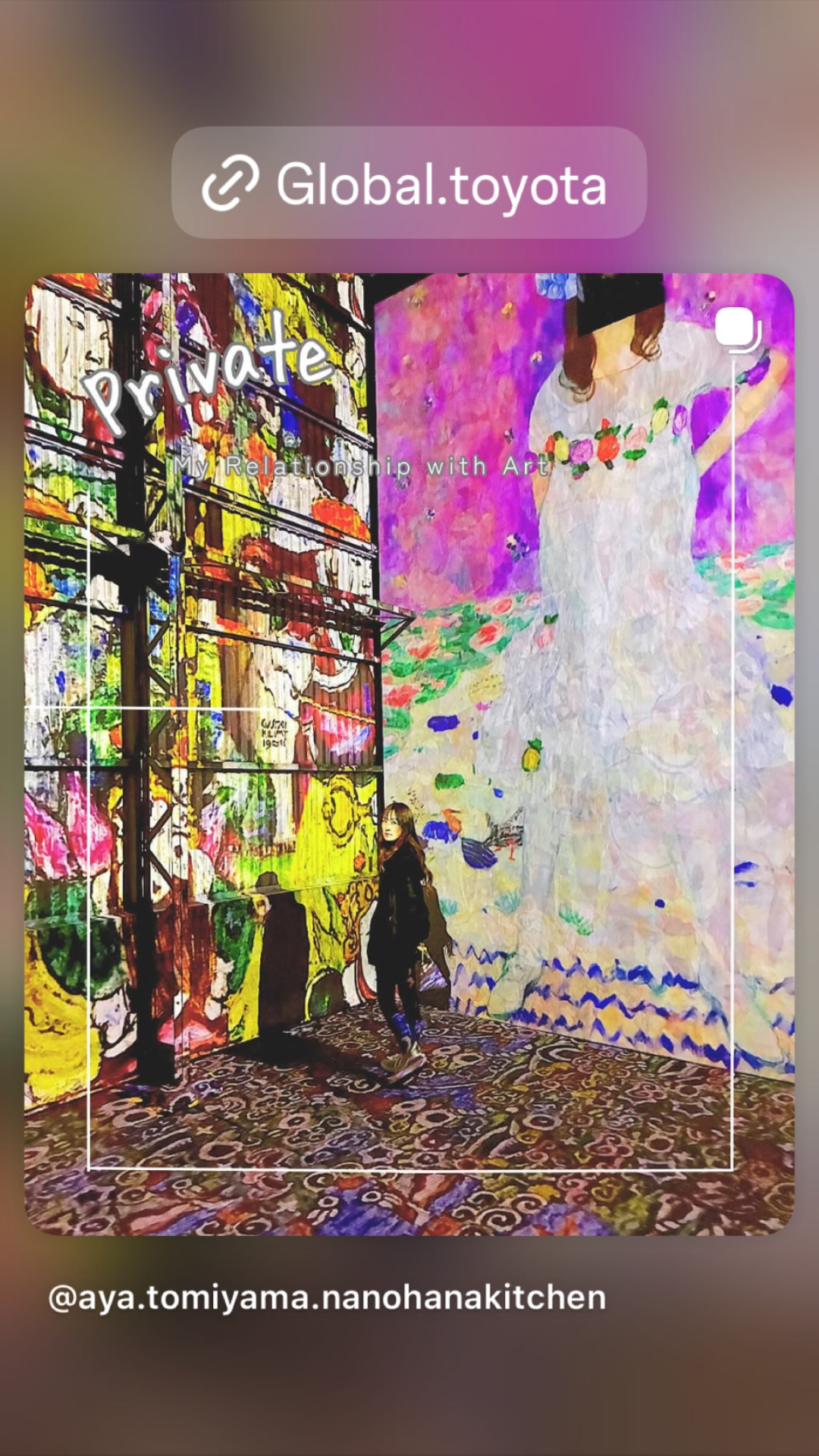
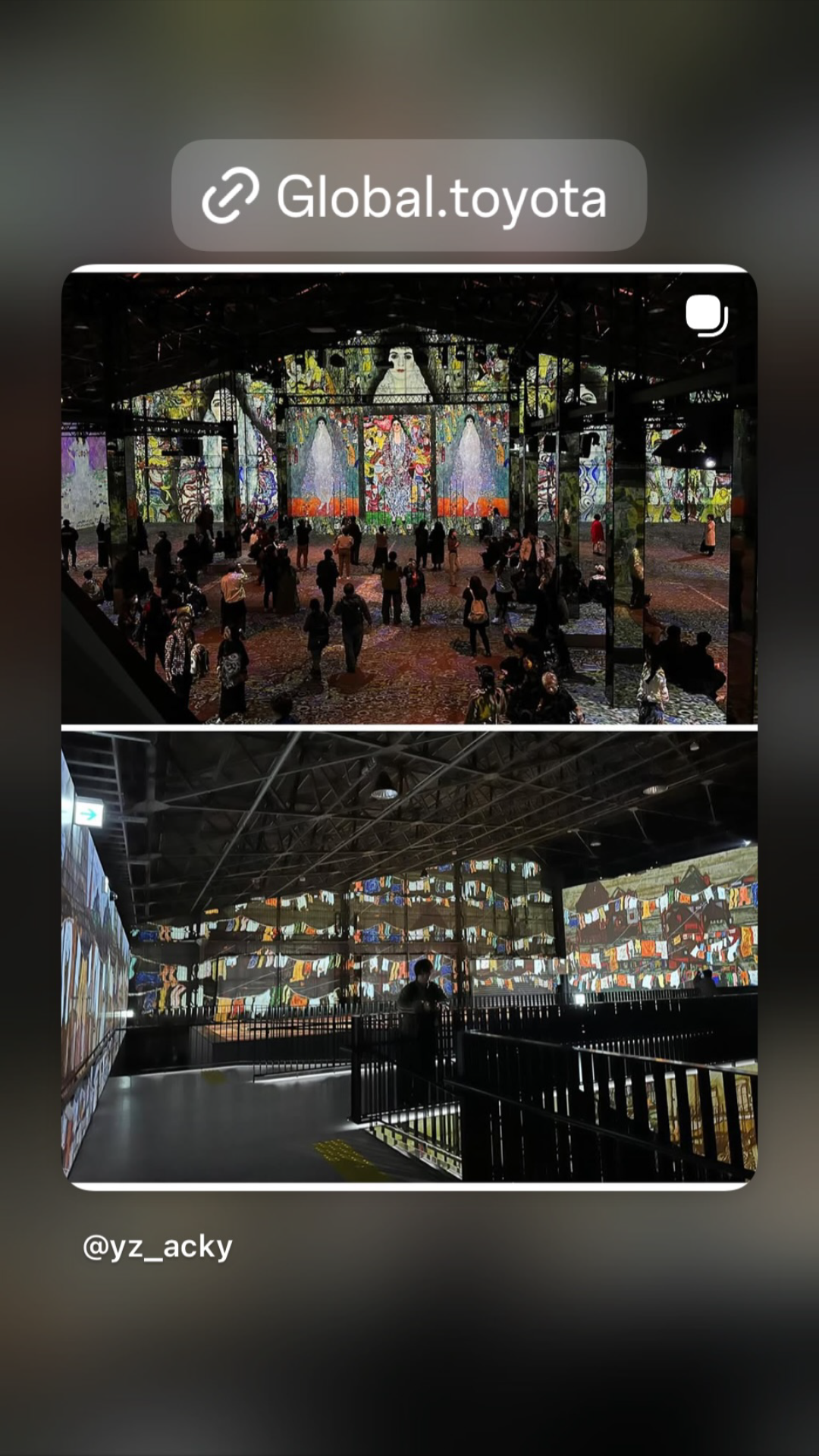
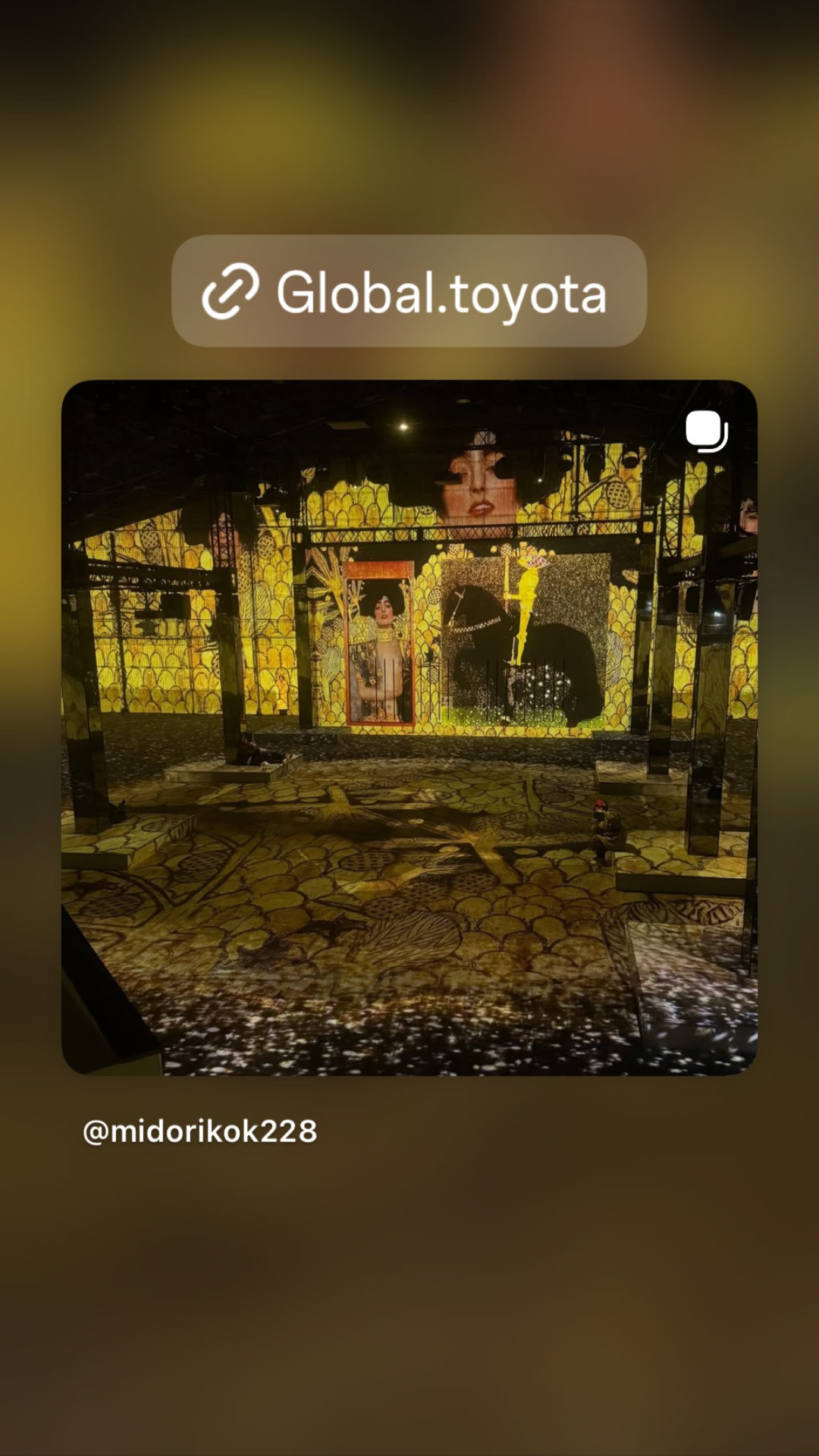
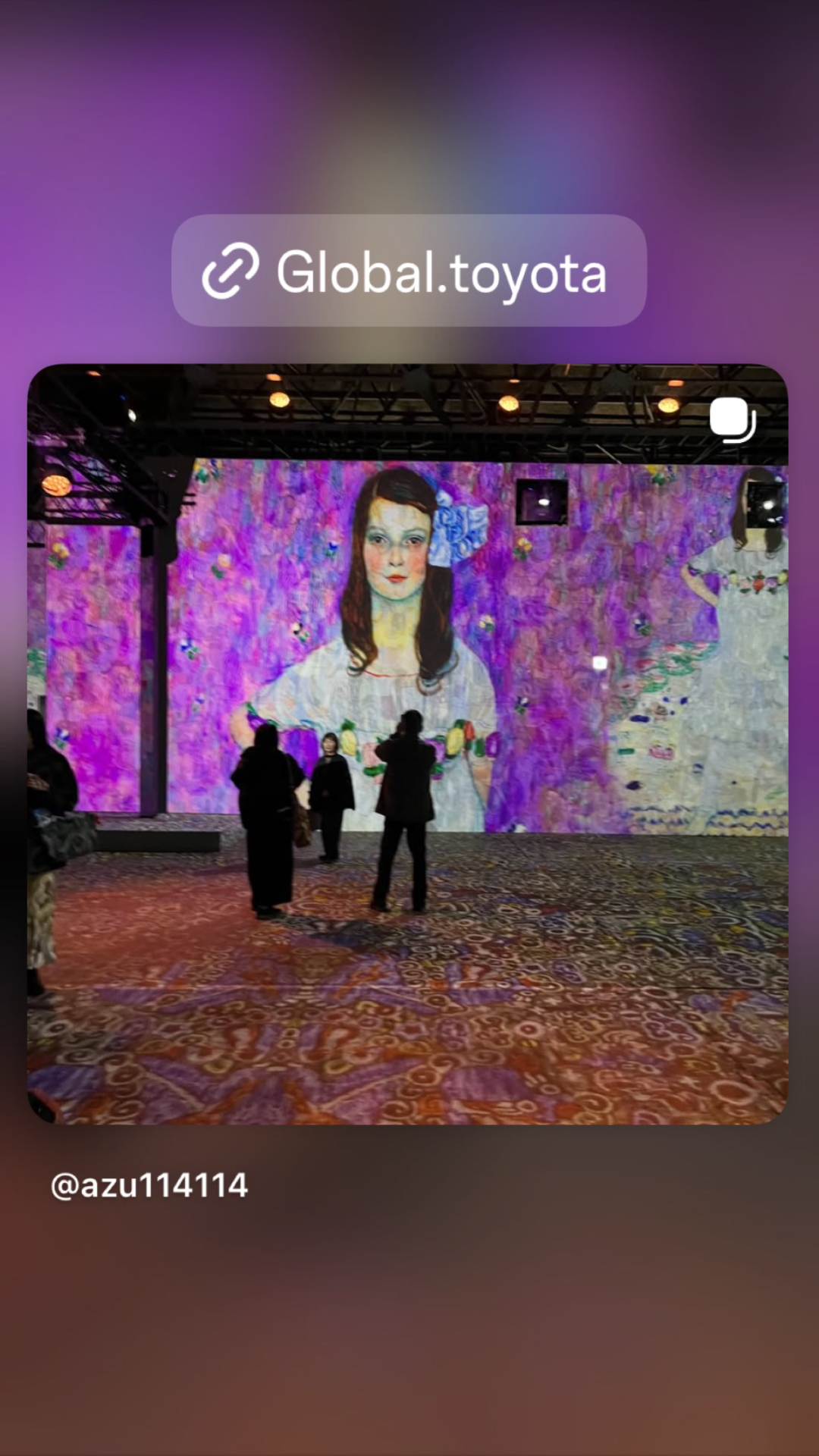
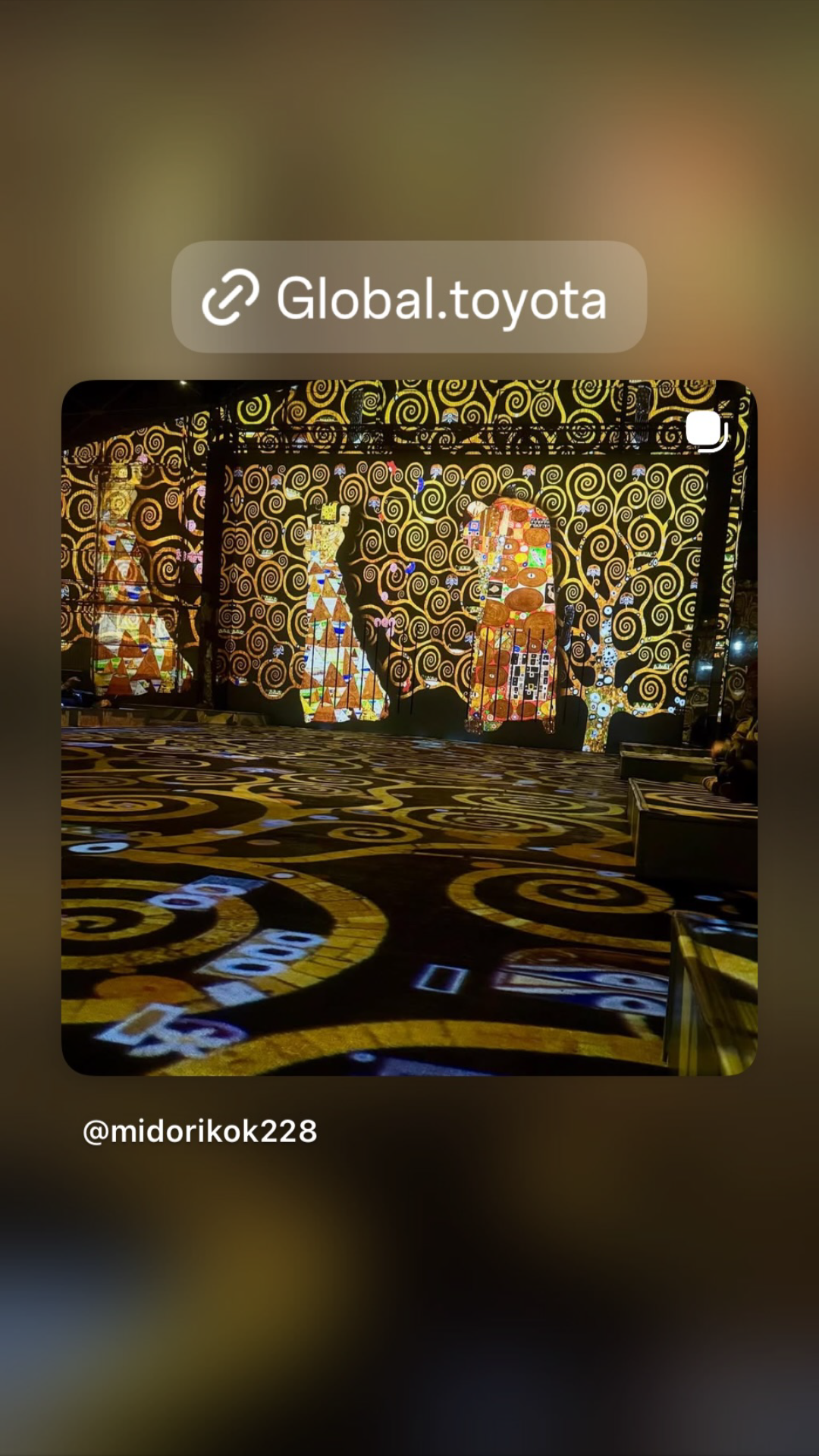
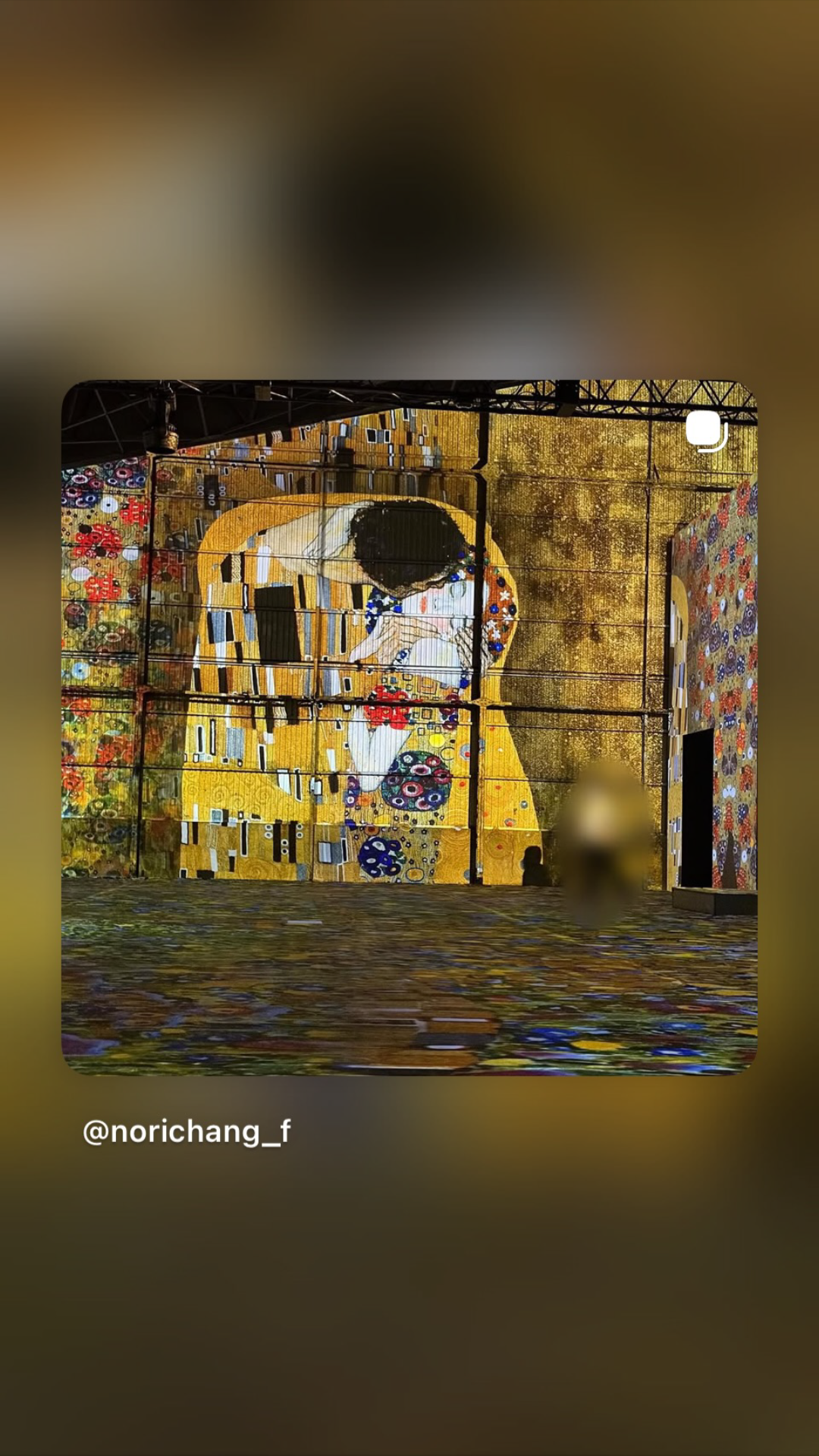
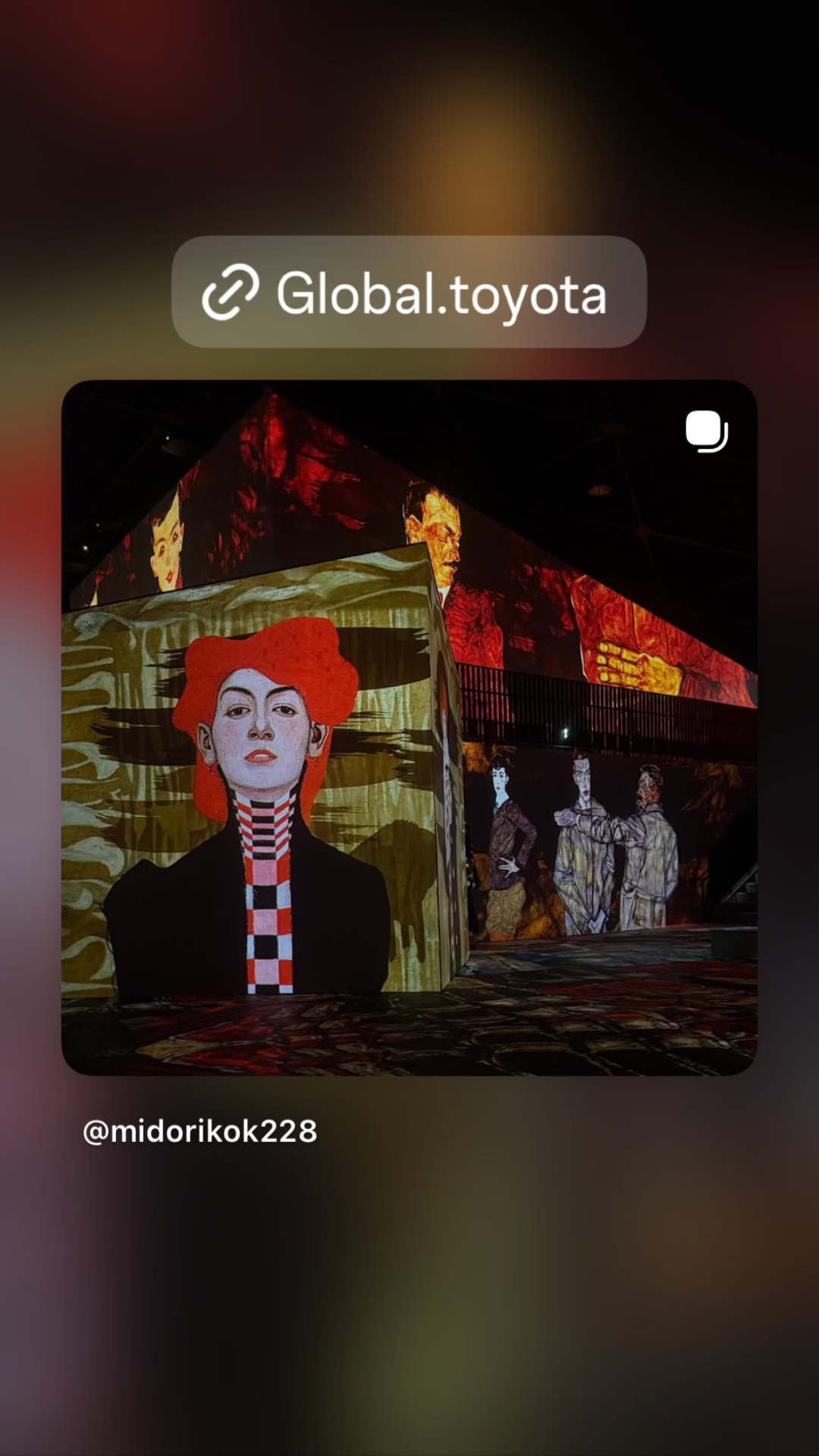
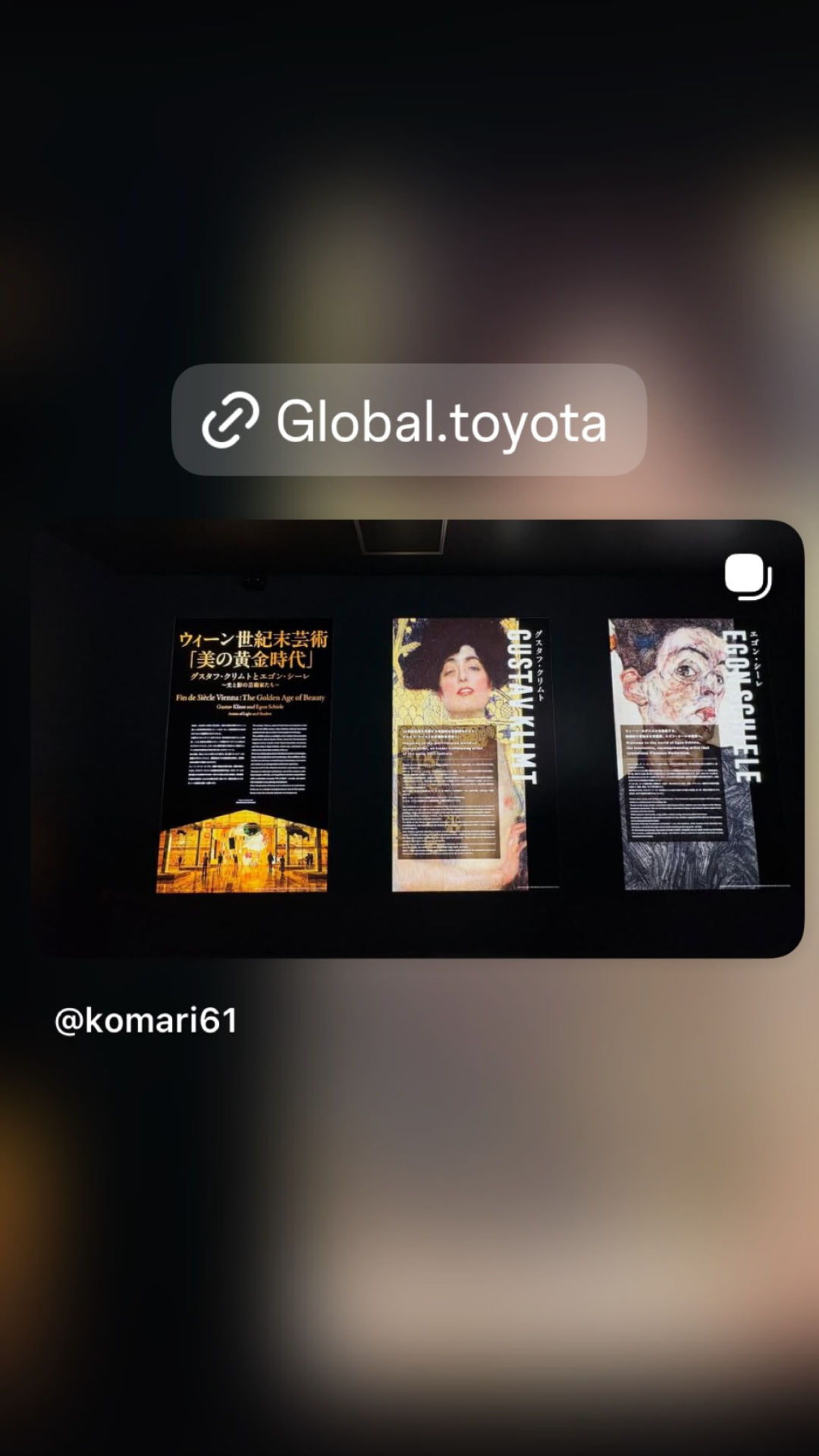
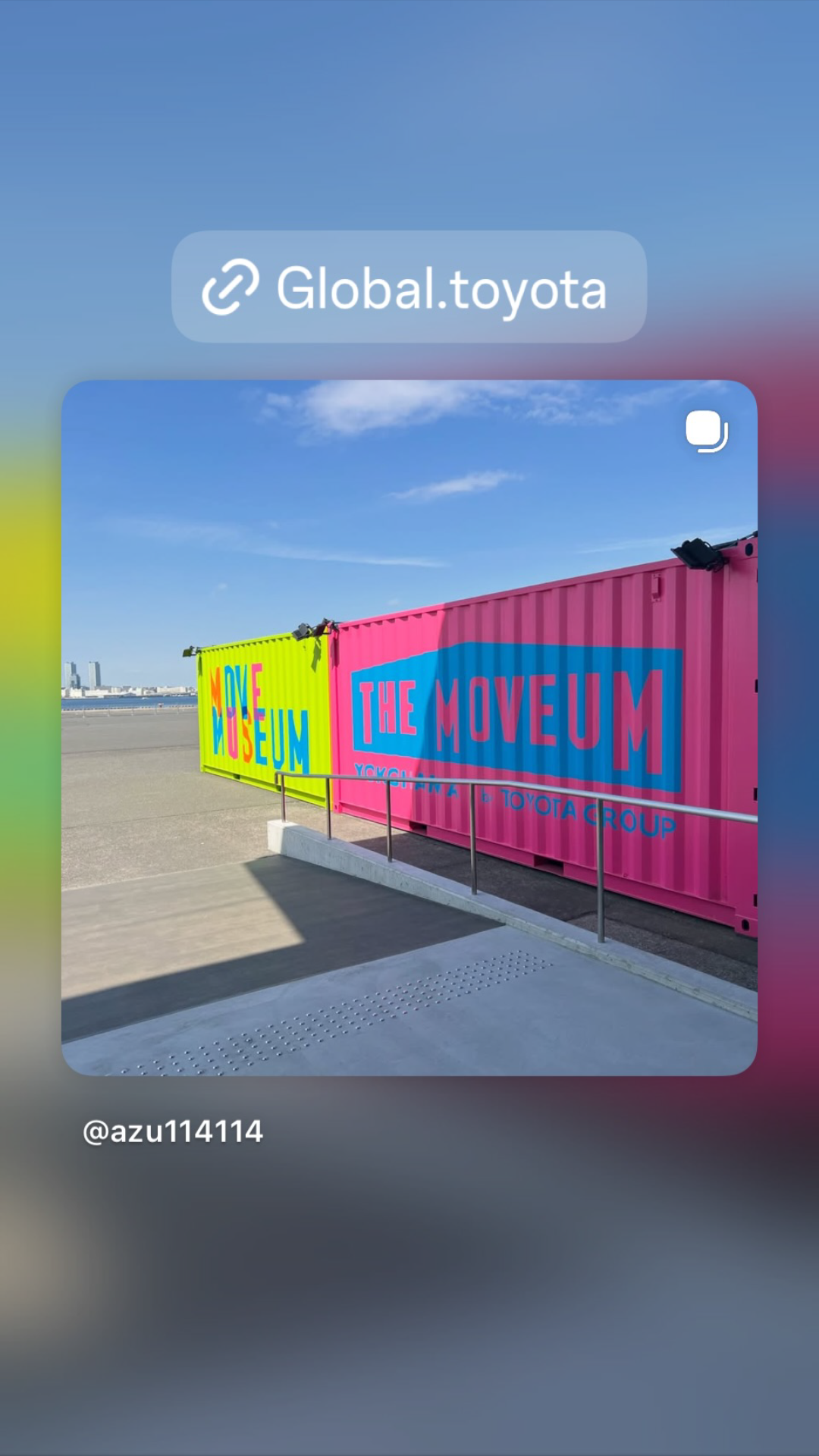
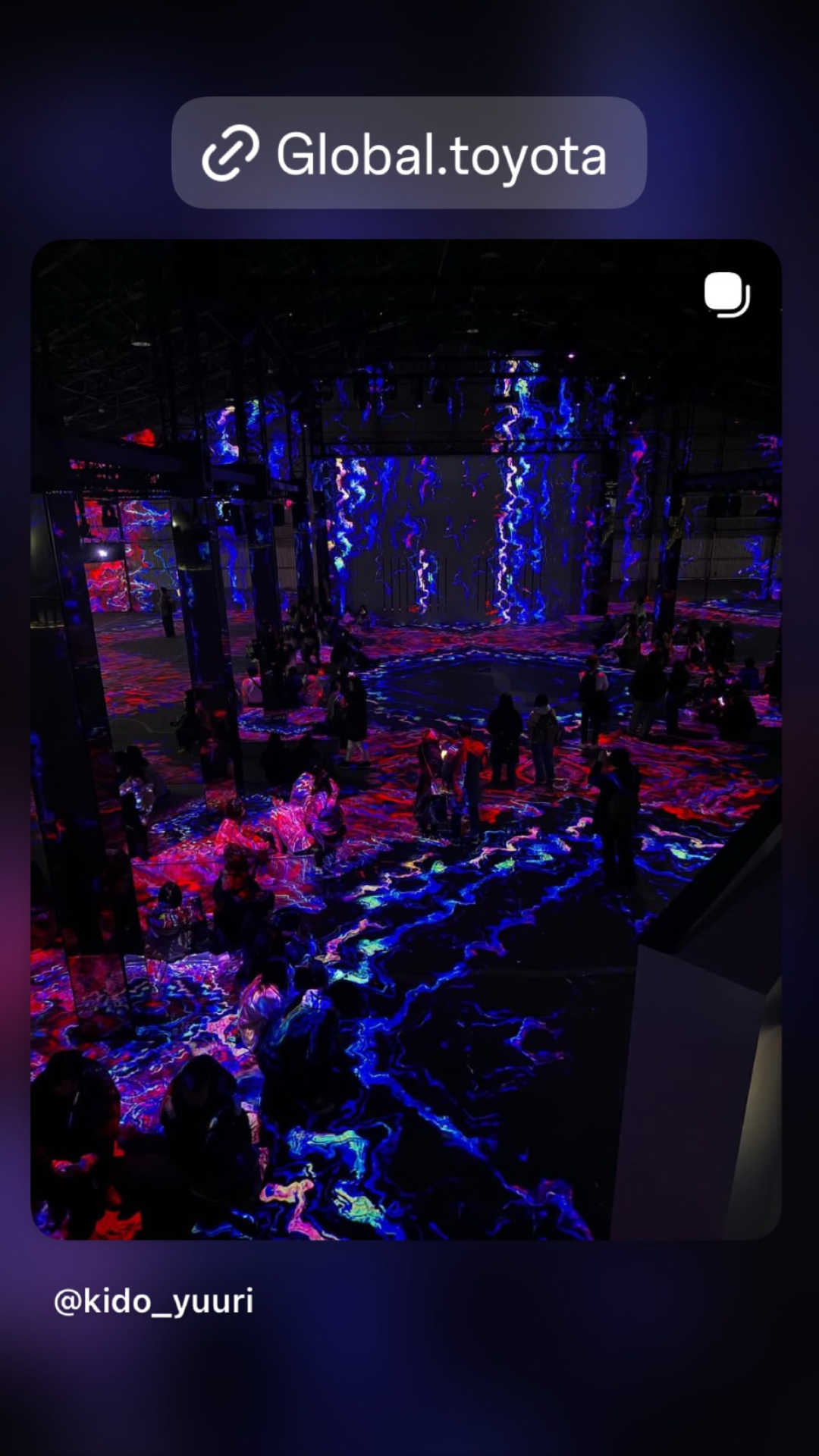
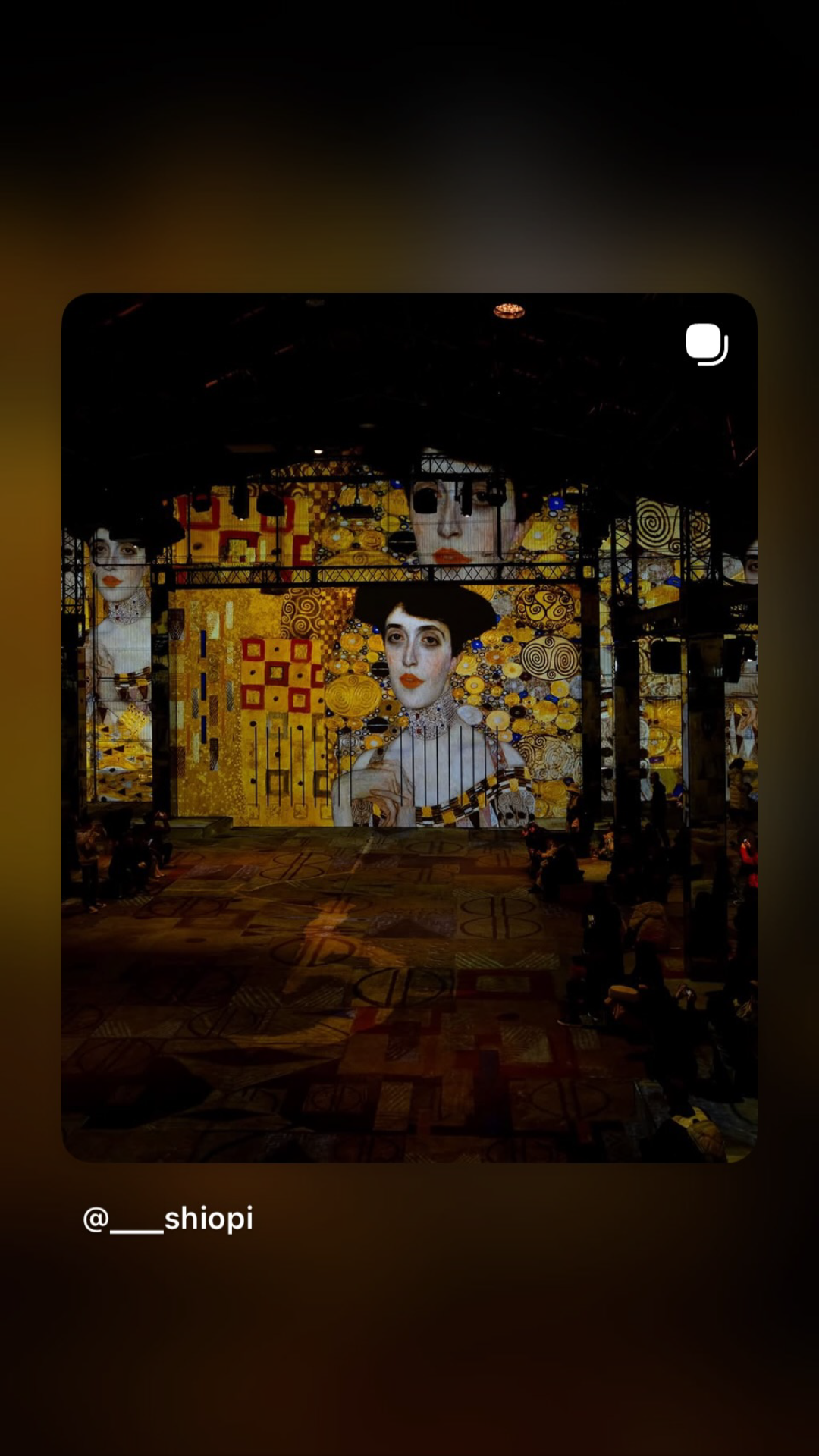
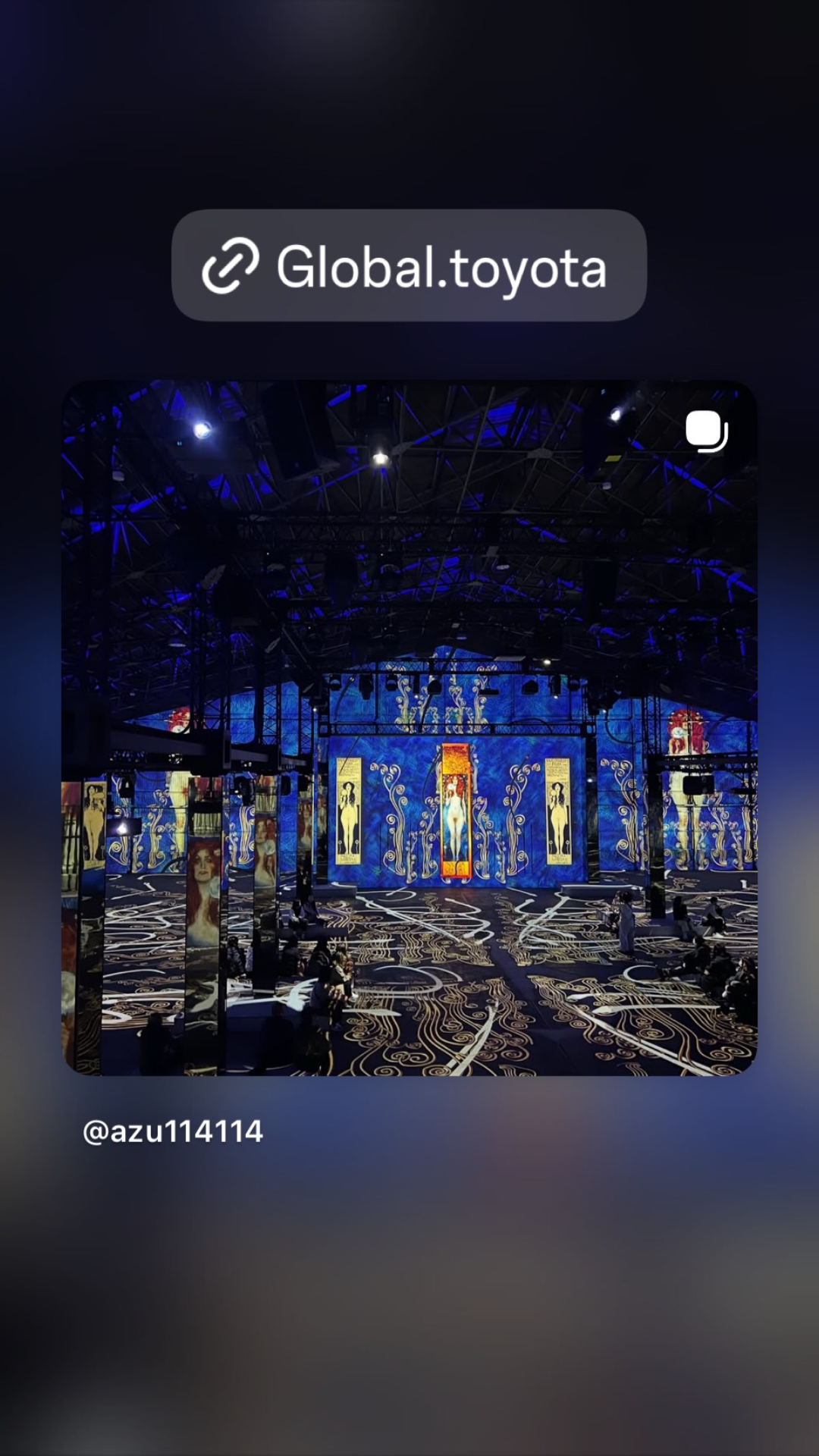
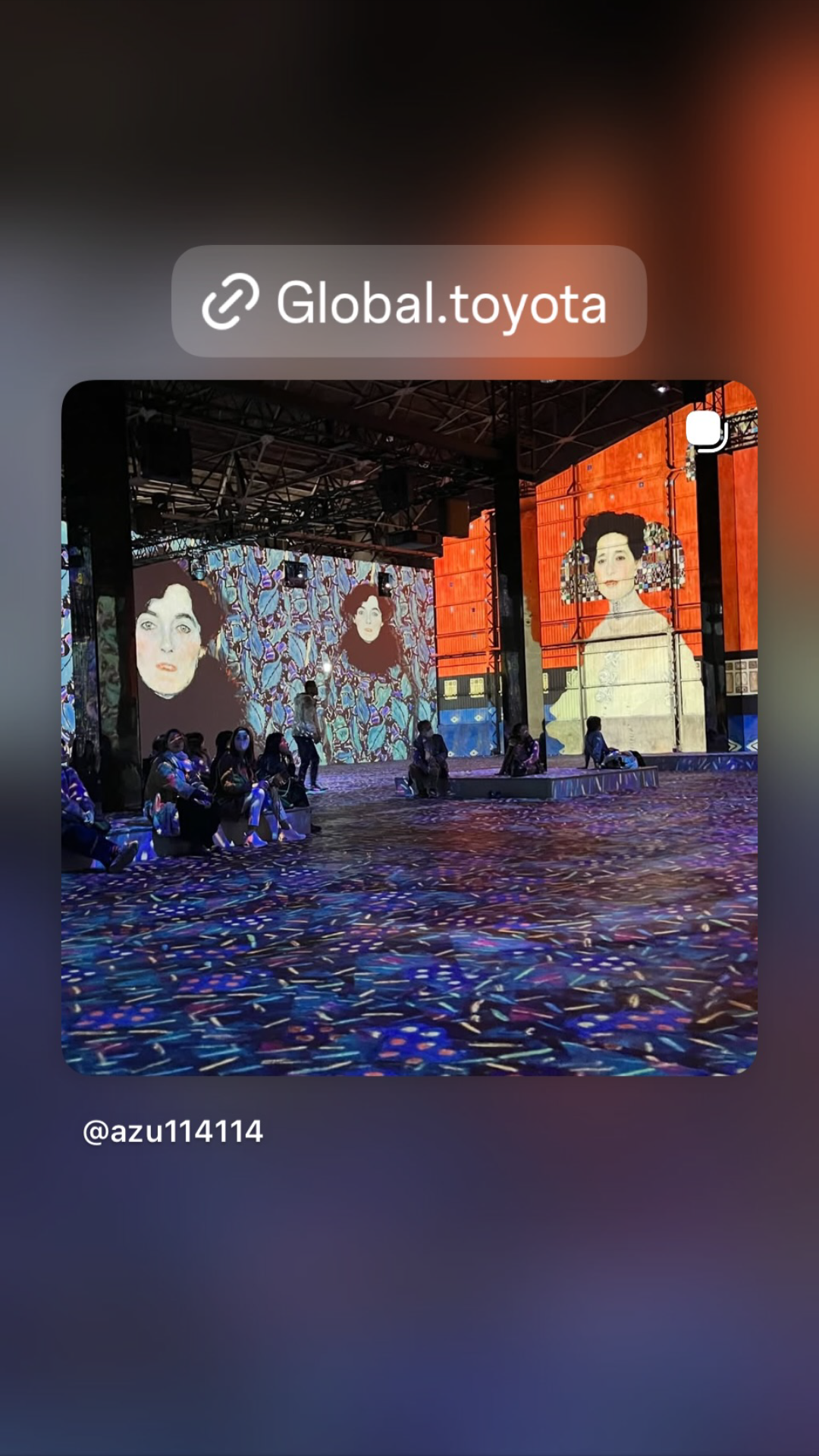
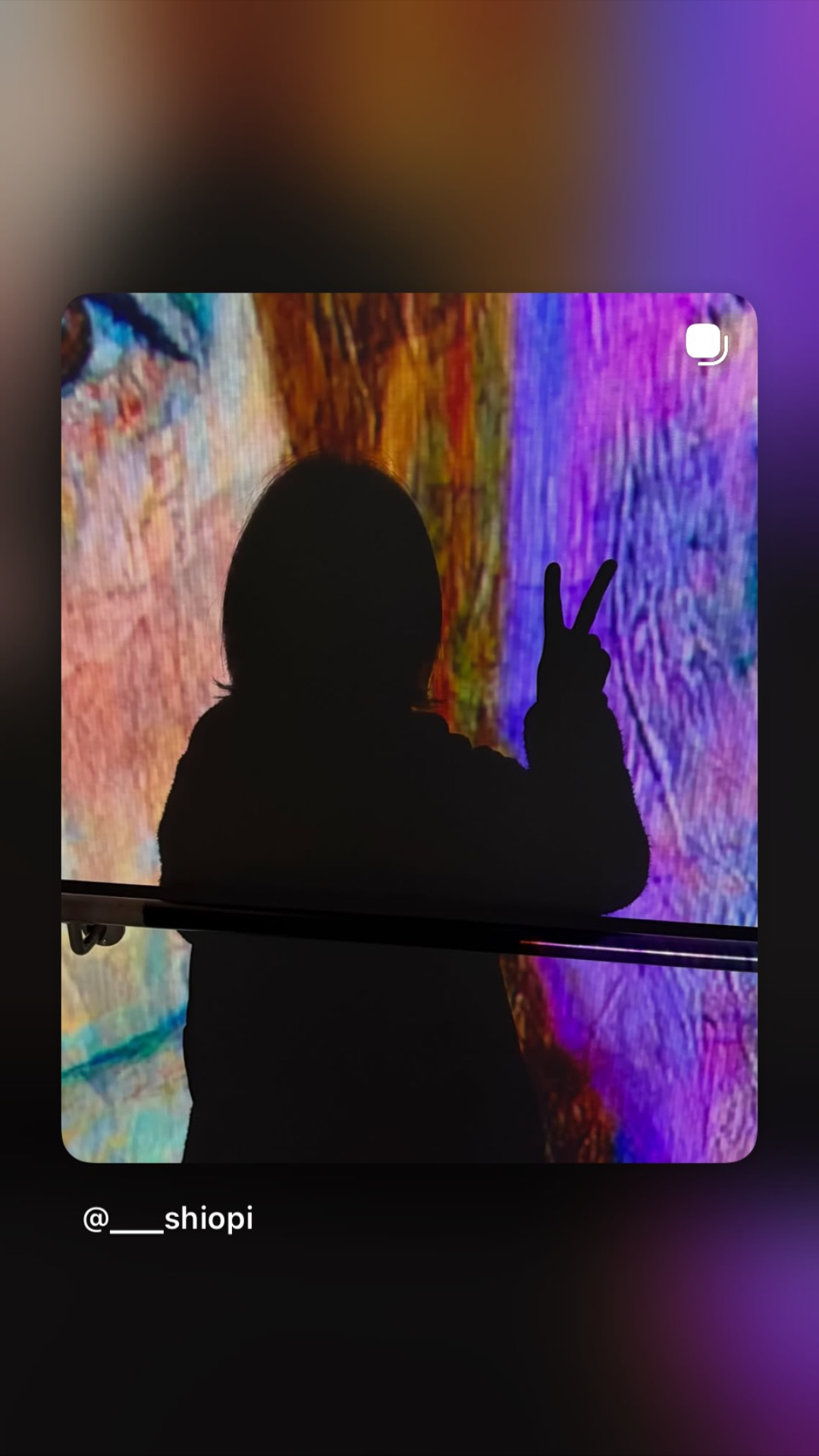
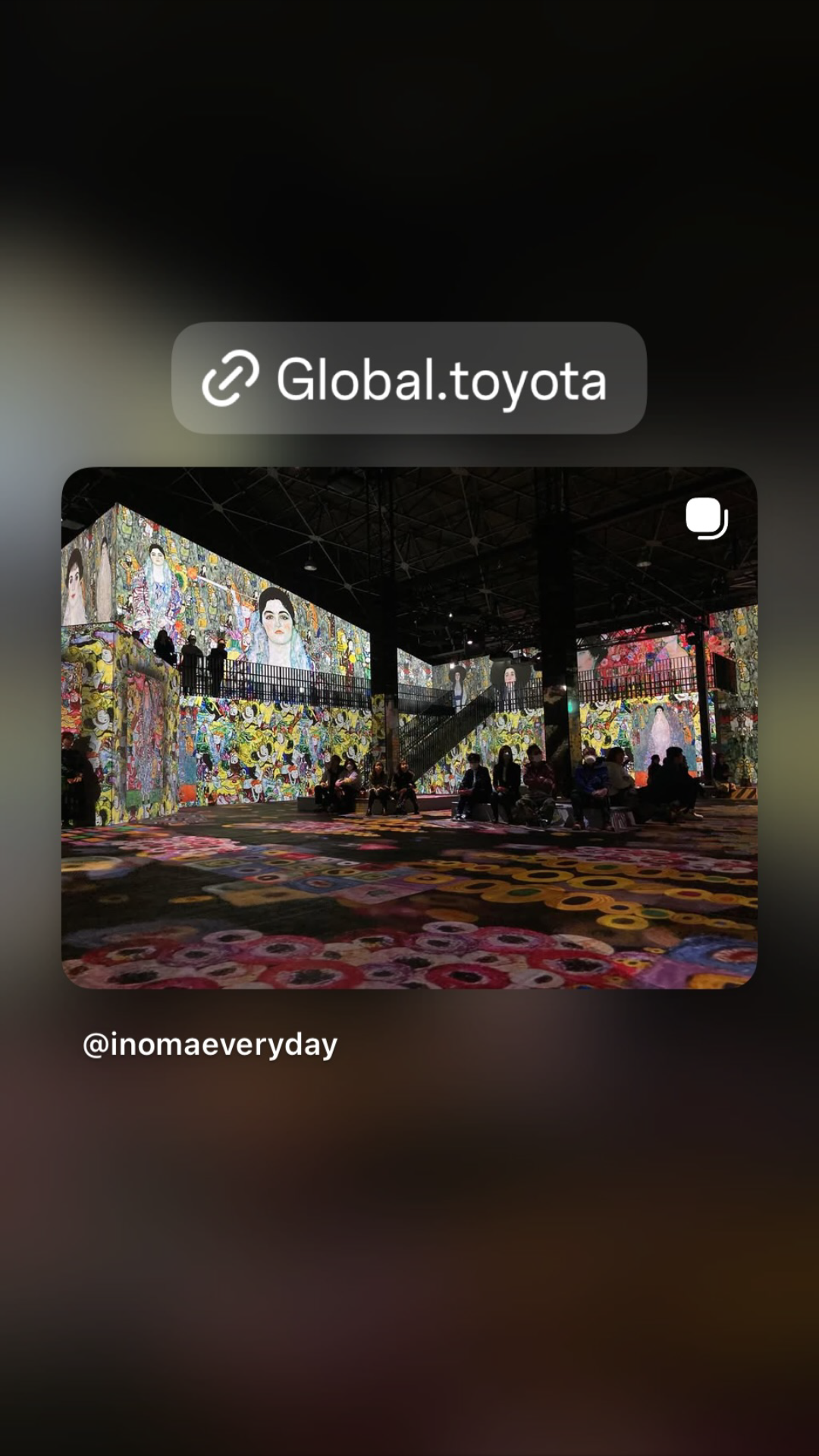
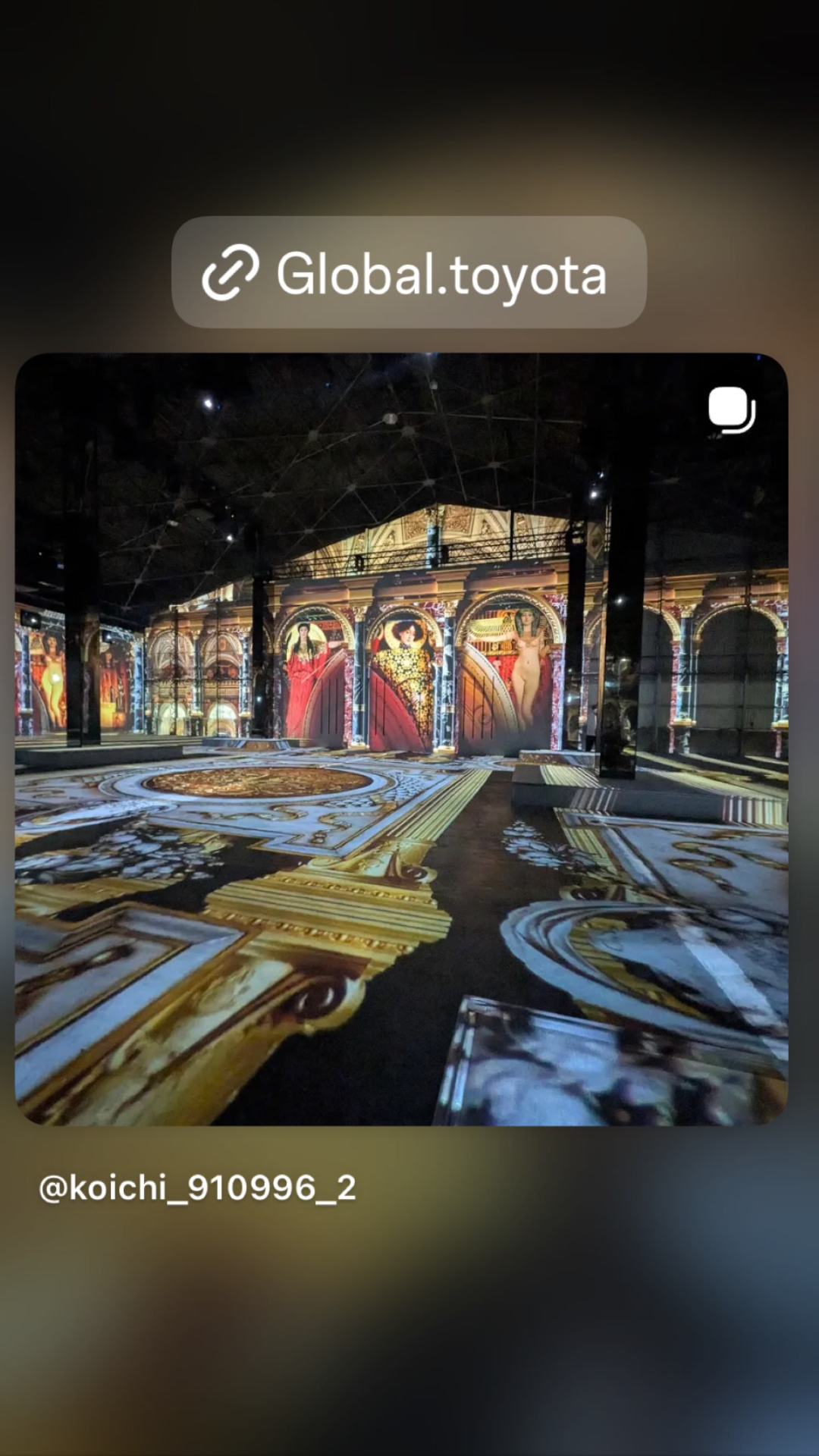
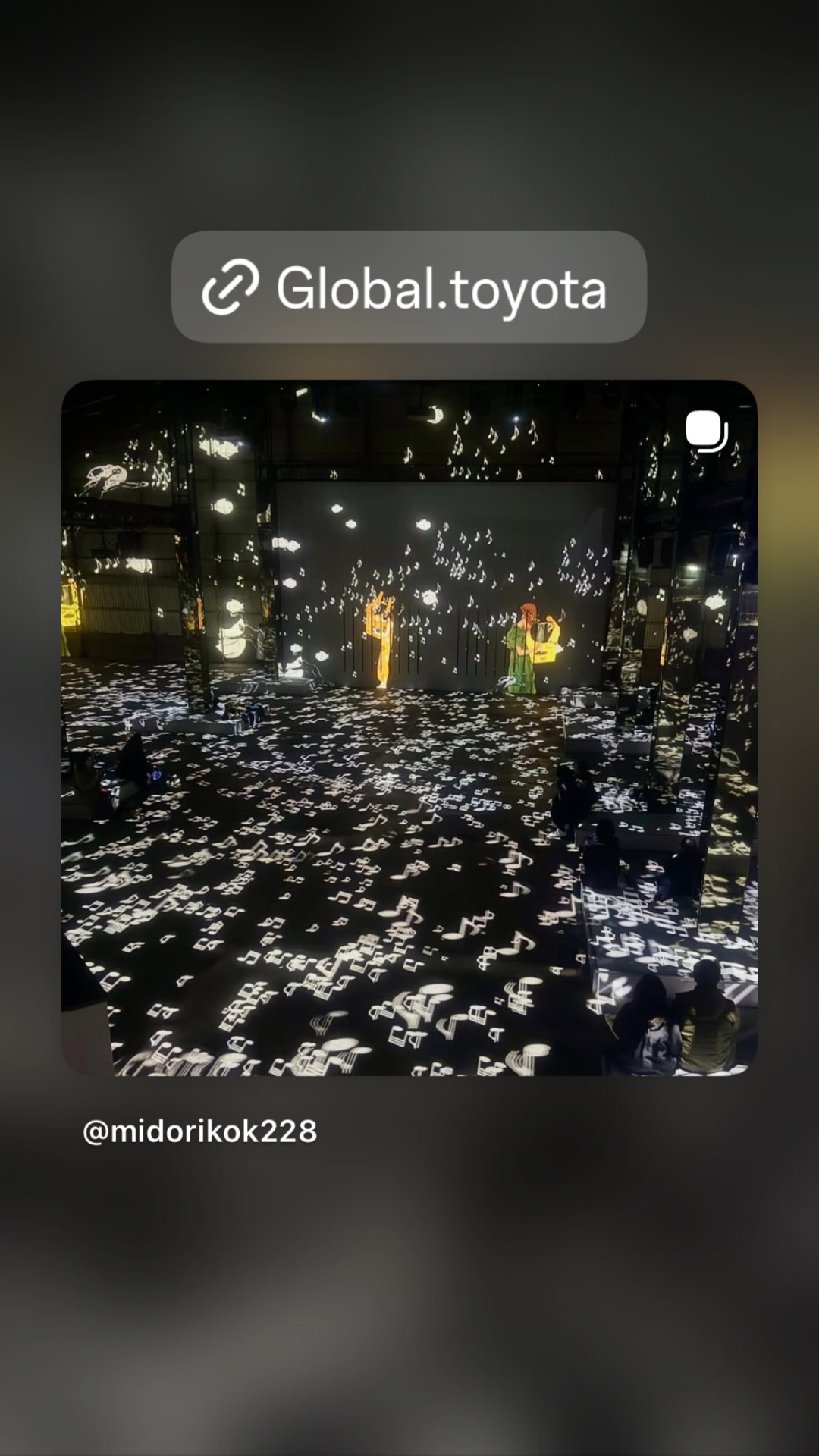
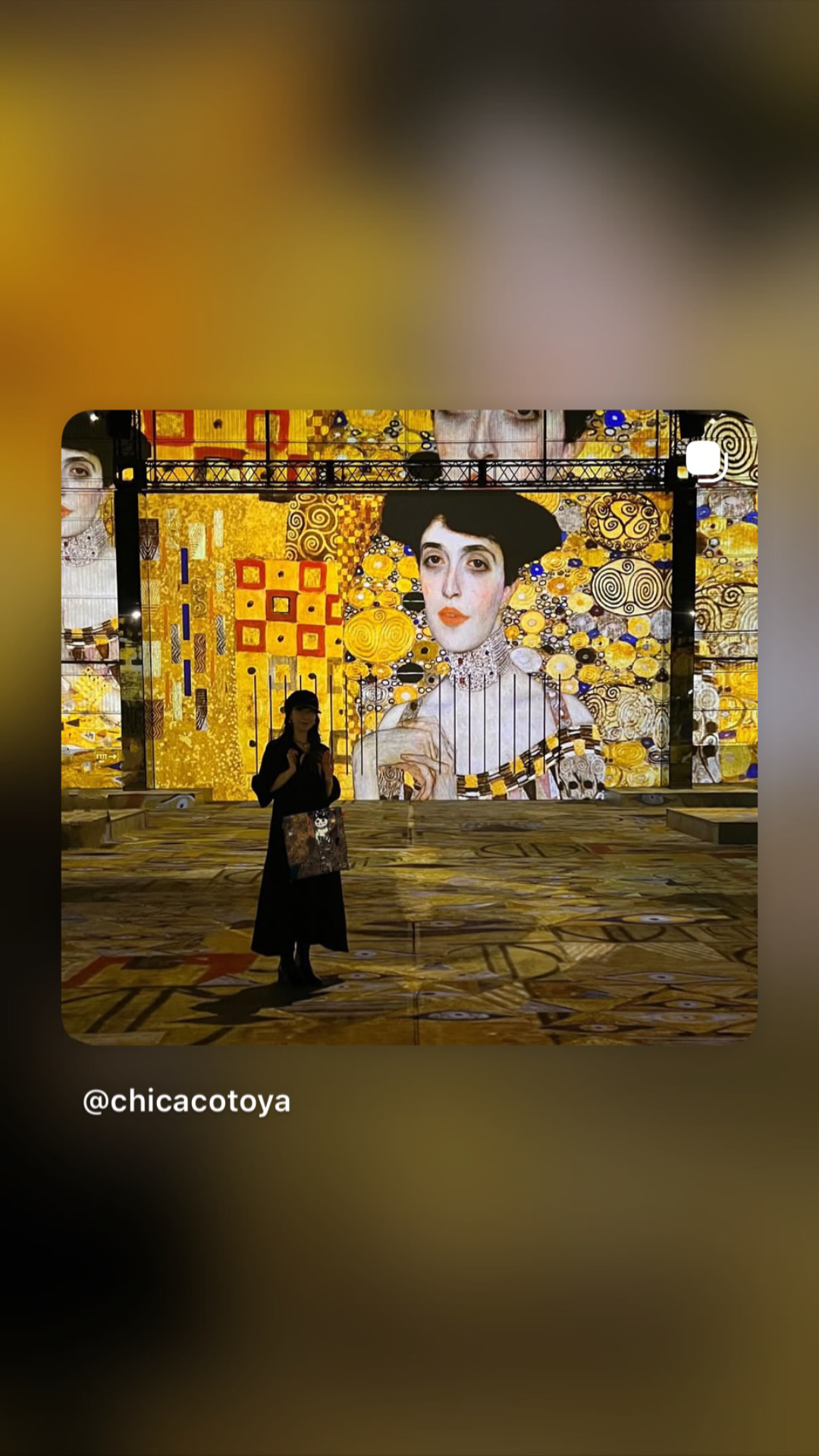
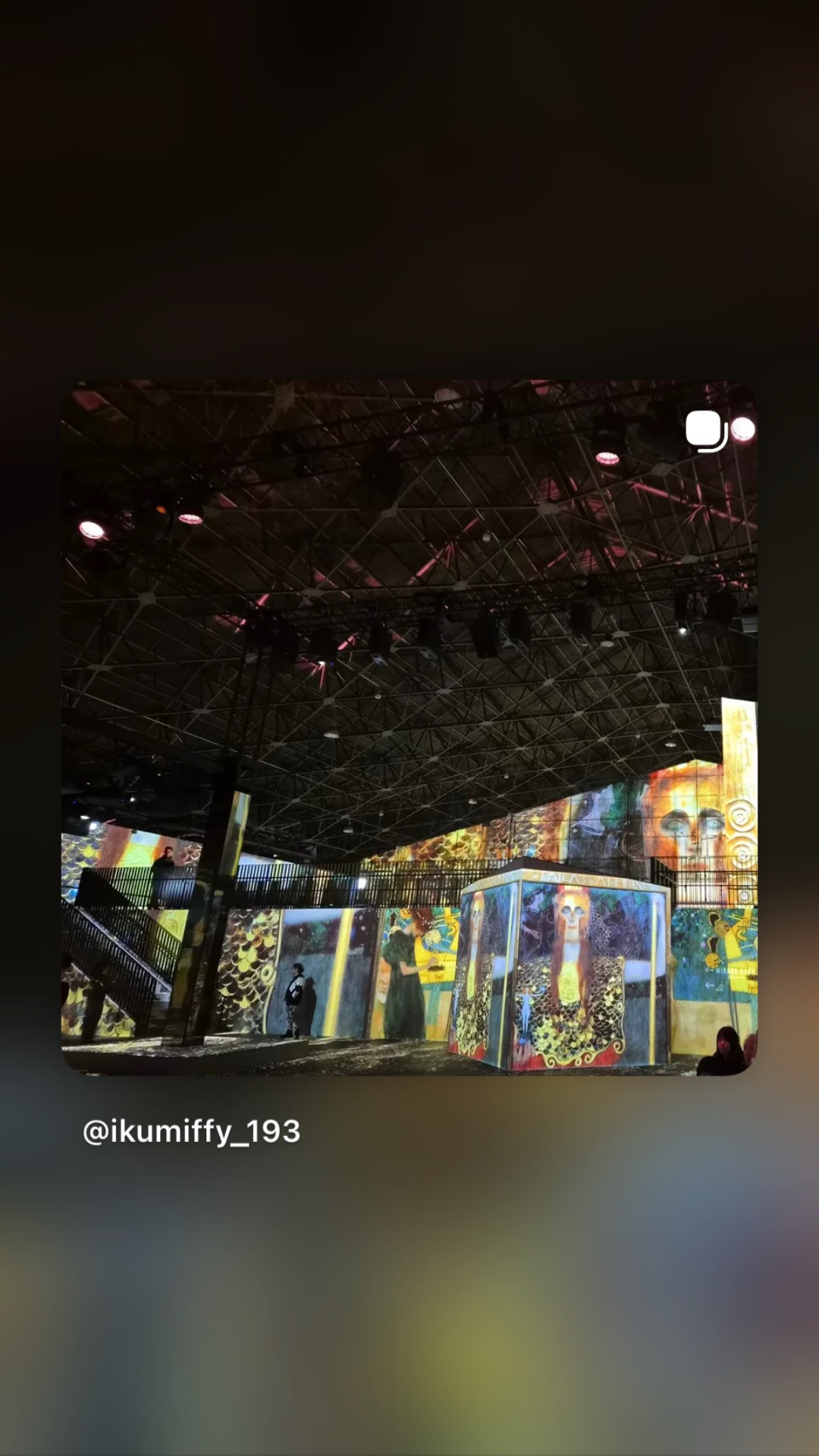
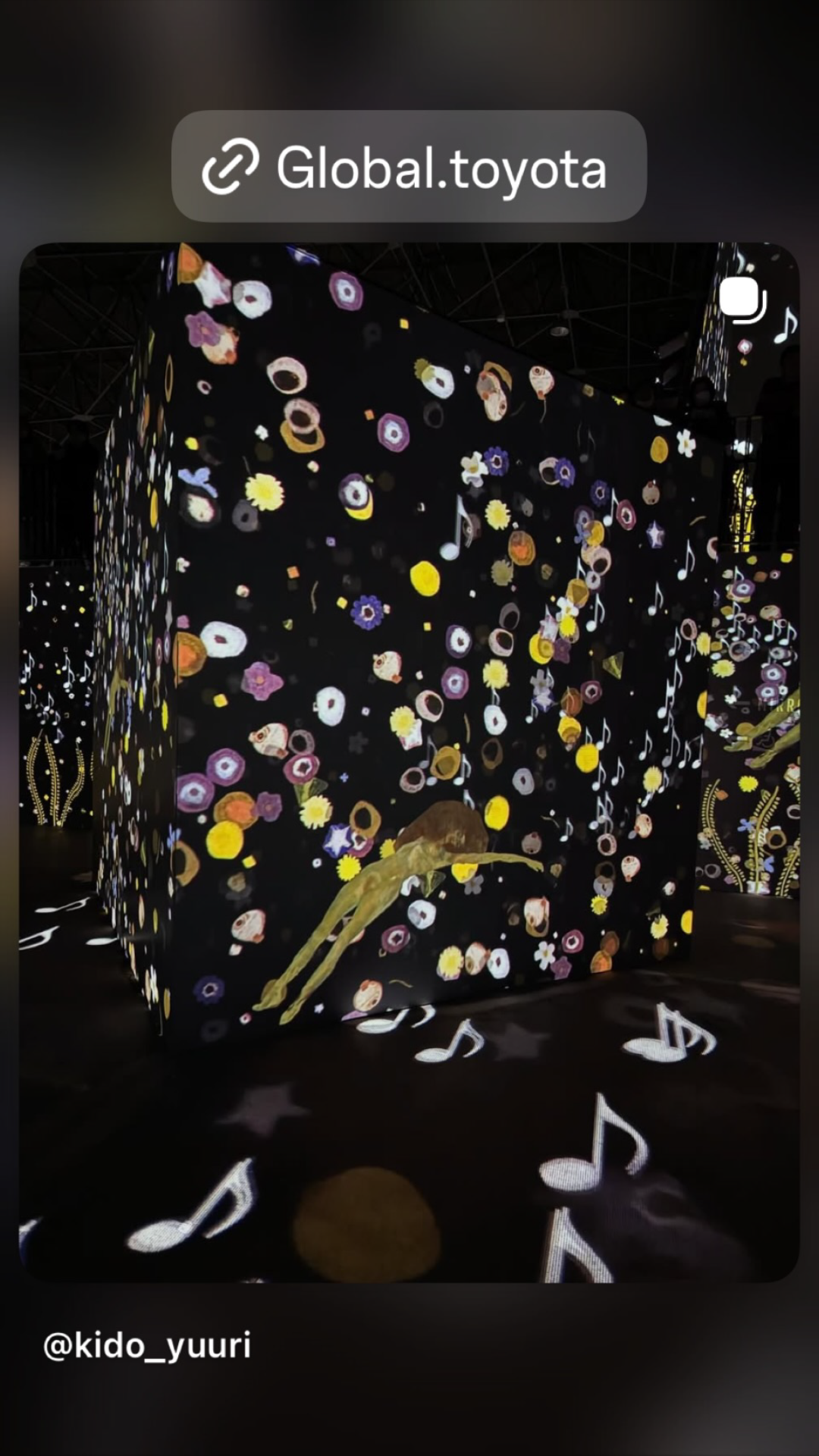
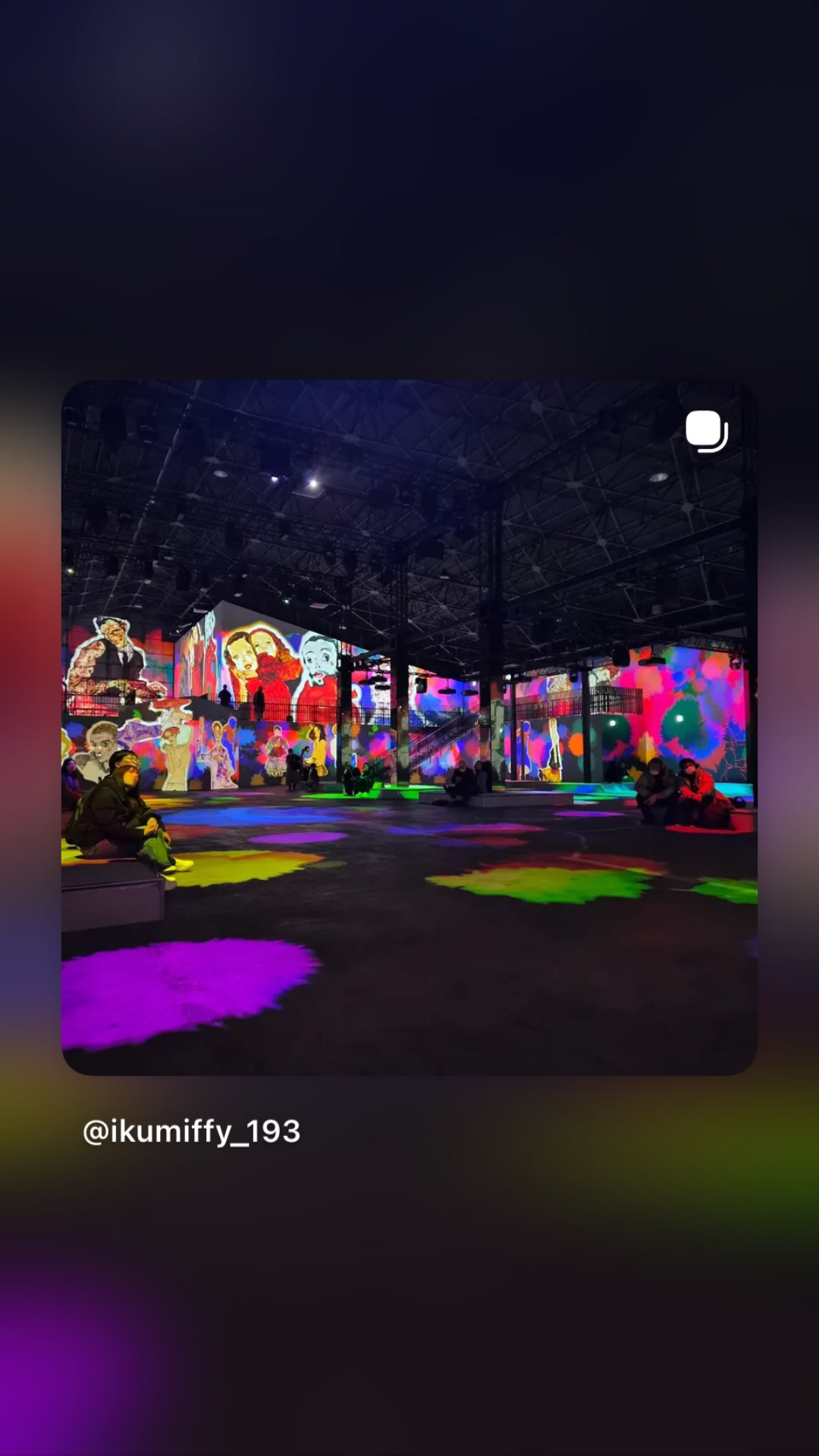
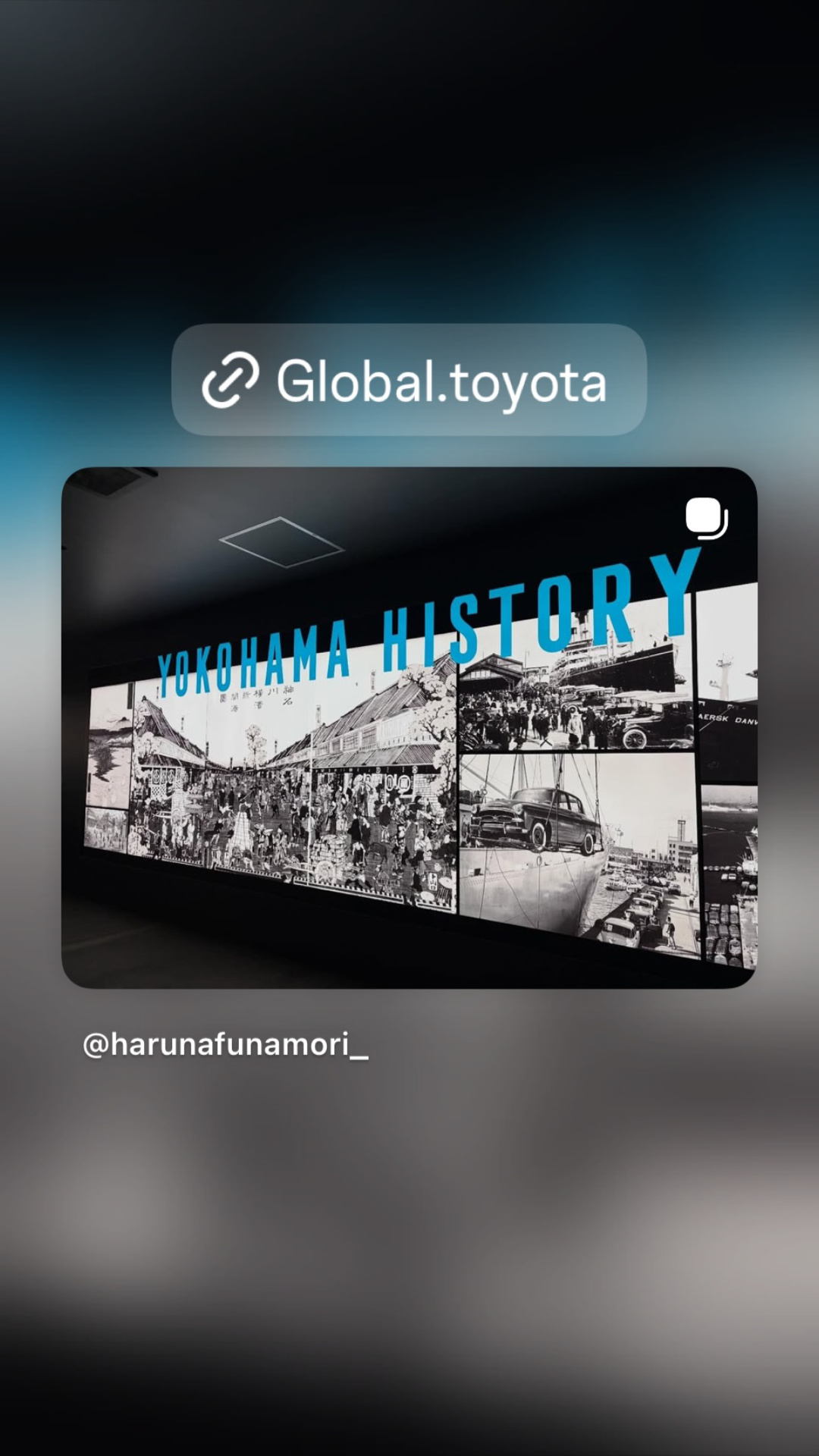
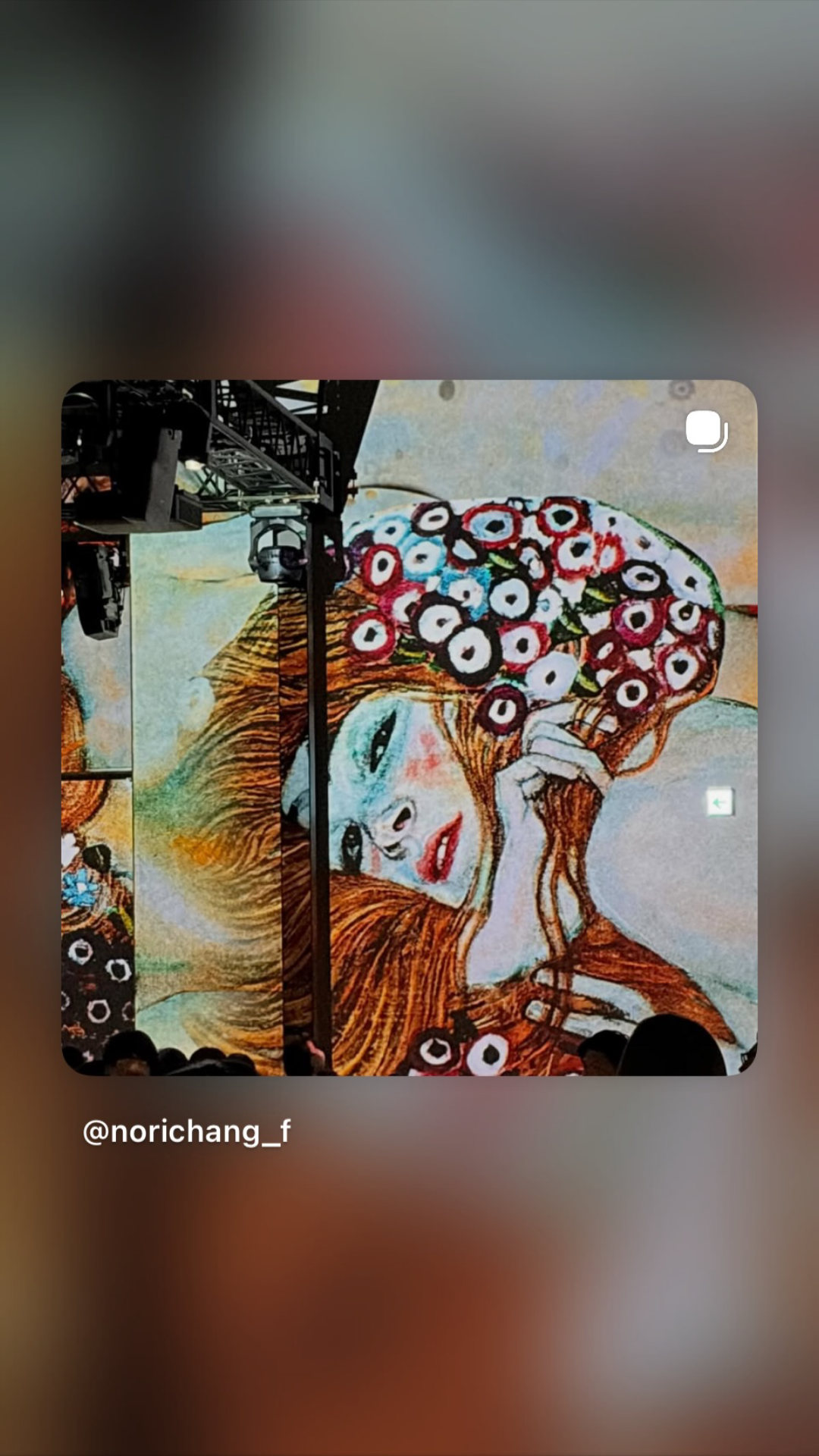
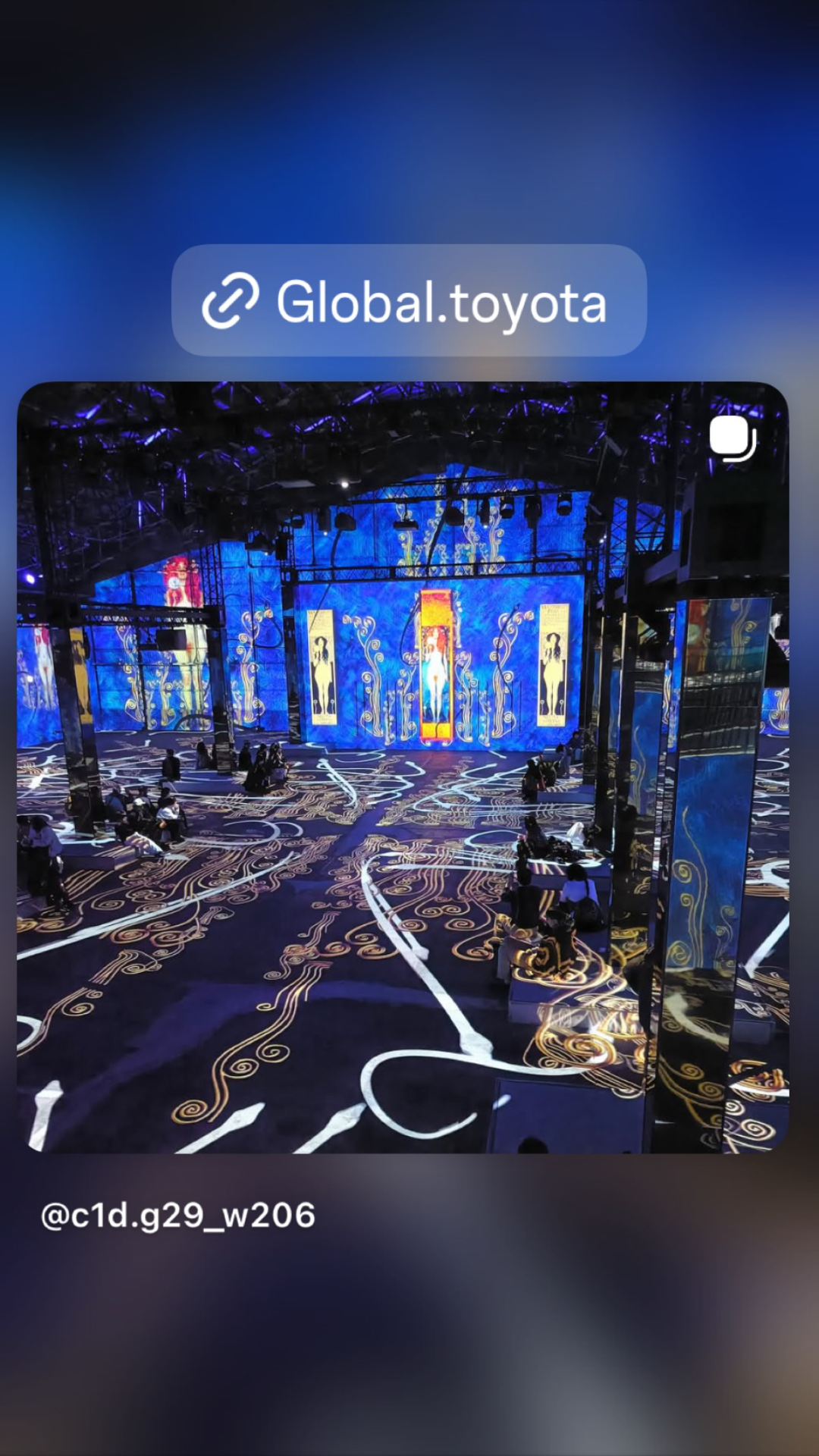
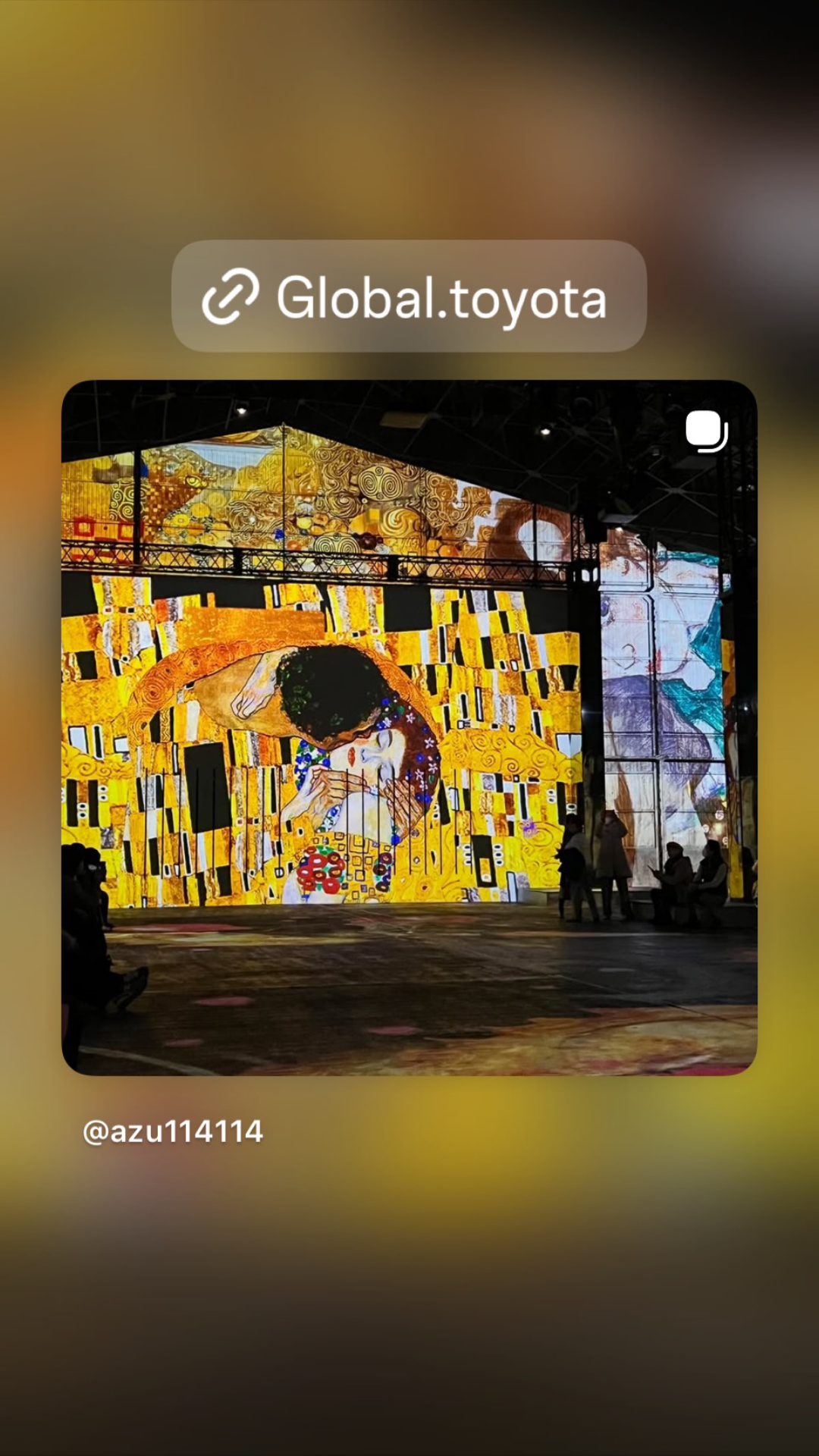
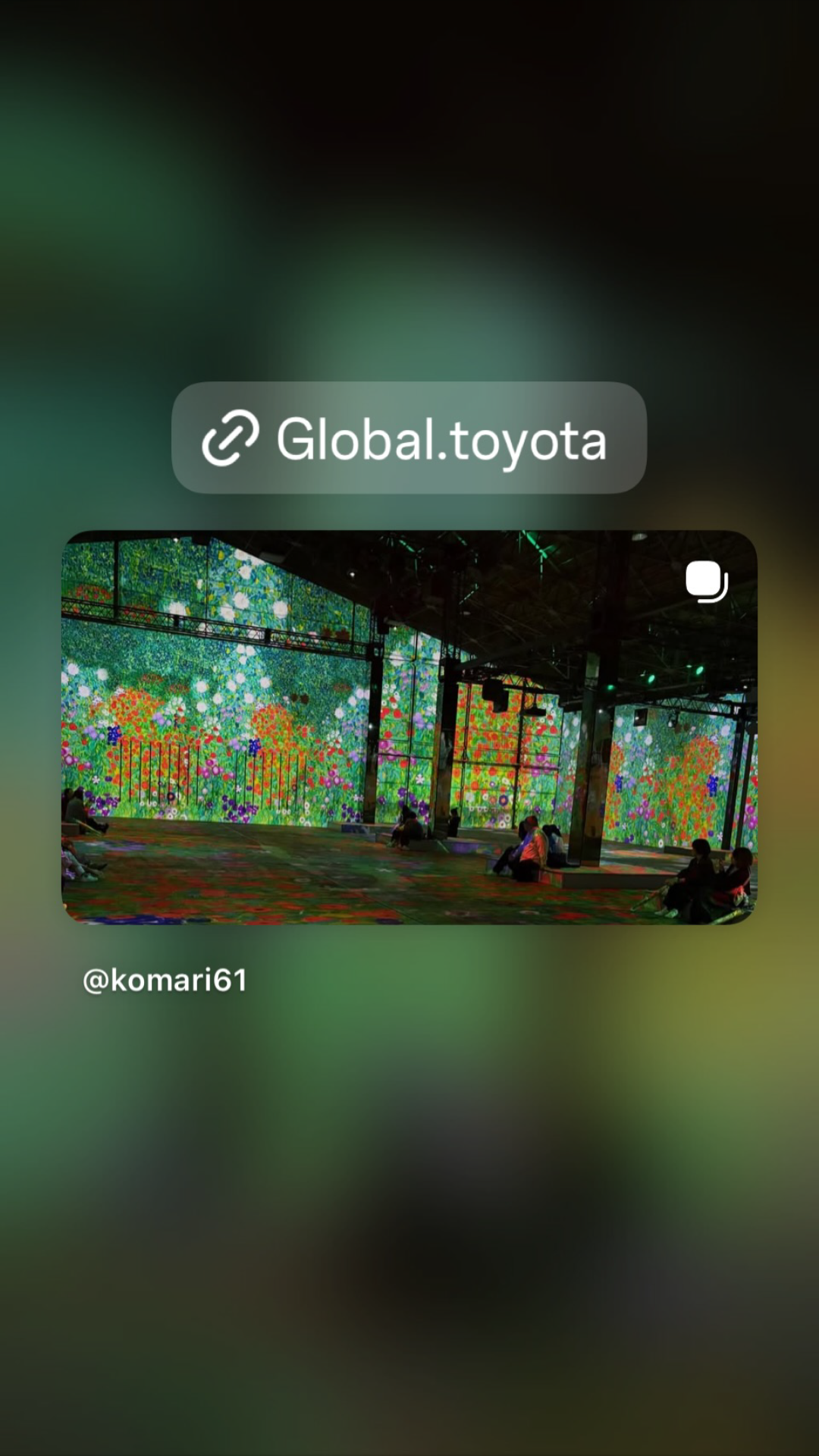
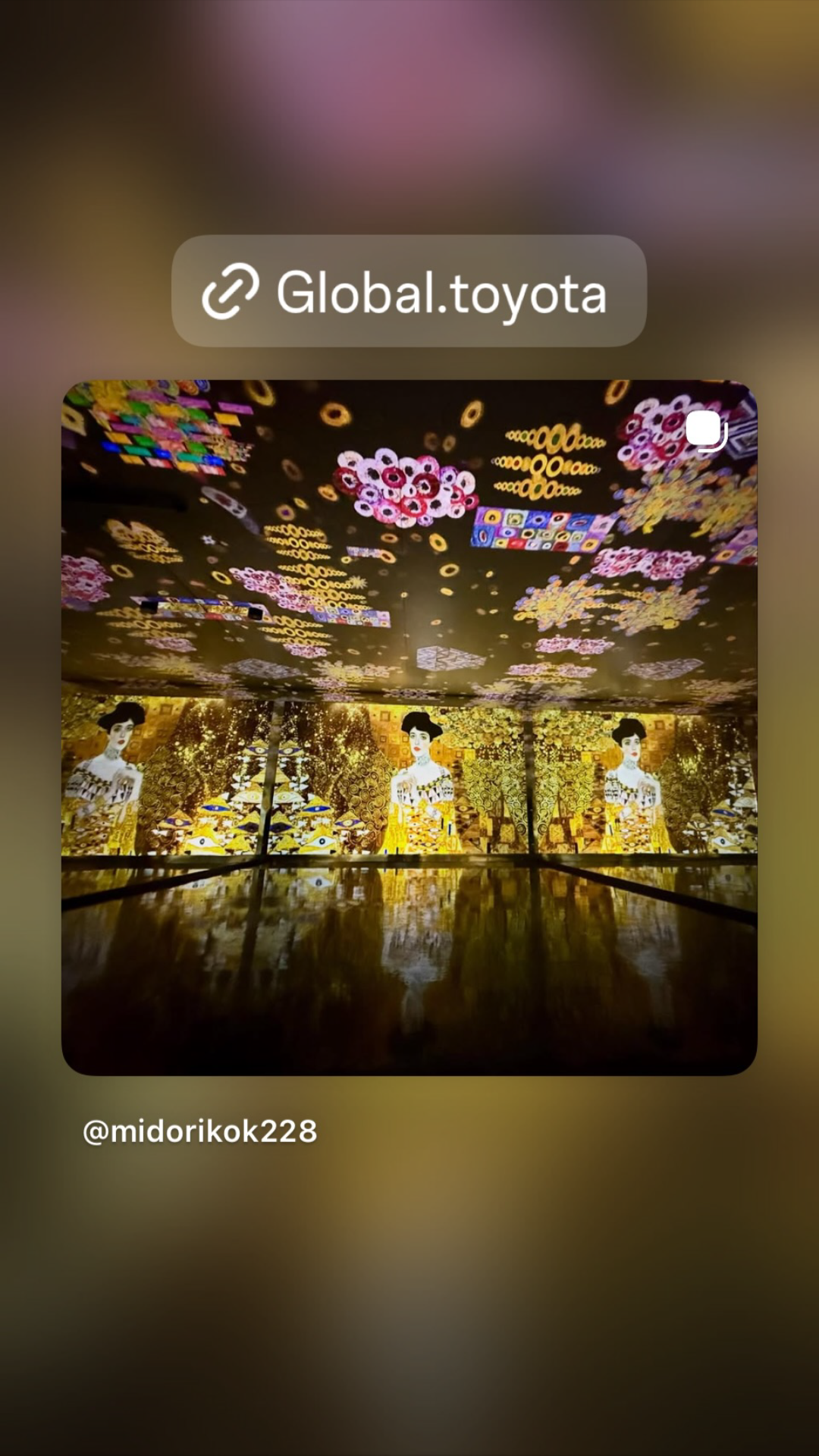
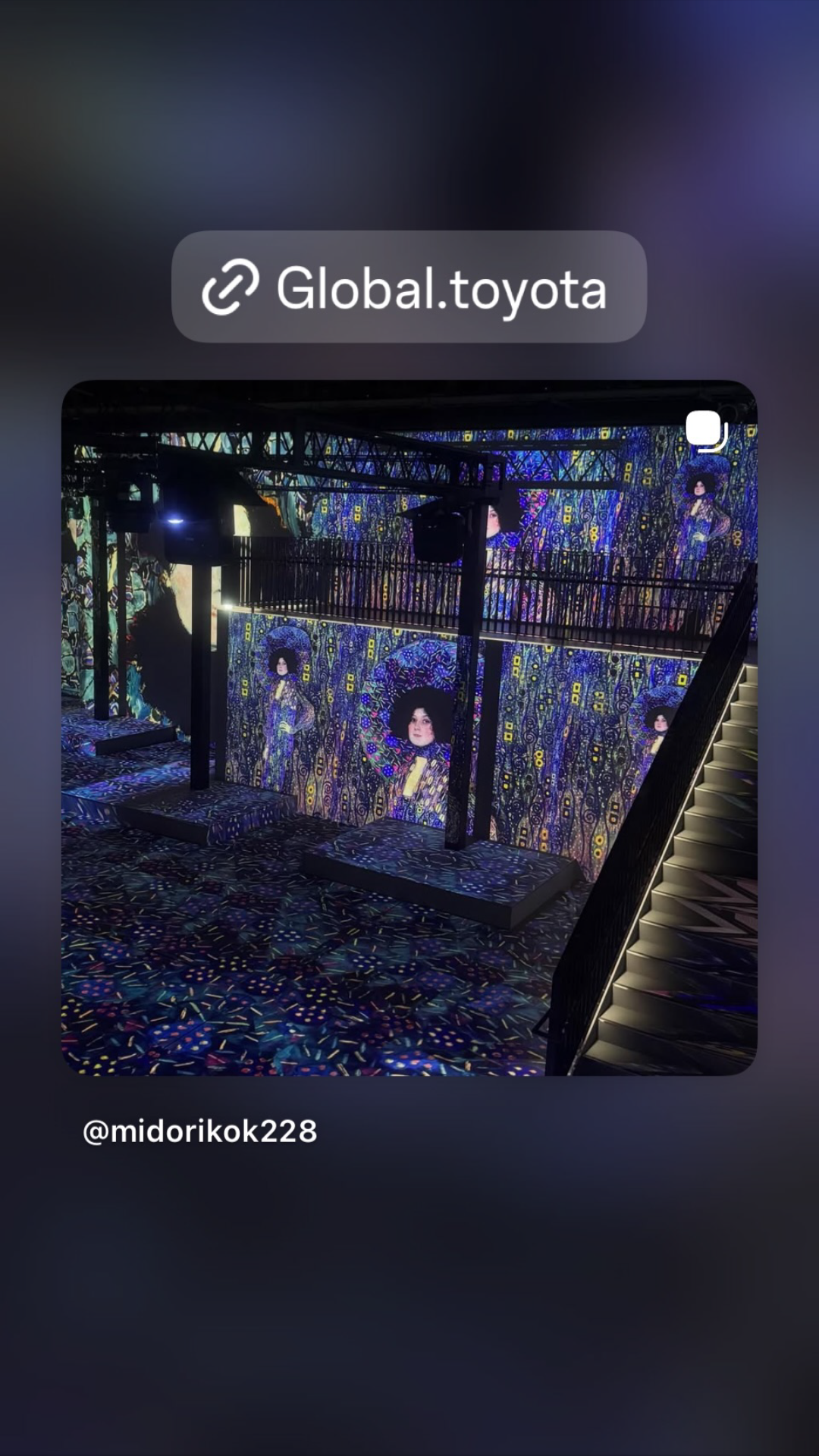
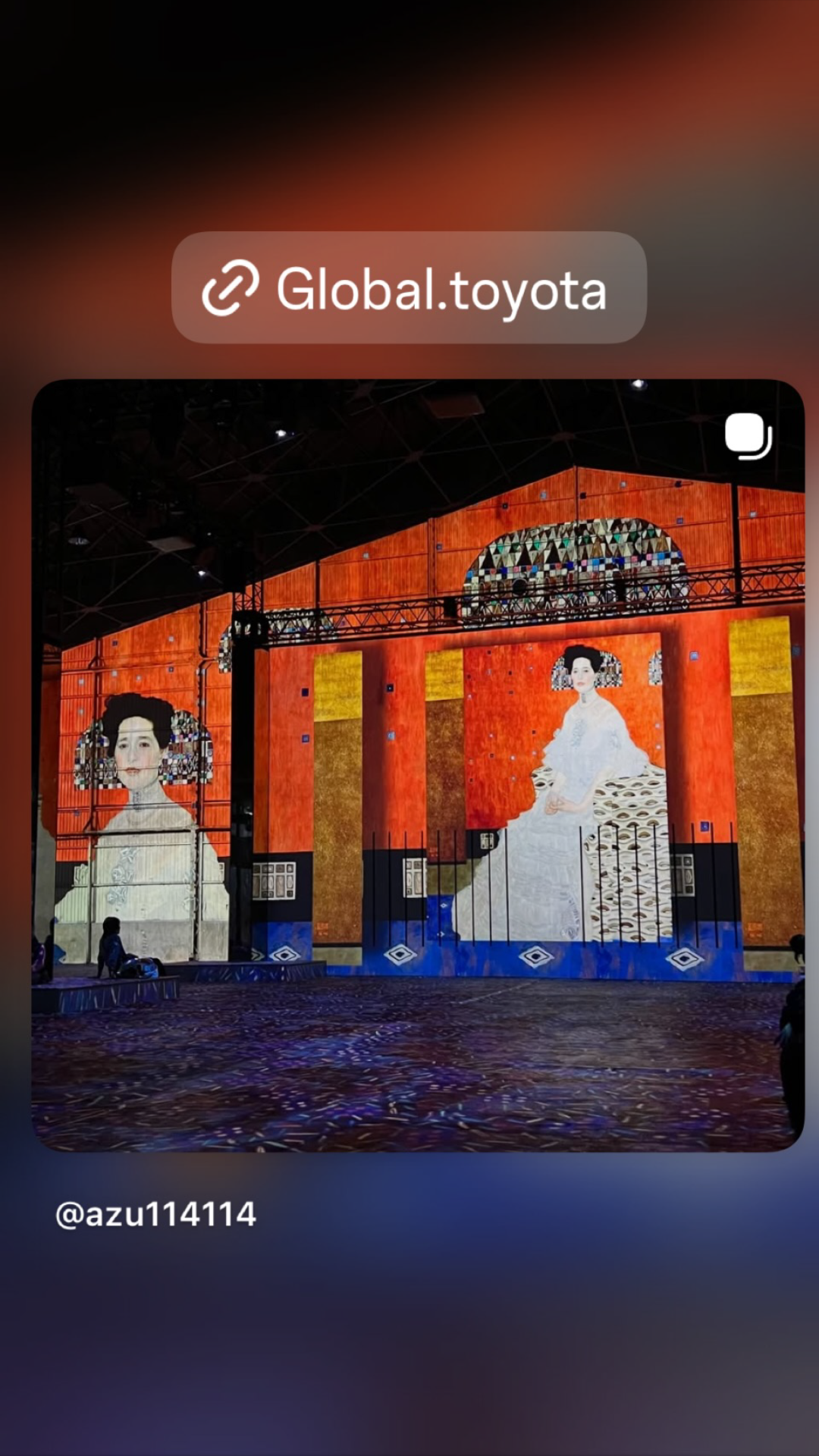
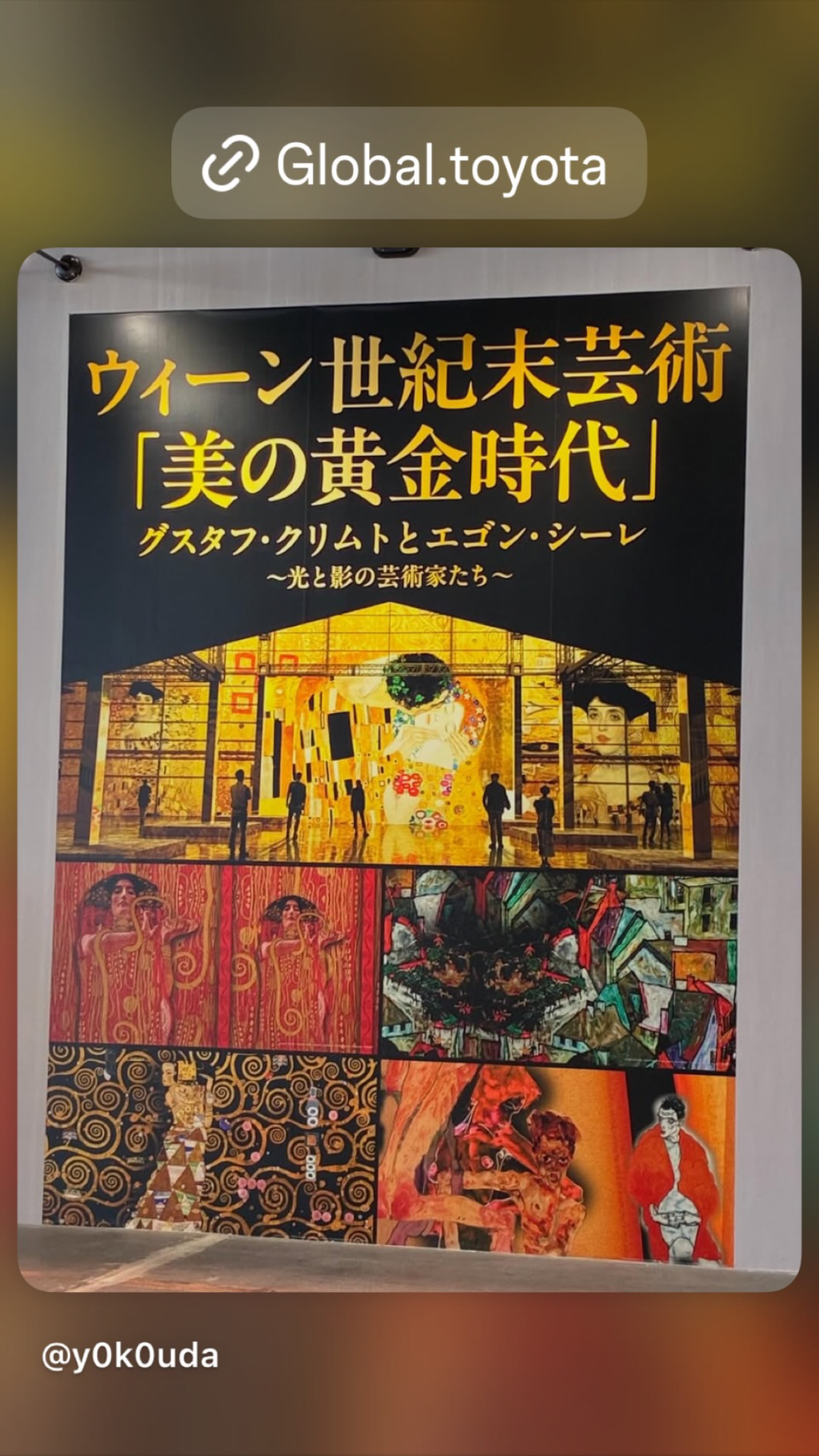
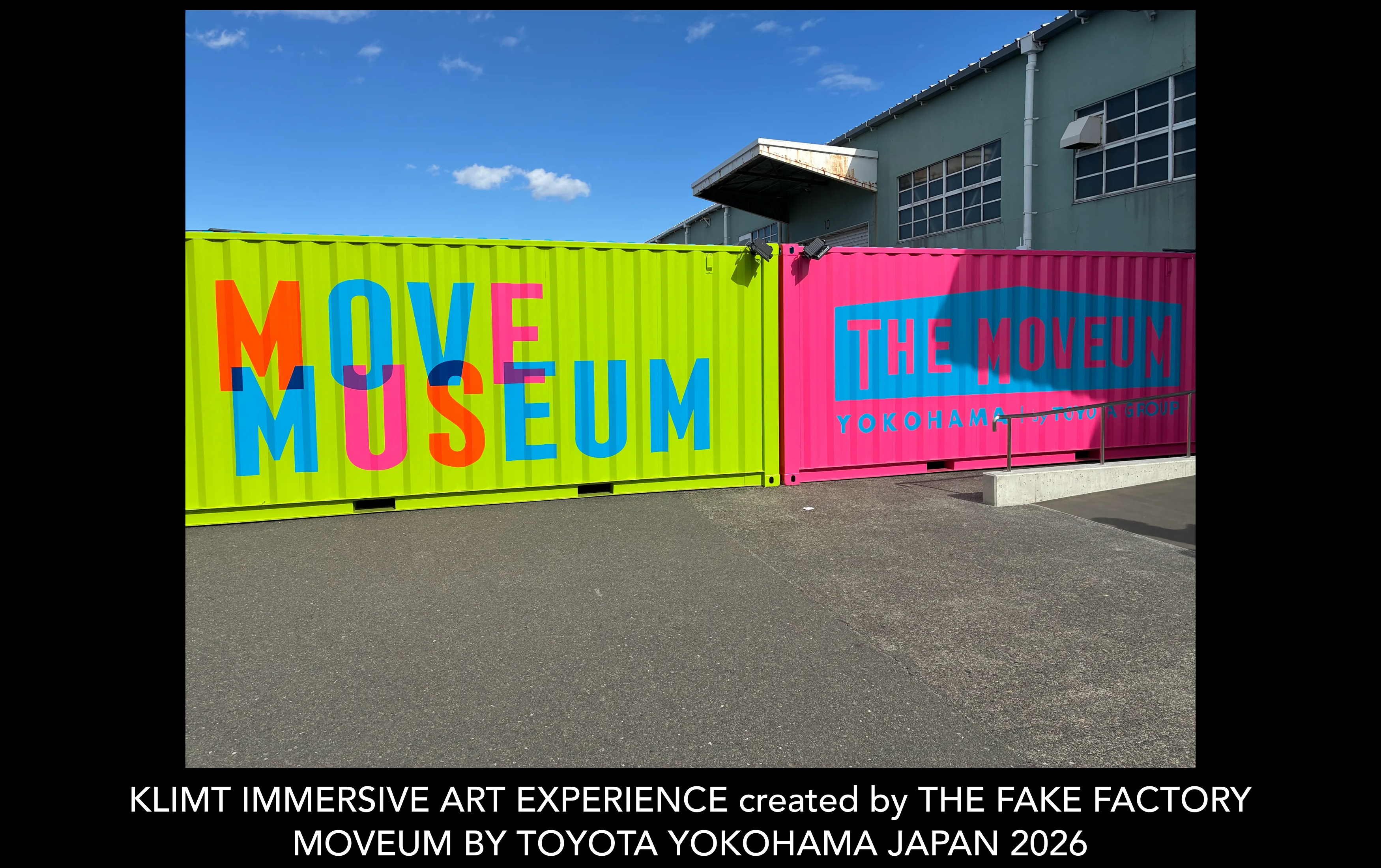
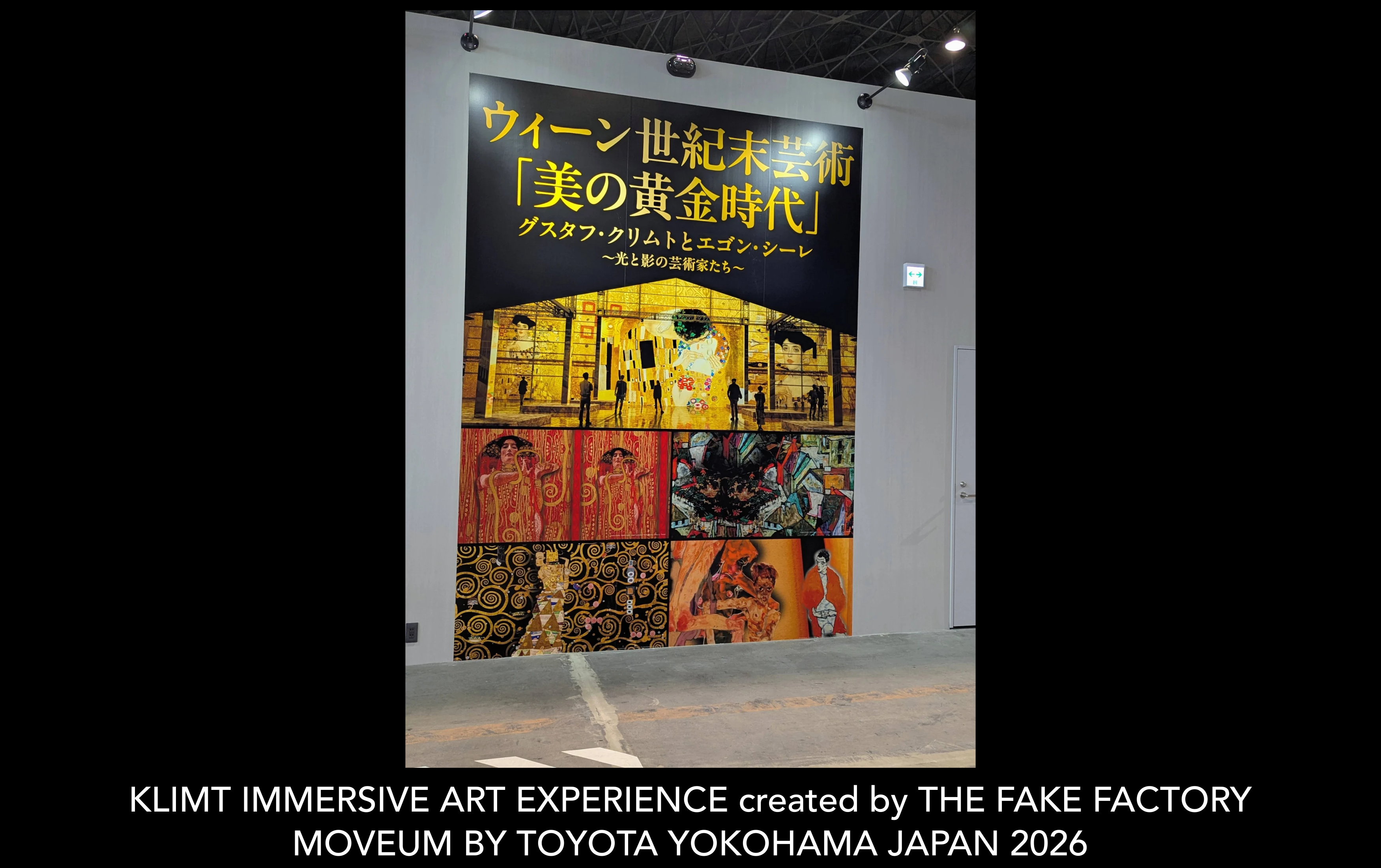
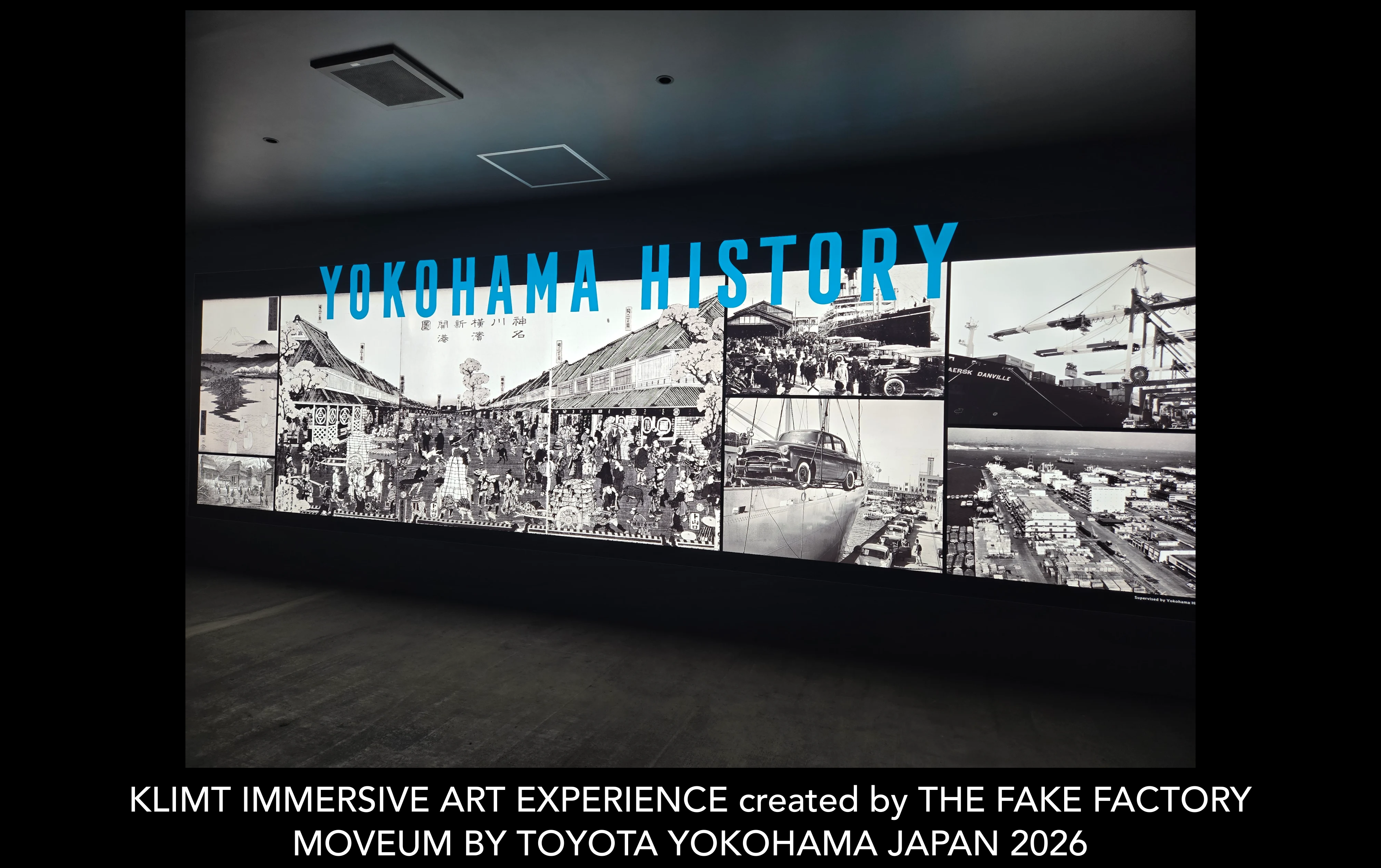
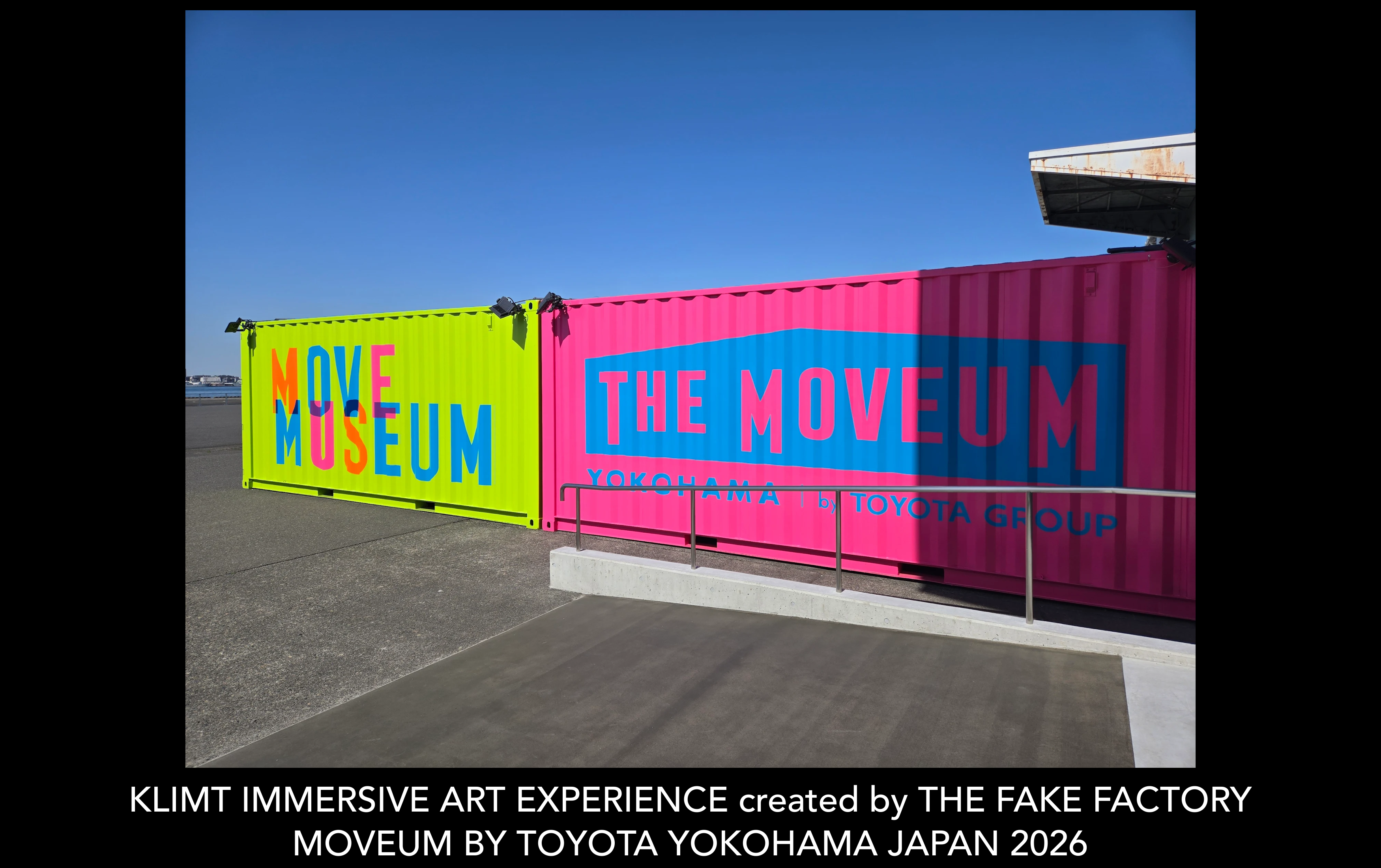
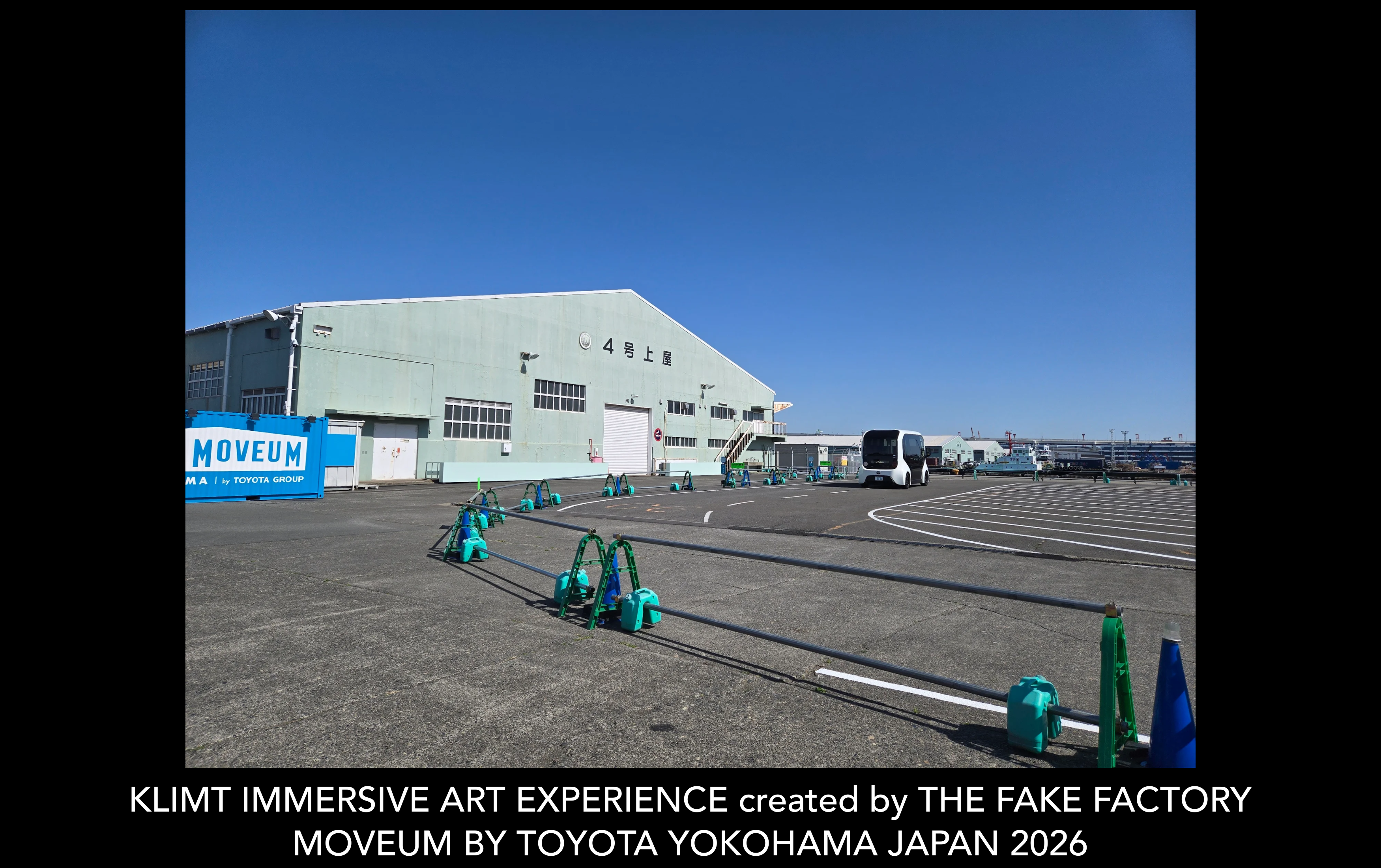
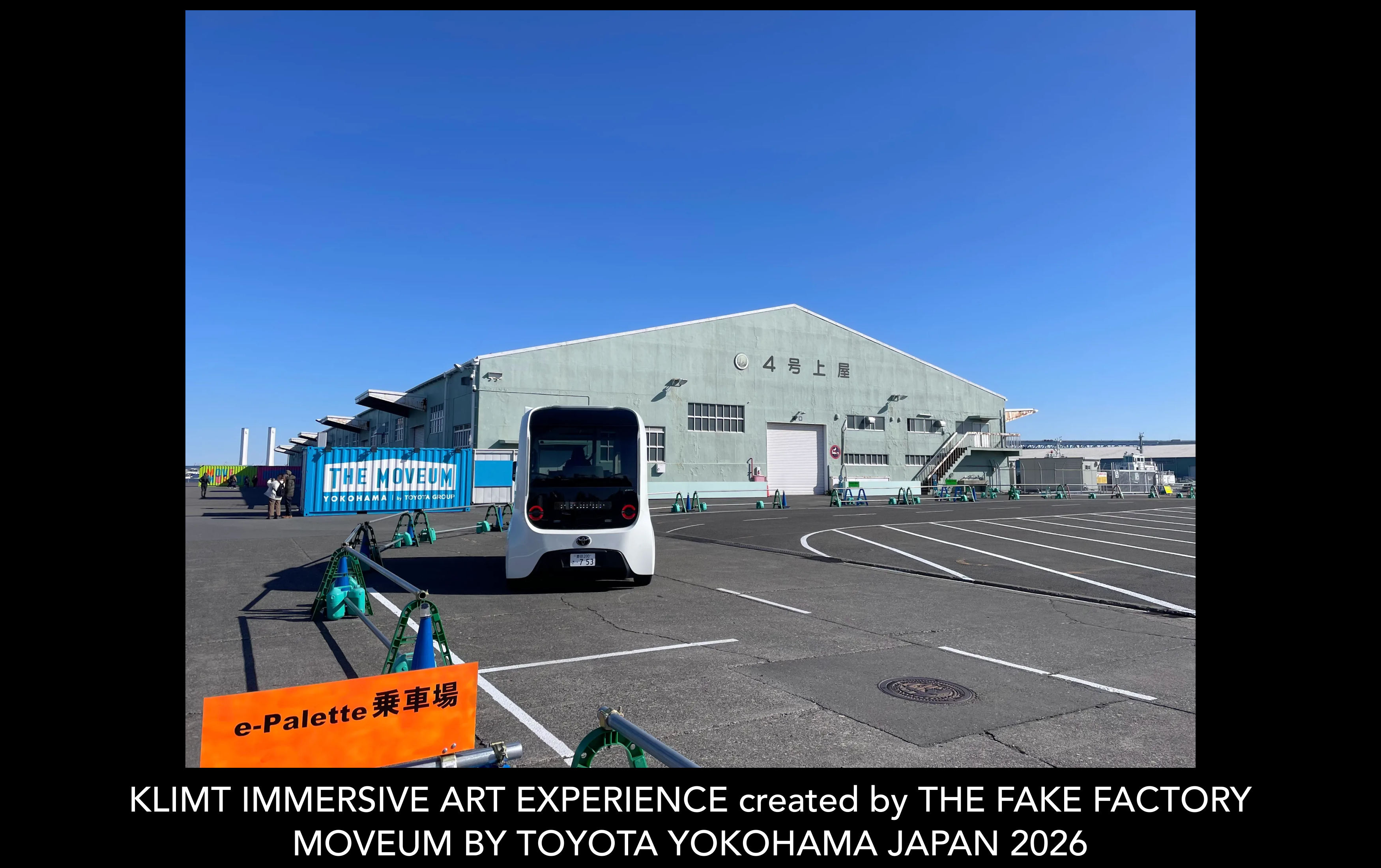
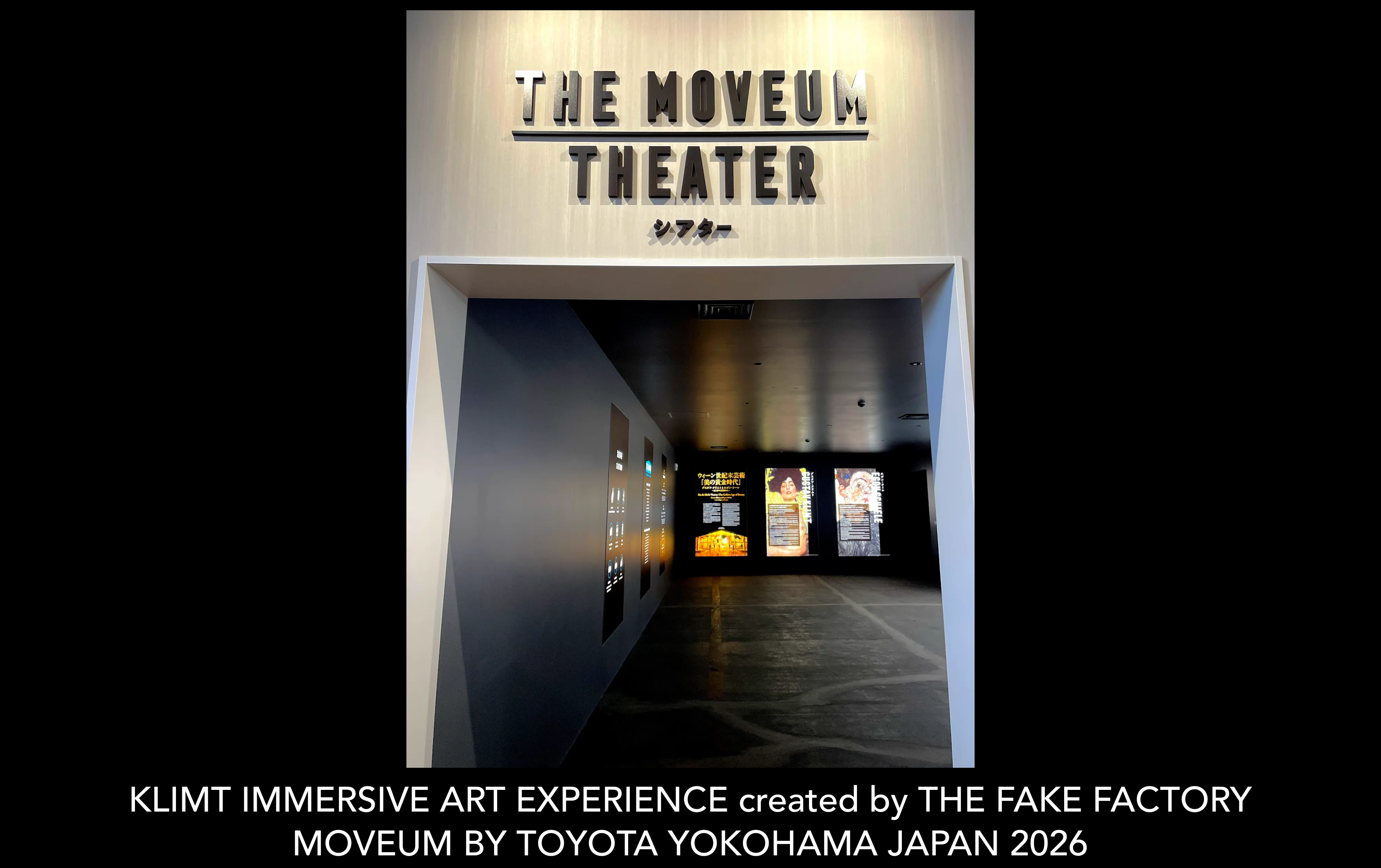
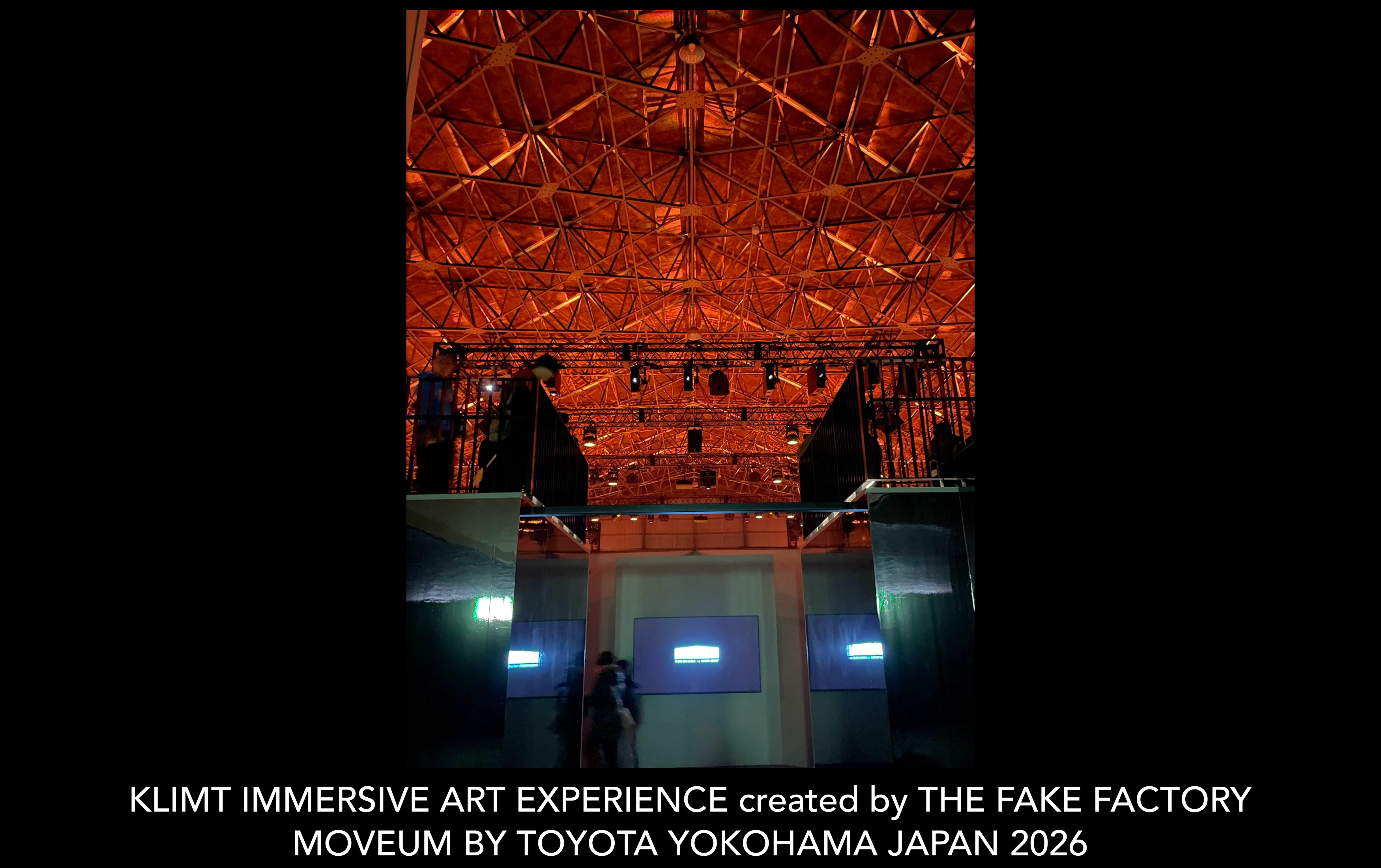
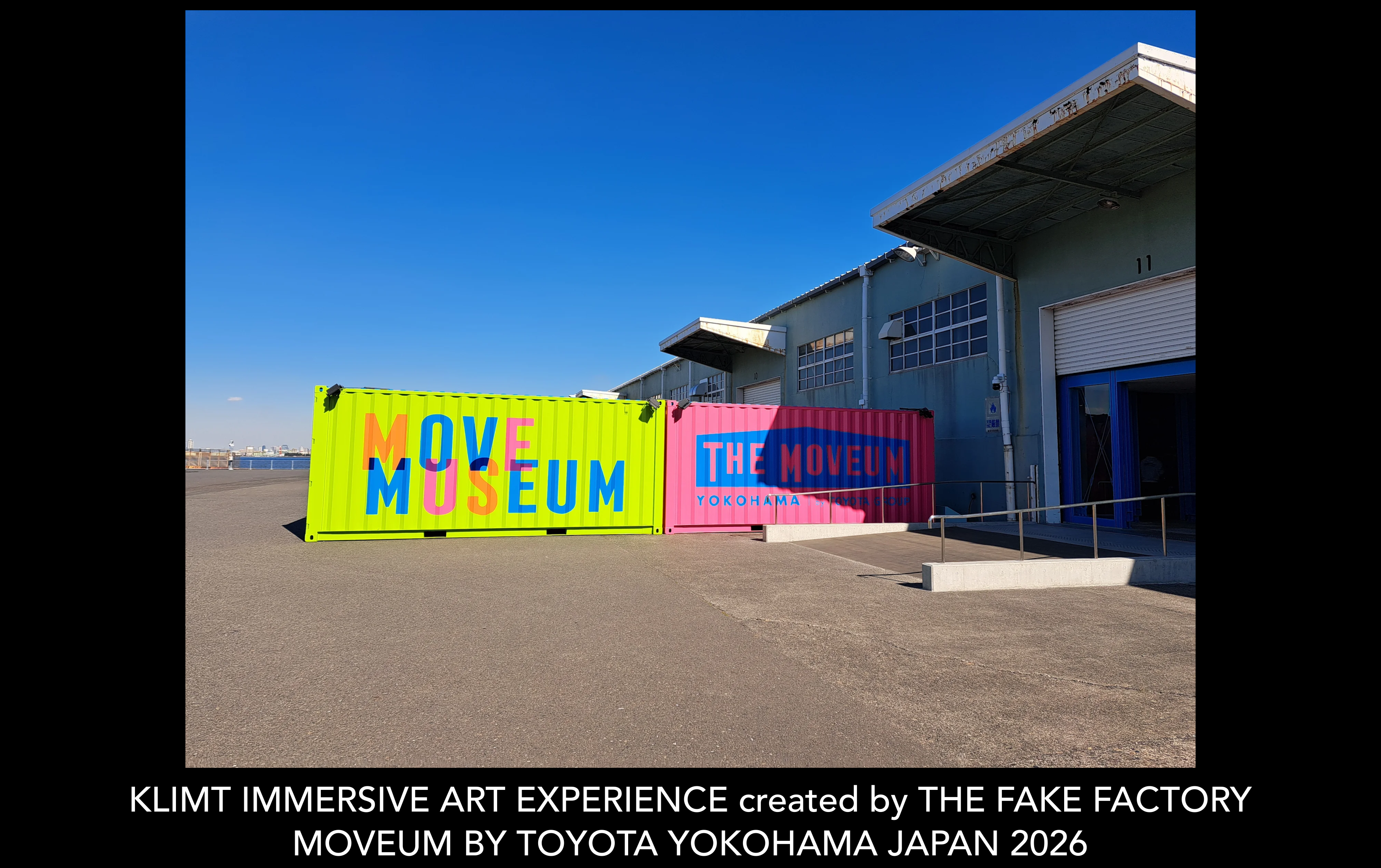
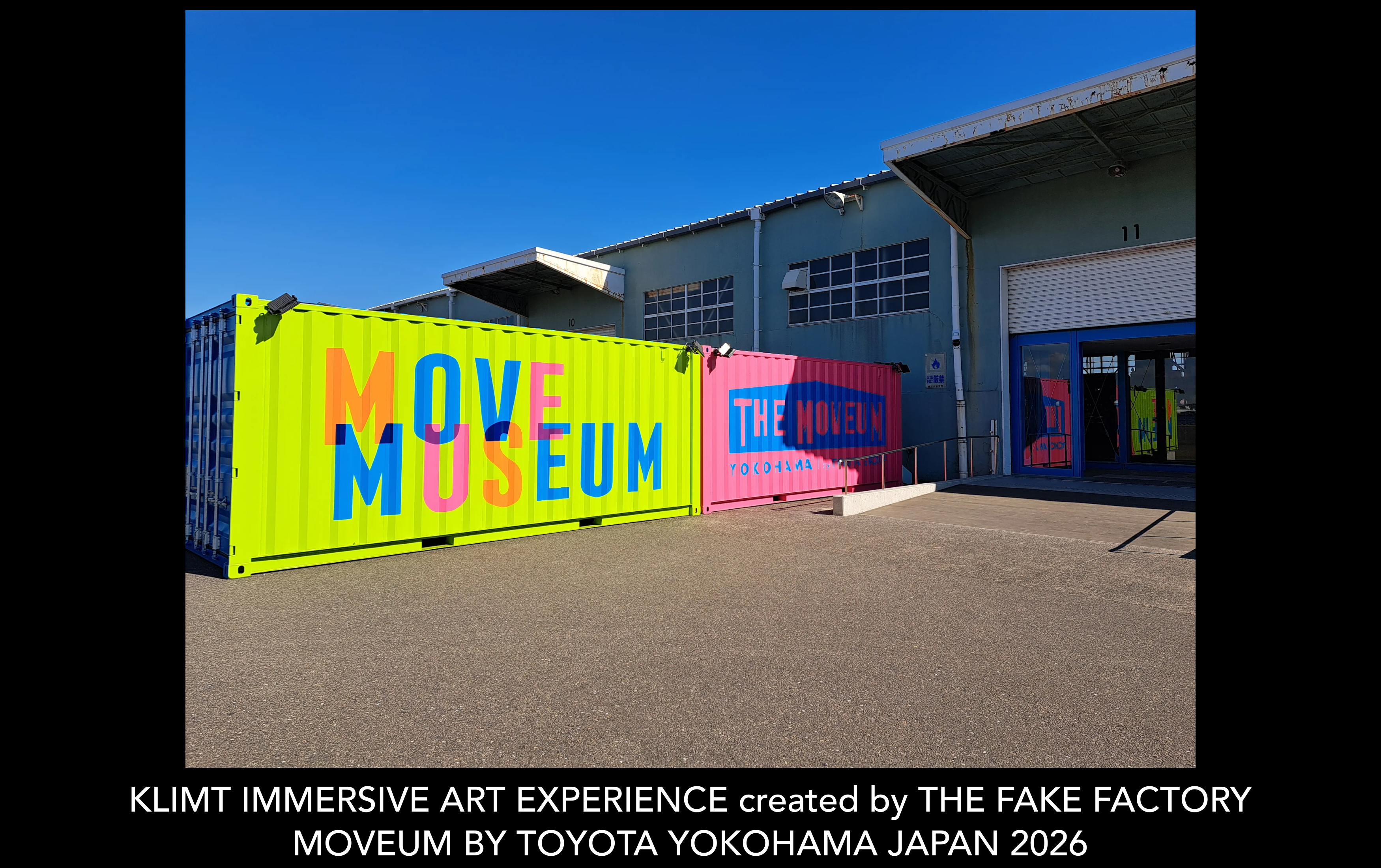
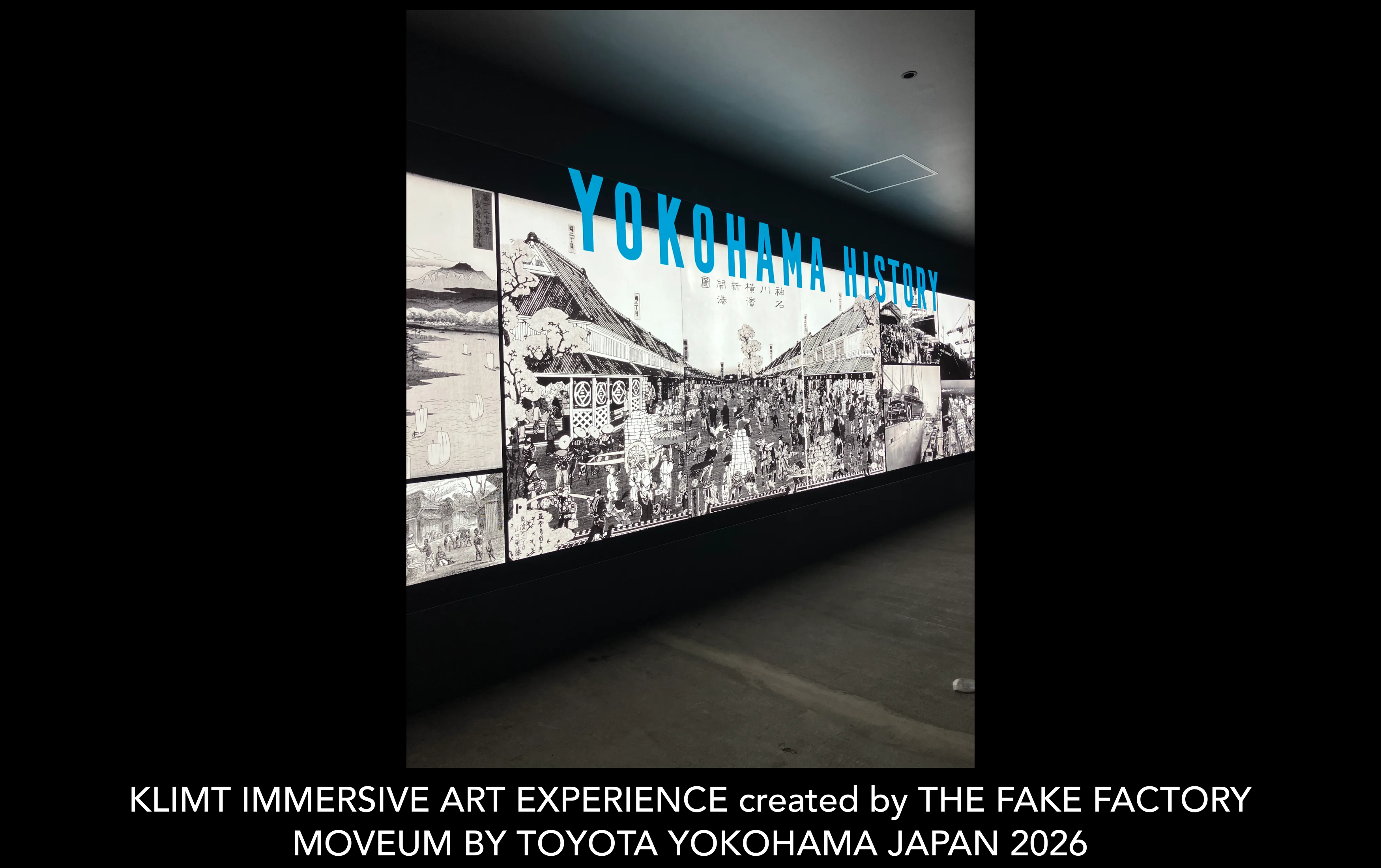
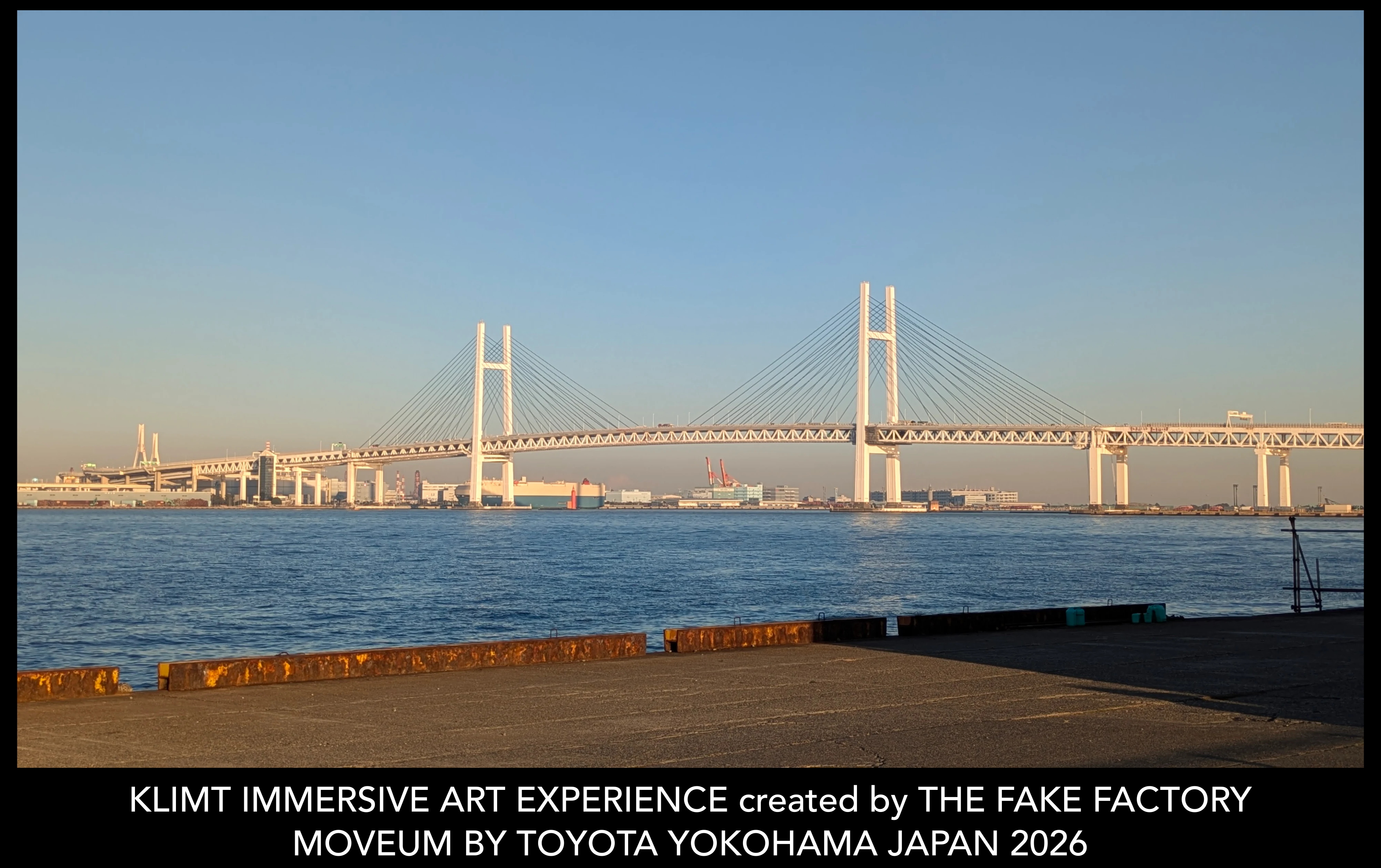
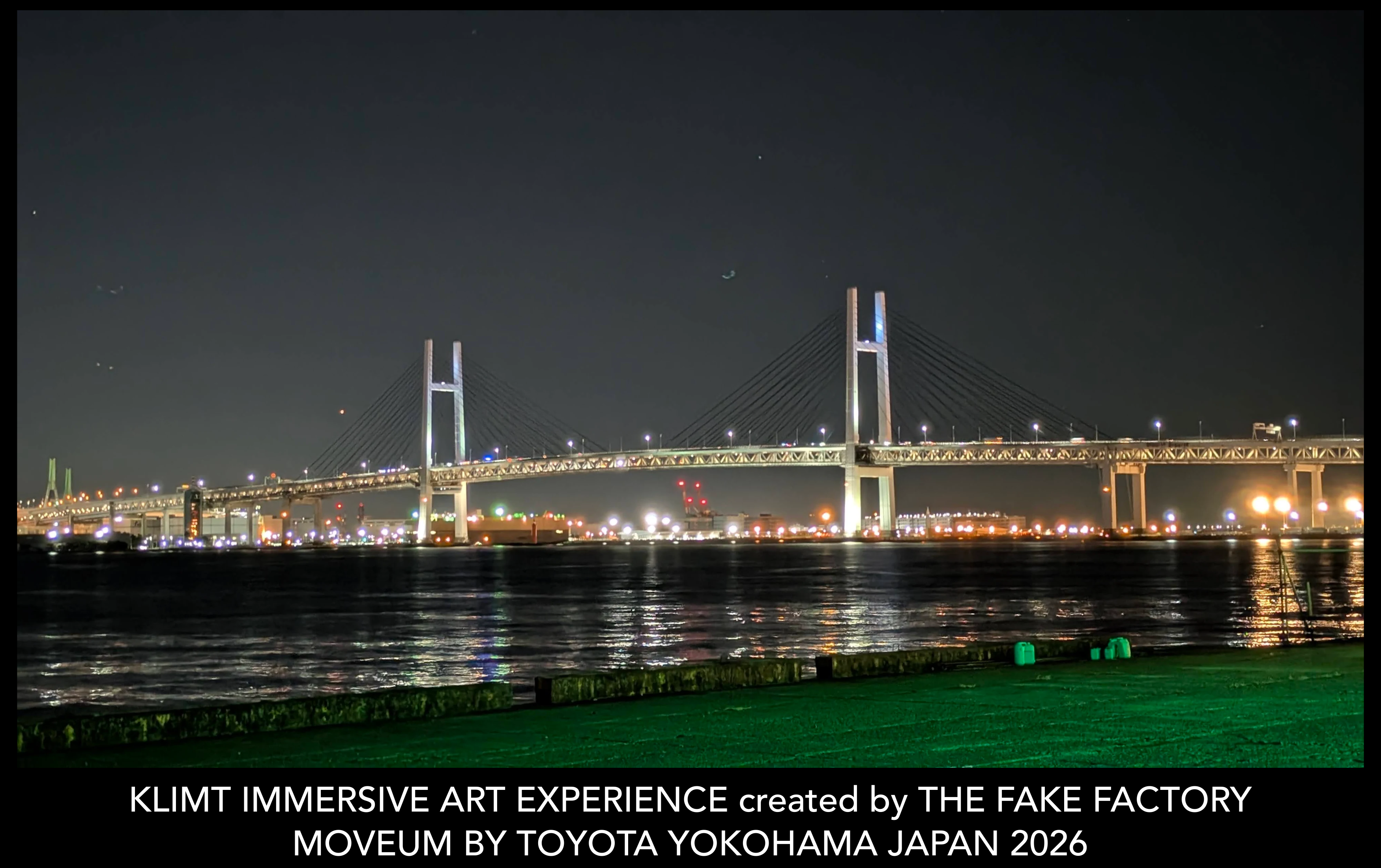
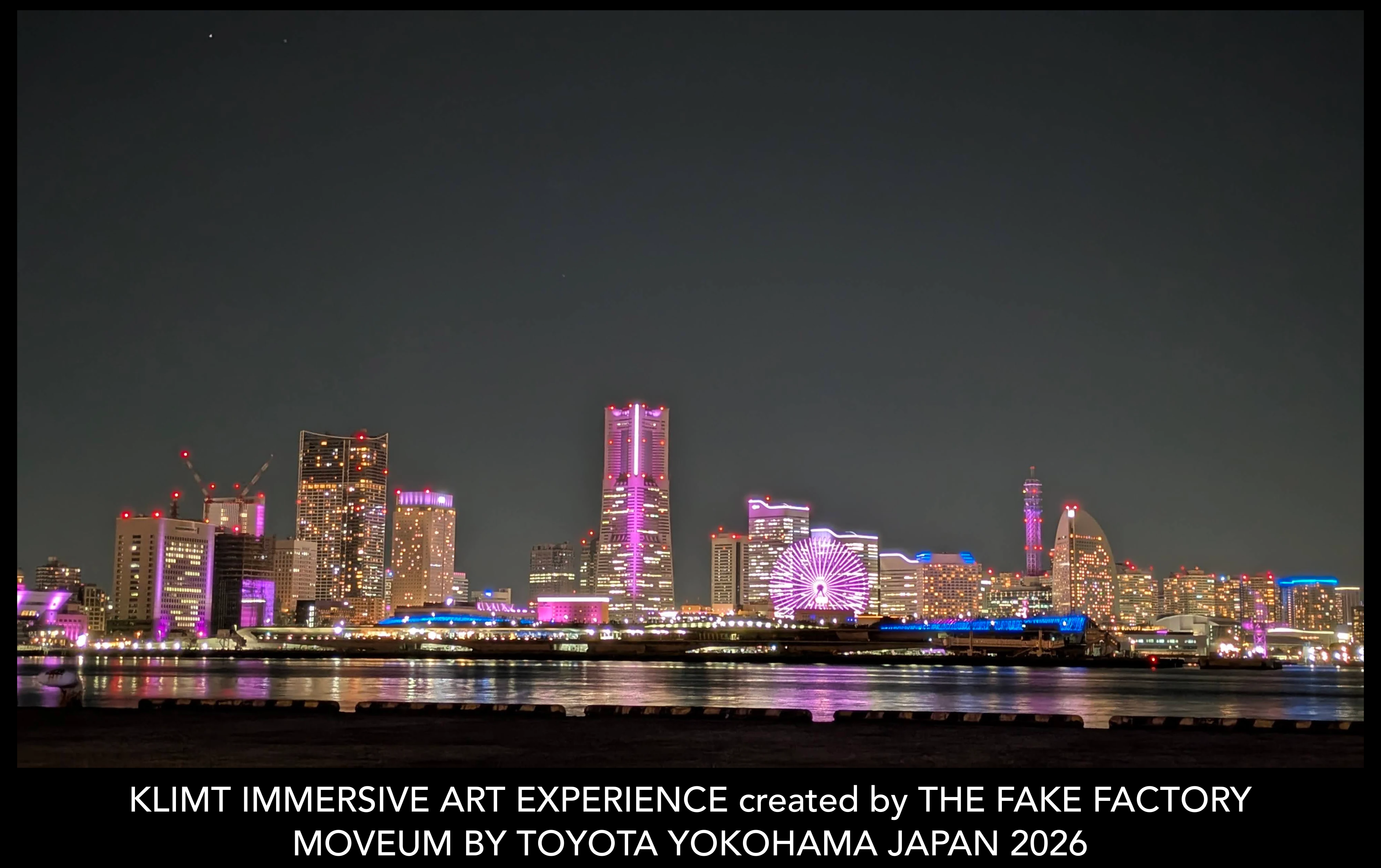
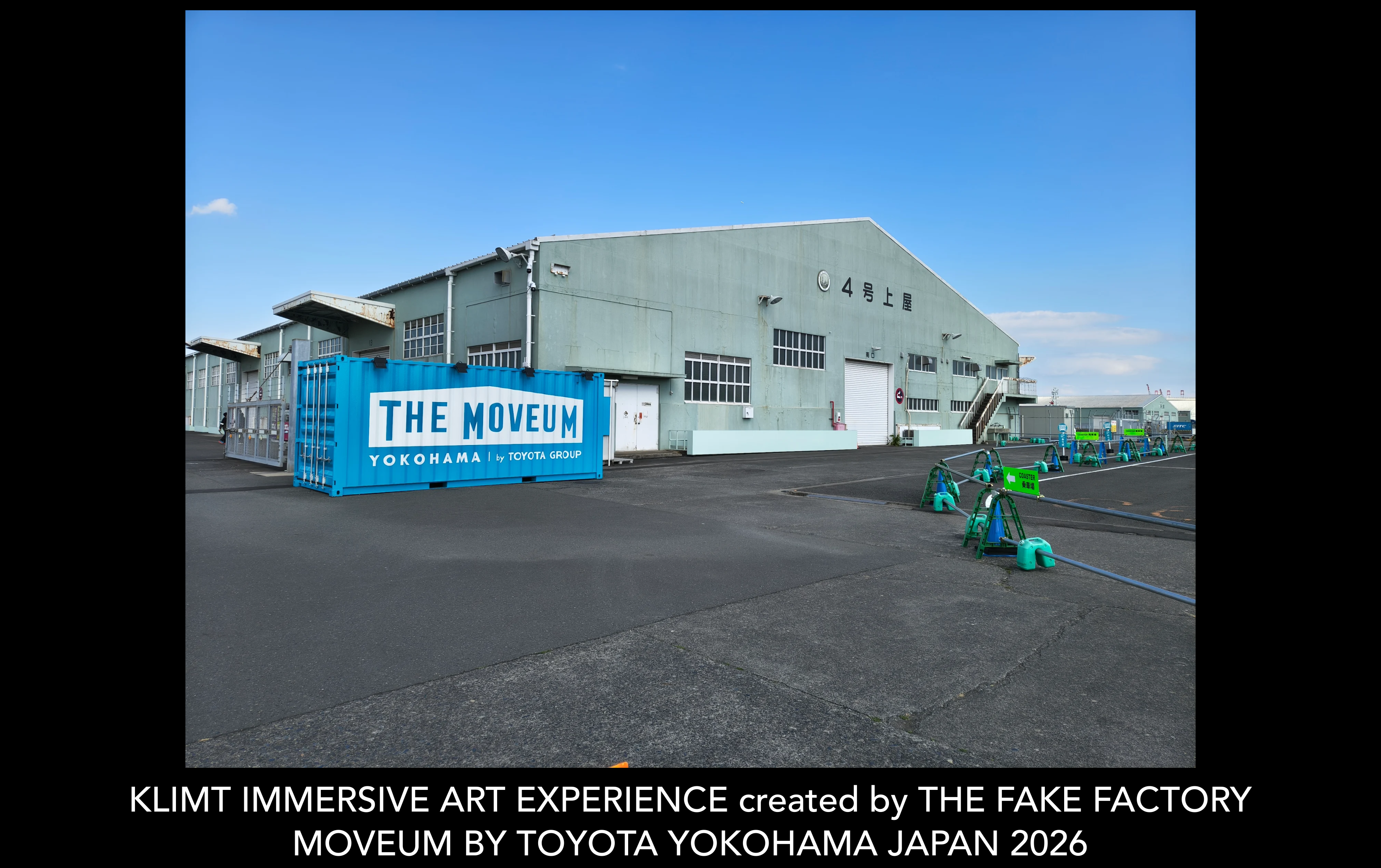
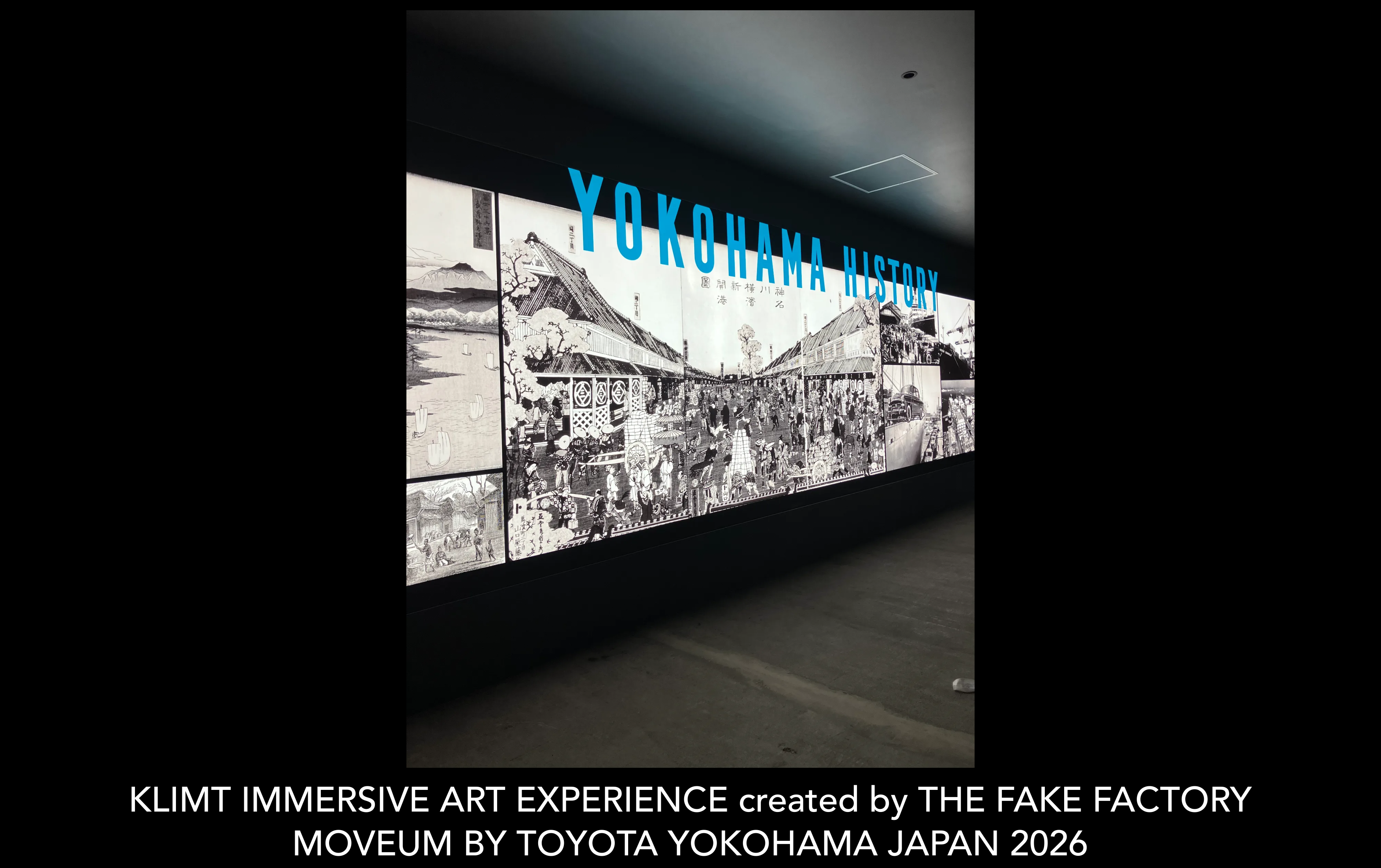
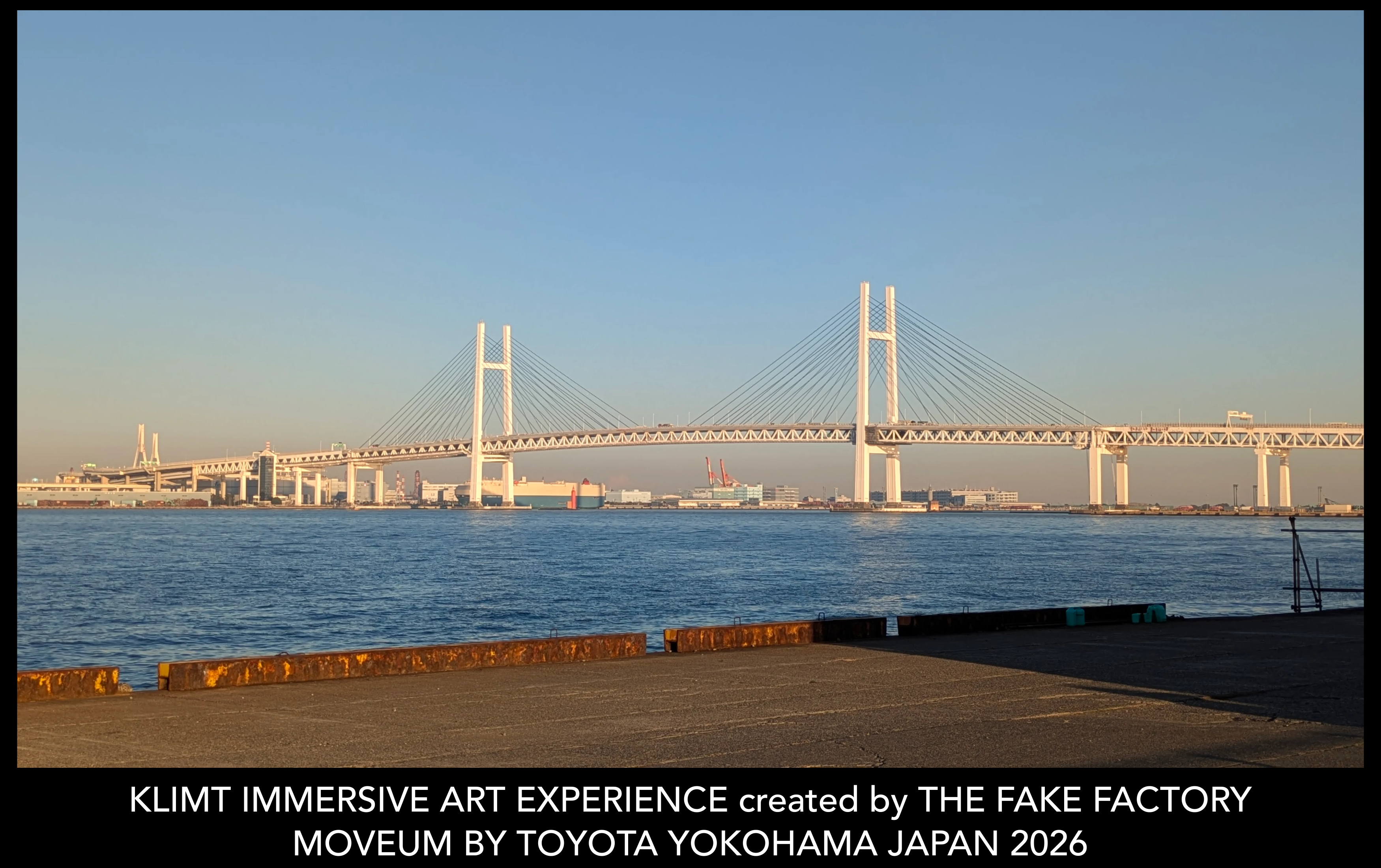
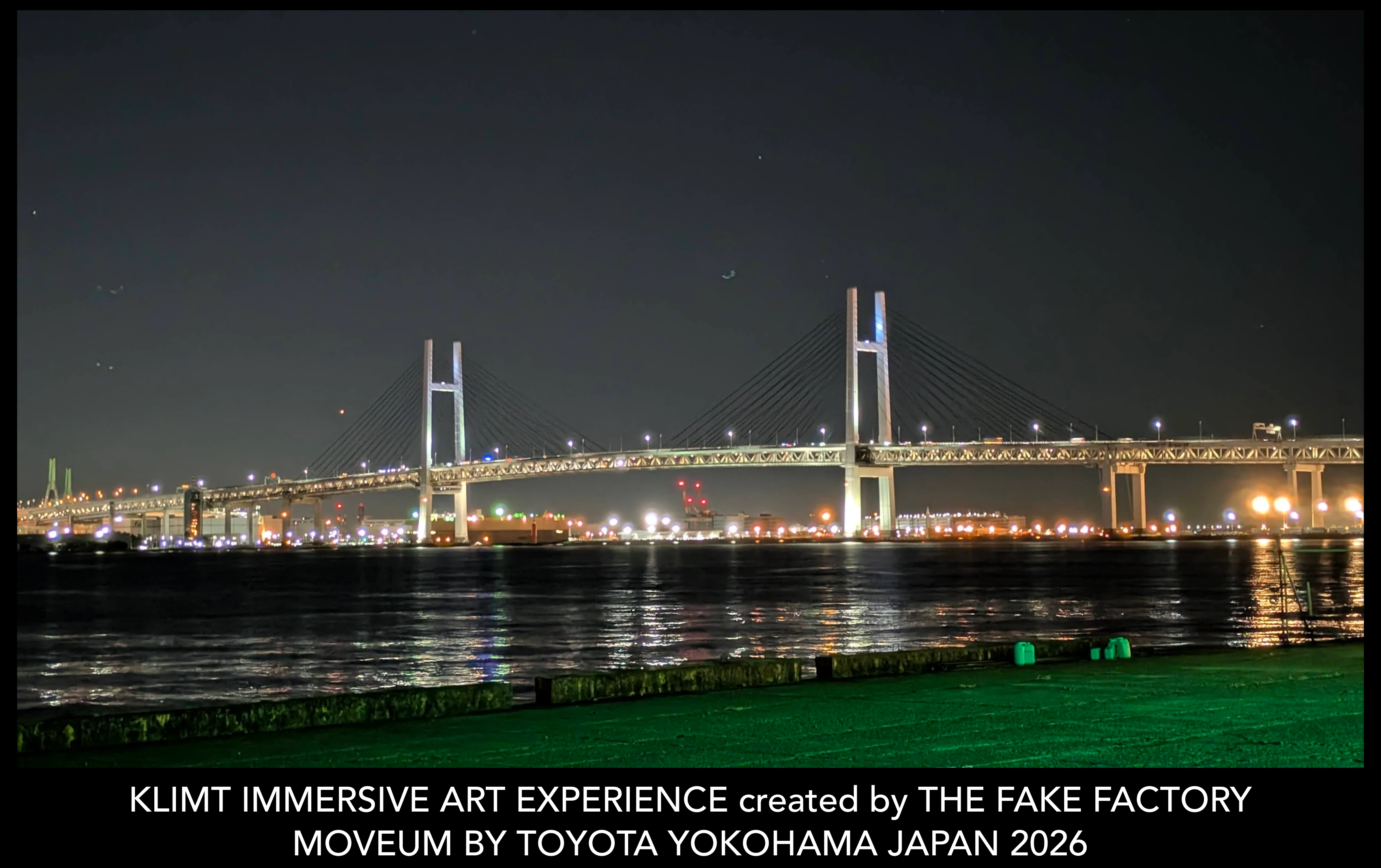
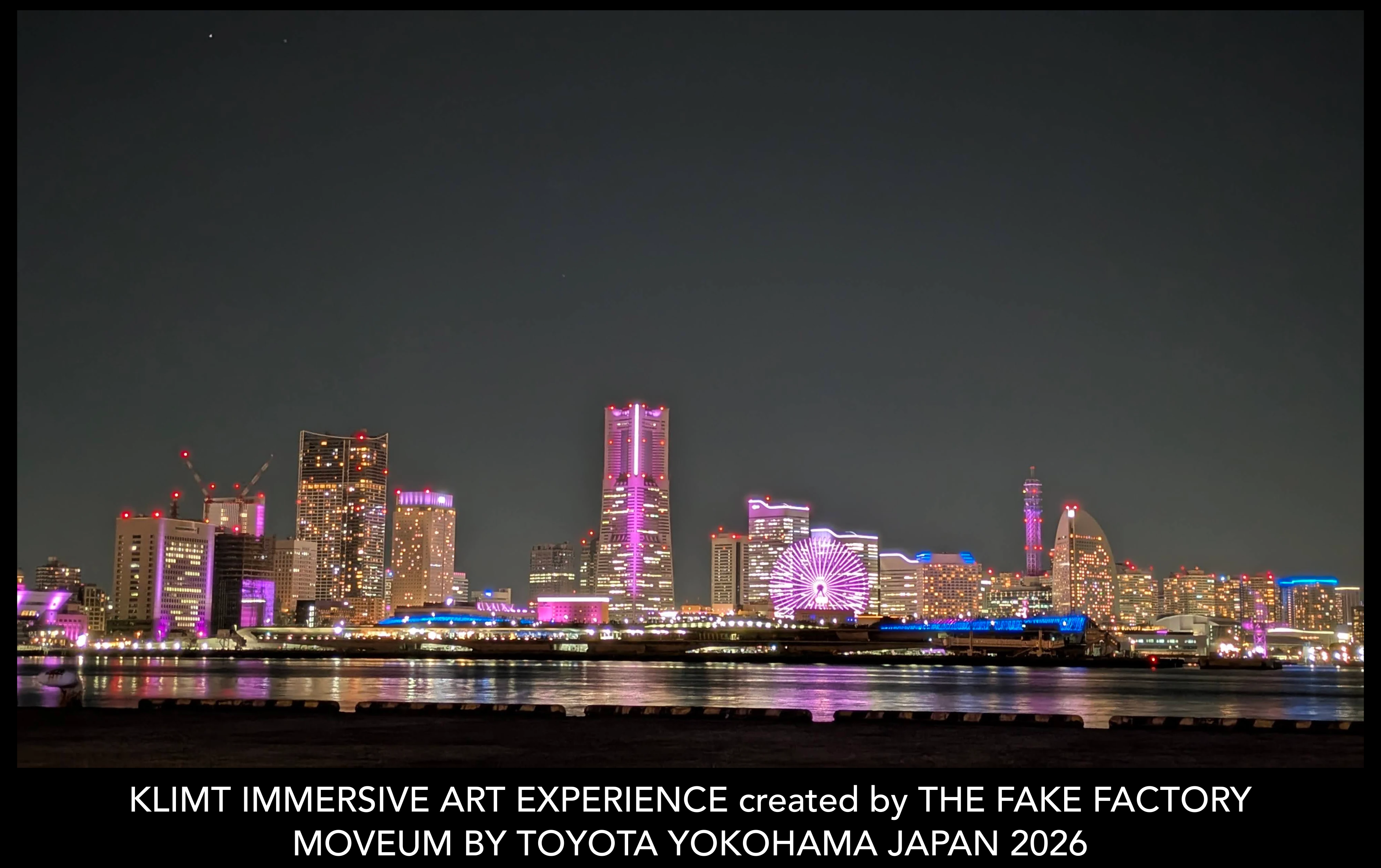
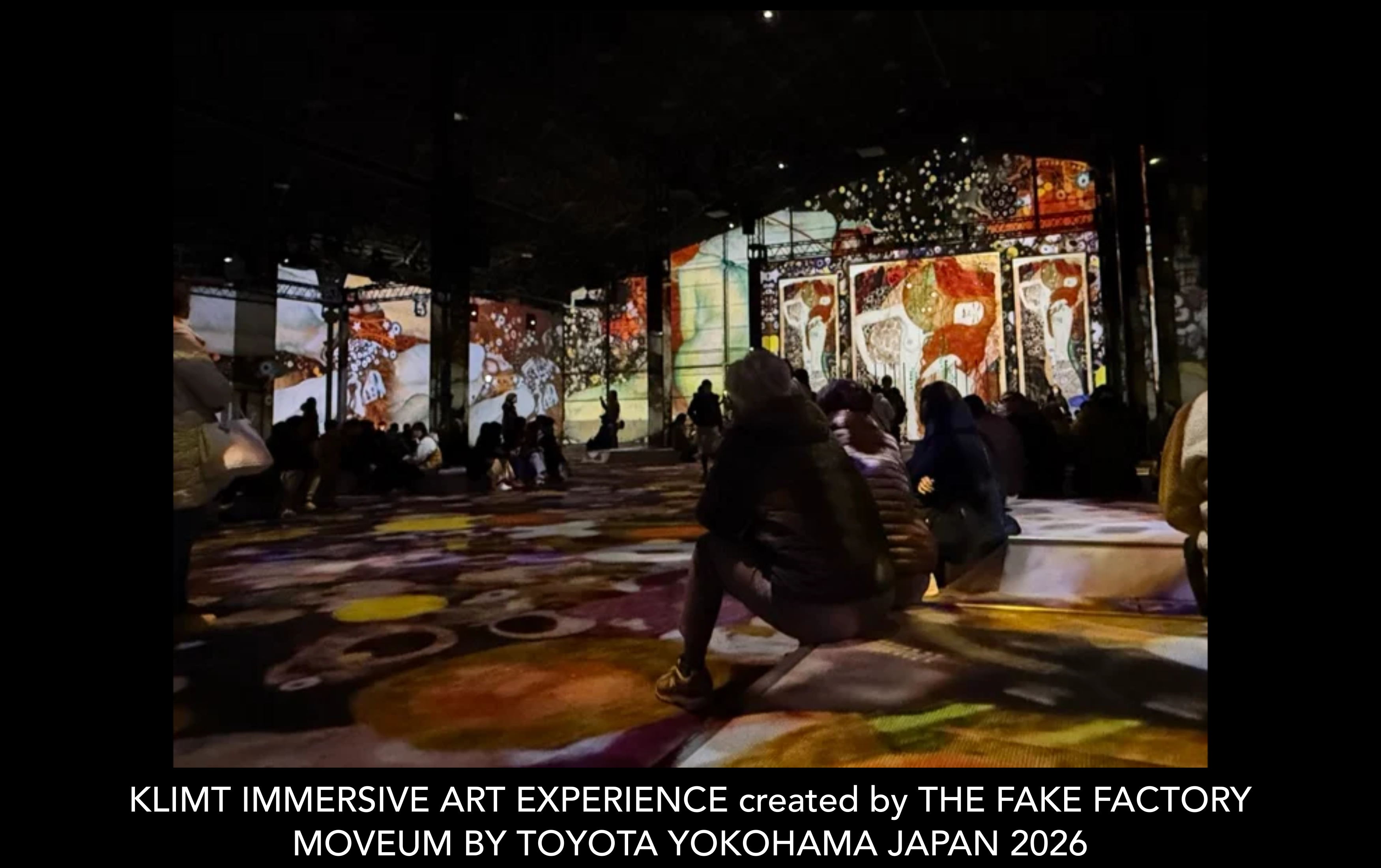
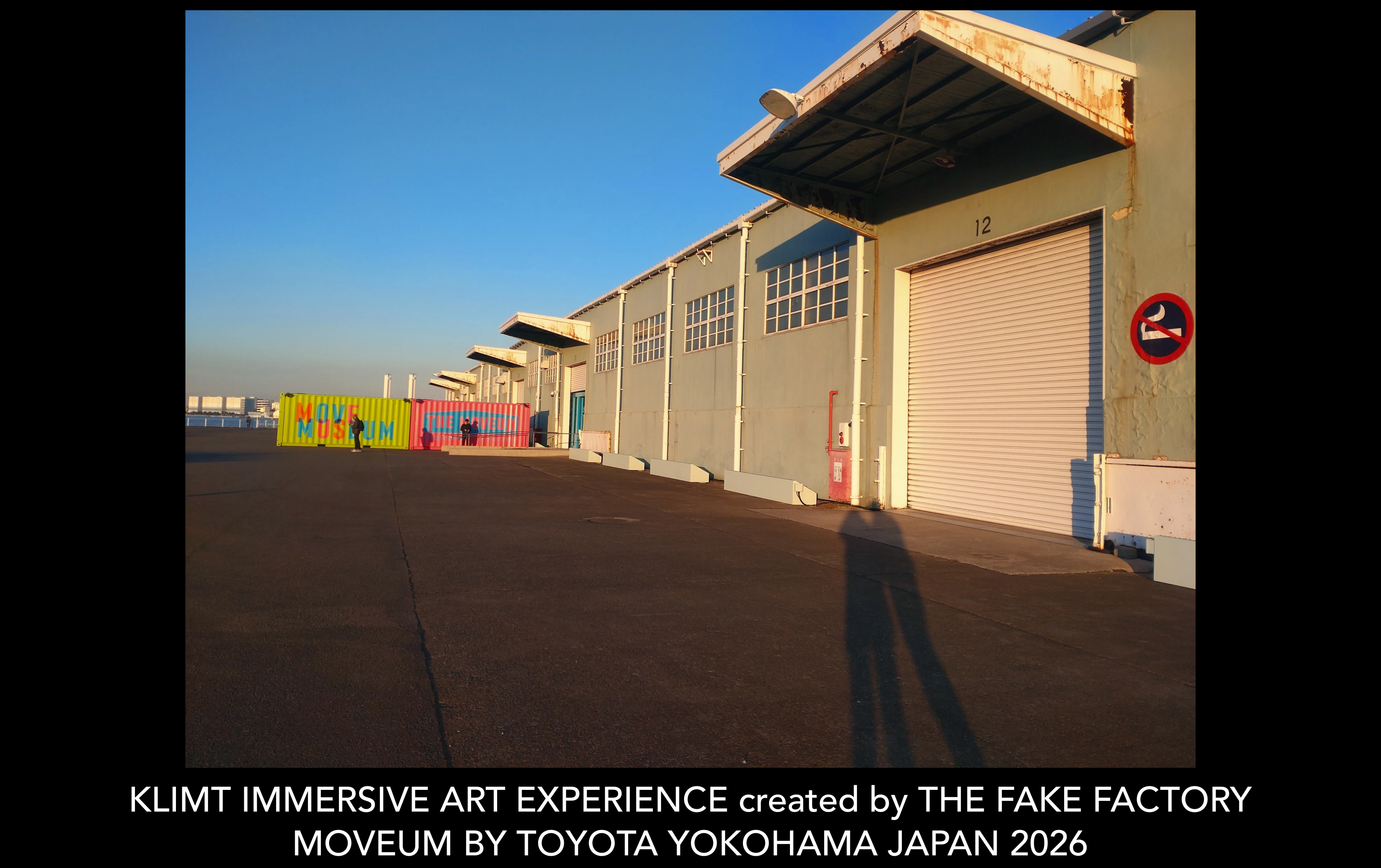
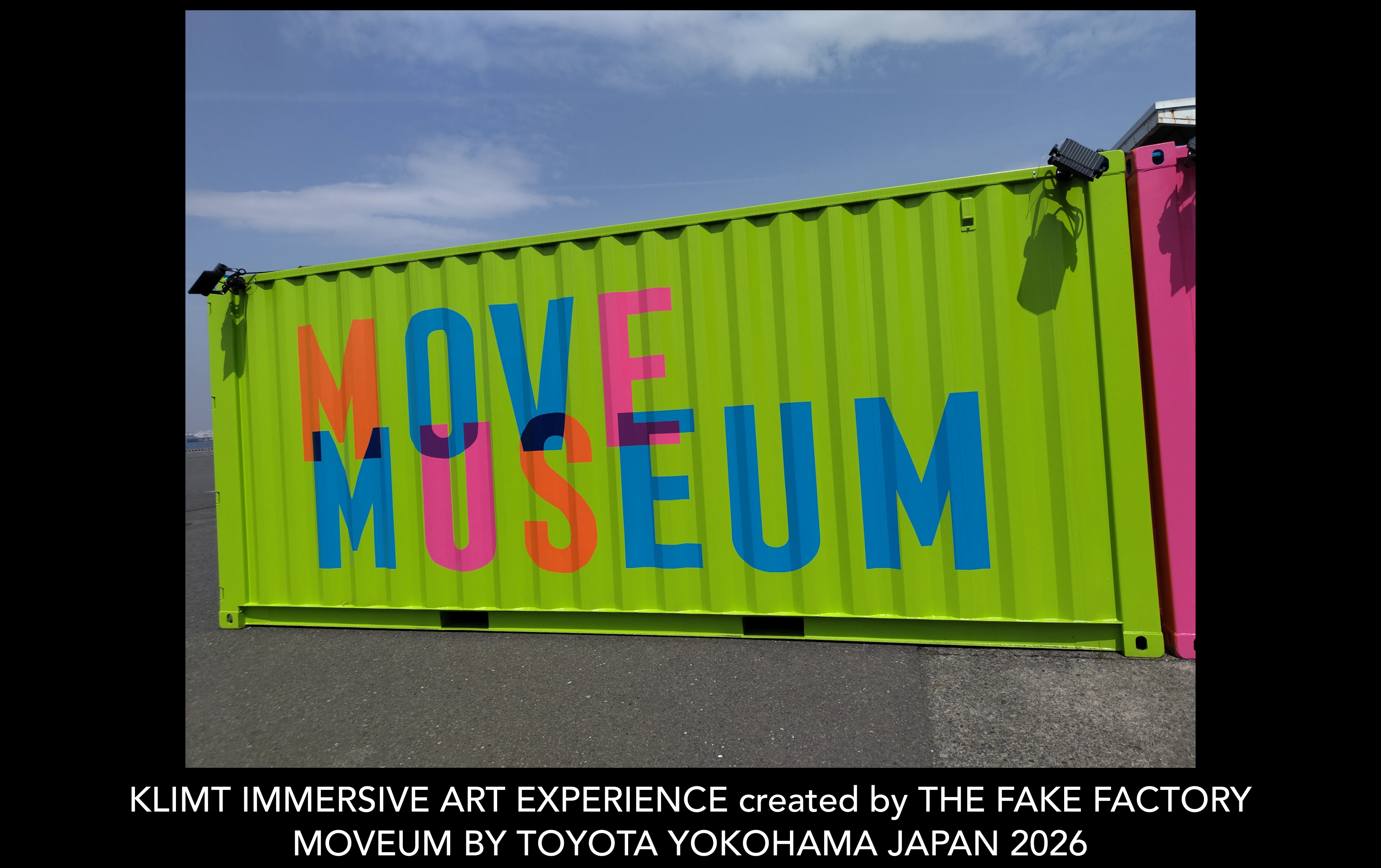
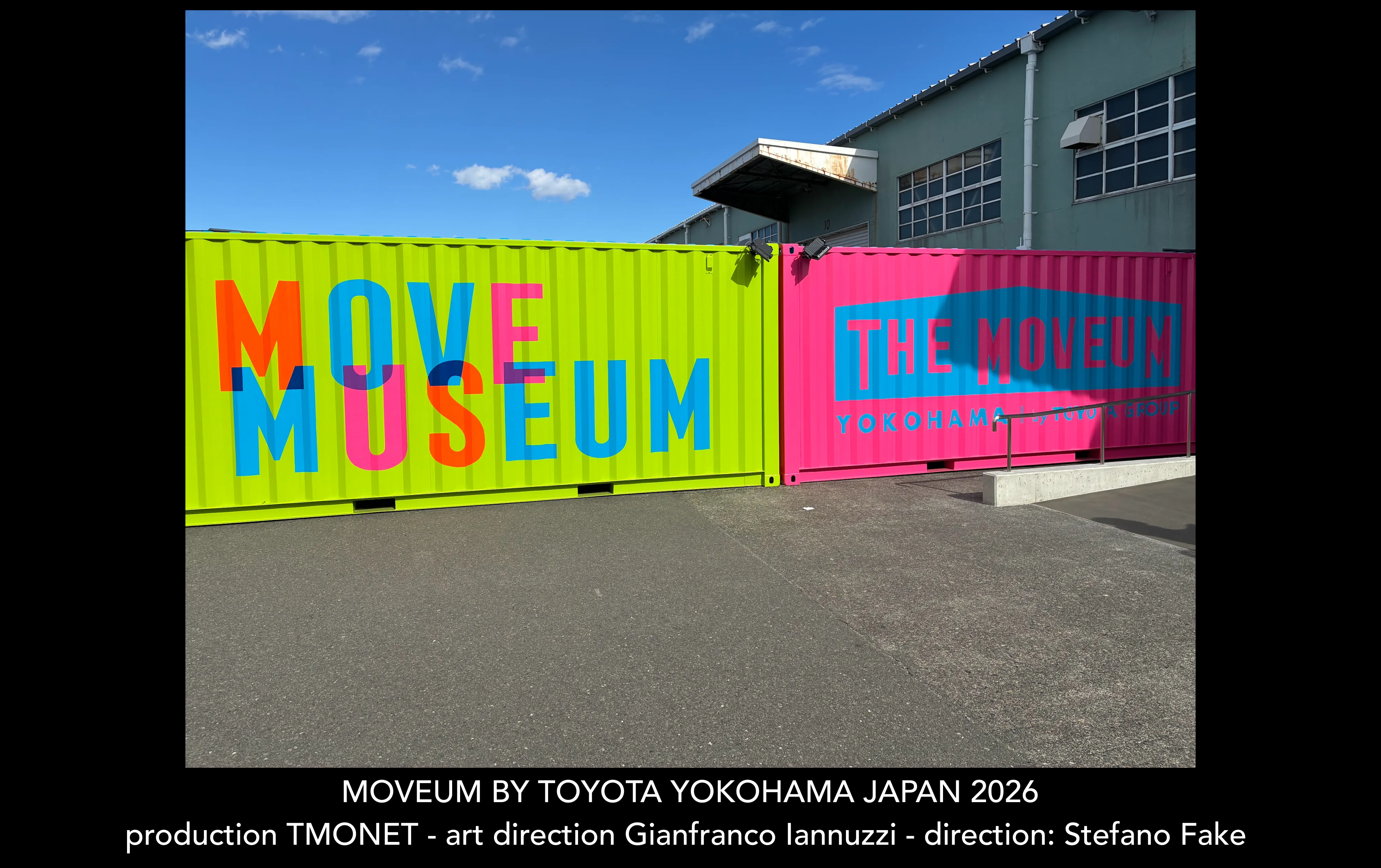
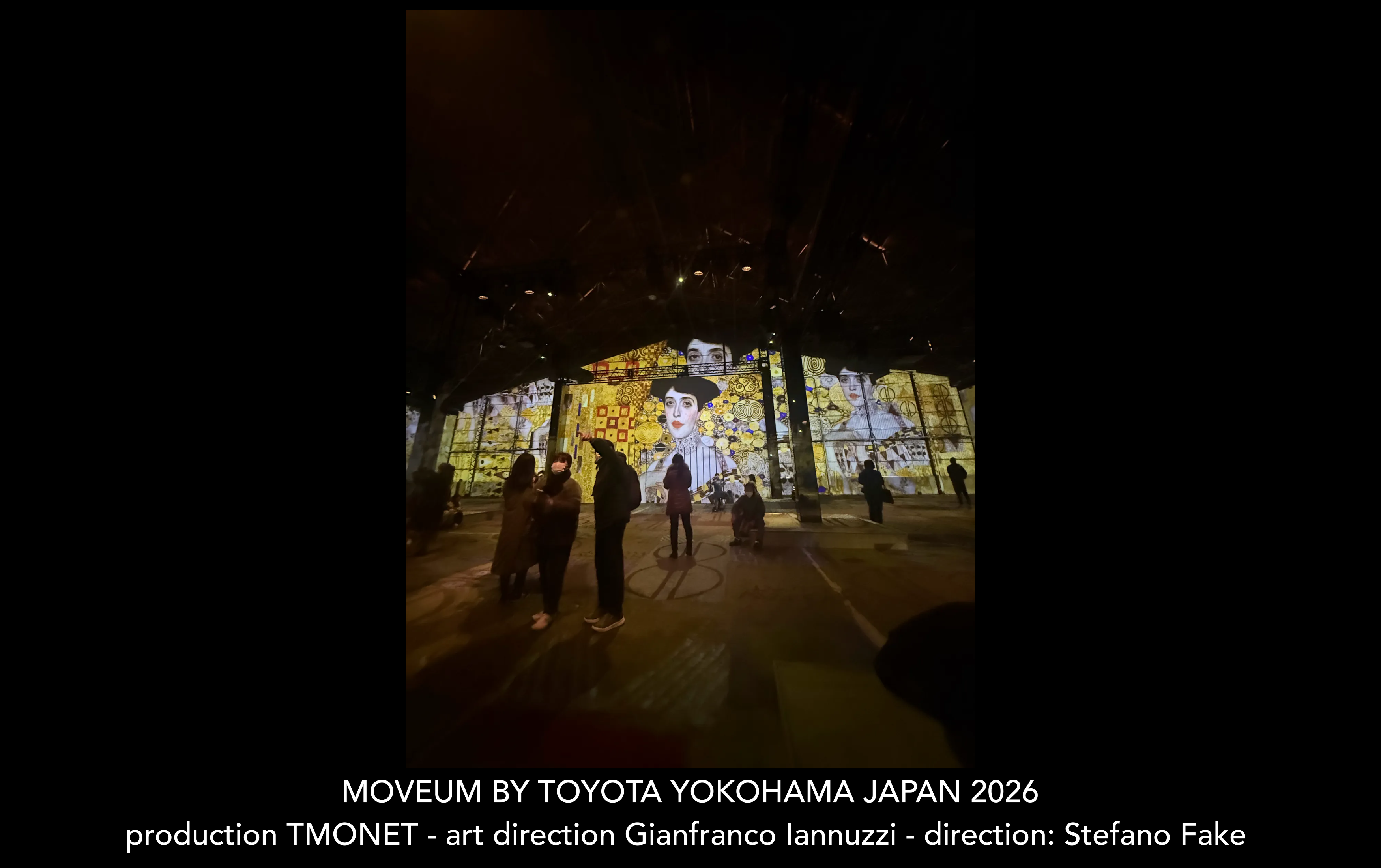
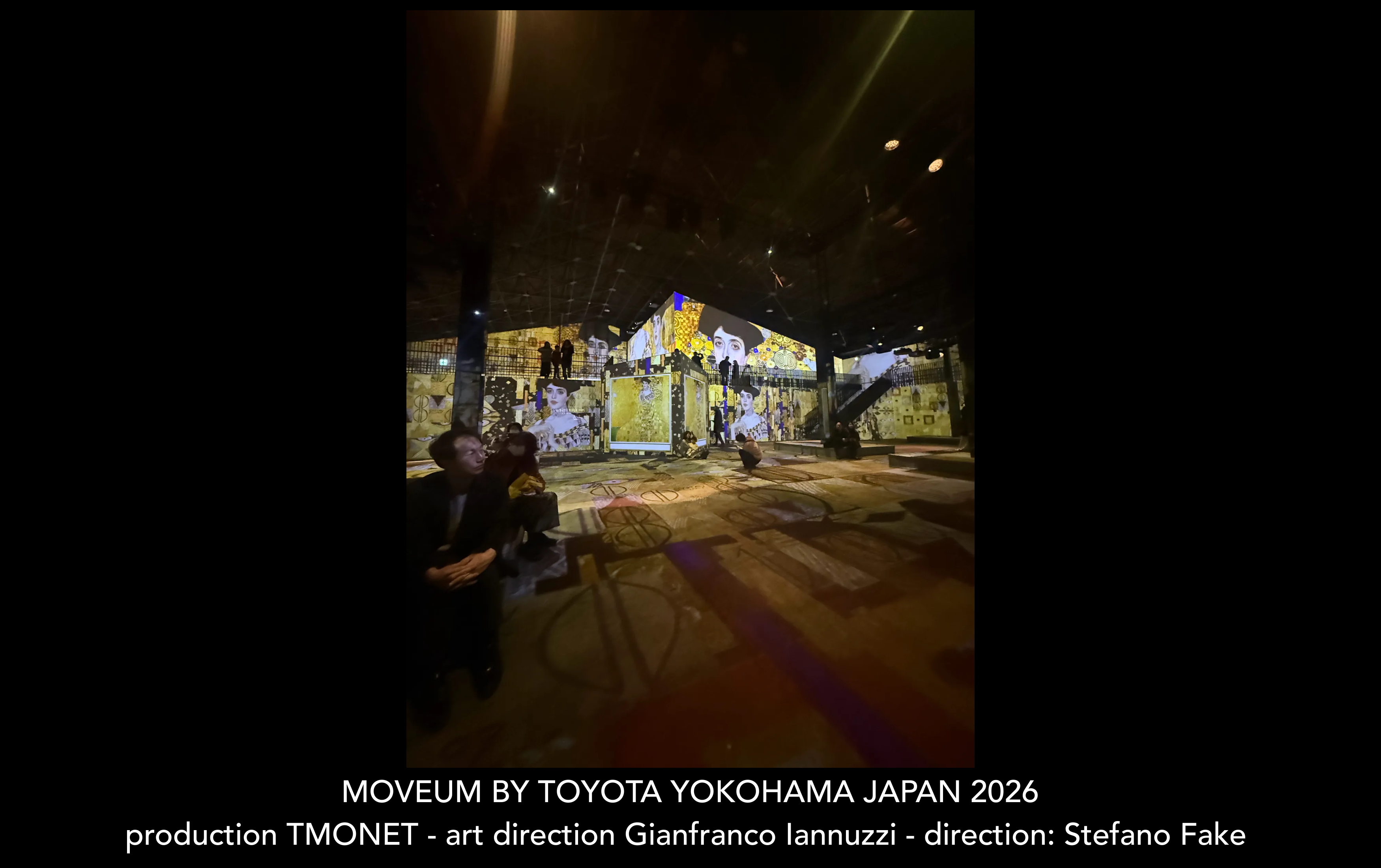
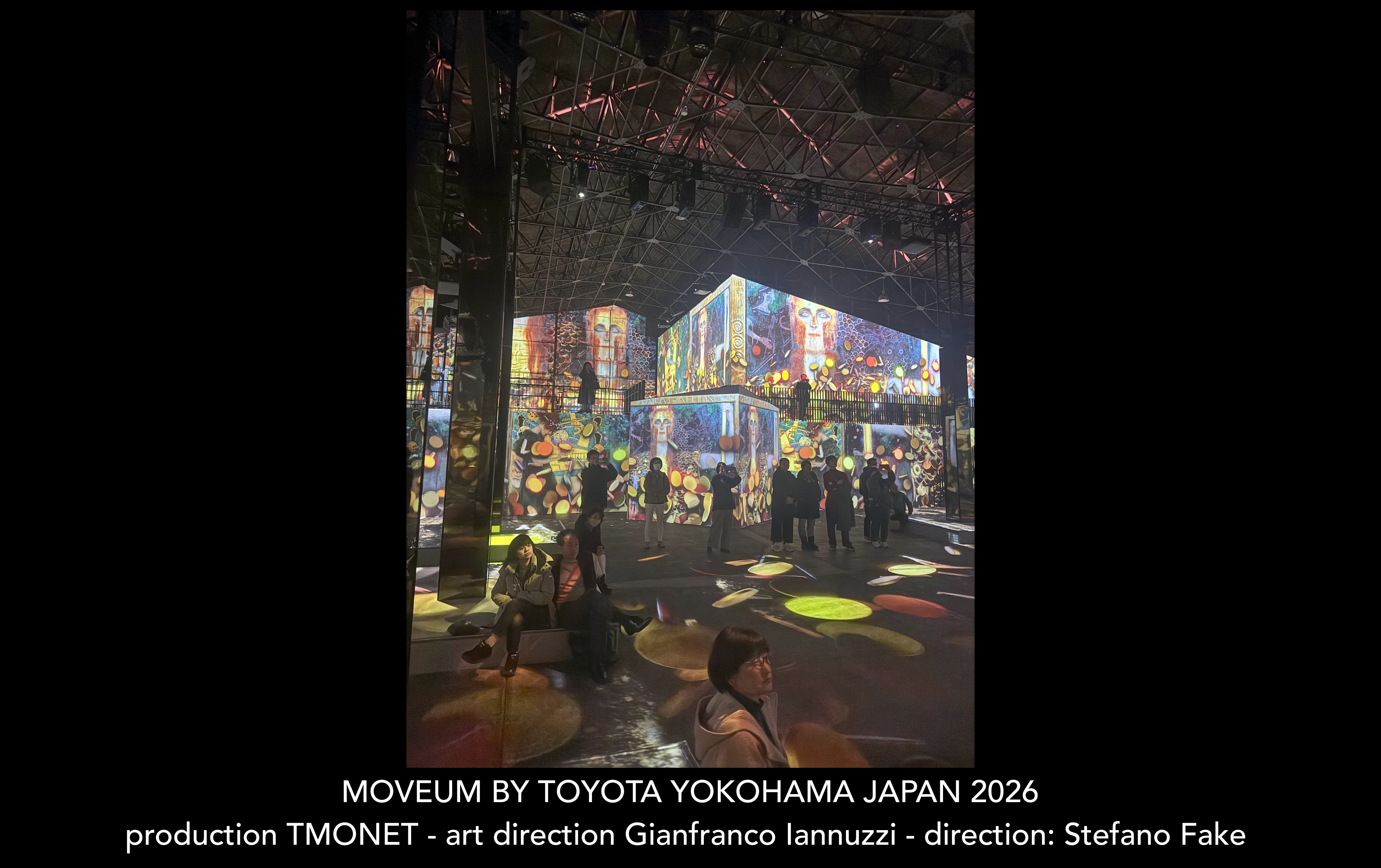
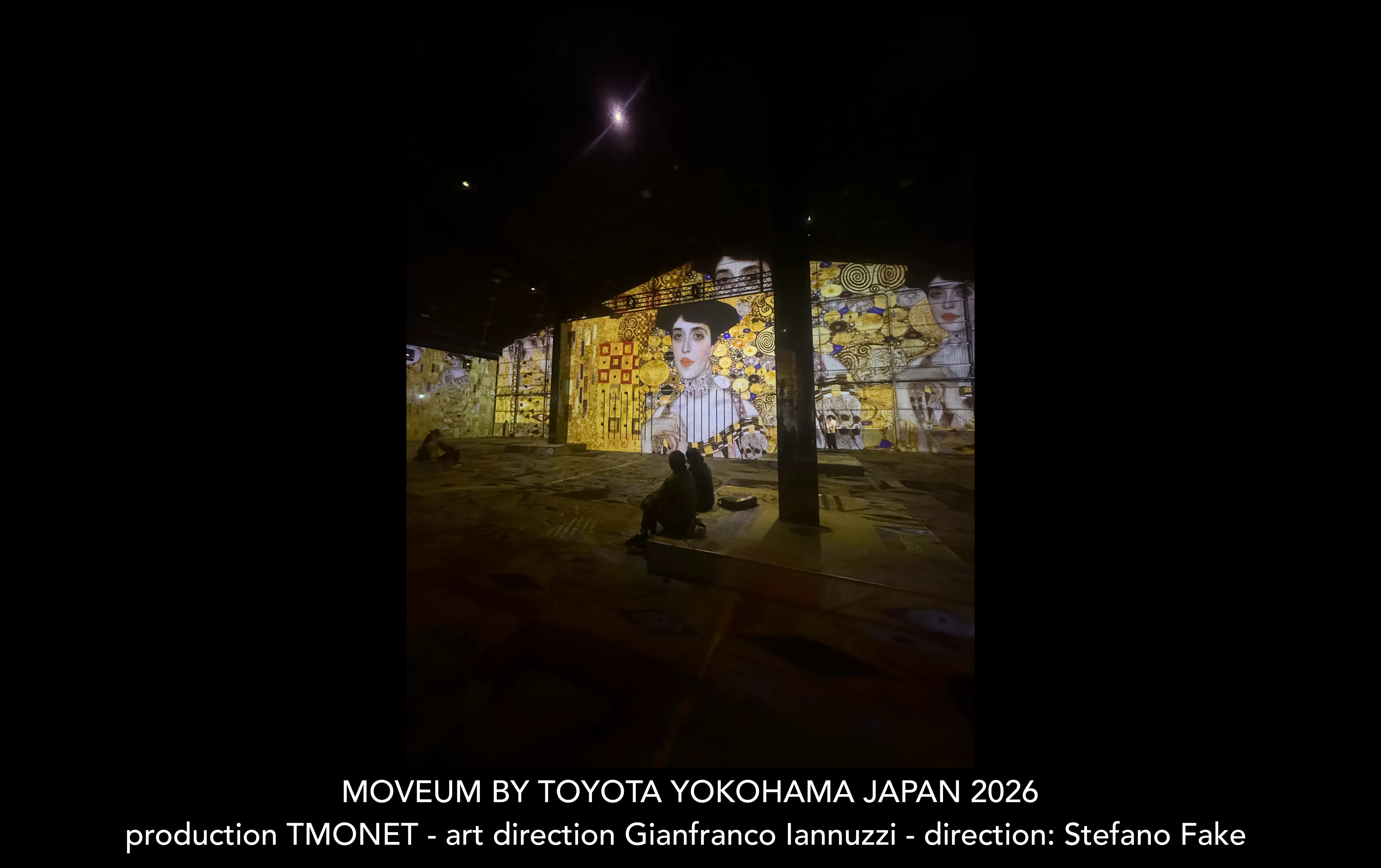
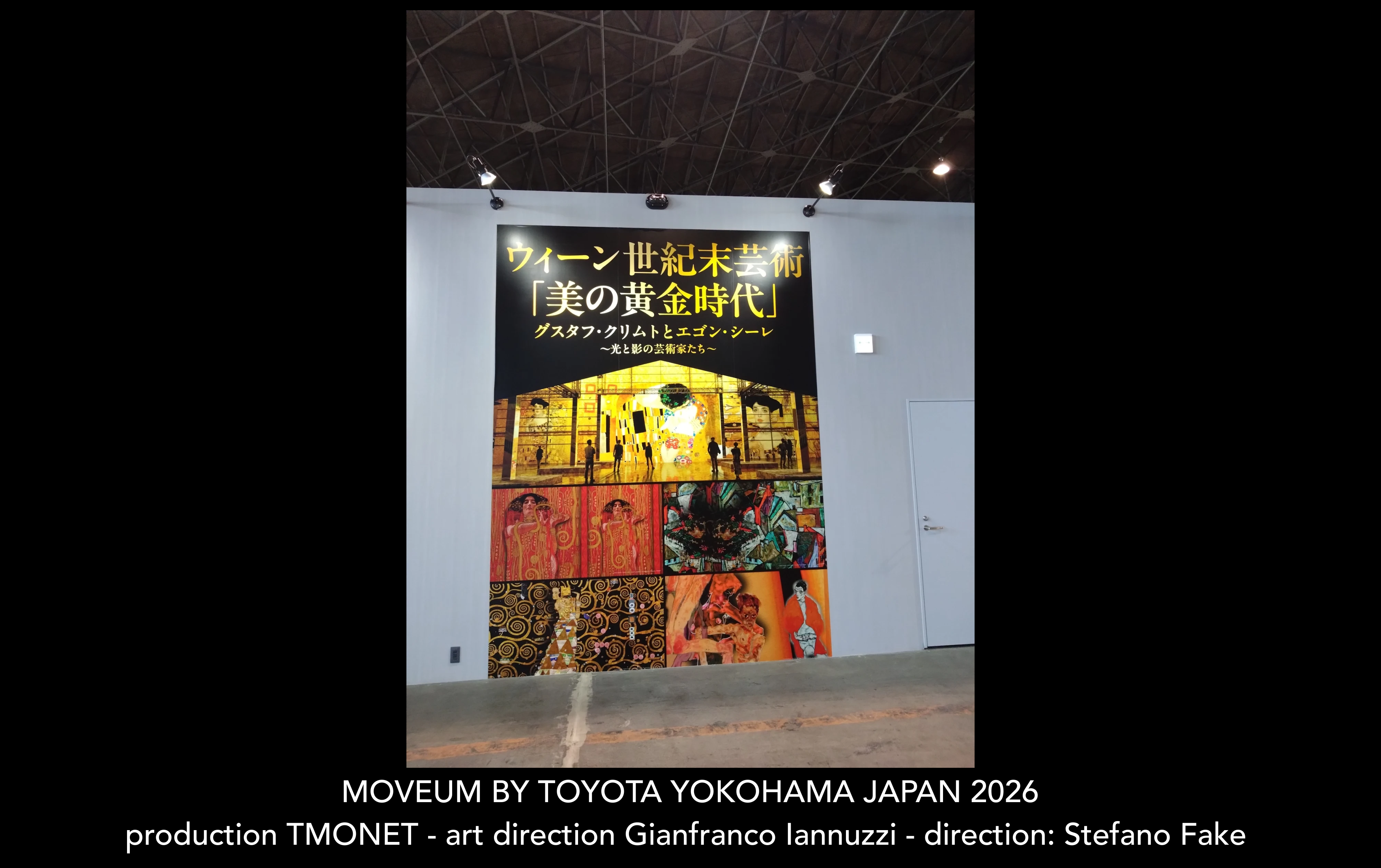
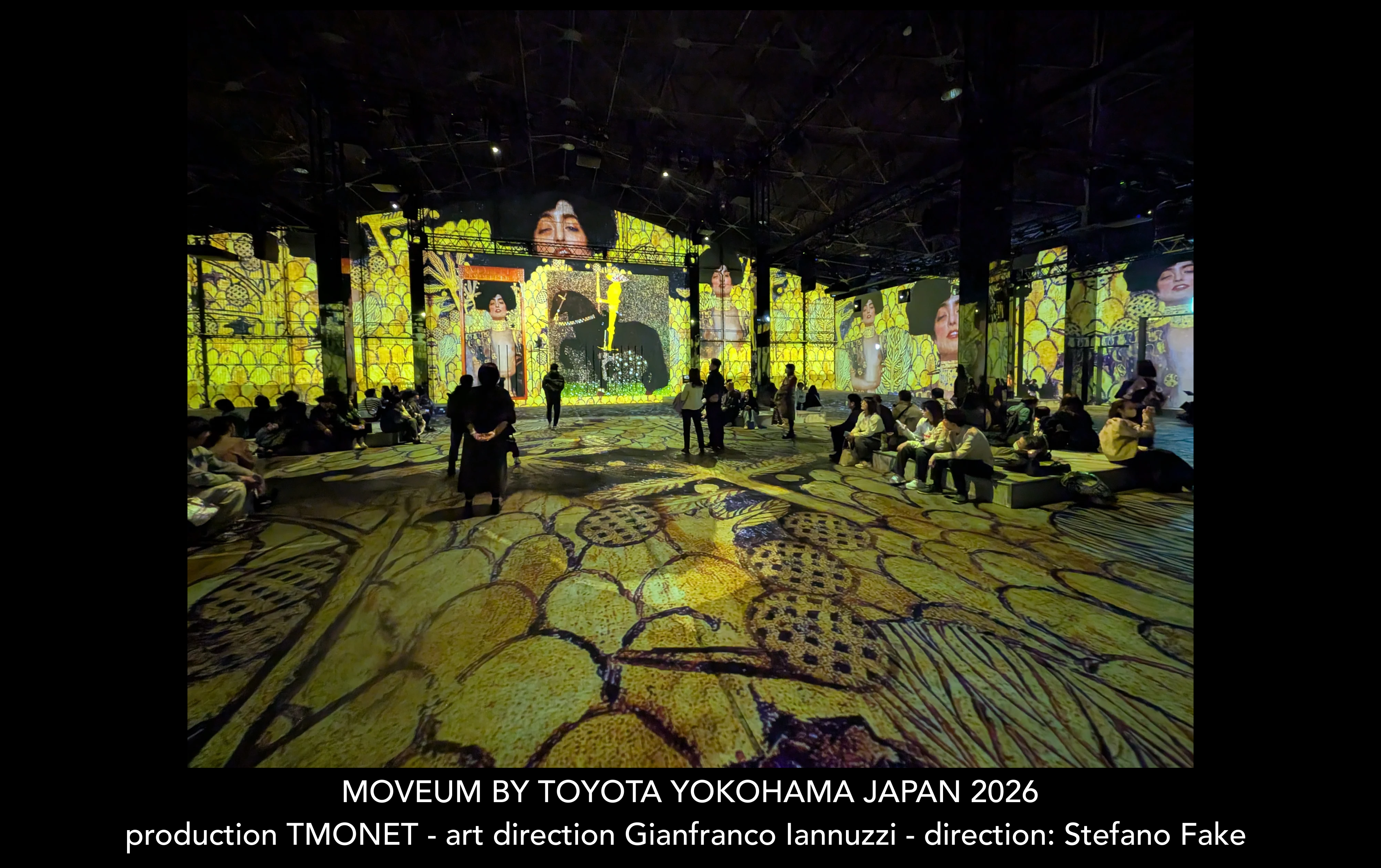
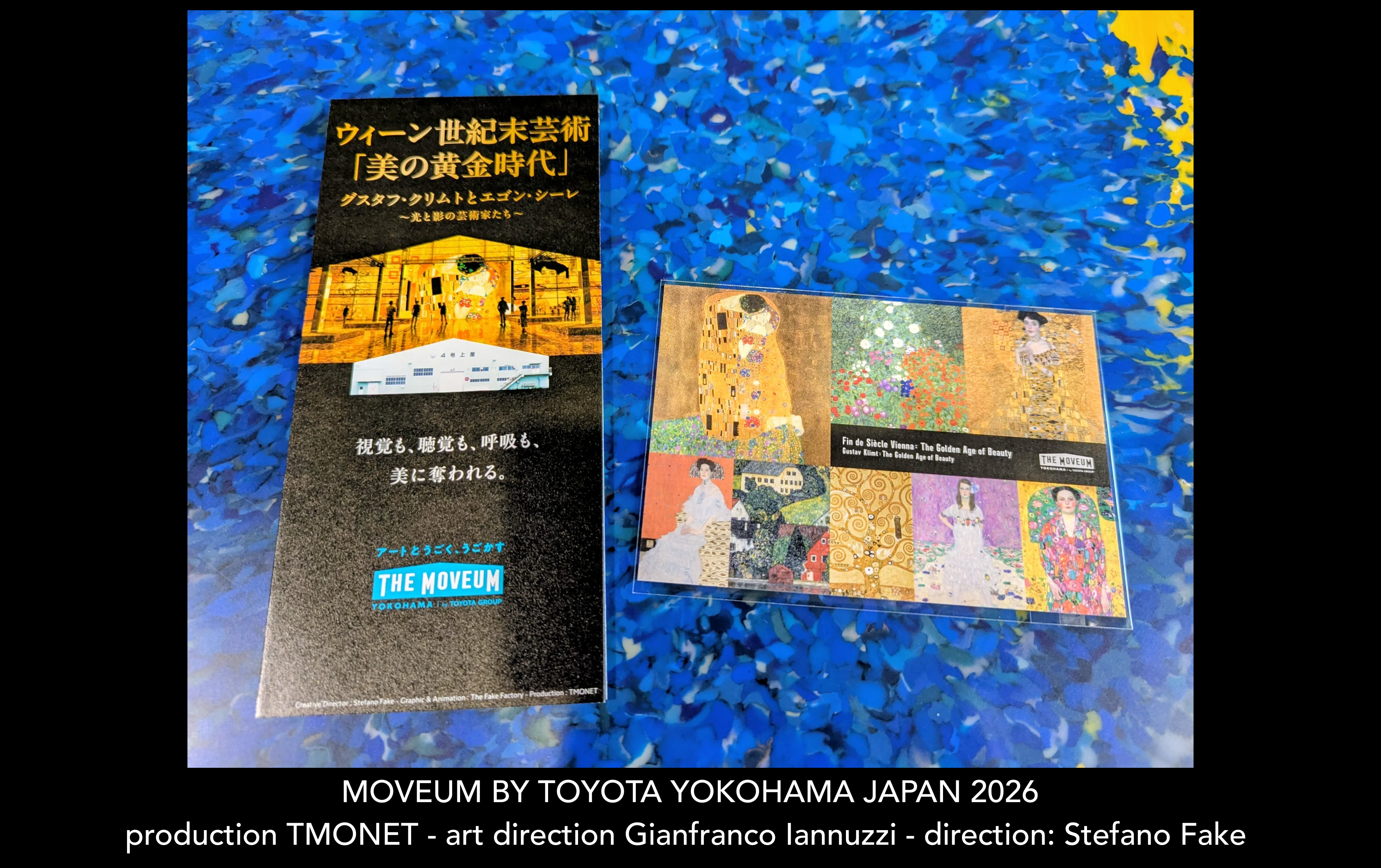
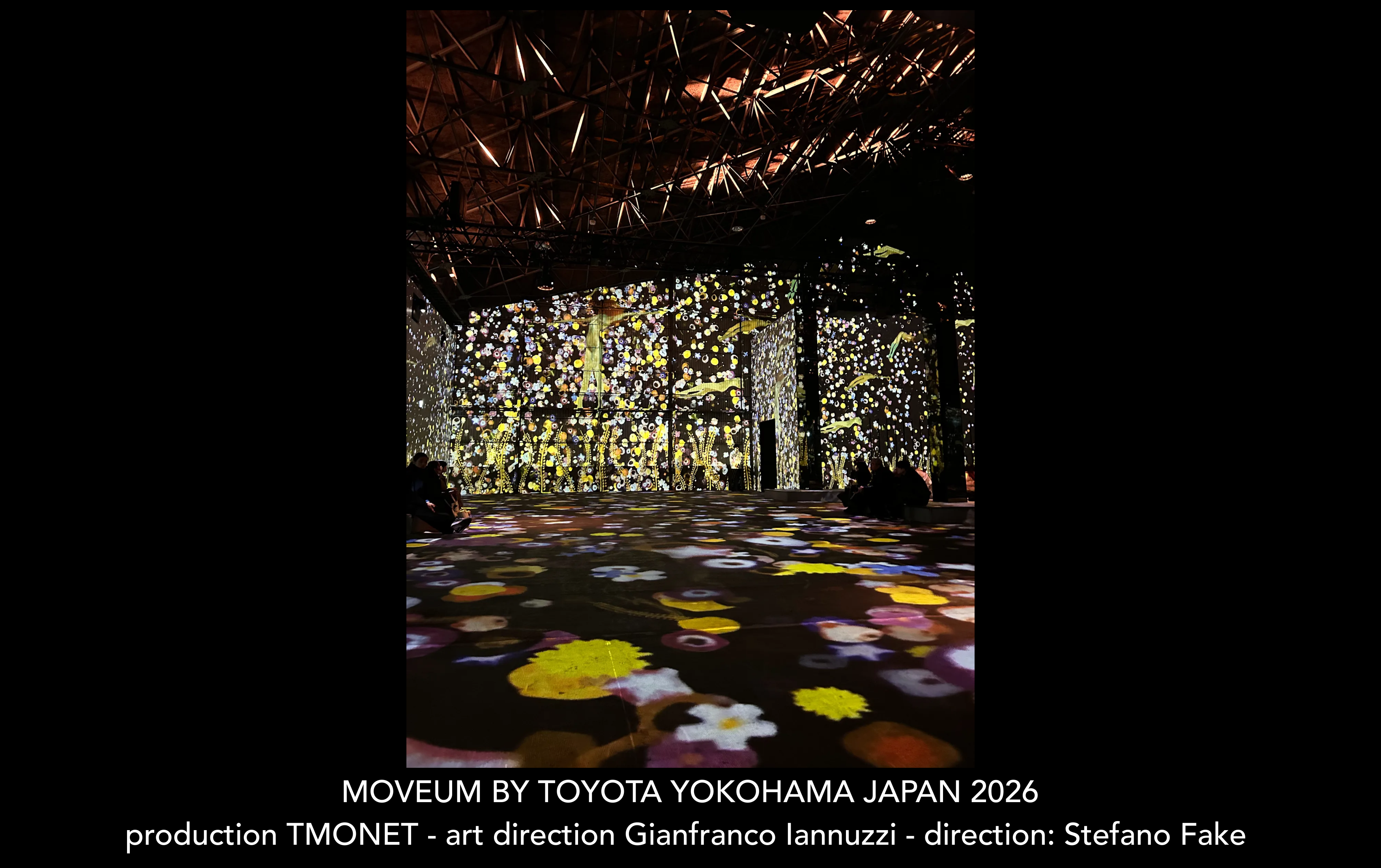
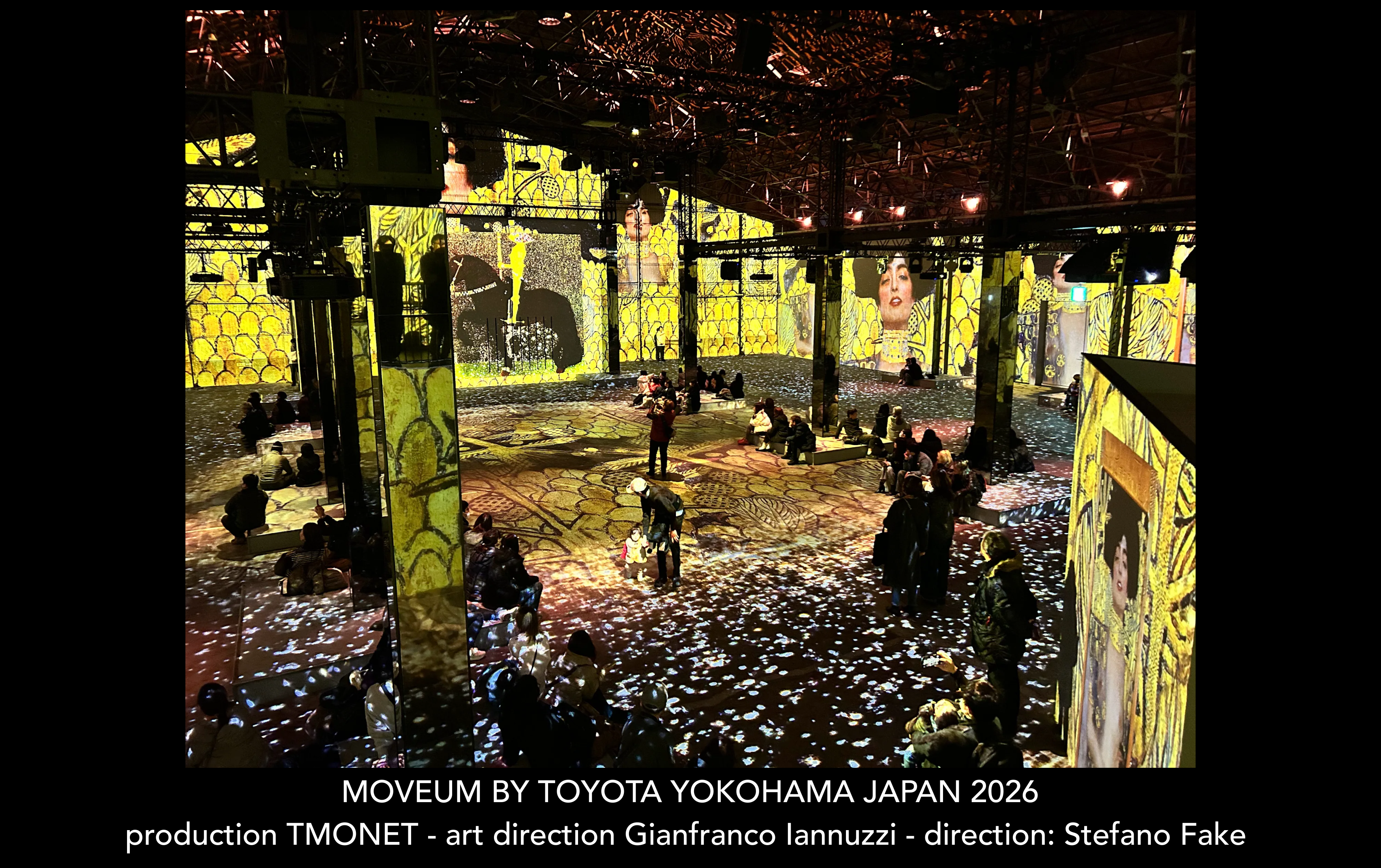
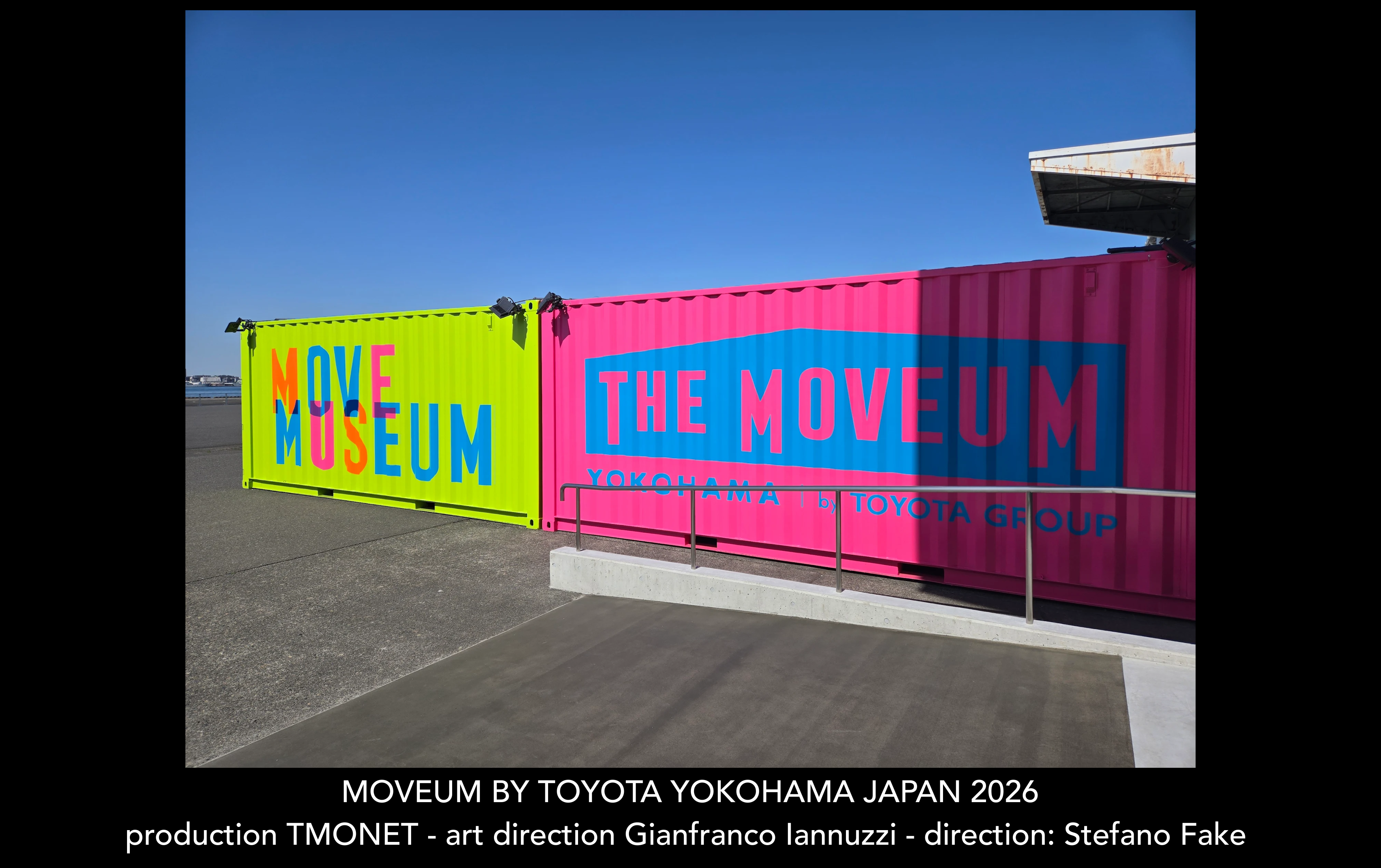
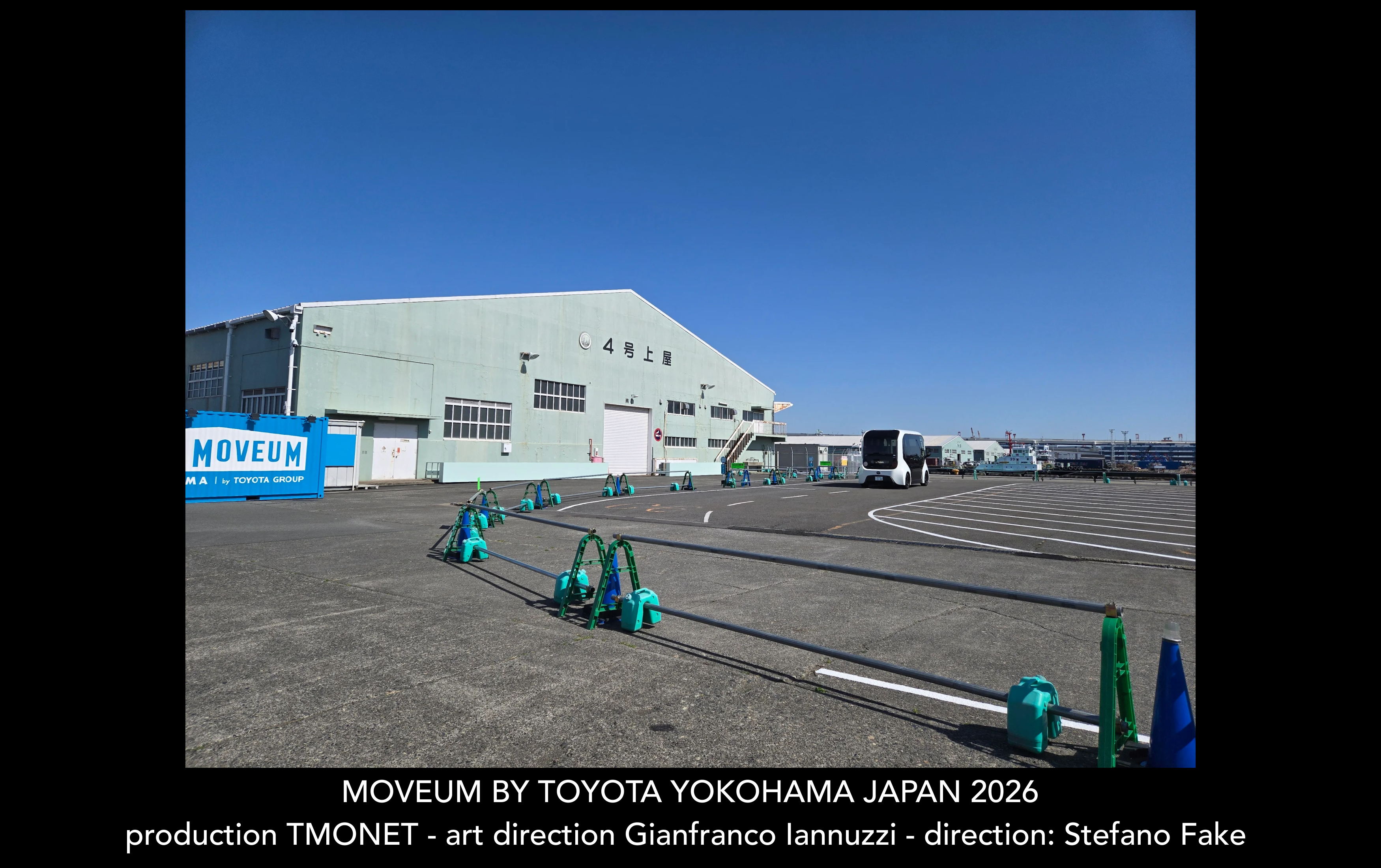
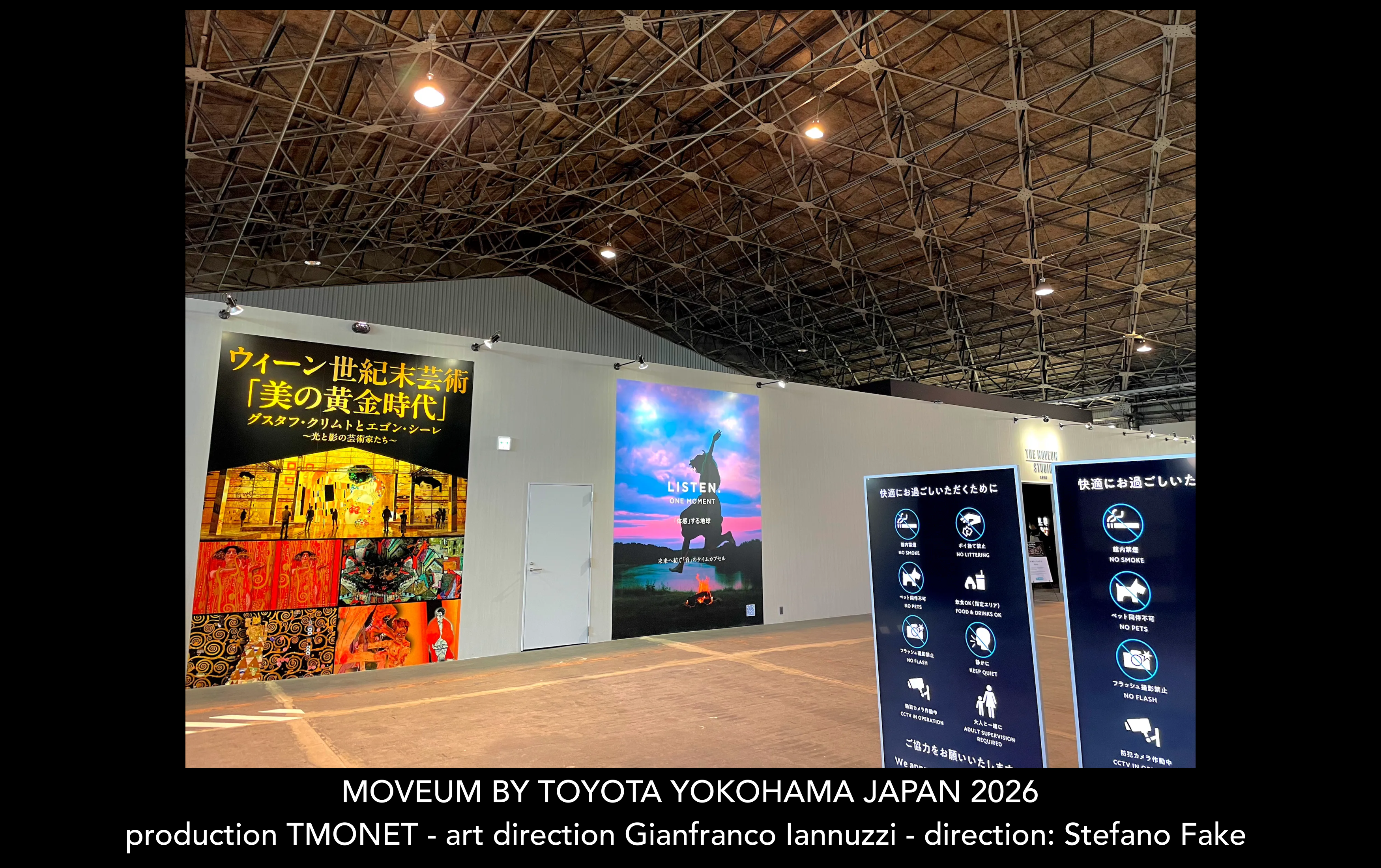
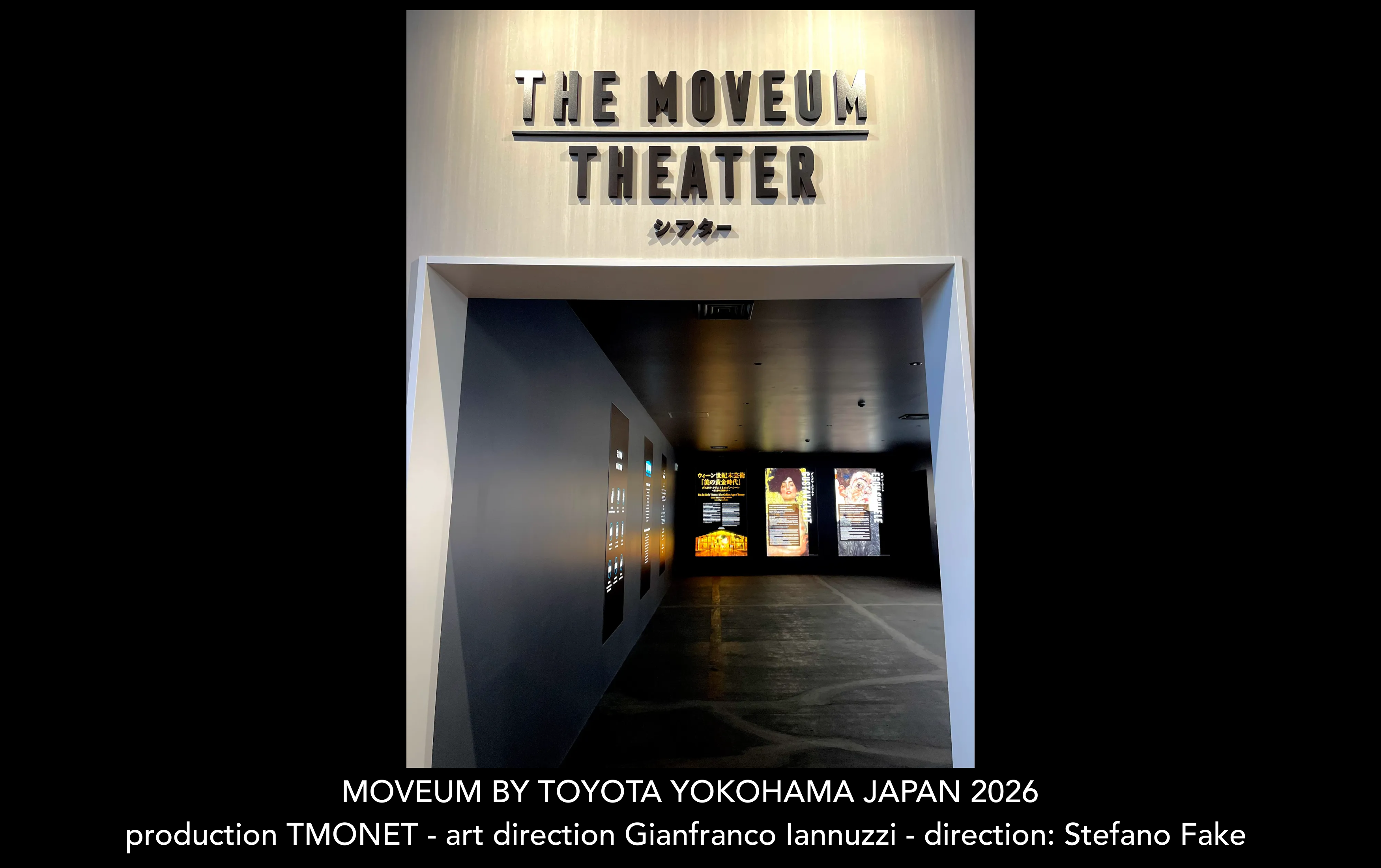
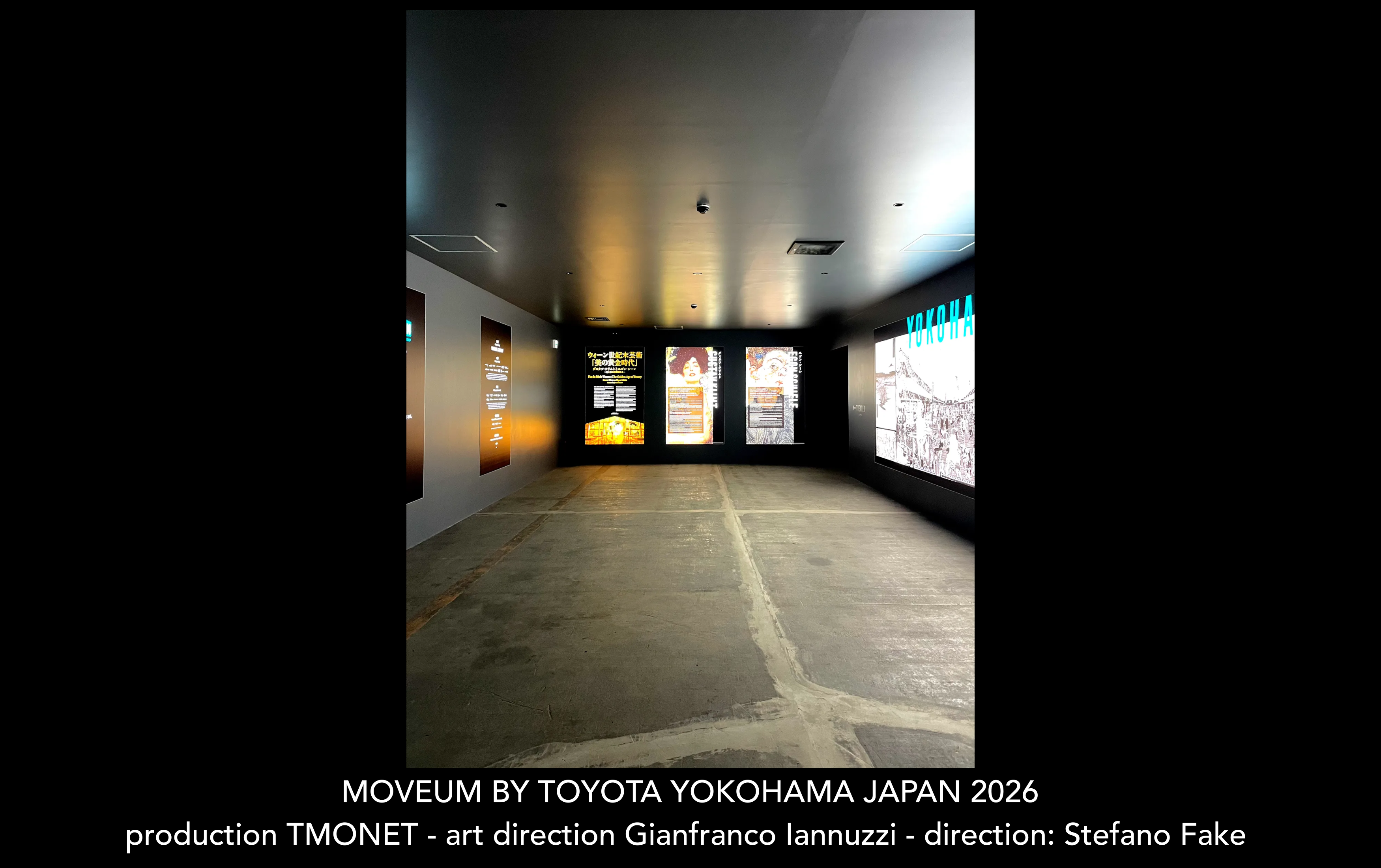
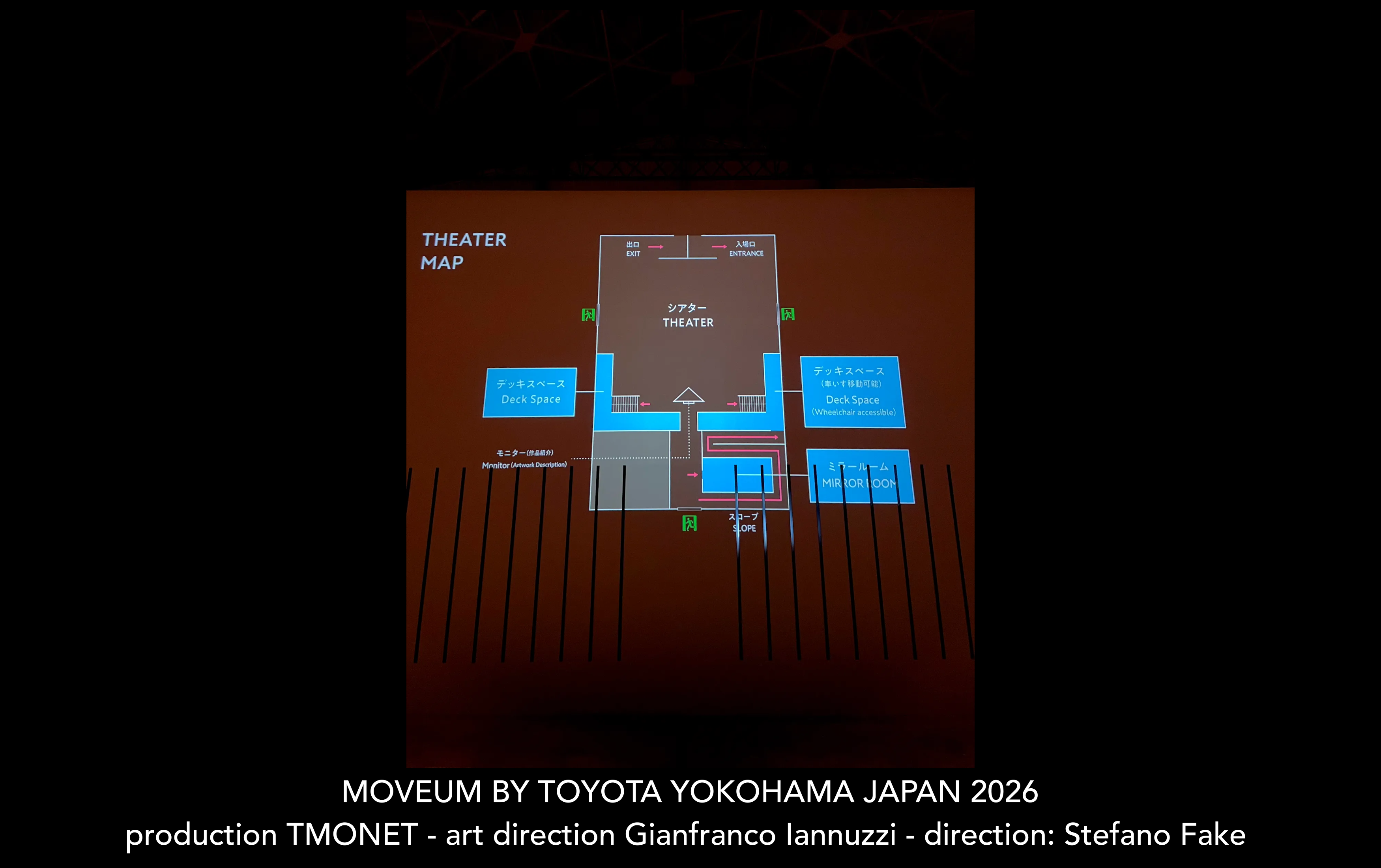
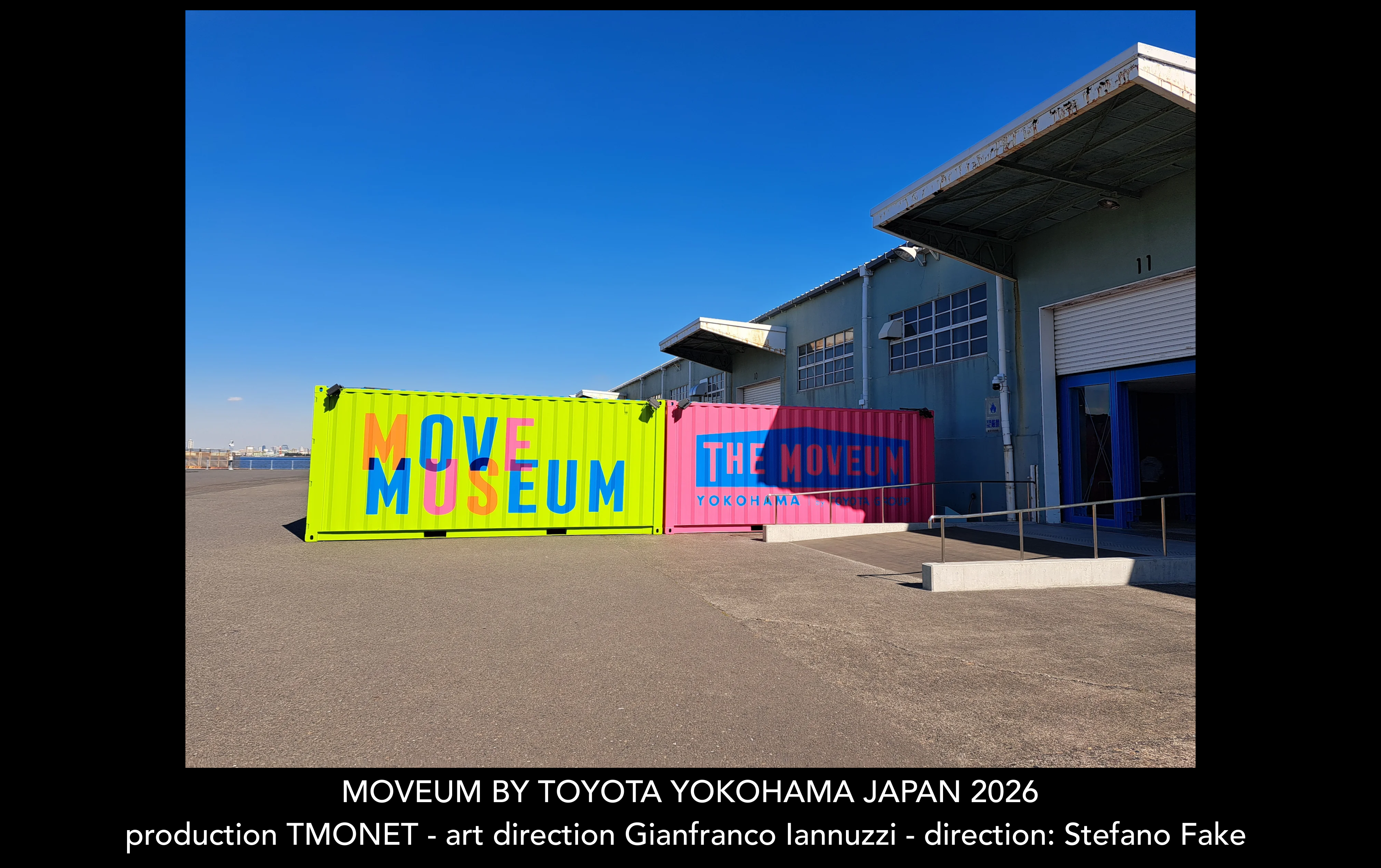
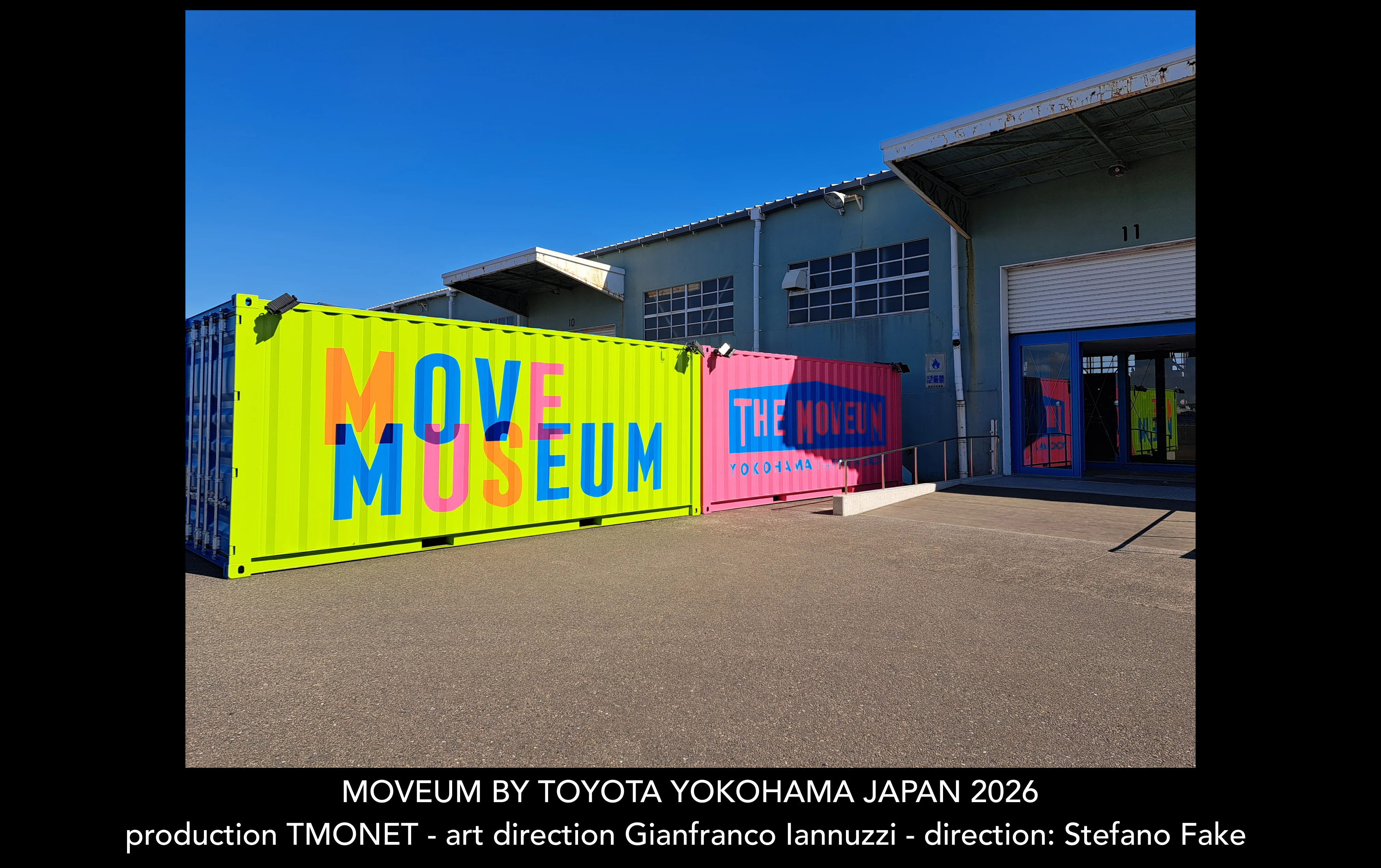
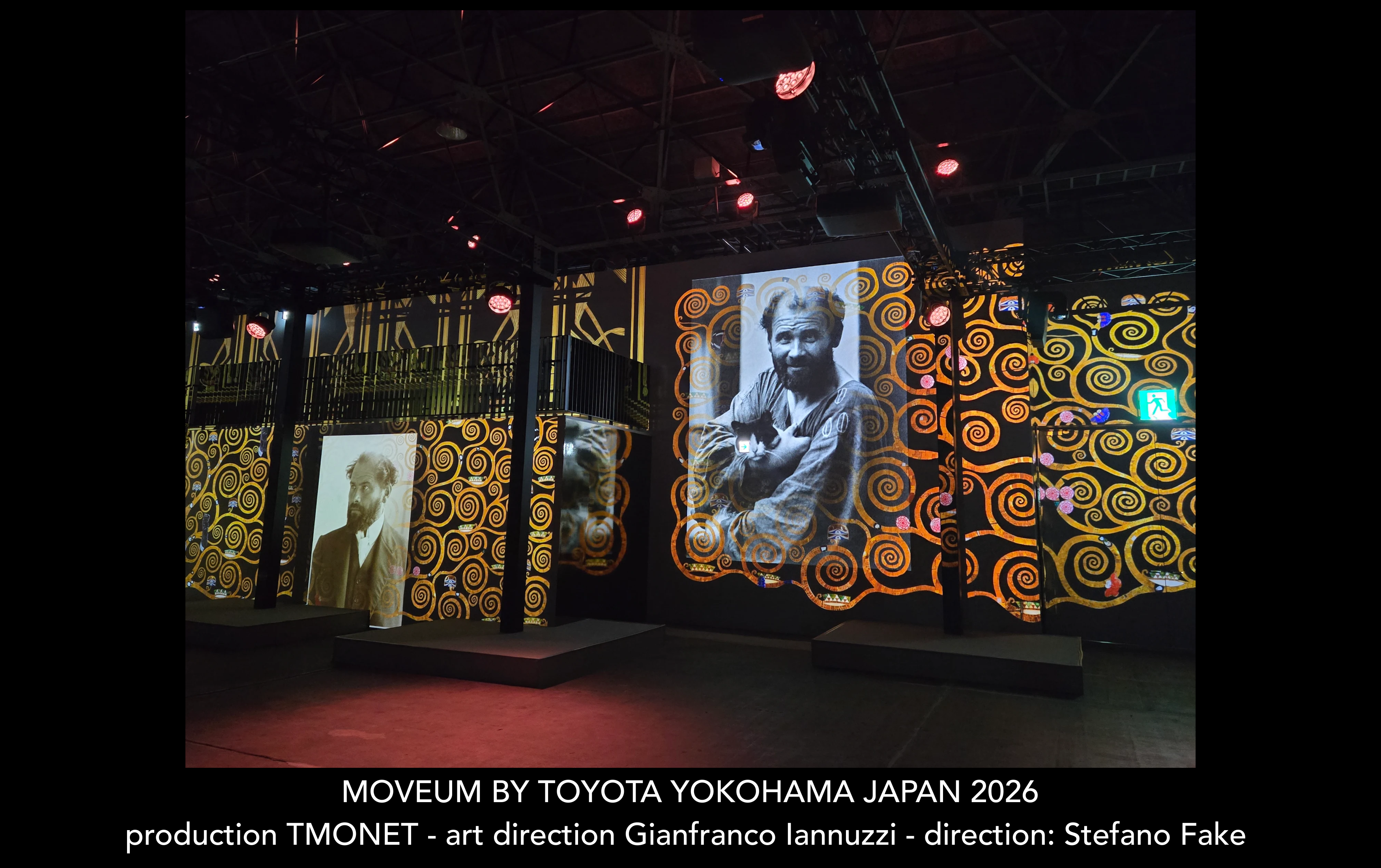
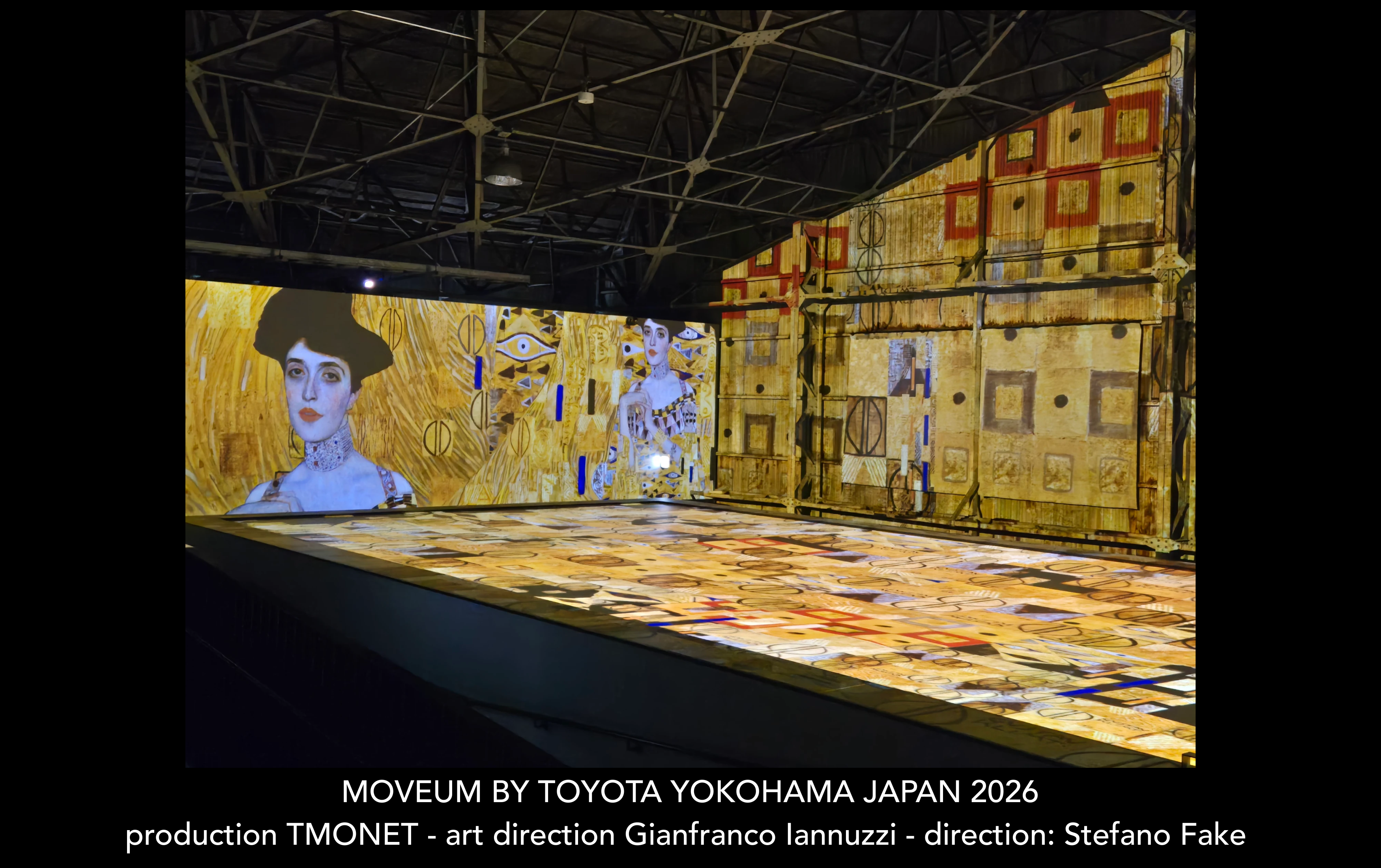
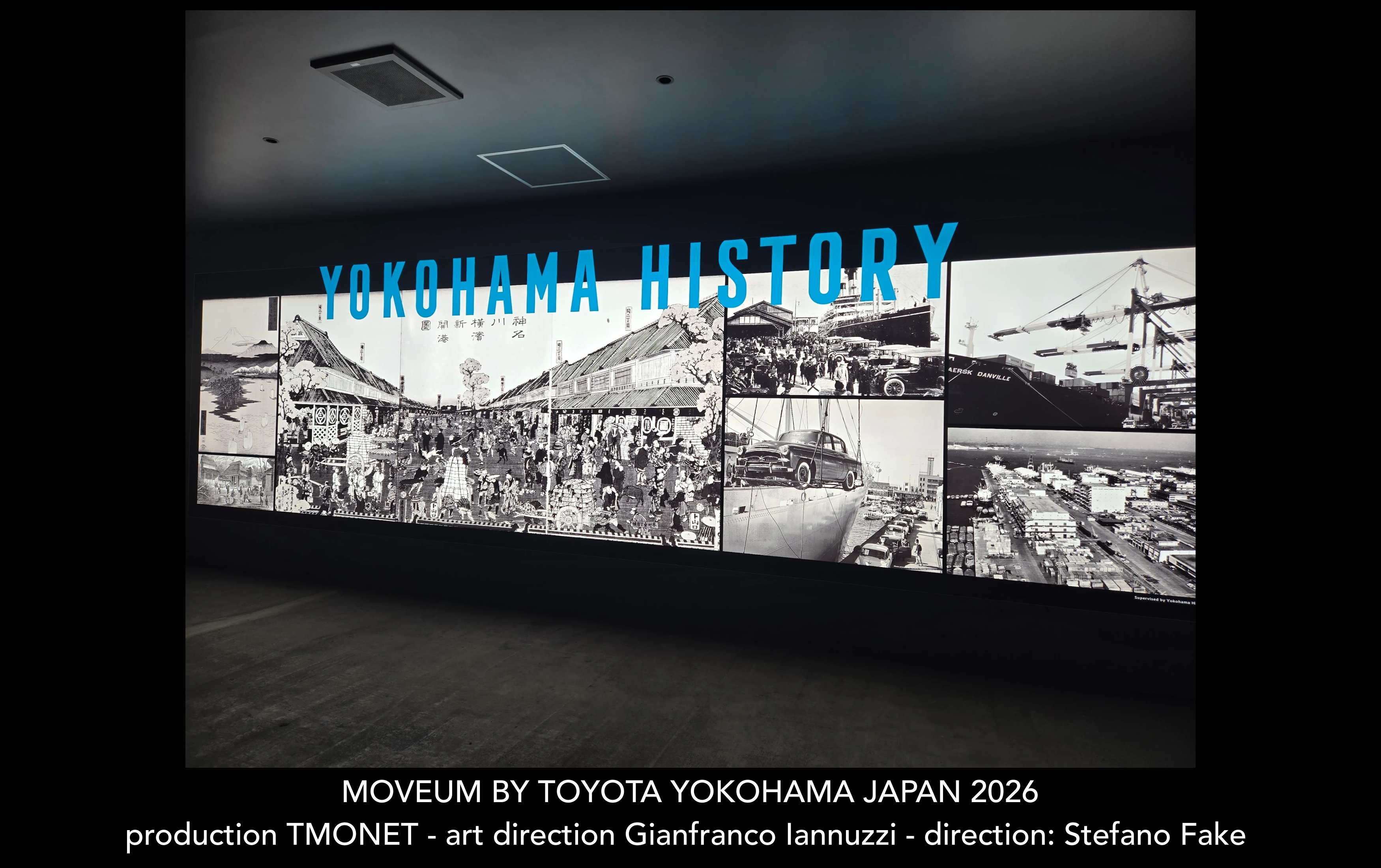
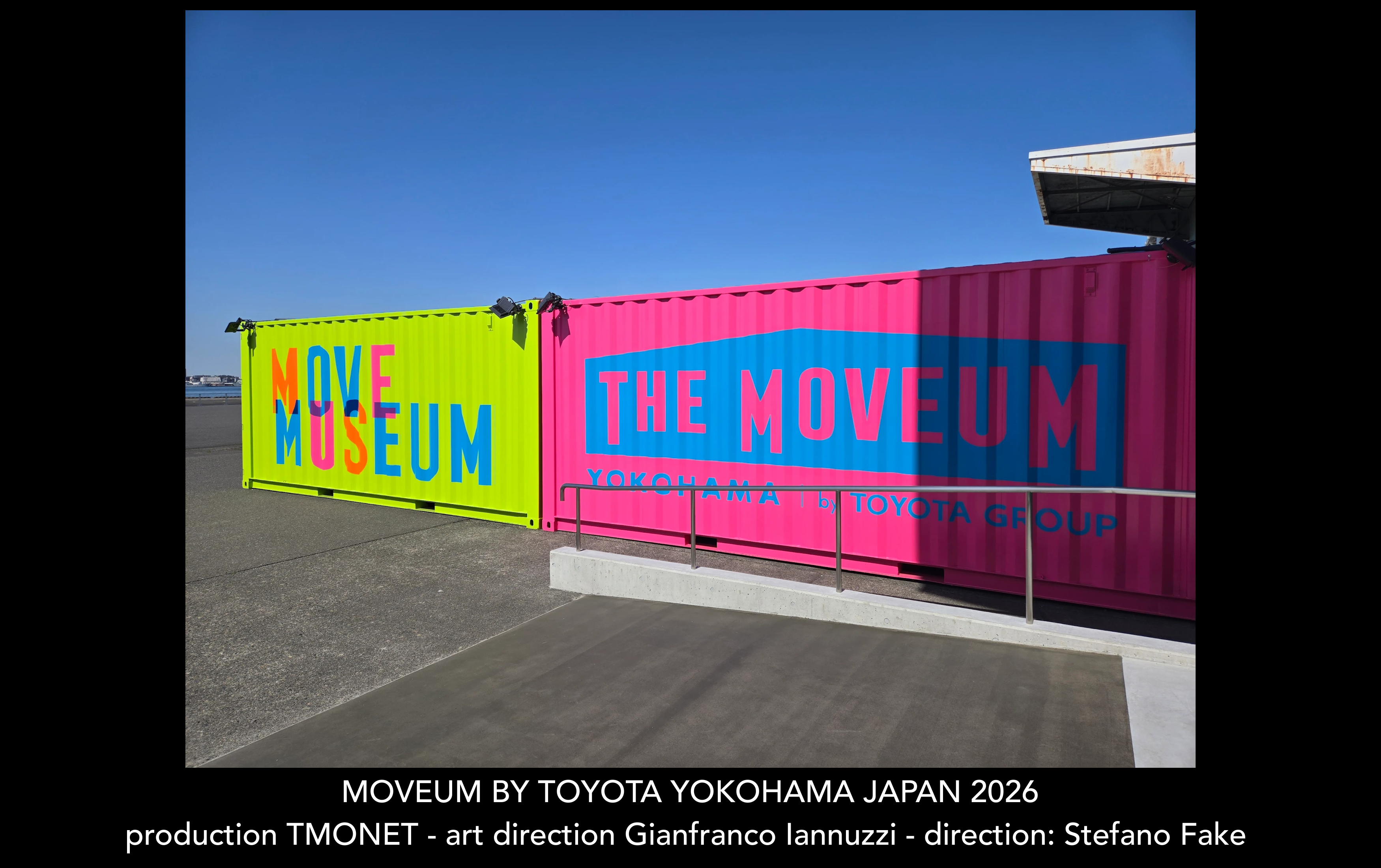
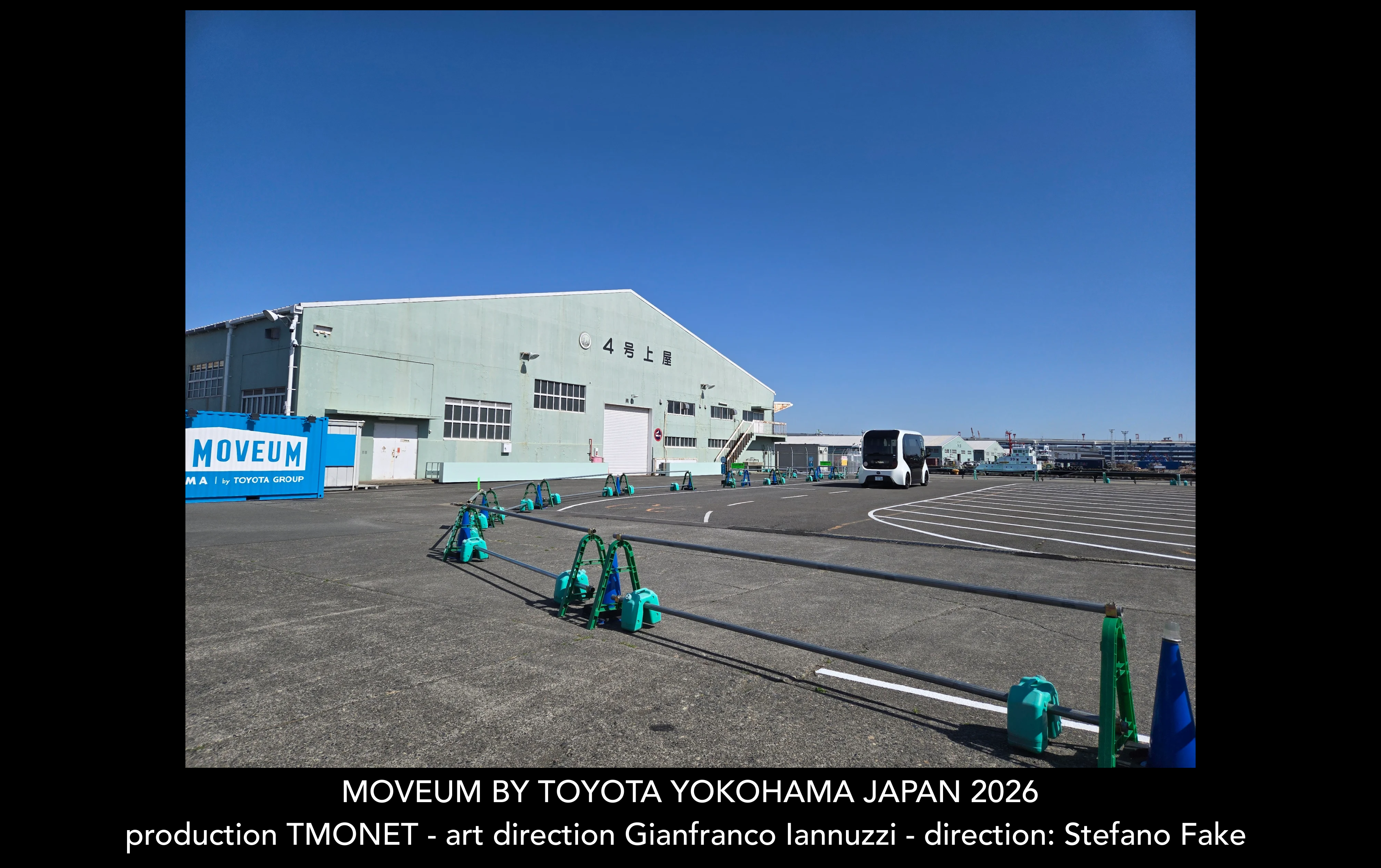
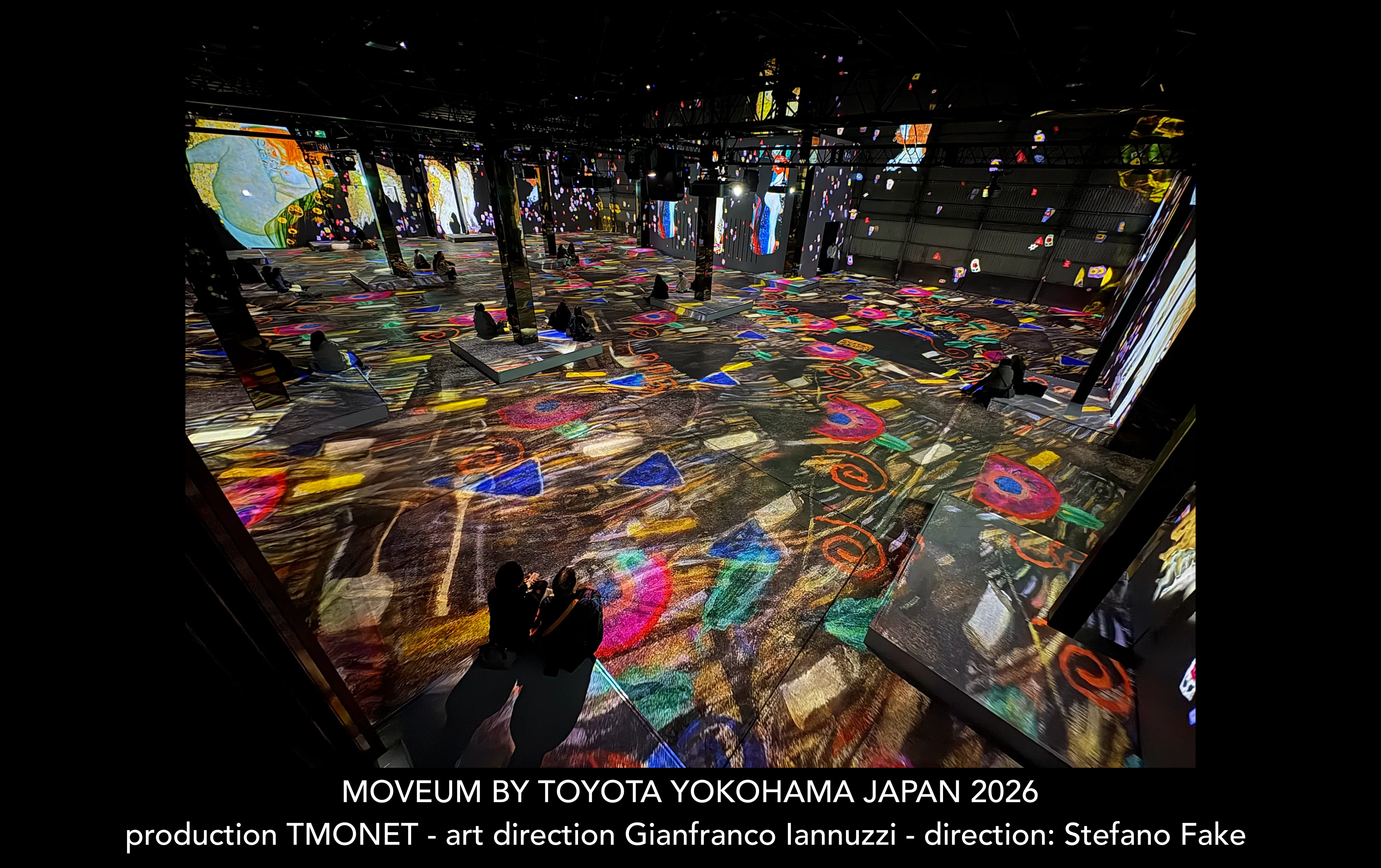
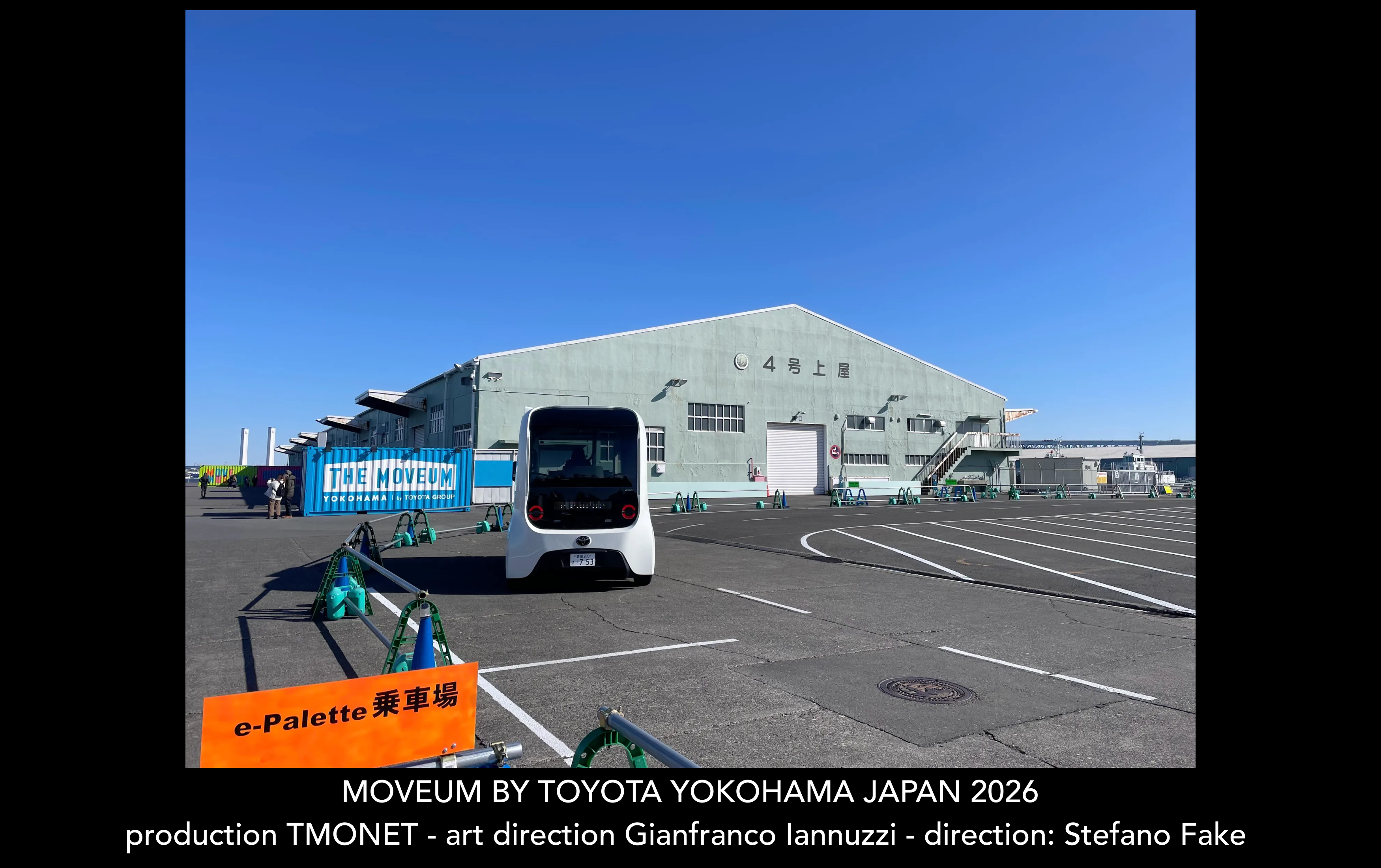
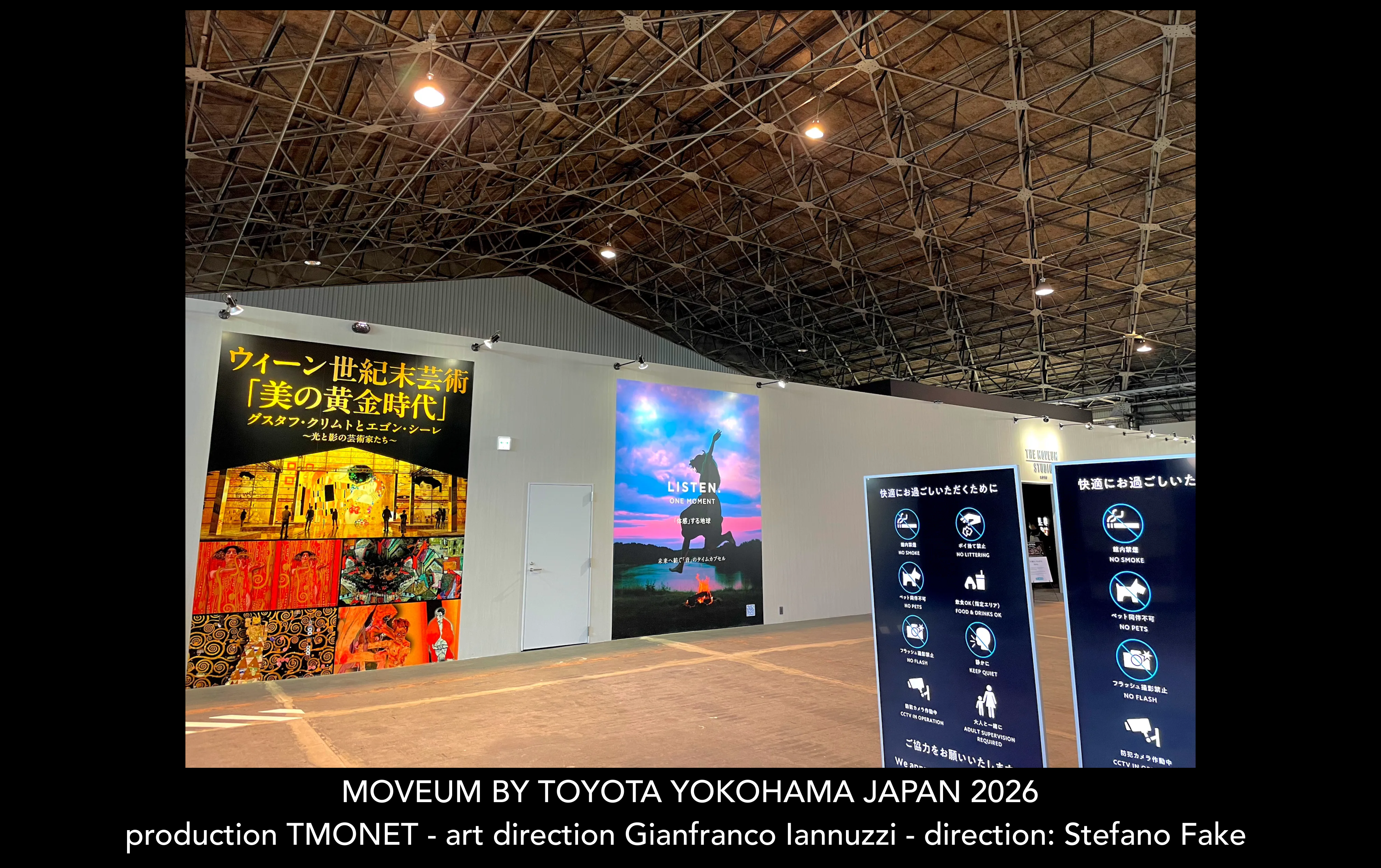
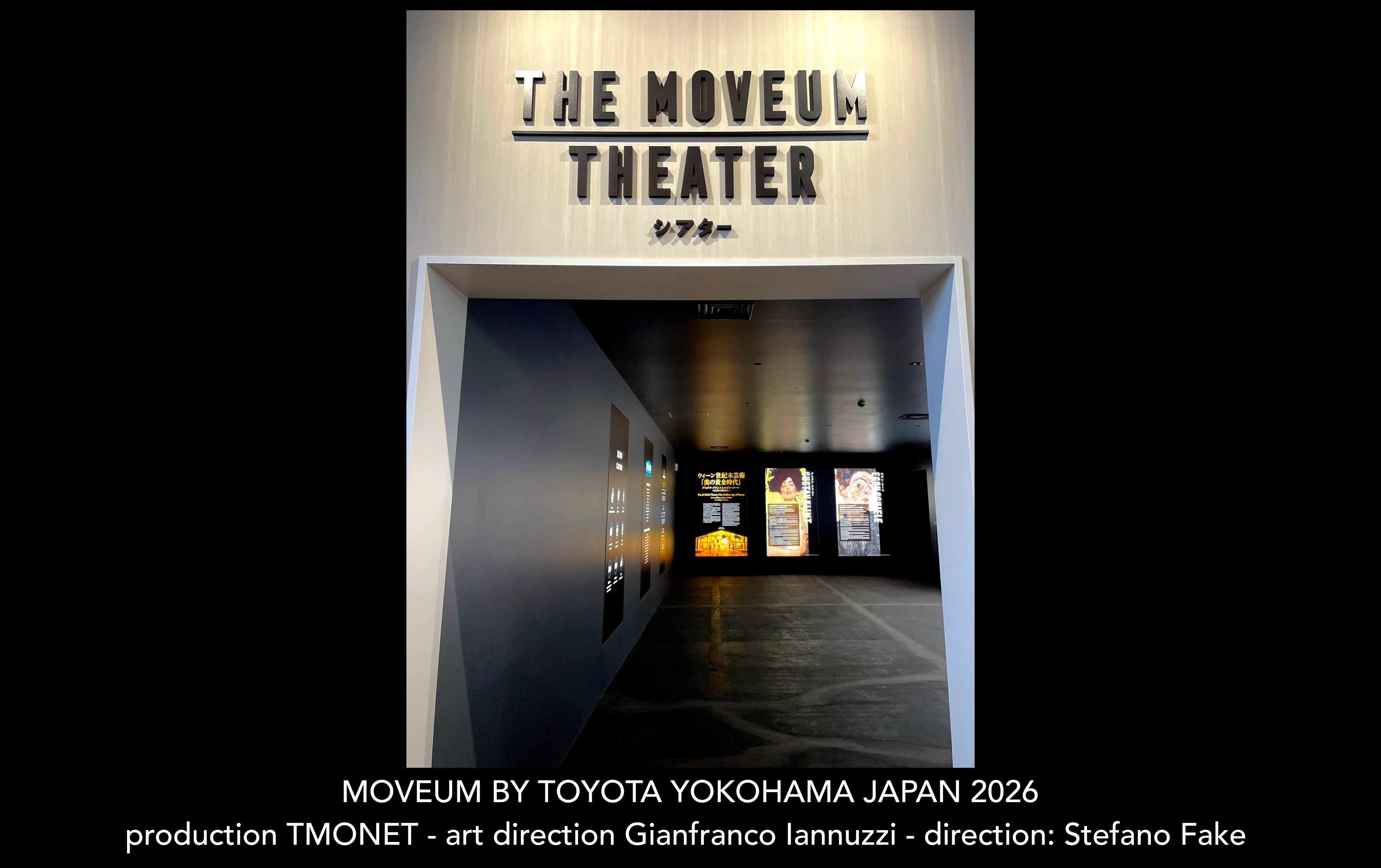
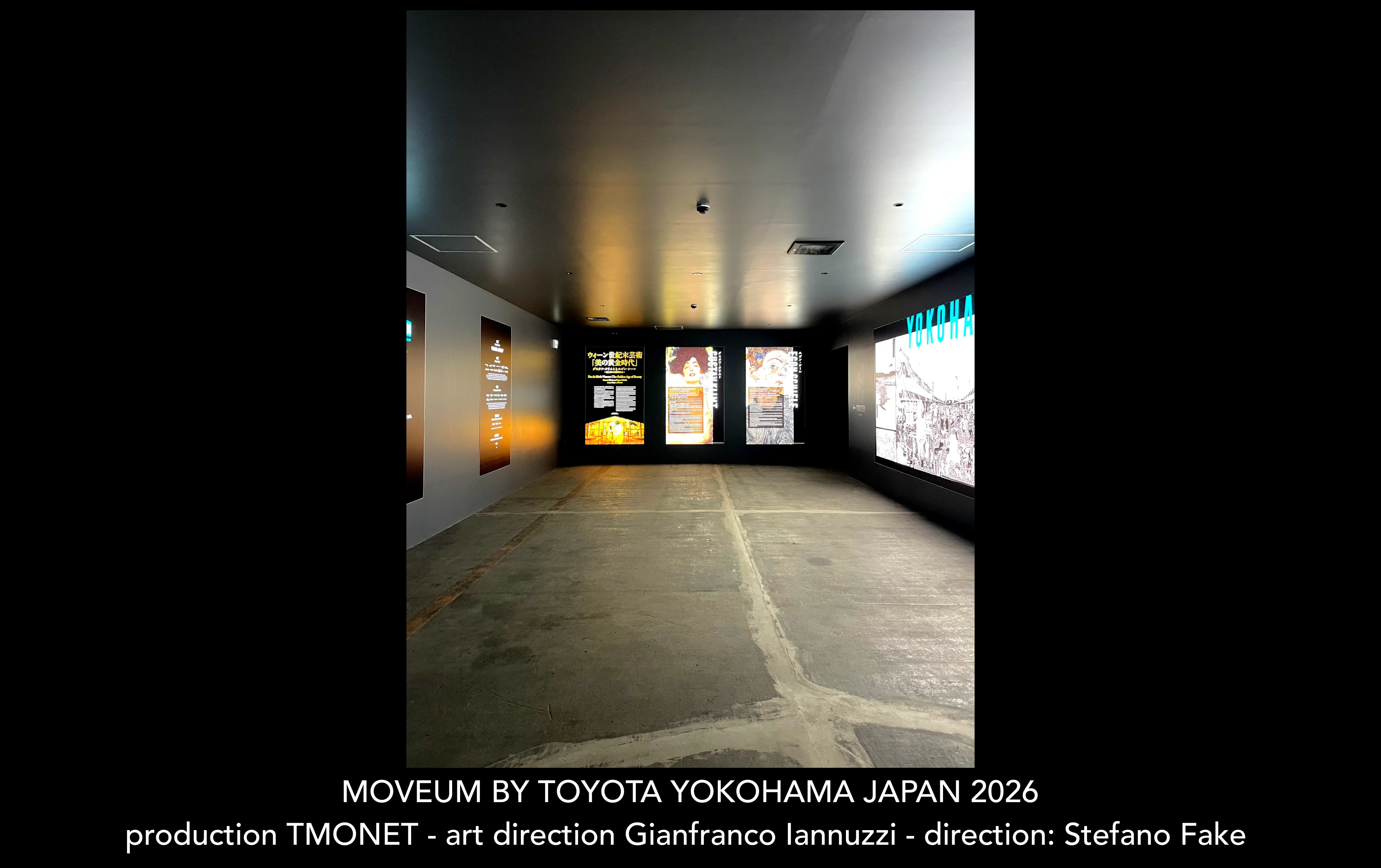
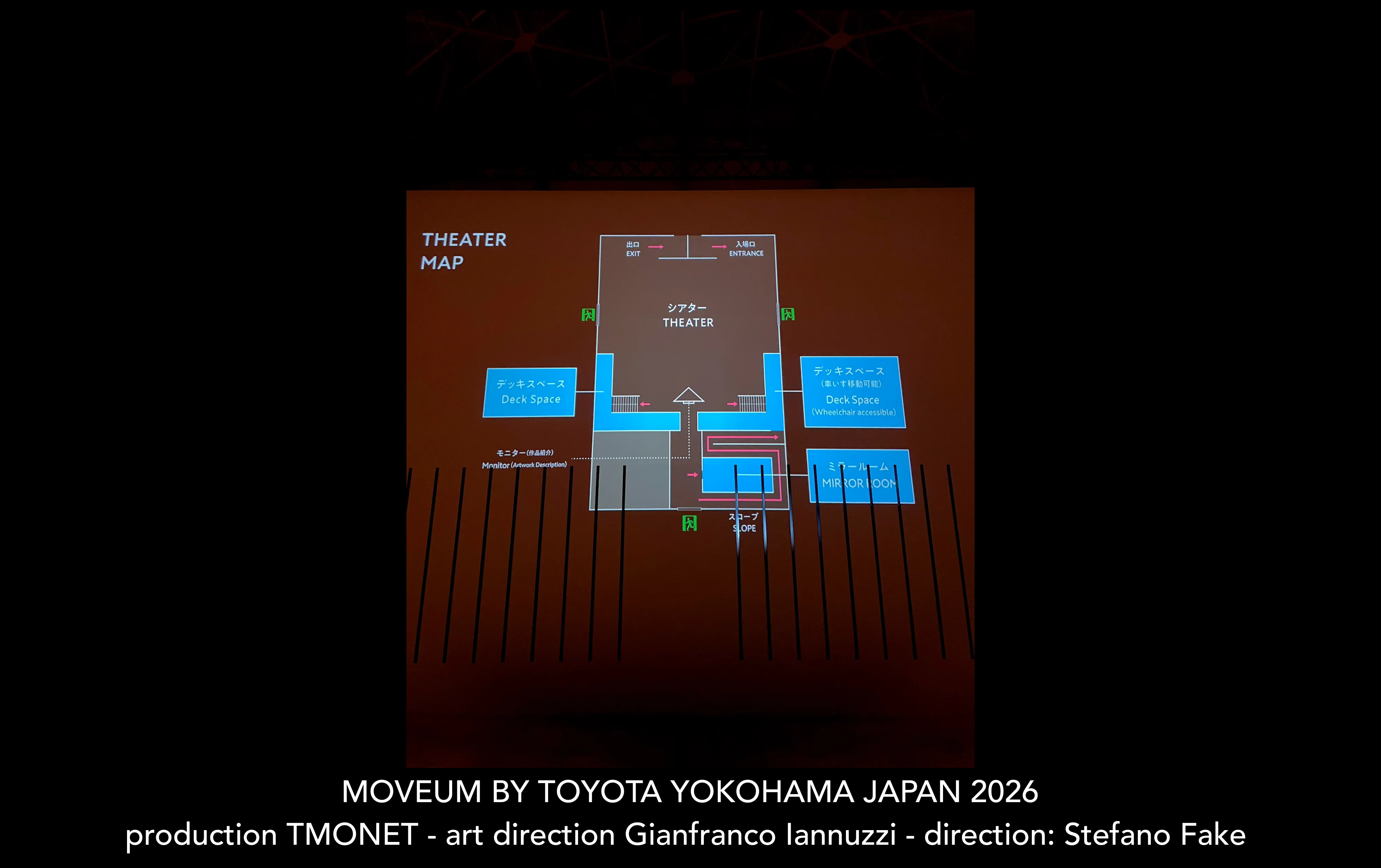
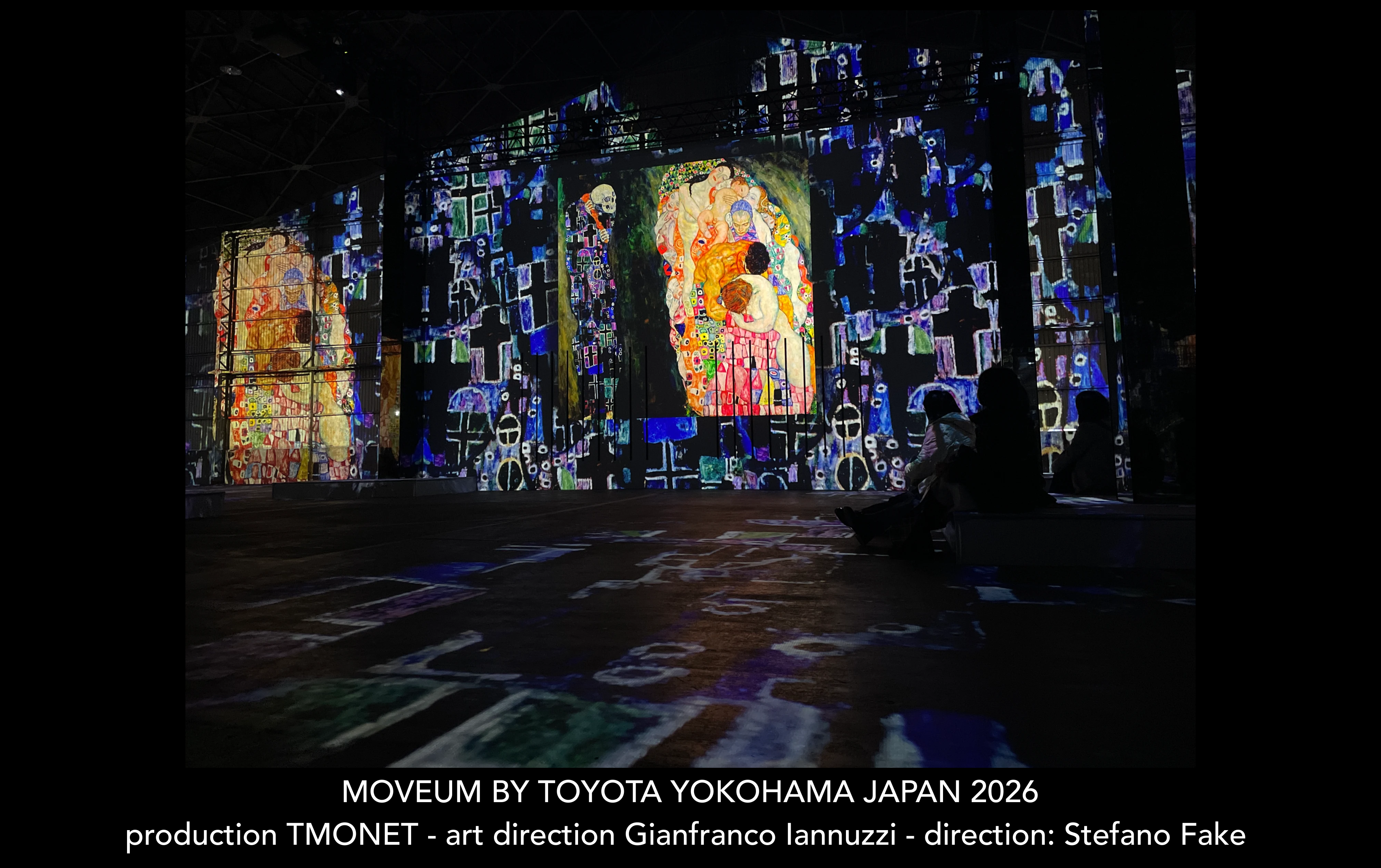
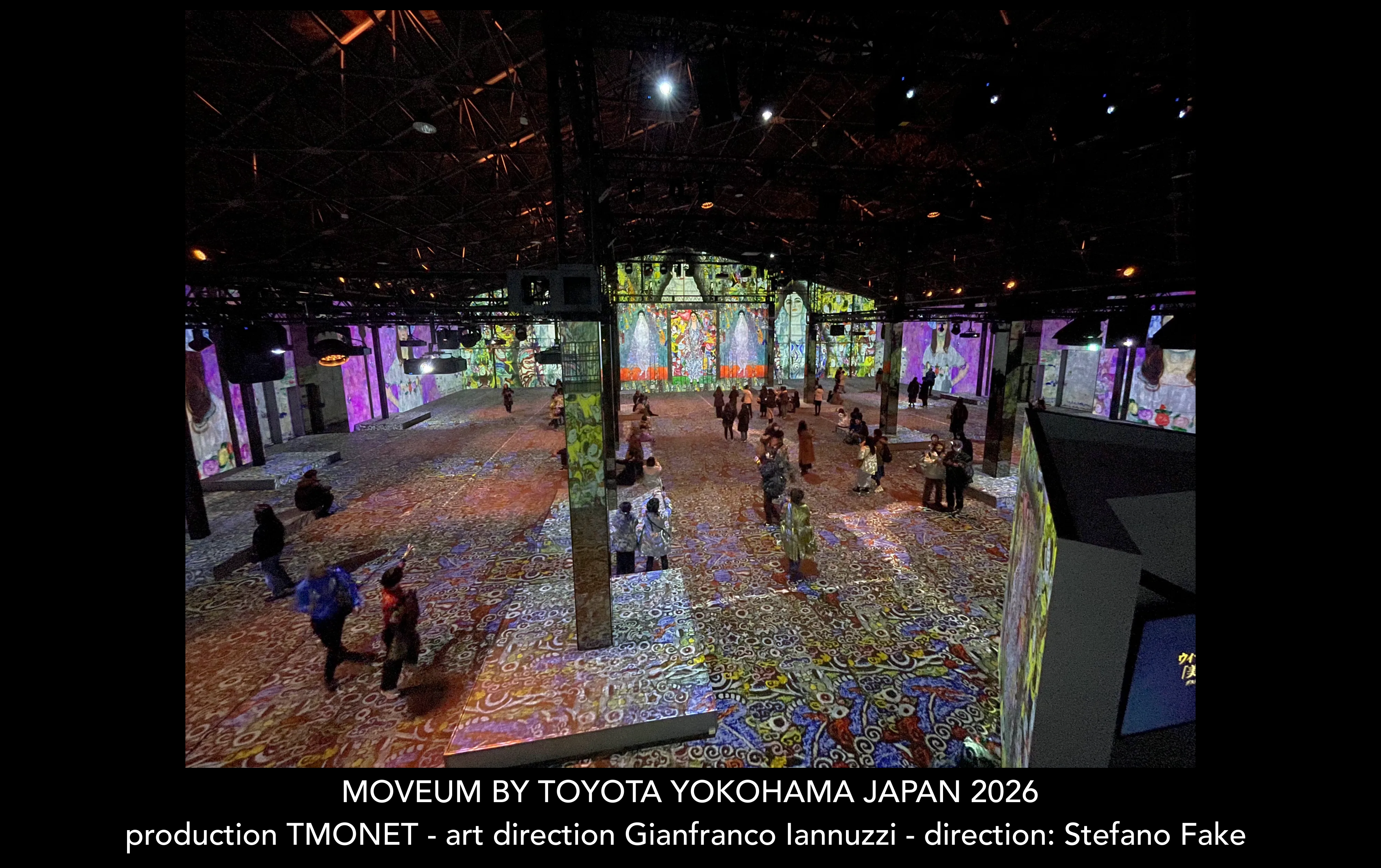
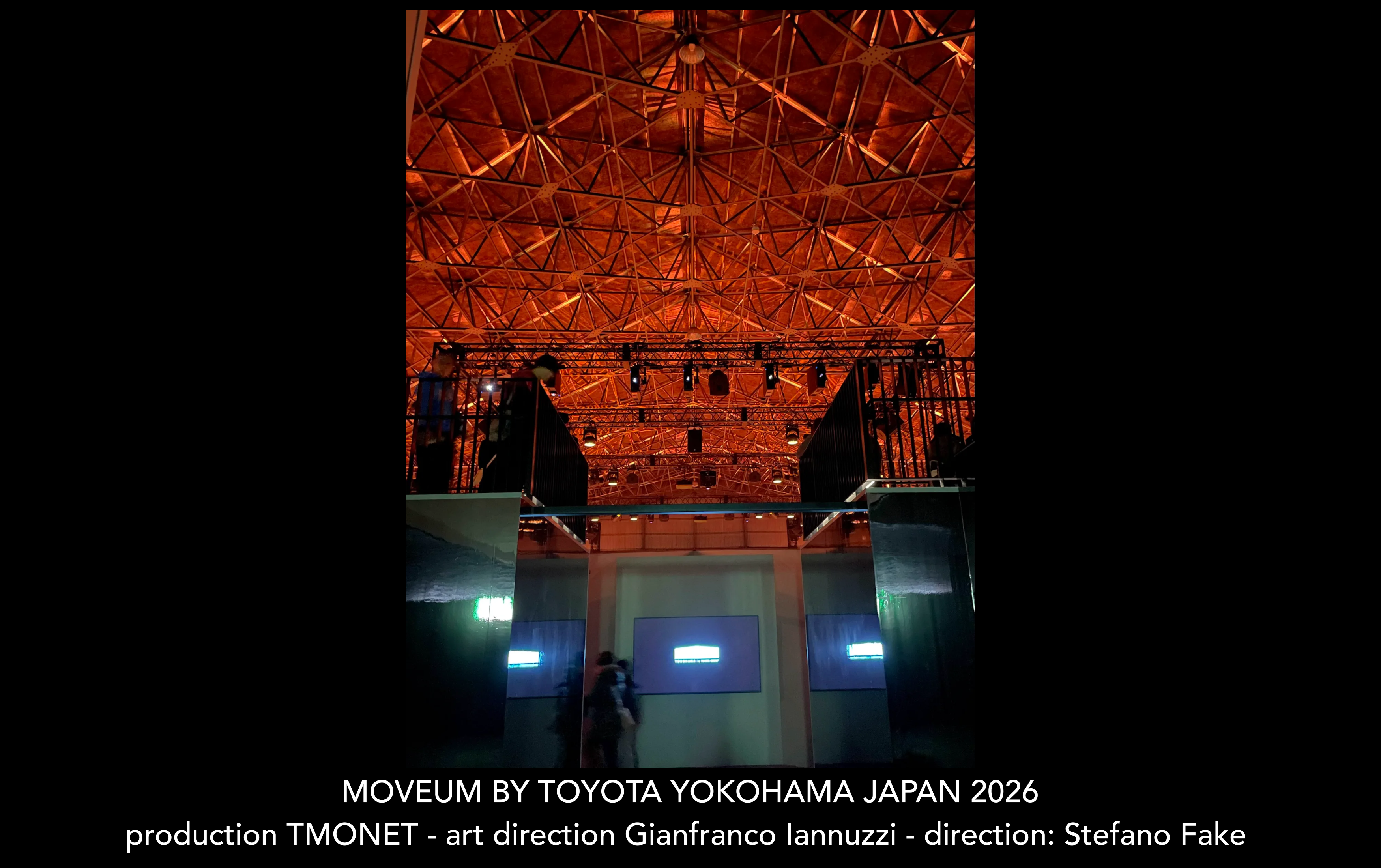
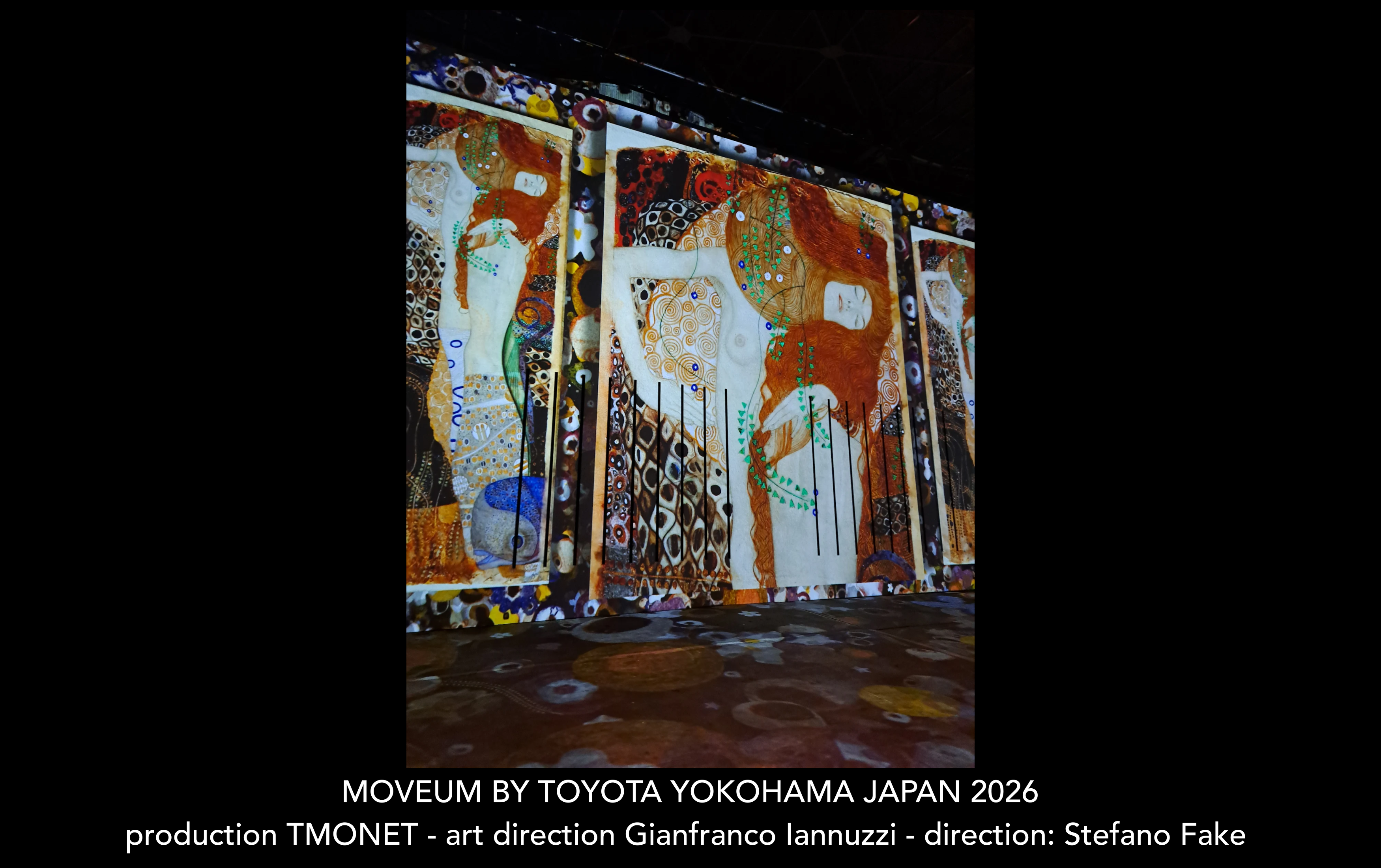
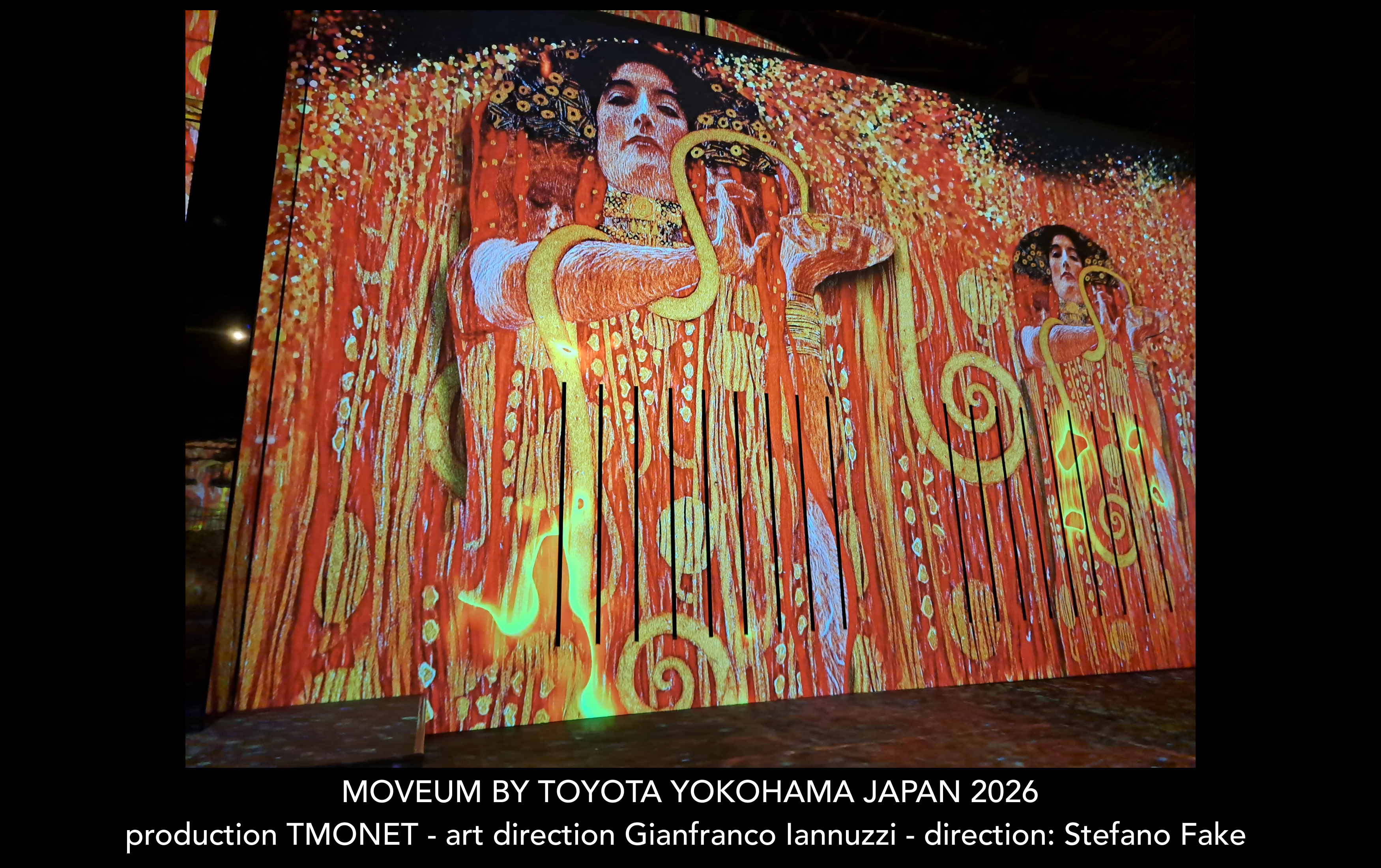
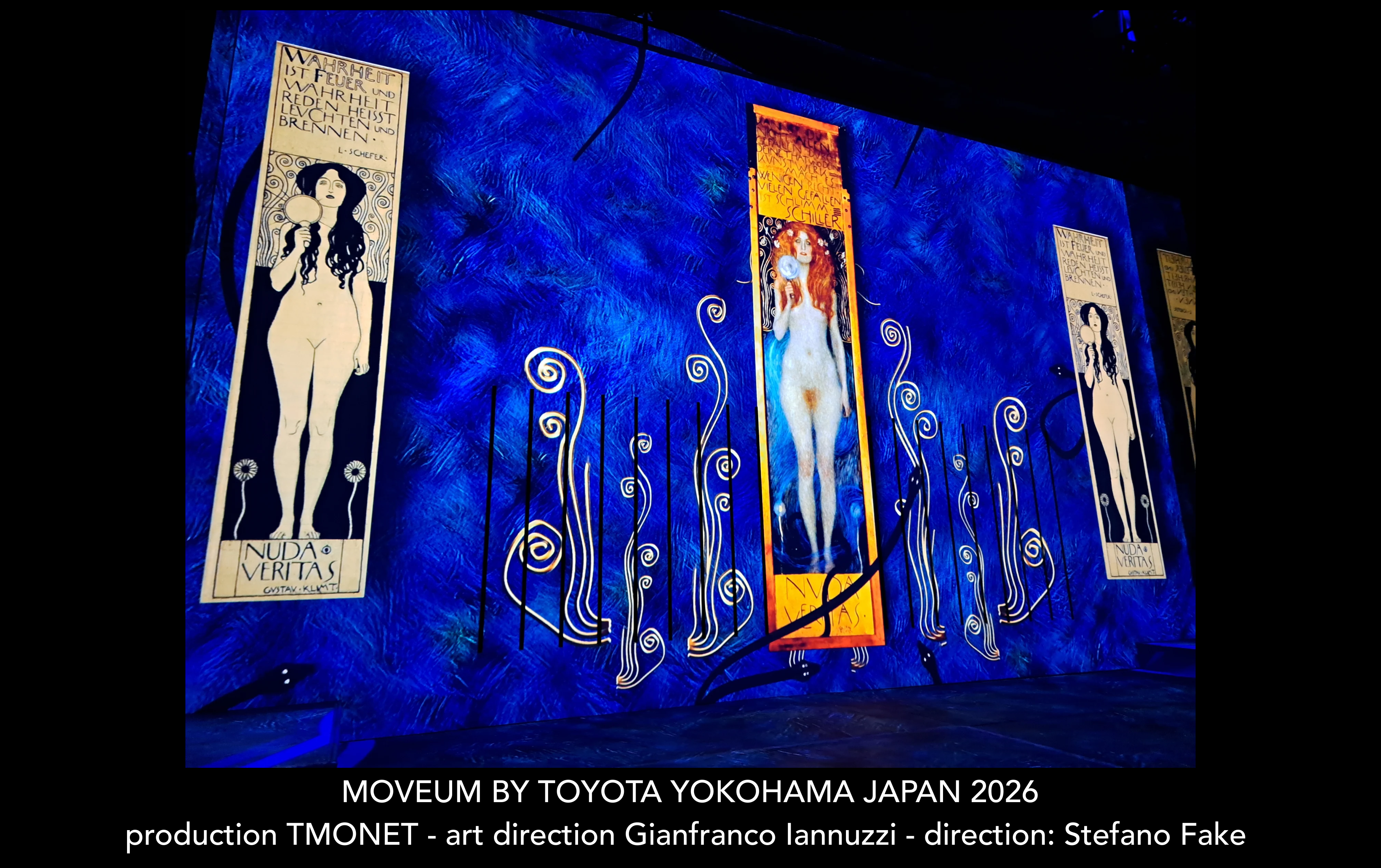
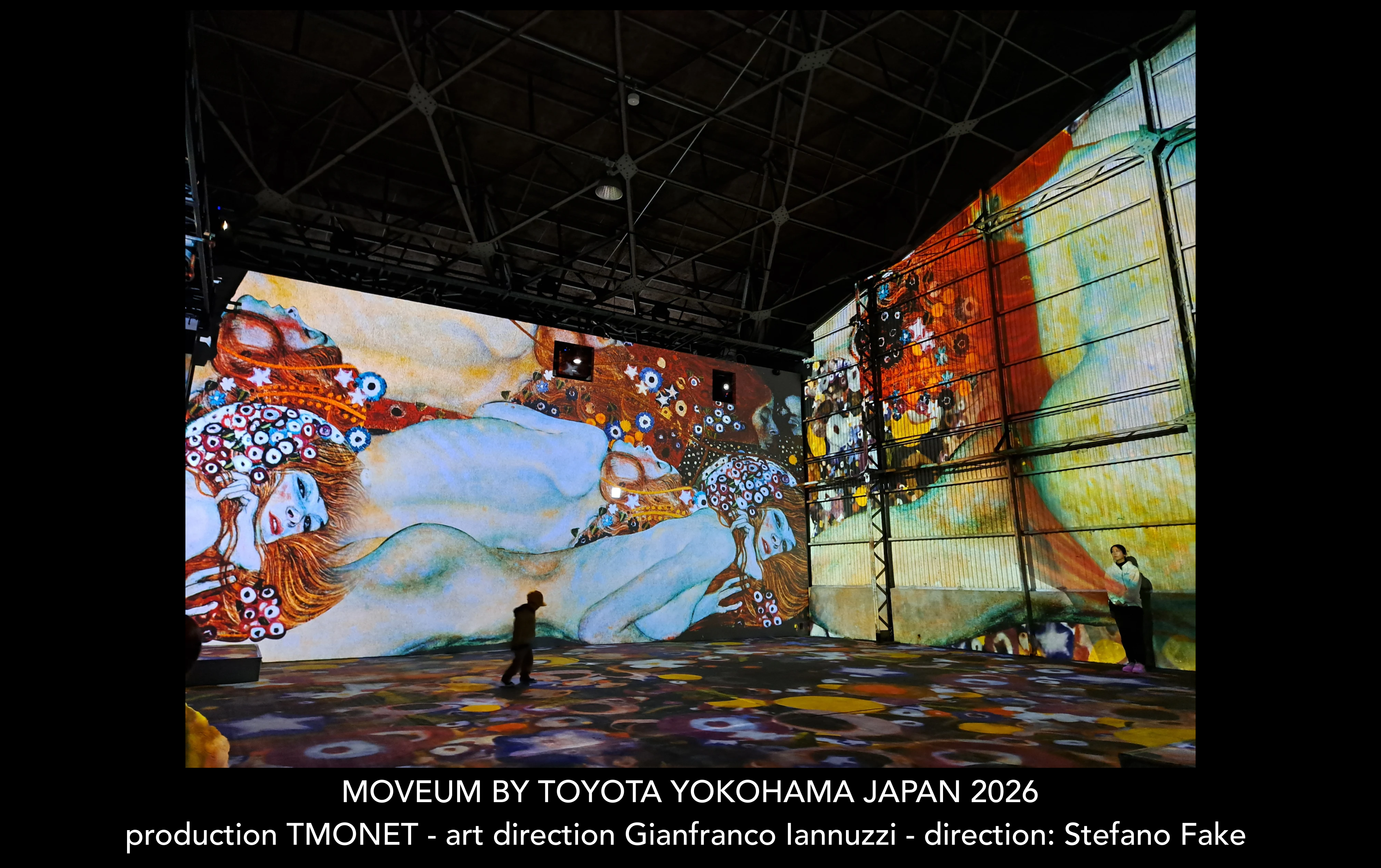
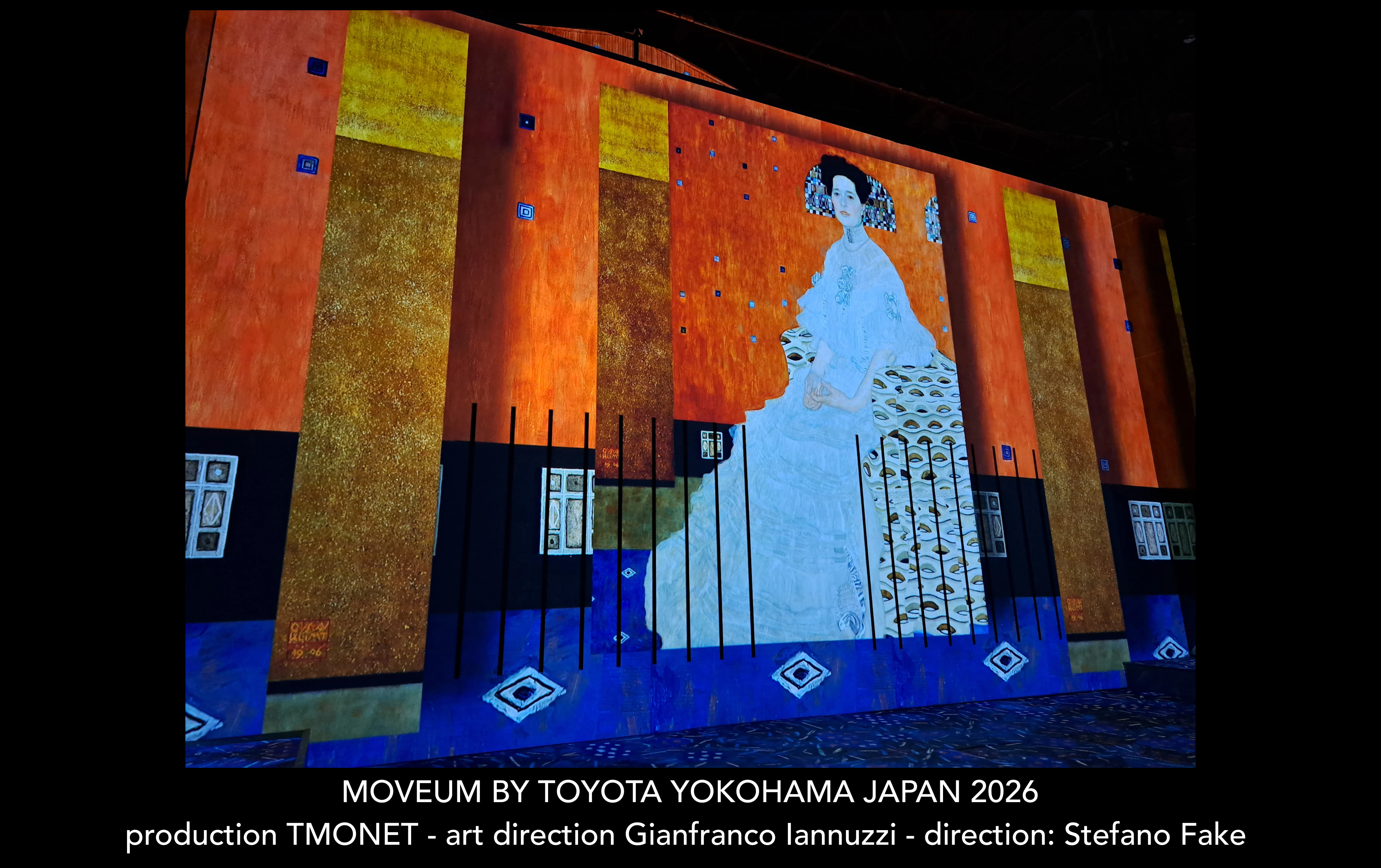
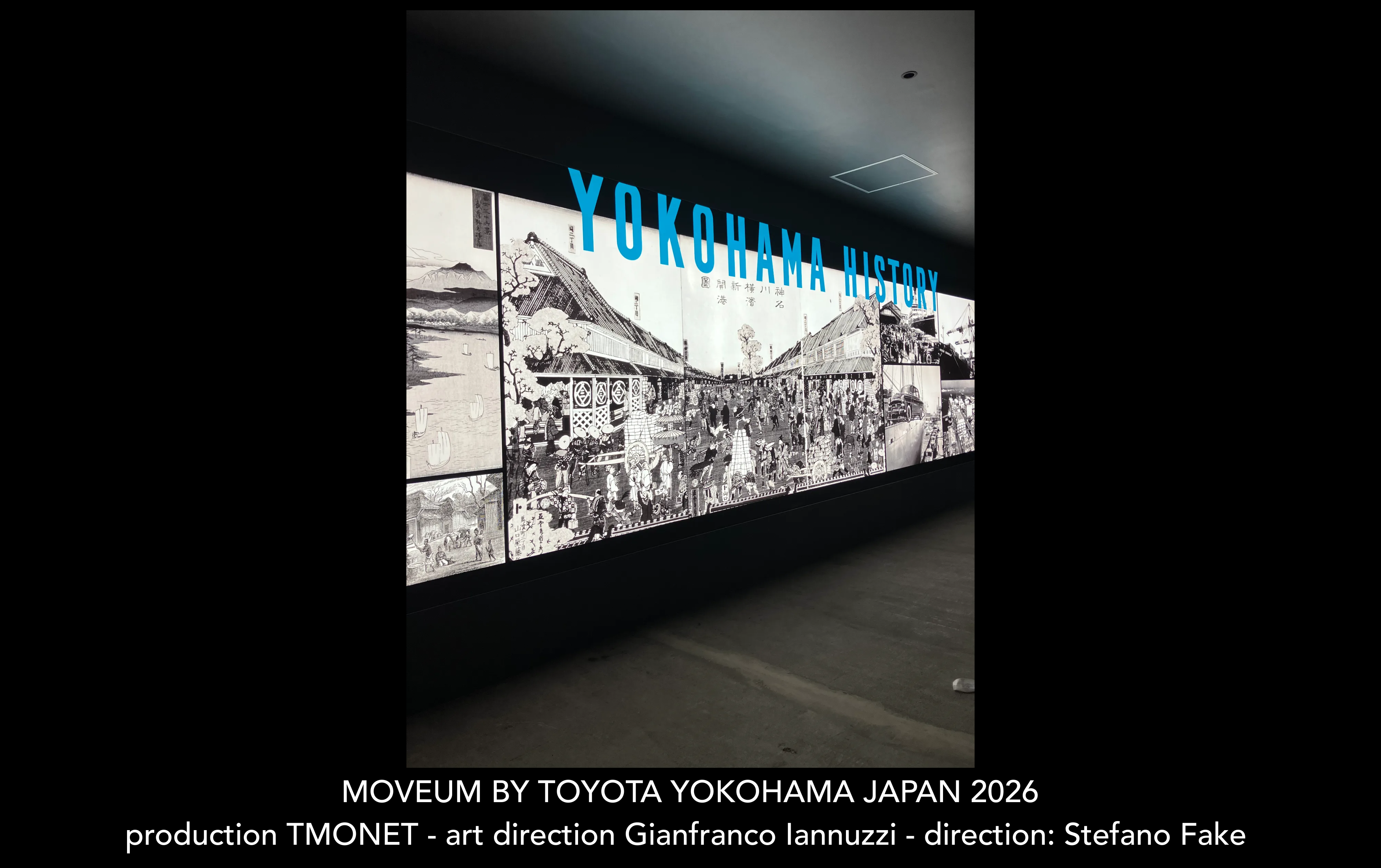
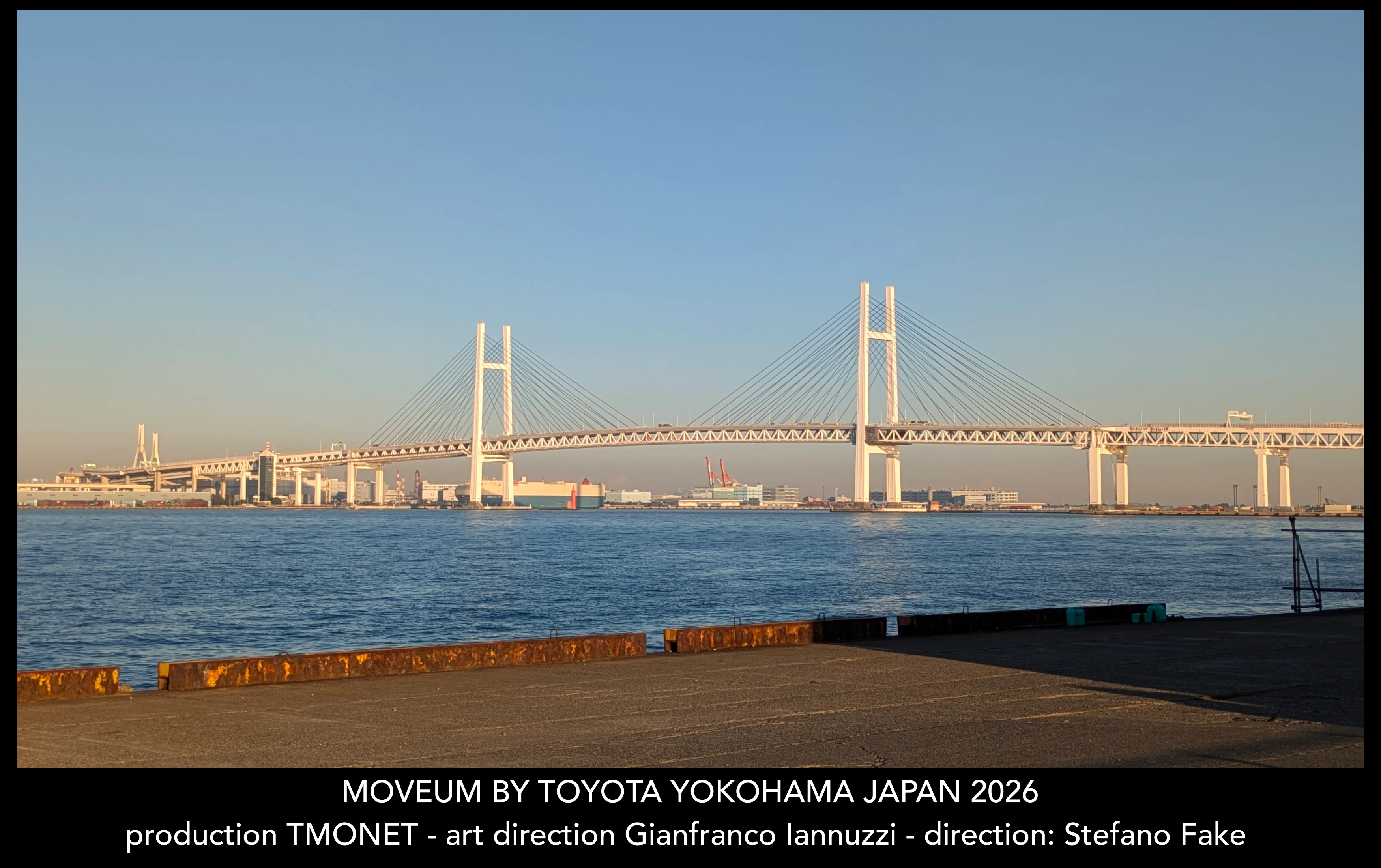
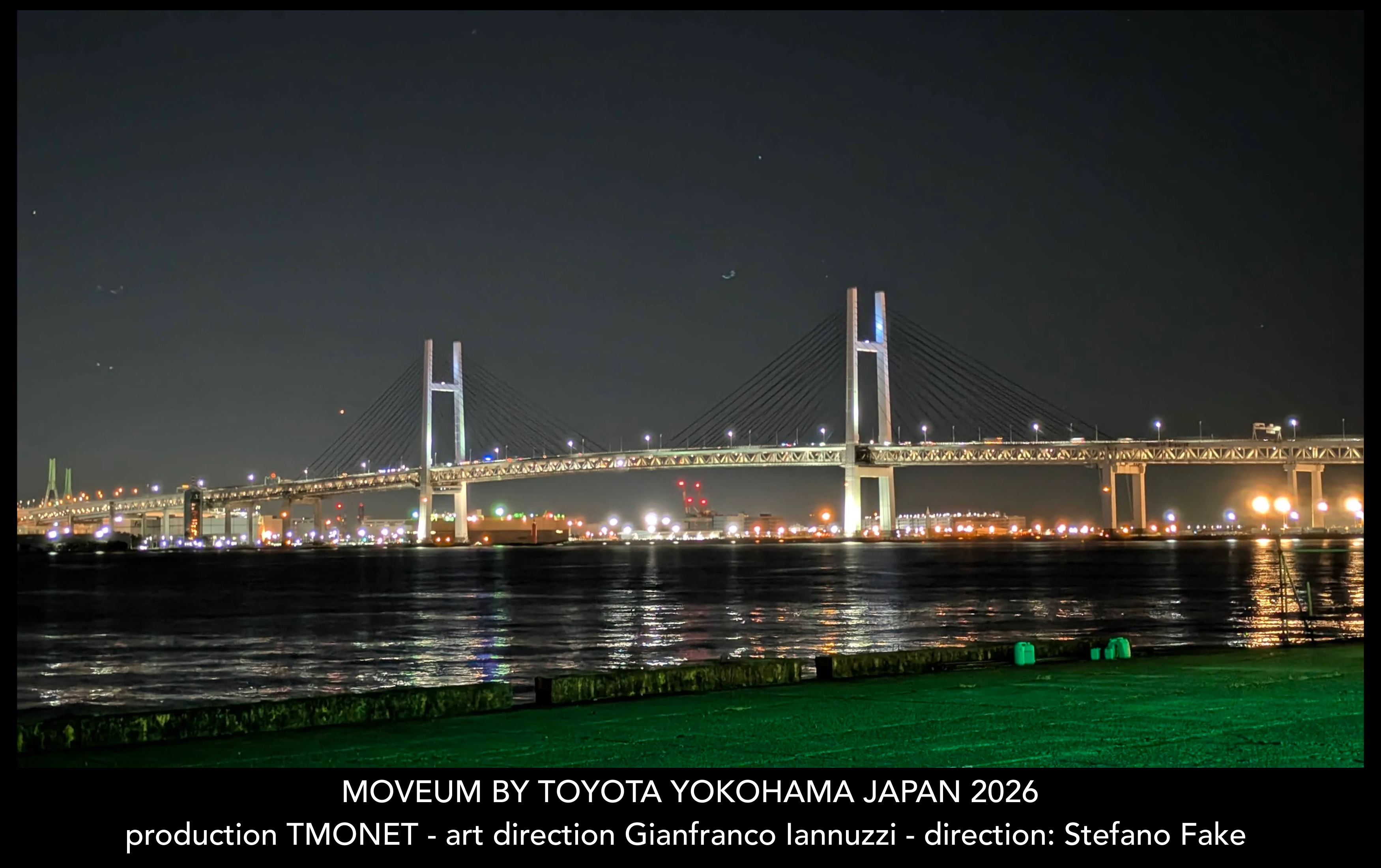
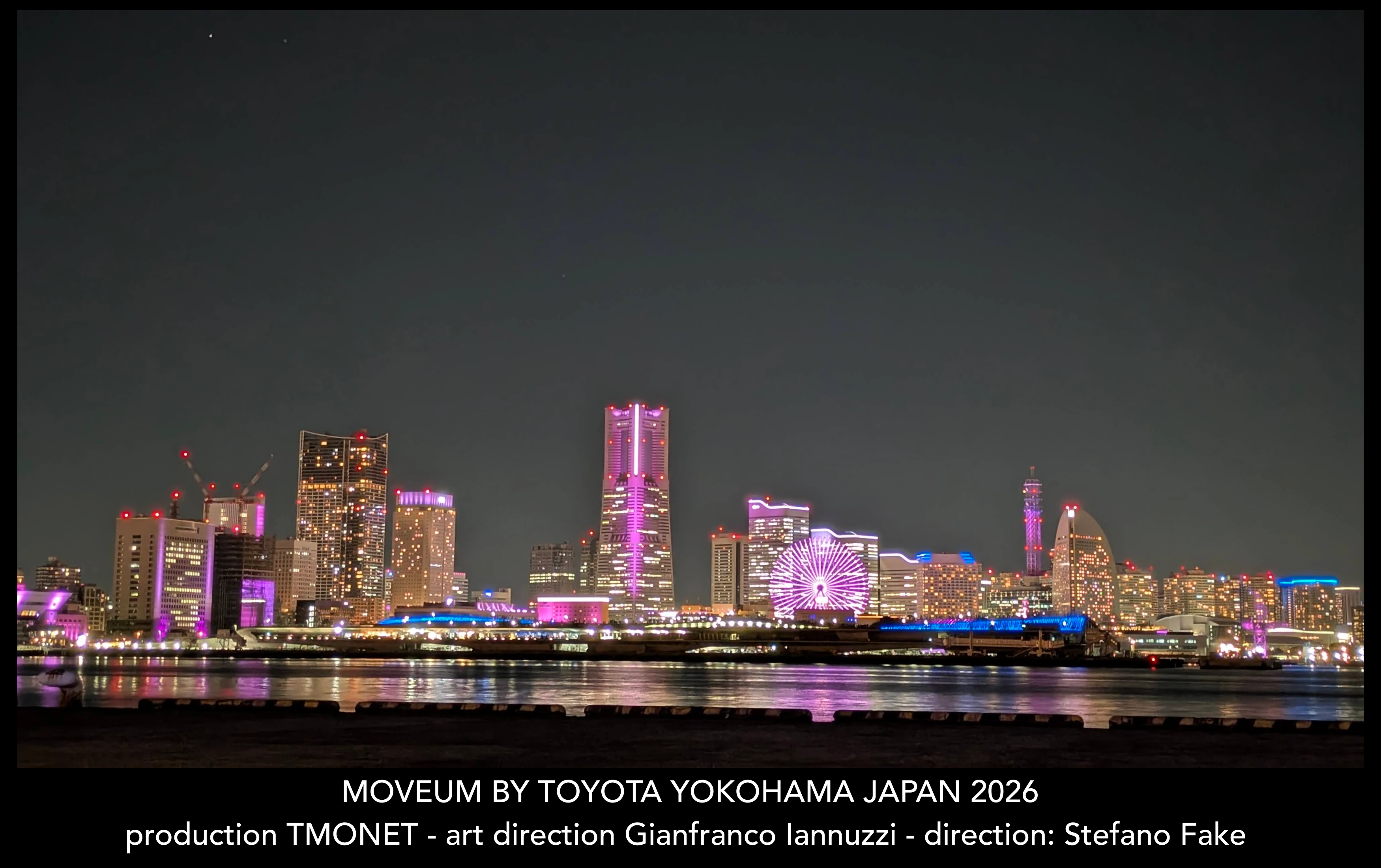
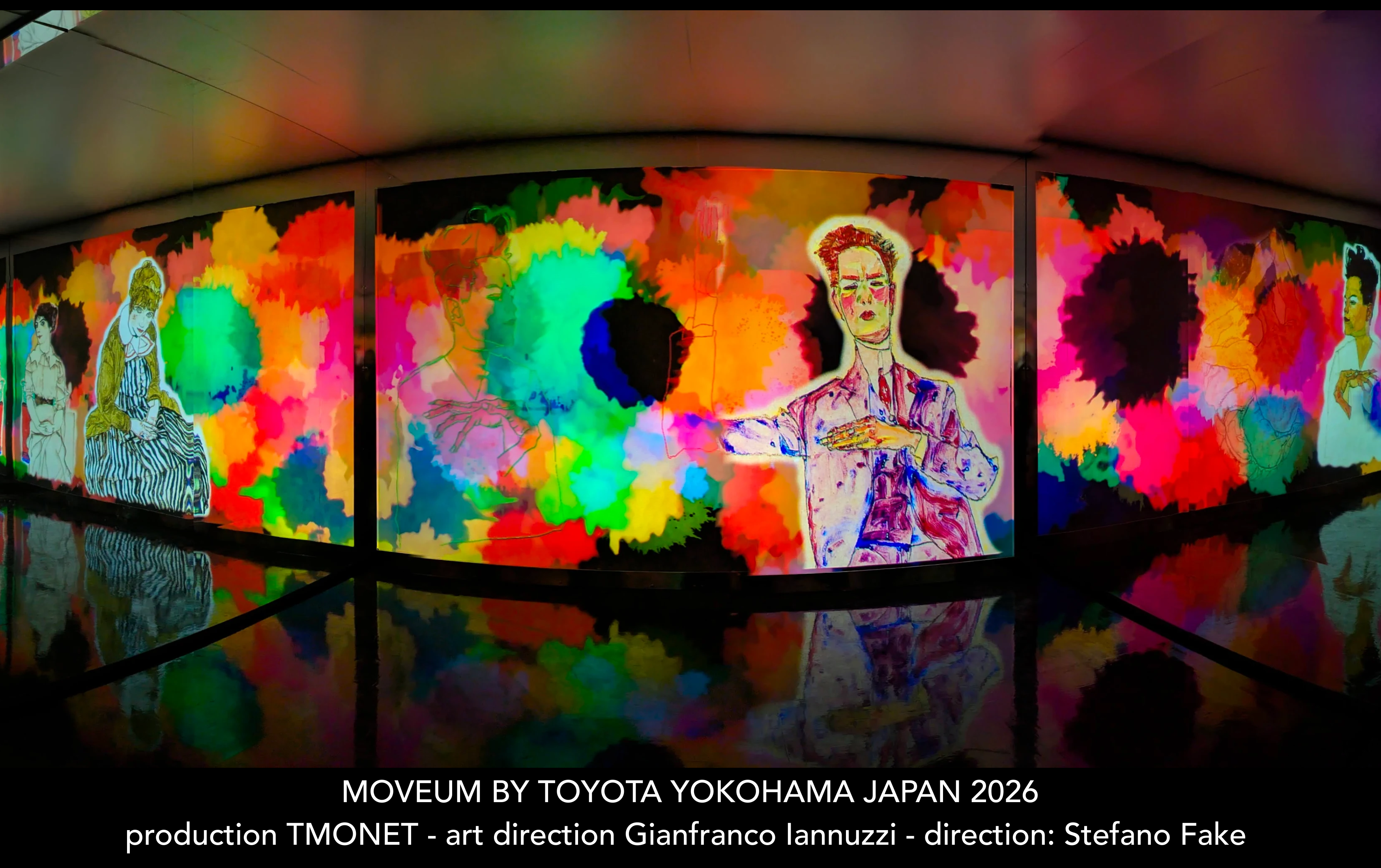
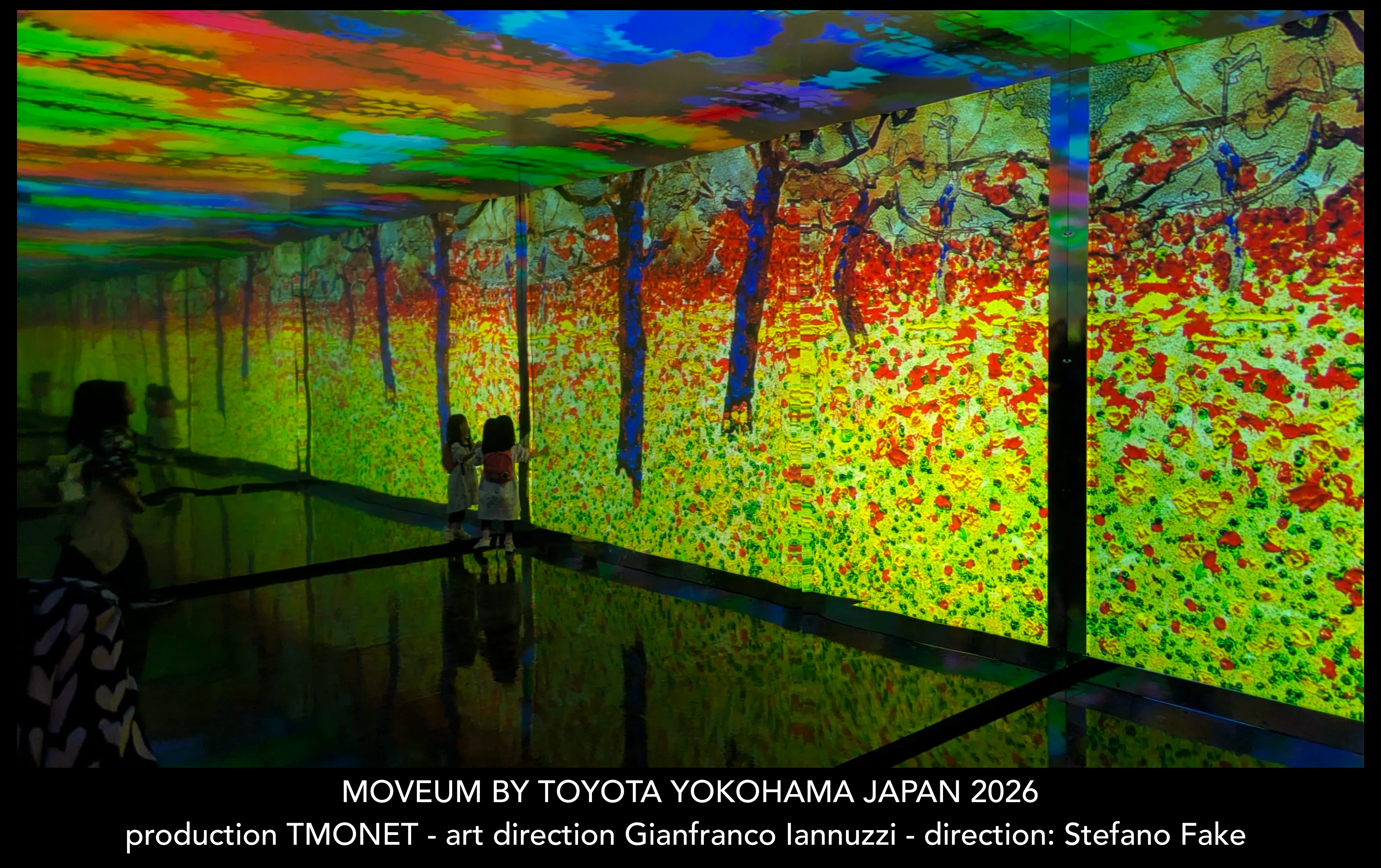
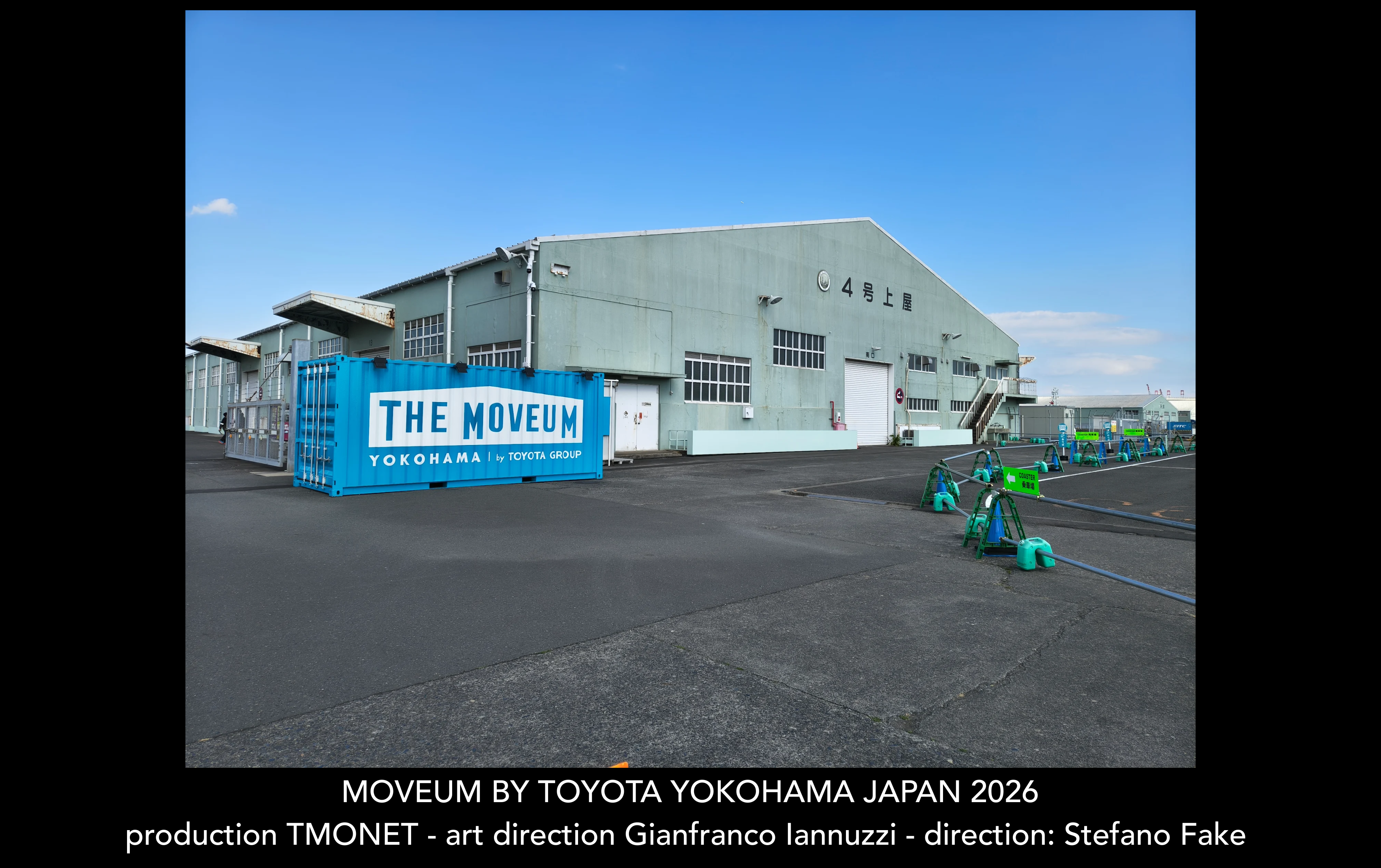
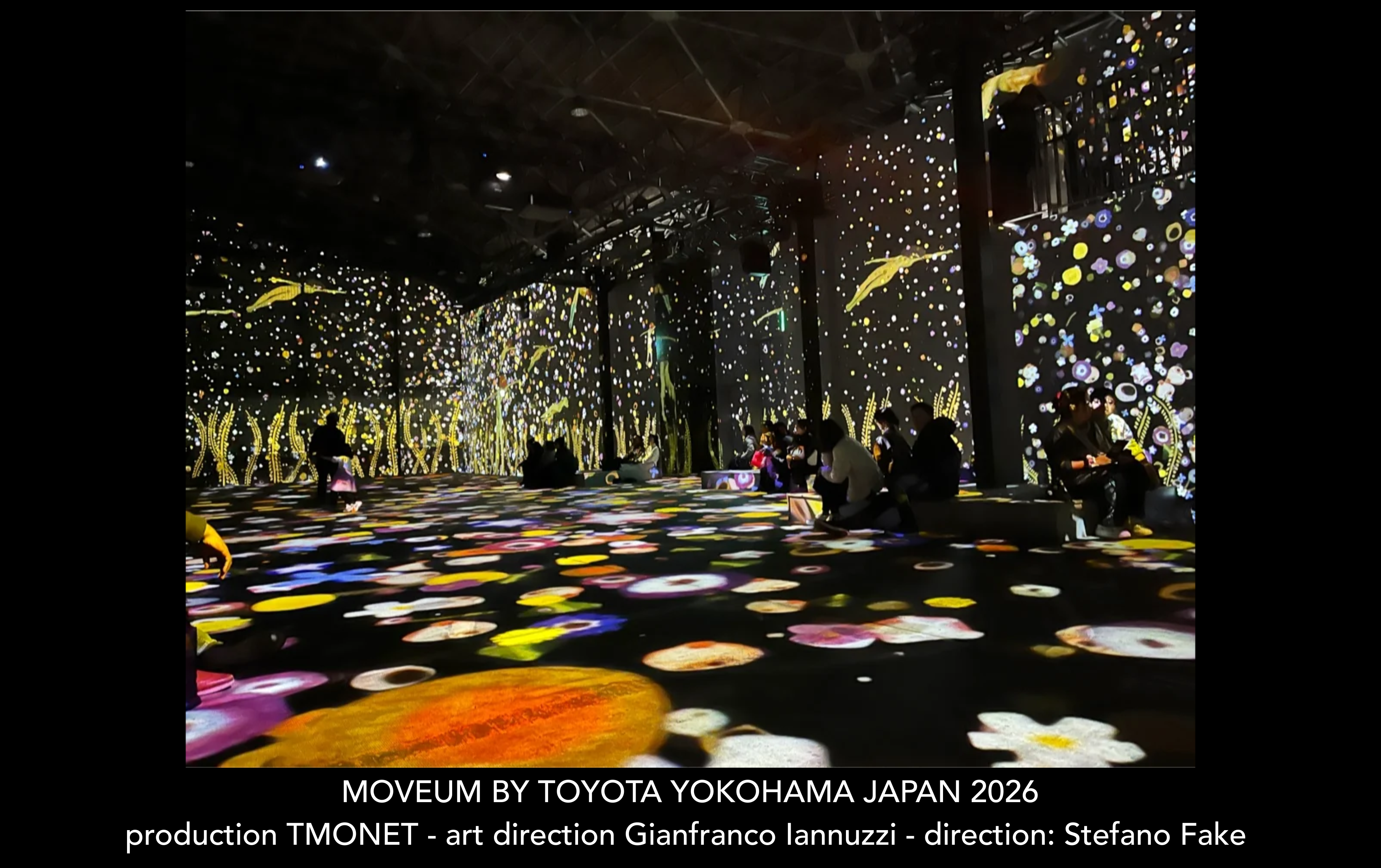
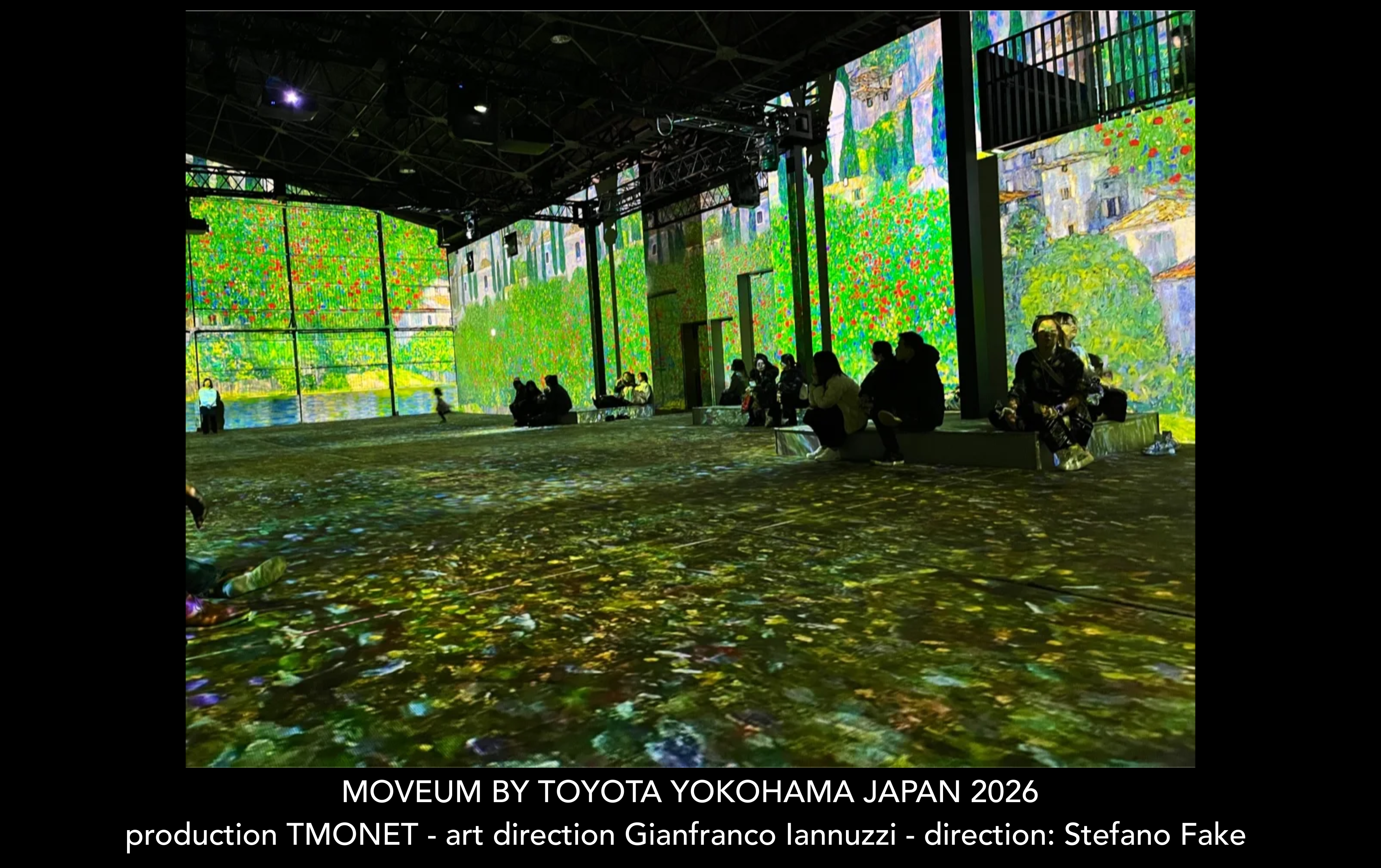
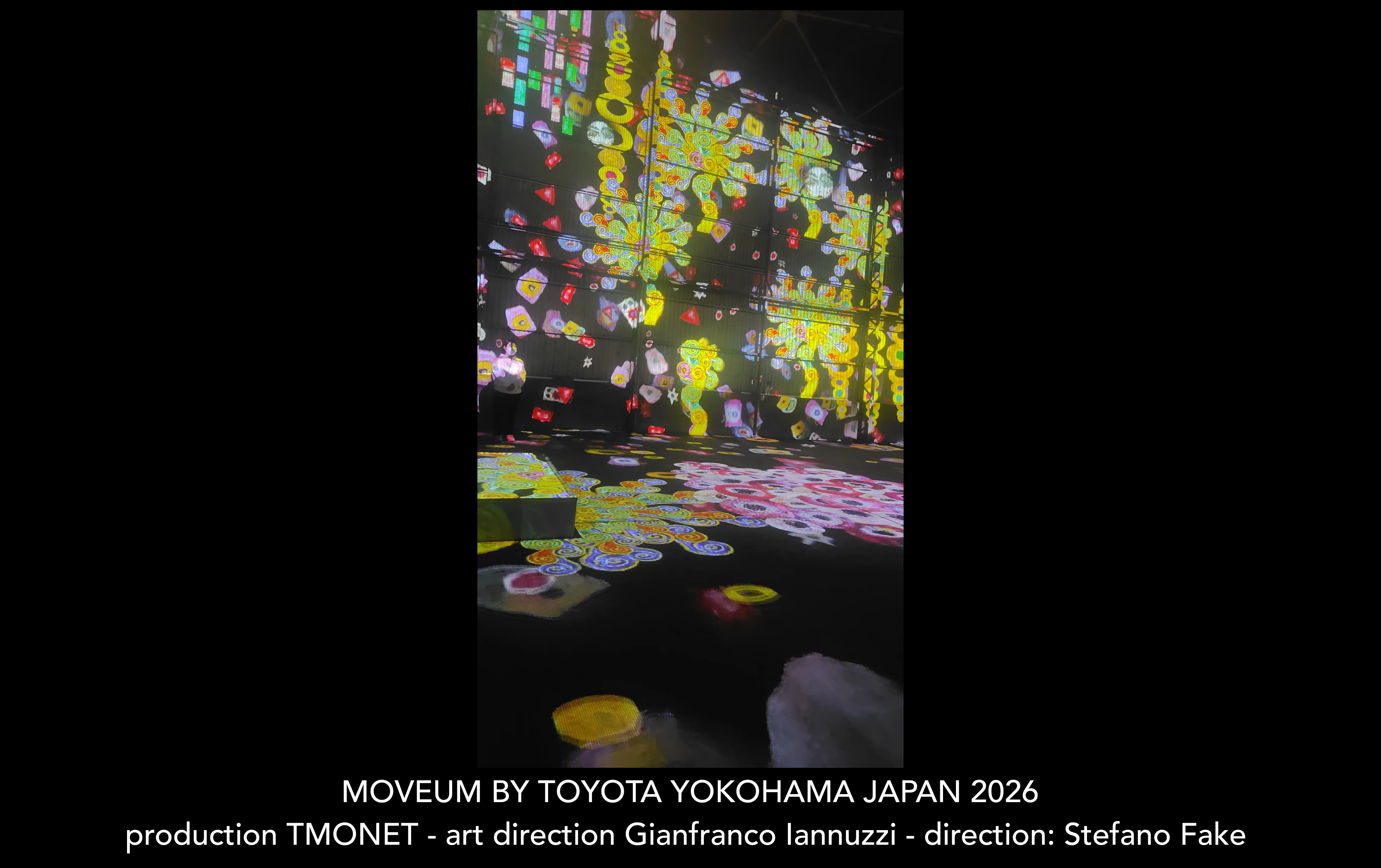
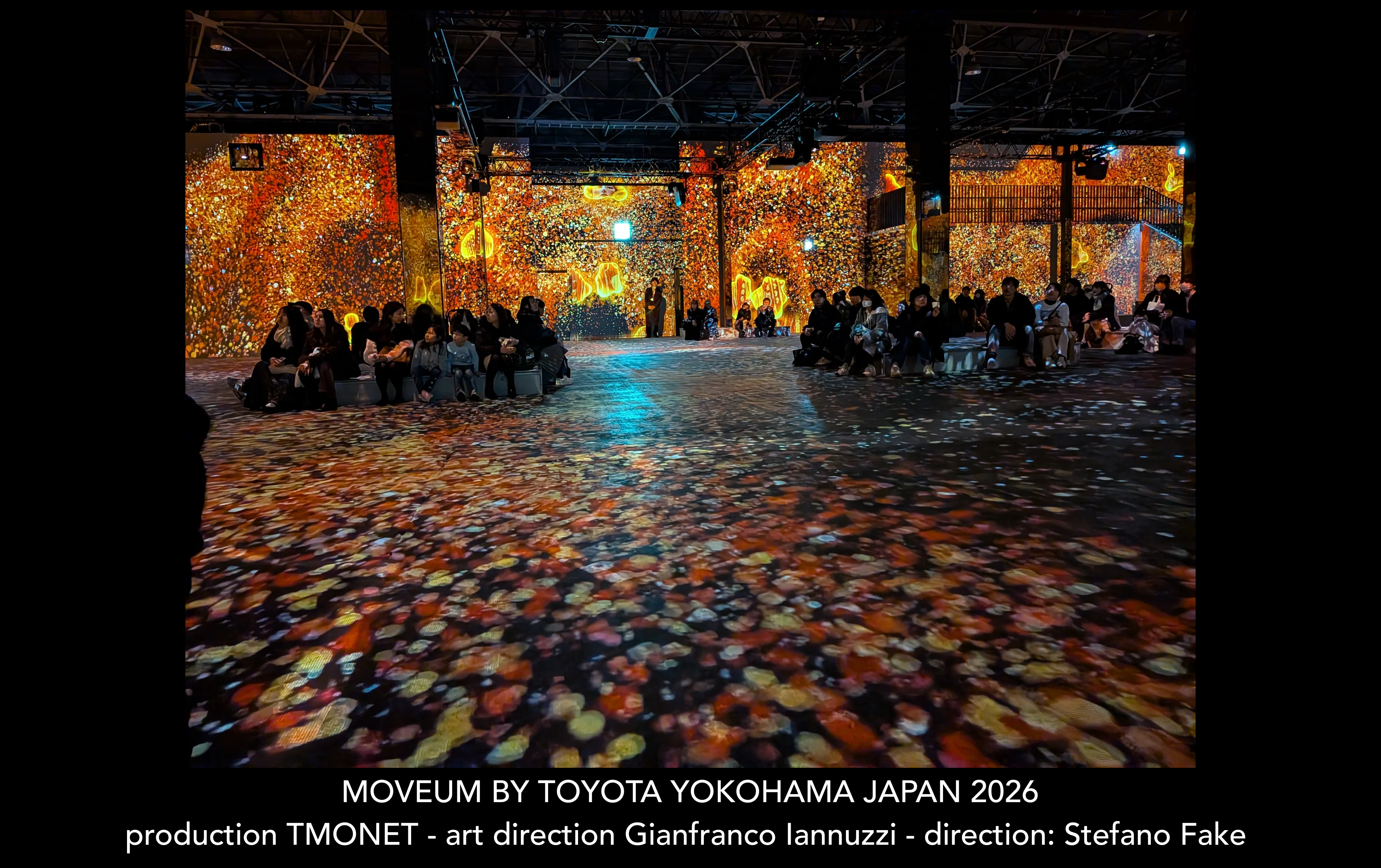
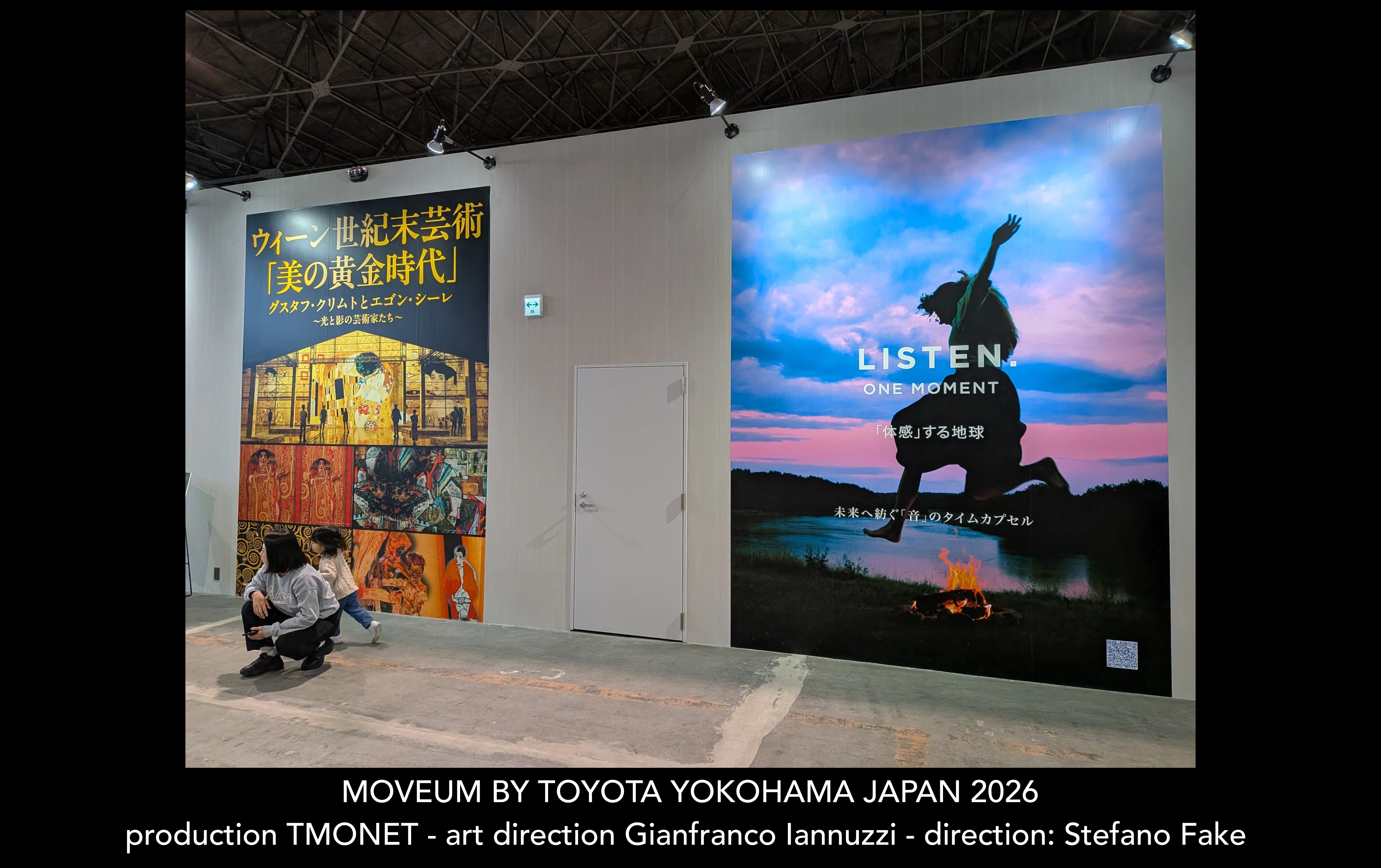
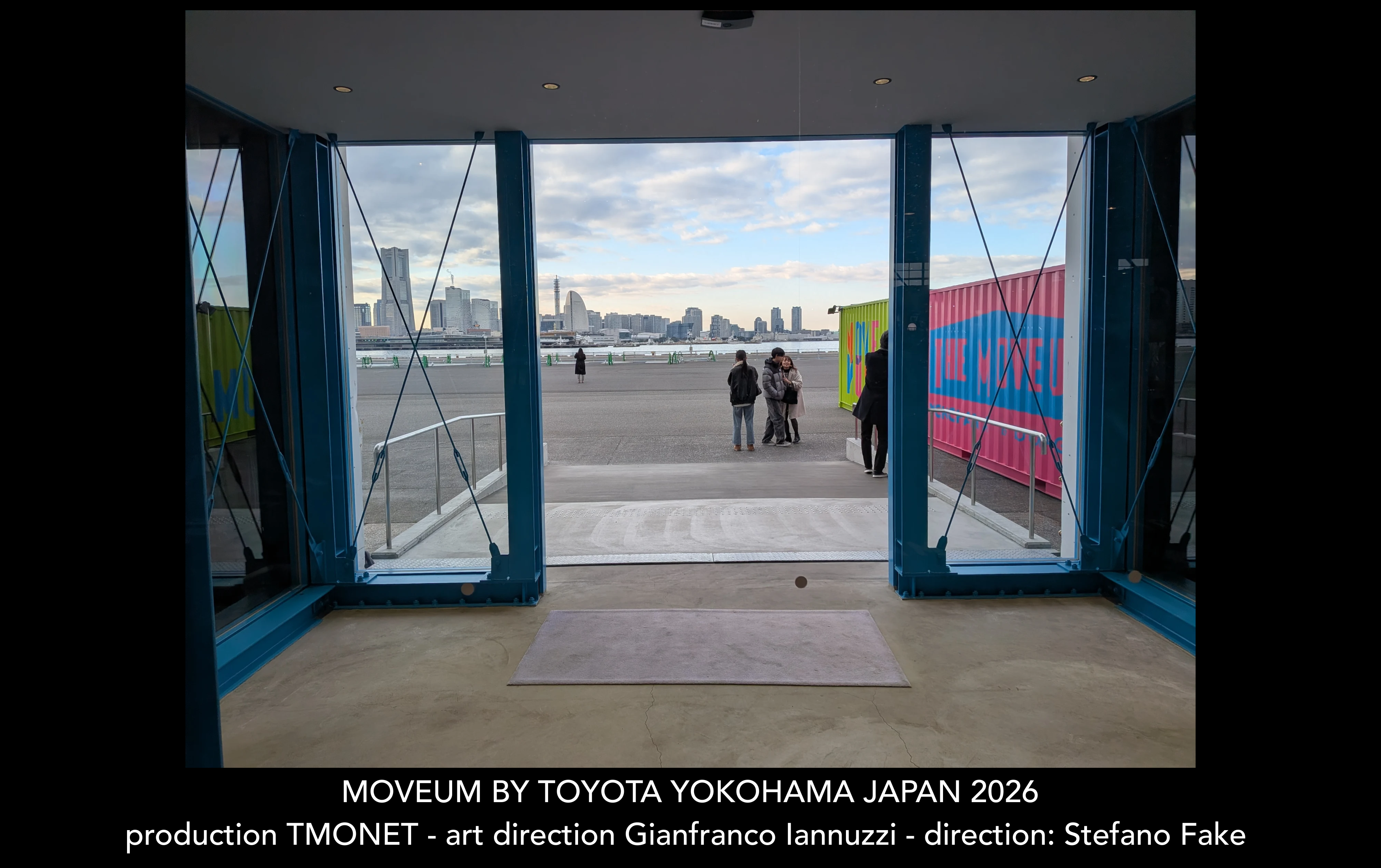
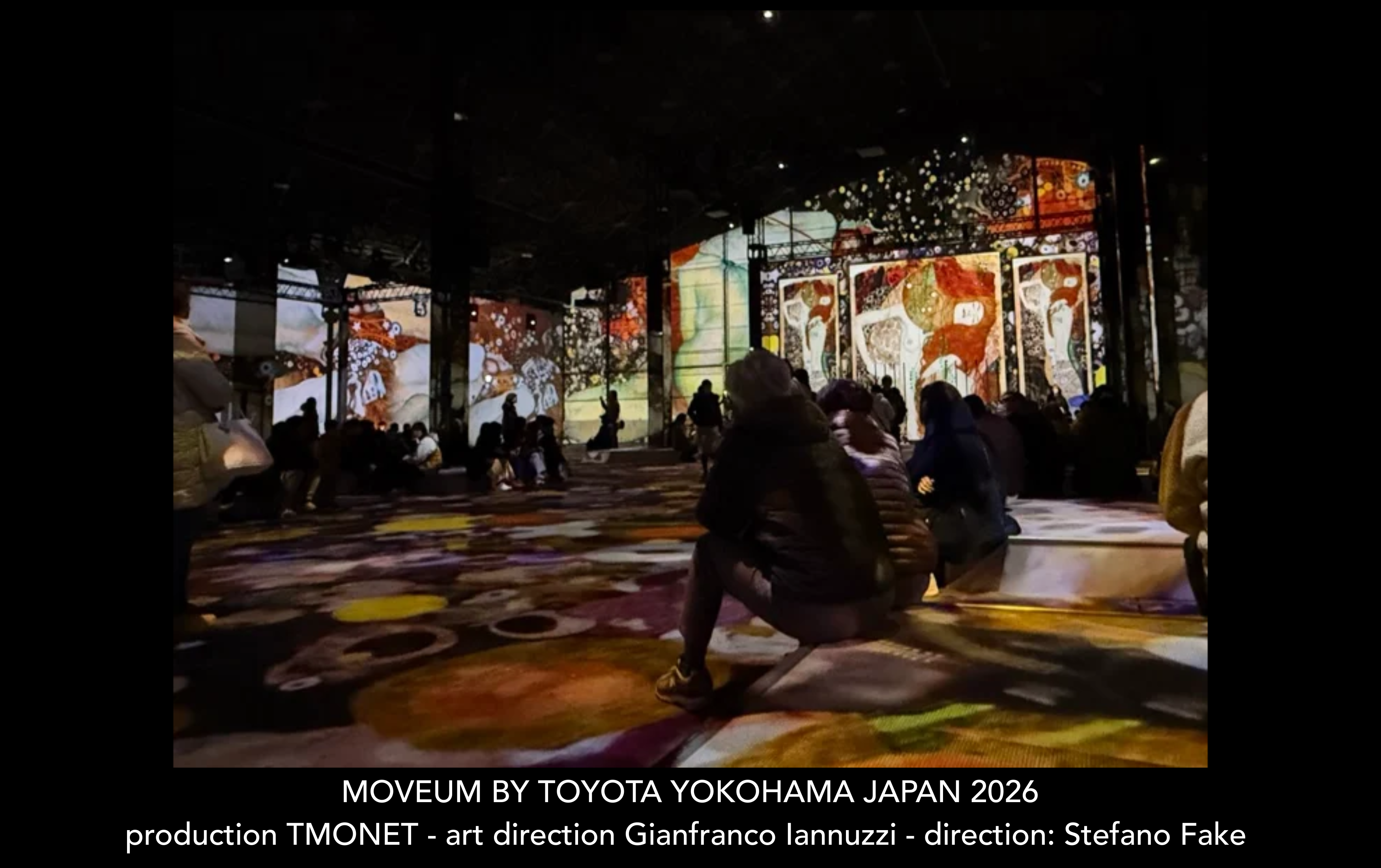
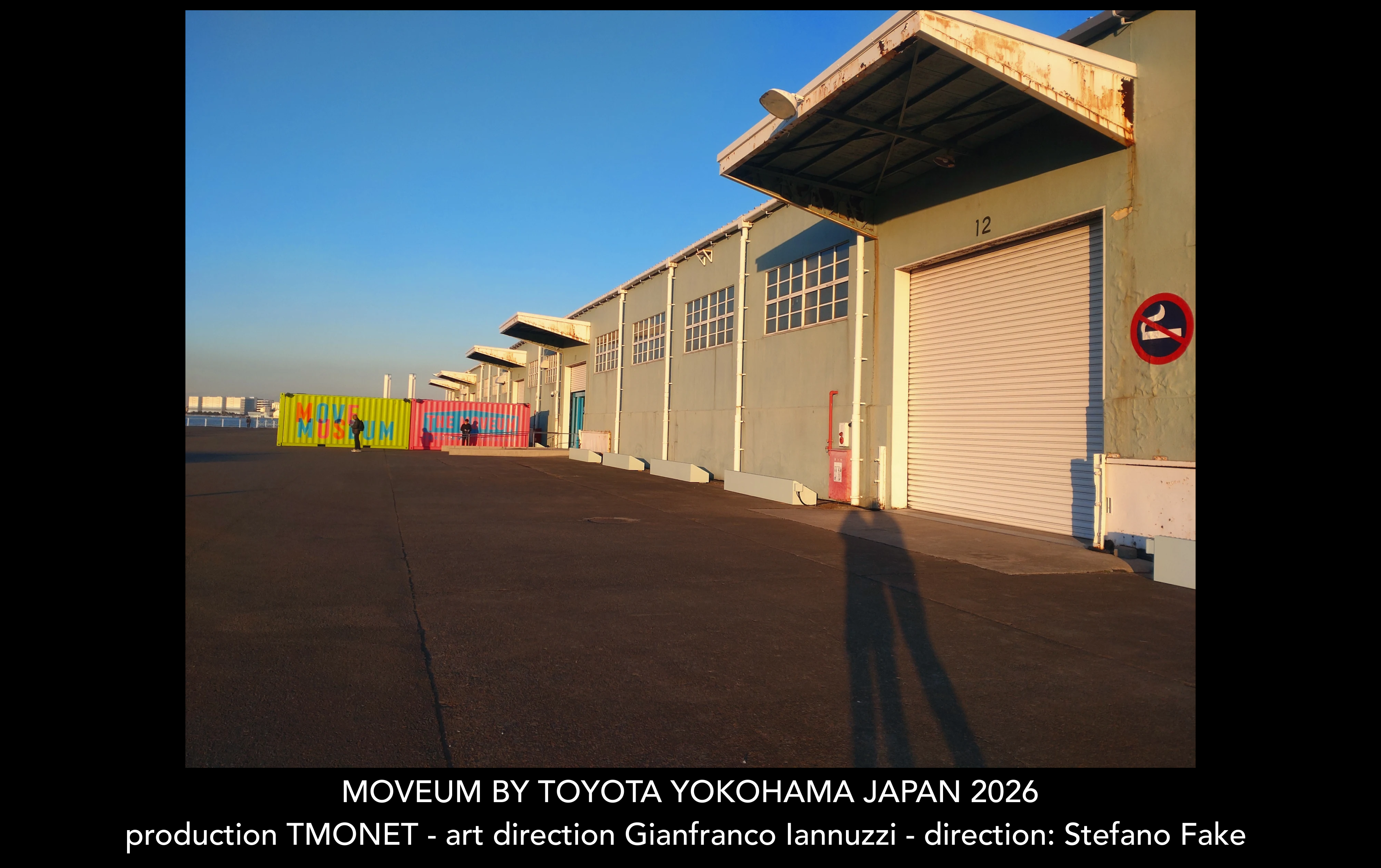
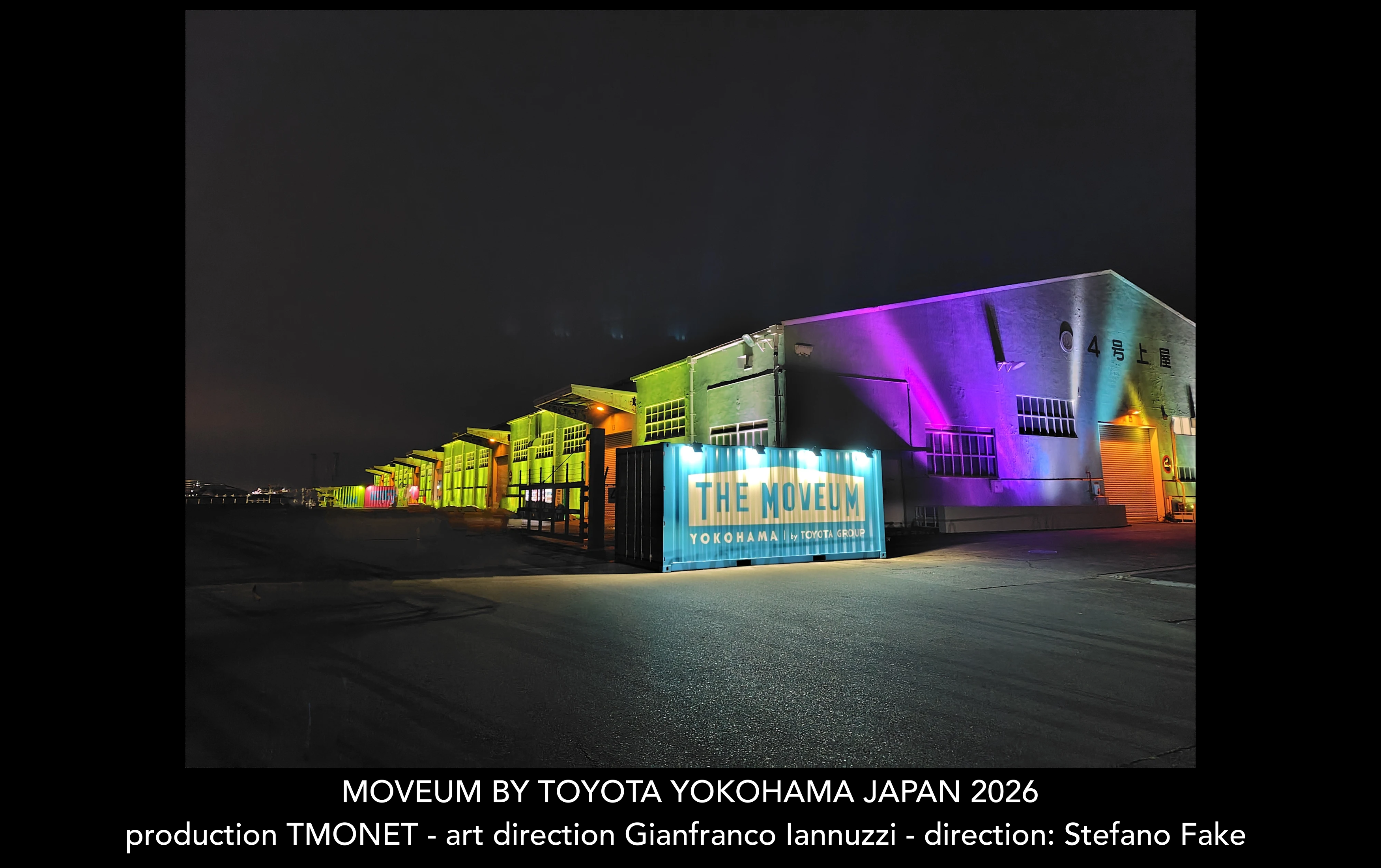
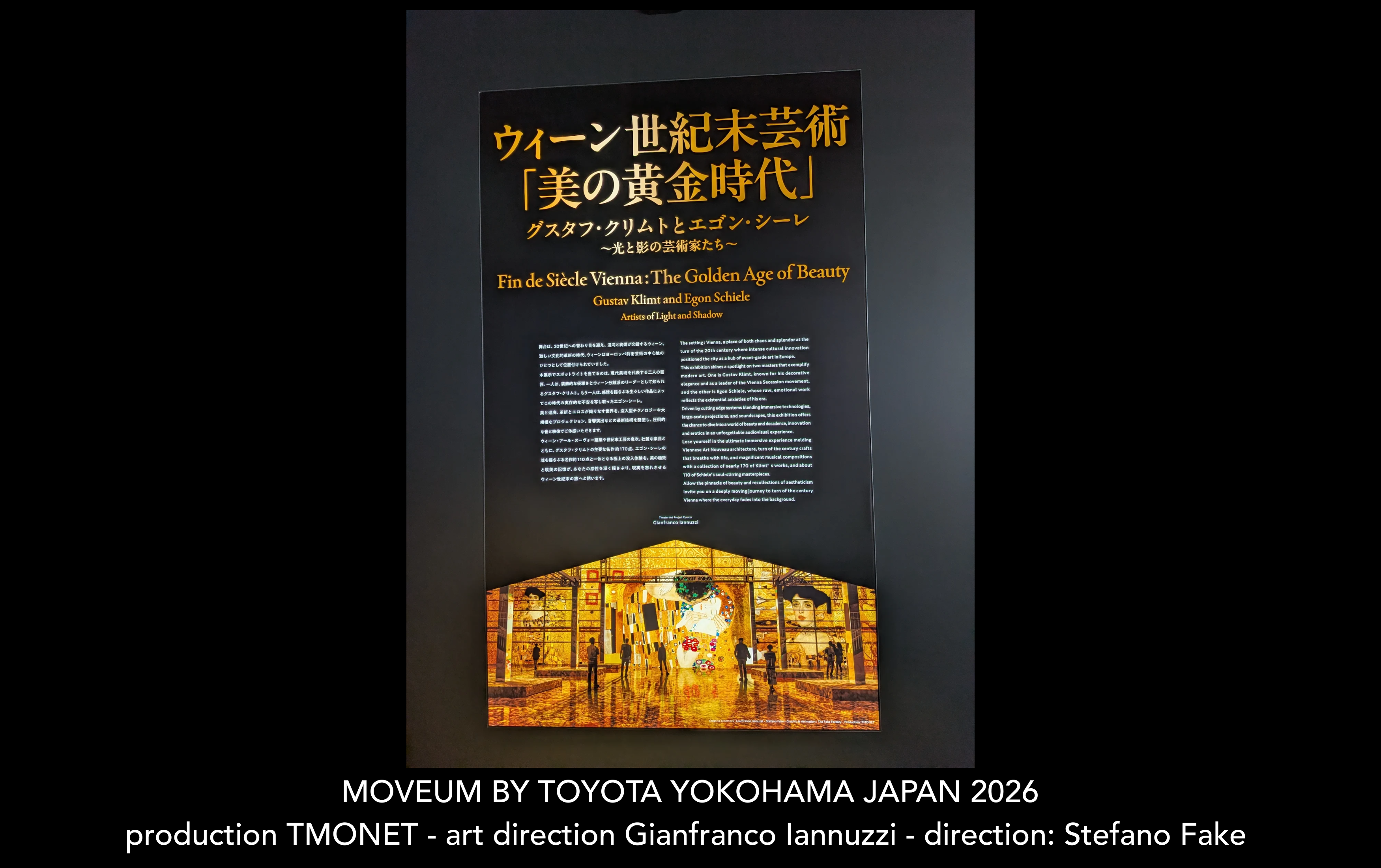
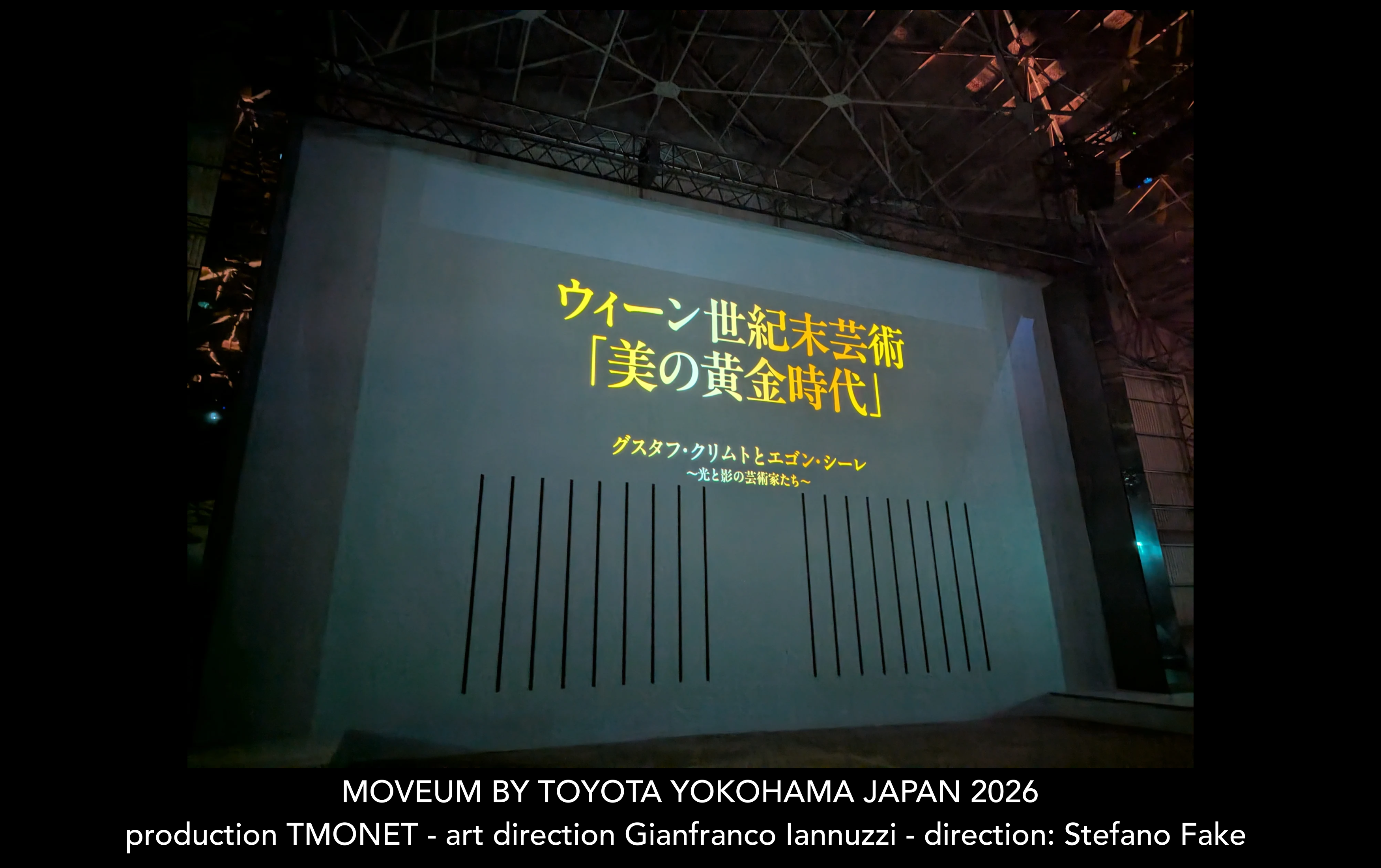
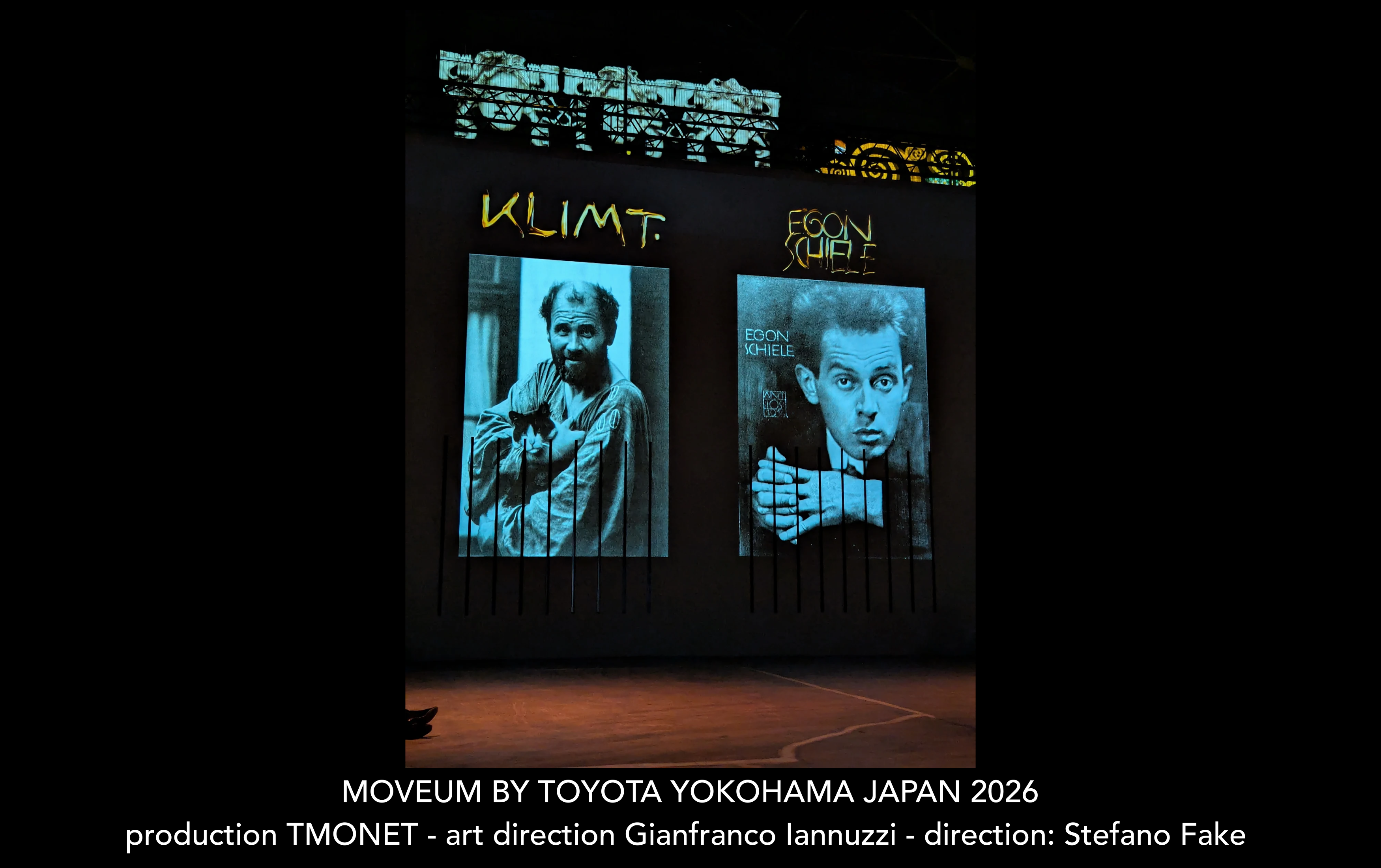
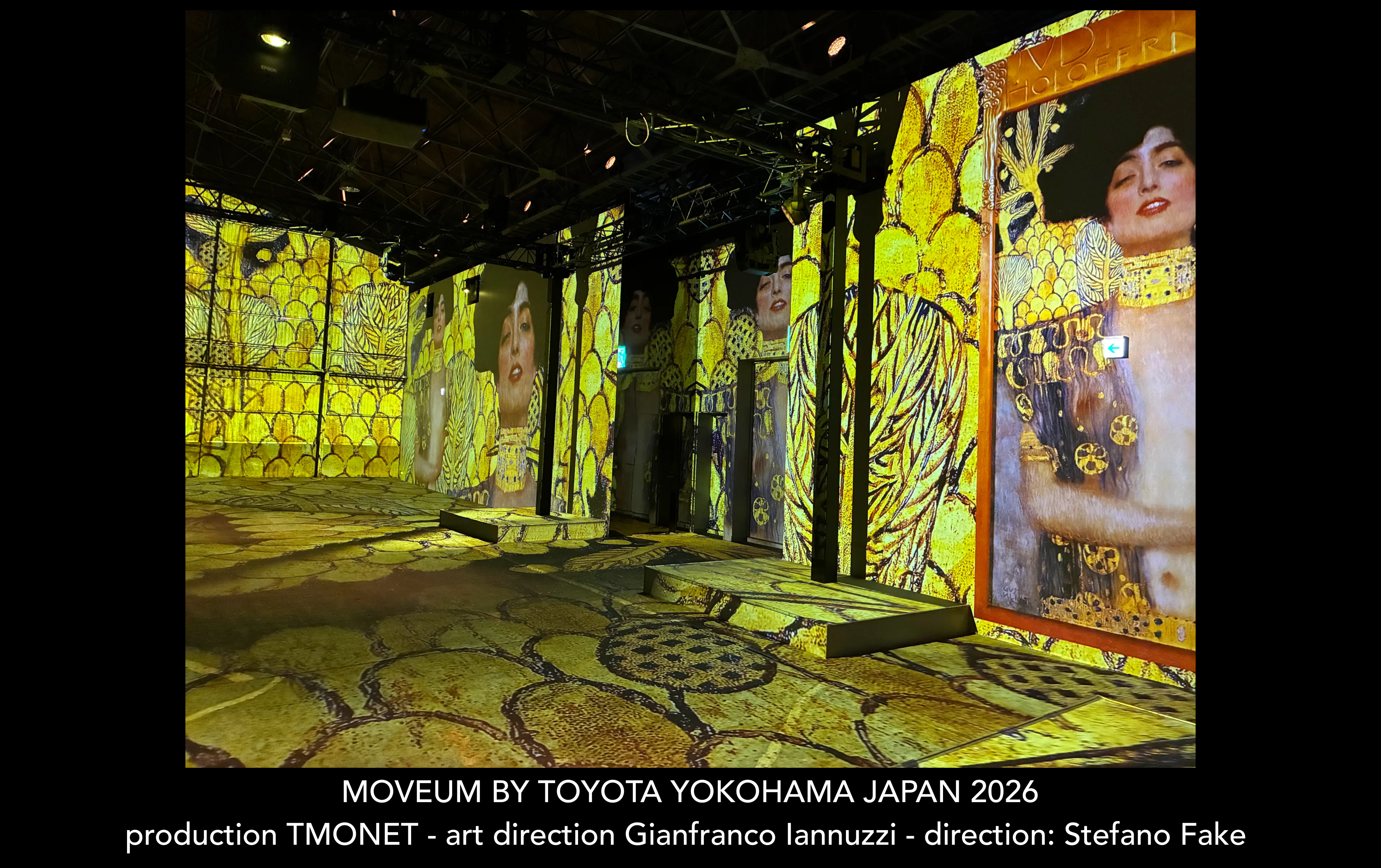
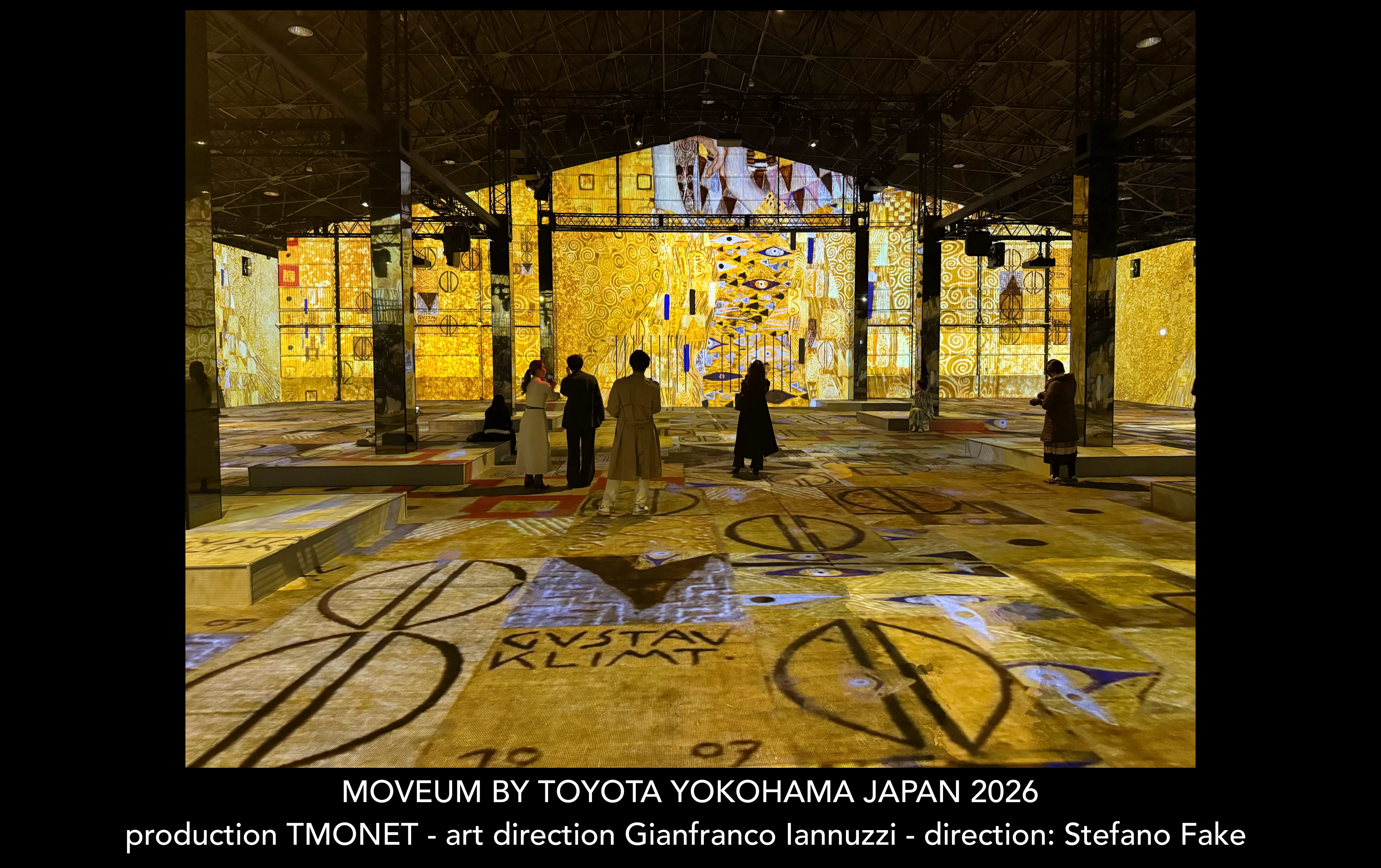
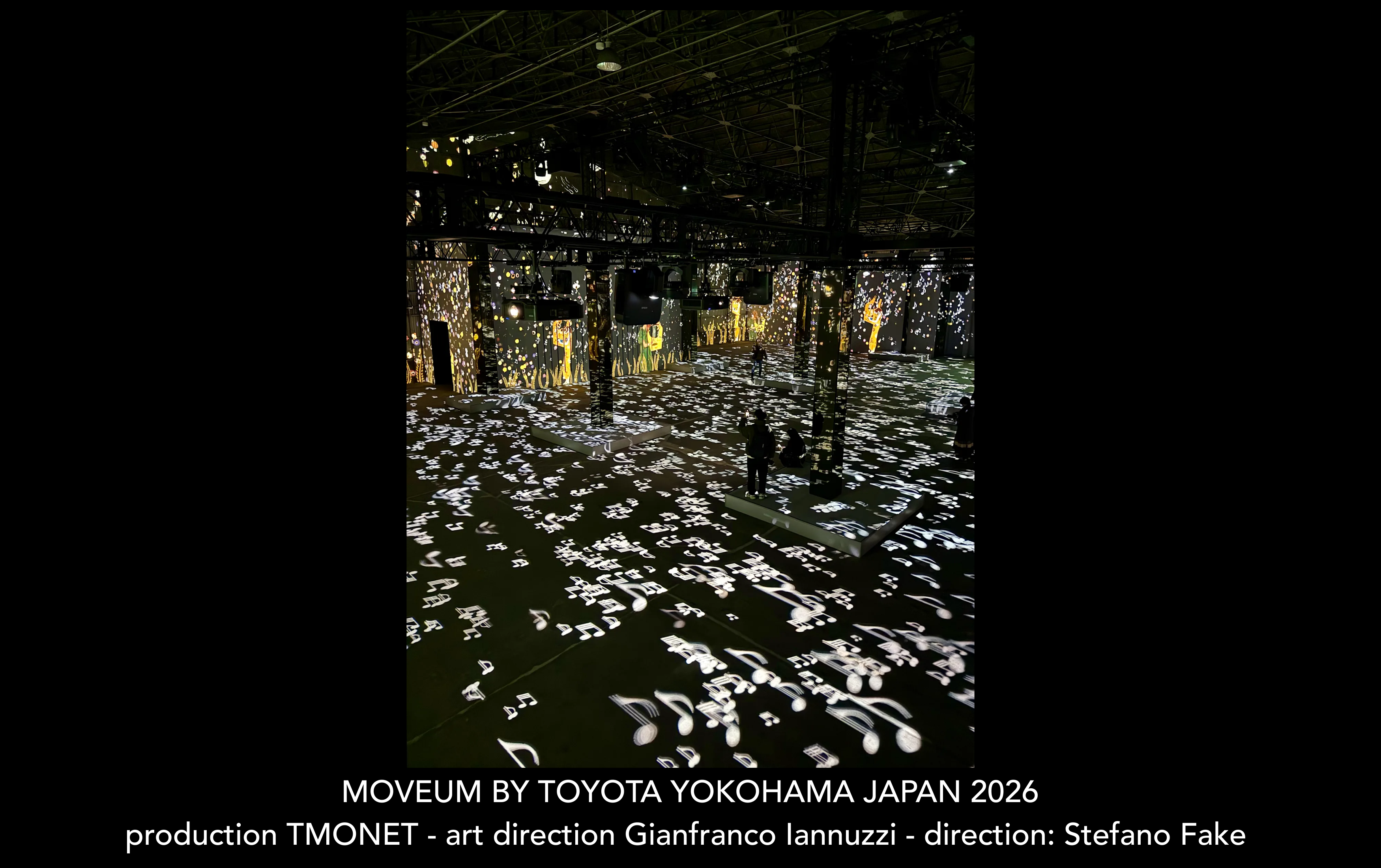
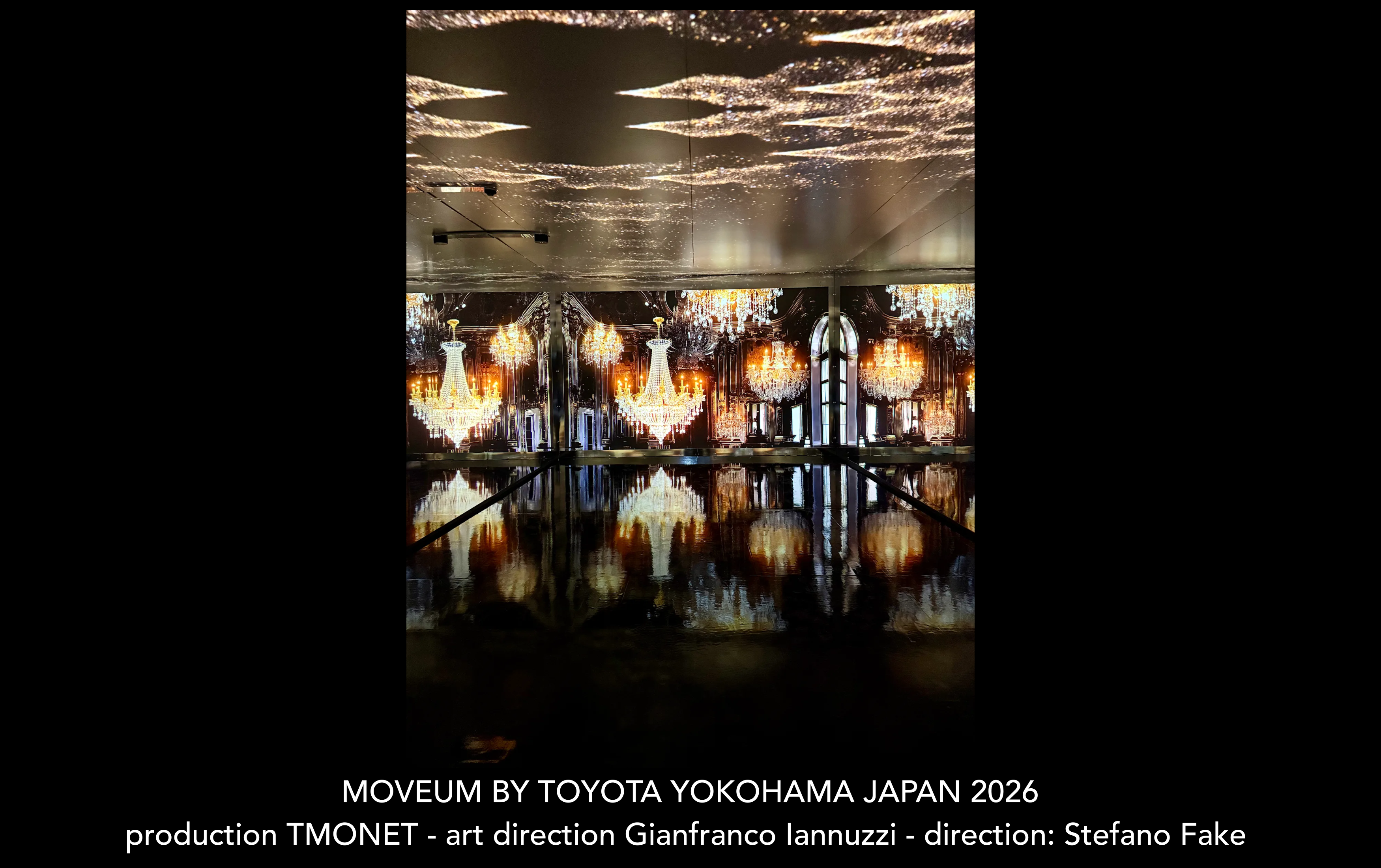
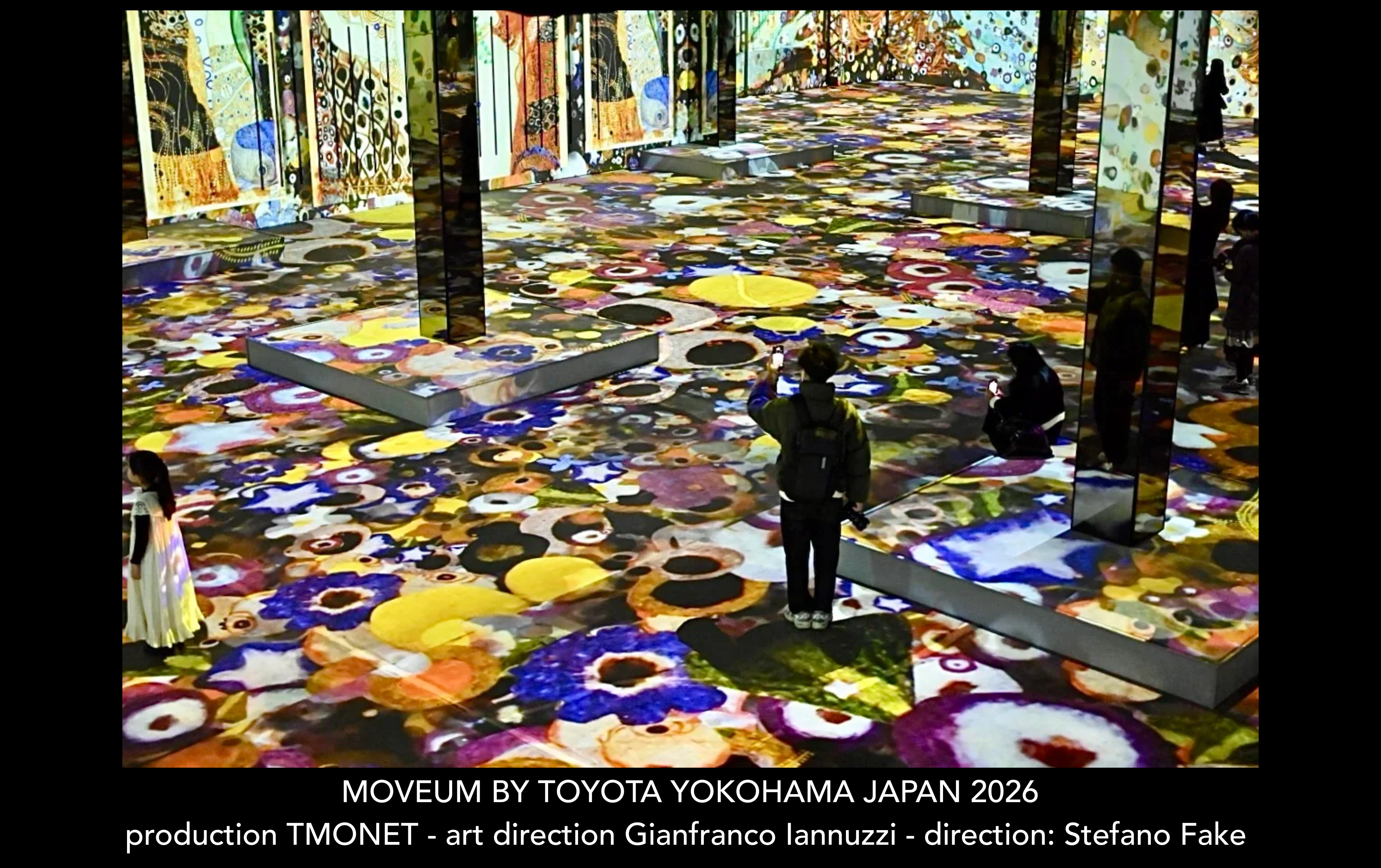
Yokohama is the port town that symbolizes Japan’s age of enlightenment. Yamashita Pier Shed No.4, a historic relic of the time, is where you’ll find THE MOVEUM YOKOHAMA. Welcome to an immersive art experience that envelops you in audiovisuals in a massive space measuring nearly 1800 ㎡.
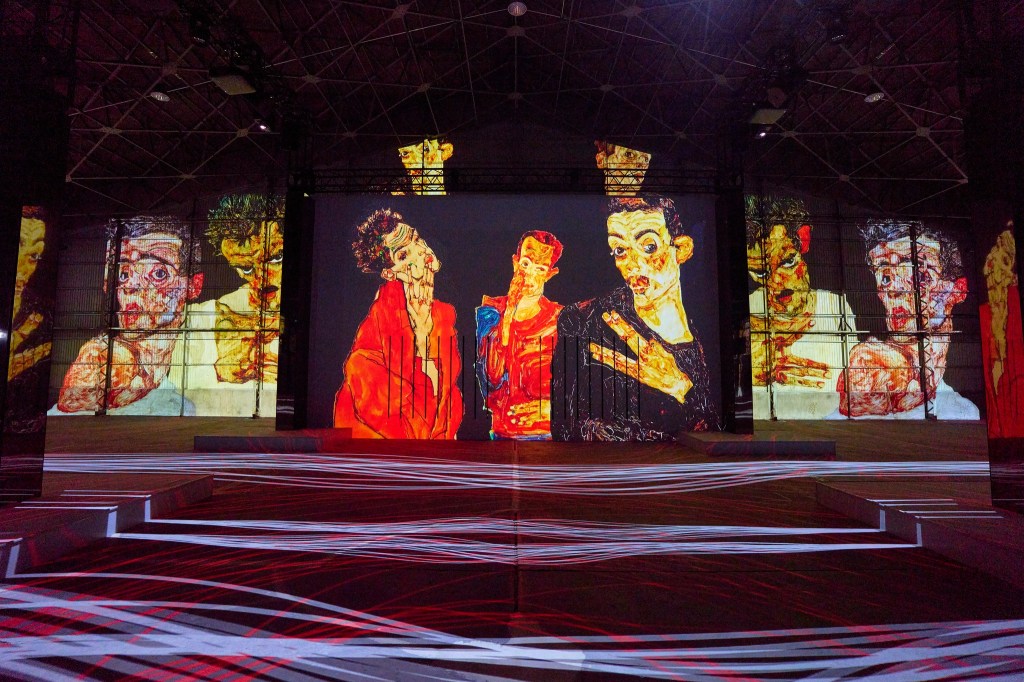
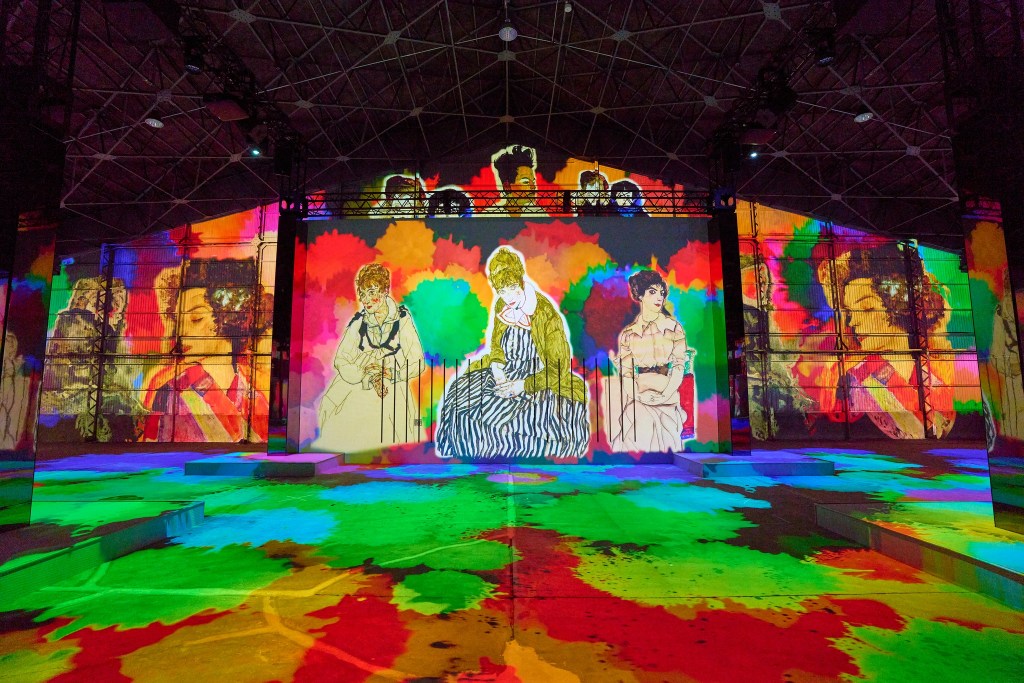
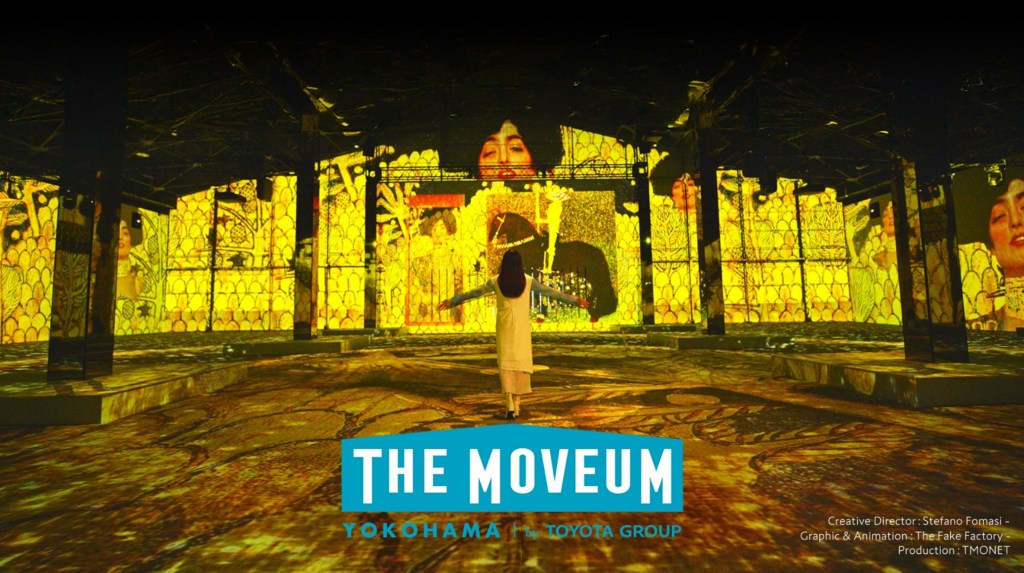
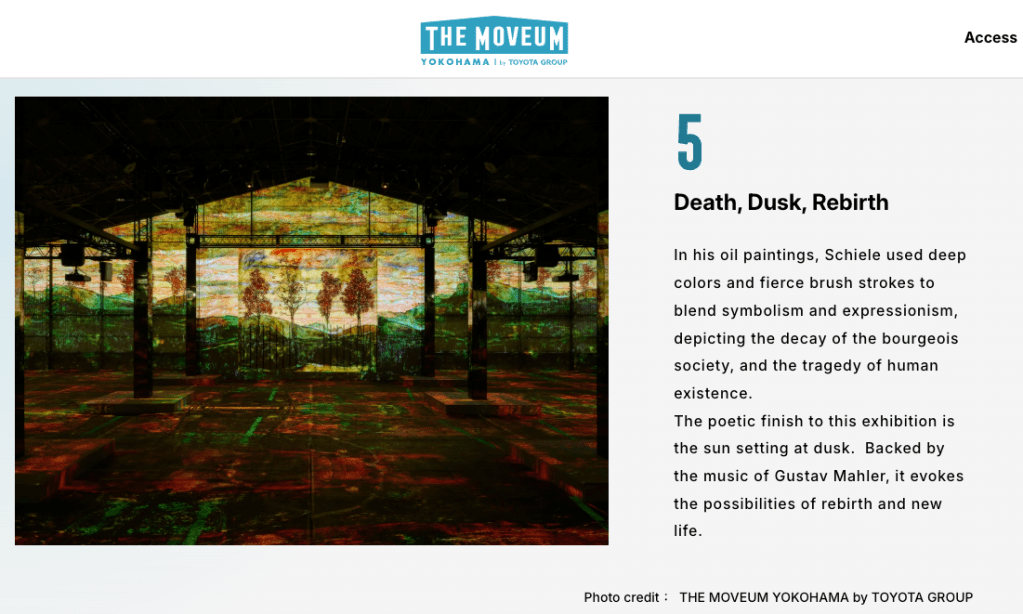
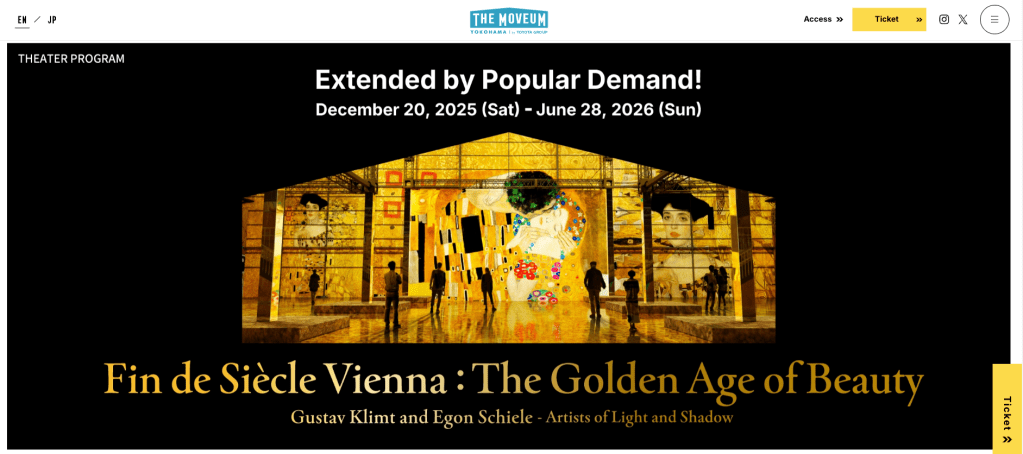
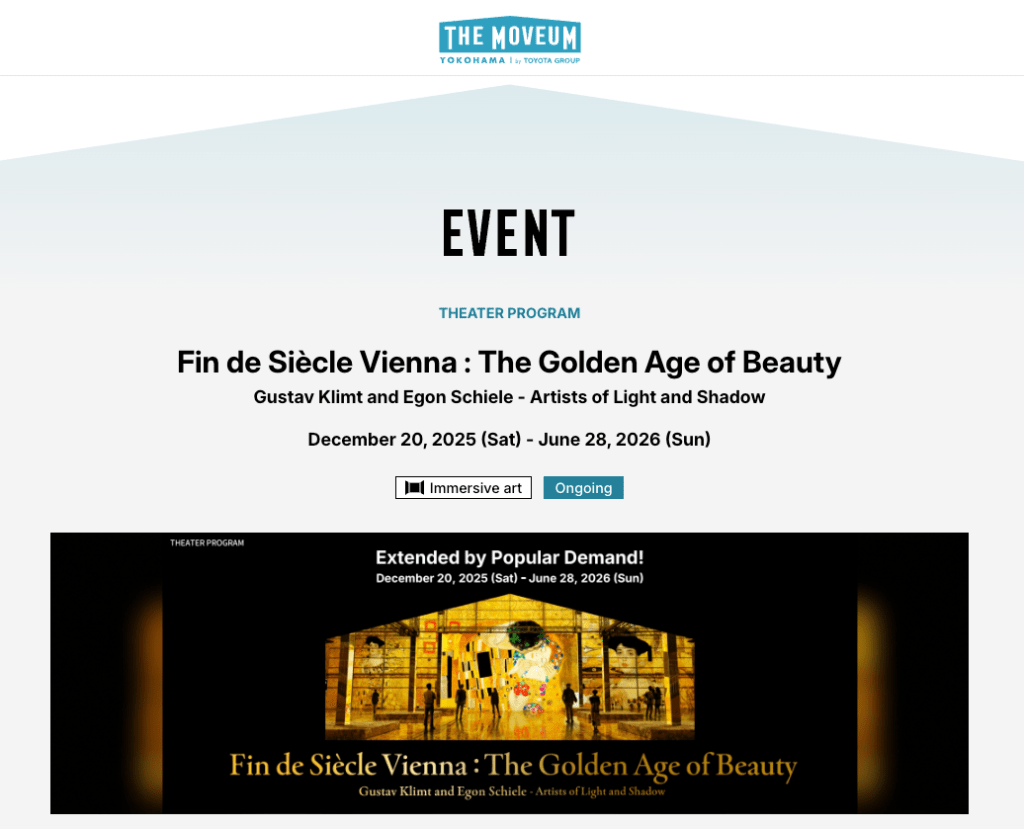
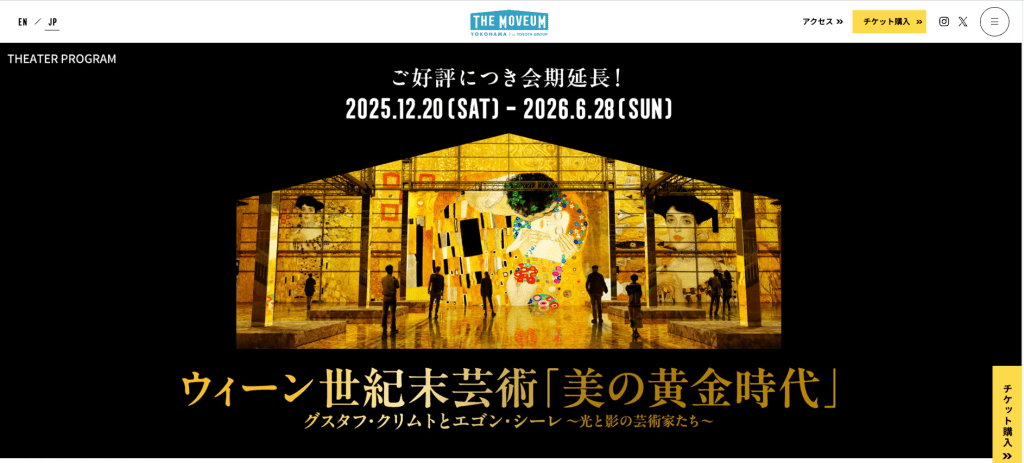
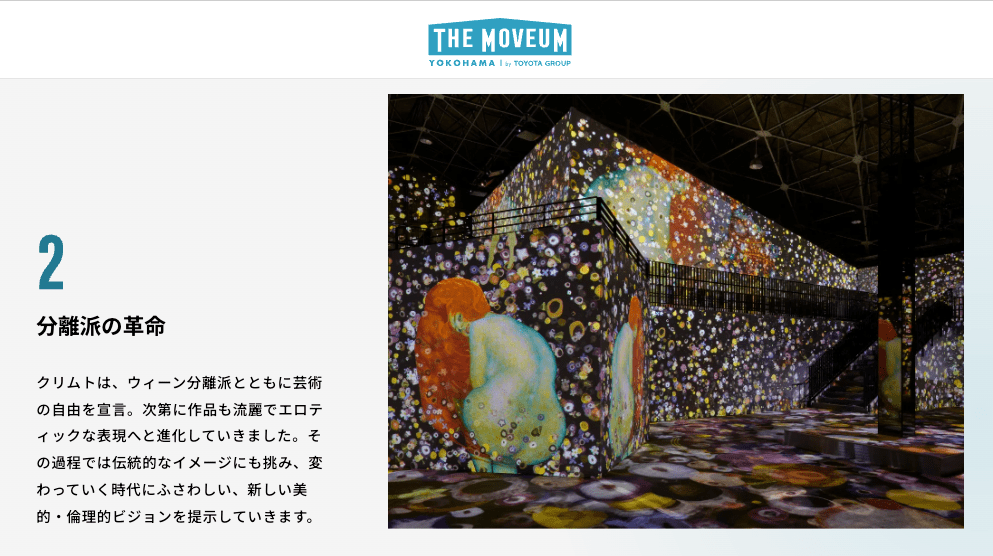
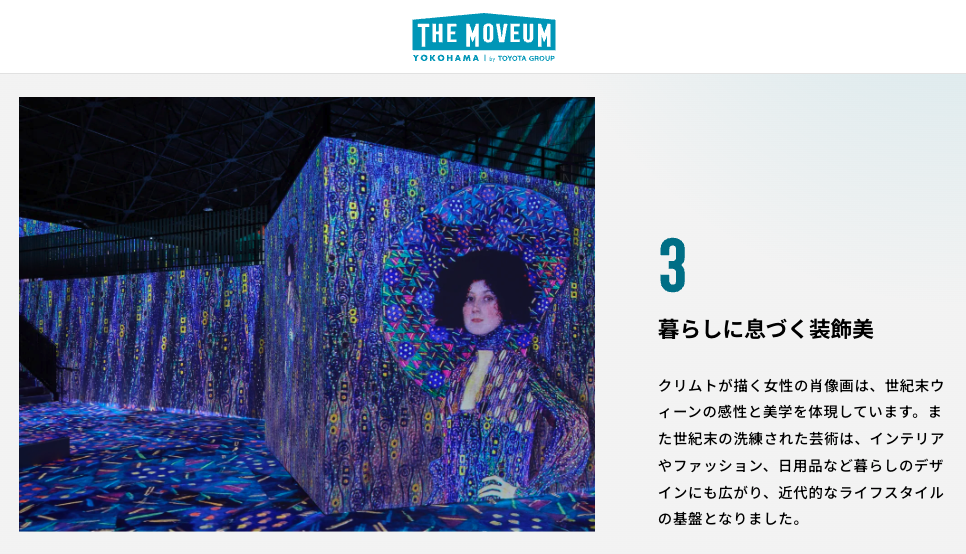
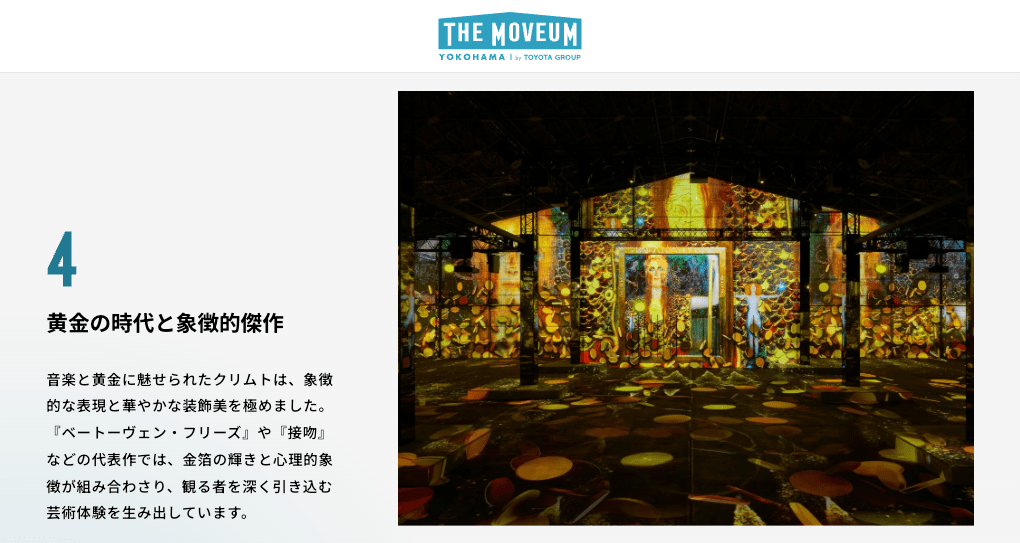
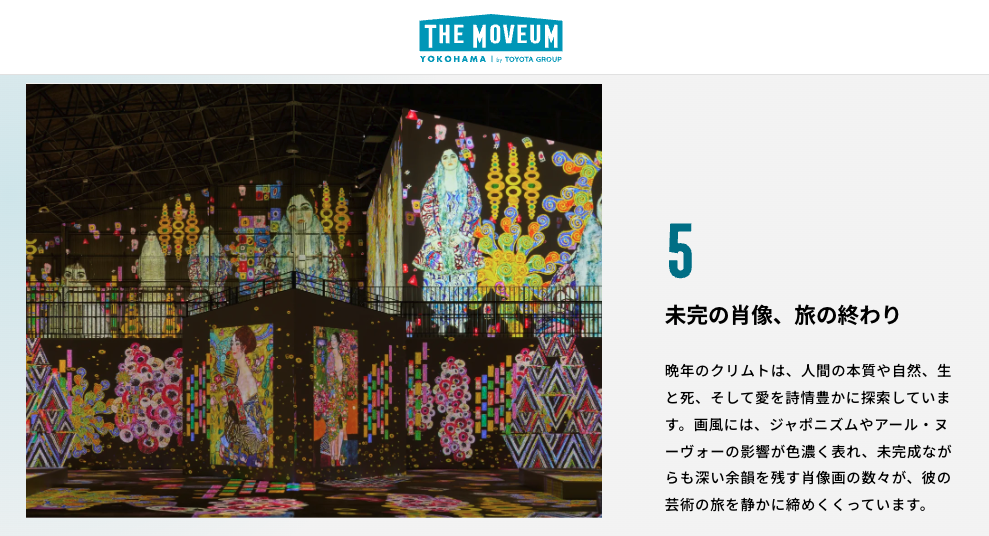
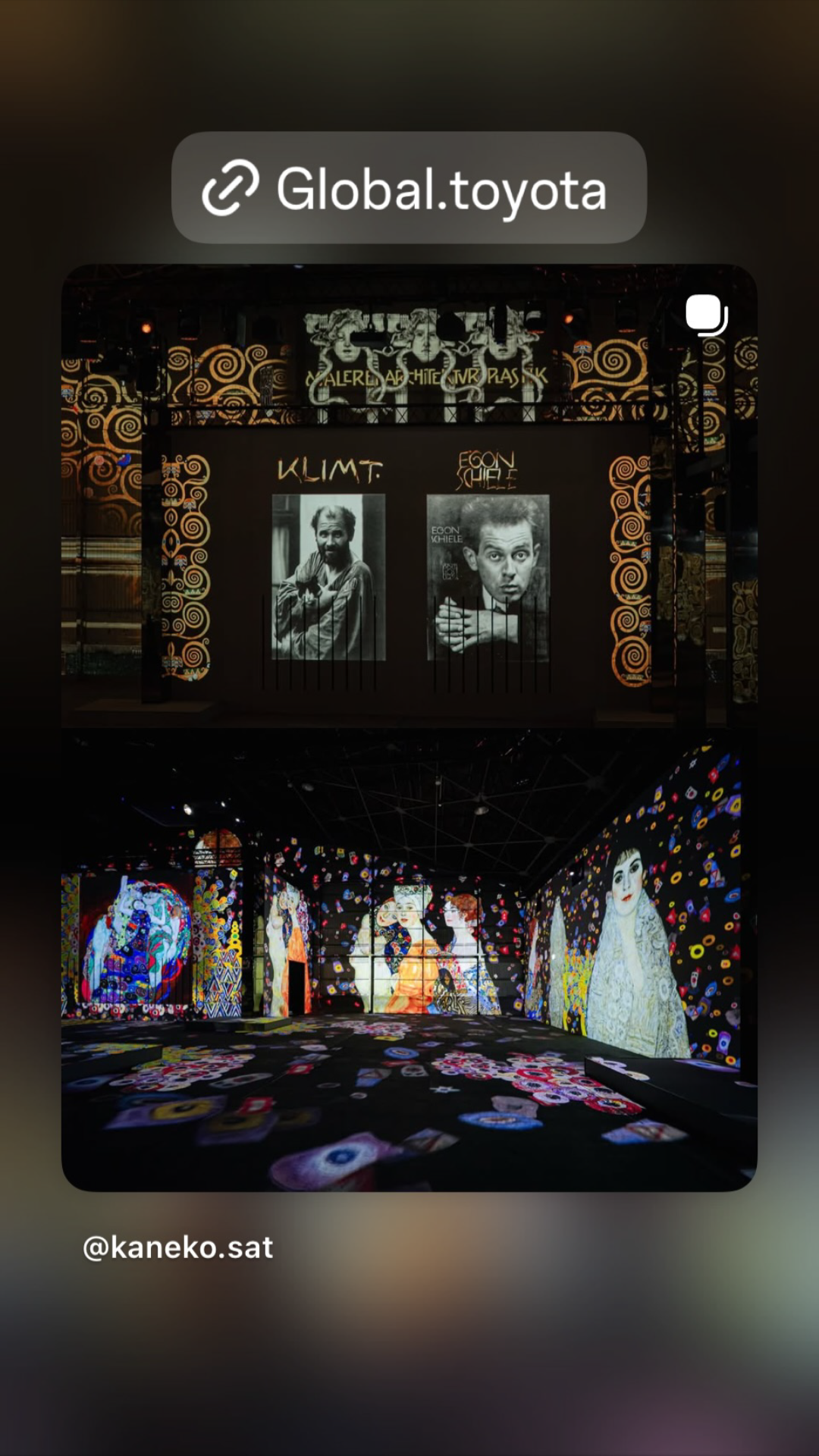
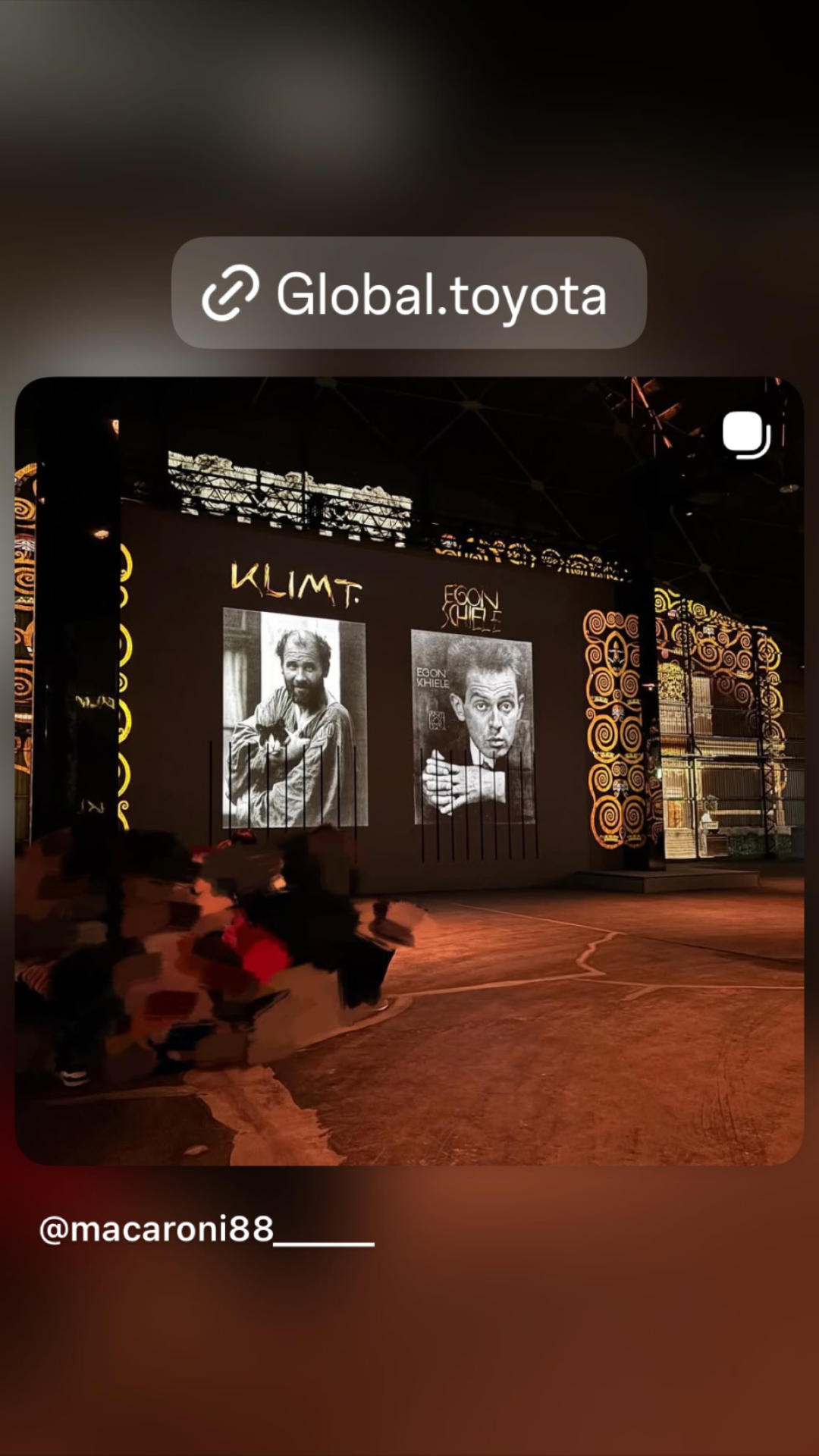
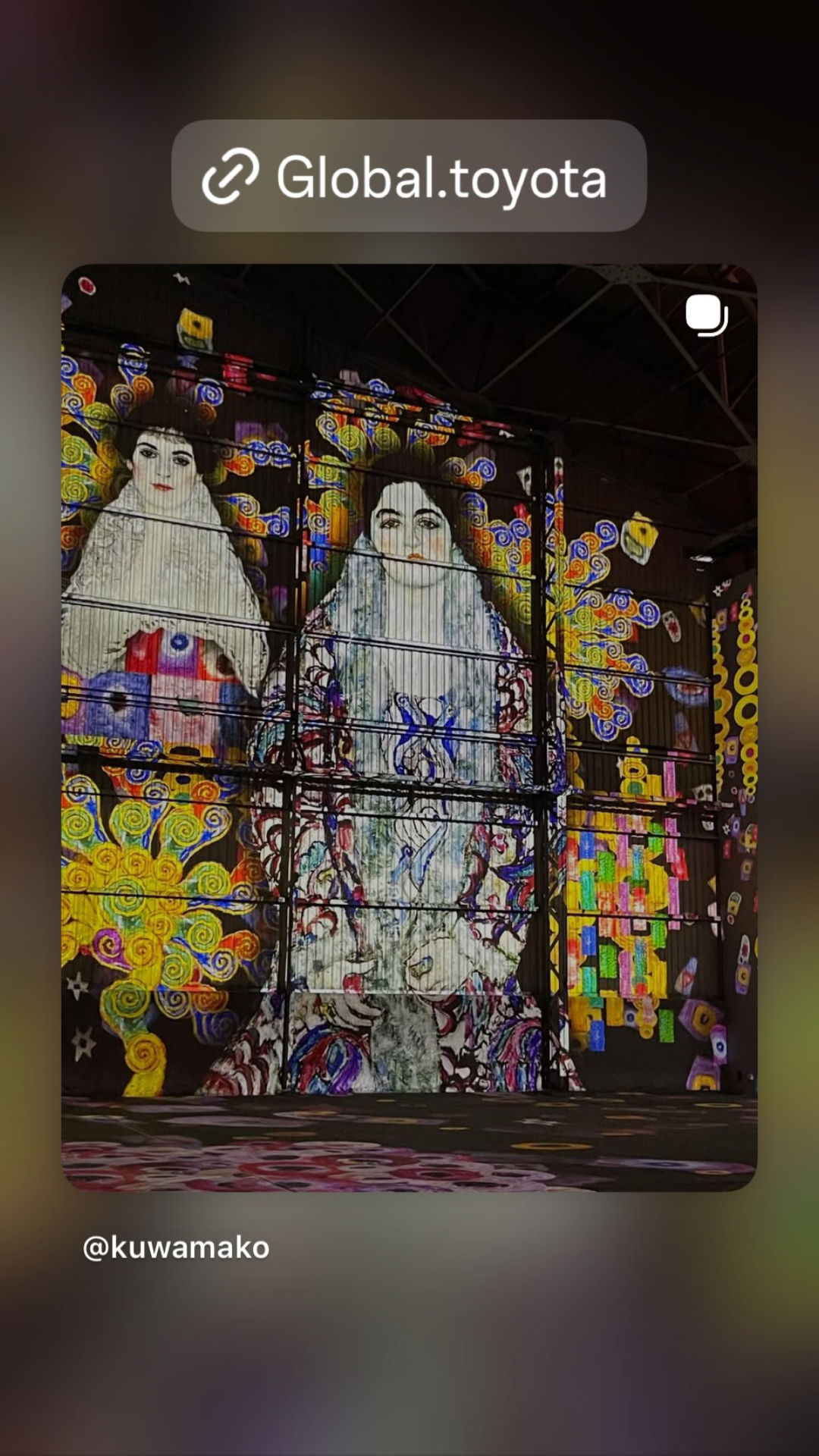
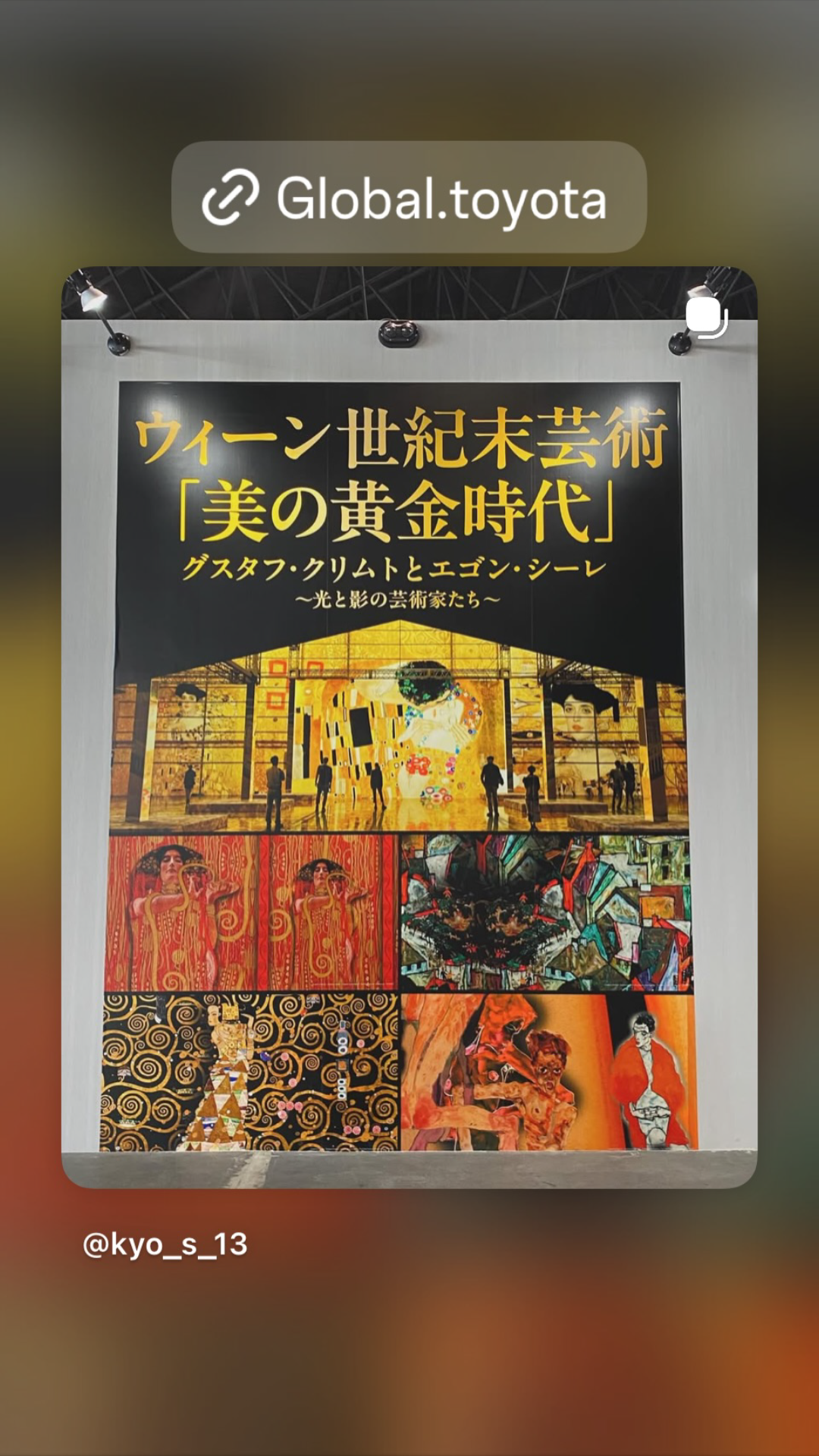
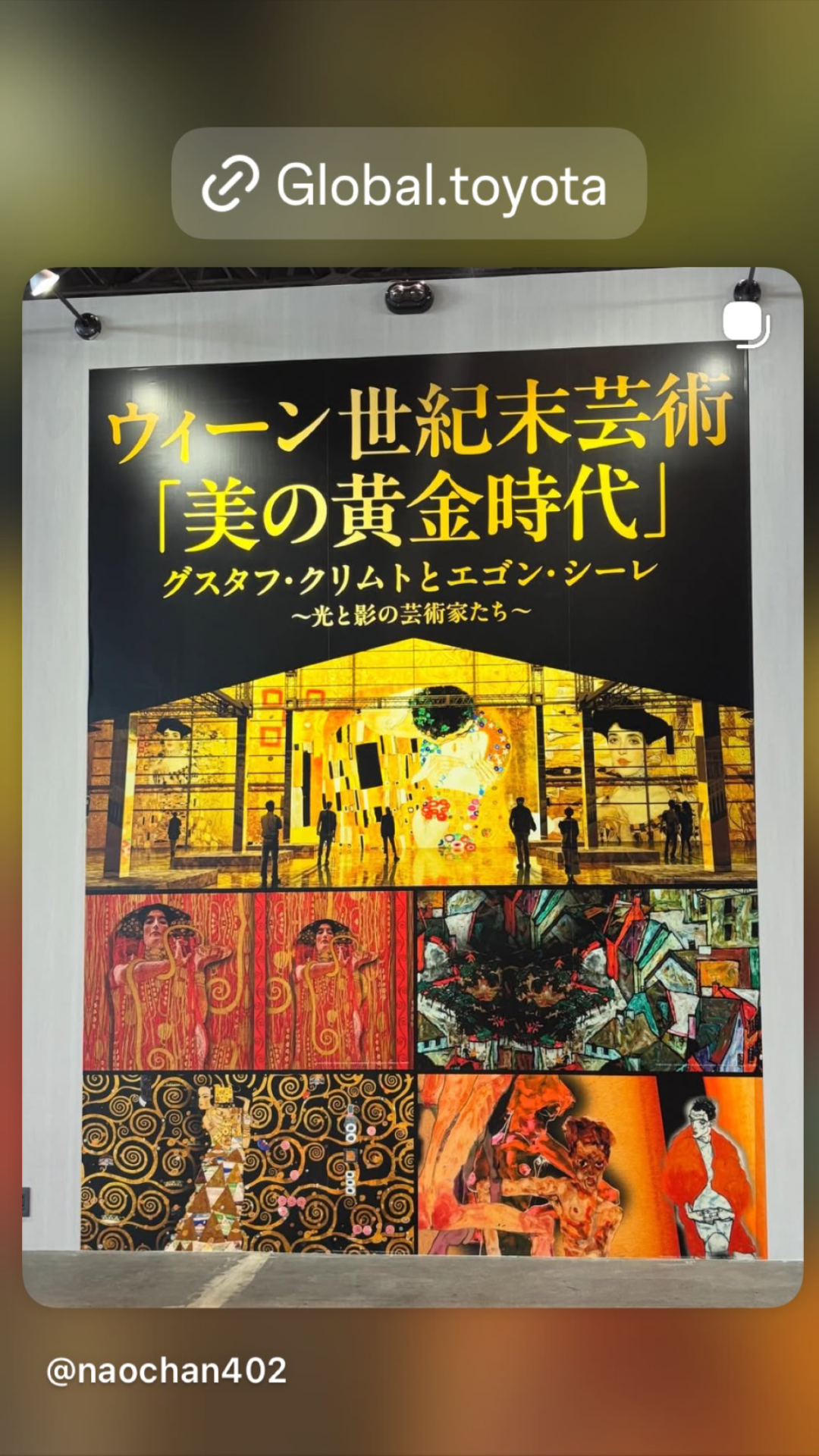
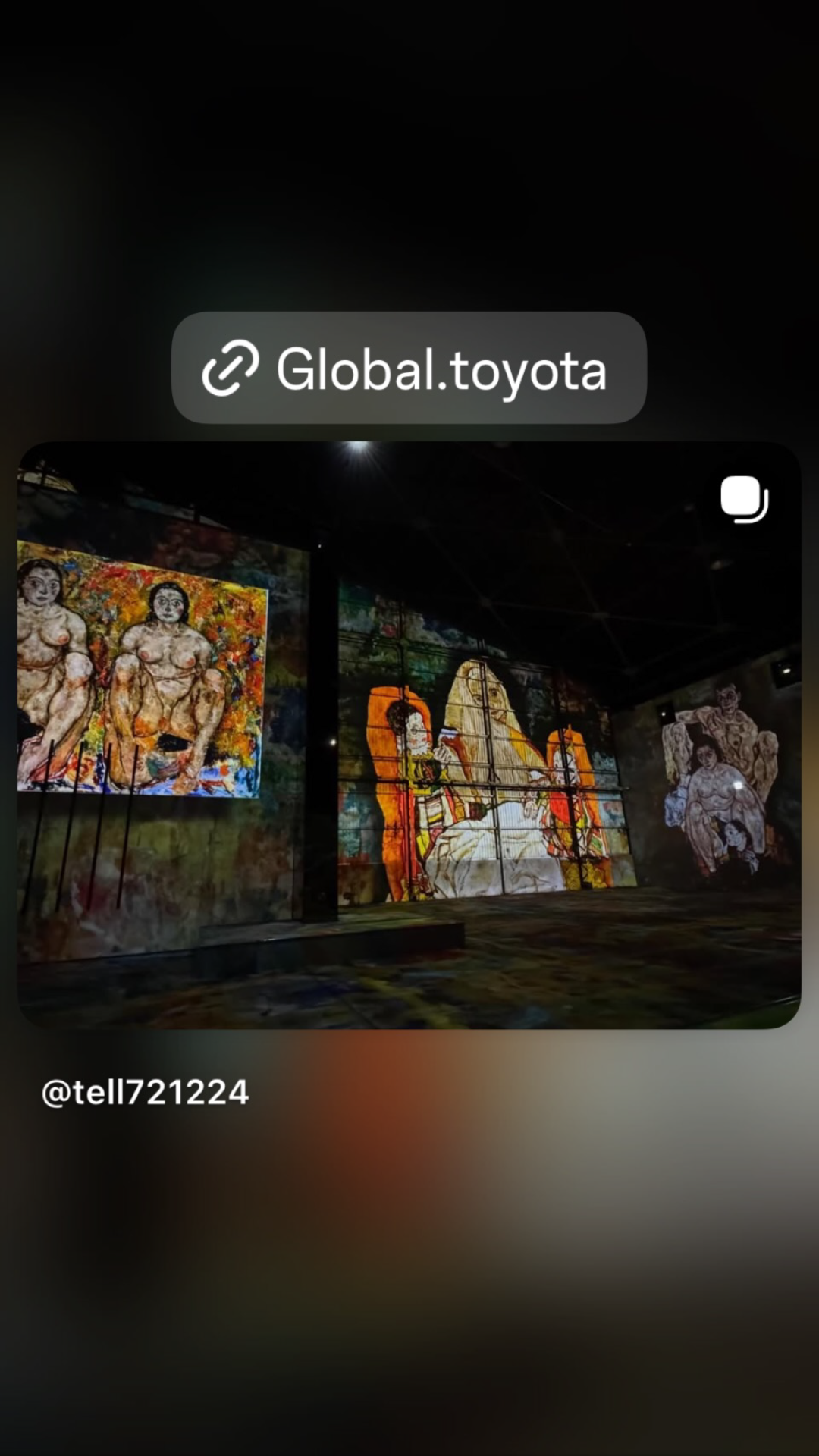
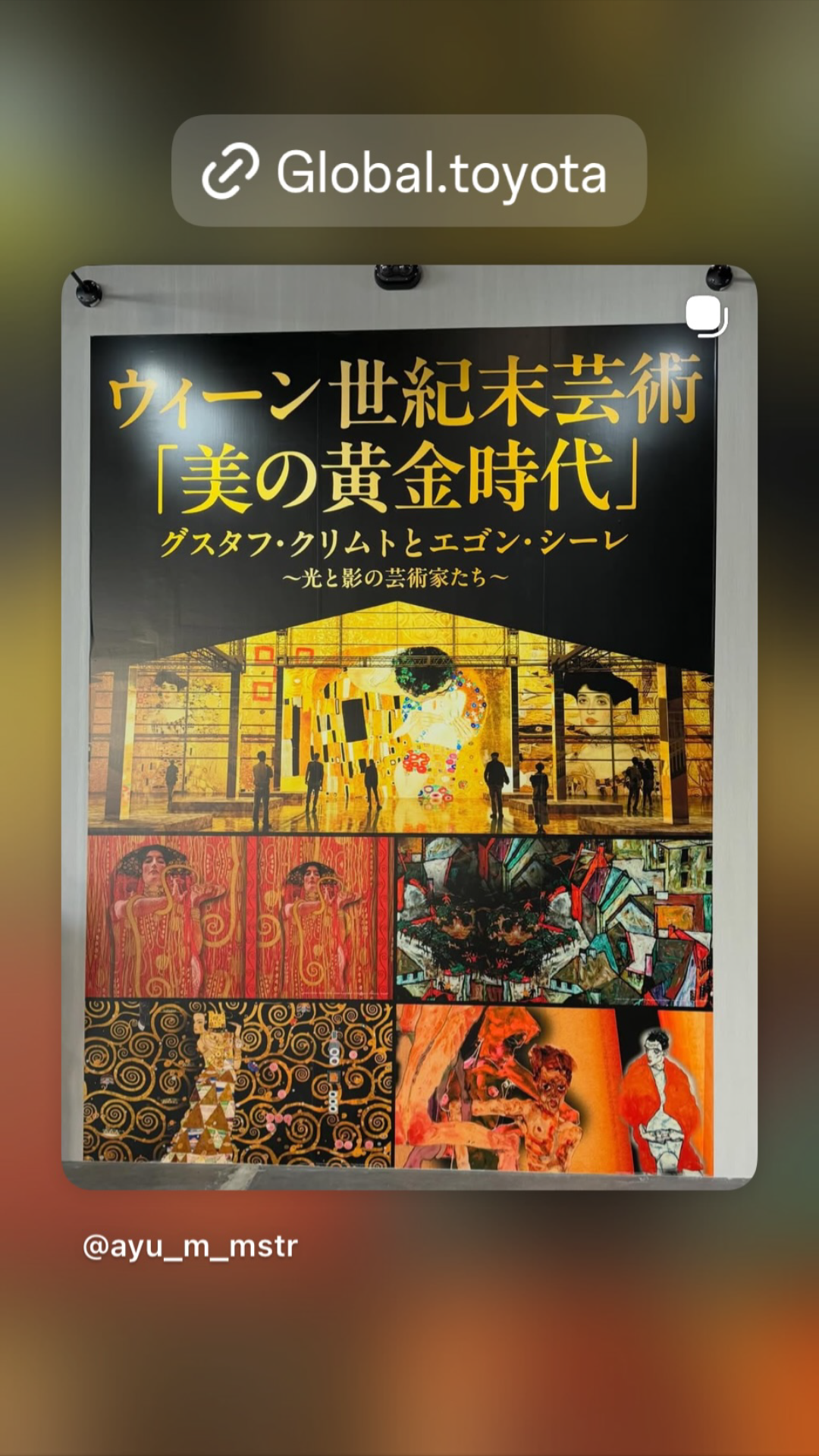
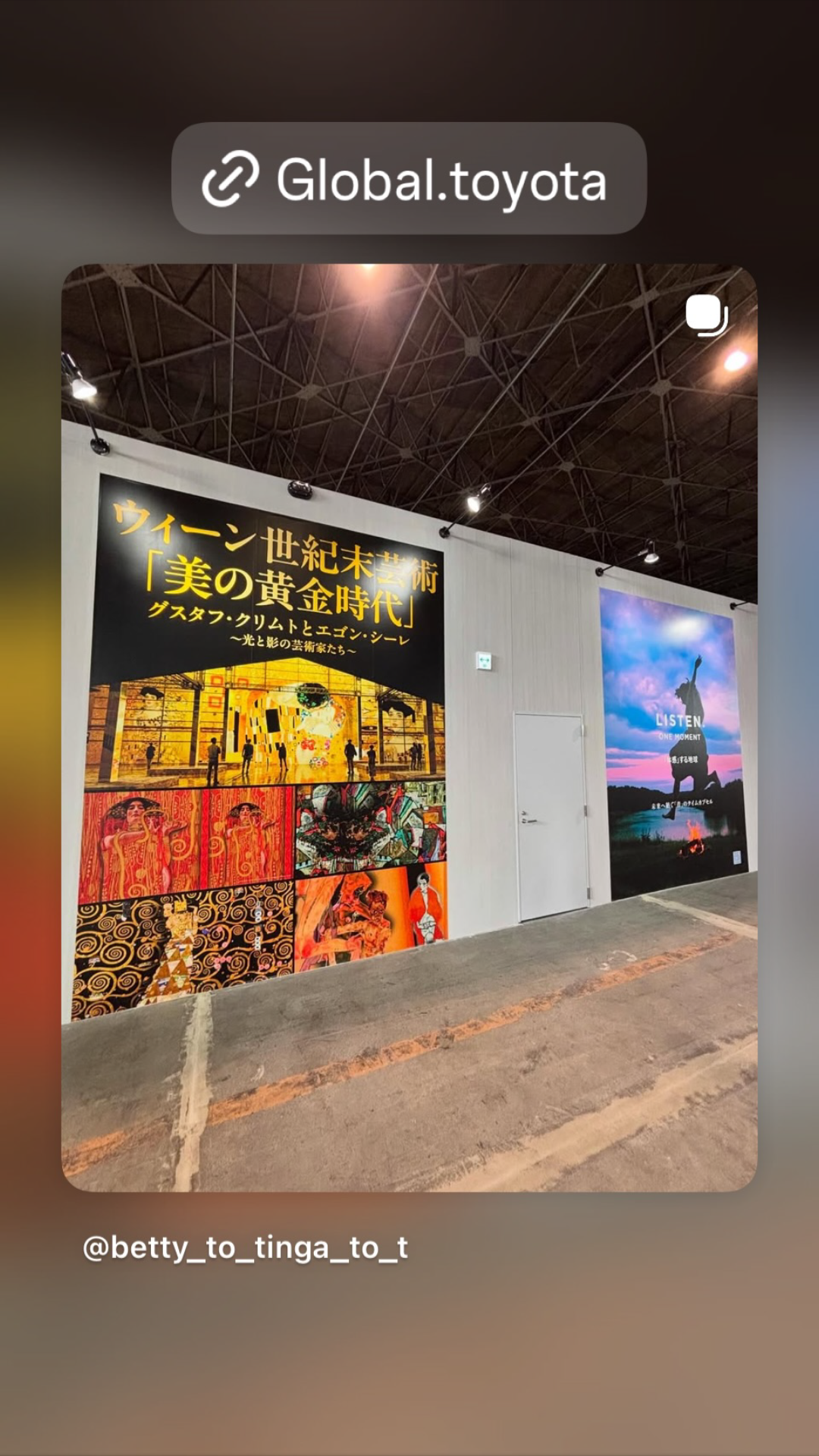
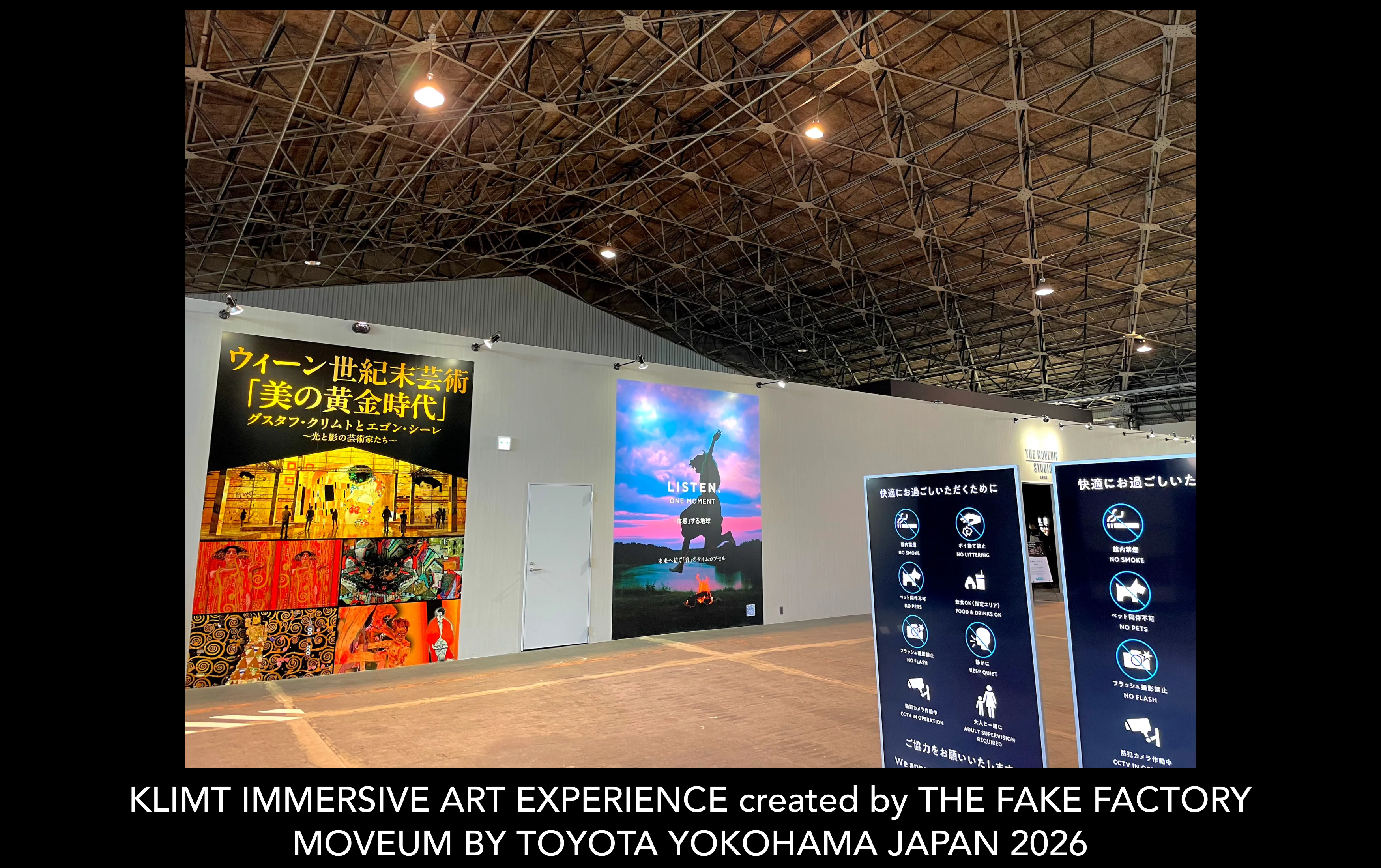
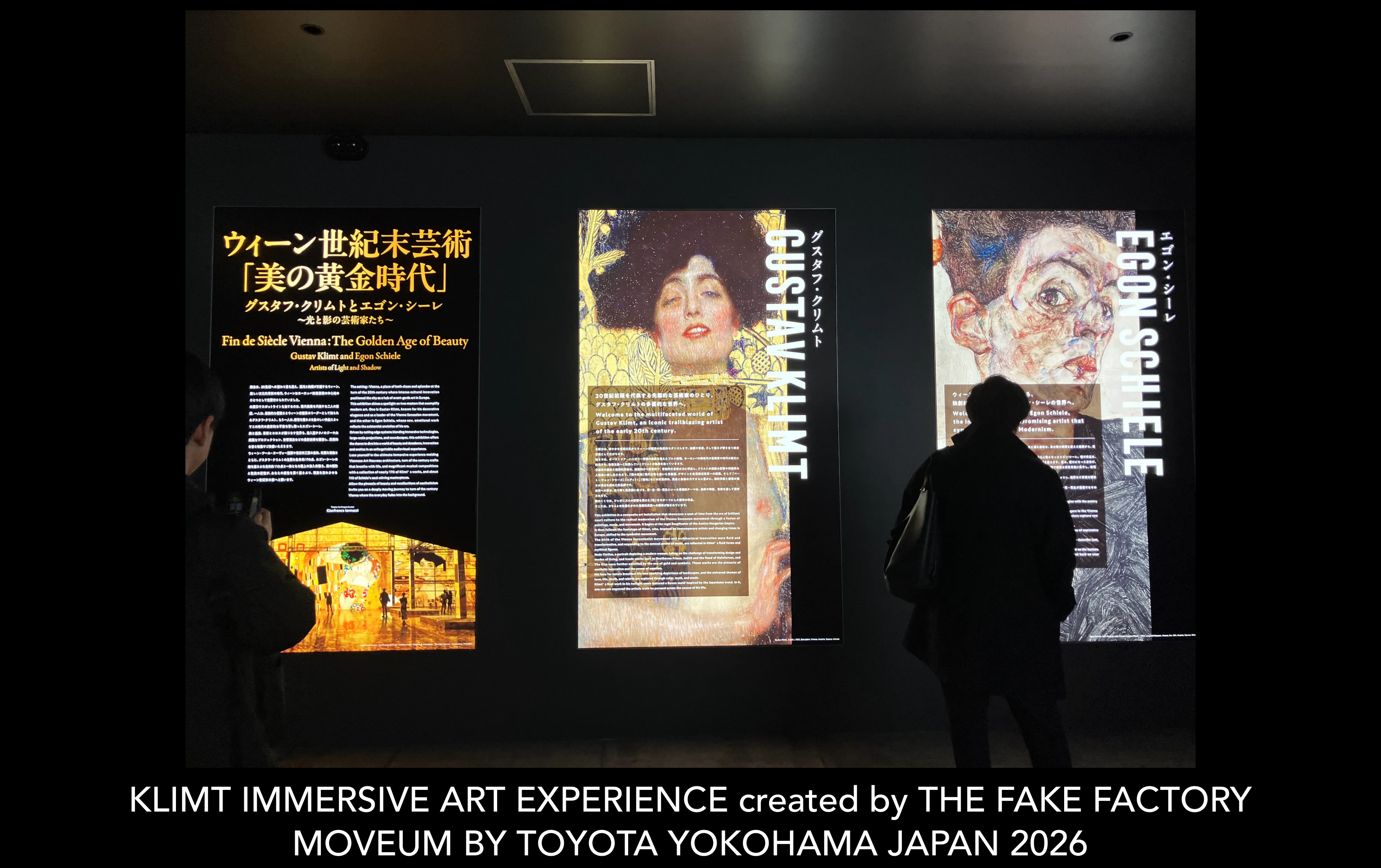
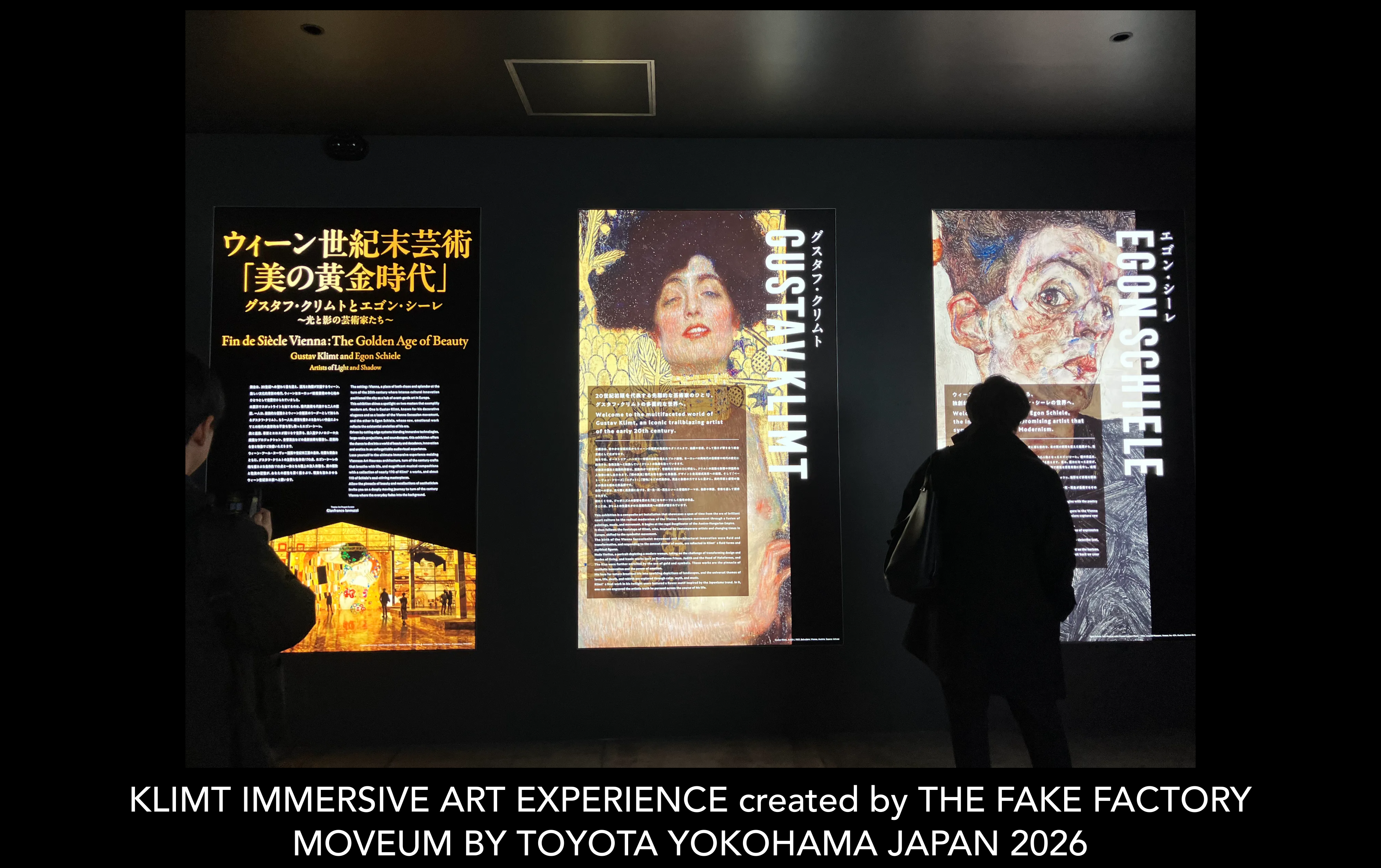
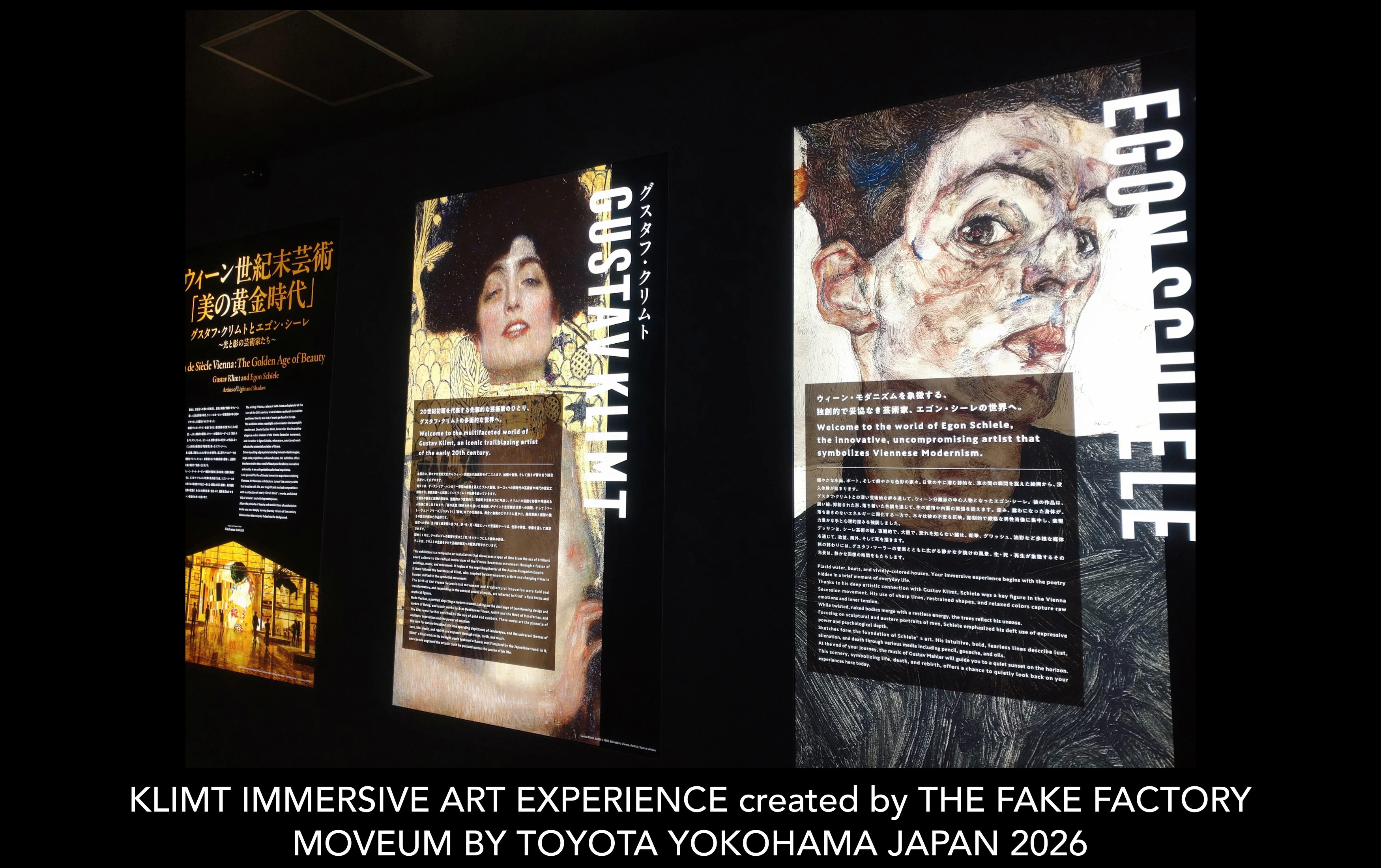
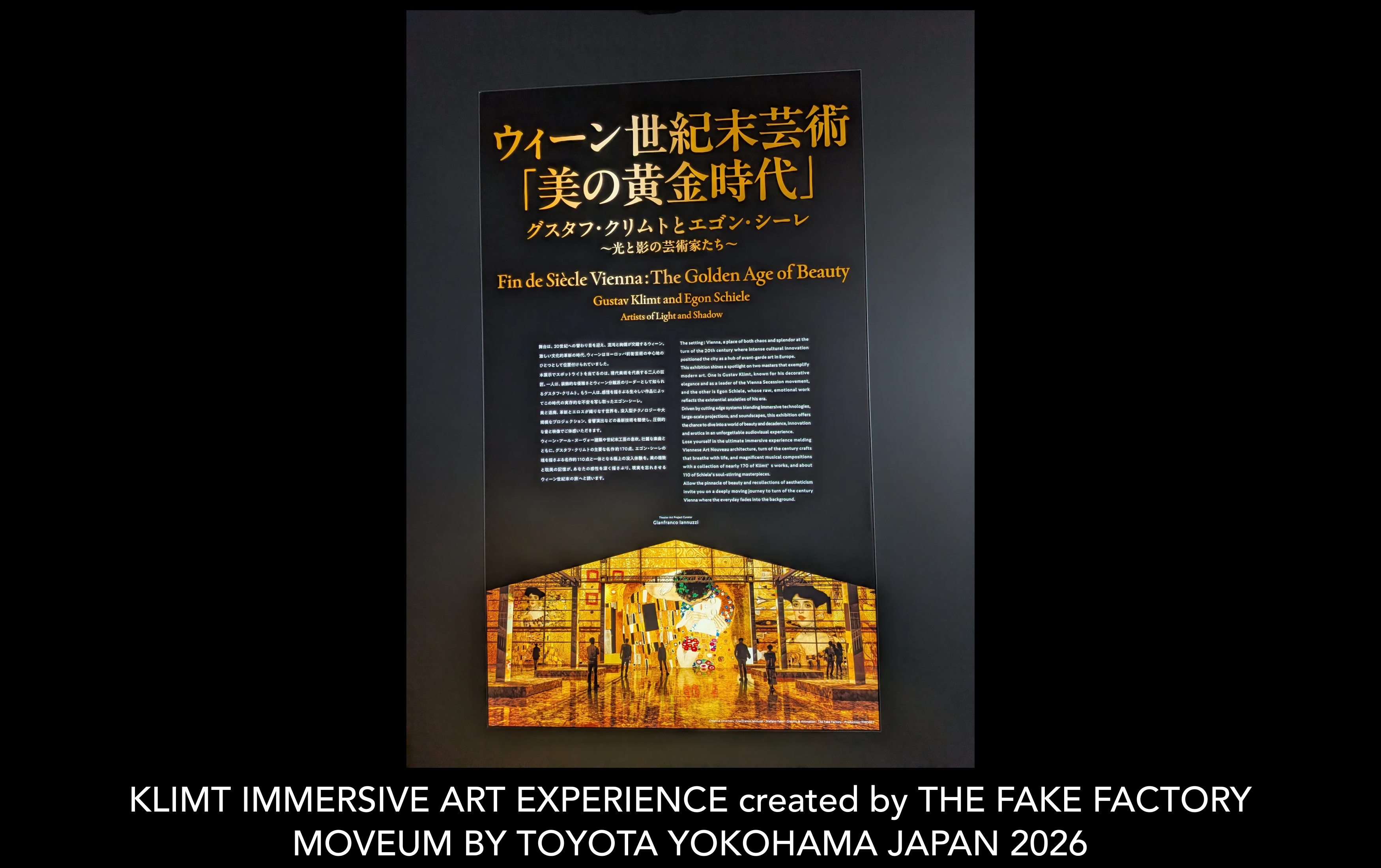
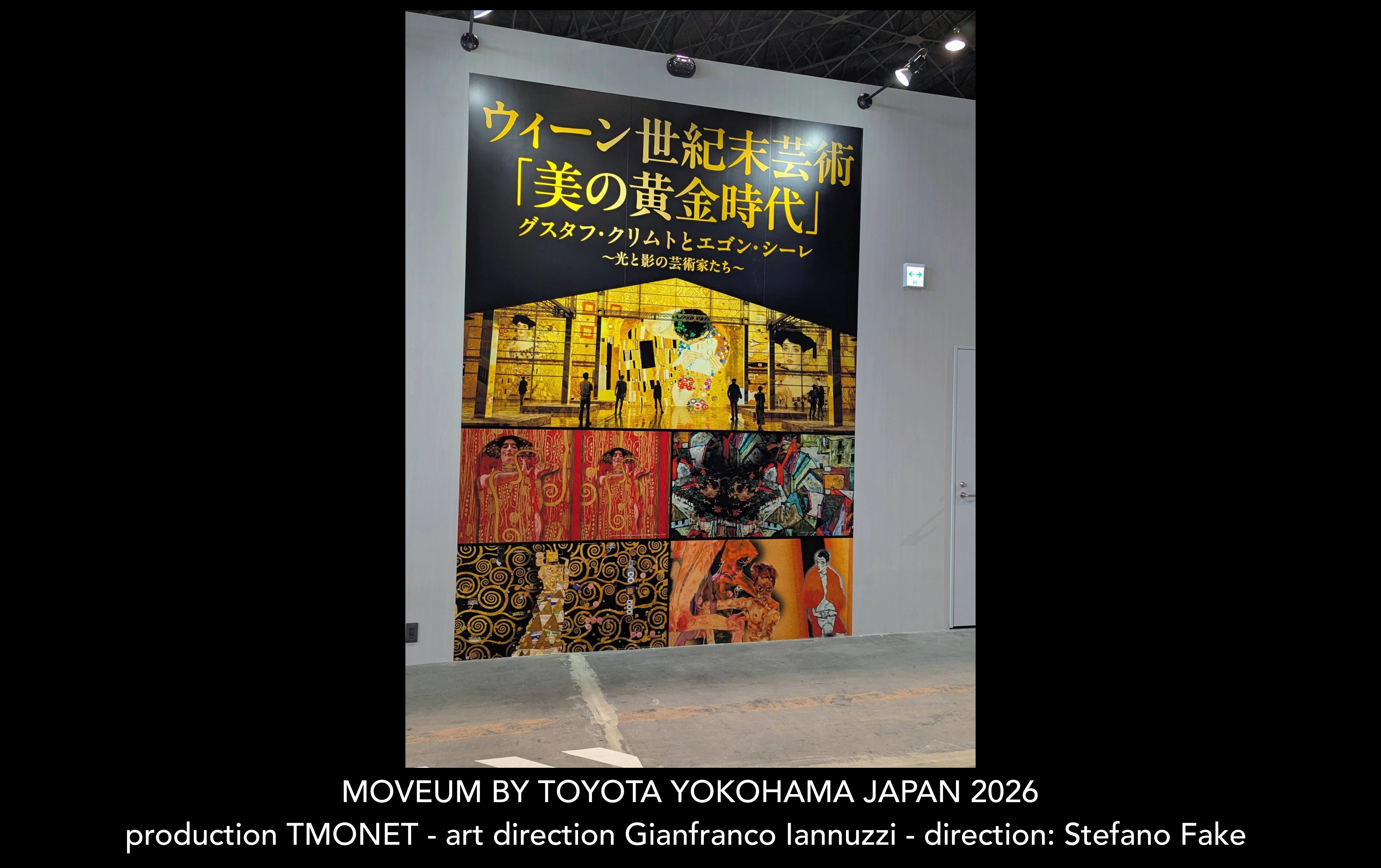
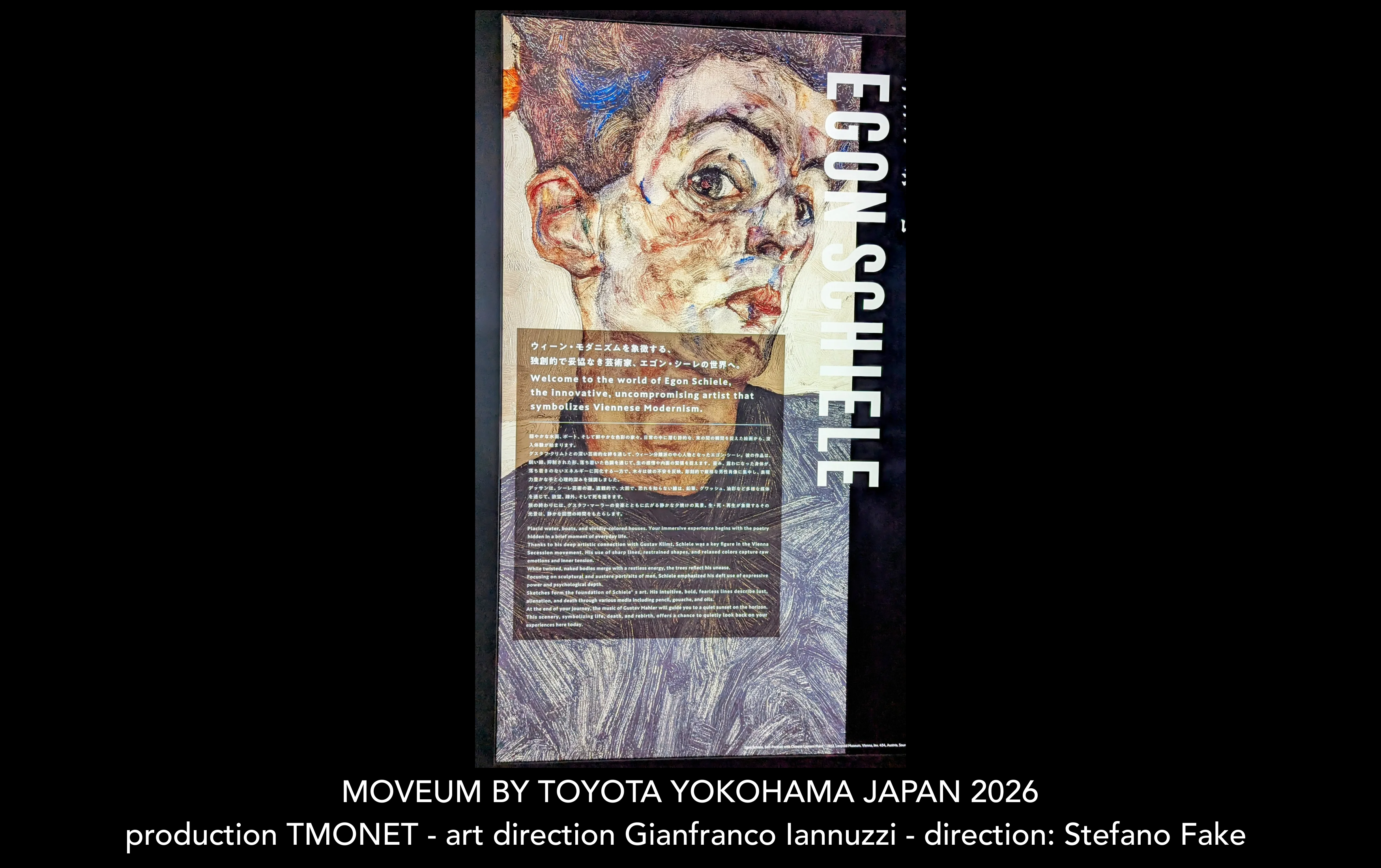
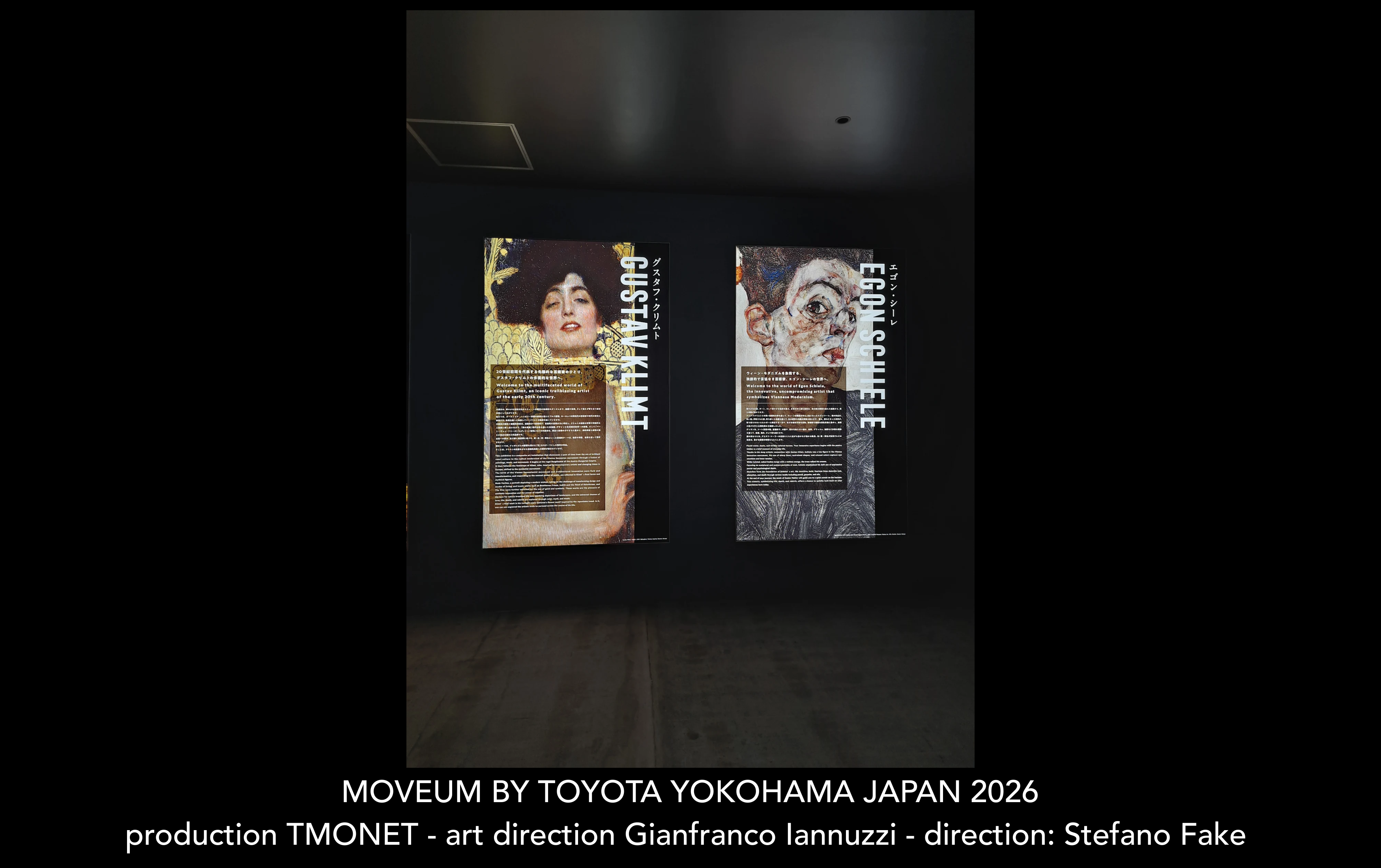
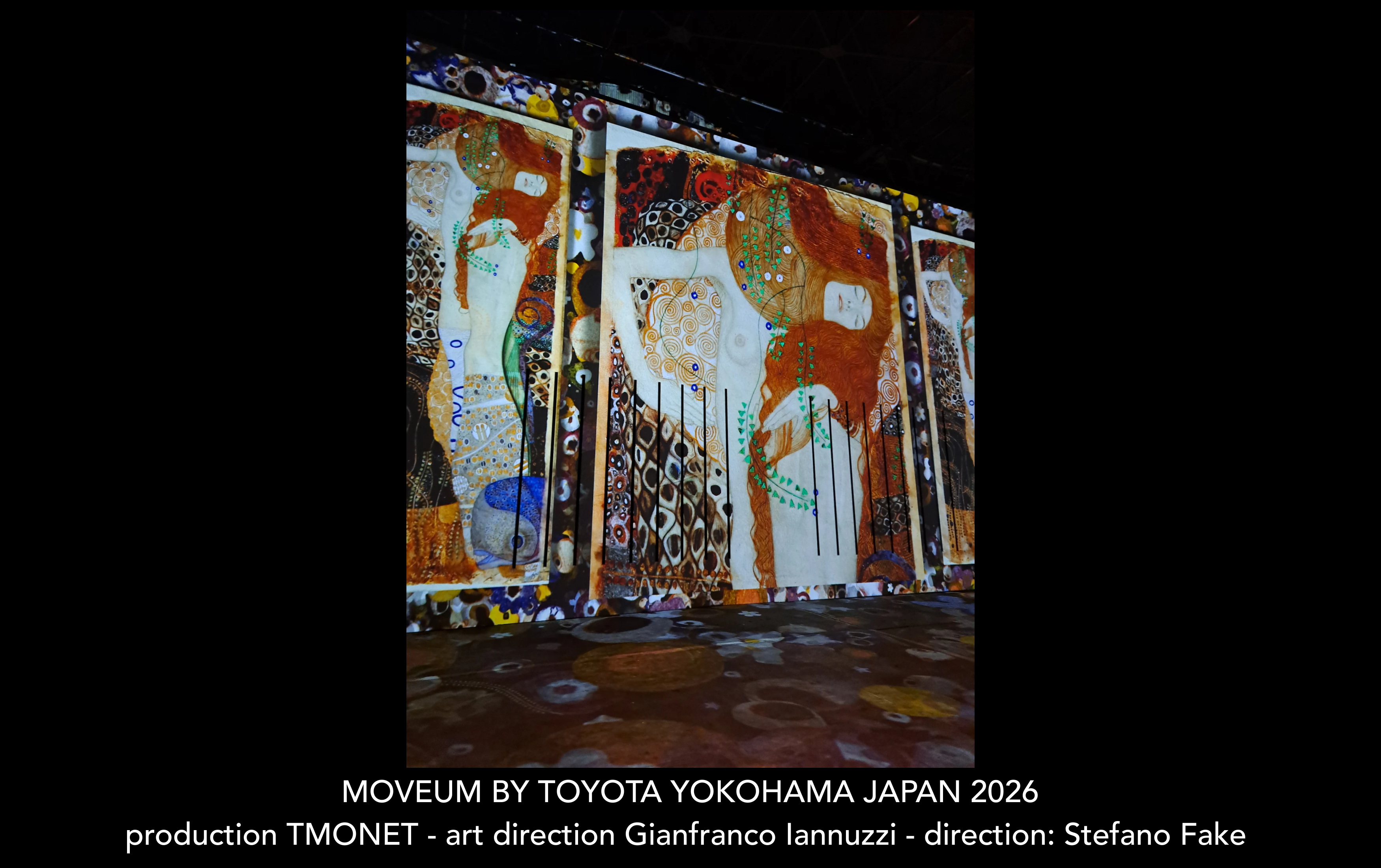
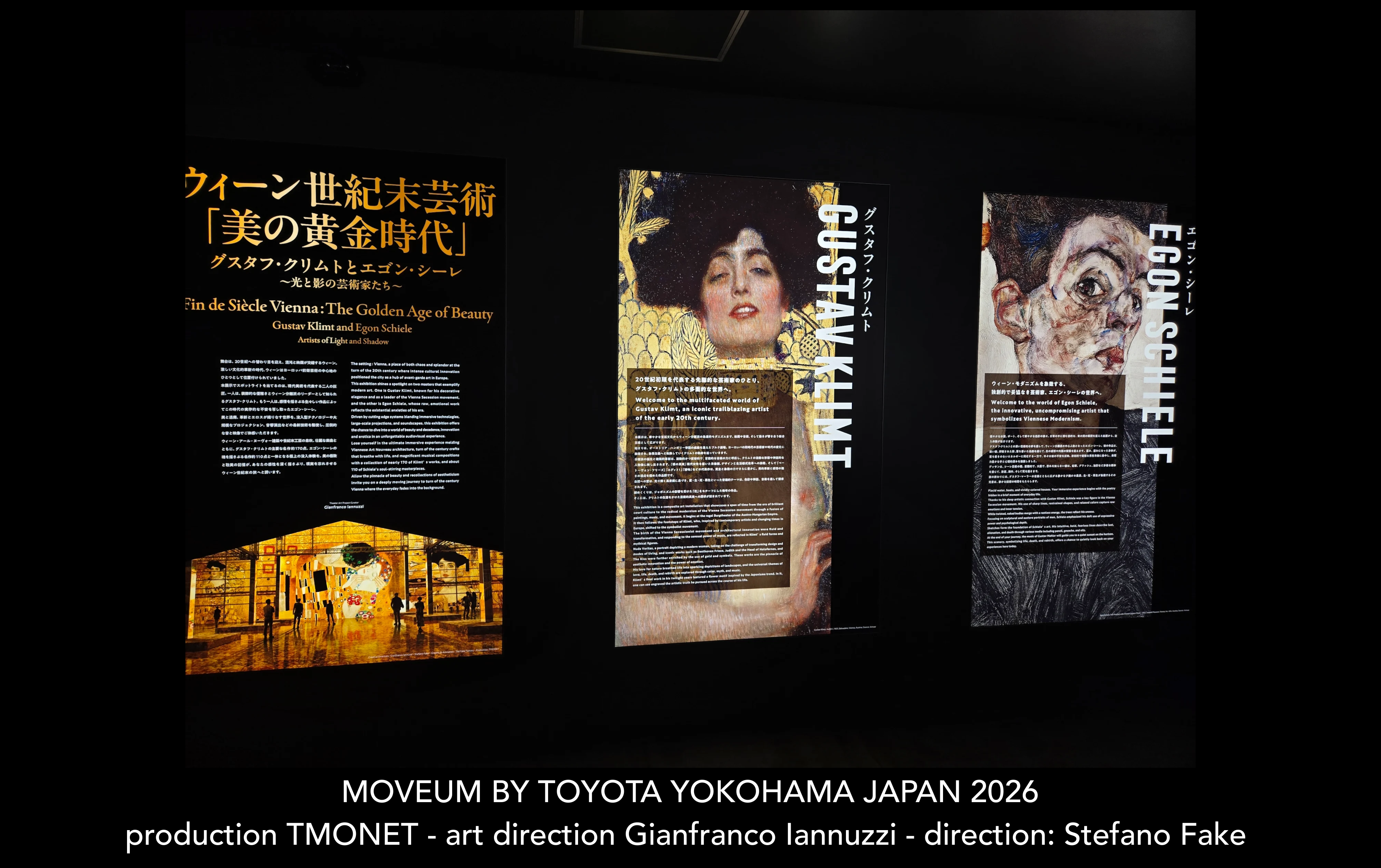
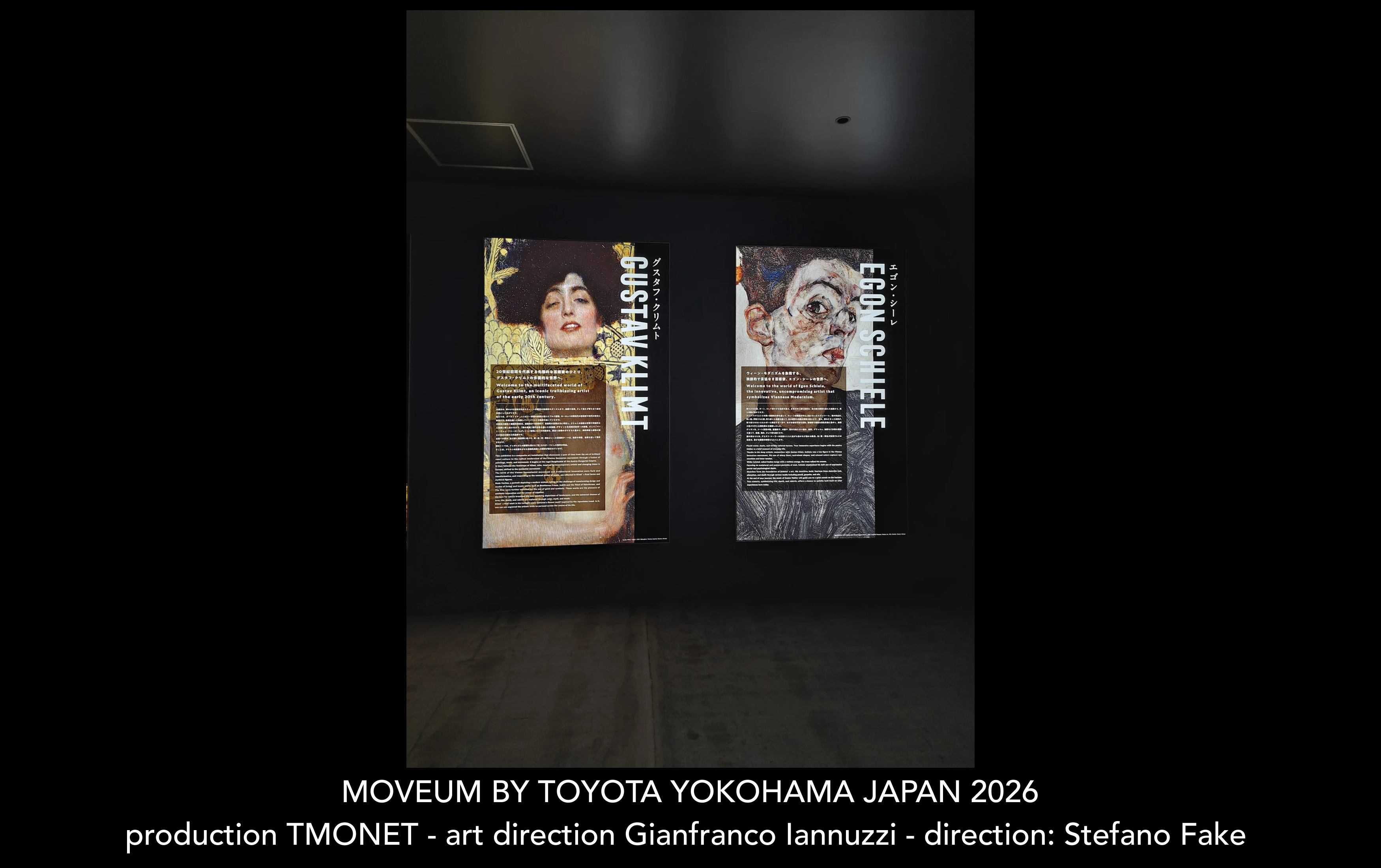
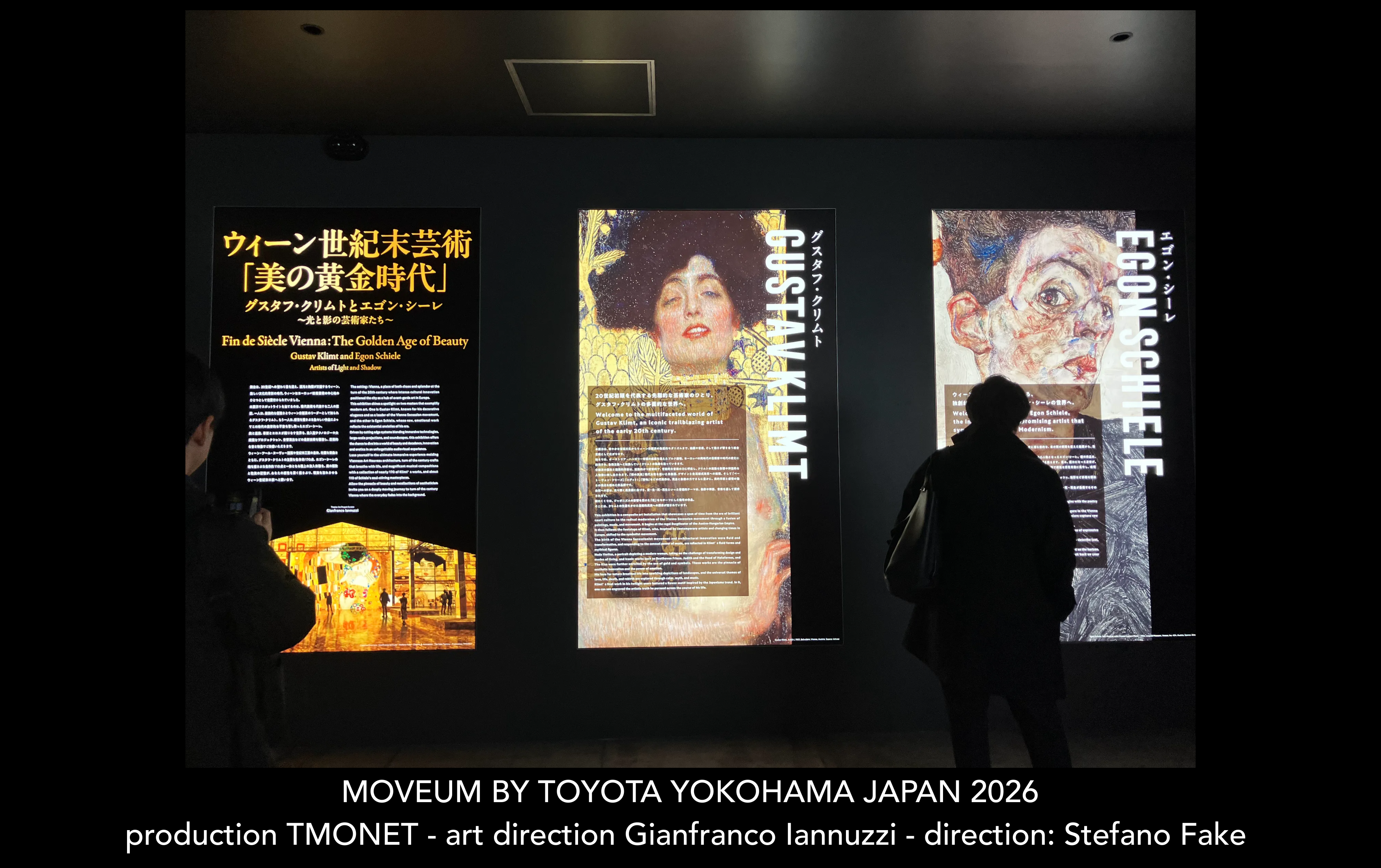
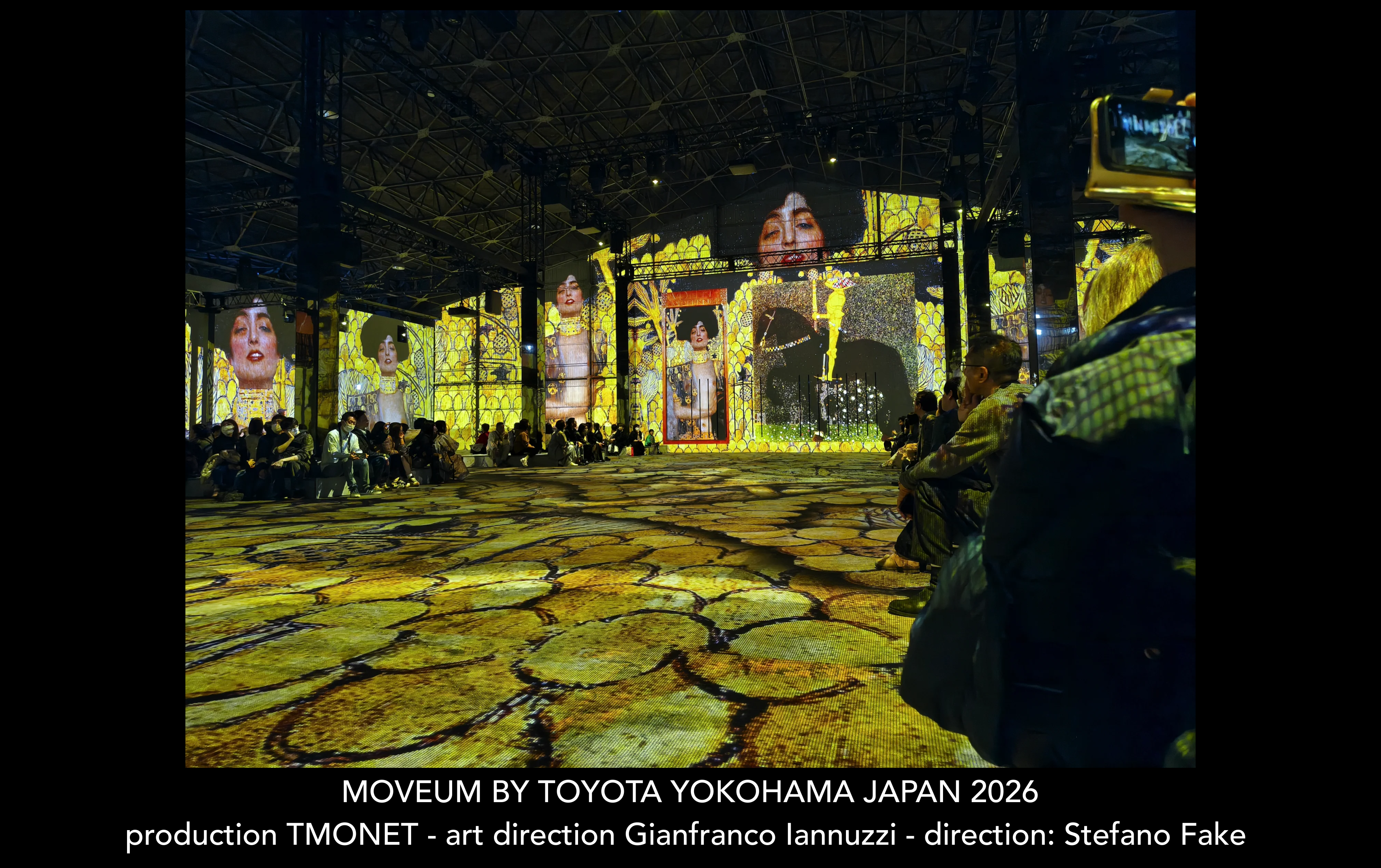
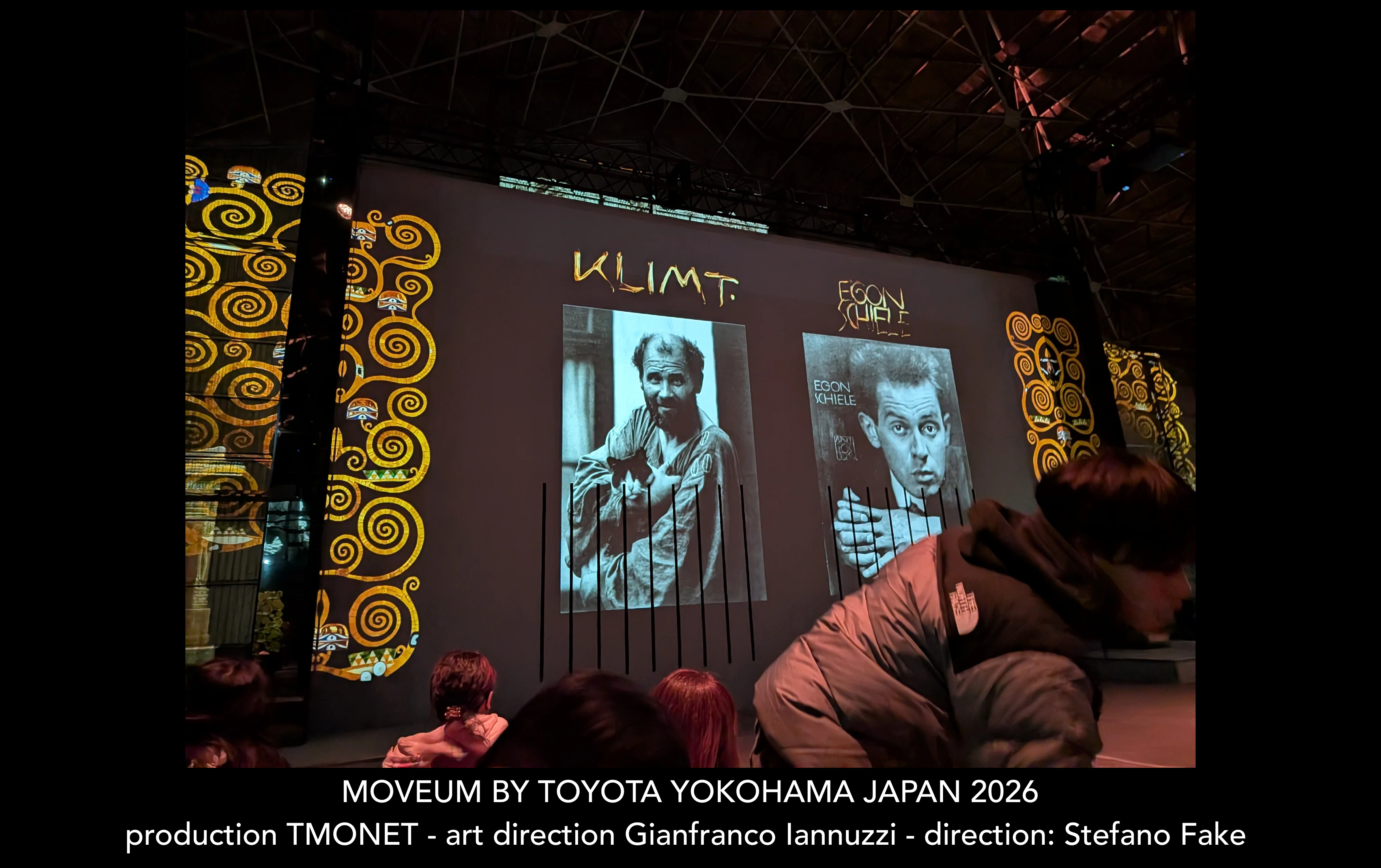
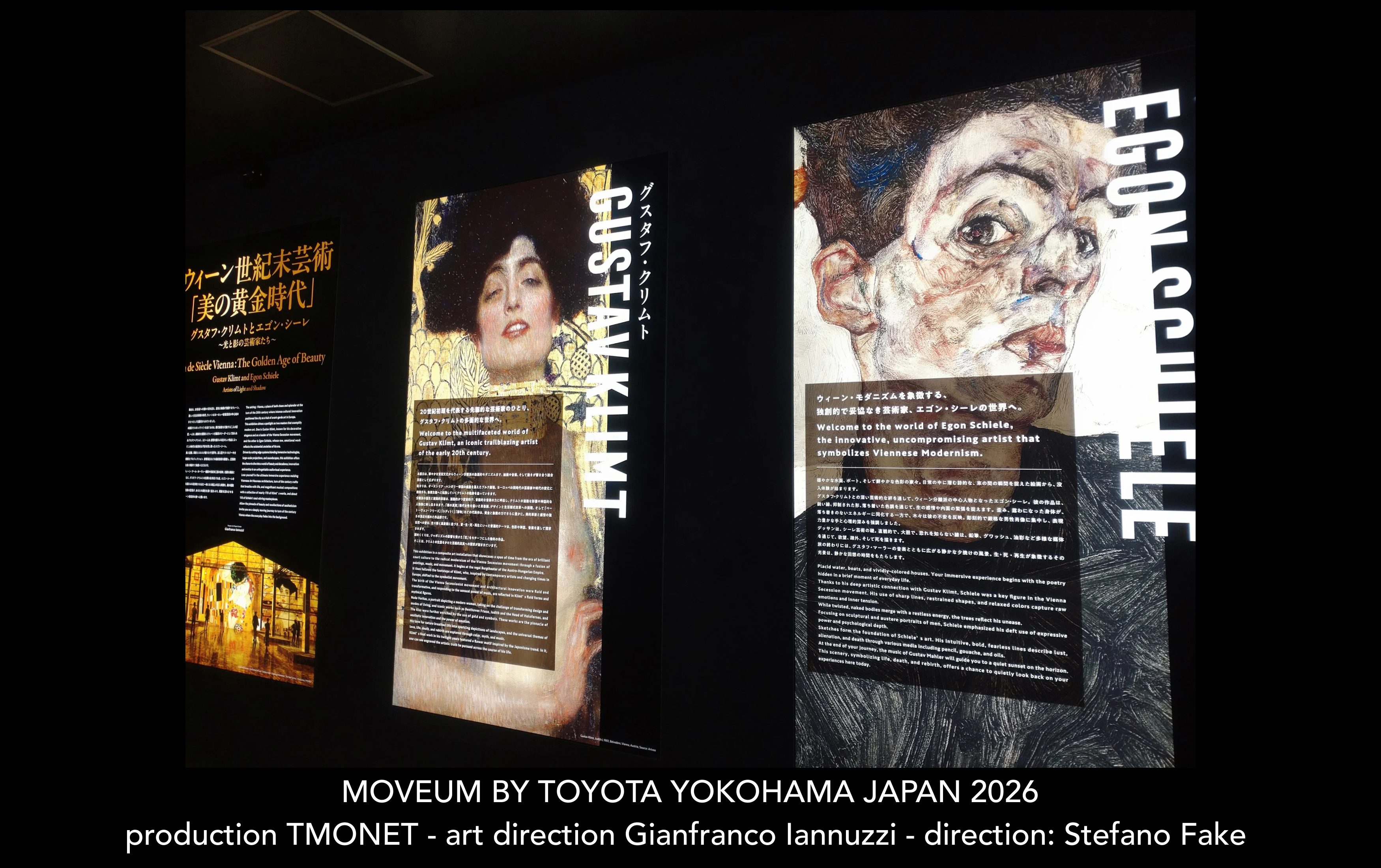
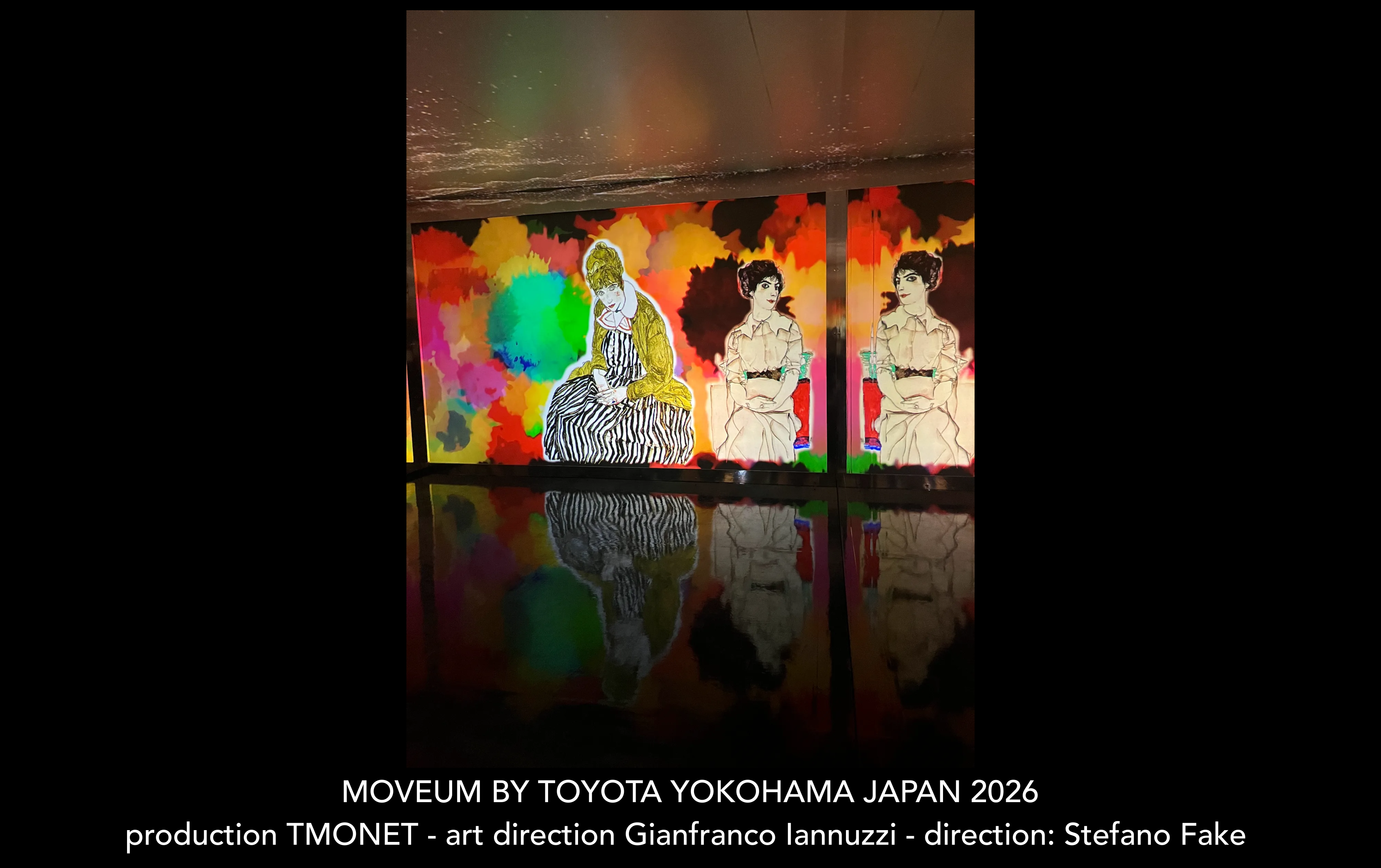
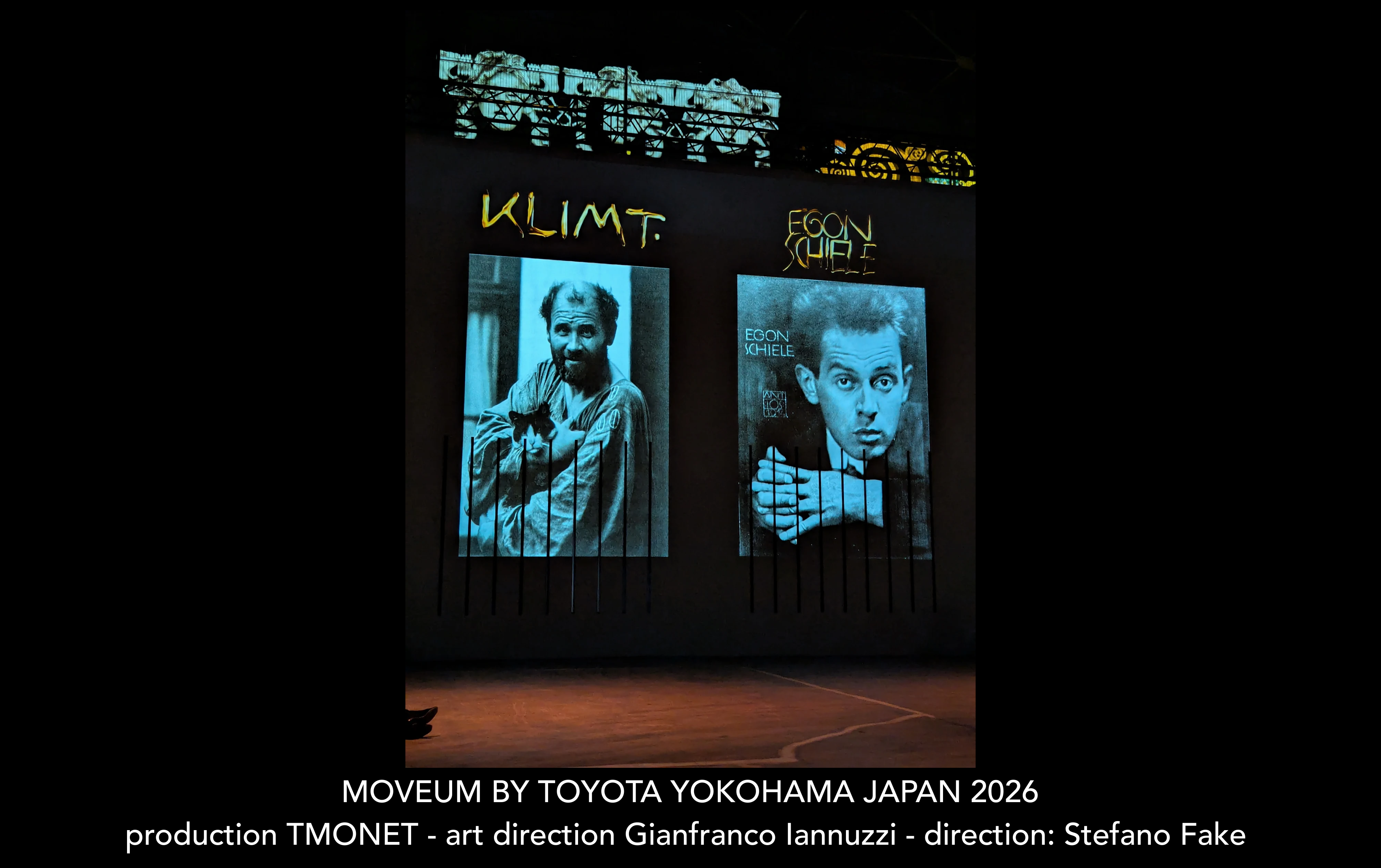
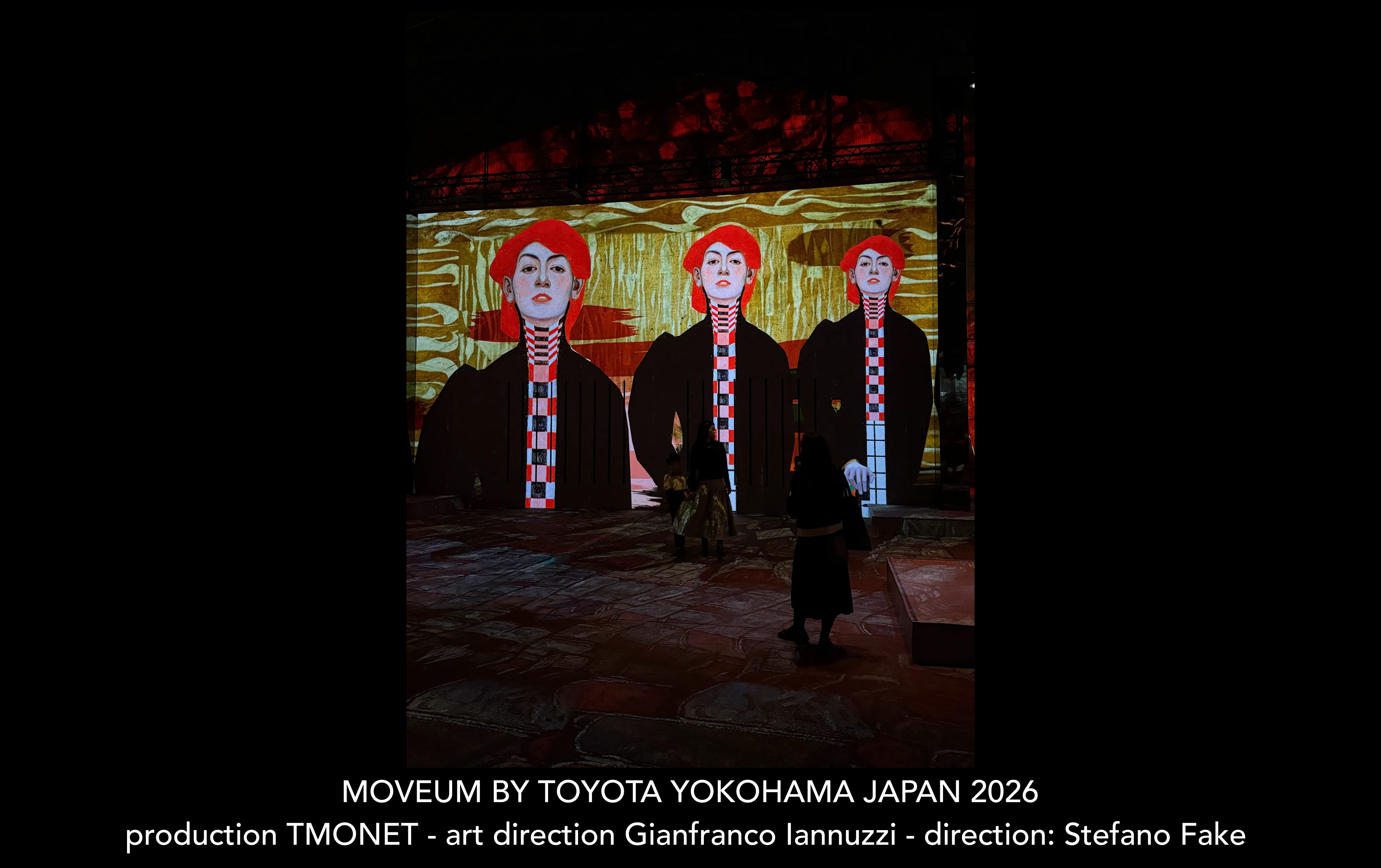
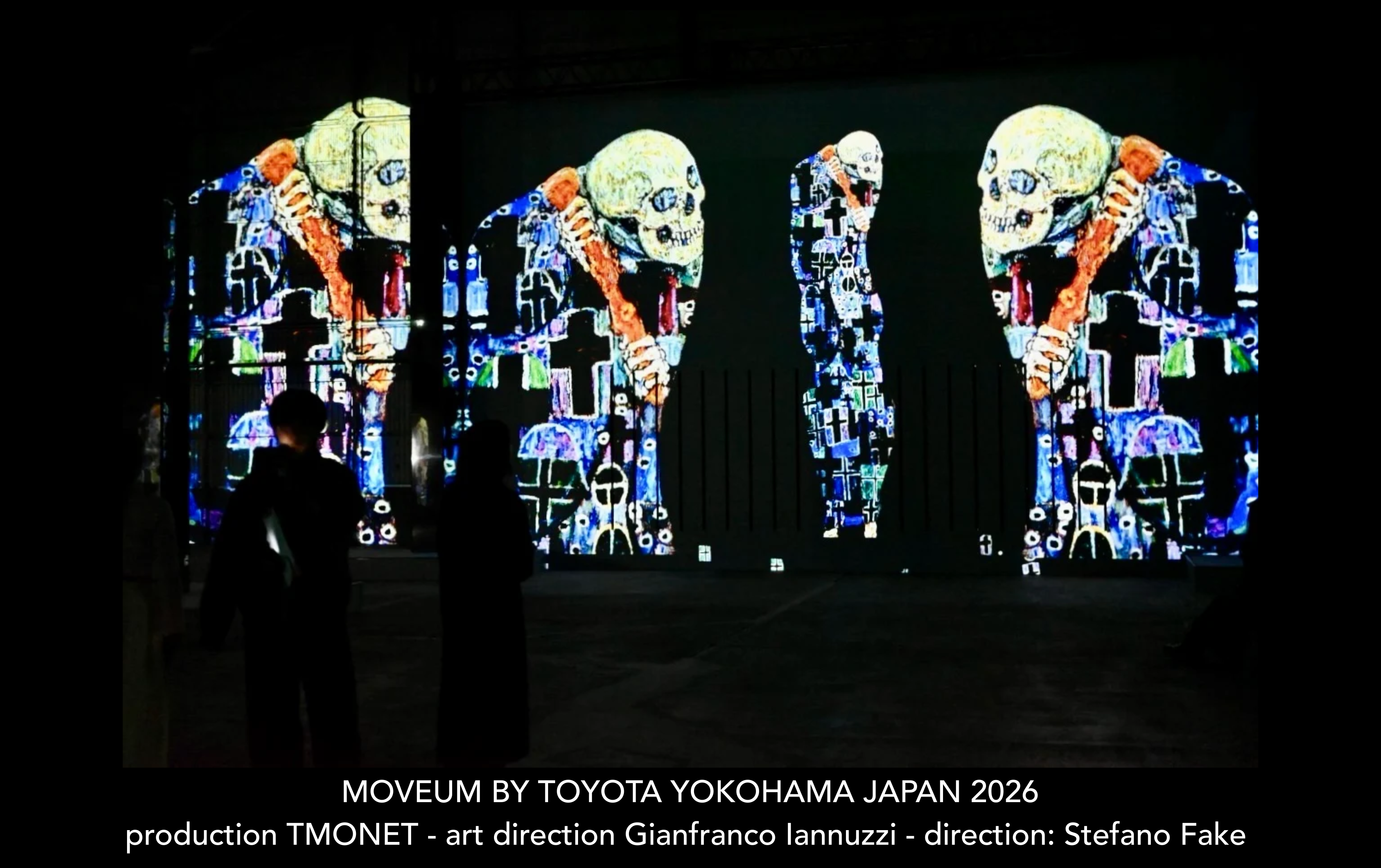
At this opening exhibition, visitors will be treated to an amazing audiovisual experience that weaves together beauty and decadence, innovation, and erotica against the backdrop of late 19th century Vienna, where the forces of chaos and brilliance intersect.
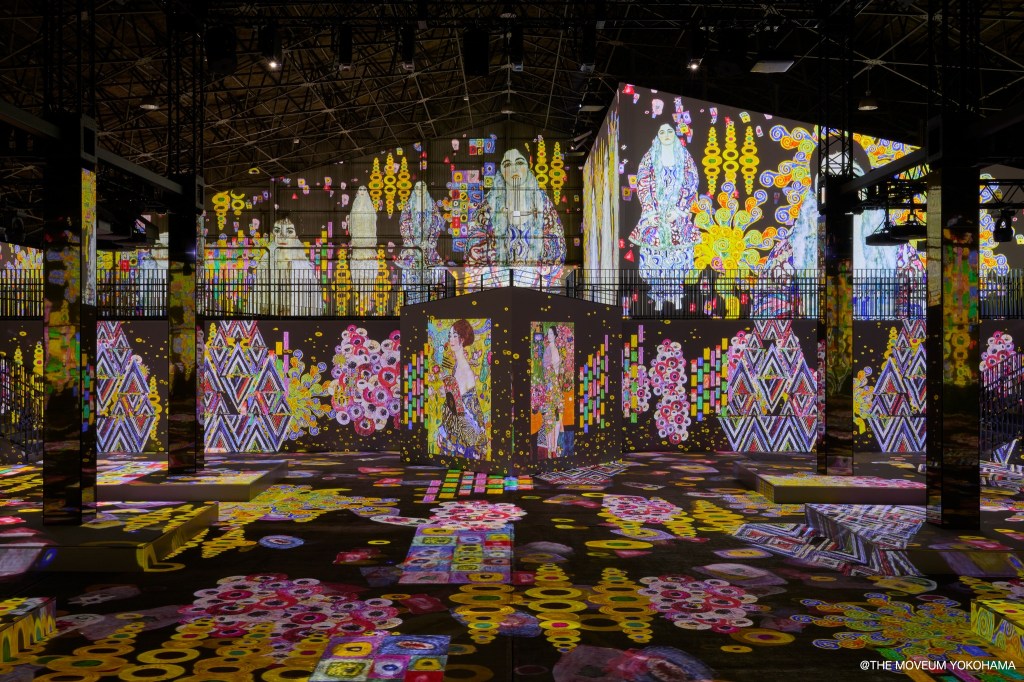
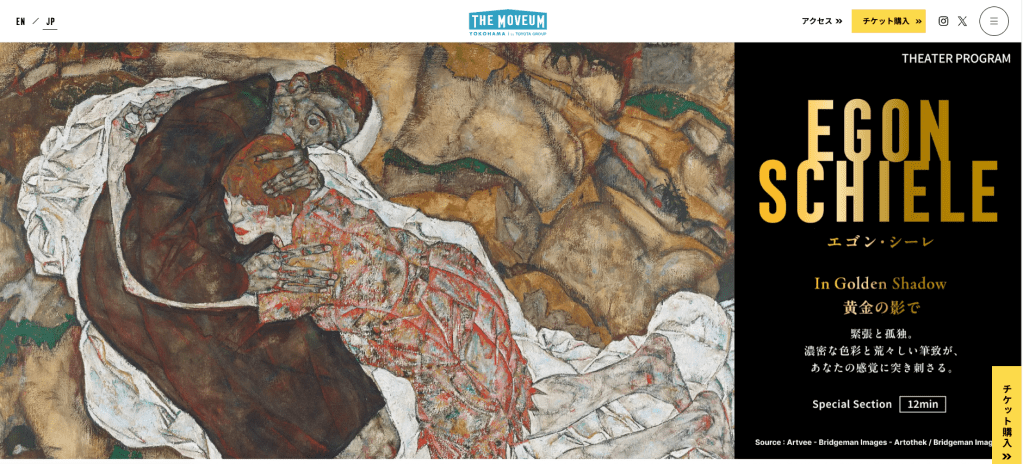
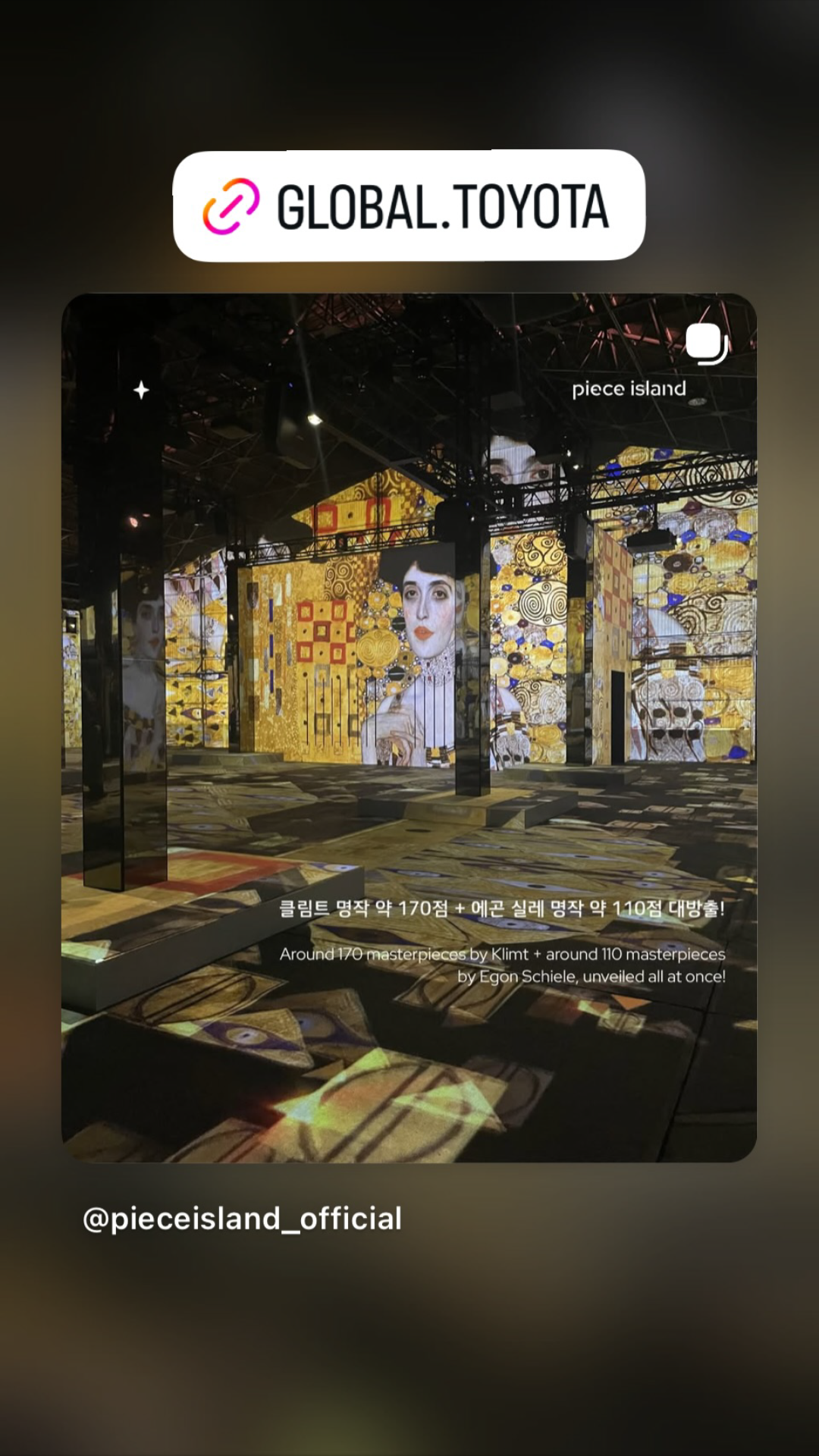
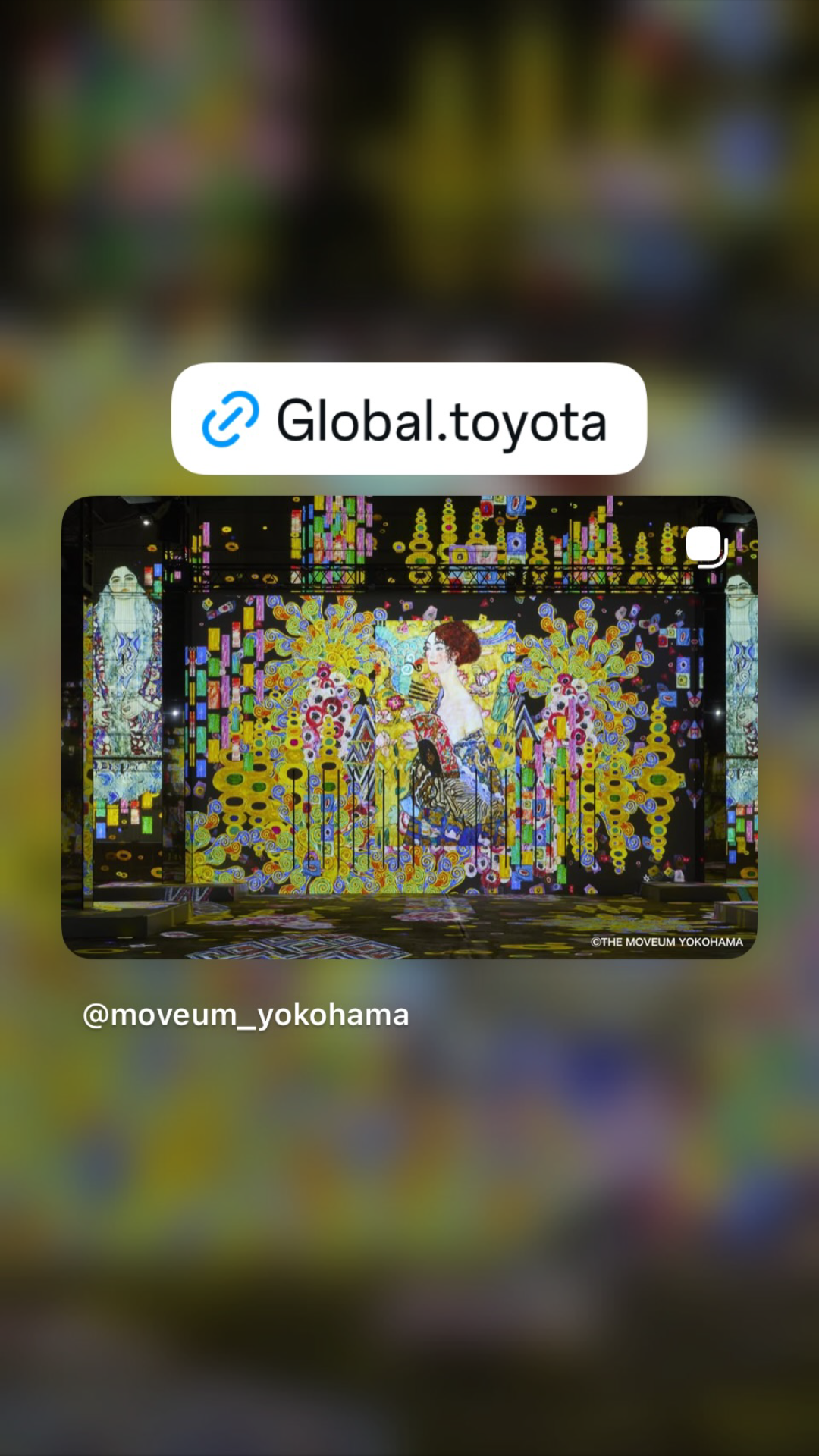
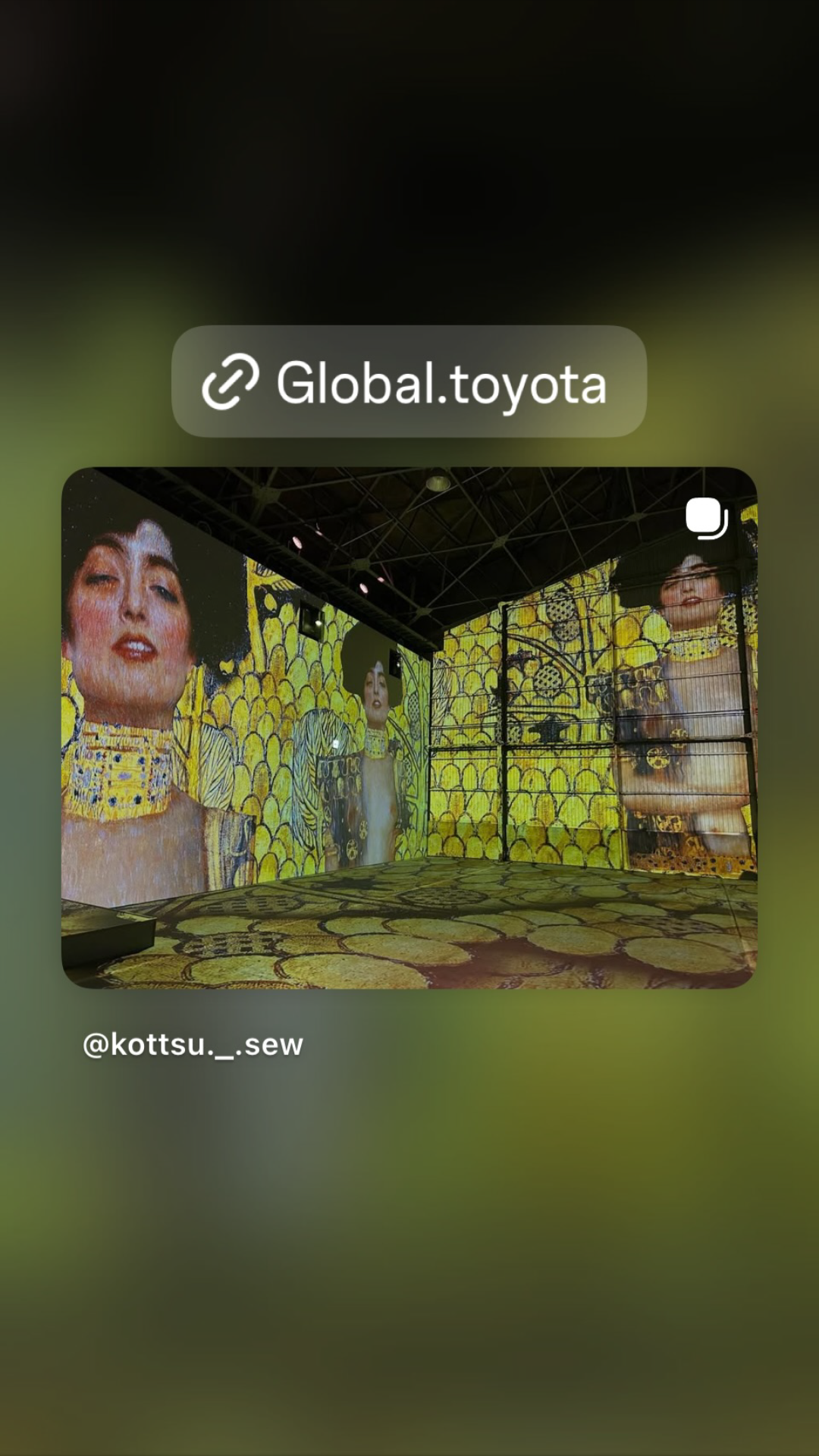
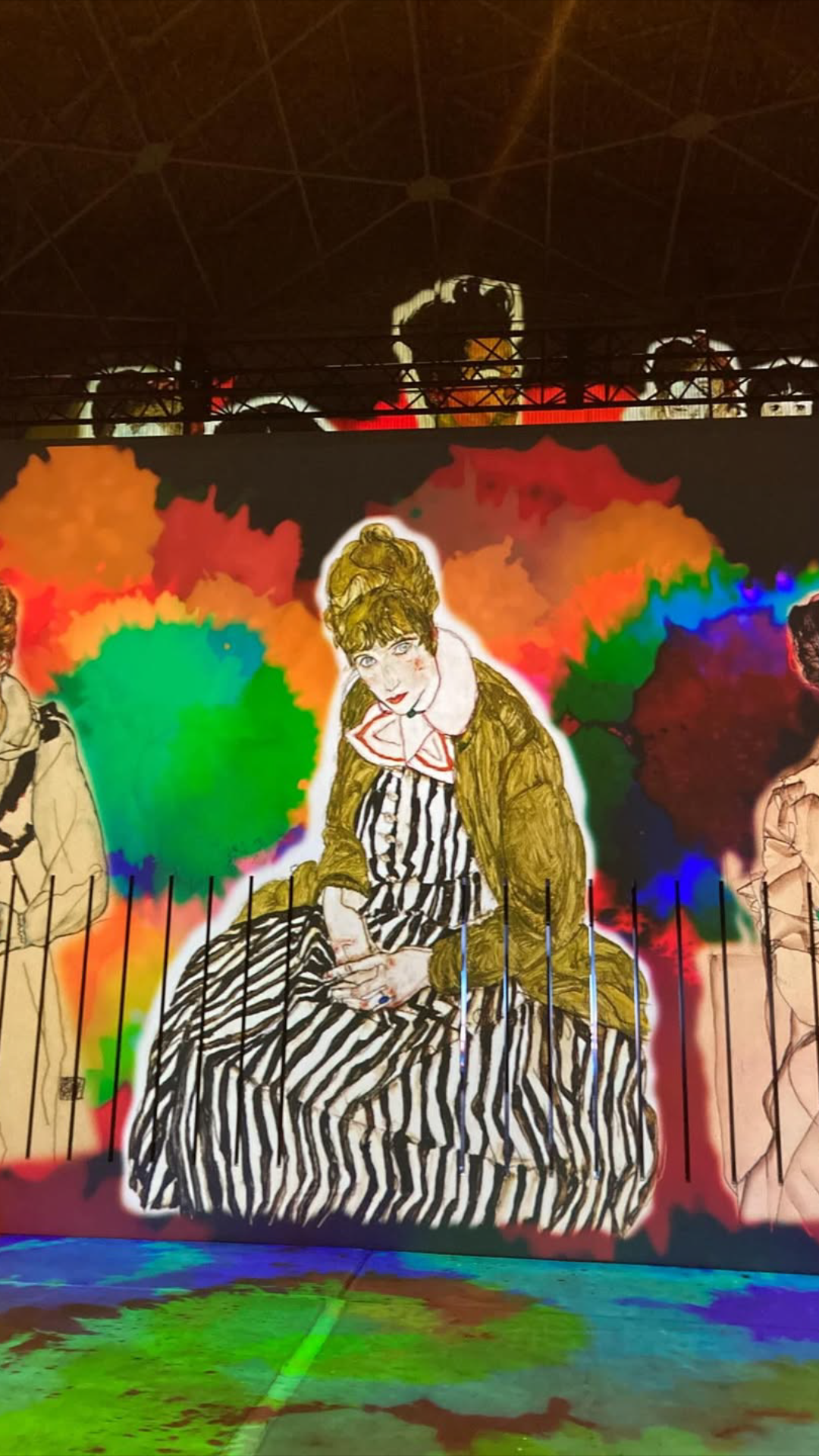
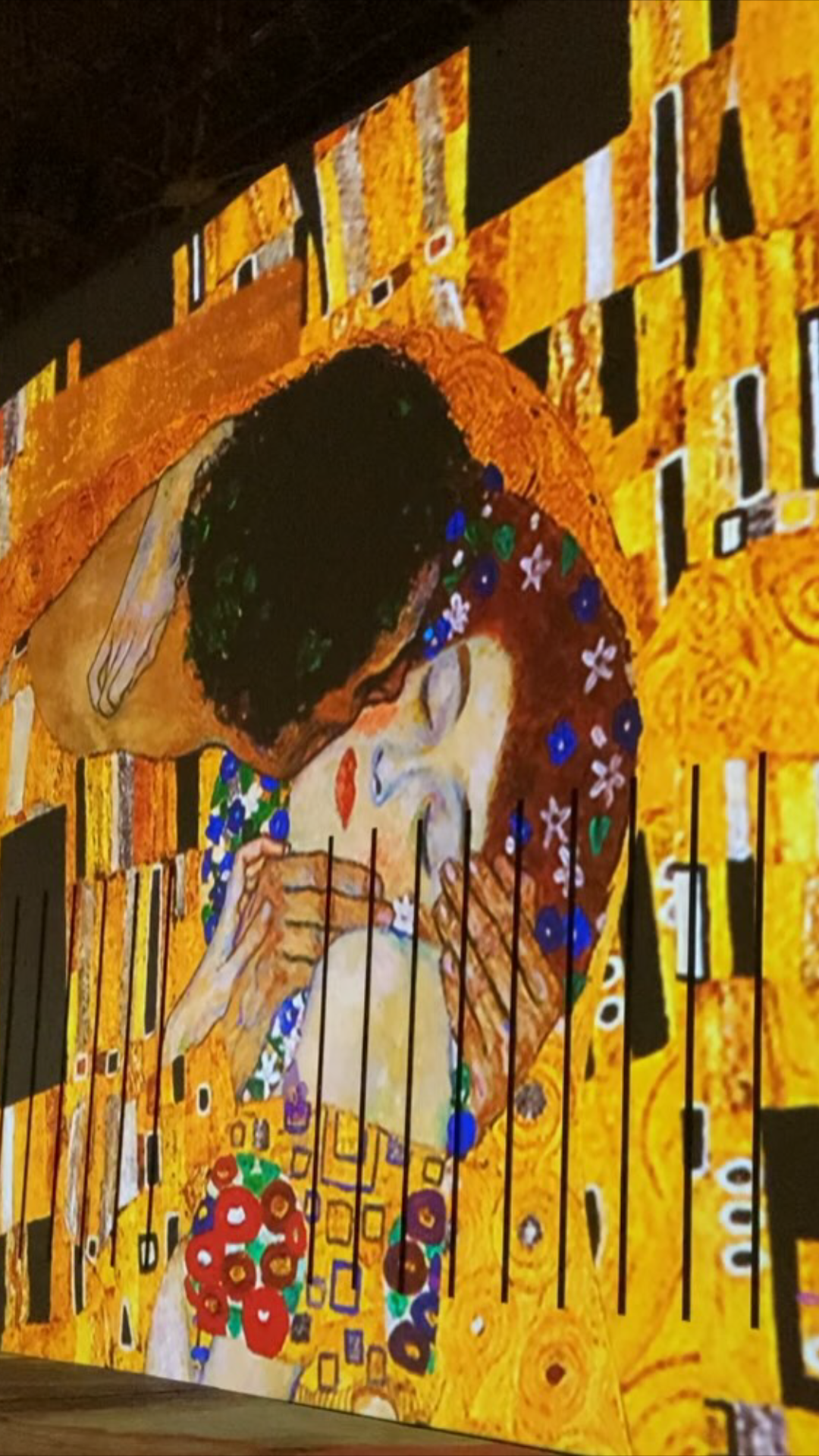
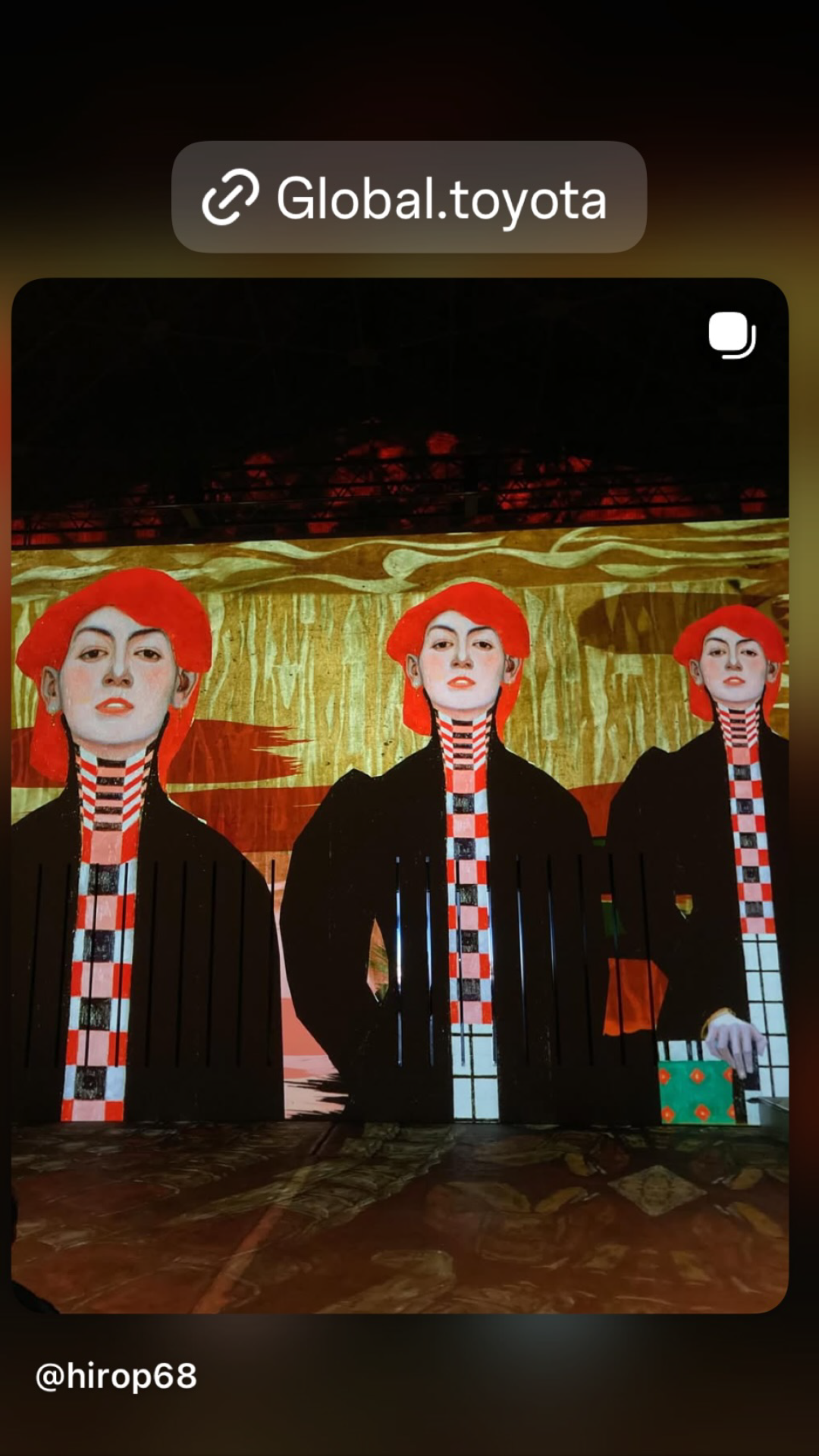
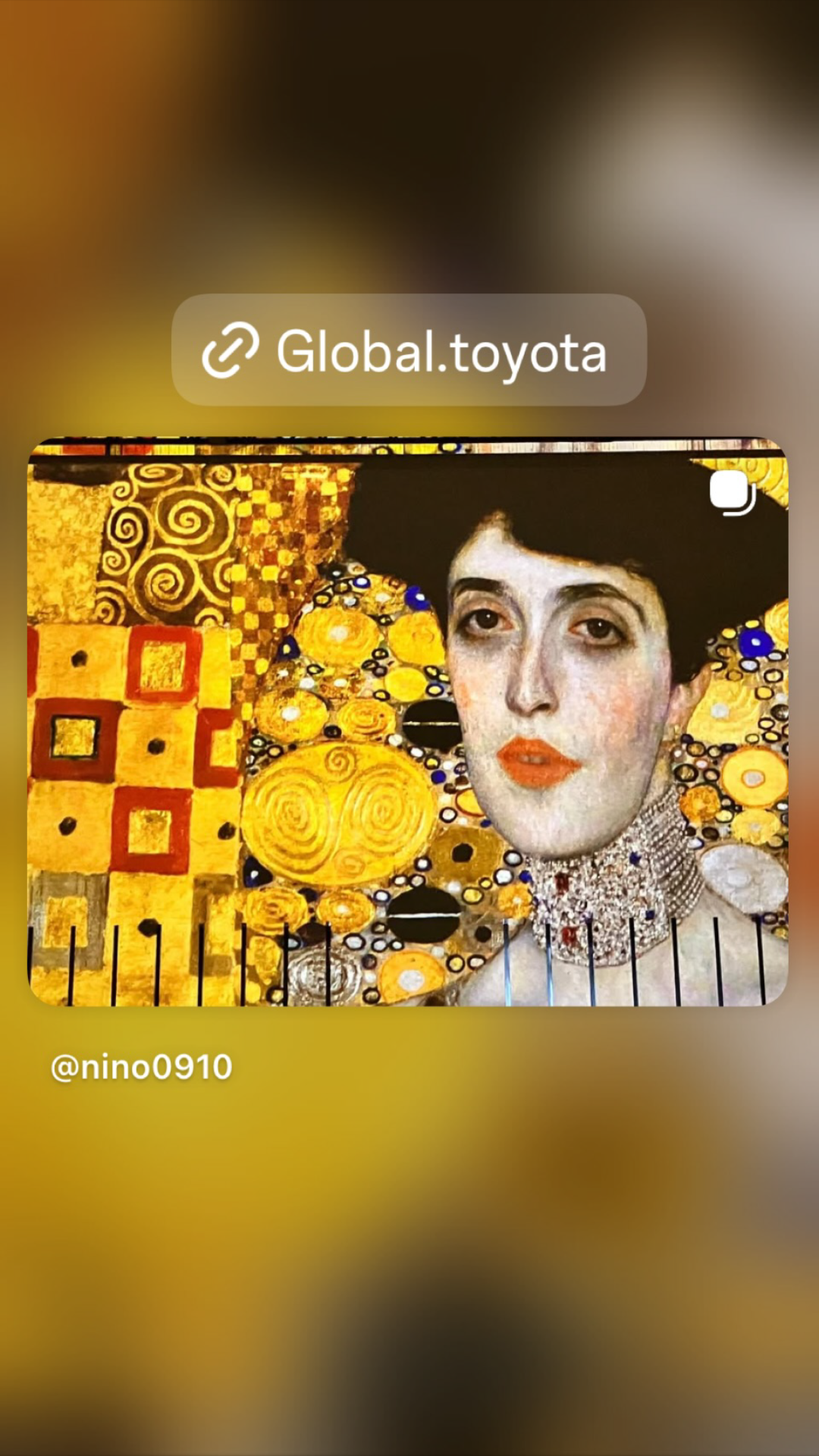
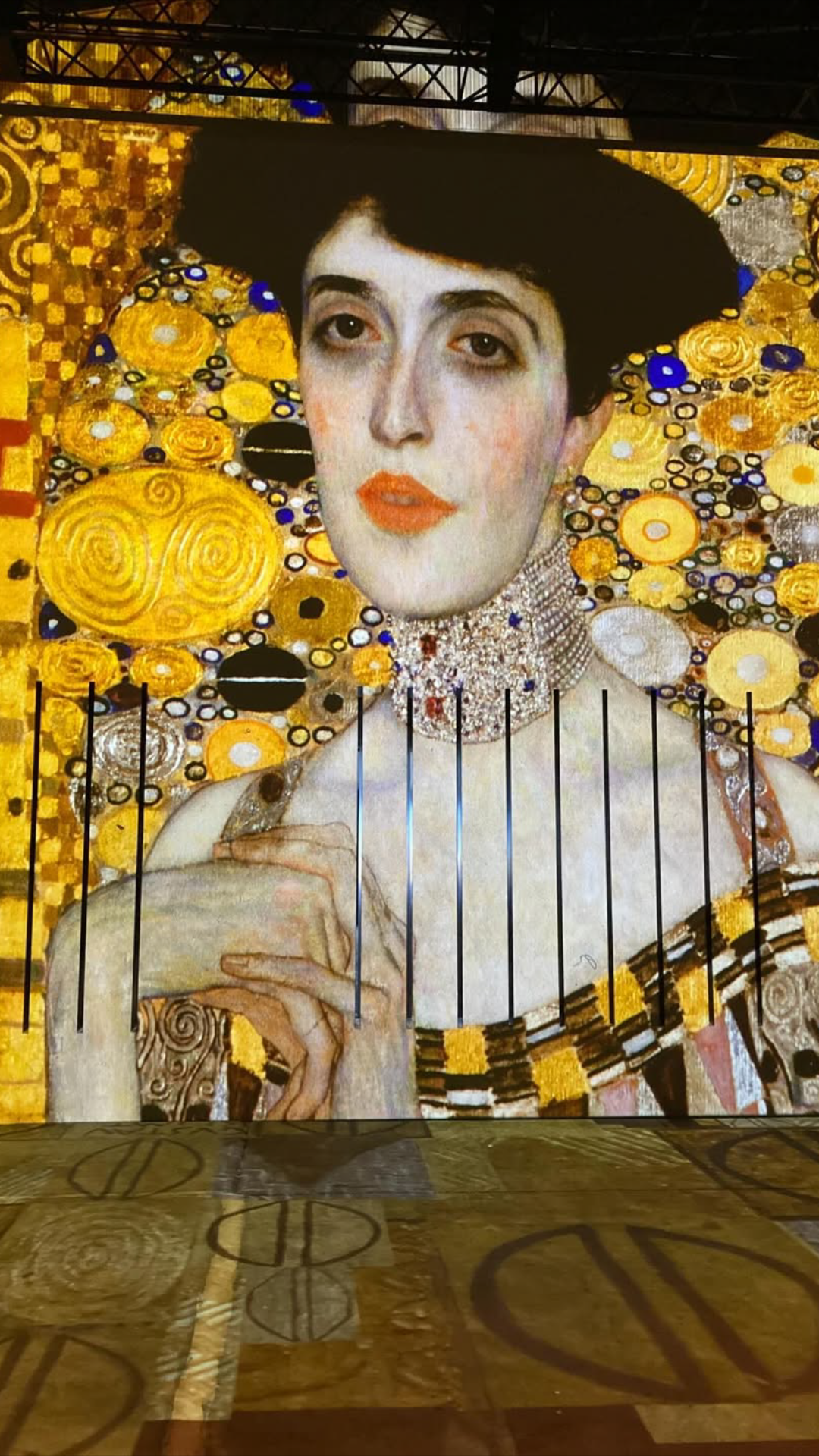
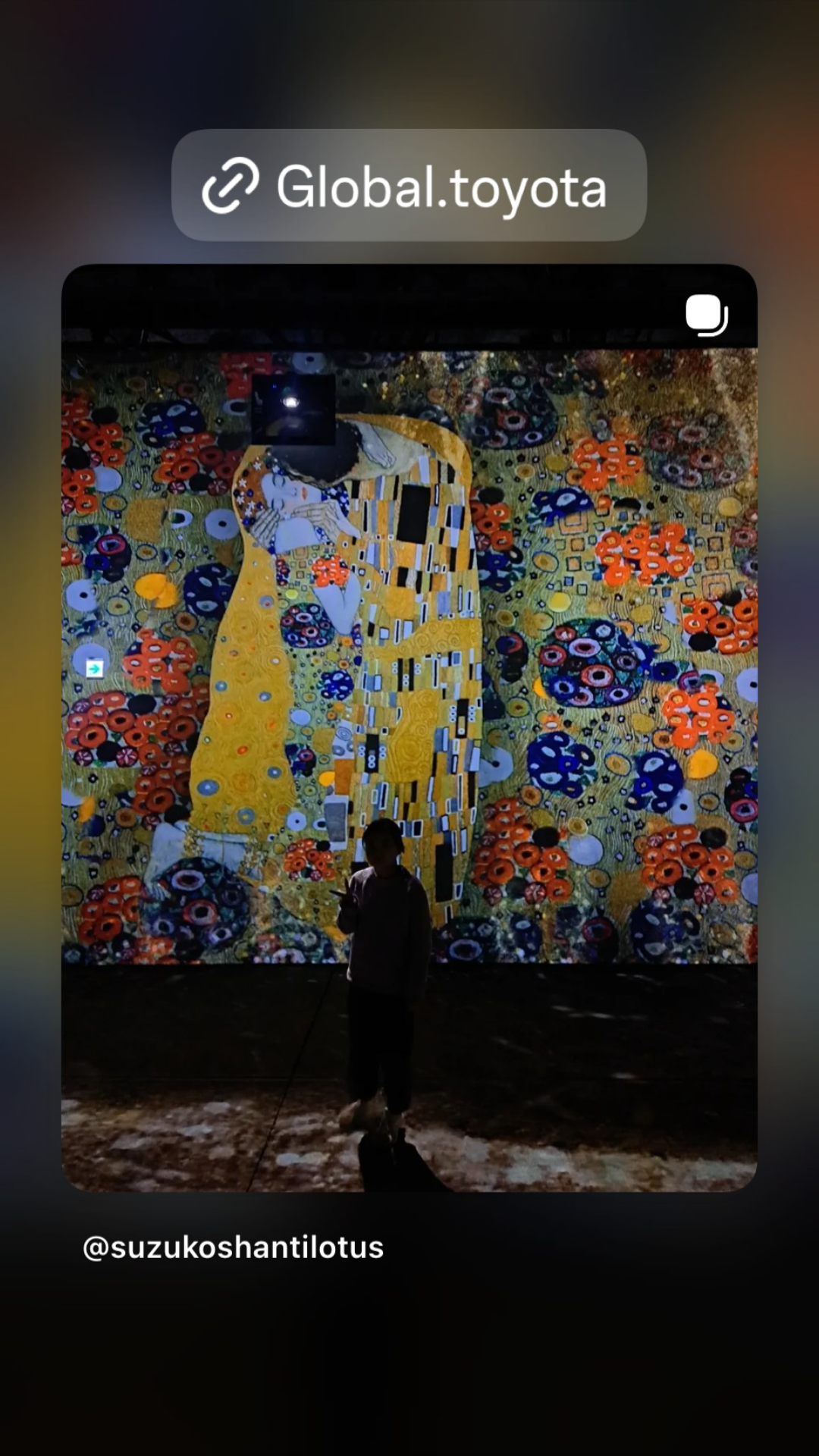
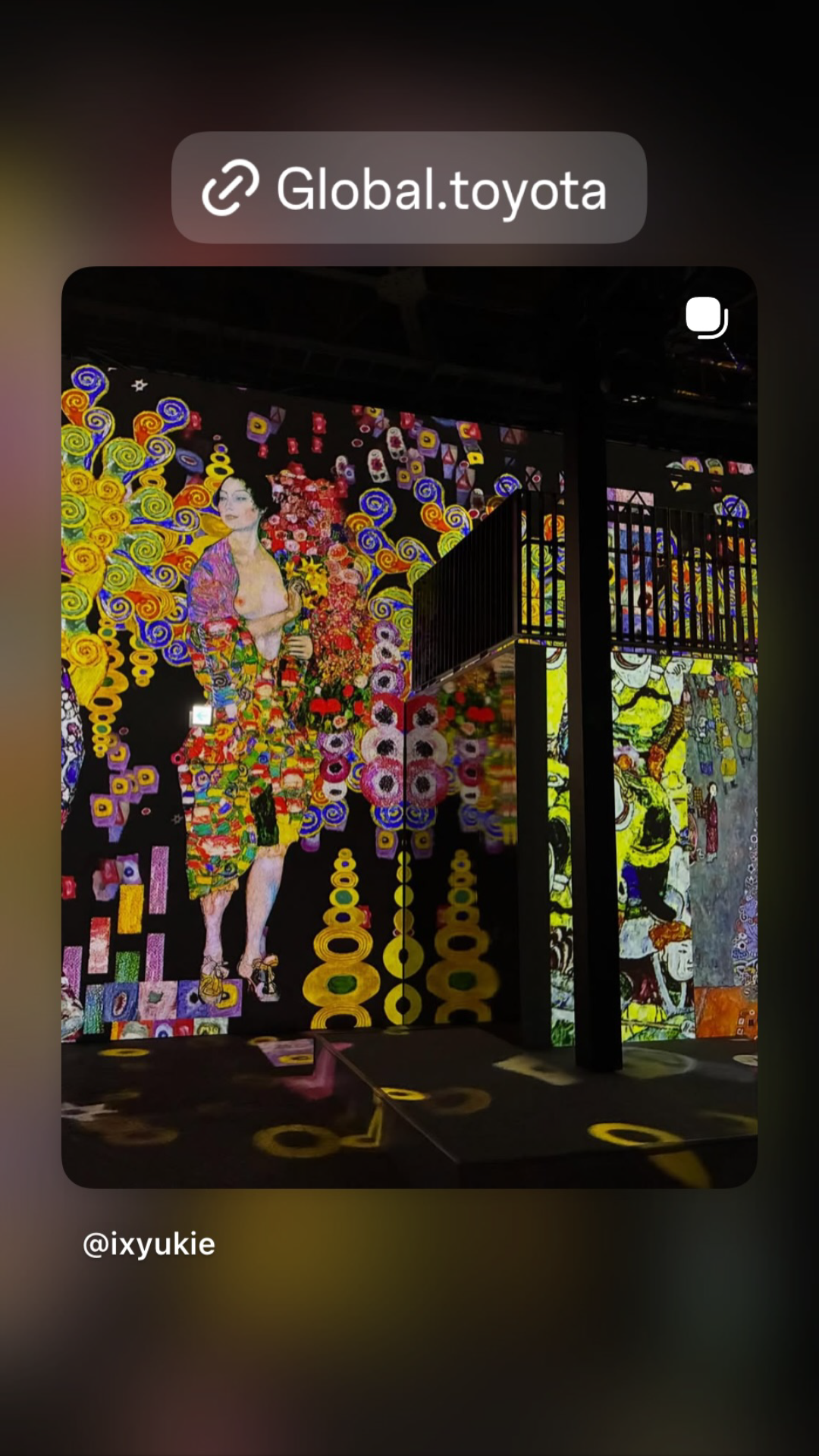
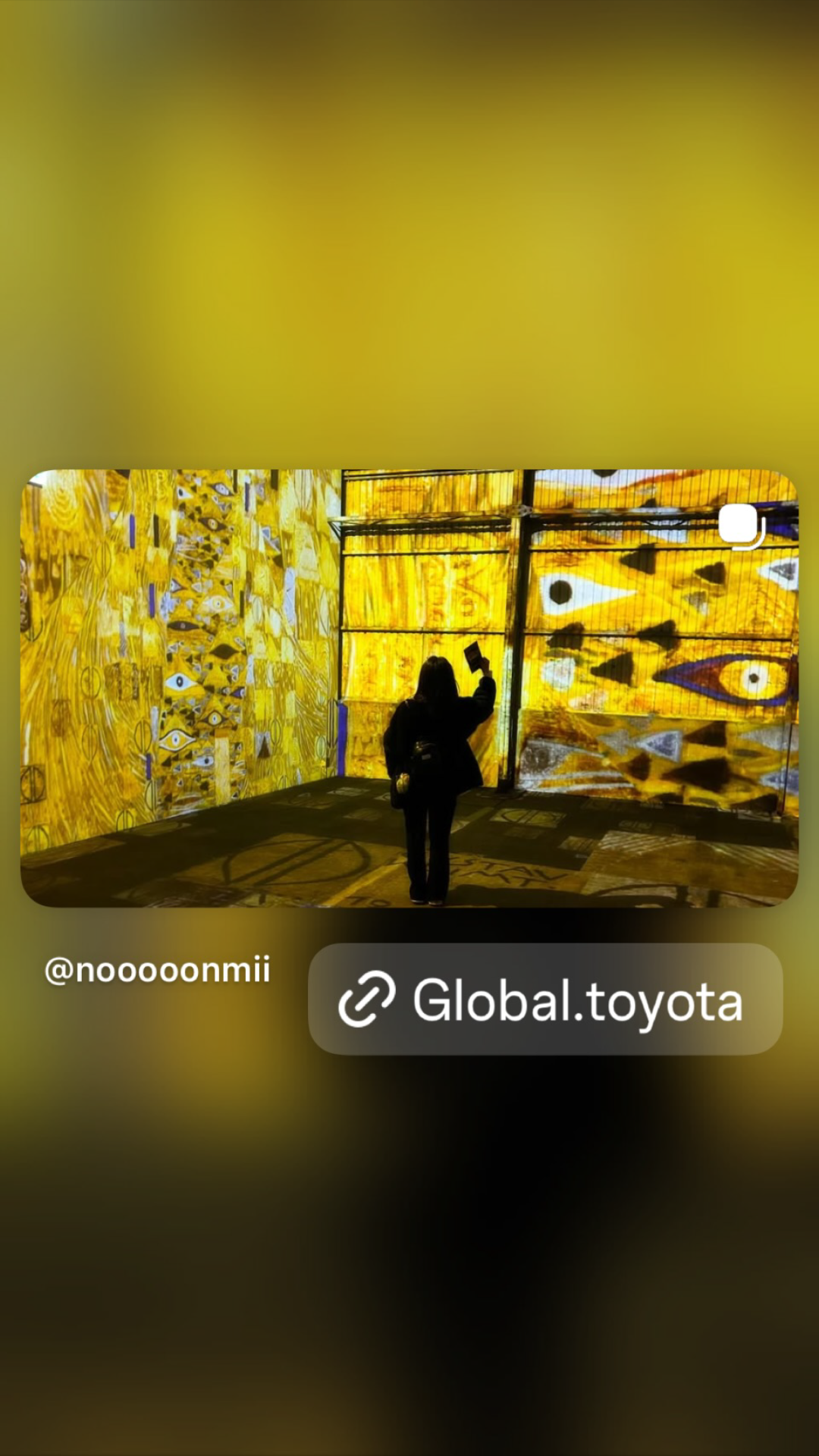
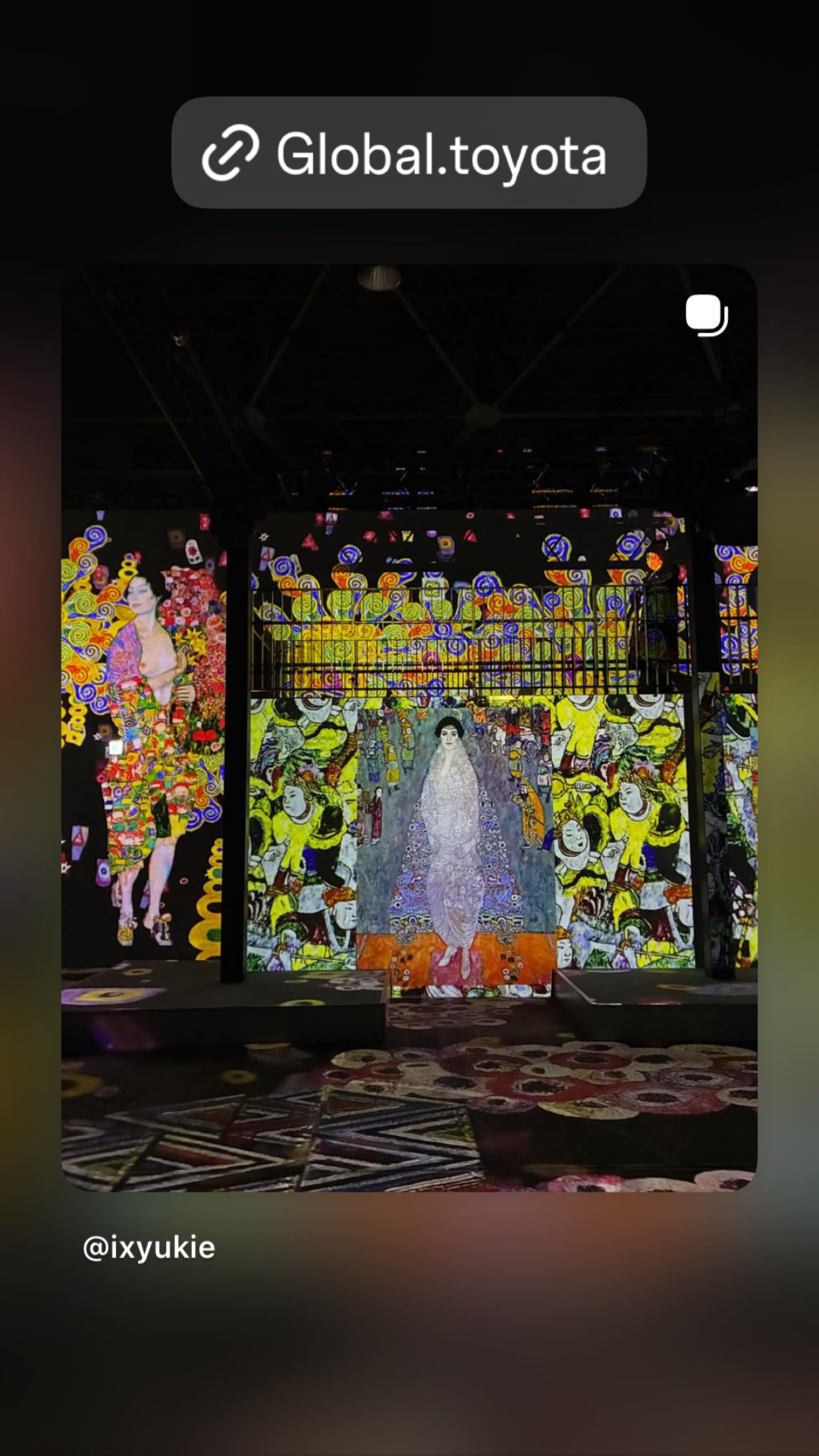
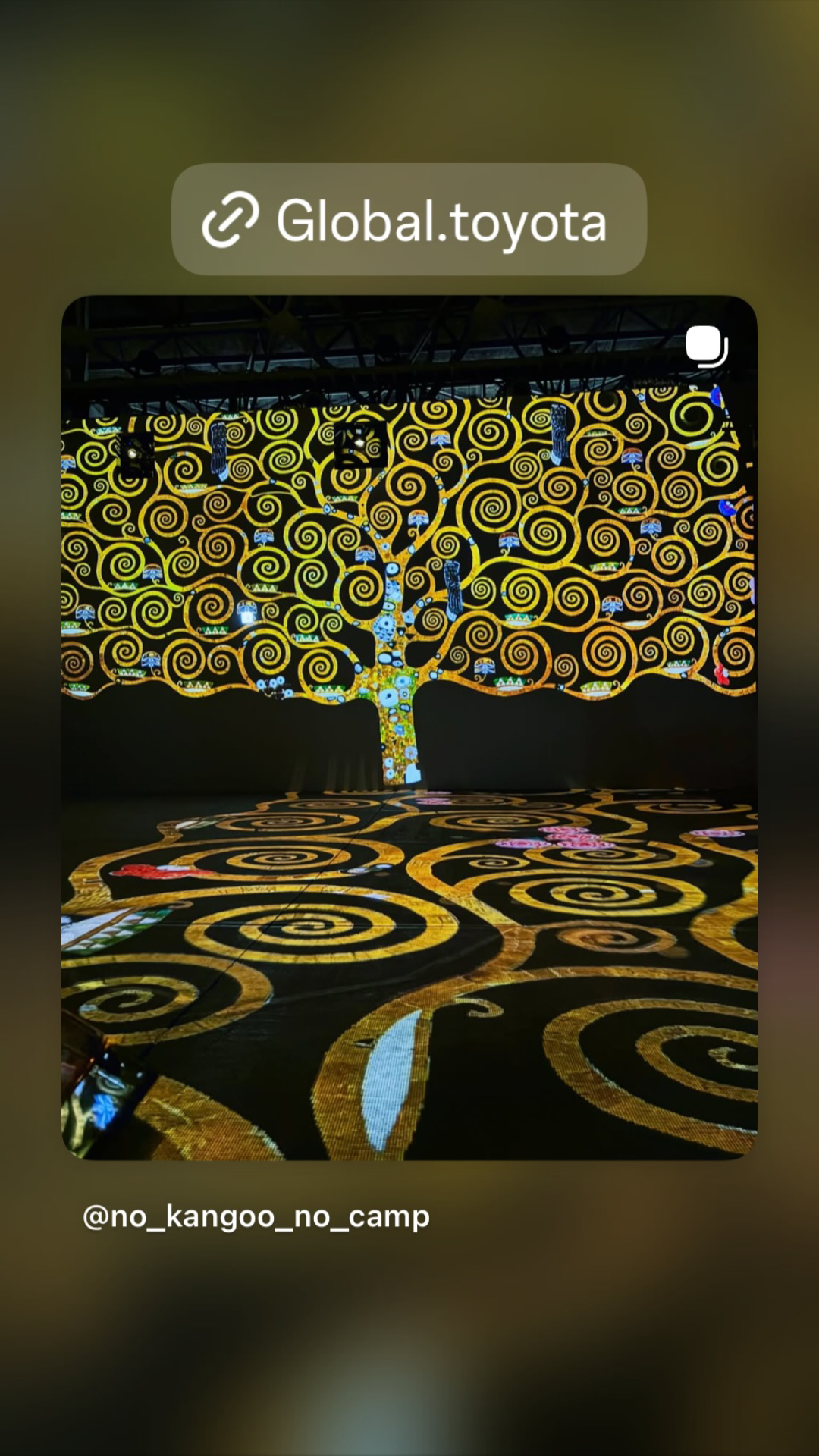
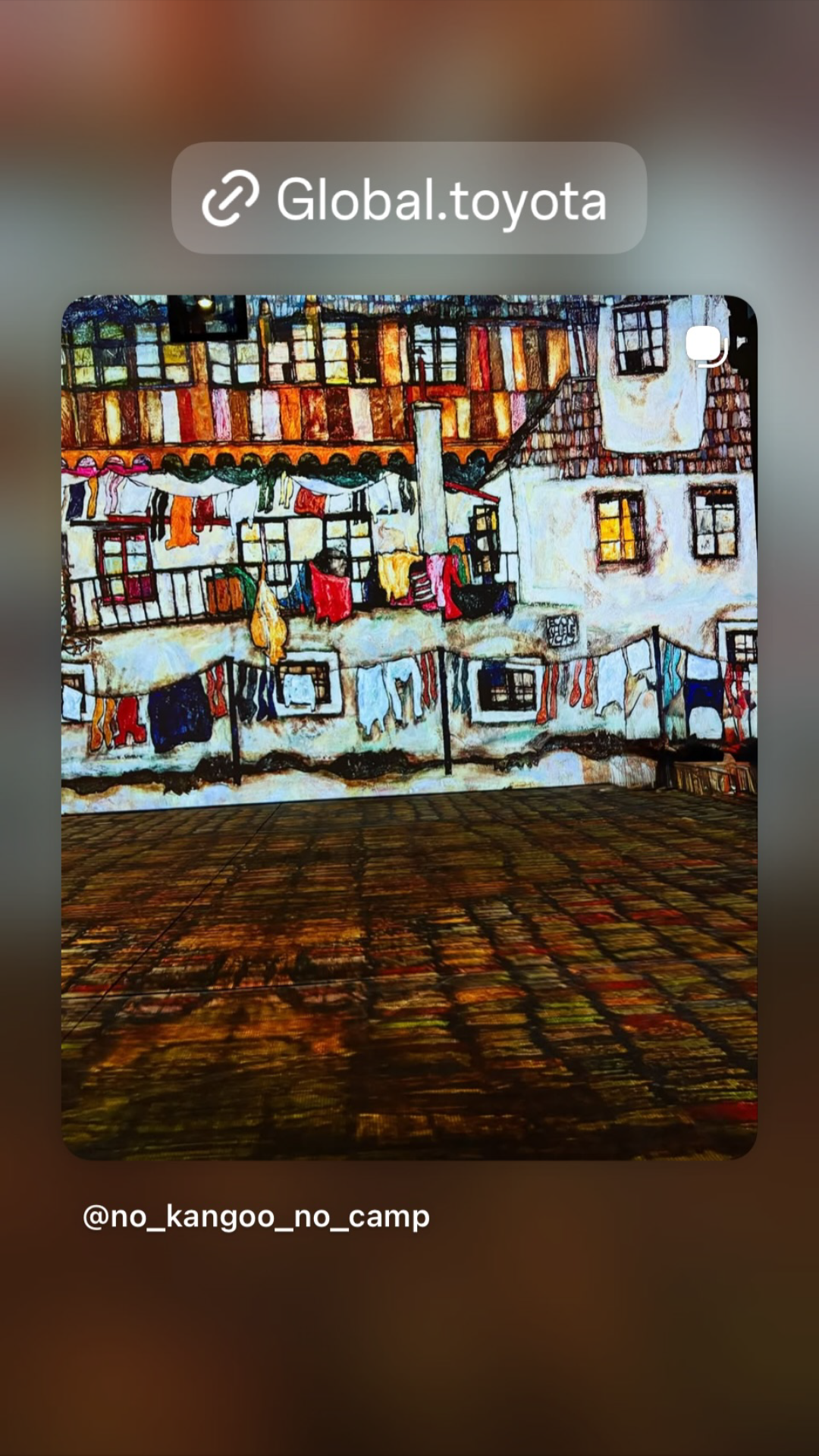
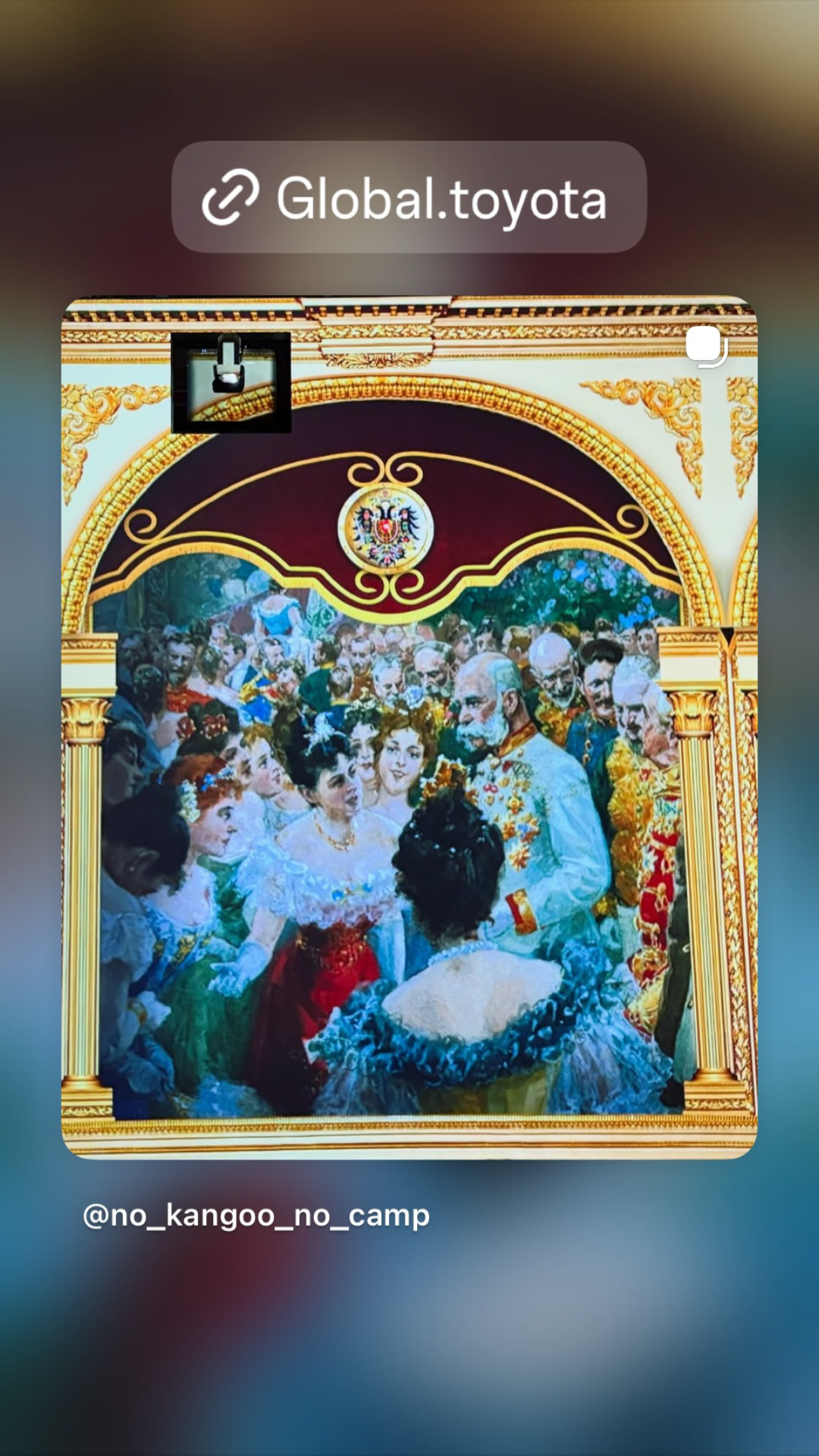
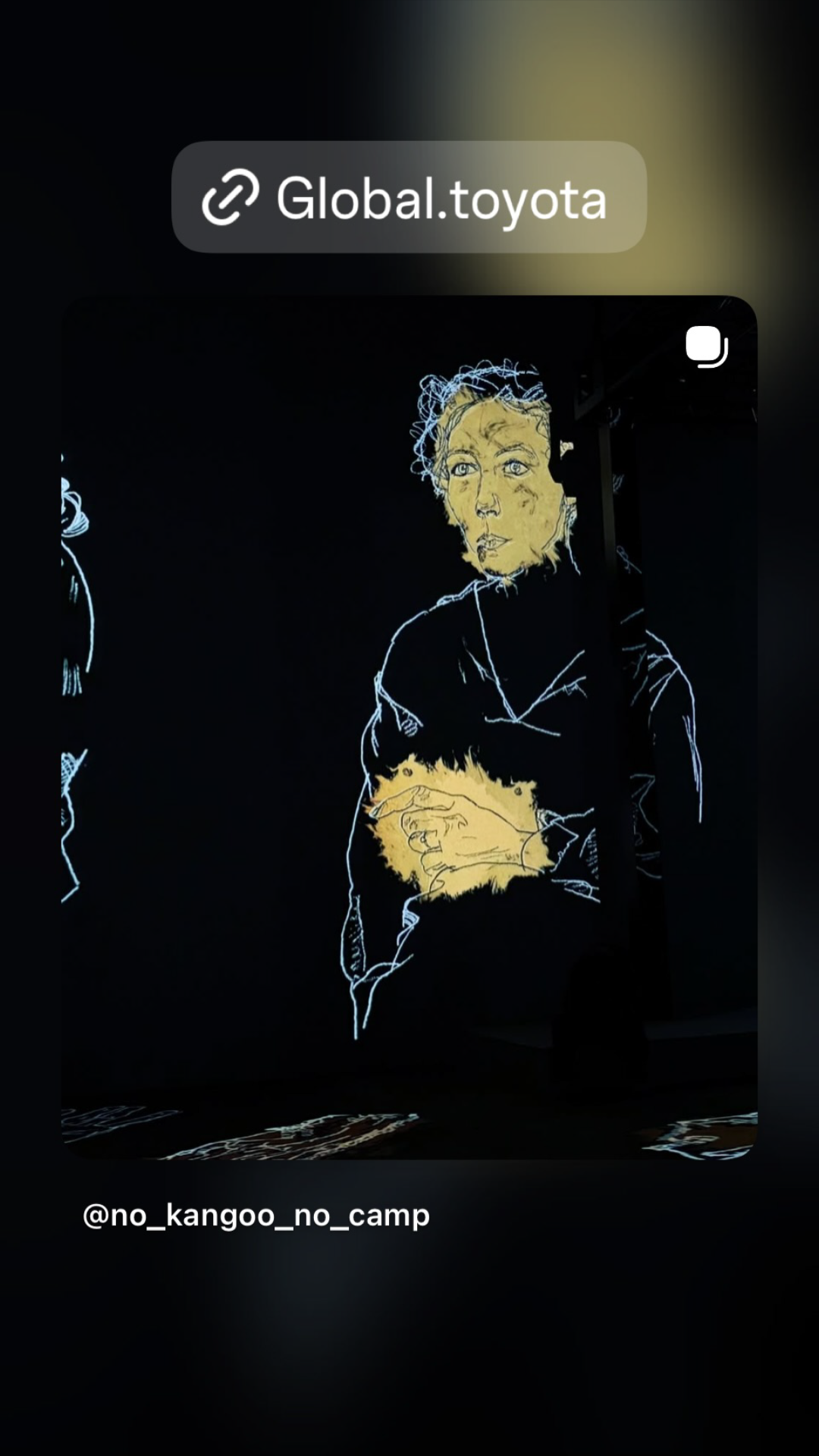
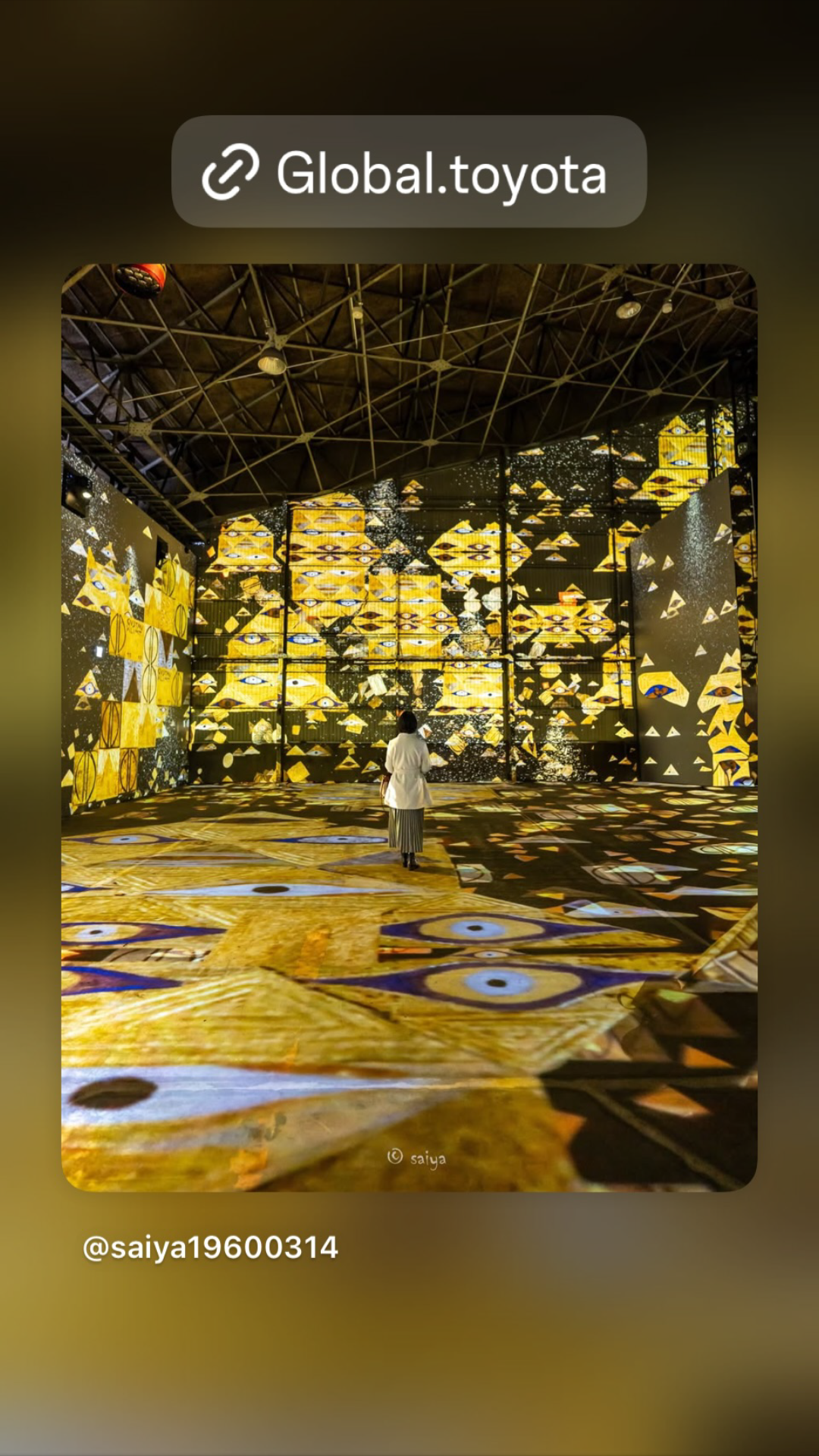
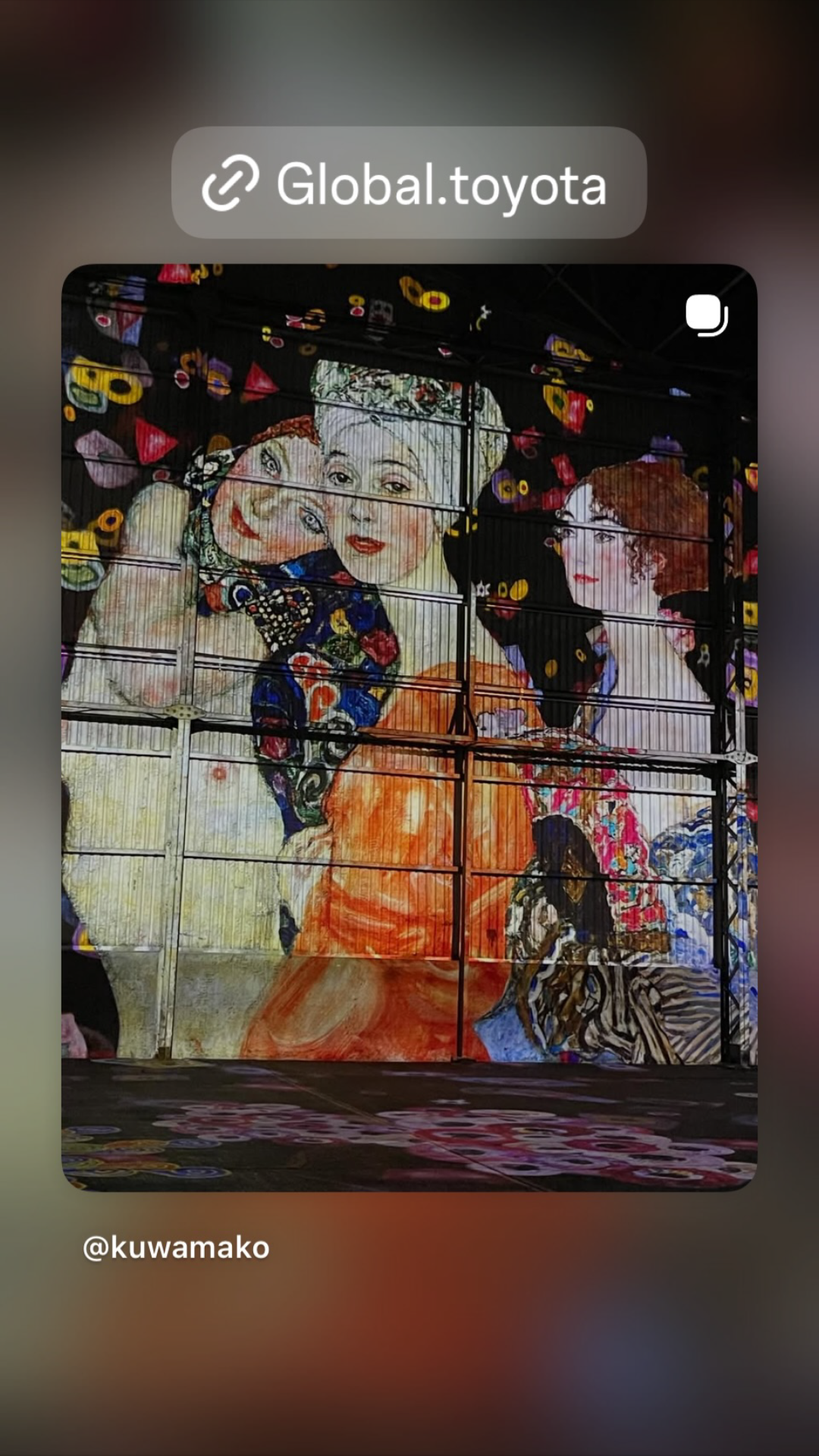
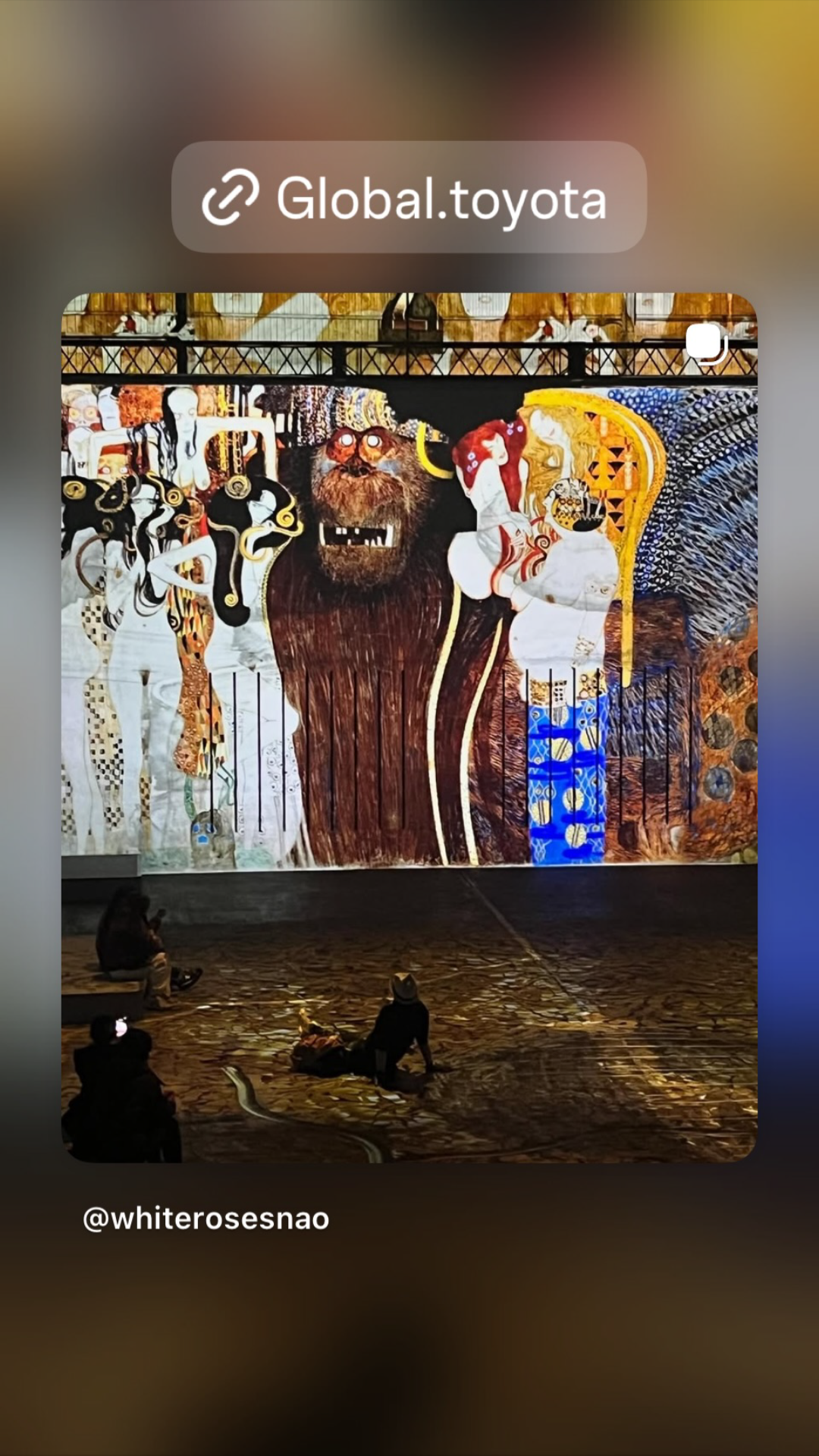
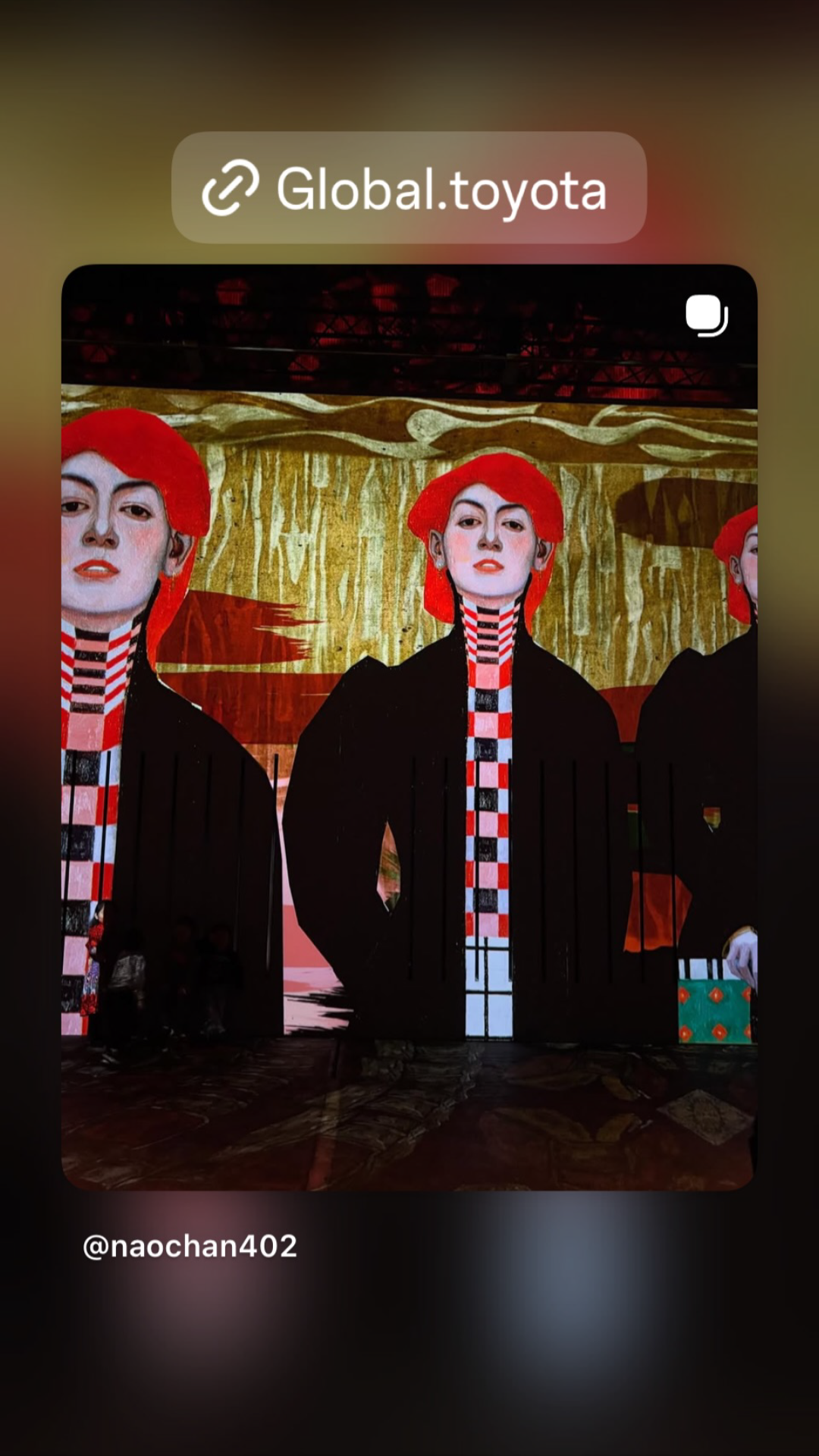
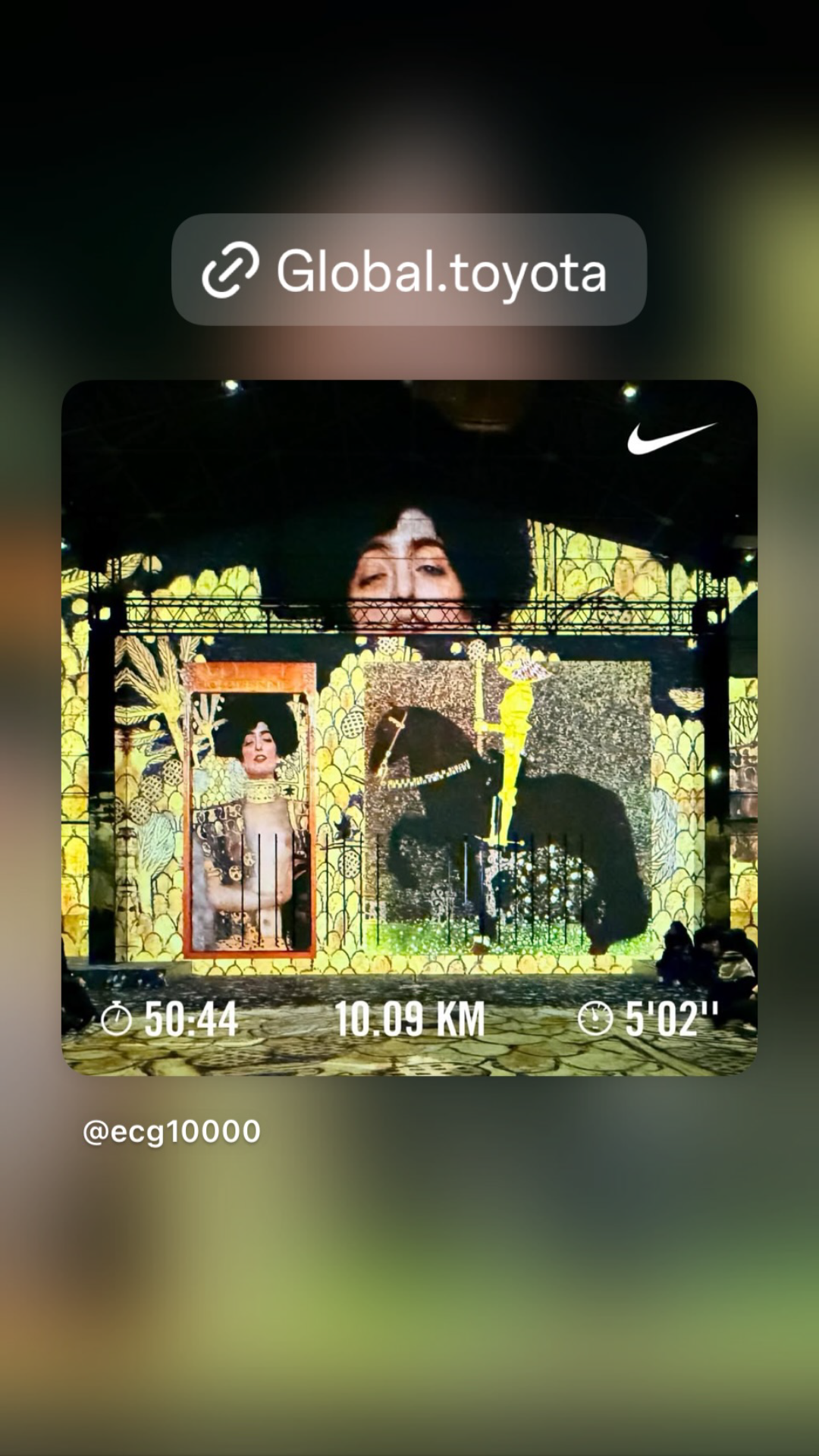
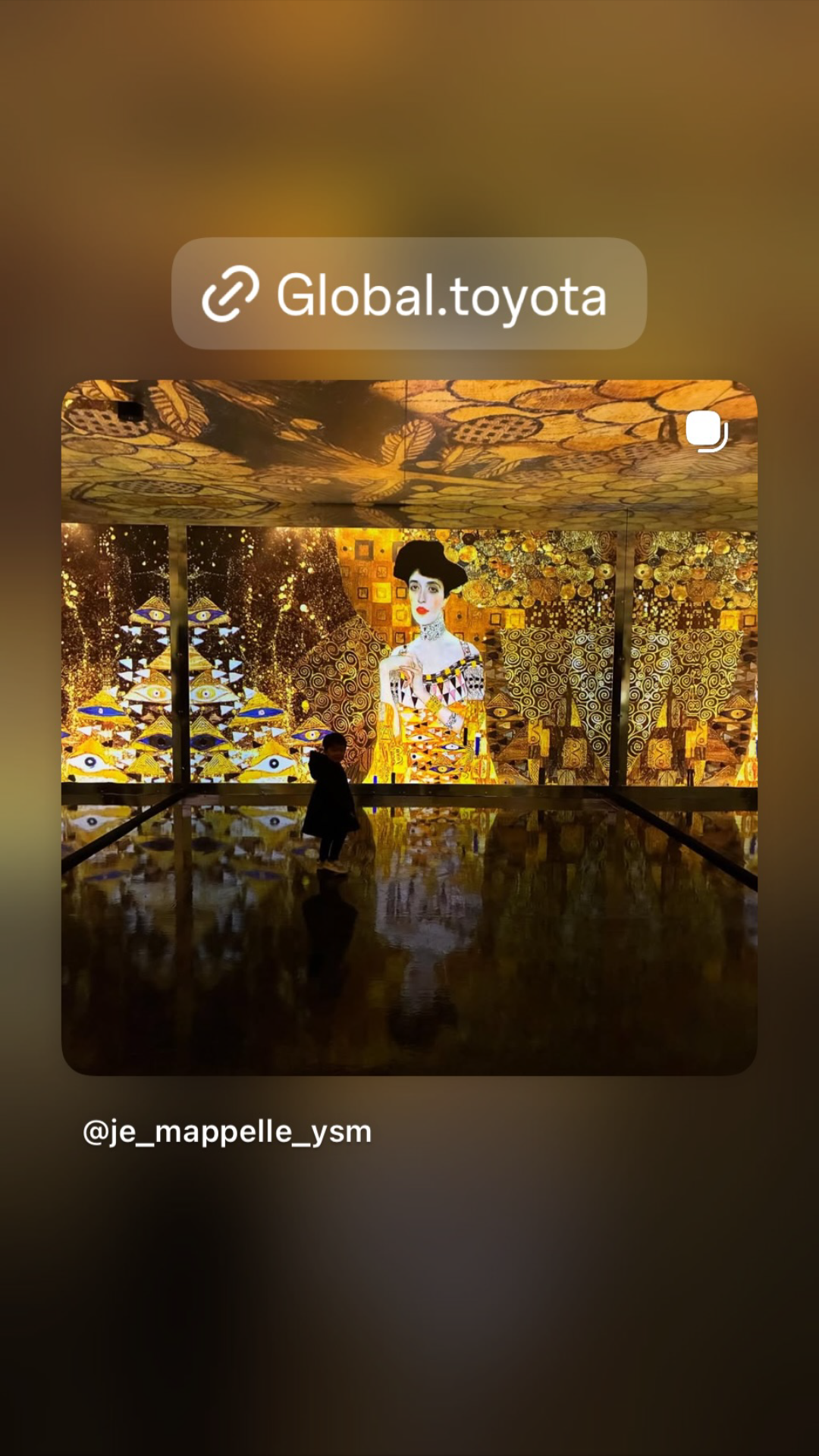
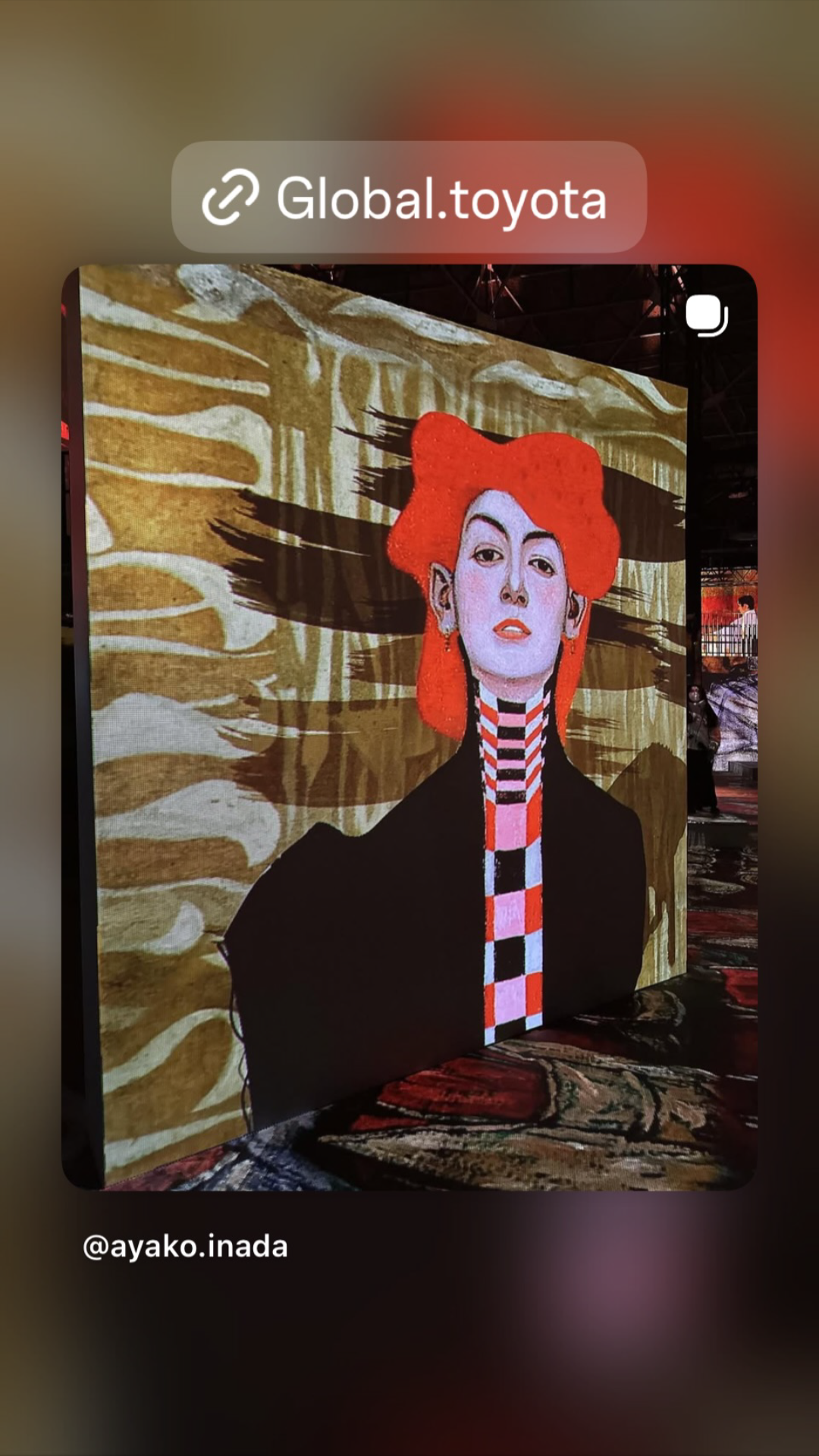
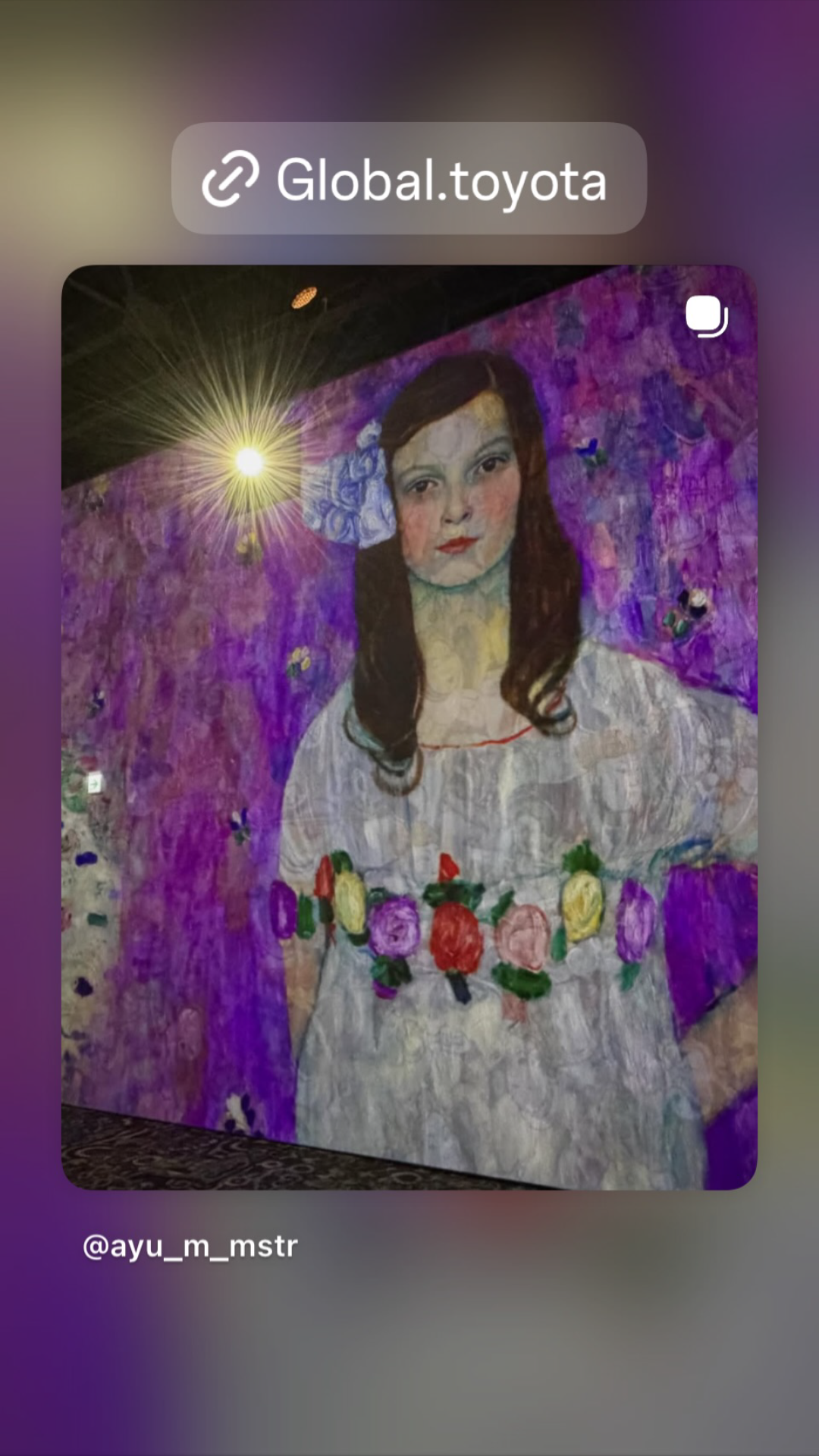
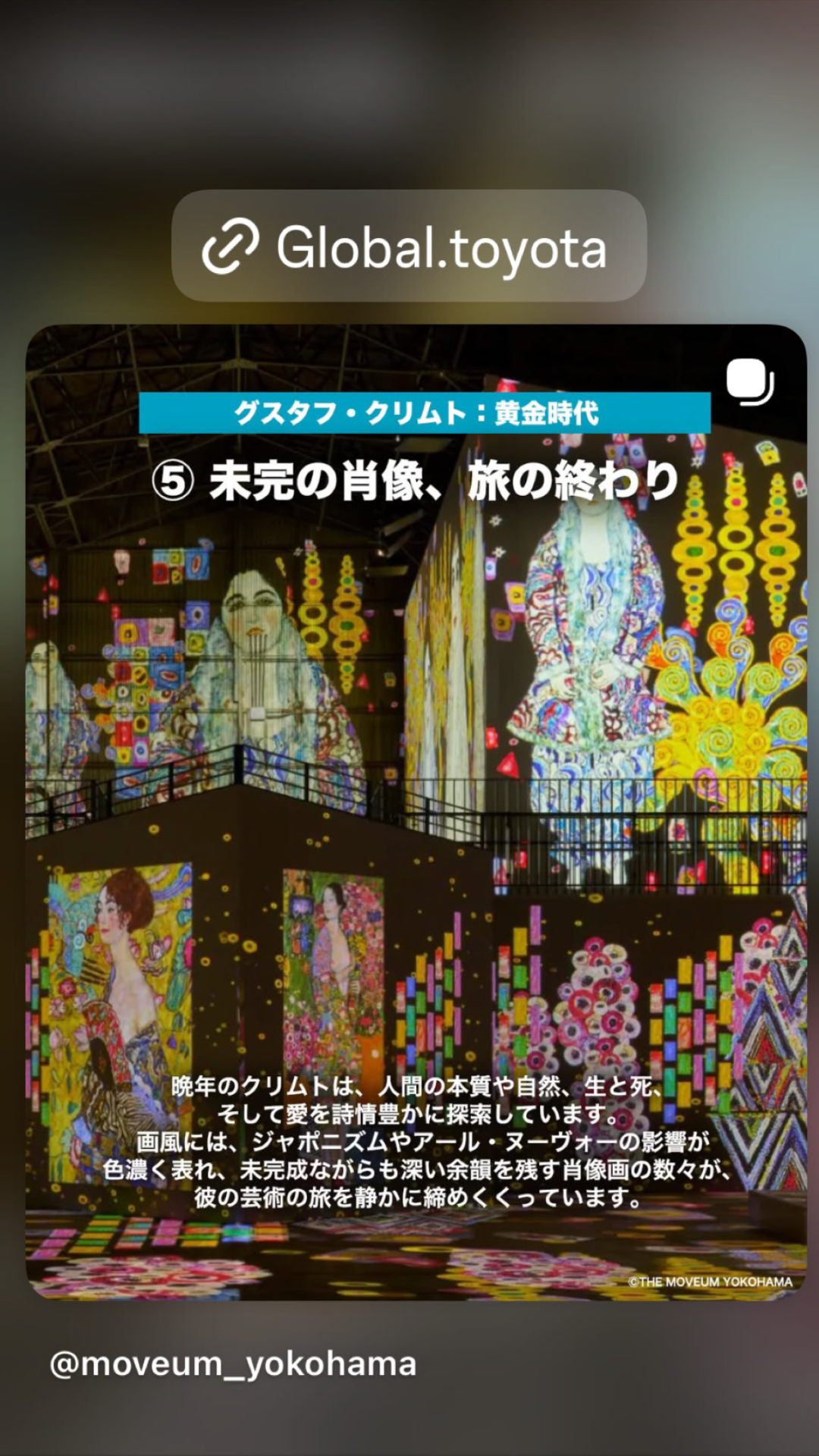
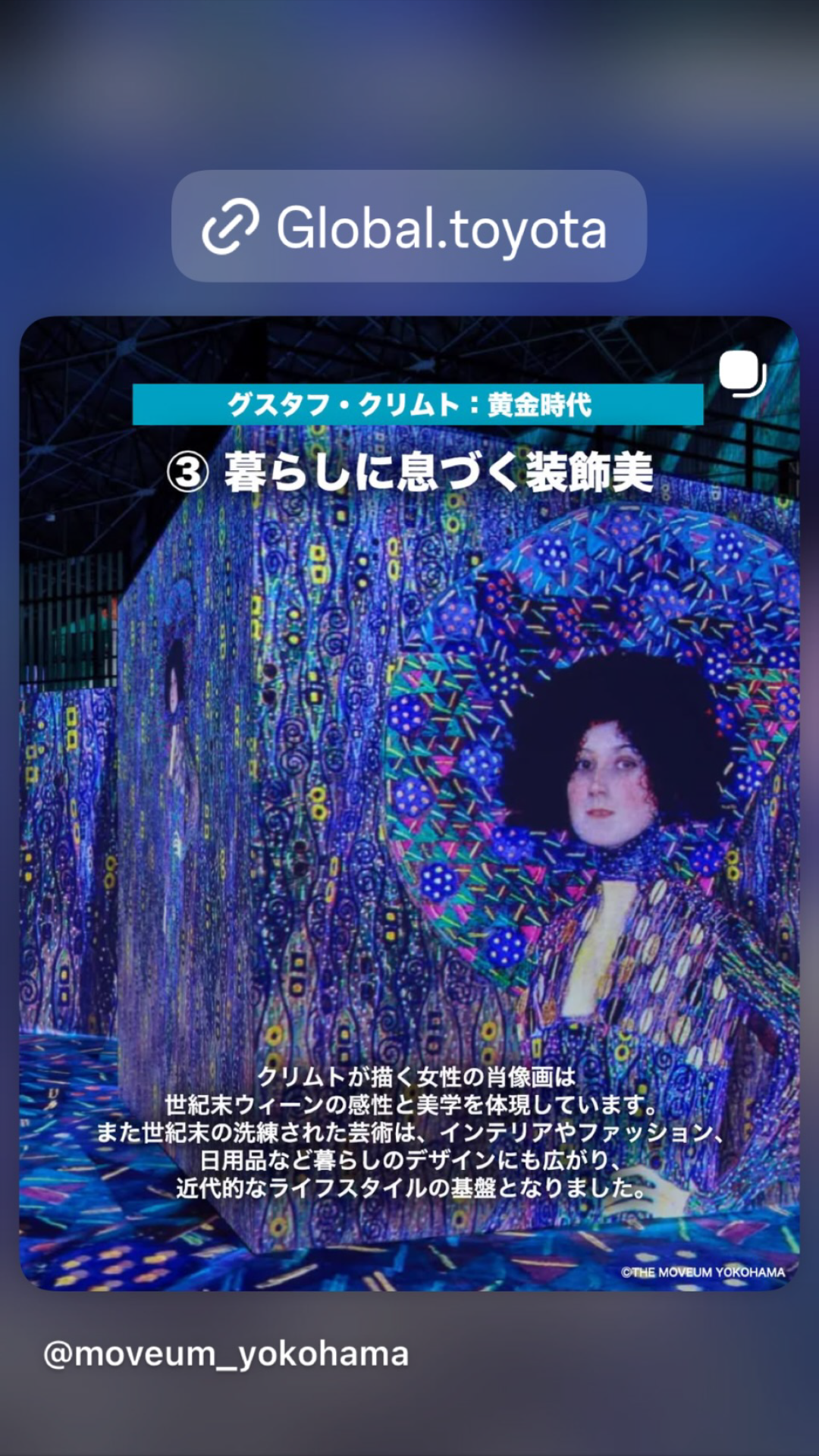
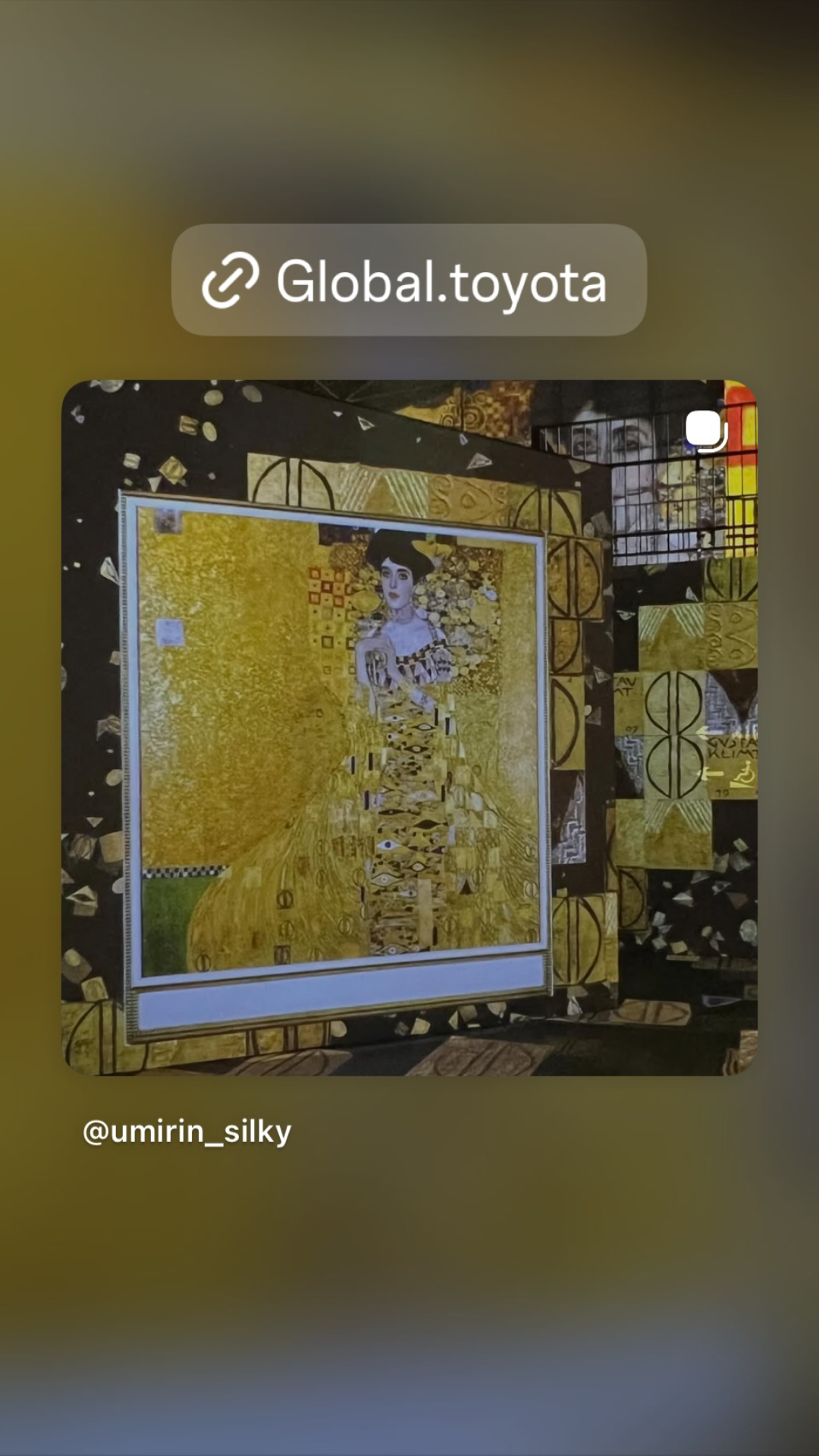
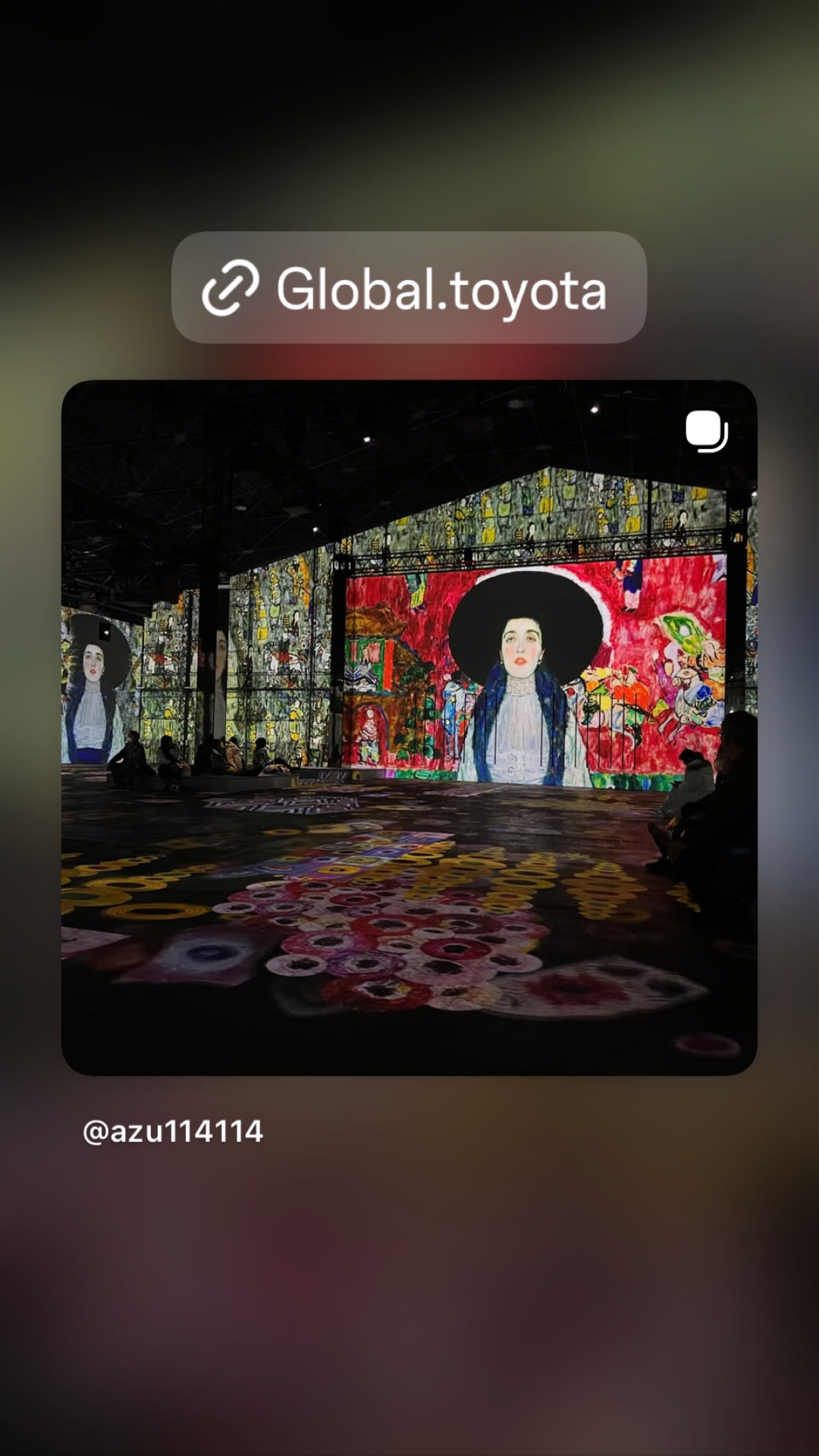
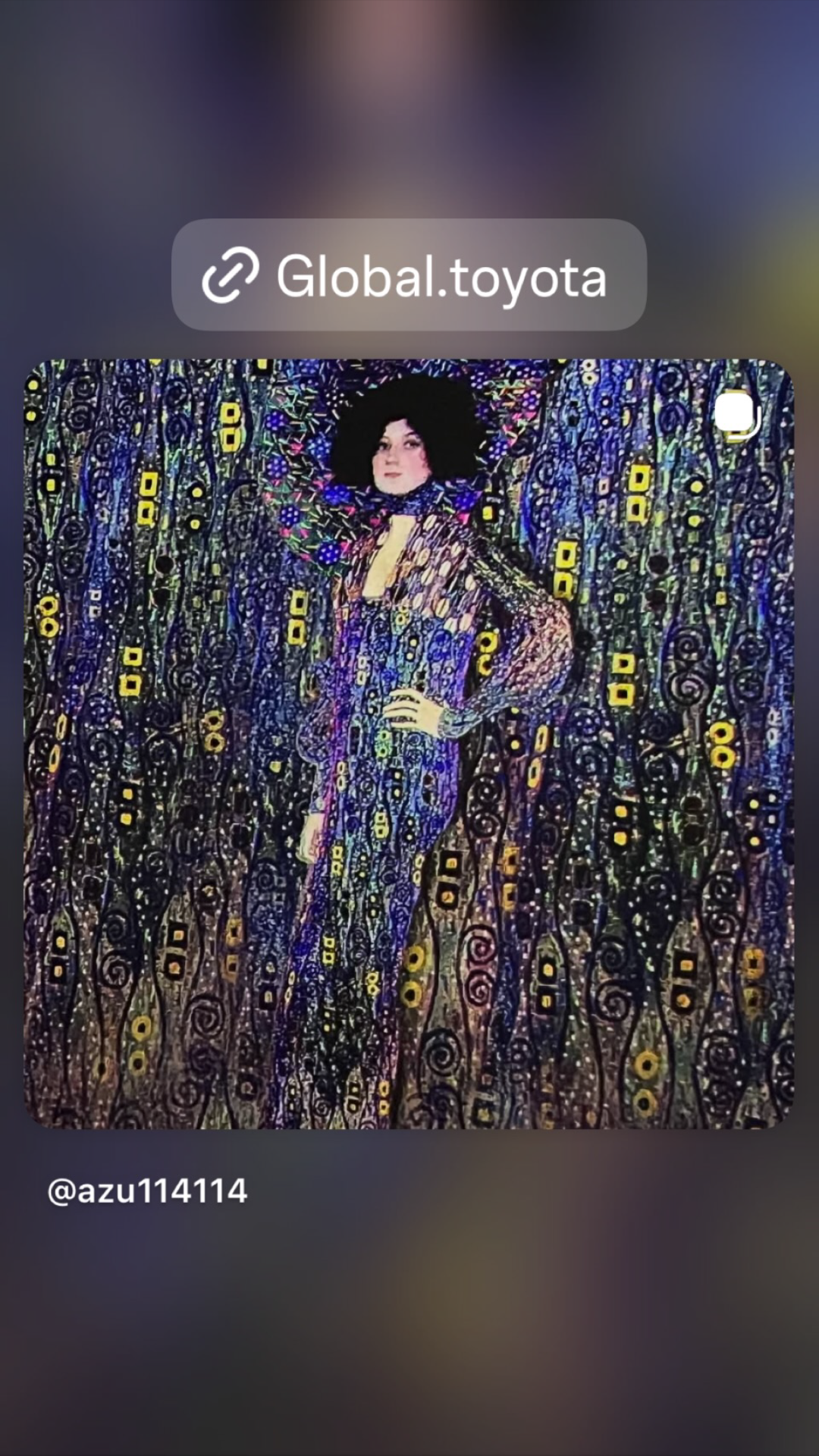
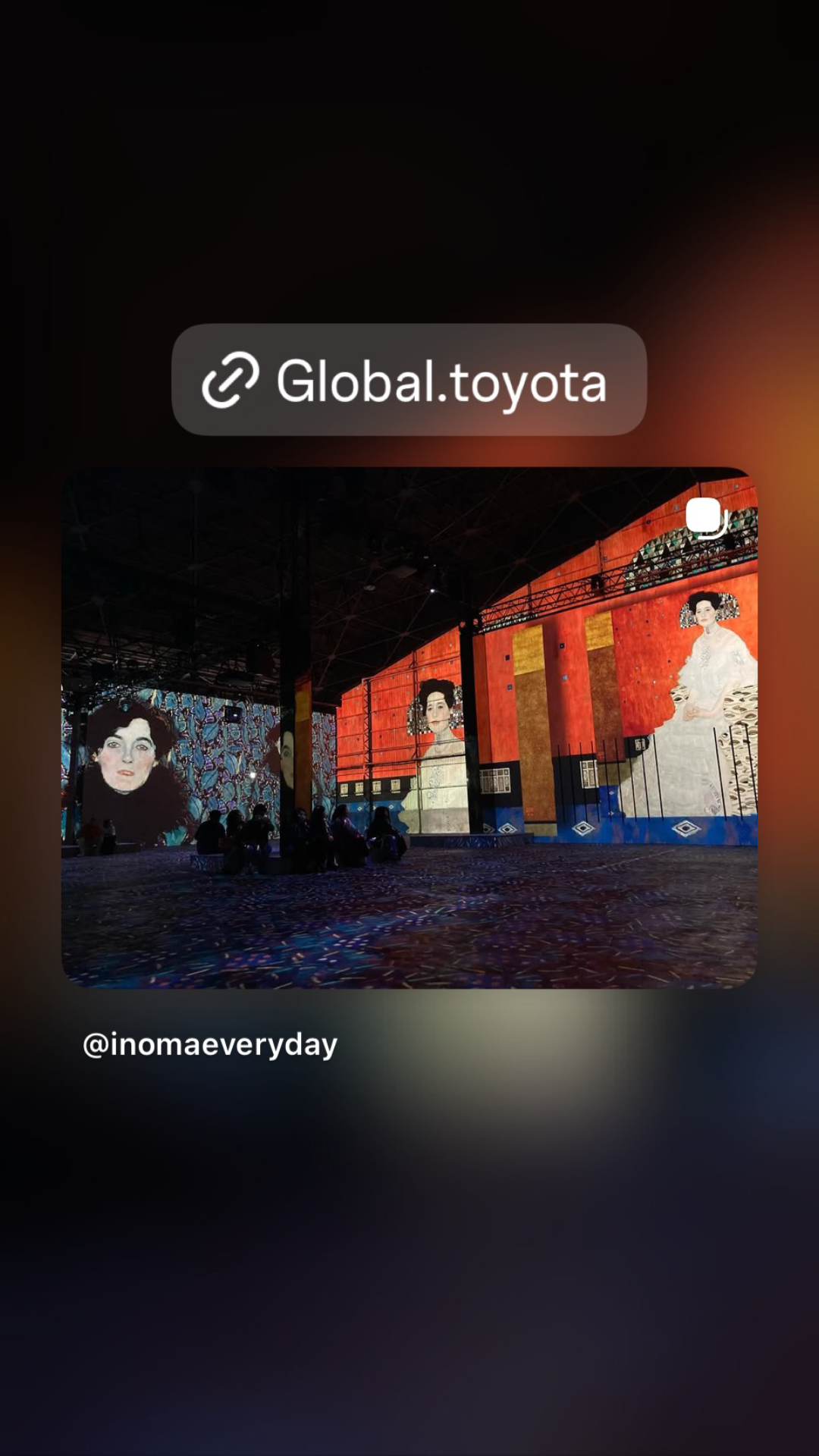
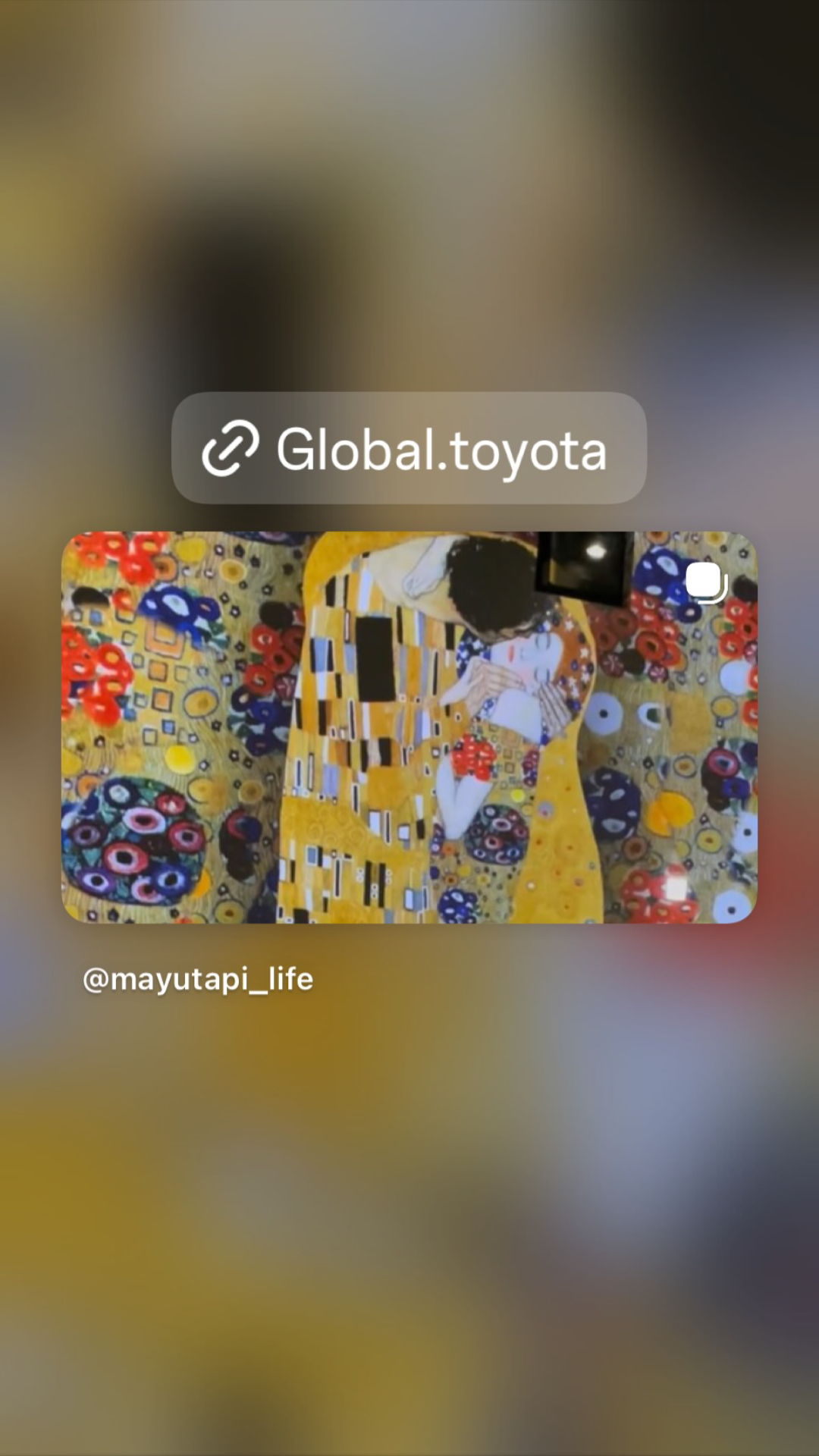
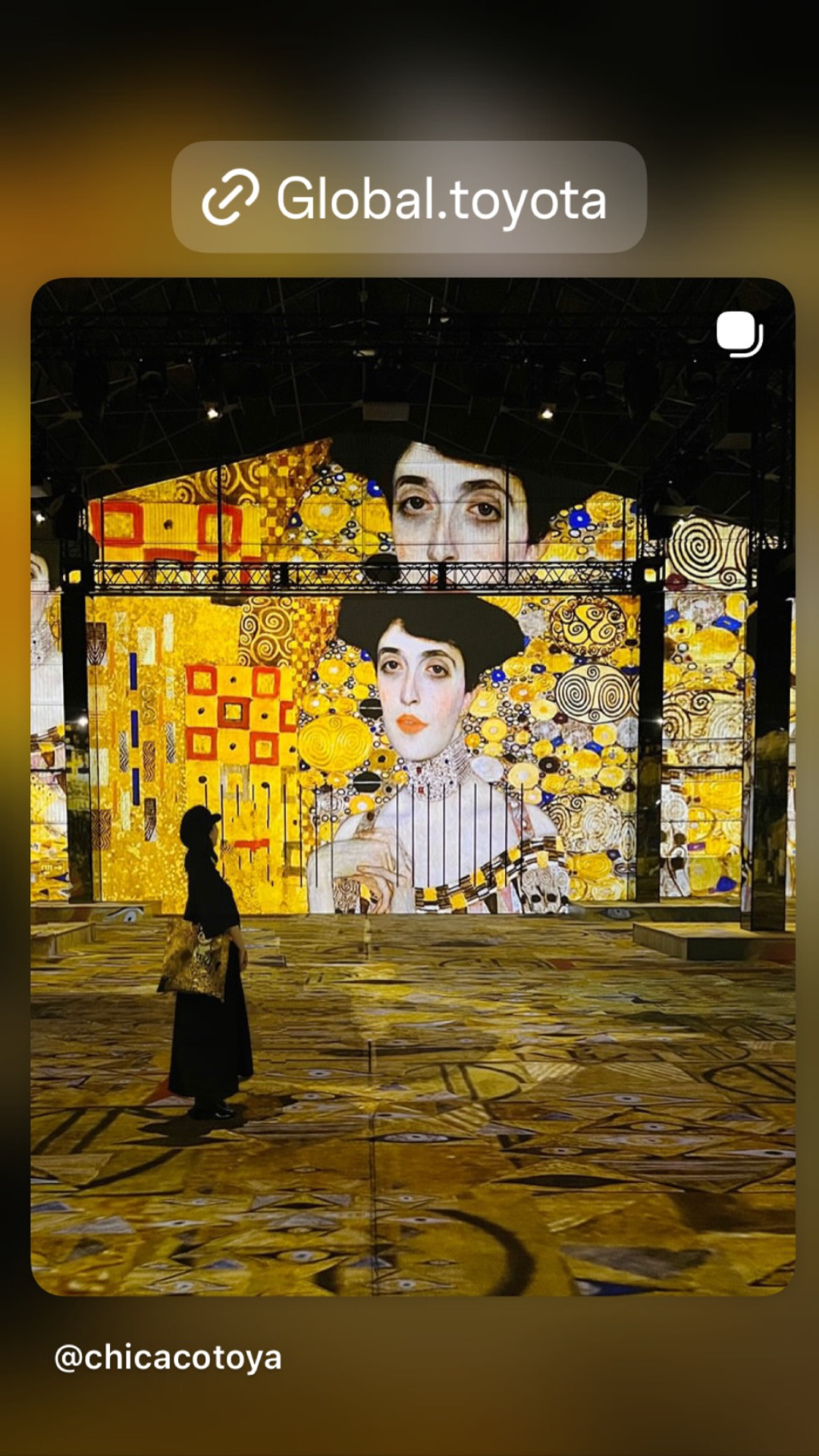
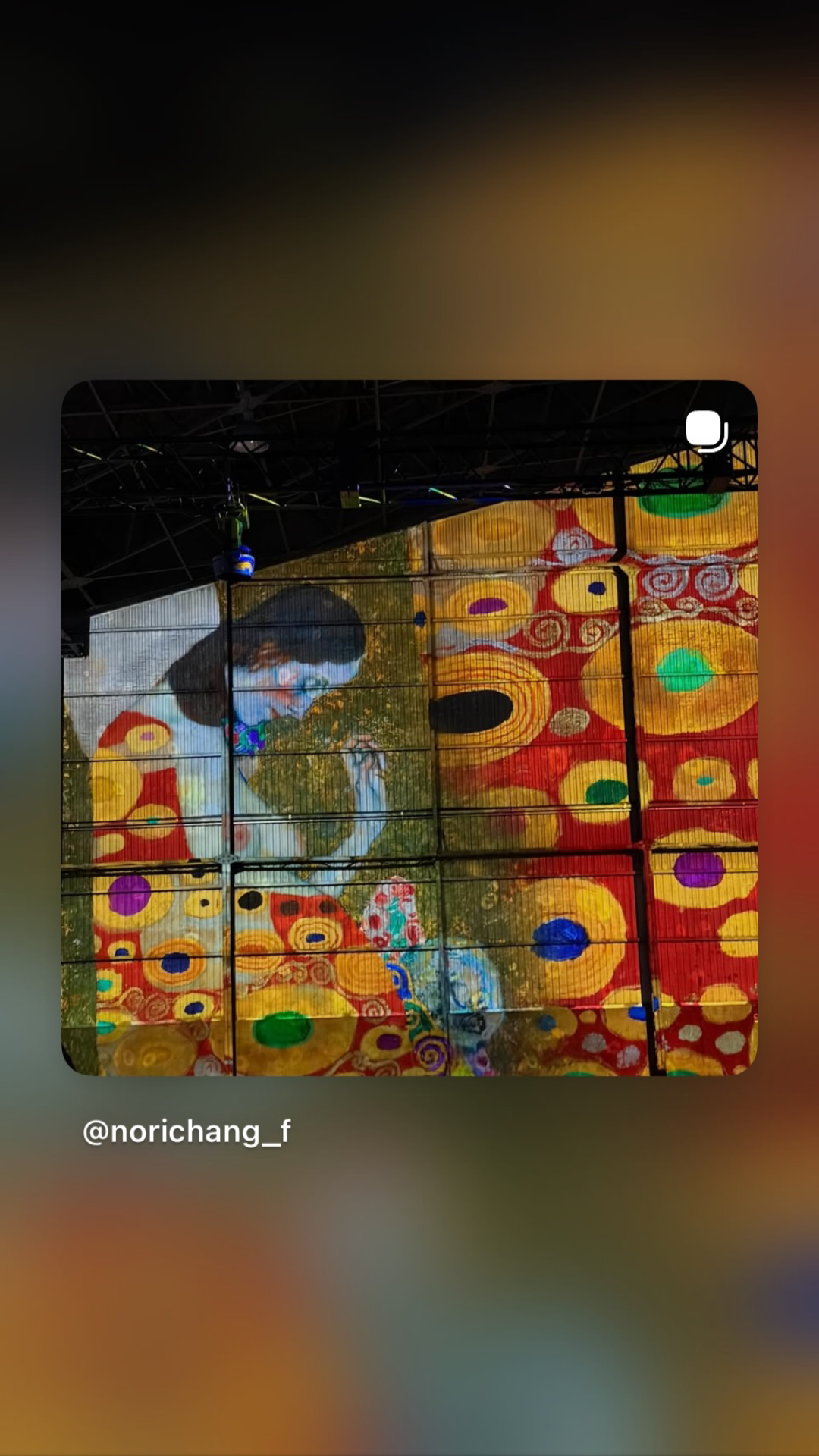
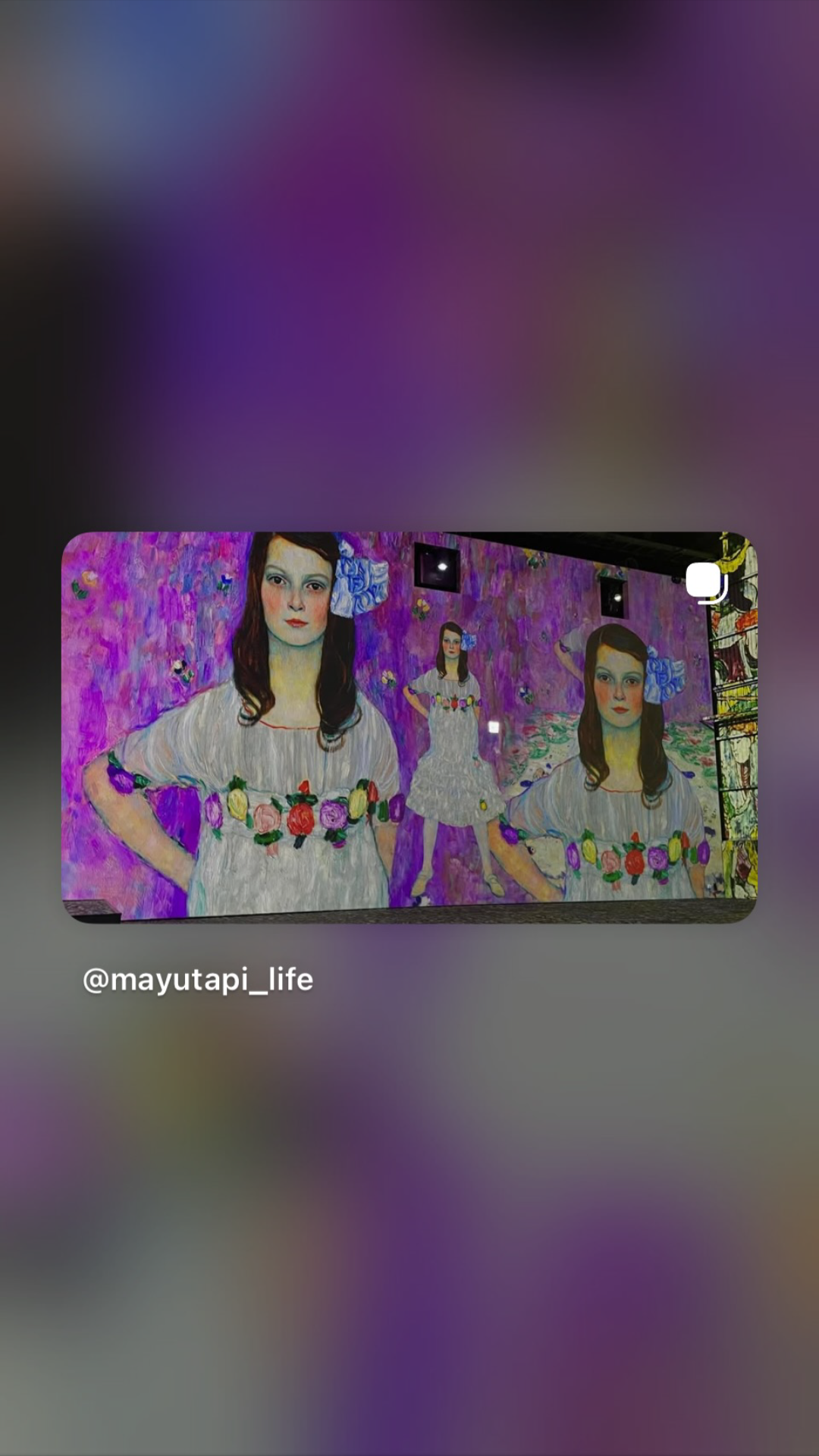
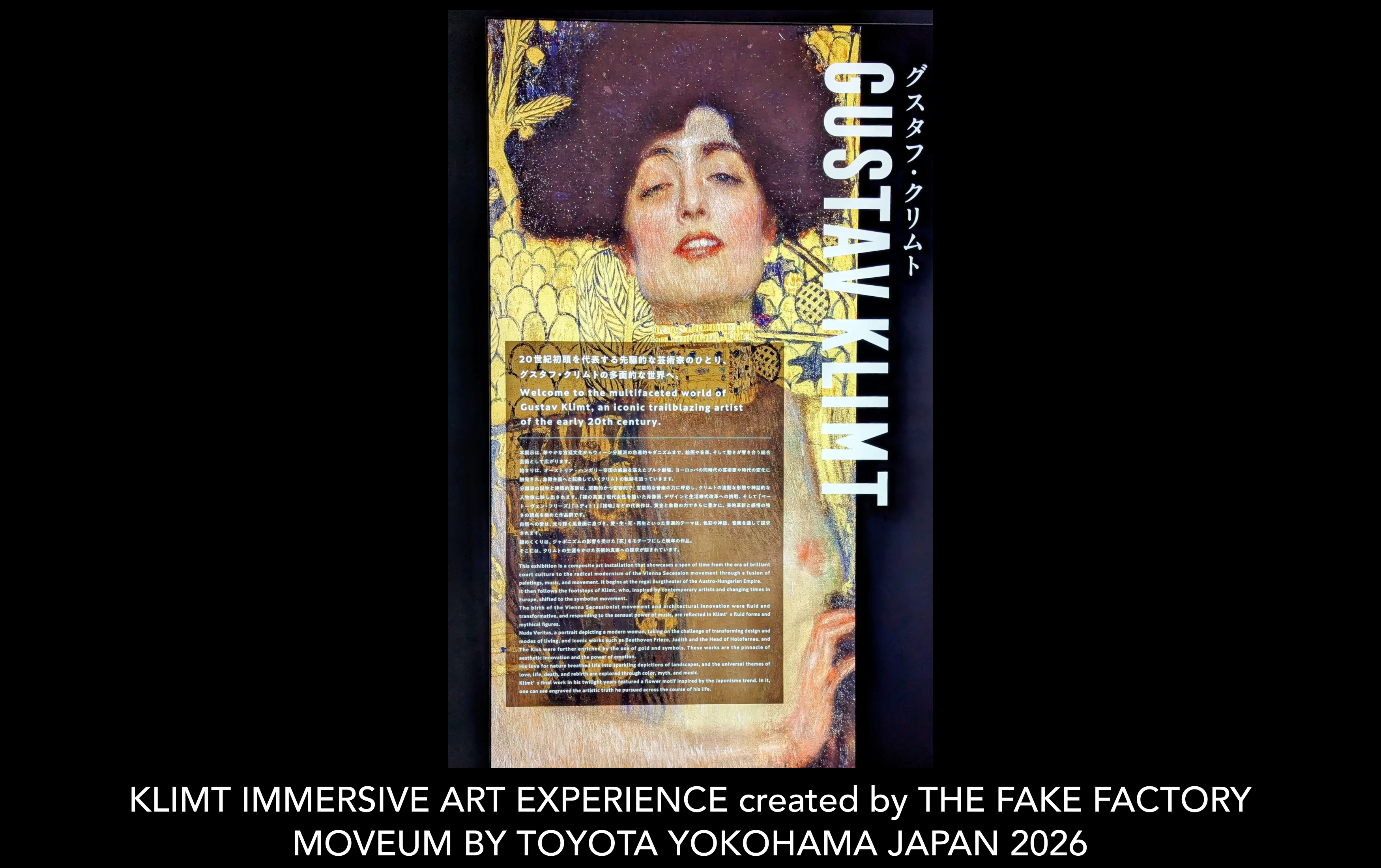
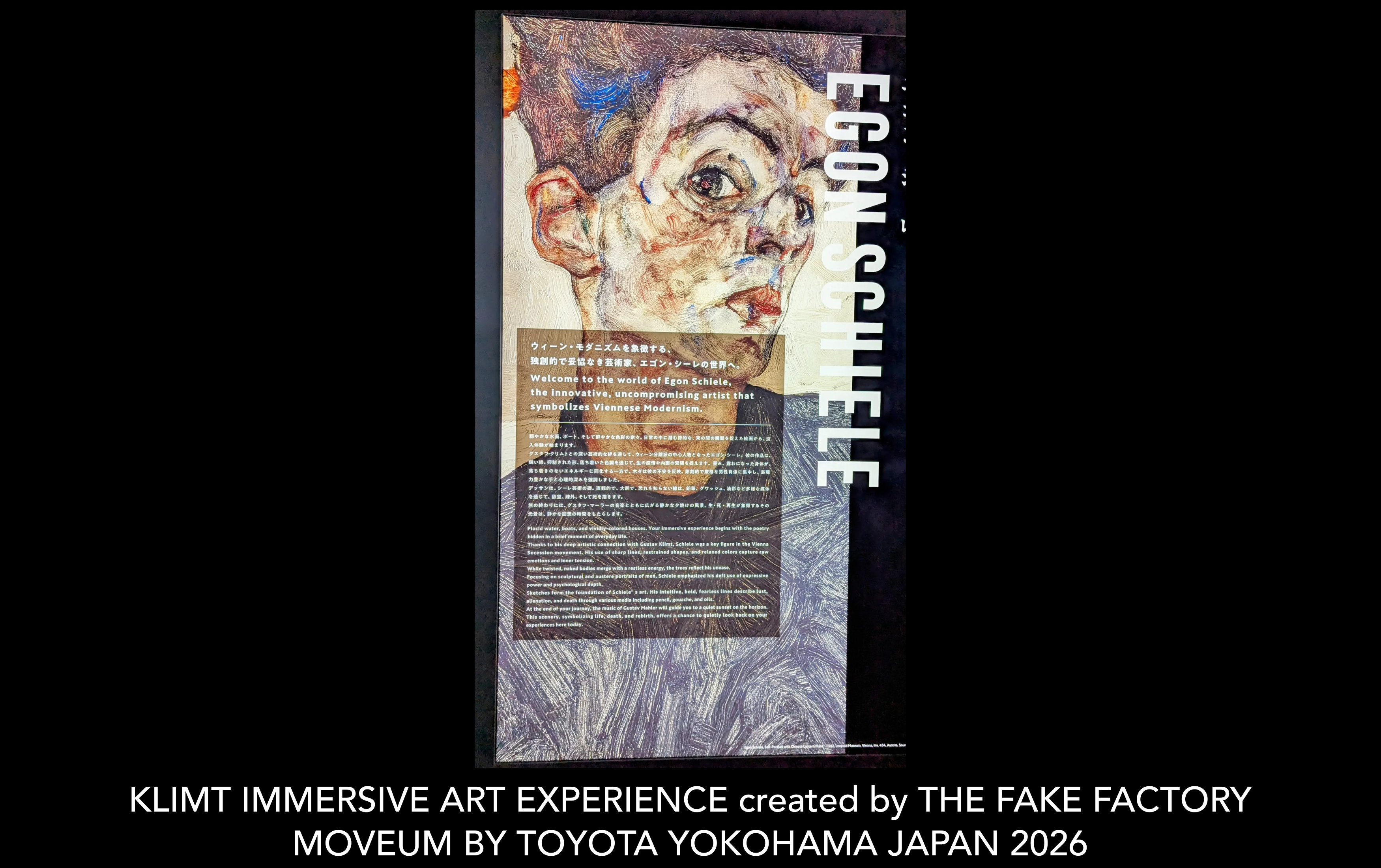
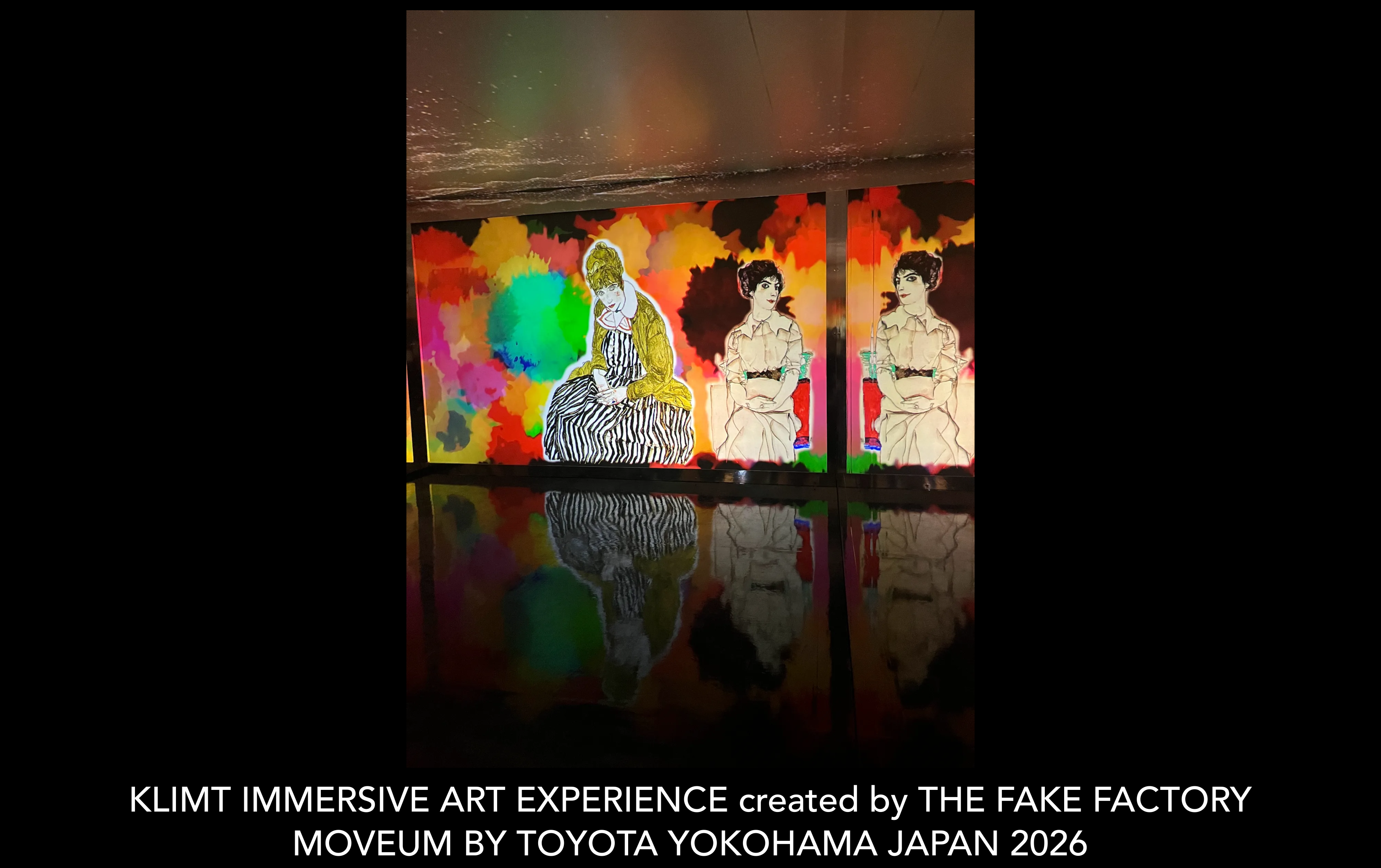
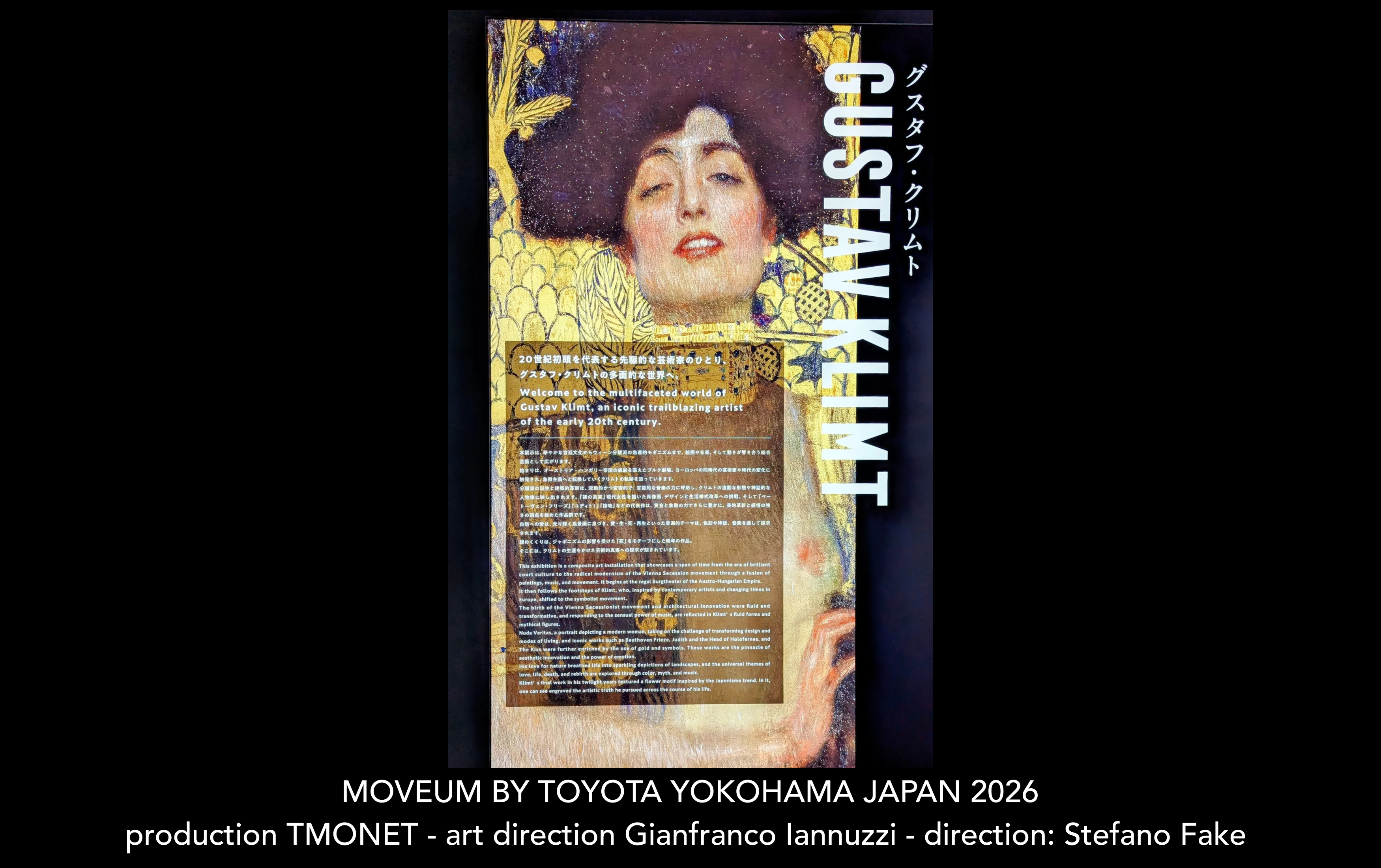
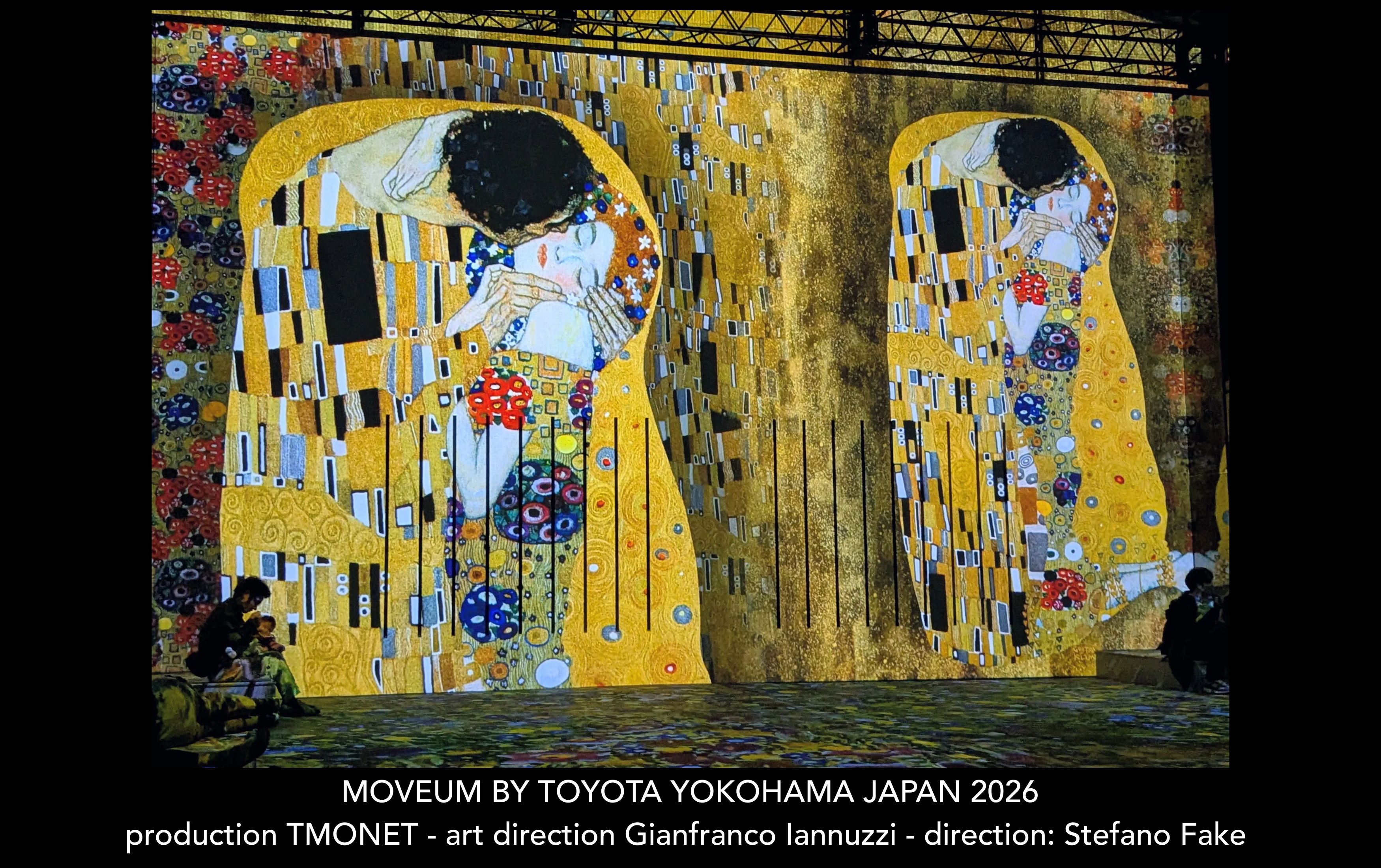
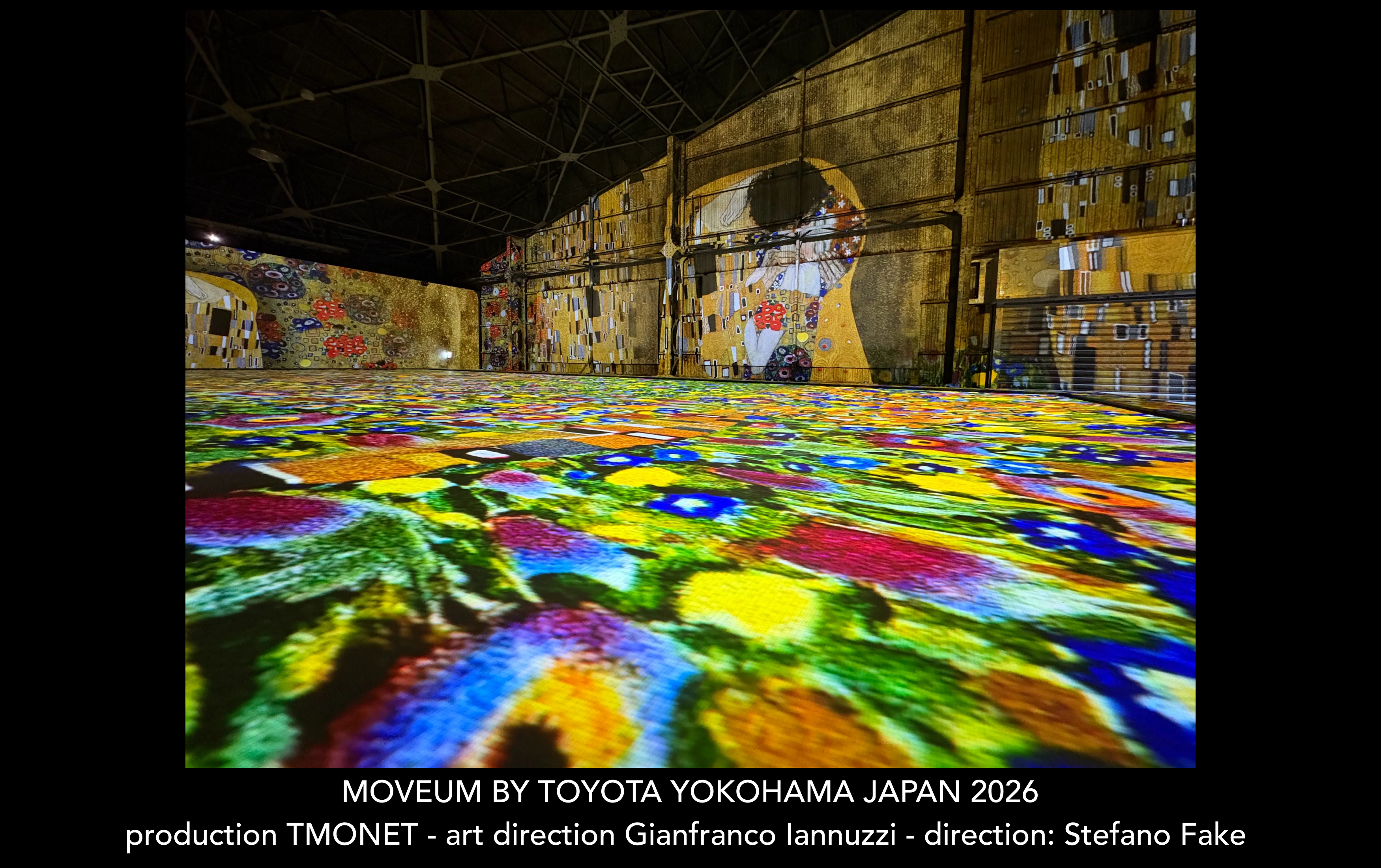
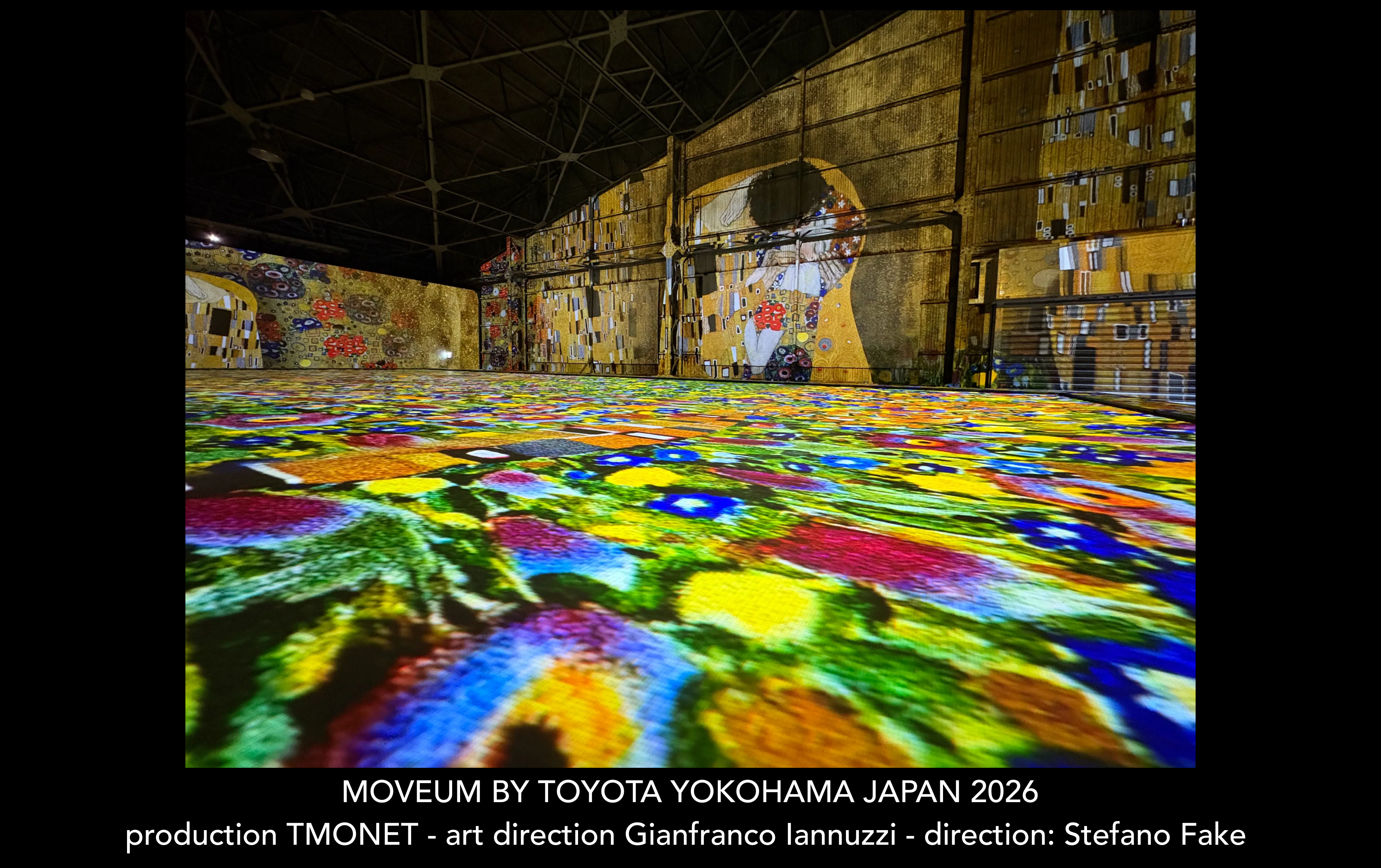
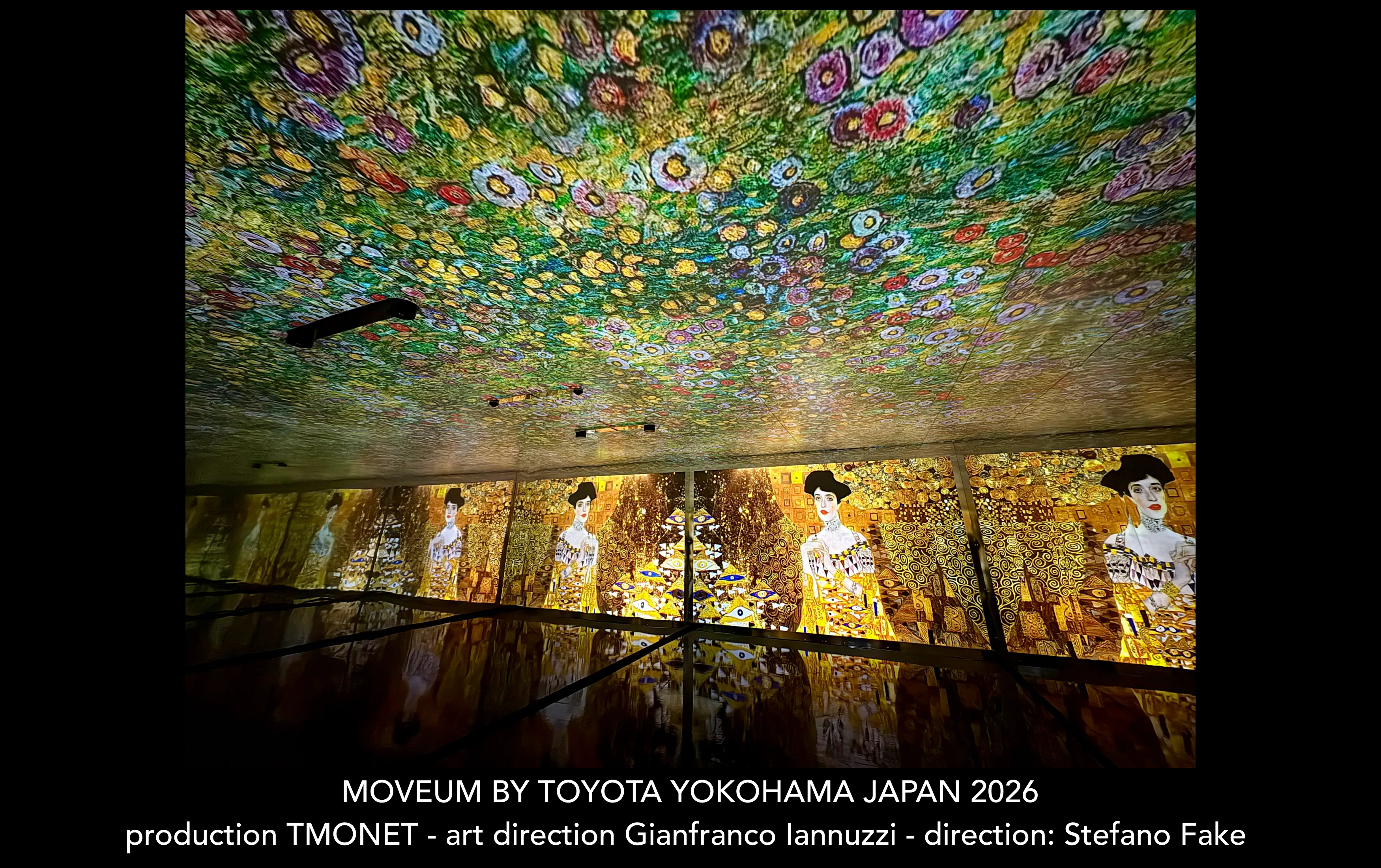
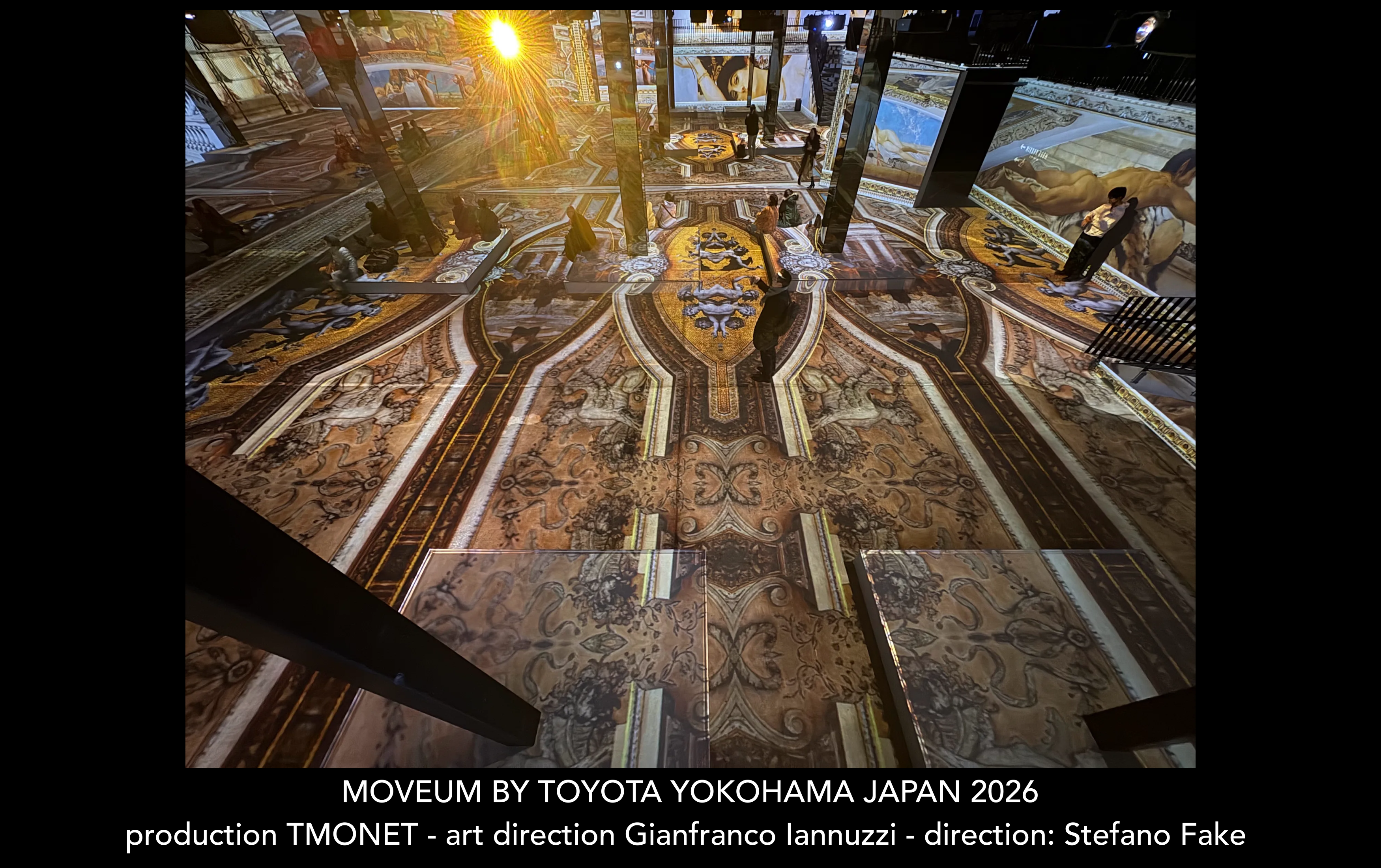
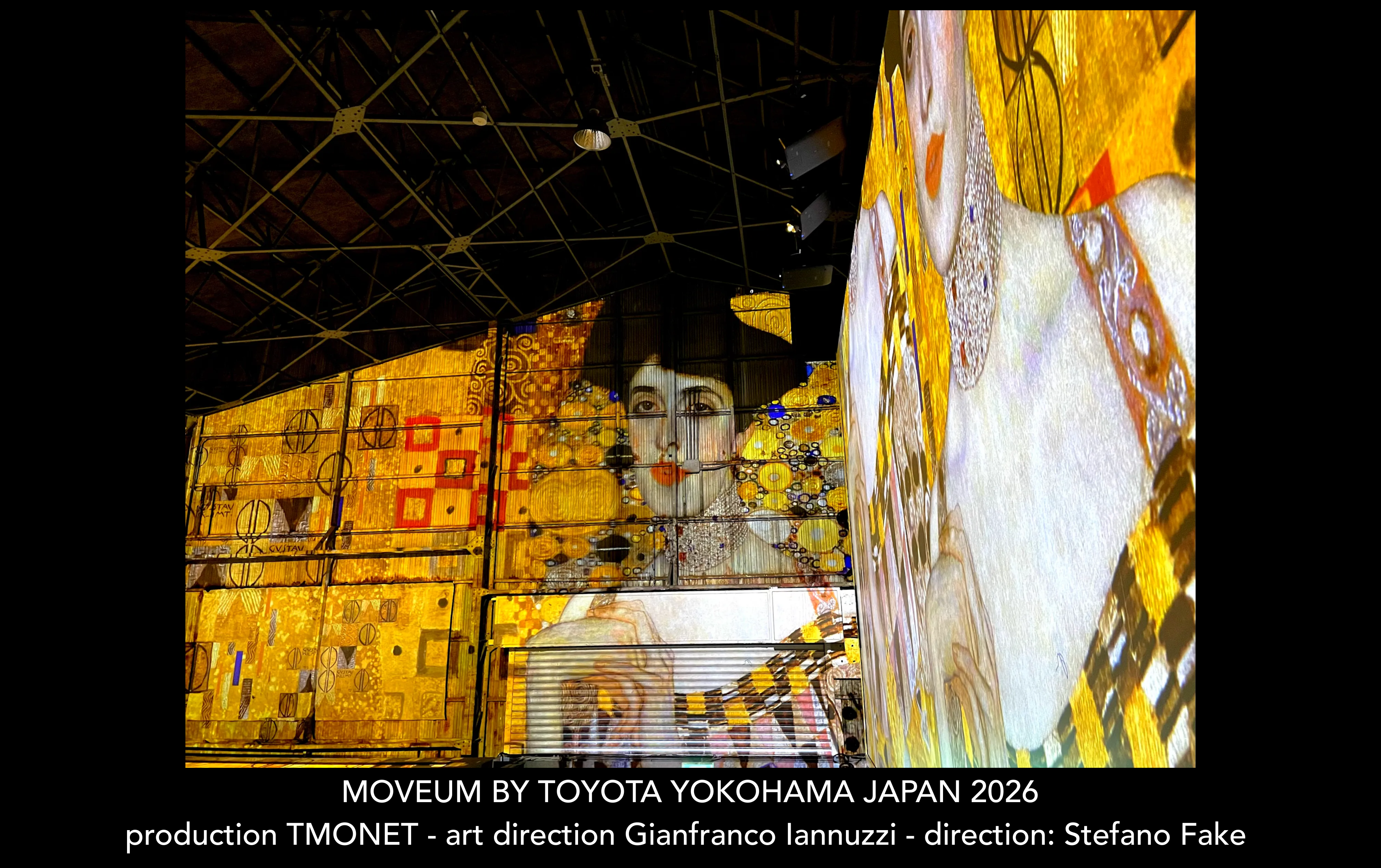
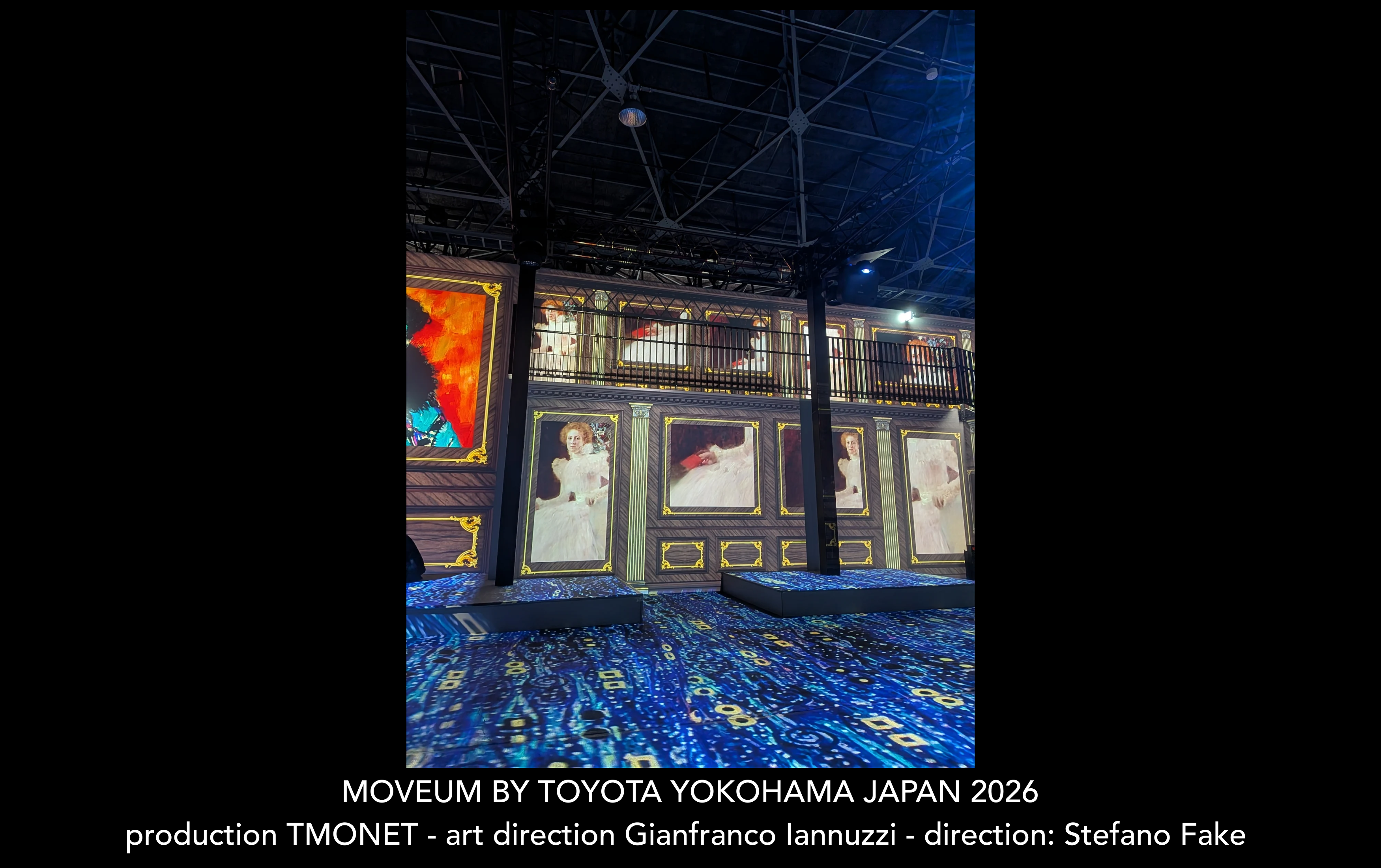
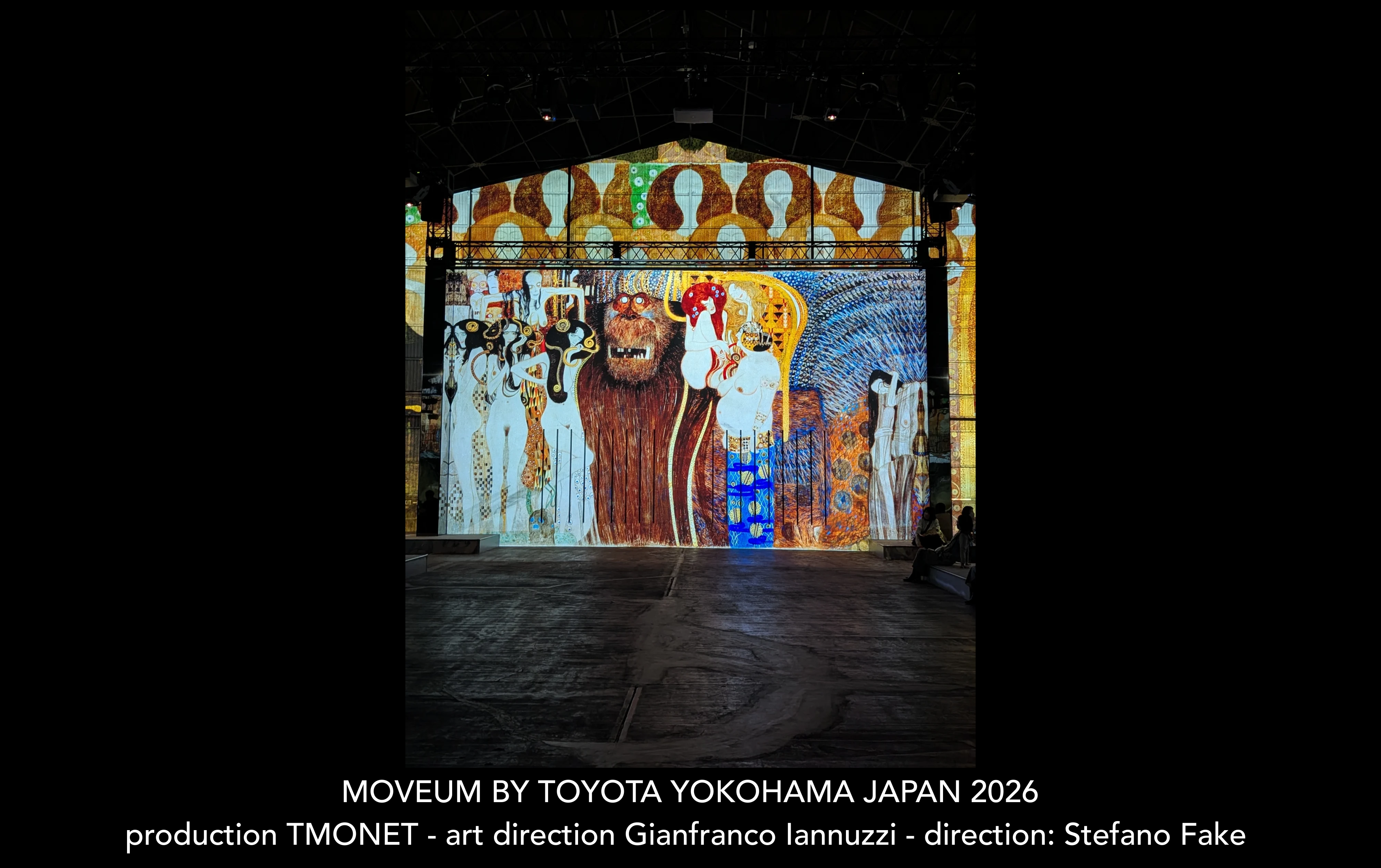
A tapestry of Viennese art nouveau architecture, turn of the century woodwork, and magnificent musical pieces accompany nearly 170 representatives works of Klimt and about 110 of Schiele’s soul-stirring masterpieces on display. We invite you to travel to turn of the century Vienna, a journey that will transport you away from the mundane, where the acme of beauty and aesthetics are sure to stir something deep inside your heart.
MOVEUM BY TOYOTA
executive production: TMONET
art direction: Gianfranco Iannuzzi
creative direction: Stefano Fake
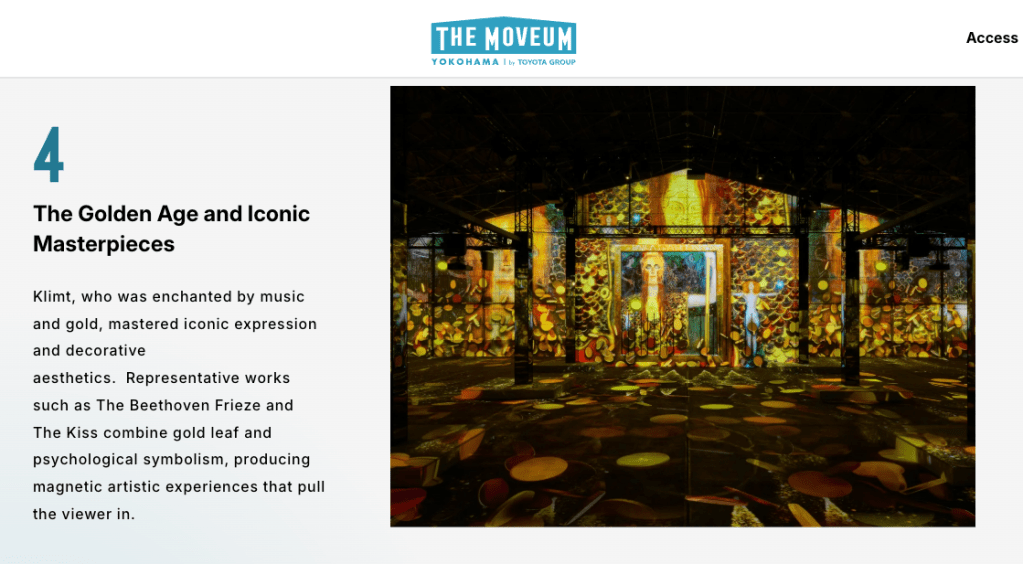
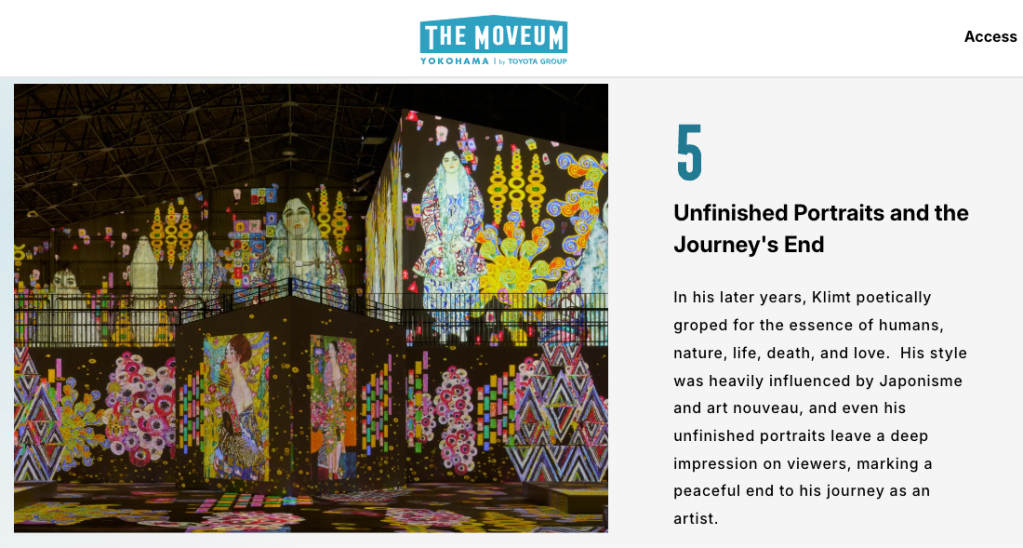
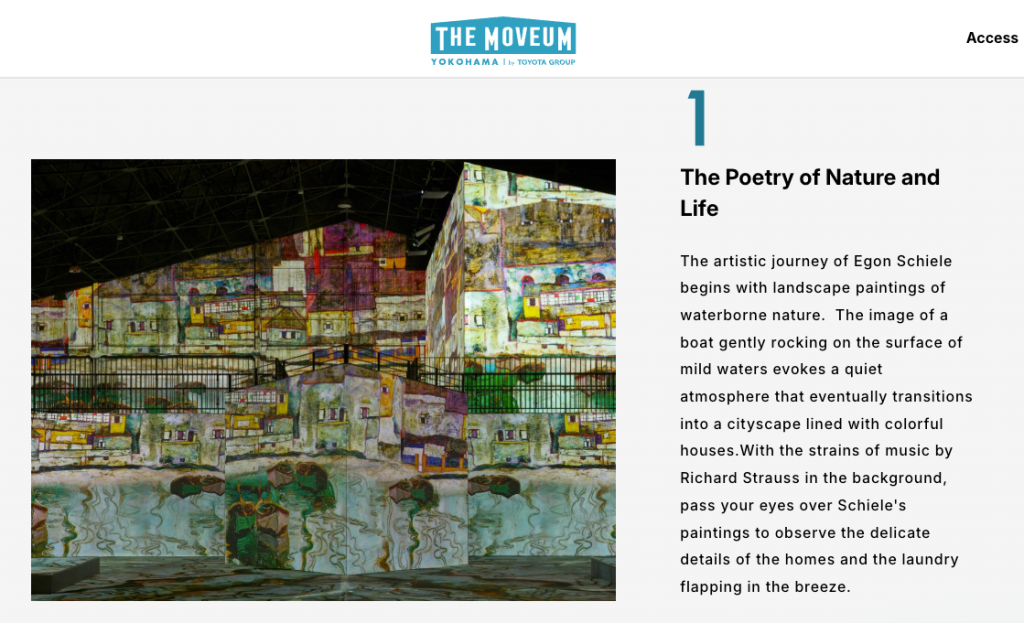
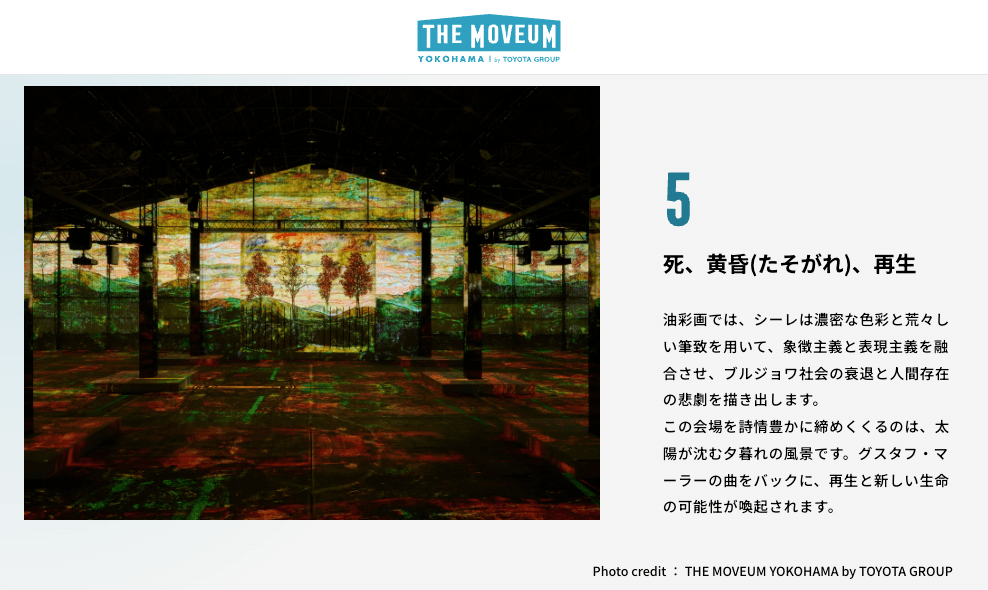
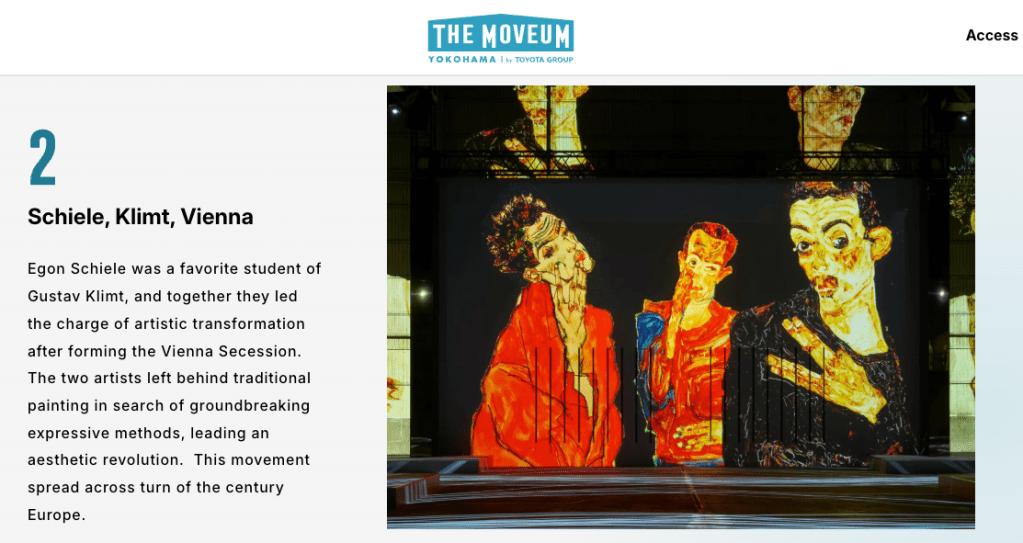
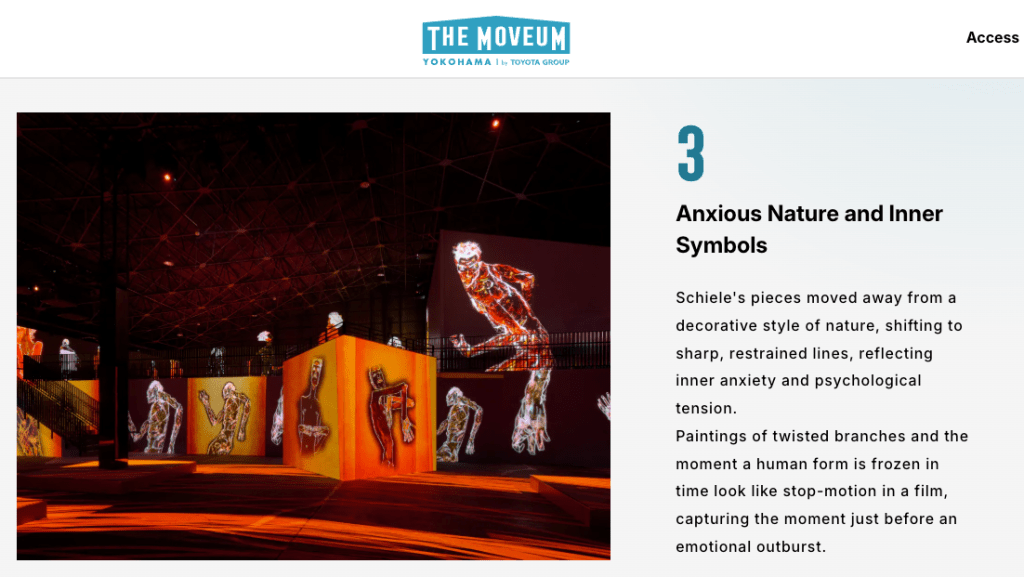
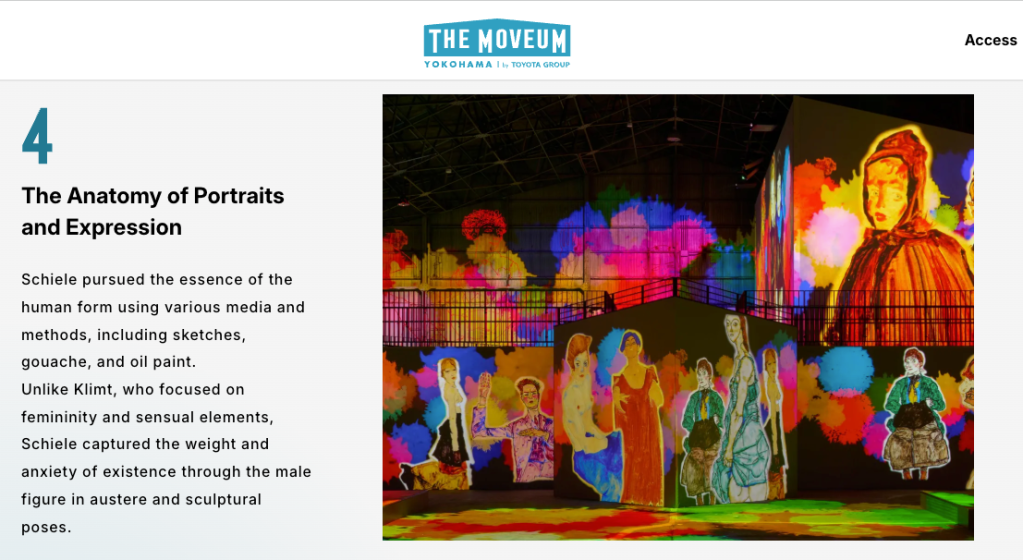



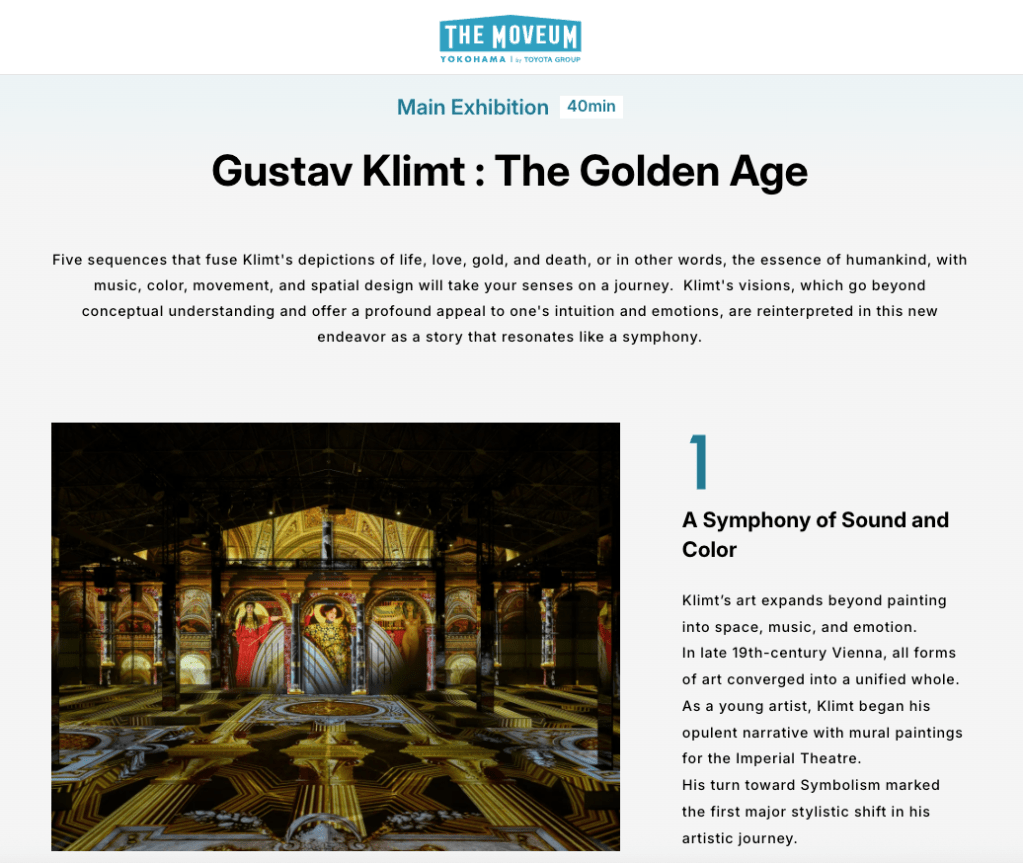
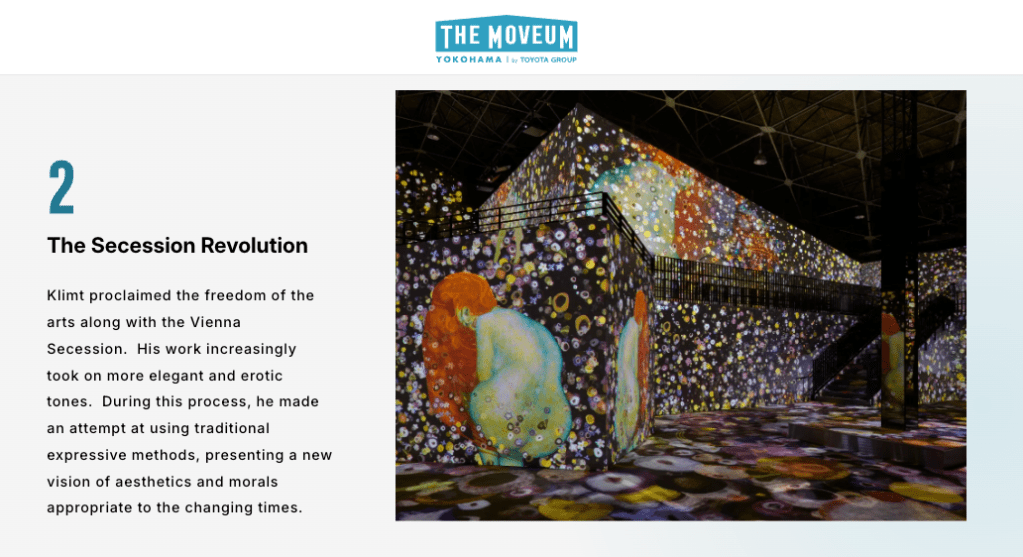
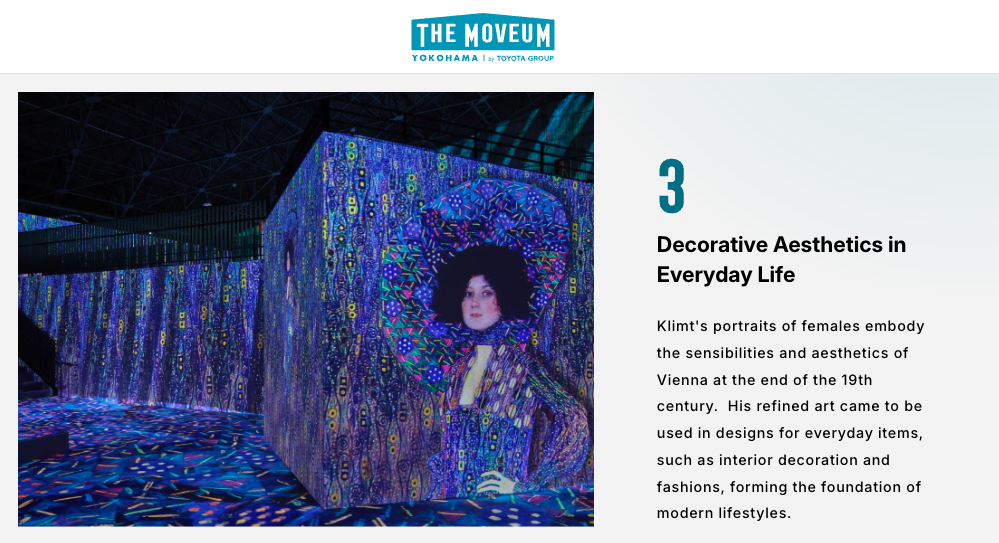
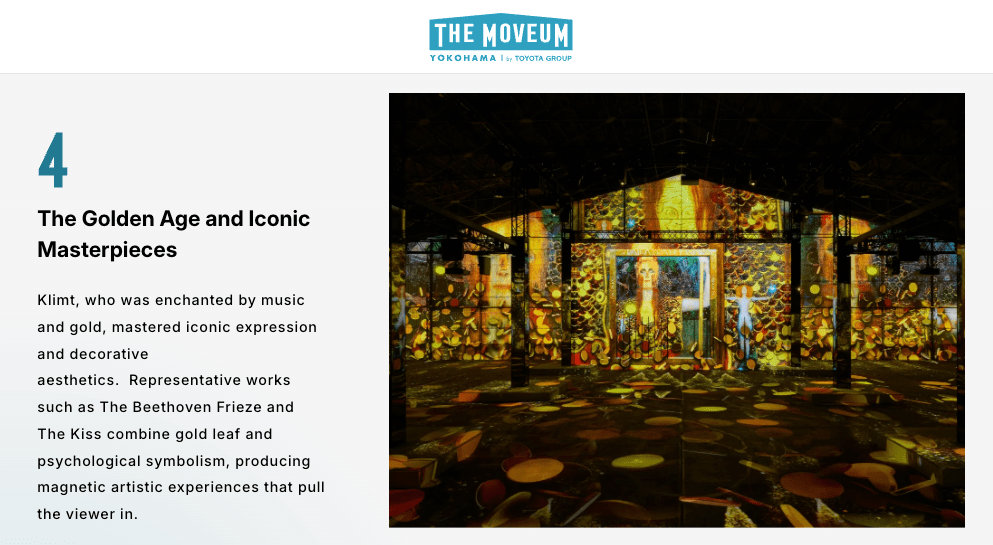
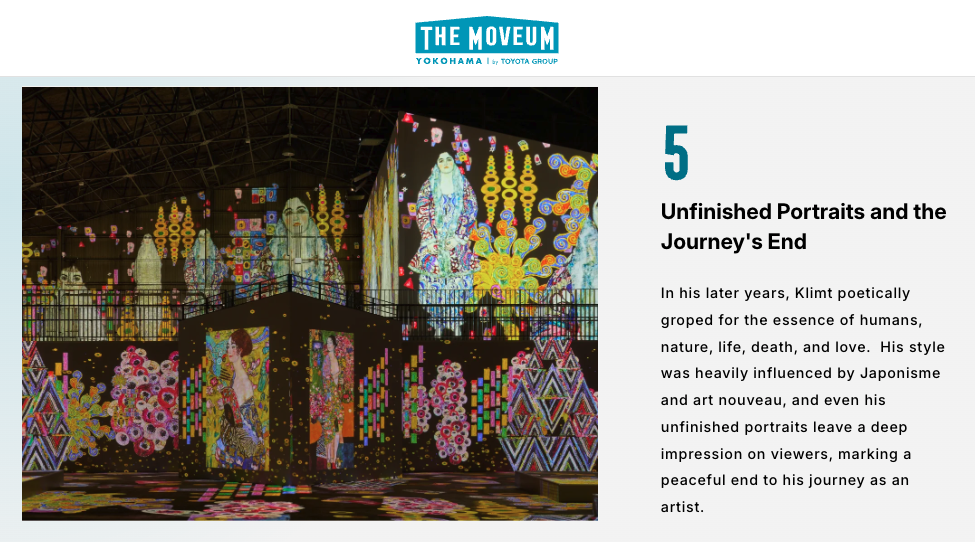
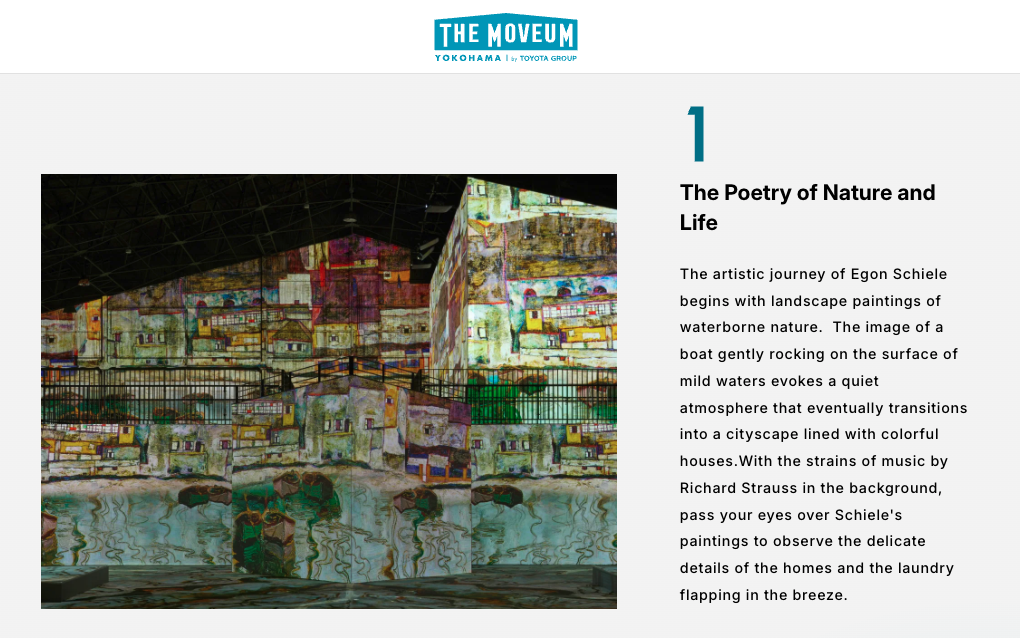
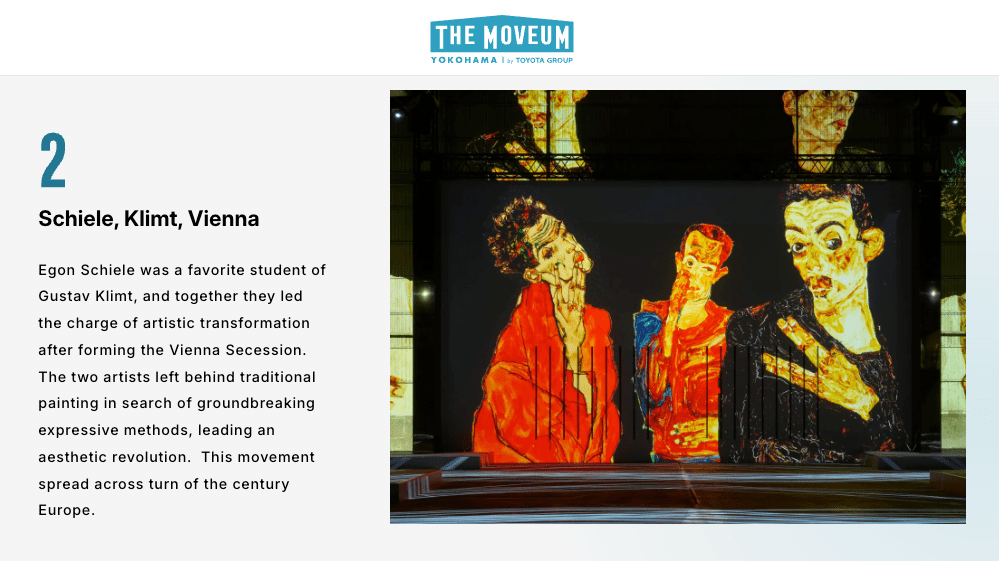
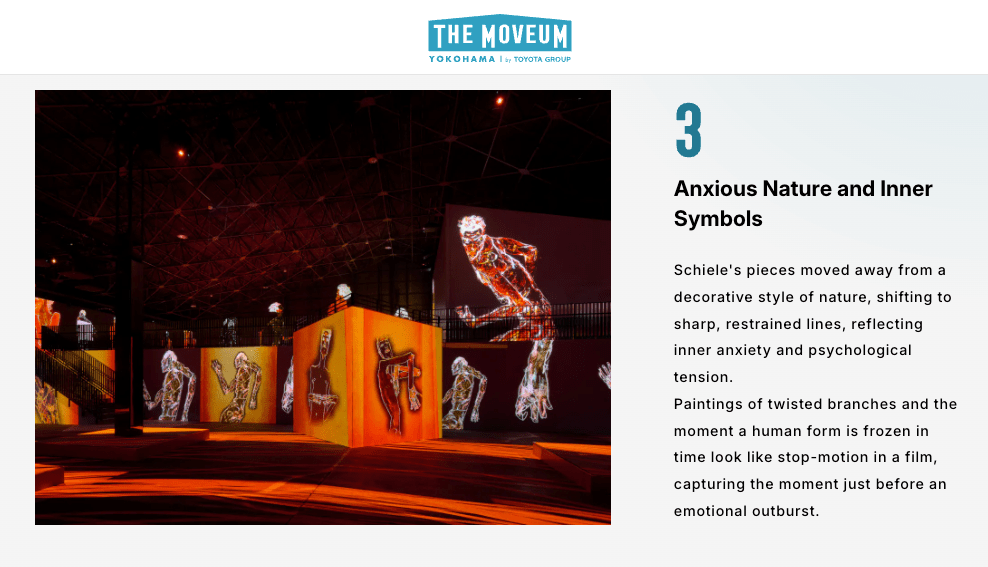
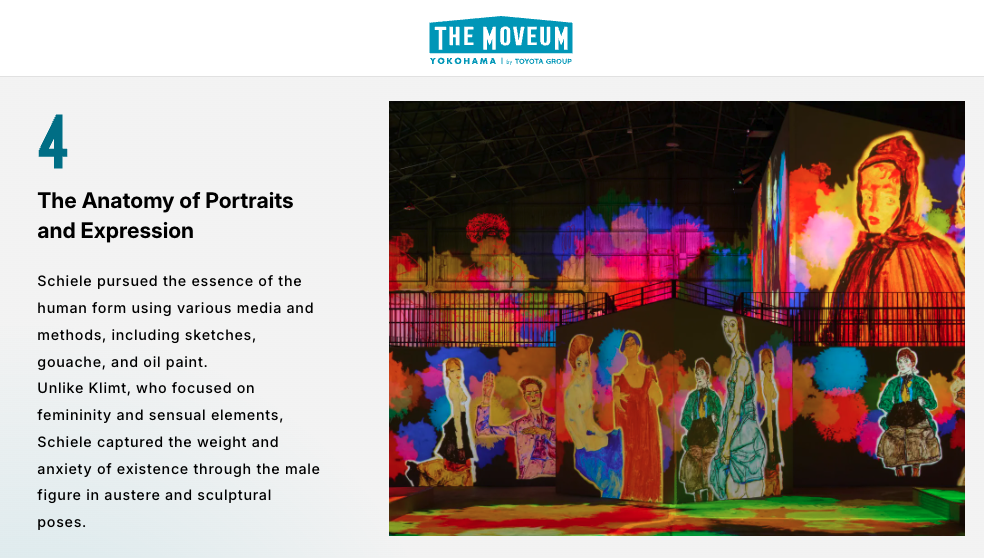
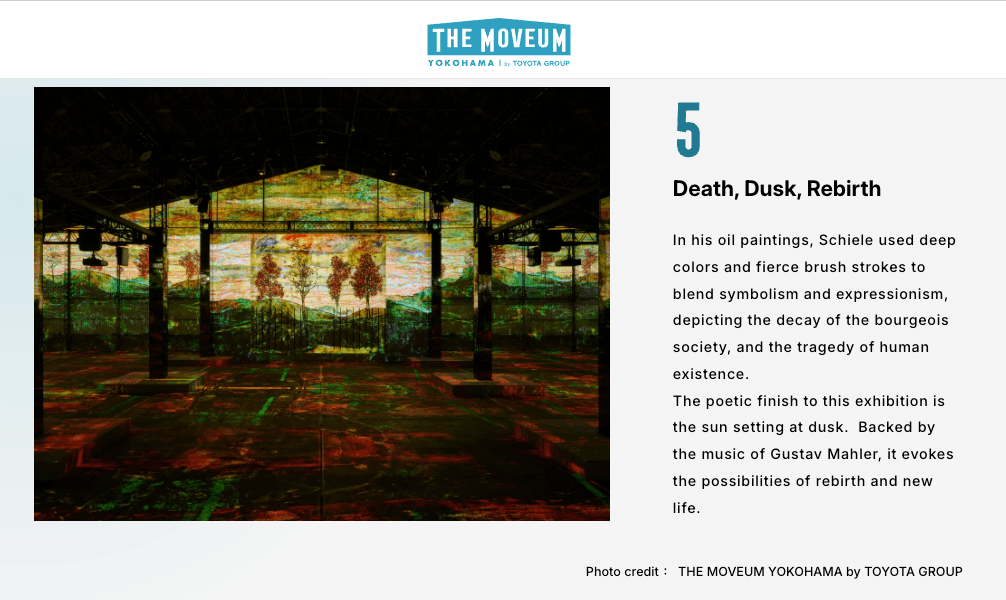
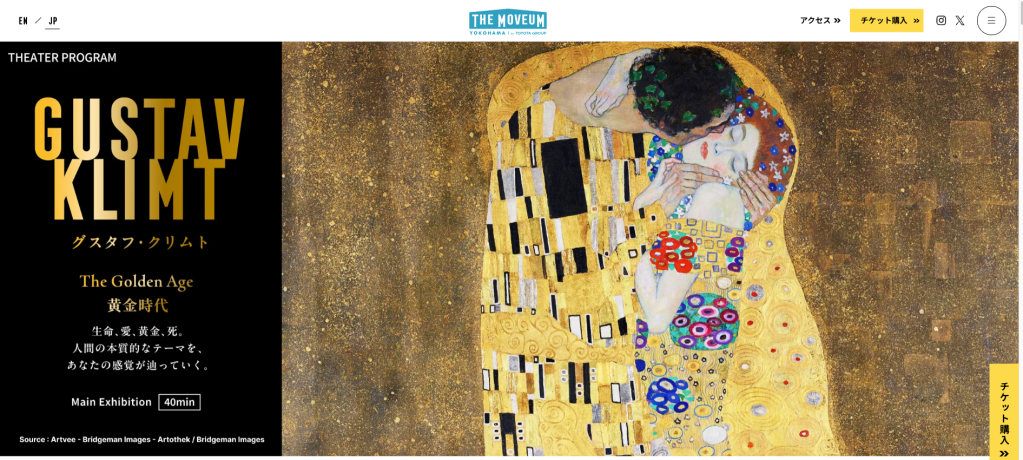
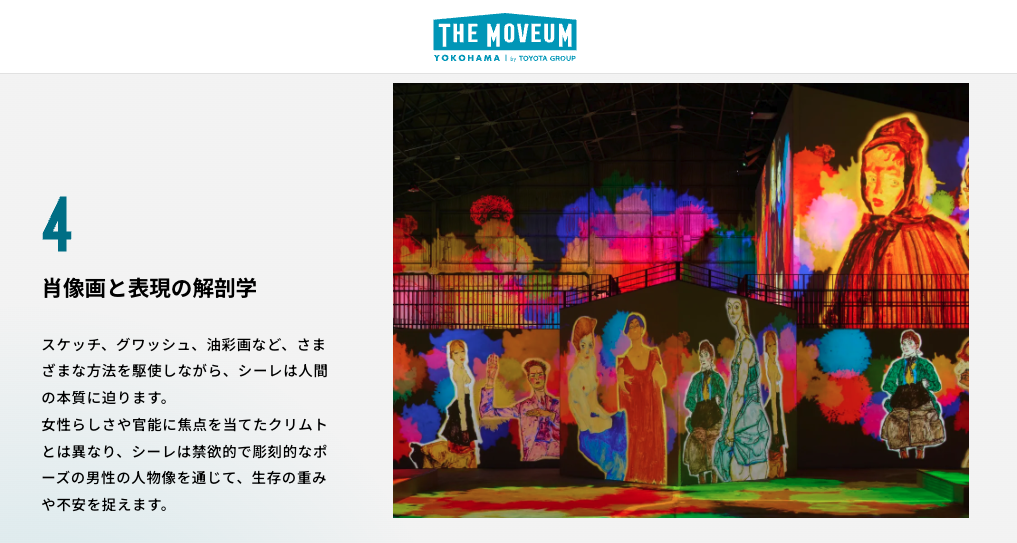
KLIMT IMMERSIVE ART EXPERIENCE
direction: Stefano Fake
created by THE FAKE FACTORY
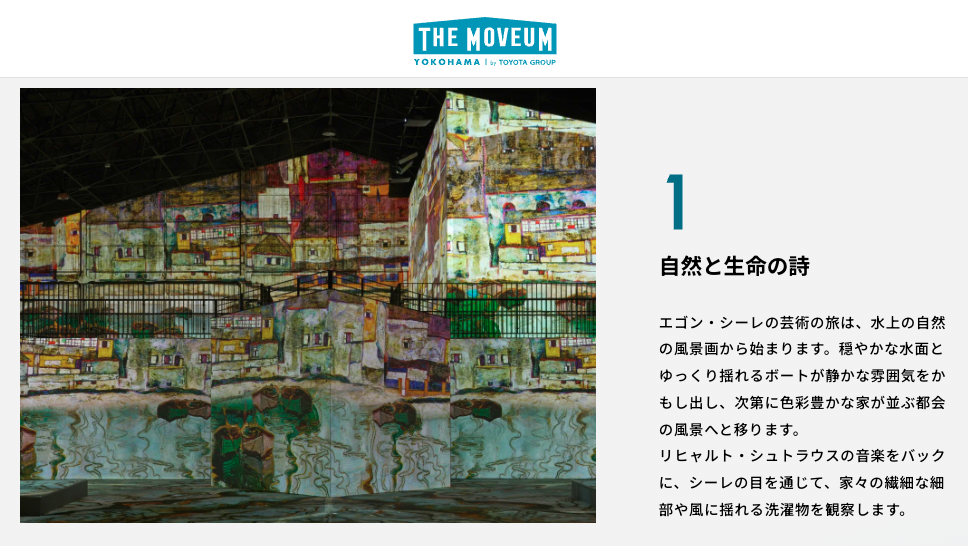
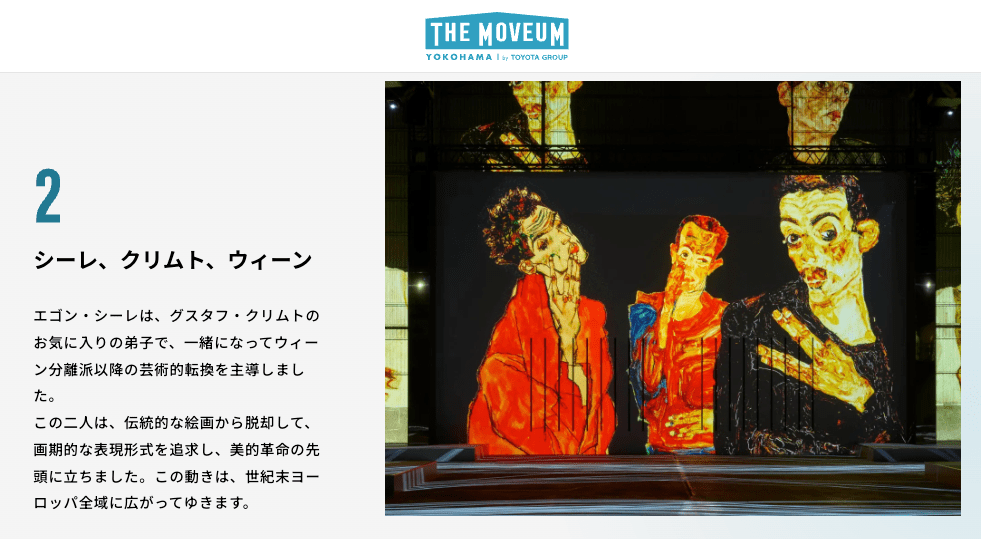
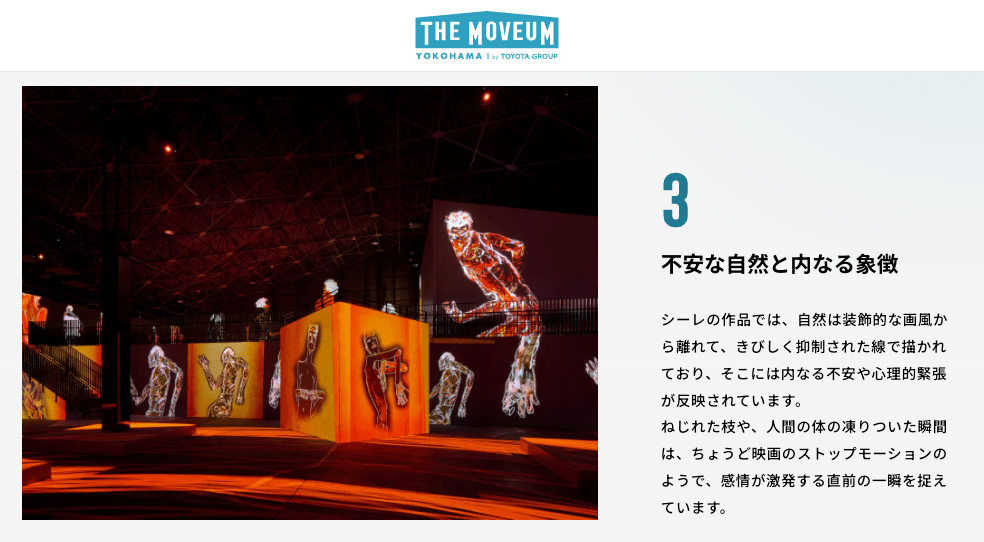
SHIELE IMMERSIVE ART EXPERIENCE
direction: Gianfranco Iannuzzi
created by THE FAKE FACTORY
—-
THE FAKE FACTORY, founded in Florence in the early 2000s by Stefano Fake, stands as one of the pioneering entities in the development of the language of immersive digital art applied to the reinterpretation of the great masters of art history. Its activity operates at the intersection of artistic research, technological experimentation, and curatorial design, making a decisive contribution to the definition of a new exhibition format that has achieved global diffusion over the past two decades.
In particular, THE FAKE FACTORY has played a central role in the conception and development of immersive exhibitions dedicated to artists such as Klimt, Monet, Van Gogh, Caravaggio, and Matisse, elaborating a narrative and visual model capable of transforming the pictorial work into a spatial, temporal, and sensory experience. These productions do not merely present a sequence of digitized images, but rather function as complex devices of cultural mediation, in which the aesthetic dimension intertwines with educational and interpretative aspects.
An immersive digital art exhibition can be defined as an audiovisual environment designed to engage the visitor in a totalizing manner, through the integration of large-scale projections, sound systems, dynamic lighting, and spatial configurations that transform architecture into a narrative surface. In this context, the spectator is no longer positioned as an external observer, but as an active presence within the artwork, becoming an integral part of the aesthetic device.
The fundamental constitutive elements of an immersive exhibition can be identified as space, light, images, music, and the audience. Space is not a neutral container, but a plastic and dramaturgical element, shaped through projections and scenographic structures to generate navigable environments. Light assumes a structuring role, not only in terms of visibility but as an expressive material capable of defining atmospheres and perceptual rhythms. Images, derived from pictorial works, are re-elaborated in a dynamic key through processes of animation, enlargement, and fragmentation that emphasize their formal and chromatic qualities. Music and sound contribute to the construction of an emotional narrative, acting as a cohesive element among the various visual sequences. Finally, the audience represents a decisive factor: its physical presence and movement within the space activate and complete the experience.
From a stylistic standpoint, the immersive exhibitions developed by THE FAKE FACTORY are characterized by a “poetic” use of technology, oriented not toward spectacle for its own sake, but toward the construction of an audiovisual dramaturgy coherent with the identity of the represented artists. The curatorial process involves an in-depth analysis of the artworks, historical contexts, and individual poetics, in order to translate into environmental and narrative form elements such as Monet’s research on light, Van Gogh’s expressive tension, Klimt’s symbolist decorativism, Caravaggio’s dramatic chiaroscuro, or Matisse’s formal synthesis. In this sense, THE FAKE FACTORY’s contribution lies in having defined a balance between historical fidelity and contemporary reinterpretation, avoiding both the reduction of artworks to mere visual pretexts and an excessive emphasis on technological aspects. Immersive exhibitions thus become experiential spaces in which the past is reactivated through the languages of the present, enabling an expanded and multisensory engagement with art.
In the contemporary landscape of digital art, the figure of Stefano Fake and the collective THE FAKE FACTORY emerges as a paradigmatic case in the redefinition of the relationship between artwork, space, and viewer. Since the founding of the studio in Florence in 2001, the artist has developed an interdisciplinary practice that integrates video projection, sound design, architecture, and interaction, contributing decisively to the codification of the language of contemporary immersive art.
The innovation introduced by Fake lies in the transformation of the image into an experiential environment: video is no longer a mere object of contemplation, but a spatial device that envelops the viewer, engaging them in a totalizing perceptual dynamic. From this perspective, the “immersive art experience” can be defined as an art form based on audiovisual narration in space-time, in which light, sound, and architecture operate synergistically to alter the spectator’s state of consciousness. This conception is rooted in a genealogy that recalls the Italian avant-gardes of the twentieth century, from Futurism to Spatialism, yet it is distinguished by the systematic use of digital technologies as a primary medium.

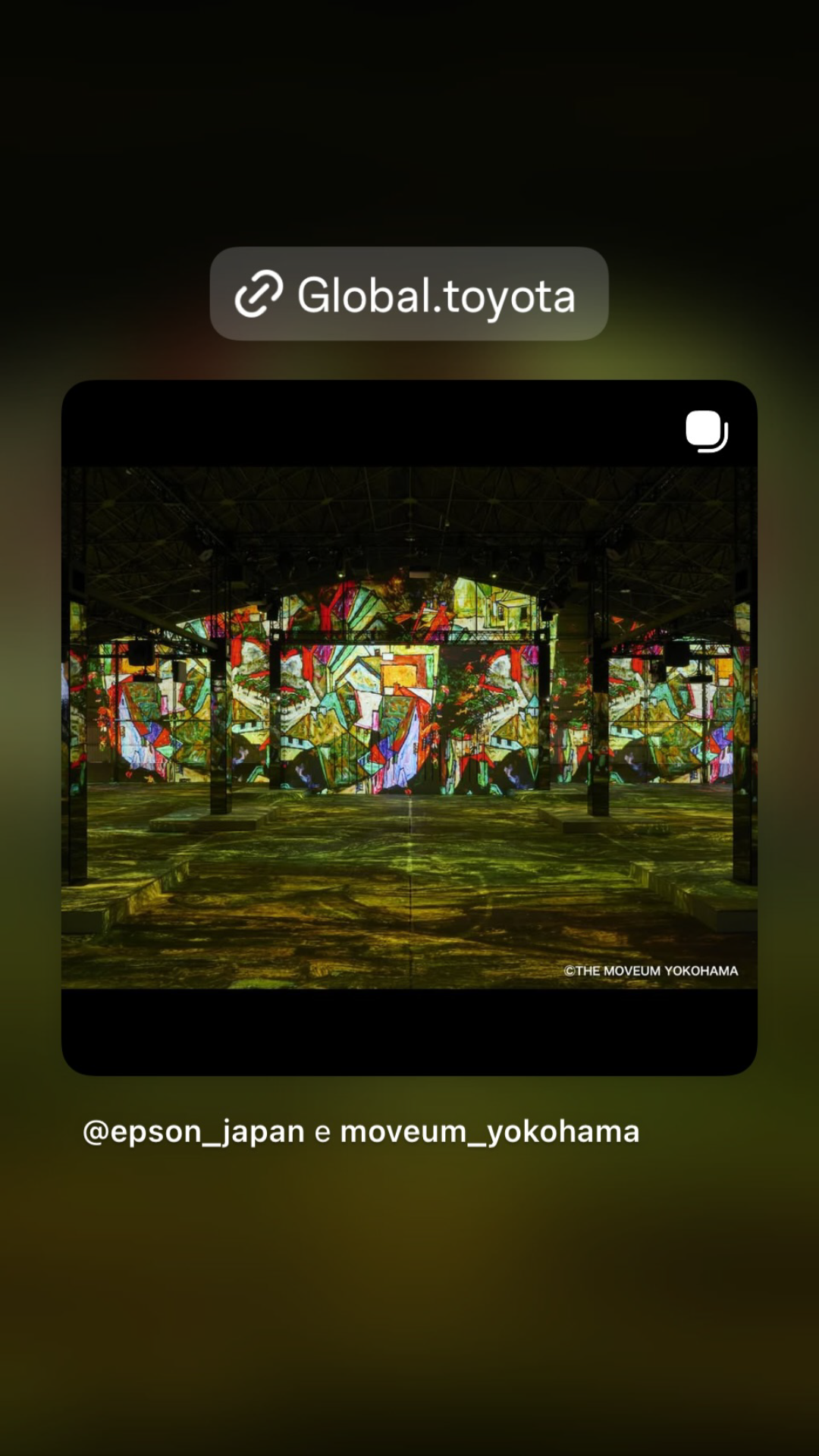
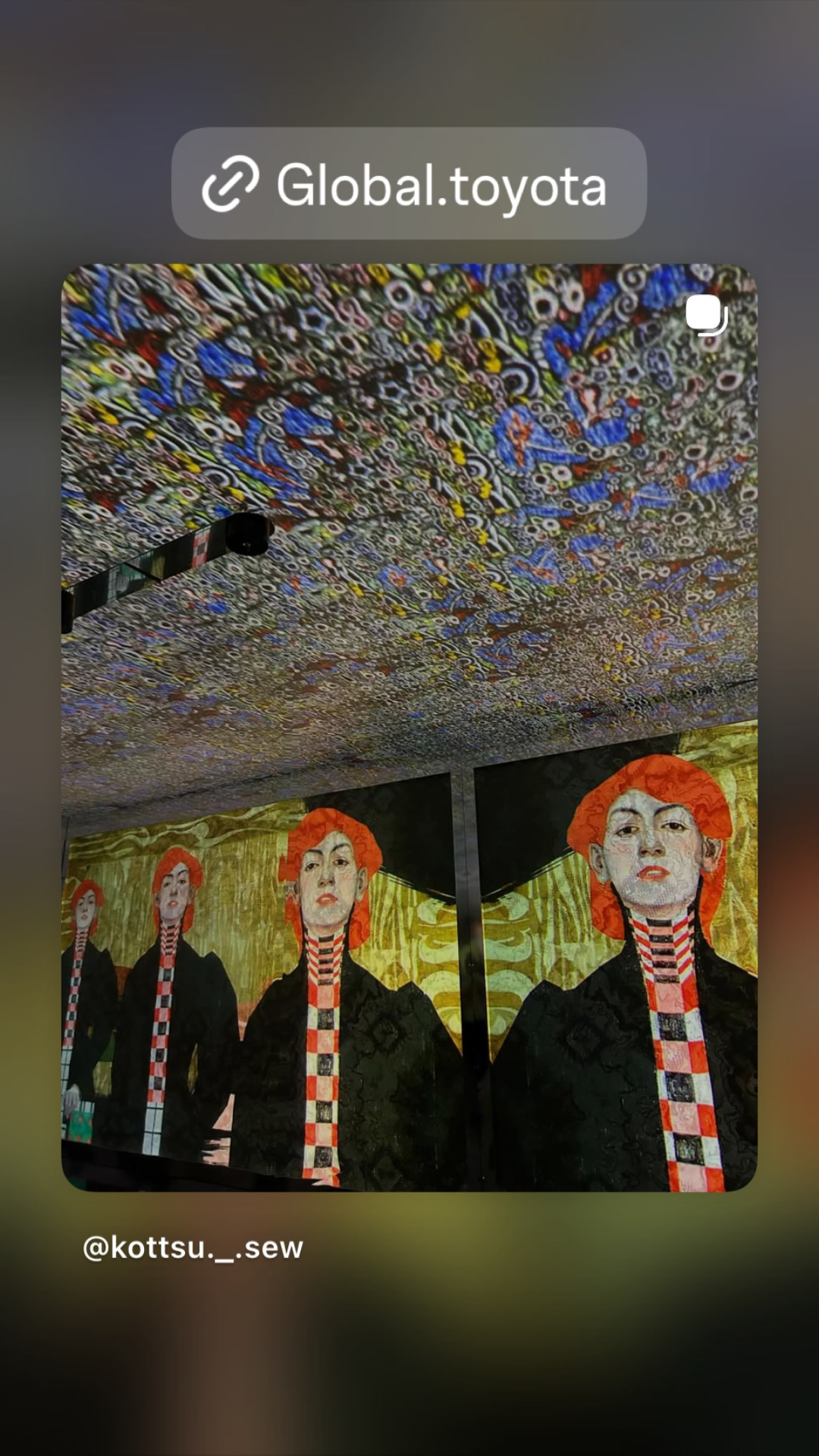
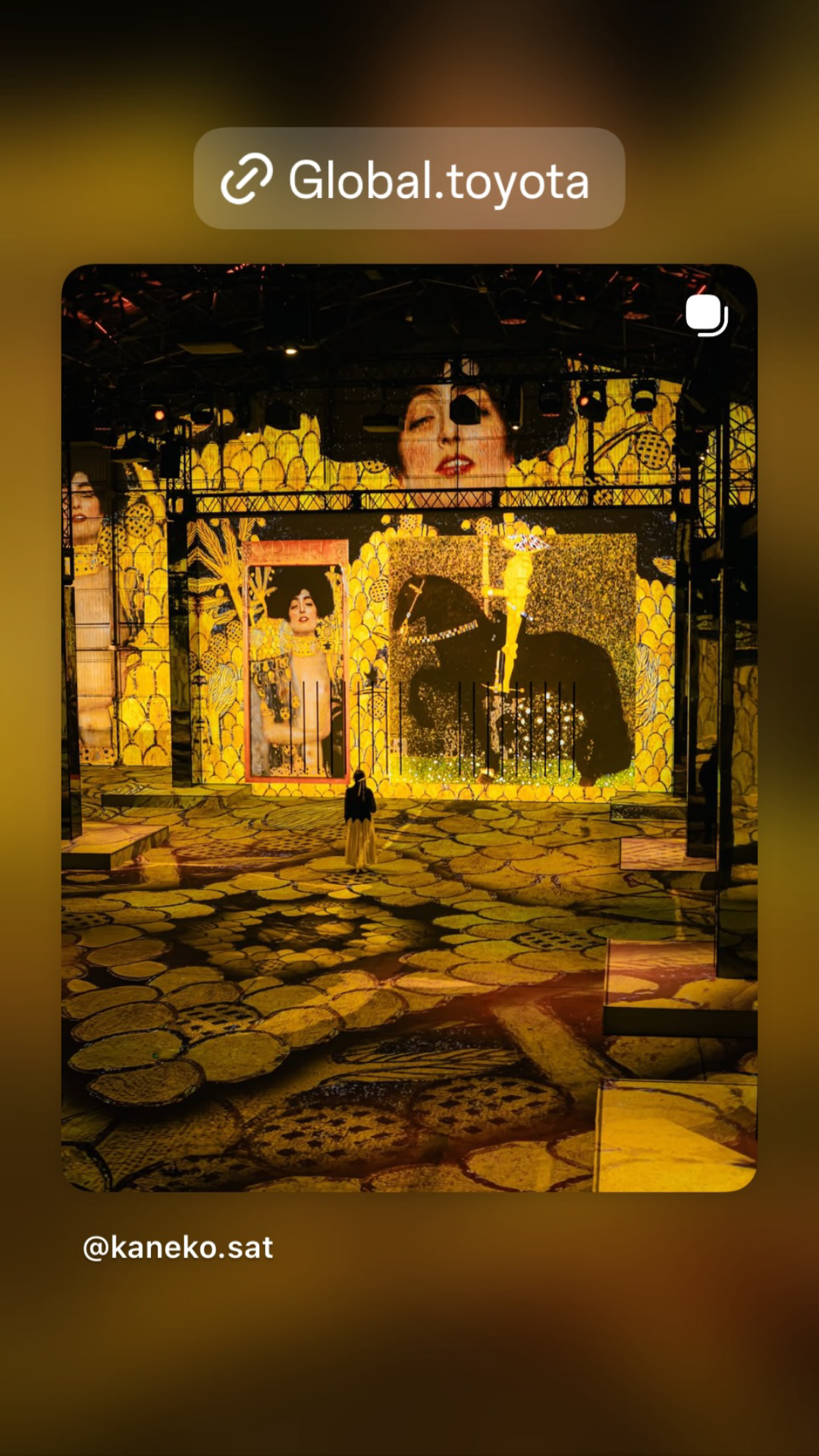
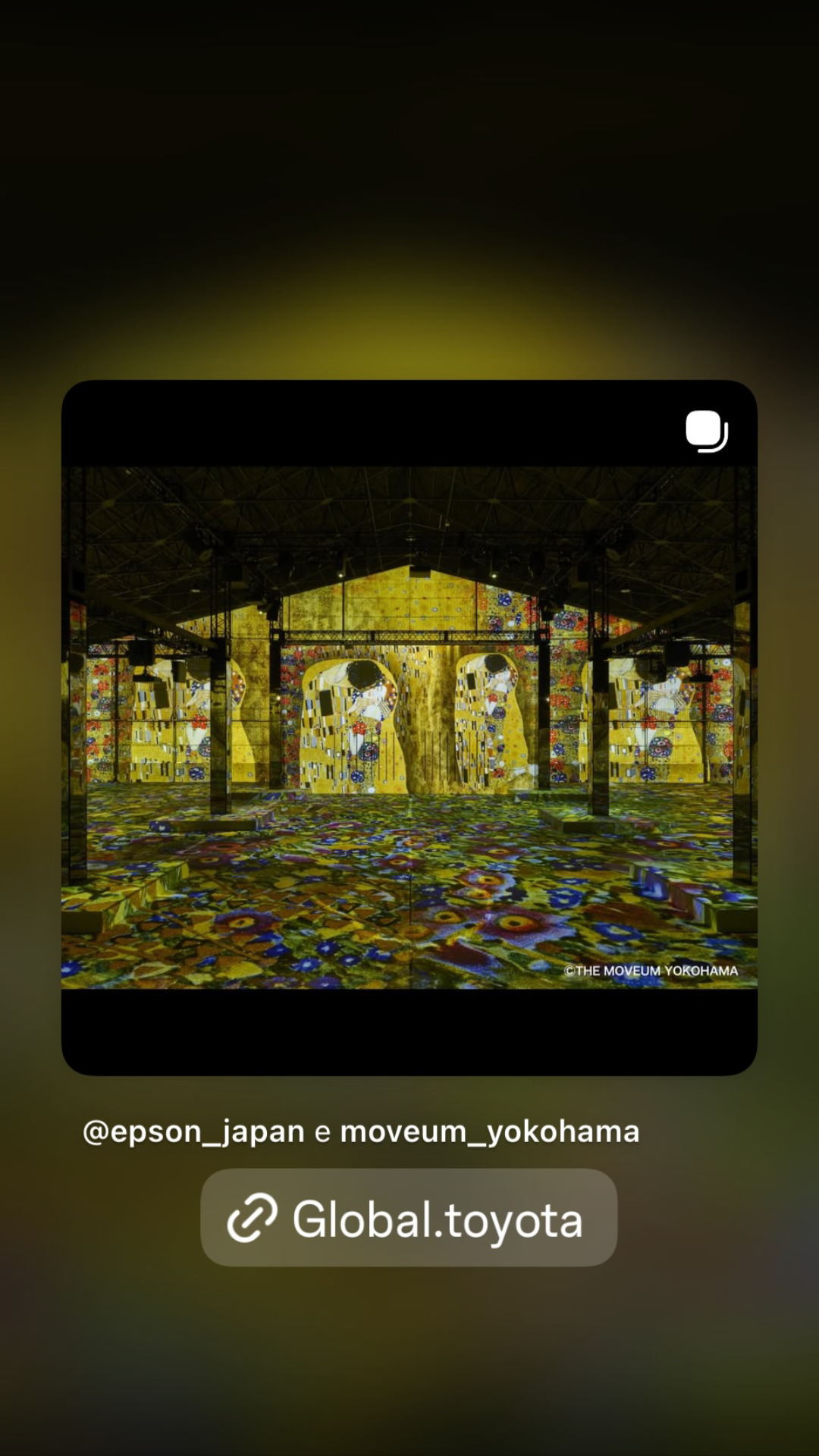
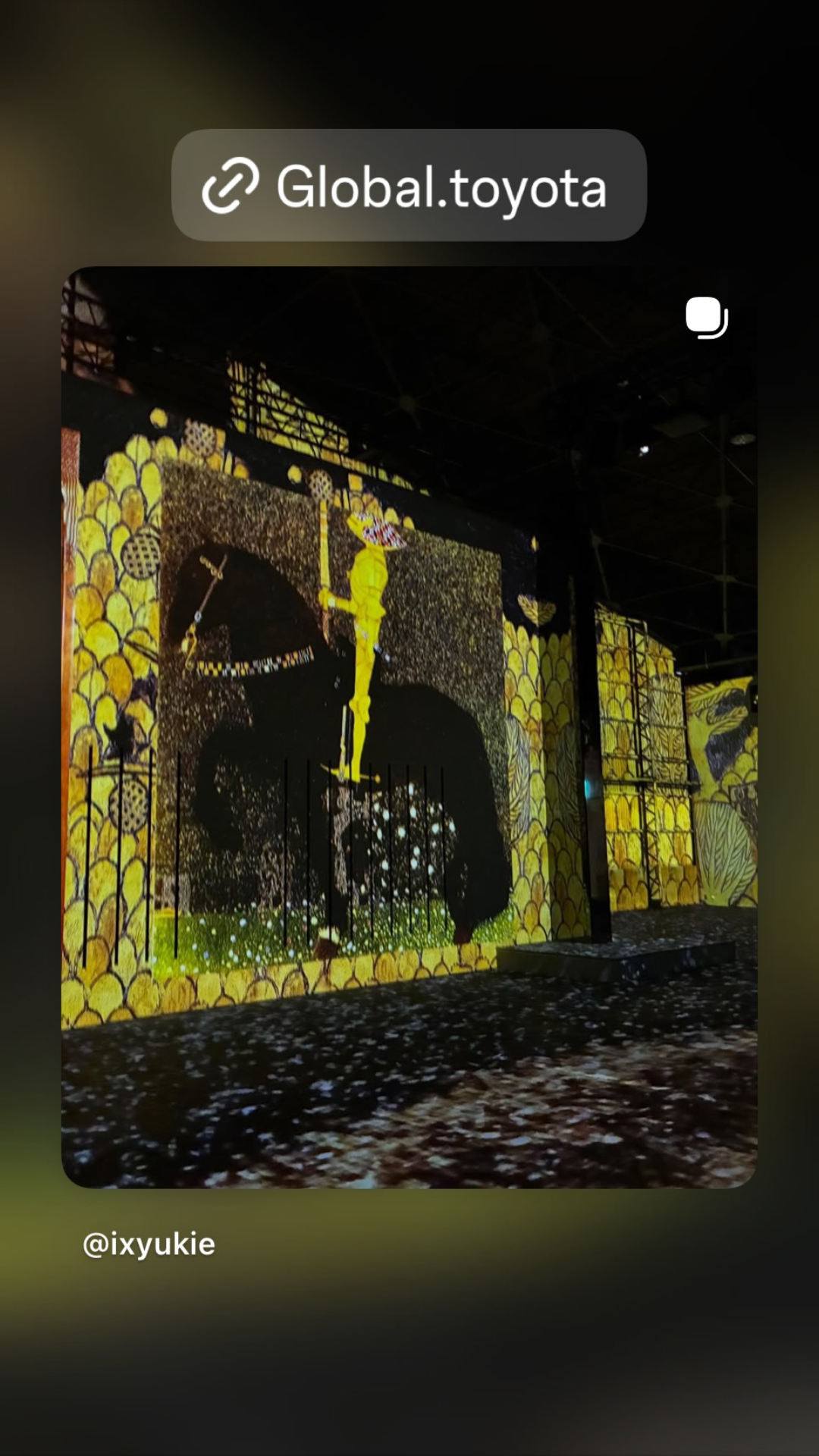
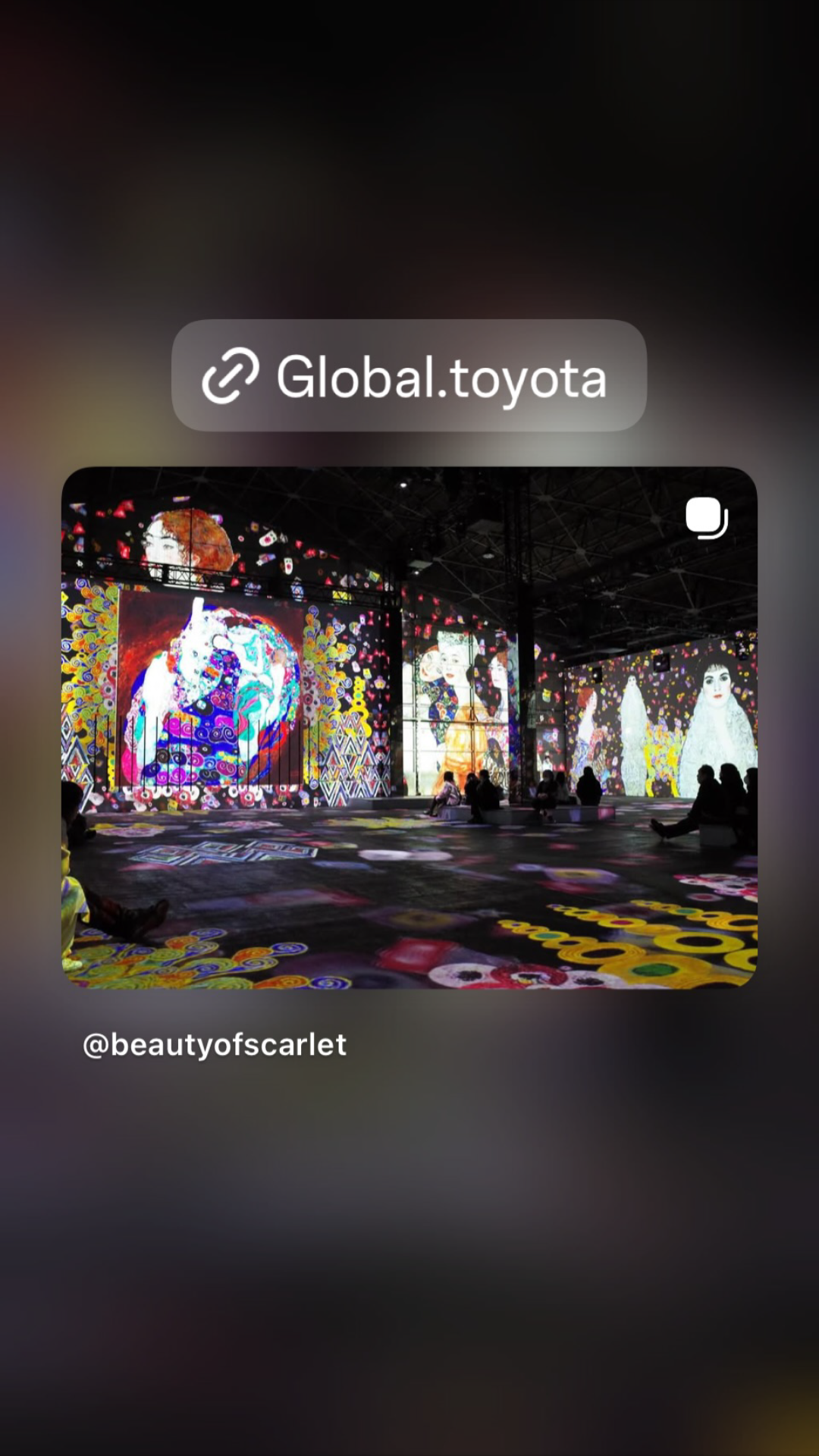
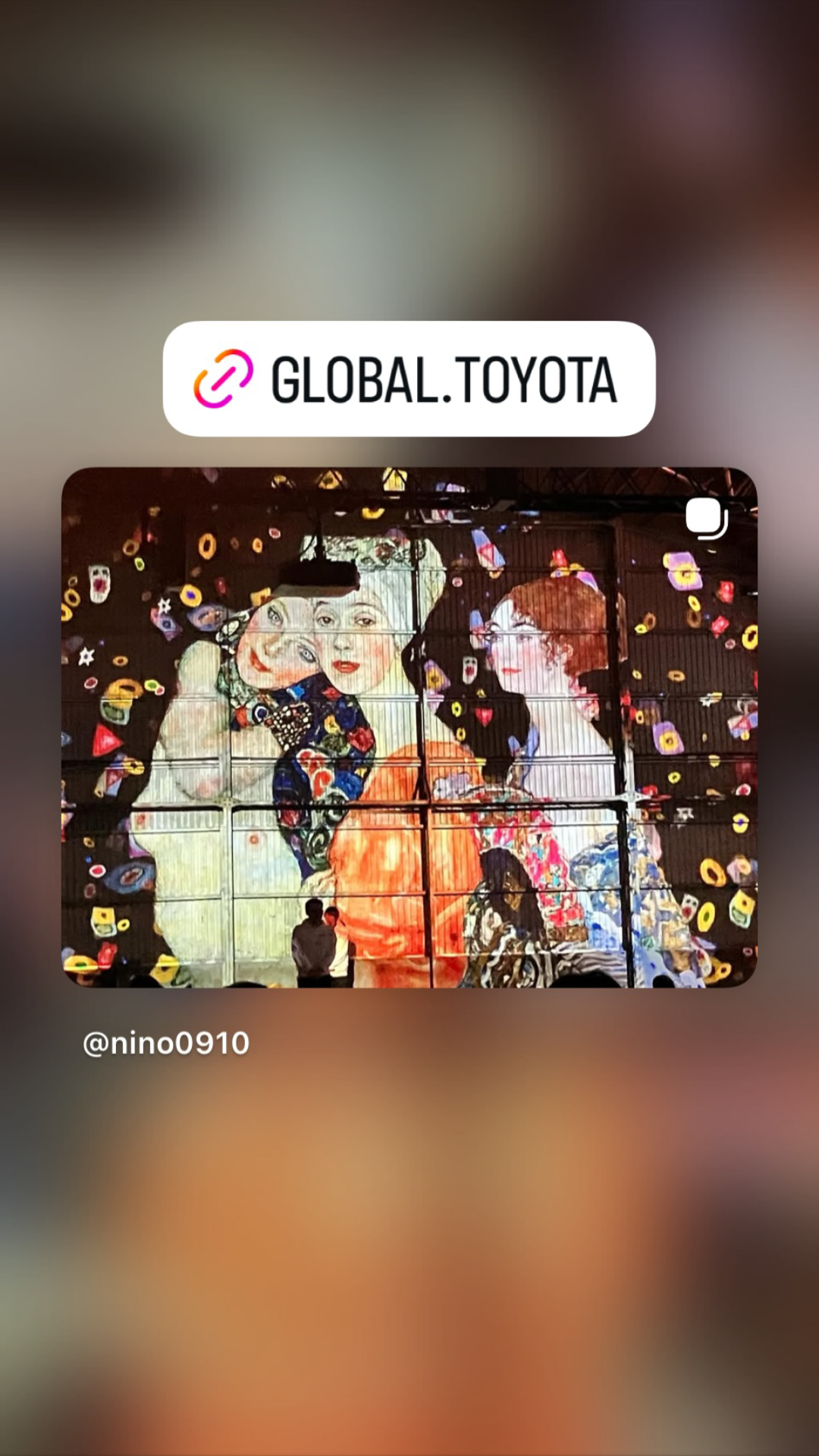
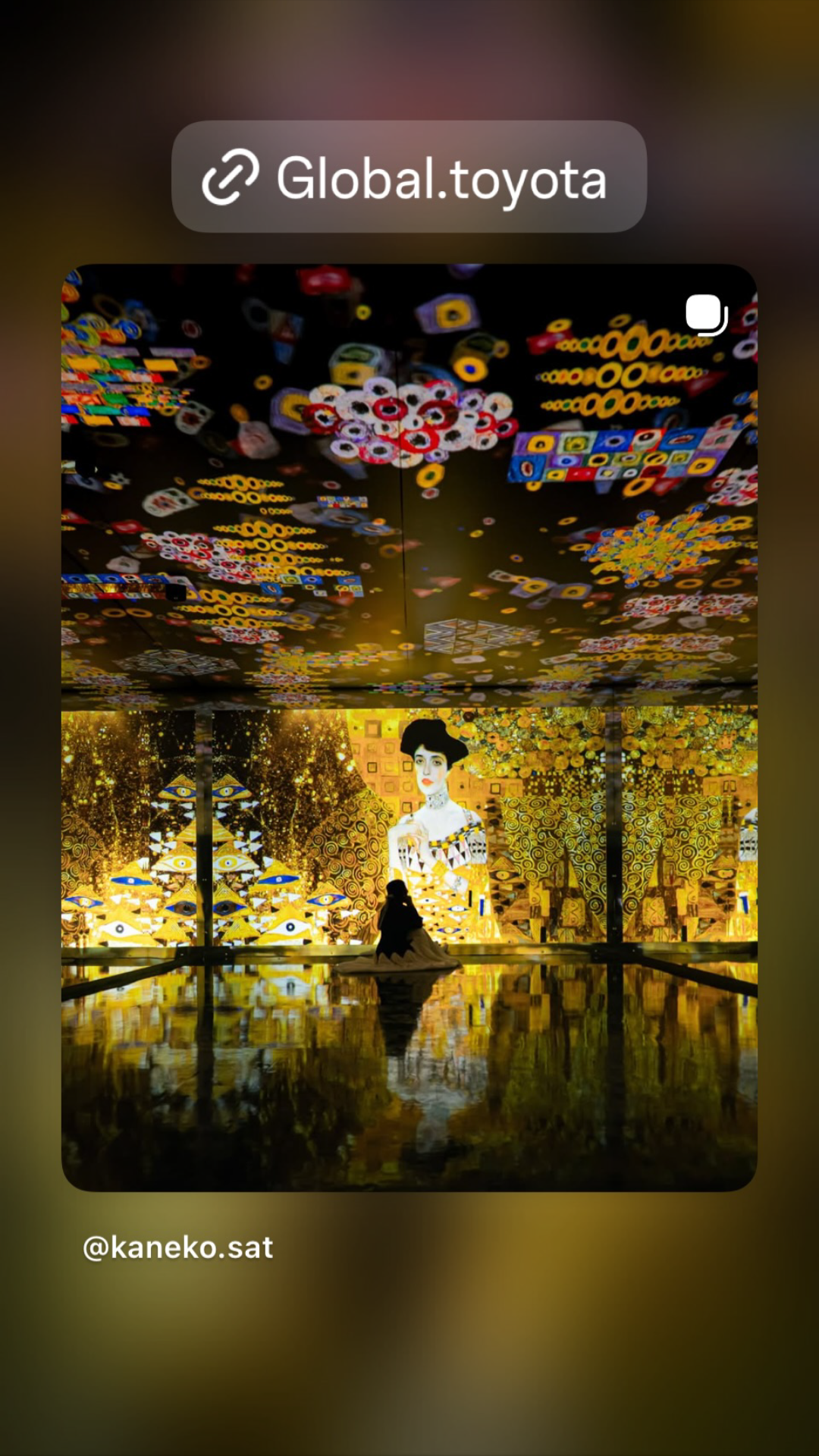
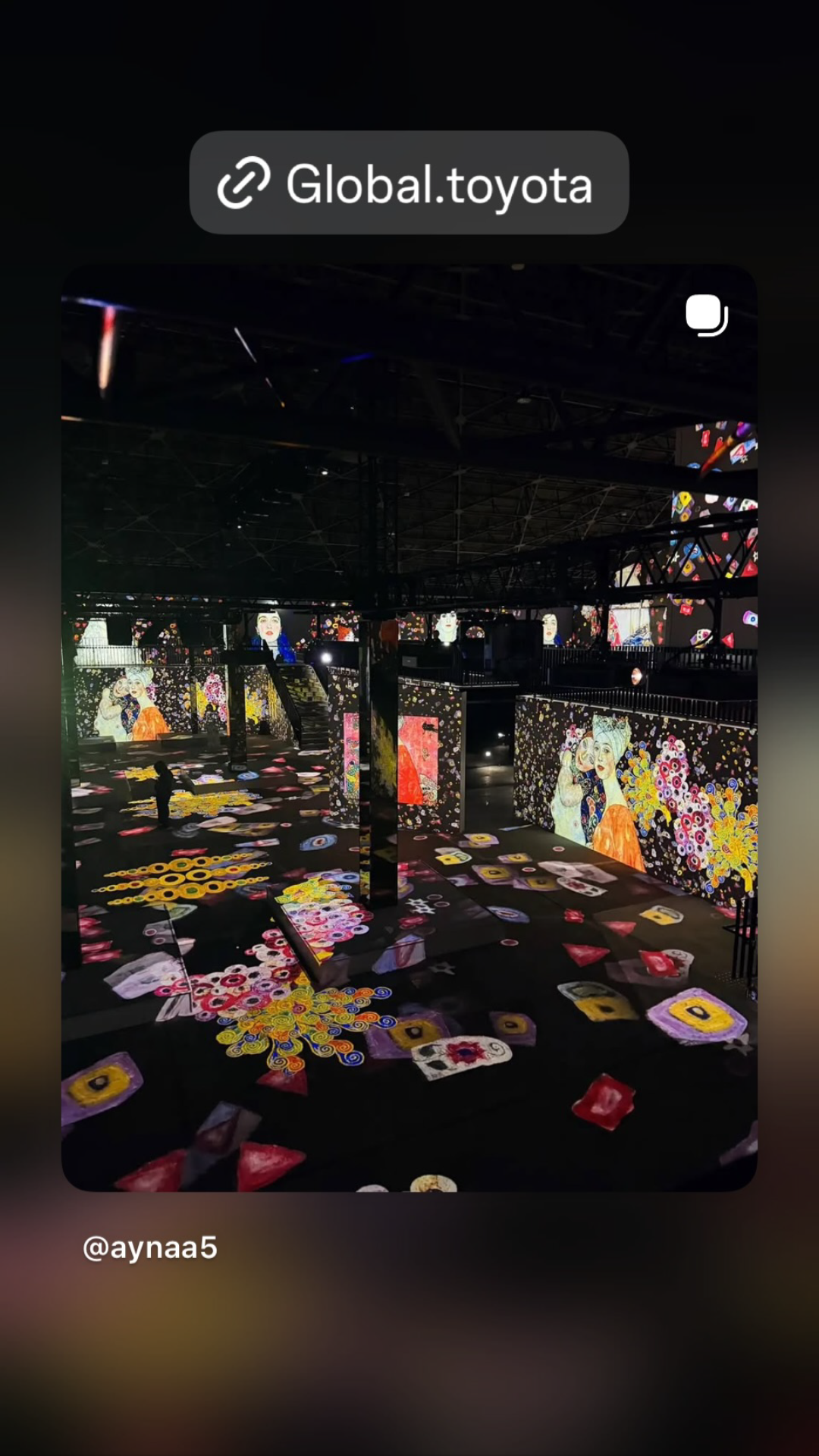
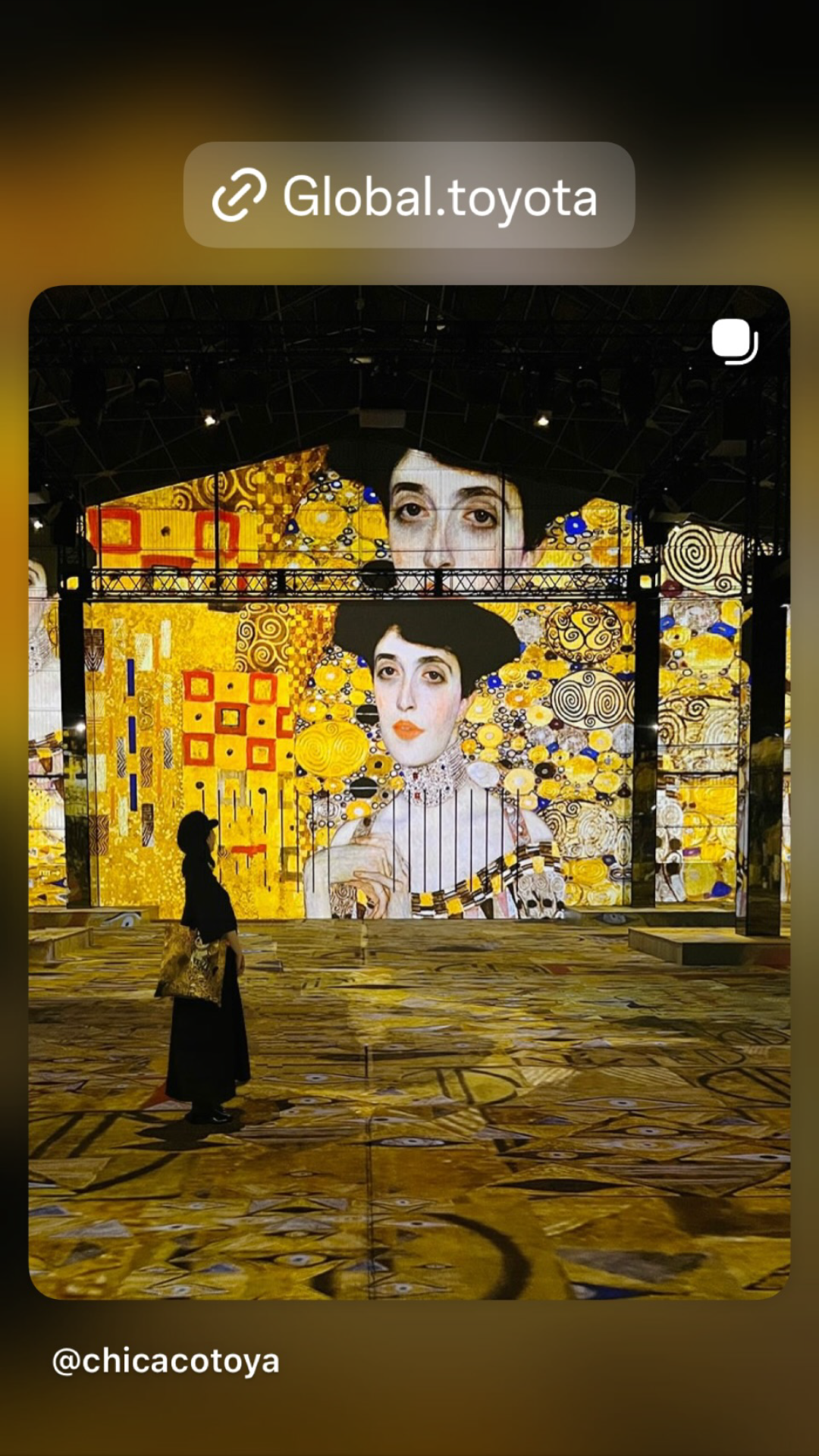

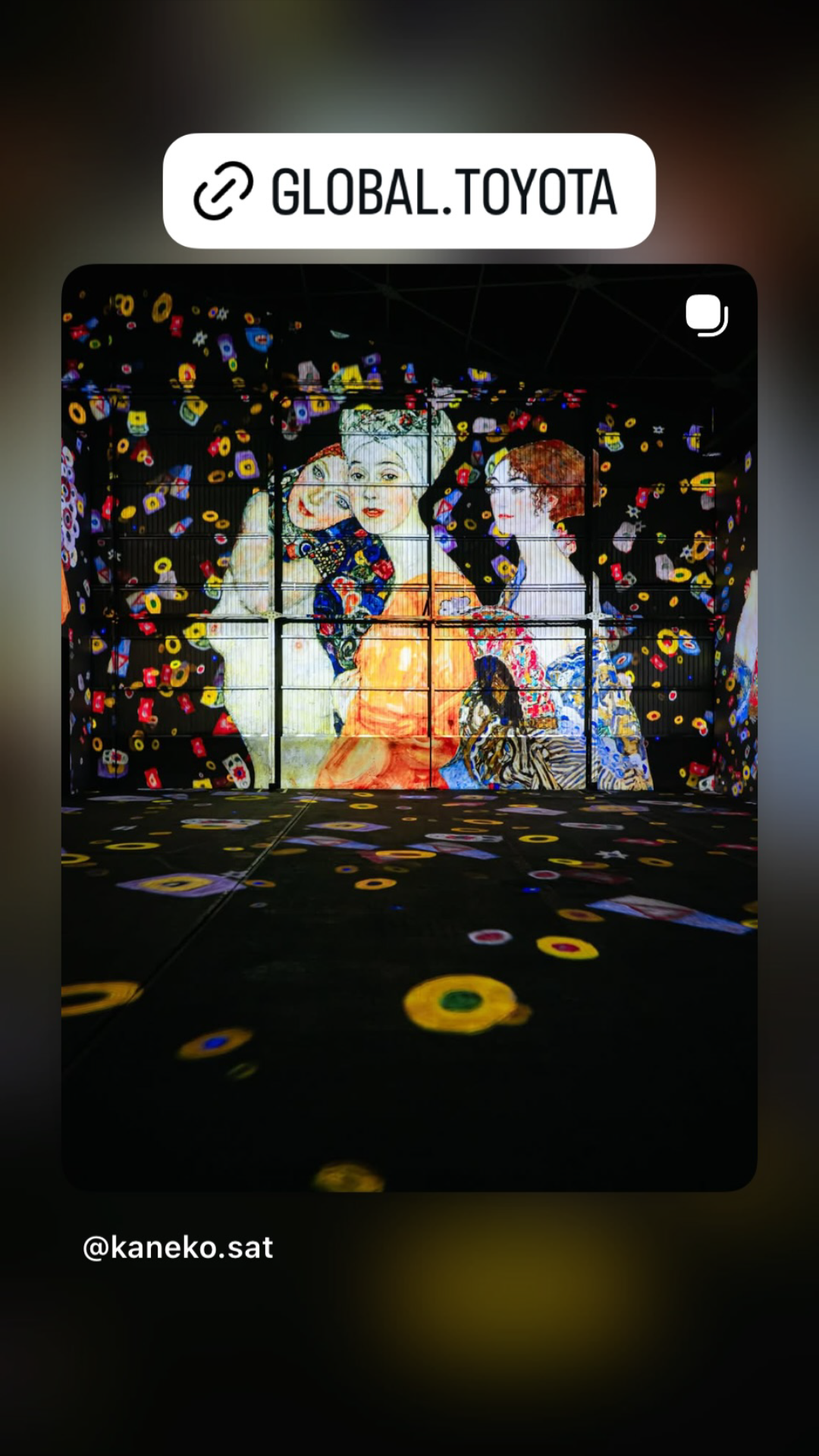
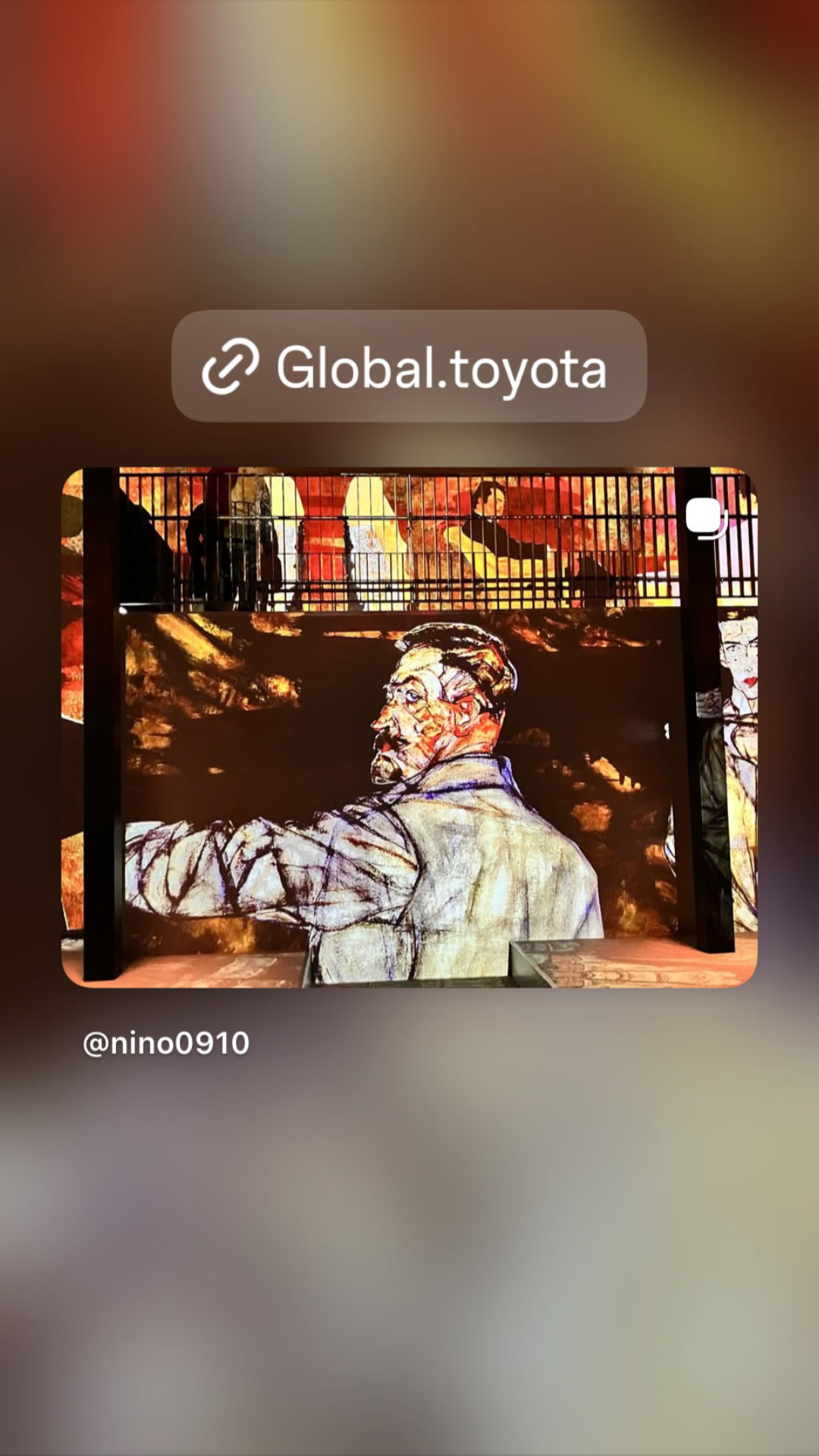


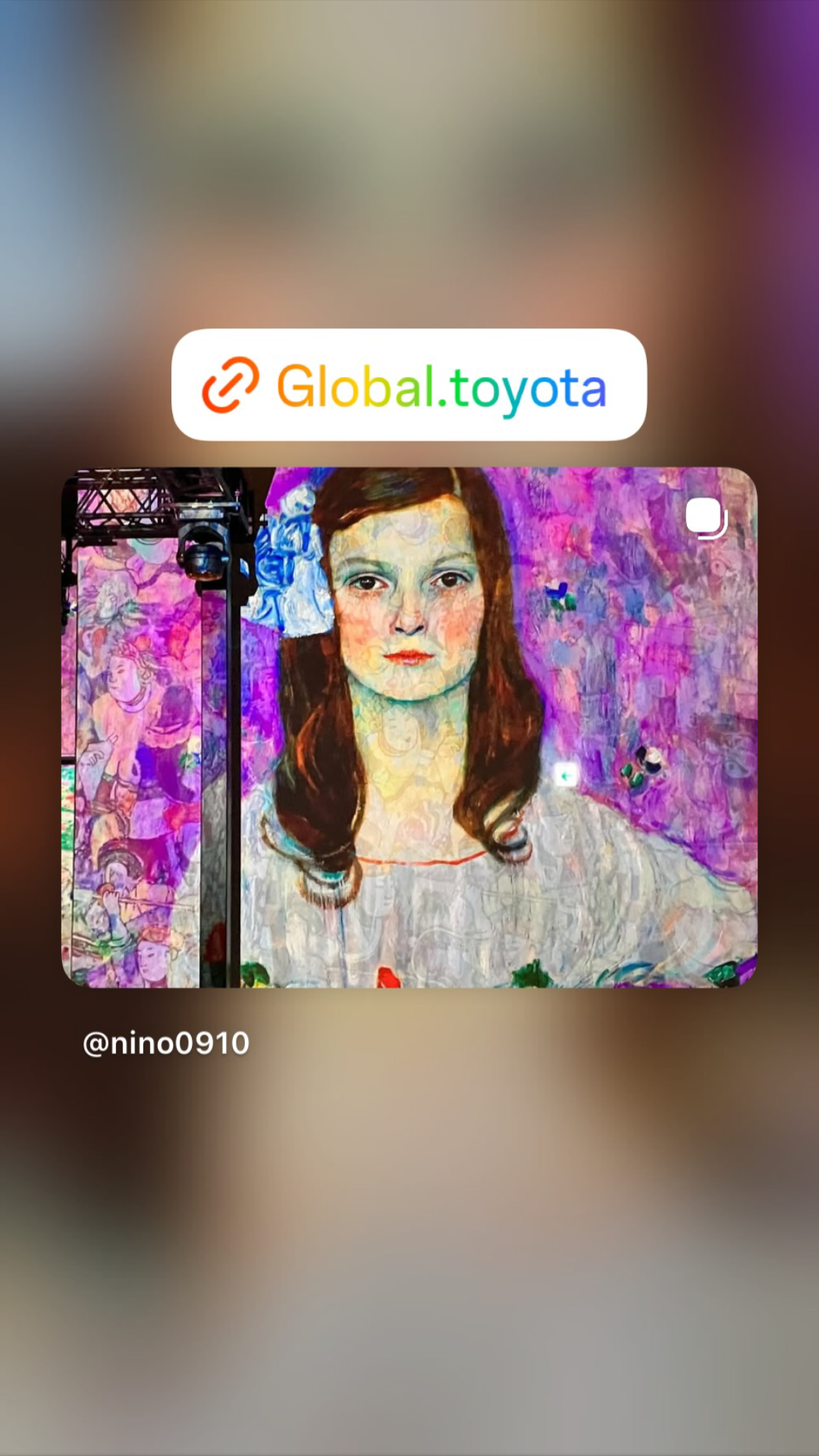
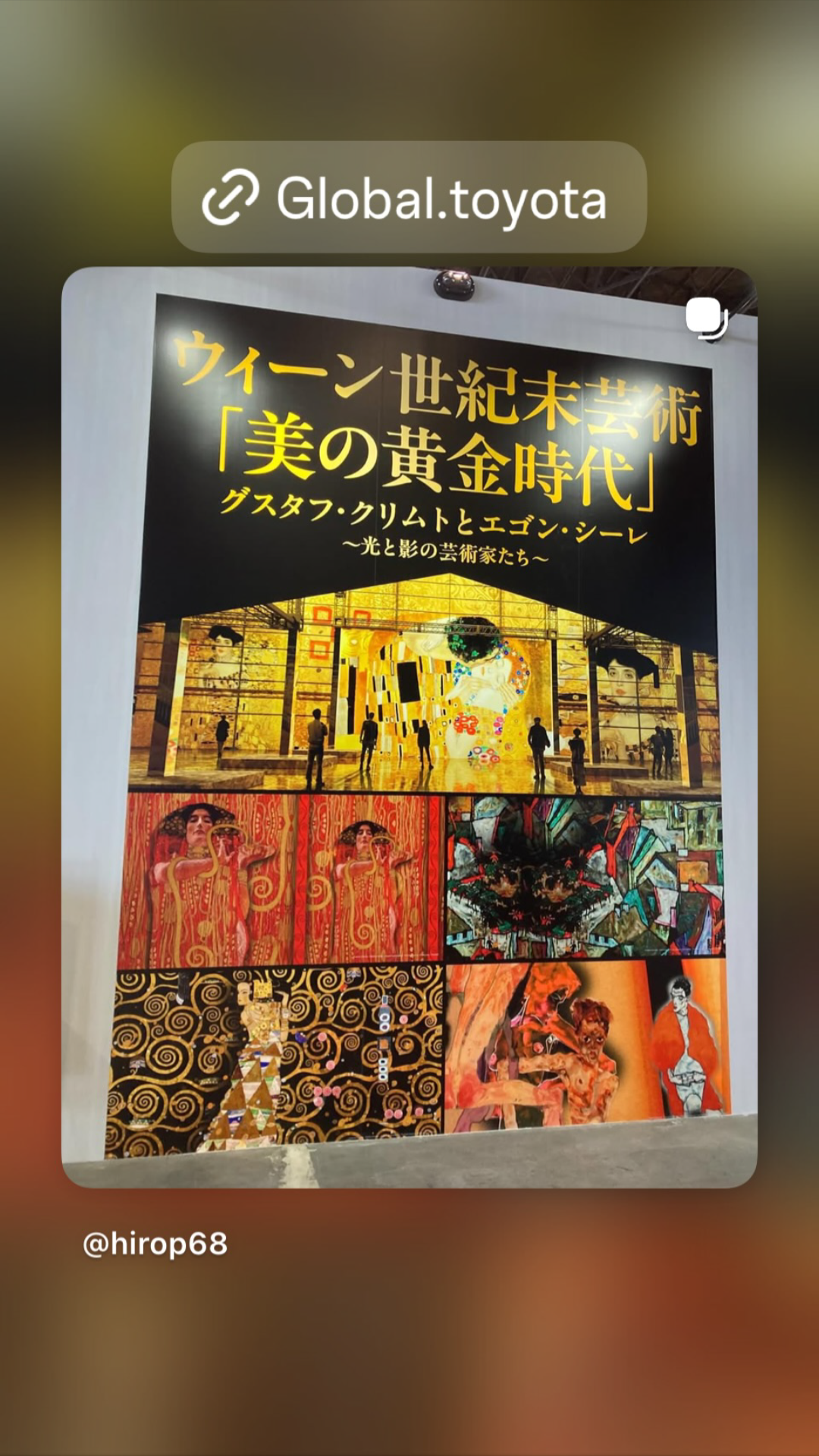
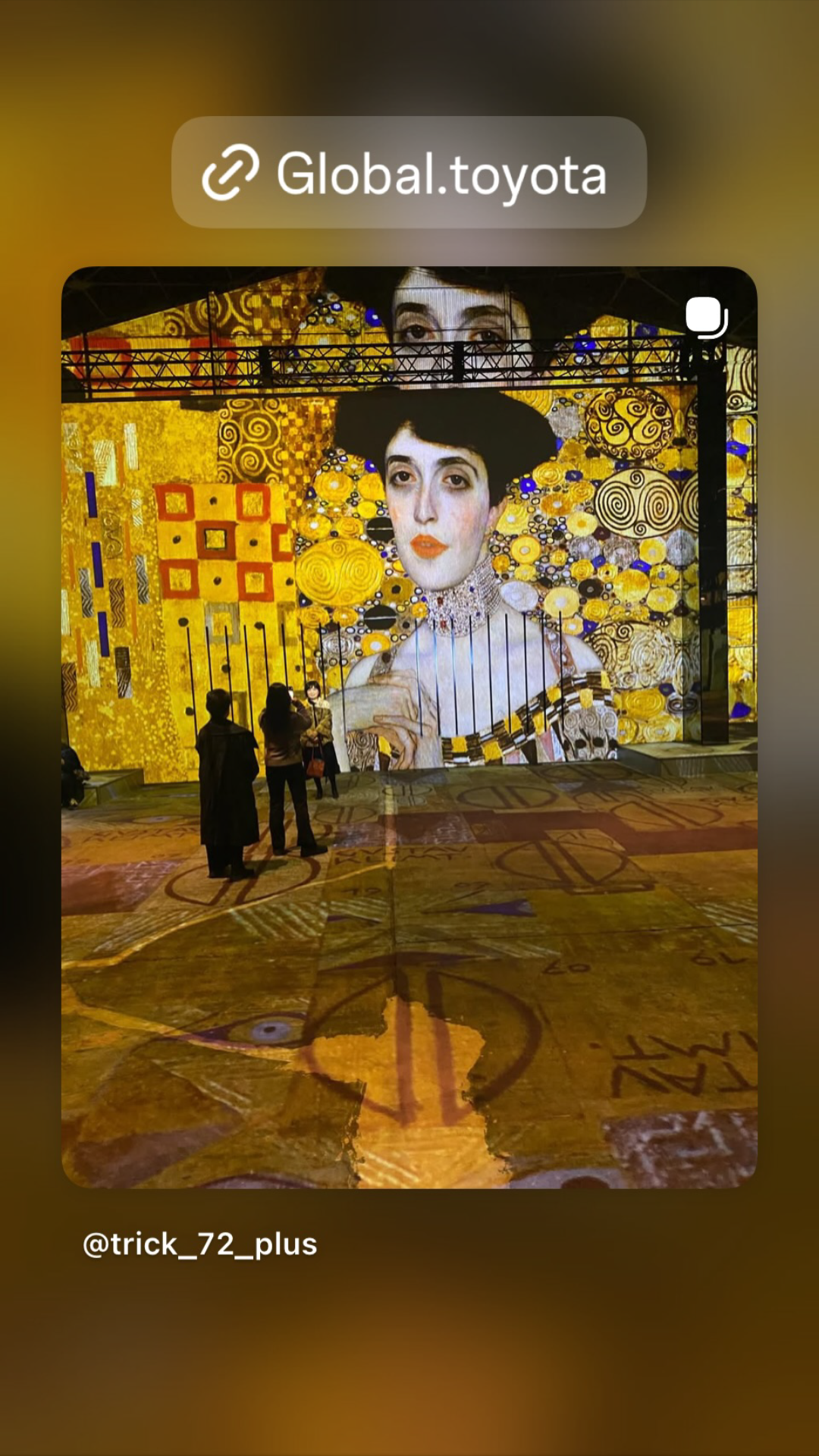
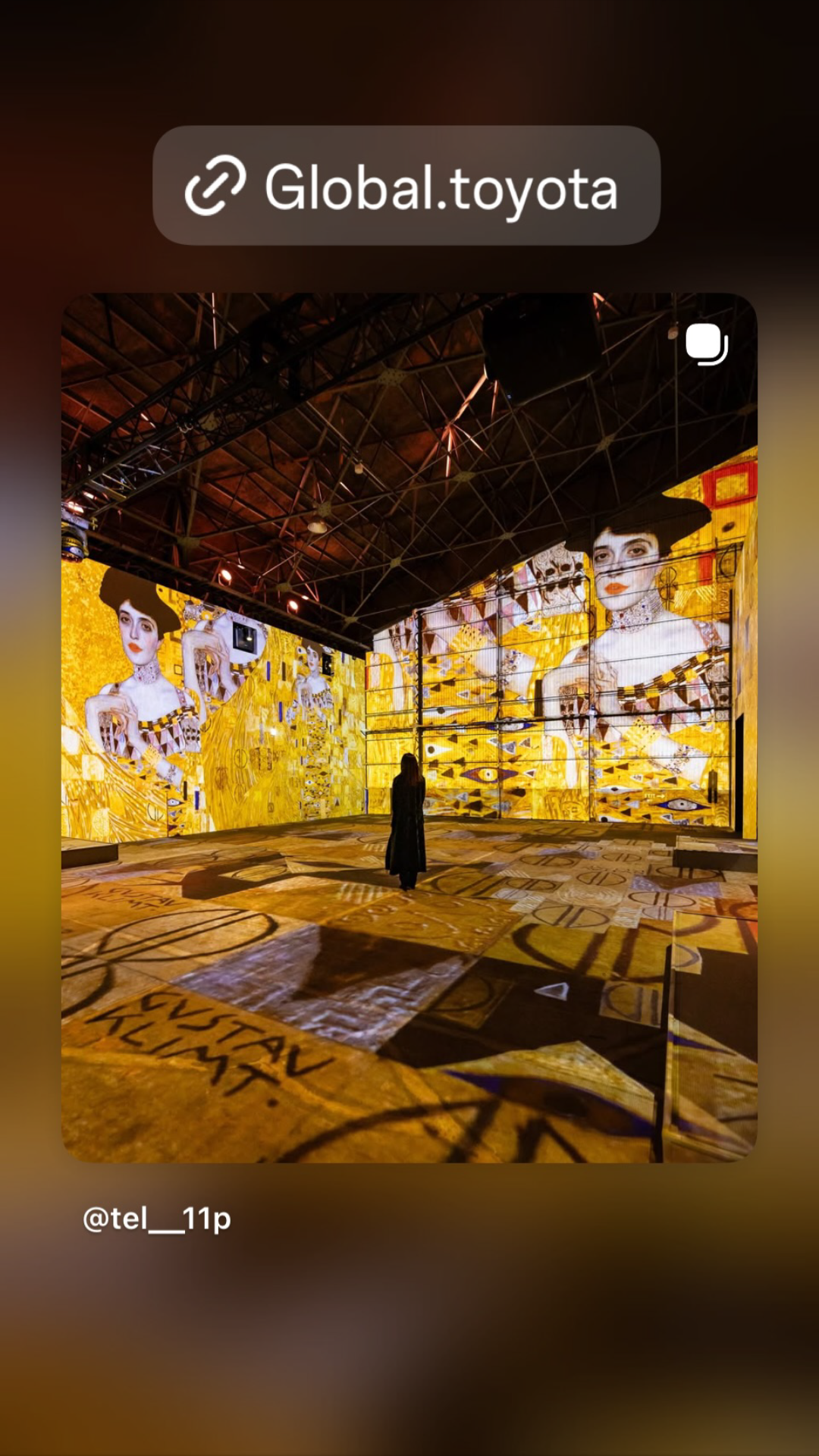
Within this theoretical and operational framework, the large-scale immersive exhibitions dedicated to masters of art history constitute the most well-known and influential core of Fake’s production. The Immersive Art Experiences devoted to Klimt, Caravaggio, Monet and the Impressionists, Magritte, Matisse, The Italian Beauty, Da Vinci, and Modigliani do not merely offer a digital transposition of painting, but rather propose a genuine environmental rewriting of it. In these contexts, the two-dimensional surface of the painting is dematerialized and recomposed into dynamic visual flows that occupy the entire exhibition space, generating a kinesthetic and synesthetic mode of reception.
These experiences have achieved global success, attracting millions of visitors and spreading widely across museums and exhibition venues worldwide, contributing to the establishment of a replicable exhibition standard on an international scale. In particular, works such as Klimt Experience and Magritte Experience have demonstrated the capacity of this format to combine dissemination and spectacle, redefining strategies of cultural mediation within the contemporary museum context.
From an aesthetic standpoint, Fake’s work is characterized by a visual dramaturgy based on continuity and metamorphosis of images: fluid sequences, narrative loops, and enveloping environments dissolve the boundaries between interior and exterior, between real and virtual. The use of monumental projection and multisensory design produces an immersive effect that responds to a precise anthropological drive: the spectator’s desire to “enter” the artwork and experience it directly.
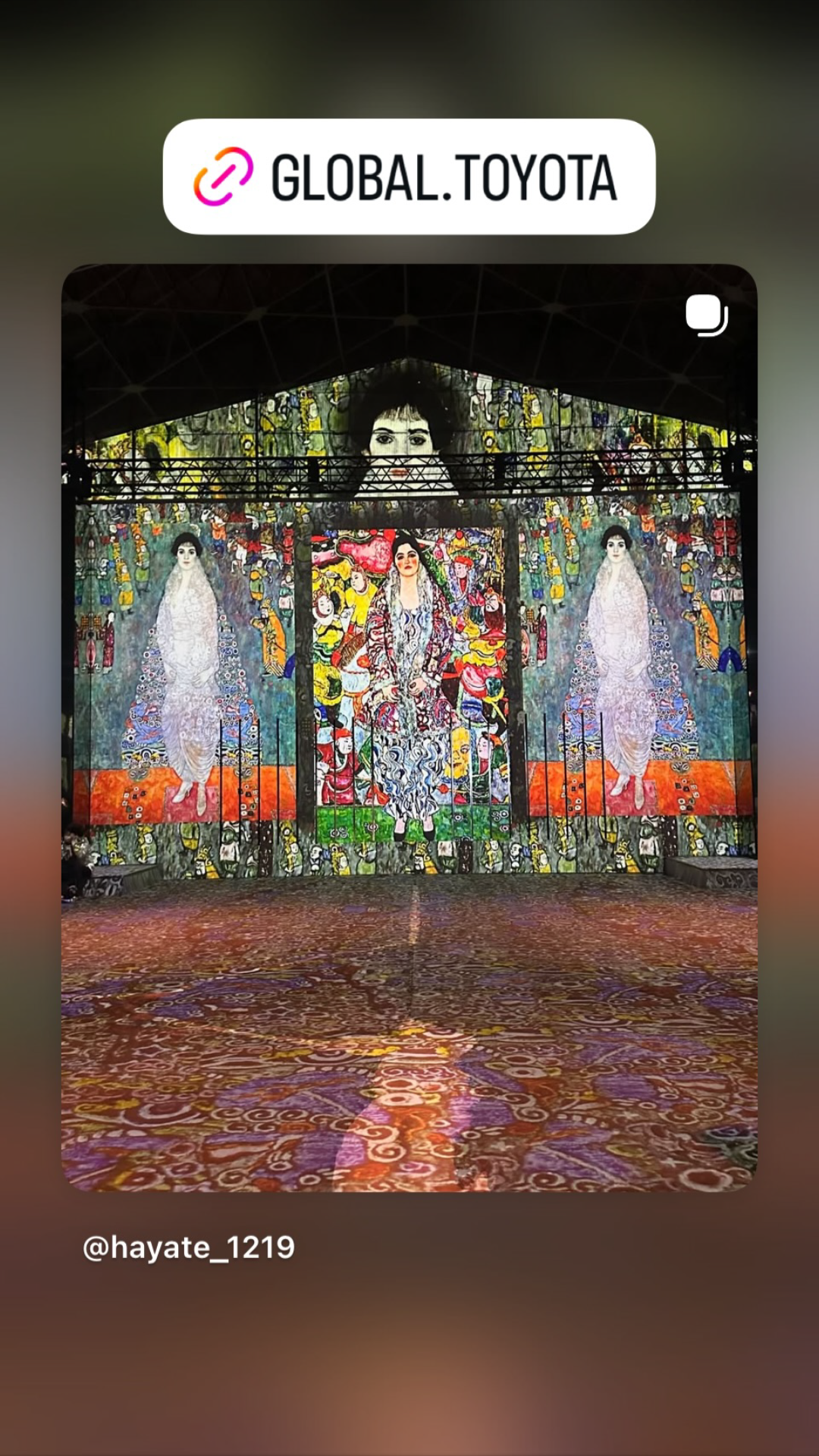
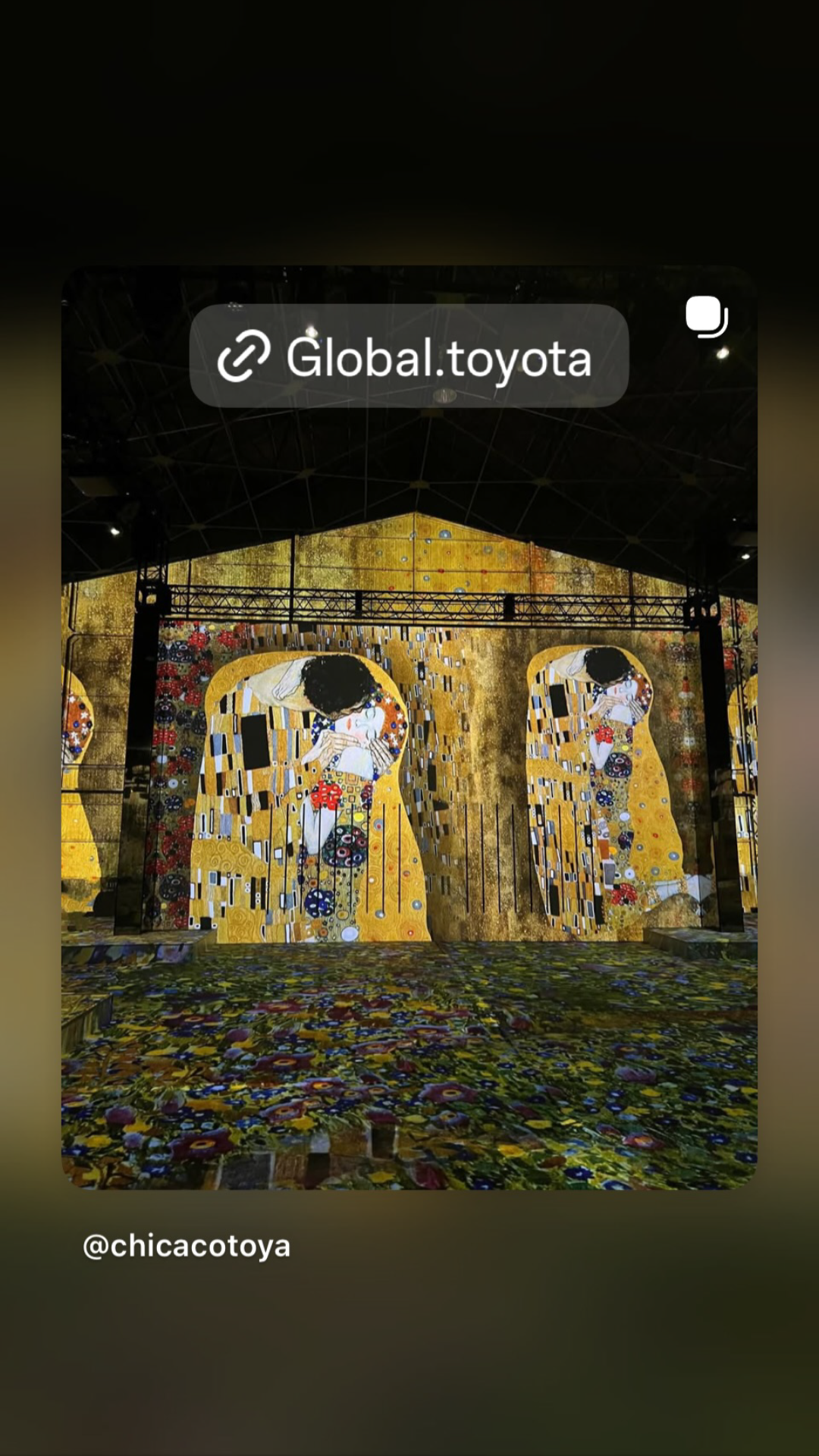
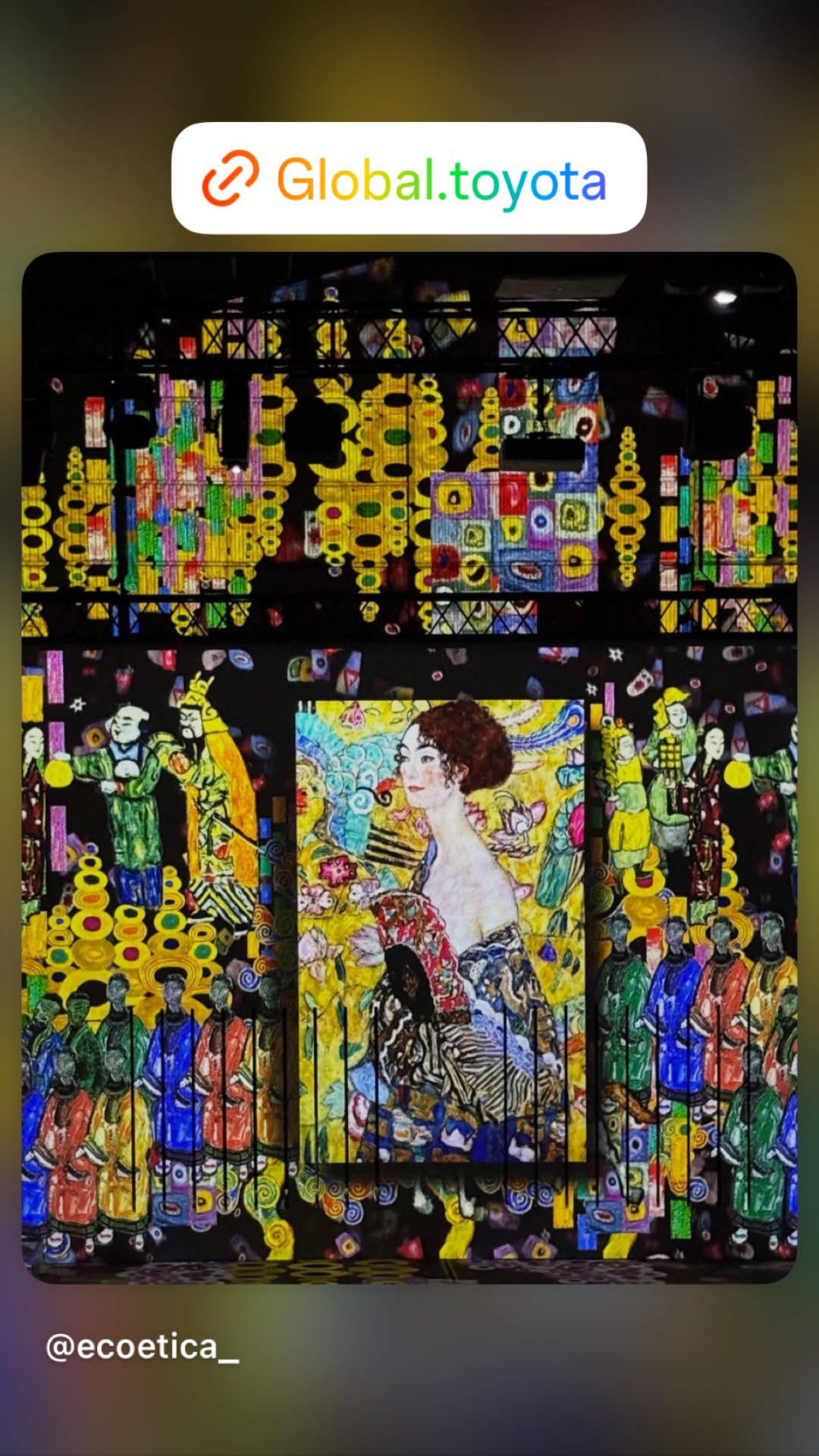
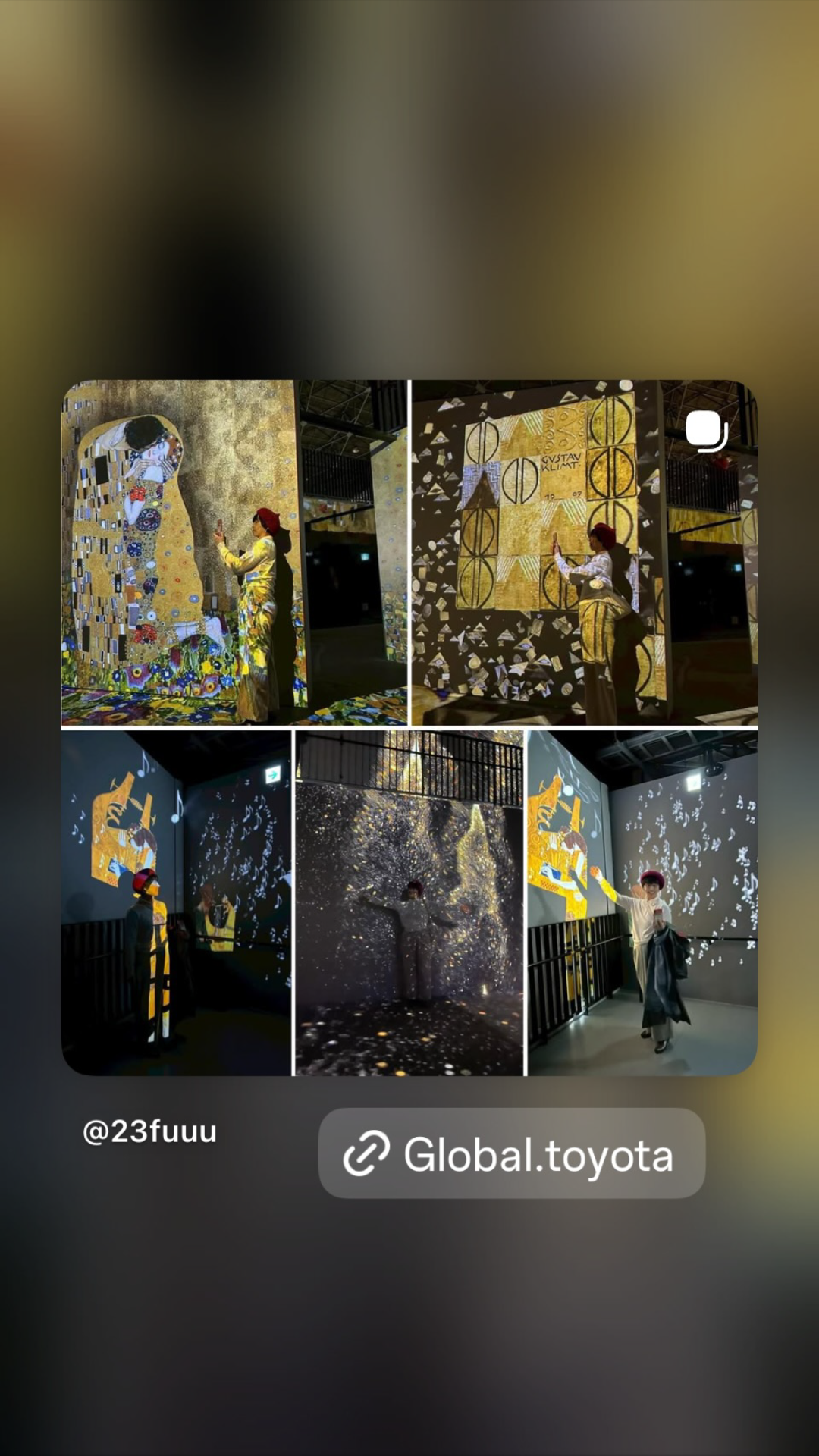
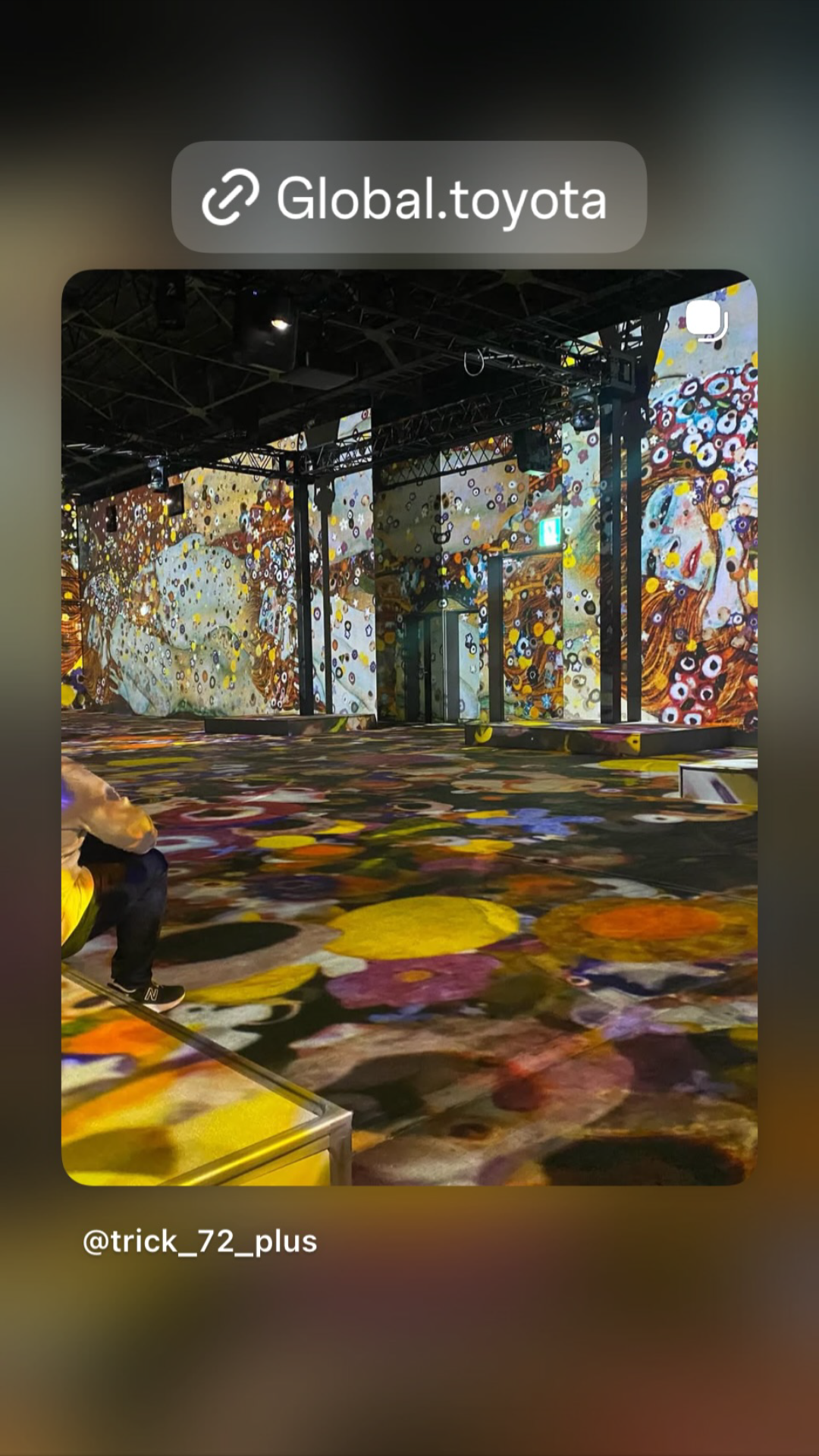

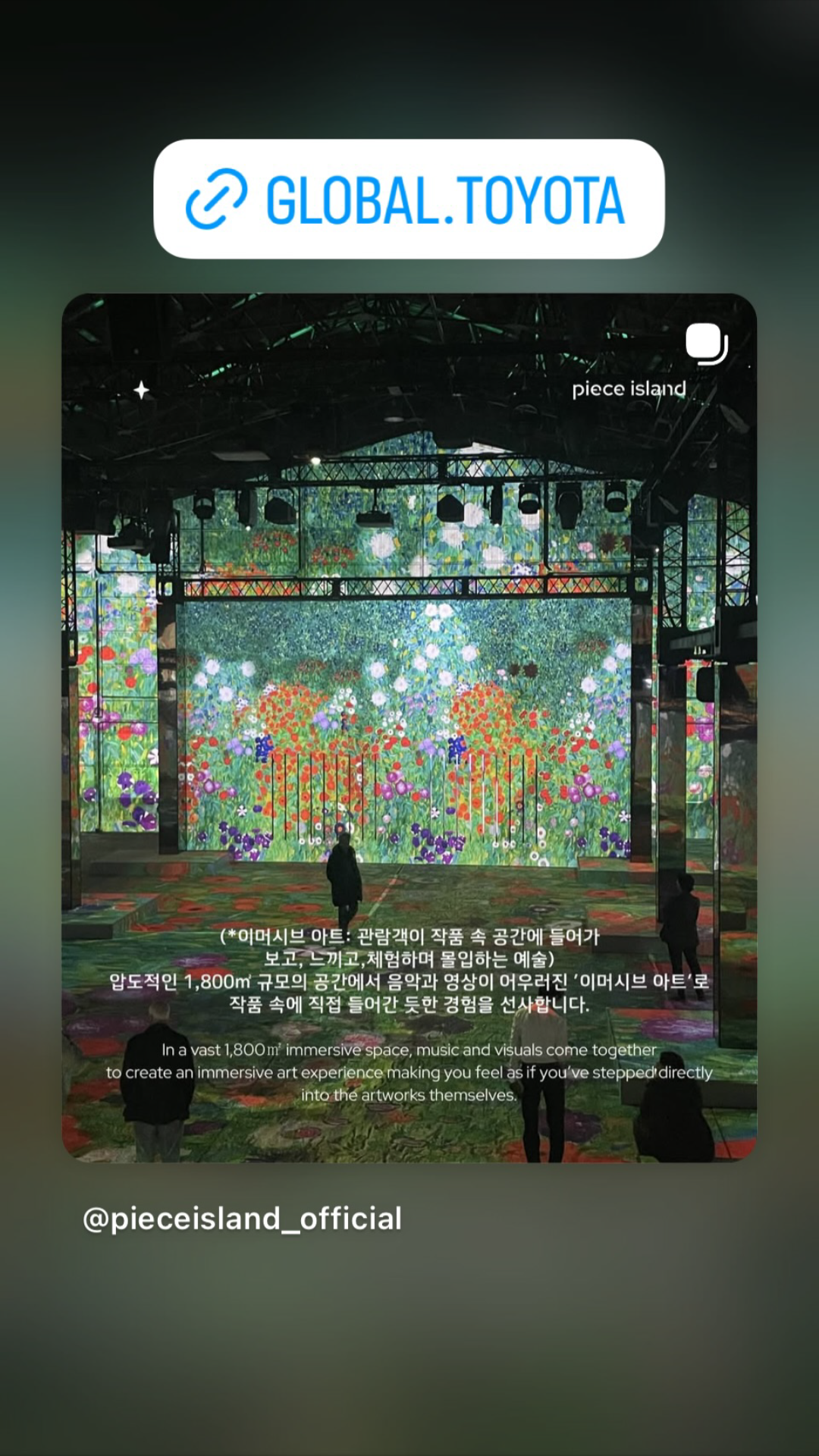
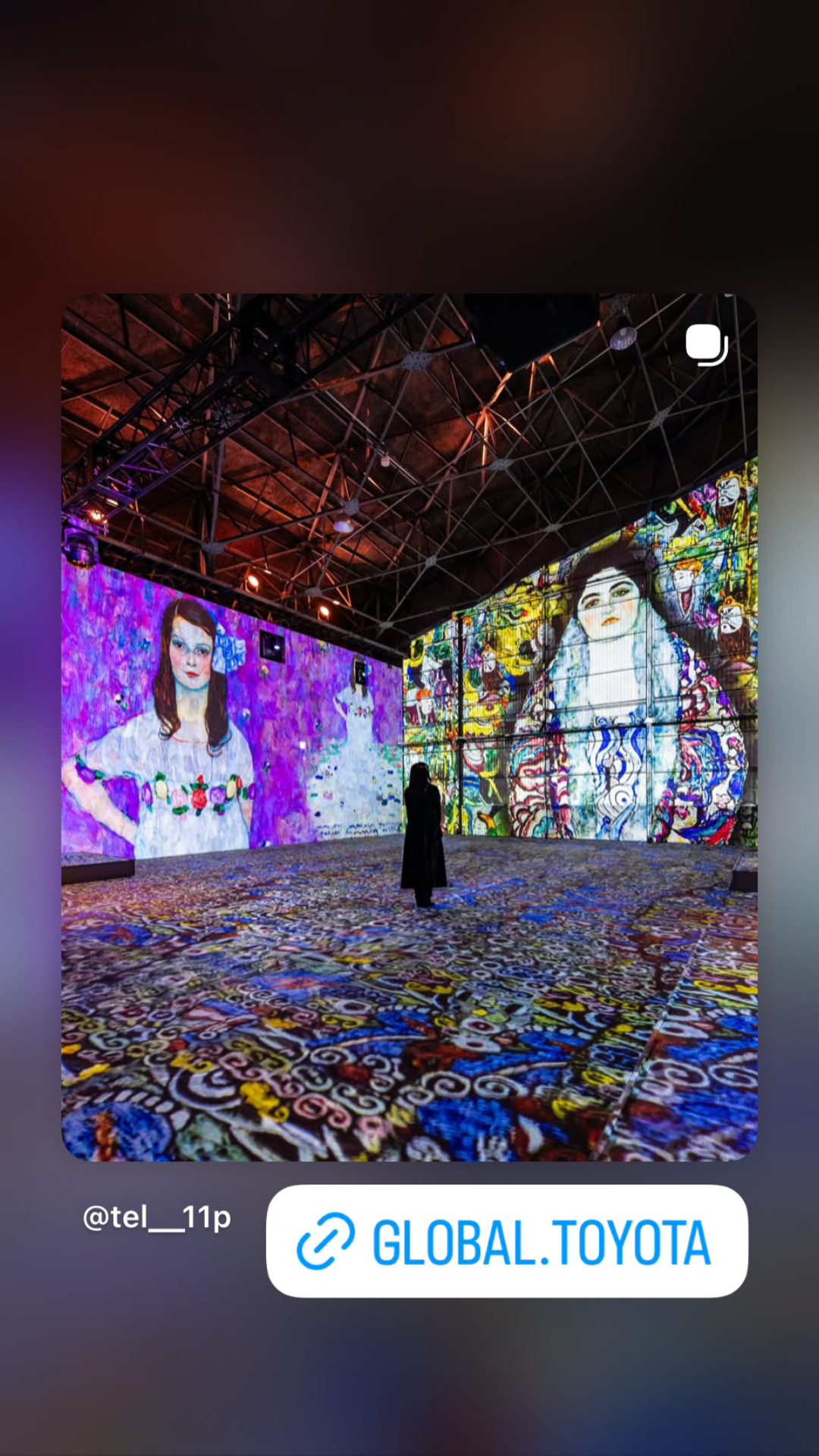
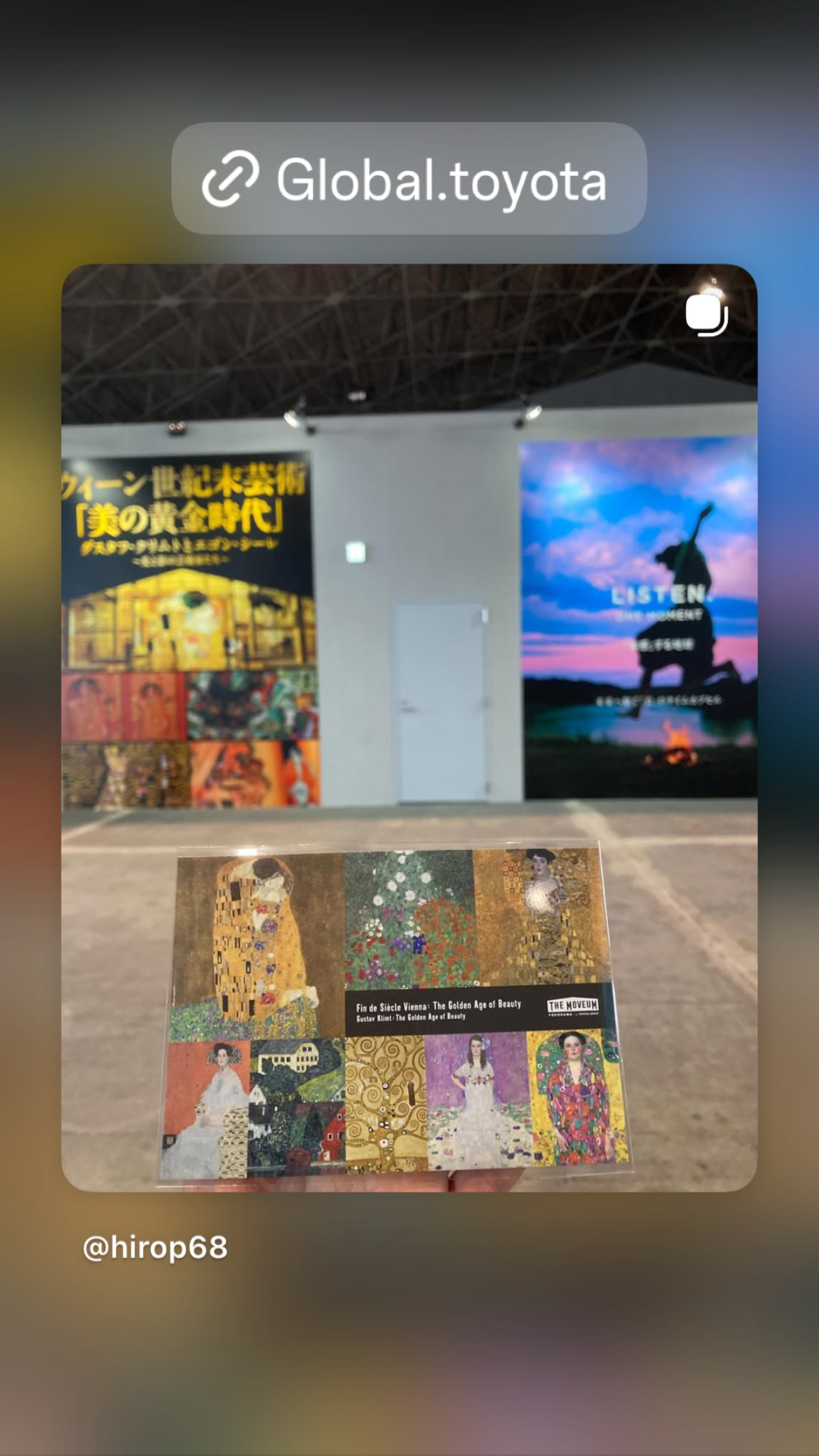
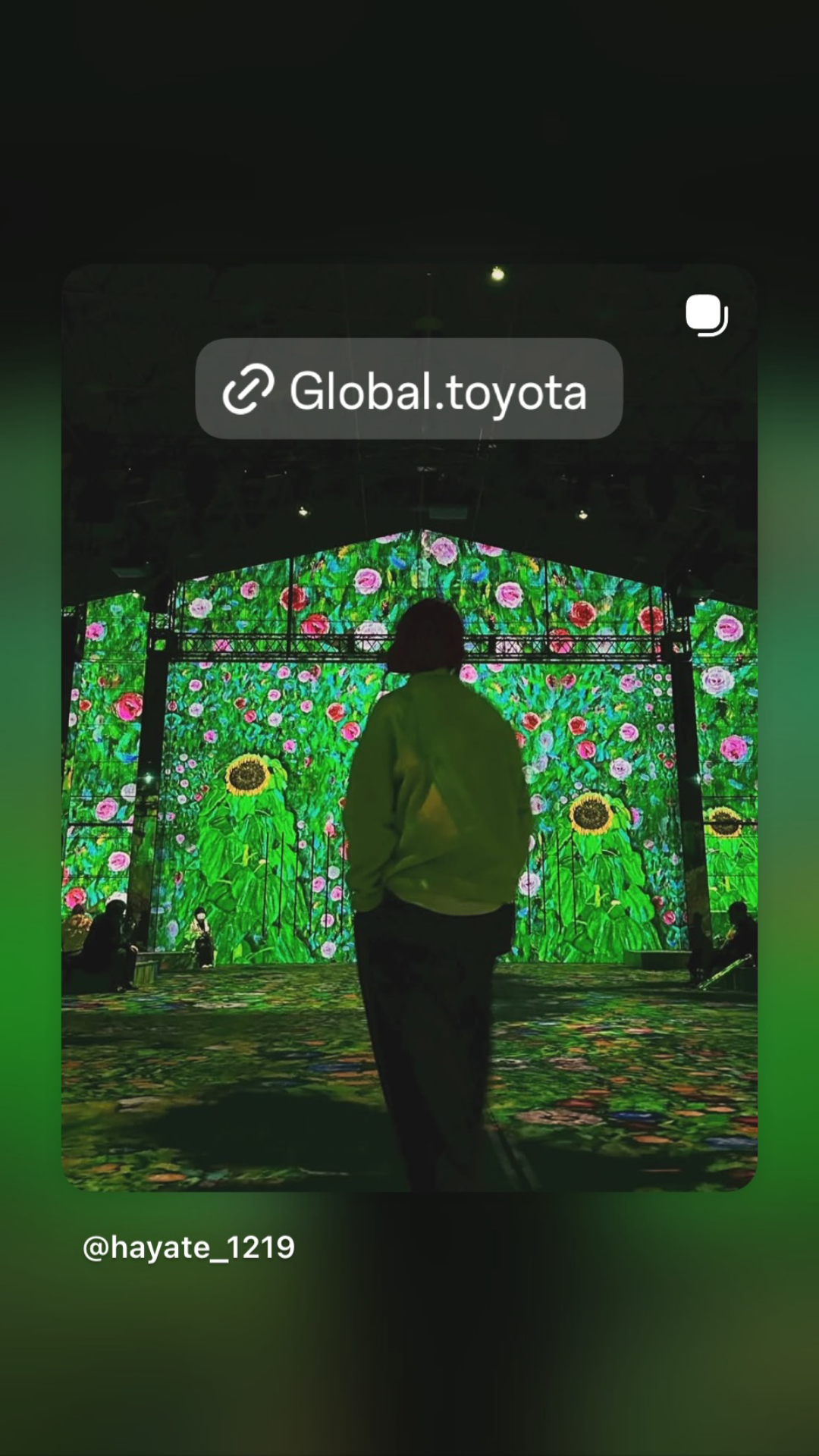
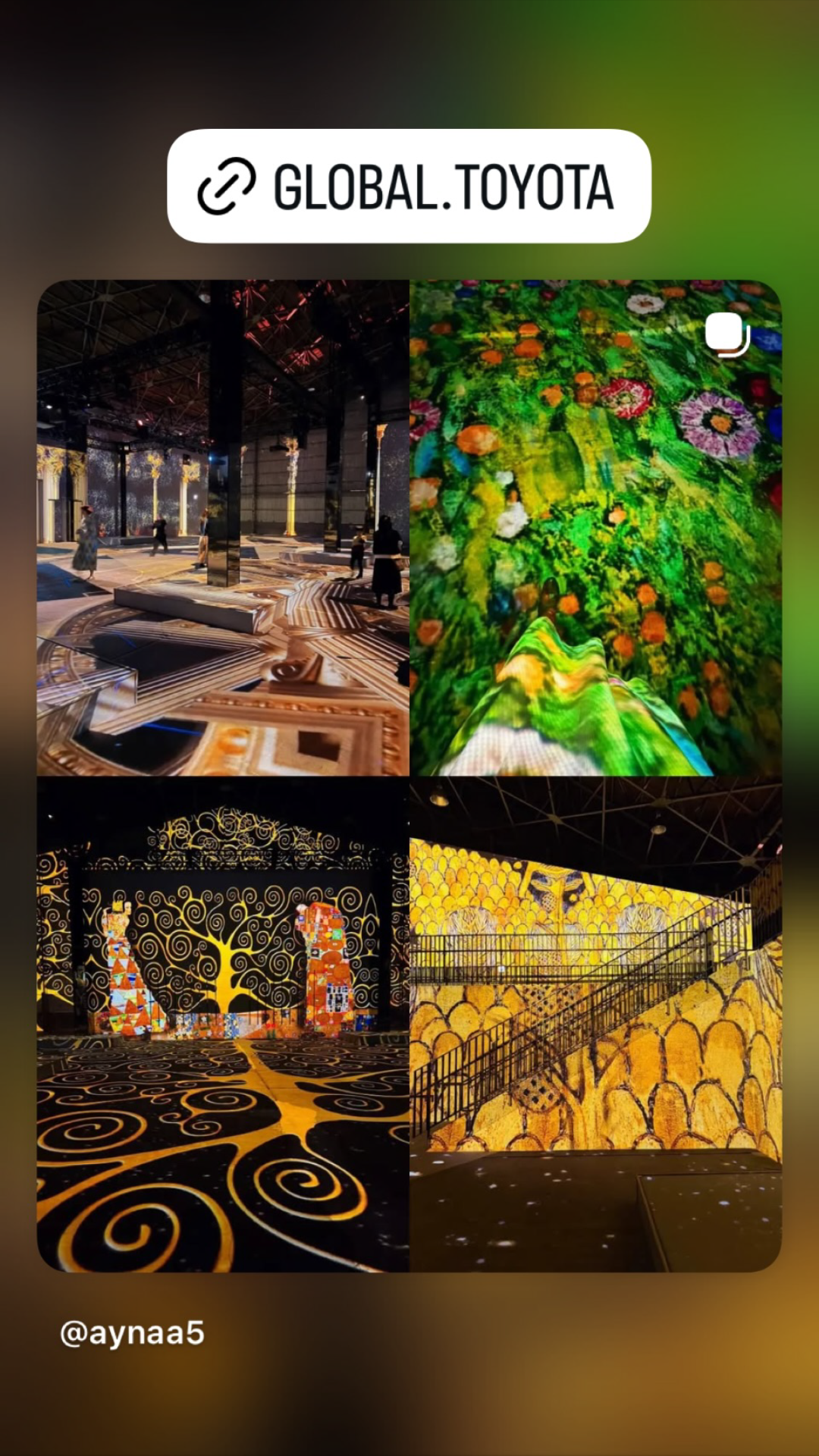
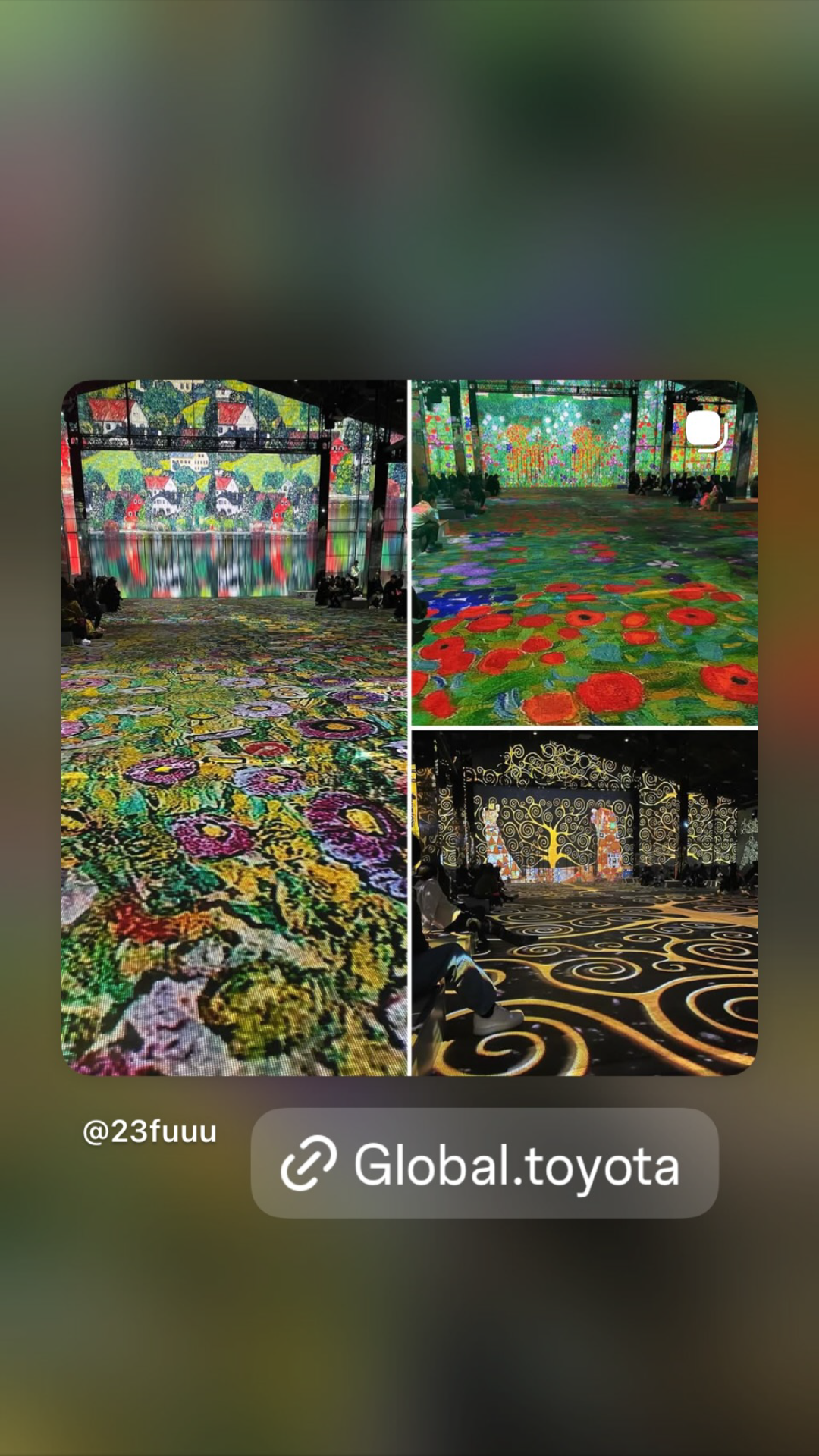
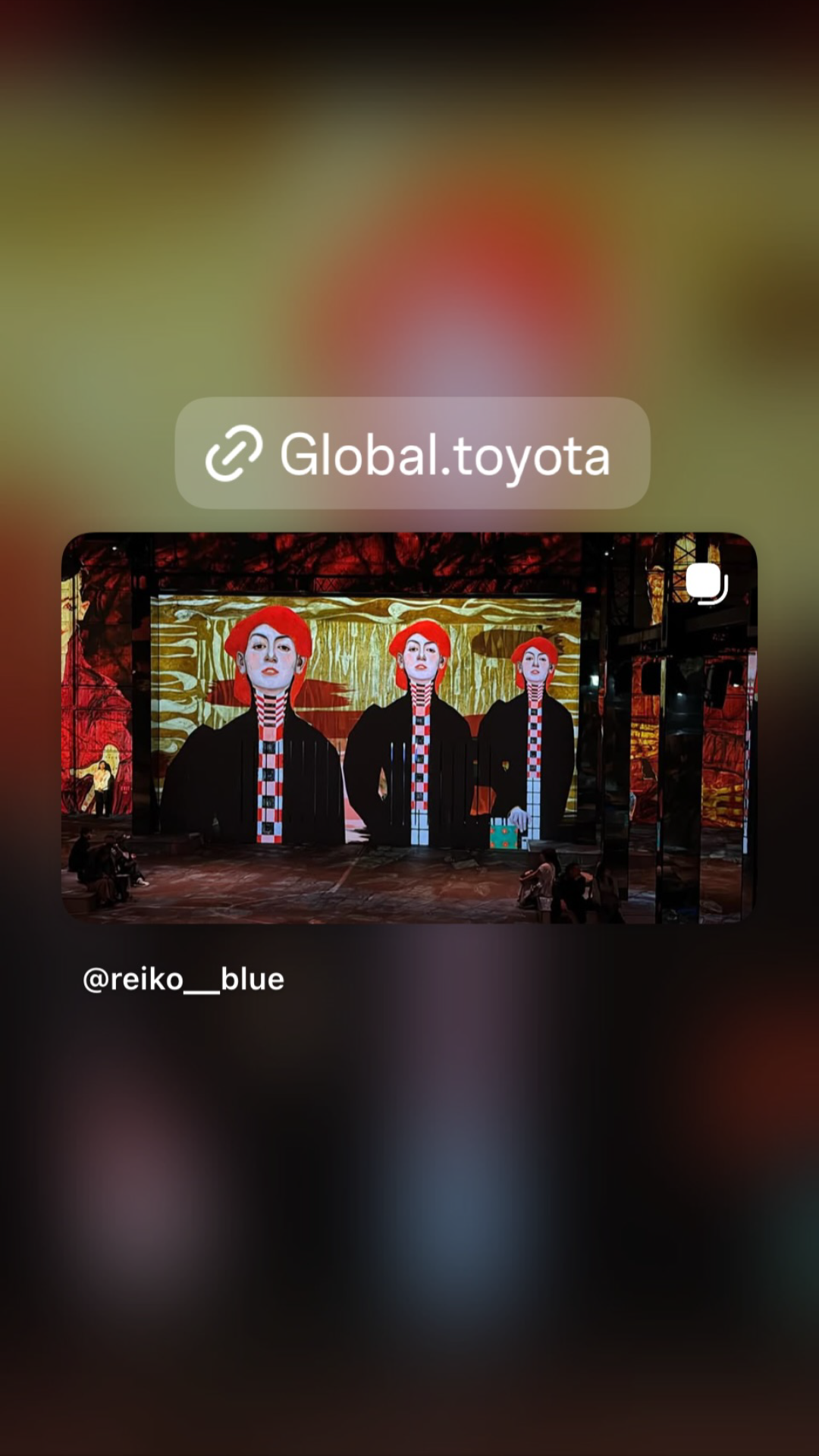
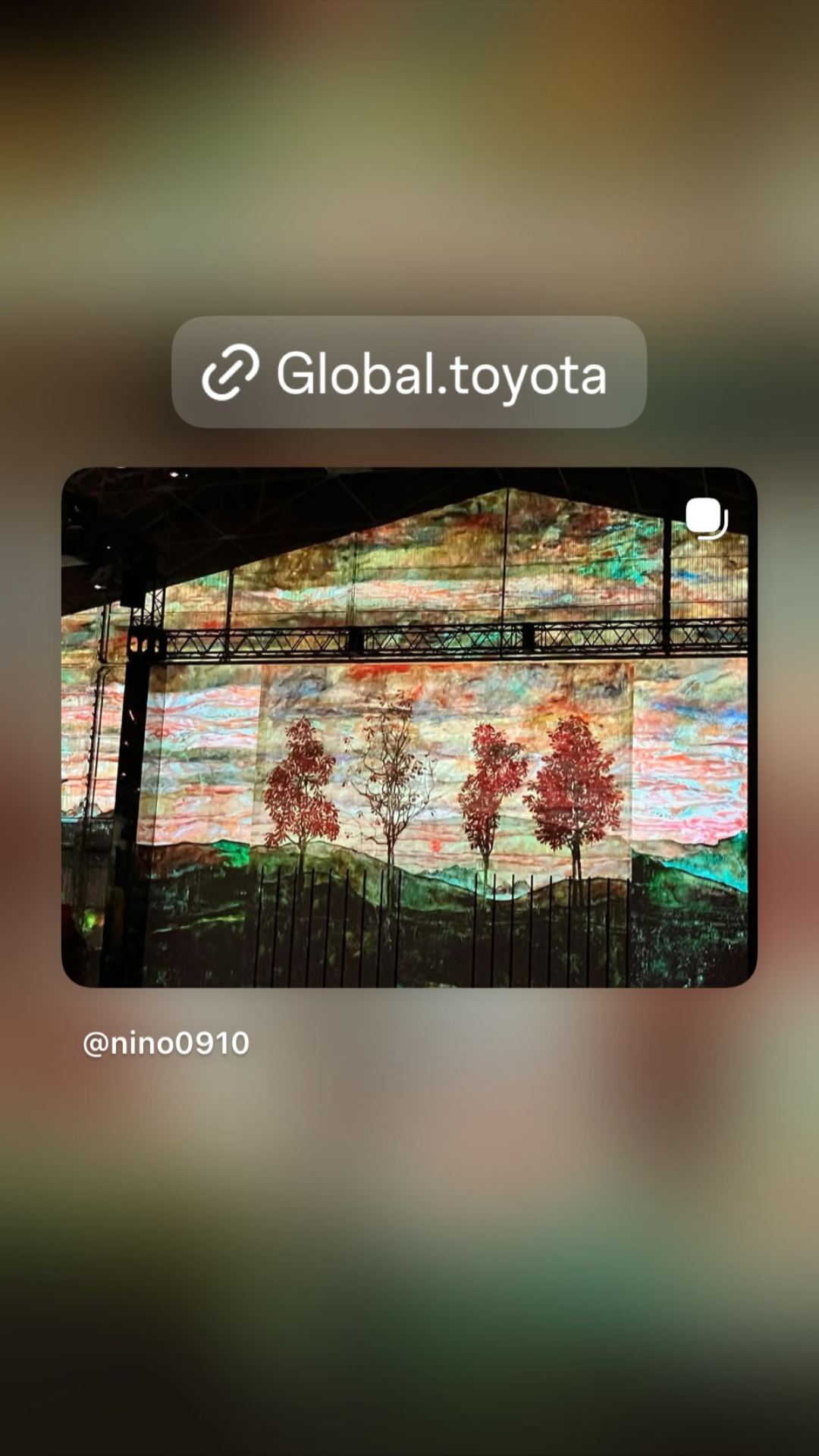



Stefano Fake and THE FAKE FACTORY can be considered among the principal agents in the transition from digital art as an experimental language to immersive art as a mass cultural phenomenon. Their production has not only anticipated but effectively defined the aesthetic, technological, and curatorial codes of a format that continues to profoundly influence exhibition practices in the twenty-first century, placing at the center of the artistic experience the dynamic relationship between image, space, and perception.
A closer examination of Fake’s artistic practice allows for a more precise understanding of the methodological and theoretical complexity underlying his immersive works. While at a superficial level they may appear as highly spectacular, high-impact sensory experiences, a more attentive reading reveals a rigorously constructed narrative framework, grounded in a sophisticated balance between emotional engagement and historiographical reliability.
One of the most significant aspects of Fake’s work lies in his ability to translate complex art-historical content into accessible audiovisual structures without resorting to reductive simplifications. The Immersive Art Experiences dedicated to masters such as Van Gogh, Klimt, Caravaggio, or Monet are not mere sequences of iconic images, but rather fully developed narrative paths articulated according to a quasi-cinematic logic. The construction of the narrative often follows a thematic and chronological progression that reflects—albeit with necessary interpretative liberties—the principal acquisitions of art historiography: periods, influences, stylistic evolutions, and biographical contexts are re-elaborated in visual and sonic form, maintaining an internal coherence that avoids arbitrary or purely decorative drifts.







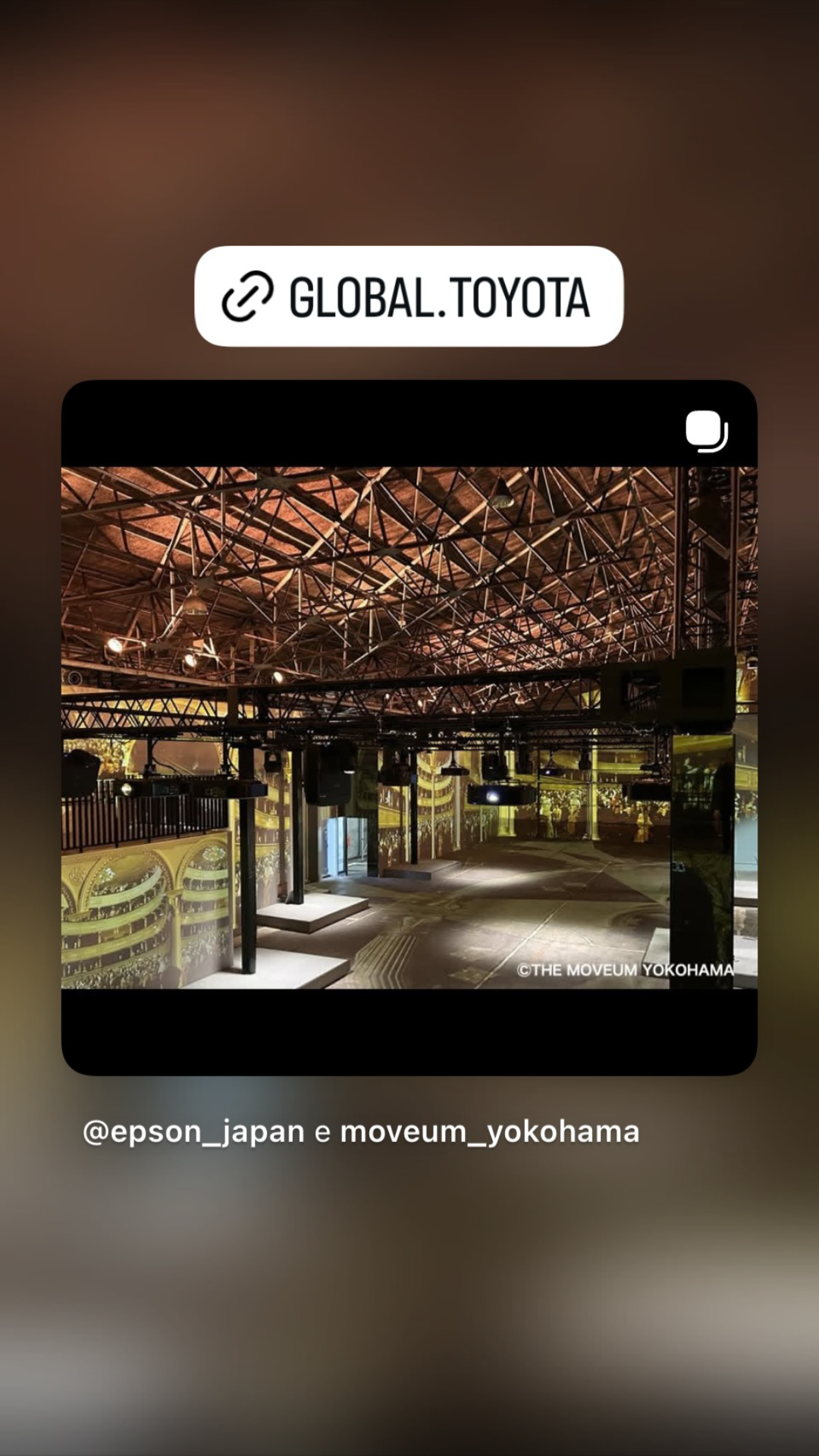

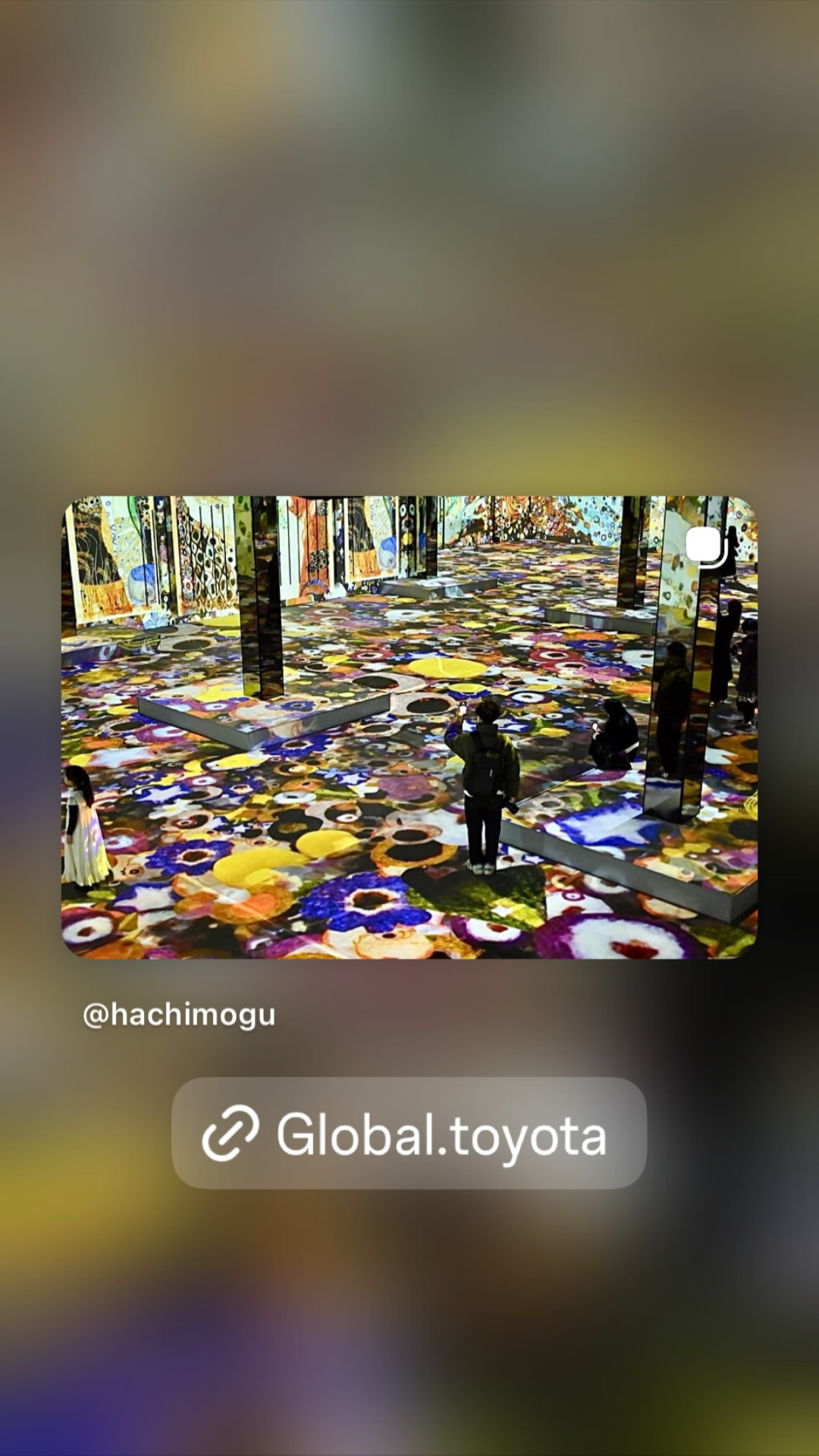
In this sense, Fake’s approach clearly distinguishes itself from many more commercially oriented immersive experiences, in which artistic imagery is decontextualized and used as mere aesthetic material. On the contrary, in THE FAKE FACTORY’s productions, every iconographic and compositional choice responds to a precise intentionality: the selected works, enlarged details, and animated sequences are organized according to a dramaturgy that aims to convey not only the “beauty” of the artwork, but also its historical and cultural significance.
From a directorial standpoint, this approach translates into an अत्यंत conscious management of space and time. The “scenes” of the immersive experience are constructed as autonomous narrative environments, each endowed with its own visual, sonic, and rhythmic identity. Temporal structuring is never arbitrary: it alternates moments of visual intensity with contemplative pauses, dynamic accelerations with perceptual dilations, guiding the spectator through an experiential path with a clearly defined dramaturgical structure. In this sense, one can speak of a true direction of immersion, in which the visitor assumes the role of a mobile spectator within a totalizing scenic space.
A further distinctive element is the use of motion graphics. In many contemporary immersive productions, such tools are employed redundantly or merely for spectacle, generating a visual saturation effect that ultimately trivializes the artistic content. Fake, by contrast, adopts a measured and semantically oriented approach: animation is never an end in itself, but functional to the construction of meaning. Image transformations—dissolves, decompositions, recompositions, fluid movements—are designed to highlight formal relationships, creative processes, or specific thematic cores. For instance, the progressive enlargement of a pictorial detail may reveal the structure of the brushstroke, while transitions between different works can emphasize stylistic continuities or ruptures.
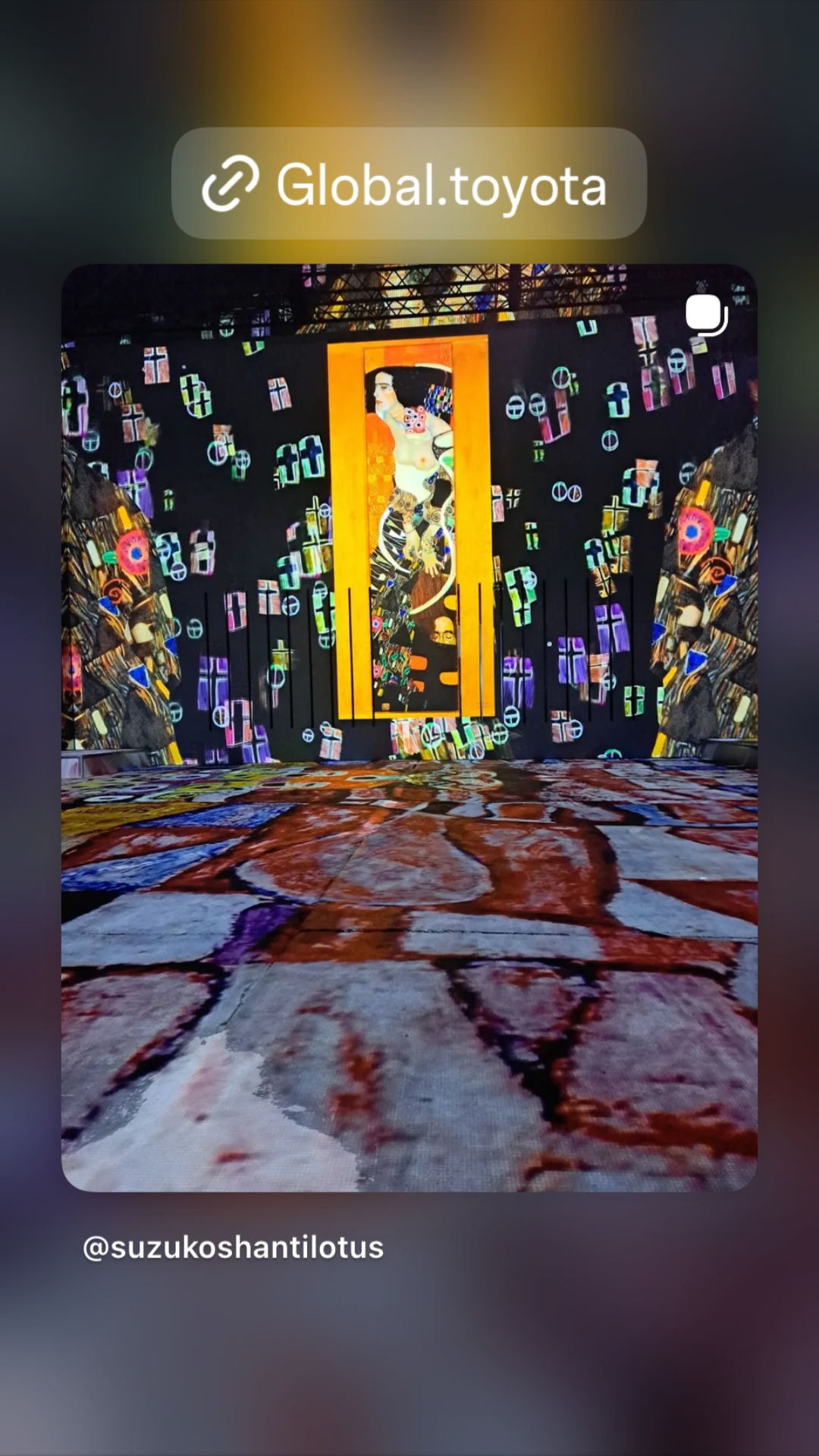

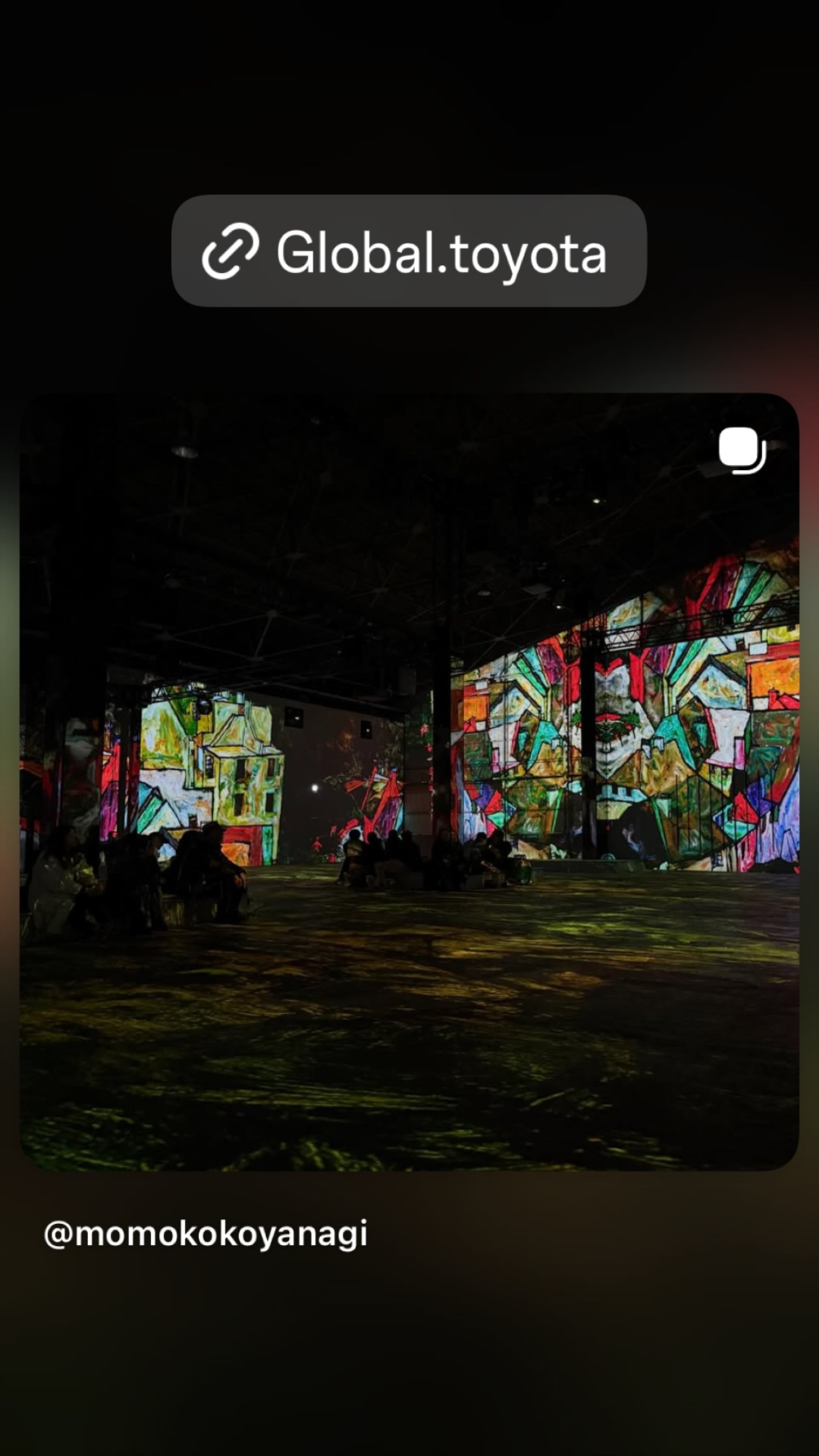
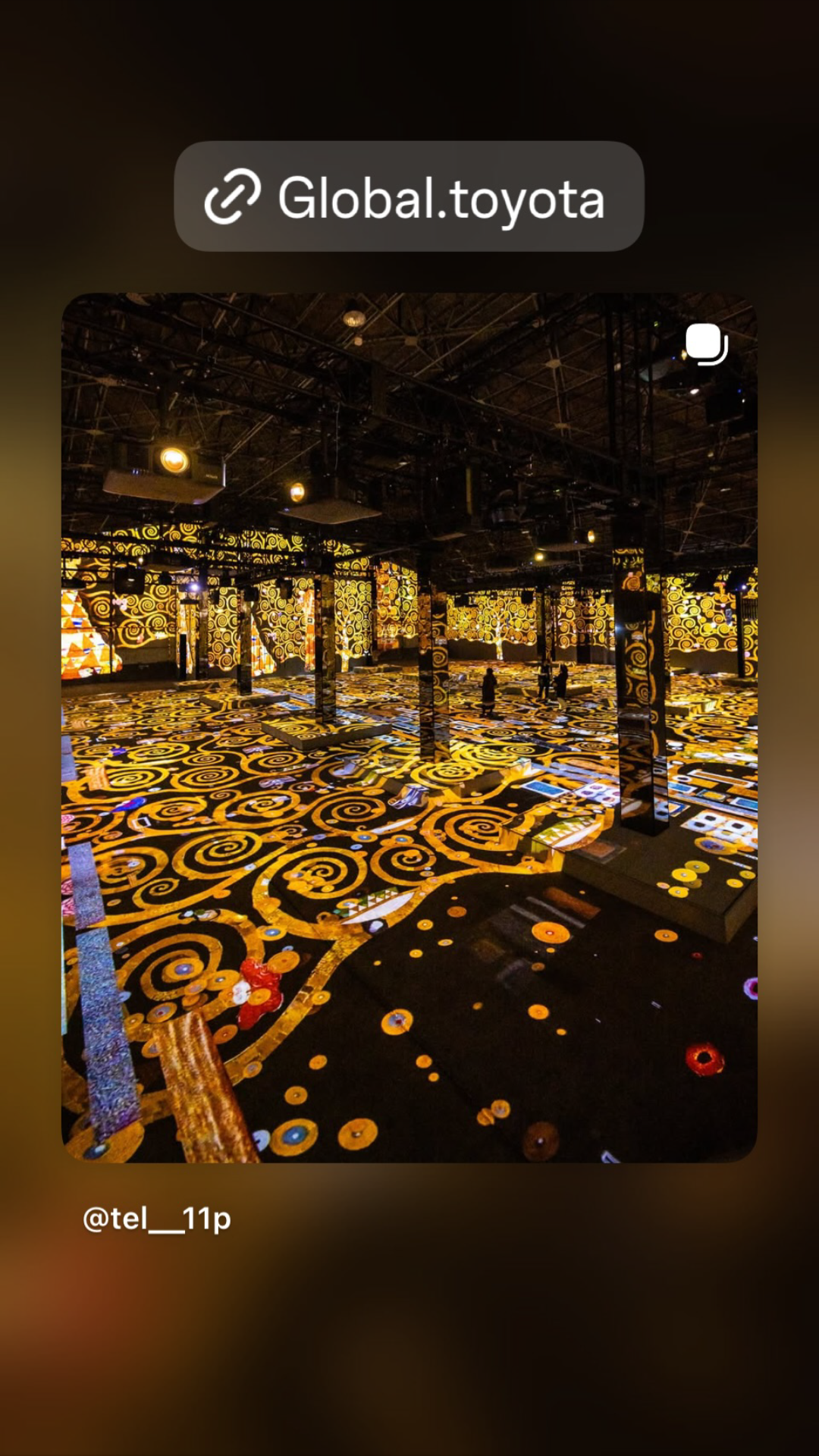

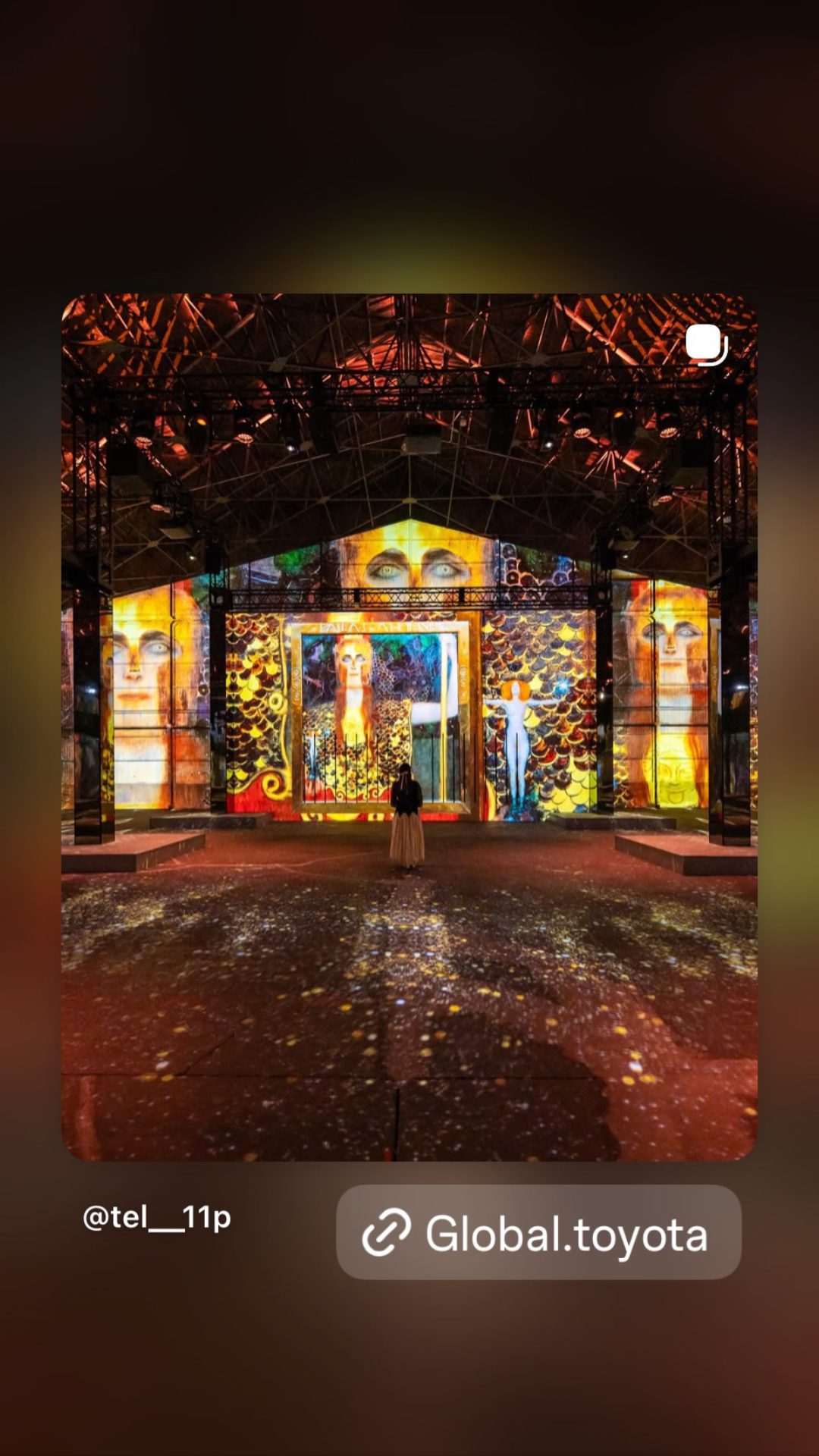
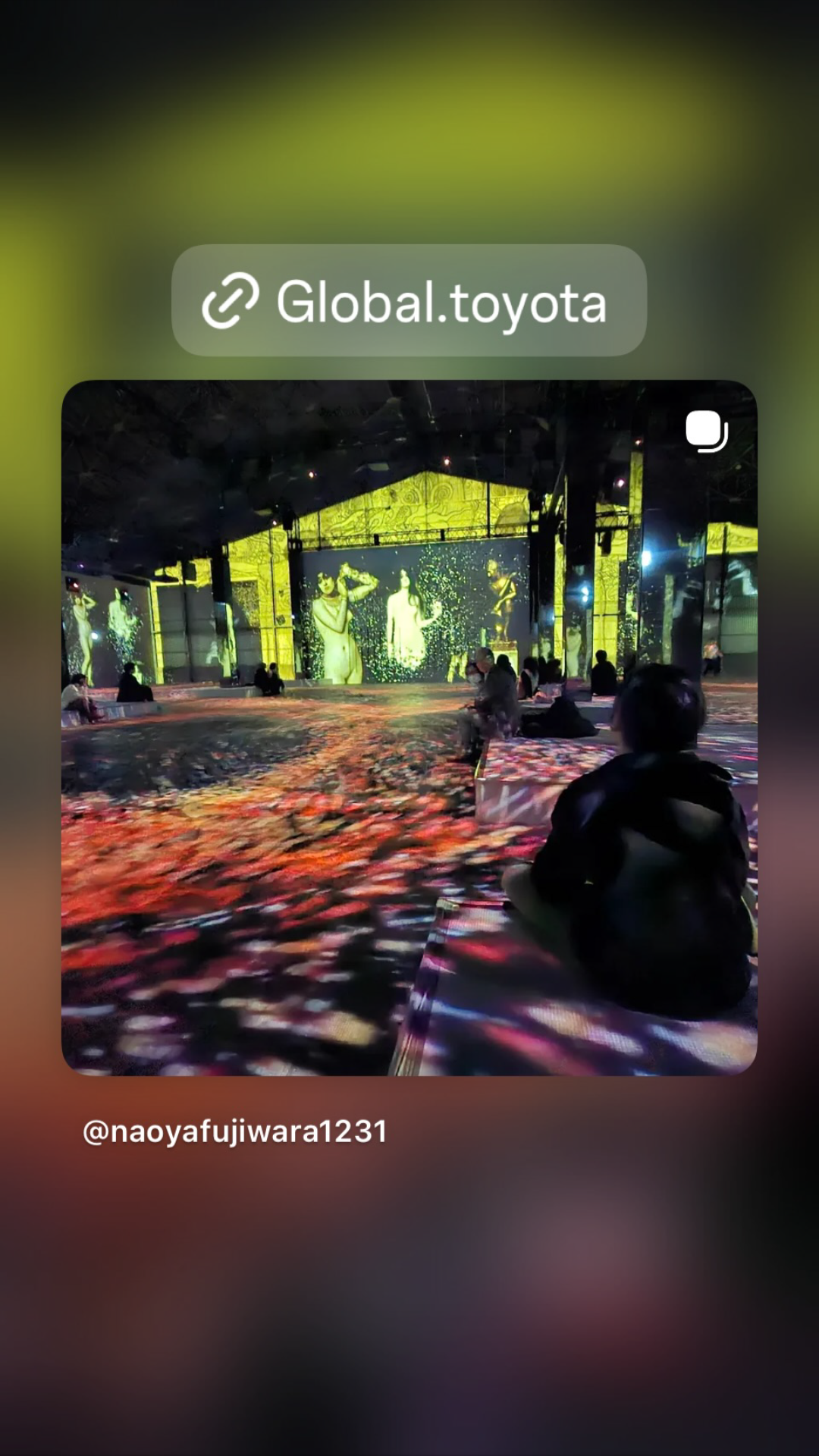
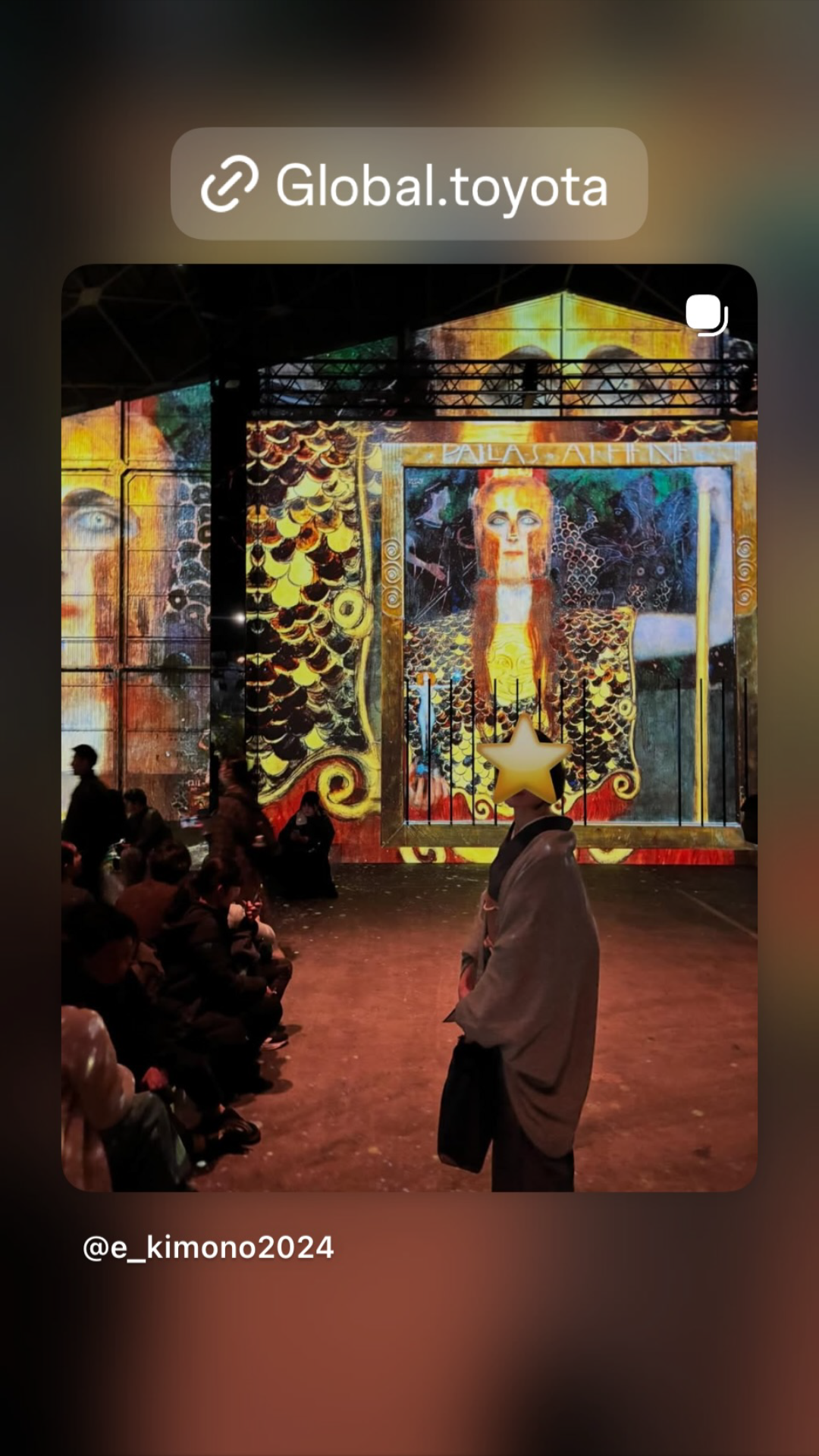
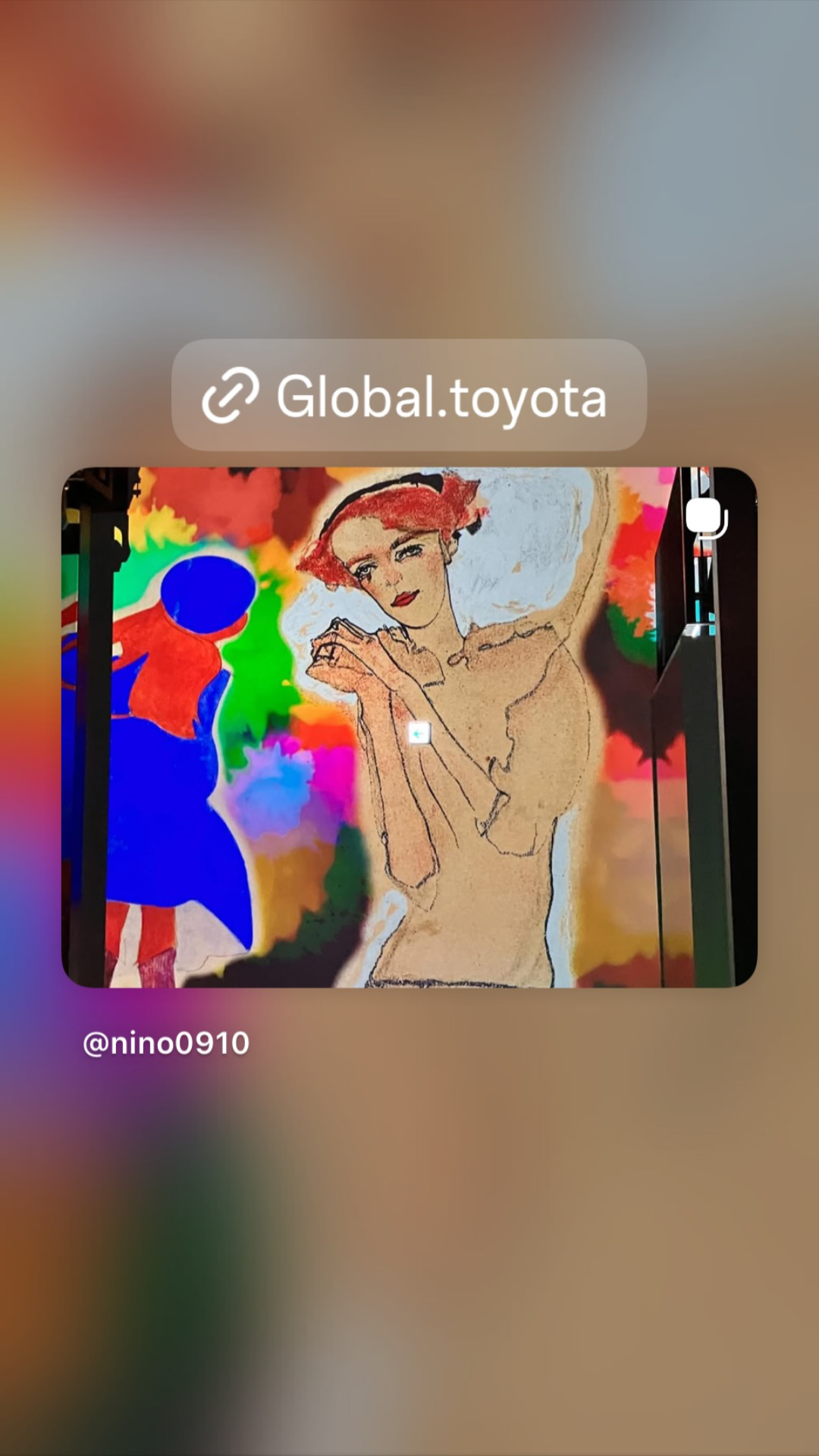
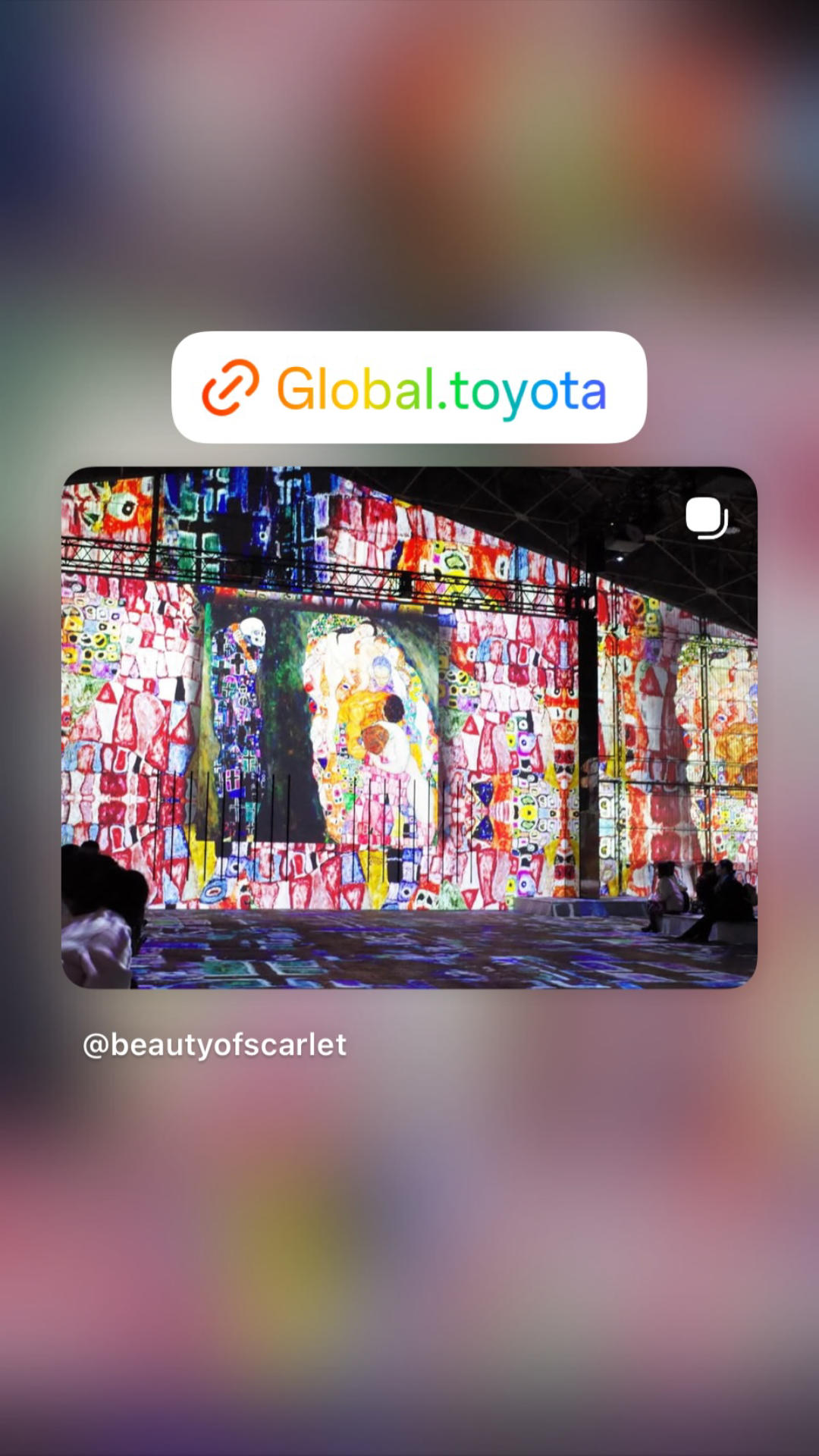

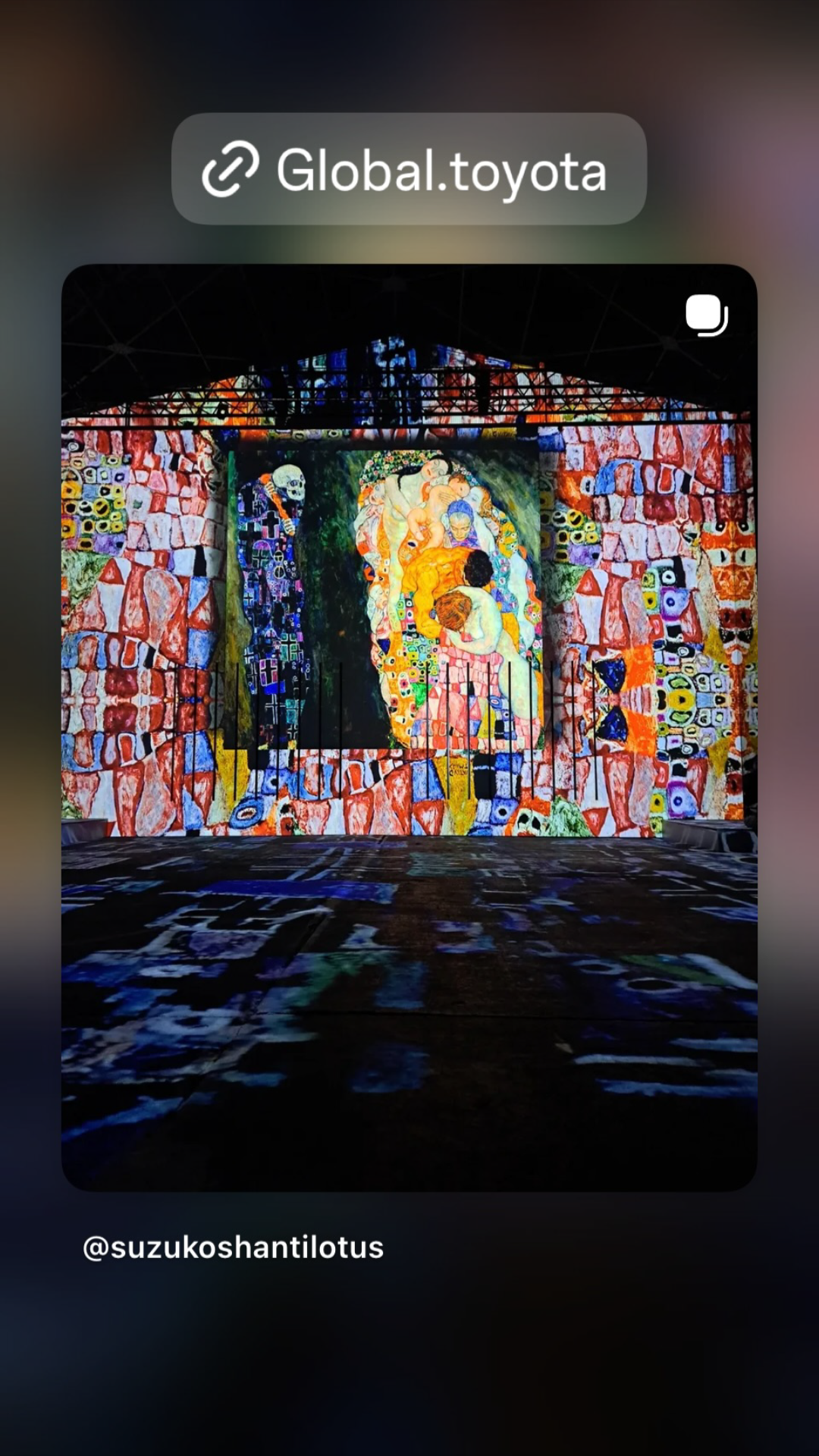
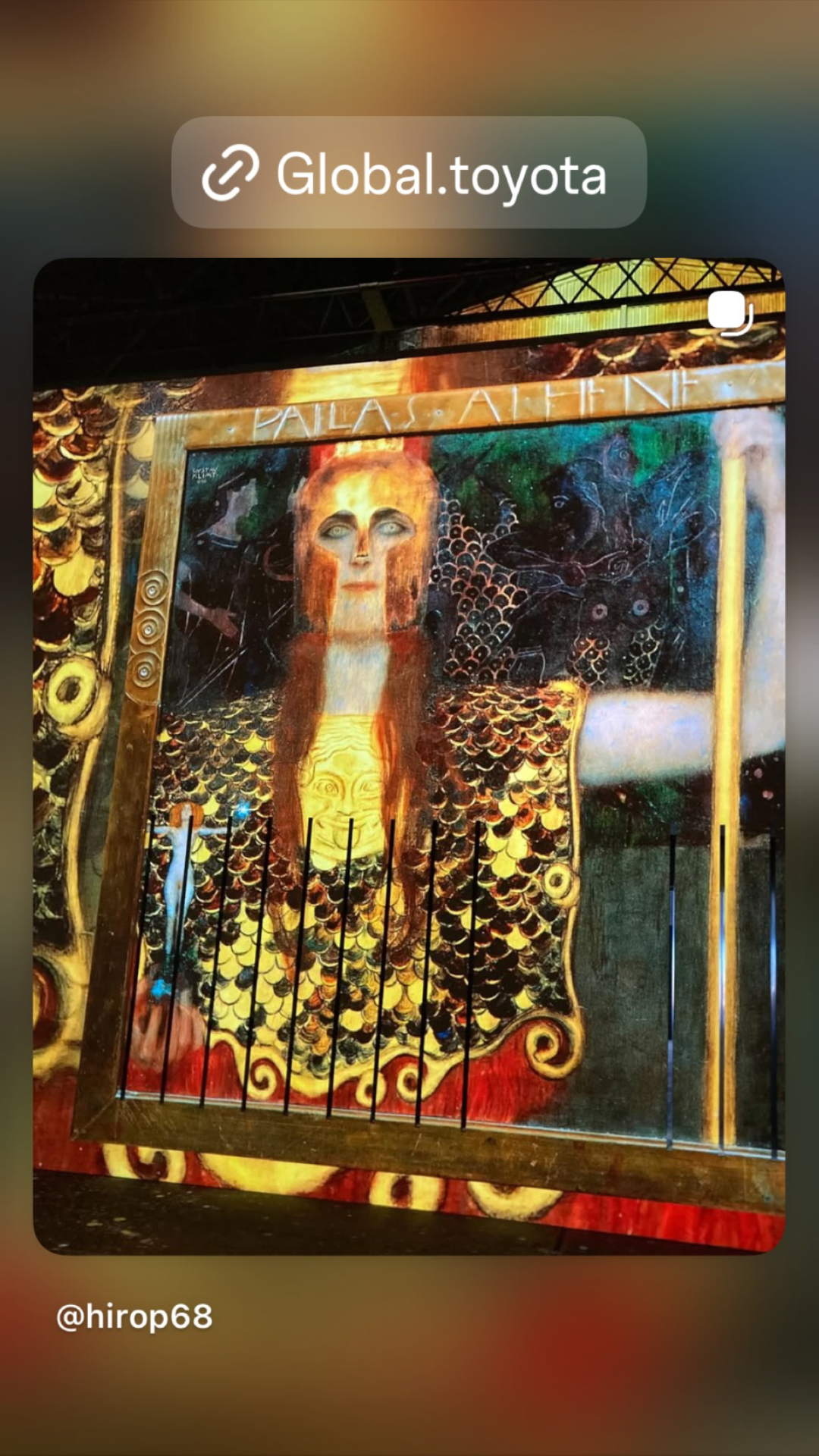
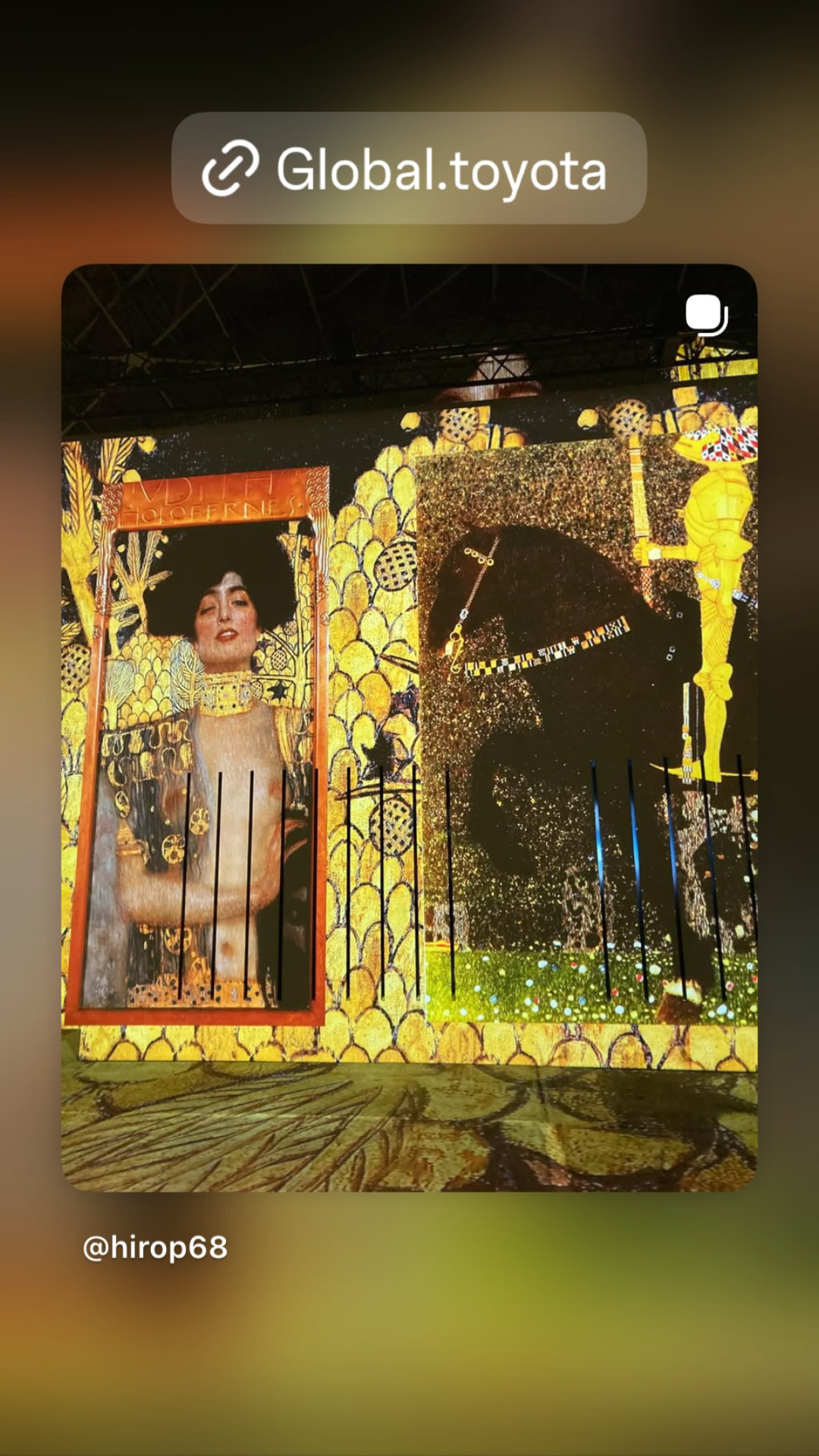
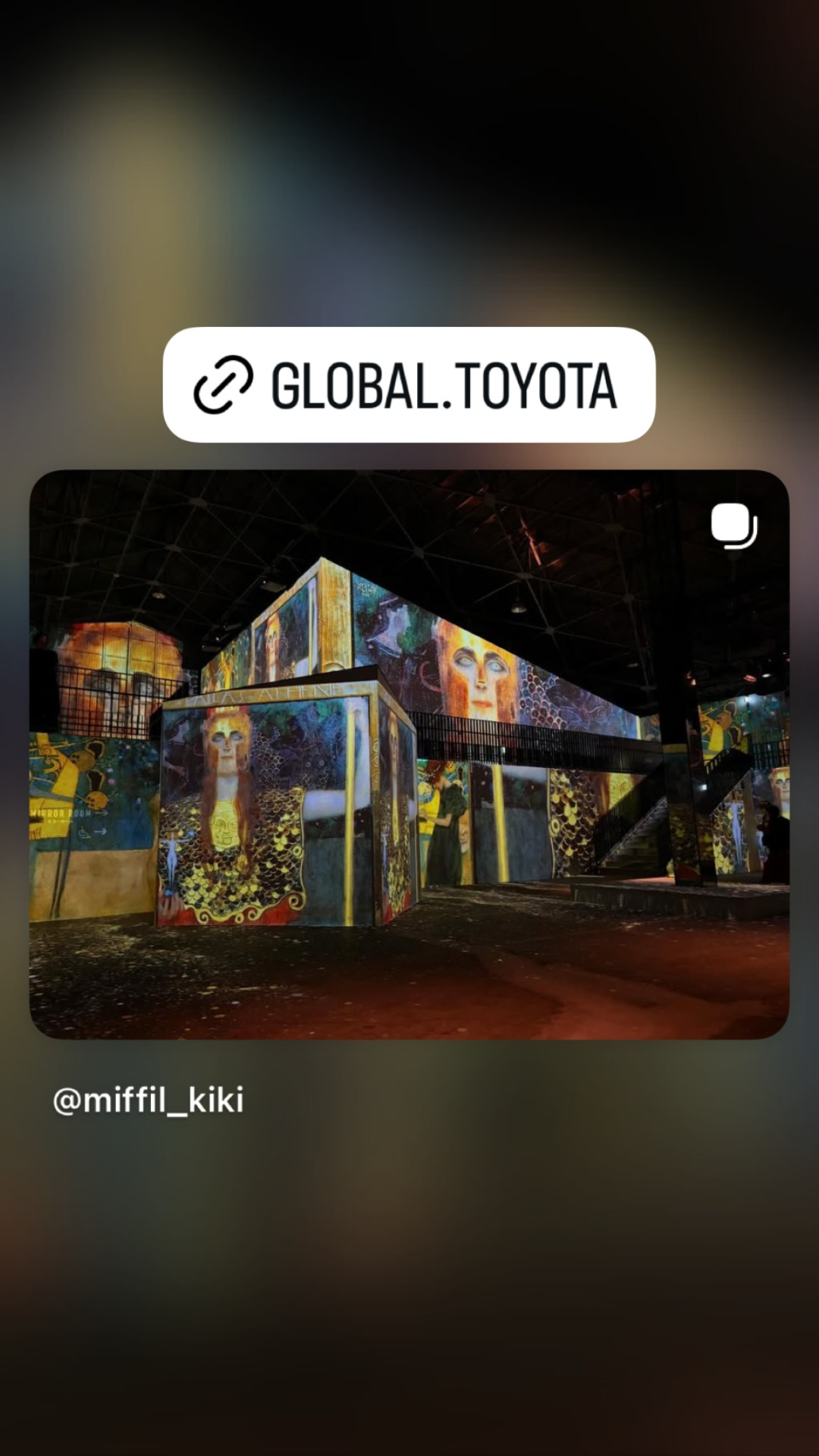
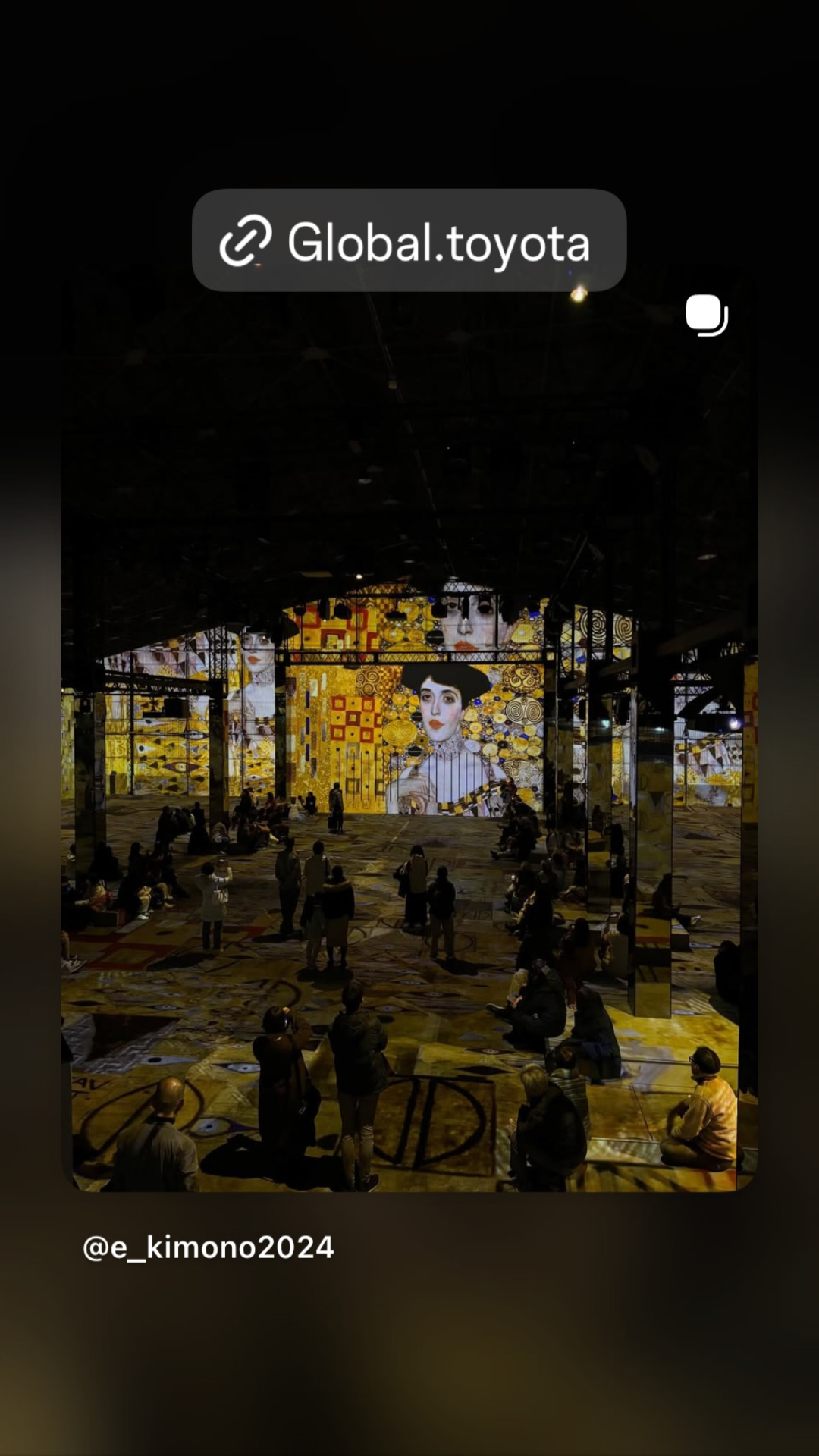
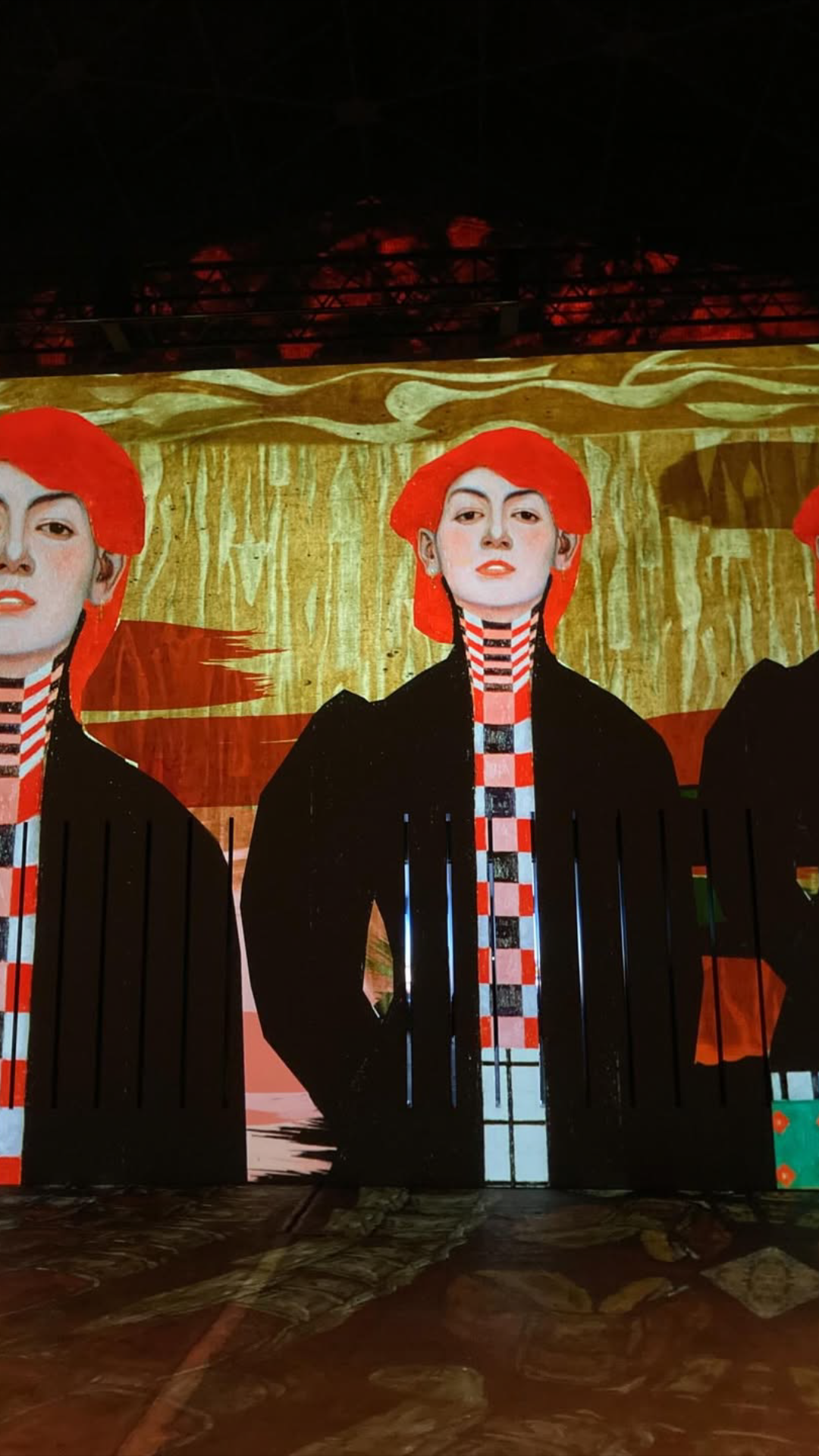
This attention to the semantic dimension of animation is accompanied by an equally refined use of sound and musical selection. The soundtrack does not serve a merely accompanying function, but actively contributes to the construction of the narrative. The synchronization between visual and sonic elements generates a controlled synesthetic effect, in which every musical variation corresponds to a visual transformation, reinforcing the overall coherence of the experience.
From a theoretical perspective, it can therefore be argued that Fake operates at the intersection of art history, cinema, and digital arts, developing a hybrid language that transcends traditional disciplinary categories. His ability to combine scientific rigor with communicative power represents one of the key elements of the international success of his works. This is not simply a matter of “making art spectacular,” but of elaborating new forms of cultural mediation capable of responding to the needs of a contemporary audience increasingly oriented toward immersive and multisensory experiences.







The work of Stefano Fake and THE FAKE FACTORY is thus characterized by a dual tension: on the one hand, technological and linguistic innovation; on the other, fidelity to a solid narrative and historiographical framework. It is precisely this synthesis—between emotion and knowledge, spectacle and rigor—that makes their work an essential point of reference in the field of contemporary immersive digital art.
The theoretical framing of Fake’s work within the categories elaborated by Nicolas Bourriaud—in particular those of postproduction and relational aesthetics—allows for a deeper understanding of the nature of his artistic intervention, situating it within a continuum of some of the most significant transformations in contemporary art.
In Postproduction (2002), Bourriaud defines the contemporary artist as a cultural operator who does not create ex nihilo, but re-elaborates, edits, and recontextualizes pre-existing materials. Art thus becomes a practice of editing, in which the creative act consists in the selection, combination, and reinterpretation of images, forms, and meanings already present within the cultural sphere. In this perspective, the notion of “remix” assumes a central role: no longer simple quotation or appropriation, but the construction of new semantic pathways through the manipulation of the already given.

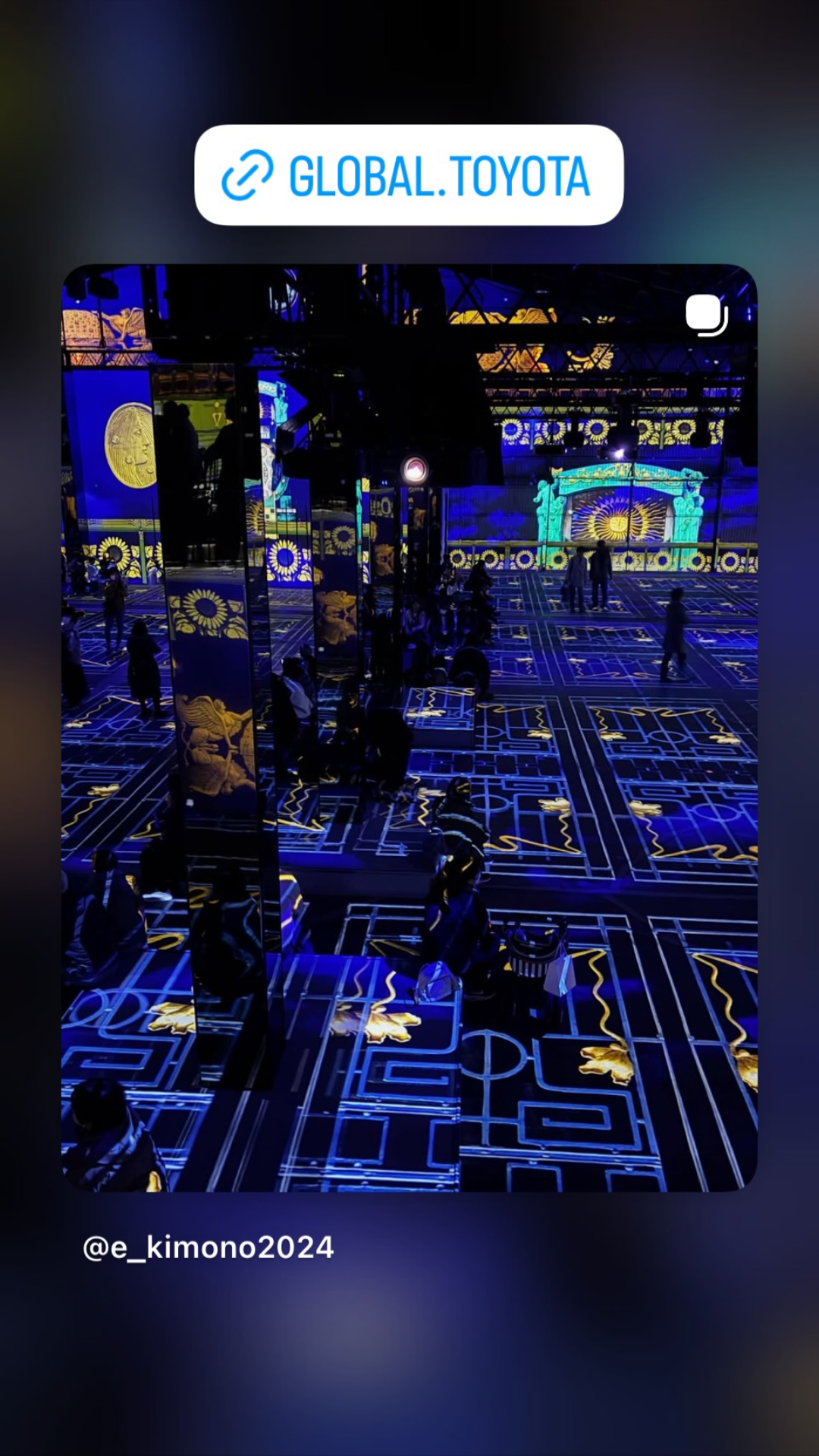

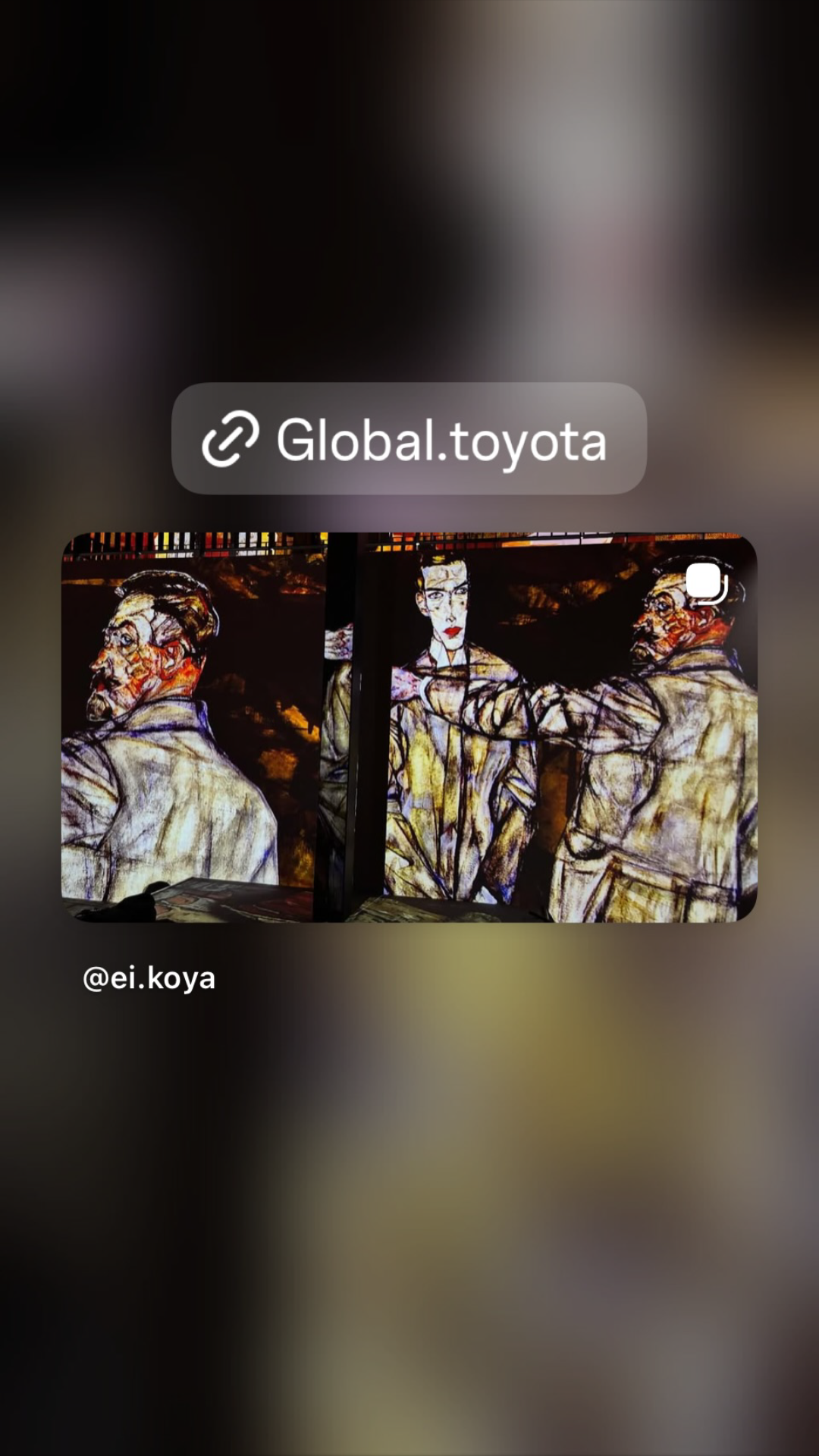
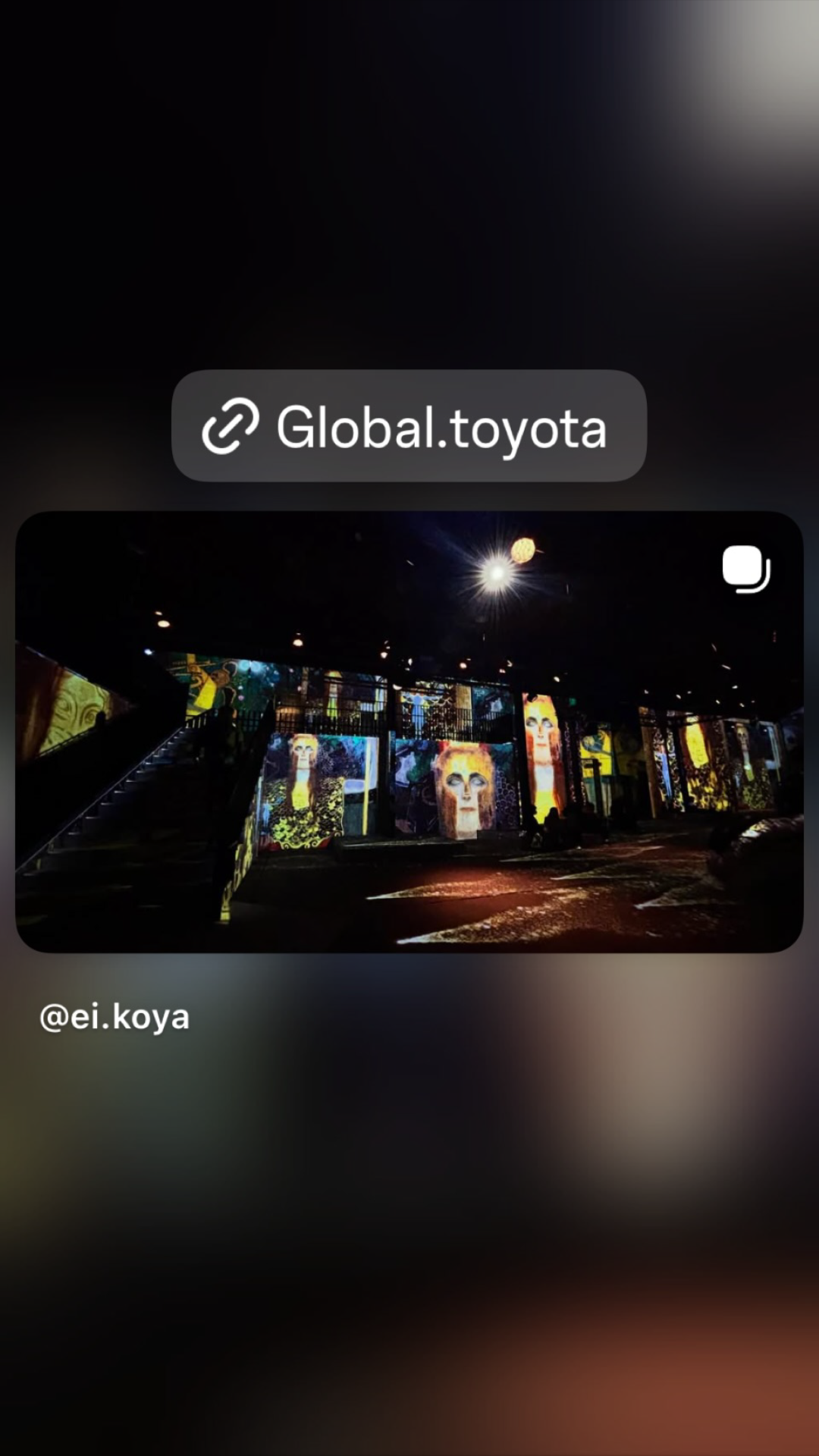
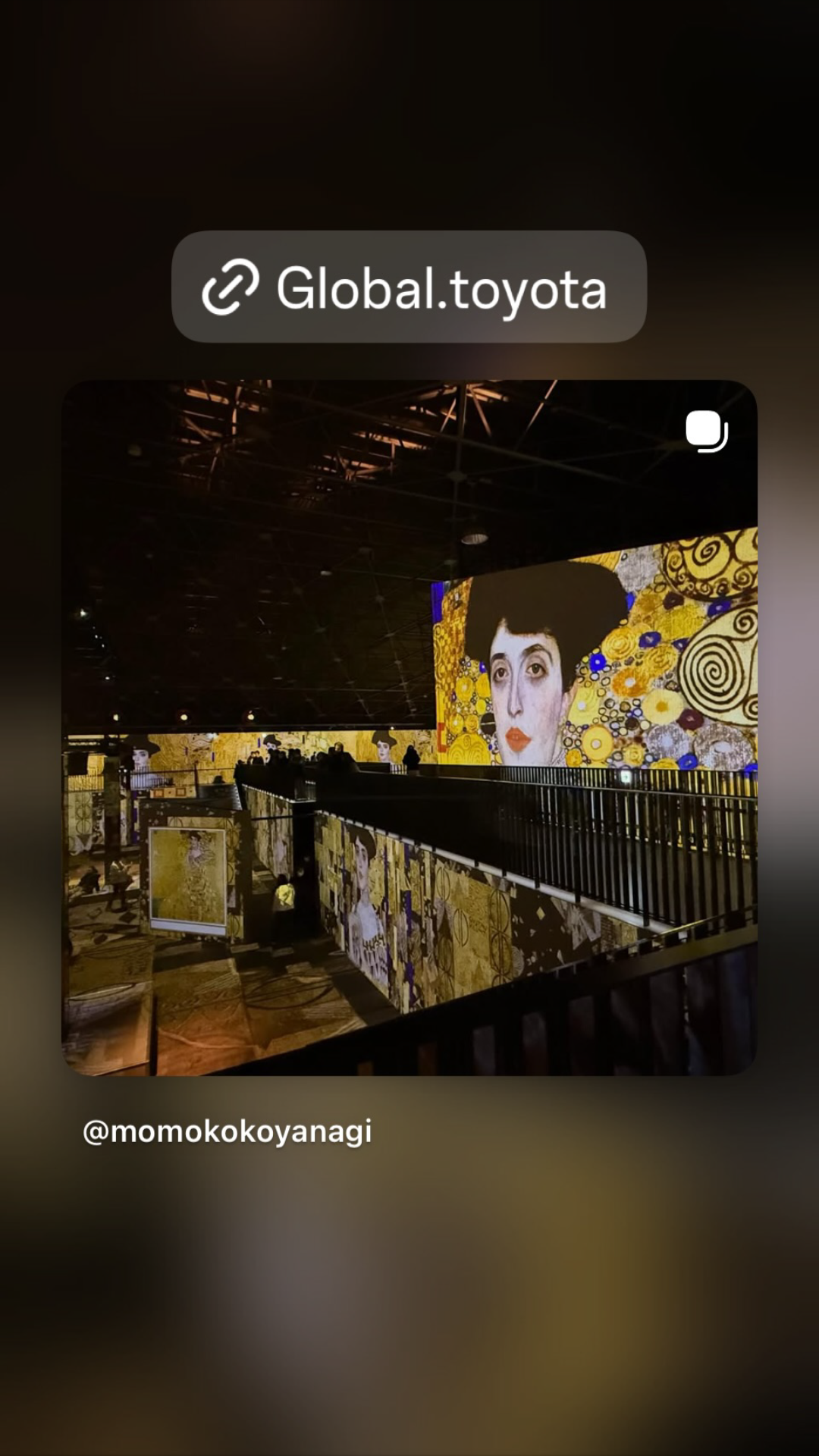
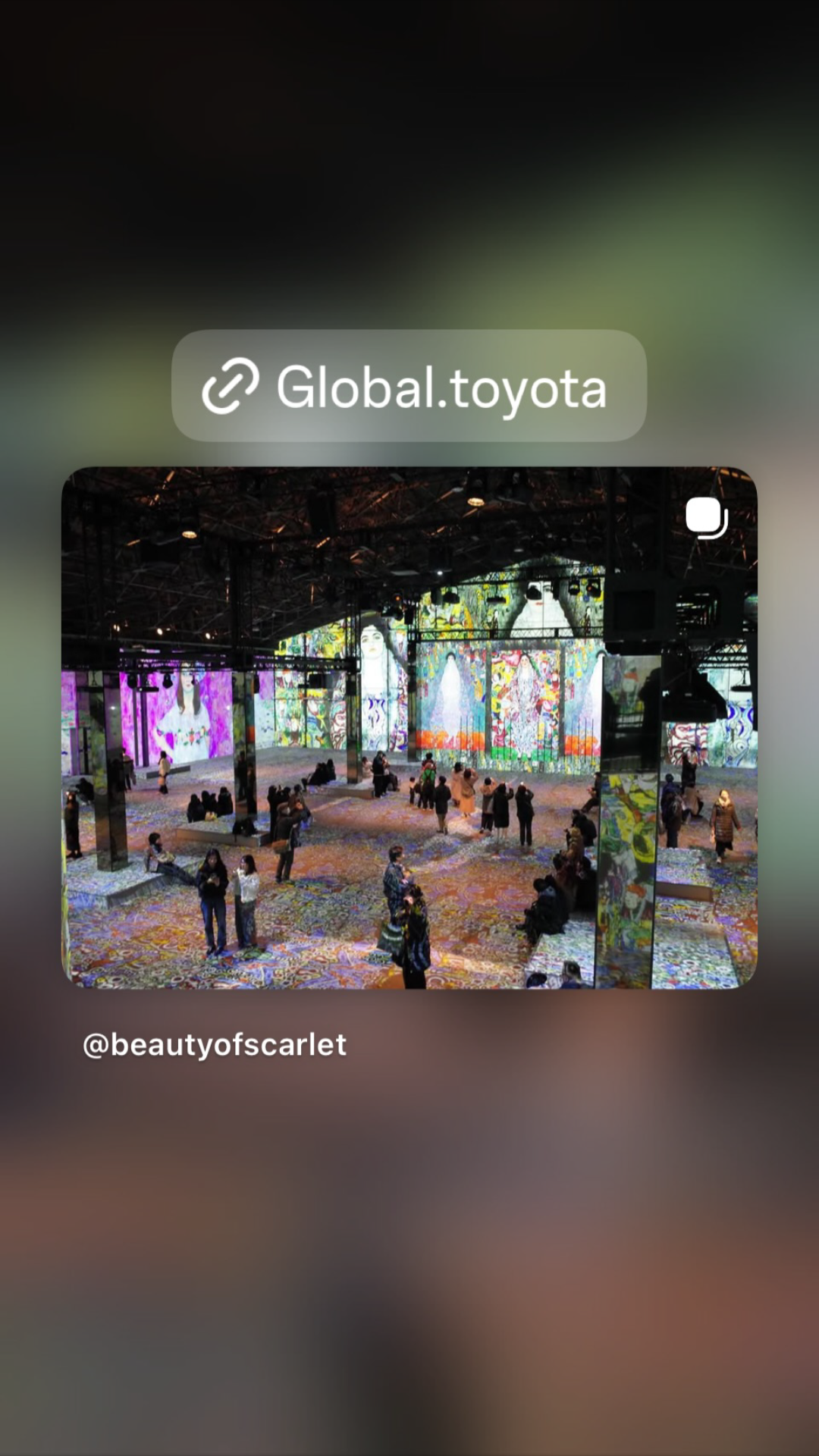
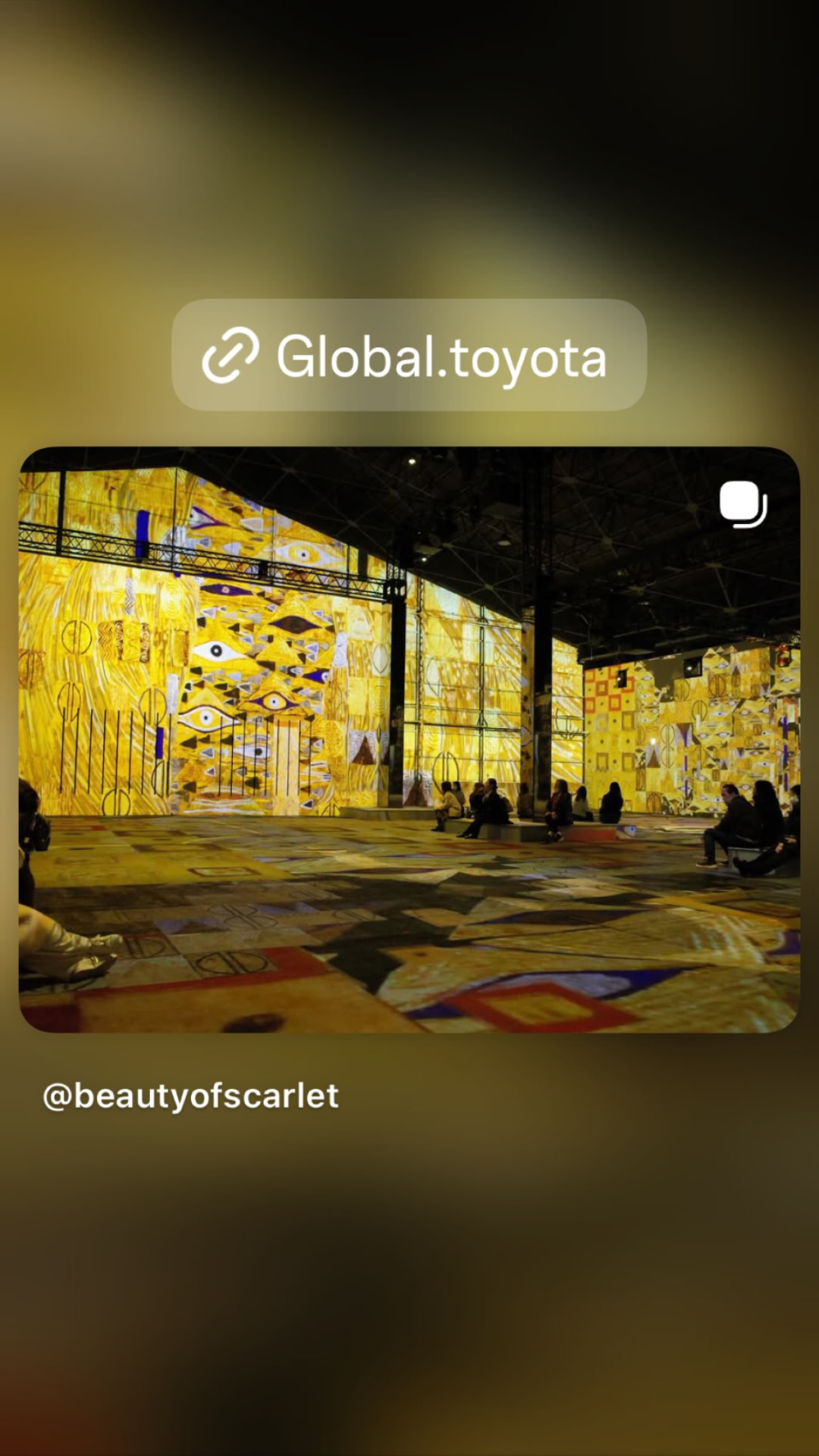
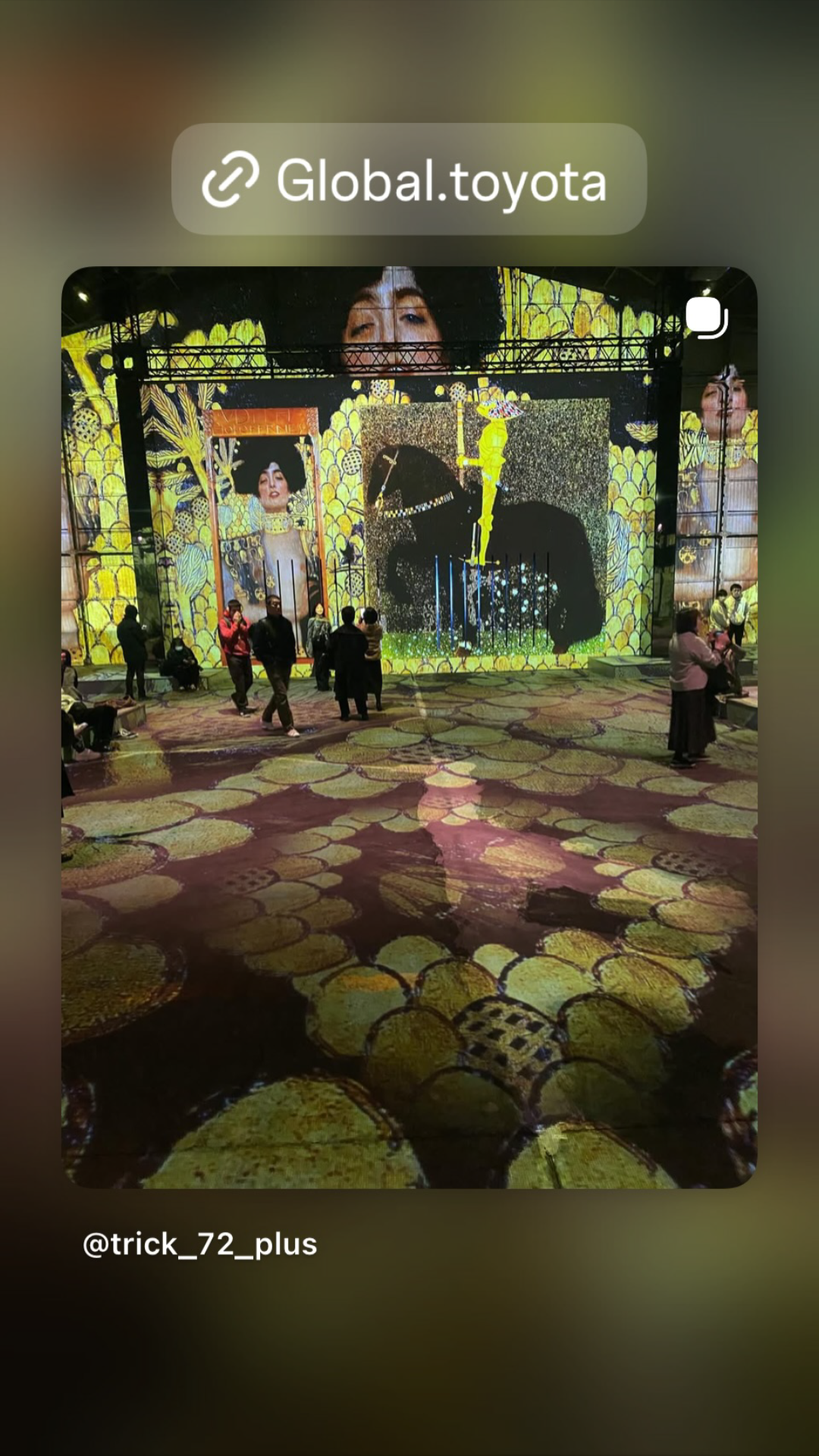

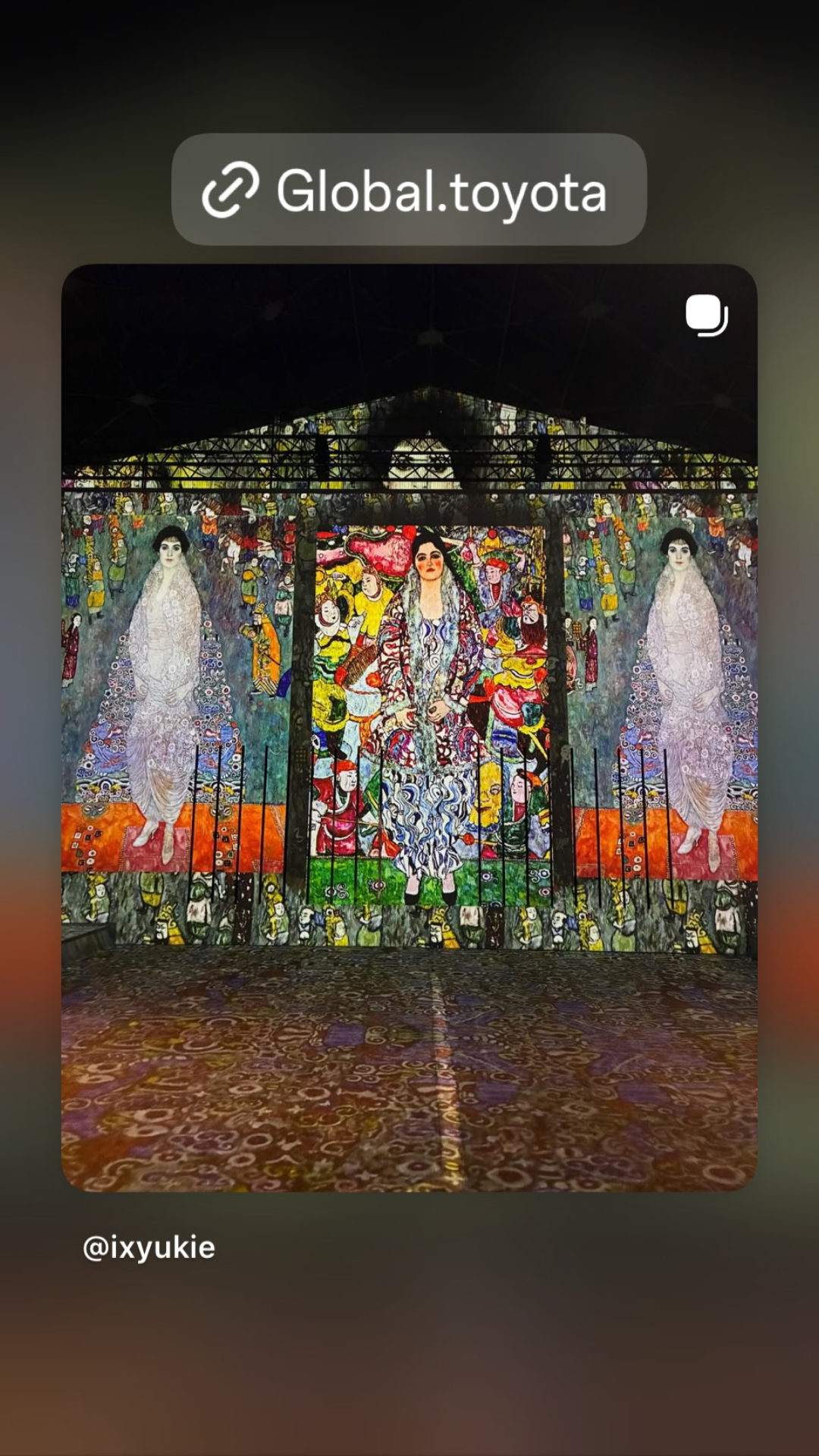

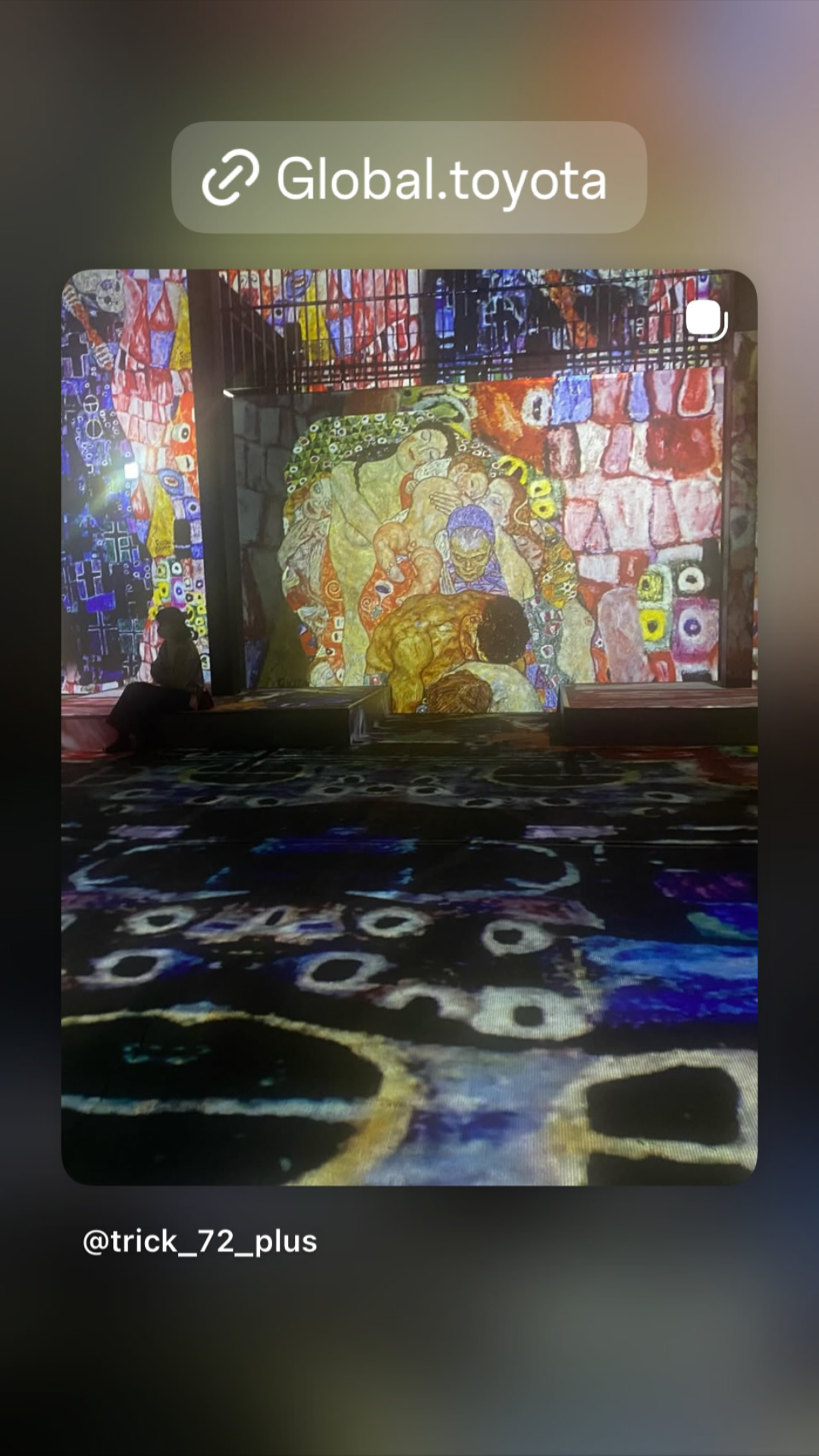
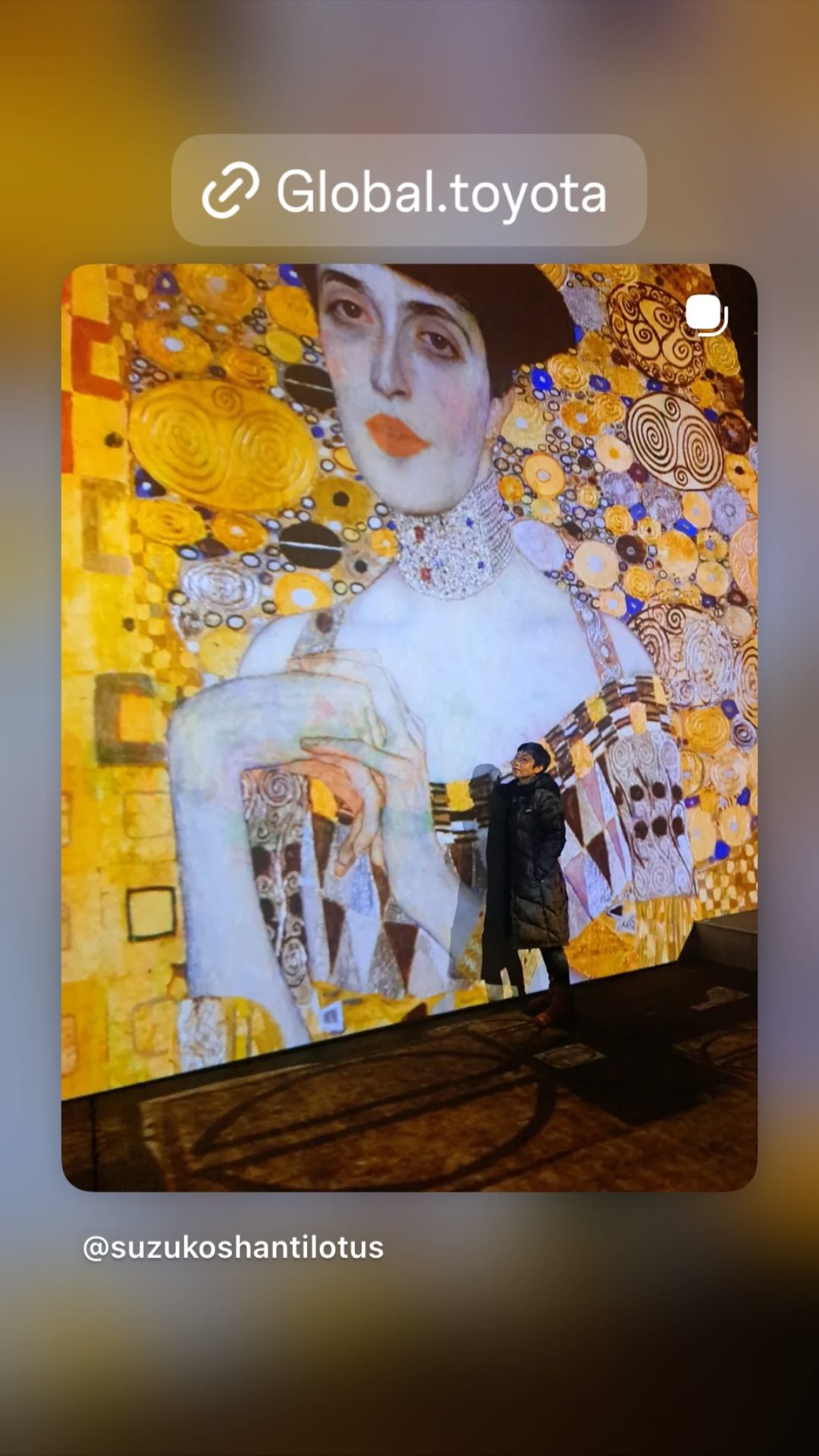
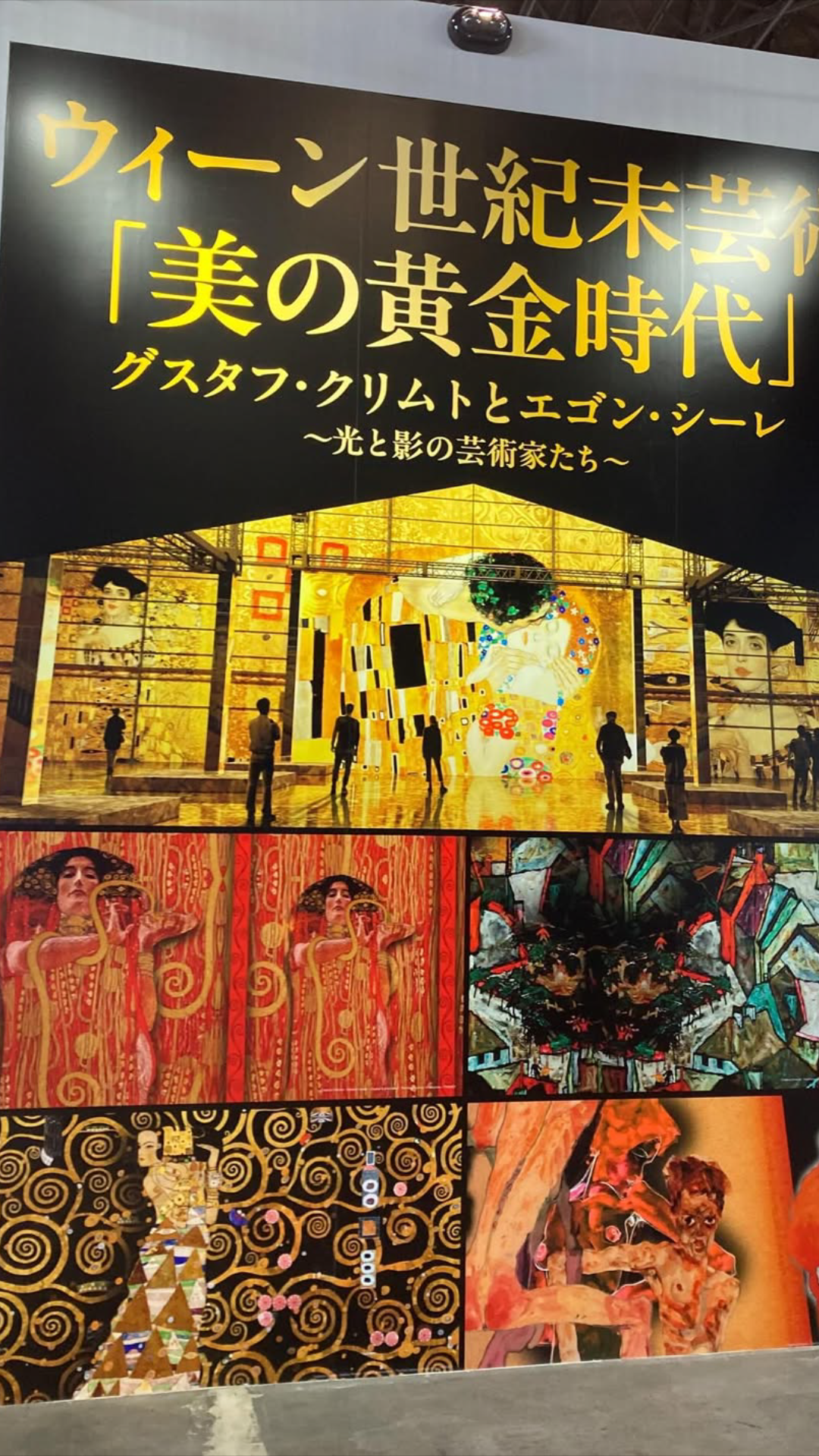

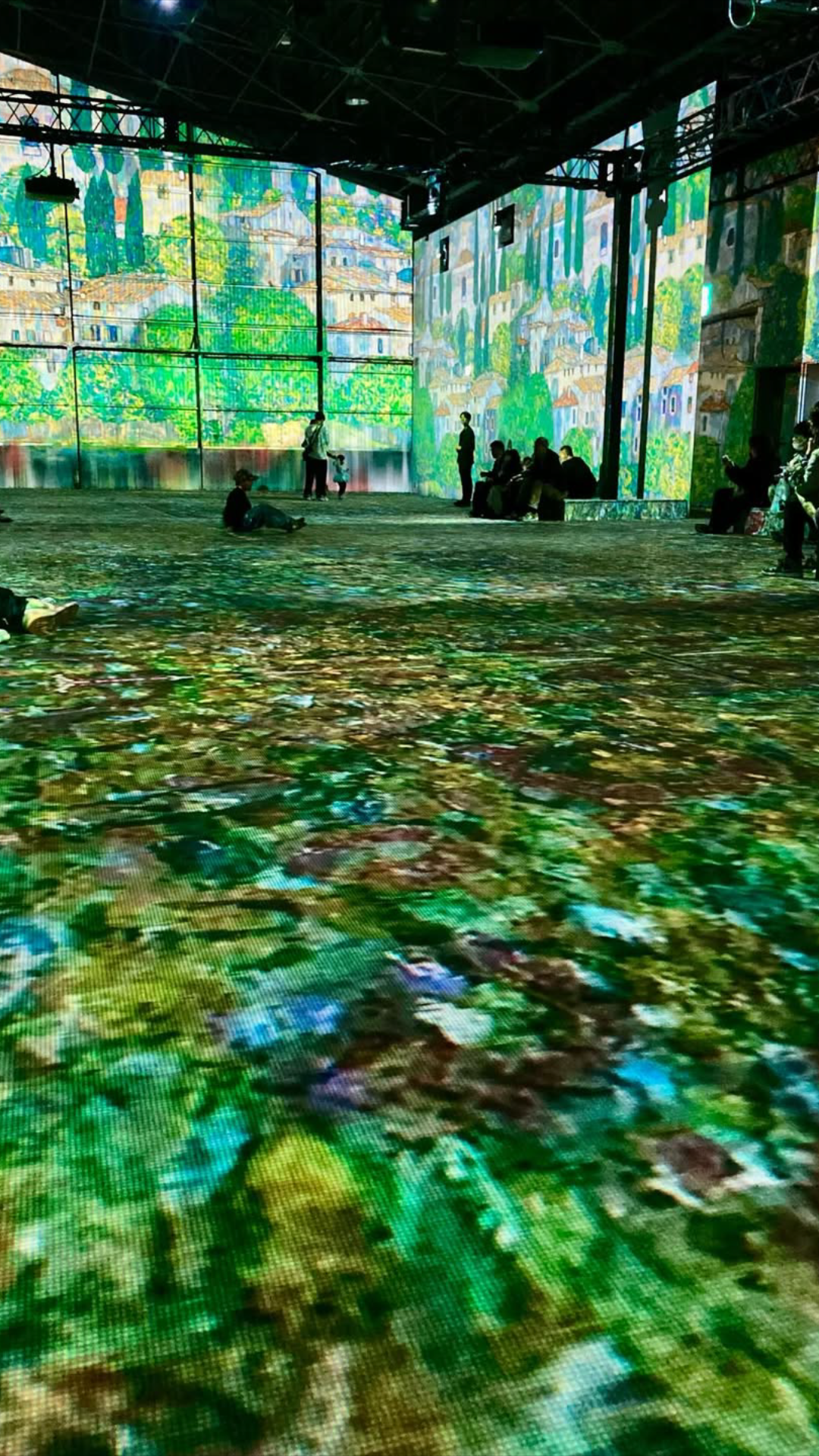


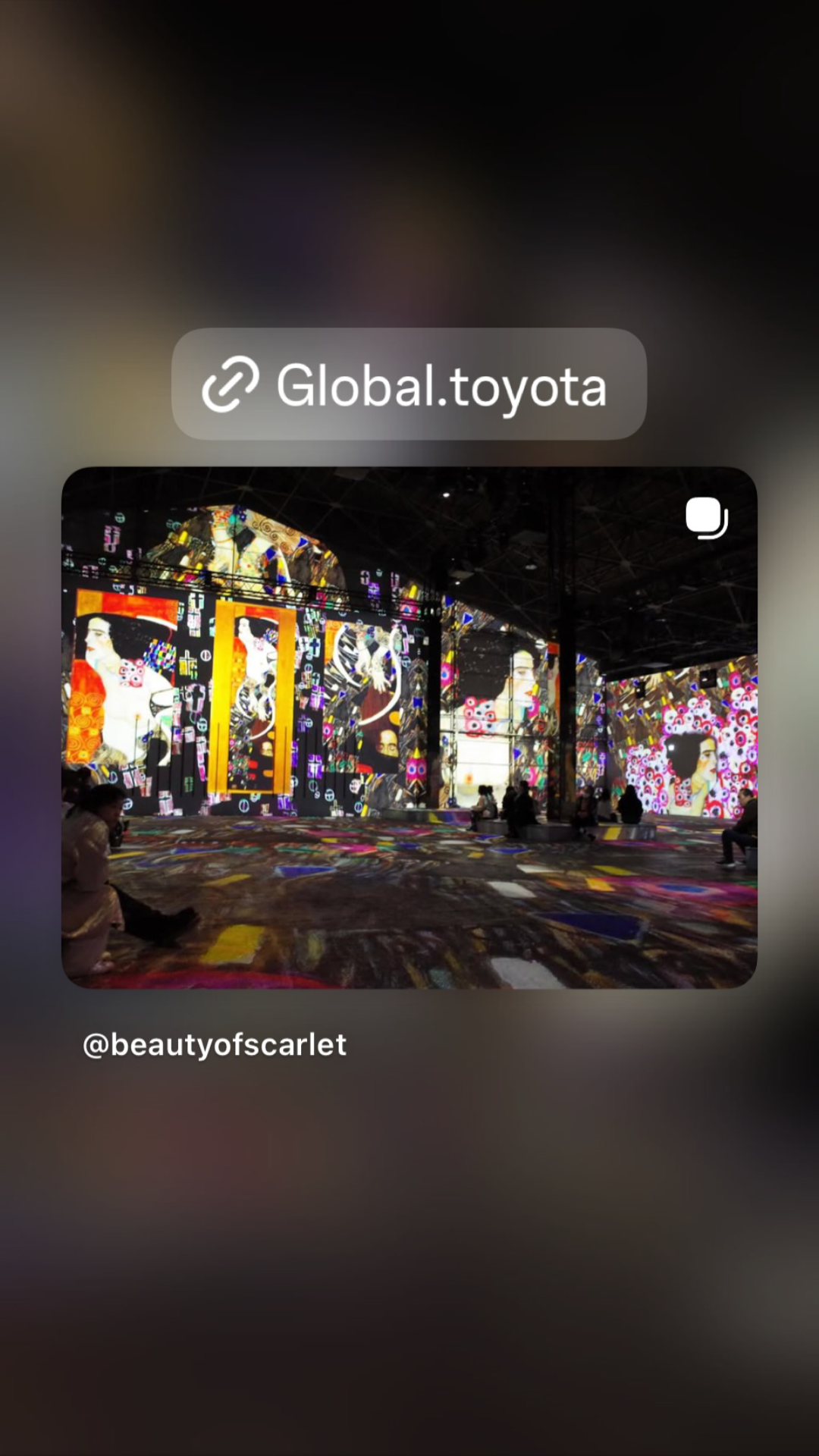
The immersive experiences created by THE FAKE FACTORY can be situated precisely within this horizon. The cycles dedicated to Van Gogh, Klimt, Caravaggio, or Magritte may be interpreted as large-scale postproduction devices, in which the iconographic heritage of art history is treated as a dynamic and reactivatable archive. Fake does not merely reproduce artworks, but subjects them to processes of decomposition and recomposition that redefine their conditions of visibility and reception. The pictorial image, originally static and bounded, is transformed into flow, environment, and narrative sequence.
In Bourriaud’s terms, one might say that Fake operates as a multimedia and multimodal director who stages the art of the past through digital technologies, constructing audiovisual sets from historical materials. Unlike many contemporary remix practices, often oriented toward accumulation or visual shock, Fake’s work maintains a strong structural and semantic coherence. The remix is never arbitrary, but guided by an interpretative intention aimed at making legible the internal relationships within and between artworks.
This aspect is particularly evident in the management of temporality. Postproduction, in Bourriaud’s framework, implies a new conception of artistic time: no longer linear and progressive, but networked and reversible. Works of the past become contemporary materials, available for reactivation in different contexts. In Fake’s immersive experiences, this principle translates into a stratified temporality in which different epochs coexist within the same audiovisual environment. The past is not simply represented, but made present through a dispositif that actualizes its perception.
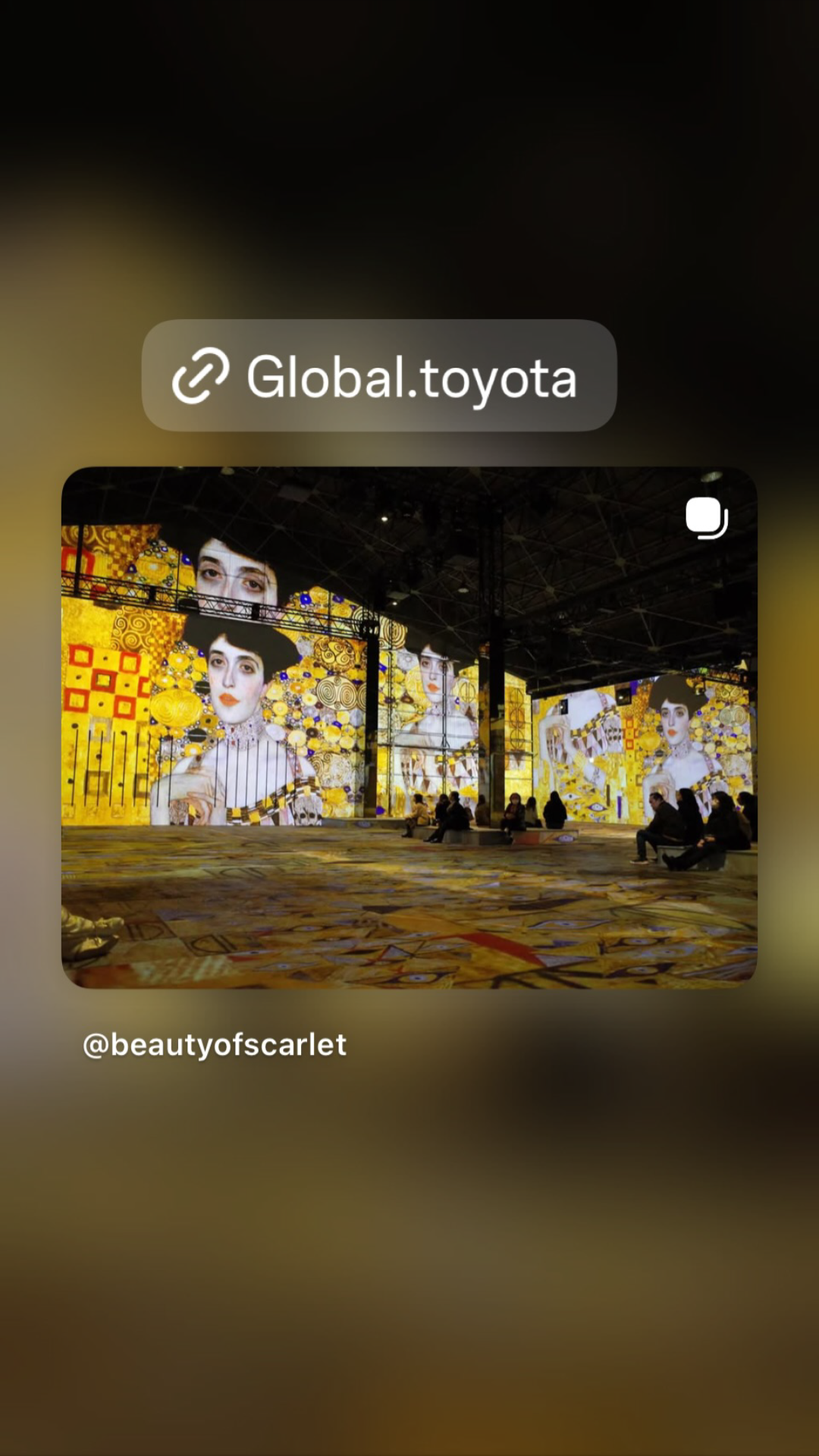
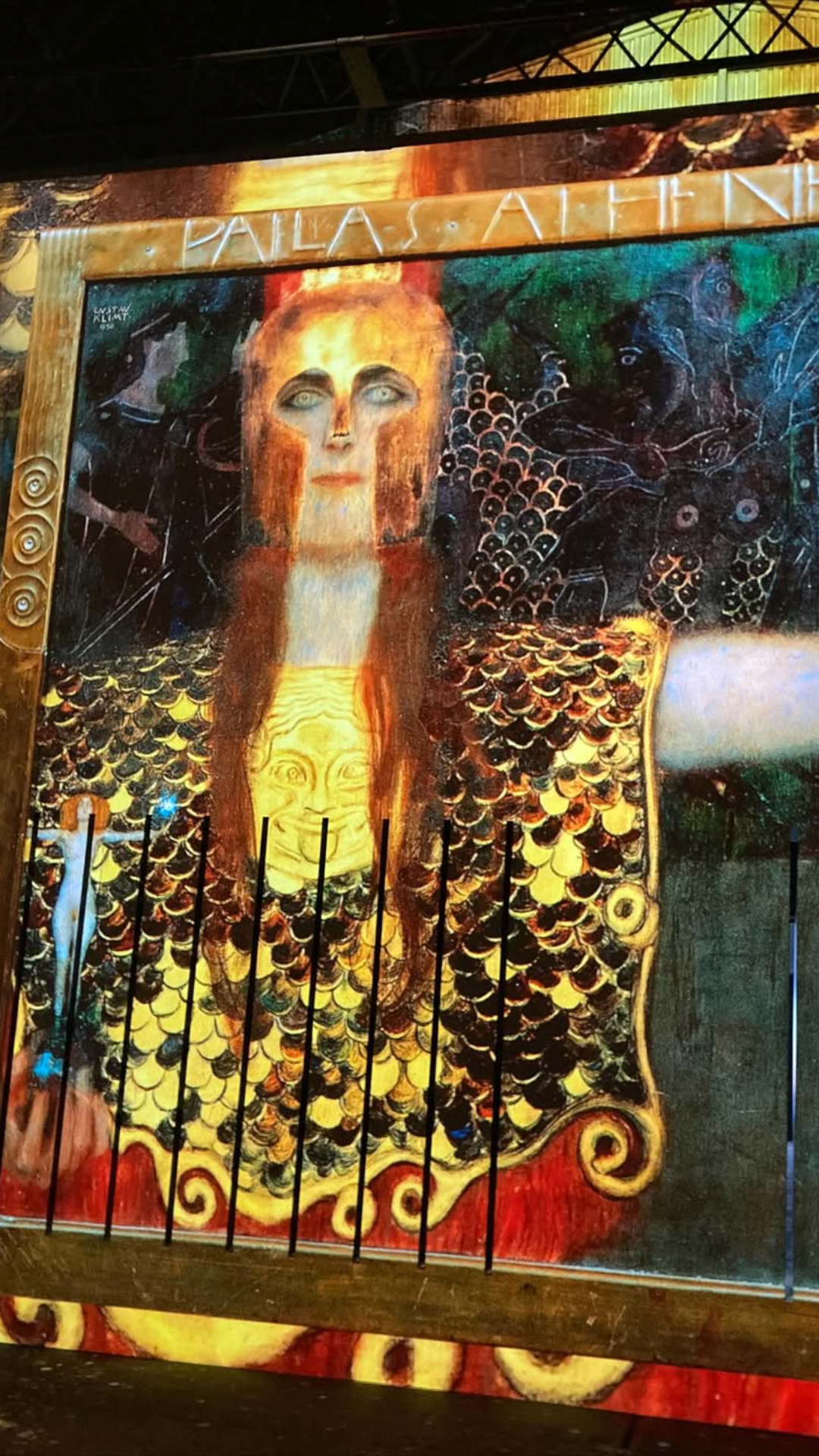


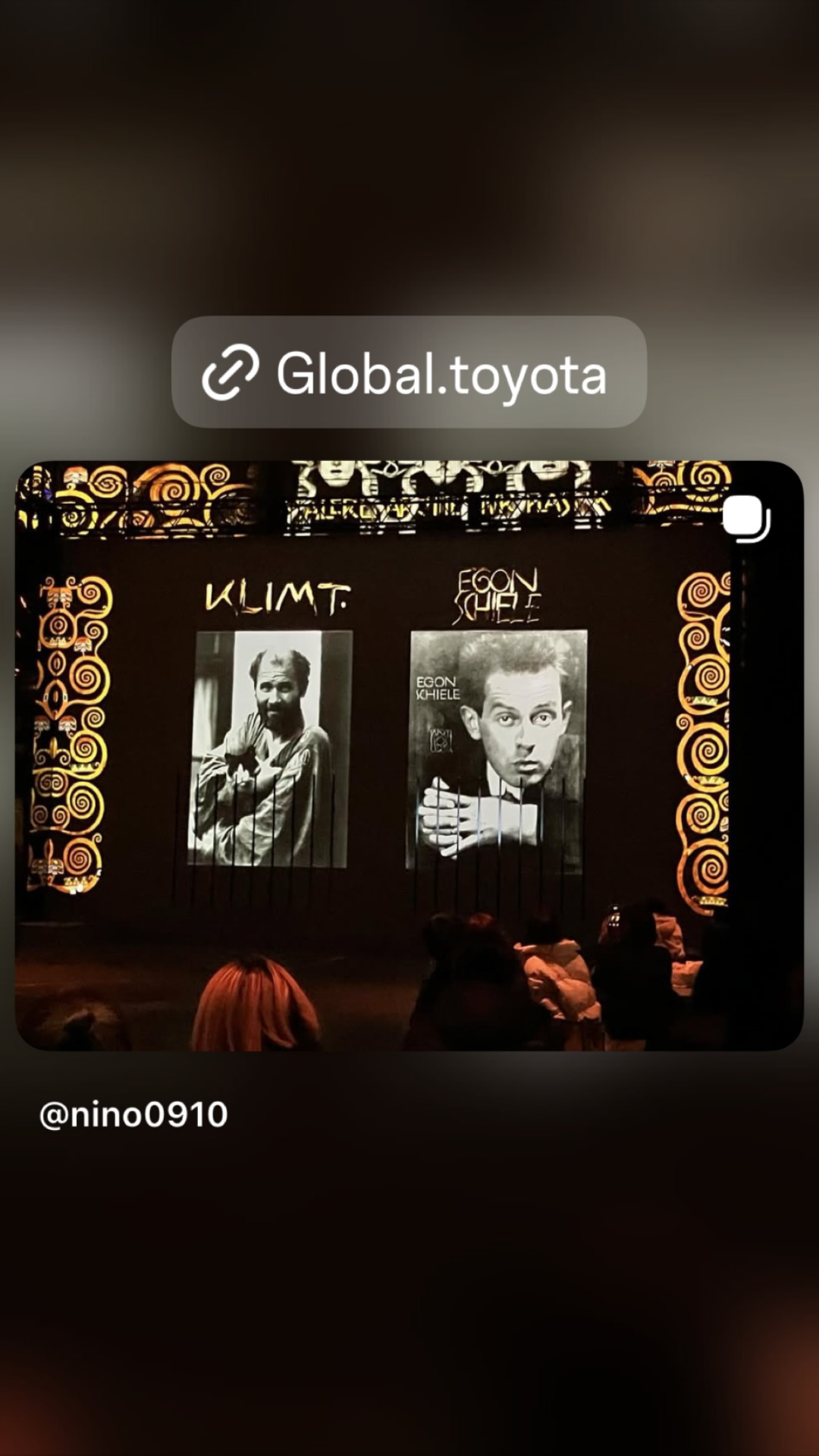
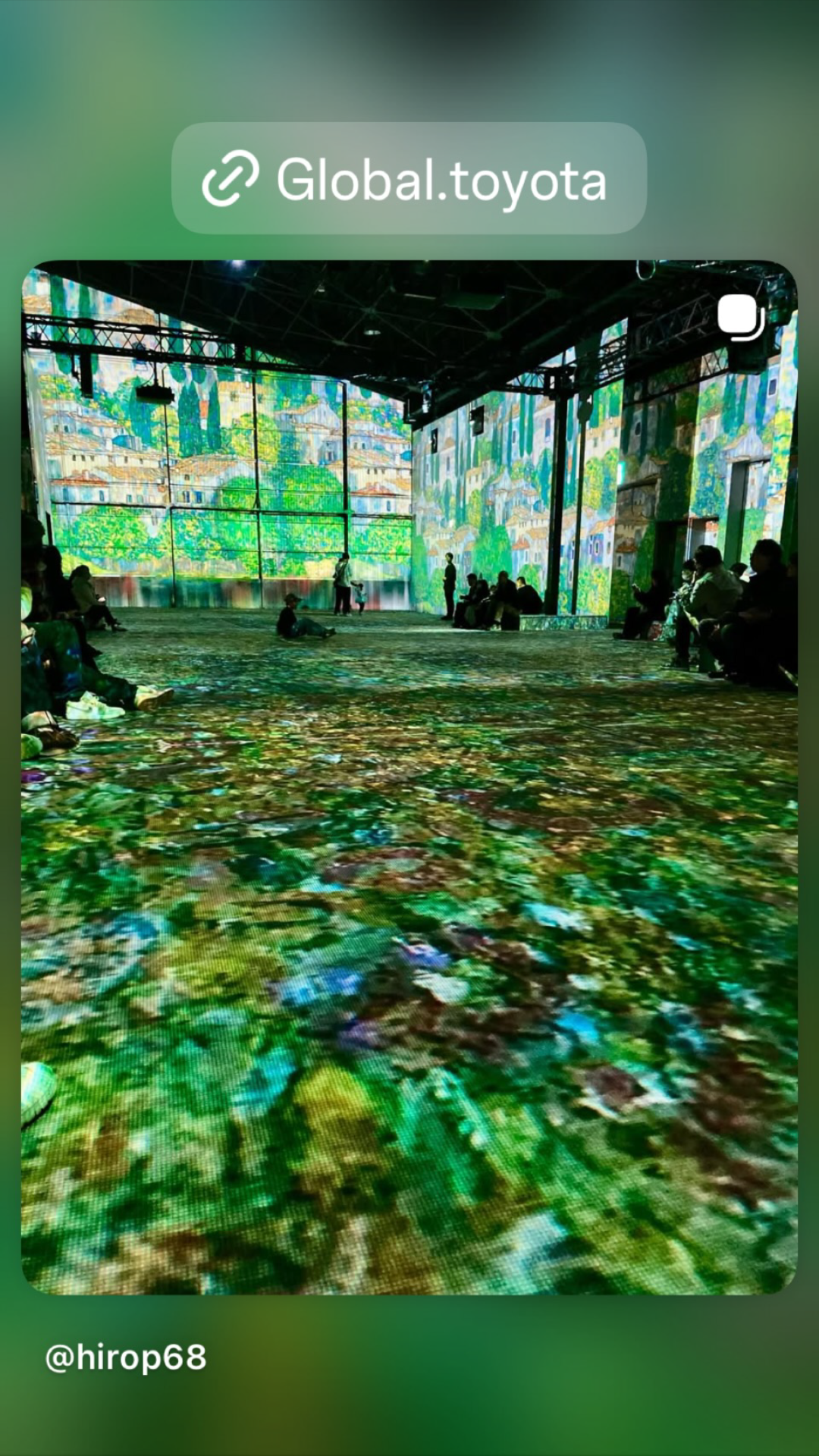
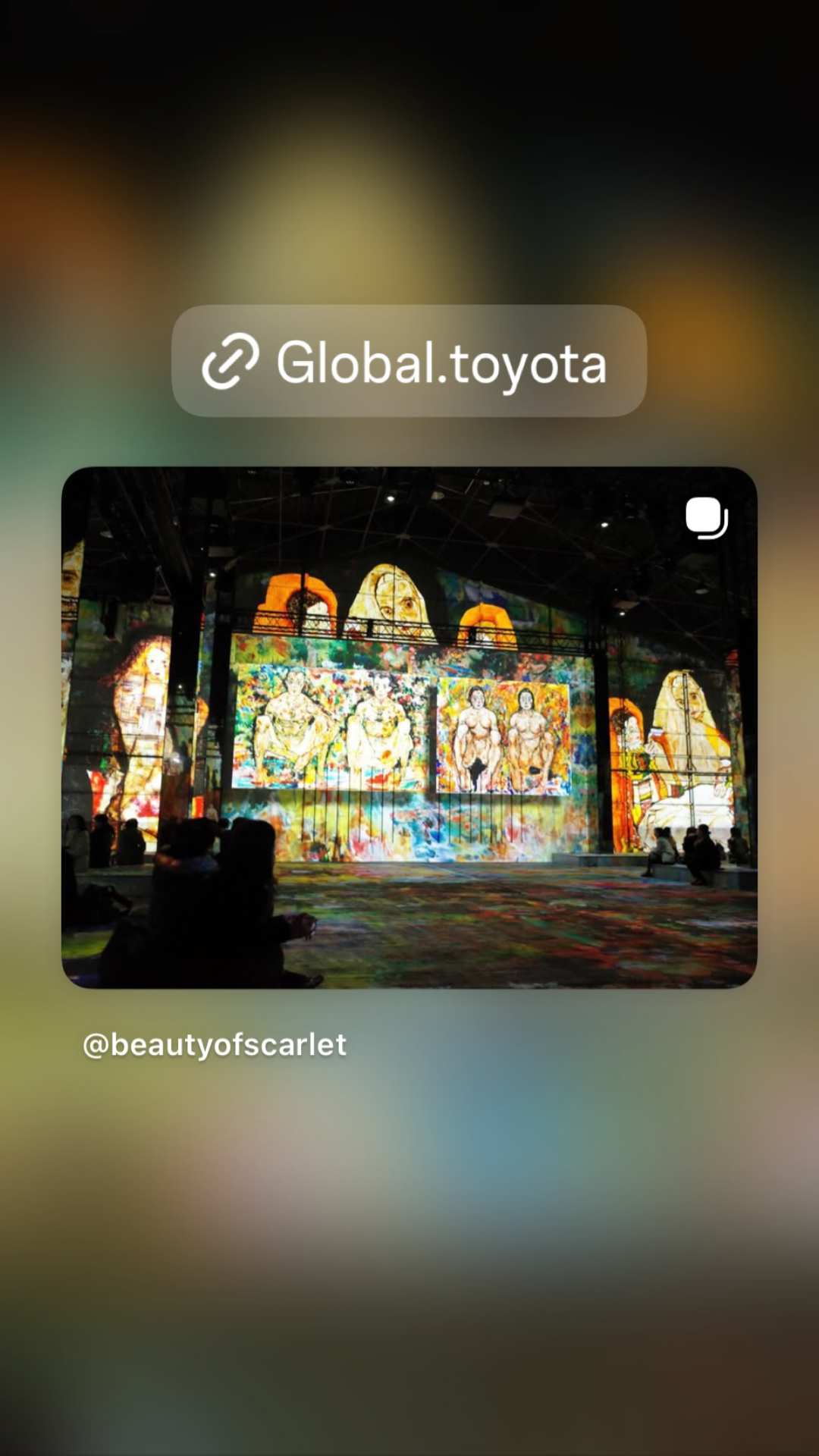
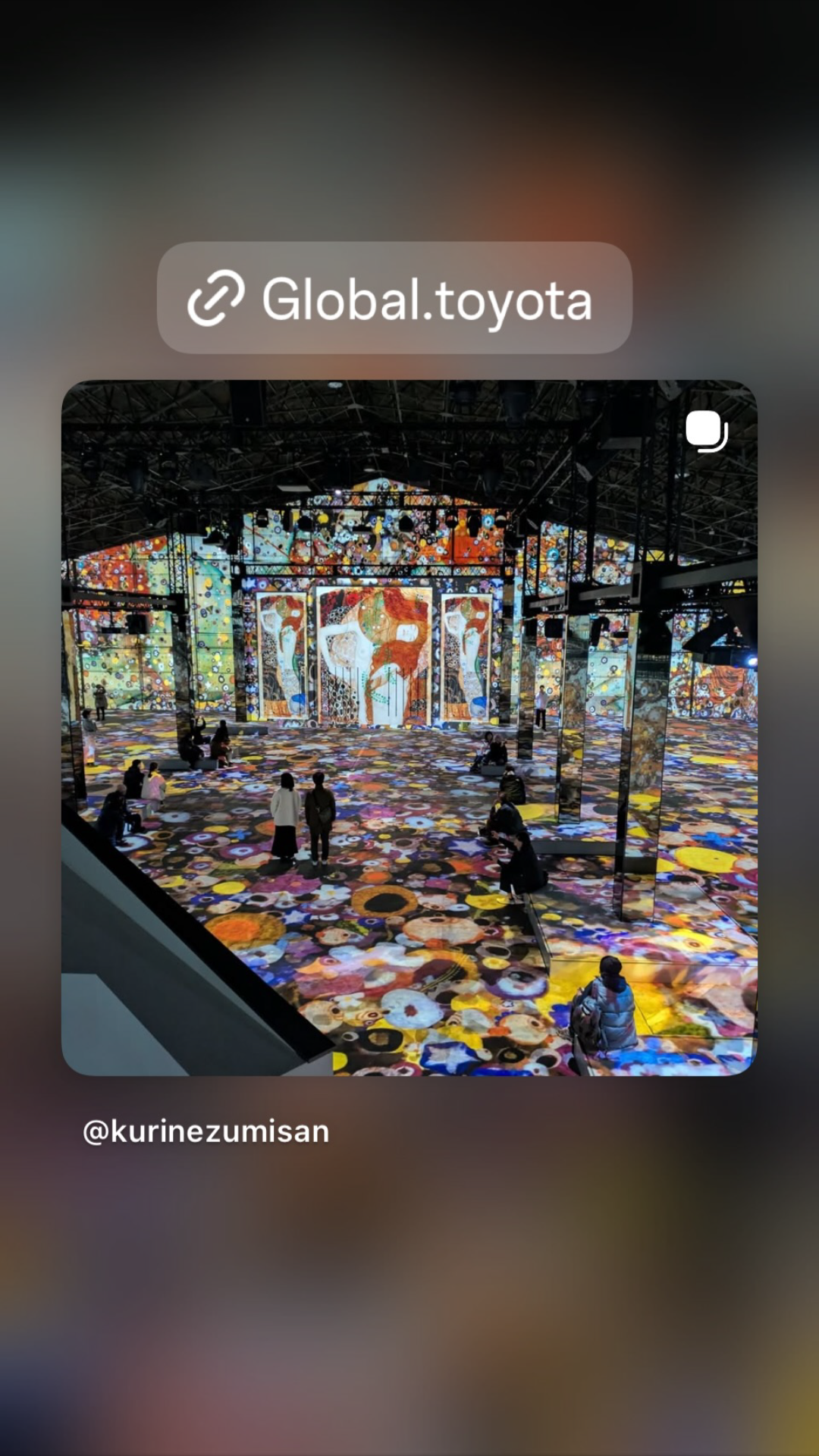
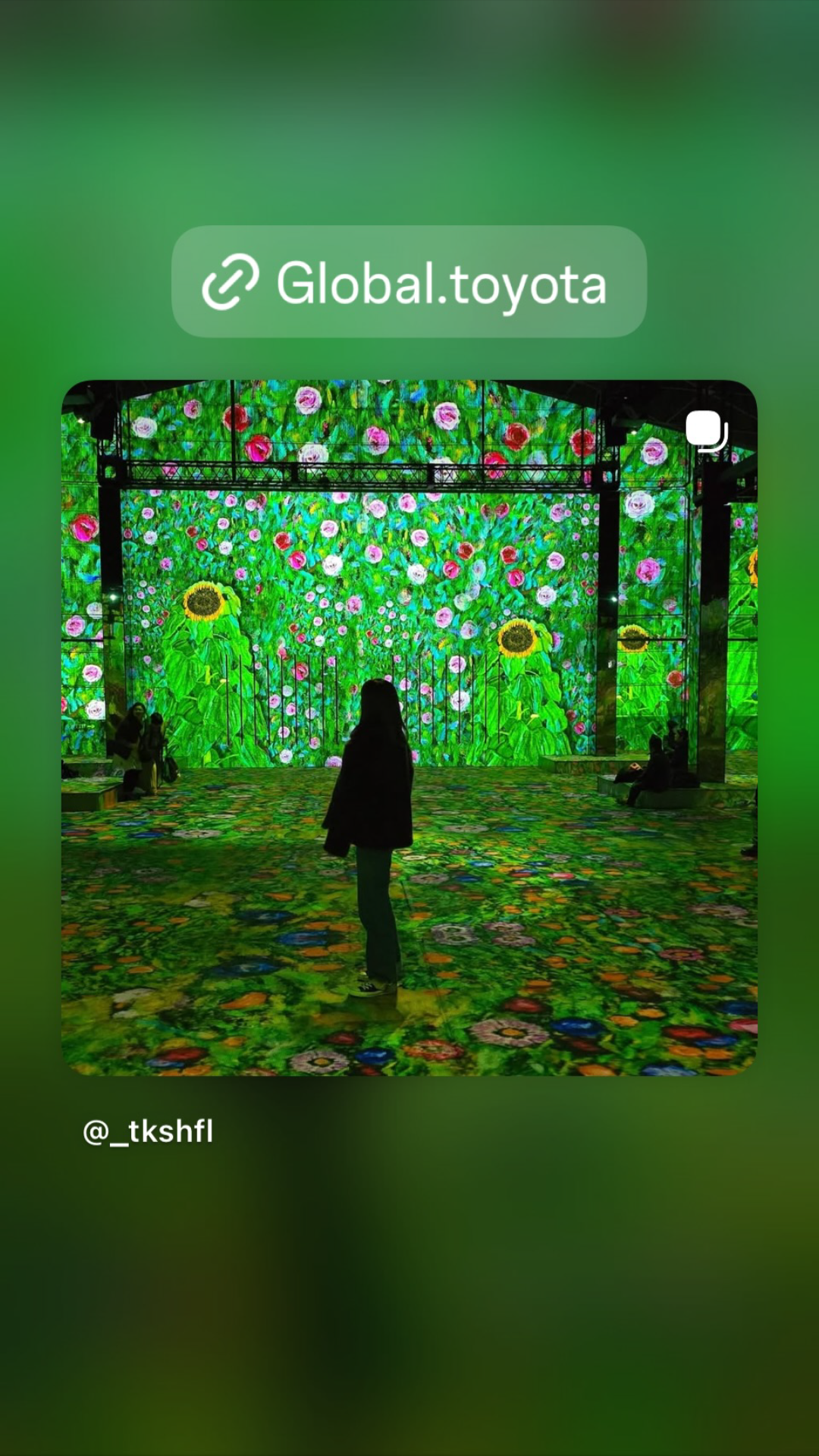
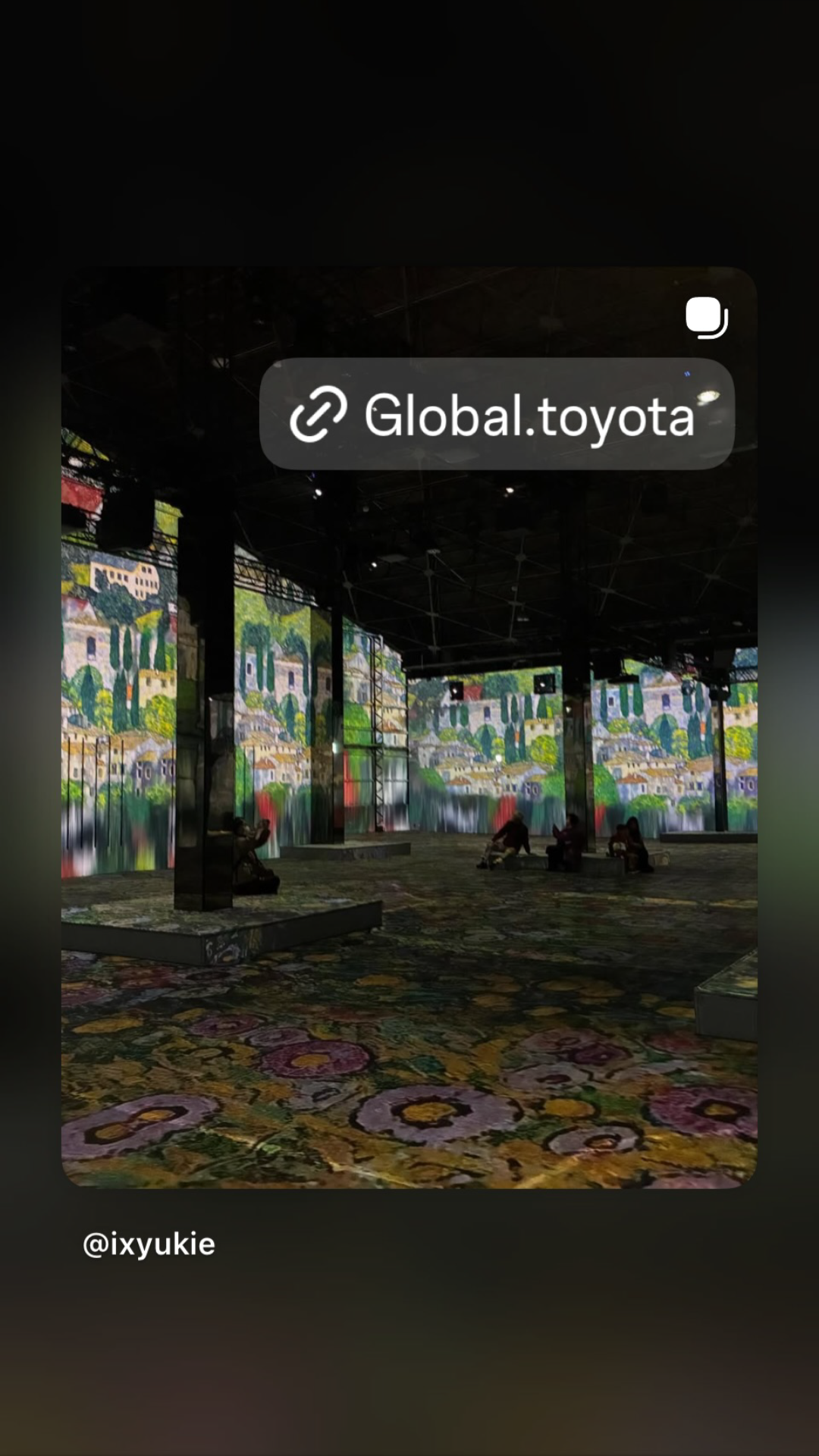




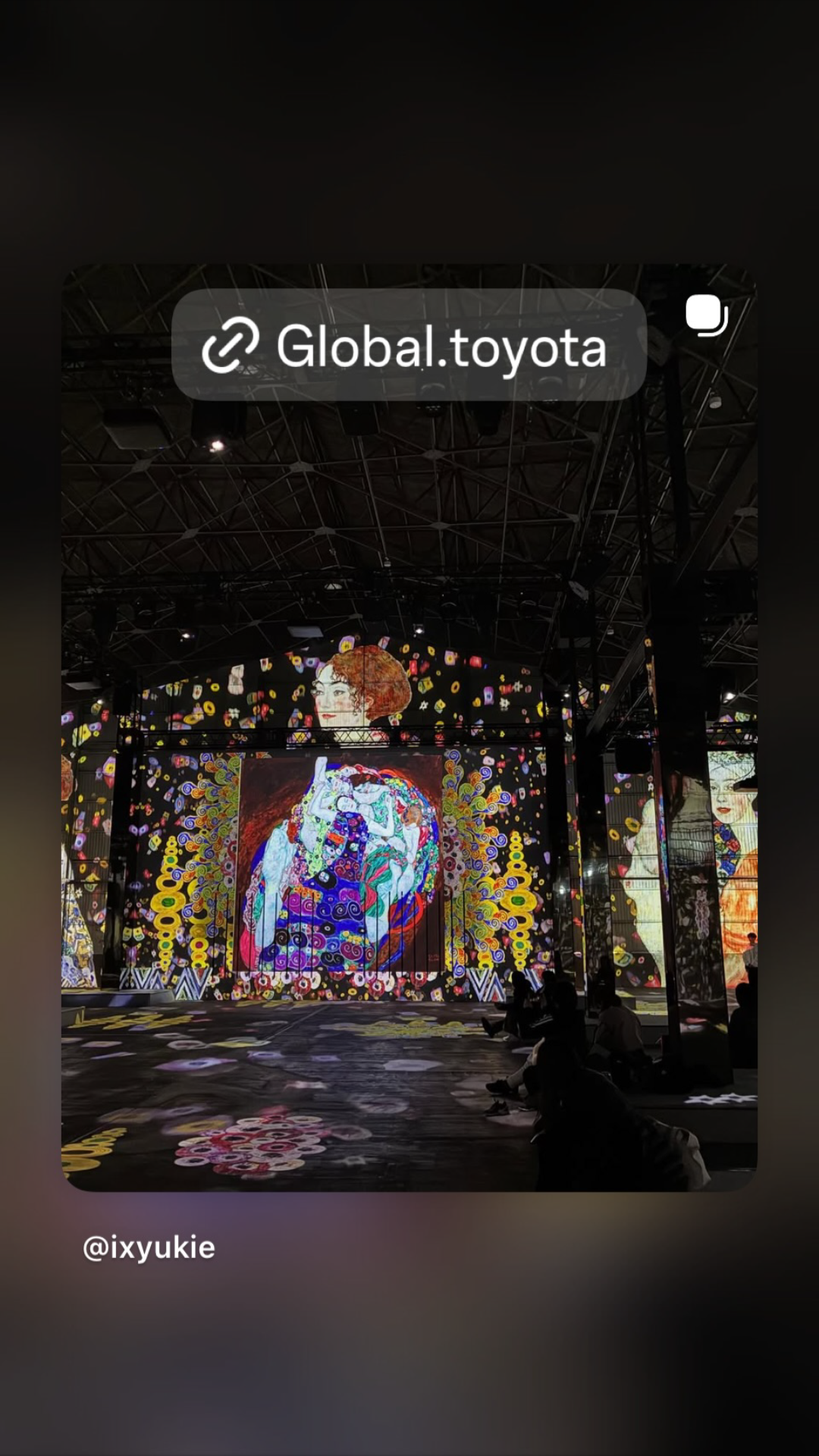
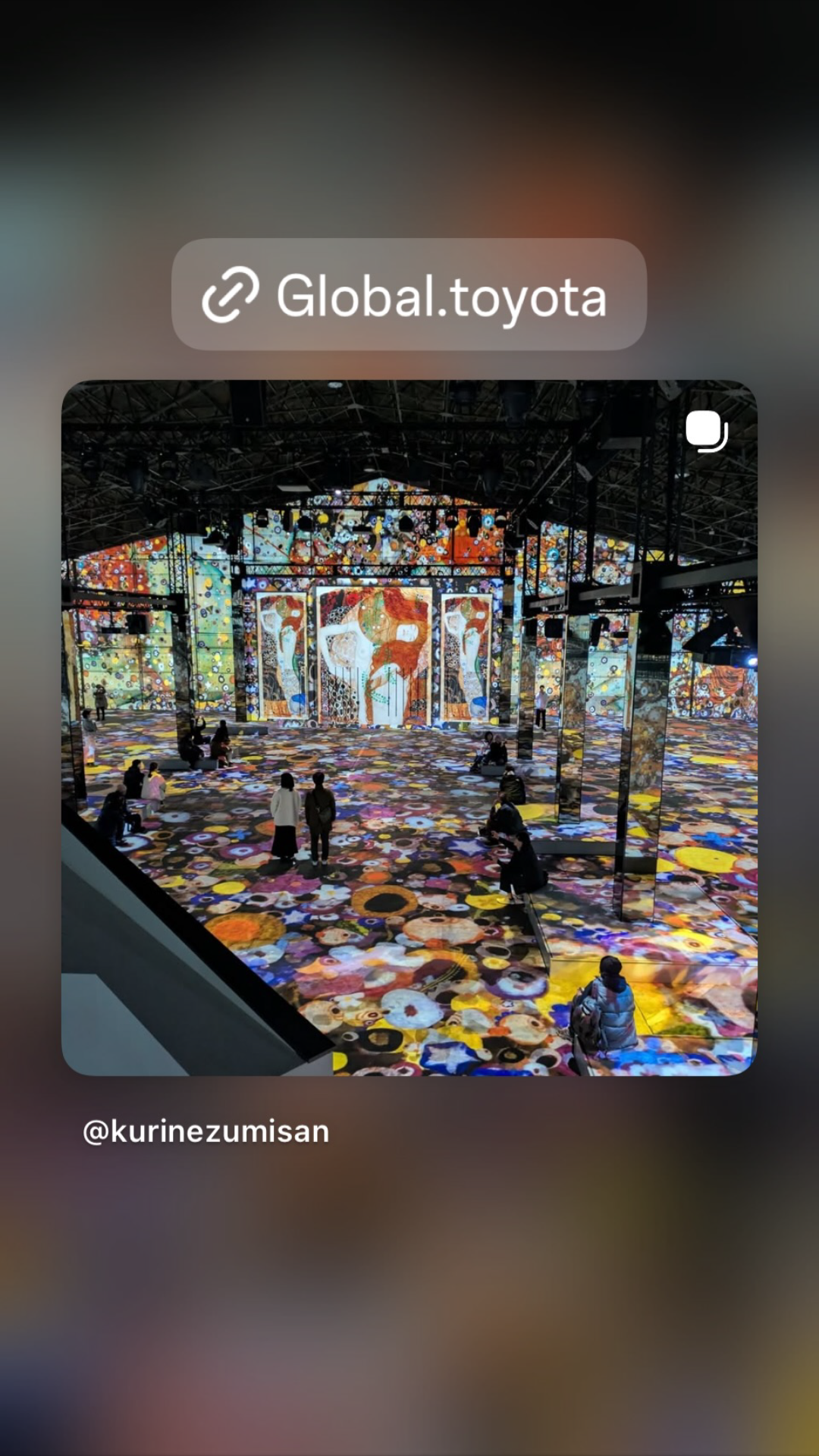
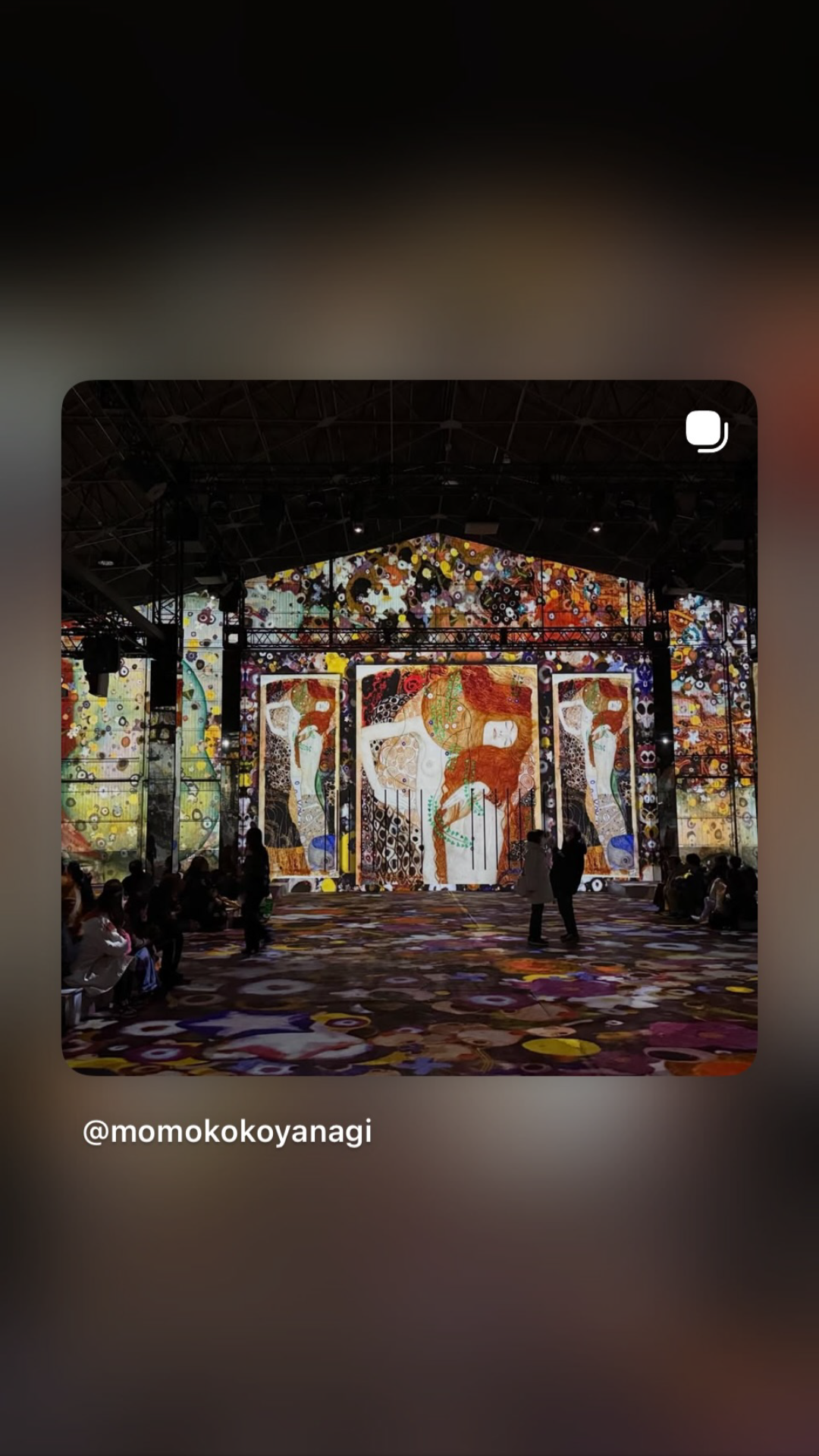
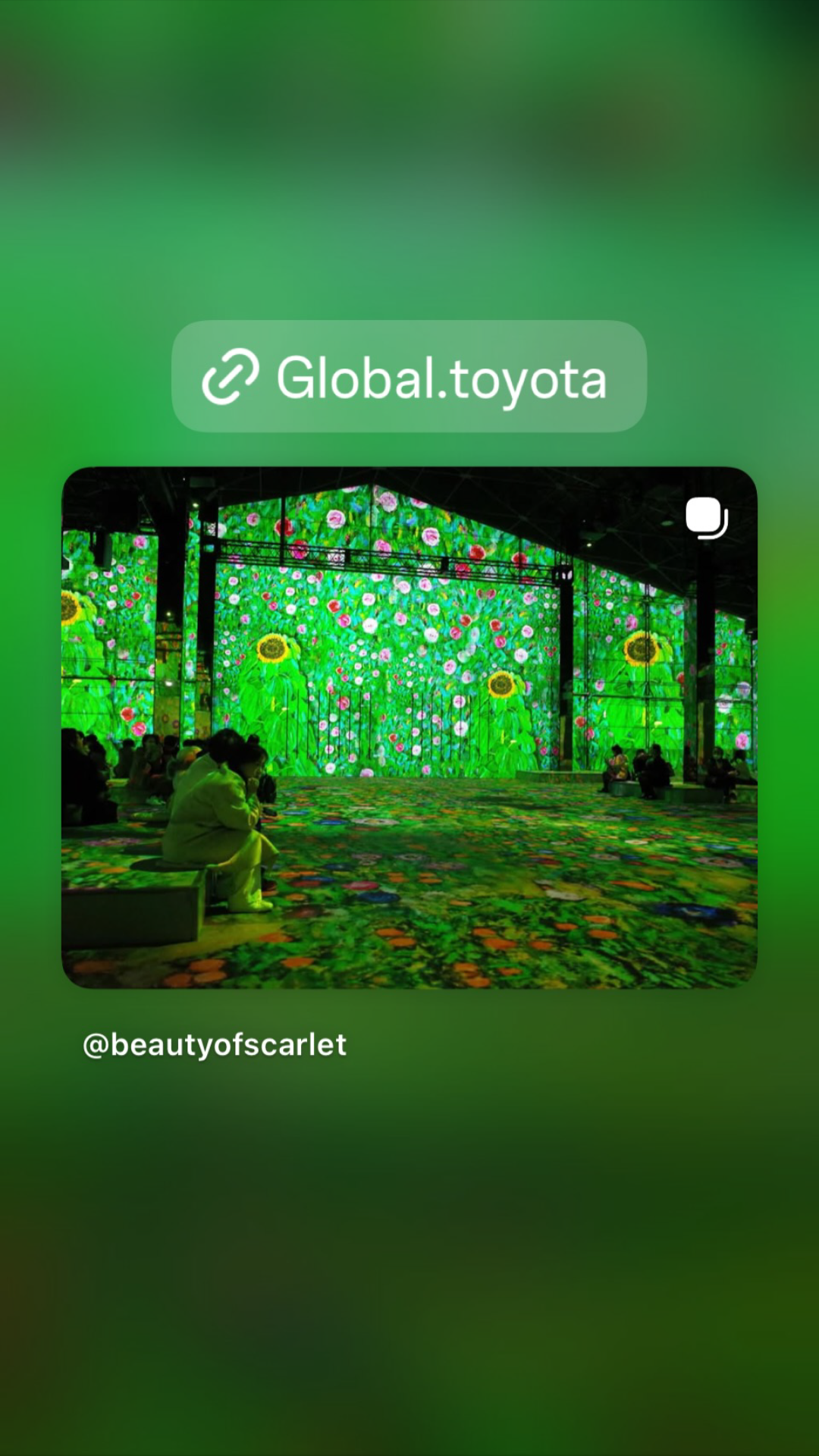
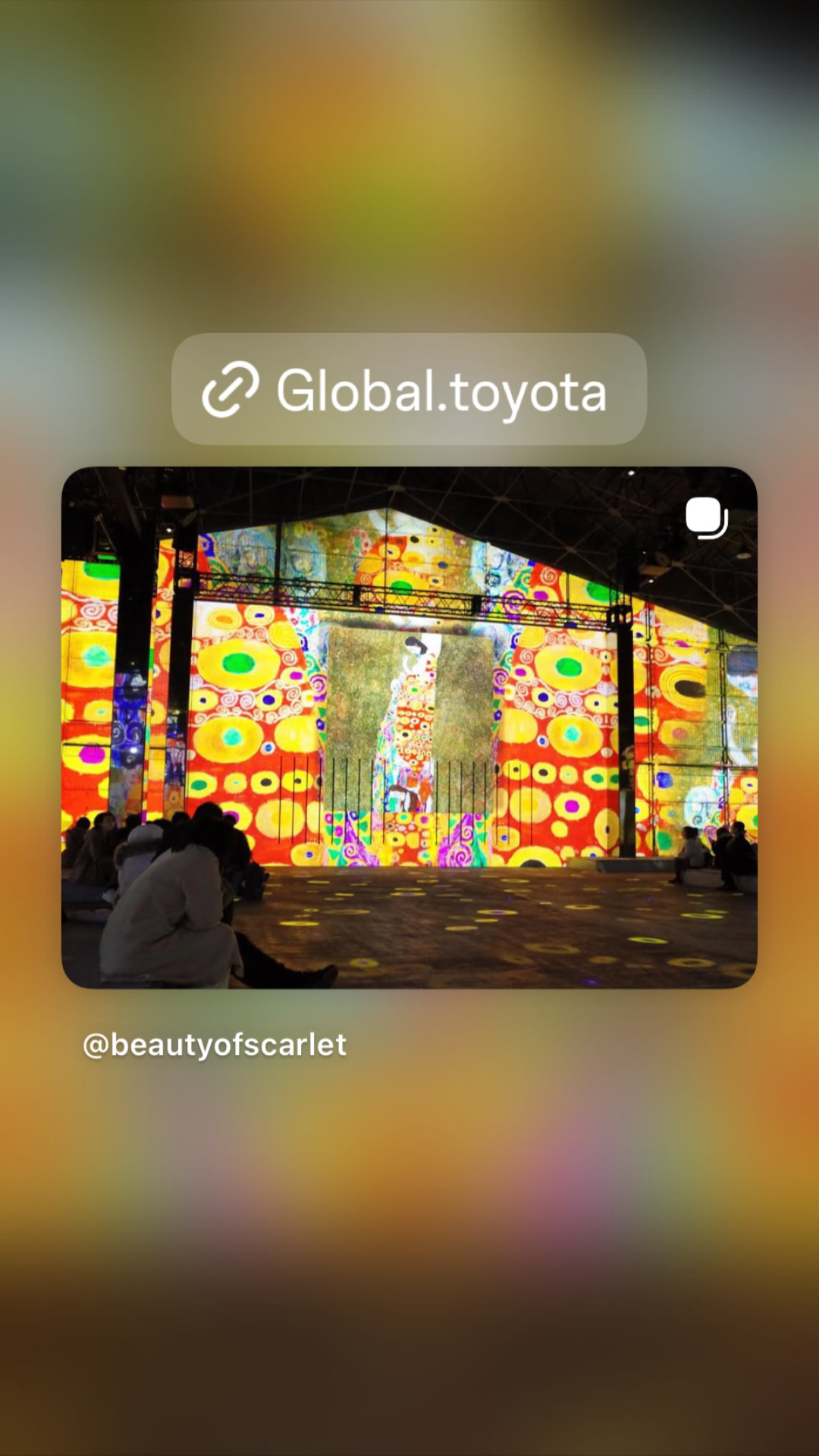
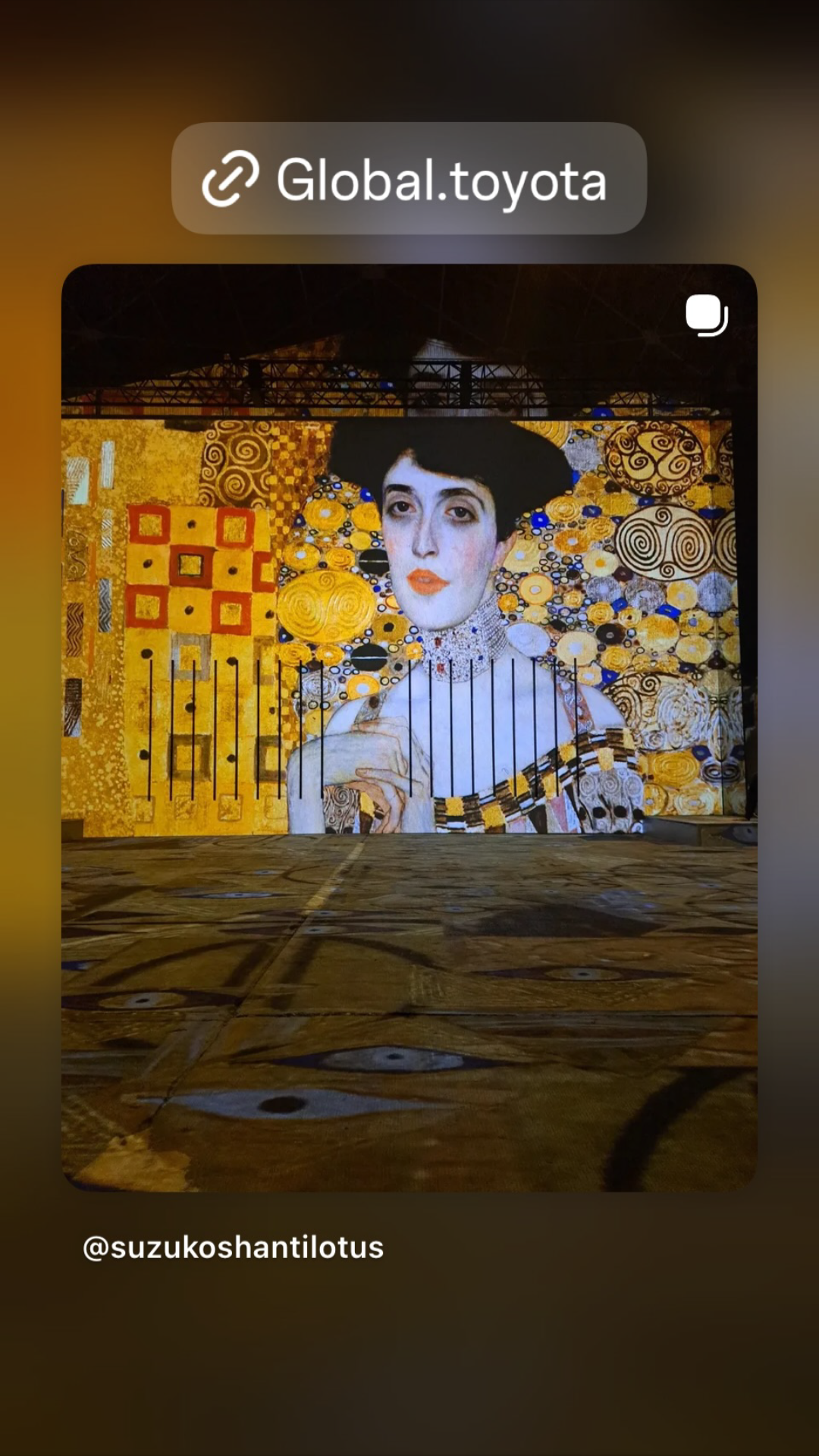
This dimension is closely connected to the concept of Esthétique relationnelle (1998), in which Bourriaud defines the artwork as a device for social relations. Art is no longer an autonomous object, but a space of interaction among individuals, a context in which forms of sociality are produced. Fake’s immersive installations can be interpreted in this light: they do not merely offer an individual aesthetic experience, but construct shared environments in which audiences move, encounter one another, and collectively participate in a perceptual event.
In this sense, the relational dimension is not only social but also cognitive. The immersive experience activates a process of interpretation in which the spectator is called upon to establish connections between images, sounds, and meanings. Remix thus becomes a tool of knowledge: through the reorganization of visual materials, Fake proposes new ways of reading art history, making explicit relationships that might remain implicit in traditional modes of reception.
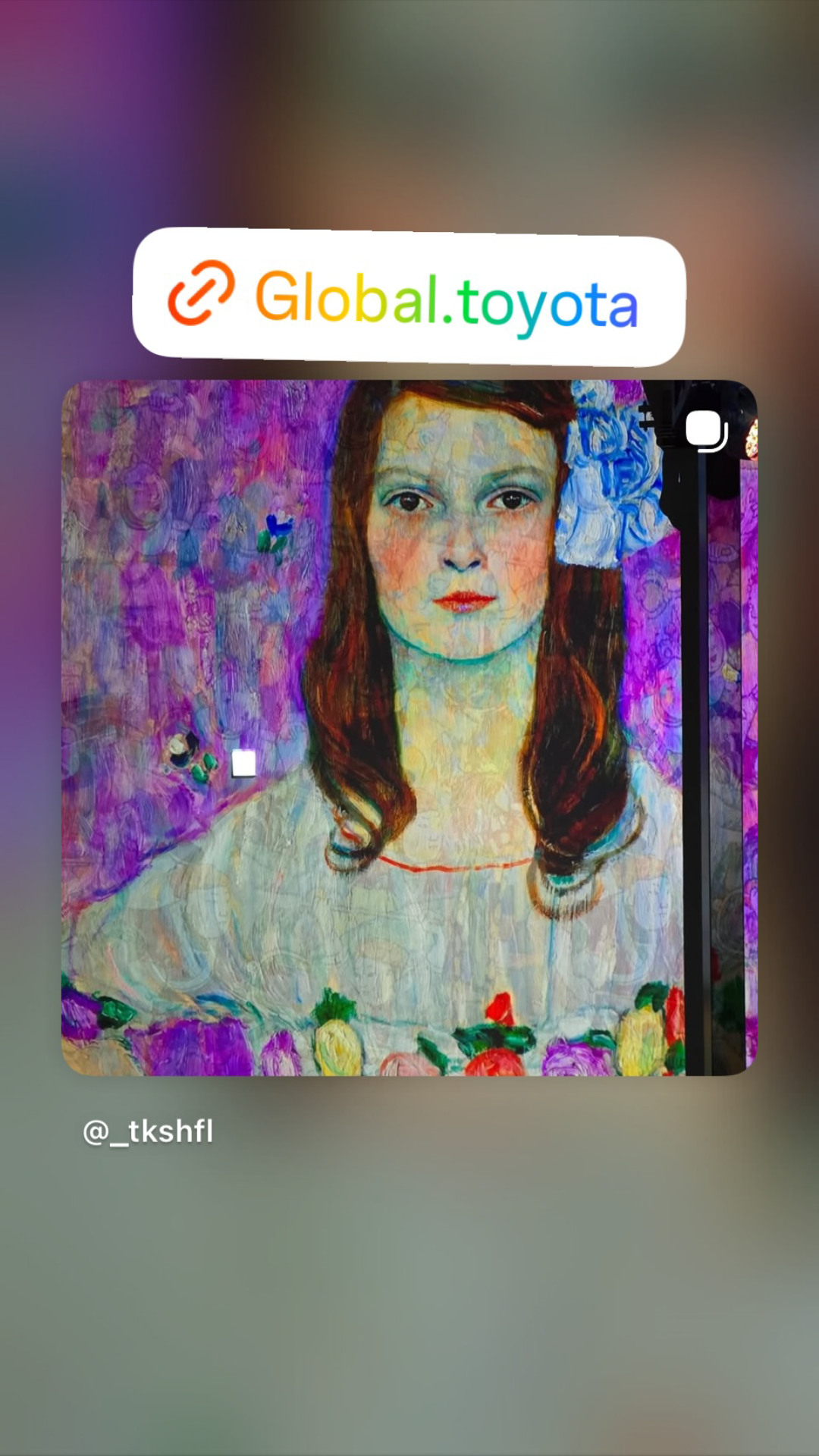


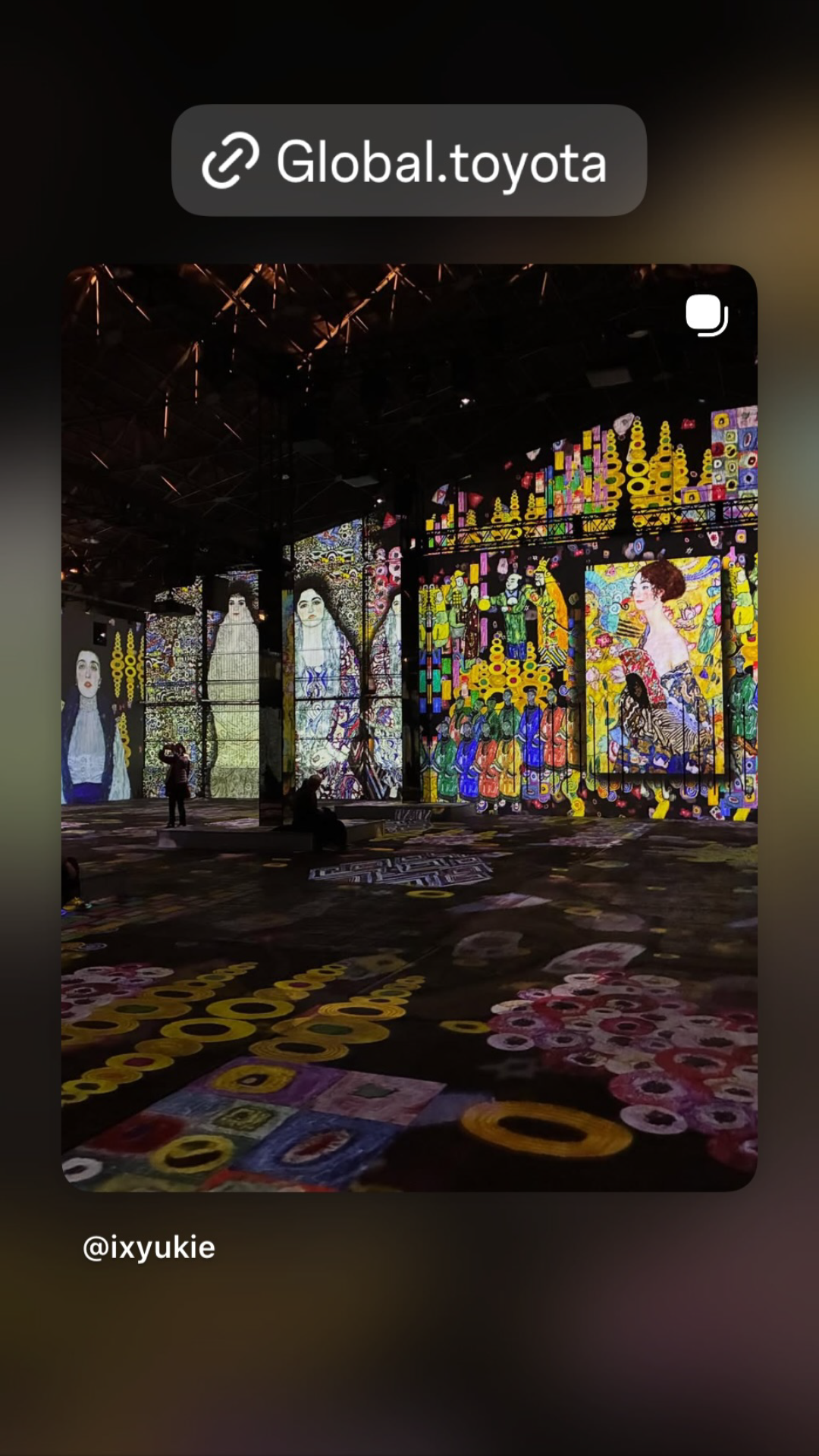
Another point of interest concerns the relationship between originality and reproduction. The theory of postproduction challenges the modern idea of the unique and unrepeatable artwork, emphasizing how contemporary art increasingly operates on copies, archives, and databases. Fake’s immersive experiences radicalize this condition: the original artwork disappears as a material object and survives as a digitized image, manipulable and reproducible. Yet, far from constituting a loss, this transformation opens new aesthetic possibilities. Reproduction becomes the site of creation, and the copy emerges as a space of invention.
In this context, Fake’s work may be interpreted as an advanced form of digital postproduction, in which audiovisual technologies allow for a sophisticated level of intervention on historical materials. The precision of the animations, the quality of the projections, and the complexity of the sound systems enable the construction of immersive environments that transcend the logic of simple exhibition, configuring themselves as true aesthetic ecosystems.
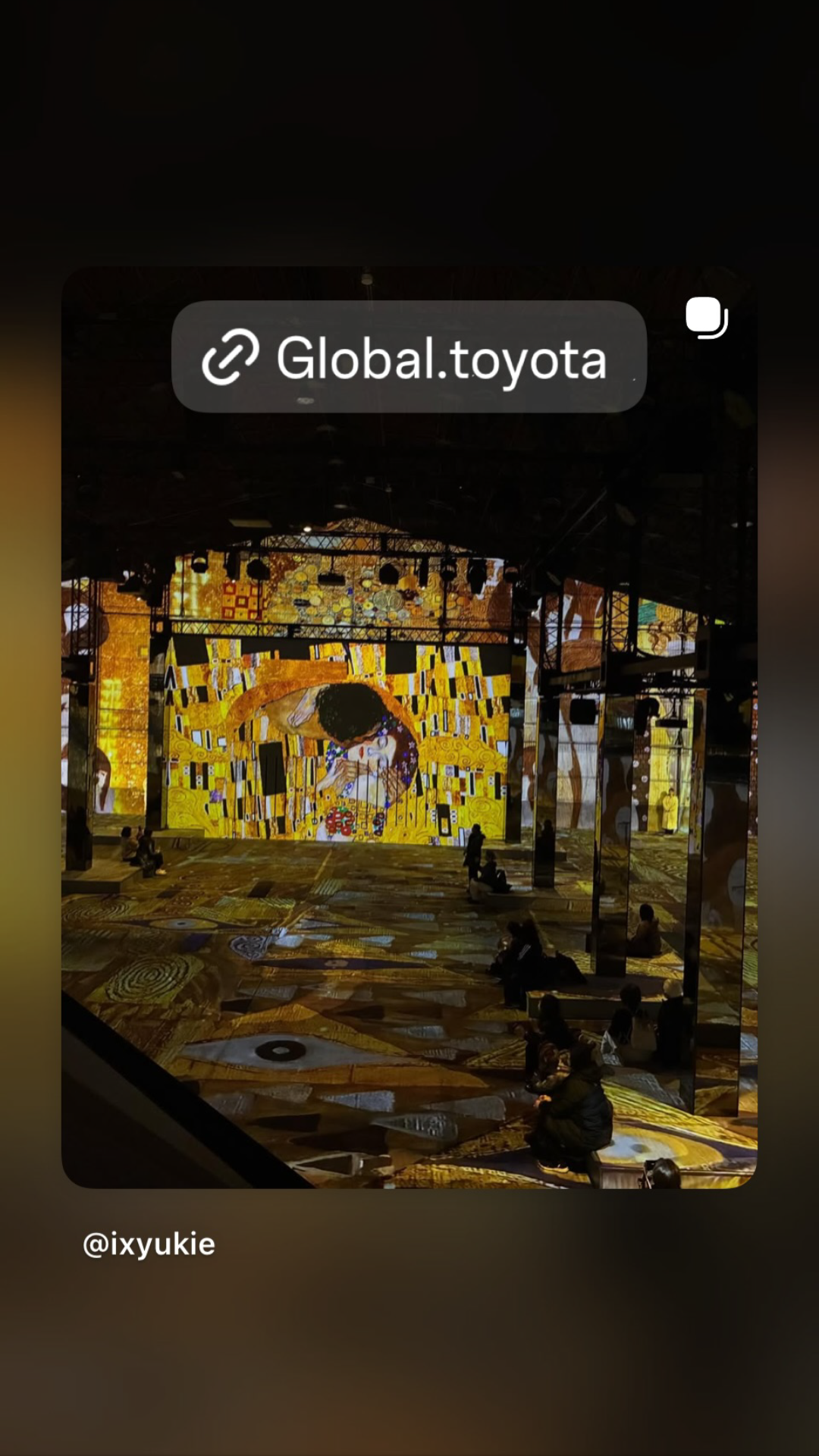
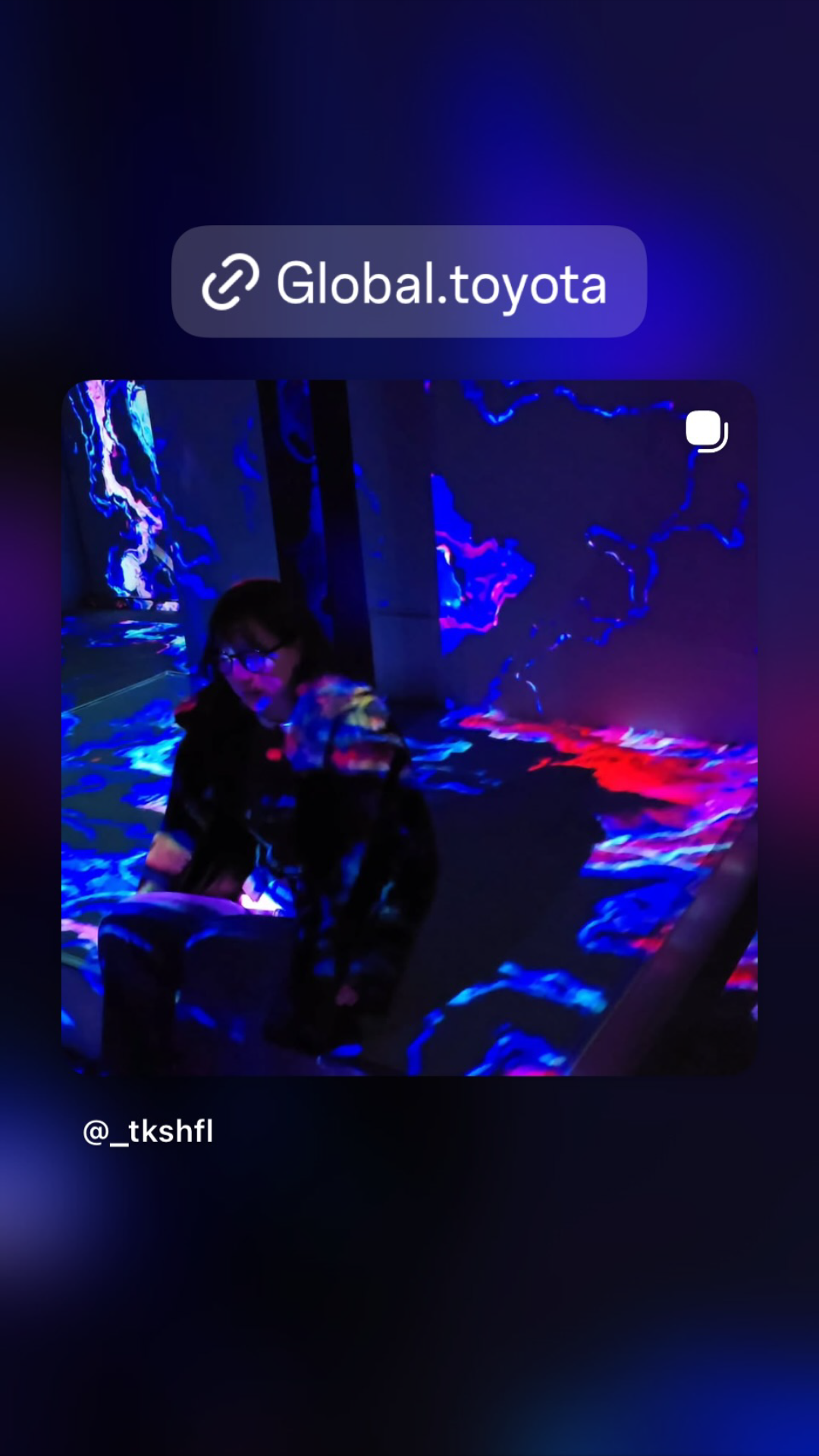
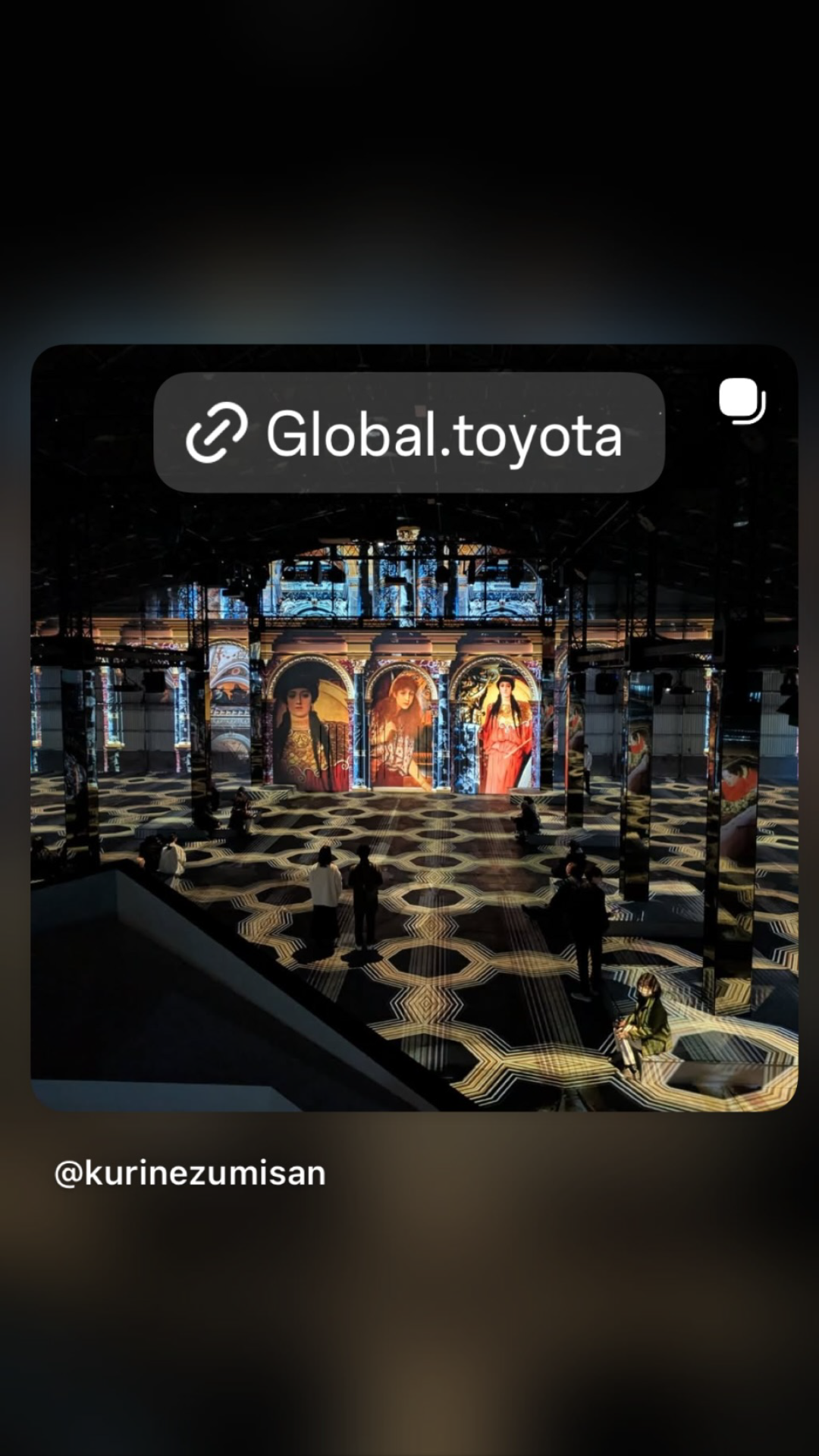




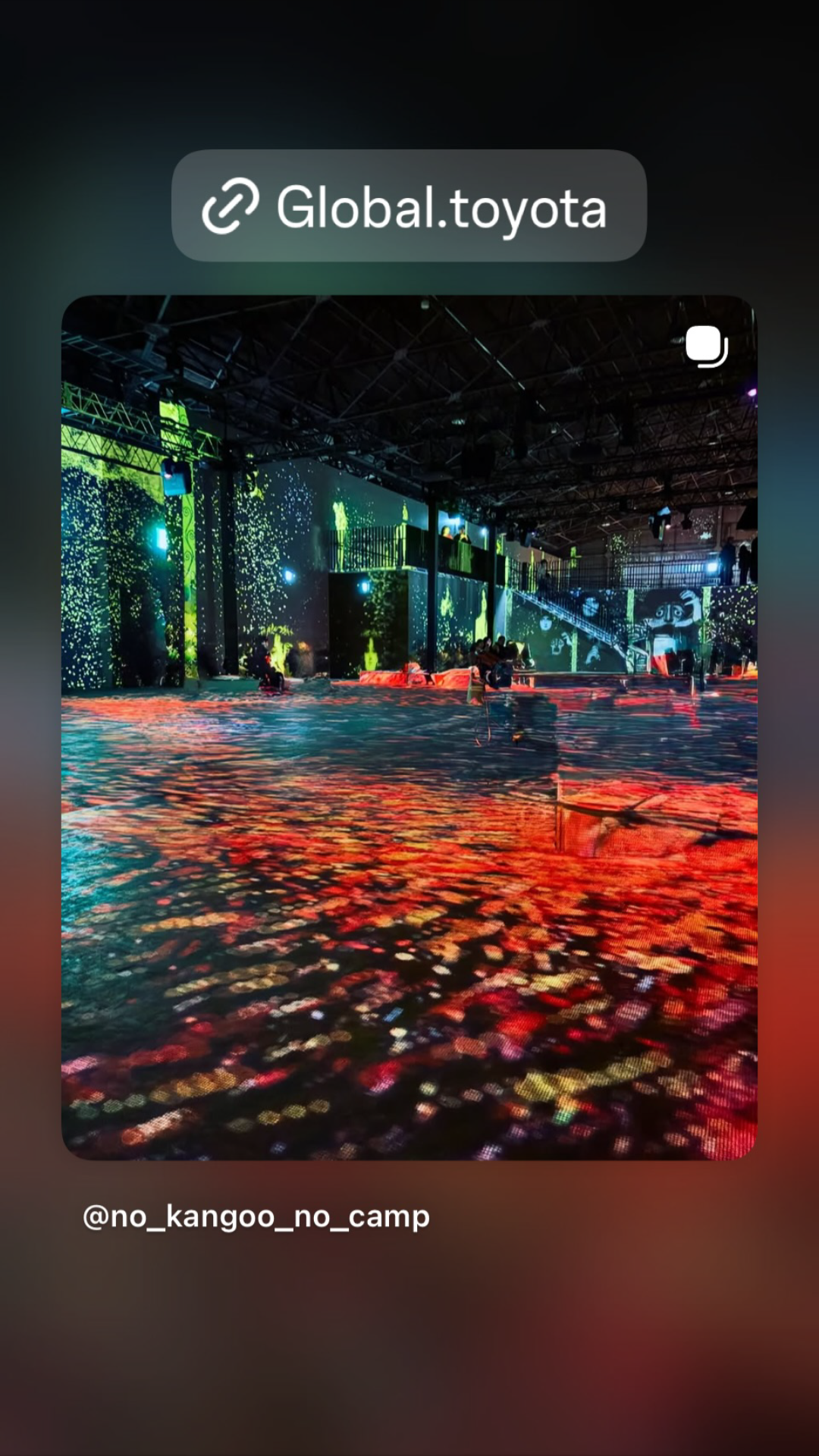
In conclusion, the work of Stefano Fake and THE FAKE FACTORY fully aligns with Bourriaud’s theory of postproduction and relational aesthetics, while simultaneously representing a significant evolution of it. If Bourriaud describes the artist as an editor of cultural signs, Fake extends this practice into the spatial and environmental dimension, transforming remix into a totalizing experience. The past, far from being a static repertoire, becomes a living material, continuously reactivated and reinterpreted through the technologies of the present, giving rise to new forms of aesthetics and new modes of relation between artwork and audience.
The influence exerted by Stefano Fake on the global development of immersive digital art must be understood from a historical-critical perspective that takes into account both the precocity of his intervention and his ability to systematize a language destined, within two decades, to become an international exhibition standard.
Beginning in the early 2000s, with the founding of THE FAKE FACTORY, Fake entered a still experimental context in which video projection and architectural mapping technologies had not yet achieved a stable codification within artistic practice. While precedents existed in multimedia installations and video art, a model capable of organically integrating narrative, space, and large-scale collective reception was still lacking. It is precisely within this gap that Fake’s pioneering intervention must be situated: the definition of a replicable, recognizable, and scalable immersive format.


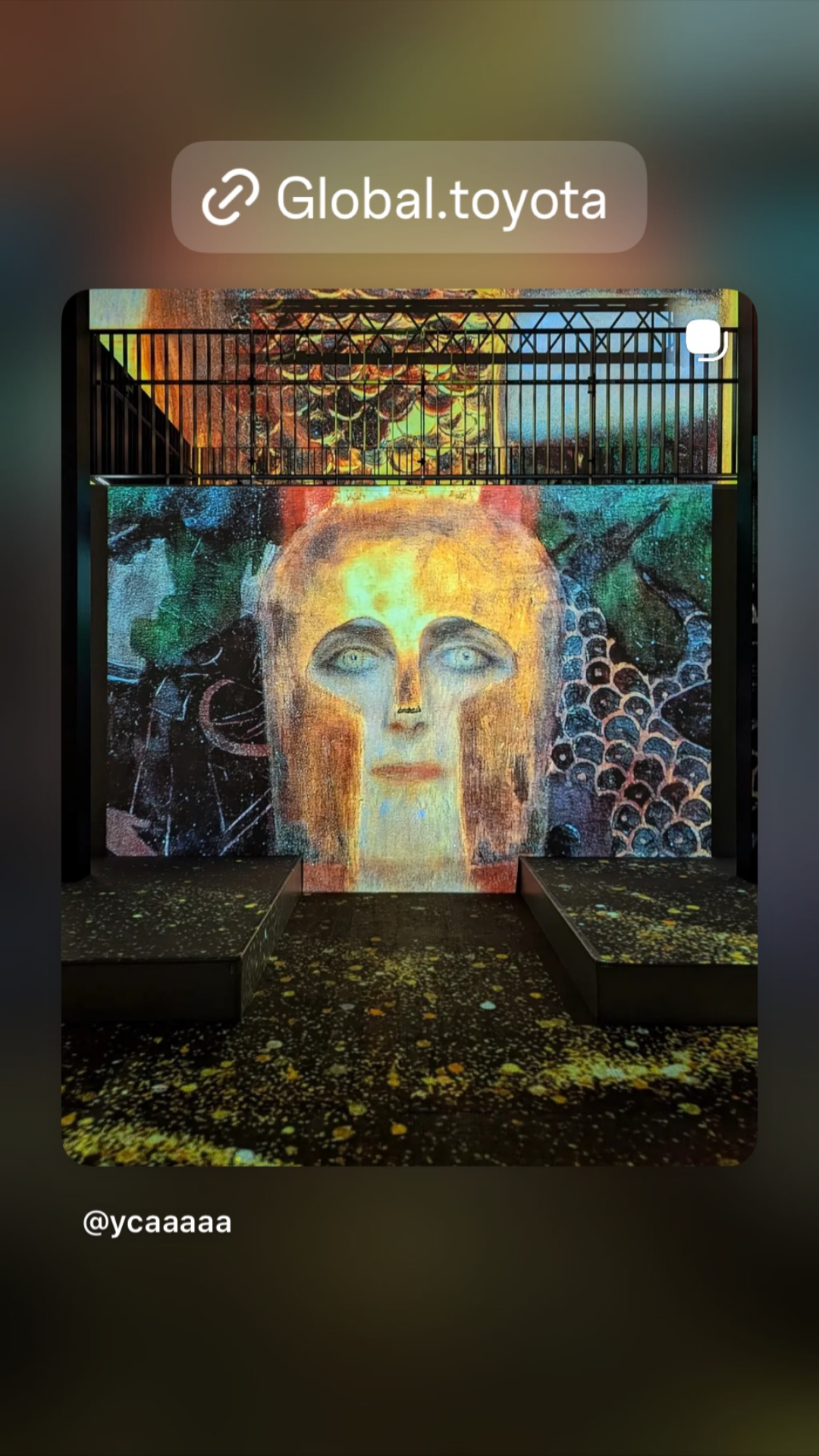


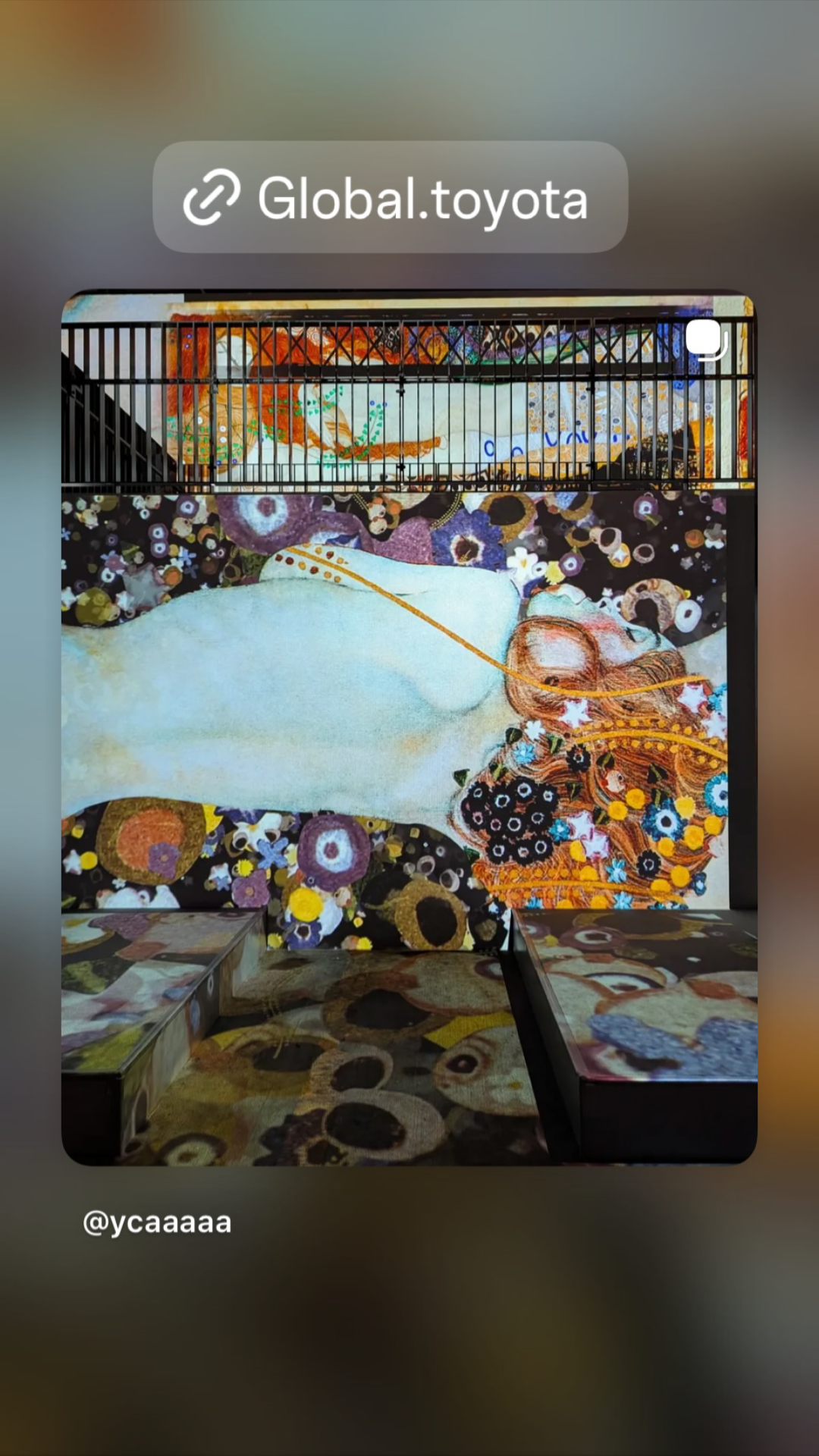

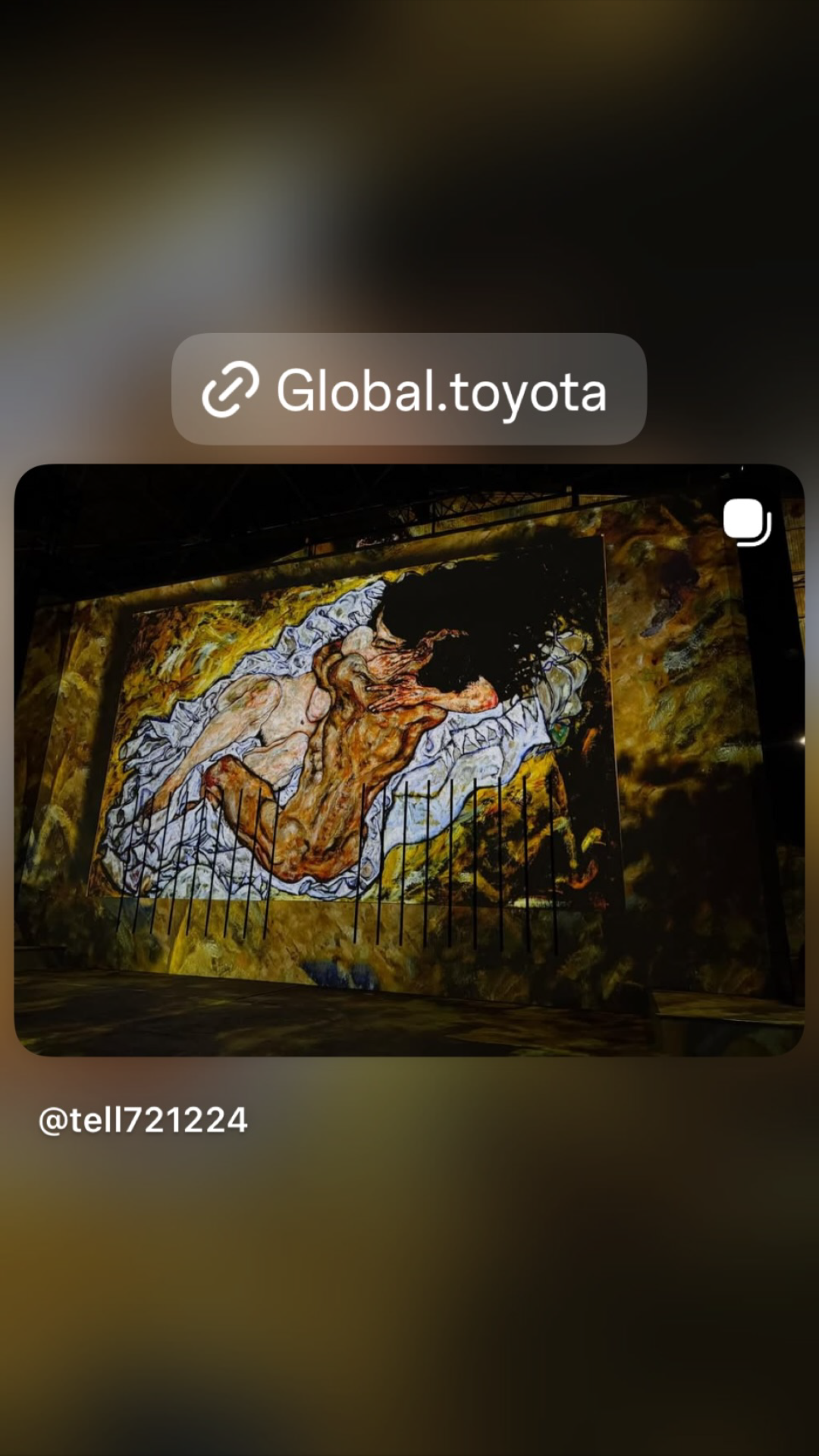
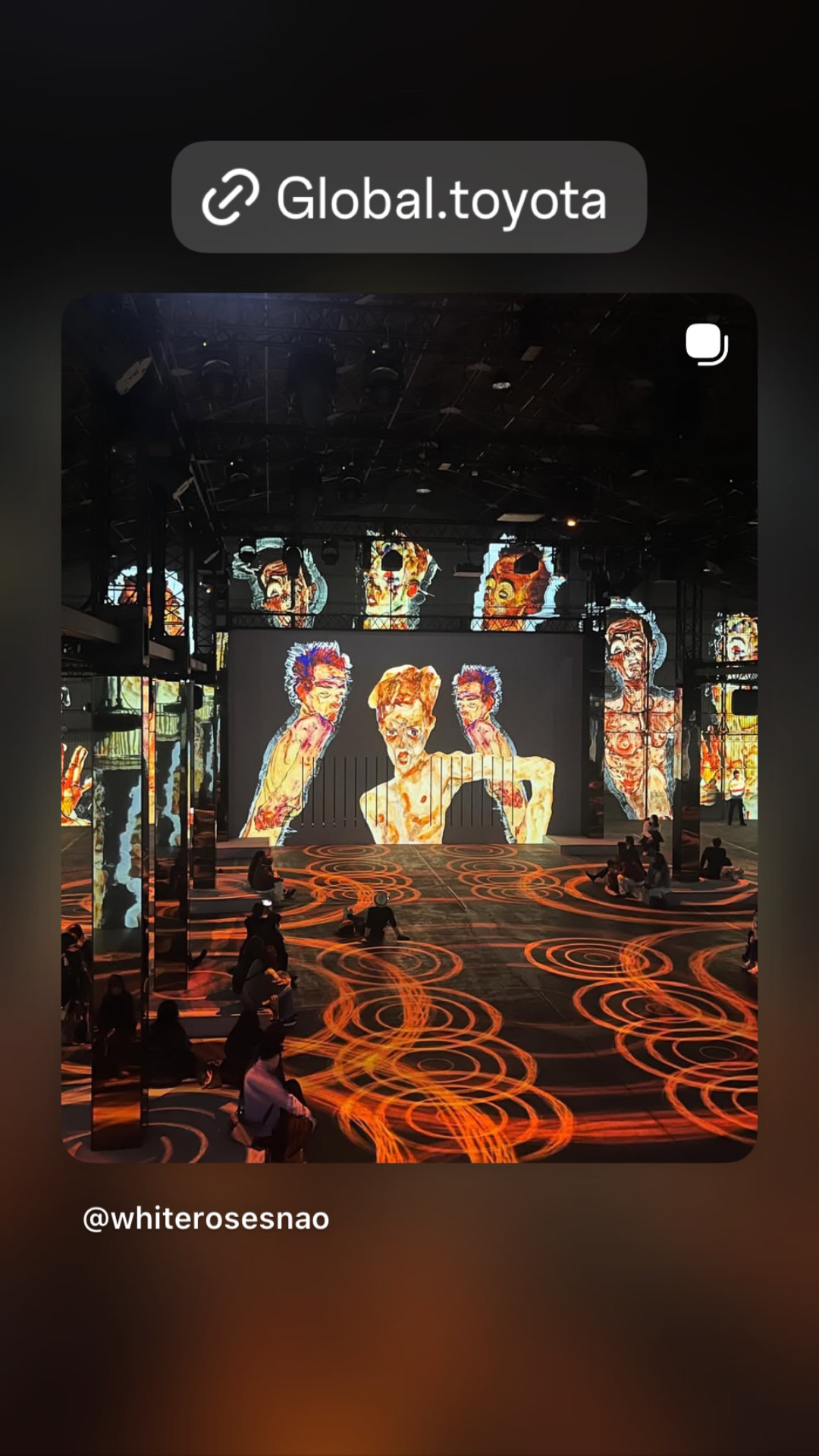
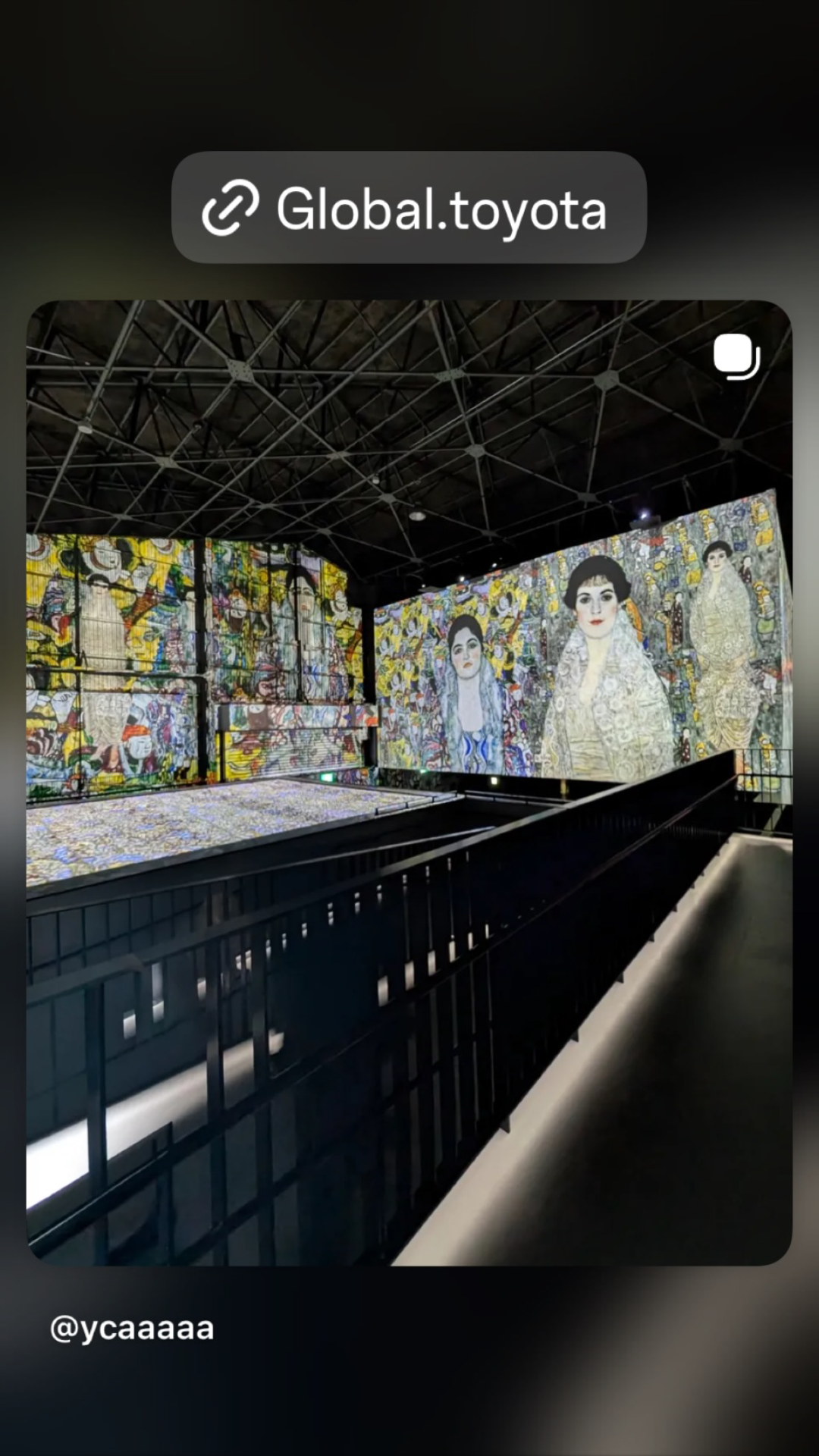
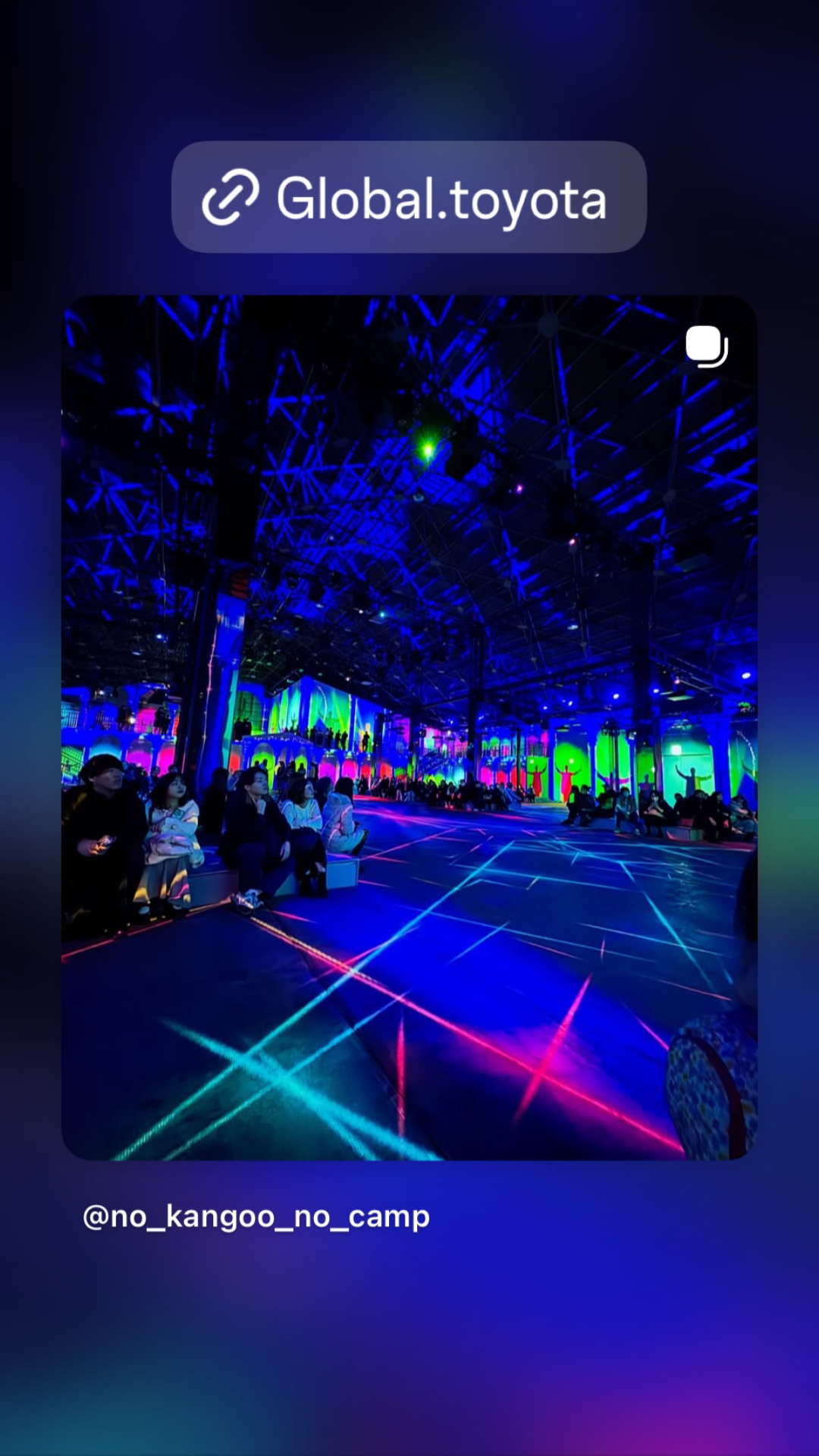
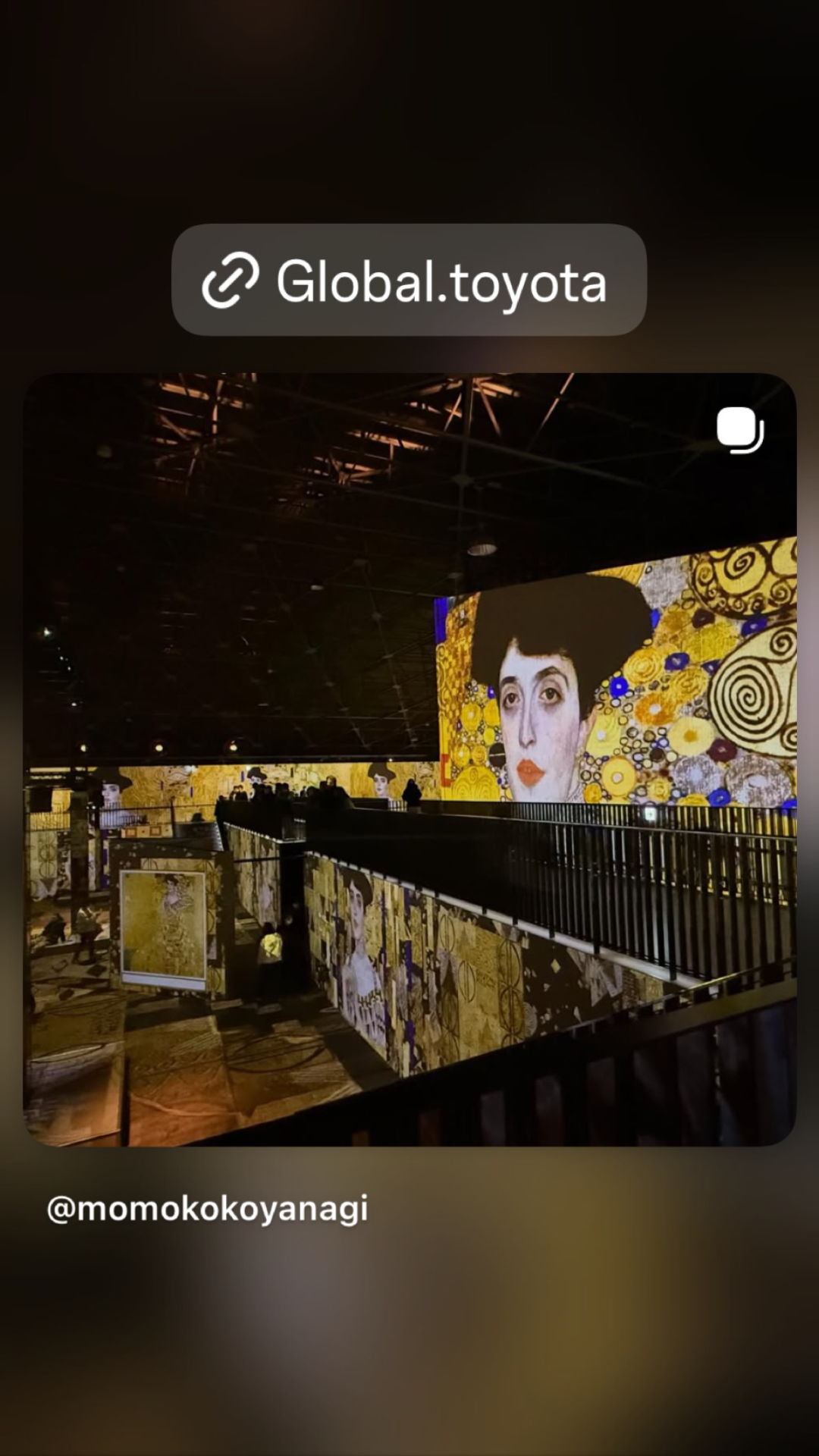

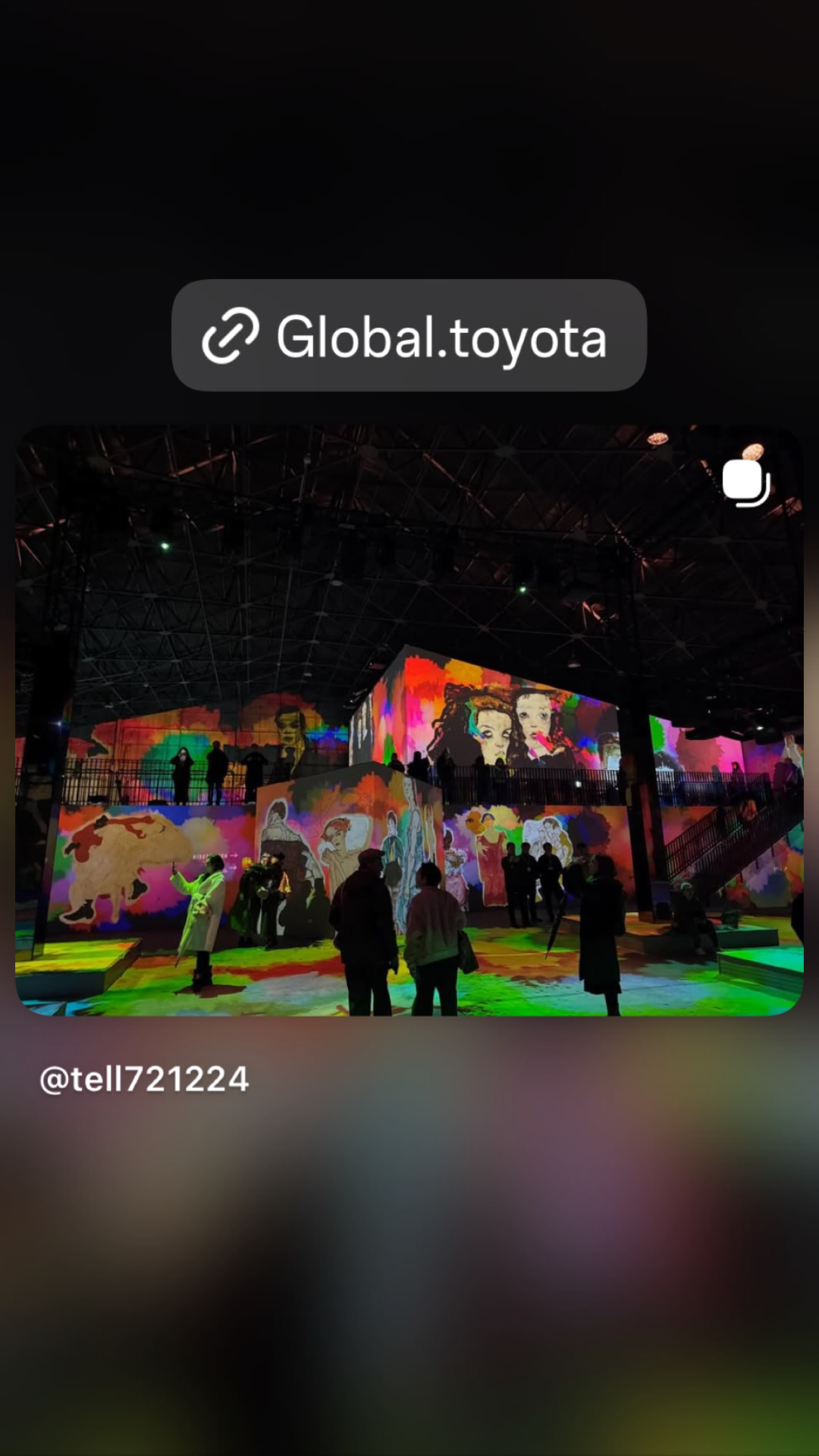
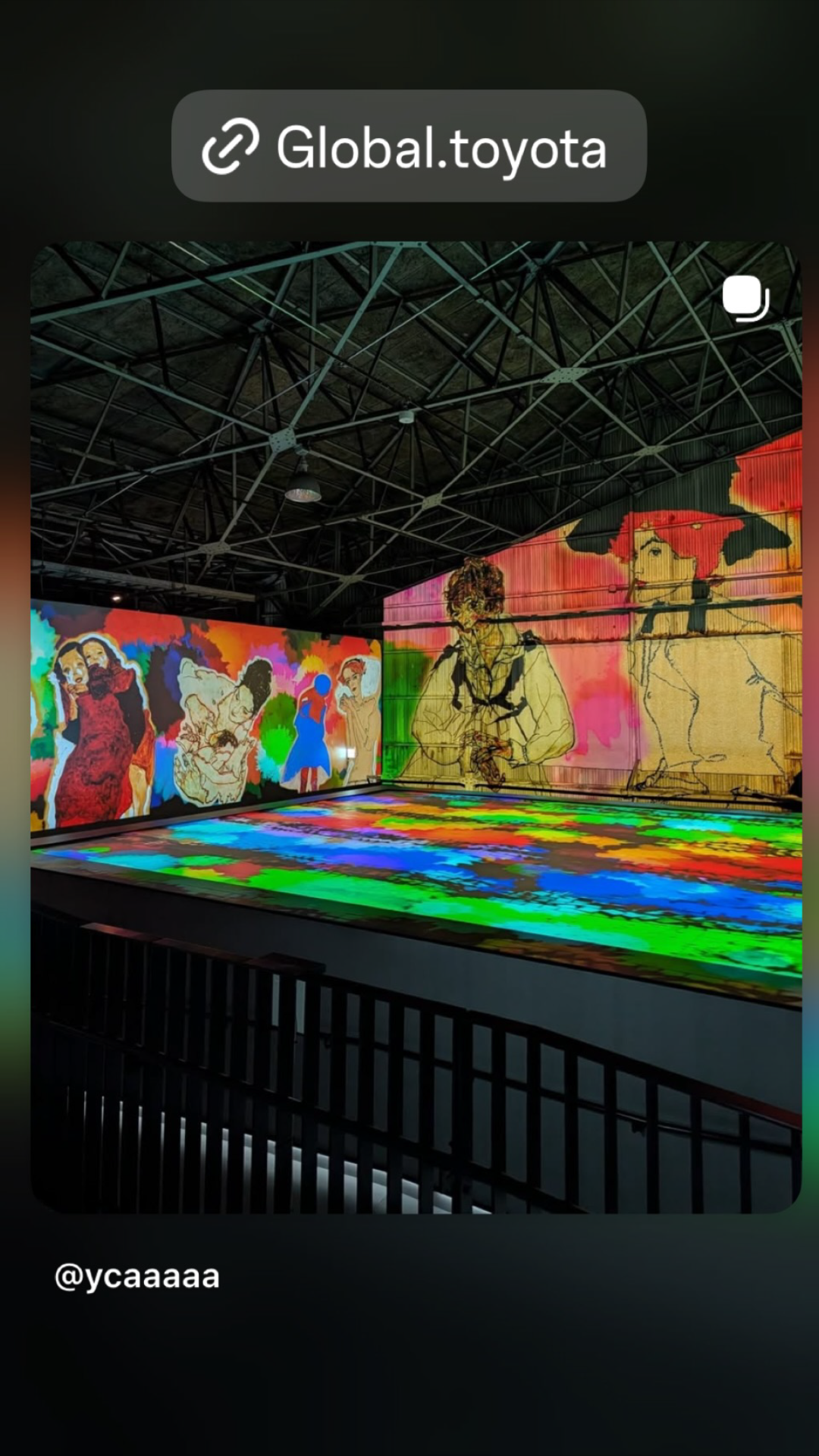
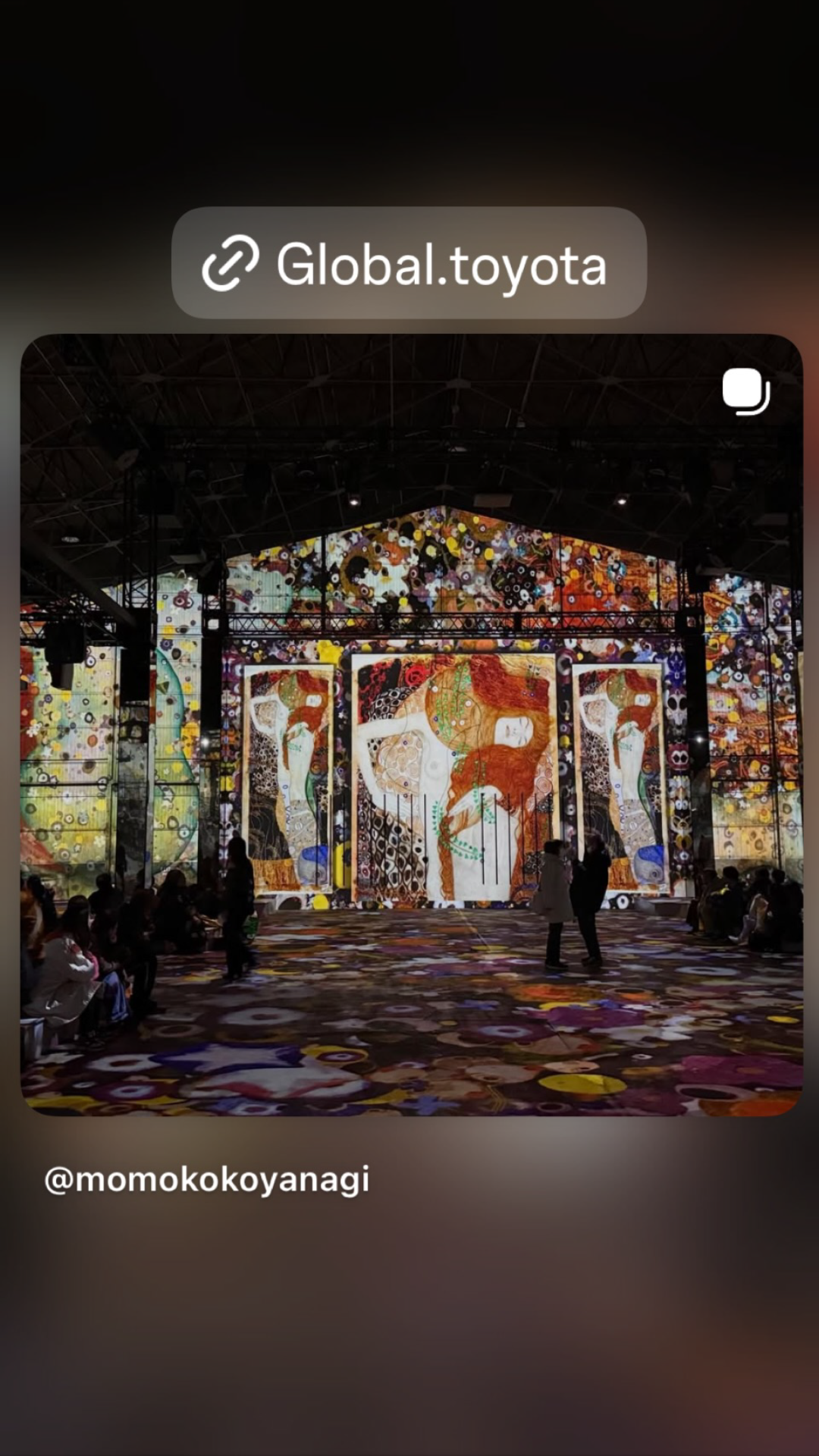
His most significant contribution lies in transforming the immersive experience from an experimental event into a structured cultural dispositif. His exhibitions are not merely site-specific installations, but modular systems designed to adapt to different architectural contexts while maintaining narrative and visual coherence. This “portability” of the format has been a decisive factor in its international diffusion: the Immersive Art Experiences dedicated to major masters have been replicated across numerous cities, contributing to the formation of a global audience and consolidating a shared imaginary of immersive art.
In this process, Fake has effectively standardized the aesthetic and perceptual codes of the field. Elements such as 360-degree monumental projection, audiovisual synchronization, the construction of sequential narrative environments, and the controlled use of motion graphics have, over time, become defining features of a widely imitated language. What initially constituted an authorial research practice has gradually evolved into an operational paradigm adopted by museums, exhibition centers, and independent producers worldwide.
This influence became particularly evident from the 2010s onward, when immersive art experienced exponential growth, driven in part by advances in digital technologies and the emergence of new models of cultural consumption. The international success of immersive exhibitions dedicated to Van Gogh, Klimt, or Monet—often replicated with local variations by different producers—demonstrates the adaptability of the format across diverse cultural contexts while maintaining strong recognizability. Within this scenario, Fake’s work can be regarded as one of the principal antecedents that made such expansion possible.
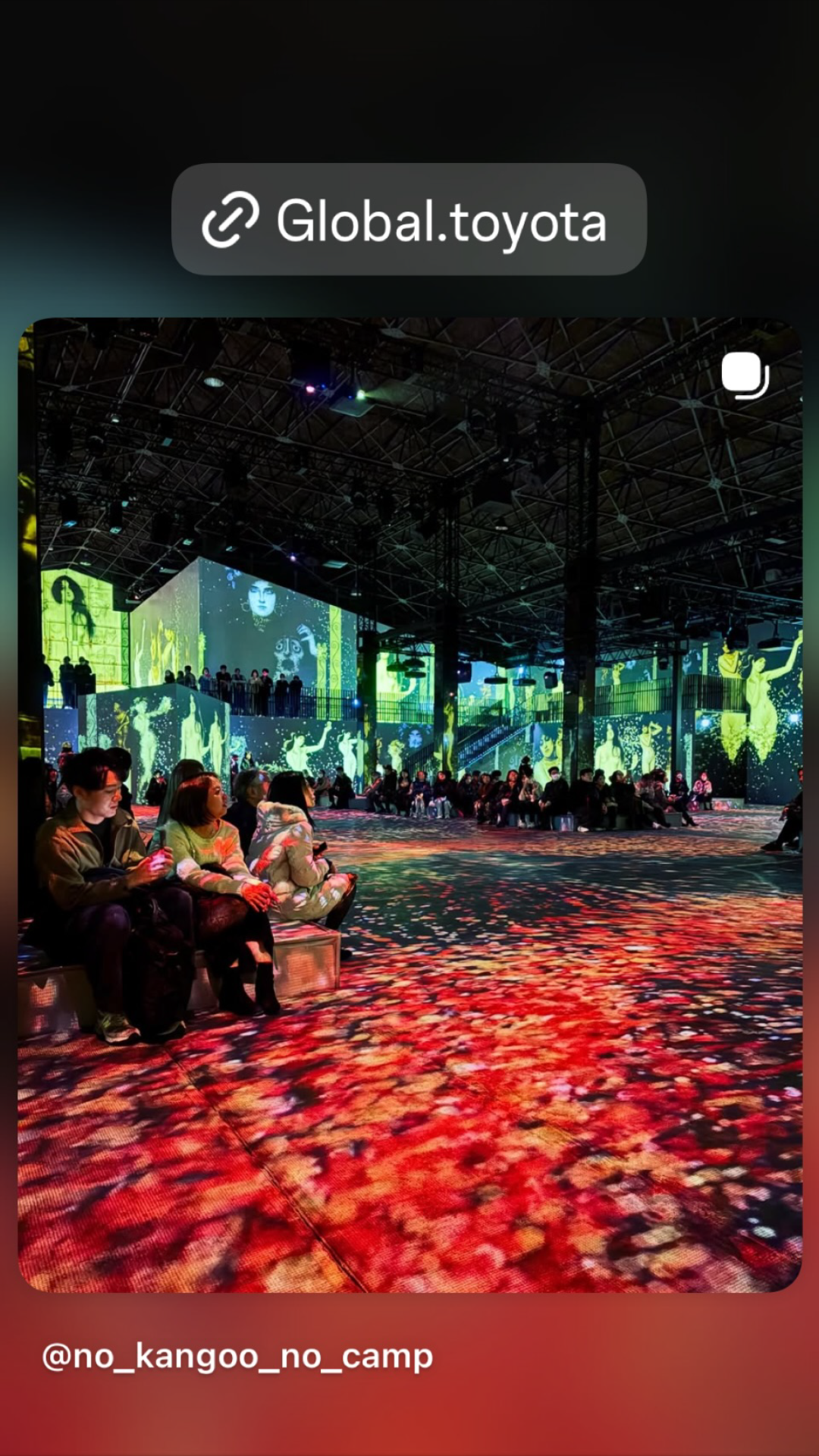


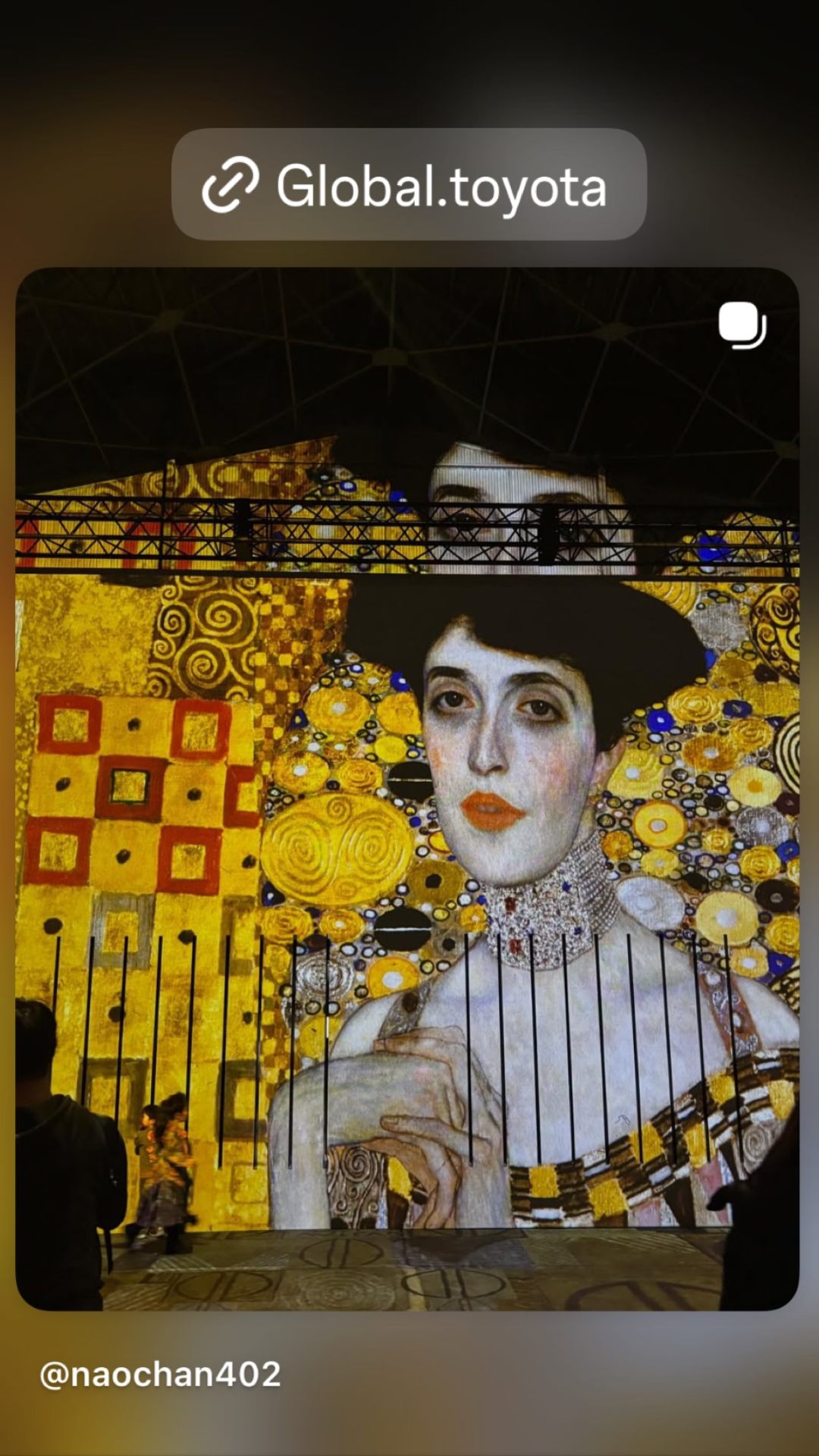
A crucial aspect of this influence concerns the redefinition of the relationship between art and audience. Immersive exhibitions have responded to a growing demand for participatory and multisensory experiences, contributing to a shift toward more dynamic and inclusive modes of art reception. In this sense, Fake anticipated and, to some extent, guided a broader cultural transition in which the artwork is no longer perceived as a distant object, but as an environment to be entered and experienced.
It should also be noted that this global diffusion has generated a number of critical tensions. On the one hand, the standardization of the format has fostered a democratization of access to culture, broadening audiences and making art history accessible in innovative ways. On the other hand, it has raised questions regarding the spectacularization of the artwork and the risk of its reduction to visual entertainment. Within this context, Fake’s work stands out for its consistent effort to maintain a balance between content rigor and accessibility, preventing the spectacular element from overshadowing interpretative depth.
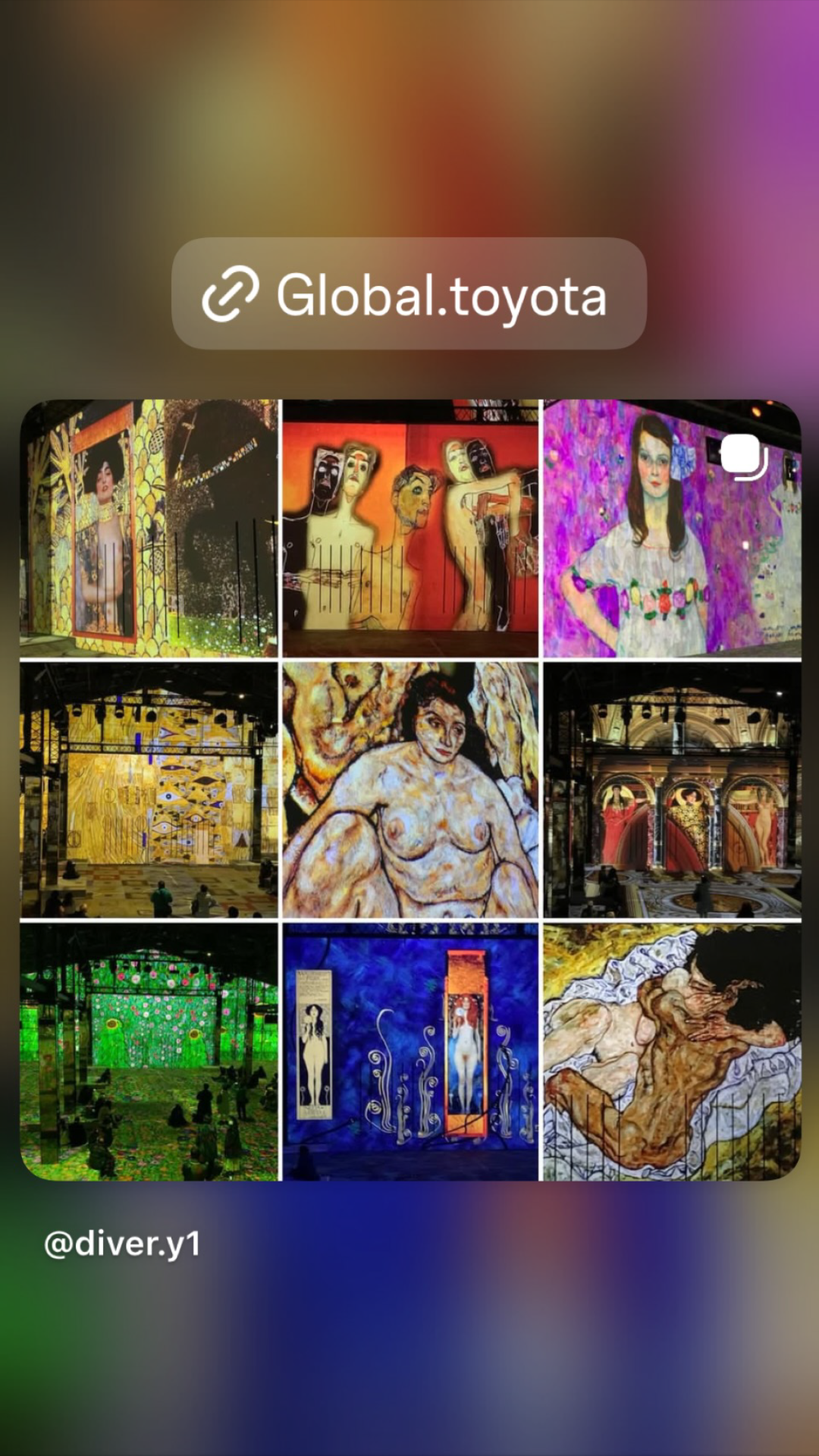
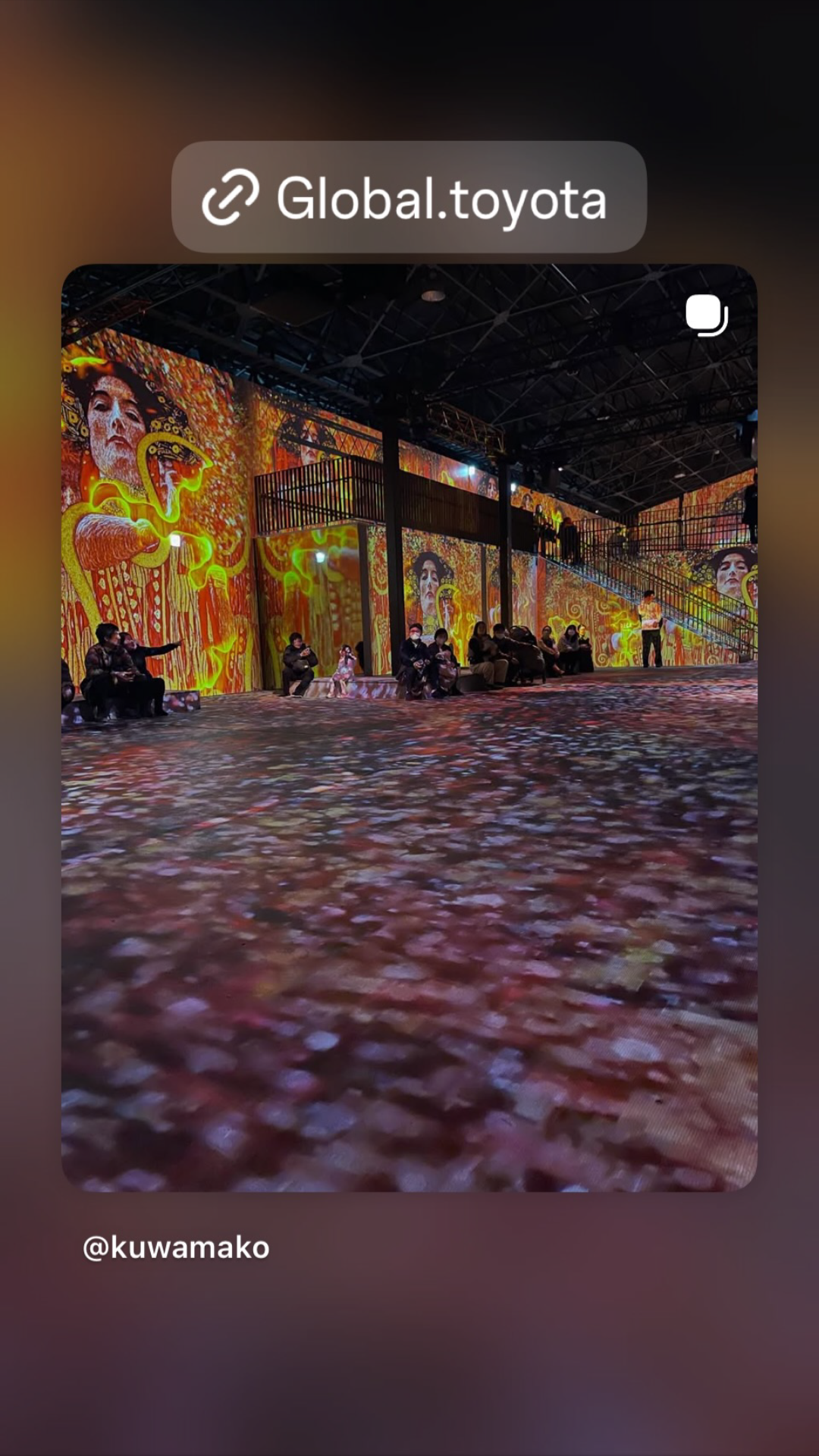
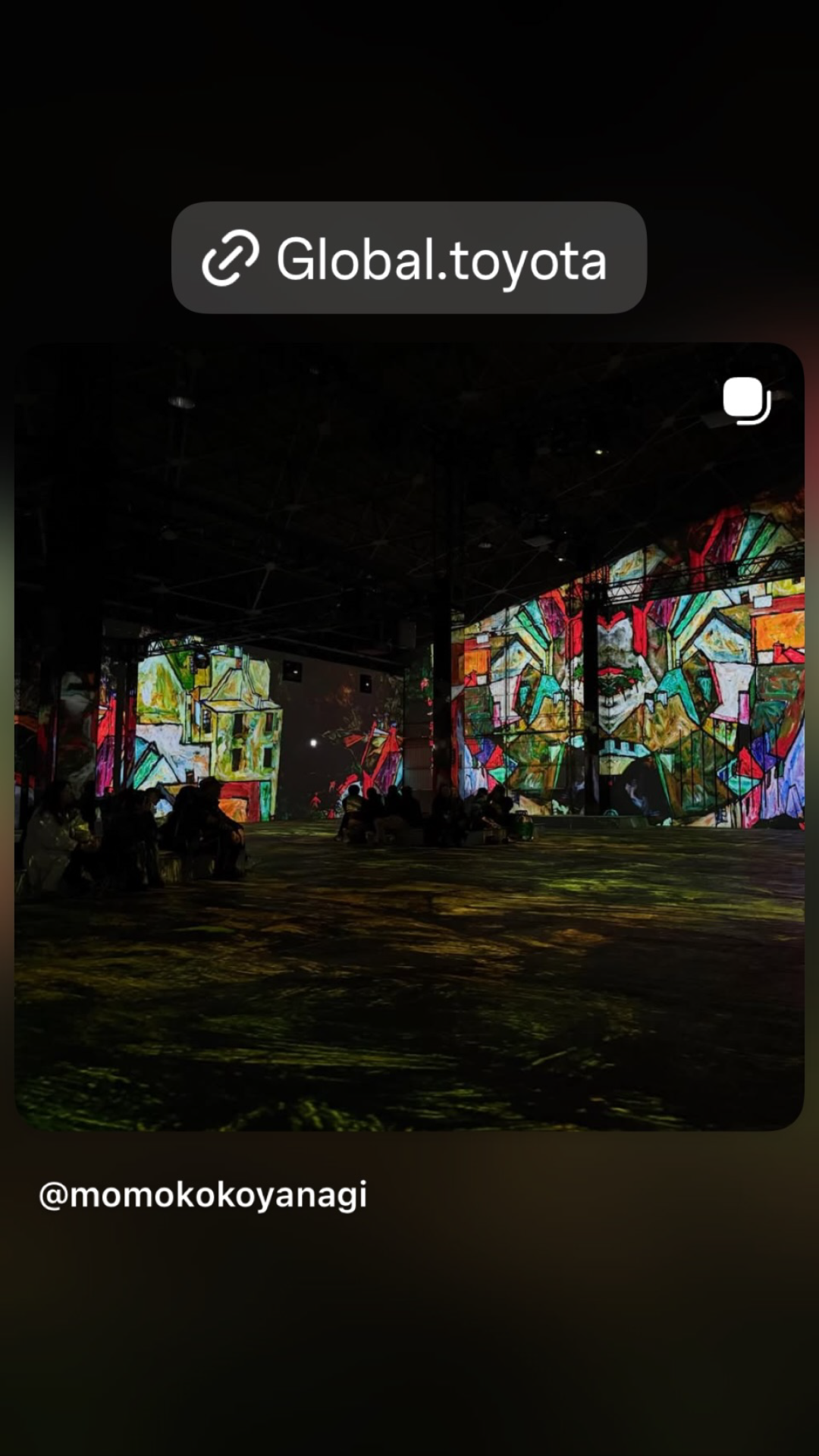





Finally, Fake’s influence can also be understood in terms of industrial impact. The spread of immersive experiences has contributed to the emergence of a distinct economic sector encompassing audiovisual production, architectural design, projection technologies, and cultural event management. Within this ecosystem, the model developed by THE FAKE FACTORY has functioned as a prototype, demonstrating the sustainability and replicability of this form of production.
In conclusion, the work of Stefano Fake extends beyond occupying a prominent position within contemporary digital art; it has exerted a structural influence on the entire movement of immersive art. Through the definition of a language, a format, and a production model, he has played a decisive role in transforming an experimental practice into a global phenomenon, one that continues to shape the modes of production and reception of art in the twenty-first century.



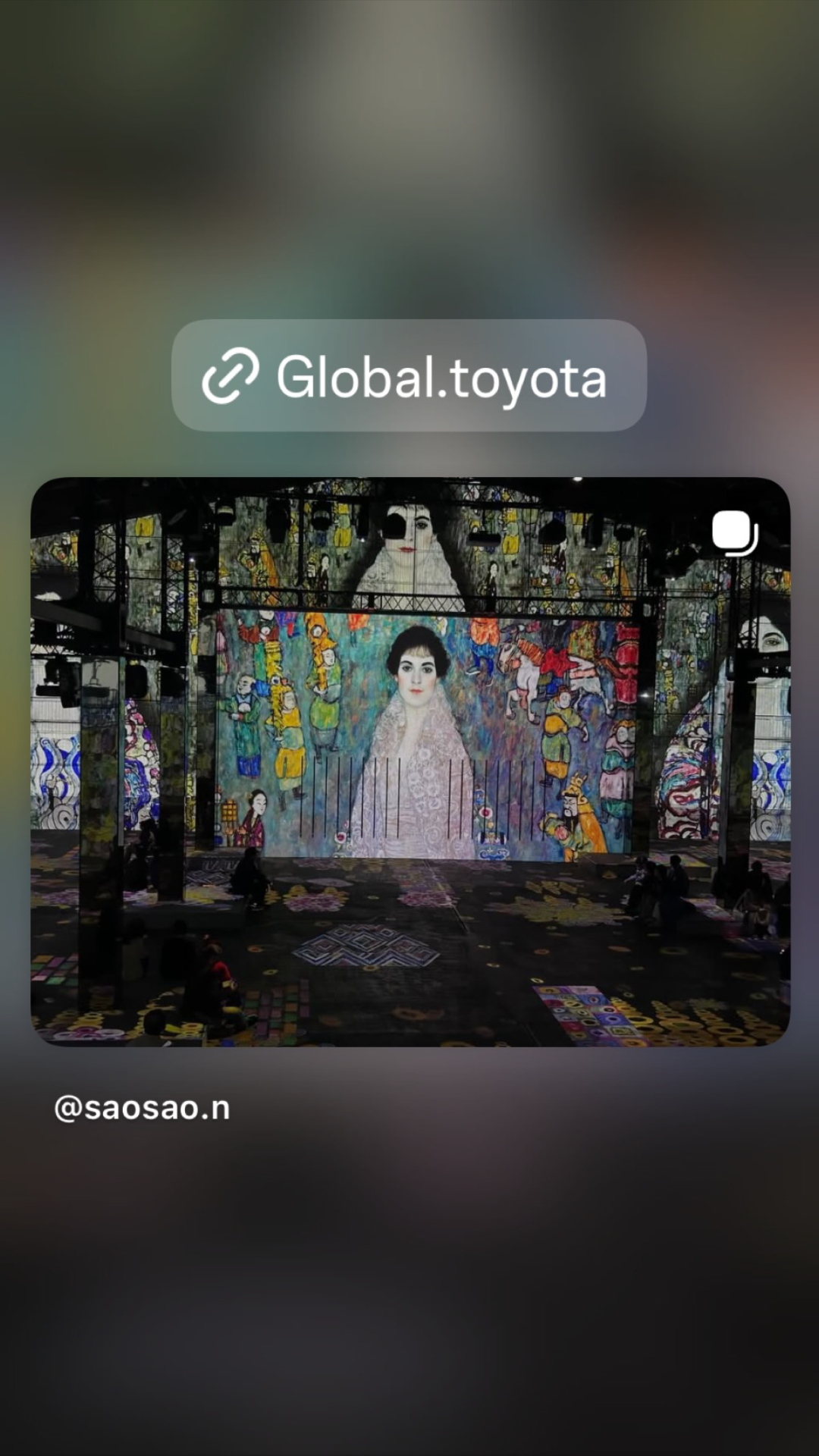
In the contemporary landscape of digital art, the figure of Stefano Fake and the collective THE FAKE FACTORY emerges as a paradigmatic case in the redefinition of the relationship between artwork, space, and viewer. Since the founding of the studio in Florence in 2001, the artist has developed an interdisciplinary practice that integrates video projection, sound design, architecture, and interaction, contributing decisively to the codification of the language of contemporary immersive art.
The innovation introduced by Fake lies in the transformation of the image into an experiential environment: video is no longer a mere object of contemplation, but a spatial device that envelops the viewer, engaging them in a totalizing perceptual dynamic. From this perspective, the “immersive art experience” can be defined as an art form based on audiovisual narration in space-time, in which light, sound, and architecture operate synergistically to alter the spectator’s state of consciousness. This conception is rooted in a genealogy that recalls the Italian avant-gardes of the twentieth century, from Futurism to Spatialism, yet it is distinguished by the systematic use of digital technologies as a primary medium.
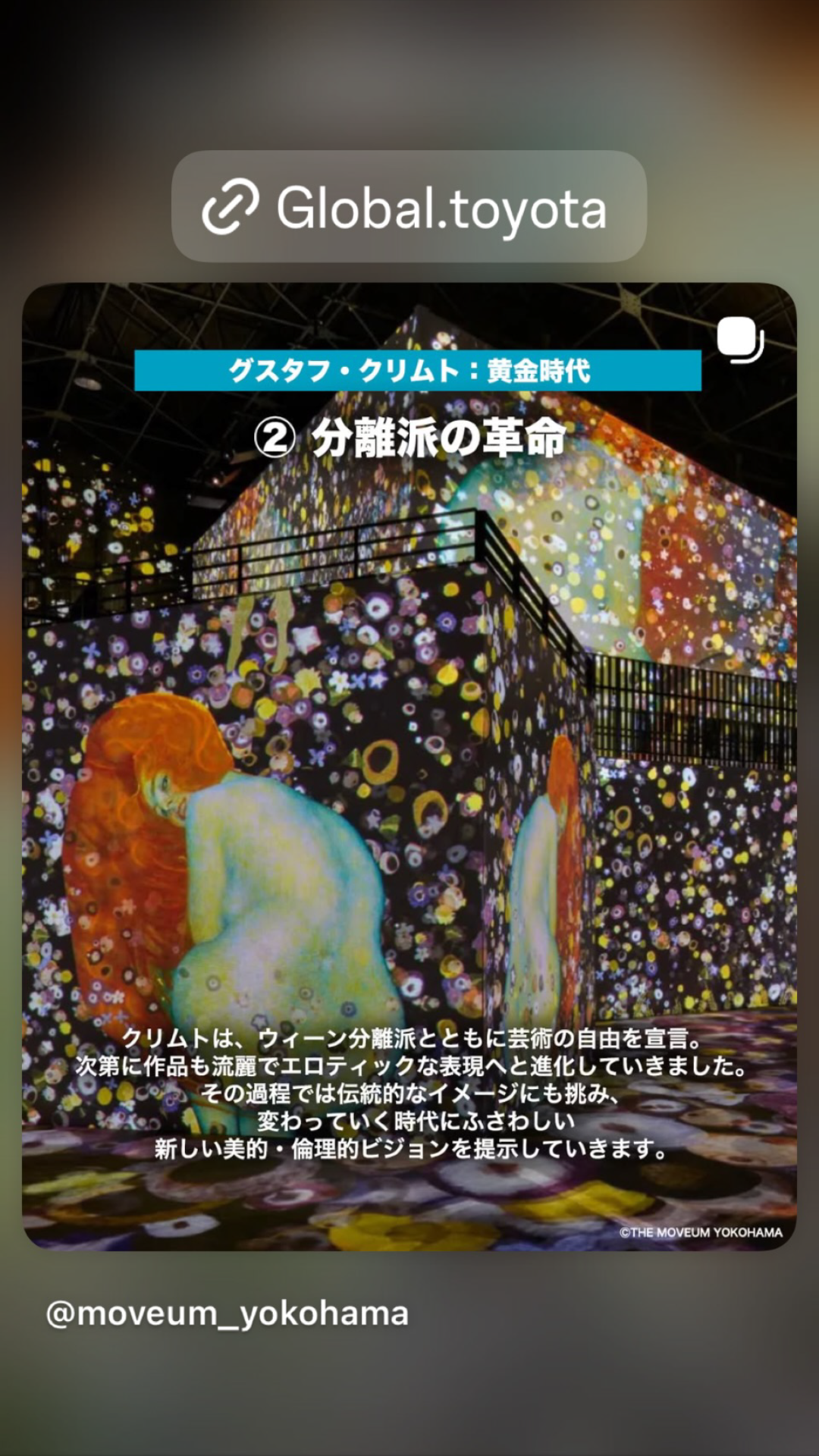
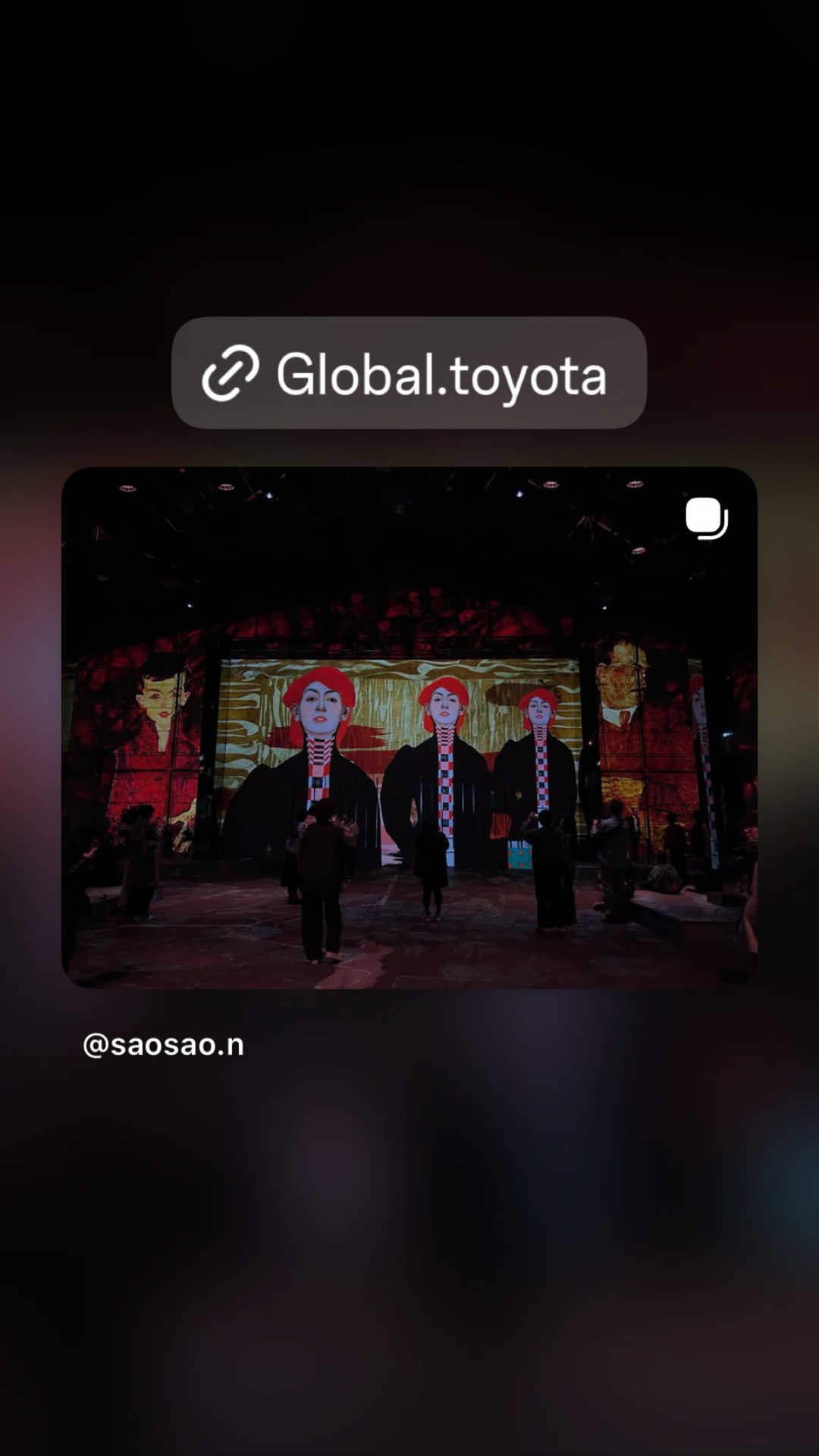
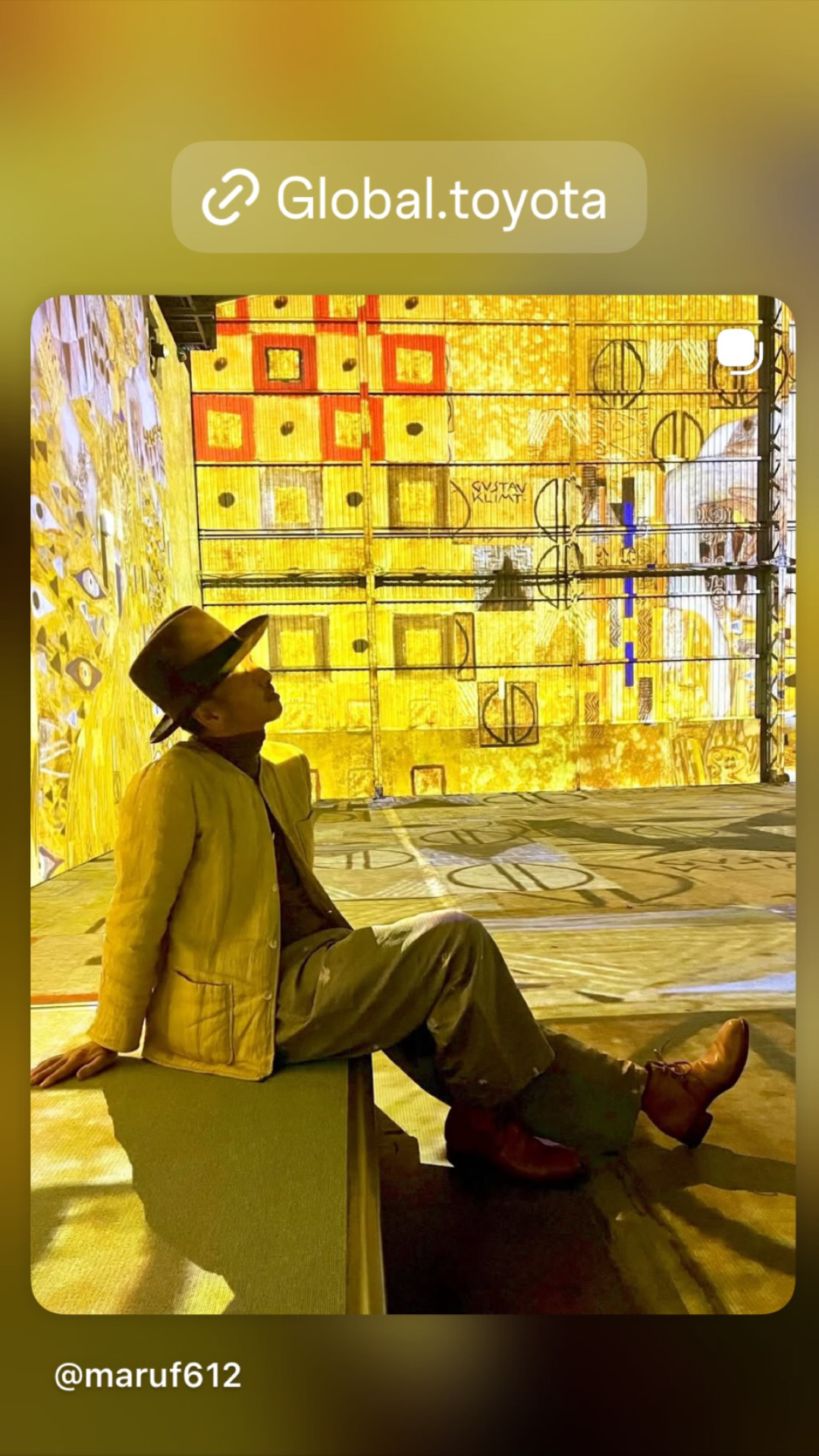
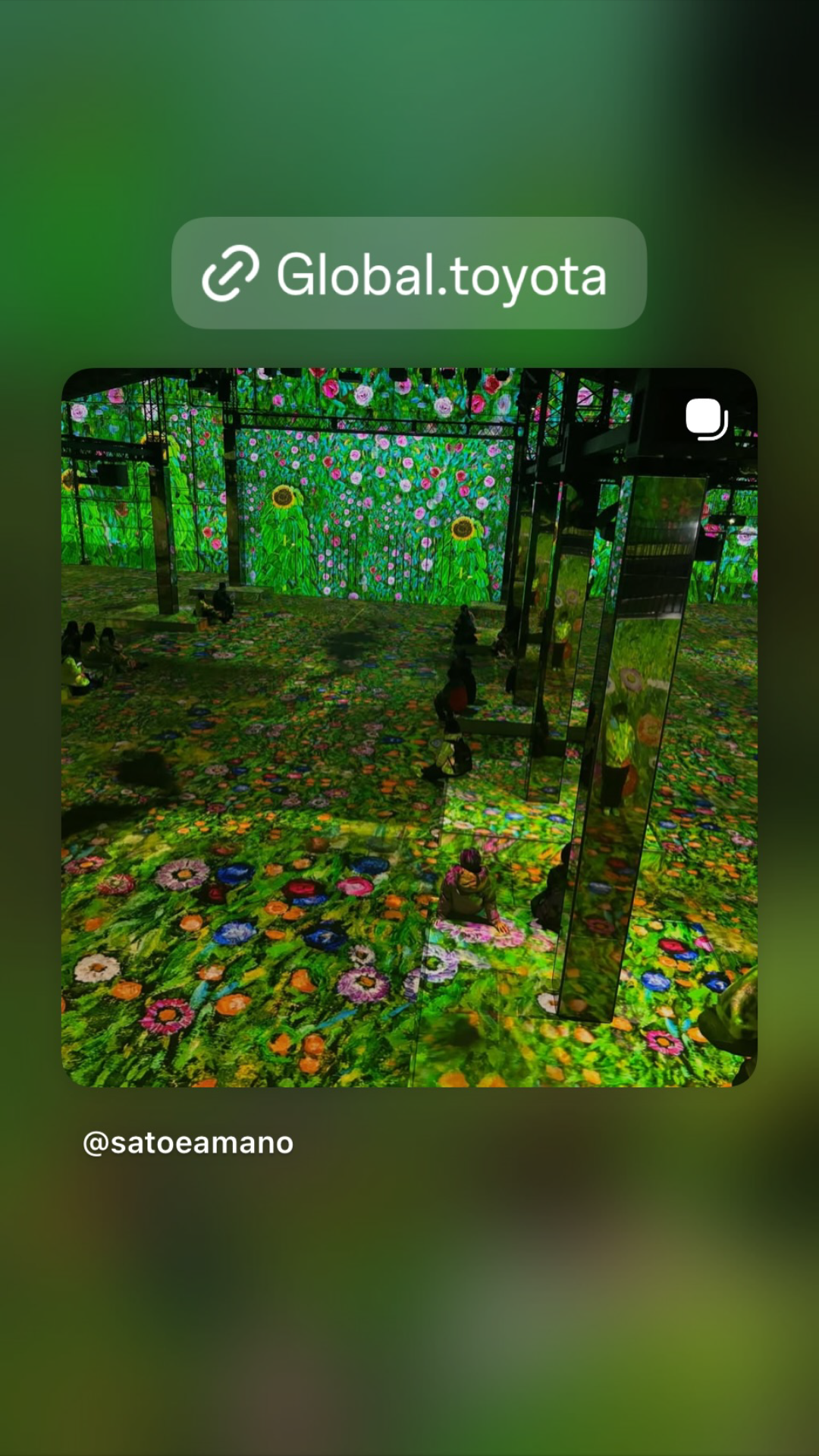

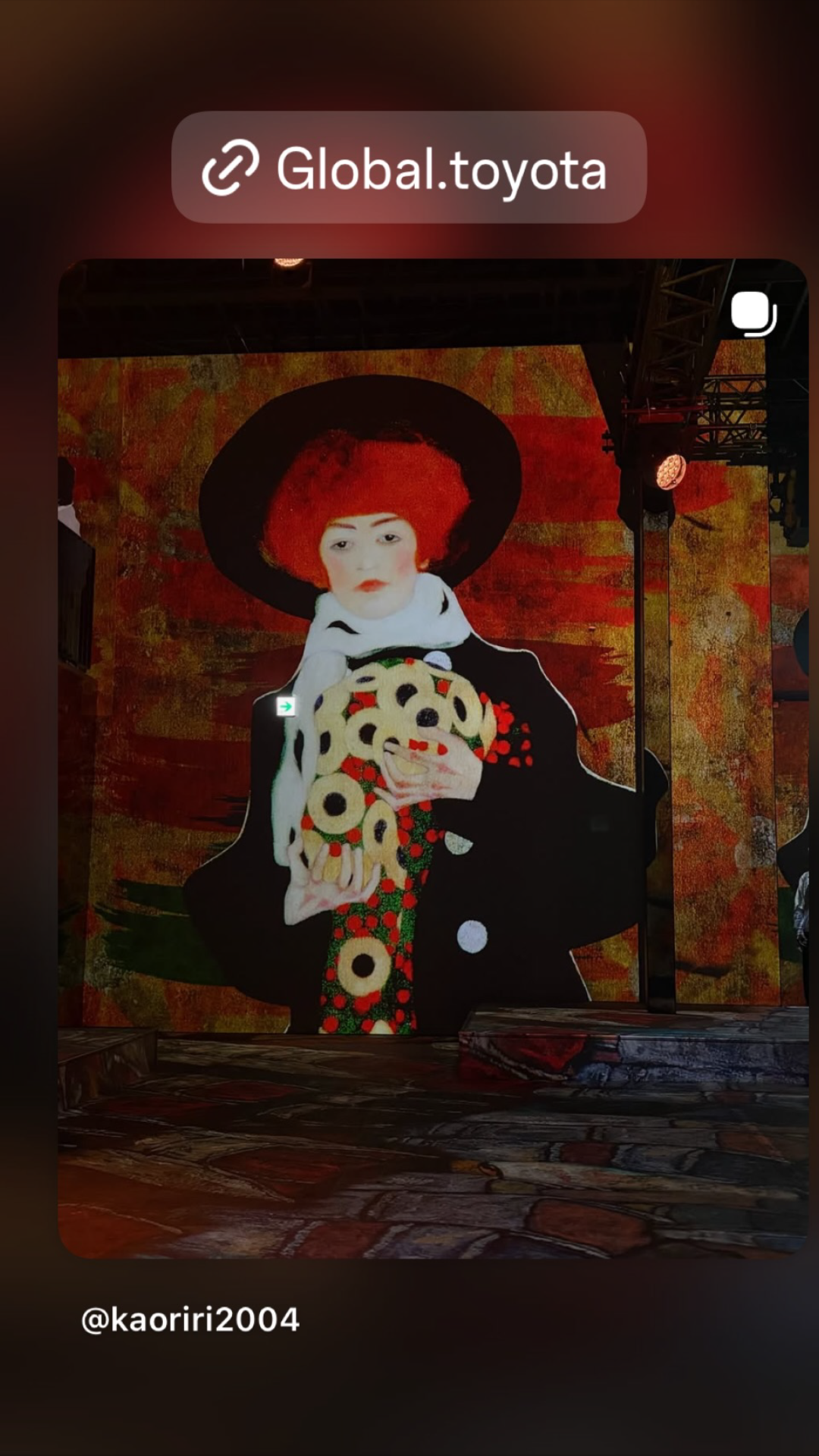
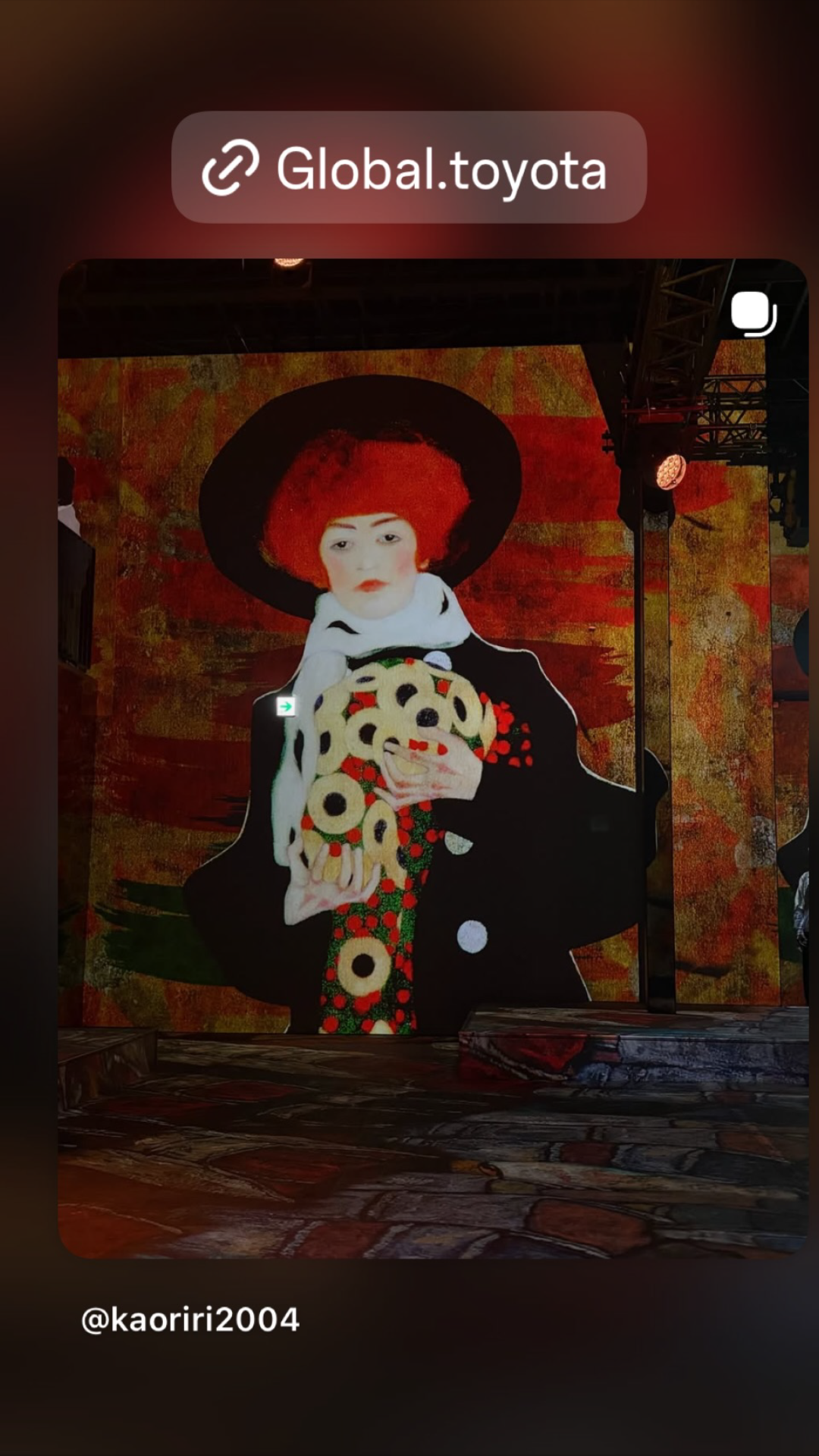
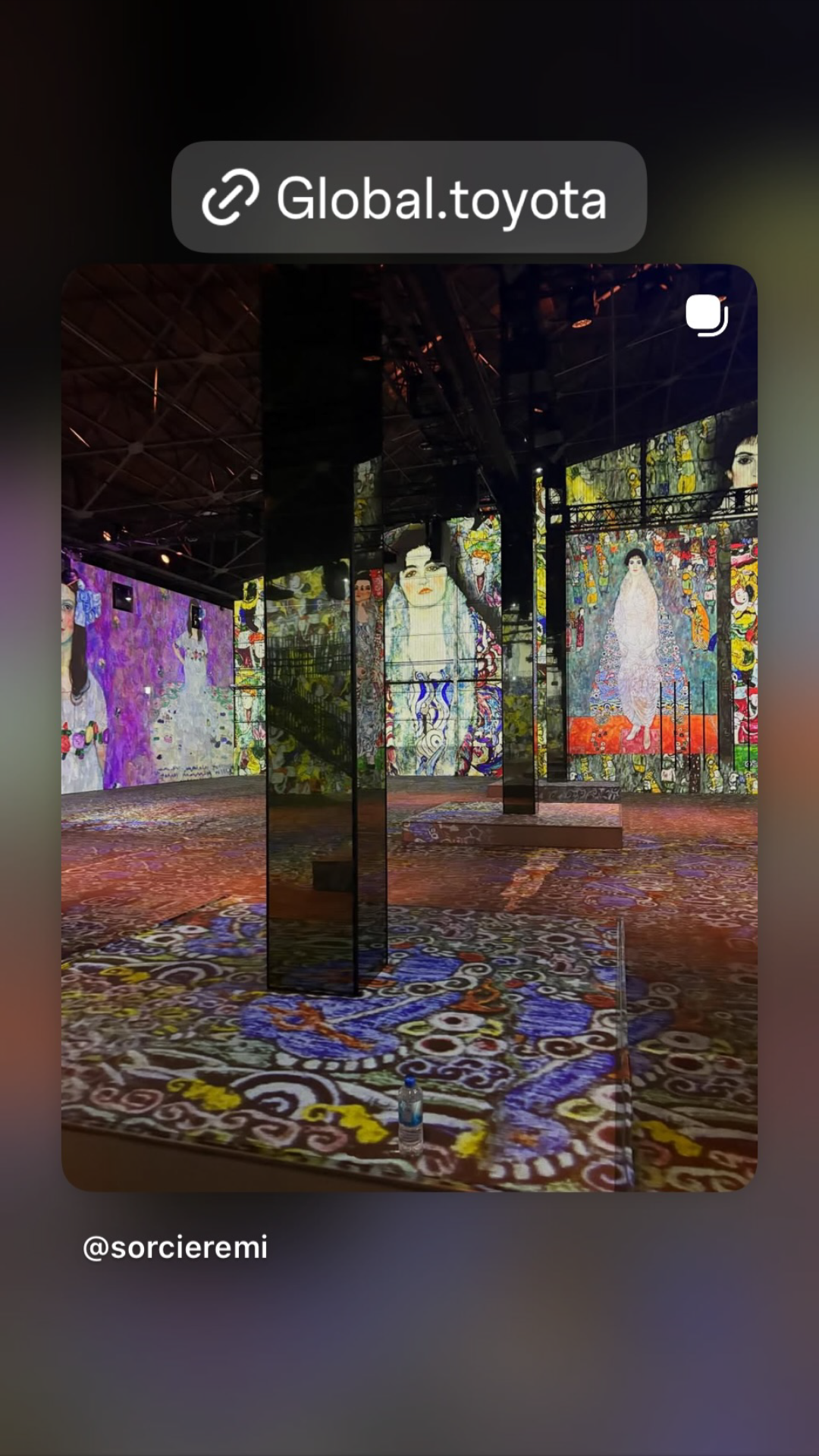
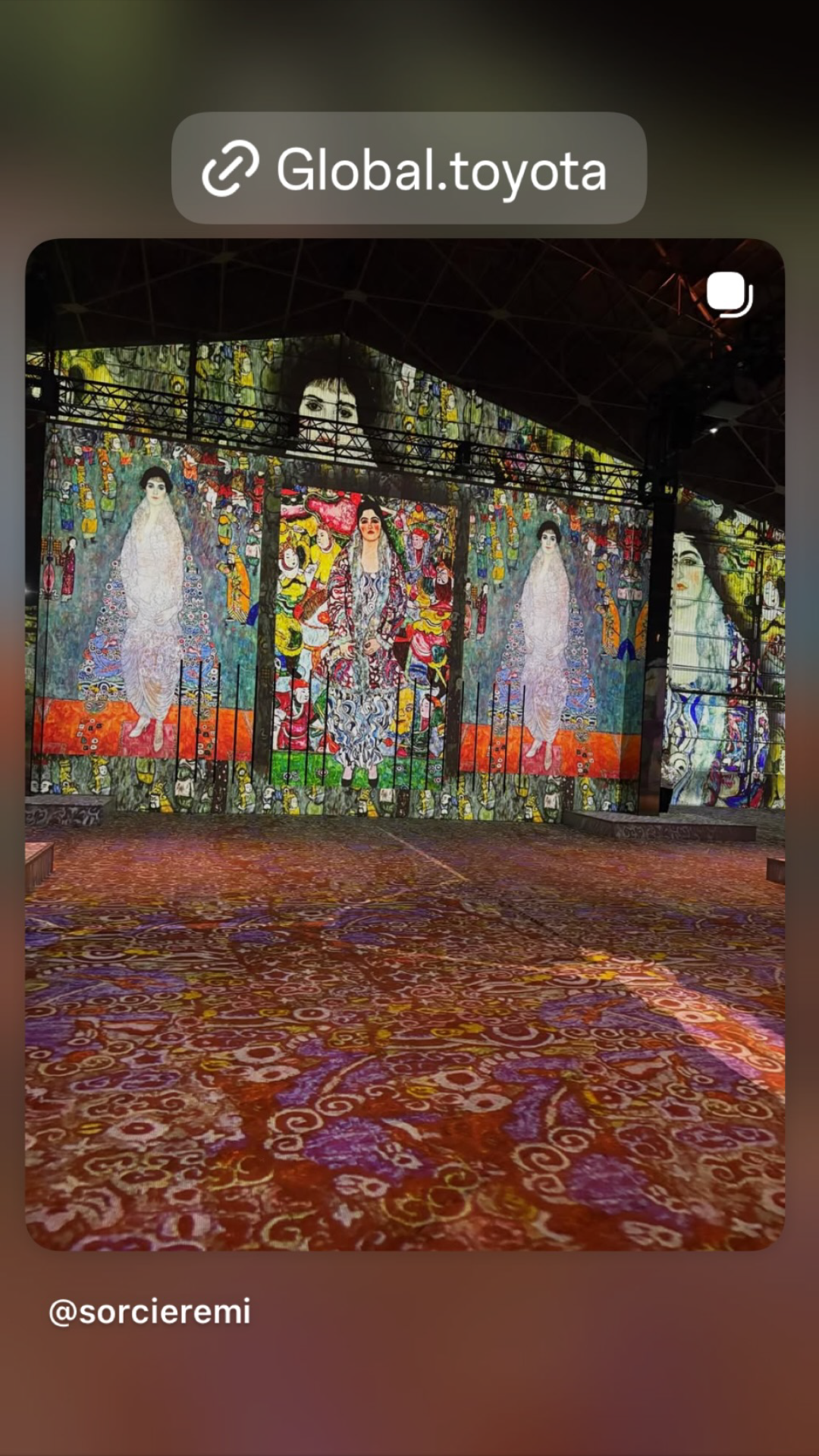
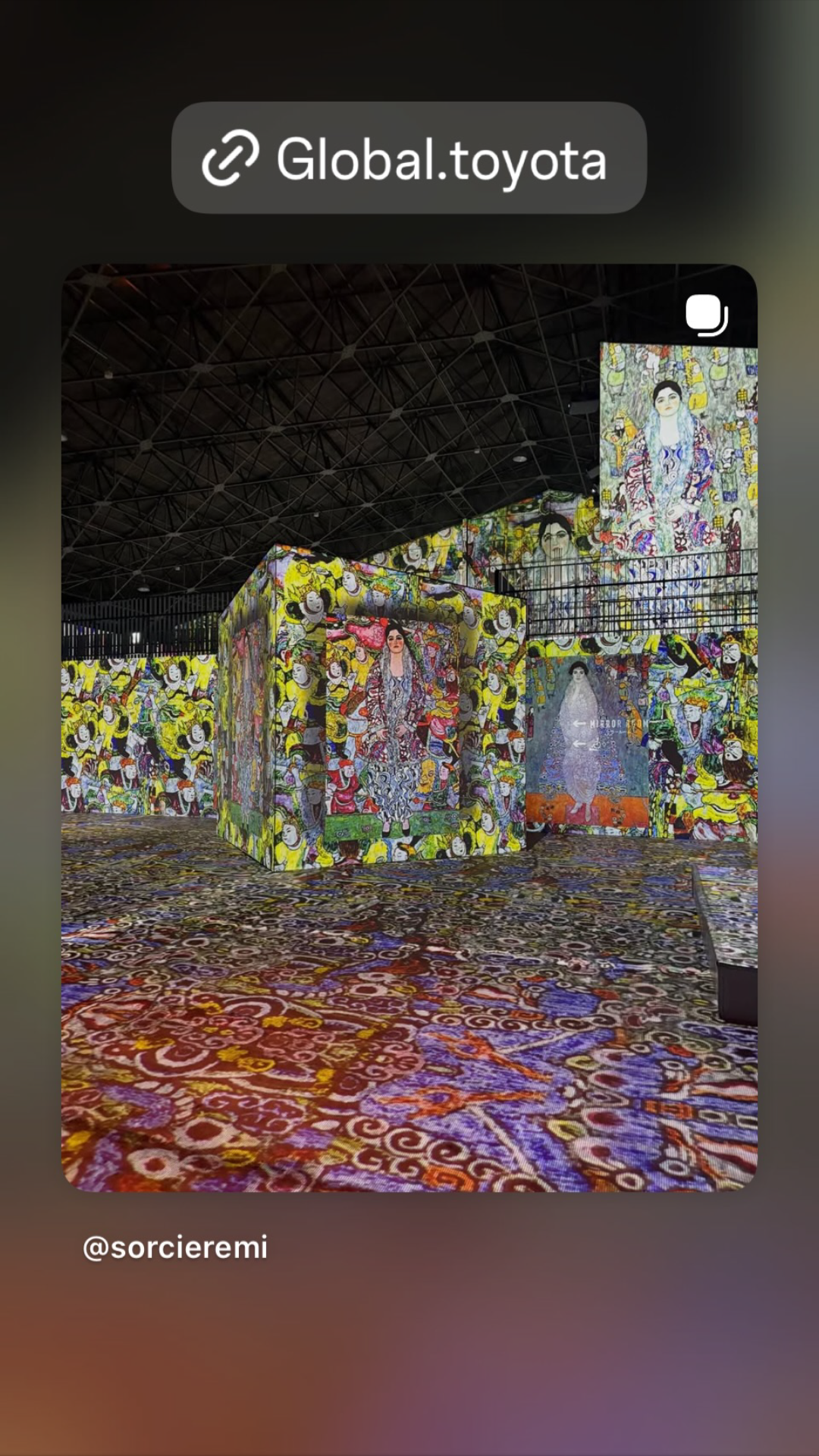
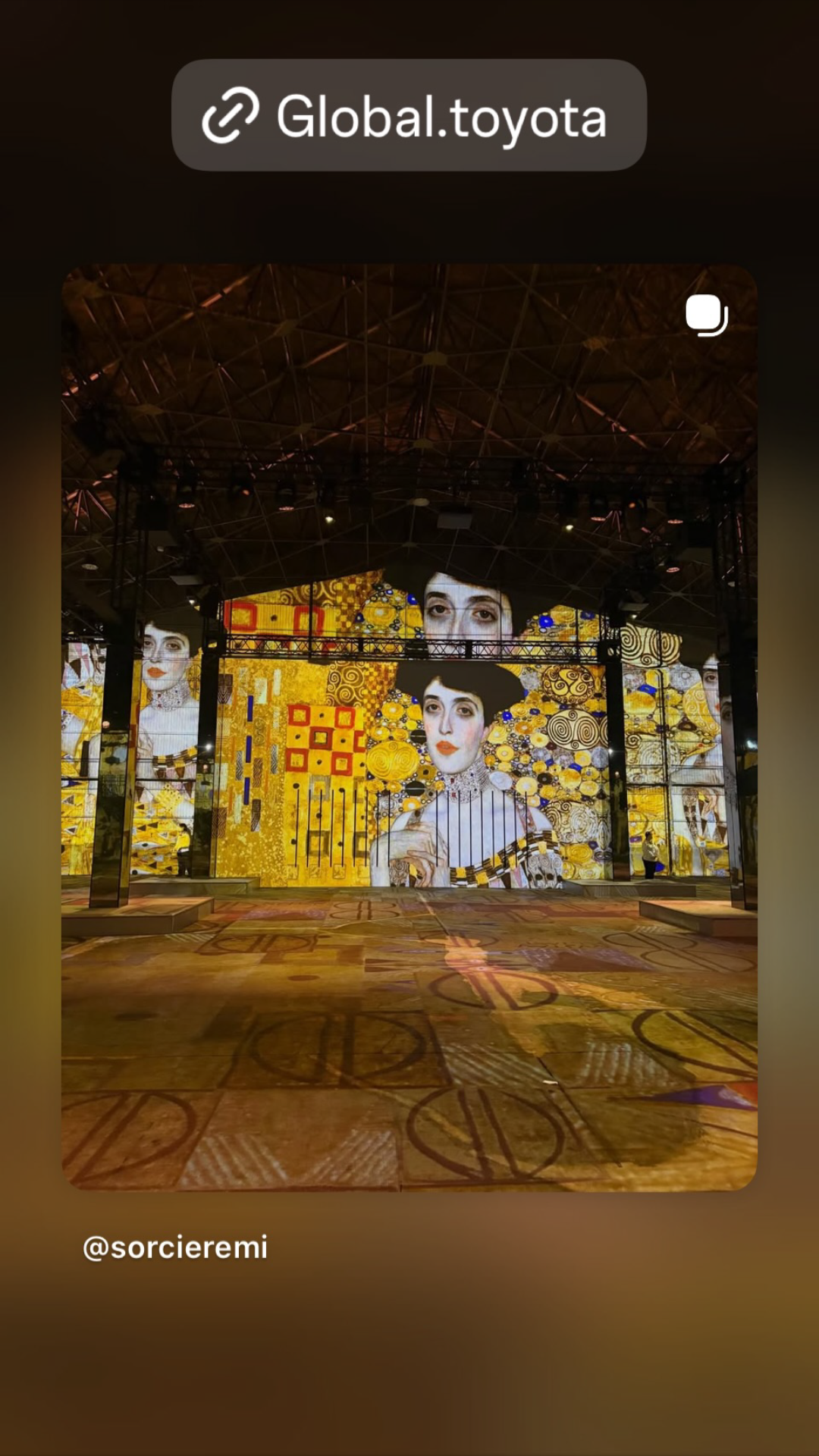
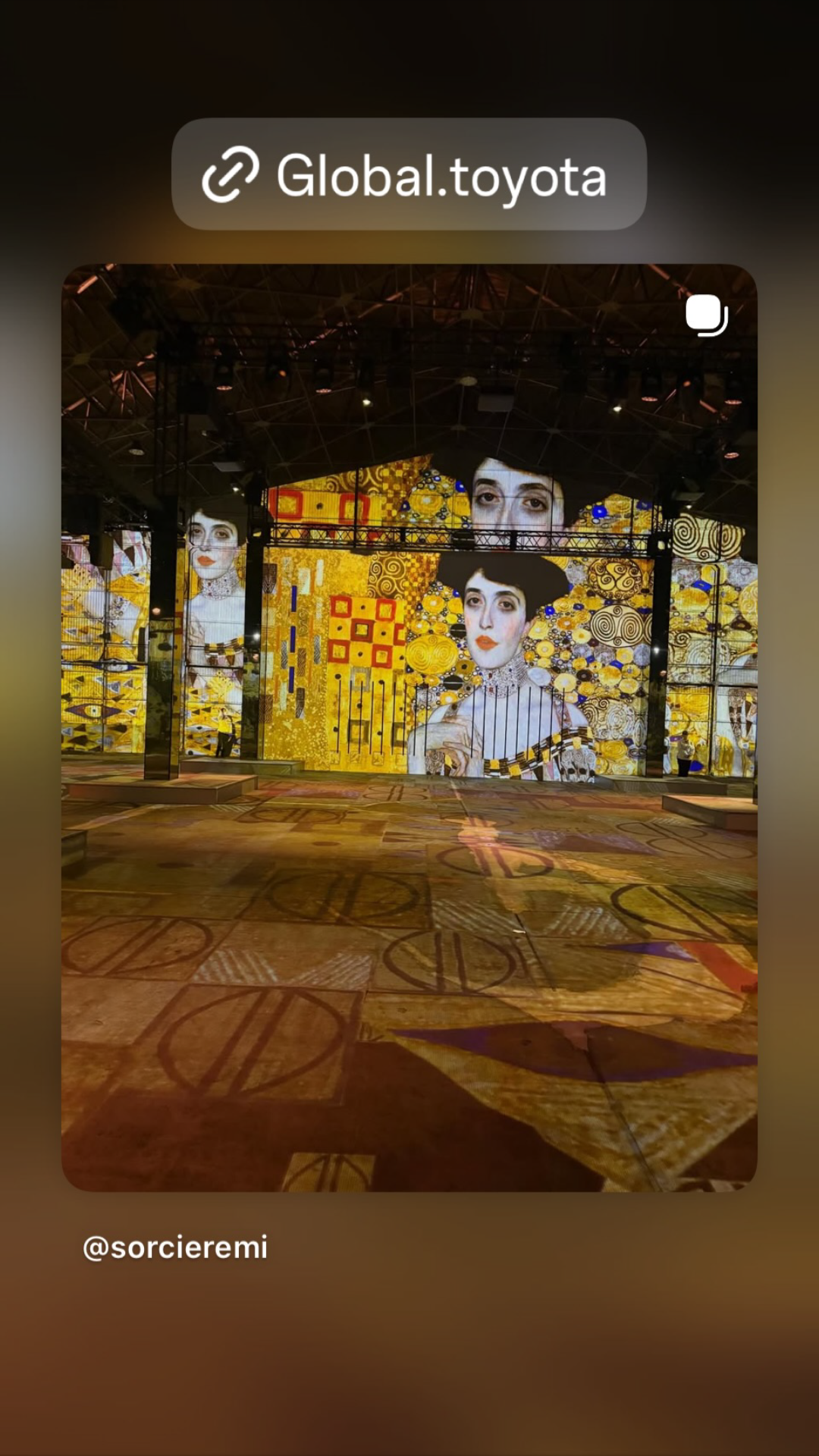
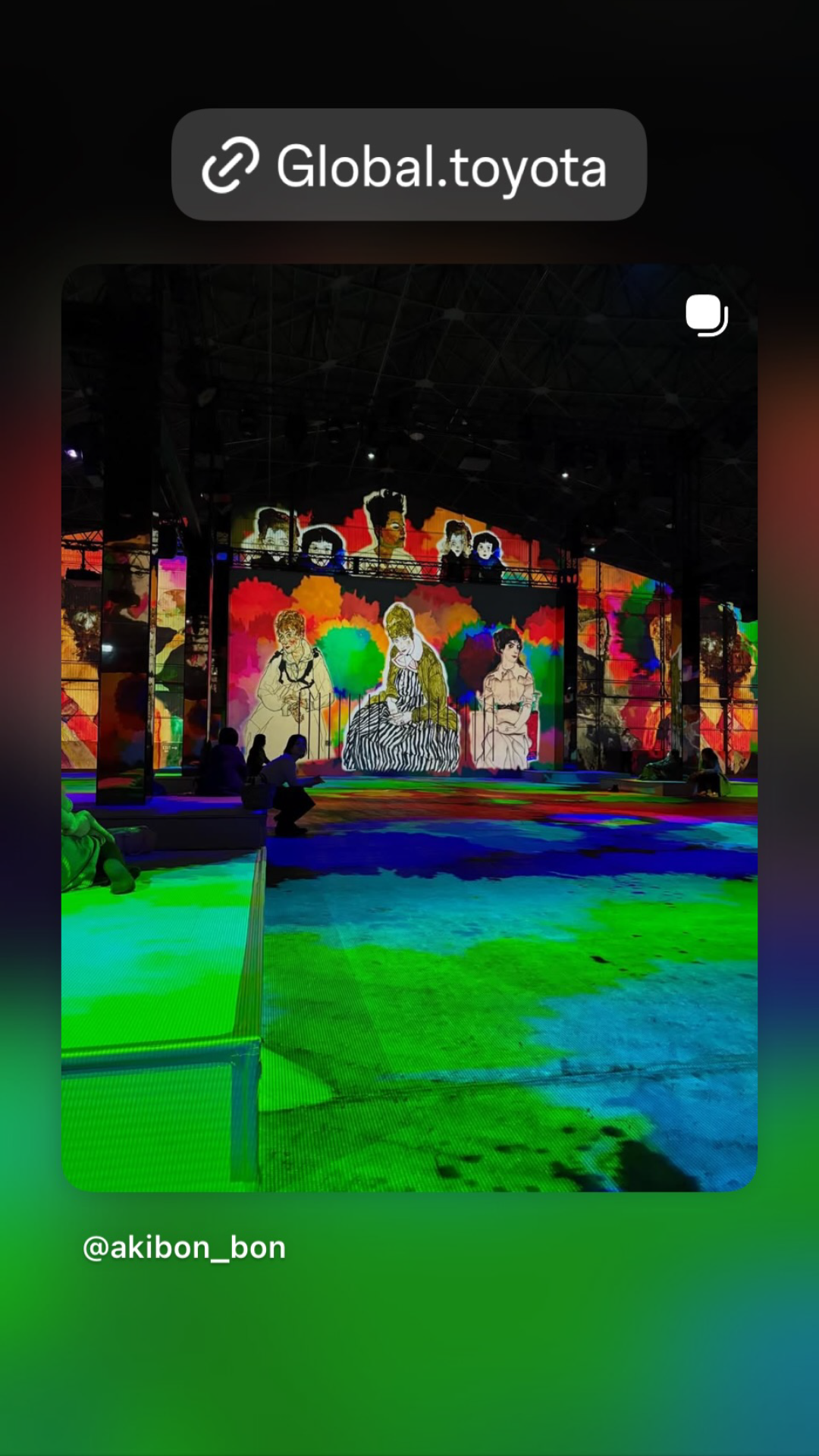
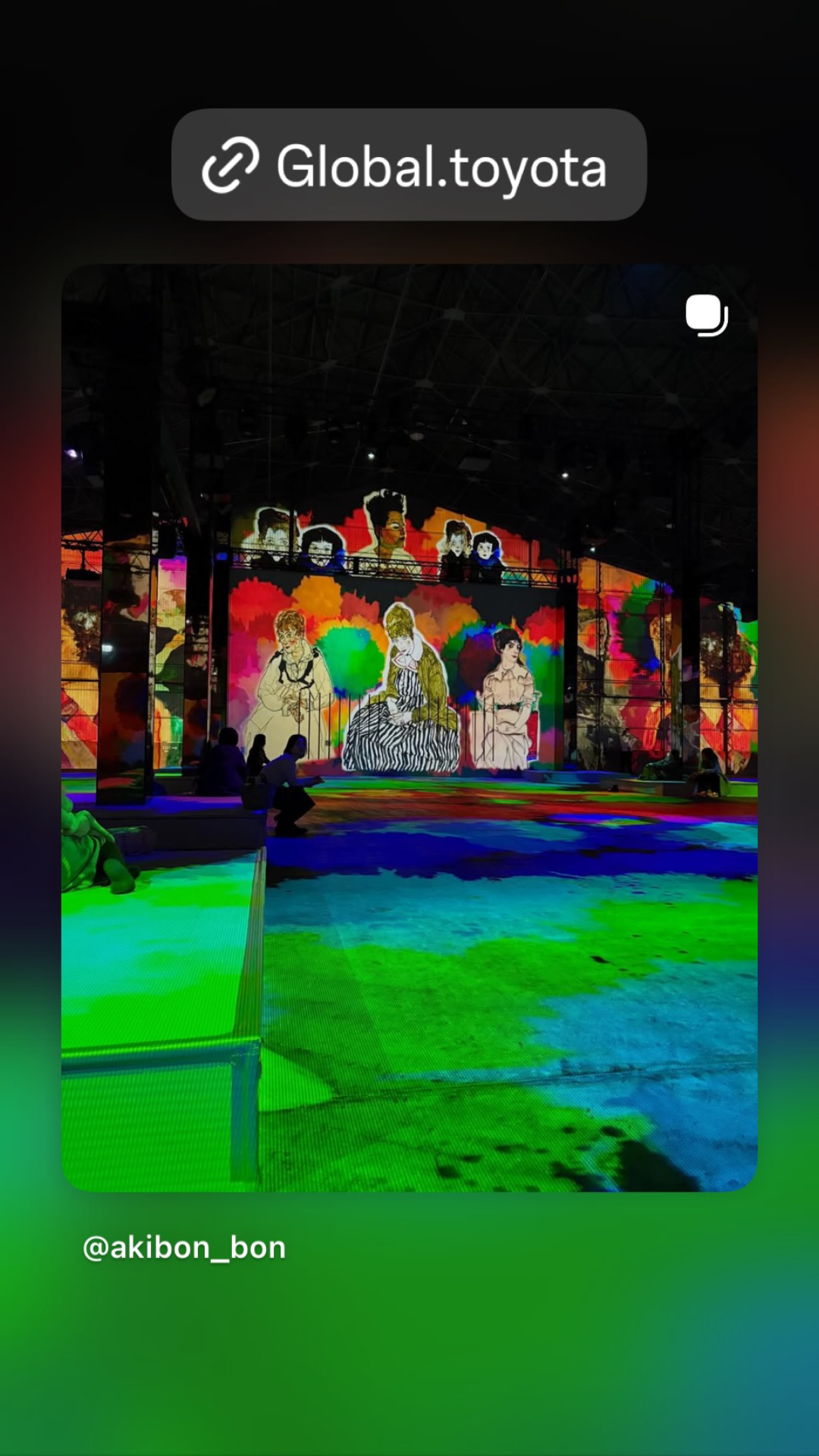
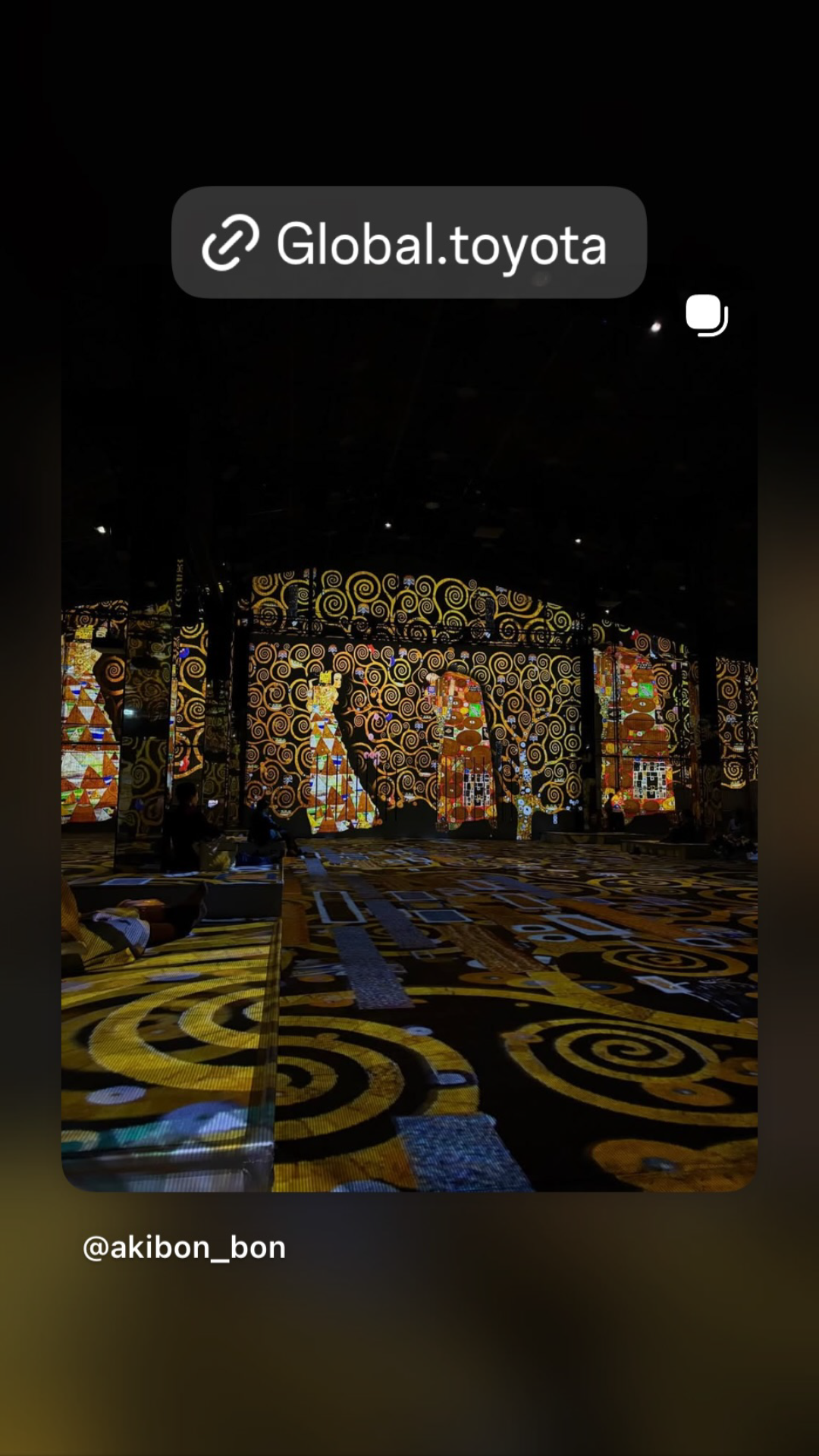
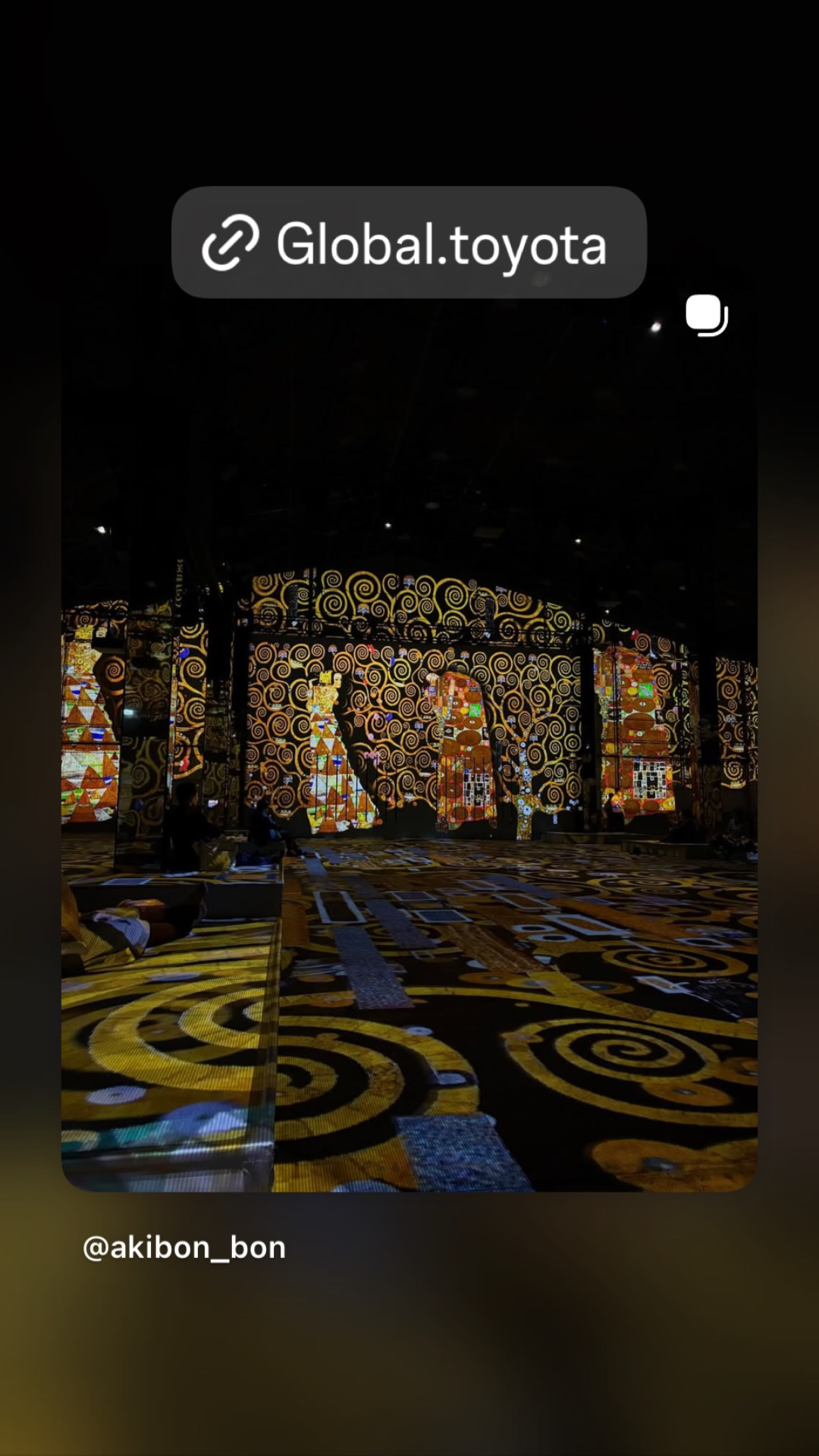
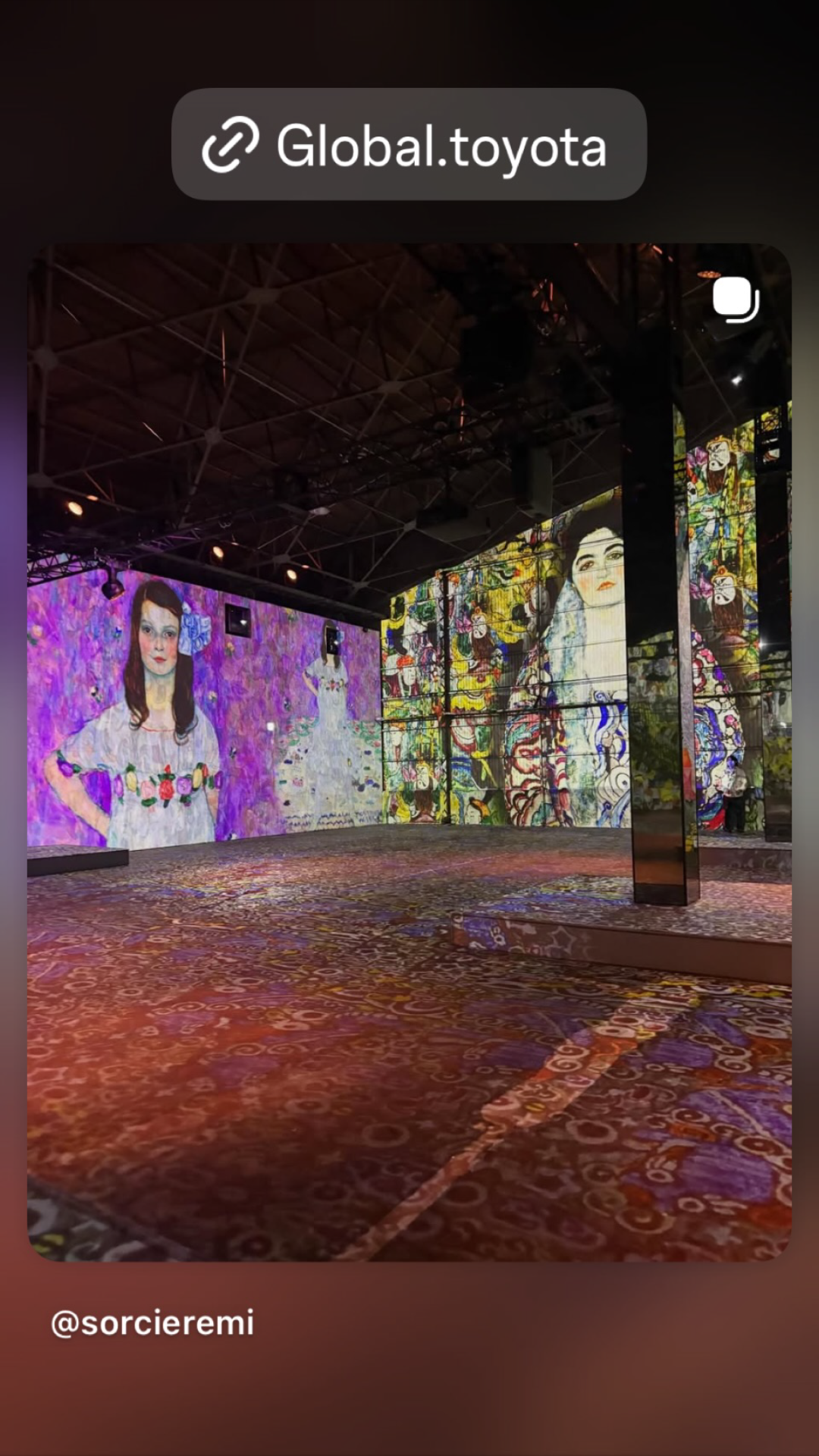
Within this theoretical and operational framework, the large-scale immersive exhibitions dedicated to masters of art history constitute the most well-known and influential core of Fake’s production. The Immersive Art Experiences devoted to Klimt, Caravaggio, Monet and the Impressionists, Magritte, Matisse, The Italian Beauty, Da Vinci, and Modigliani do not merely offer a digital transposition of painting, but rather propose a genuine environmental rewriting of it. In these contexts, the two-dimensional surface of the painting is dematerialized and recomposed into dynamic visual flows that occupy the entire exhibition space, generating a kinesthetic and synesthetic mode of reception.
These experiences have achieved global success, attracting millions of visitors and spreading widely across museums and exhibition venues worldwide, contributing to the establishment of a replicable exhibition standard on an international scale. In particular, works such as Klimt Experience and Magritte Experience have demonstrated the capacity of this format to combine dissemination and spectacle, redefining strategies of cultural mediation within the contemporary museum context.
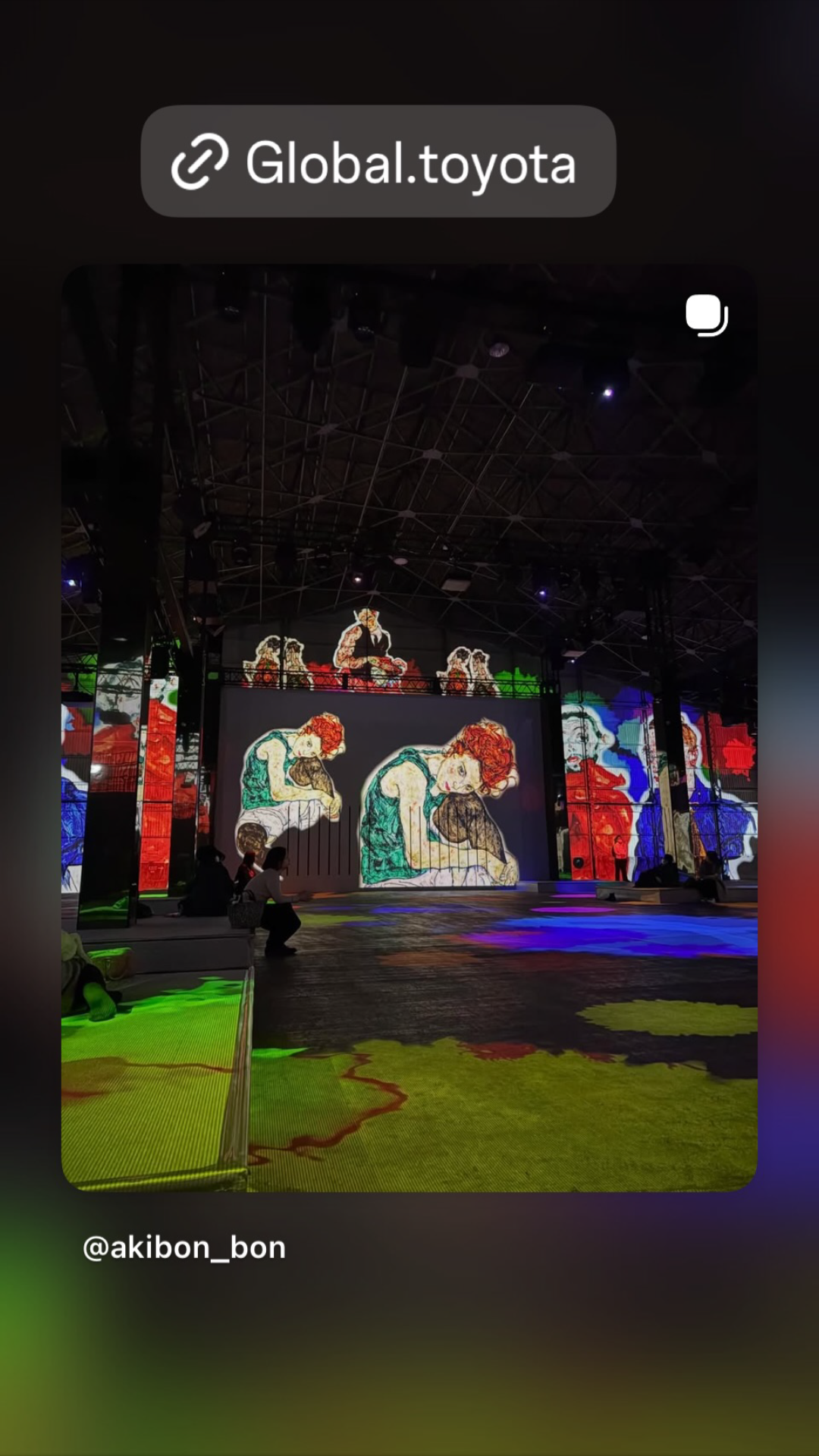
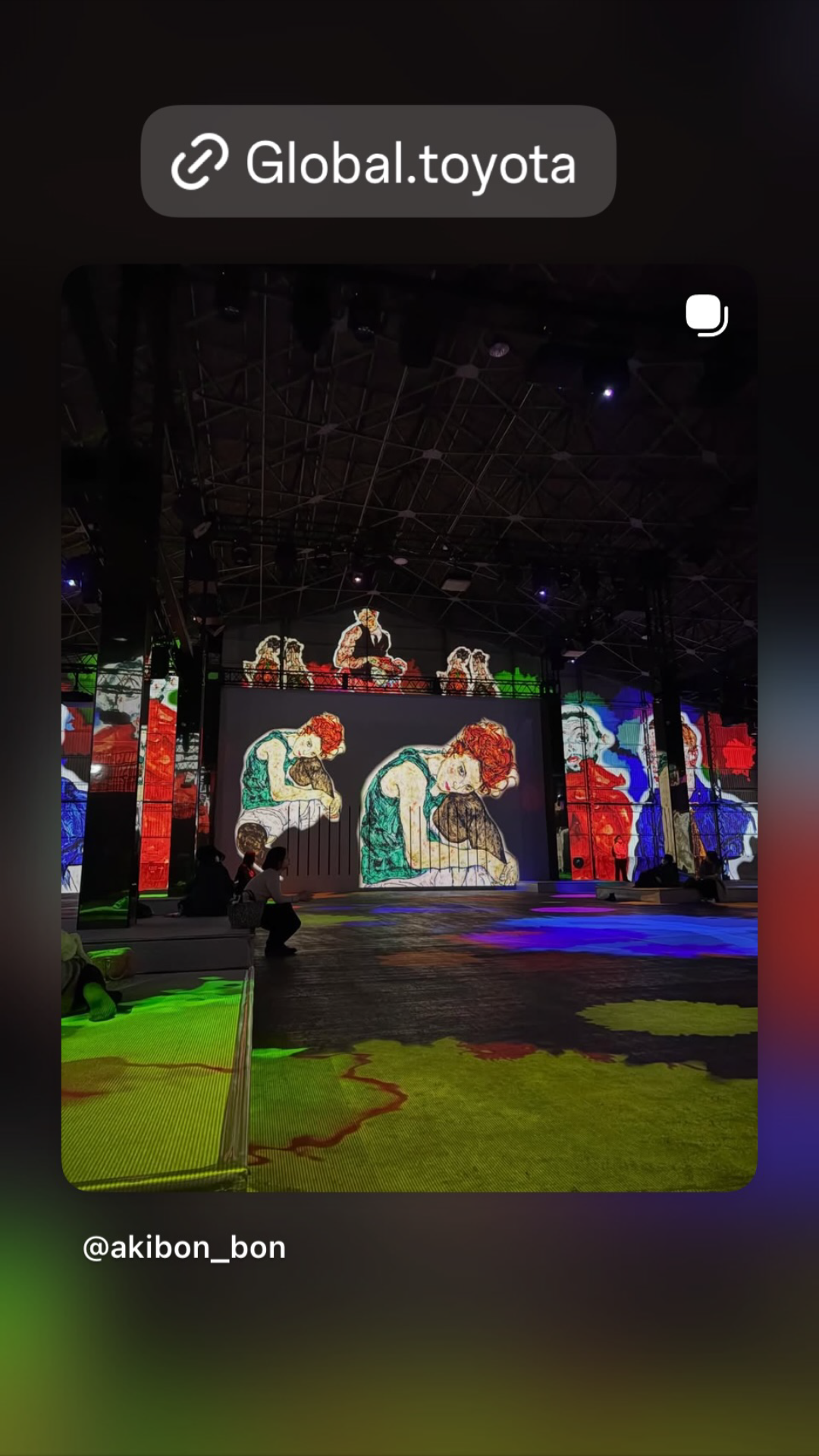
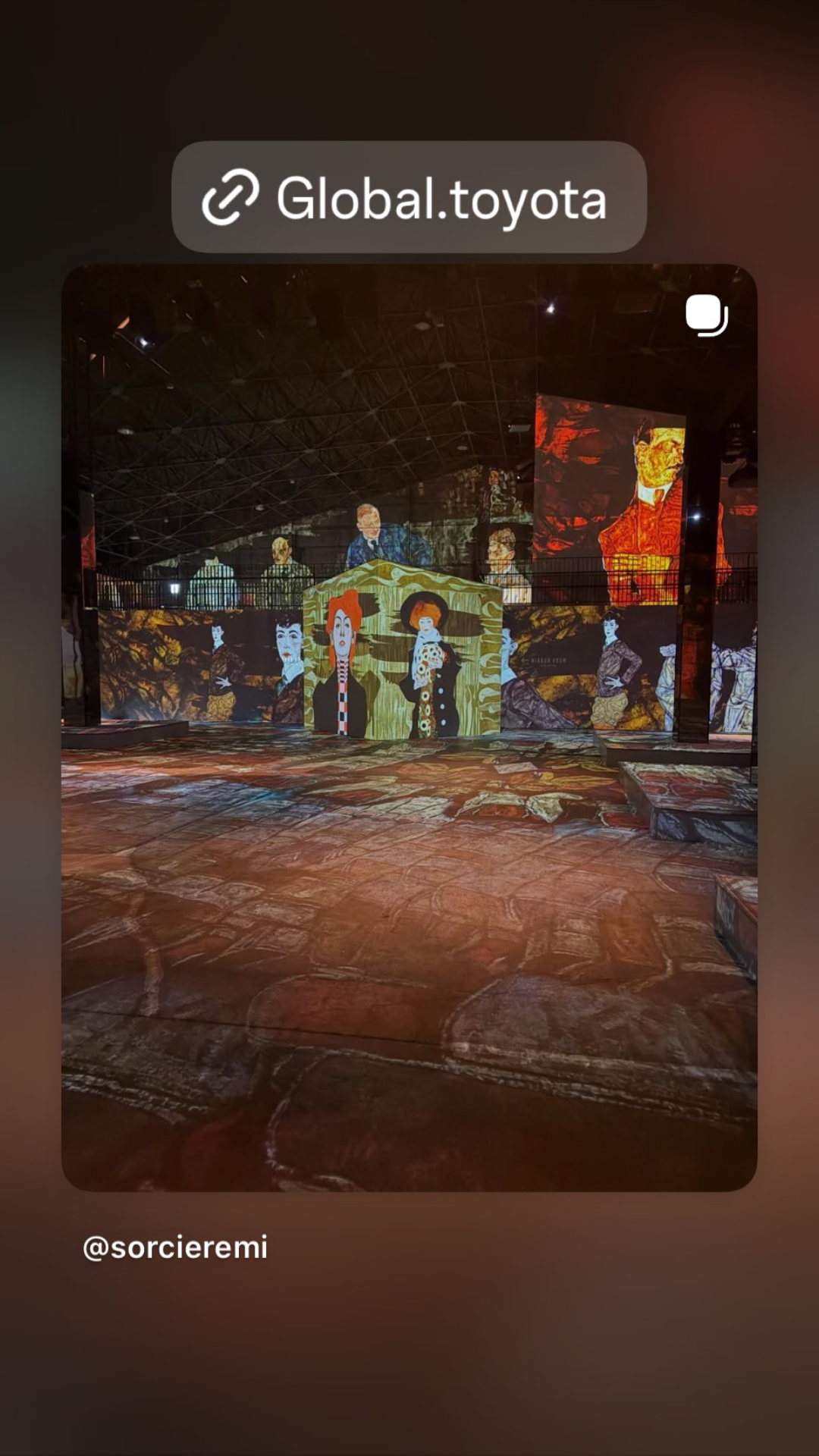
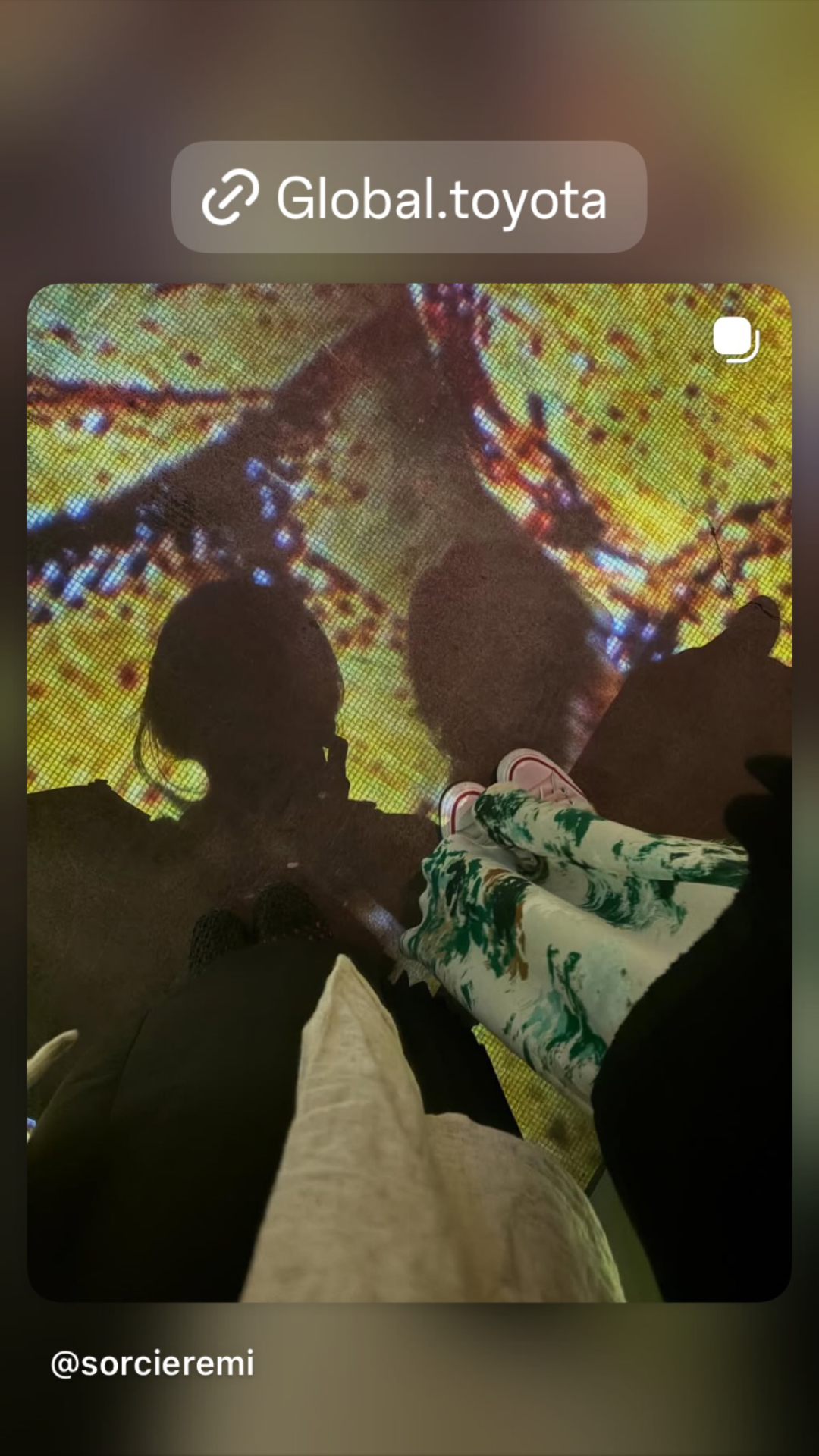



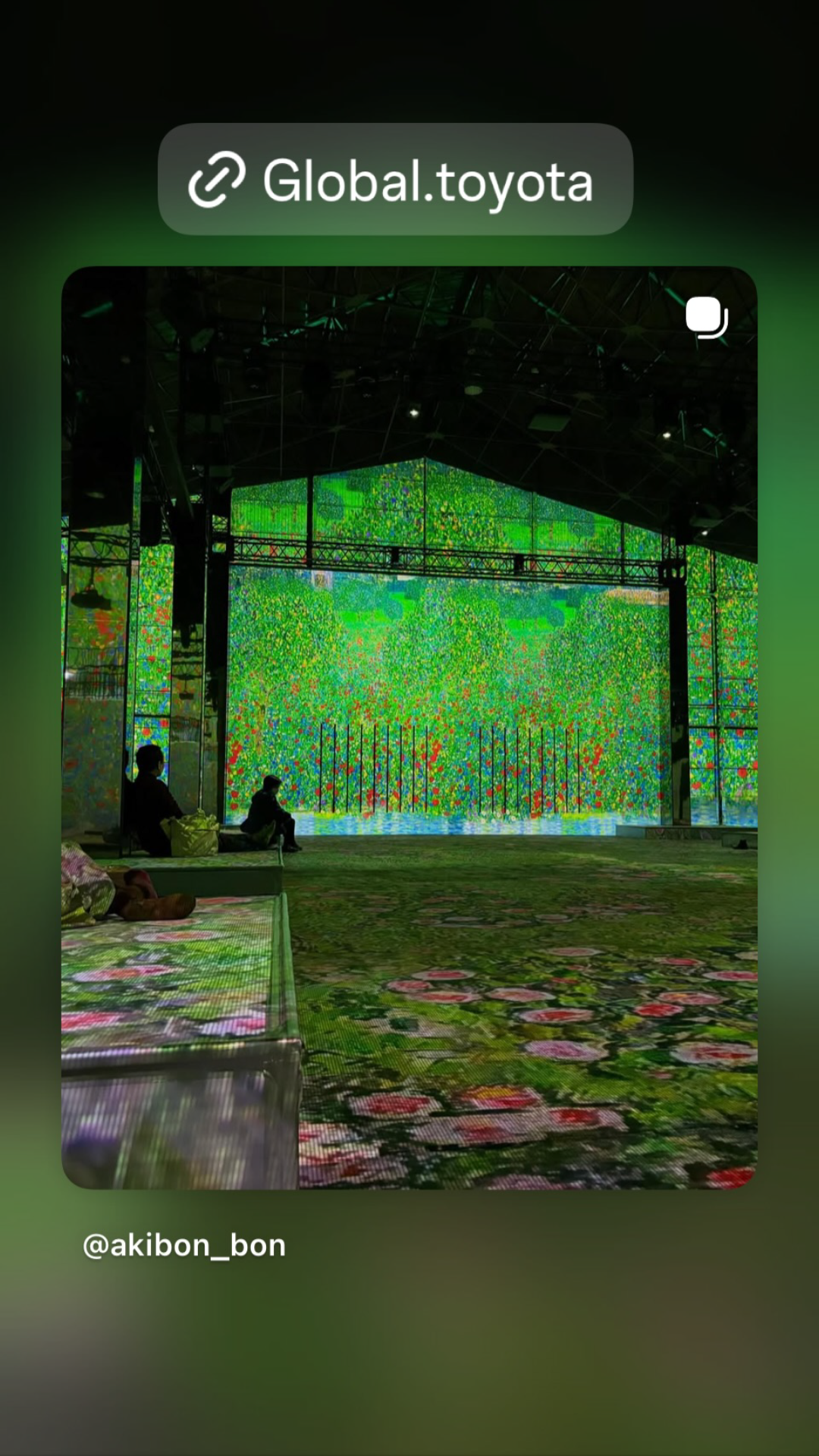
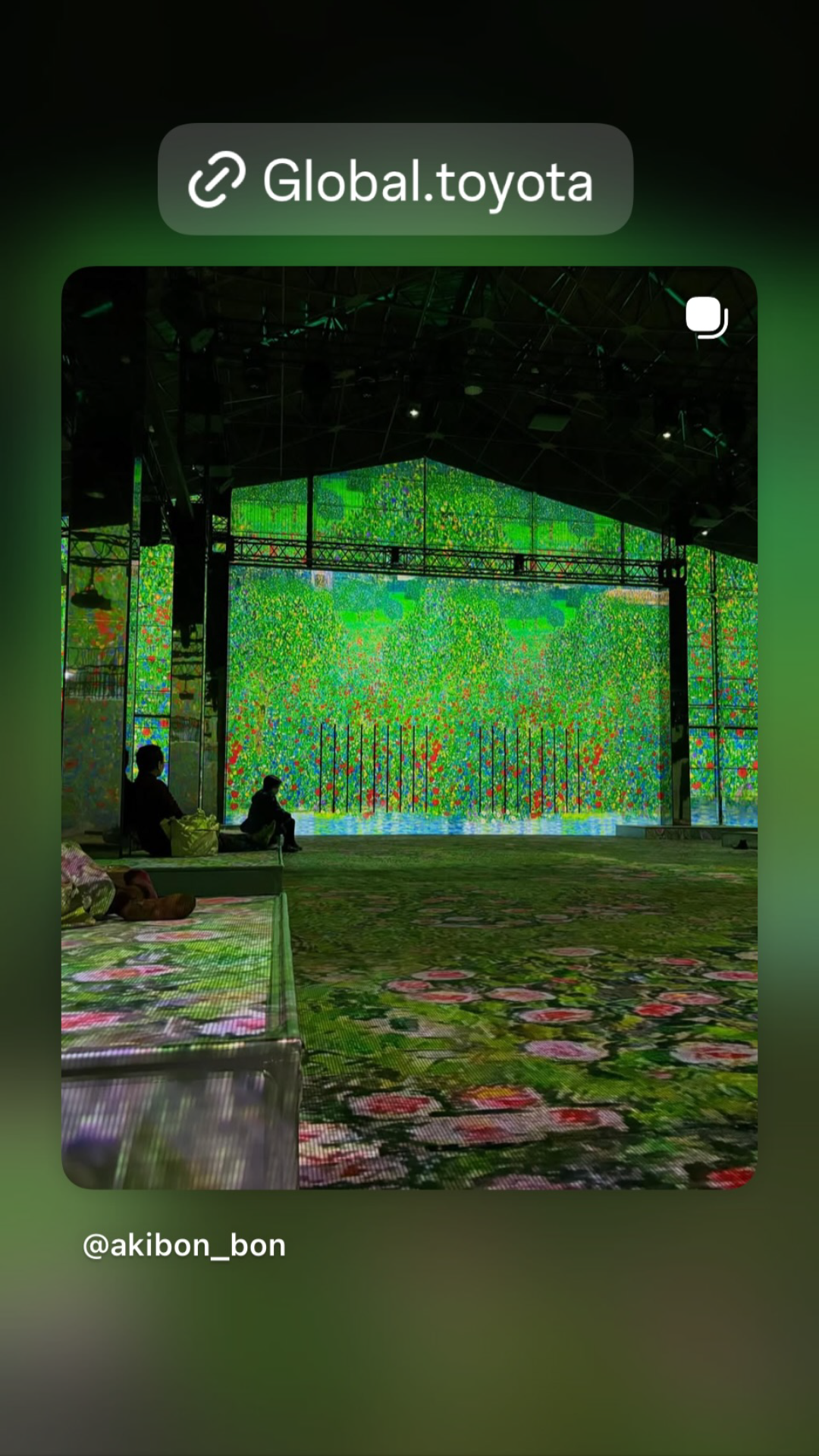
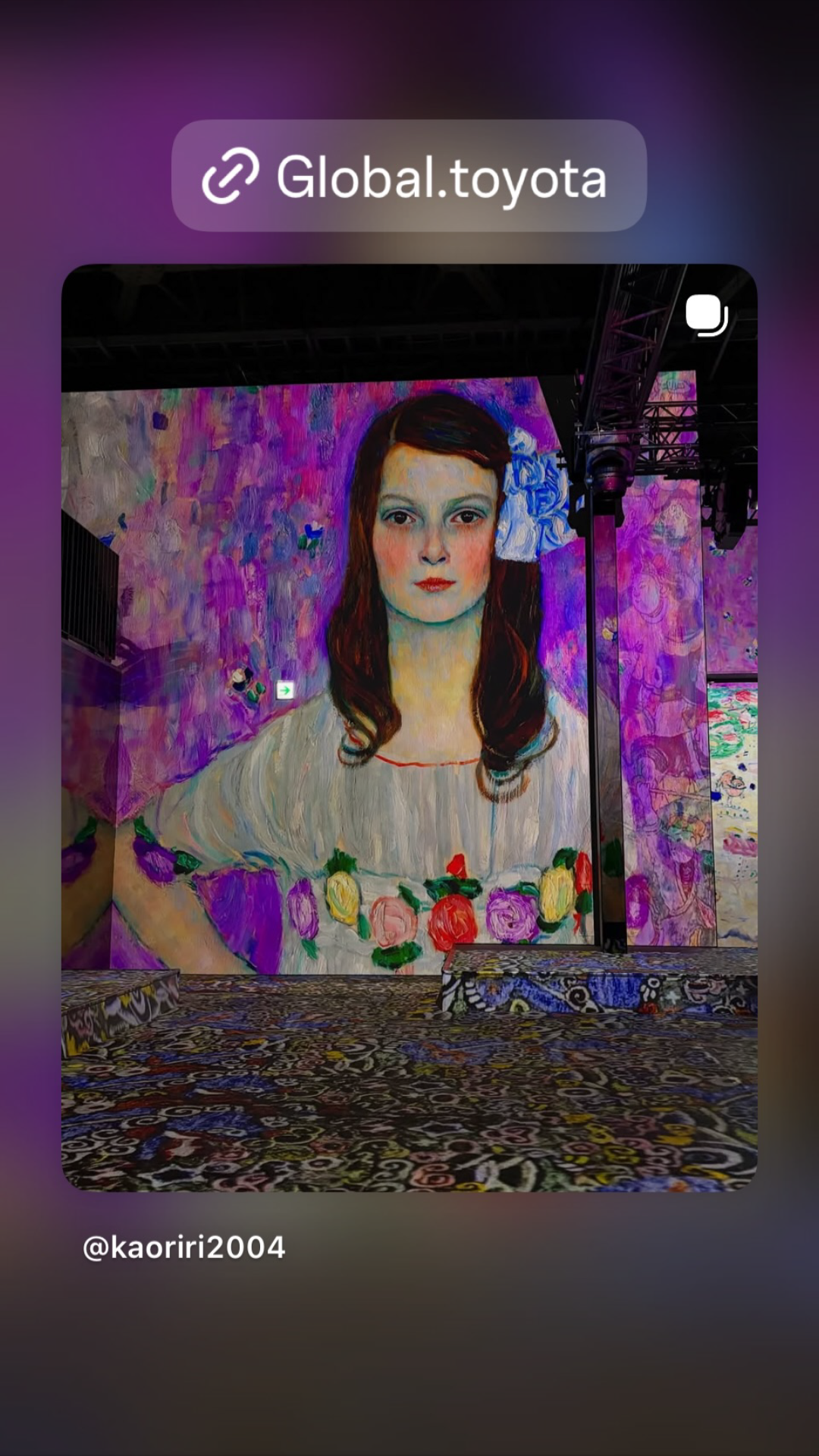
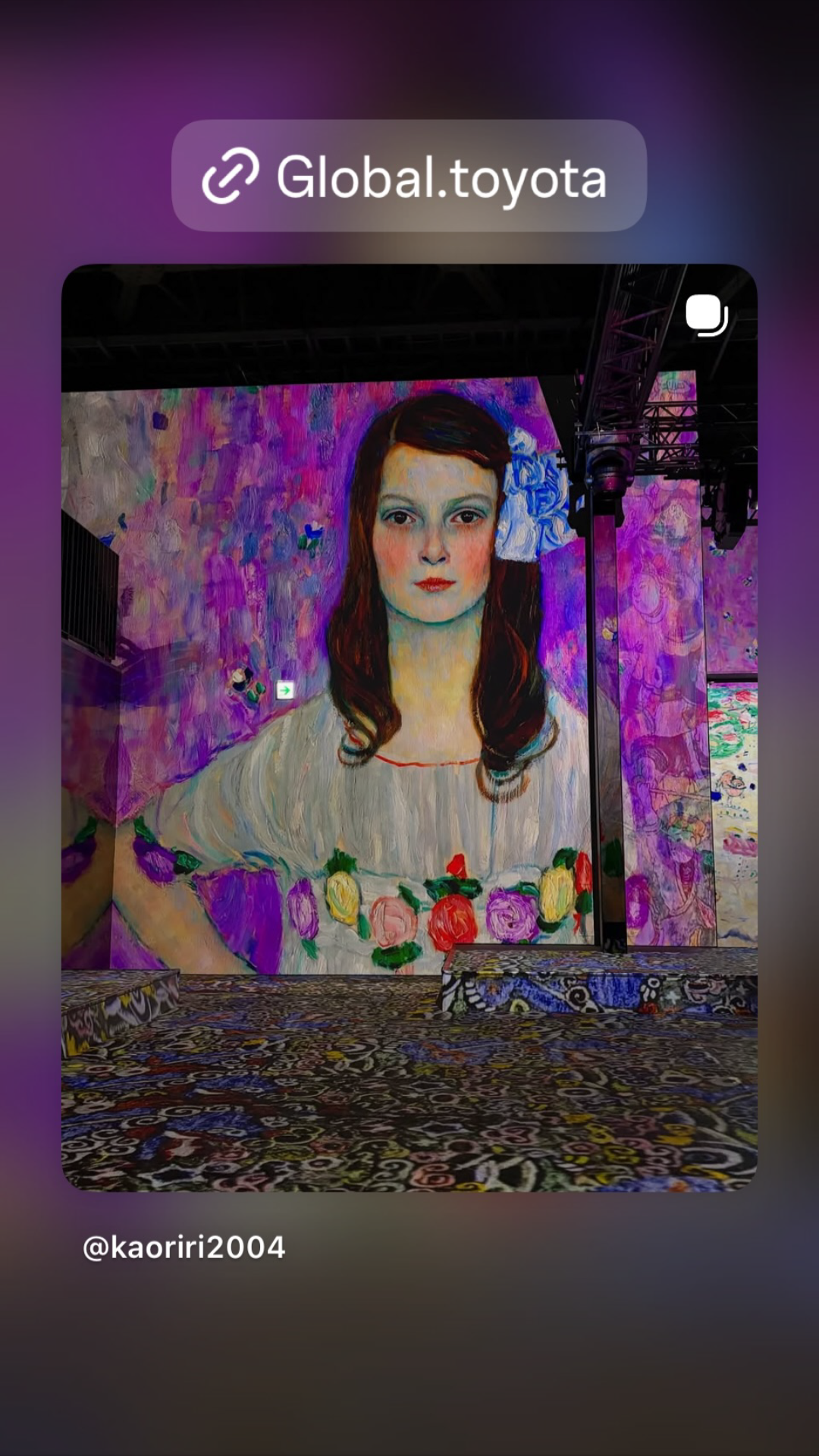

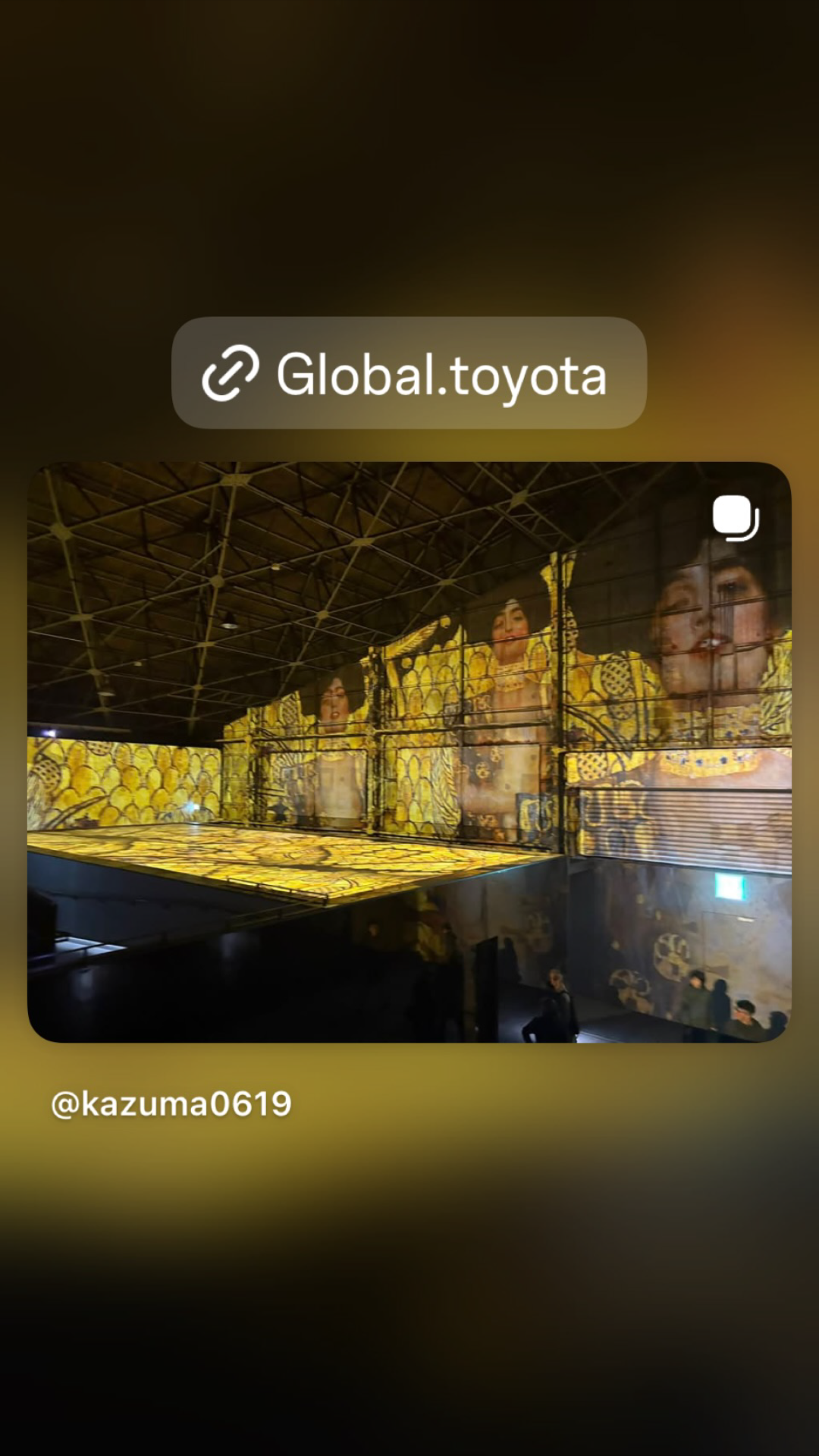
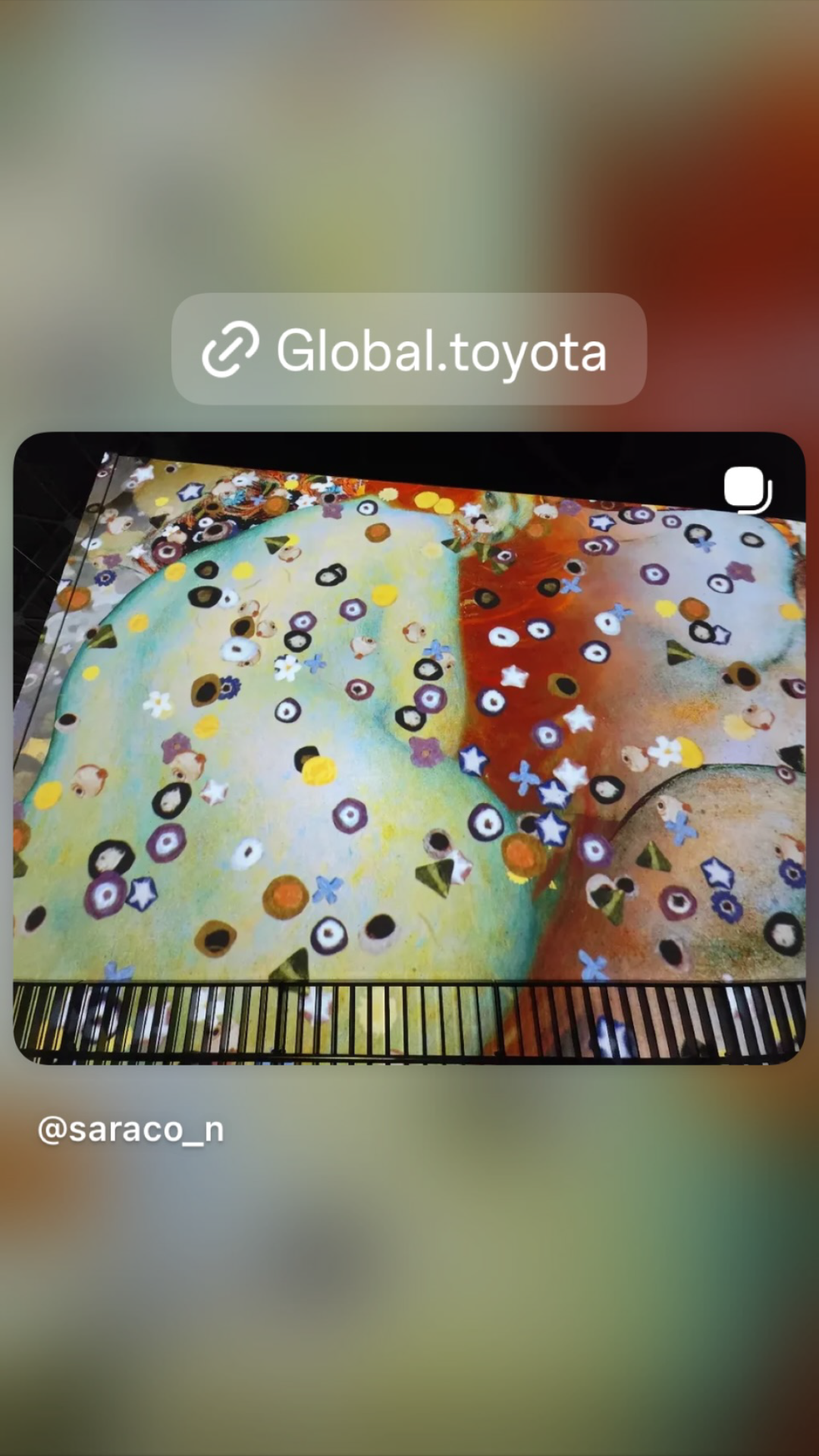
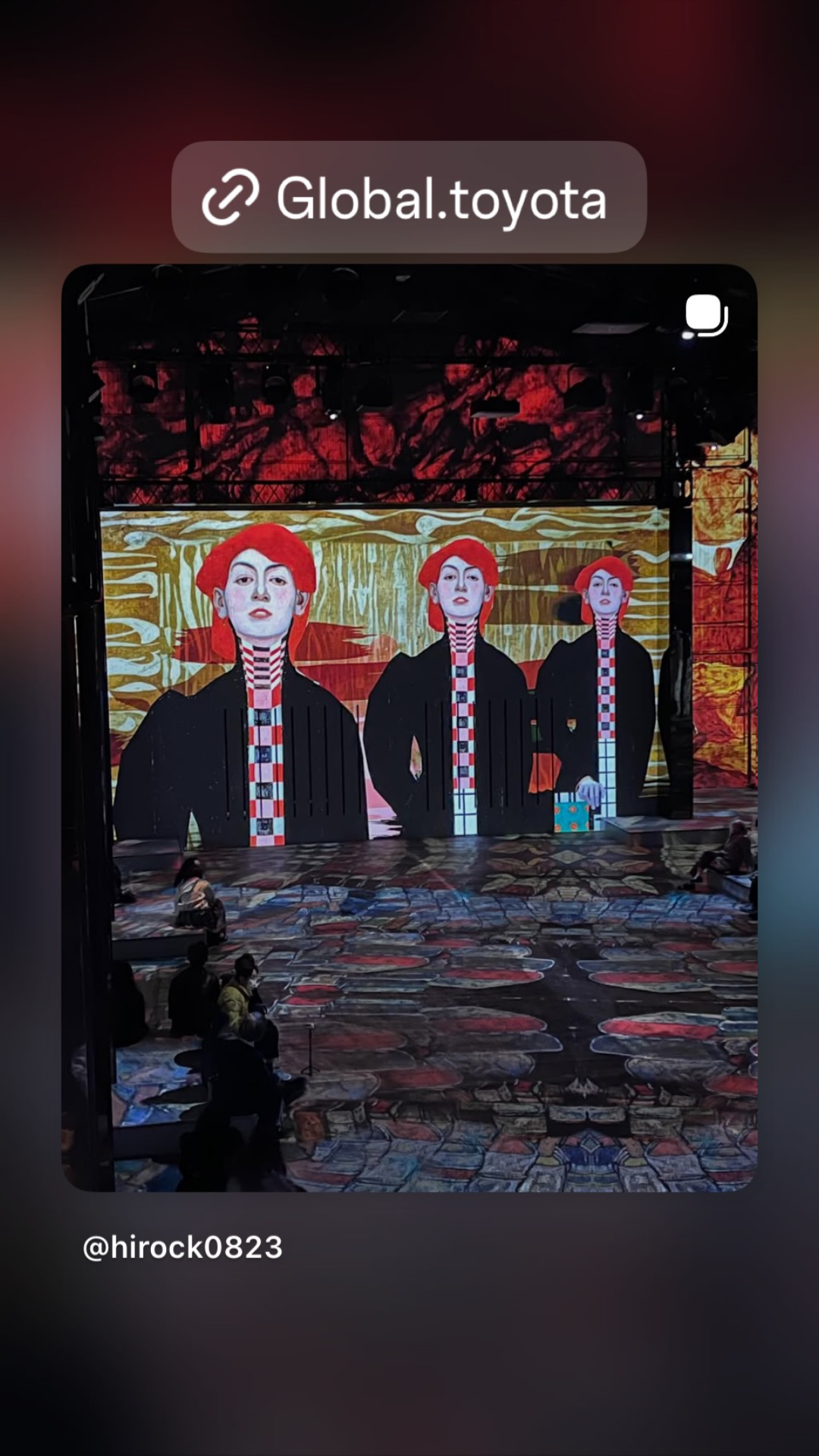
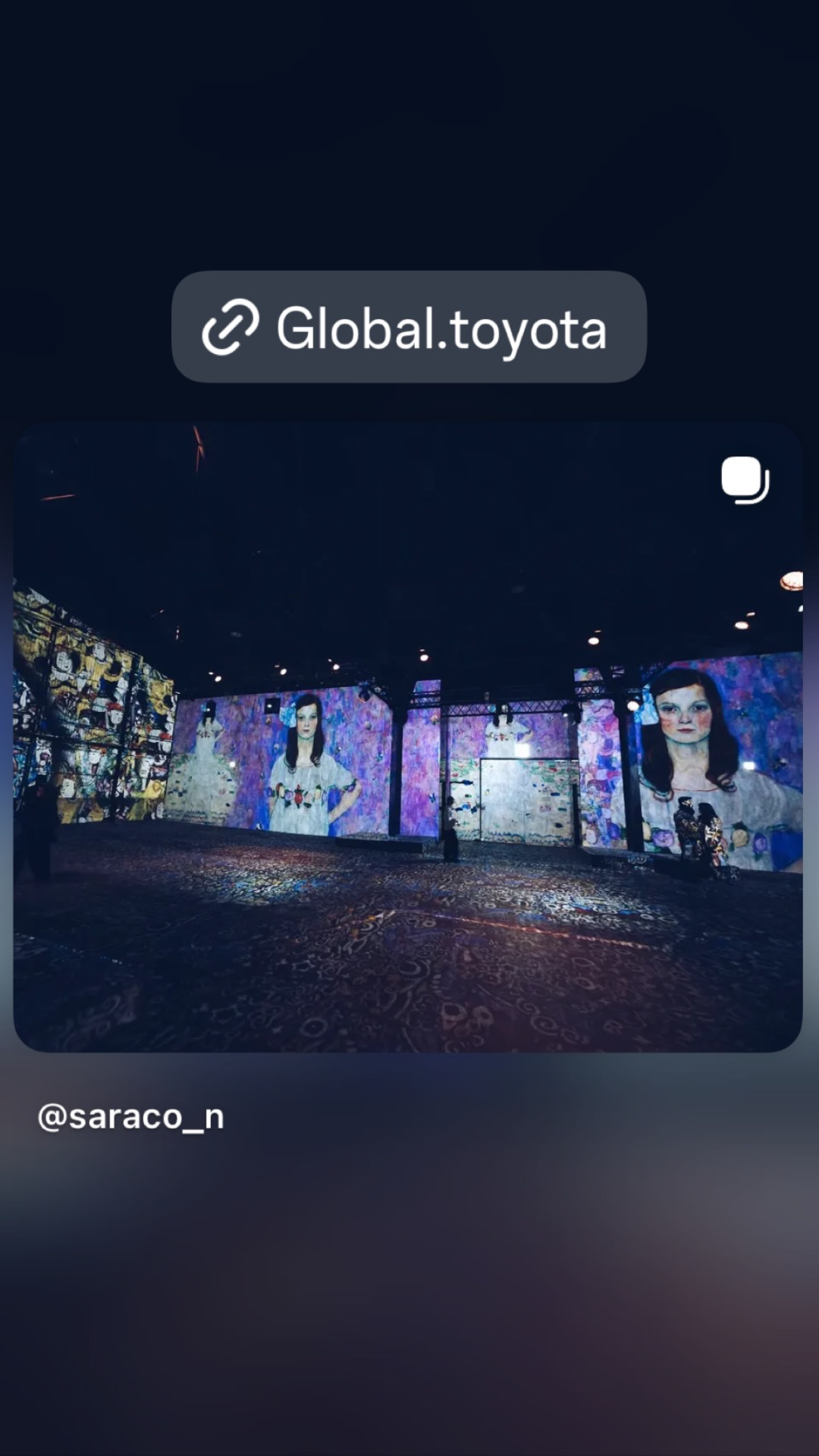
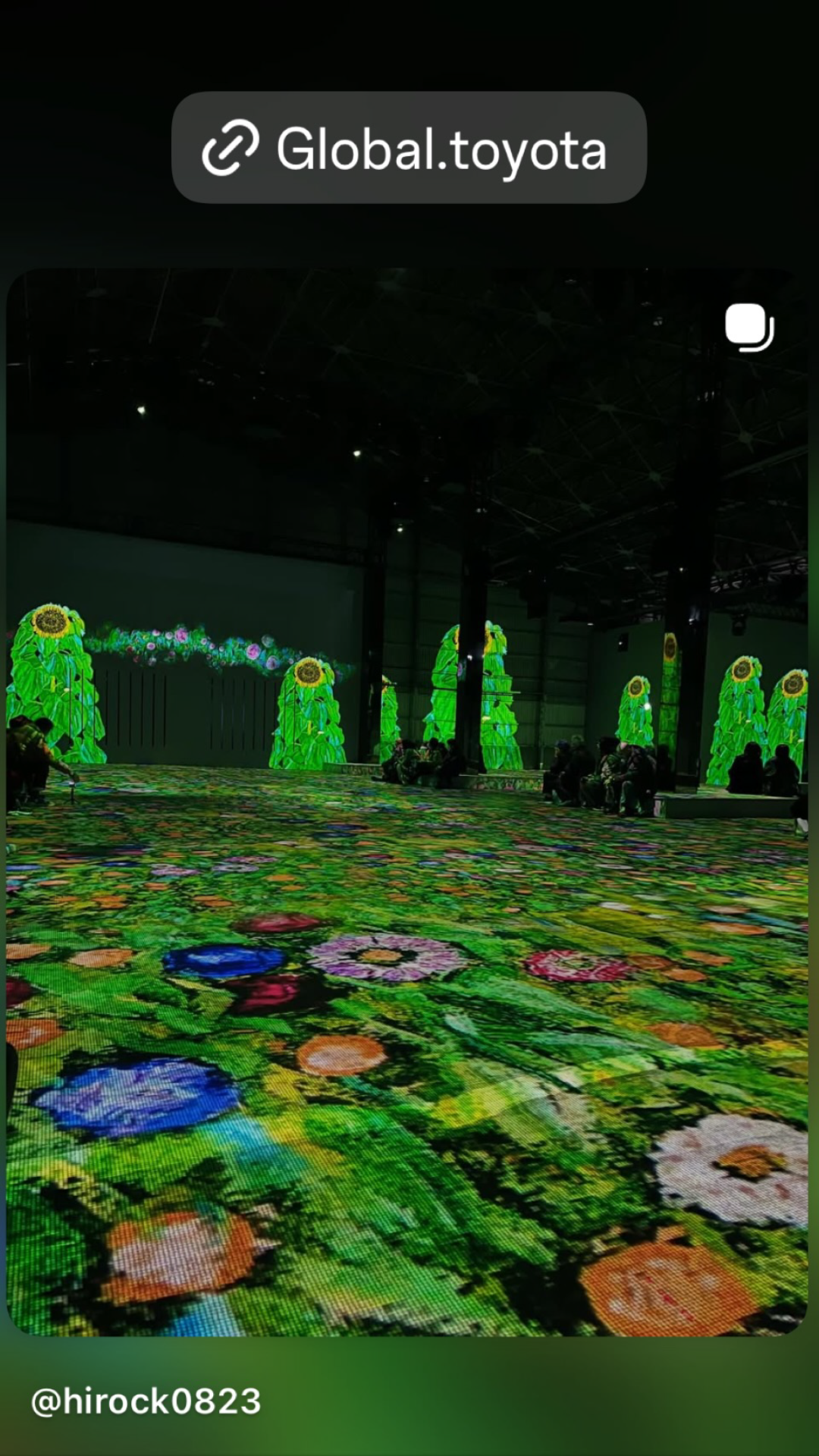
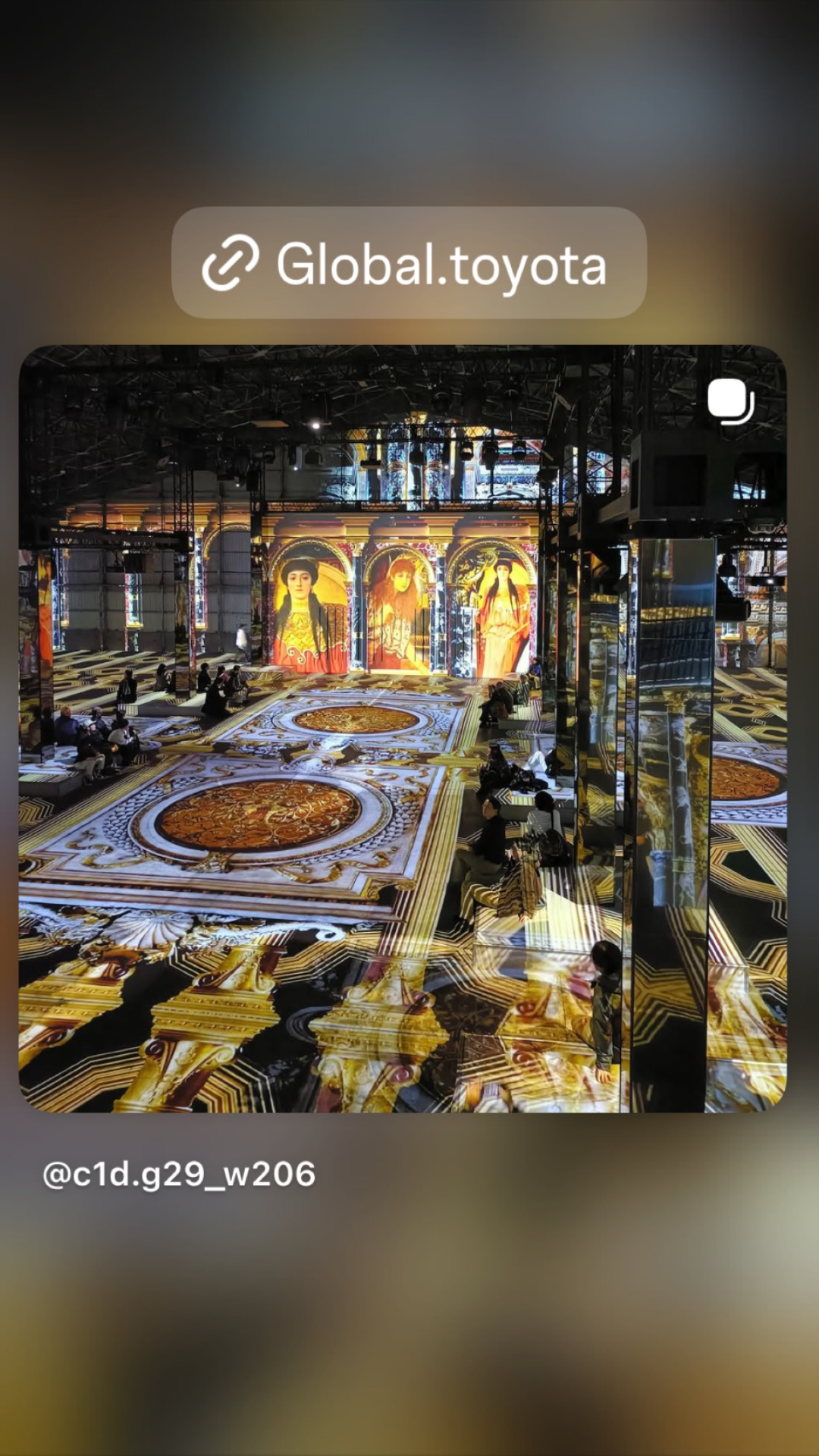
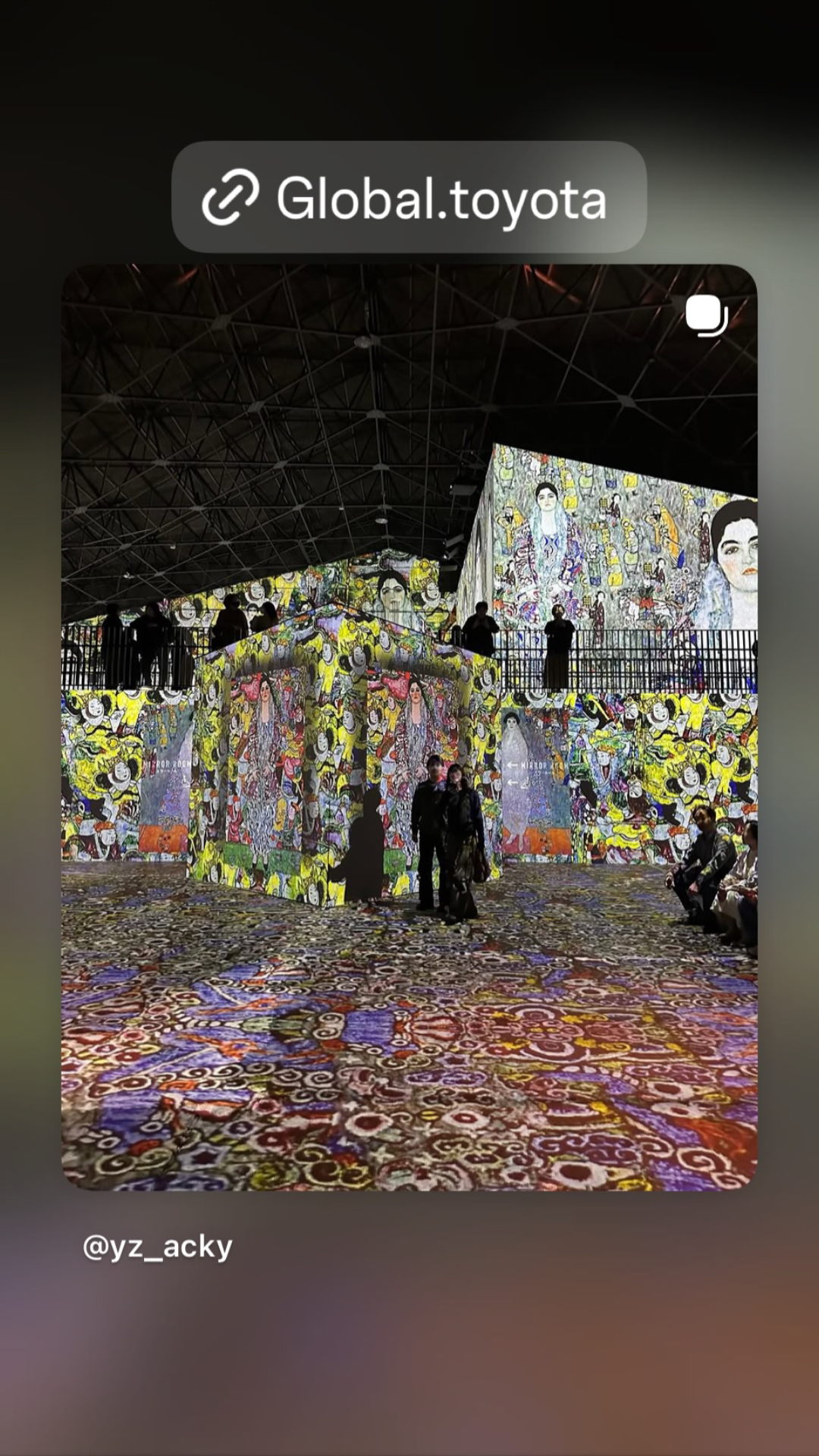
From an aesthetic standpoint, Fake’s work is characterized by a visual dramaturgy based on continuity and metamorphosis of images: fluid sequences, narrative loops, and enveloping environments dissolve the boundaries between interior and exterior, between real and virtual. The use of monumental projection and multisensory design produces an immersive effect that responds to a precise anthropological drive: the spectator’s desire to “enter” the artwork and experience it directly.
Stefano Fake and THE FAKE FACTORY can be considered among the principal agents in the transition from digital art as an experimental language to immersive art as a mass cultural phenomenon. Their production has not only anticipated but effectively defined the aesthetic, technological, and curatorial codes of a format that continues to profoundly influence exhibition practices in the twenty-first century, placing at the center of the artistic experience the dynamic relationship between image, space, and perception.
A closer examination of Fake’s artistic practice allows for a more precise understanding of the methodological and theoretical complexity underlying his immersive works. While at a superficial level they may appear as highly spectacular, high-impact sensory experiences, a more attentive reading reveals a rigorously constructed narrative framework, grounded in a sophisticated balance between emotional engagement and historiographical reliability.
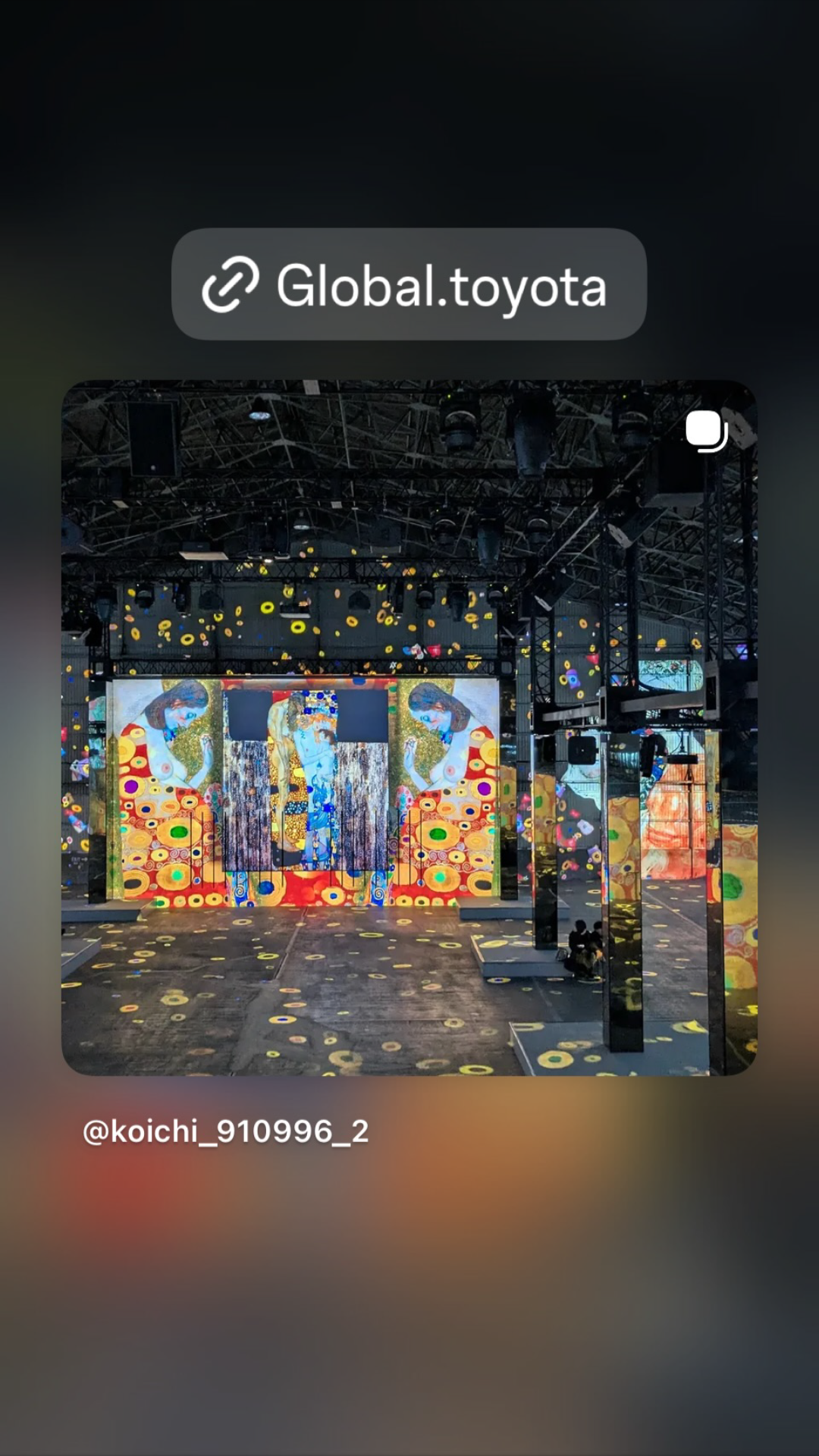
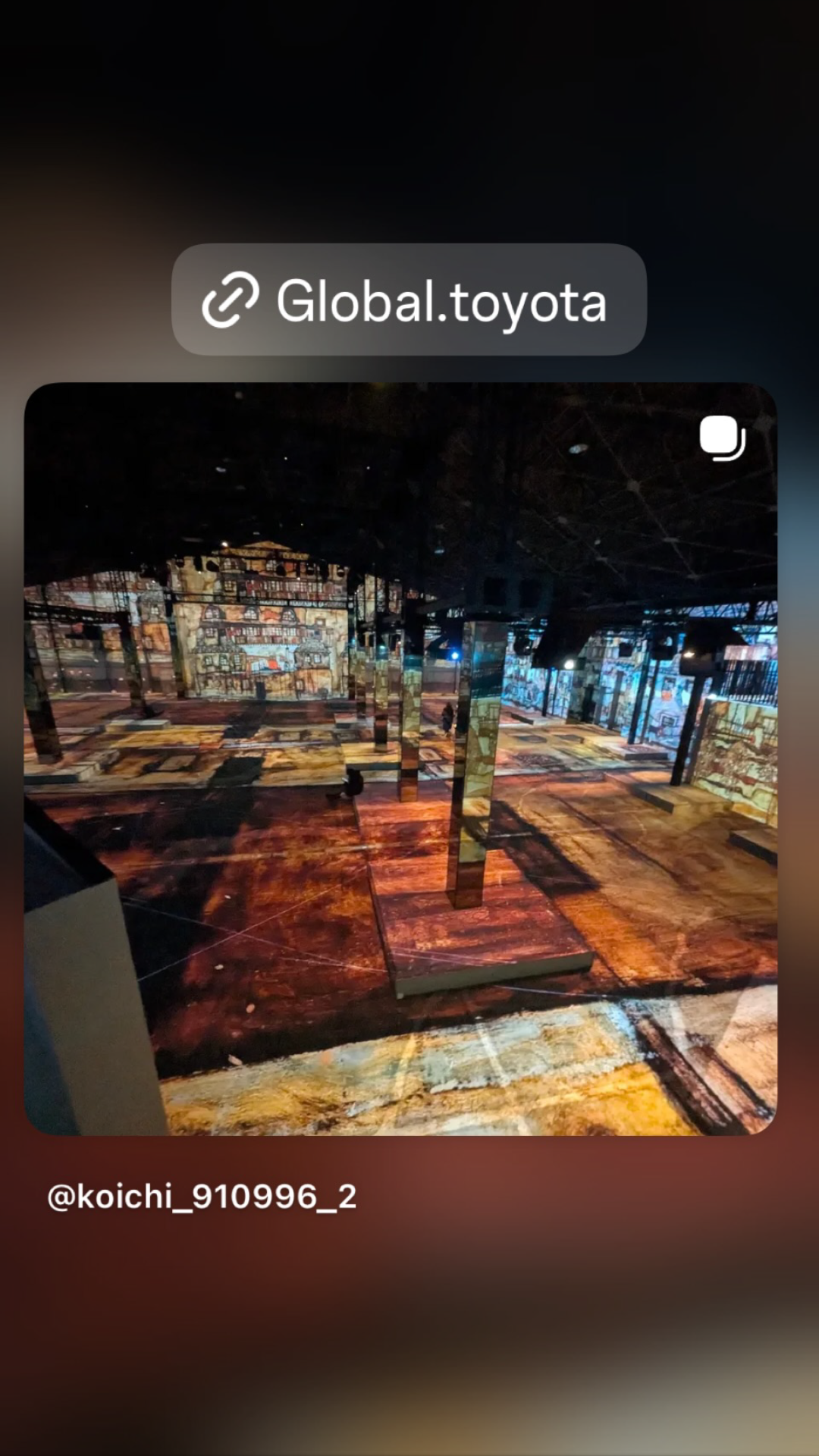
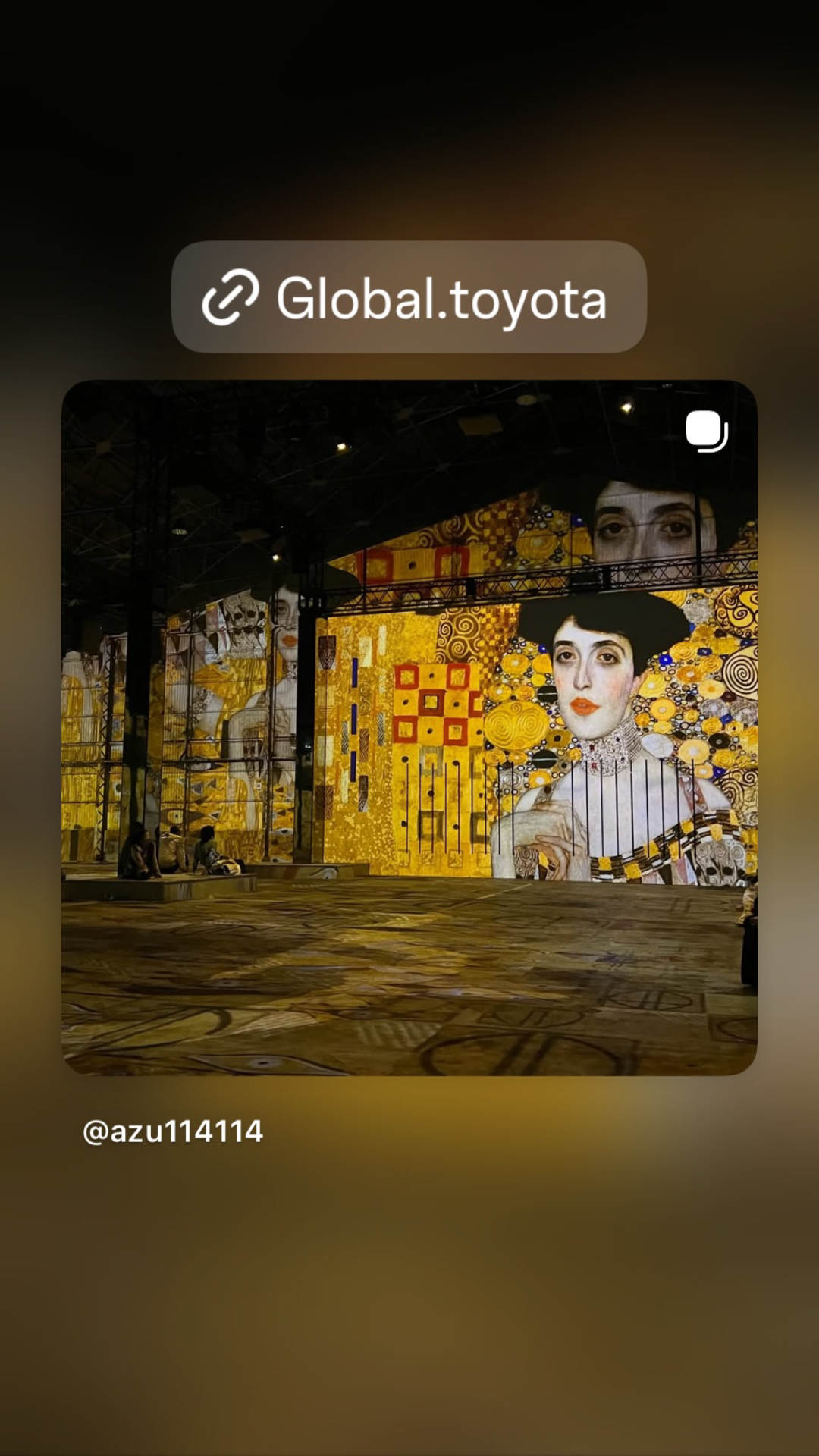

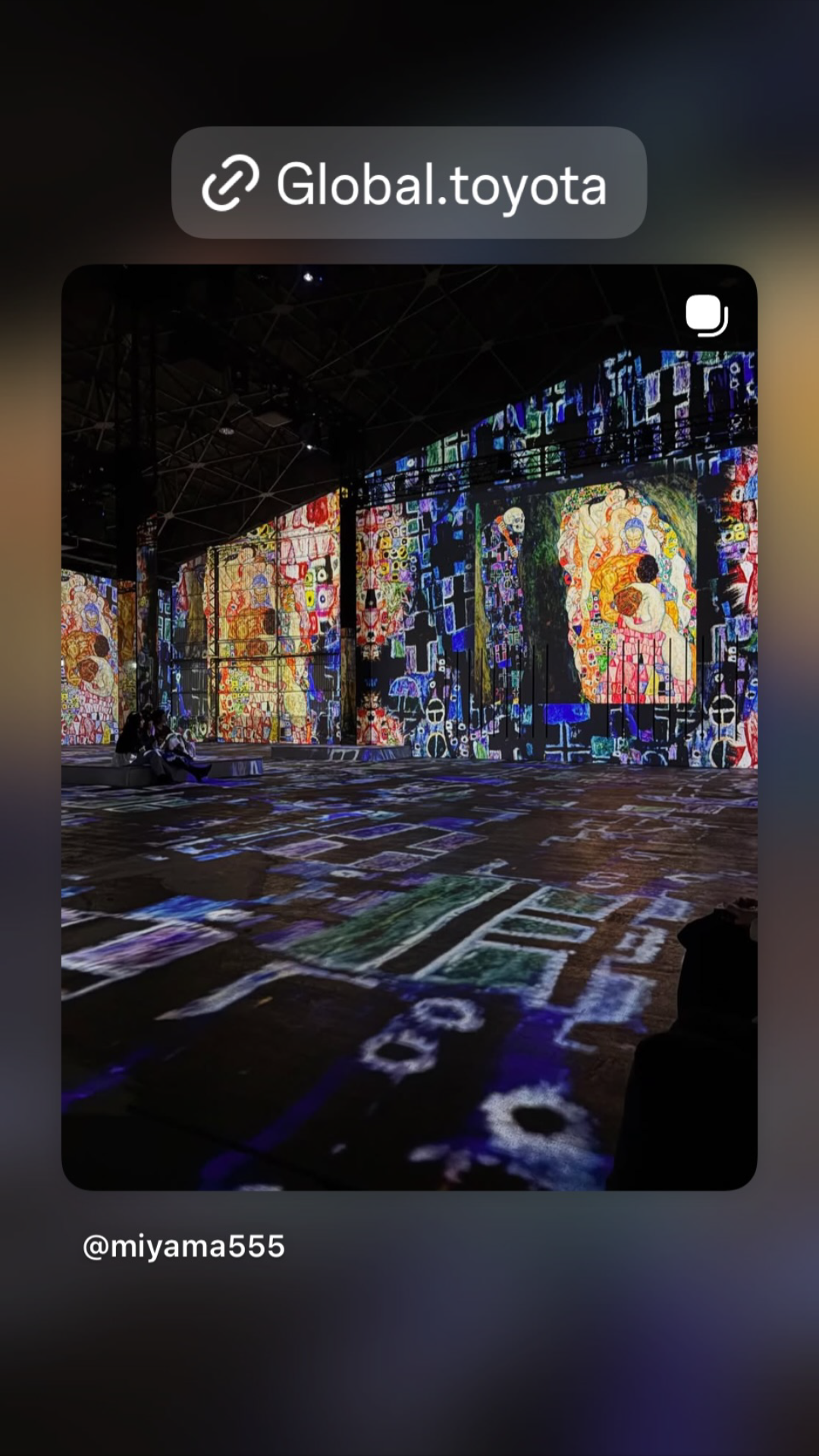


One of the most significant aspects of Fake’s work lies in his ability to translate complex art-historical content into accessible audiovisual structures without resorting to reductive simplifications. The Immersive Art Experiences dedicated to masters such as Van Gogh, Klimt, Caravaggio, or Monet are not mere sequences of iconic images, but rather fully developed narrative paths articulated according to a quasi-cinematic logic. The construction of the narrative often follows a thematic and chronological progression that reflects—albeit with necessary interpretative liberties—the principal acquisitions of art historiography: periods, influences, stylistic evolutions, and biographical contexts are re-elaborated in visual and sonic form, maintaining an internal coherence that avoids arbitrary or purely decorative drifts.
In this sense, Fake’s approach clearly distinguishes itself from many more commercially oriented immersive experiences, in which artistic imagery is decontextualized and used as mere aesthetic material. On the contrary, in THE FAKE FACTORY’s productions, every iconographic and compositional choice responds to a precise intentionality: the selected works, enlarged details, and animated sequences are organized according to a dramaturgy that aims to convey not only the “beauty” of the artwork, but also its historical and cultural significance.
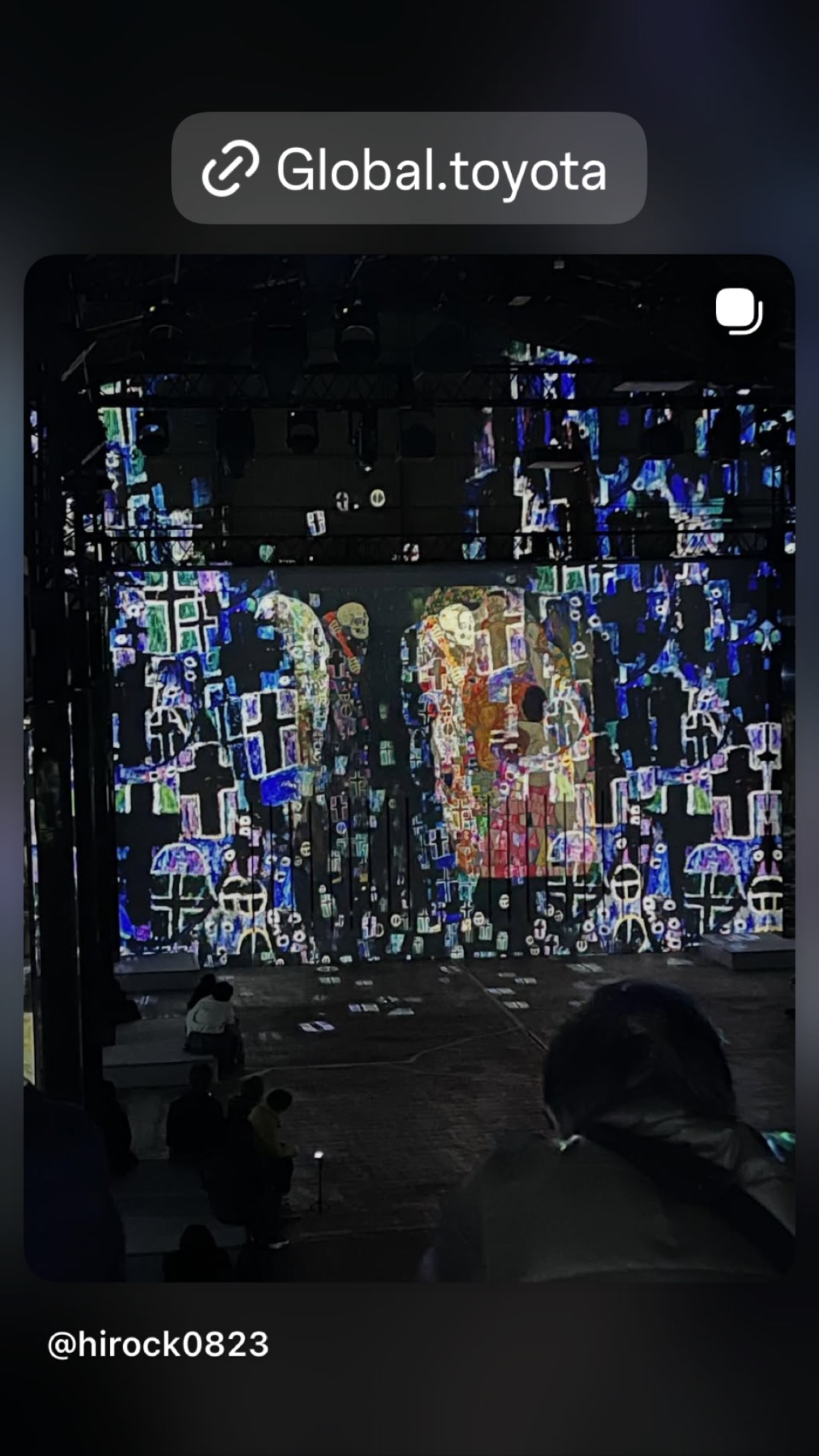
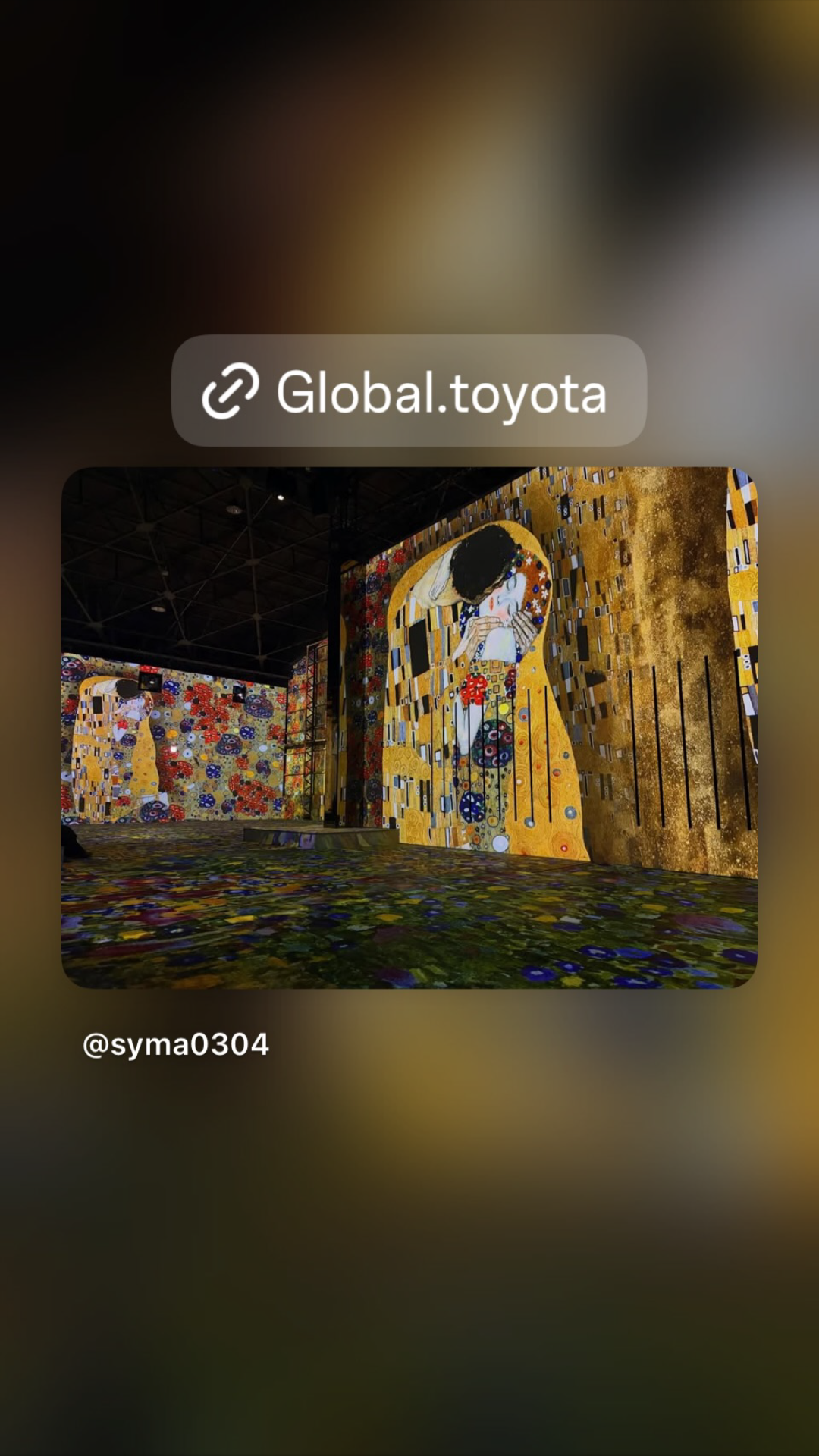
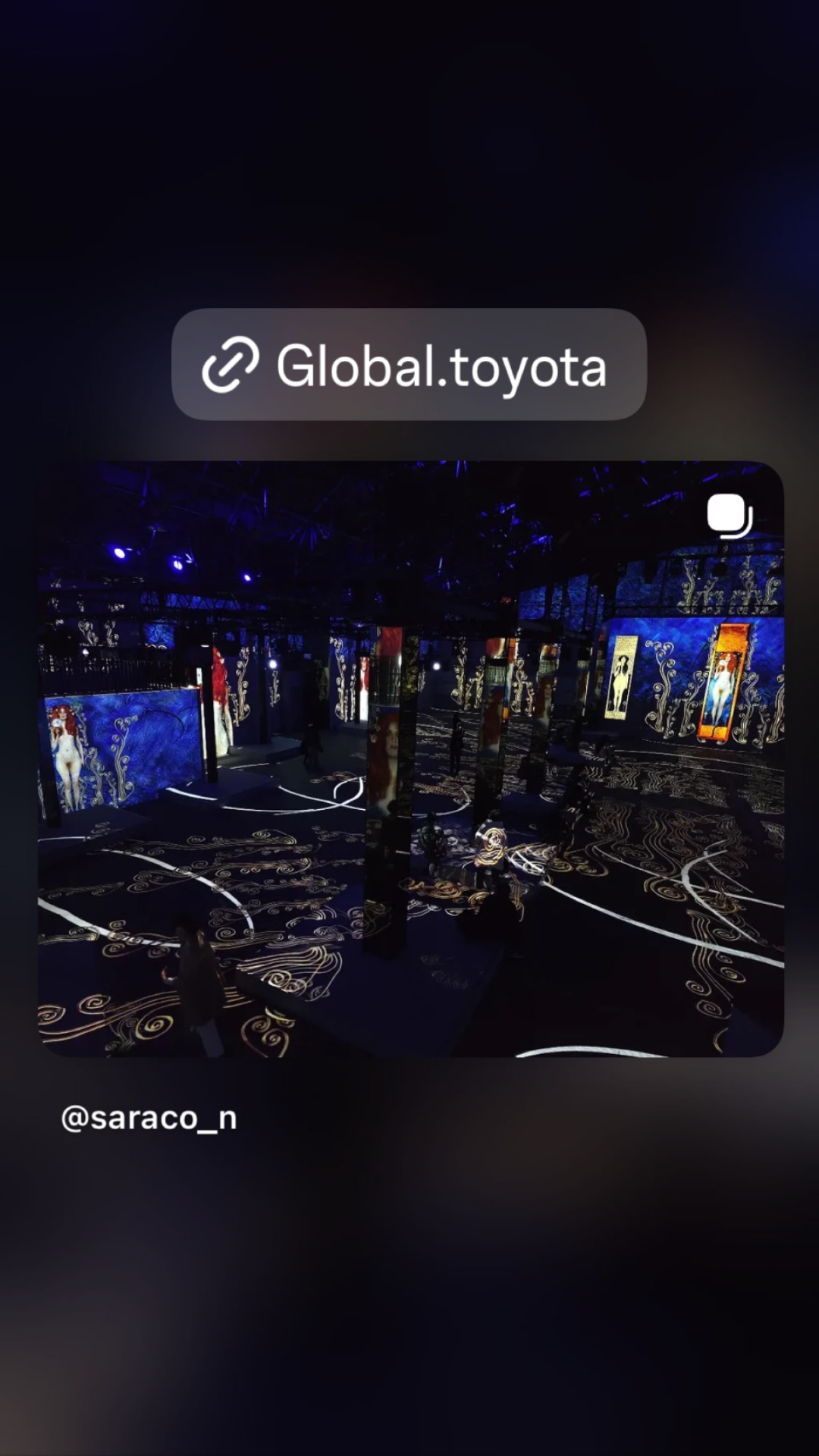

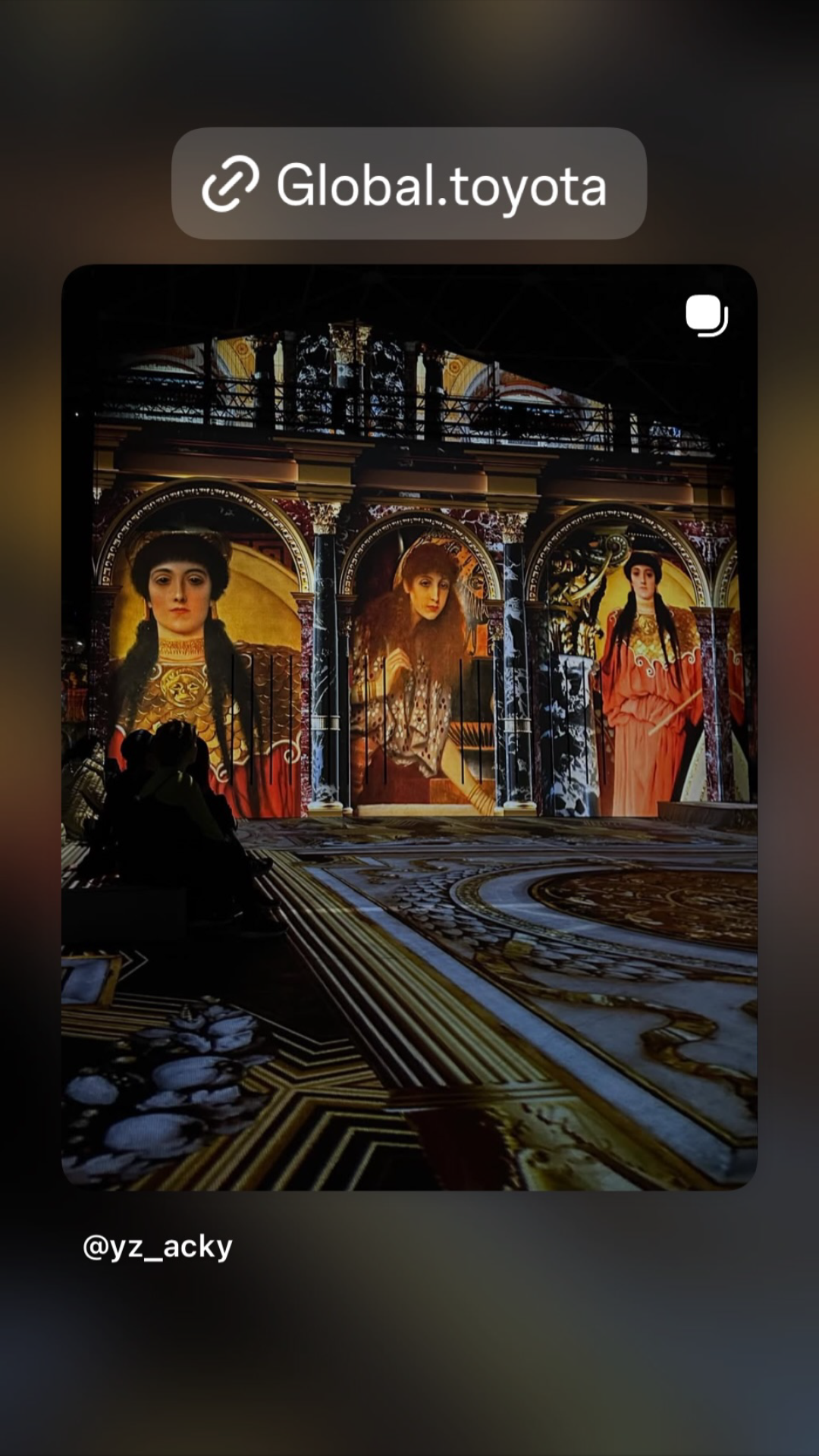
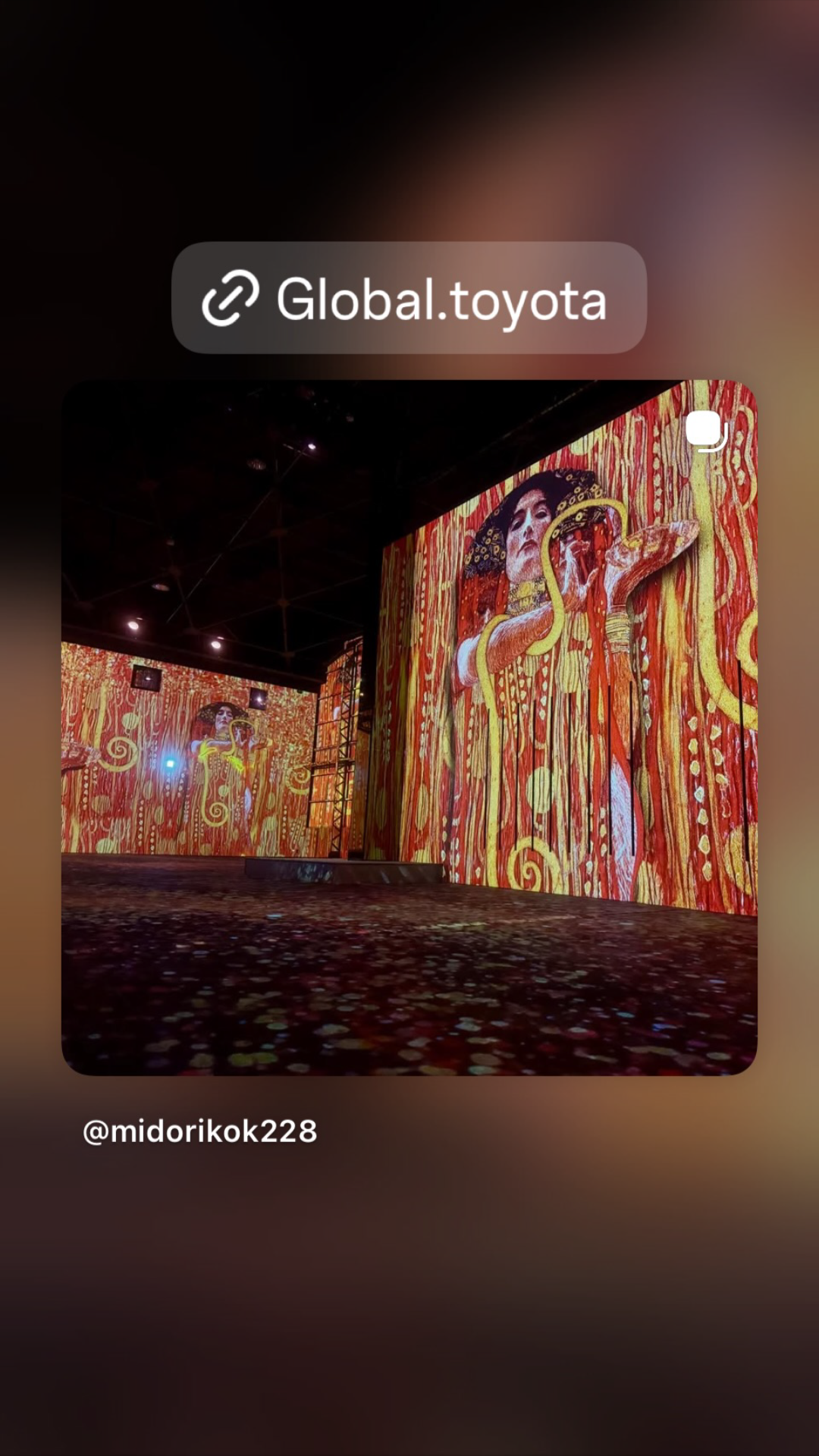


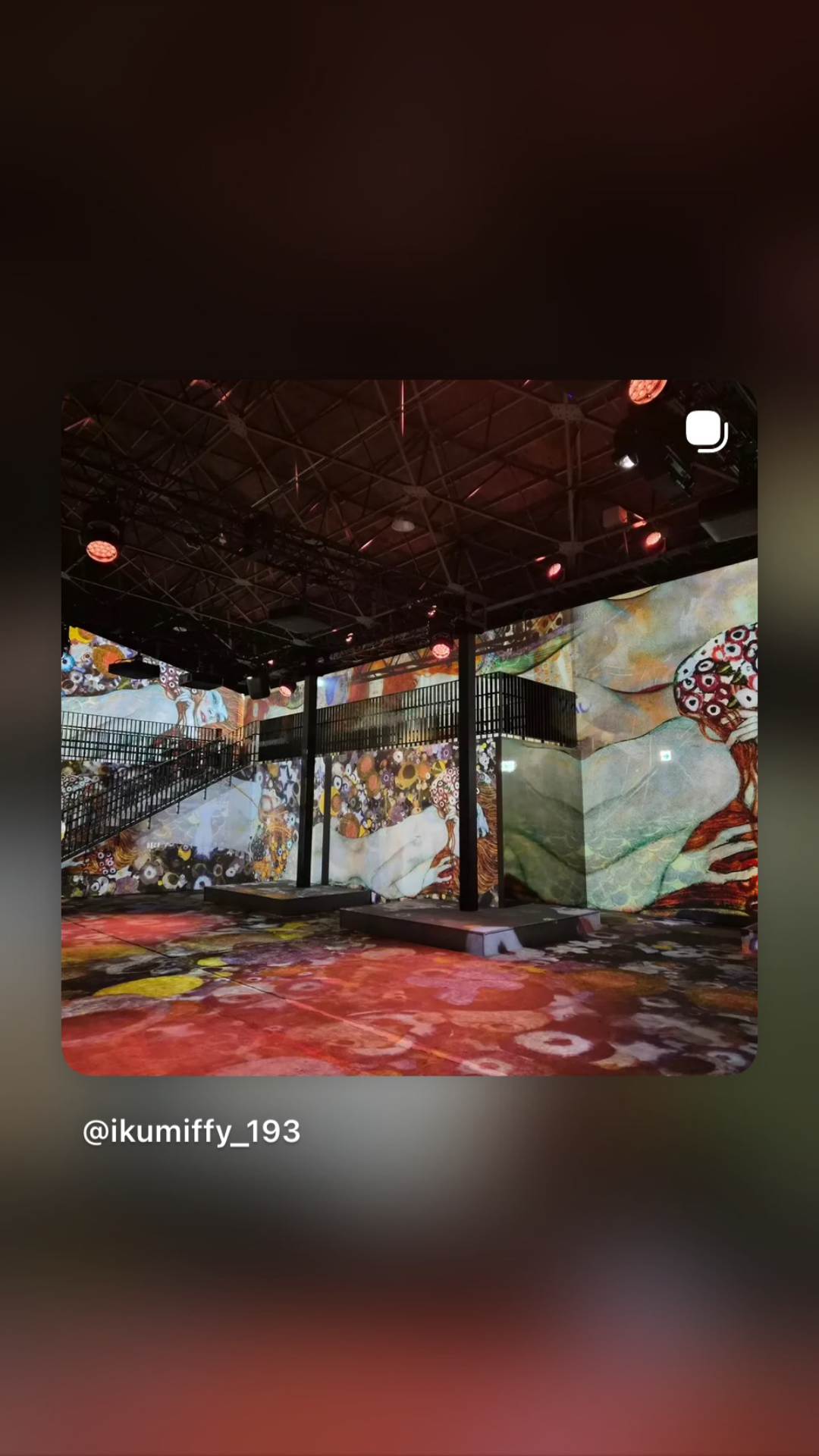

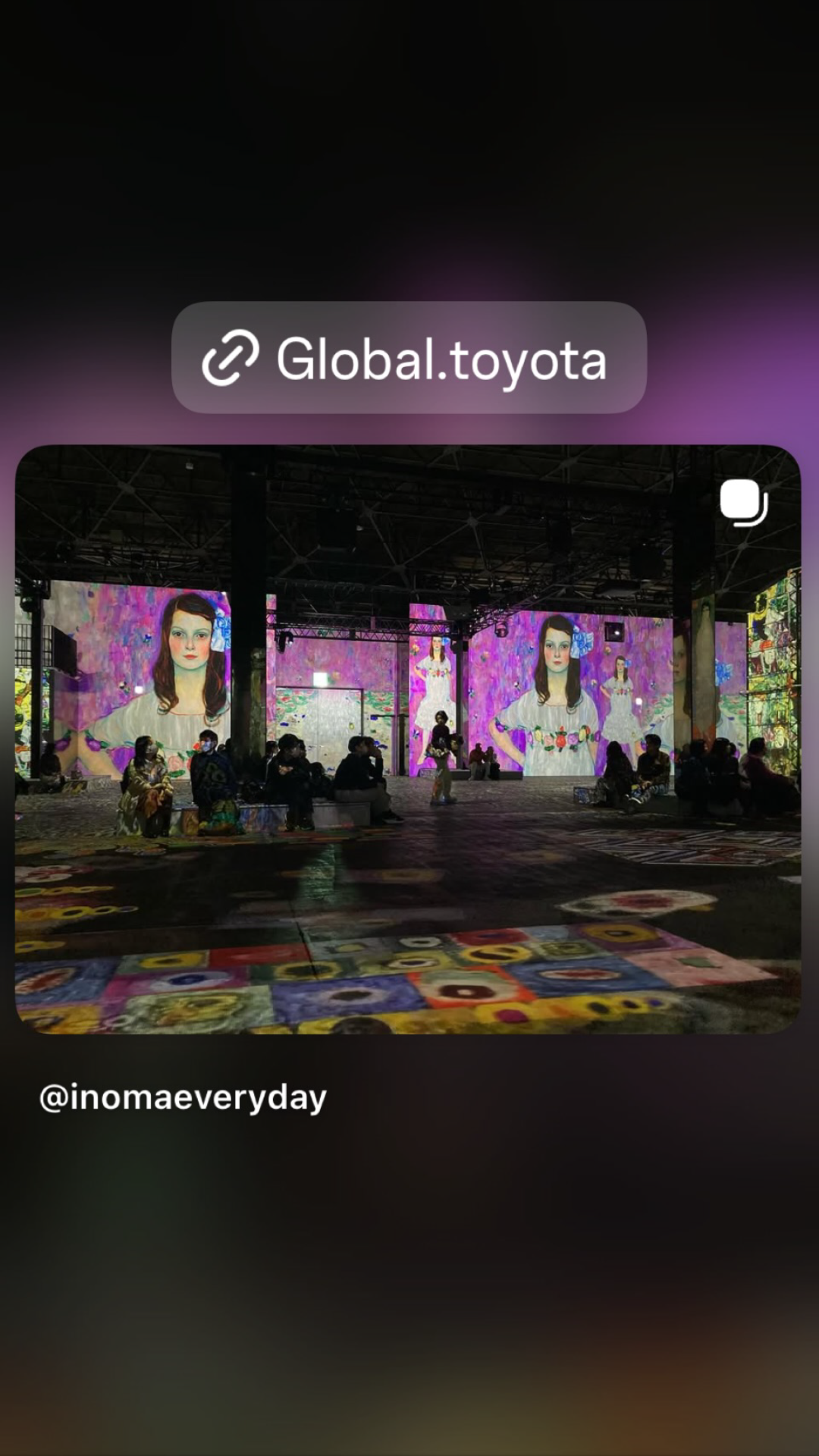
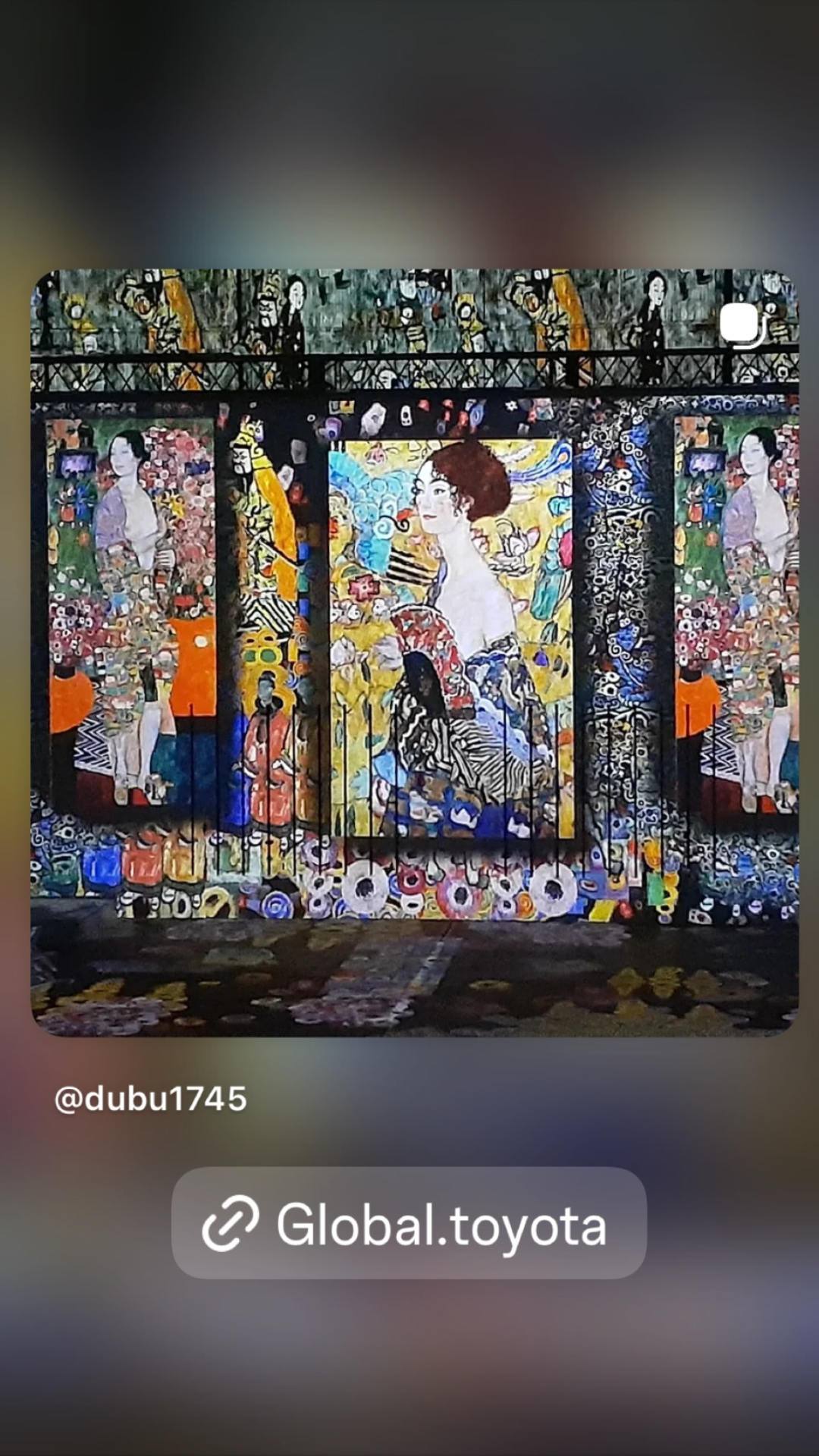
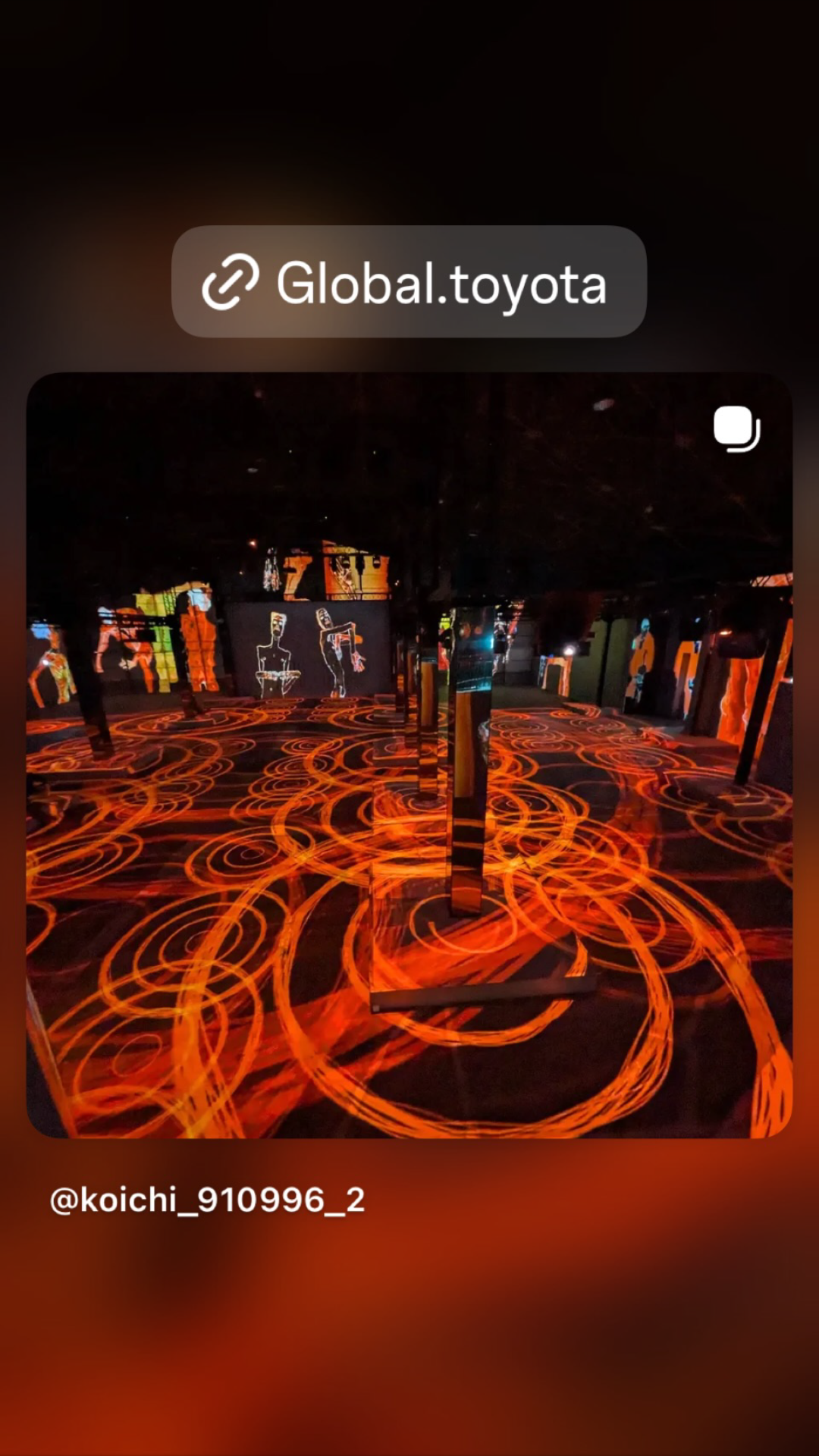
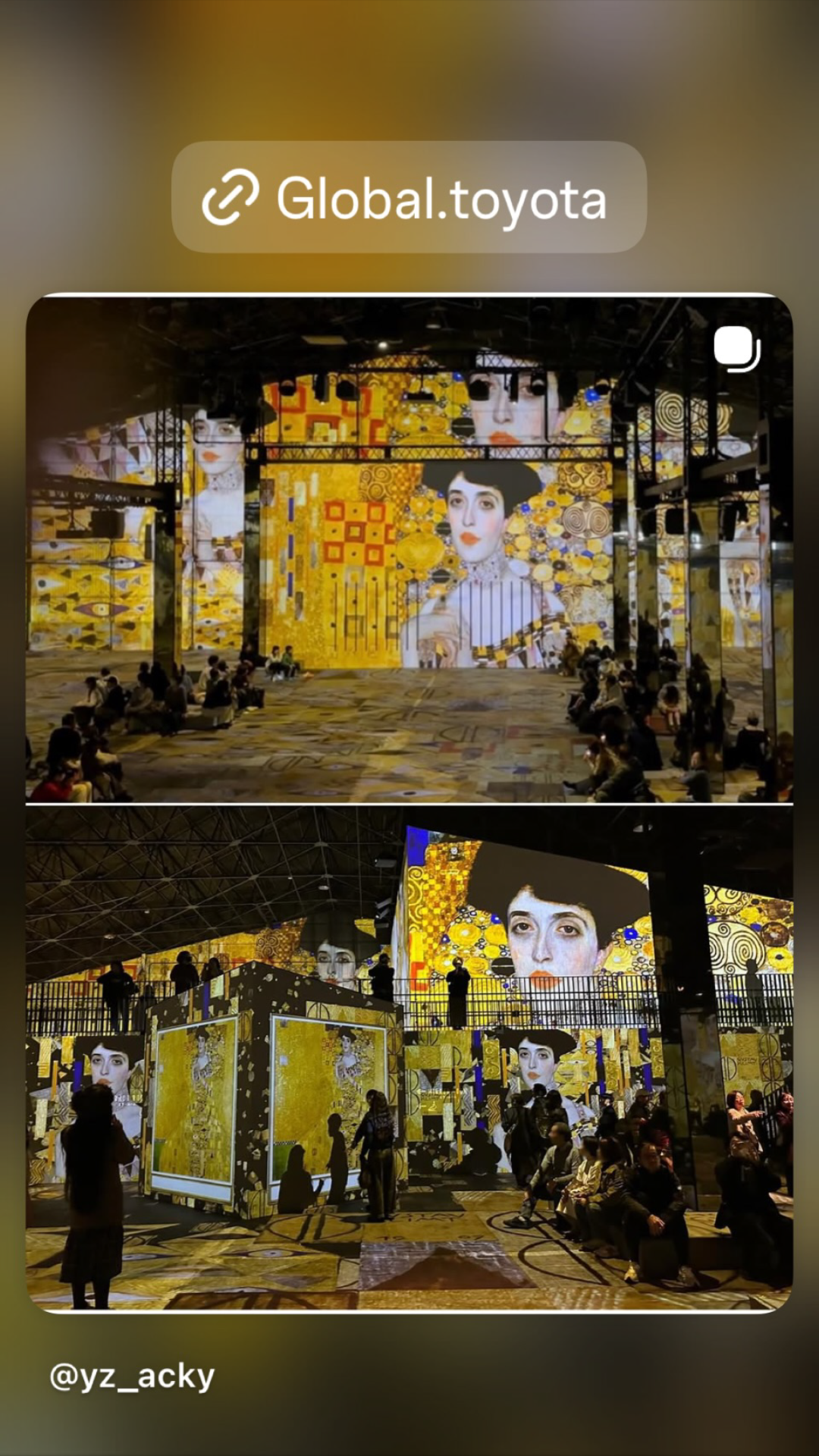
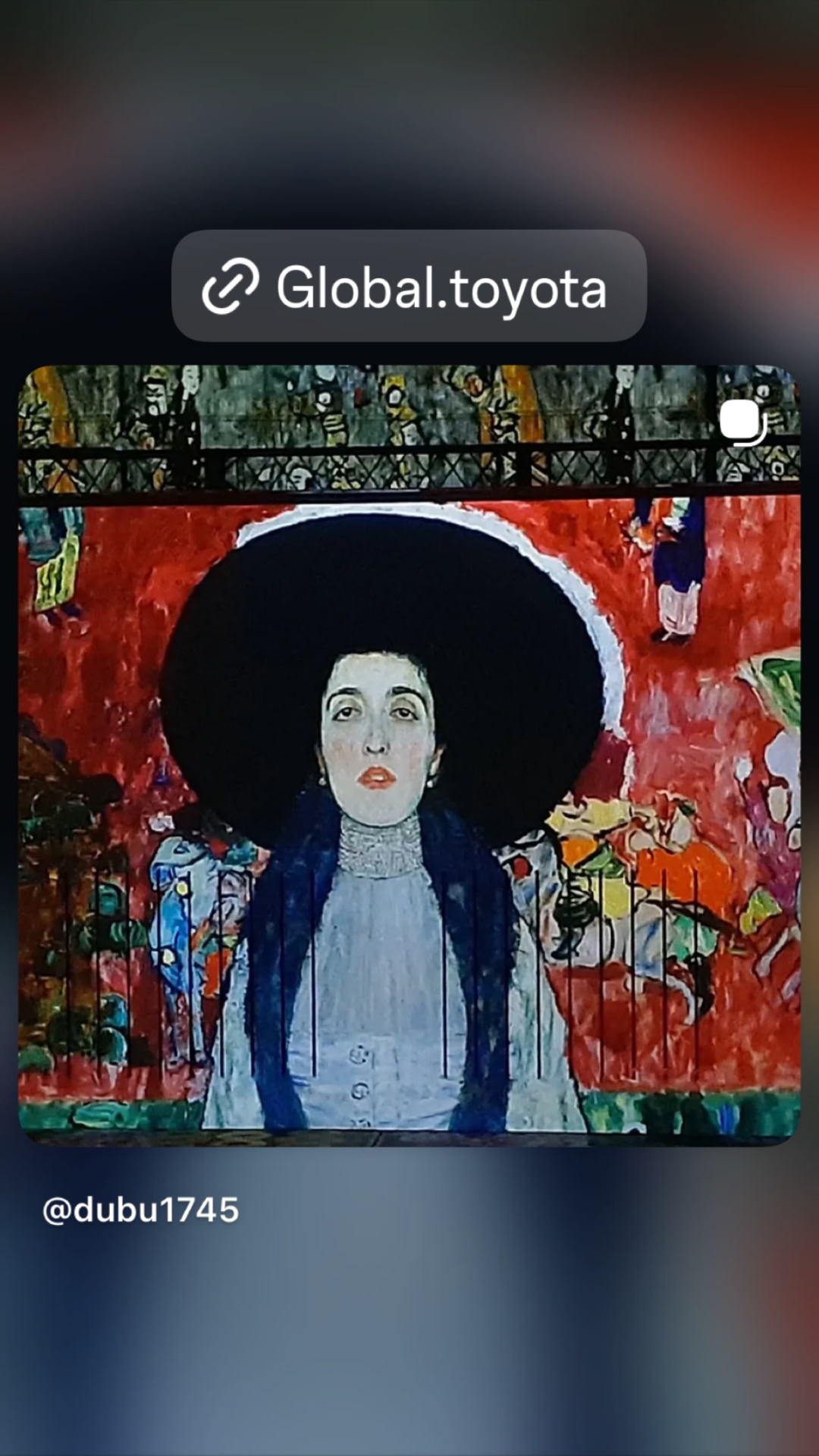
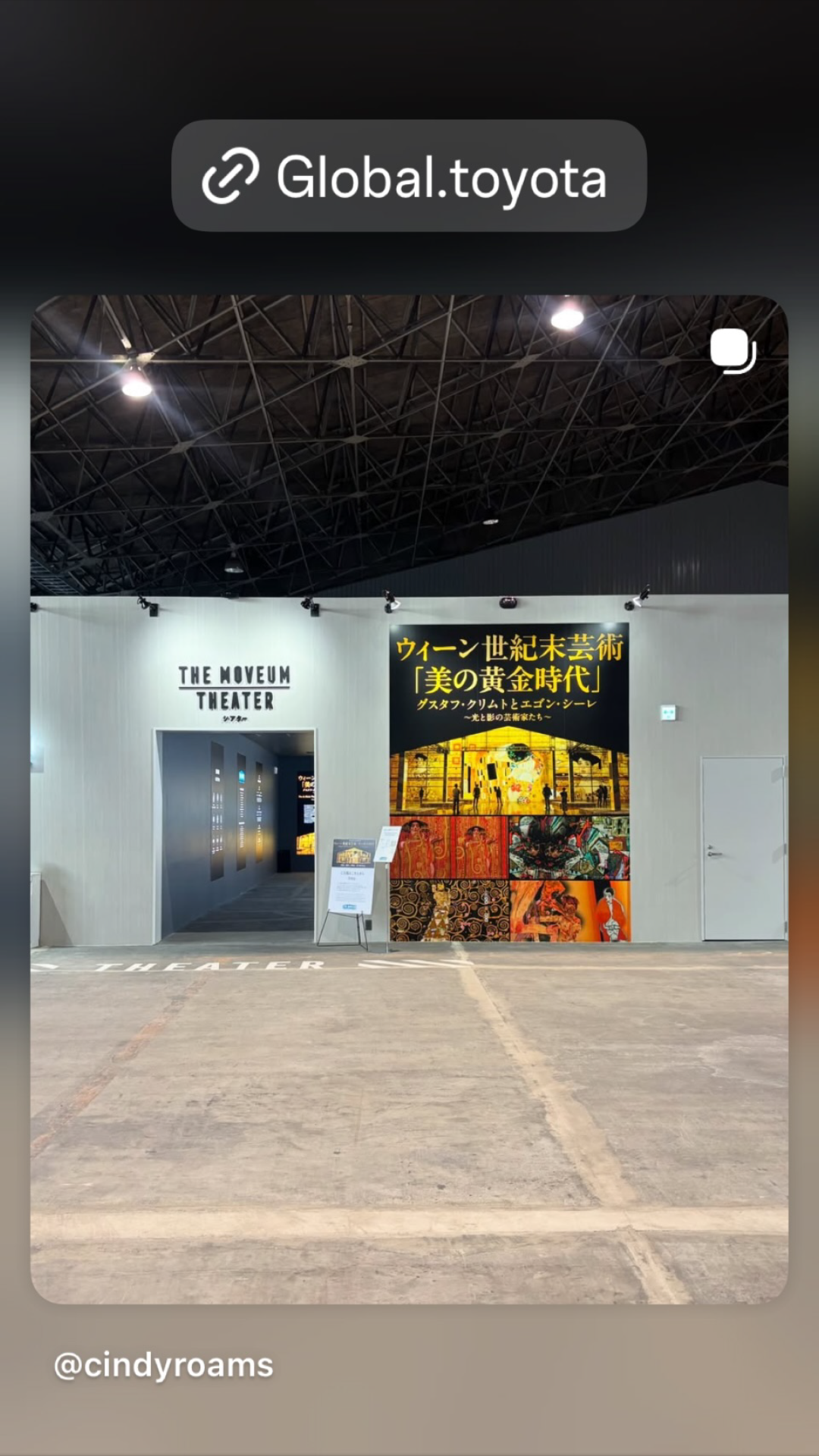
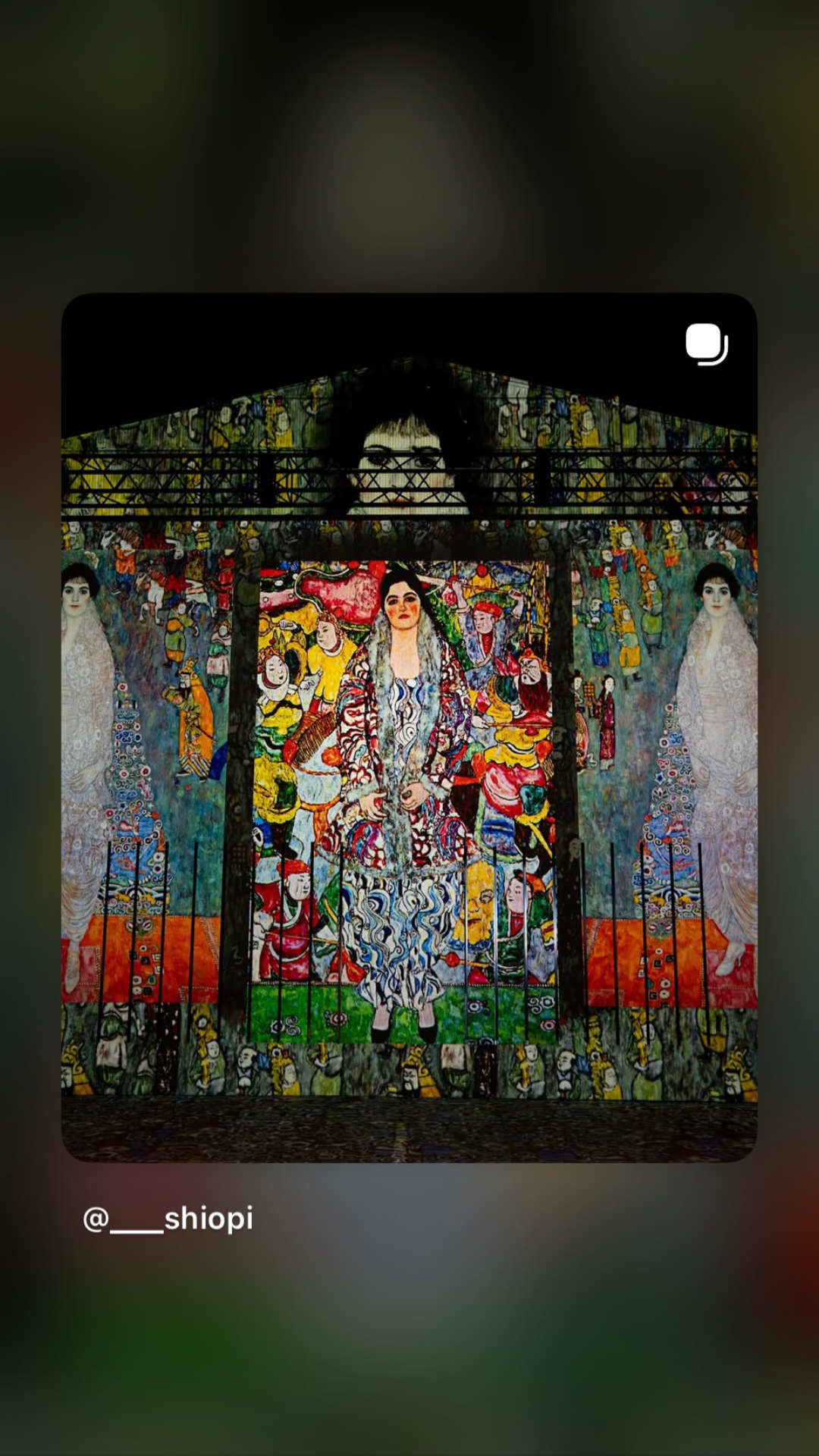
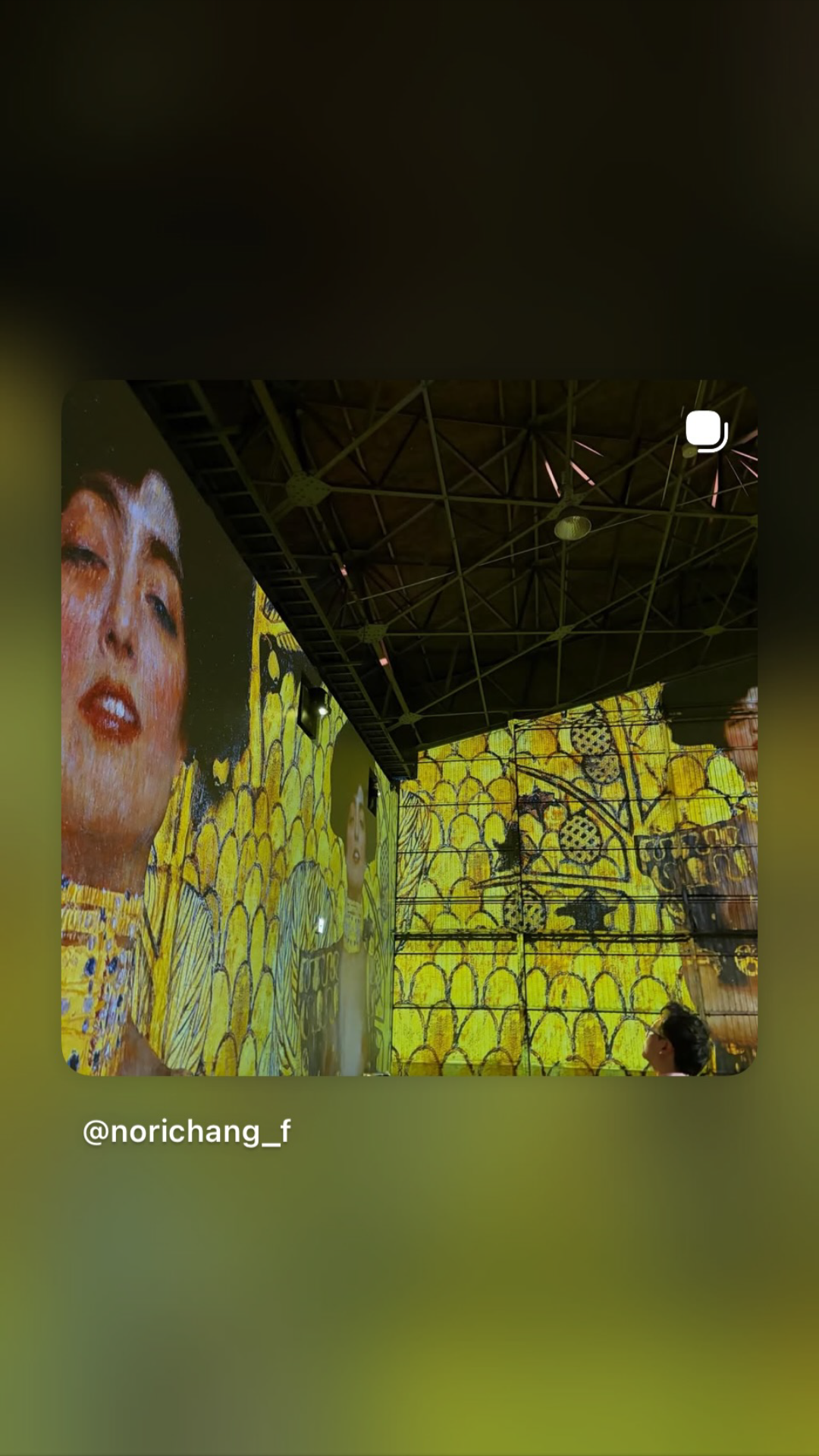

From a directorial standpoint, this approach translates into a conscious management of space and time. The “scenes” of the immersive experience are constructed as autonomous narrative environments, each endowed with its own visual, sonic, and rhythmic identity. Temporal structuring is never arbitrary: it alternates moments of visual intensity with contemplative pauses, dynamic accelerations with perceptual dilations, guiding the spectator through an experiential path with a clearly defined dramaturgical structure. In this sense, one can speak of a true direction of immersion, in which the visitor assumes the role of a mobile spectator within a totalizing scenic space.
A further distinctive element is the use of motion graphics. In many contemporary immersive productions, such tools are employed redundantly or merely for spectacle, generating a visual saturation effect that ultimately trivializes the artistic content. Fake, by contrast, adopts a measured and semantically oriented approach: animation is never an end in itself, but functional to the construction of meaning. Image transformations—dissolves, decompositions, recompositions, fluid movements—are designed to highlight formal relationships, creative processes, or specific thematic cores. For instance, the progressive enlargement of a pictorial detail may reveal the structure of the brushstroke, while transitions between different works can emphasize stylistic continuities or ruptures.
This attention to the semantic dimension of animation is accompanied by an equally refined use of sound and musical selection. The soundtrack does not serve a merely accompanying function, but actively contributes to the construction of the narrative. The synchronization between visual and sonic elements generates a controlled synesthetic effect, in which every musical variation corresponds to a visual transformation, reinforcing the overall coherence of the experience.
From a theoretical perspective, it can therefore be argued that Fake operates at the intersection of art history, cinema, and digital arts, developing a hybrid language that transcends traditional disciplinary categories. His ability to combine scientific rigor with communicative power represents one of the key elements of the international success of his works. This is not simply a matter of “making art spectacular,” but of elaborating new forms of cultural mediation capable of responding to the needs of a contemporary audience increasingly oriented toward immersive and multisensory experiences.
The work of Stefano Fake and THE FAKE FACTORY is thus characterized by a dual tension: on the one hand, technological and linguistic innovation; on the other, fidelity to a solid narrative and historiographical framework. It is precisely this synthesis—between emotion and knowledge, spectacle and rigor—that makes their work an essential point of reference in the field of contemporary immersive digital art.





The theoretical framing of Fake’s work within the categories elaborated by Nicolas Bourriaud—in particular those of postproduction and relational aesthetics—allows for a deeper understanding of the nature of his artistic intervention, situating it within a continuum of some of the most significant transformations in contemporary art.
In Postproduction (2002), Bourriaud defines the contemporary artist as a cultural operator who does not create ex nihilo, but re-elaborates, edits, and recontextualizes pre-existing materials. Art thus becomes a practice of editing, in which the creative act consists in the selection, combination, and reinterpretation of images, forms, and meanings already present within the cultural sphere. In this perspective, the notion of “remix” assumes a central role: no longer simple quotation or appropriation, but the construction of new semantic pathways through the manipulation of the already given.
The immersive experiences created by THE FAKE FACTORY can be situated precisely within this horizon. The cycles dedicated to Van Gogh, Klimt, Caravaggio, or Magritte may be interpreted as large-scale postproduction devices, in which the iconographic heritage of art history is treated as a dynamic and reactivatable archive. Fake does not merely reproduce artworks, but subjects them to processes of decomposition and recomposition that redefine their conditions of visibility and reception. The pictorial image, originally static and bounded, is transformed into flow, environment, and narrative sequence.
In Bourriaud’s terms, one might say that Fake operates as a multimedia and multimodal director who stages the art of the past through digital technologies, constructing audiovisual sets from historical materials. Unlike many contemporary remix practices, often oriented toward accumulation or visual shock, Fake’s work maintains a strong structural and semantic coherence. The remix is never arbitrary, but guided by an interpretative intention aimed at making legible the internal relationships within and between artworks.
This aspect is particularly evident in the management of temporality. Postproduction, in Bourriaud’s framework, implies a new conception of artistic time: no longer linear and progressive, but networked and reversible. Works of the past become contemporary materials, available for reactivation in different contexts. In Fake’s immersive experiences, this principle translates into a stratified temporality in which different epochs coexist within the same audiovisual environment. The past is not simply represented, but made present through a dispositif that actualizes its perception.
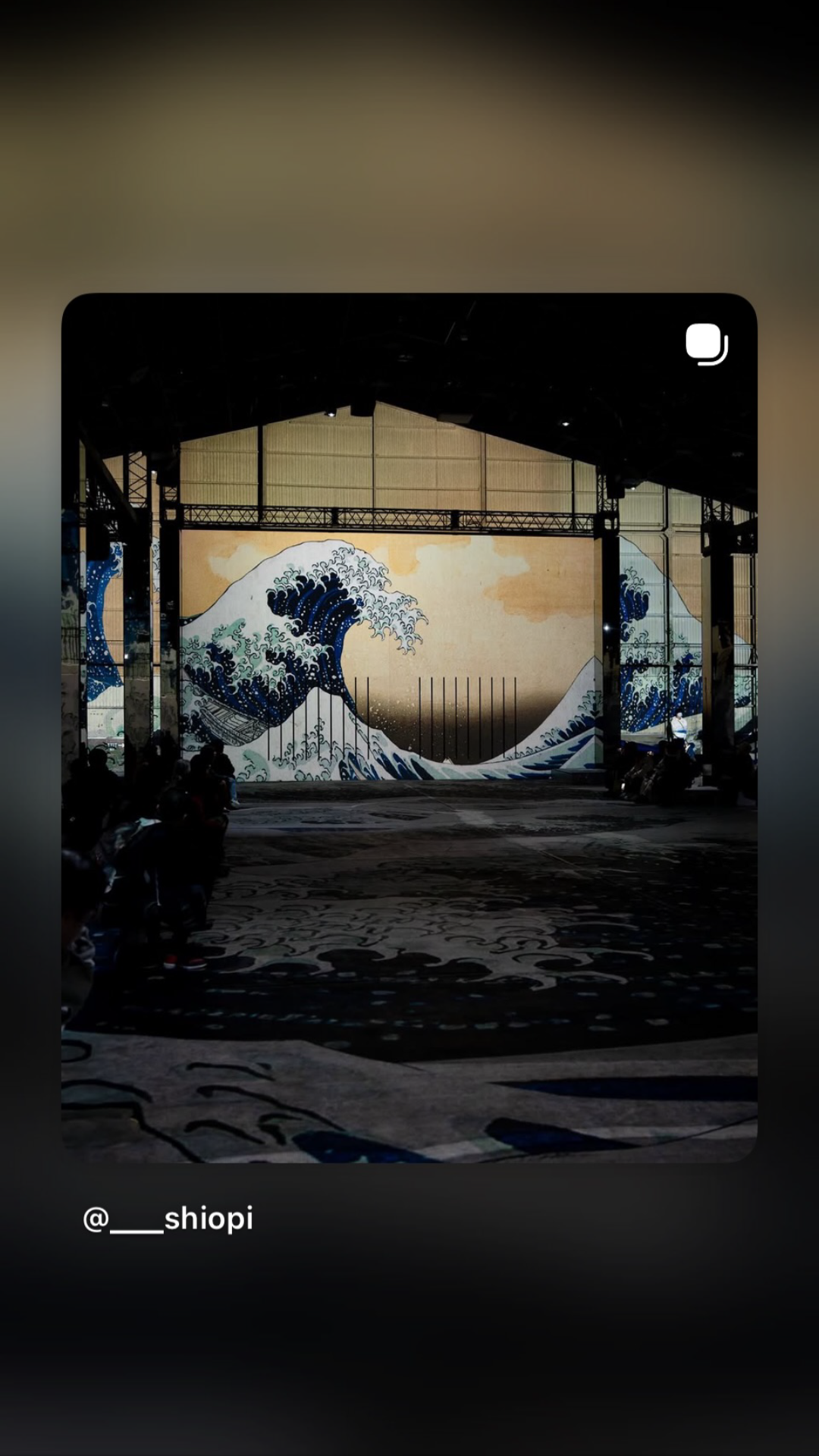
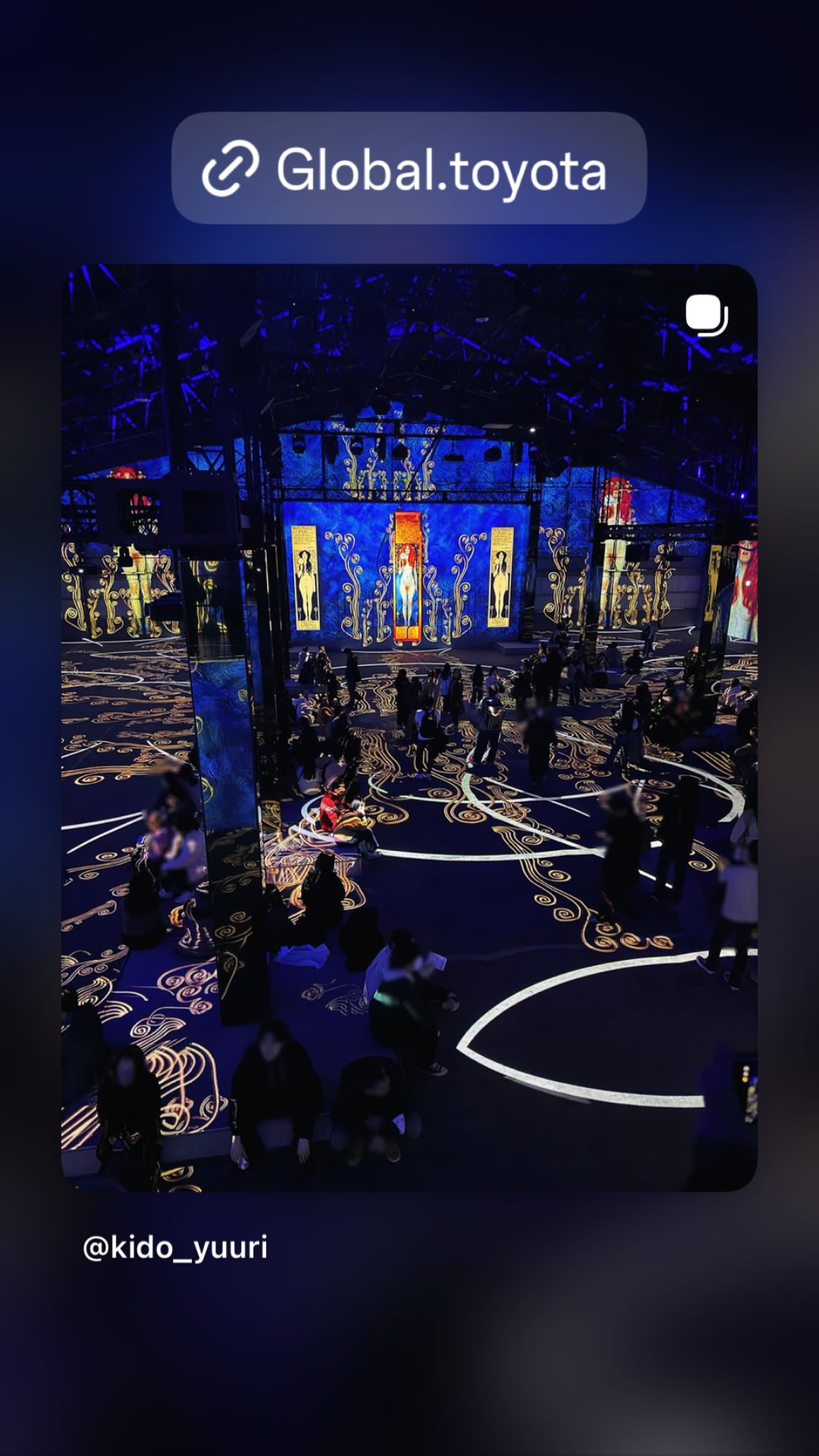
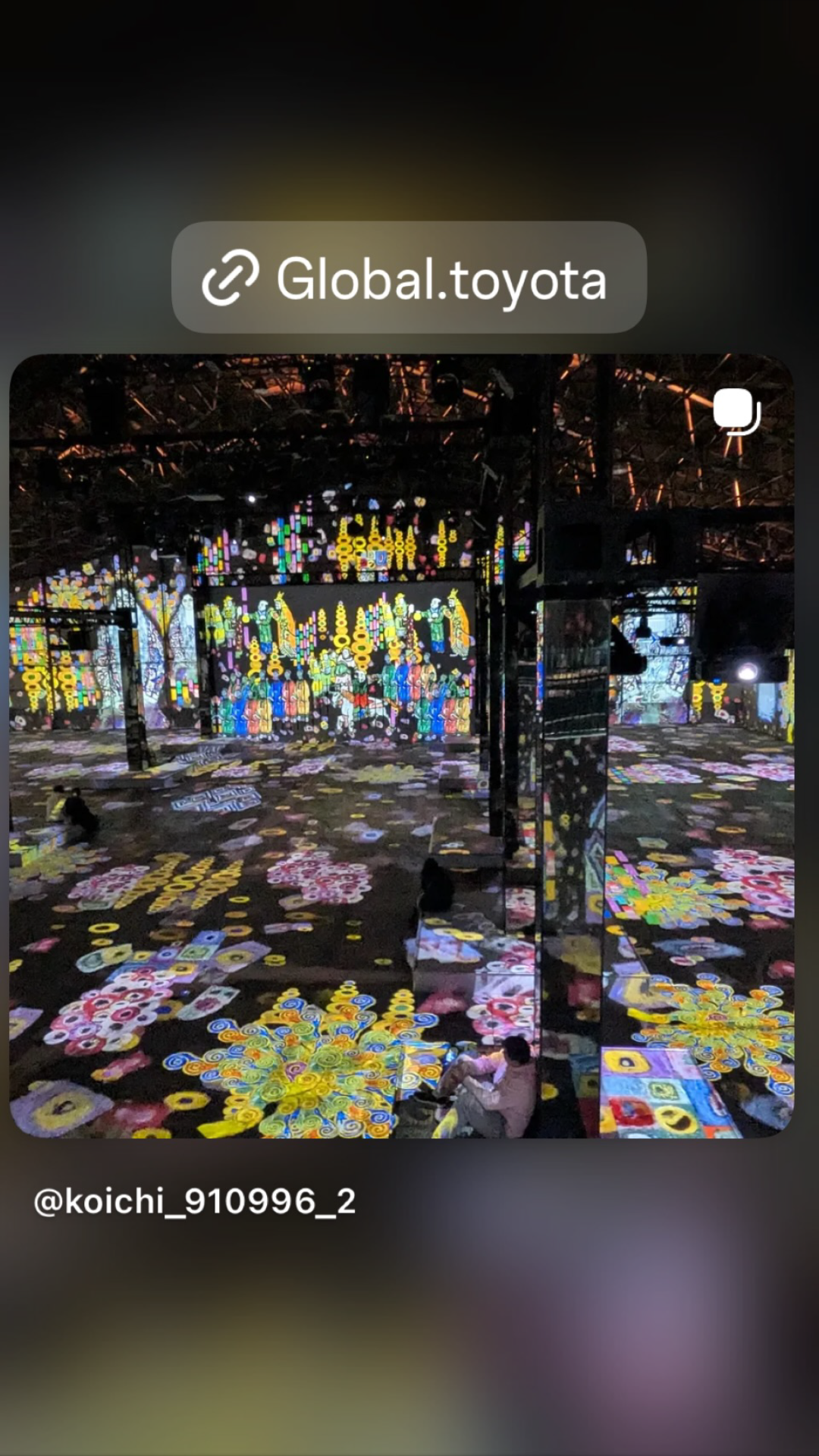

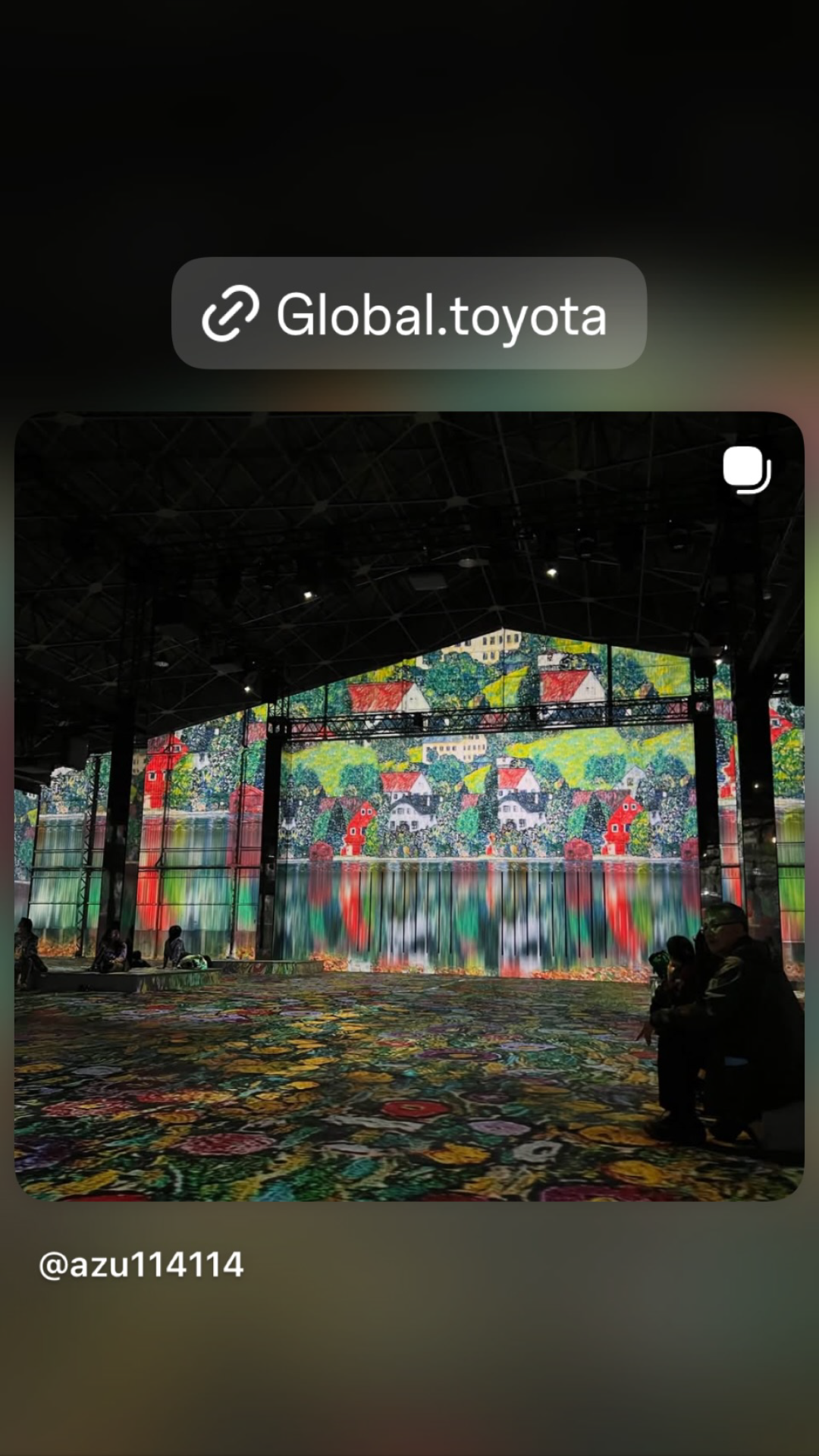
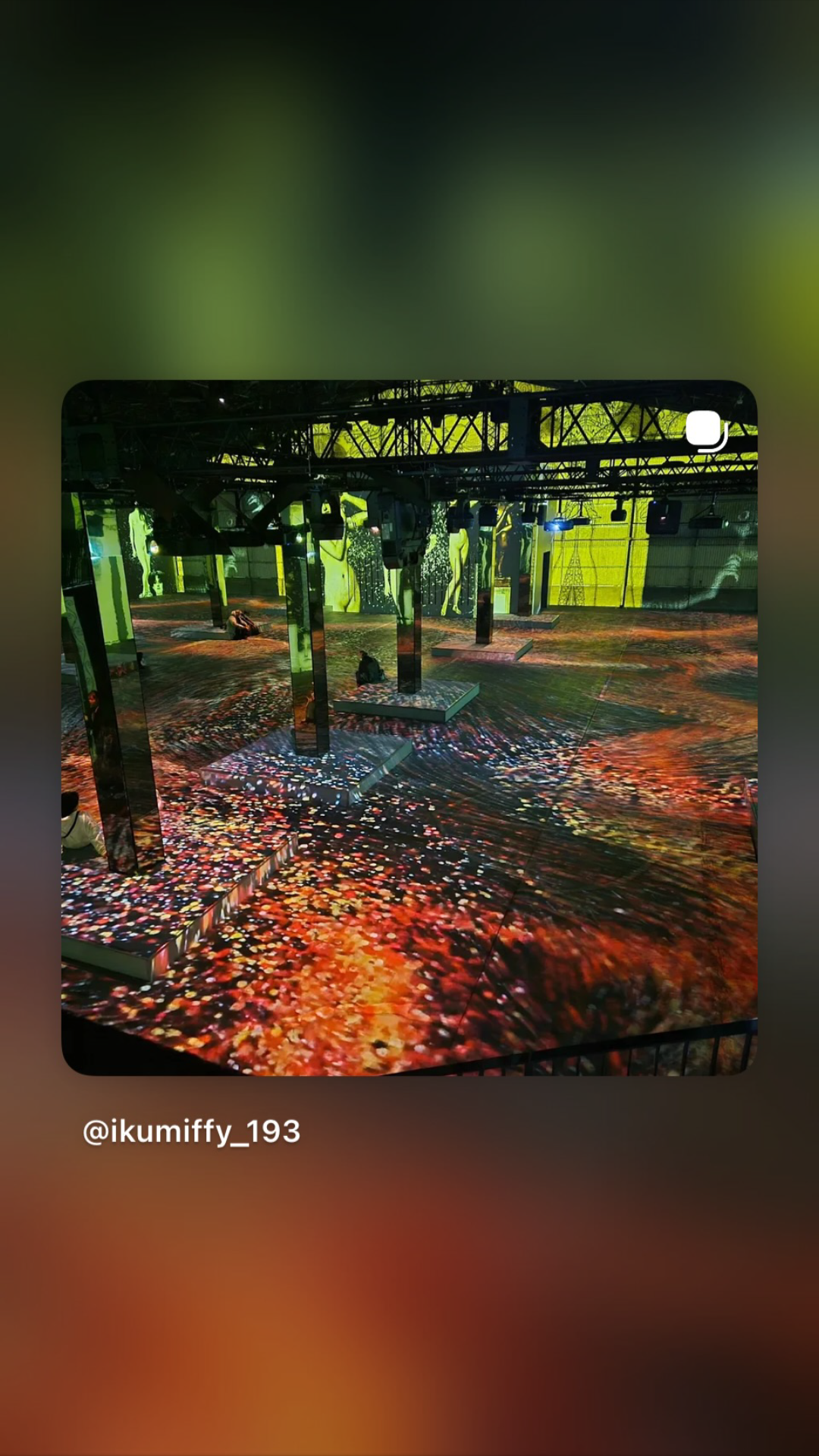
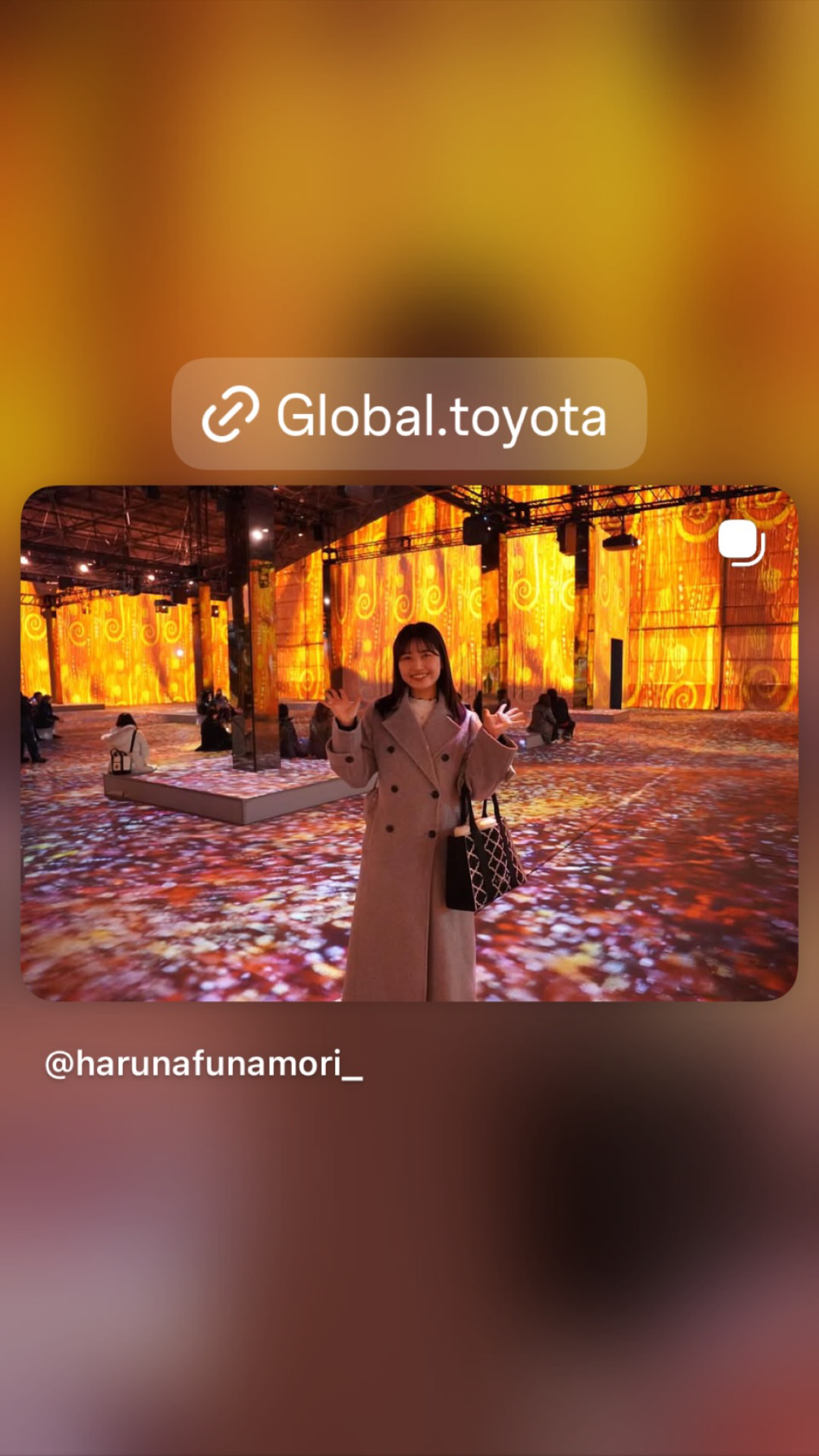

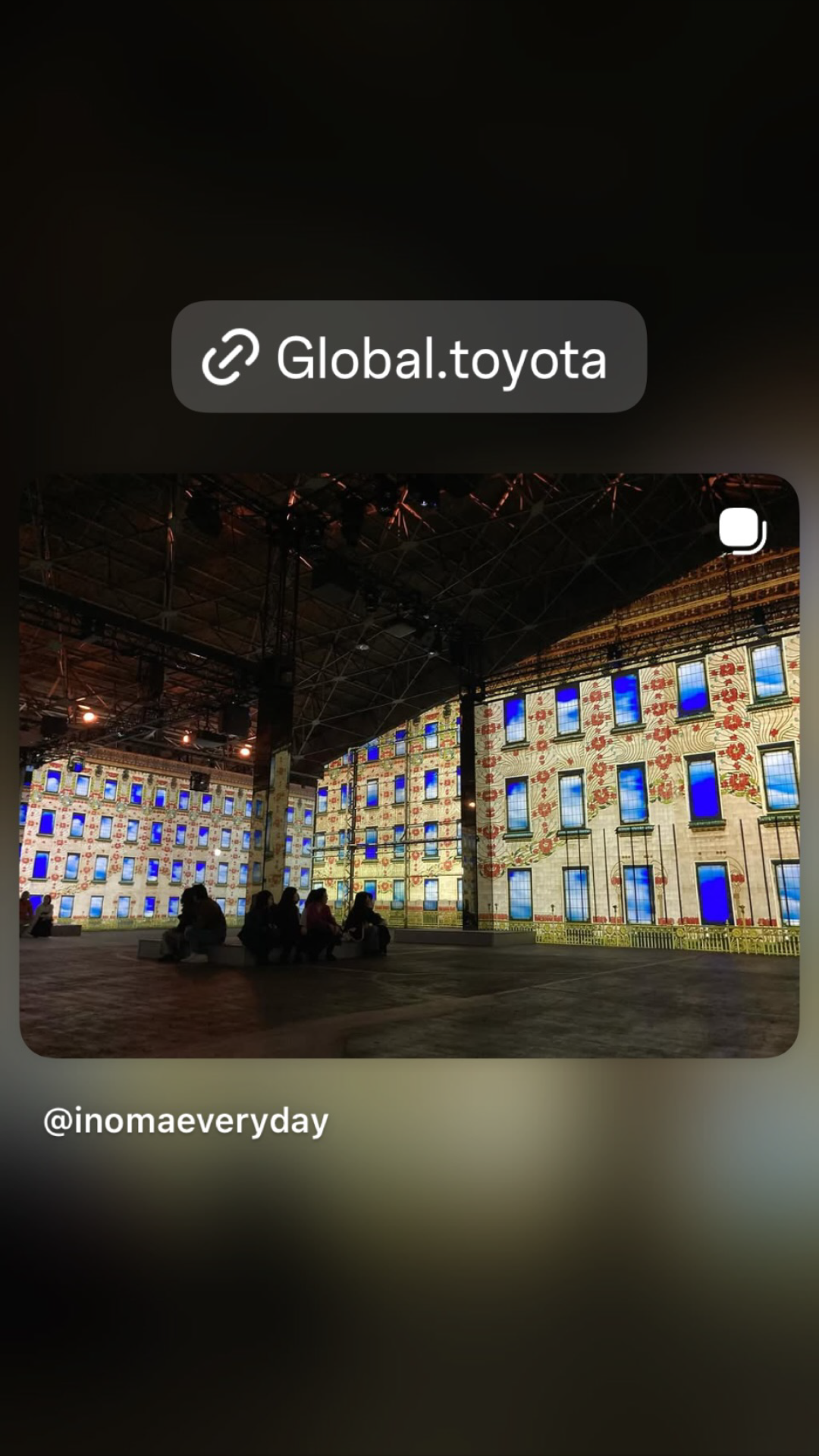
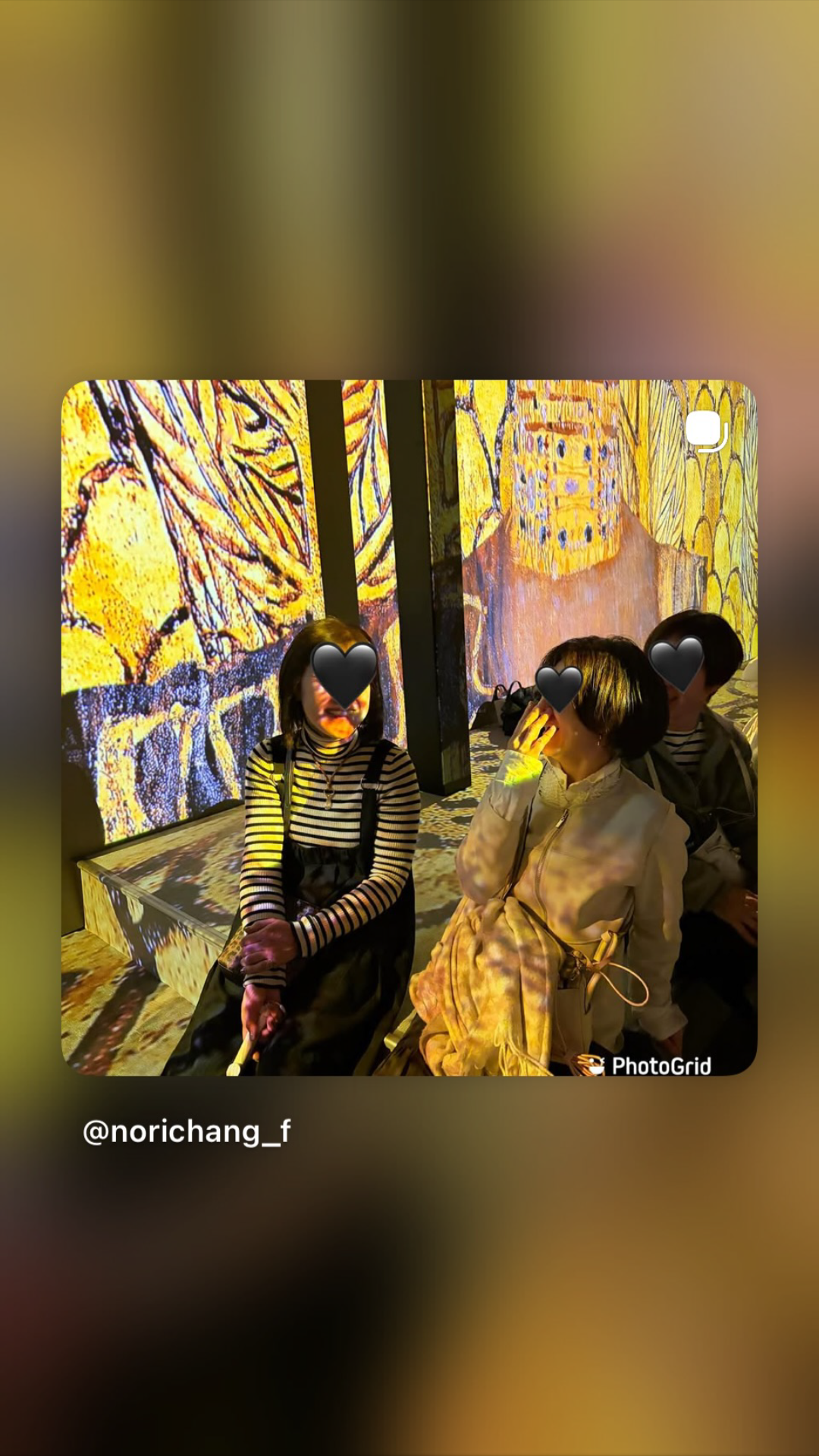
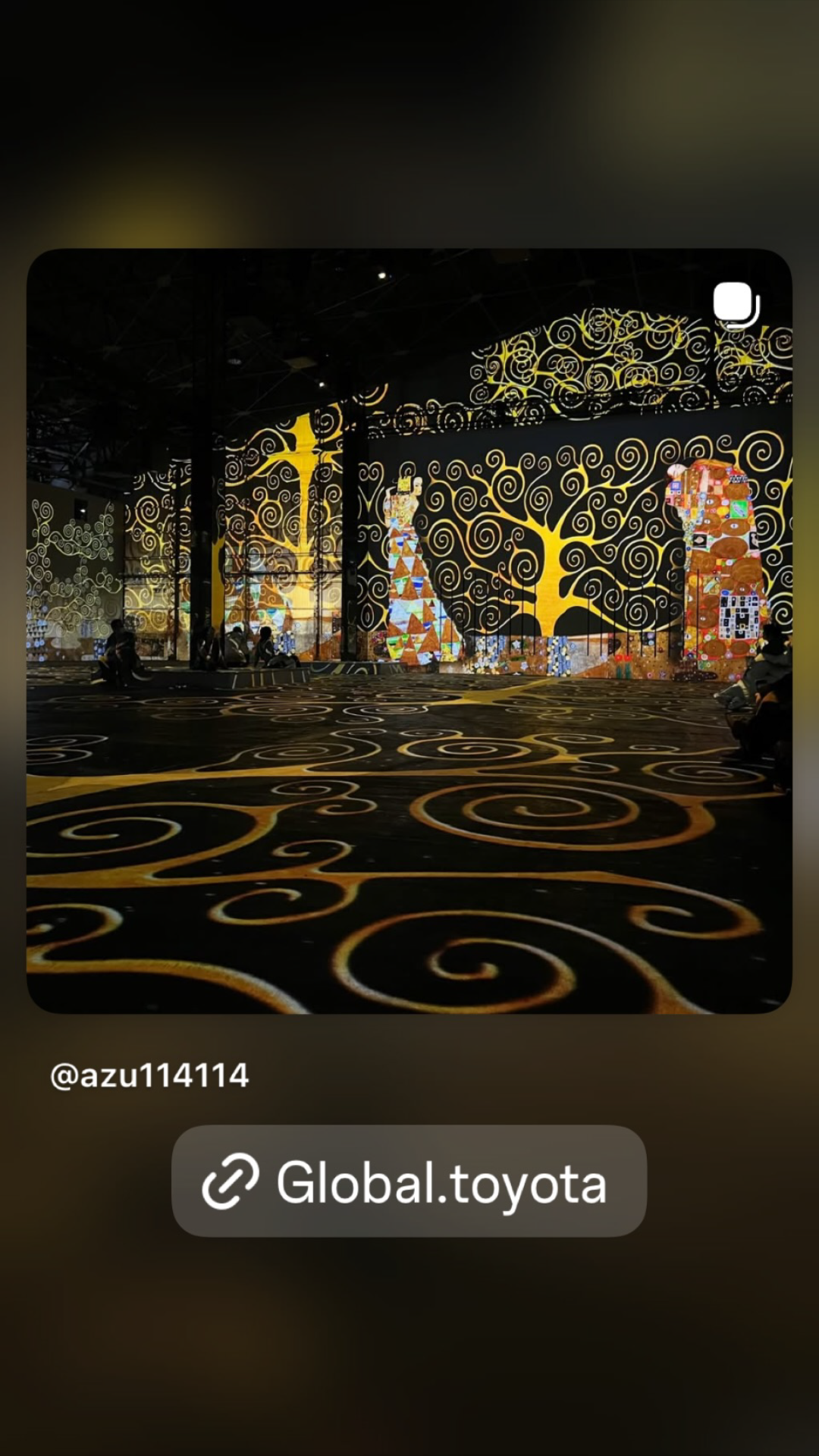
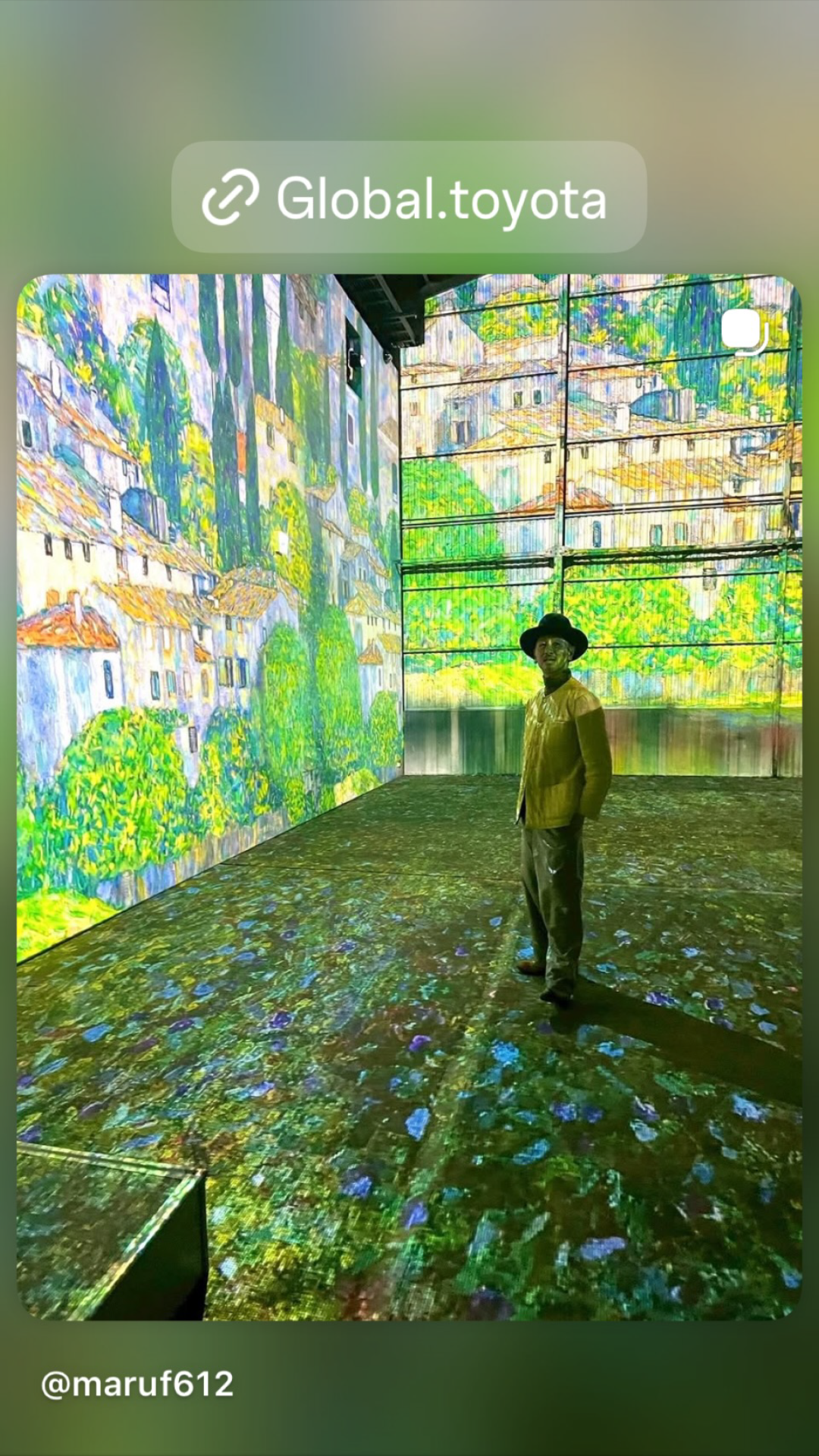

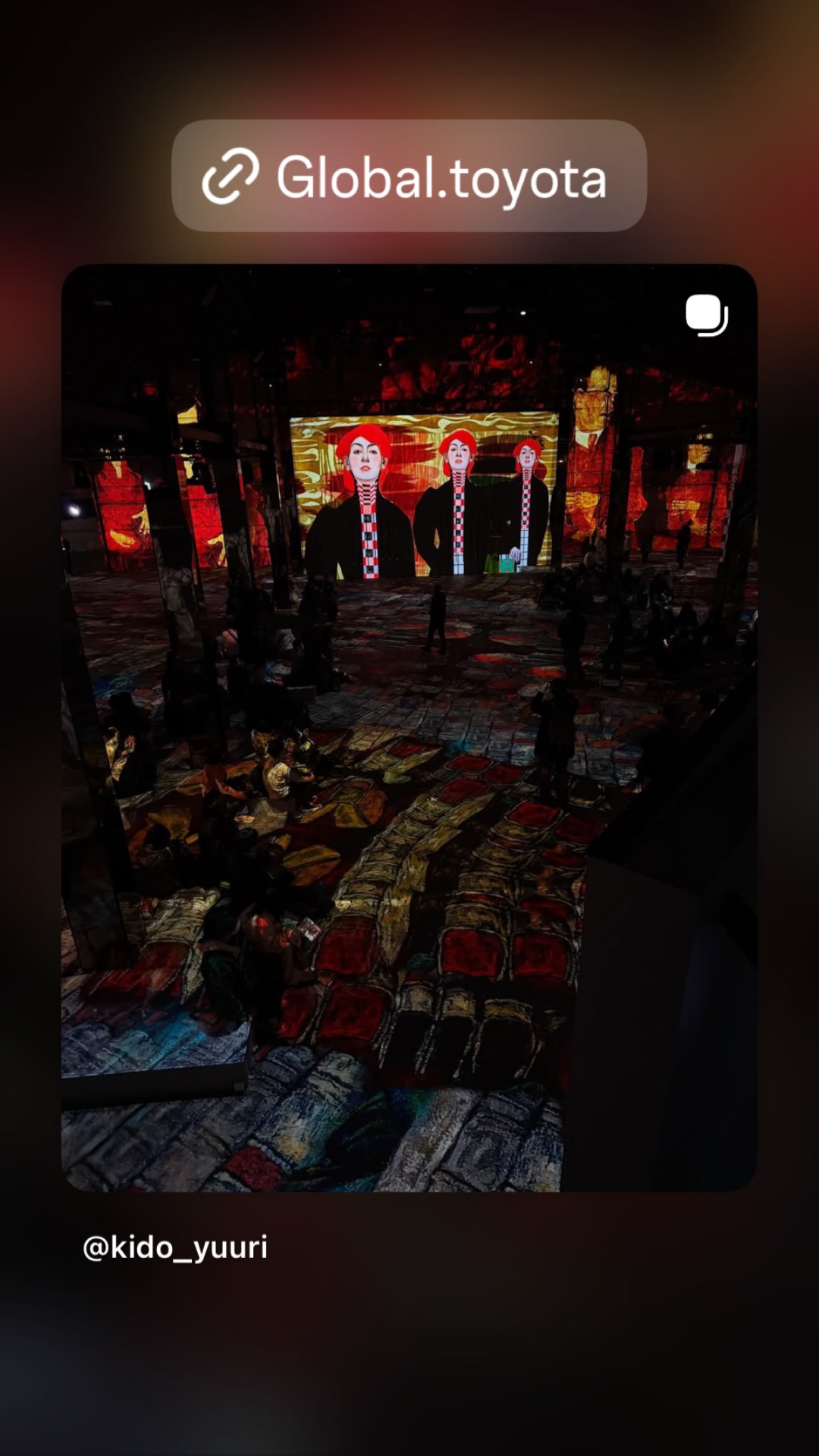
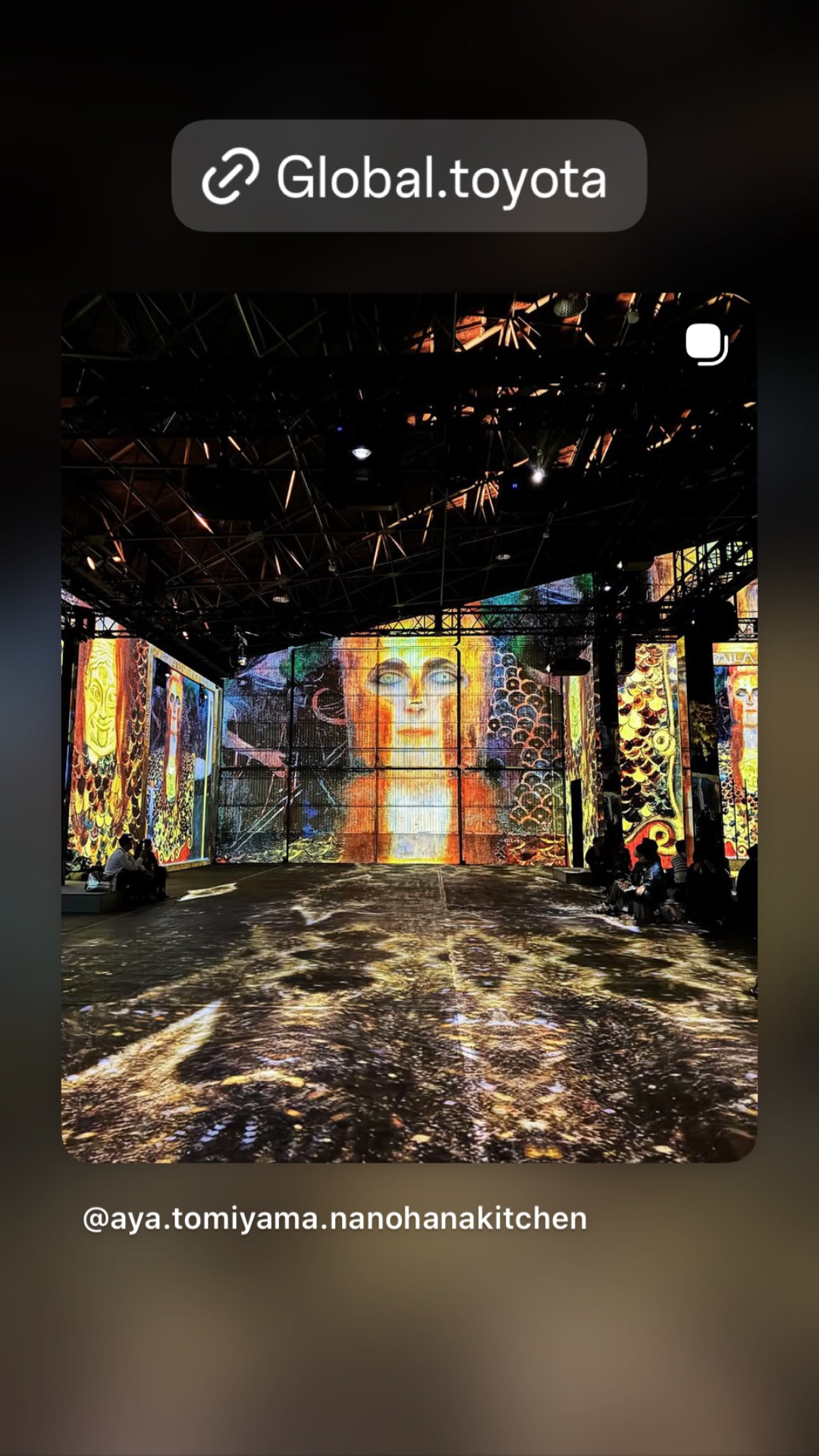

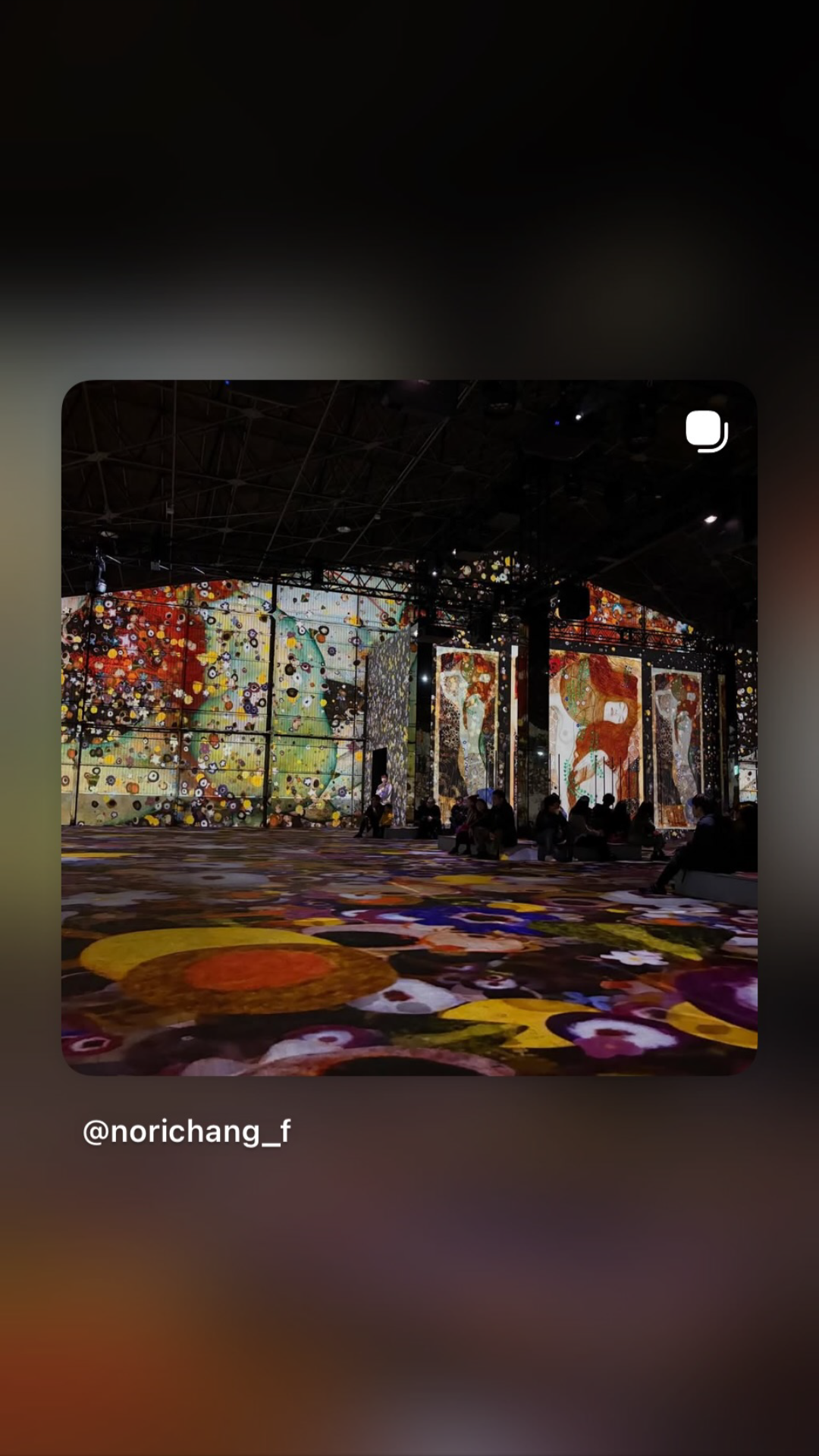
This dimension is closely connected to the concept of Esthétique relationnelle (1998), in which Bourriaud defines the artwork as a device for social relations. Art is no longer an autonomous object, but a space of interaction among individuals, a context in which forms of sociality are produced. Fake’s immersive installations can be interpreted in this light: they do not merely offer an individual aesthetic experience, but construct shared environments in which audiences move, encounter one another, and collectively participate in a perceptual event.
In this sense, the relational dimension is not only social but also cognitive. The immersive experience activates a process of interpretation in which the spectator is called upon to establish connections between images, sounds, and meanings. Remix thus becomes a tool of knowledge: through the reorganization of visual materials, Fake proposes new ways of reading art history, making explicit relationships that might remain implicit in traditional modes of reception.
Another point of interest concerns the relationship between originality and reproduction. The theory of postproduction challenges the modern idea of the unique and unrepeatable artwork, emphasizing how contemporary art increasingly operates on copies, archives, and databases. Fake’s immersive experiences radicalize this condition: the original artwork disappears as a material object and survives as a digitized image, manipulable and reproducible. Yet, far from constituting a loss, this transformation opens new aesthetic possibilities. Reproduction becomes the site of creation, and the copy emerges as a space of invention.
In this context, Fake’s work may be interpreted as an advanced form of digital postproduction, in which audiovisual technologies allow for a sophisticated level of intervention on historical materials. The precision of the animations, the quality of the projections, and the complexity of the sound systems enable the construction of immersive environments that transcend the logic of simple exhibition, configuring themselves as true aesthetic ecosystems.
In conclusion, the work of Stefano Fake and THE FAKE FACTORY fully aligns with Bourriaud’s theory of postproduction and relational aesthetics, while simultaneously representing a significant evolution of it. If Bourriaud describes the artist as an editor of cultural signs, Fake extends this practice into the spatial and environmental dimension, transforming remix into a totalizing experience. The past, far from being a static repertoire, becomes a living material, continuously reactivated and reinterpreted through the technologies of the present, giving rise to new forms of aesthetics and new modes of relation between artwork and audience.
The influence exerted by Stefano Fake on the global development of immersive digital art must be understood from a historical-critical perspective that takes into account both the precocity of his intervention and his ability to systematize a language destined, within two decades, to become an international exhibition standard.
Beginning in the early 2000s, with the founding of THE FAKE FACTORY, Fake entered a still experimental context in which video projection and architectural mapping technologies had not yet achieved a stable codification within artistic practice. While precedents existed in multimedia installations and video art, a model capable of organically integrating narrative, space, and large-scale collective reception was still lacking. It is precisely within this gap that Fake’s pioneering intervention must be situated: the definition of a replicable, recognizable, and scalable immersive format.
His most significant contribution lies in transforming the immersive experience from an experimental event into a structured cultural dispositif. His exhibitions are not merely site-specific installations, but modular systems designed to adapt to different architectural contexts while maintaining narrative and visual coherence. This “portability” of the format has been a decisive factor in its international diffusion: the Immersive Art Experiences dedicated to major masters have been replicated across numerous cities, contributing to the formation of a global audience and consolidating a shared imaginary of immersive art.
In this process, Fake has effectively standardized the aesthetic and perceptual codes of the field. Elements such as 360-degree monumental projection, audiovisual synchronization, the construction of sequential narrative environments, and the controlled use of motion graphics have, over time, become defining features of a widely imitated language. What initially constituted an authorial research practice has gradually evolved into an operational paradigm adopted by museums, exhibition centers, and independent producers worldwide.
This influence became particularly evident from the 2010s onward, when immersive art experienced exponential growth, driven in part by advances in digital technologies and the emergence of new models of cultural consumption. The international success of immersive exhibitions dedicated to Van Gogh, Klimt, or Monet—often replicated with local variations by different producers—demonstrates the adaptability of the format across diverse cultural contexts while maintaining strong recognizability. Within this scenario, Fake’s work can be regarded as one of the principal antecedents that made such expansion possible.
A crucial aspect of this influence concerns the redefinition of the relationship between art and audience. Immersive exhibitions have responded to a growing demand for participatory and multisensory experiences, contributing to a shift toward more dynamic and inclusive modes of art reception. In this sense, Fake anticipated and, to some extent, guided a broader cultural transition in which the artwork is no longer perceived as a distant object, but as an environment to be entered and experienced.
It should also be noted that this global diffusion has generated a number of critical tensions. On the one hand, the standardization of the format has fostered a democratization of access to culture, broadening audiences and making art history accessible in innovative ways. On the other hand, it has raised questions regarding the spectacularization of the artwork and the risk of its reduction to visual entertainment. Within this context, Fake’s work stands out for its consistent effort to maintain a balance between content rigor and accessibility, preventing the spectacular element from overshadowing interpretative depth.
Finally, Fake’s influence can also be understood in terms of industrial impact. The spread of immersive experiences has contributed to the emergence of a distinct economic sector encompassing audiovisual production, architectural design, projection technologies, and cultural event management. Within this ecosystem, the model developed by THE FAKE FACTORY has functioned as a prototype, demonstrating the sustainability and replicability of this form of production.
In conclusion, the work of Stefano Fake extends beyond occupying a prominent position within contemporary digital art; it has exerted a structural influence on the entire movement of immersive art. Through the definition of a language, a format, and a production model, he has played a decisive role in transforming an experimental practice into a global phenomenon, one that continues to shape the modes of production and reception of art in the twenty-first century.
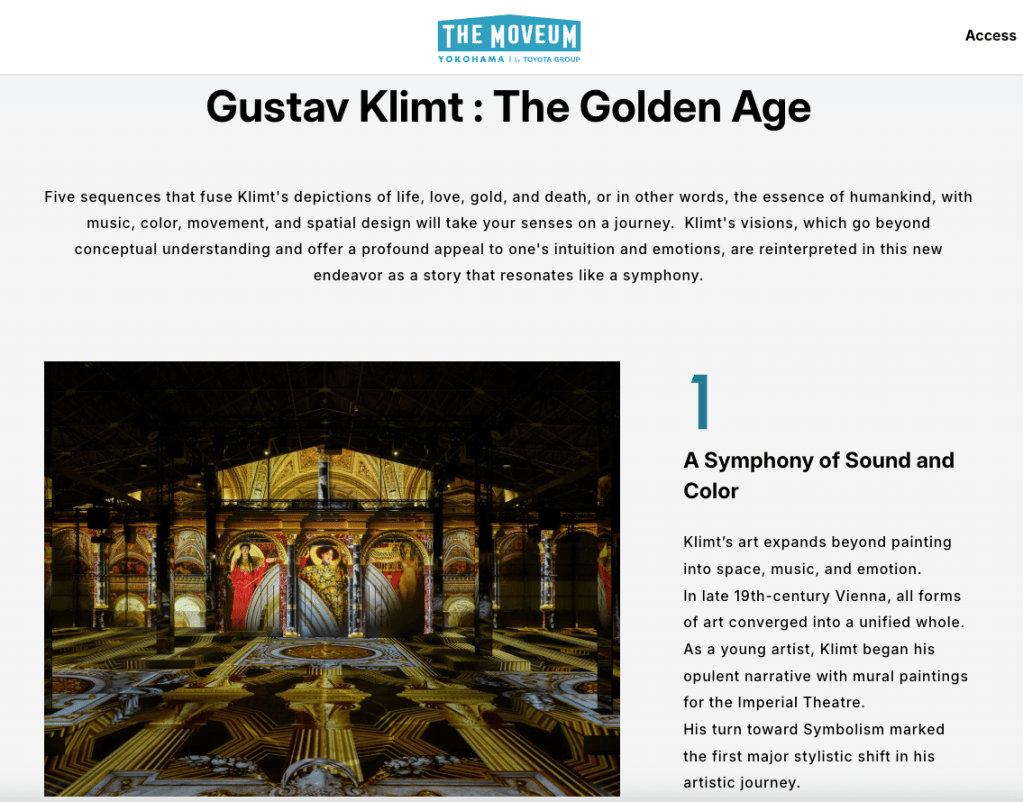
The exhibition KLIMT EXPERIENCE (Gustav Klimt – Immersive Art Experience), created in 2016 by Stefano Fake and the studio THE FAKE FACTORY, represents a turning point in the recent history of artistic mediation and, more specifically, in the consolidation of the format of immersive digital exhibitions dedicated to the great masters of art history. Conceived as the first major immersive multimedia experience centered on the figure of Gustav Klimt, the leading exponent of the Vienna Secession, the installation not only reinterpreted his work in a contemporary key, but also defined an aesthetic, narrative, and technological model that would be widely replicated globally in the years that followed.
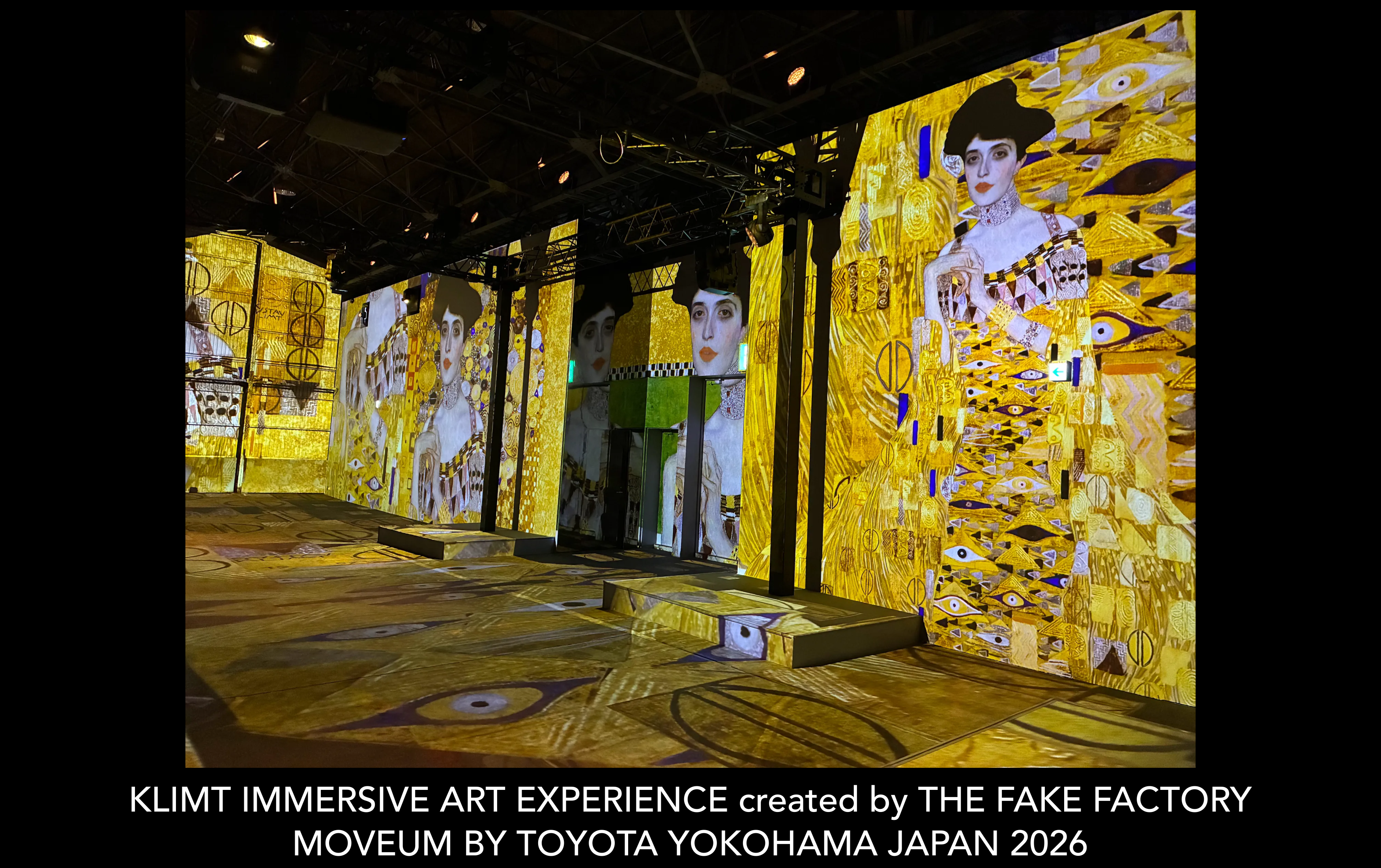
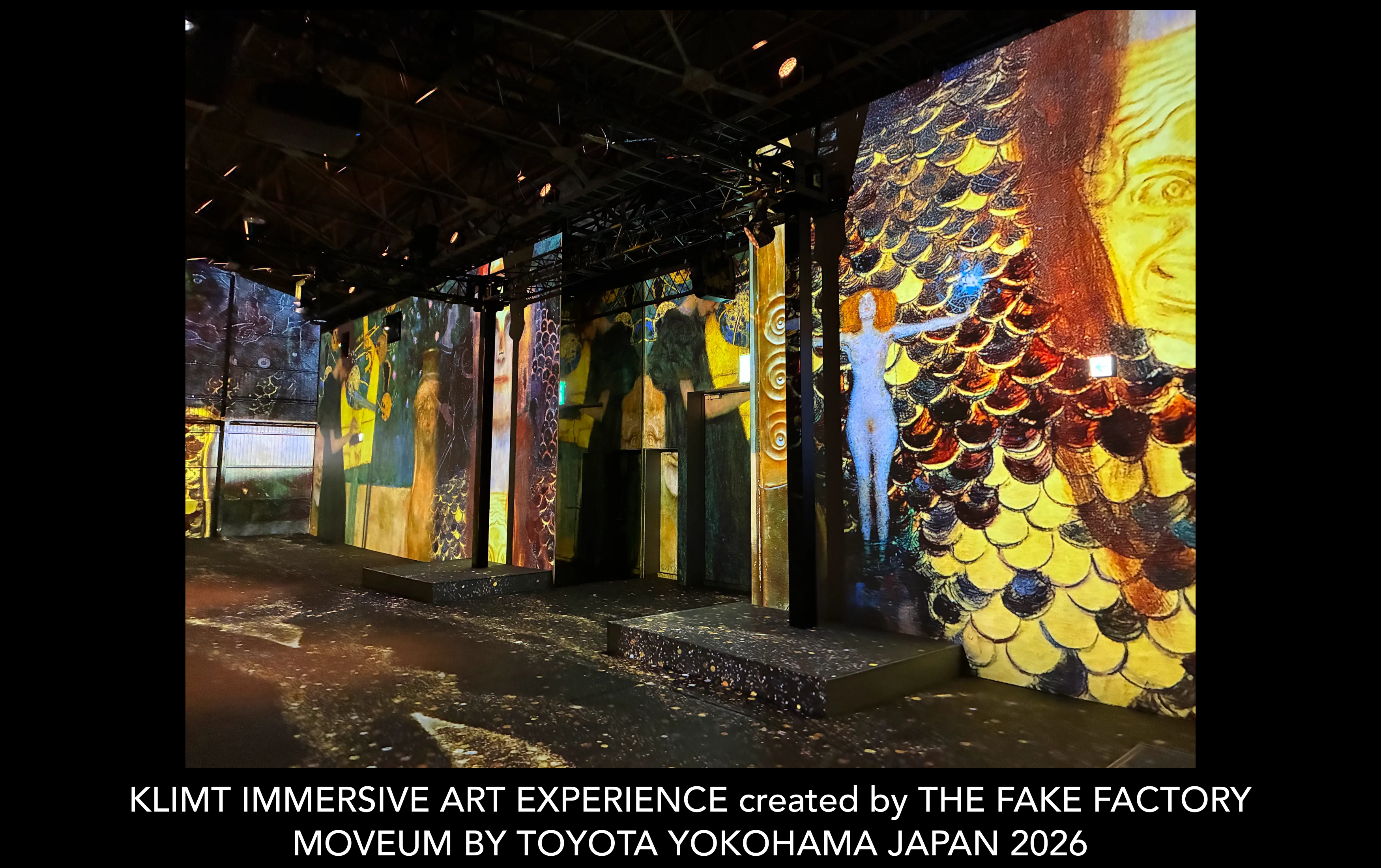
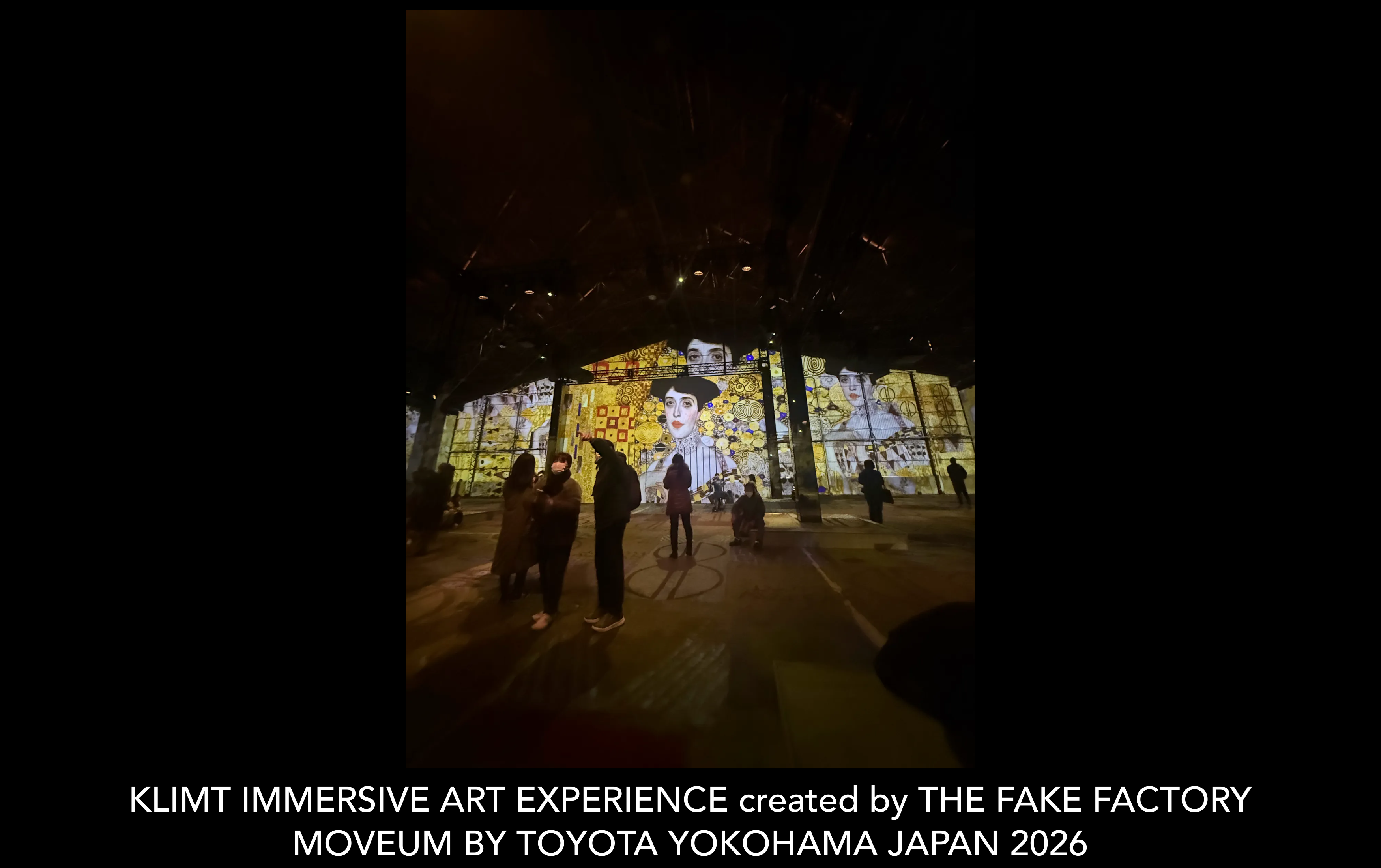
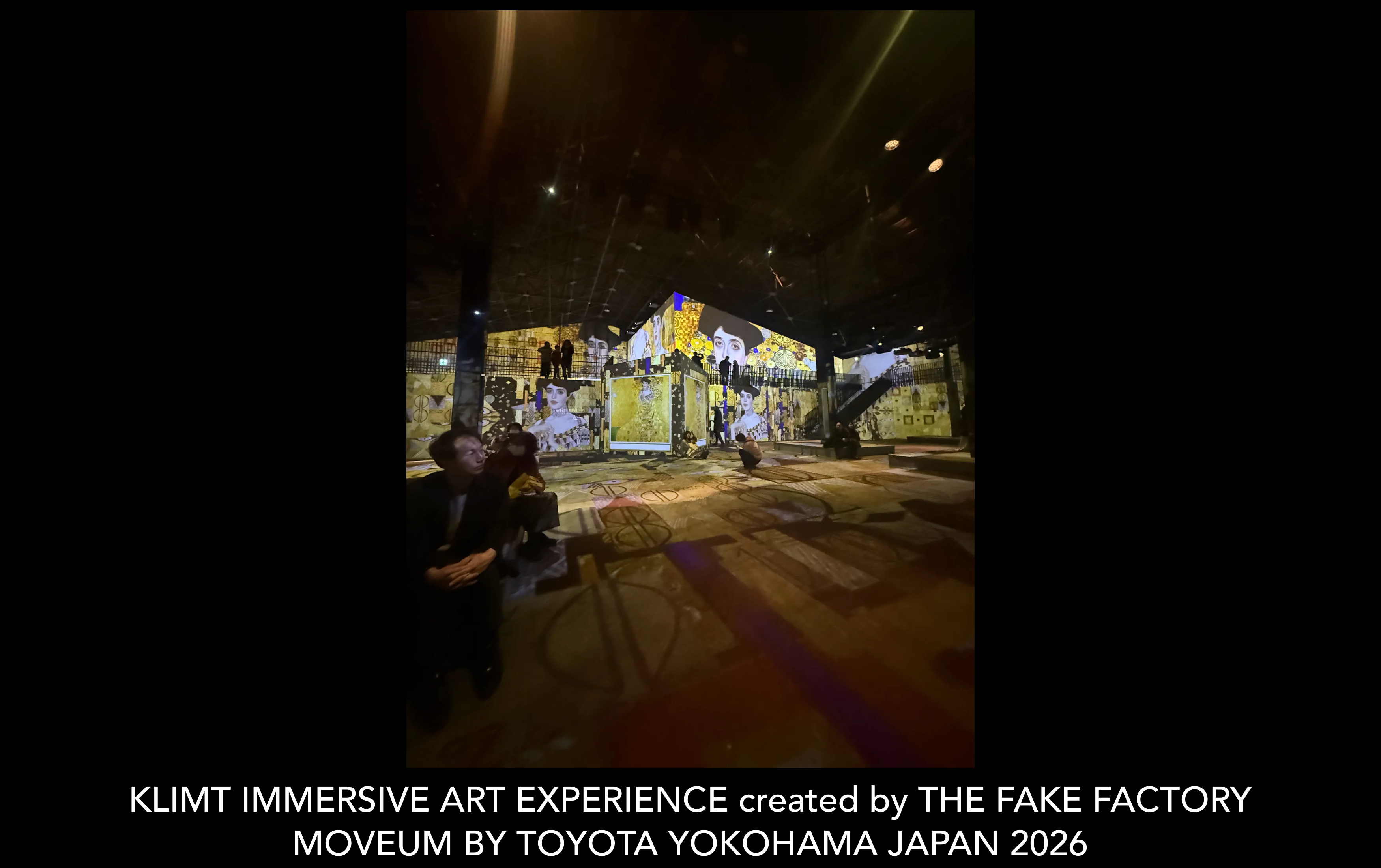
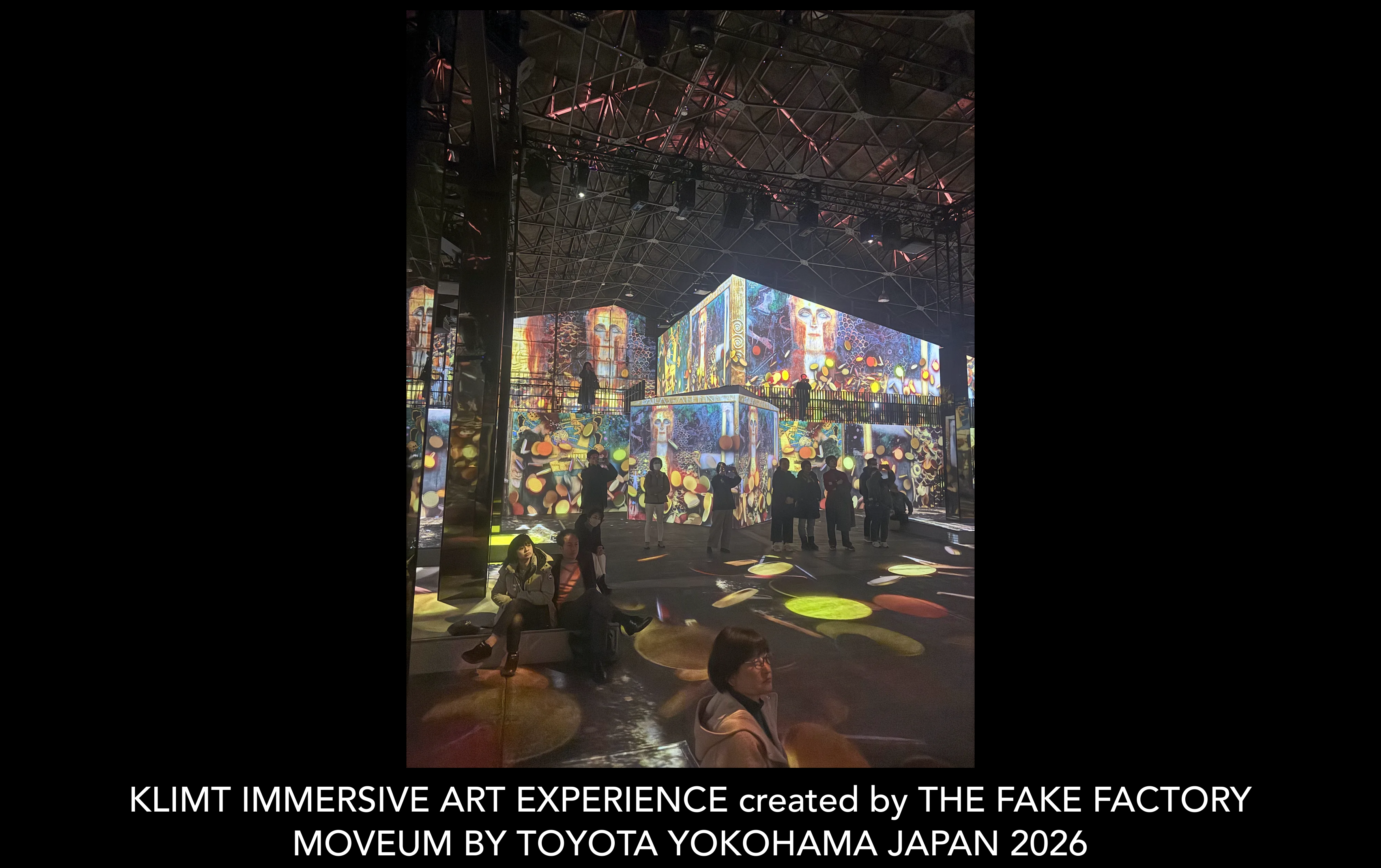
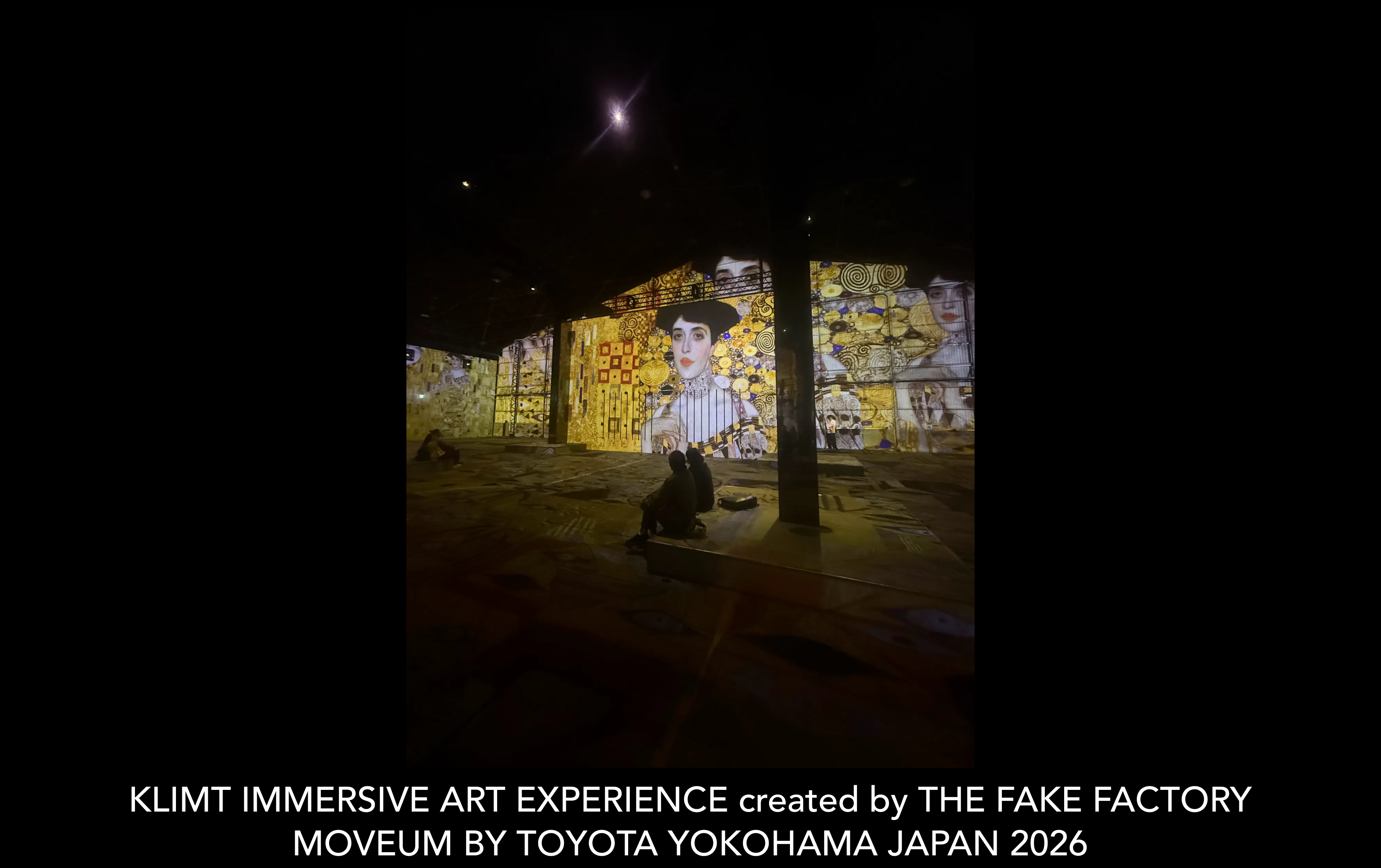
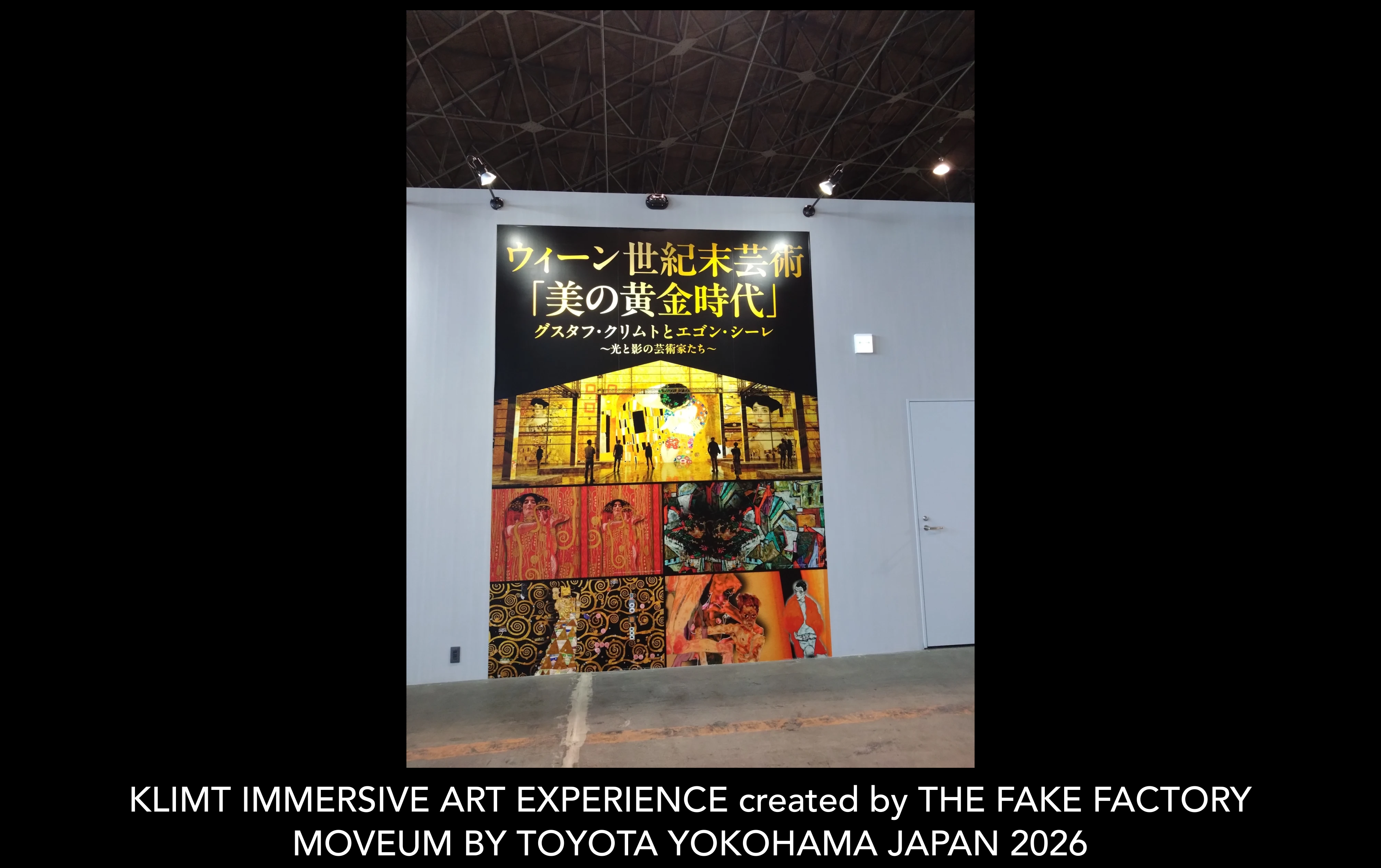
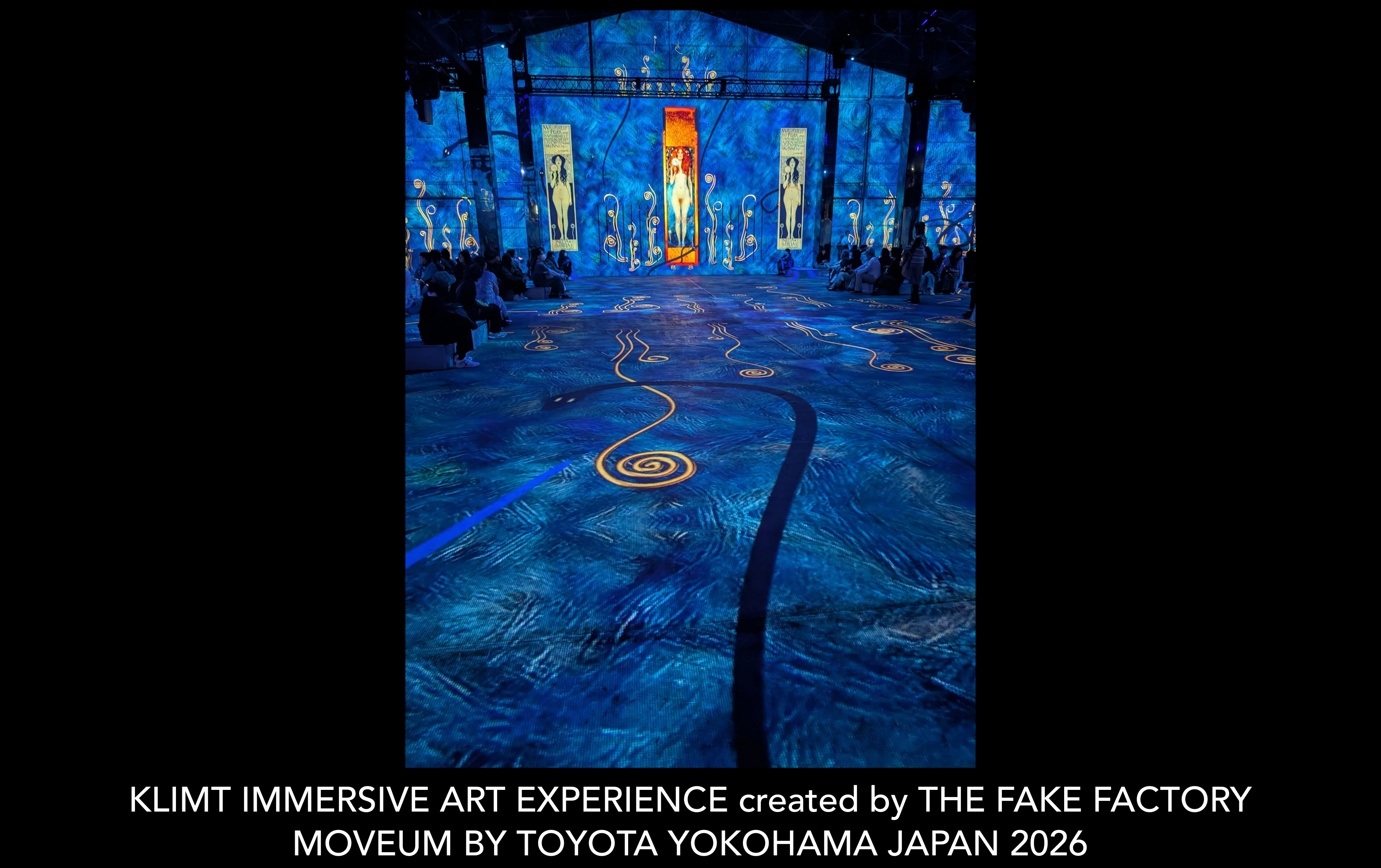
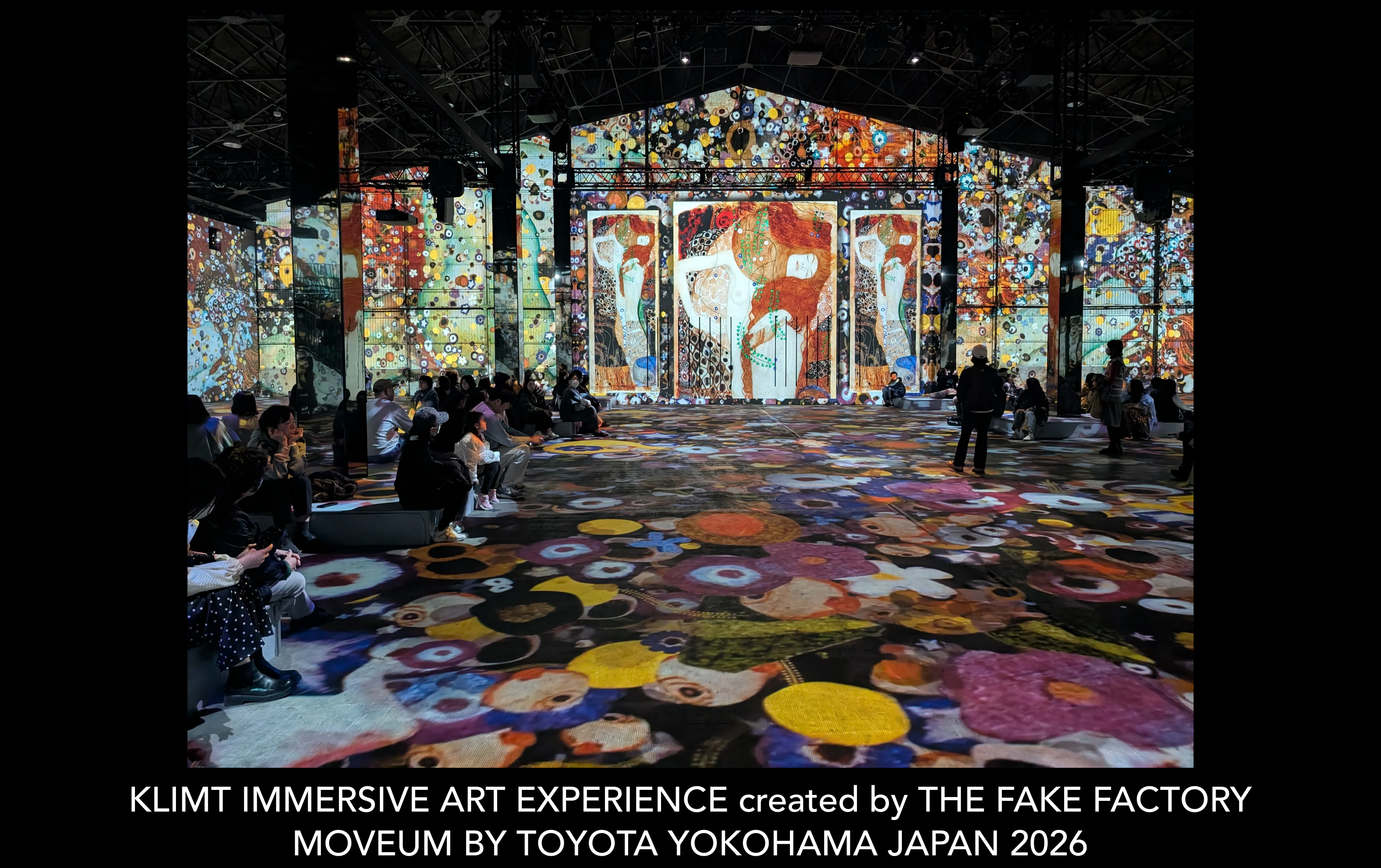
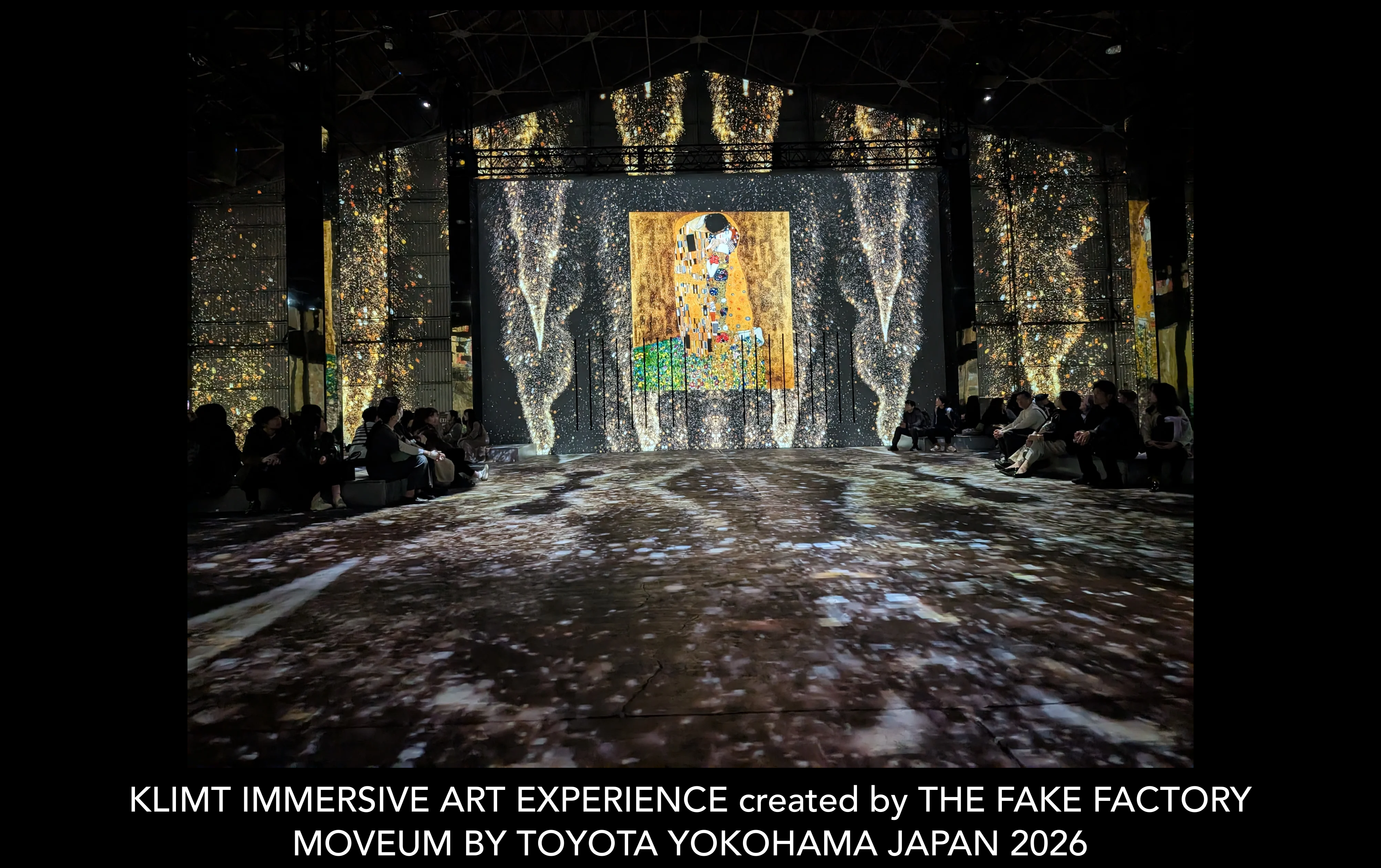
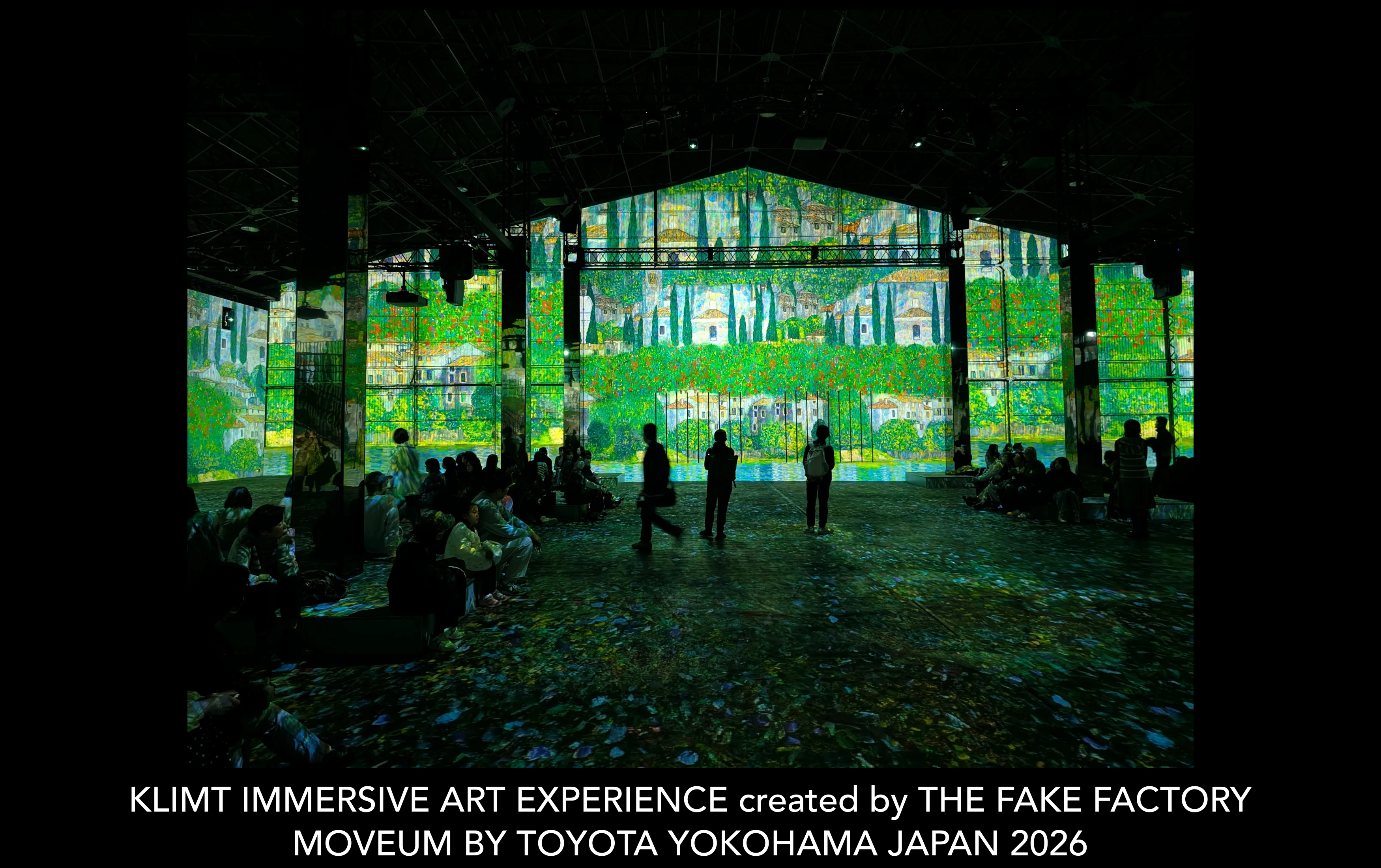
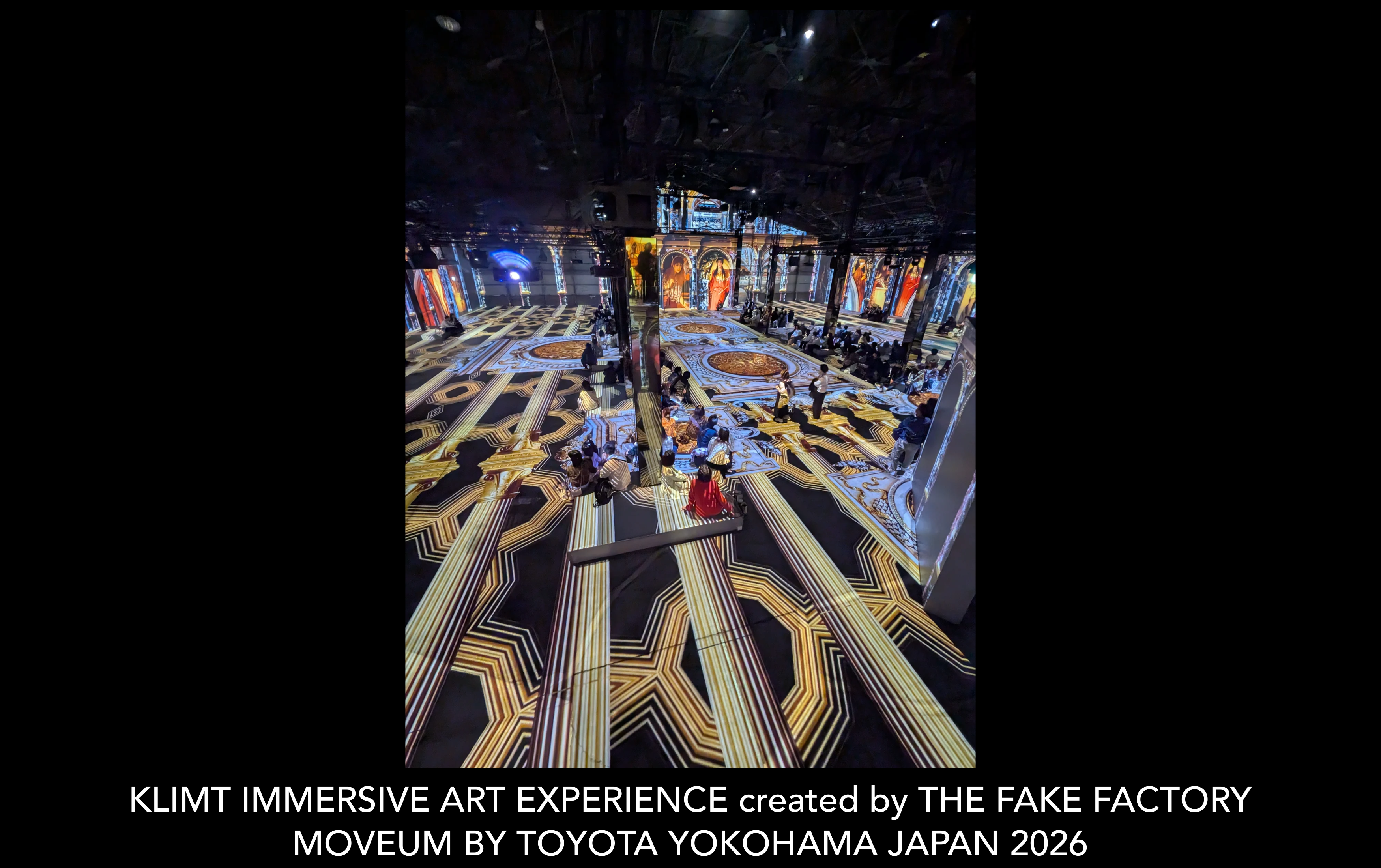
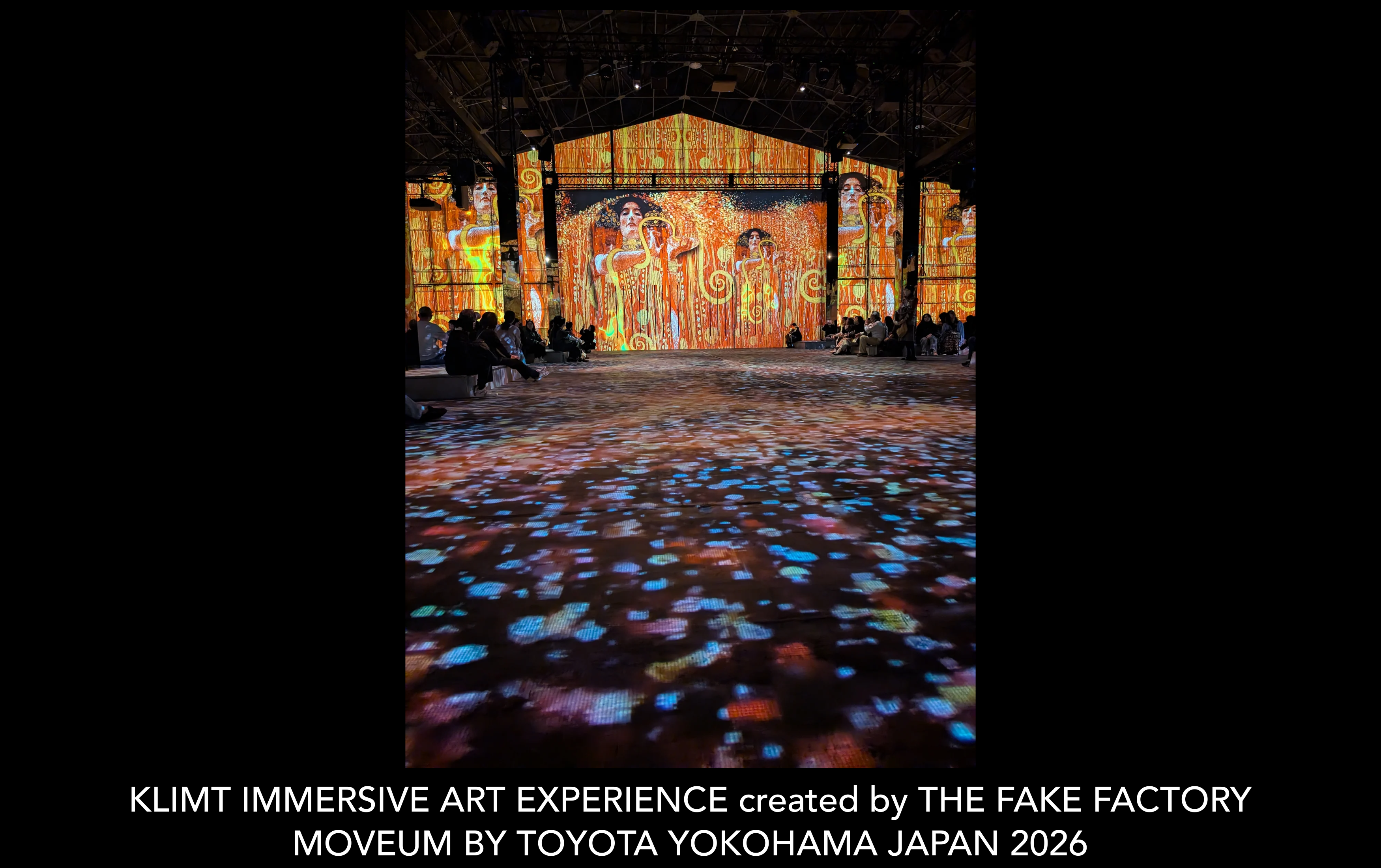
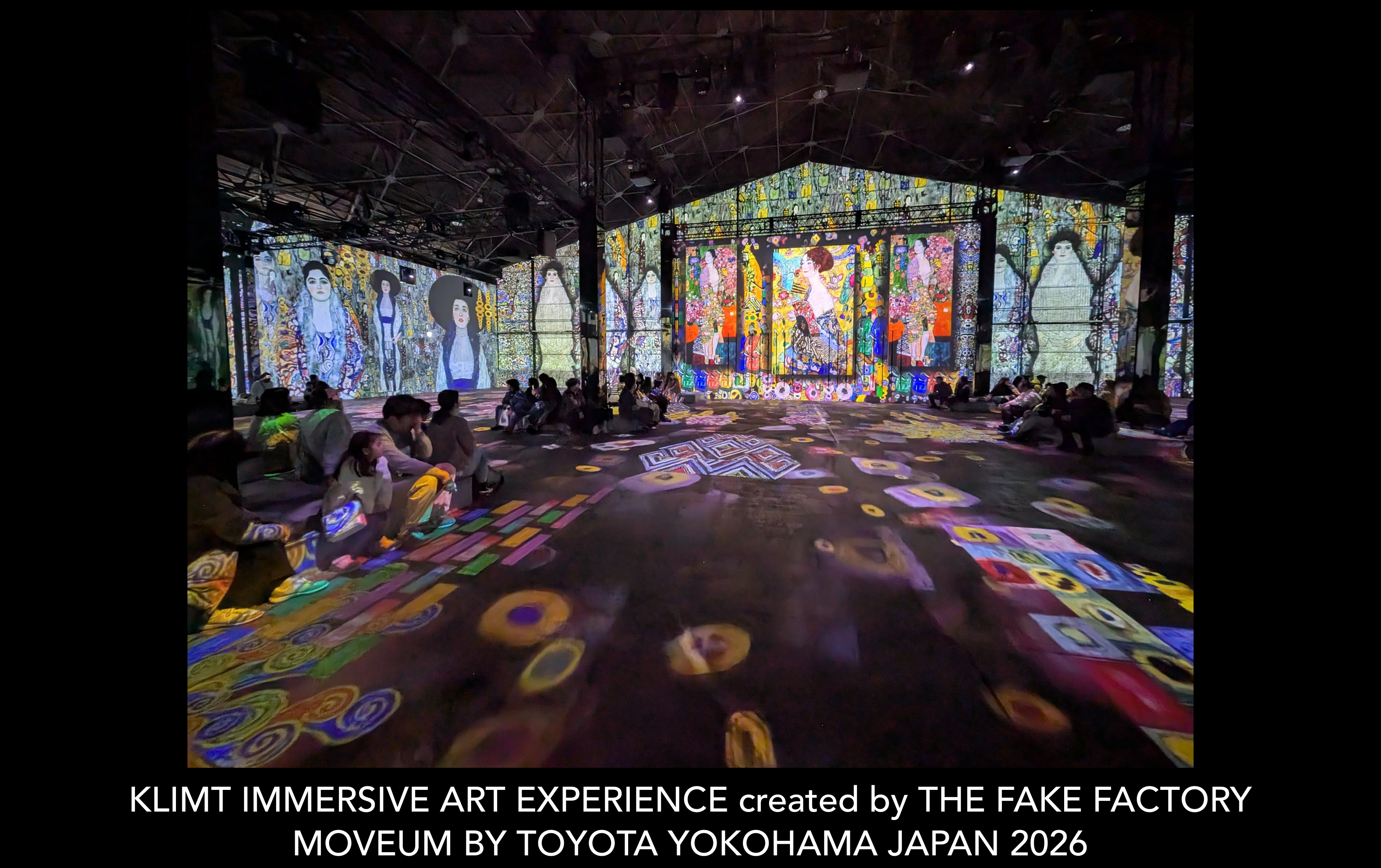
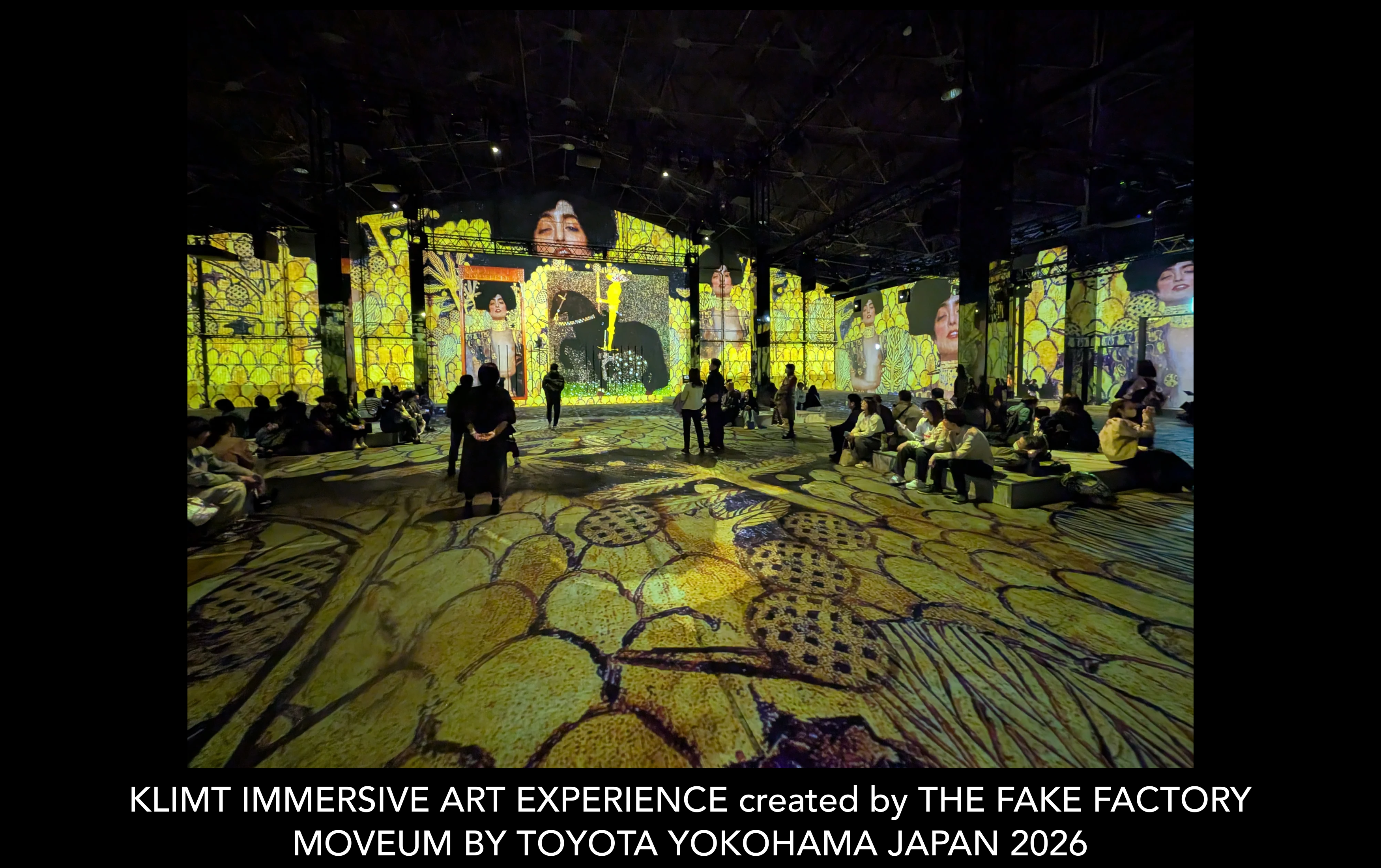
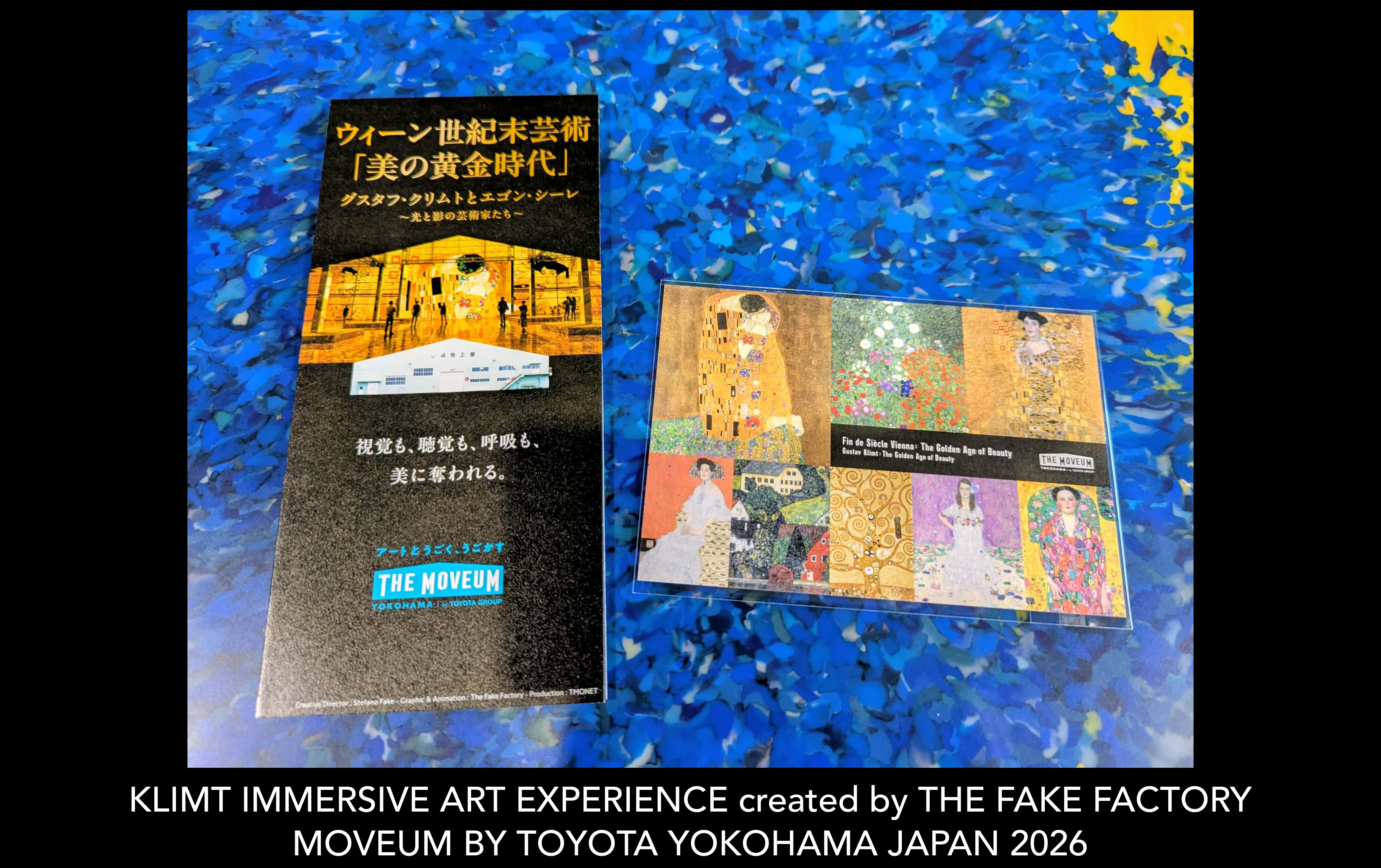
From a historical-critical perspective, KLIMT EXPERIENCE emerges within a transitional moment in which cultural institutions began to explore new forms of relationship between artwork, space, and viewer, in response to the transformations introduced by digital culture. In this context, the project by Fake and THE FAKE FACTORY stands out for having articulated a particularly effective synthesis of historiographical rigor, audiovisual experimentation, and public accessibility. The exhibition did not merely digitize or project Klimt’s works; rather, it proposed an environmental reconfiguration of his visual universe, transforming the pictorial surface into an immersive and dynamic environment.
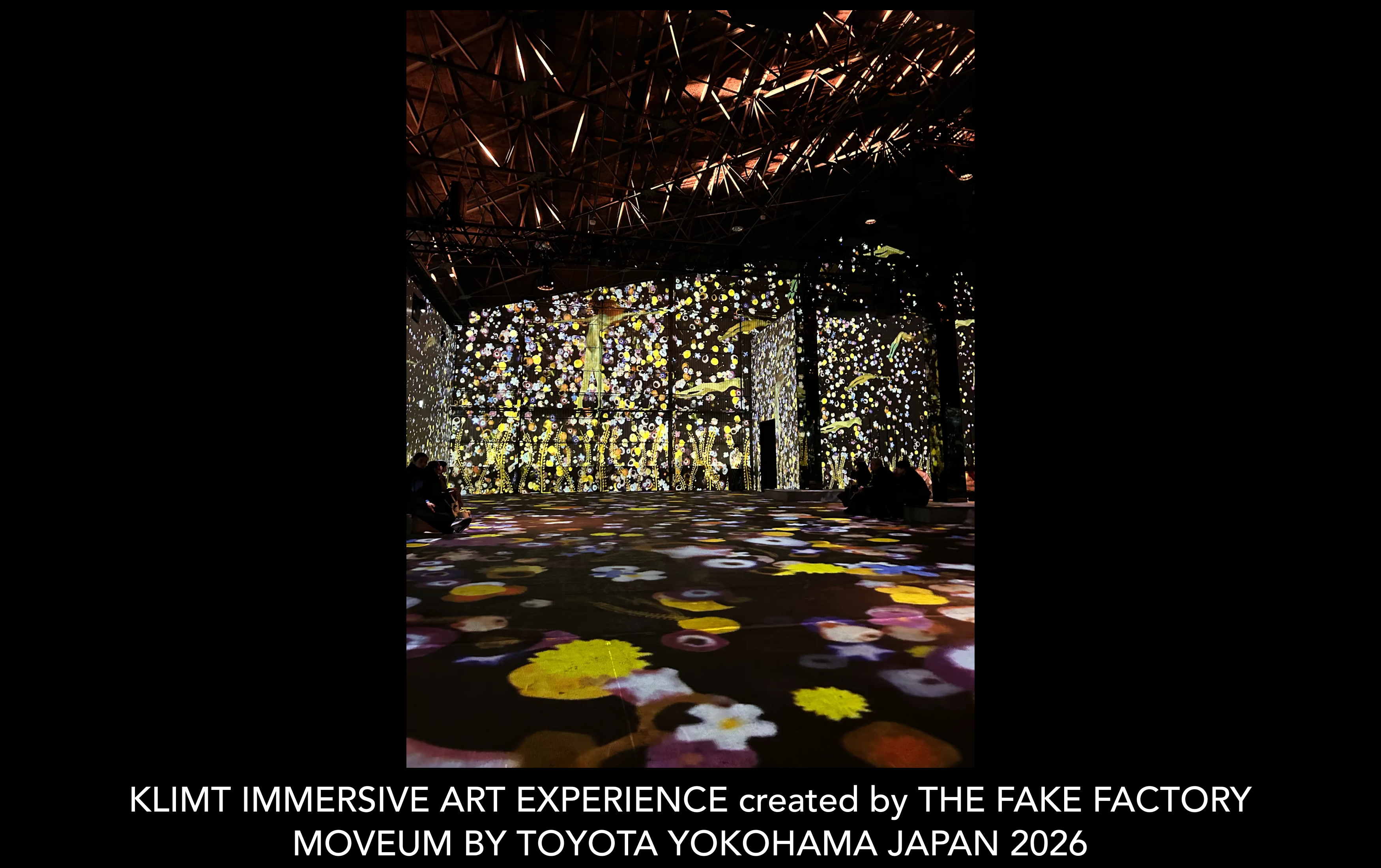
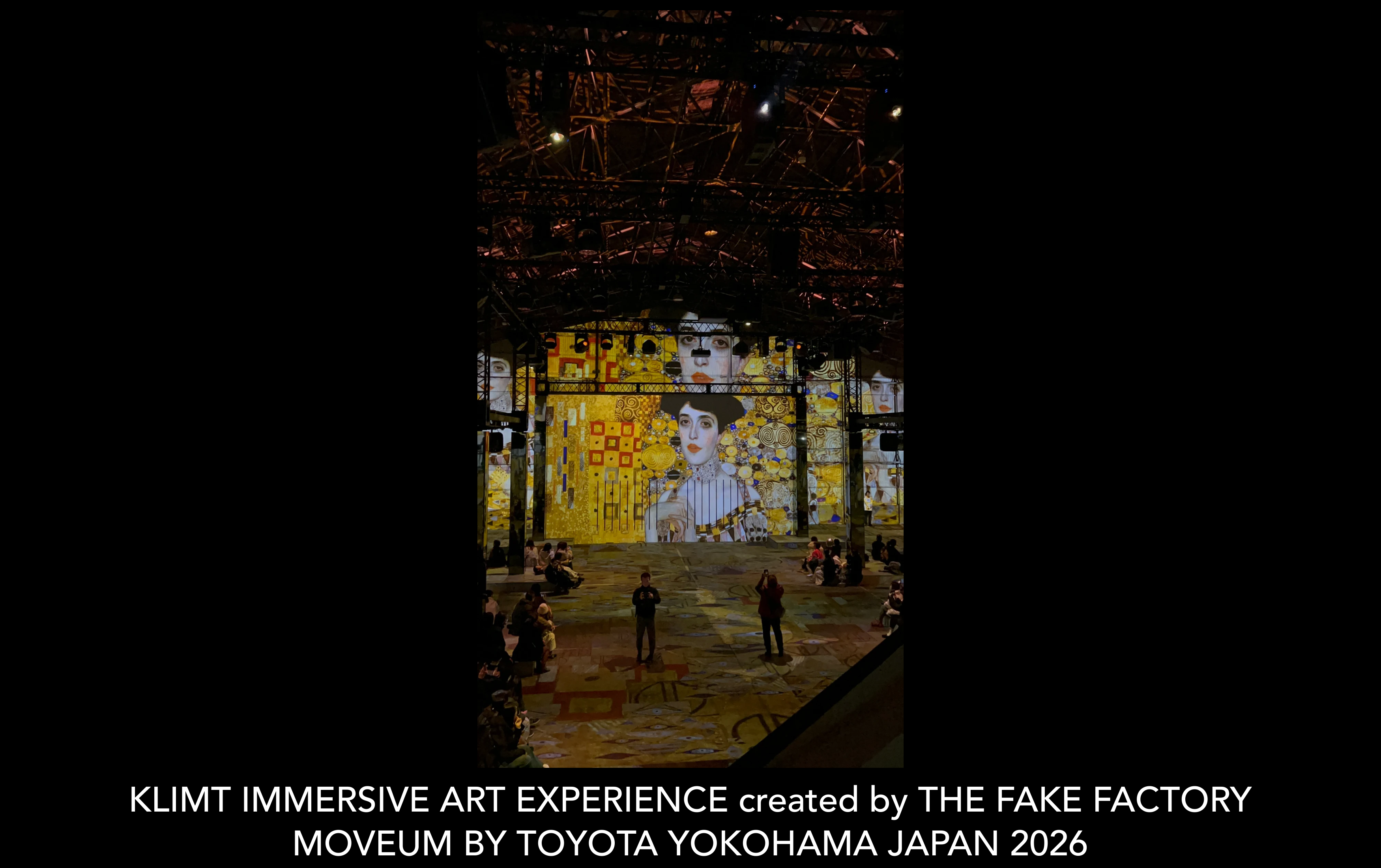
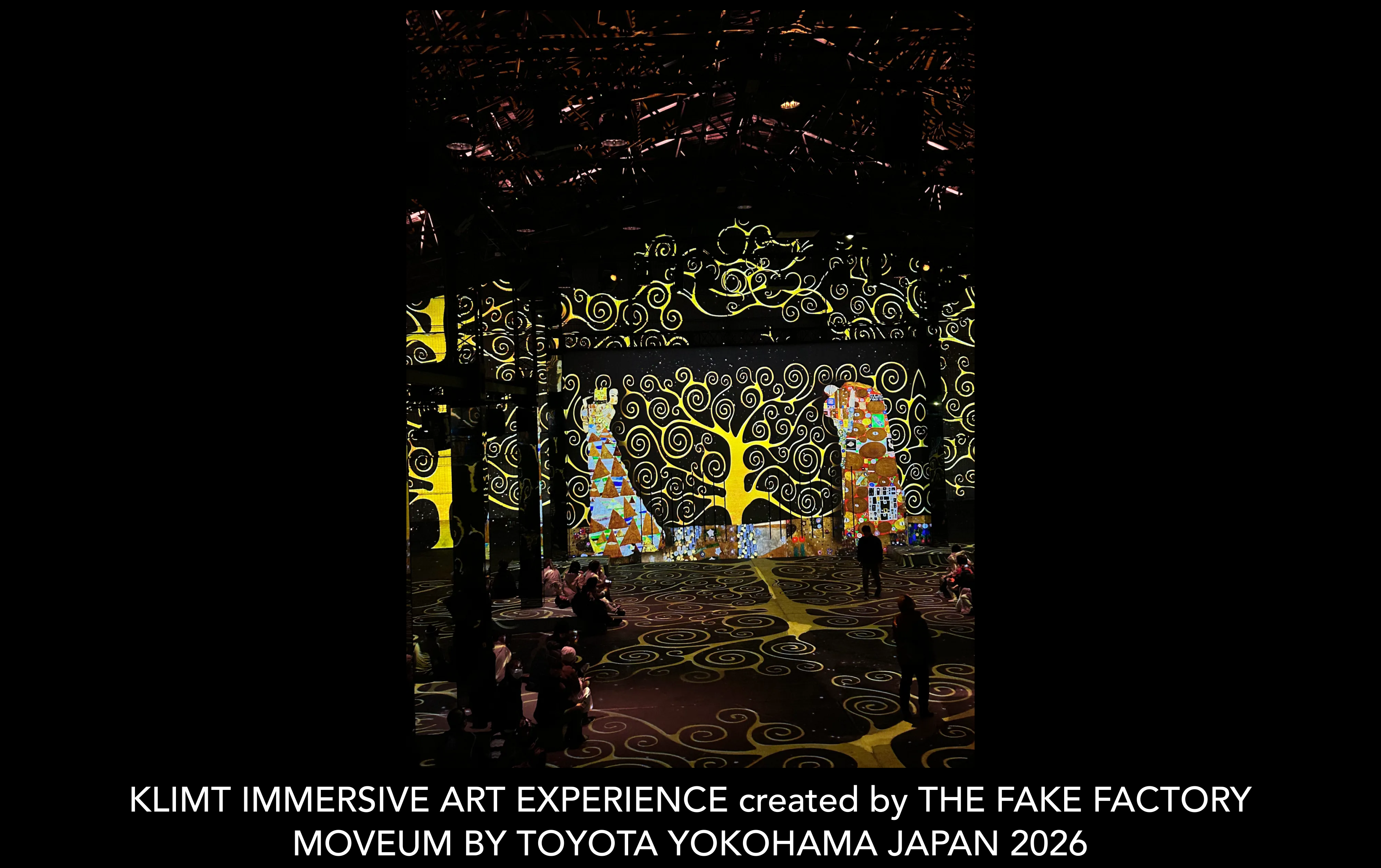
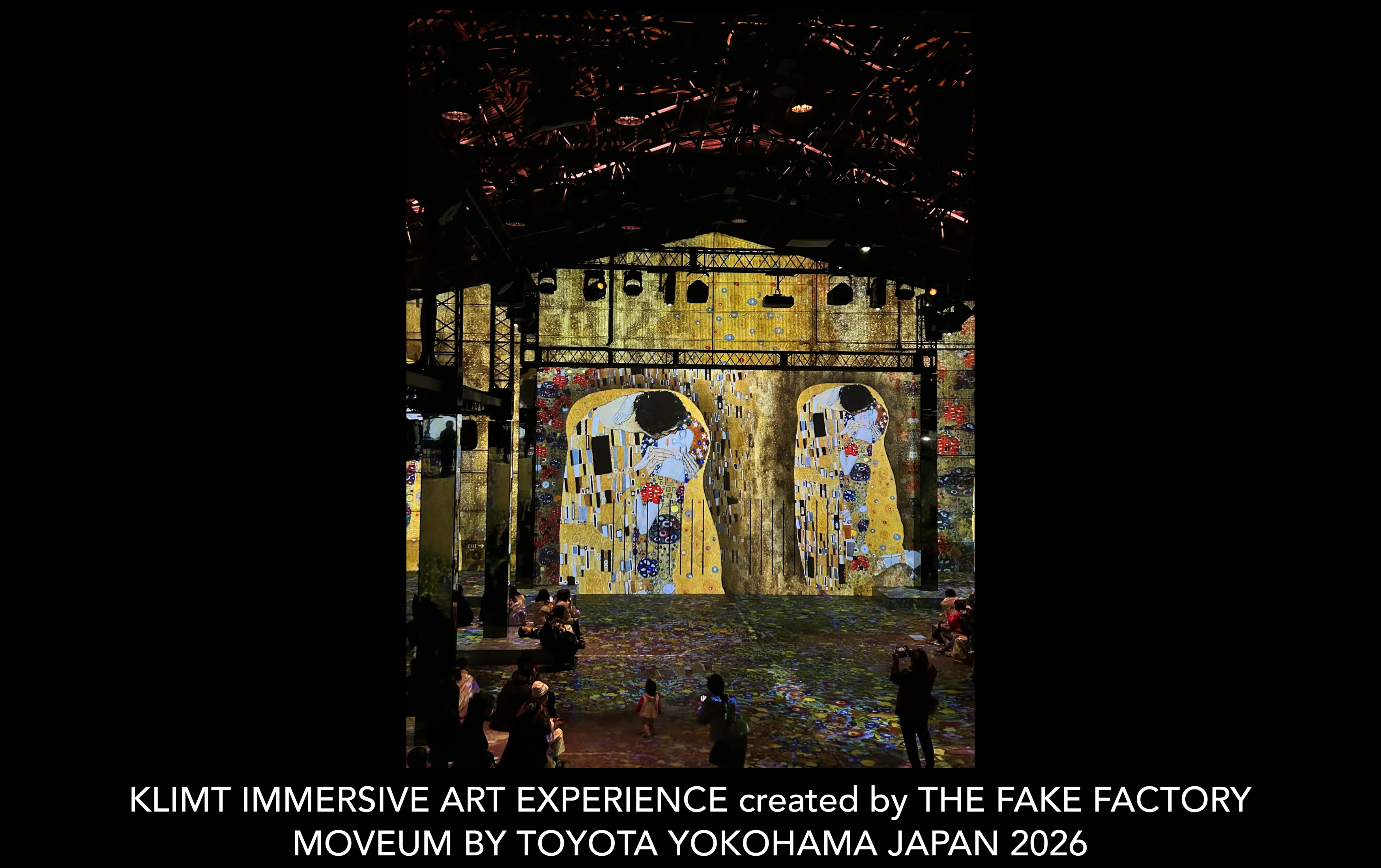
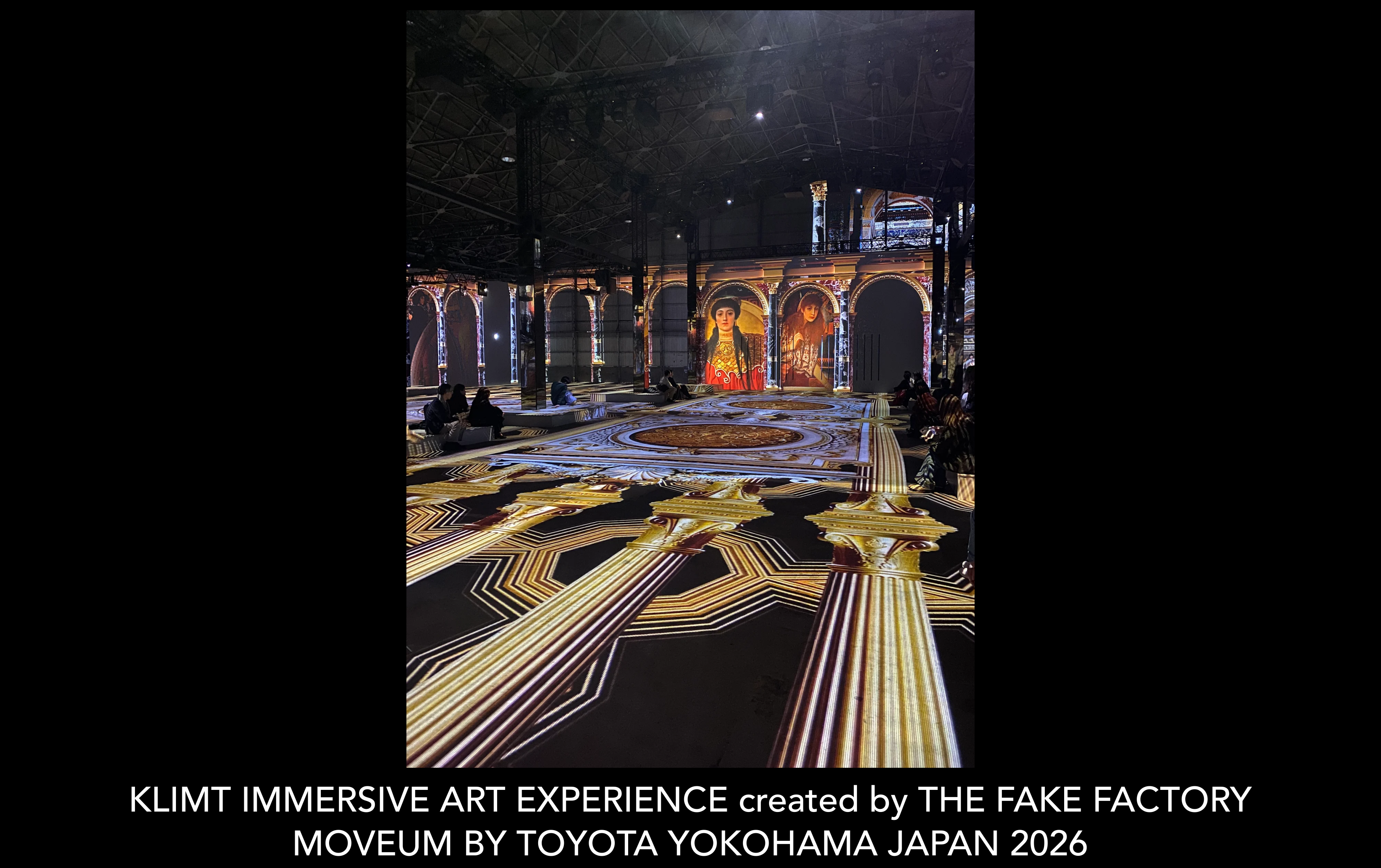
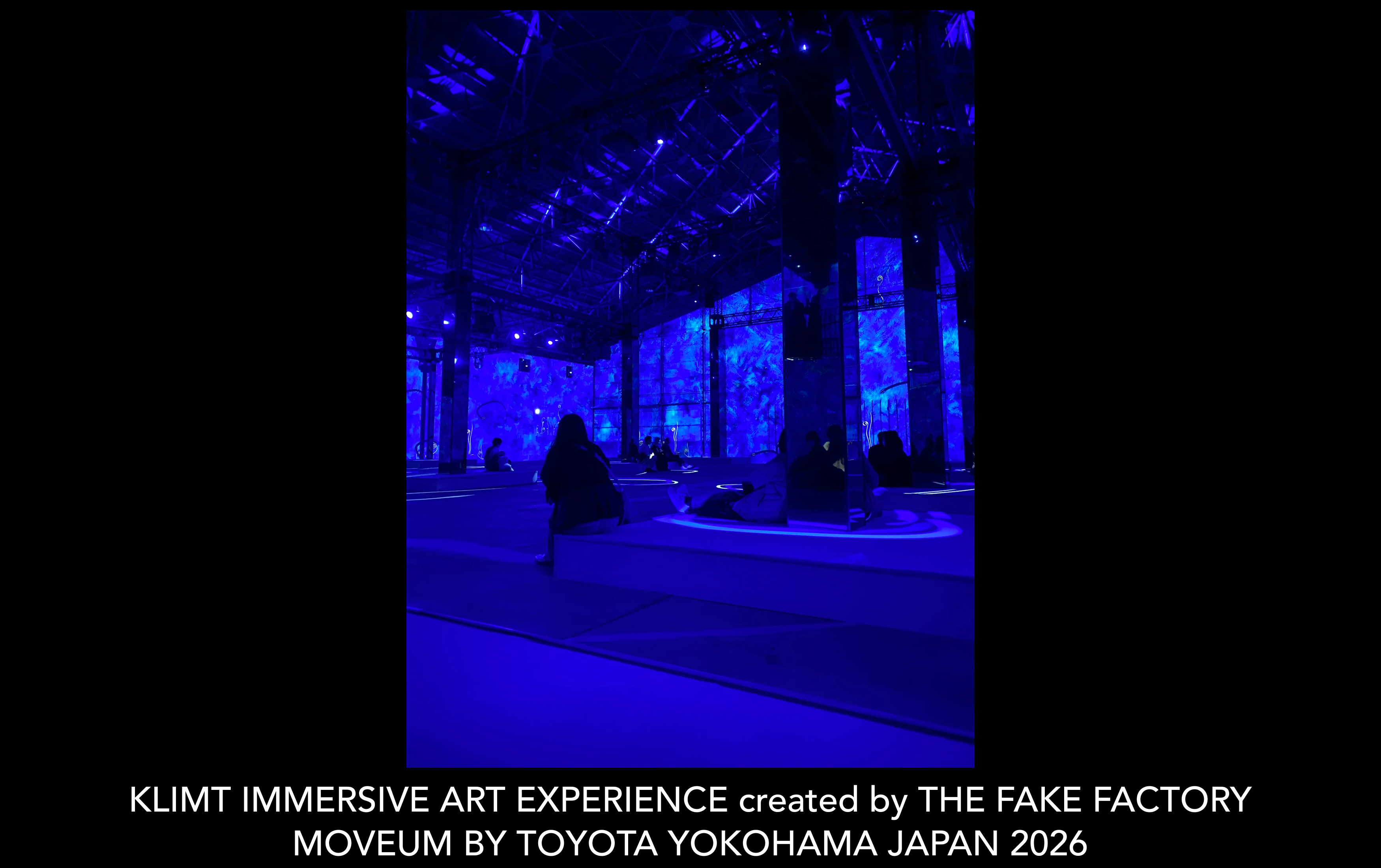
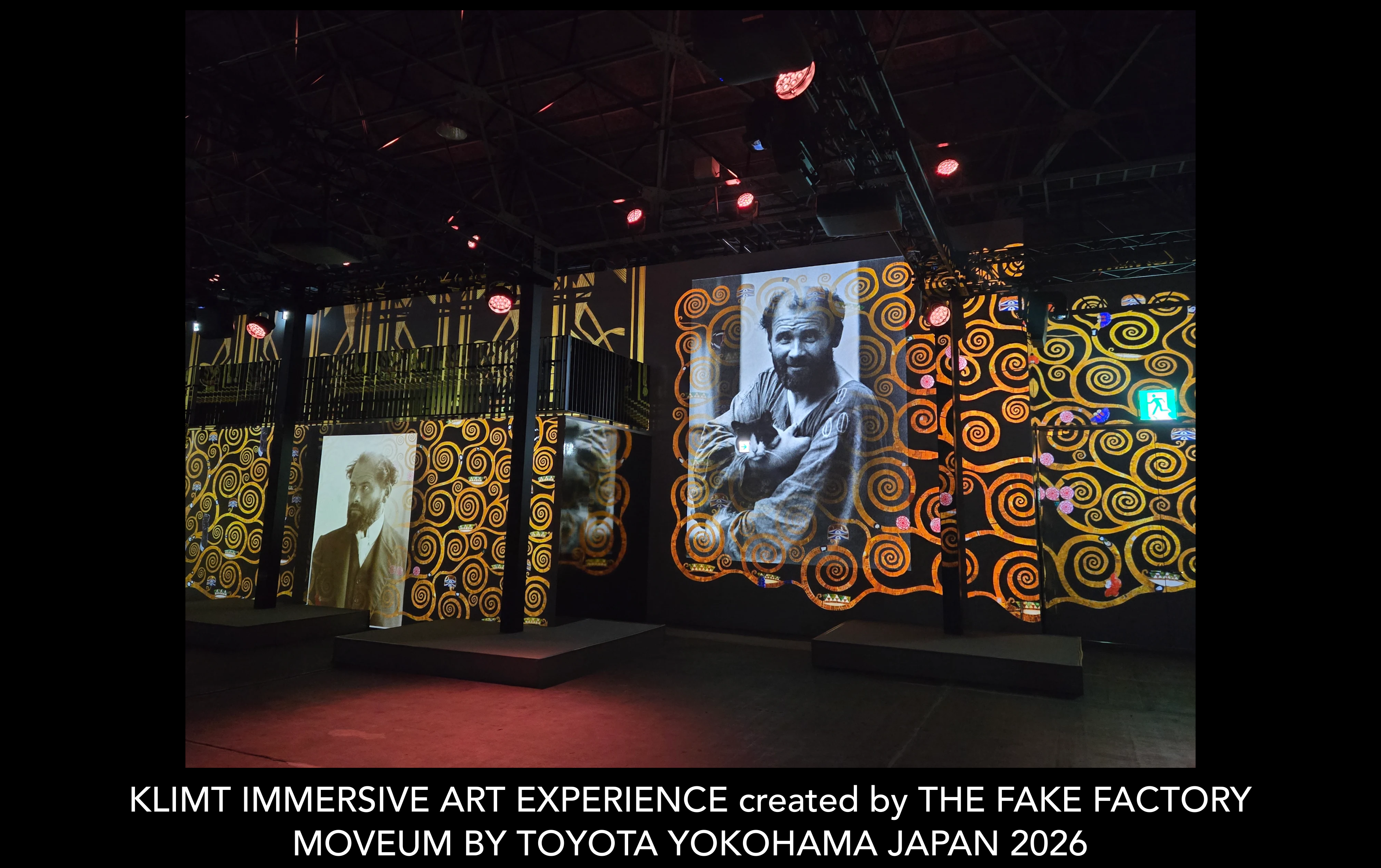
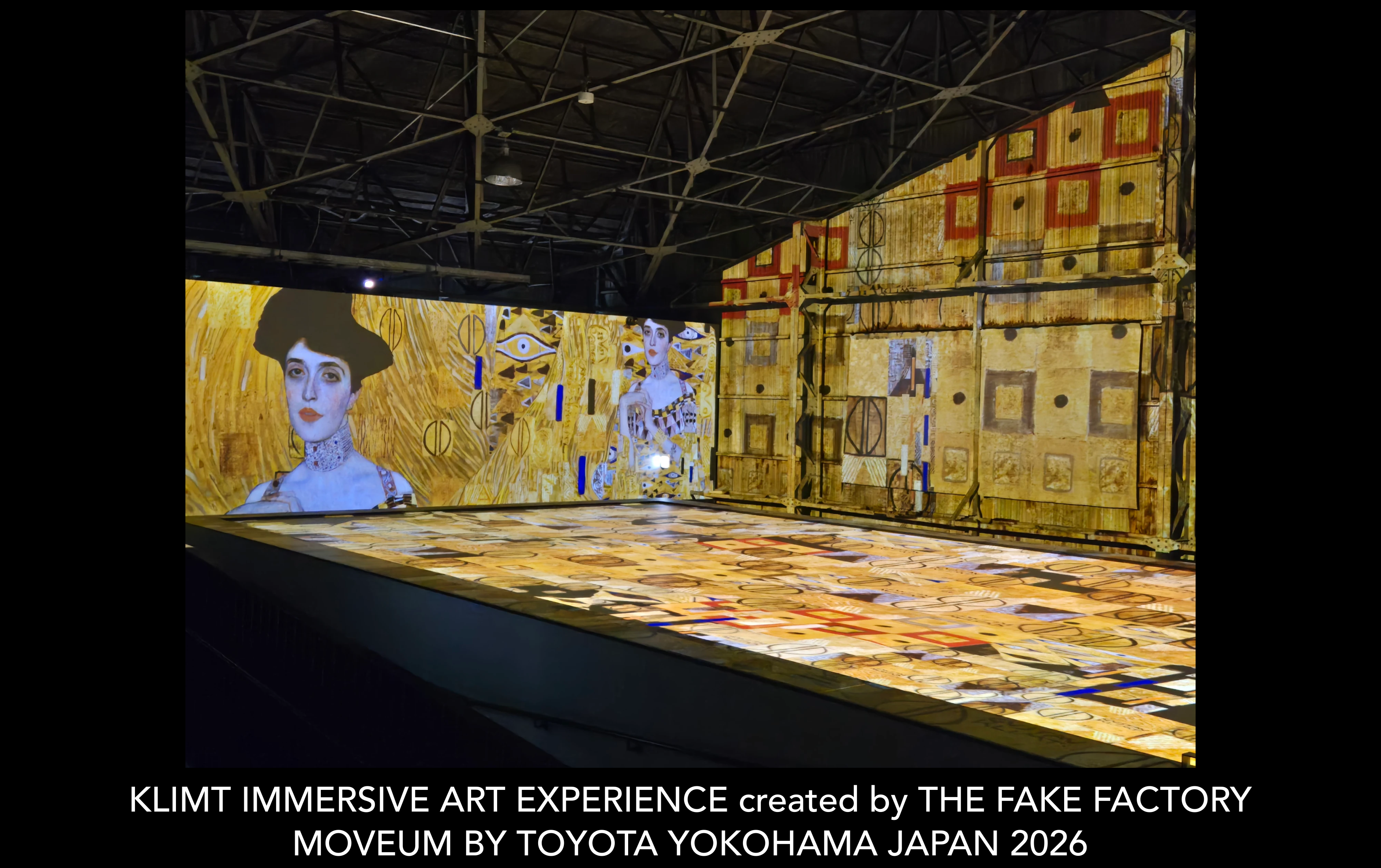
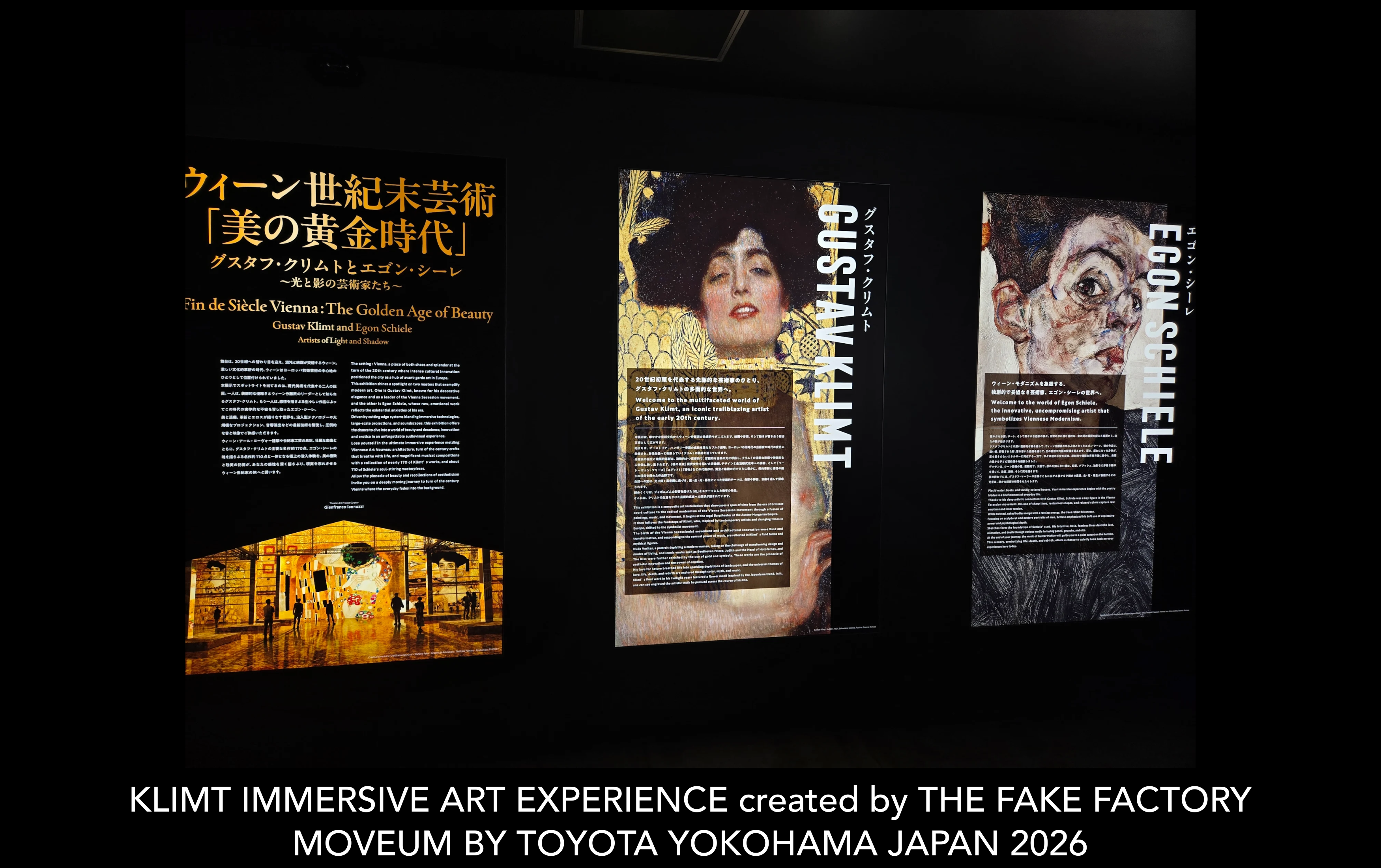
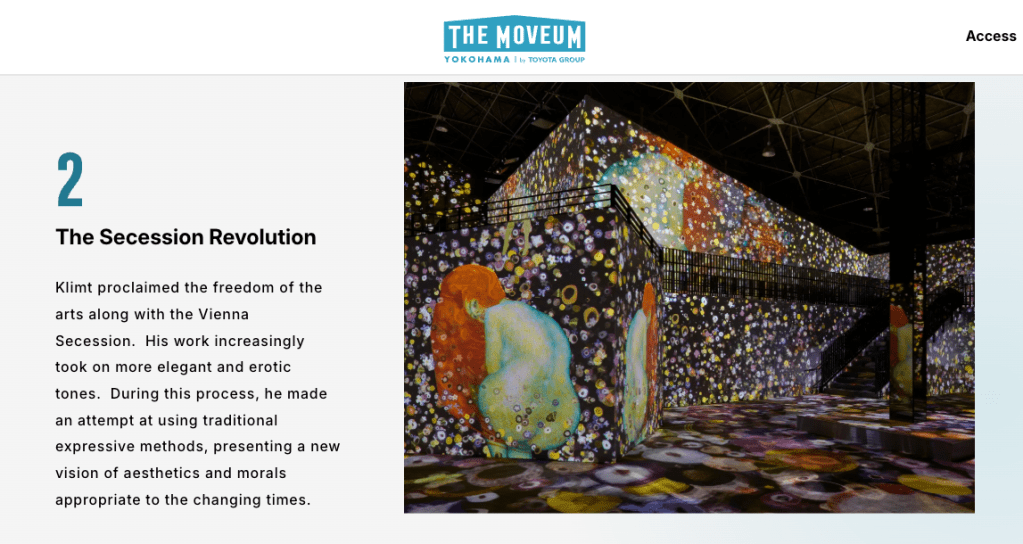
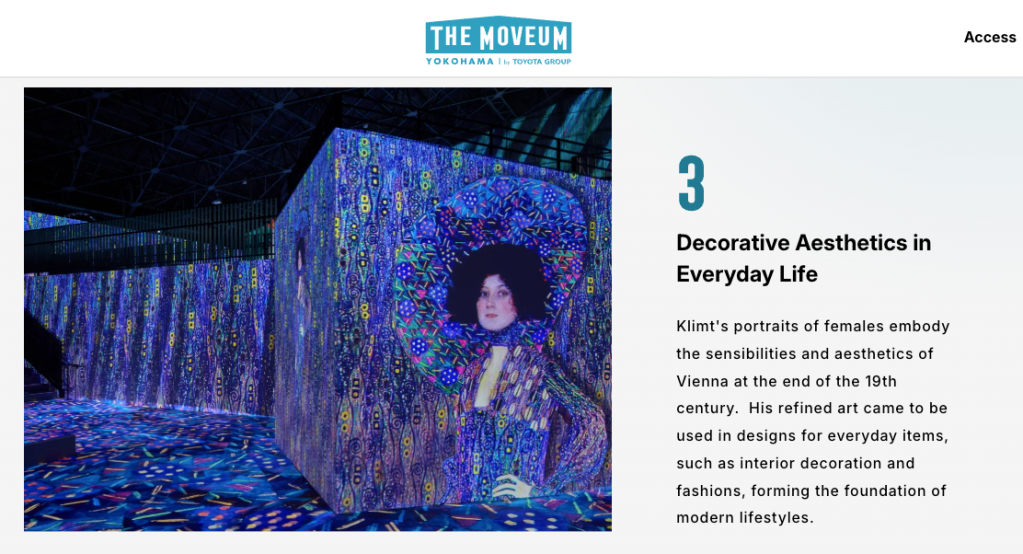
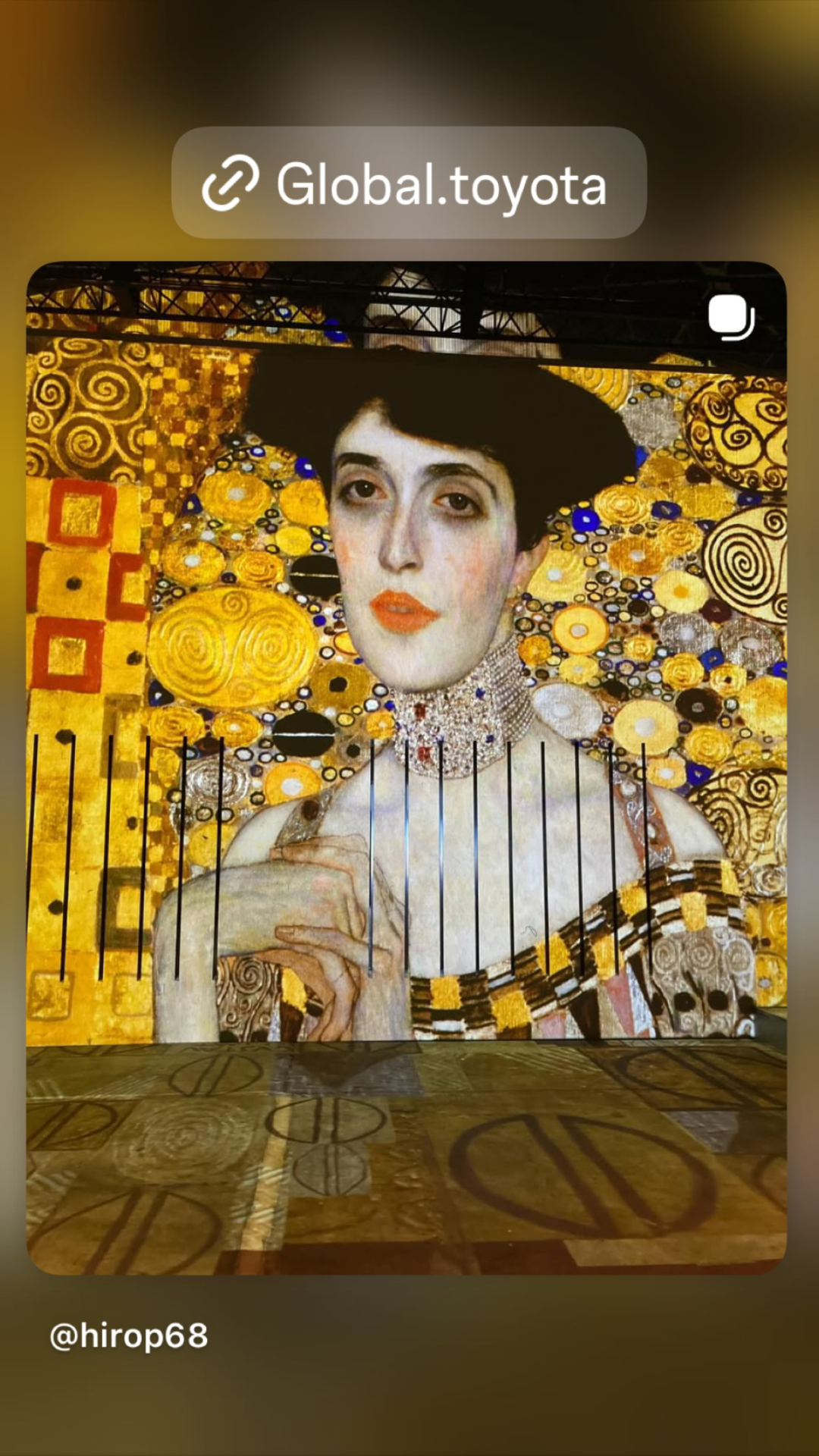
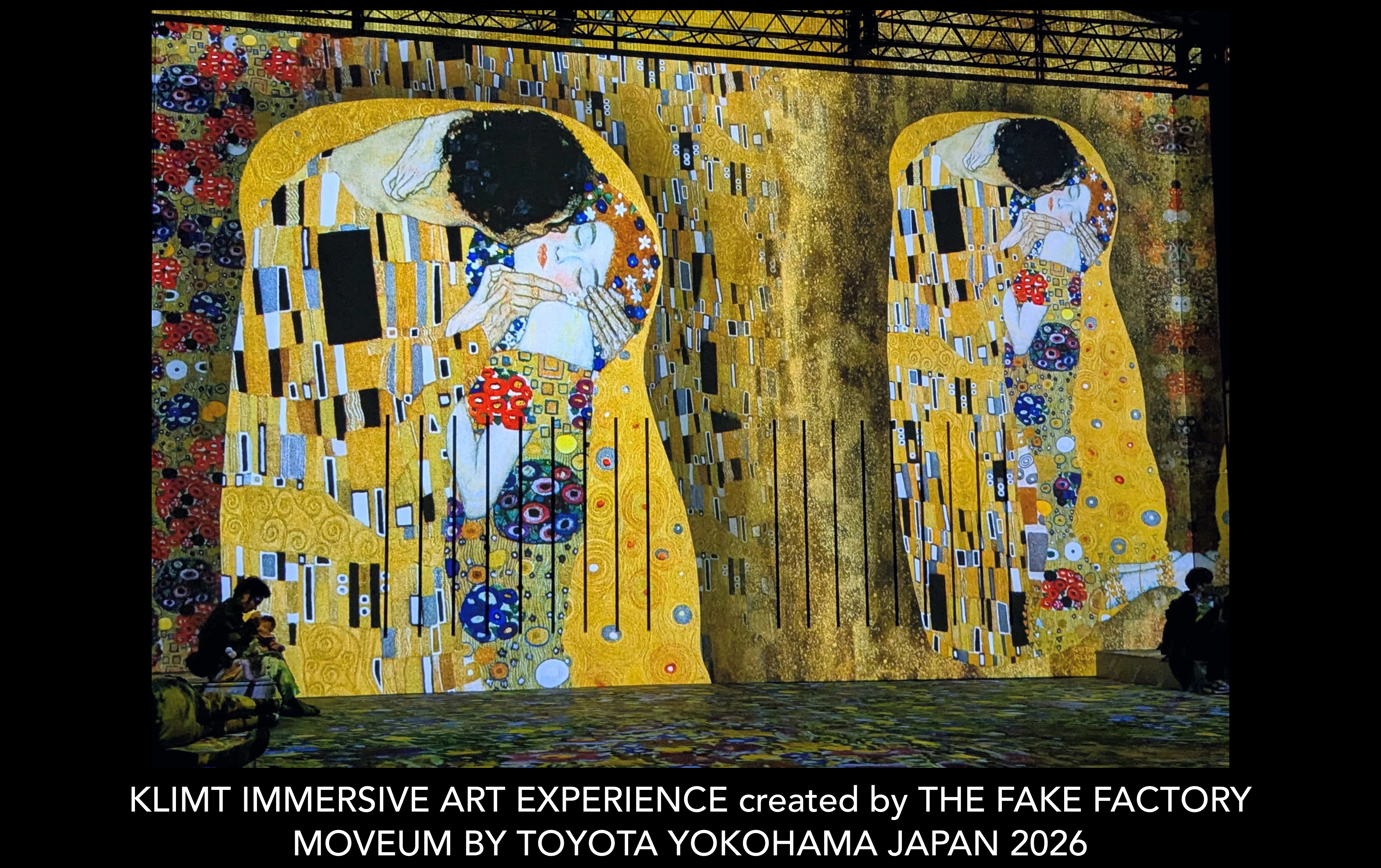
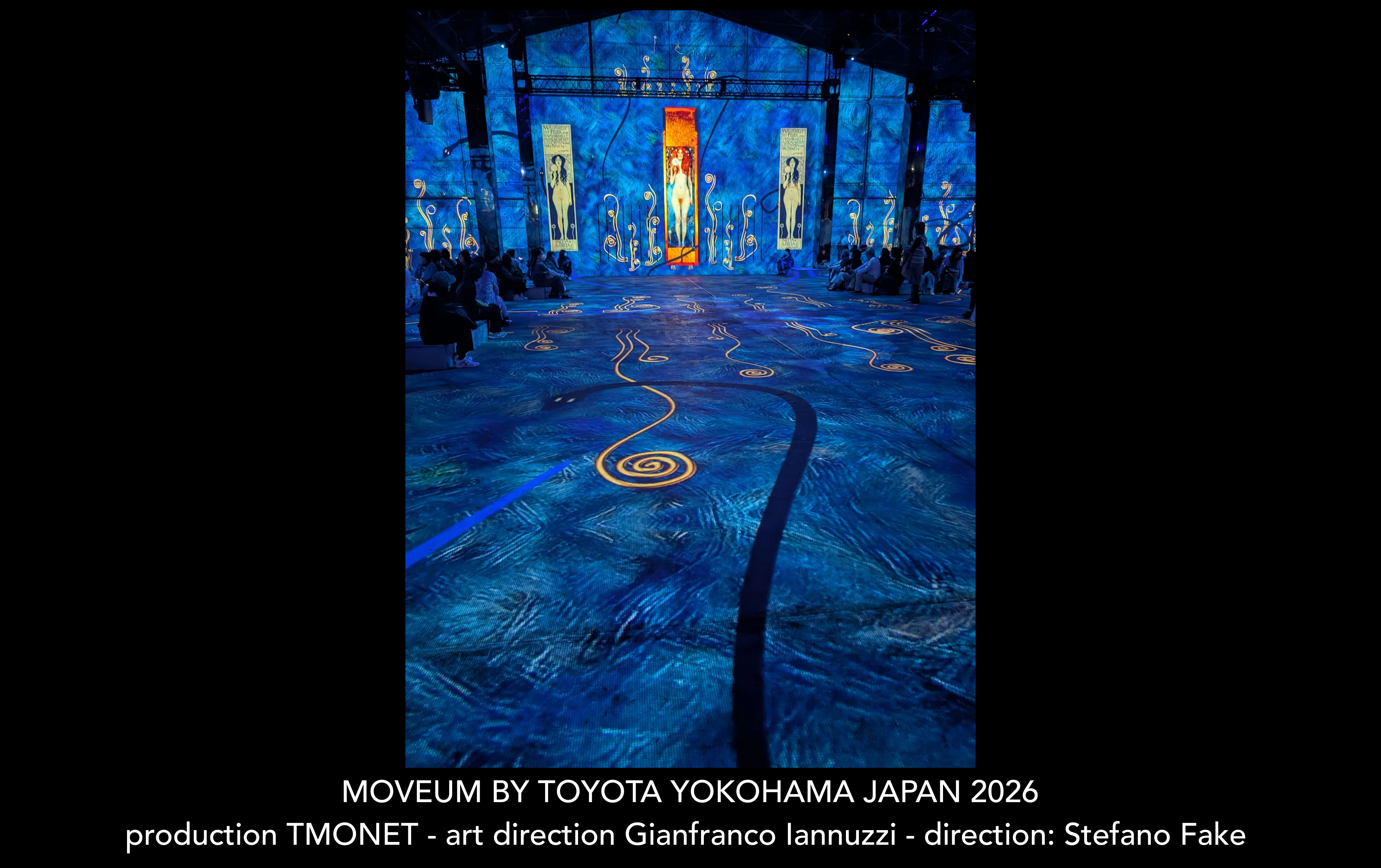
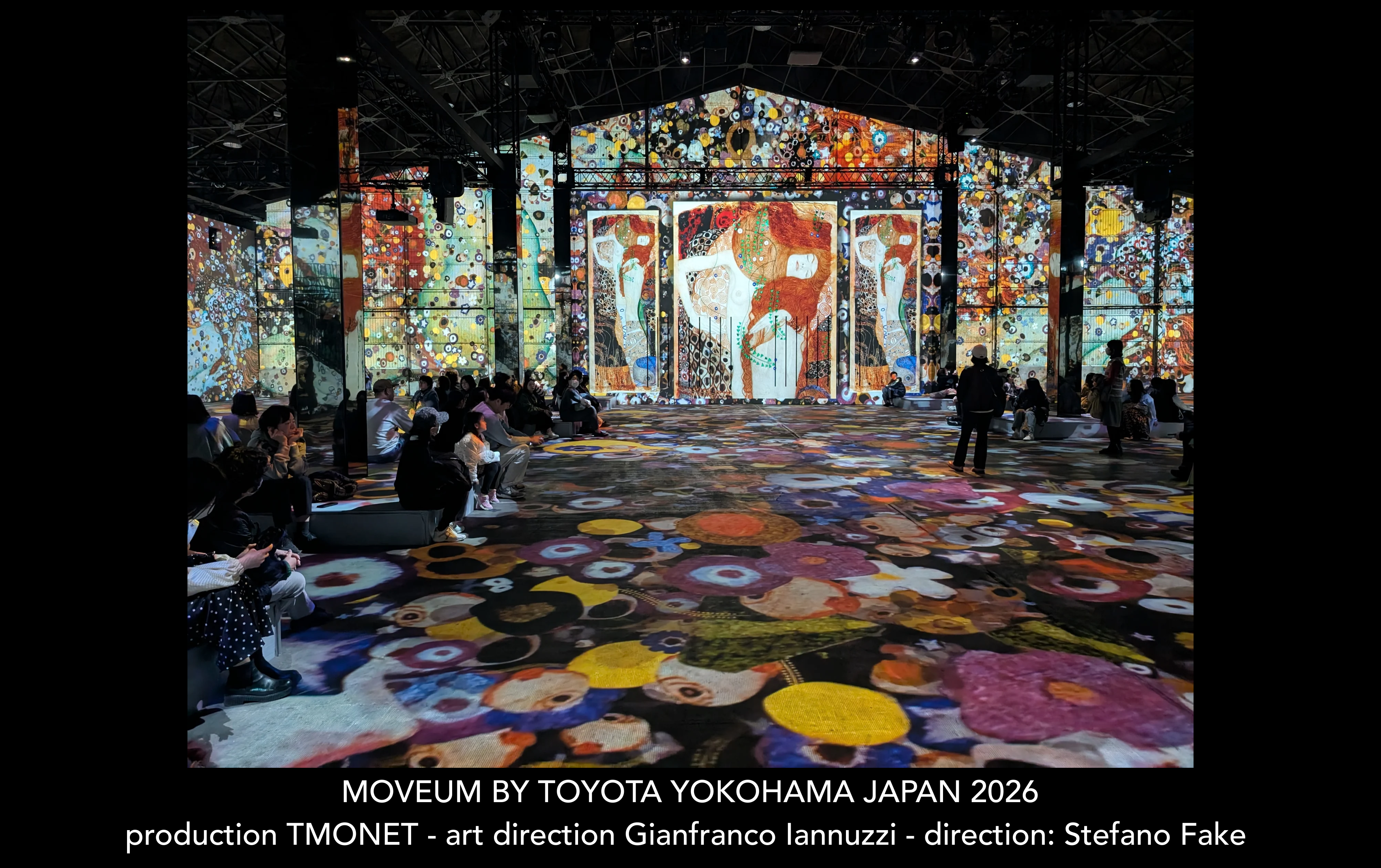
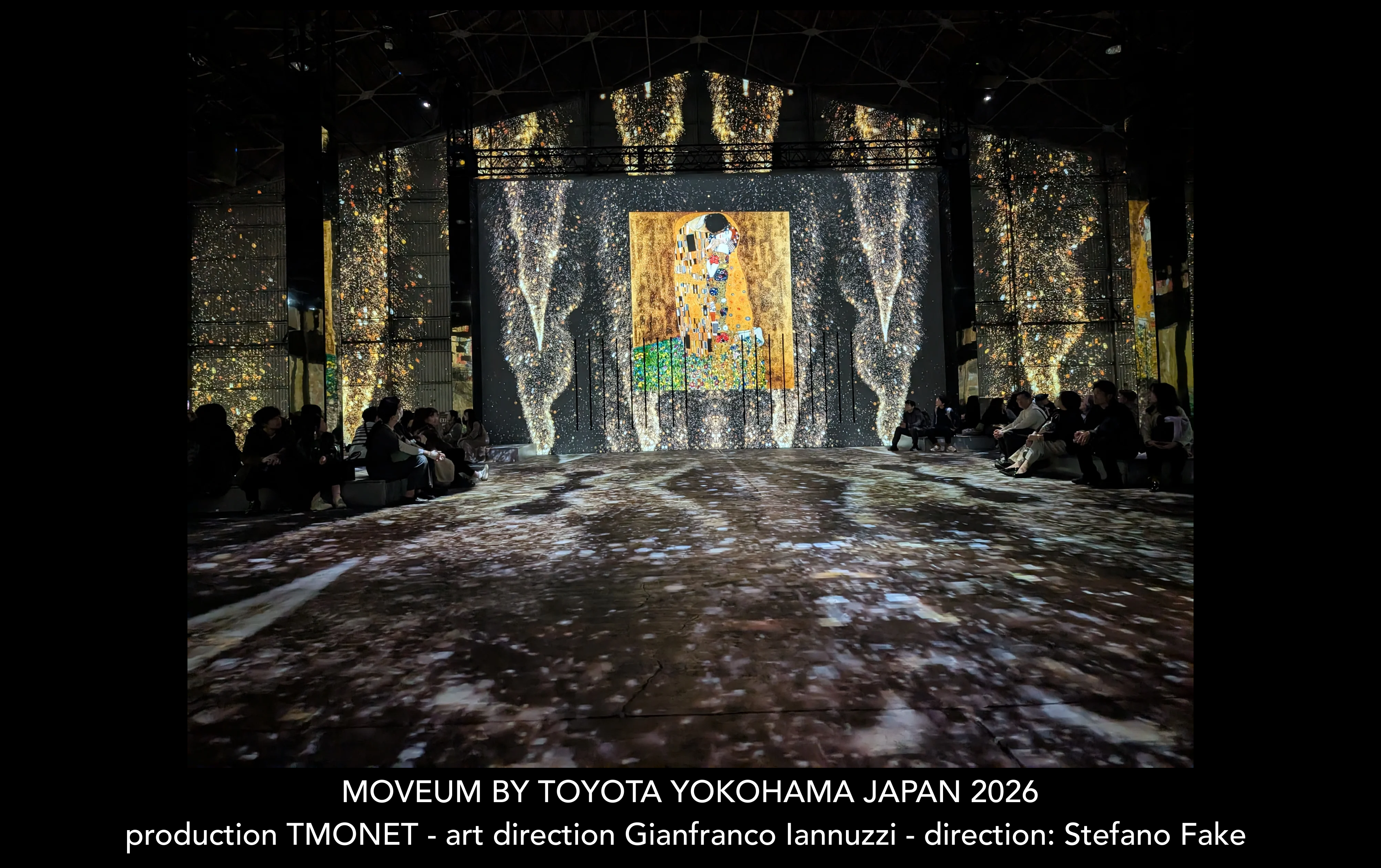
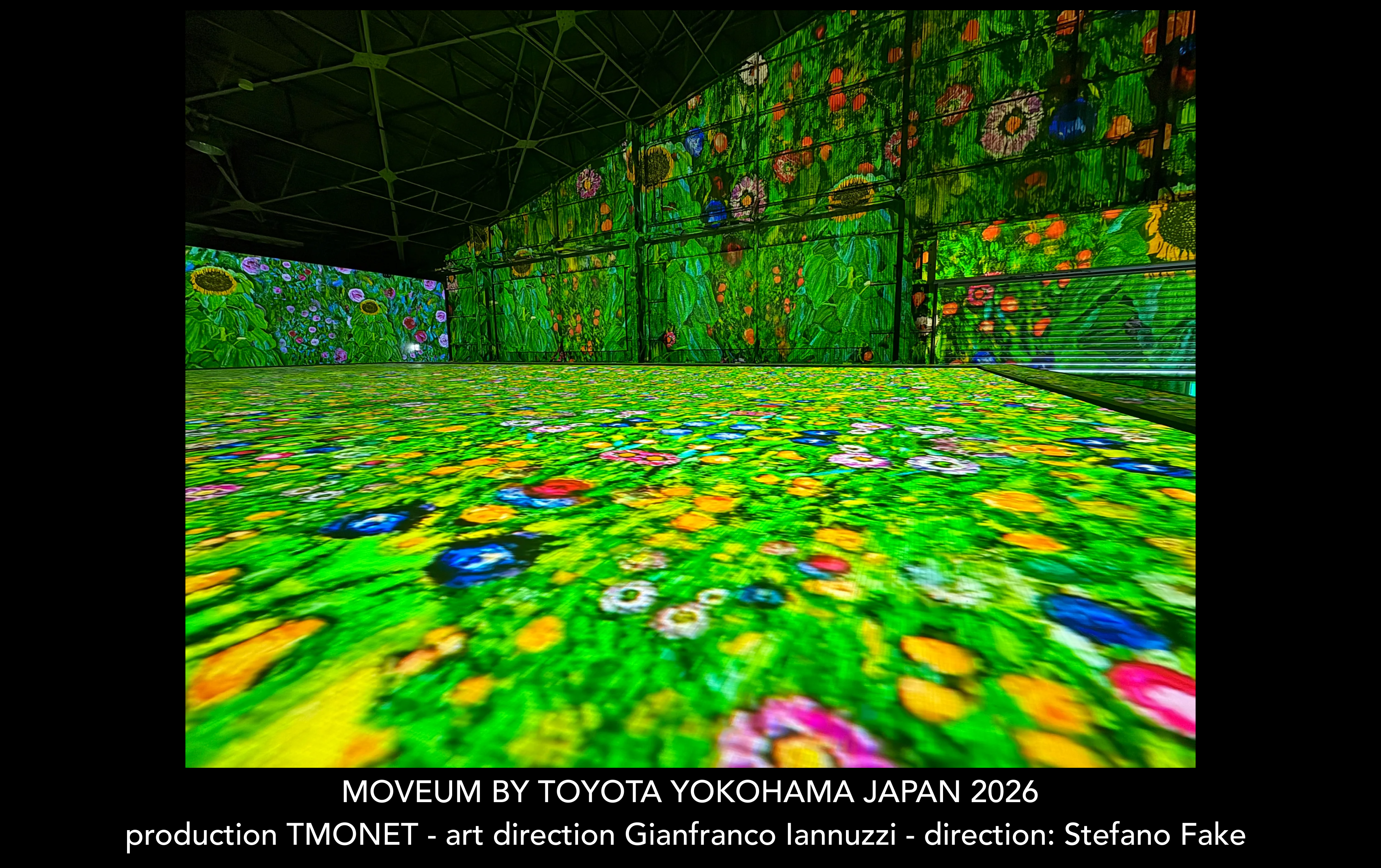
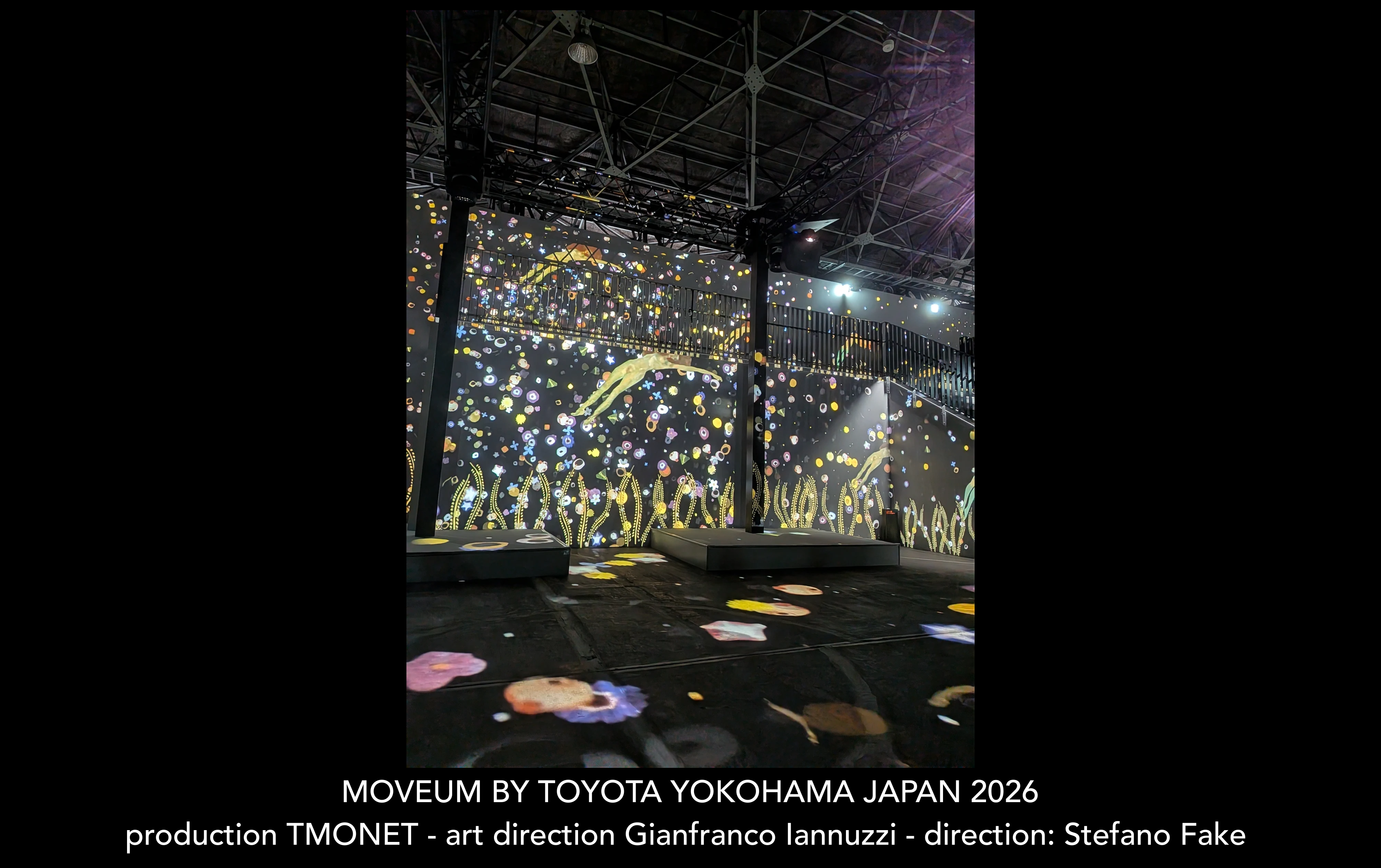
The exhibition apparatus was based on the extensive use of large-scale projections, synchronized with a carefully constructed sound dramaturgy, occupying the entirety of the architectural space. Walls, floors, and, in some cases, even three-dimensional surfaces became supports for a continuous visual narrative, characterized by fluid transitions and the absence of abrupt cuts. This approach enabled the translation into spatial and temporal terms of key elements of Klimt’s poetics, such as golden ornamentation, decorative flatness, the fragmentation of the figure, and the tension between figuration and abstraction.
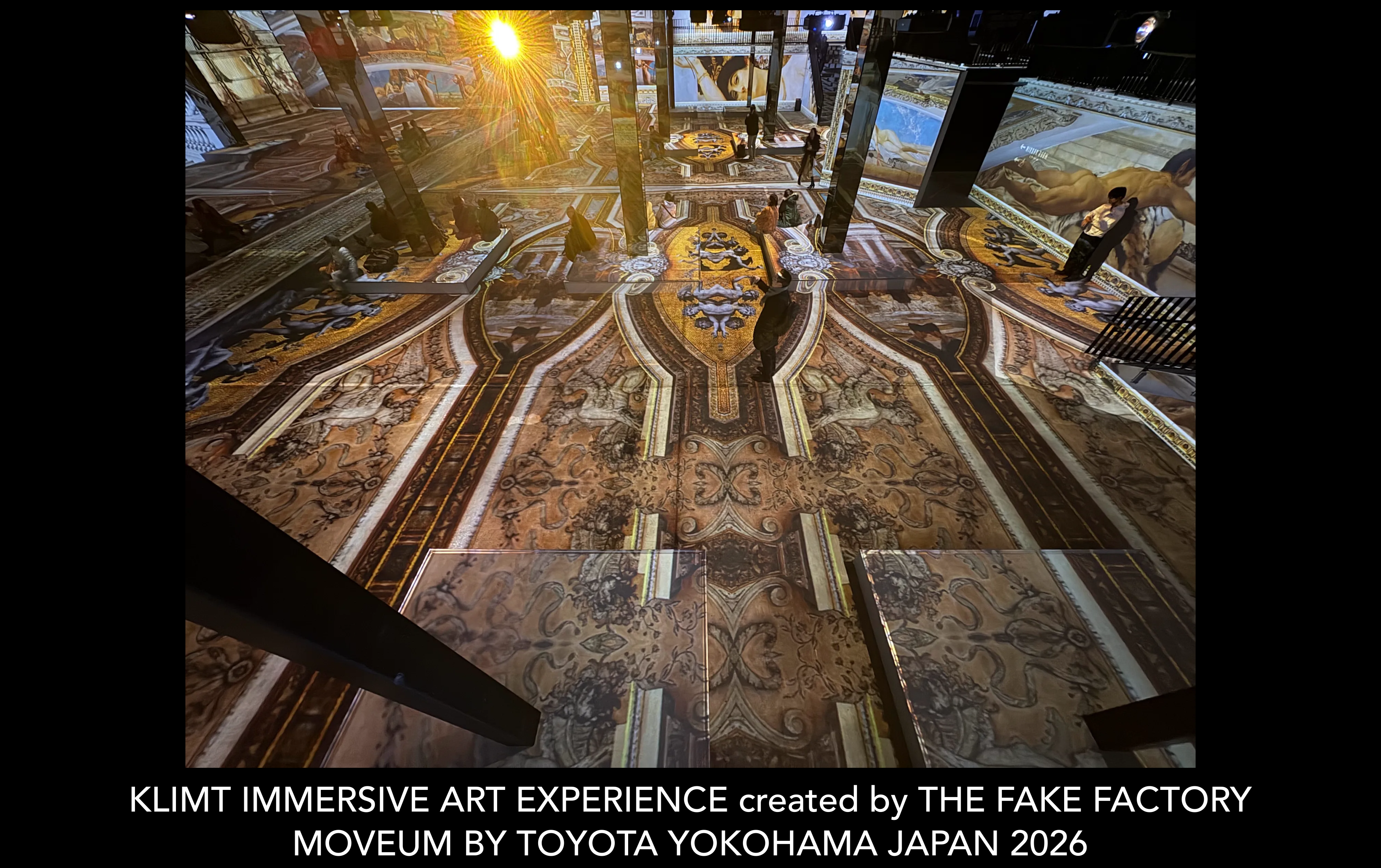
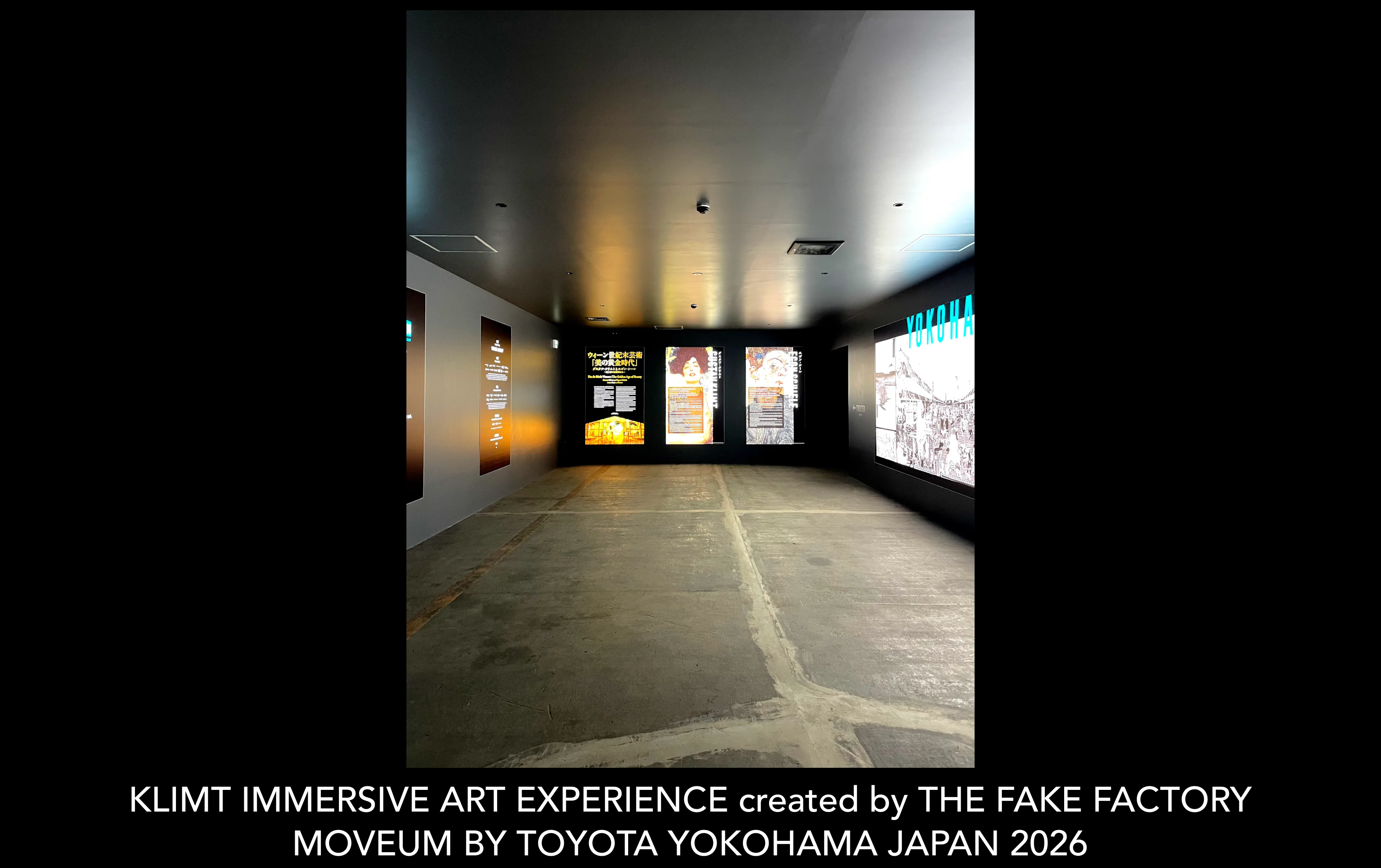
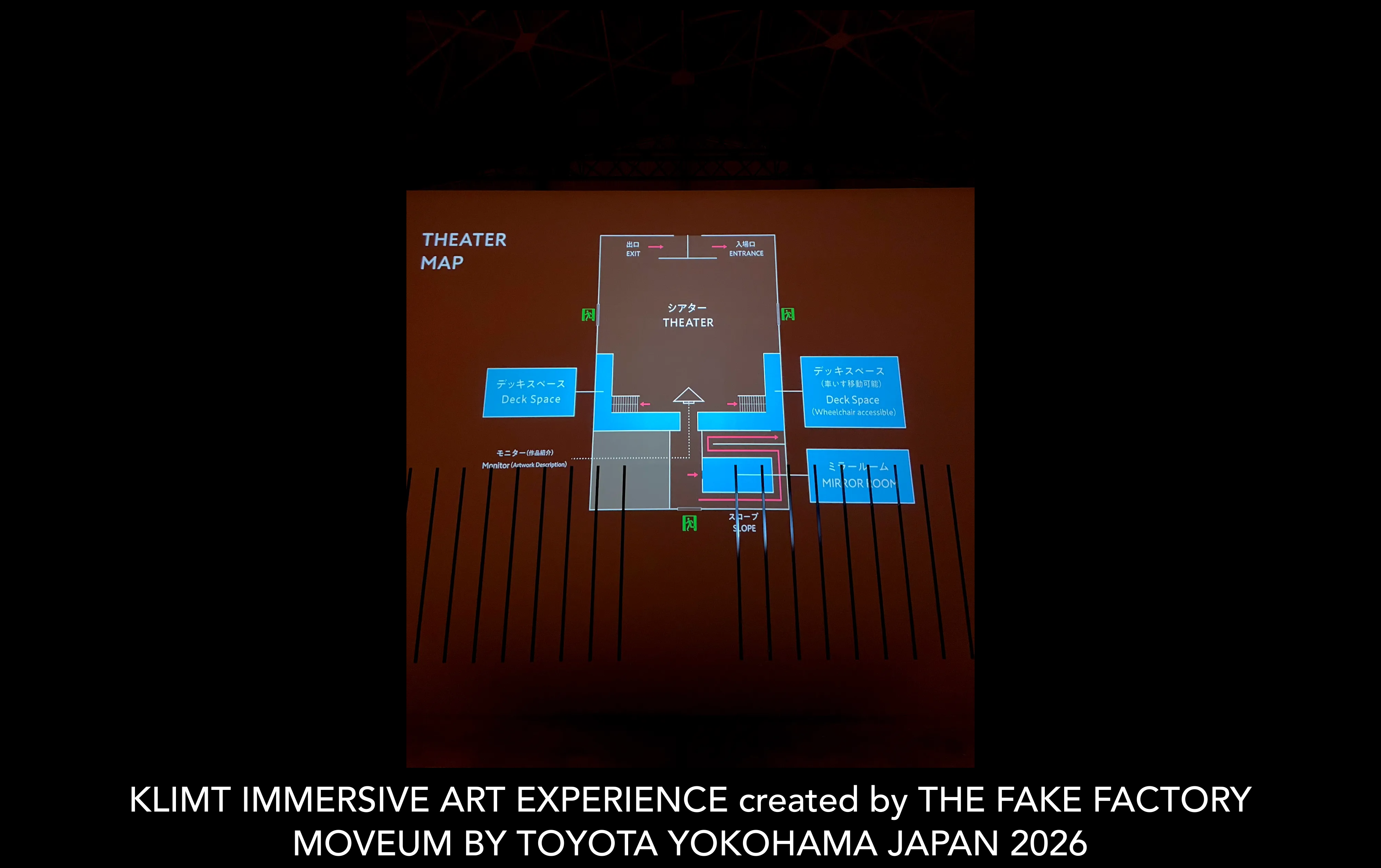
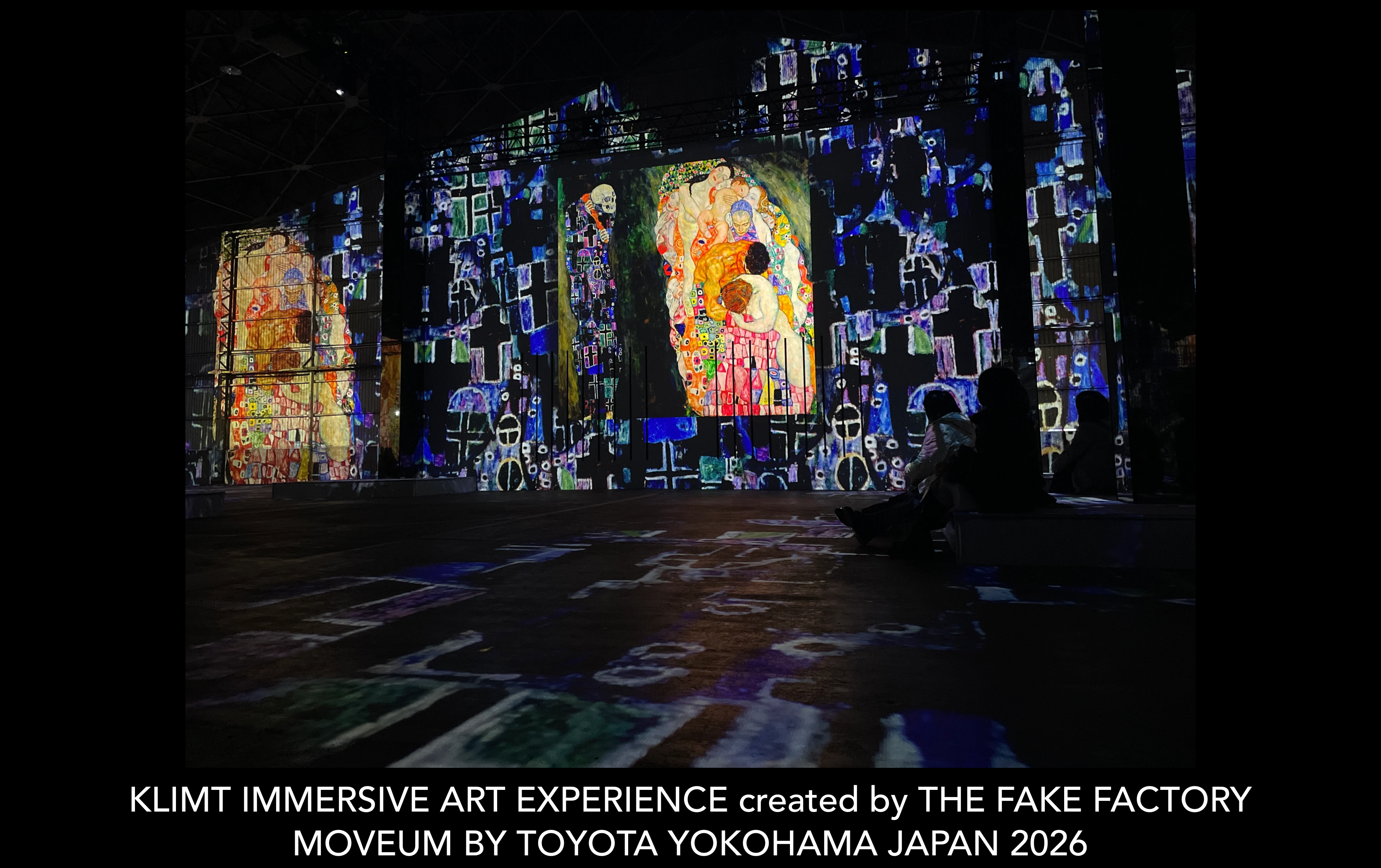
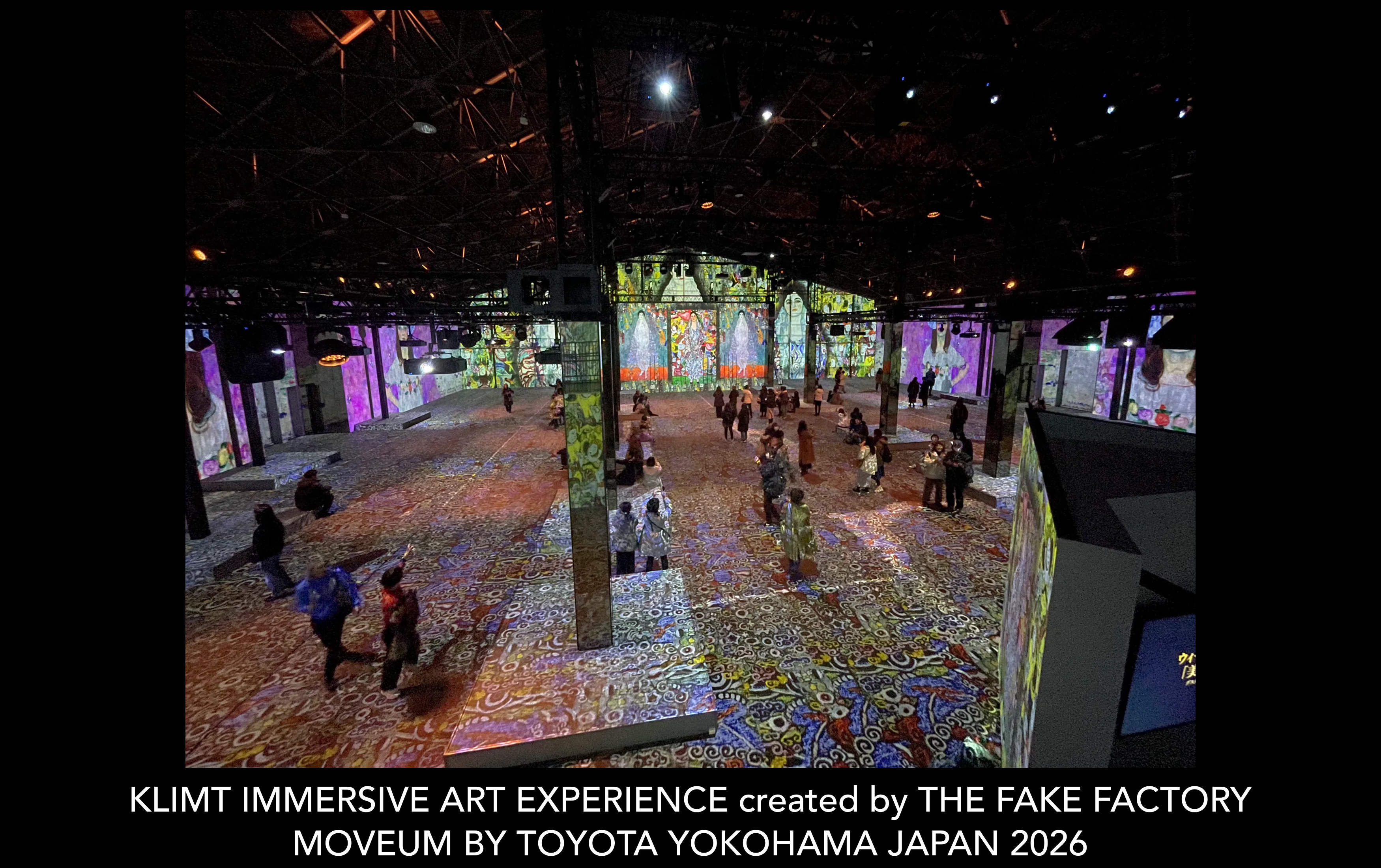
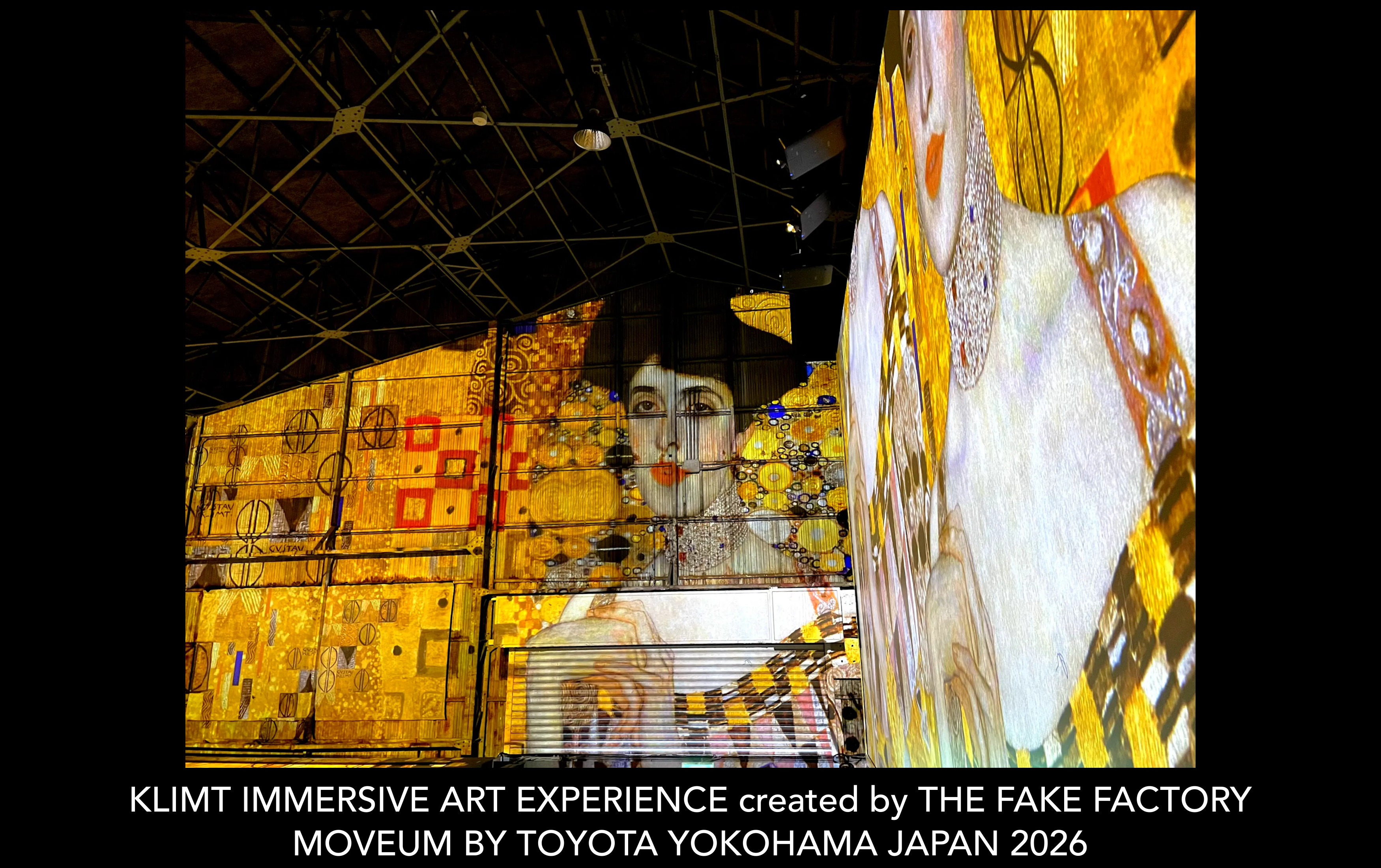
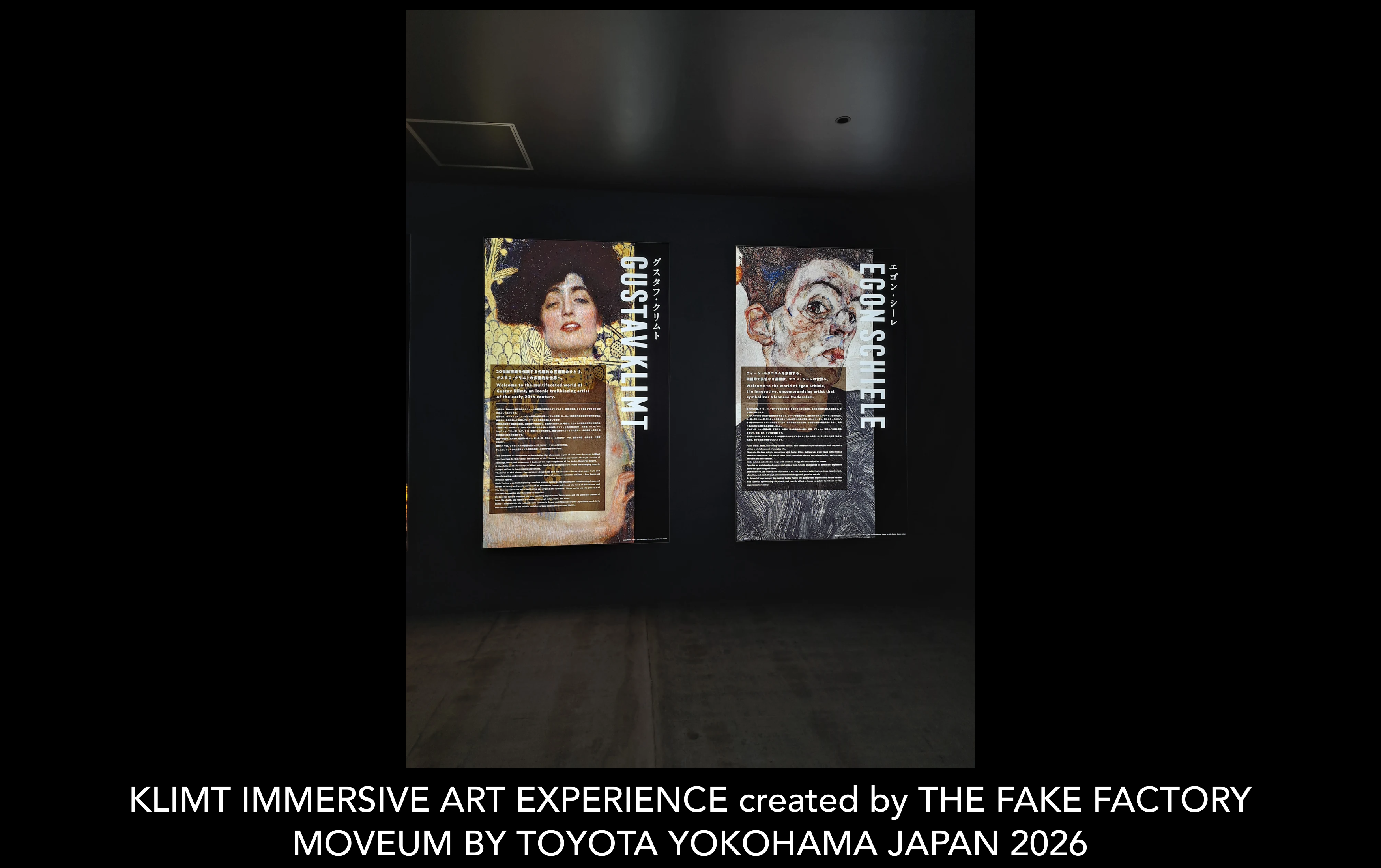
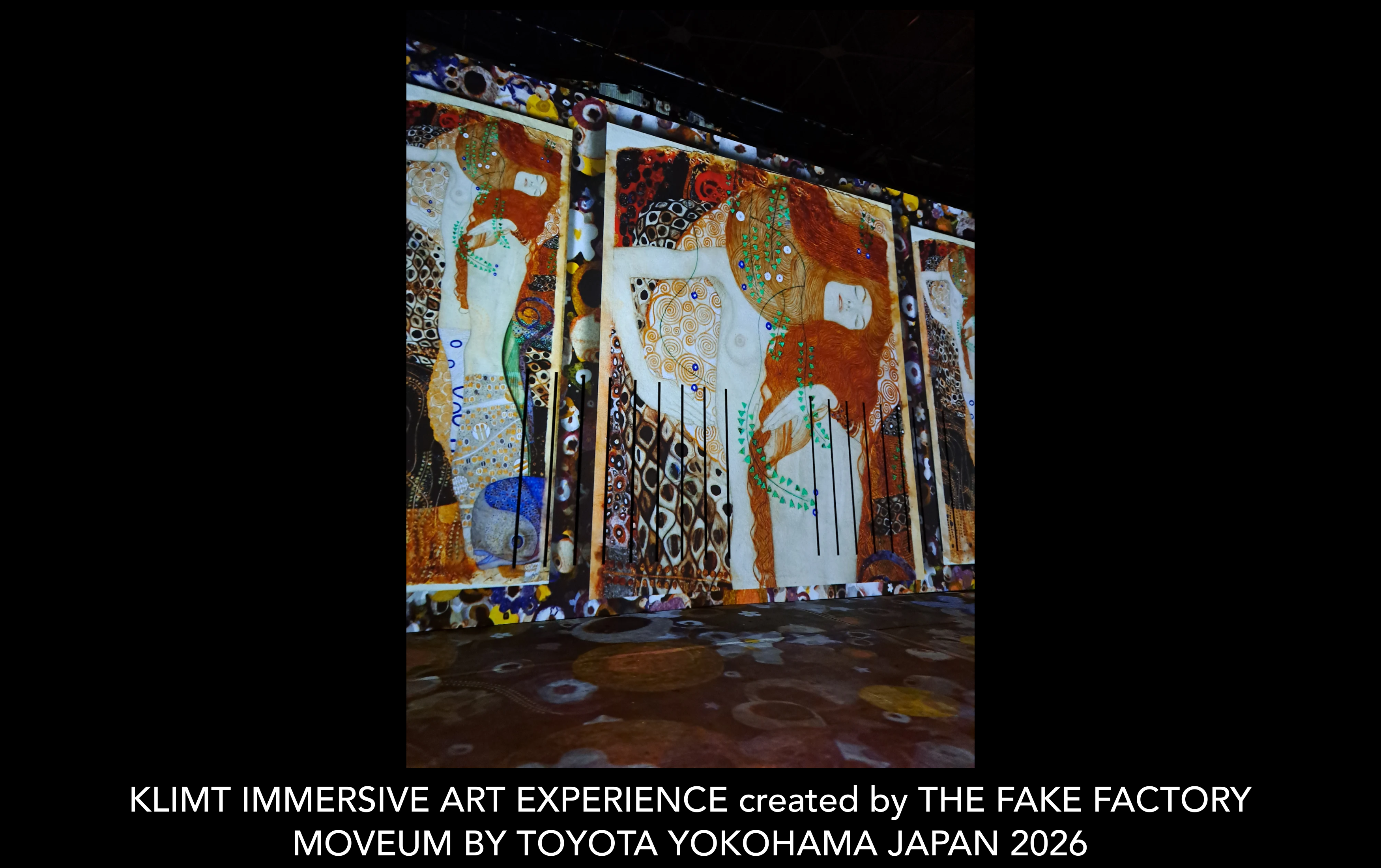
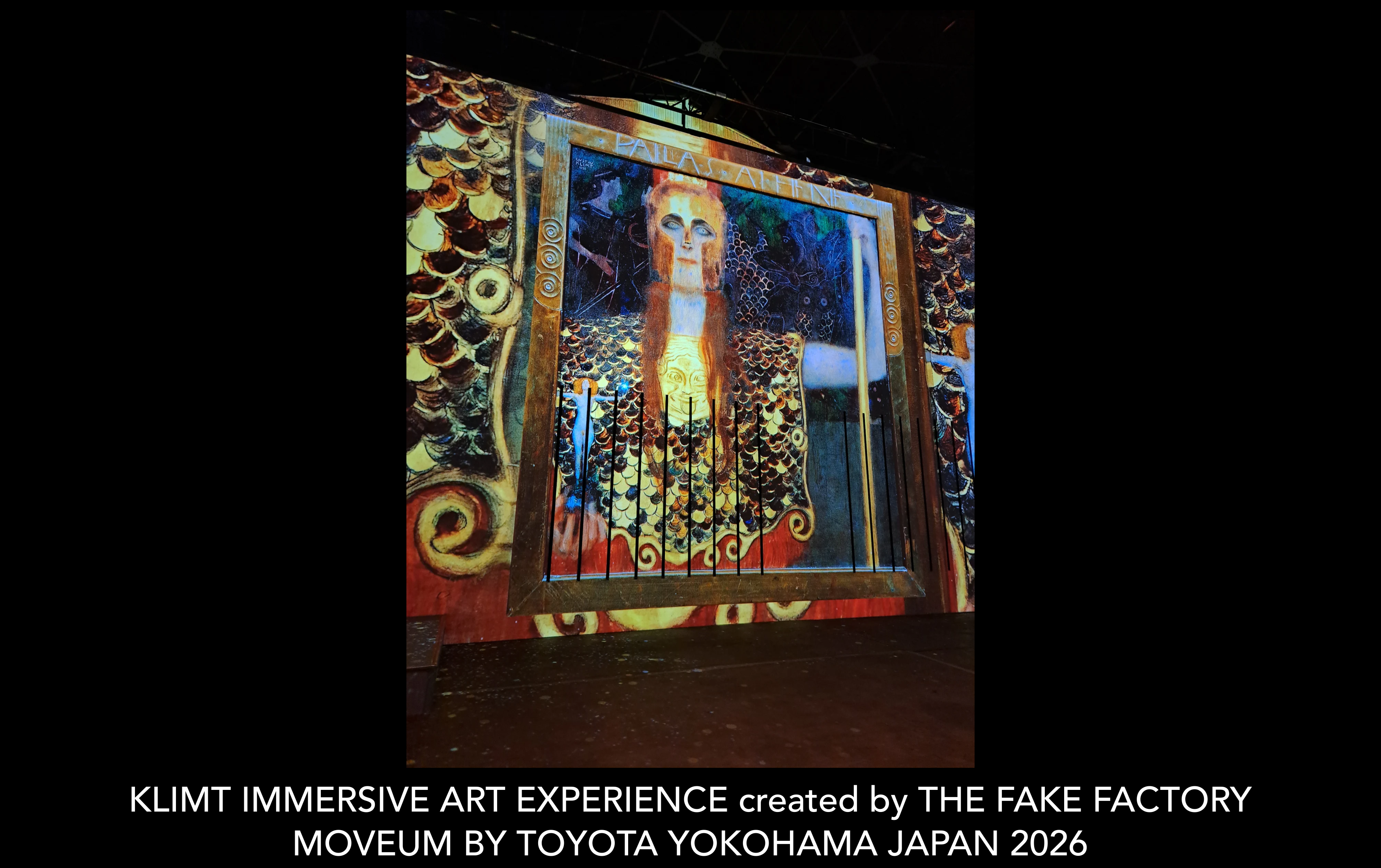
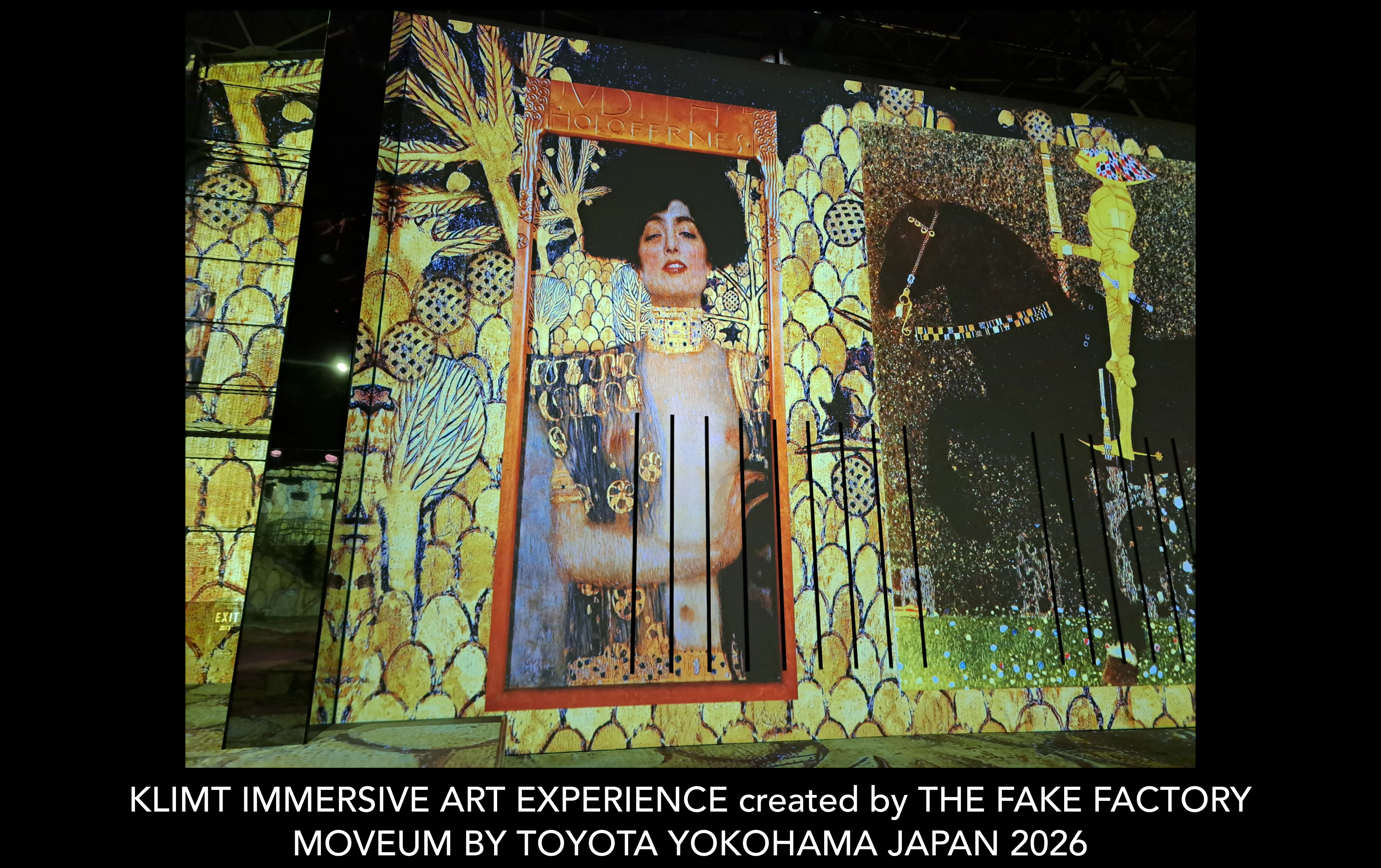
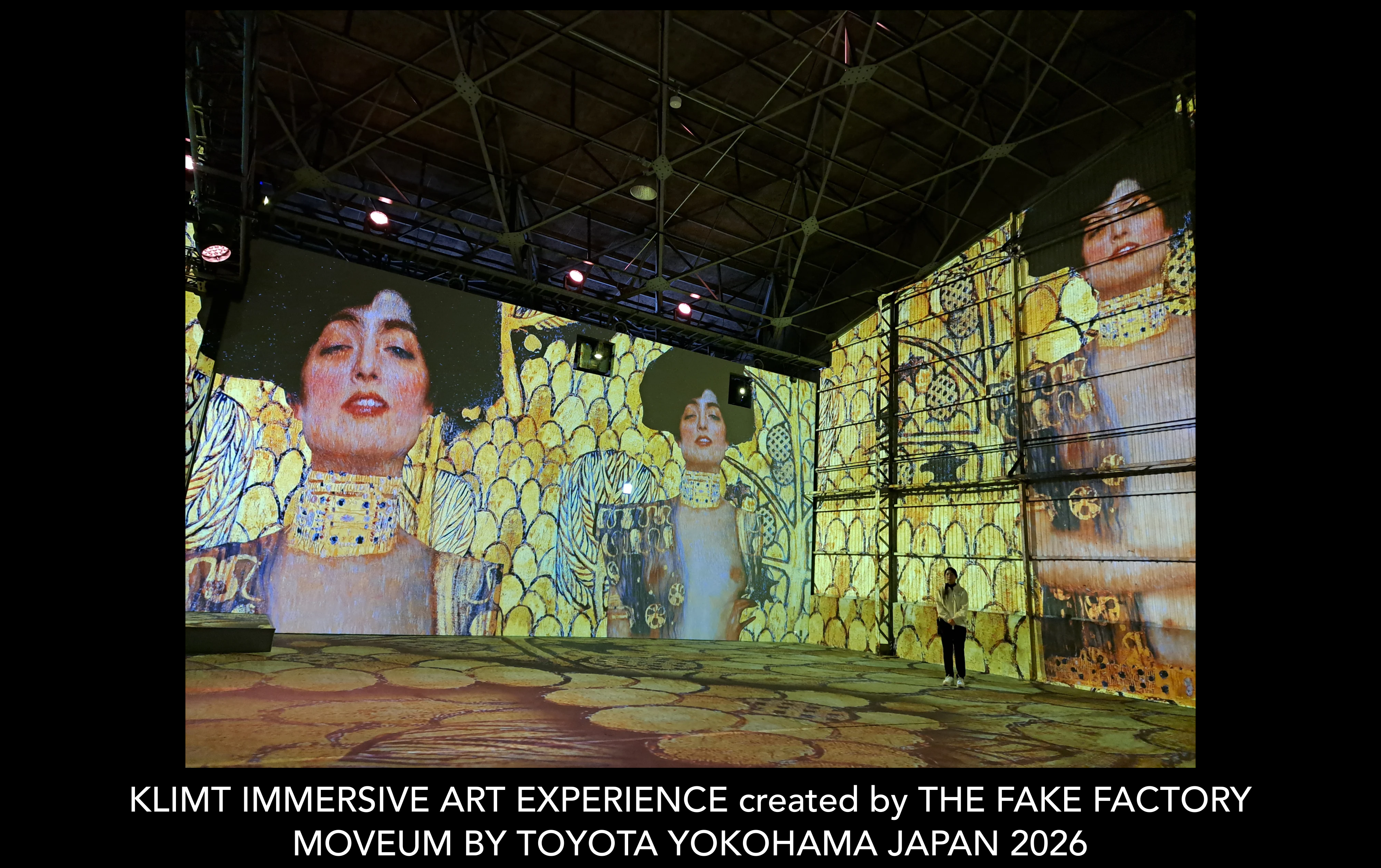
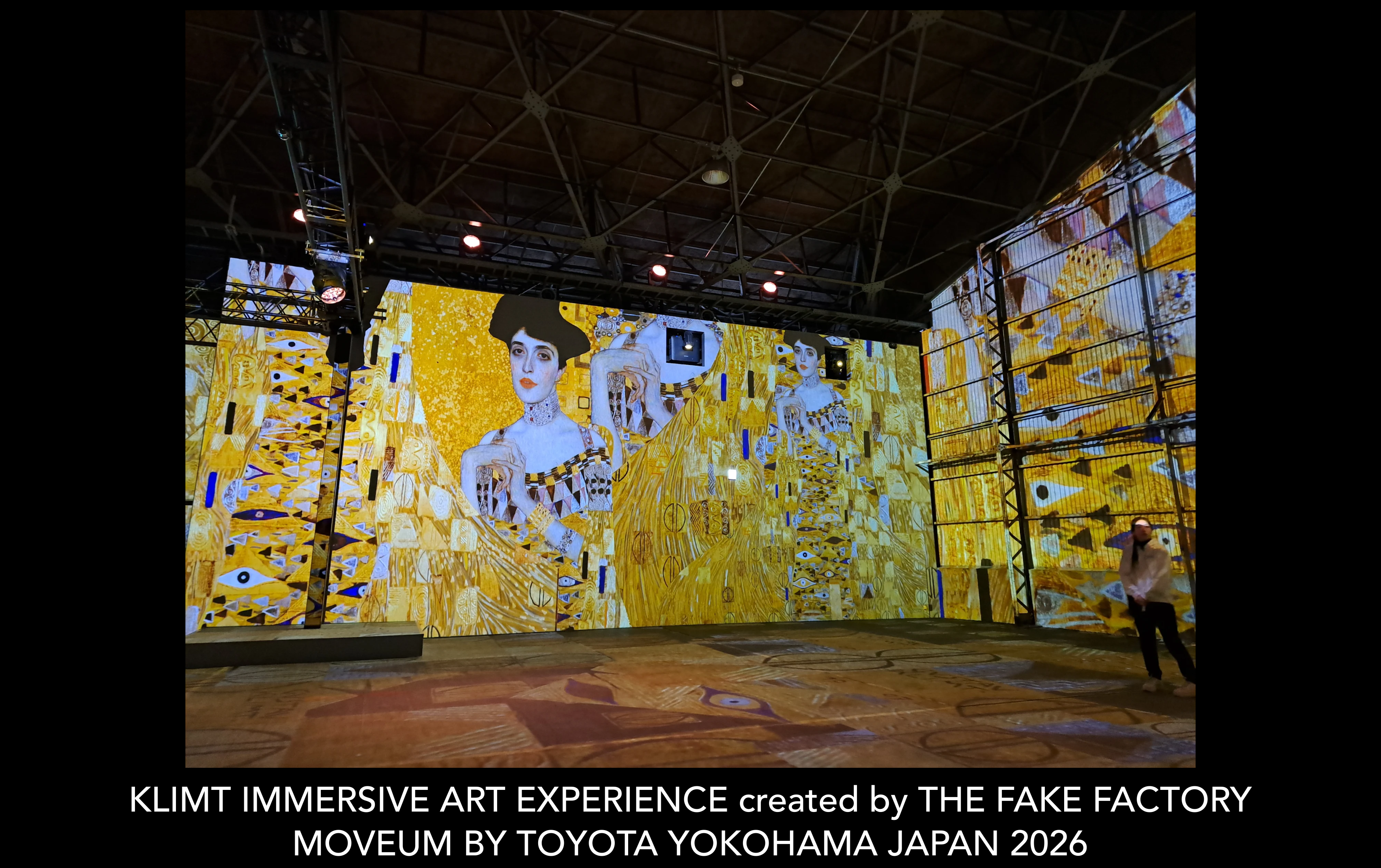
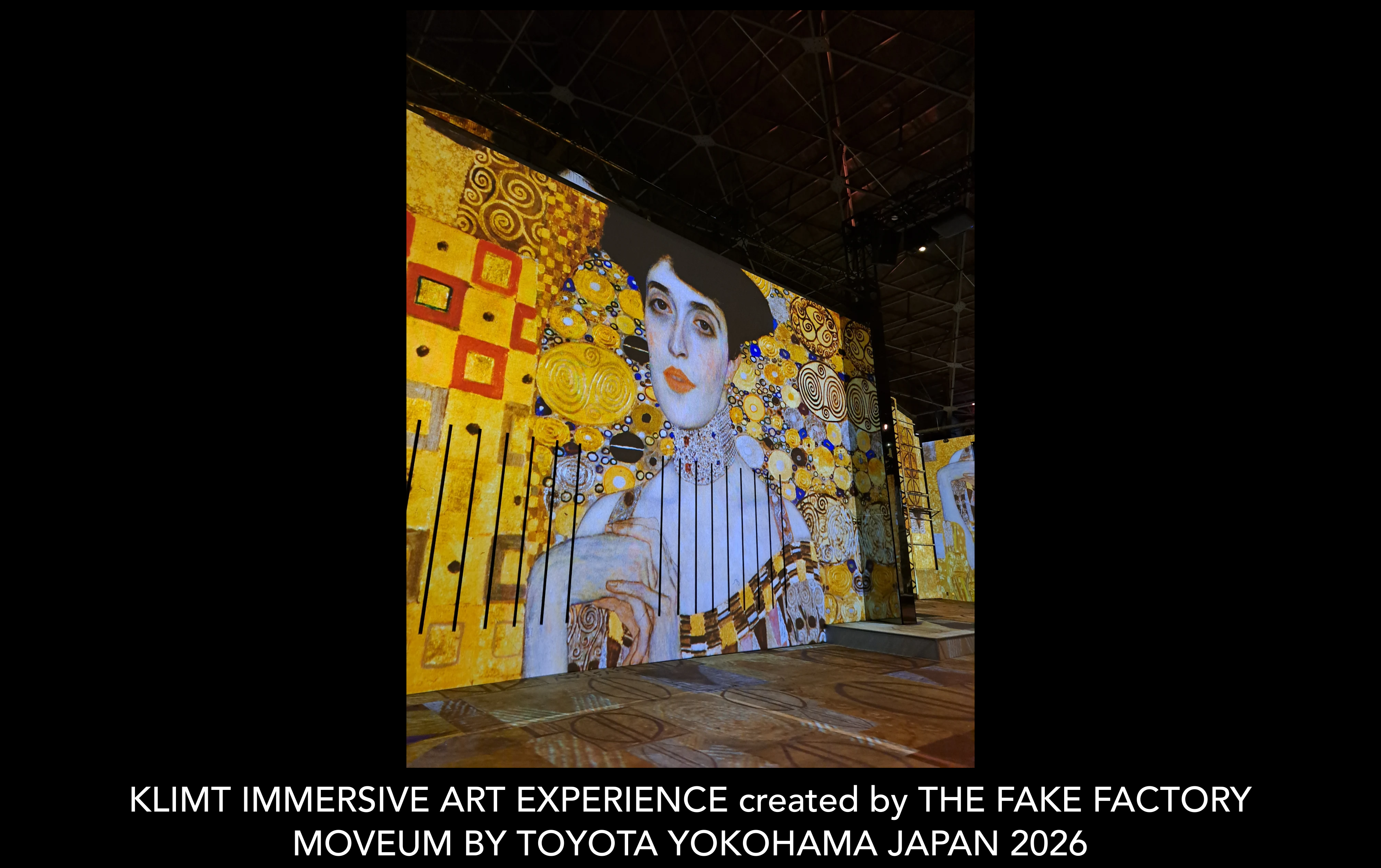
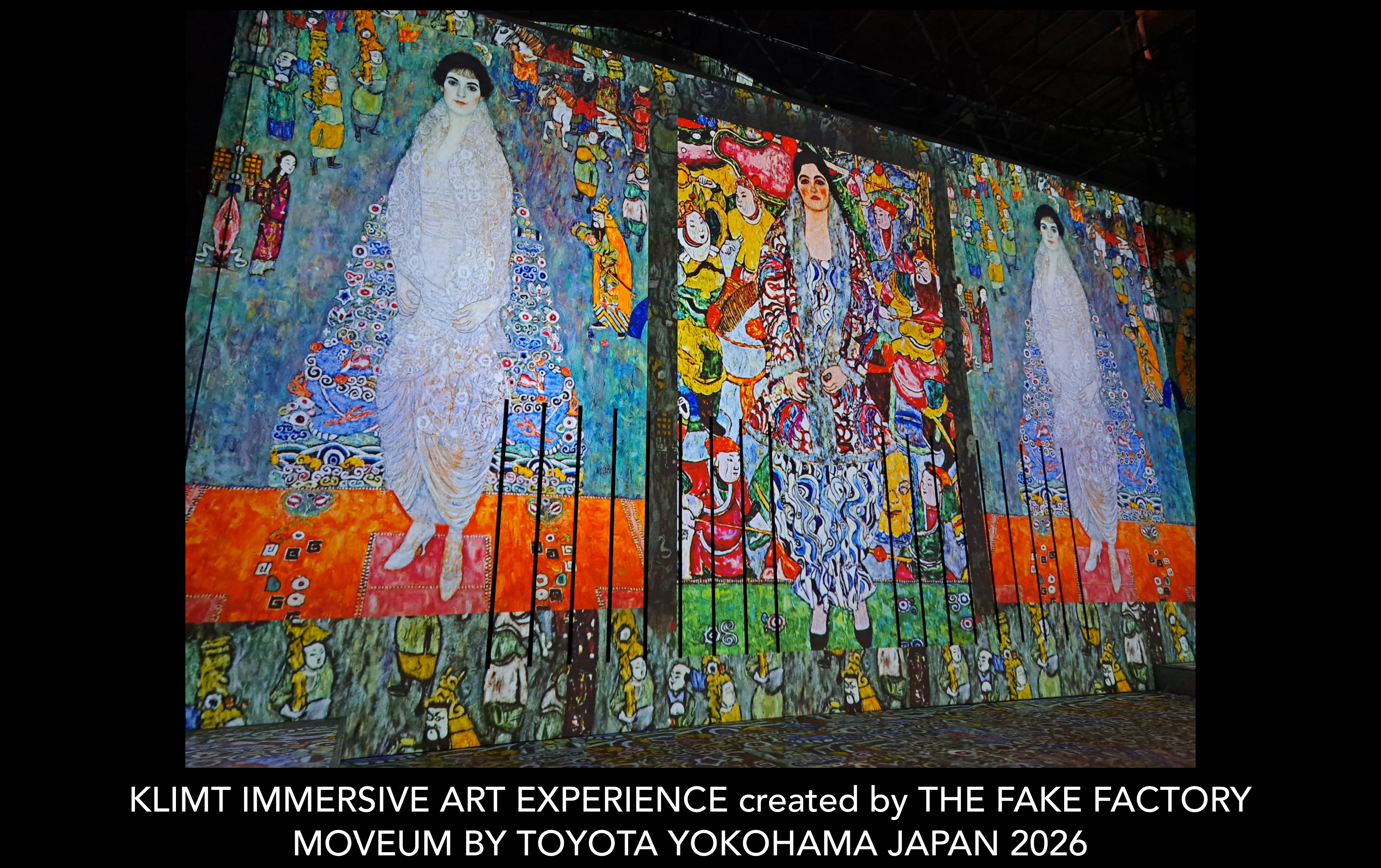
One of the most significant aspects of the exhibition lies in its ability to construct a coherent visual dramaturgy from a heterogeneous pictorial corpus. Klimt’s works—from portraits to landscapes and his celebrated decorative cycles—were reorganized according to a narrative logic that combined chronological, thematic, and formal criteria. This process of audiovisual montage allowed not only a more accessible understanding of the artist’s stylistic evolution, but also an intensification of its sensory and symbolic dimensions.
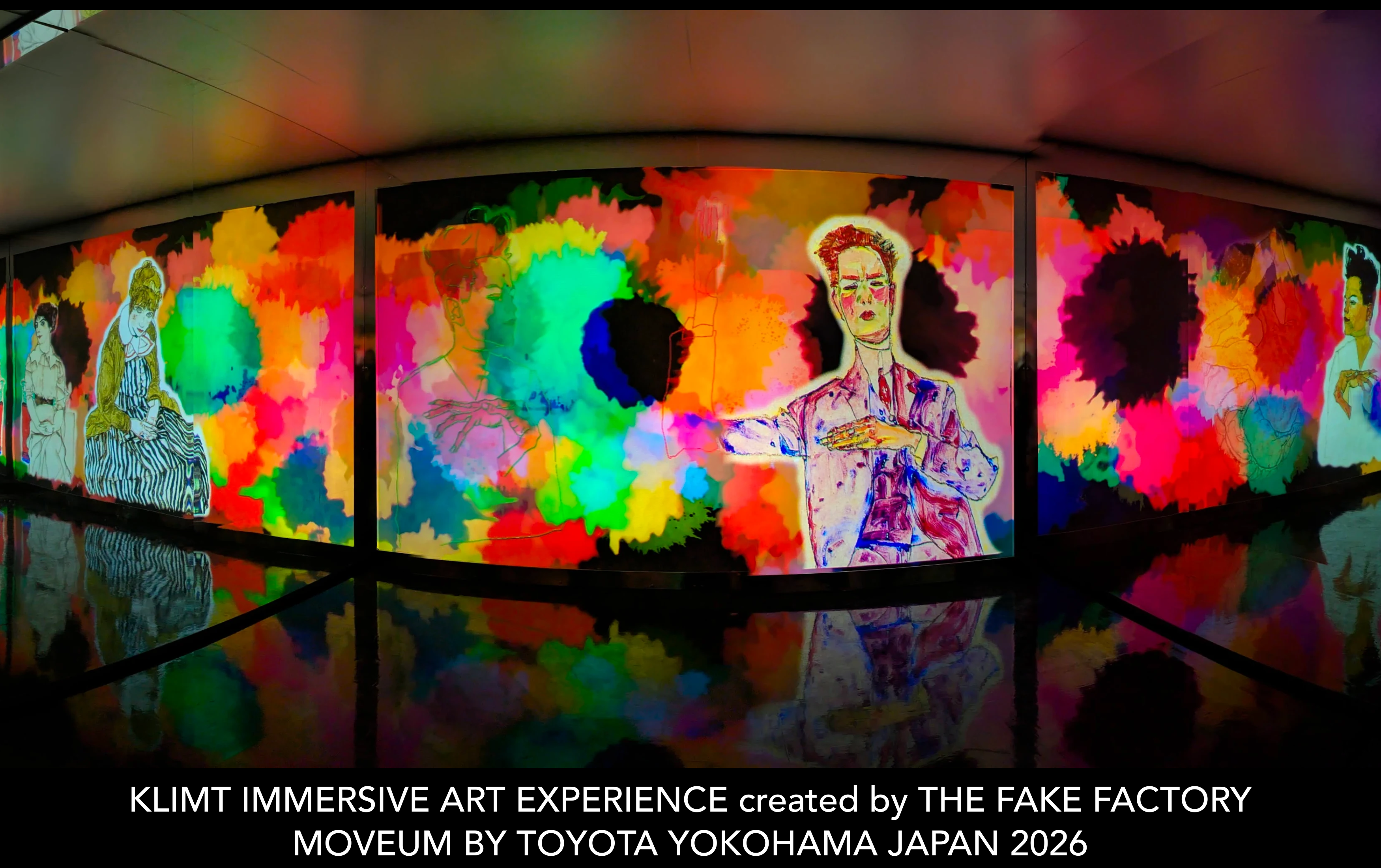
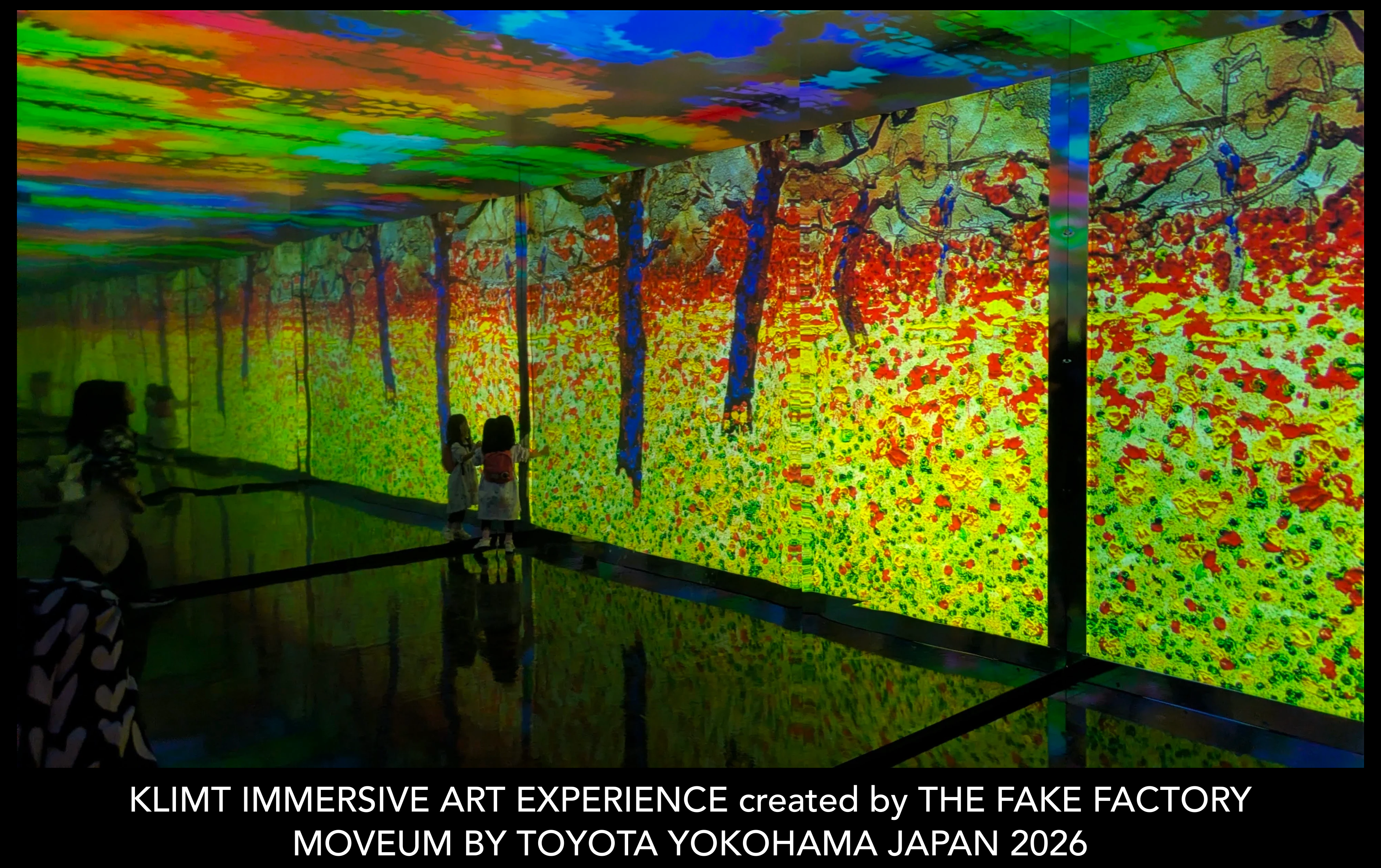
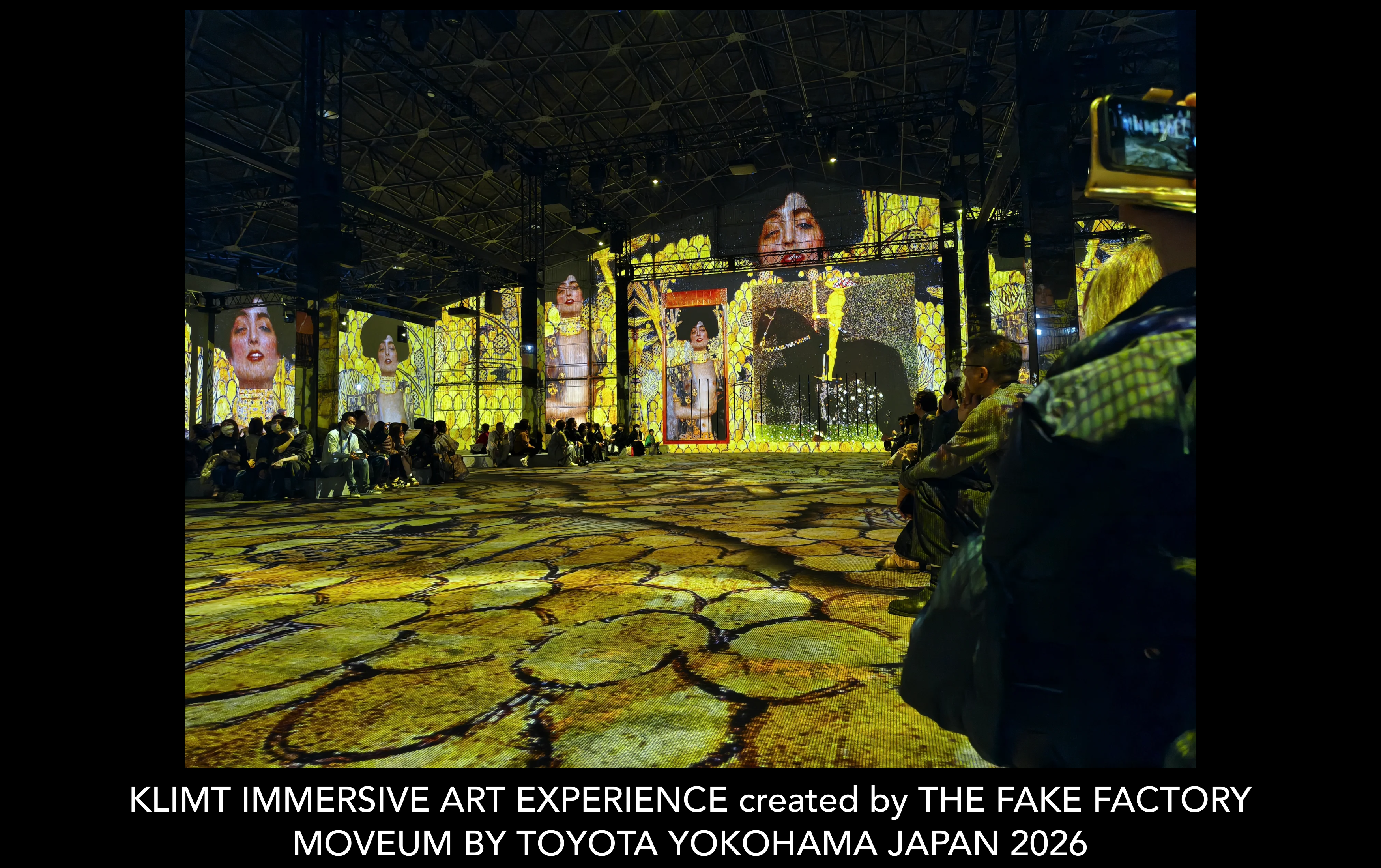
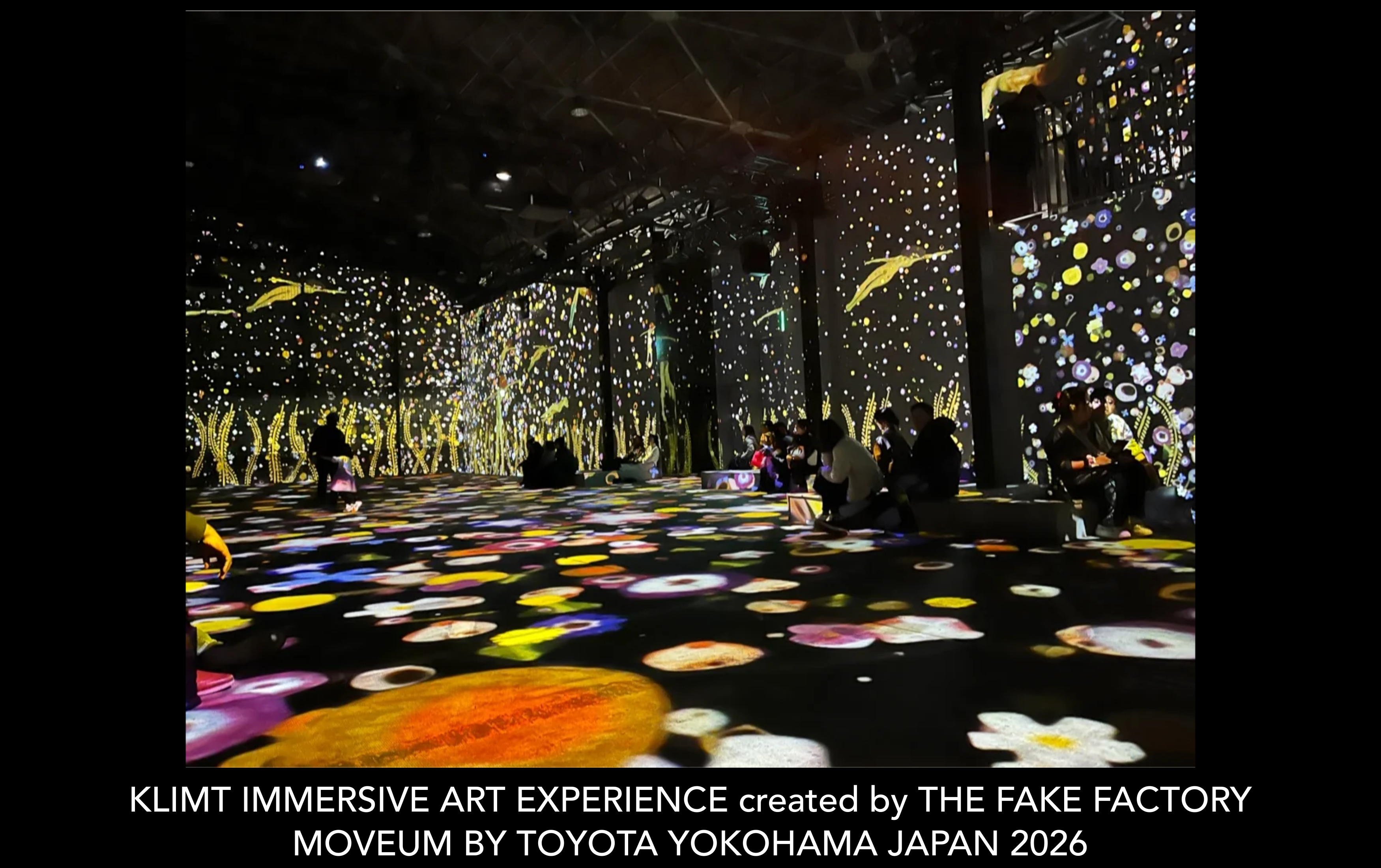
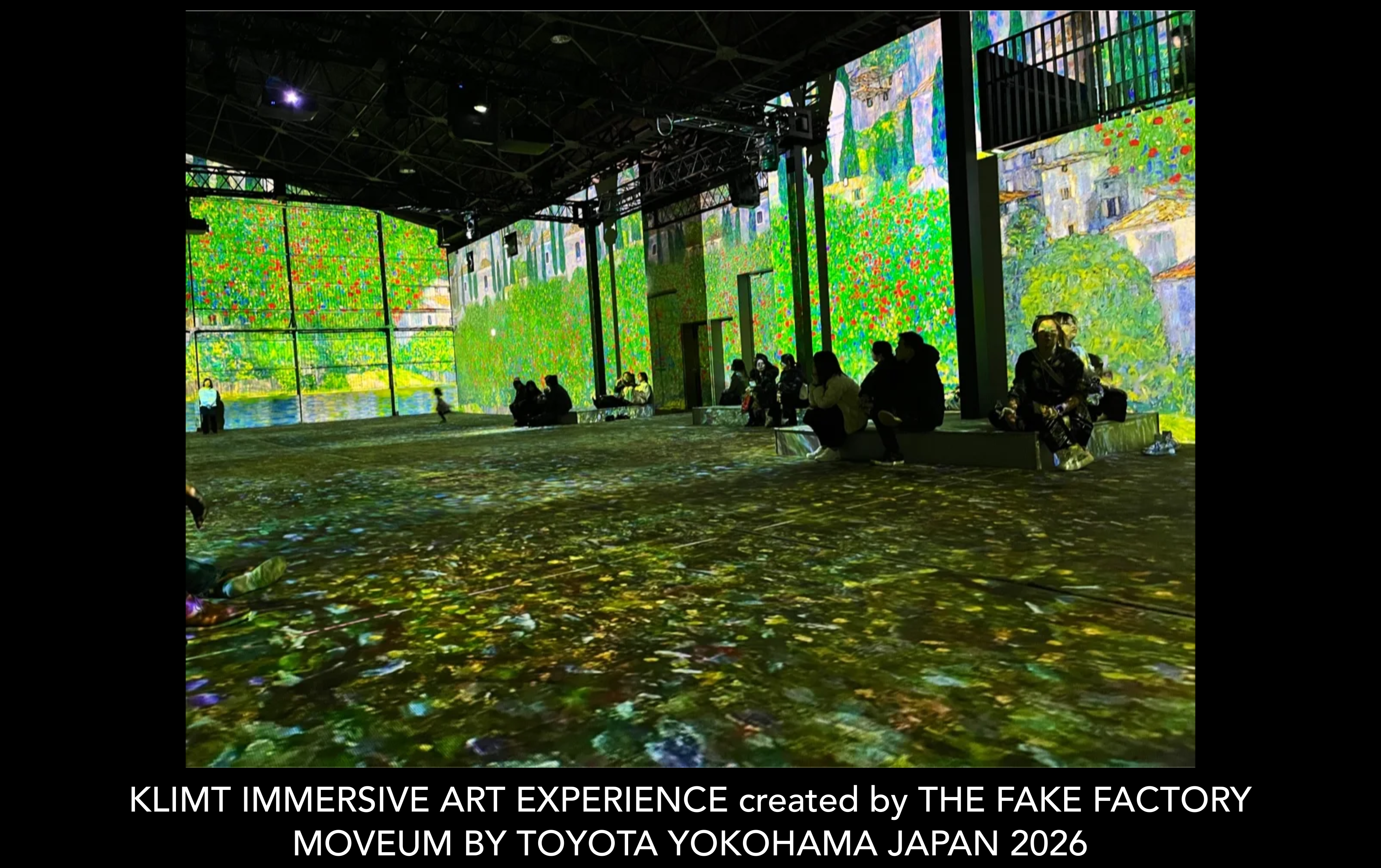
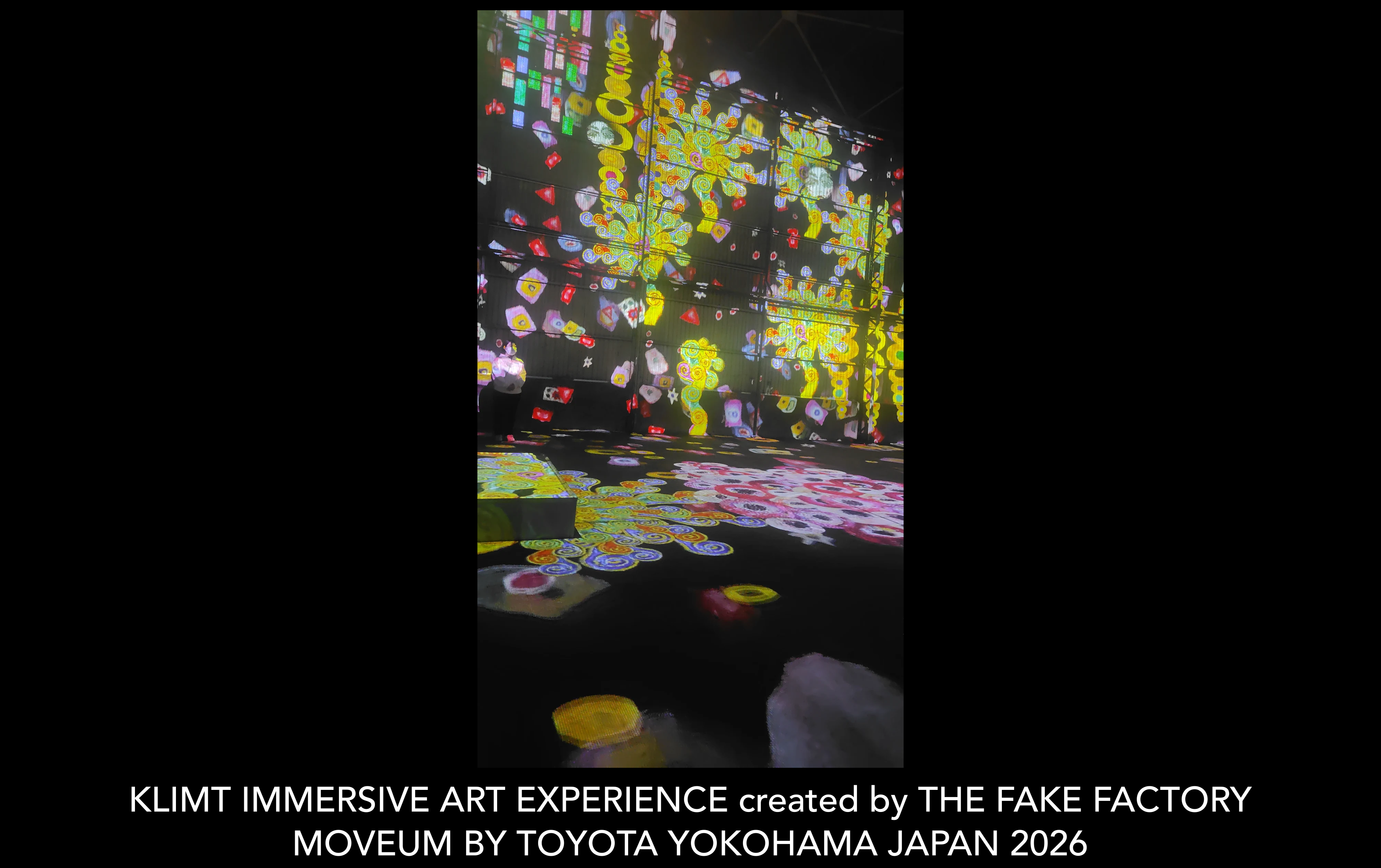
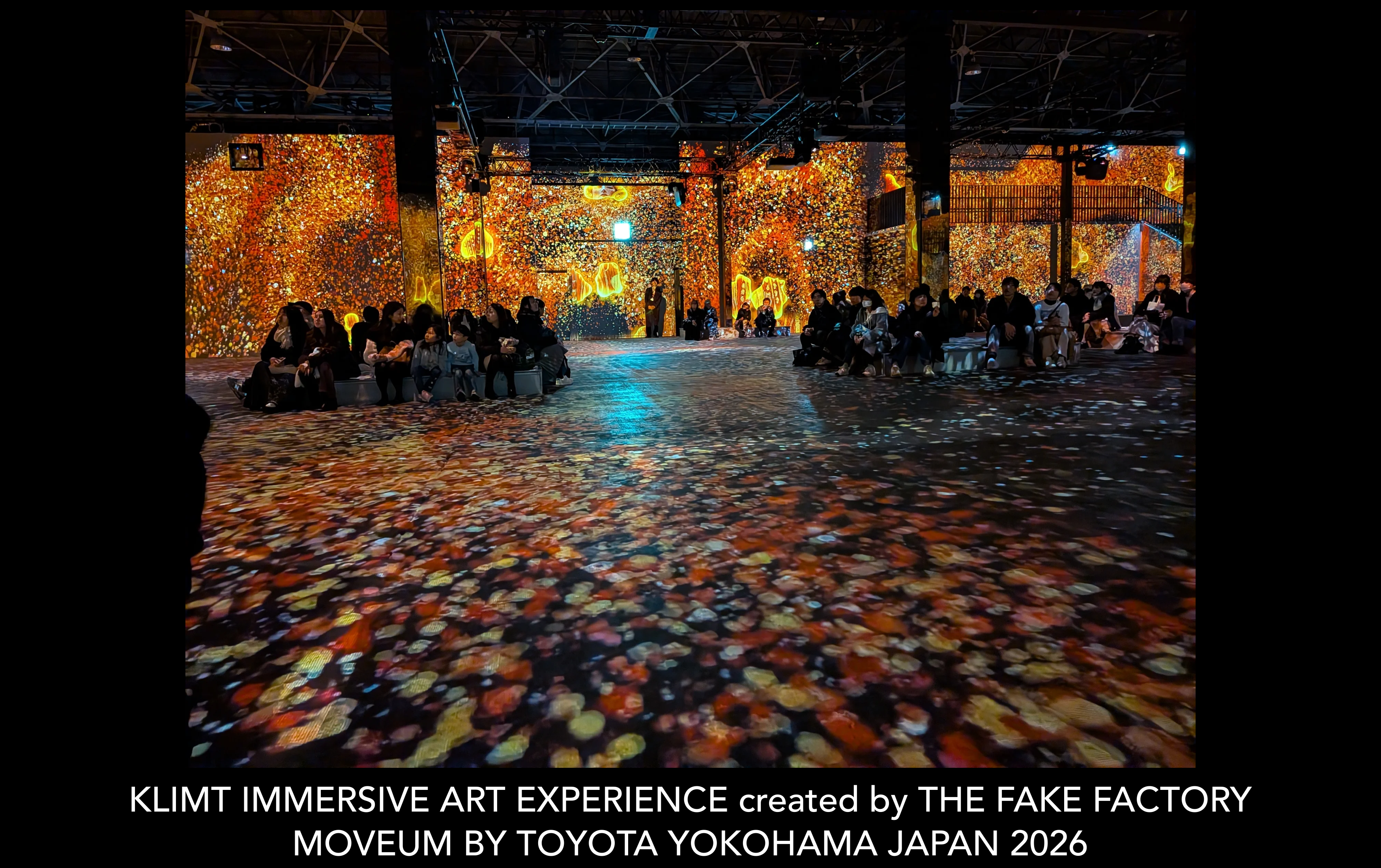
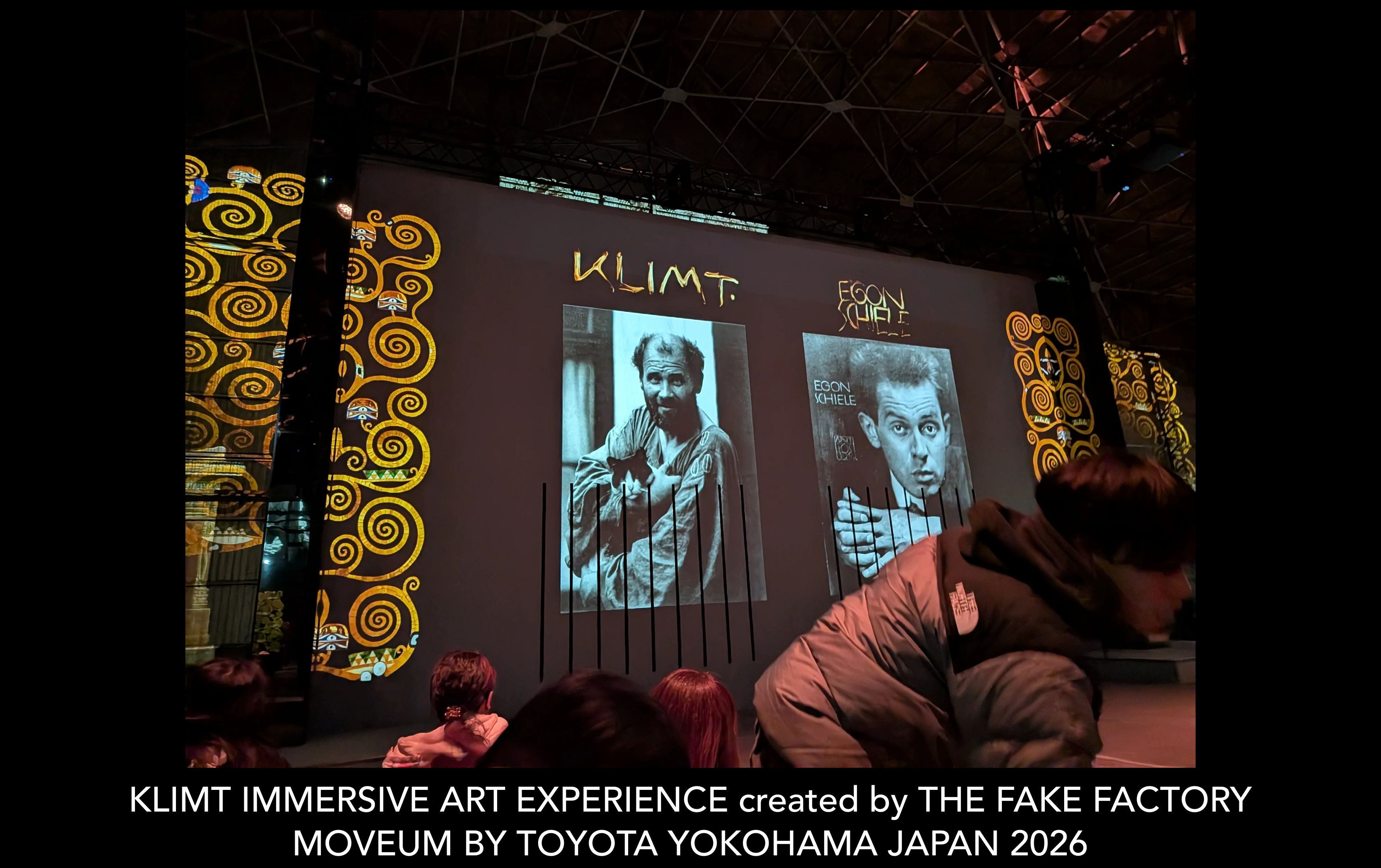
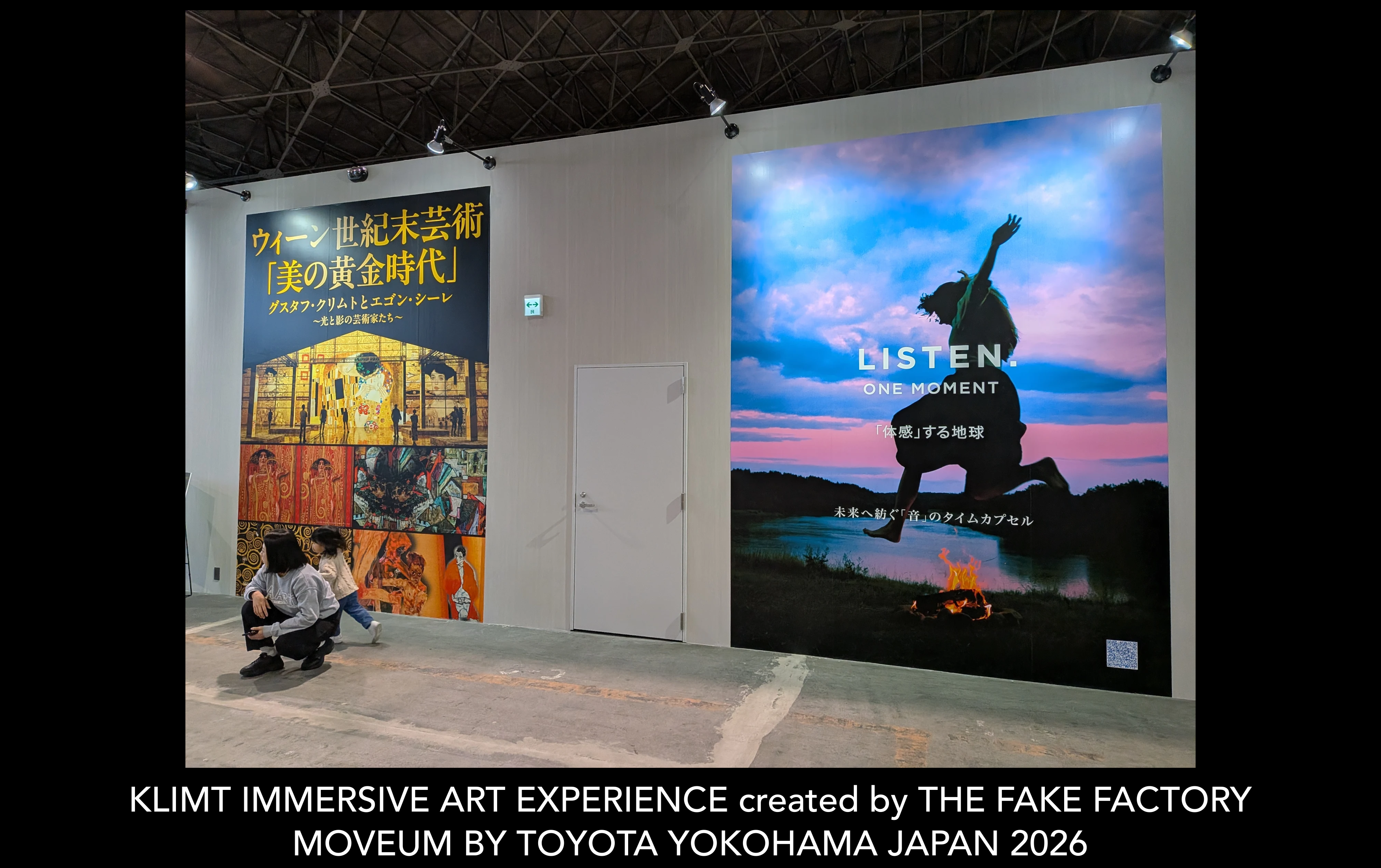
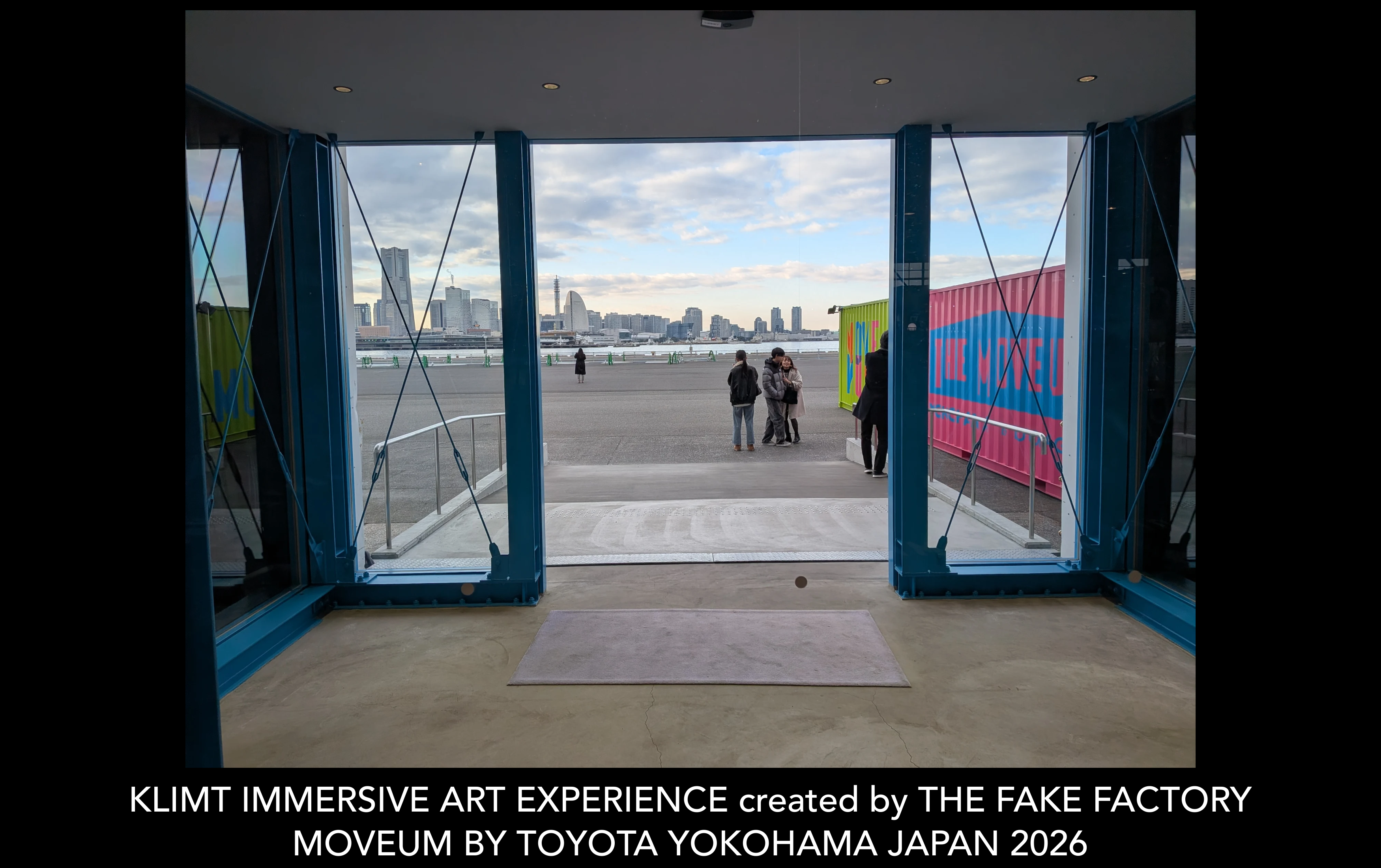
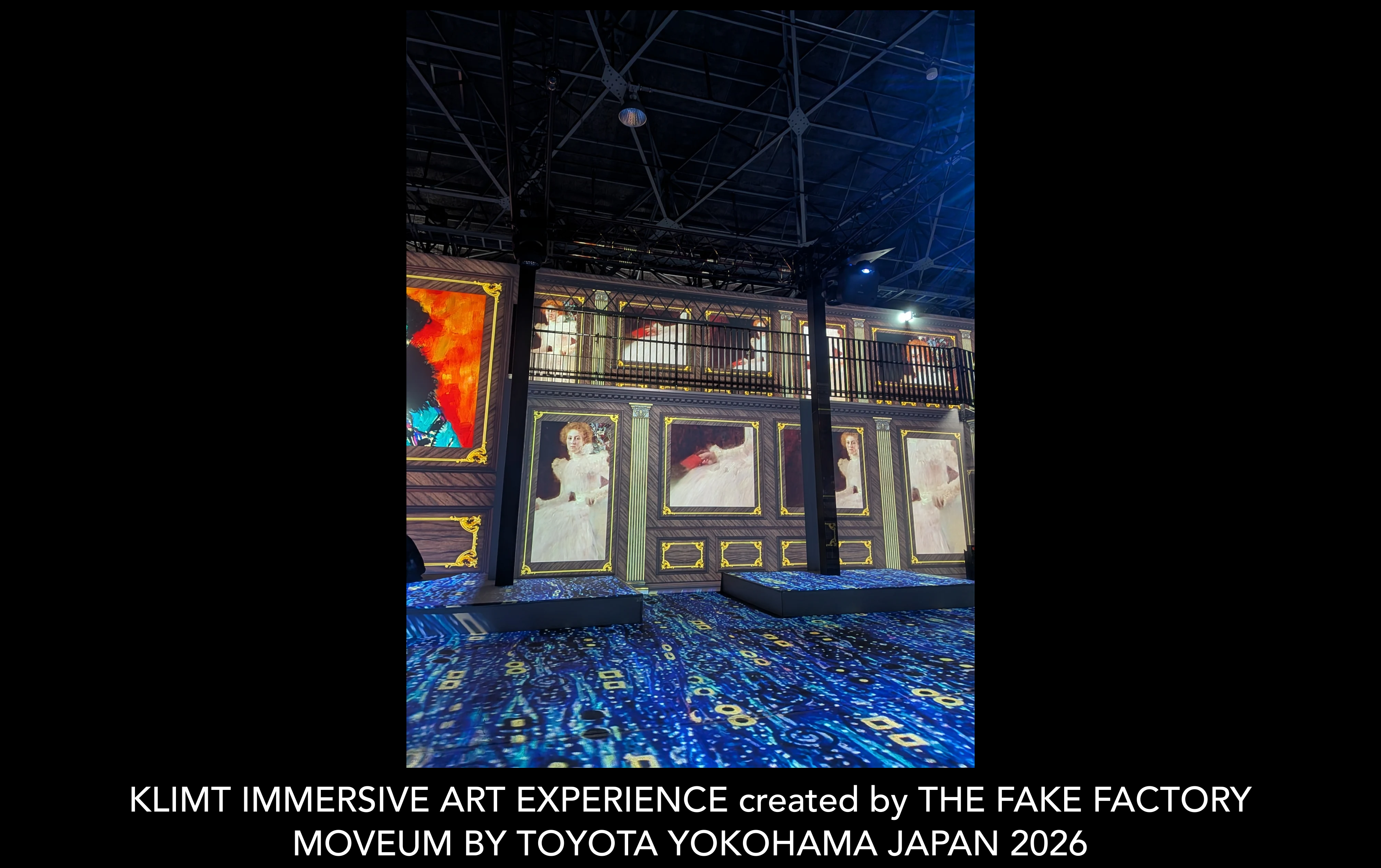
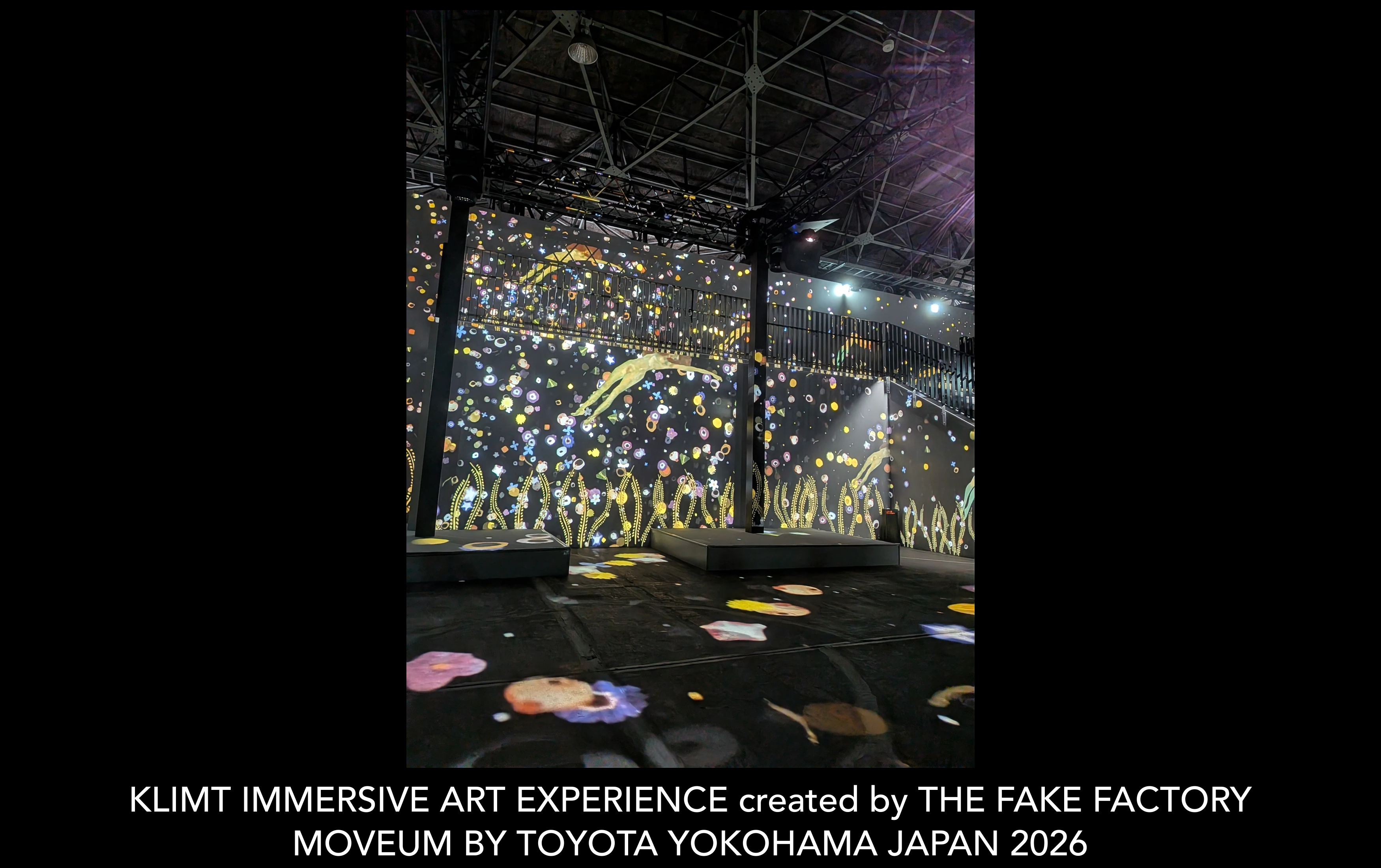
From an aesthetic standpoint, the experience was characterized by a “poetic” use of technology, in which digital resources did not assert themselves as autonomous spectacle, but were subordinated to the construction of meaning. Animations, virtual camera movements, detail enlargements, and chromatic variations were conceived as interpretative tools aimed at revealing latent aspects of the original works. In this sense, the exhibition avoided both static reproduction and arbitrary manipulation, positioning itself at a point of balance between historical fidelity and contemporary reinterpretation.
The immersive dimension of the project entailed a redefinition of the role of the spectator. No longer a detached observer, the viewer became a subject situated within the space of the artwork. The experience thus took the form of a total perceptual environment, in which vision, hearing, and bodily movement jointly contributed to the construction of meaning. This transformation of the spectator into an active participant reflects a broader tendency in contemporary art toward relational and multisensory modes of experience.
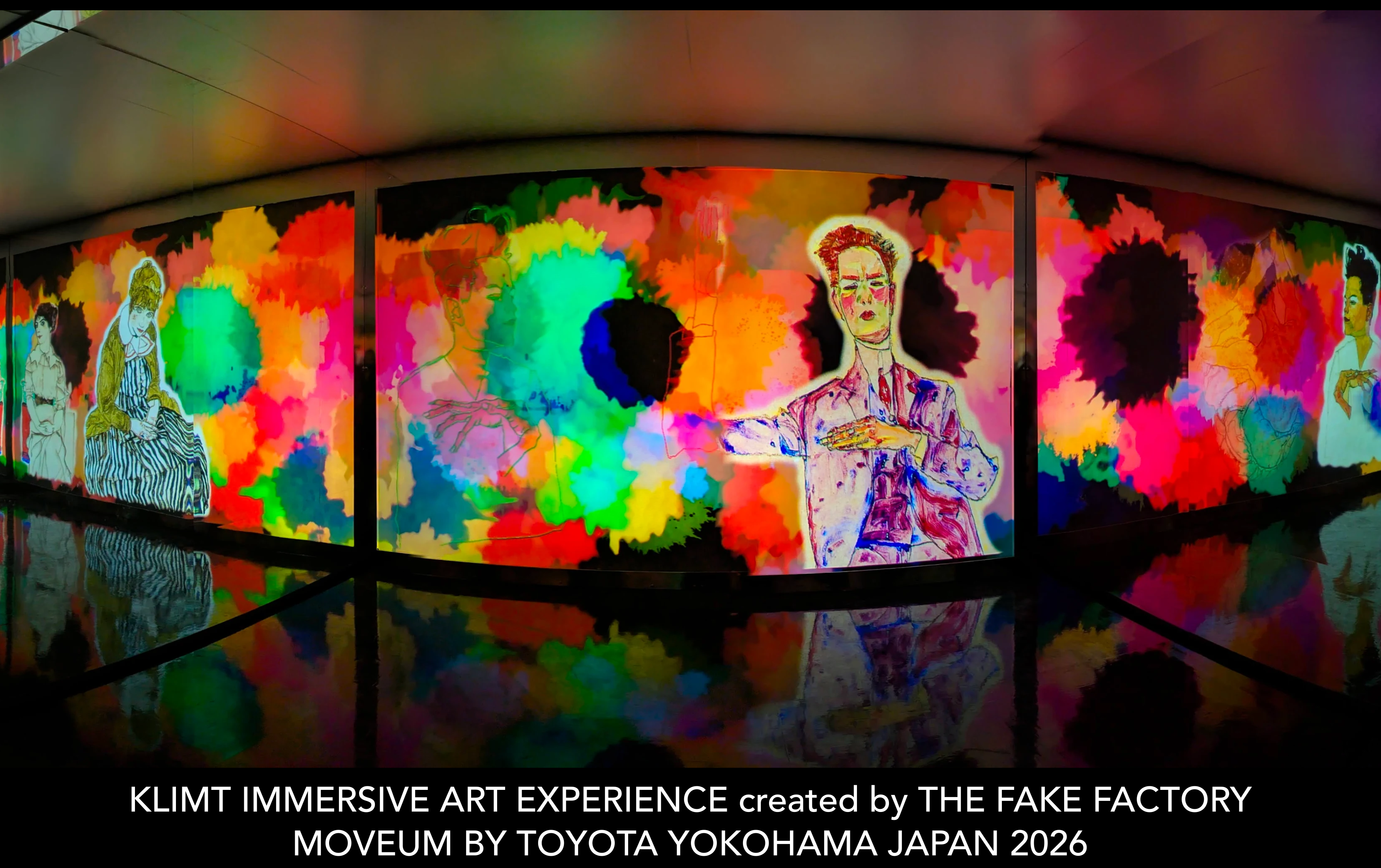
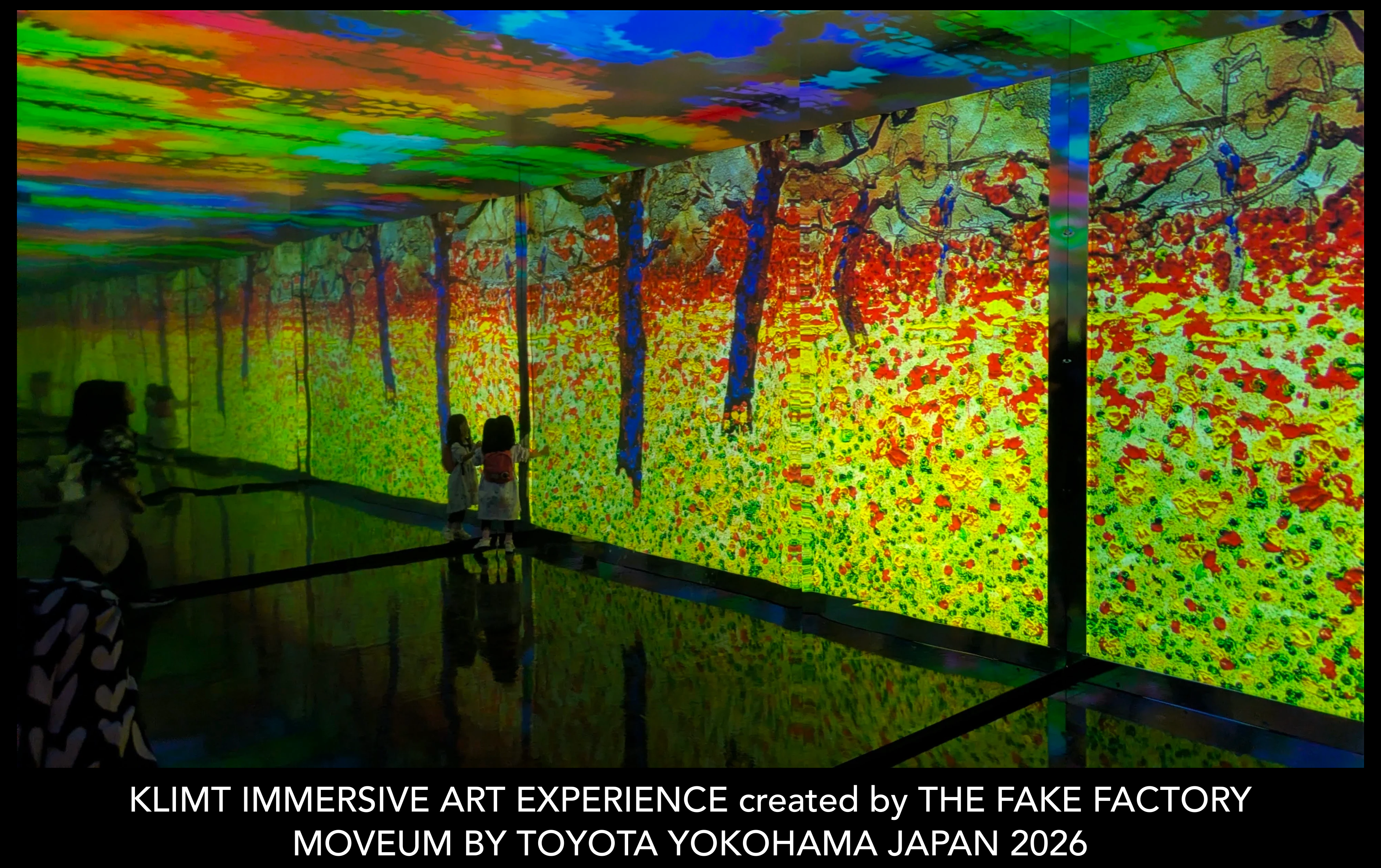
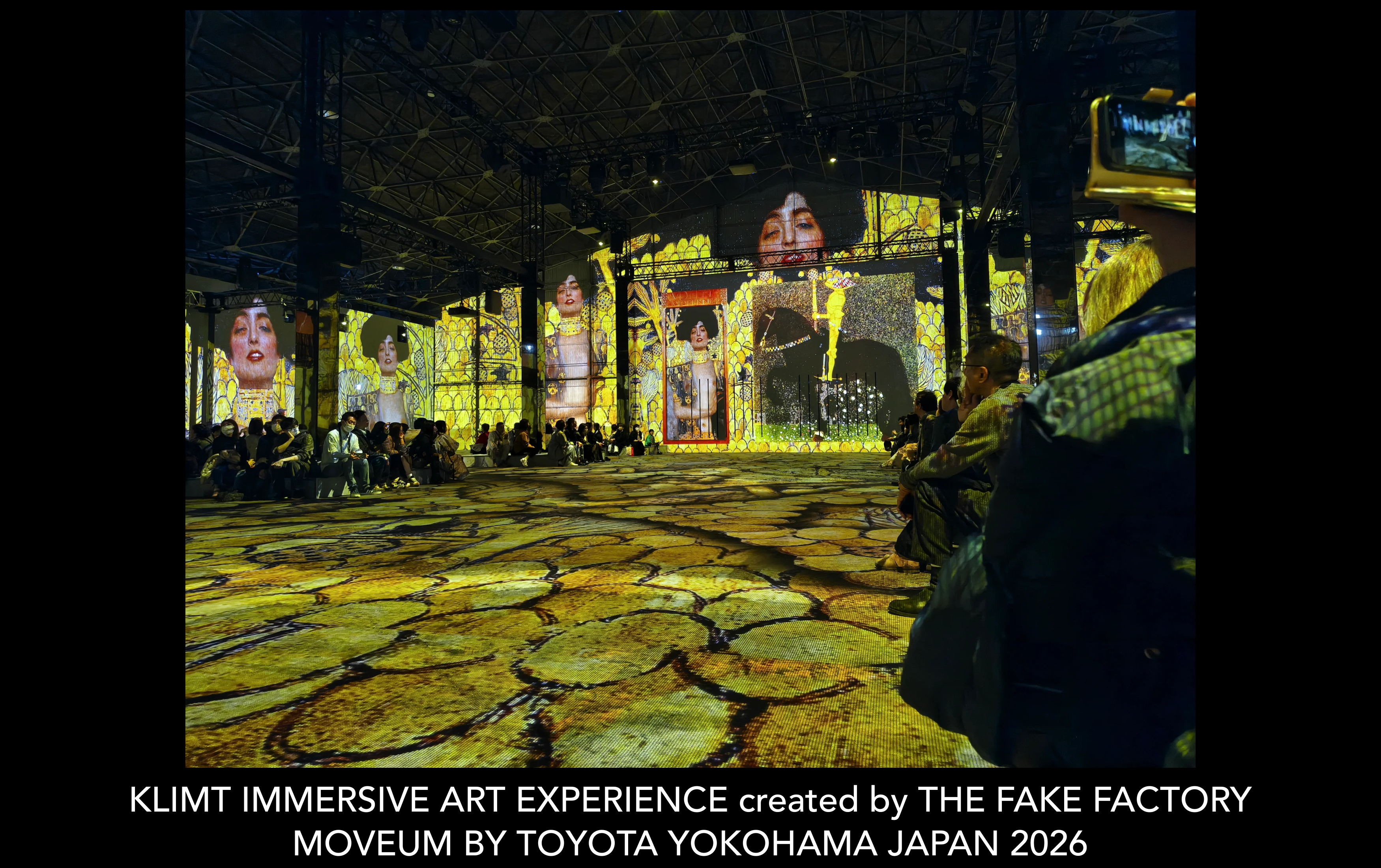
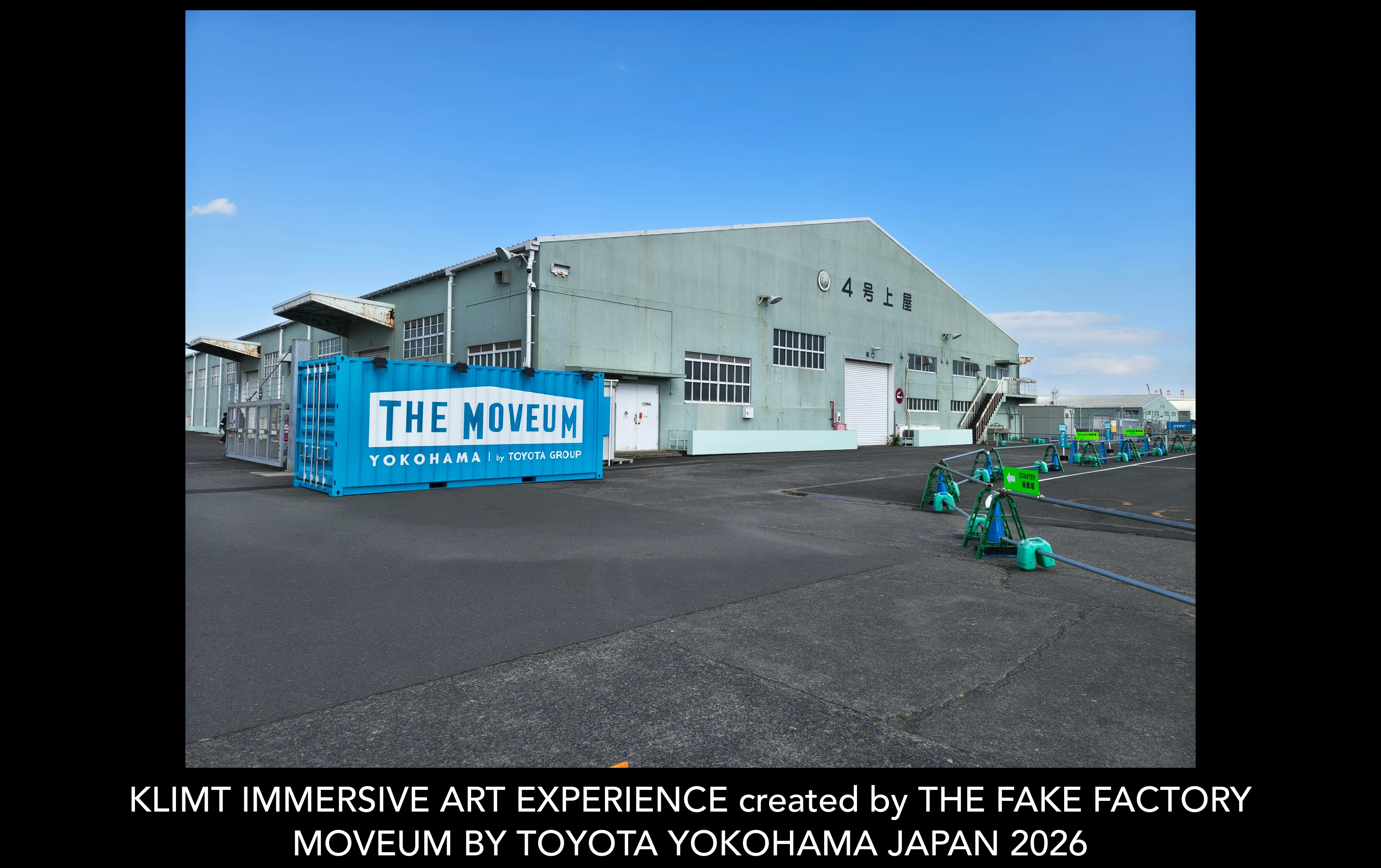
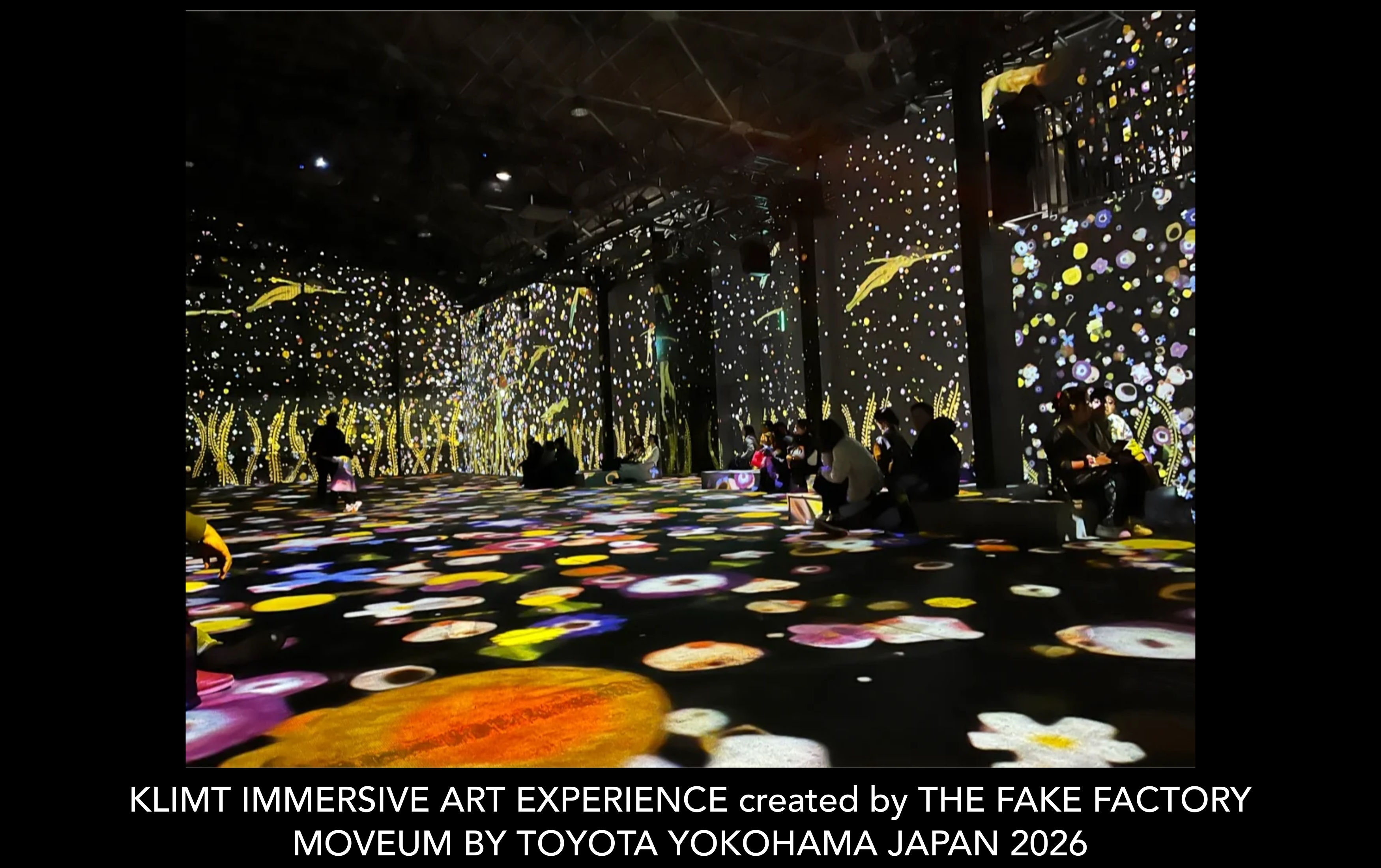
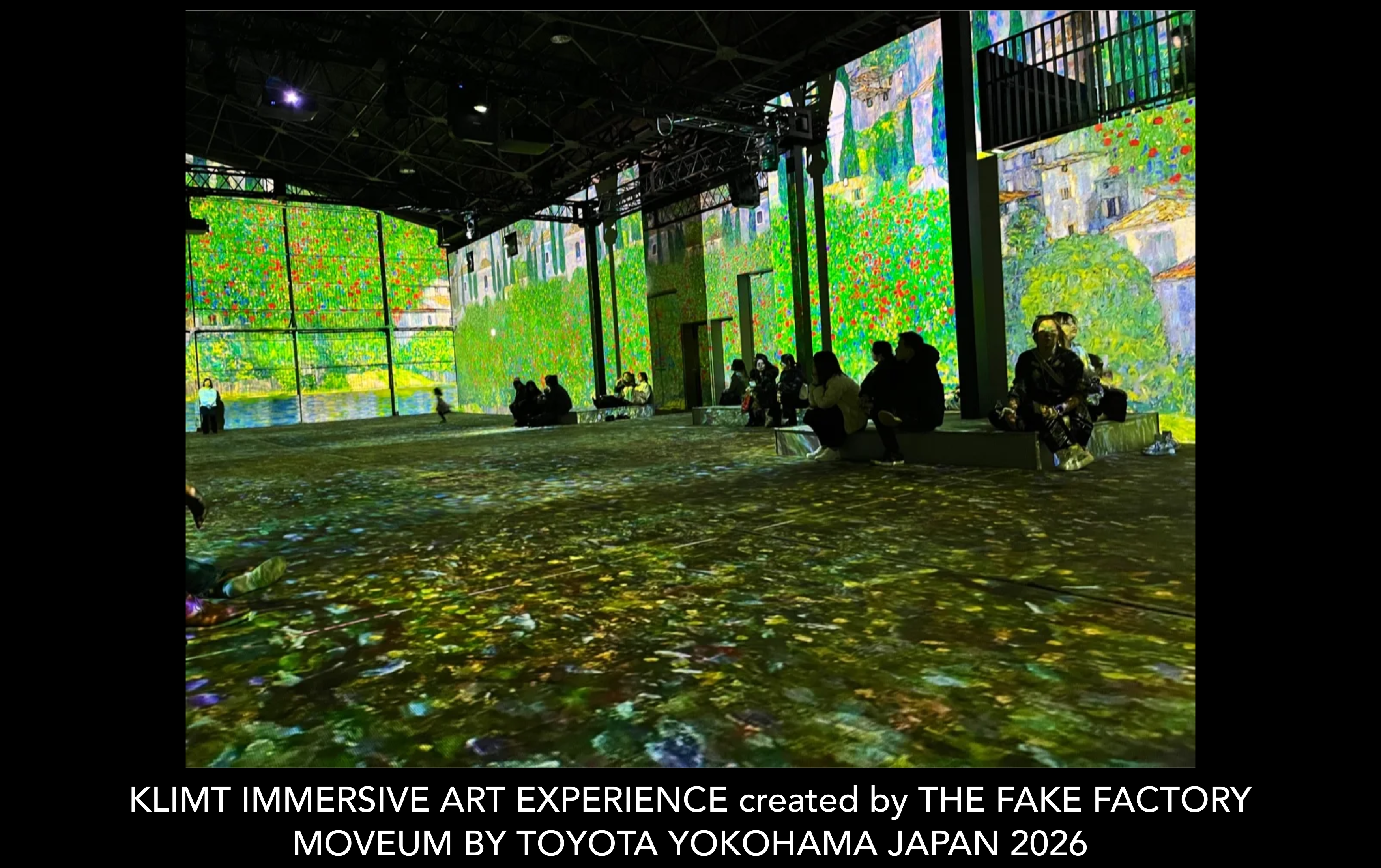
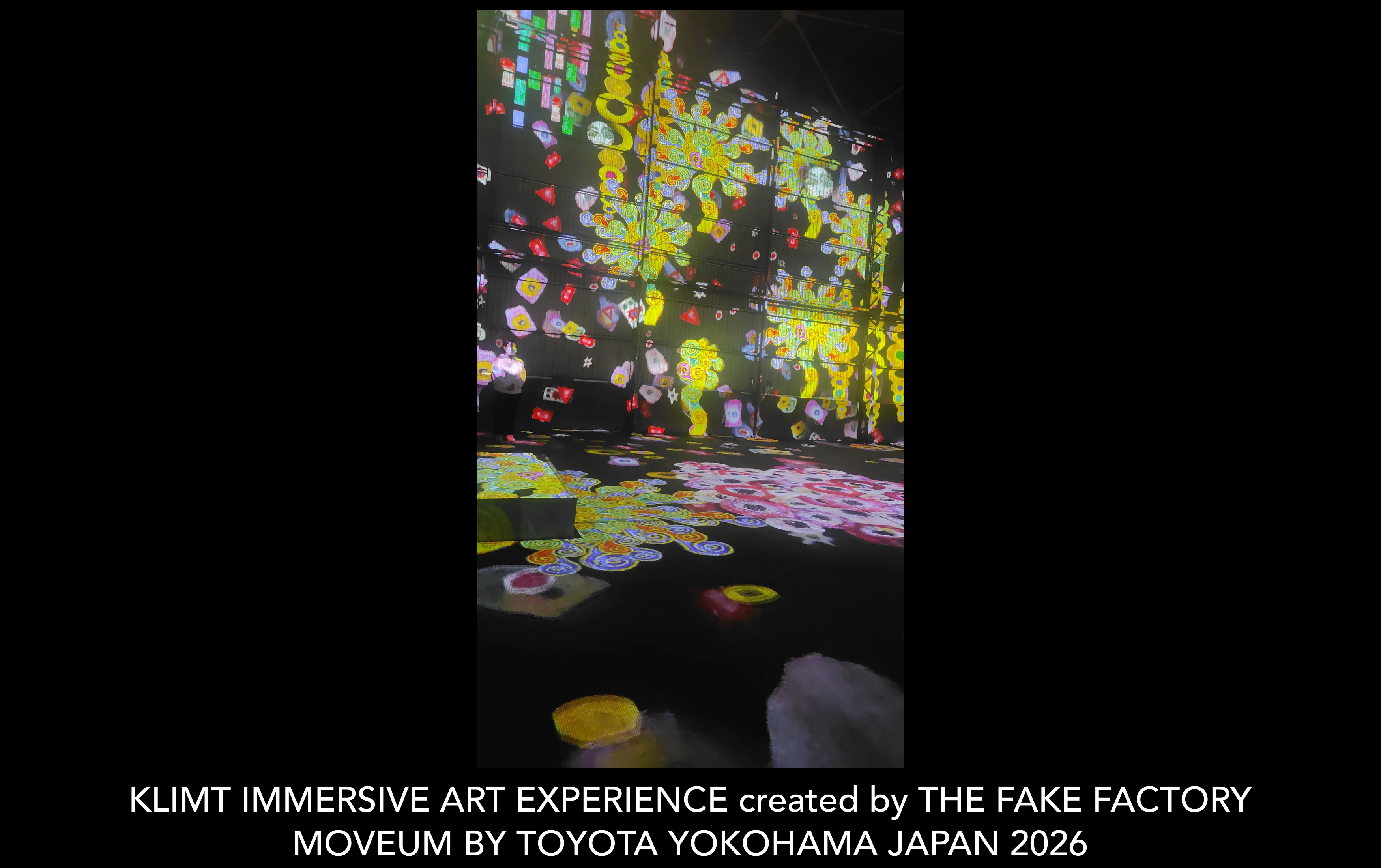
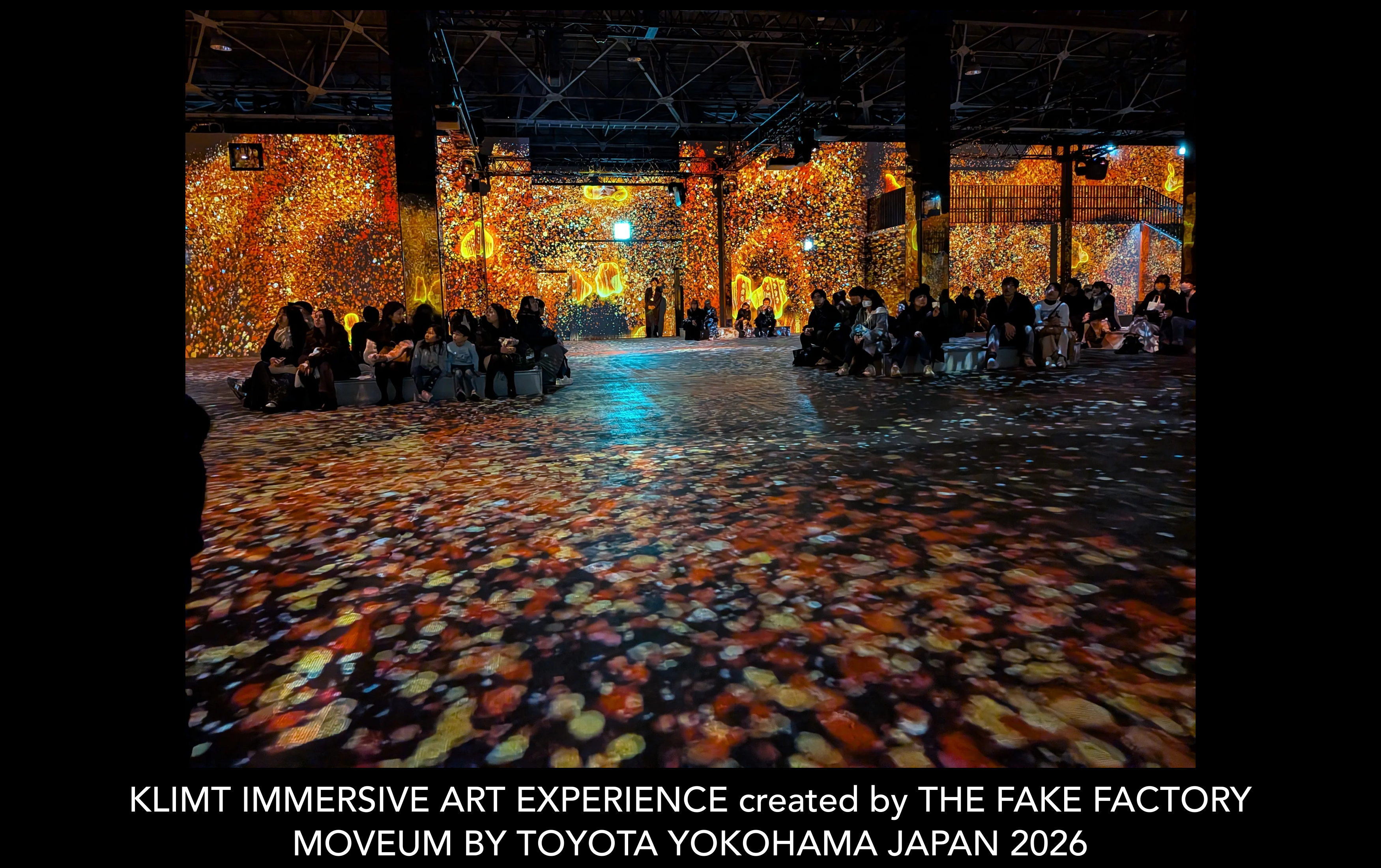
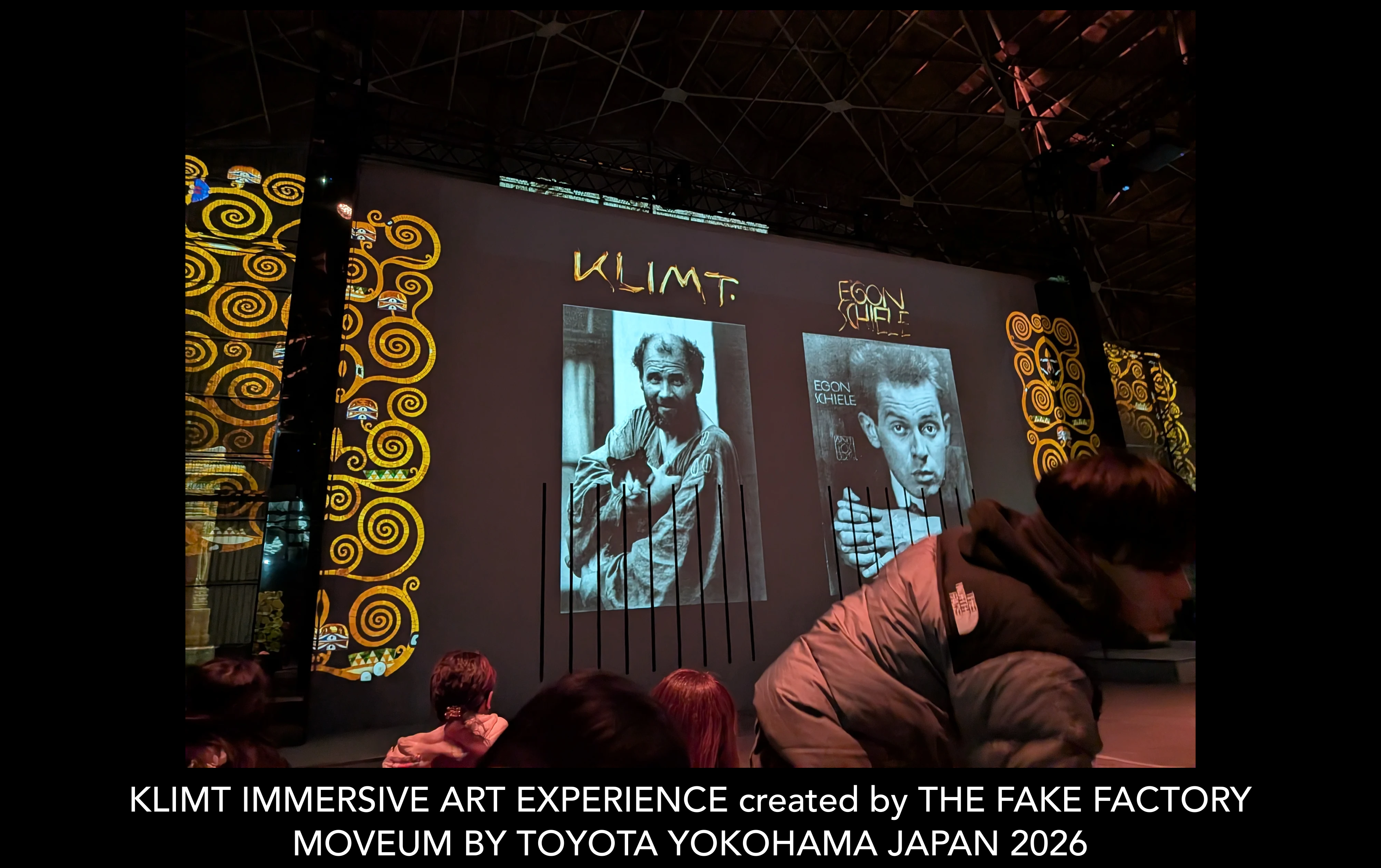
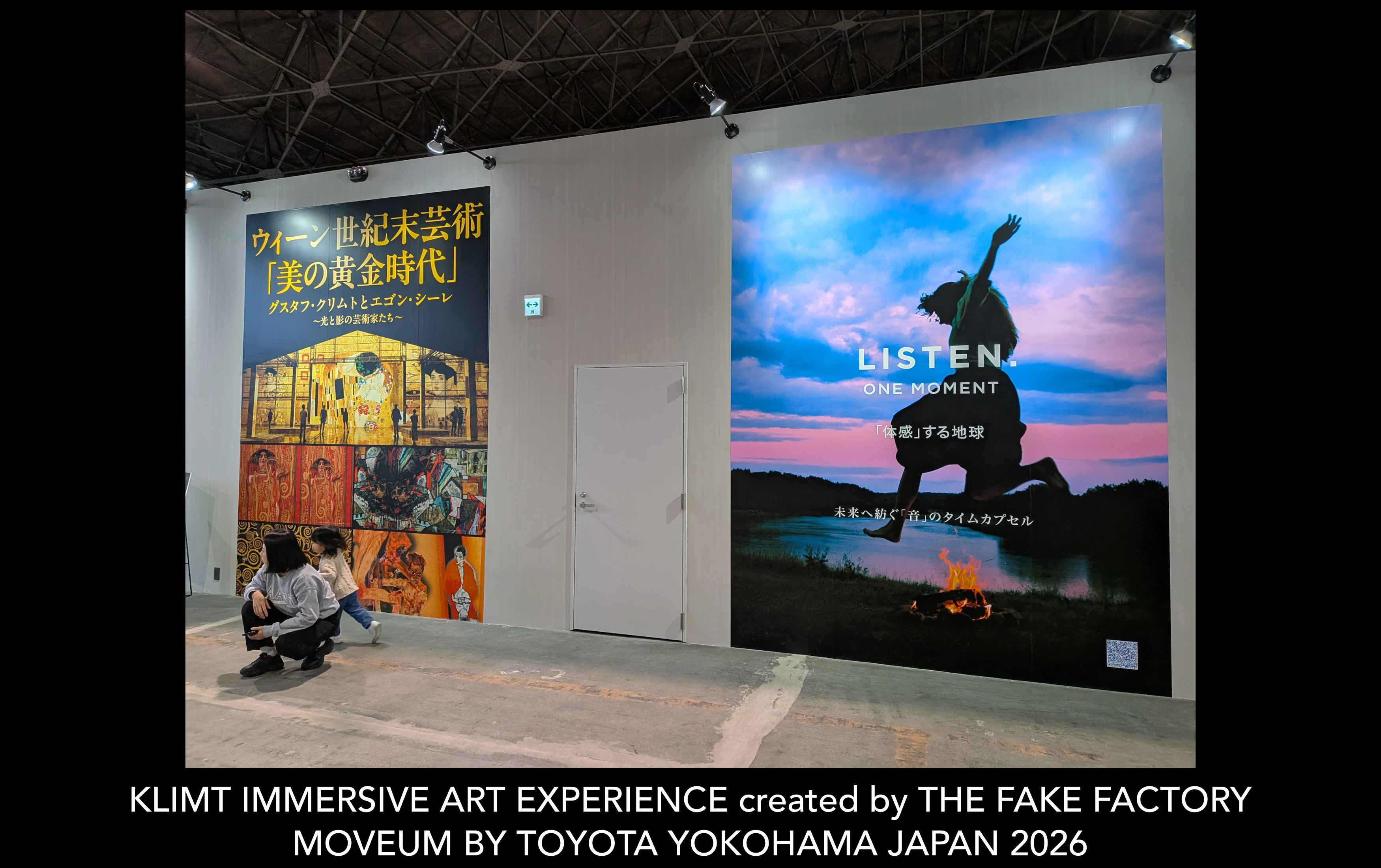
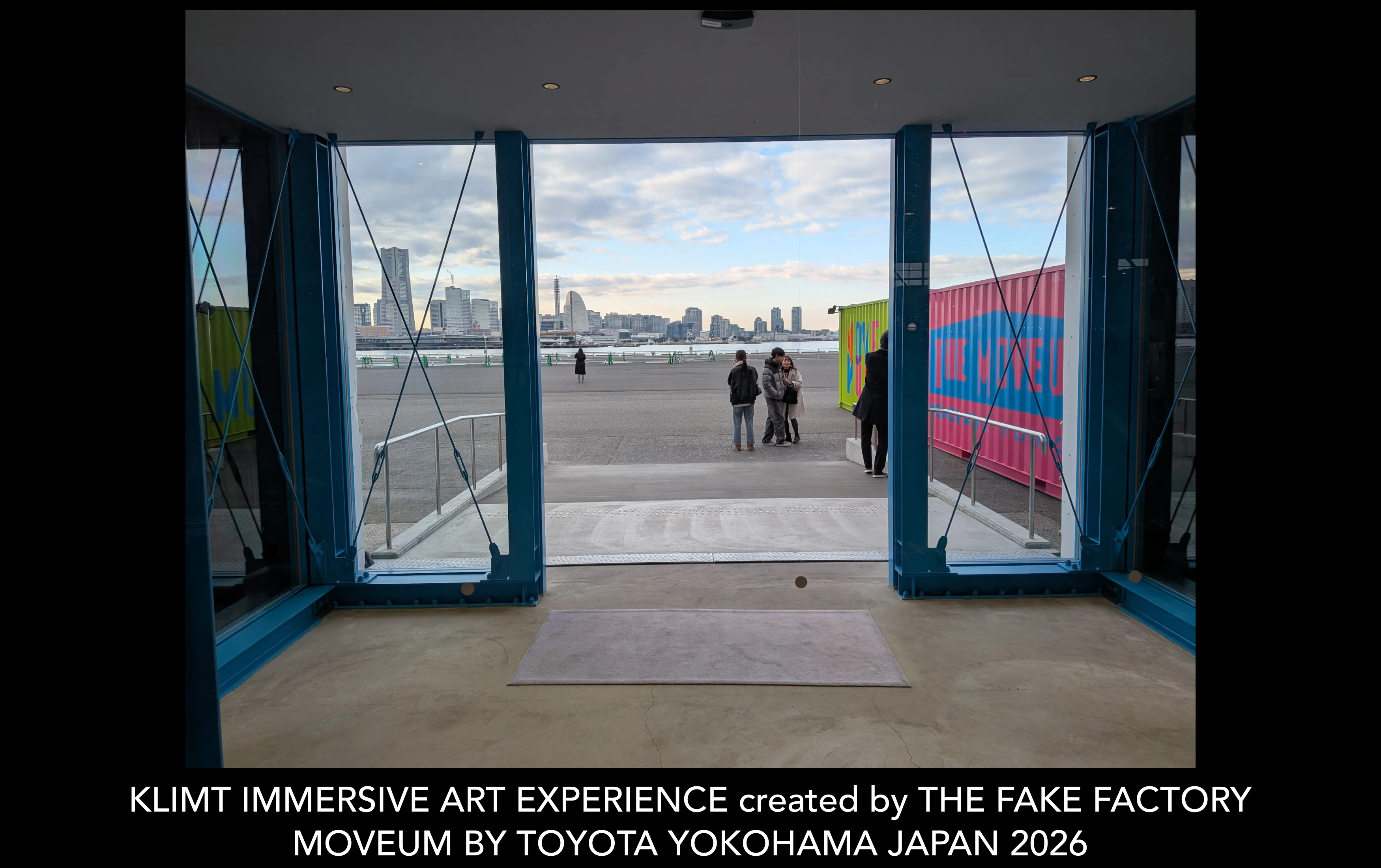
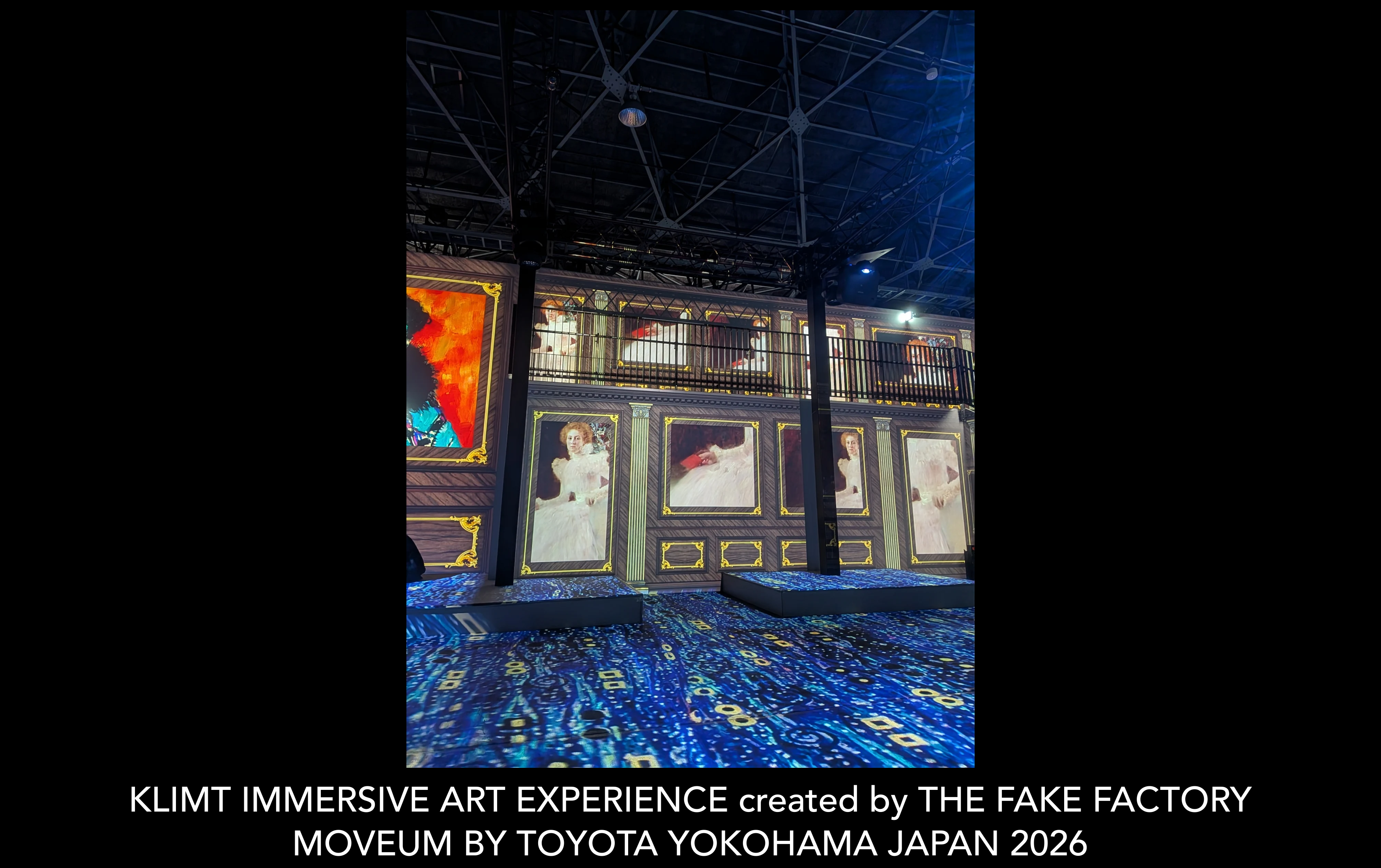
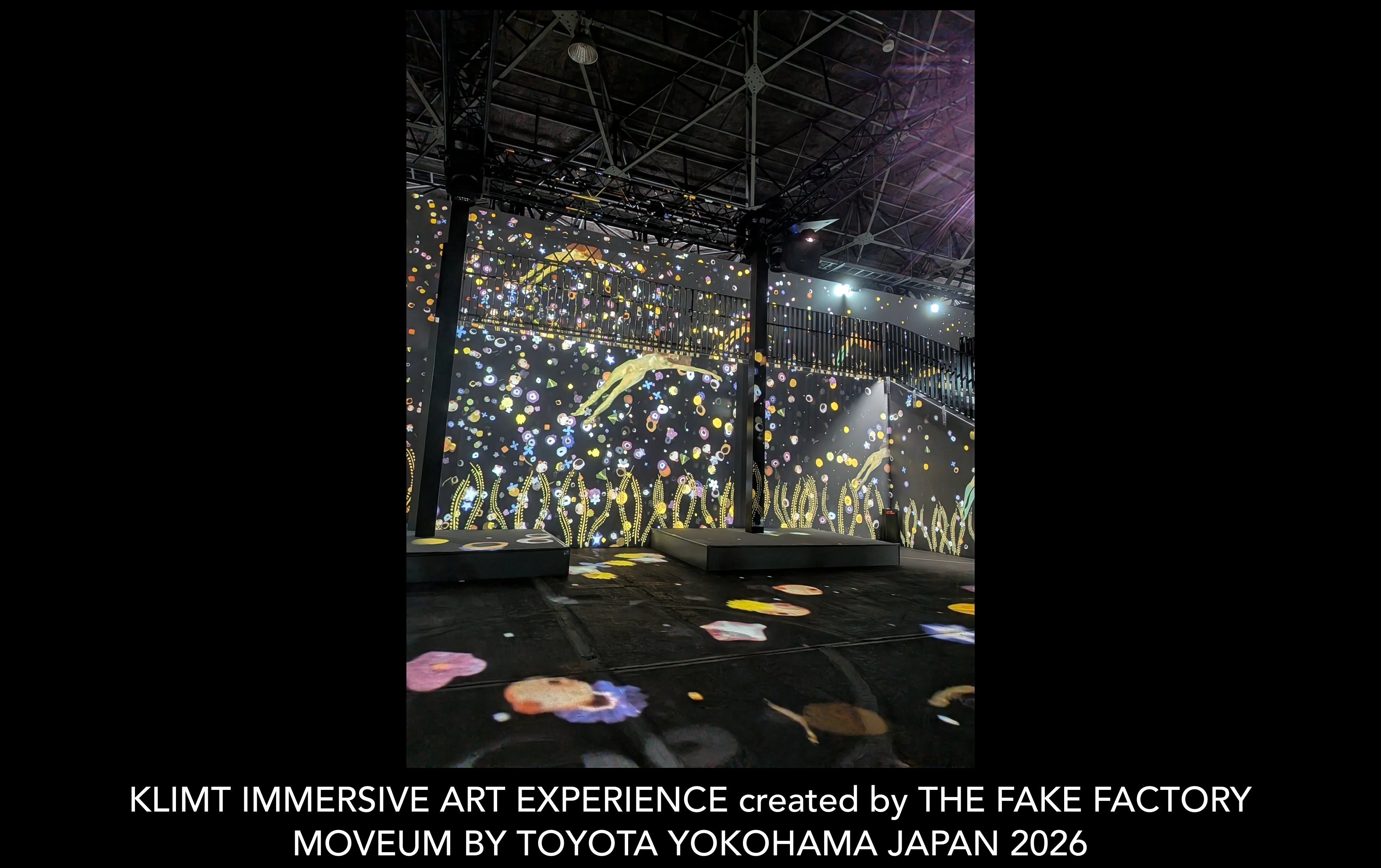
The extraordinary public success of Klimt Immersive Art Experience, with millions of visitors across various cities worldwide, should be understood not only in quantitative terms but also as an indicator of a structural shift in modes of cultural consumption. The exhibition succeeded in attracting broad and heterogeneous audiences, including groups traditionally distant from museum circuits, without abandoning a rigorous approach to content mediation. This balance between accessibility and quality constitutes one of the key factors behind its impact.
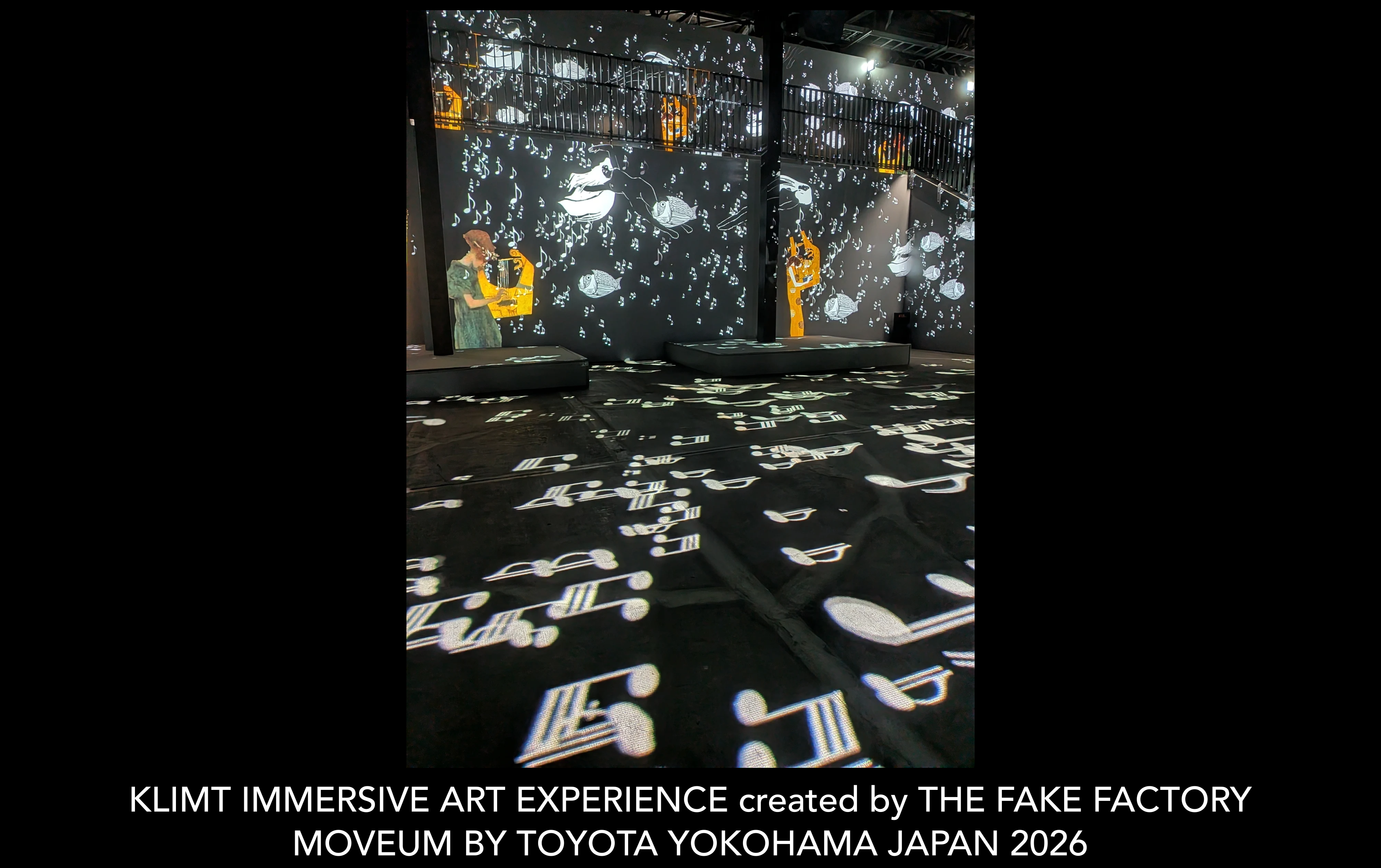
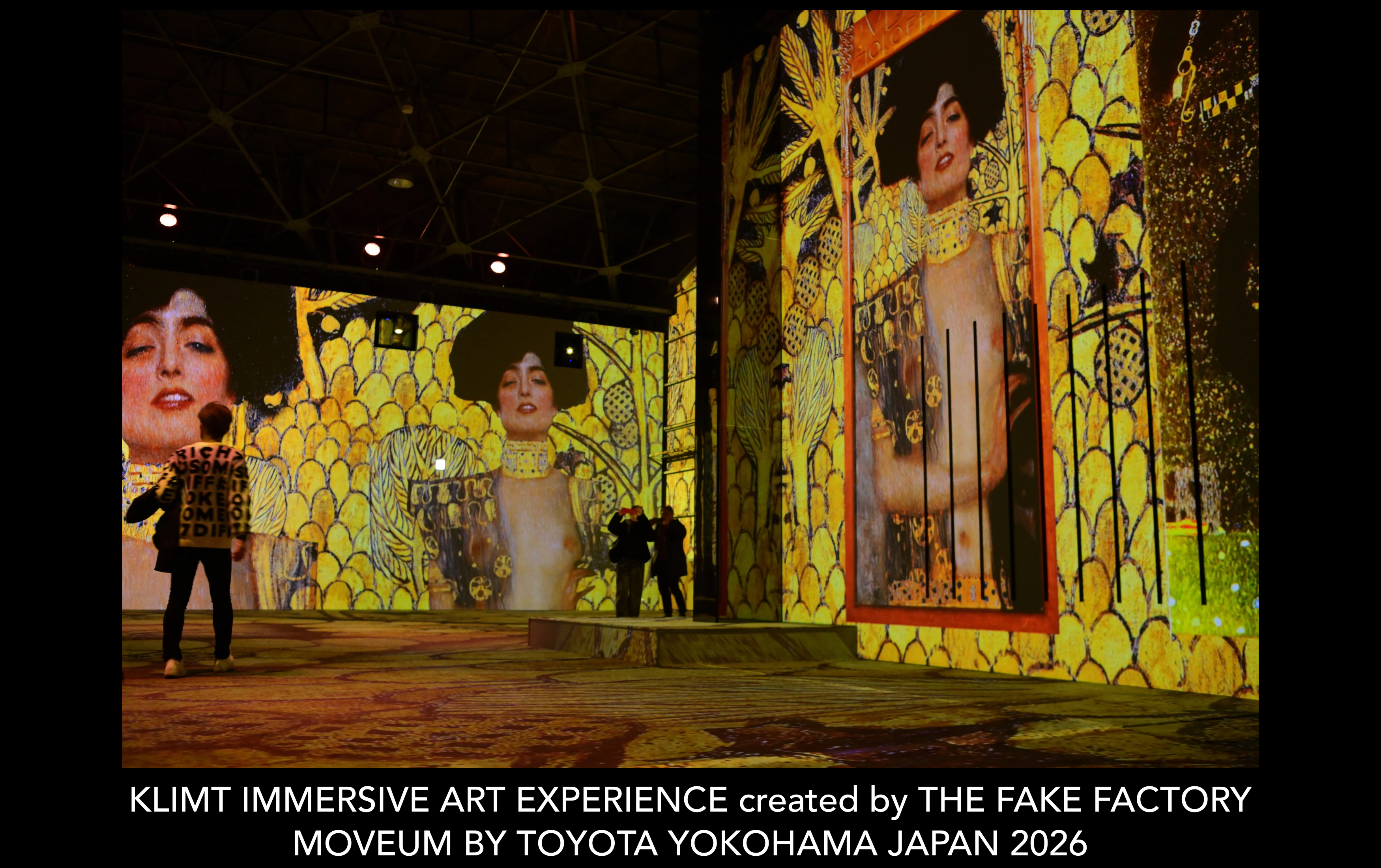
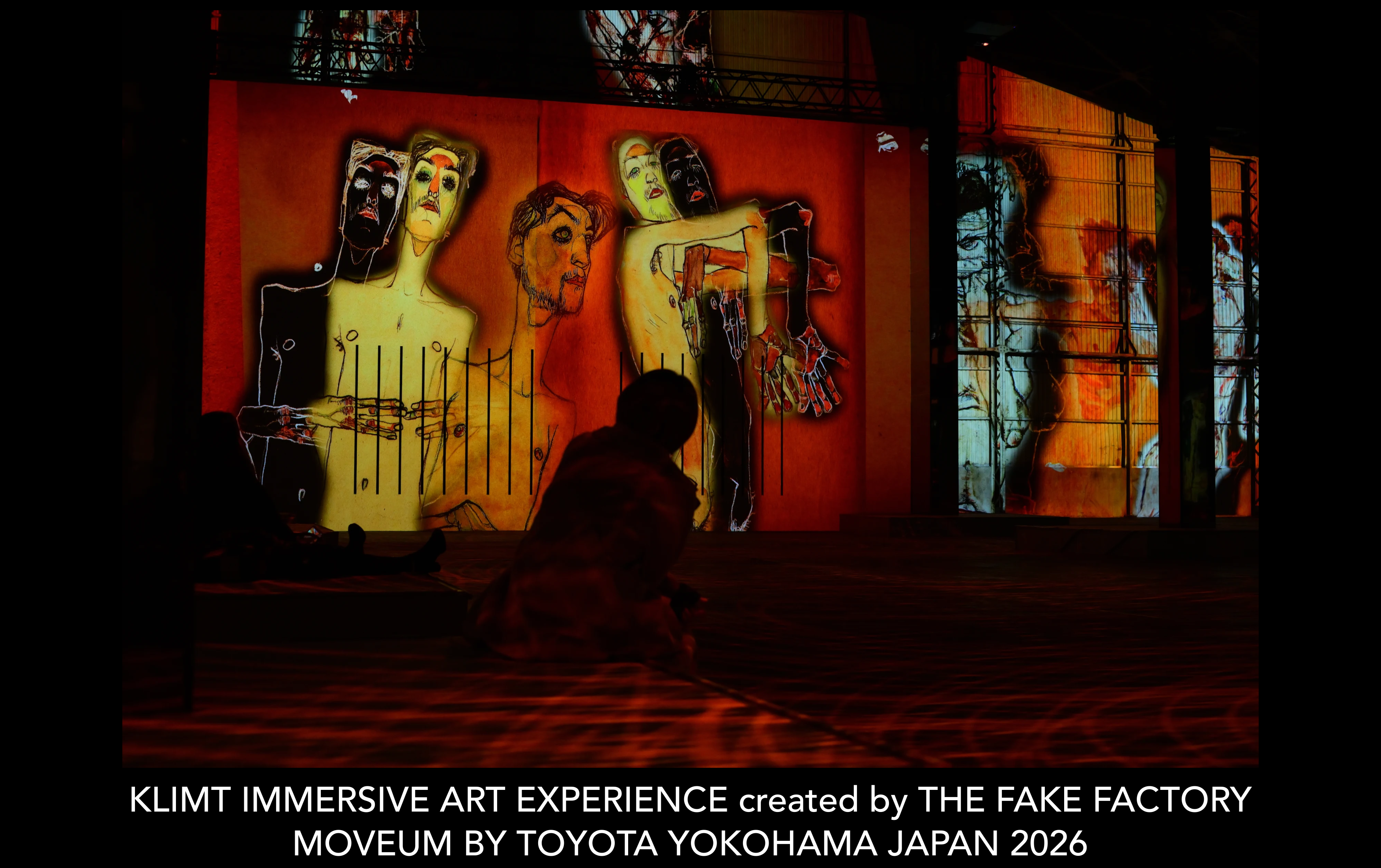
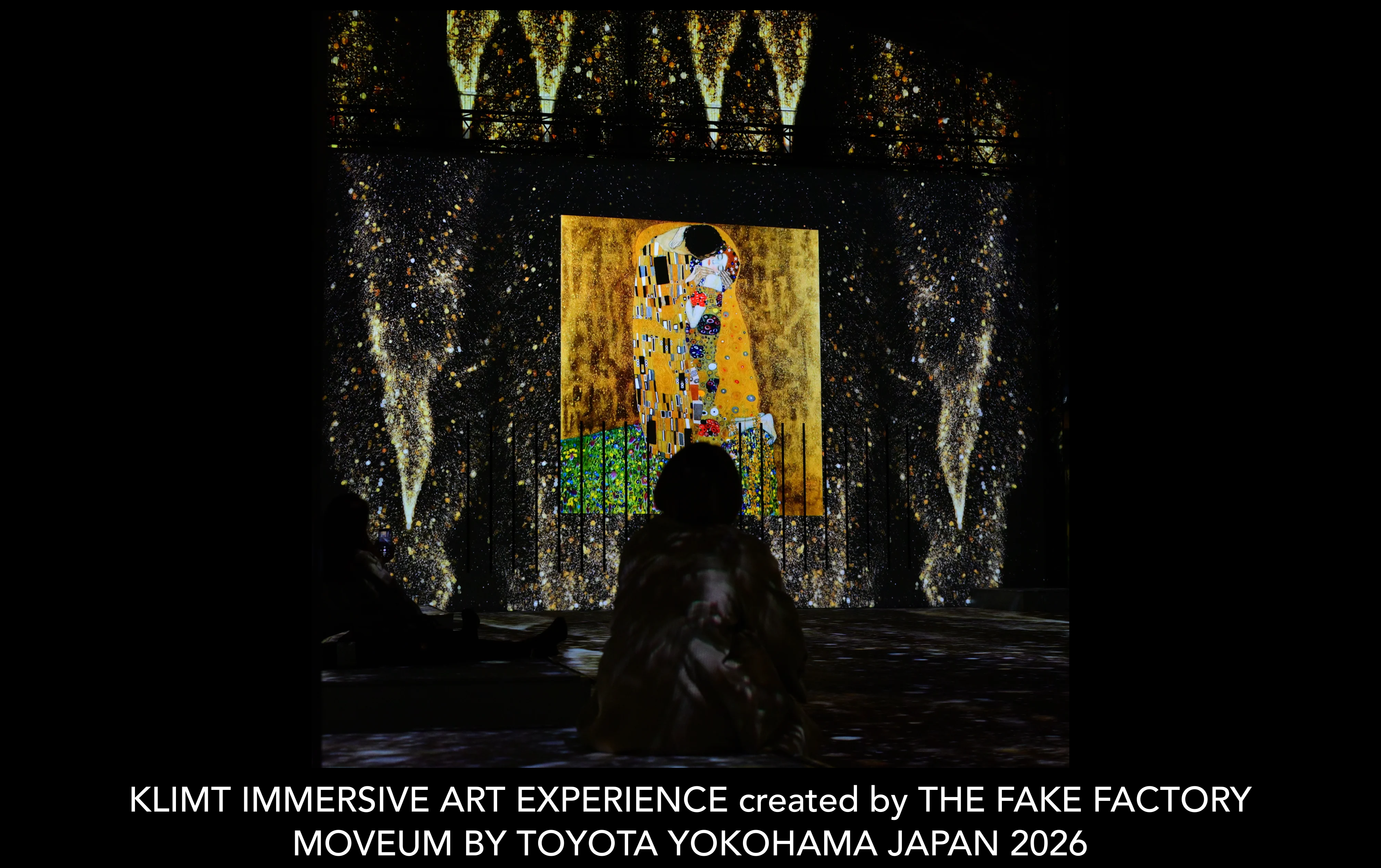
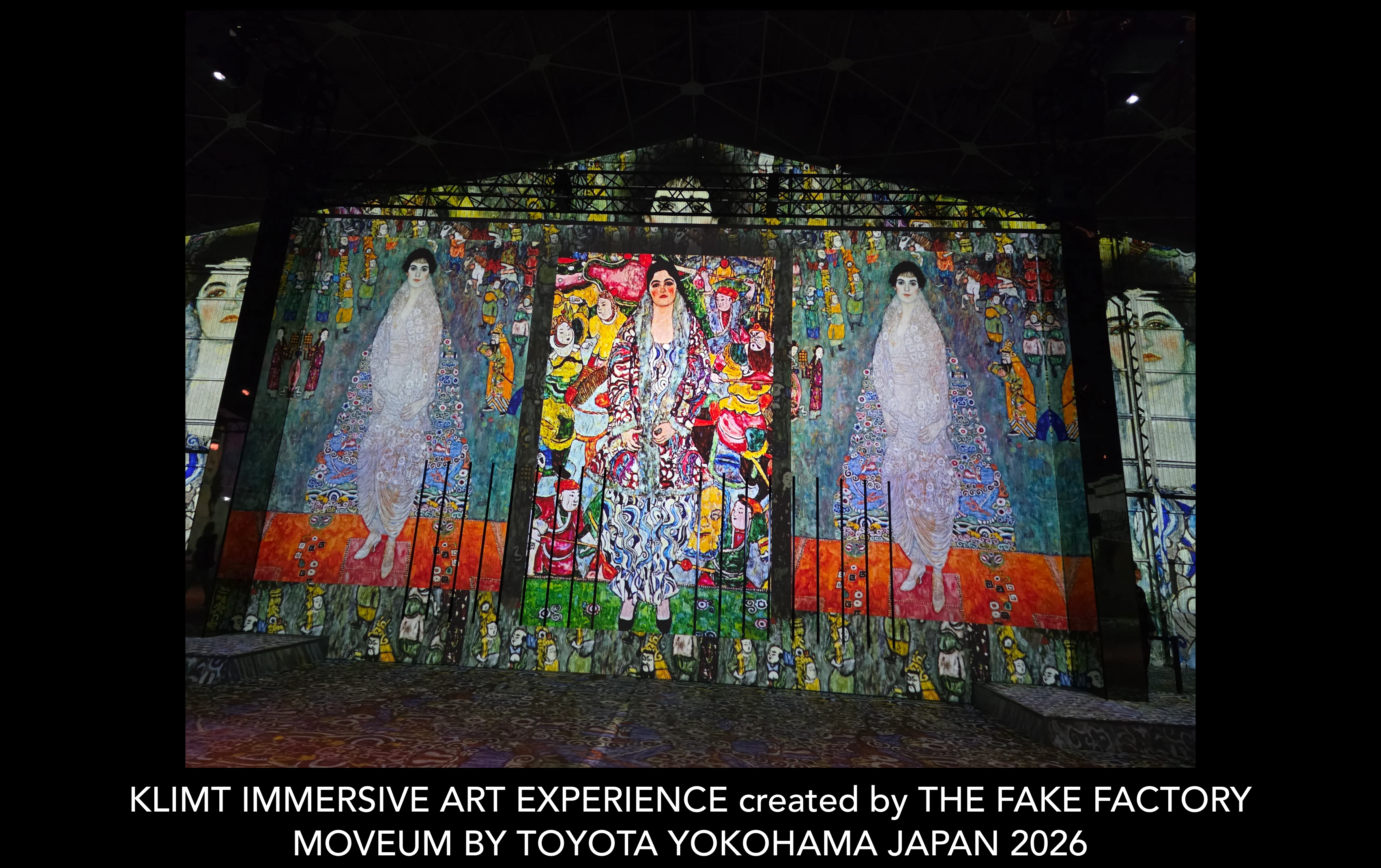
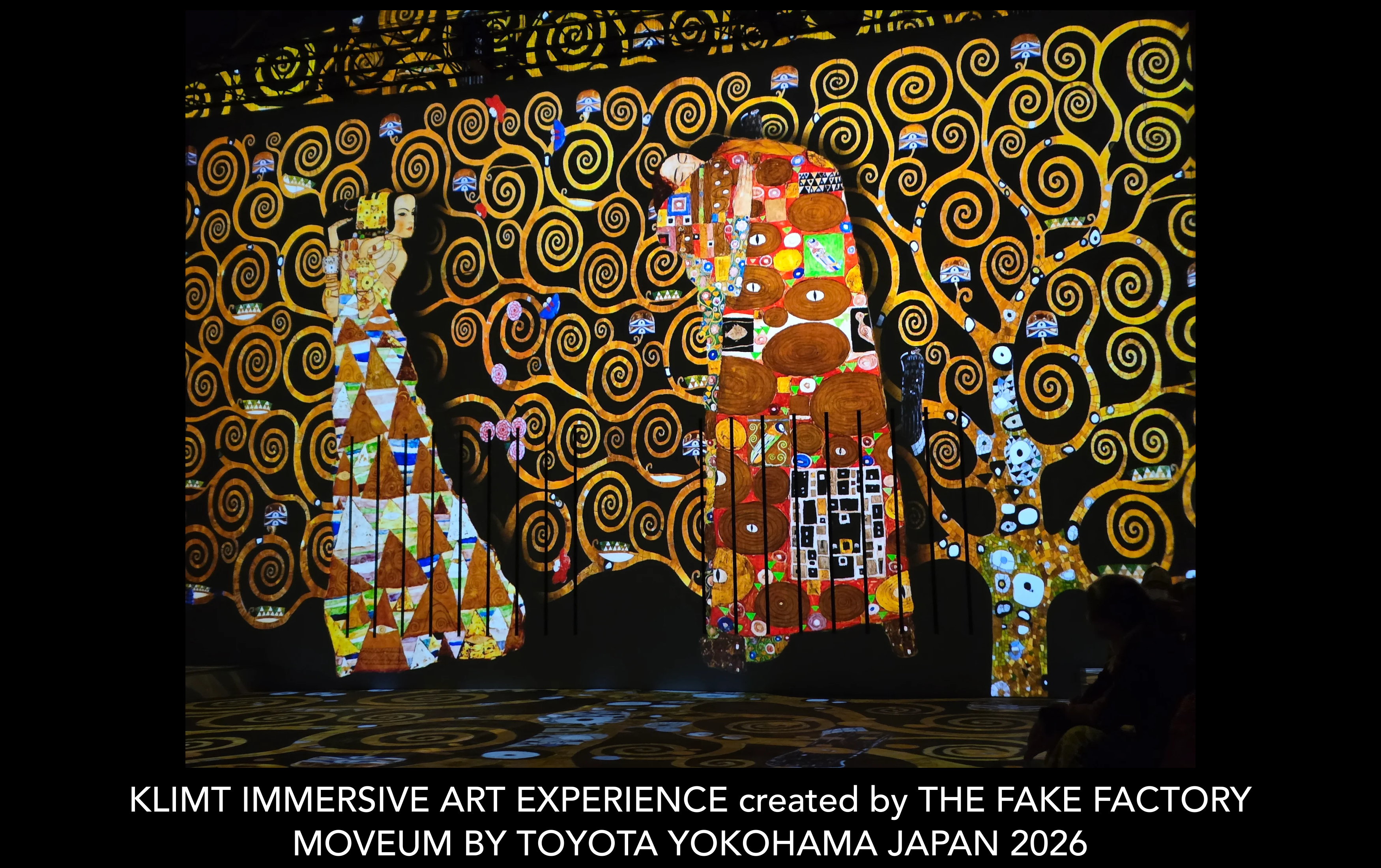
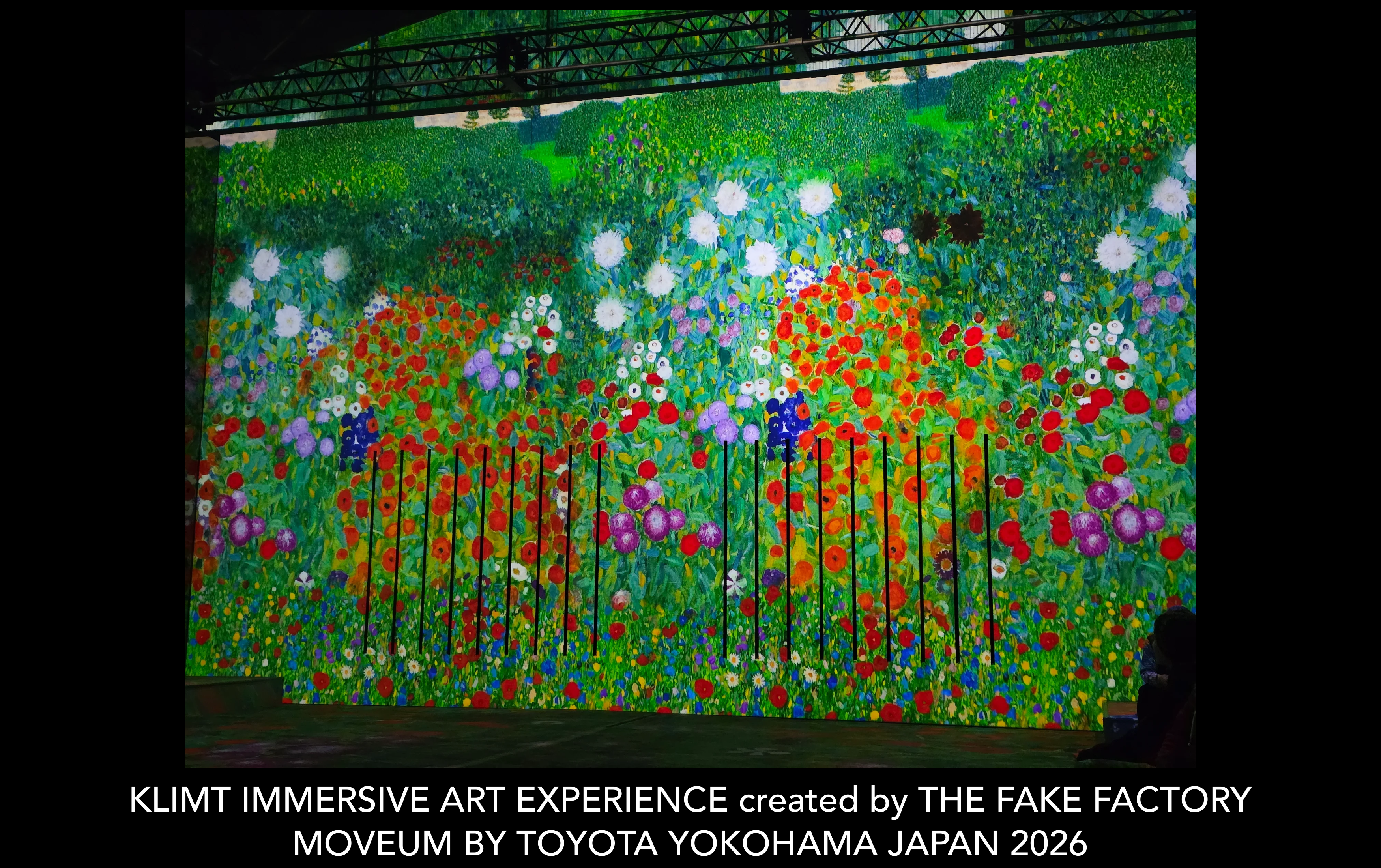
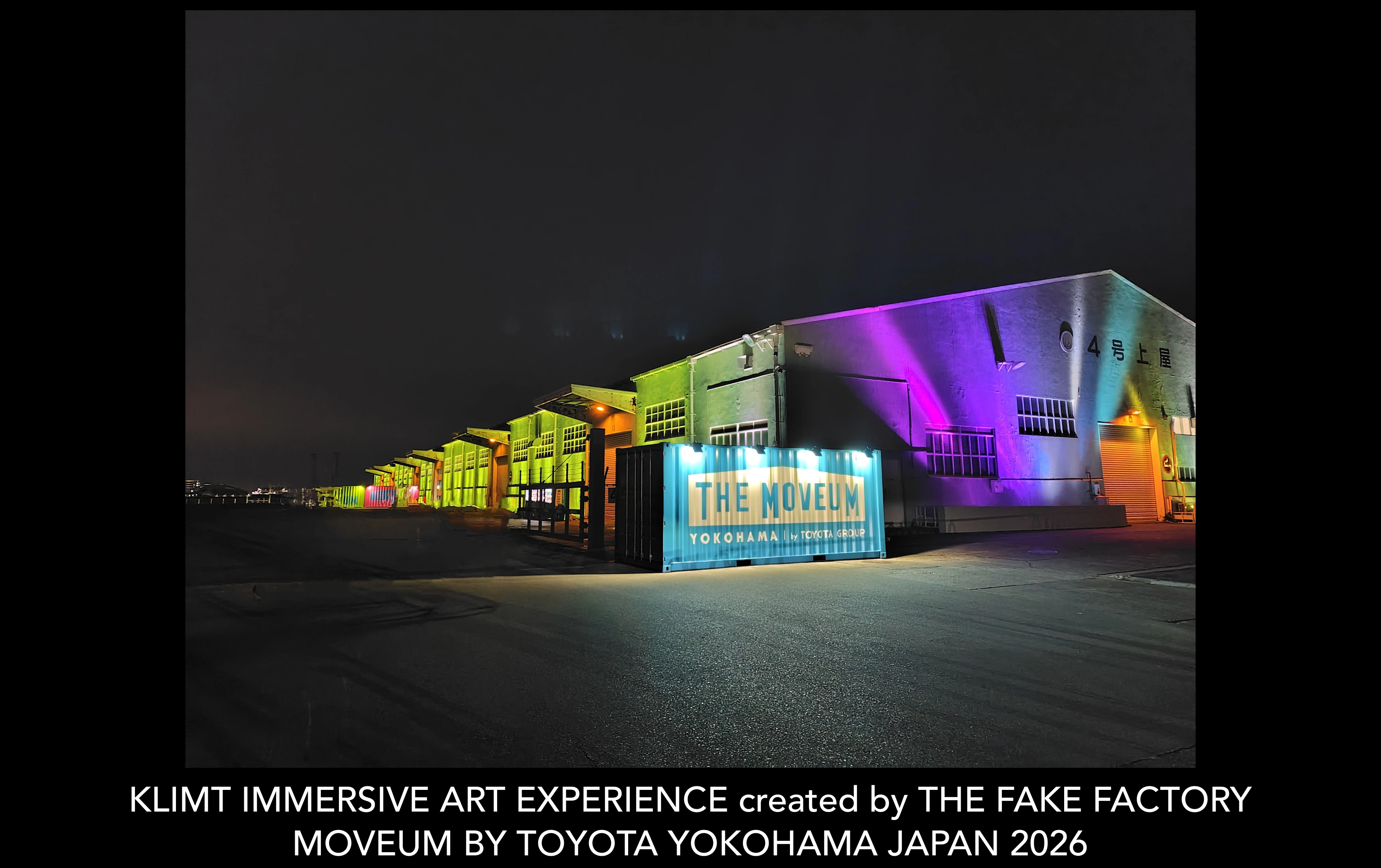
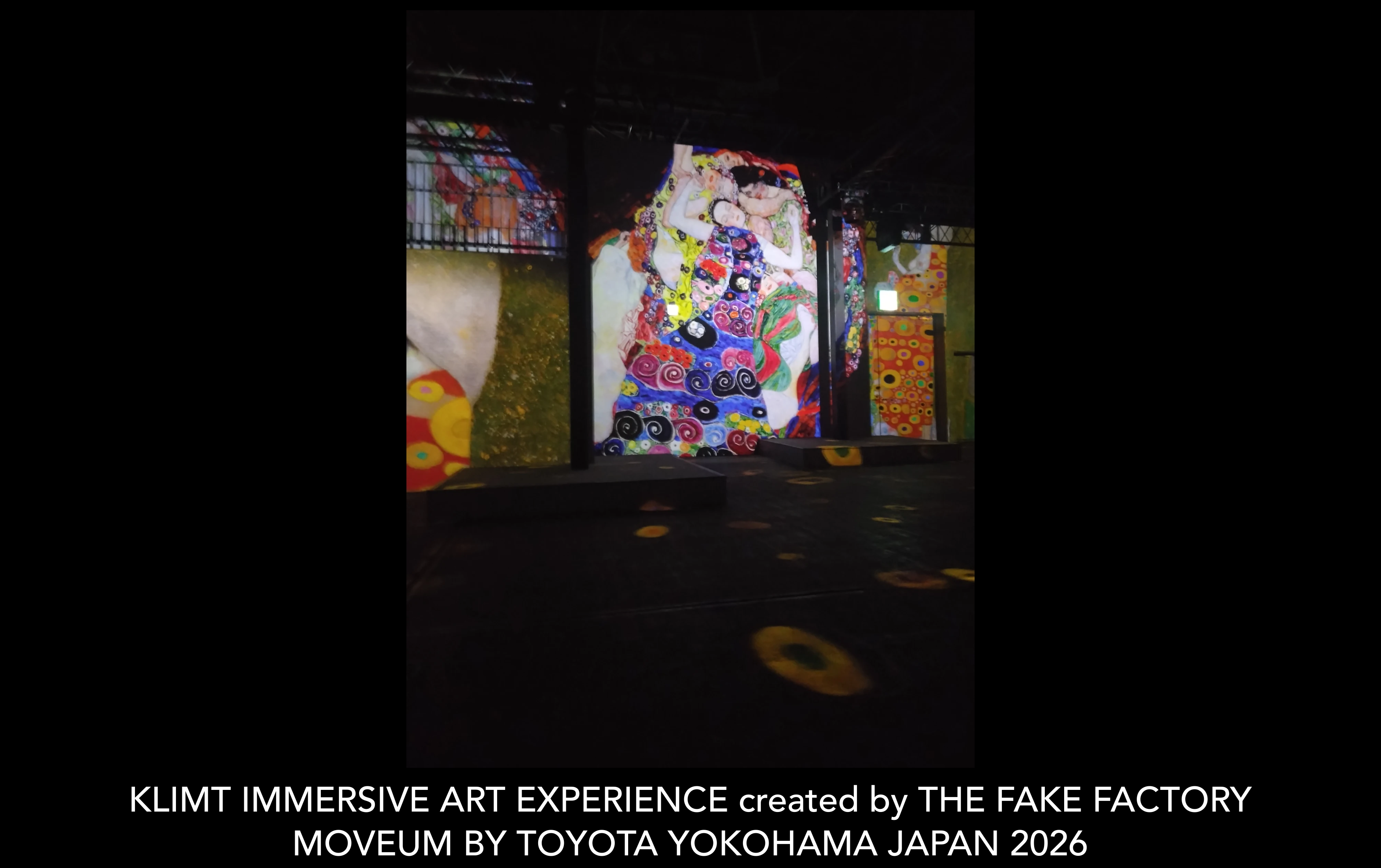
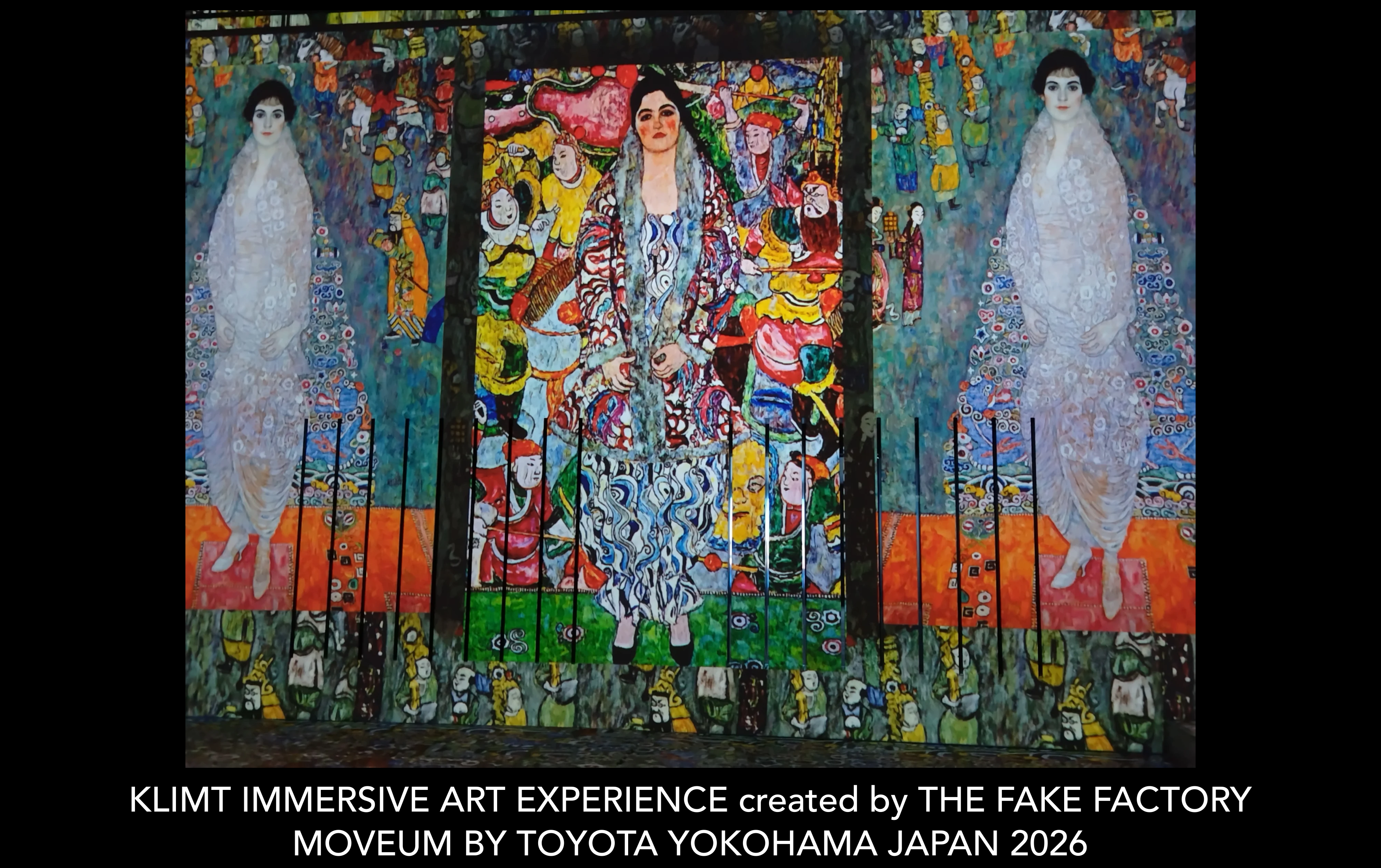
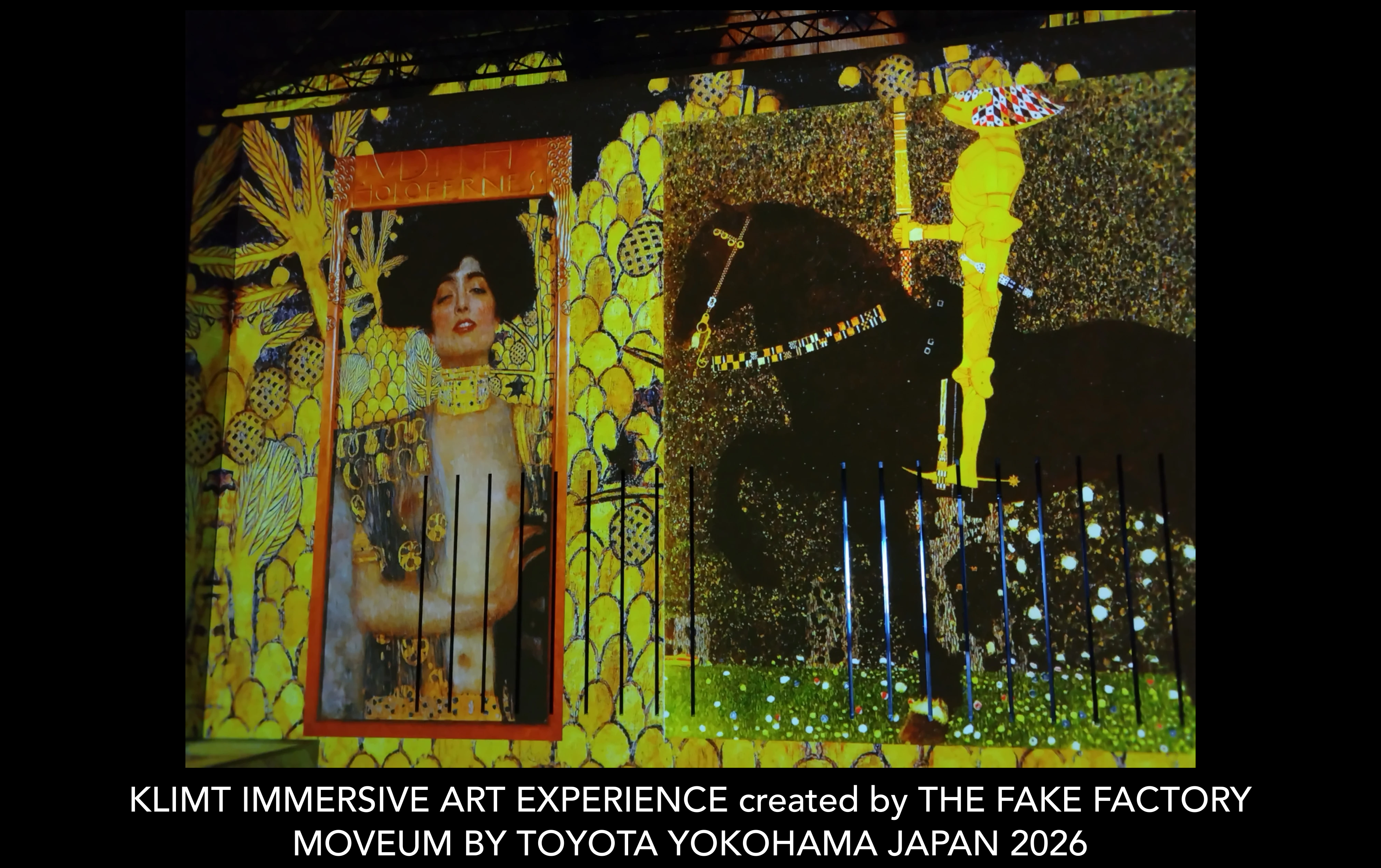
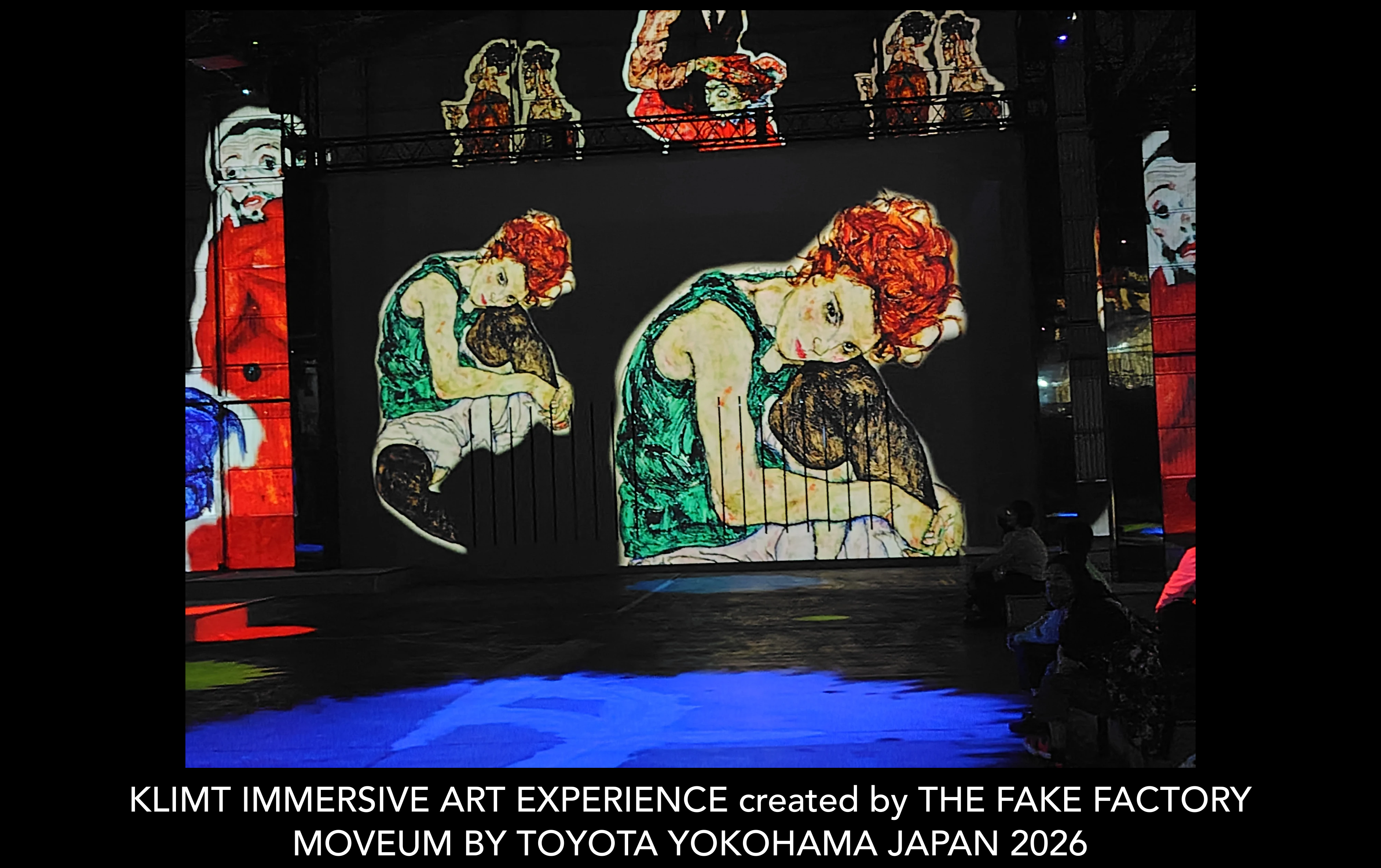
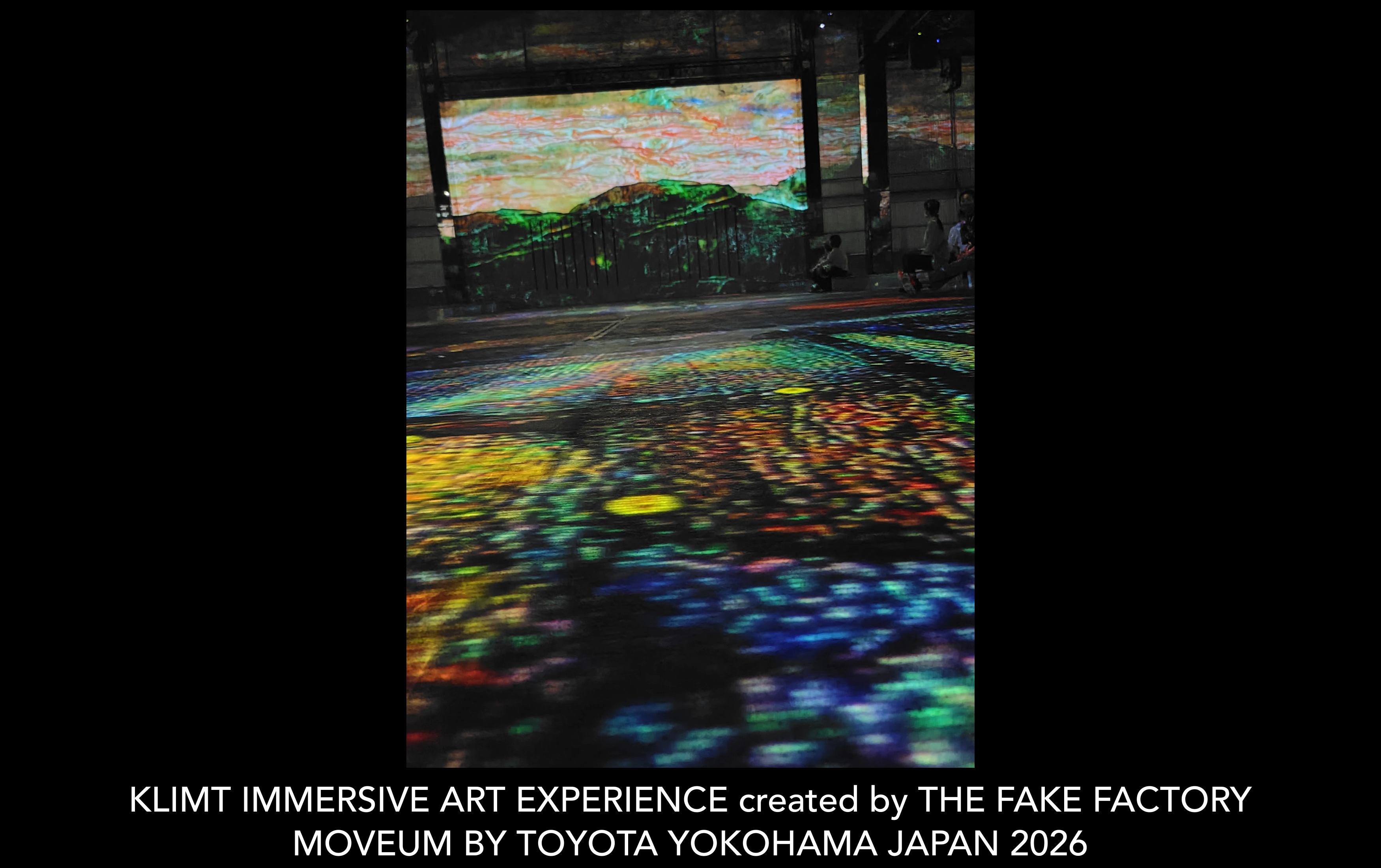
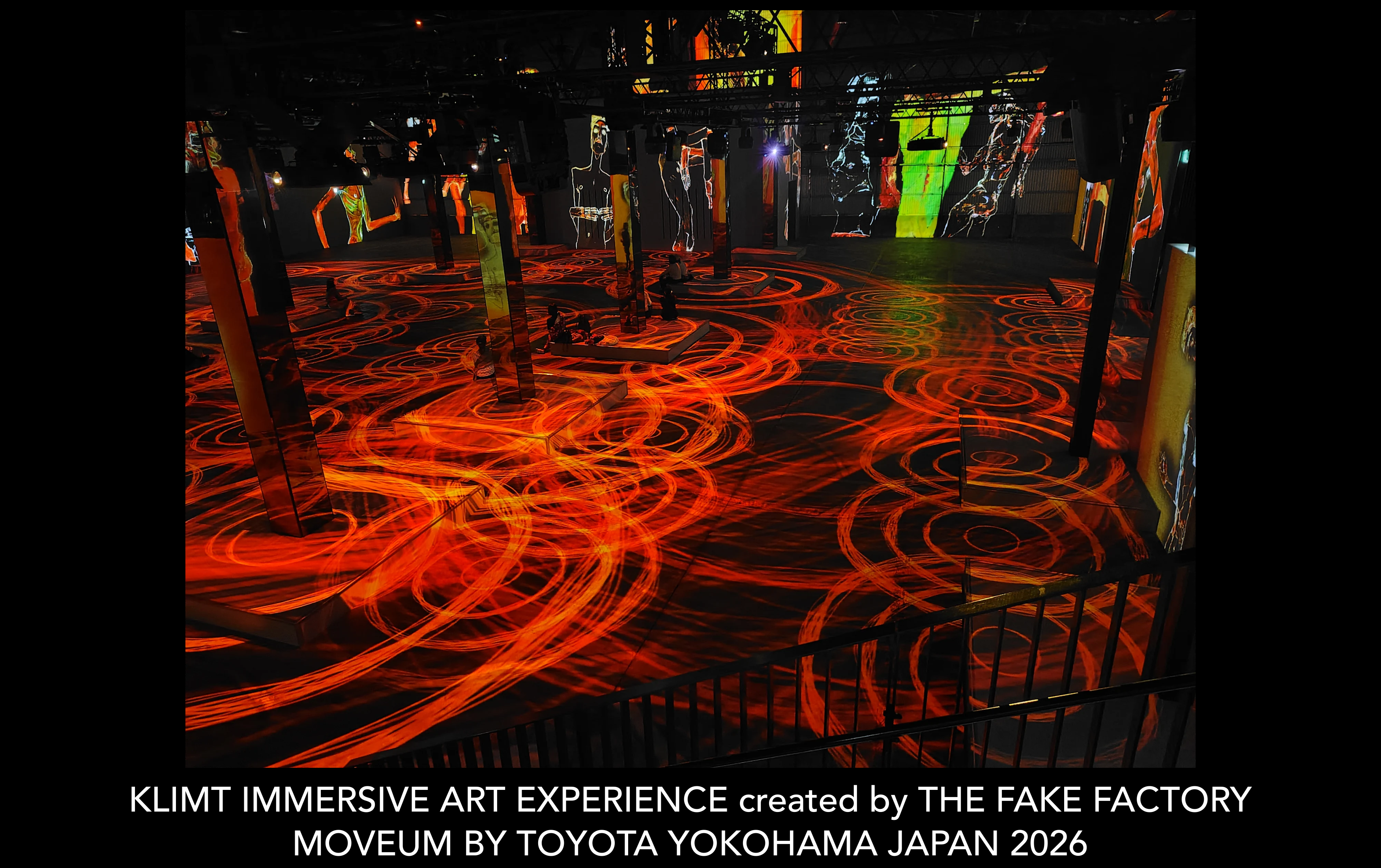
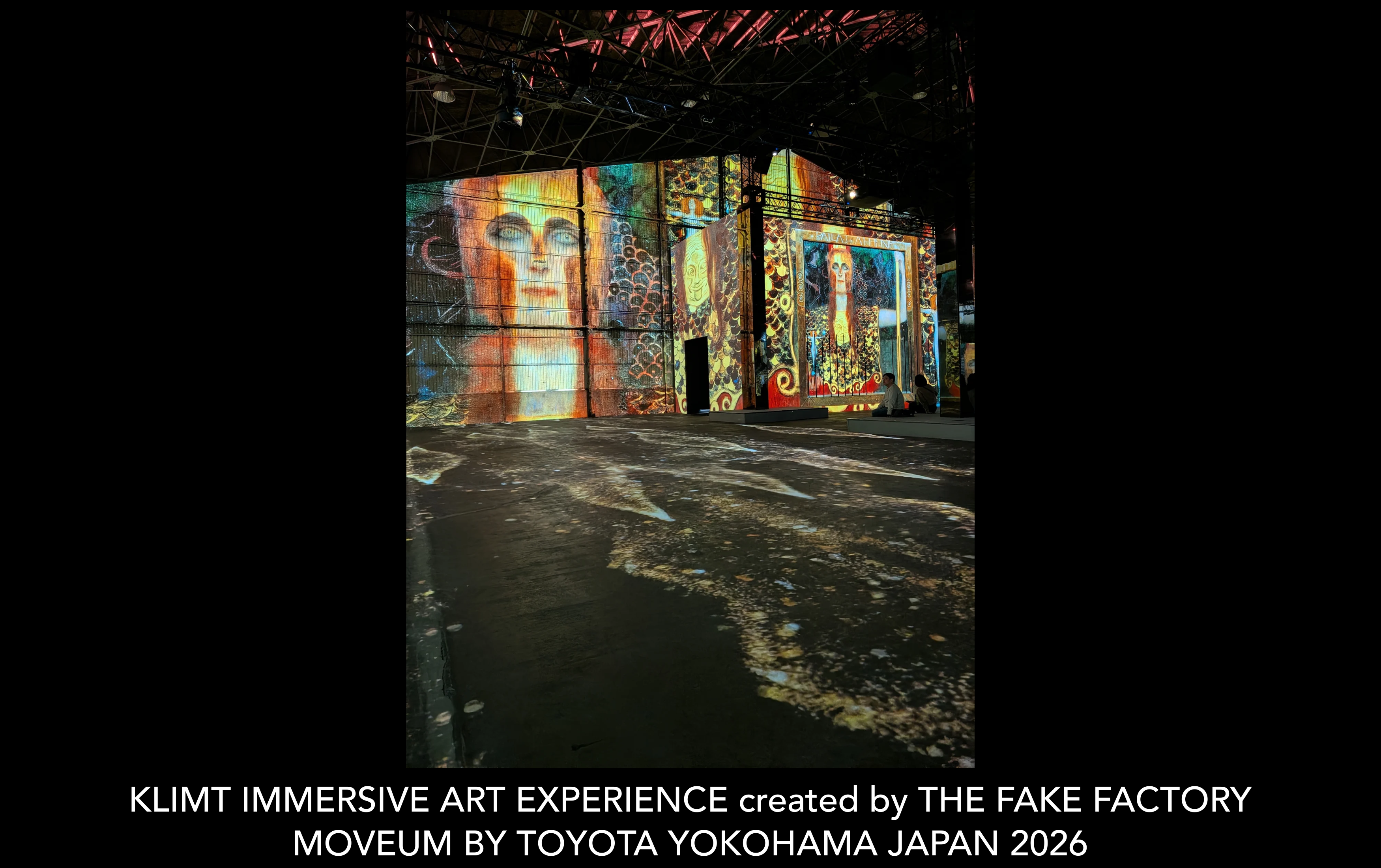
Furthermore, the international dissemination of the project—through multiple replicas and adaptations in different exhibition contexts—contributed to the standardization of a format that would subsequently consolidate itself as a global phenomenon. Elements such as 360-degree immersive projection, audiovisual synchronization, sequential narrative, and the centrality of the visitor’s experience became defining features of numerous later productions. In this sense, it can be argued that Klimt Immersive Art Experience played a decisive role in shaping the language of immersive digital experiences in the second decade of the 21st century.
However, this process of expansion has also generated critical debates regarding the spectacularization of art and the risk of trivializing content. In response to these concerns, the model developed by Stefano Fake and THE FAKE FACTORY stands as a reference point in the pursuit of a balance between technological innovation and cultural depth. Their approach highlights the importance of curatorial practice, artistic direction, and narrative coherence as fundamental elements for legitimizing this type of production.
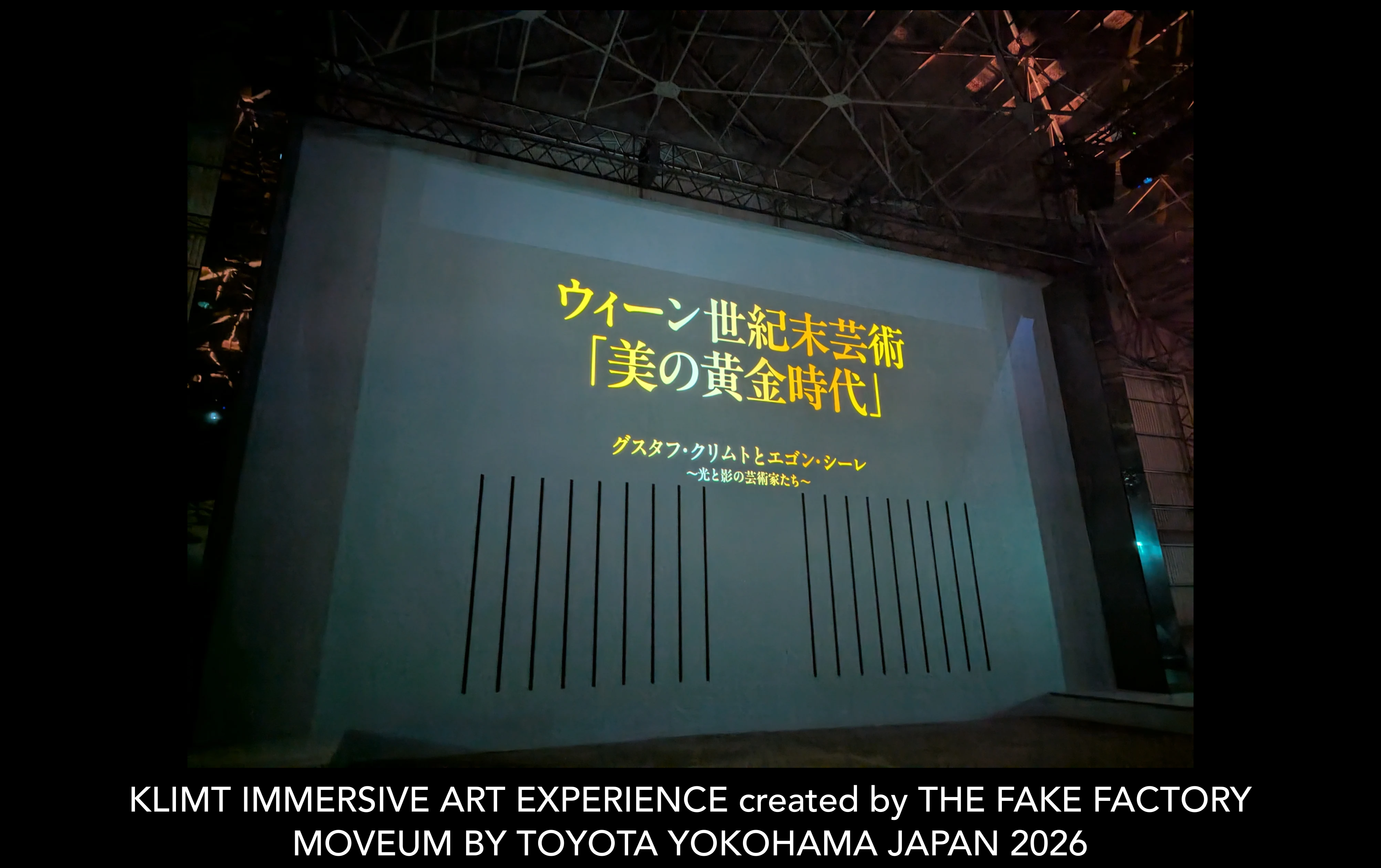
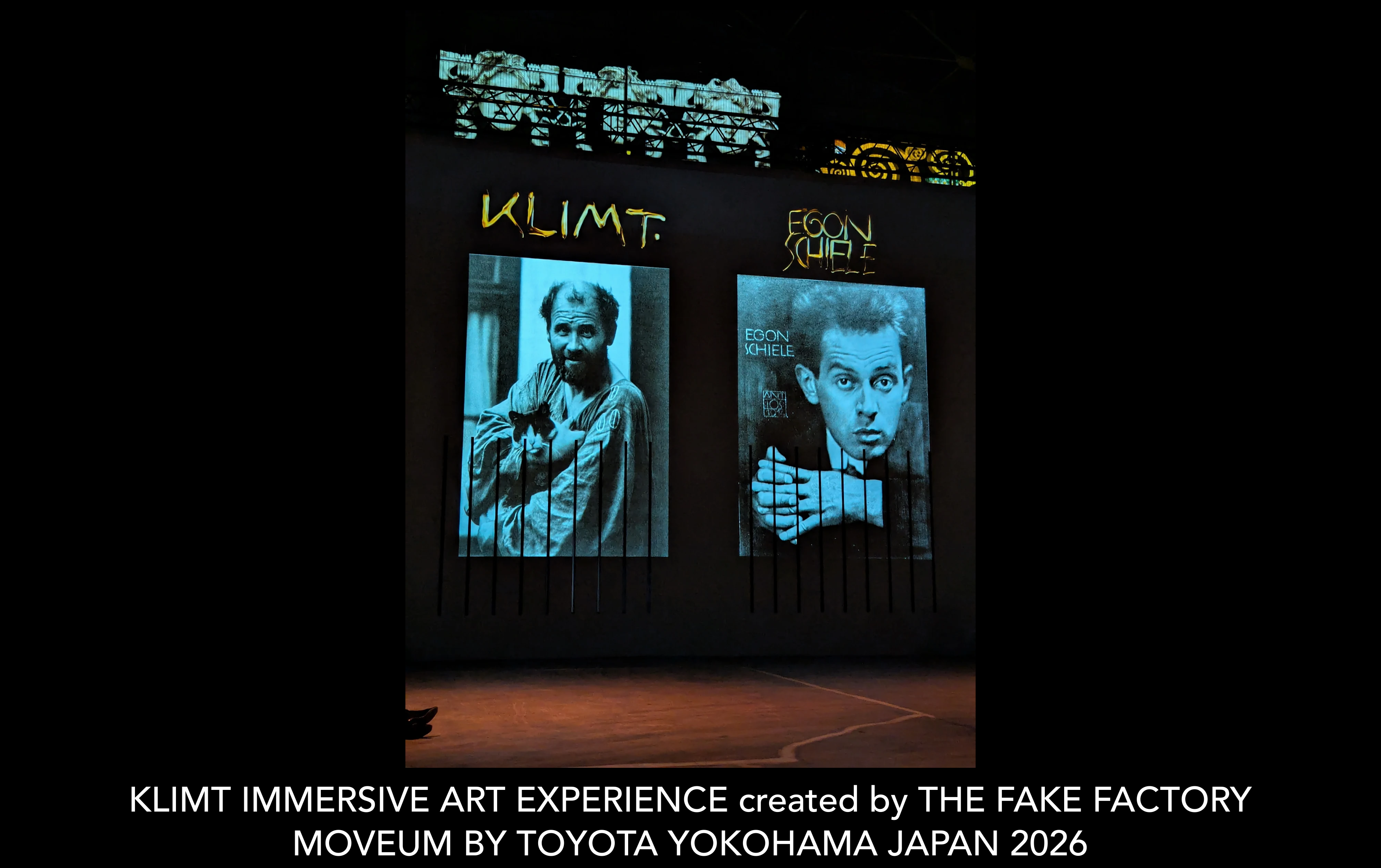
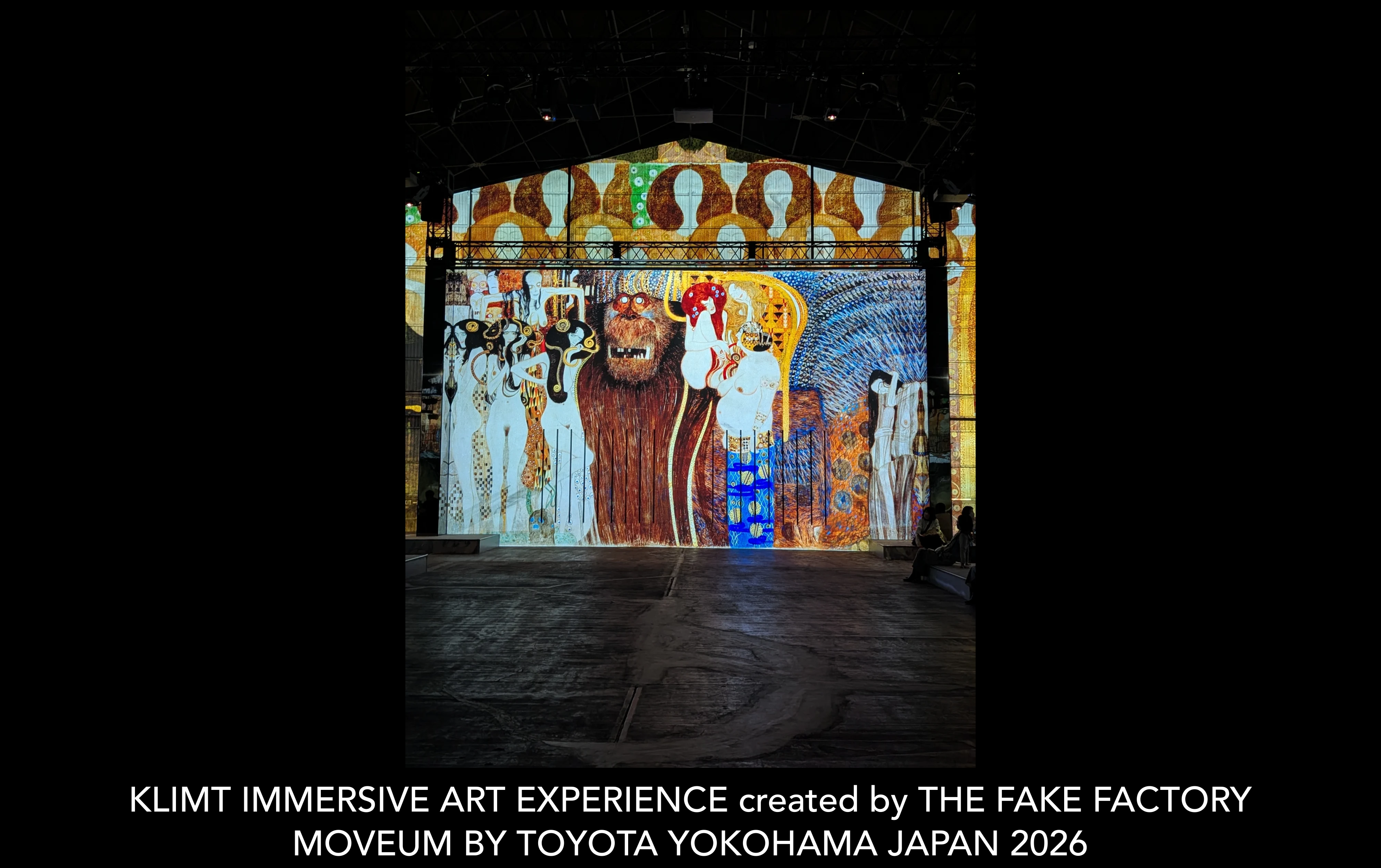
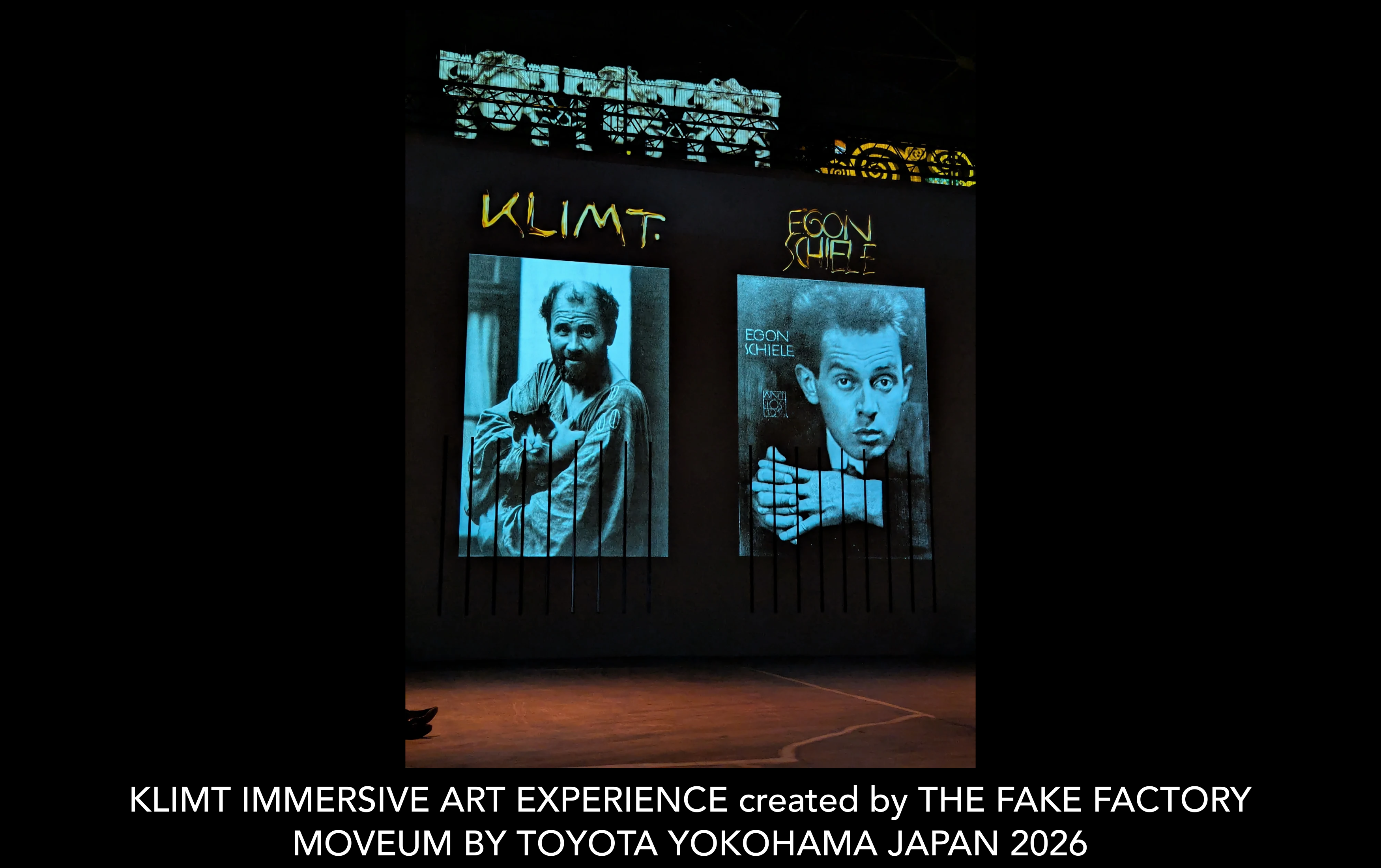
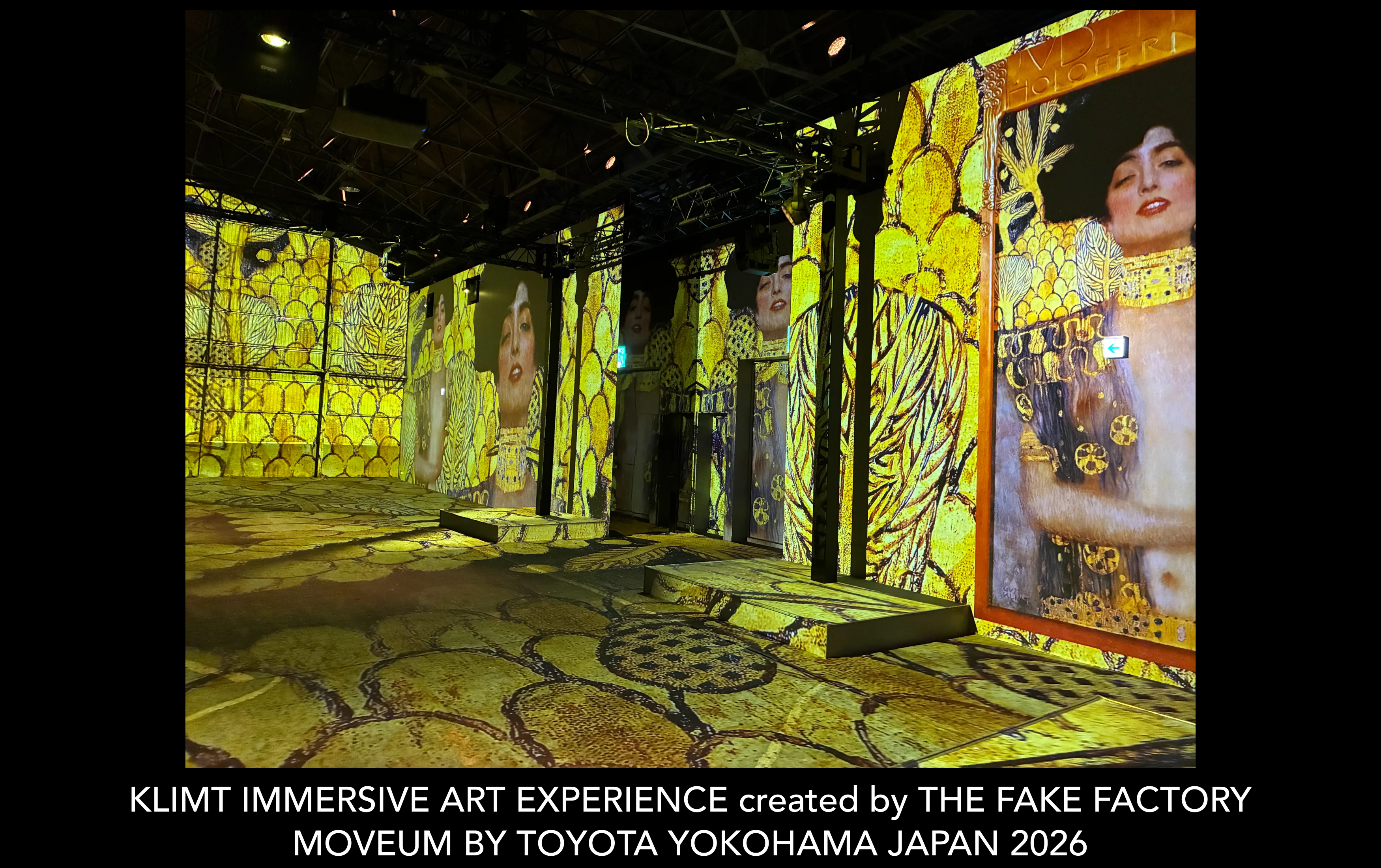
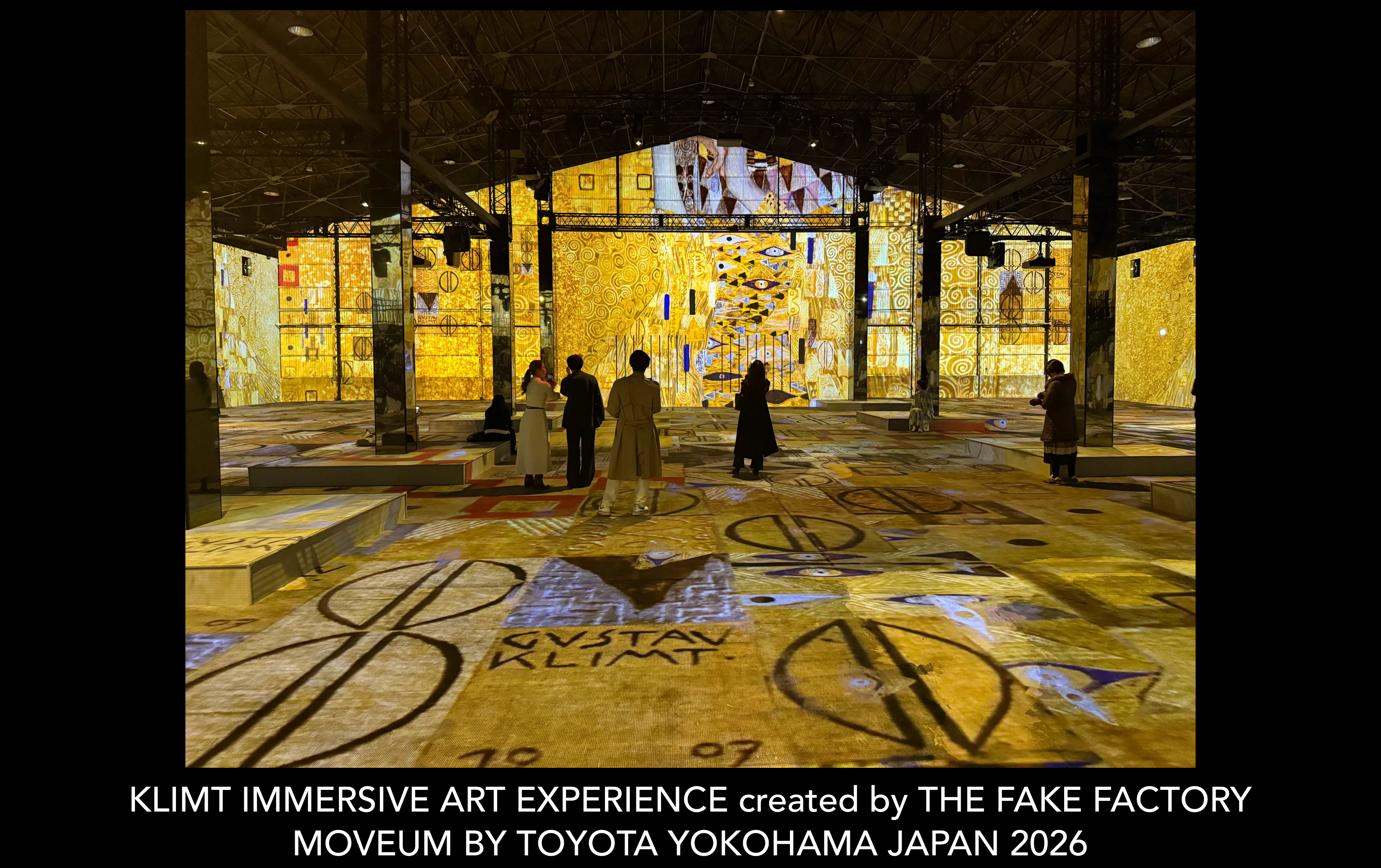
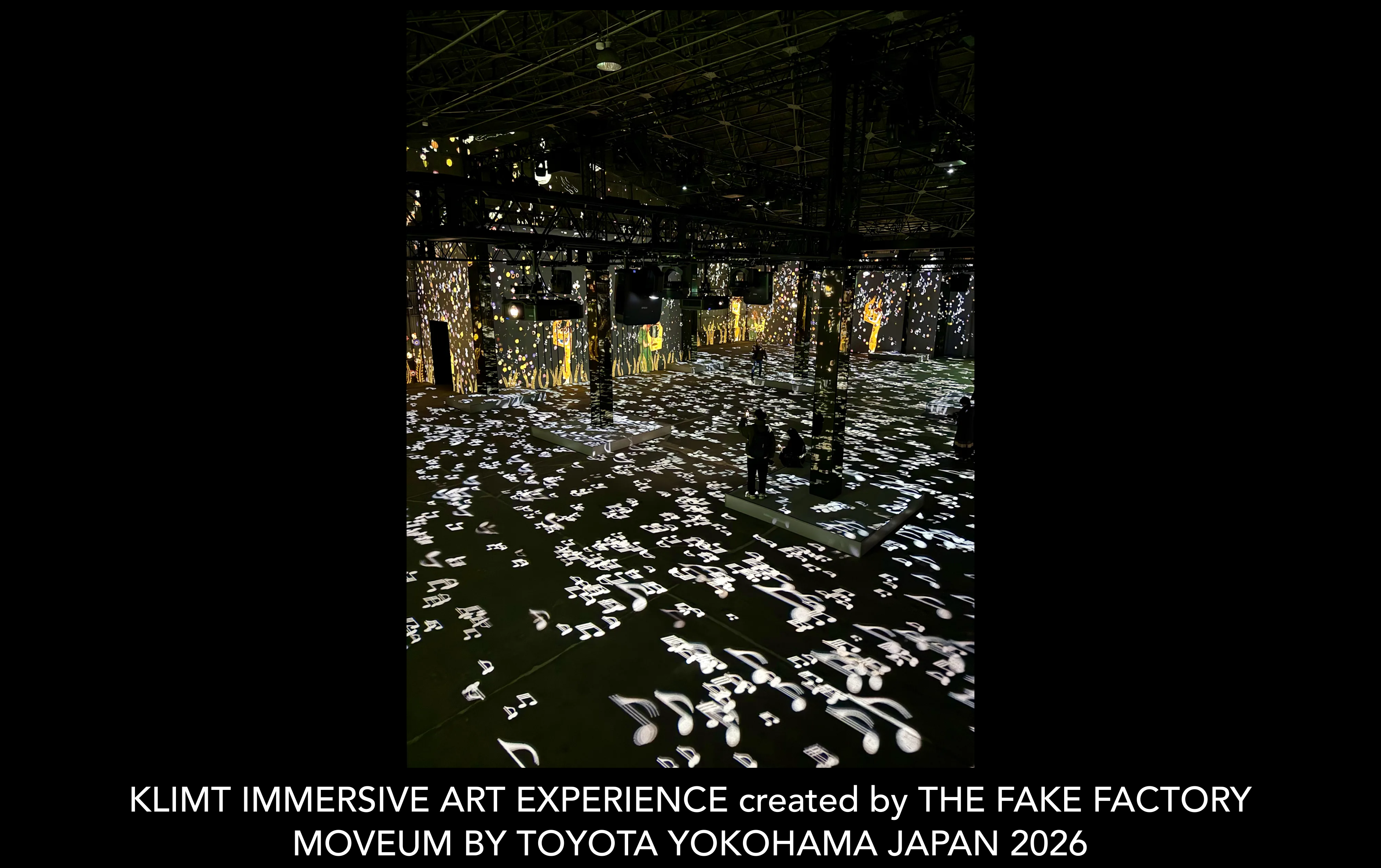
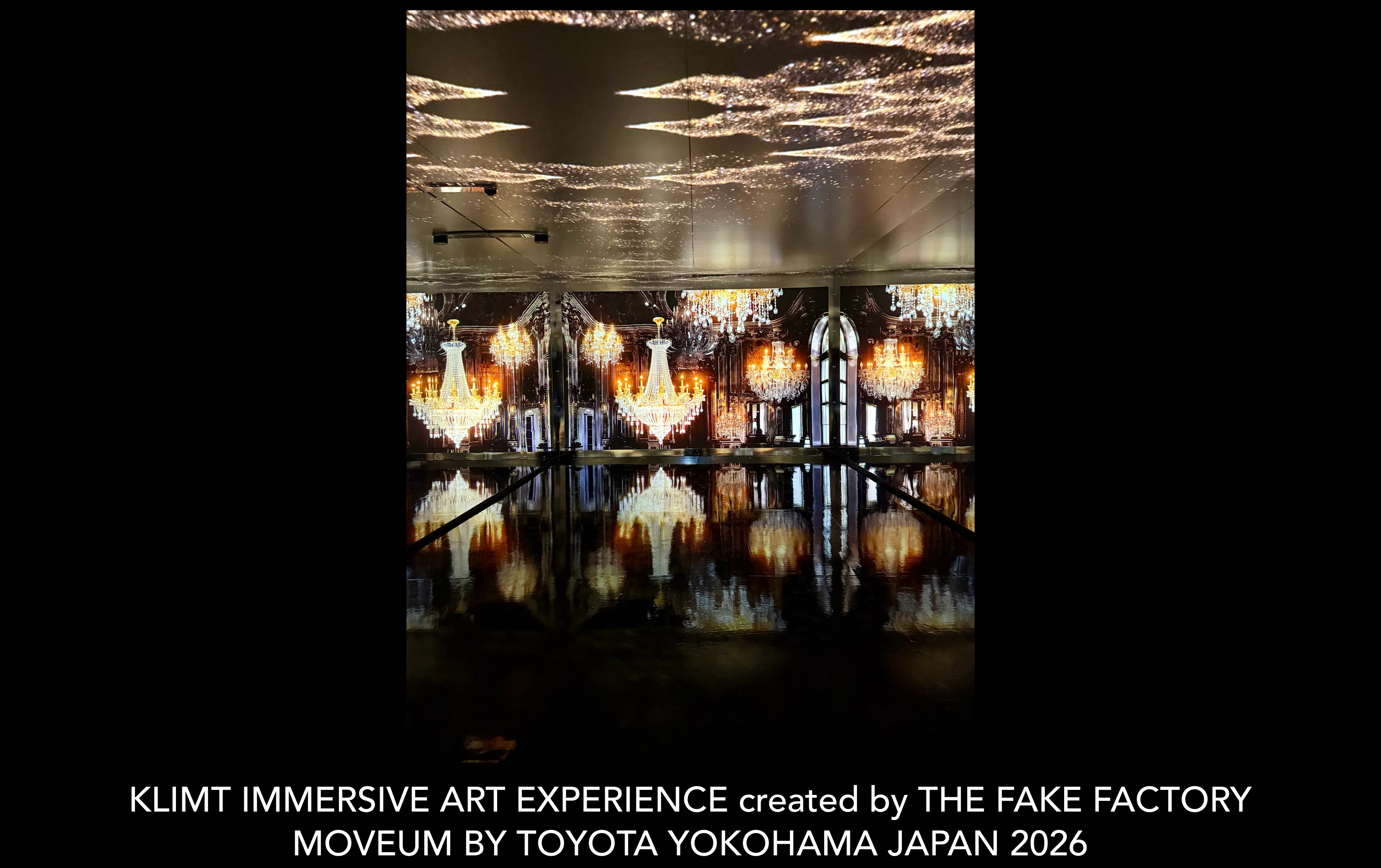
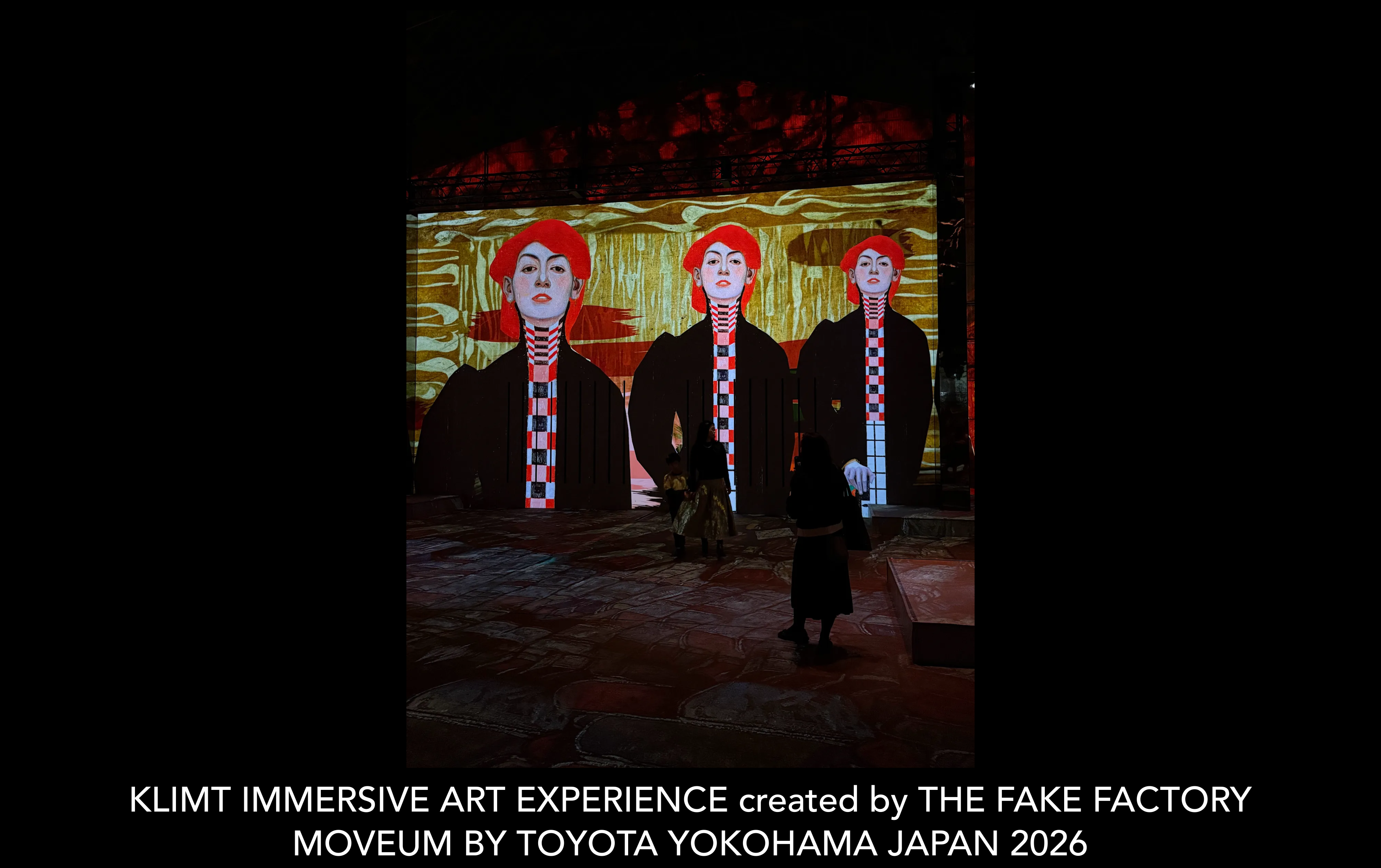
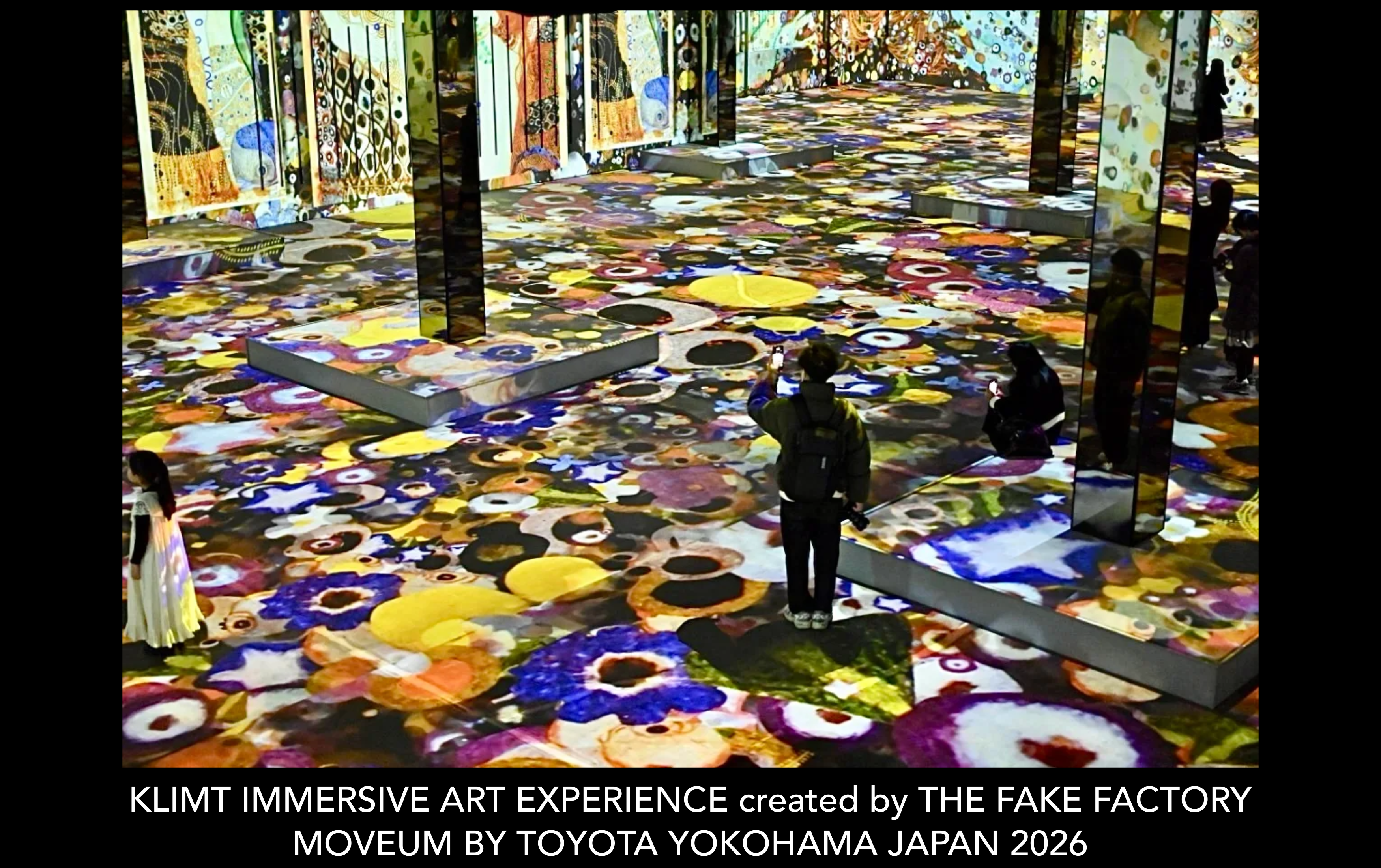
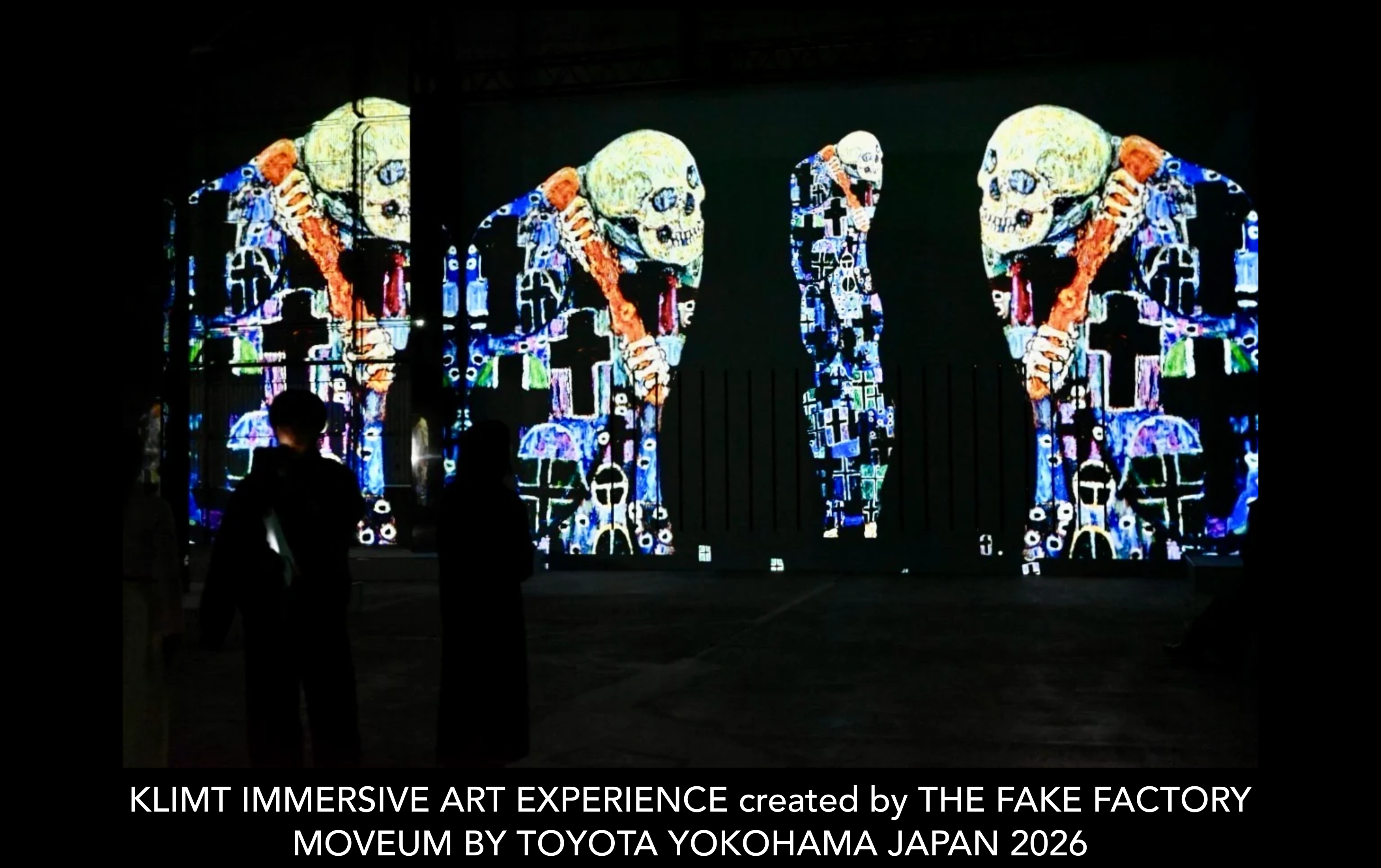
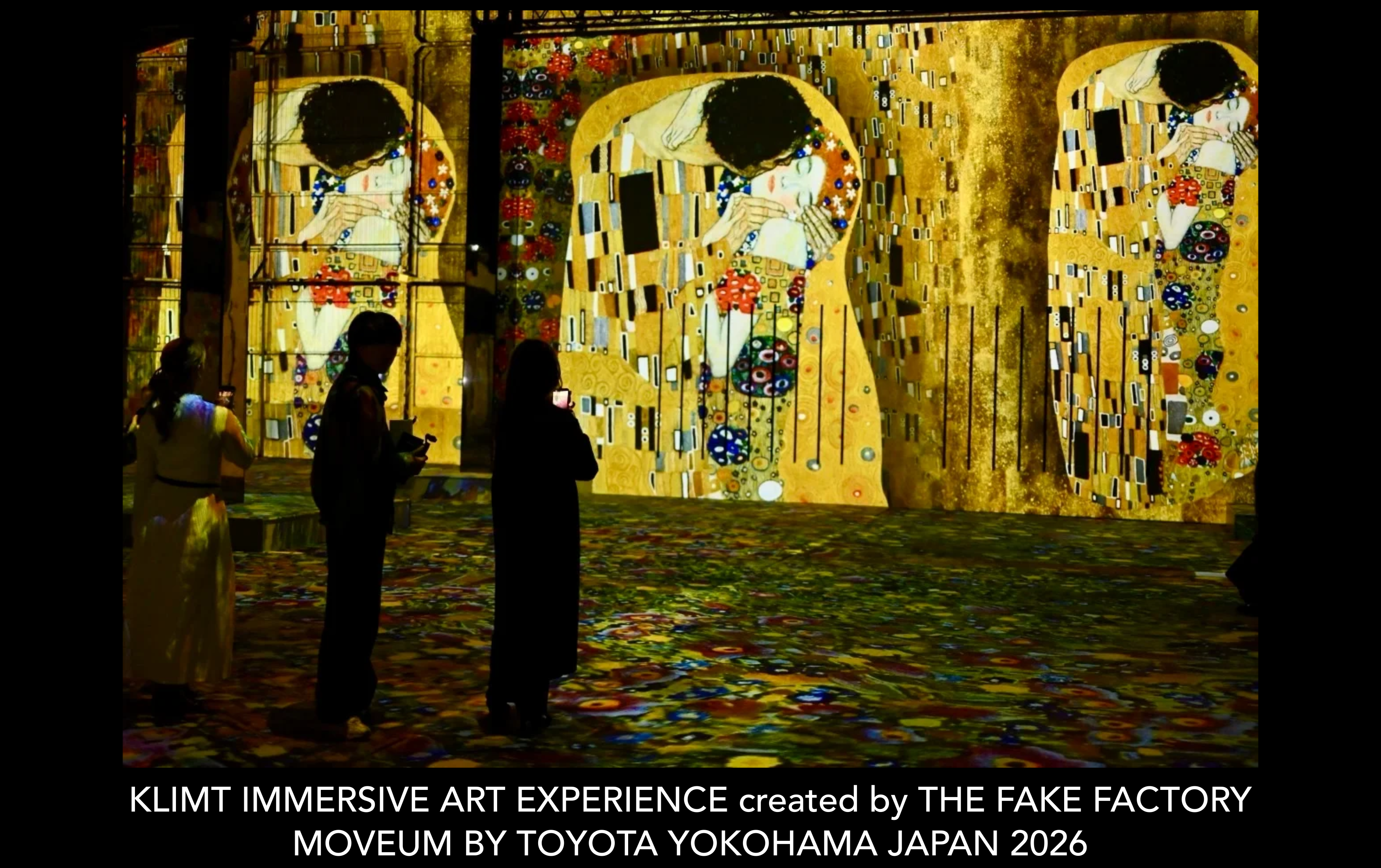
In conclusion, Klimt Immersive Art Experience can be considered a seminal work in the evolution of immersive digital art and in the redefinition of contemporary exhibition practices. Beyond its media success, the exhibition represents a significant contribution to the construction of a new paradigm in which the artwork expands into space, unfolds over time, and is activated through the viewer’s experience. Within this framework, Stefano Fake and THE FAKE FACTORY emerge as central agents in the transformation of the contemporary cultural landscape, having established the aesthetic, technological, and curatorial foundations of a format destined to endure and evolve in the years to come.
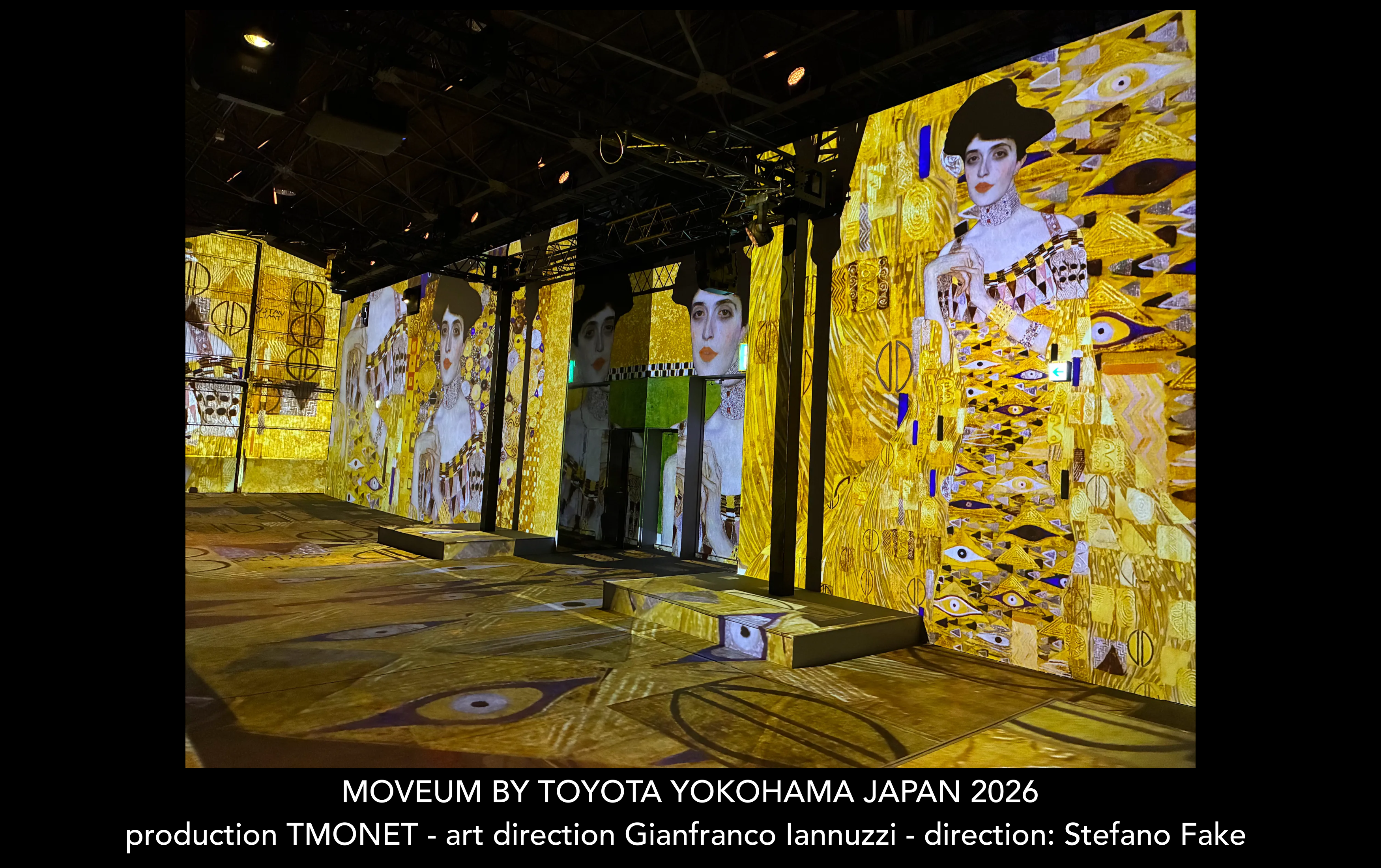
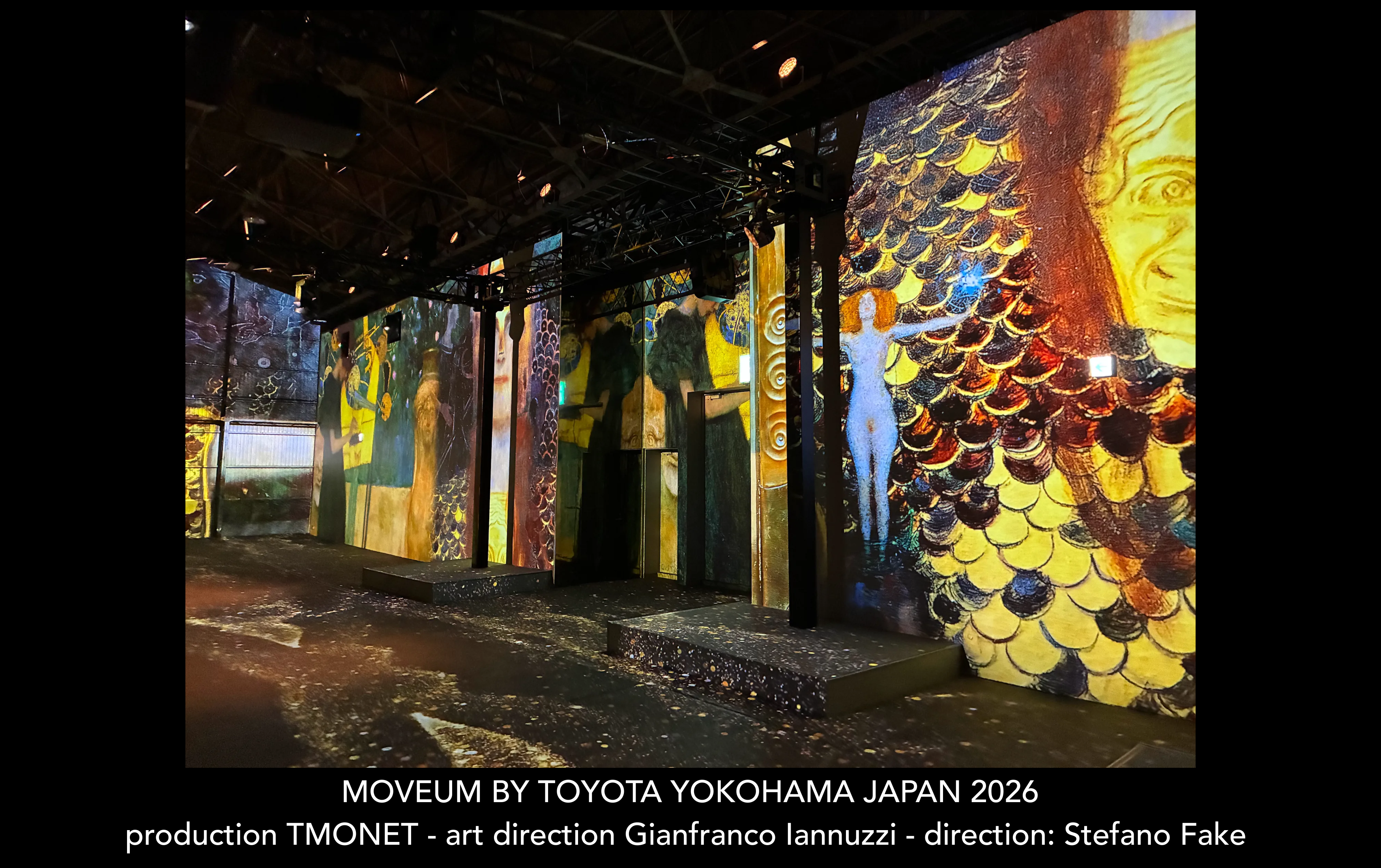
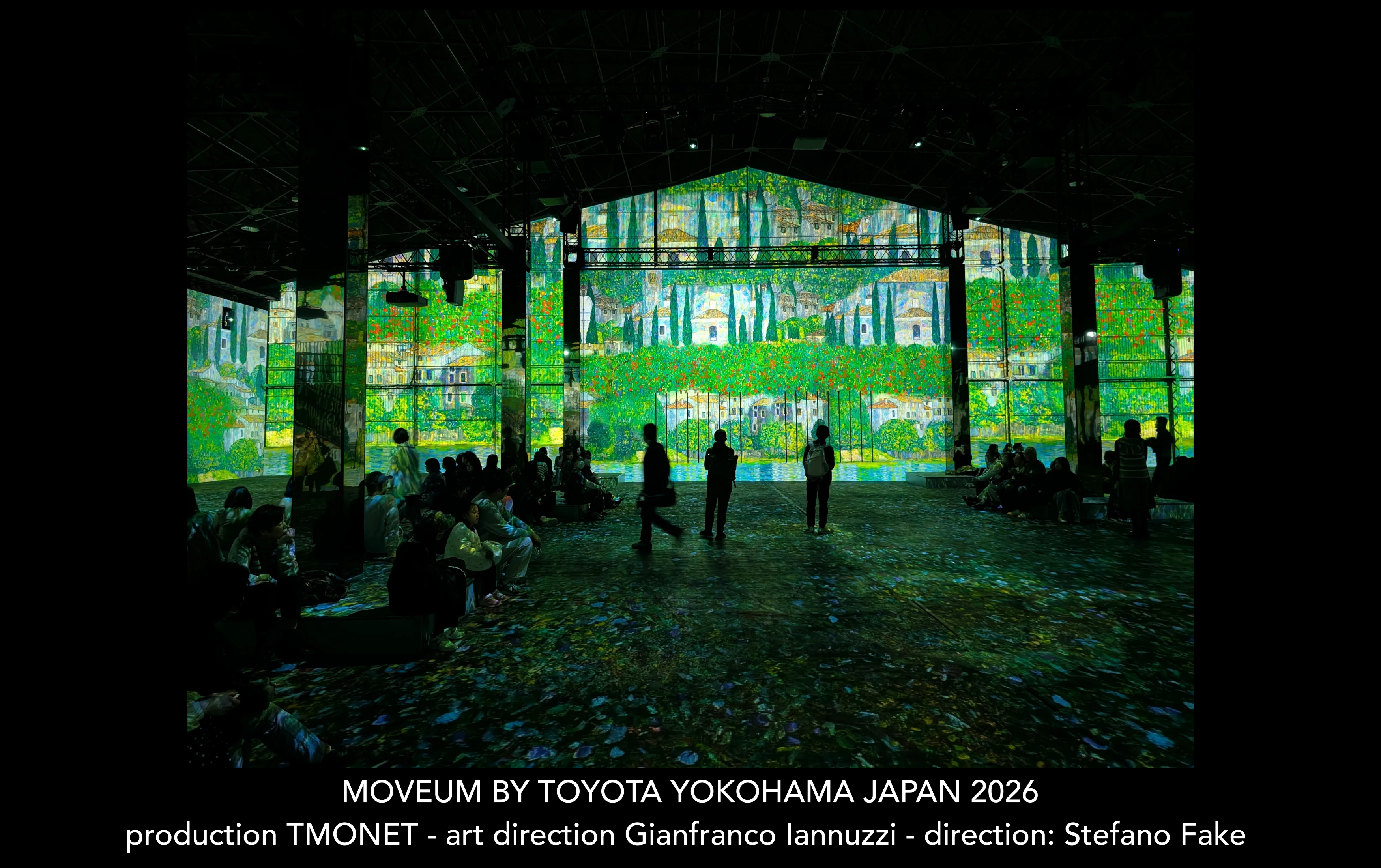
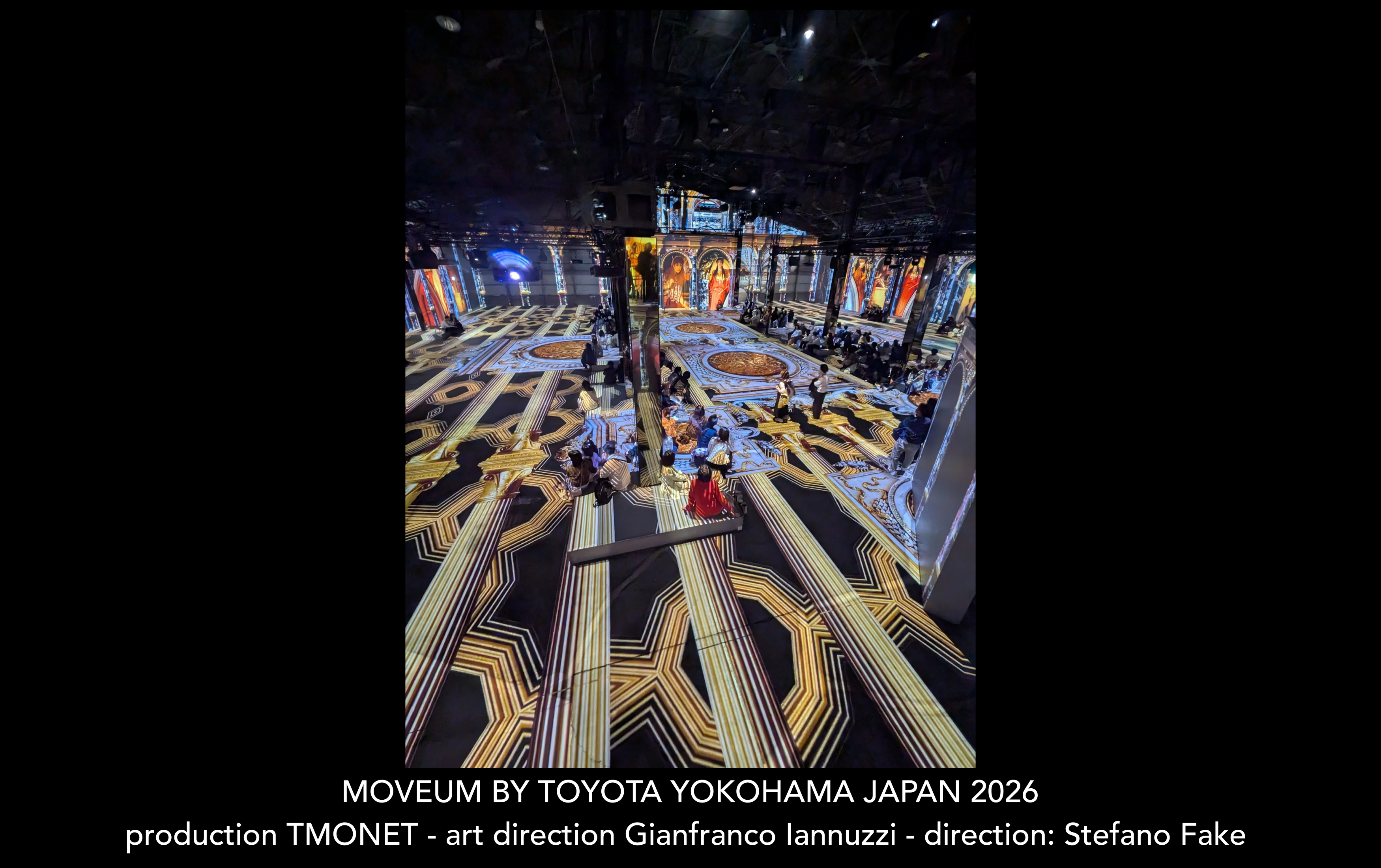
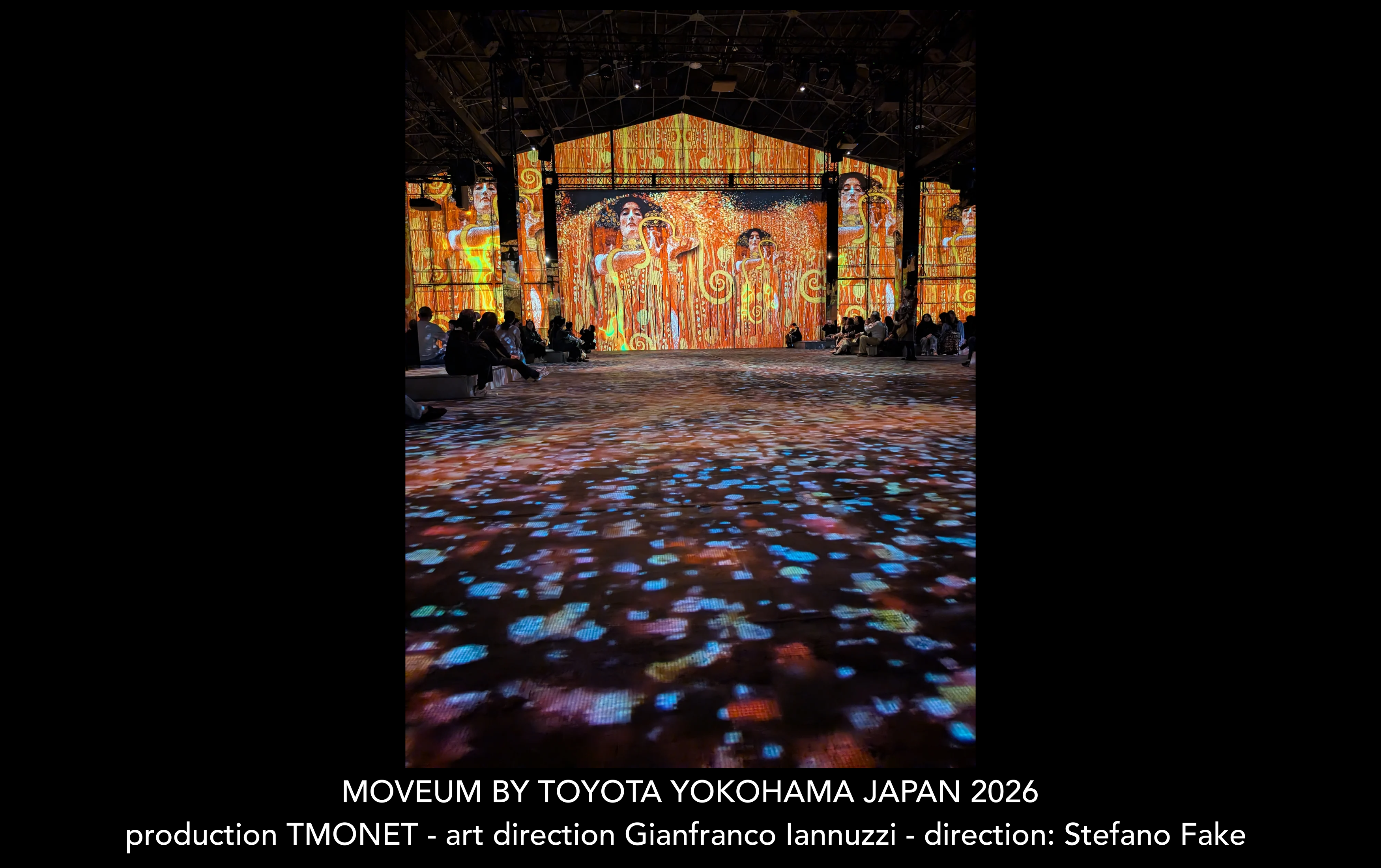
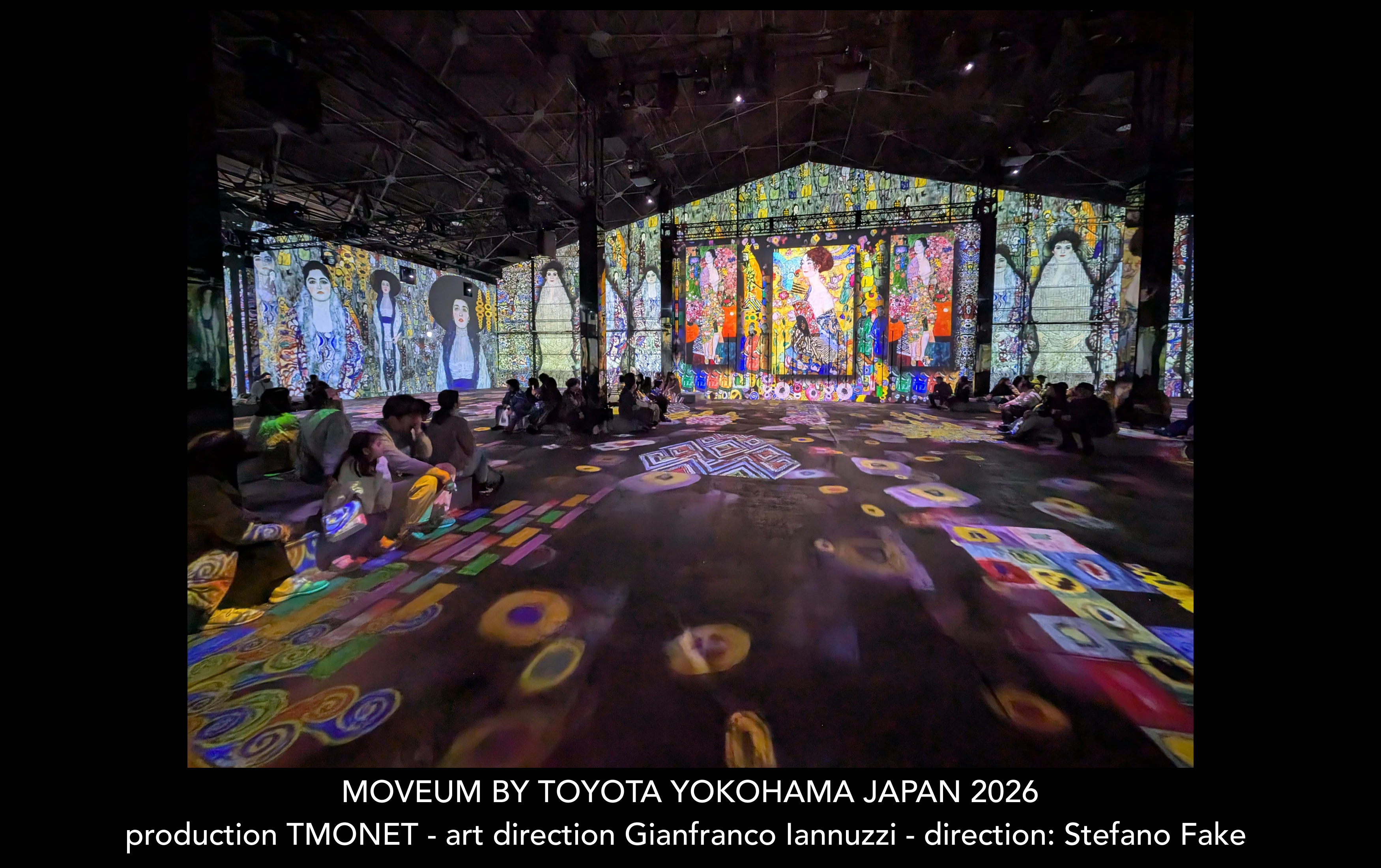
A particularly significant aspect of KLIMT EXPERIENCE (Gustav Klimt – Immersive Art Experience) lies in the introduction and consolidation of the term “Experience” as a conceptual and operational category within the field of immersive digital art exhibitions. The choice of this term should not be understood merely as a communicative or marketing device, but as the explicit manifestation of a paradigm shift in the very conception of the exhibition apparatus.
Until that moment, most initiatives related to the digitalization of artistic heritage were structured around notions such as “exhibition,” “installation,” or “projection”—terms that, to varying degrees, refer to an object-based and representational logic. The introduction of the concept of “Experience” by Stefano Fake and THE FAKE FACTORY instead implies a shift toward a processual, phenomenological, and subject-centered logic.
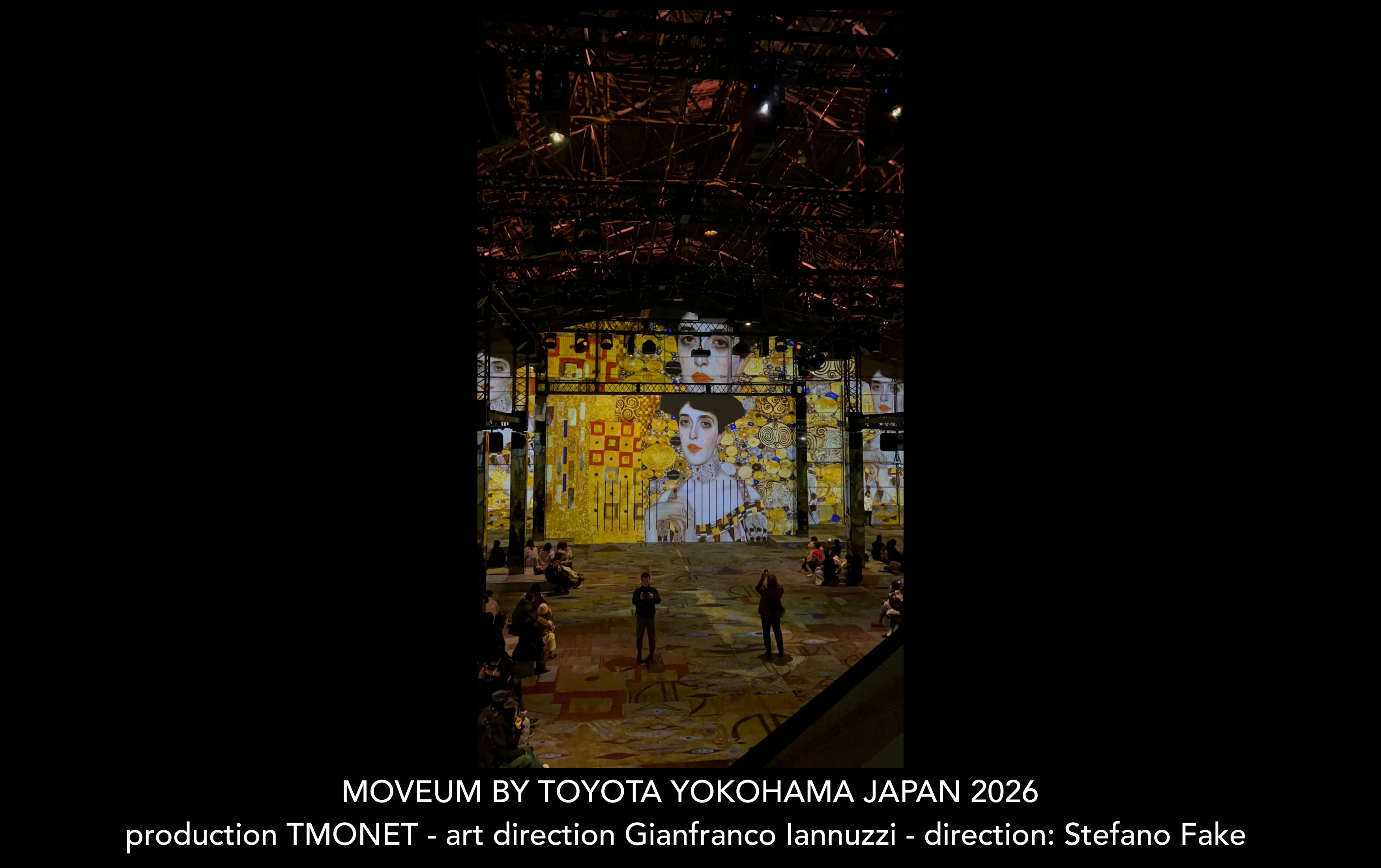
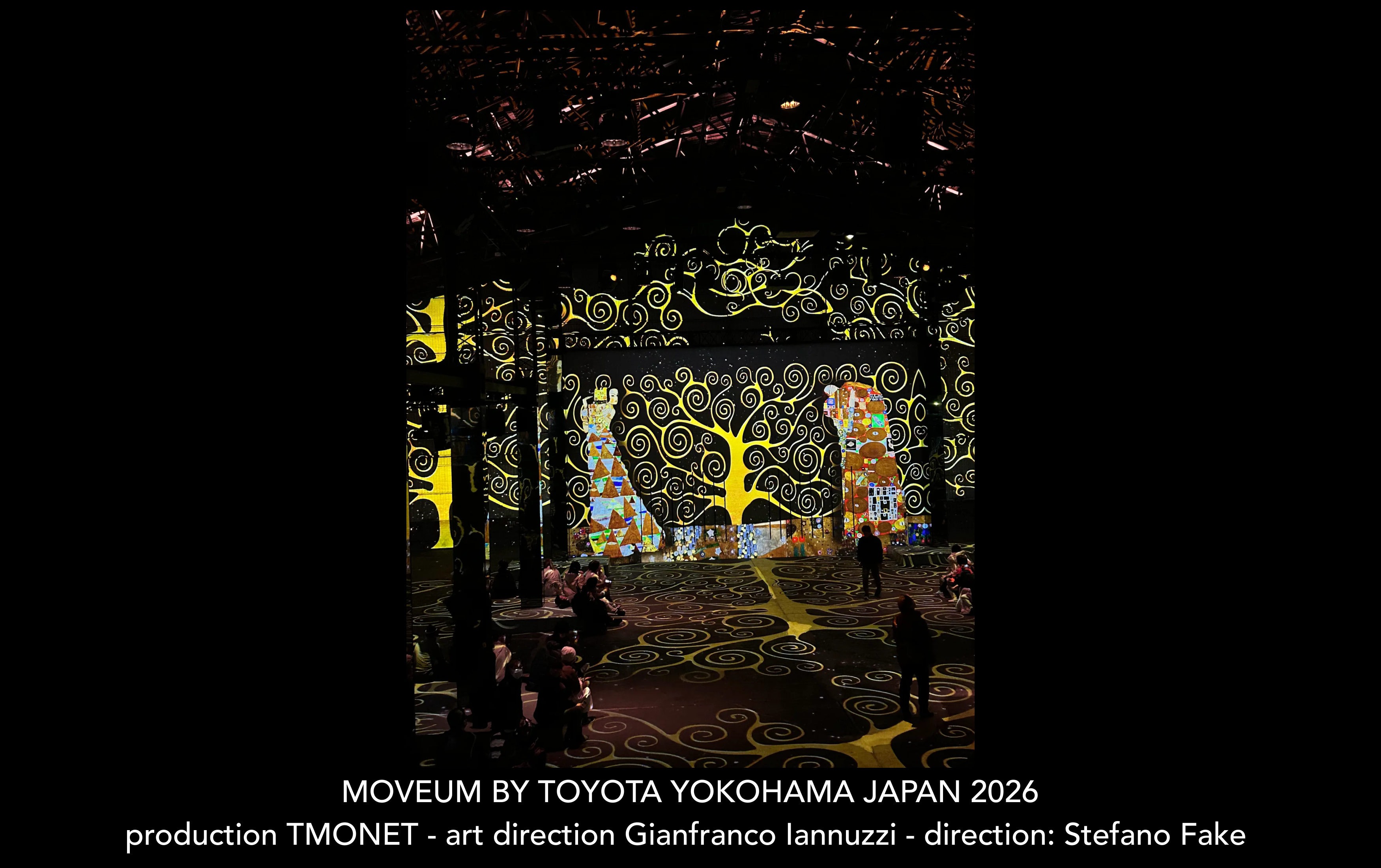
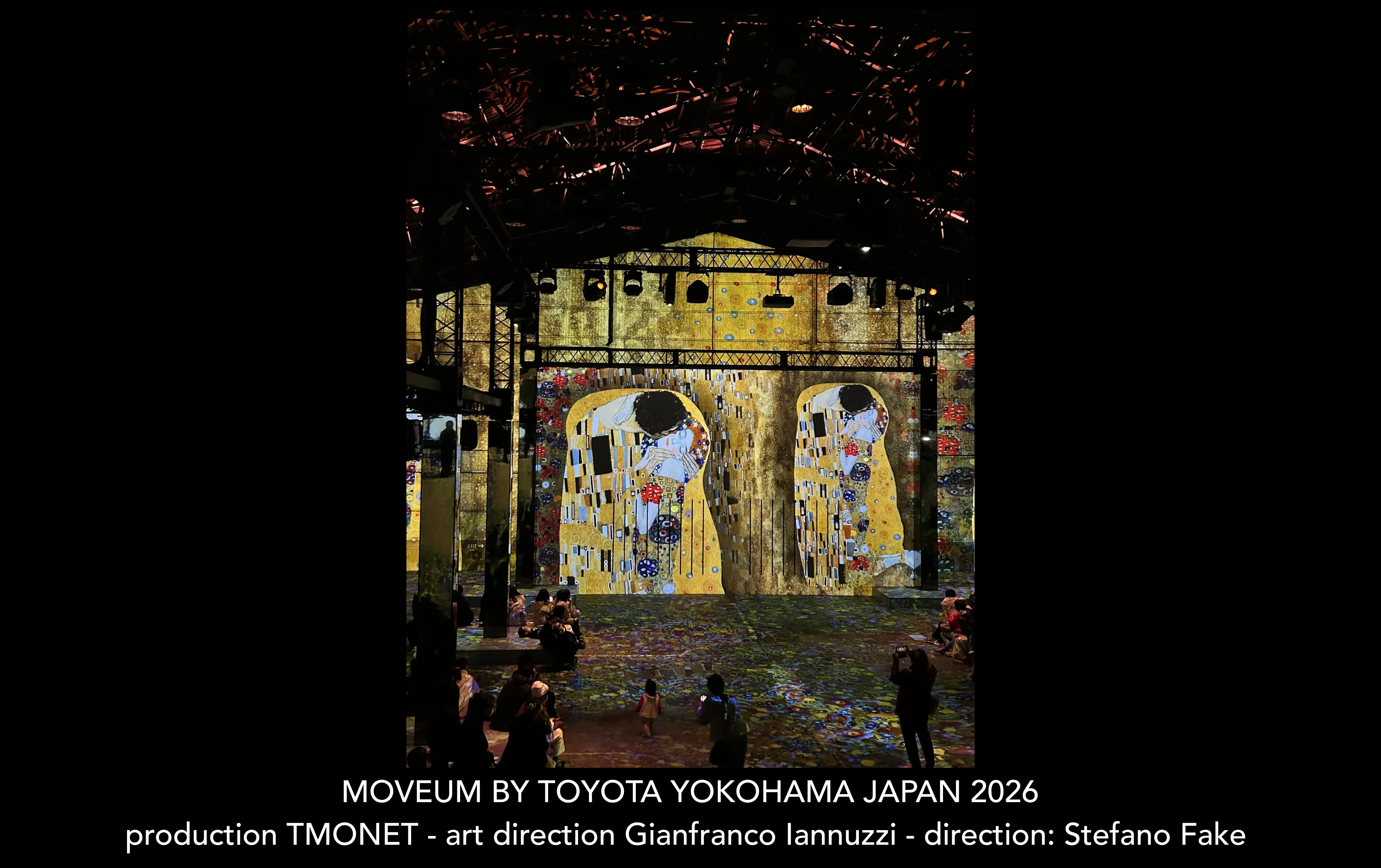
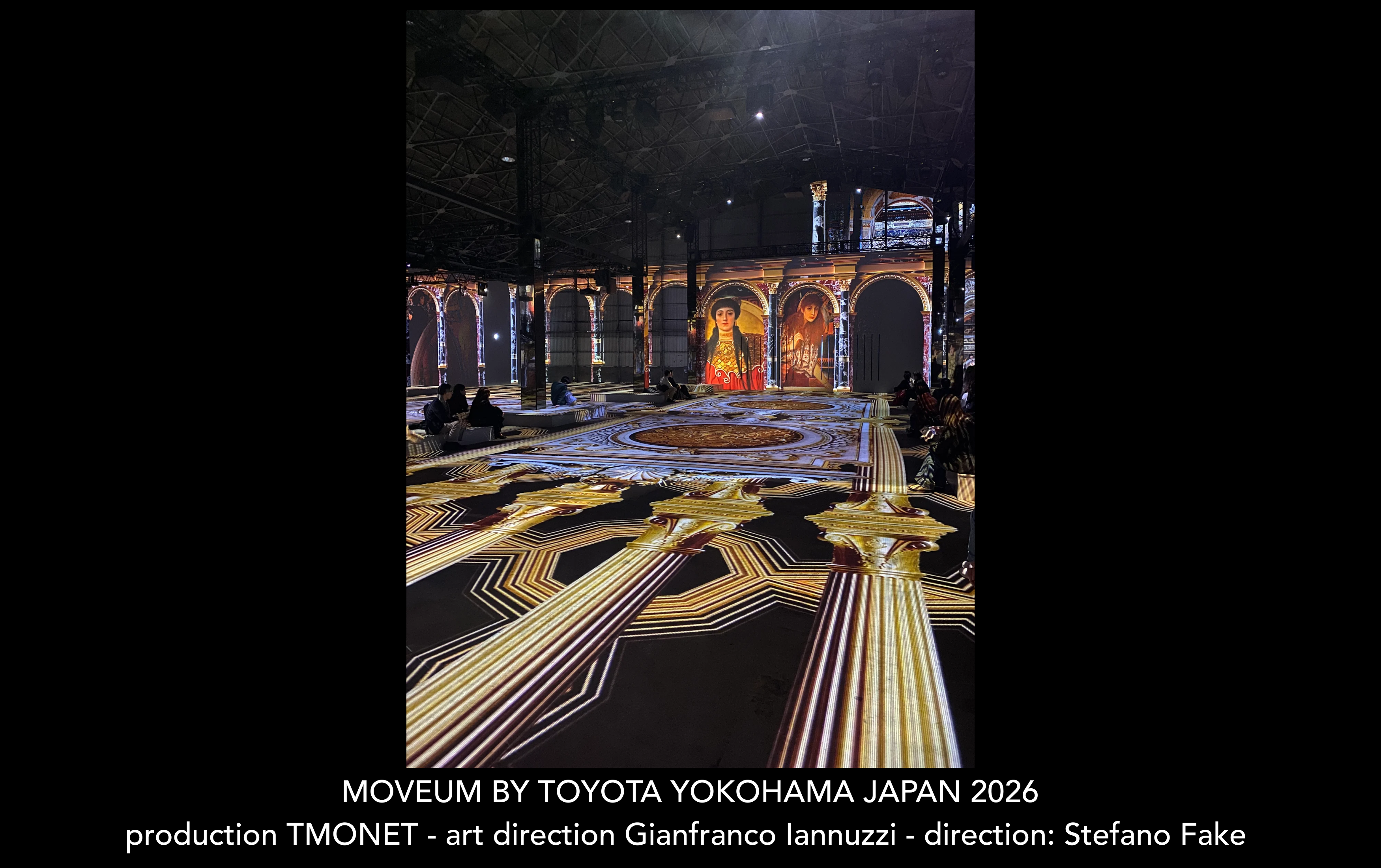
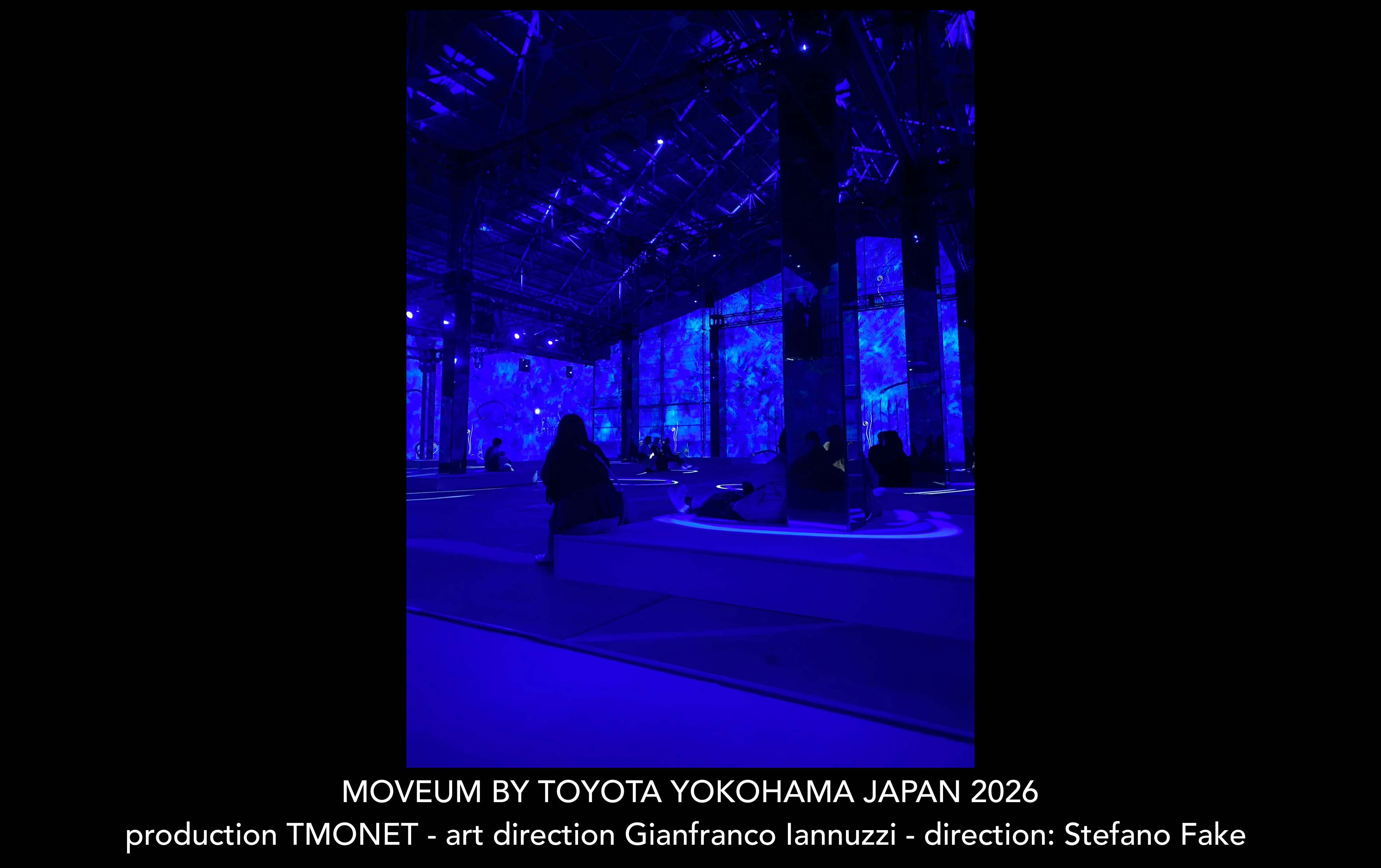
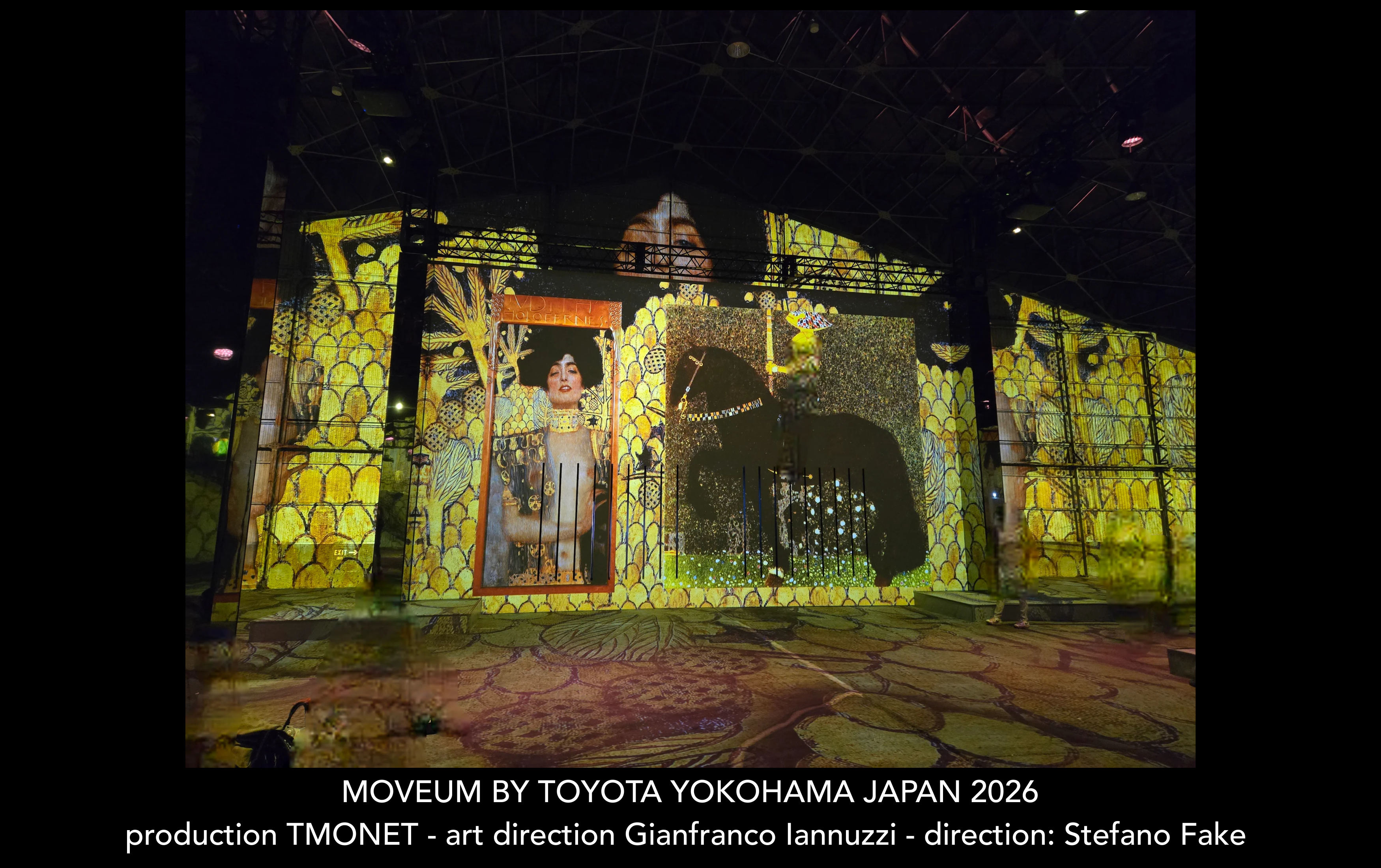
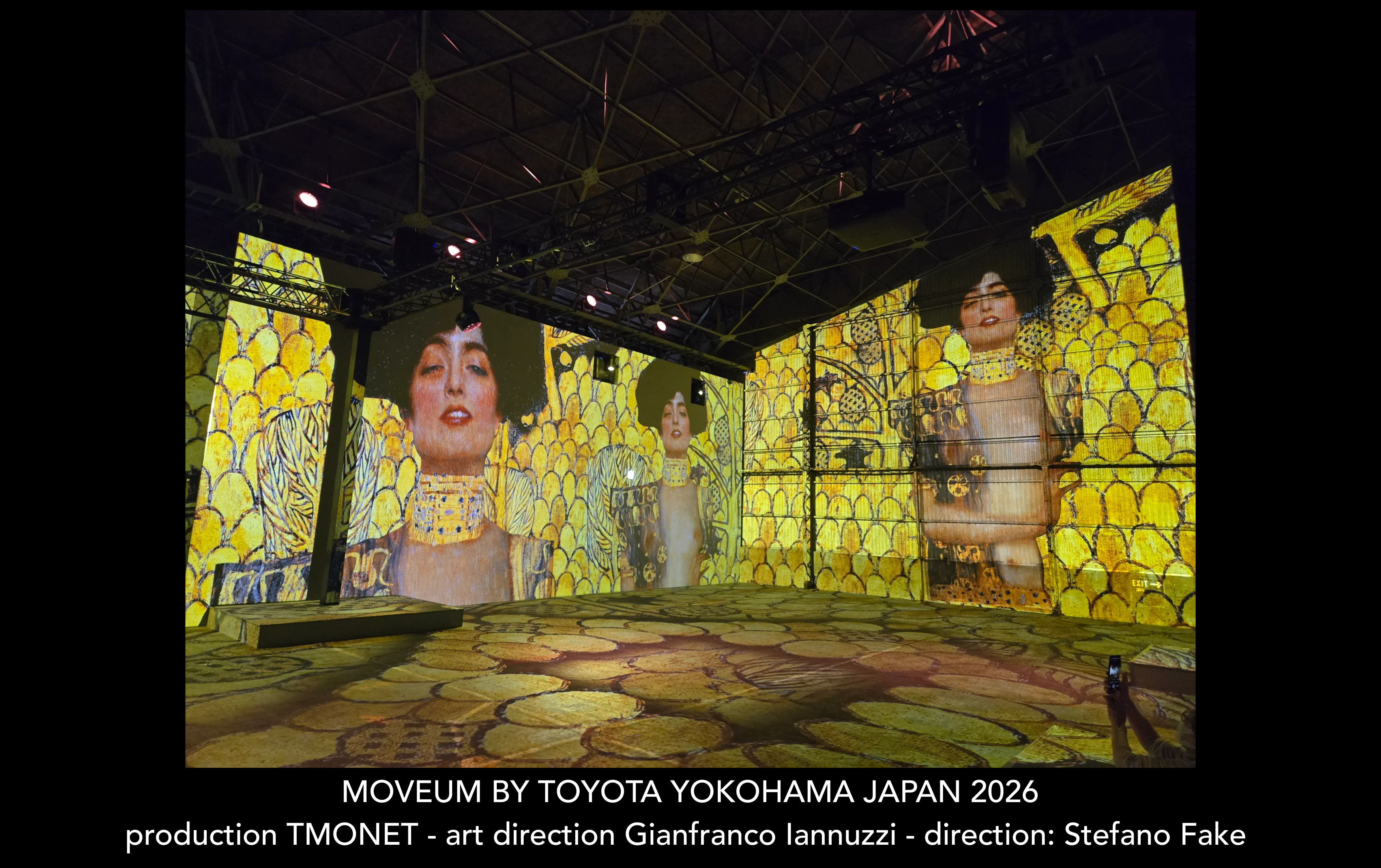
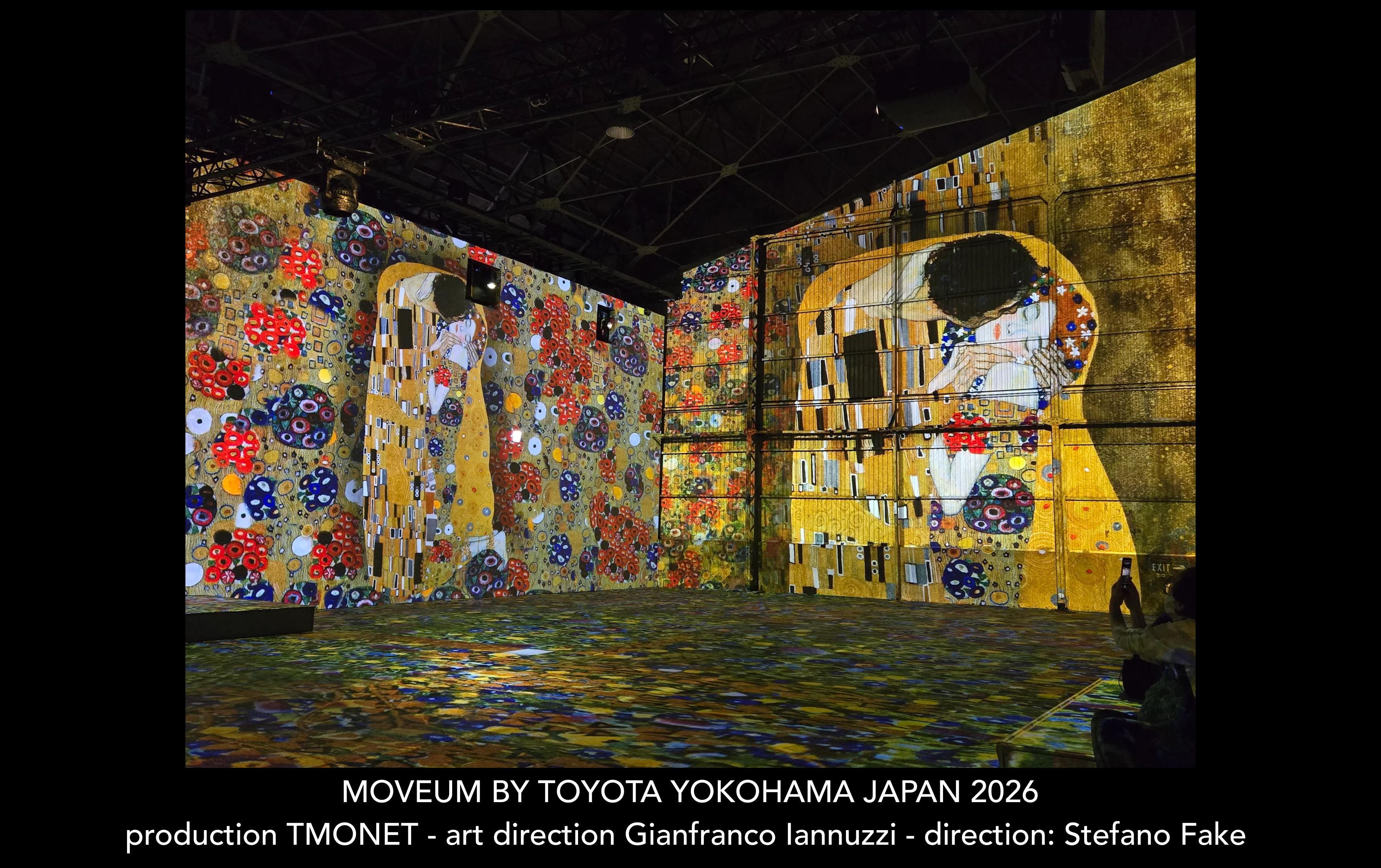
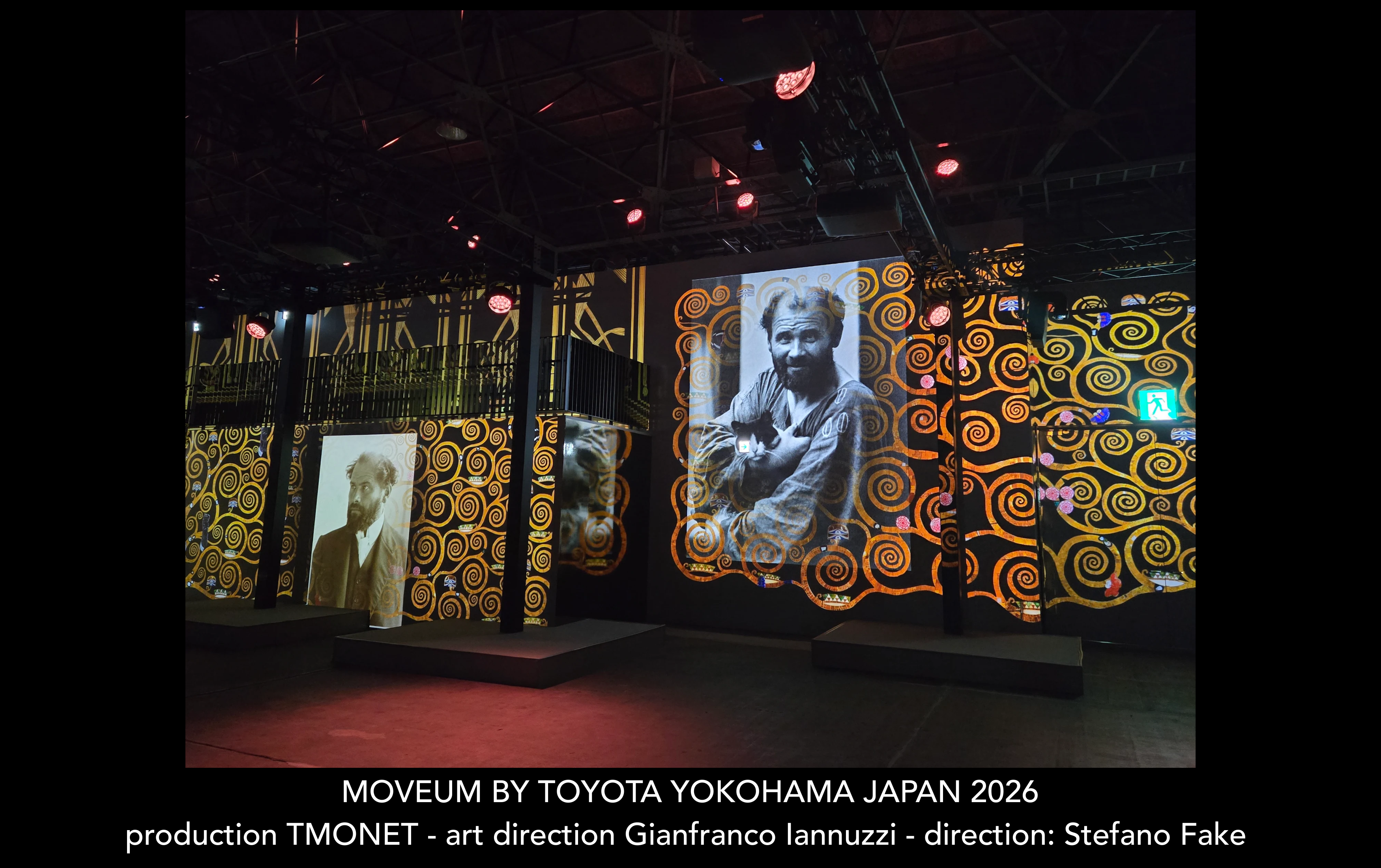
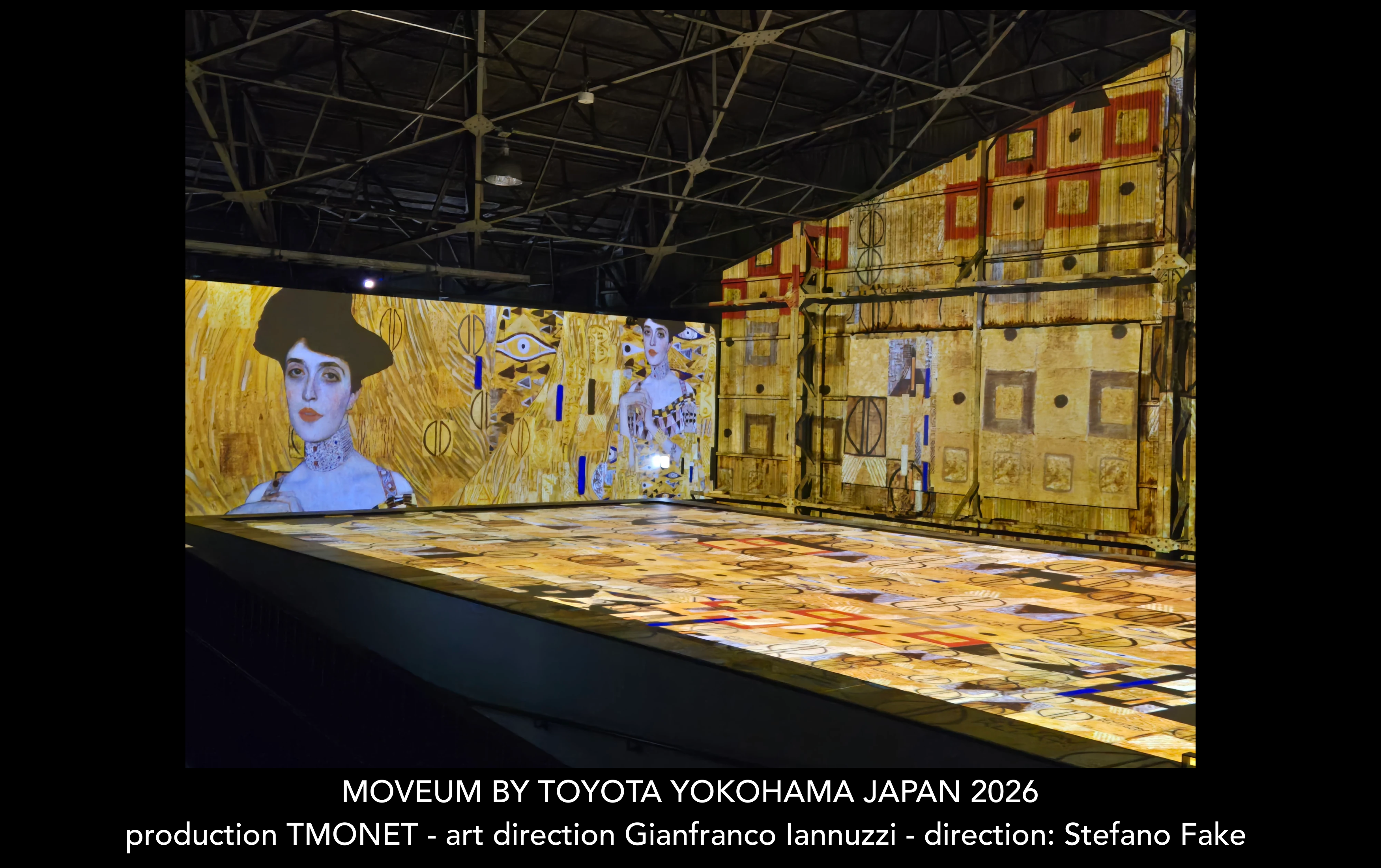
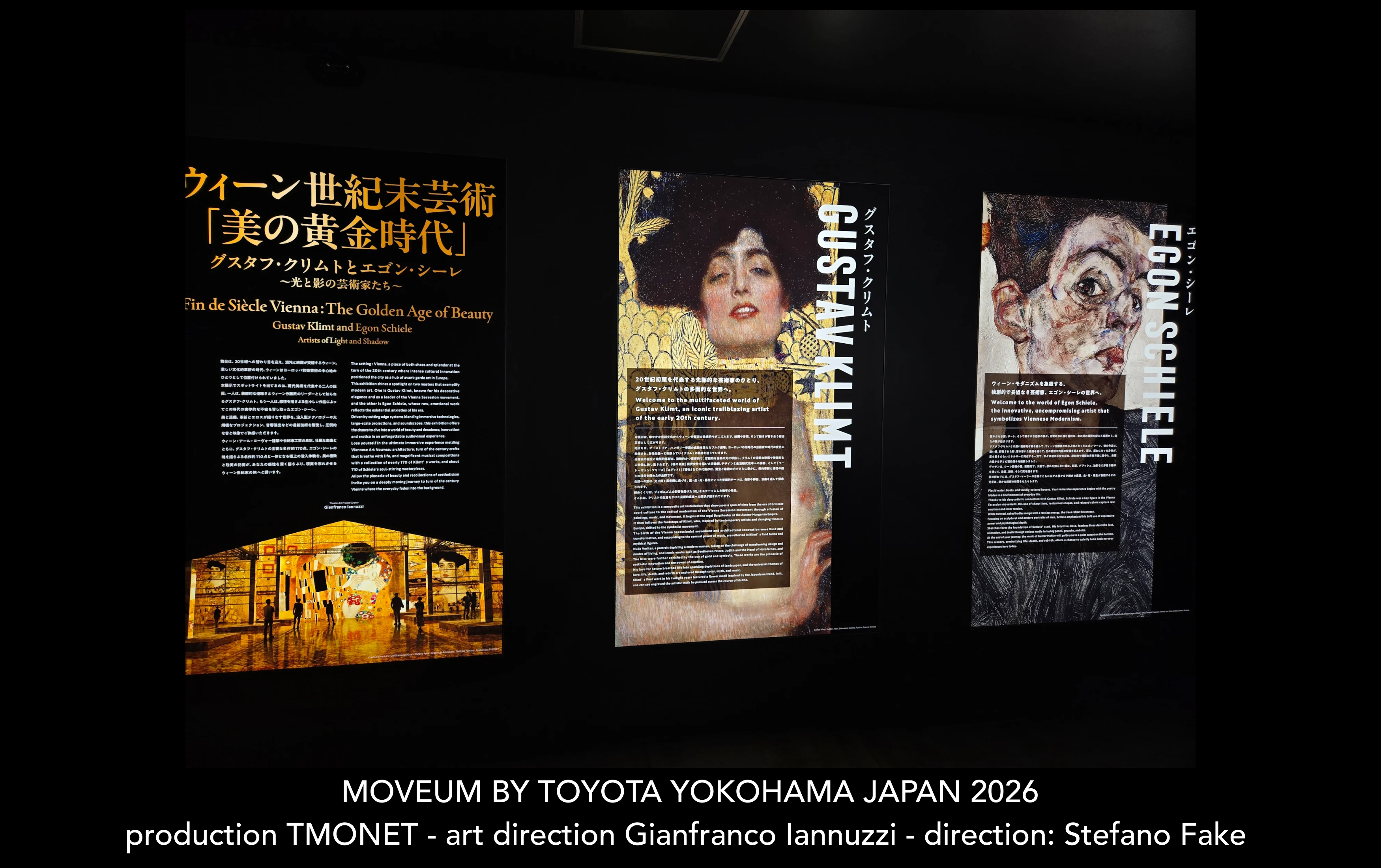
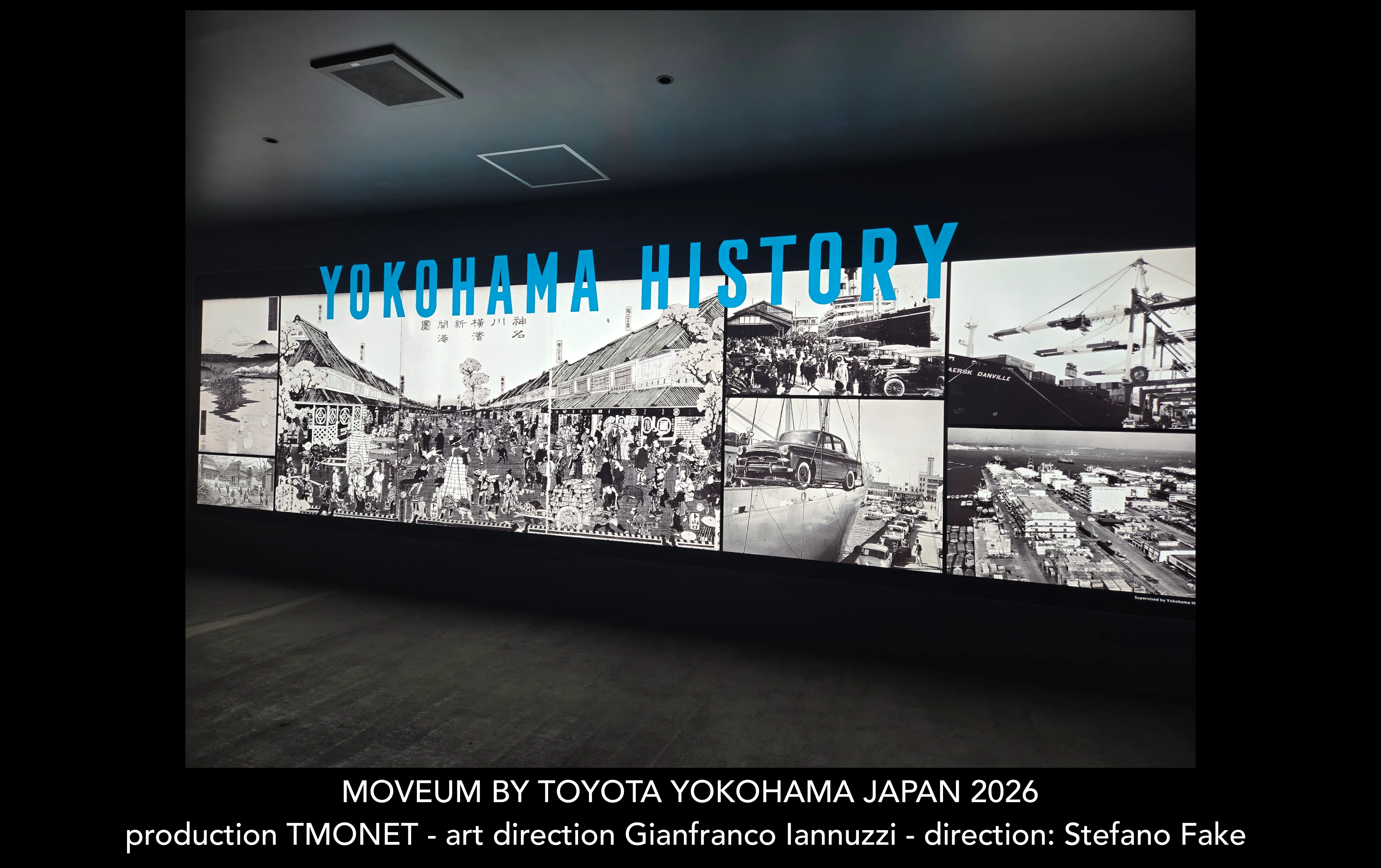
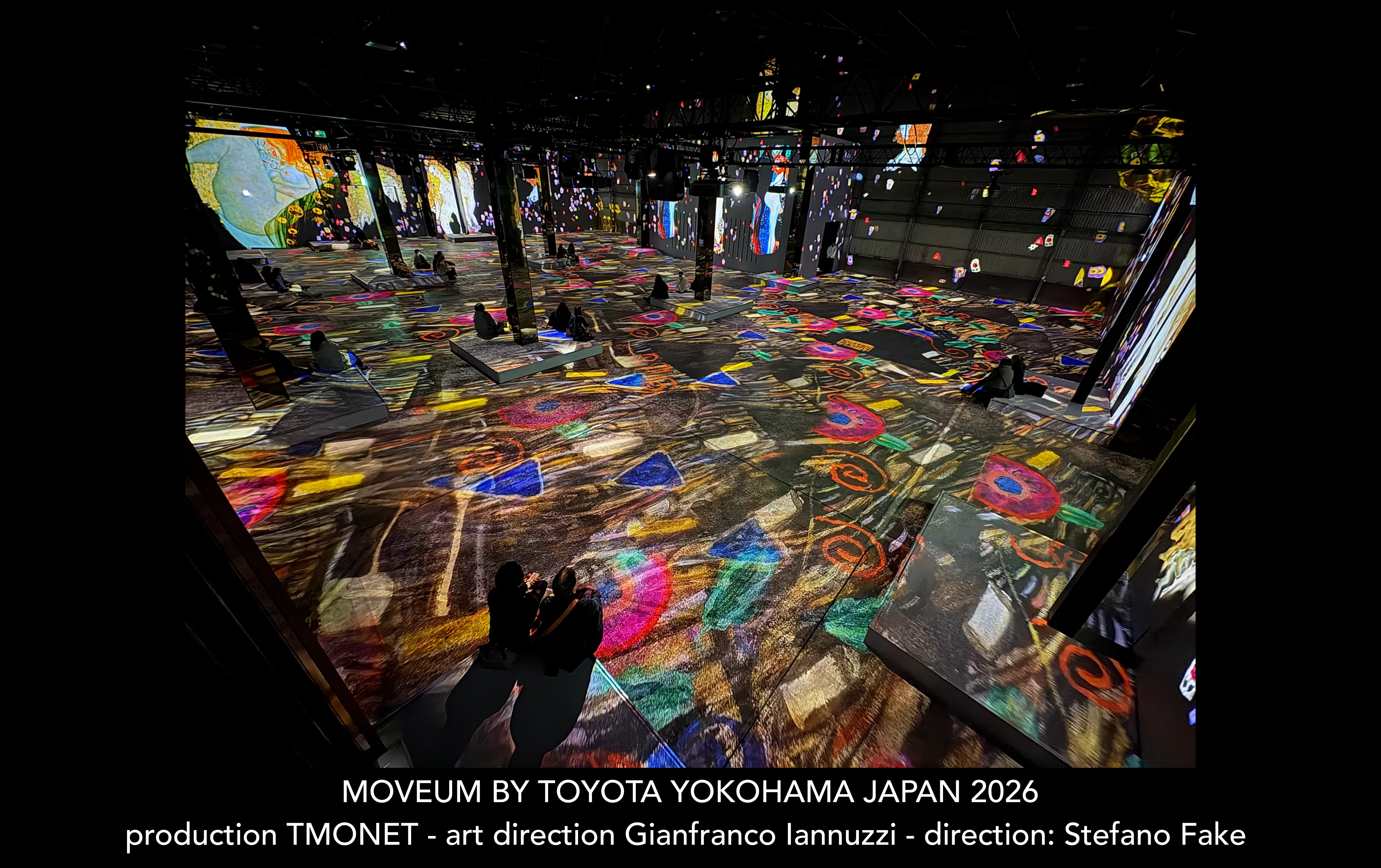
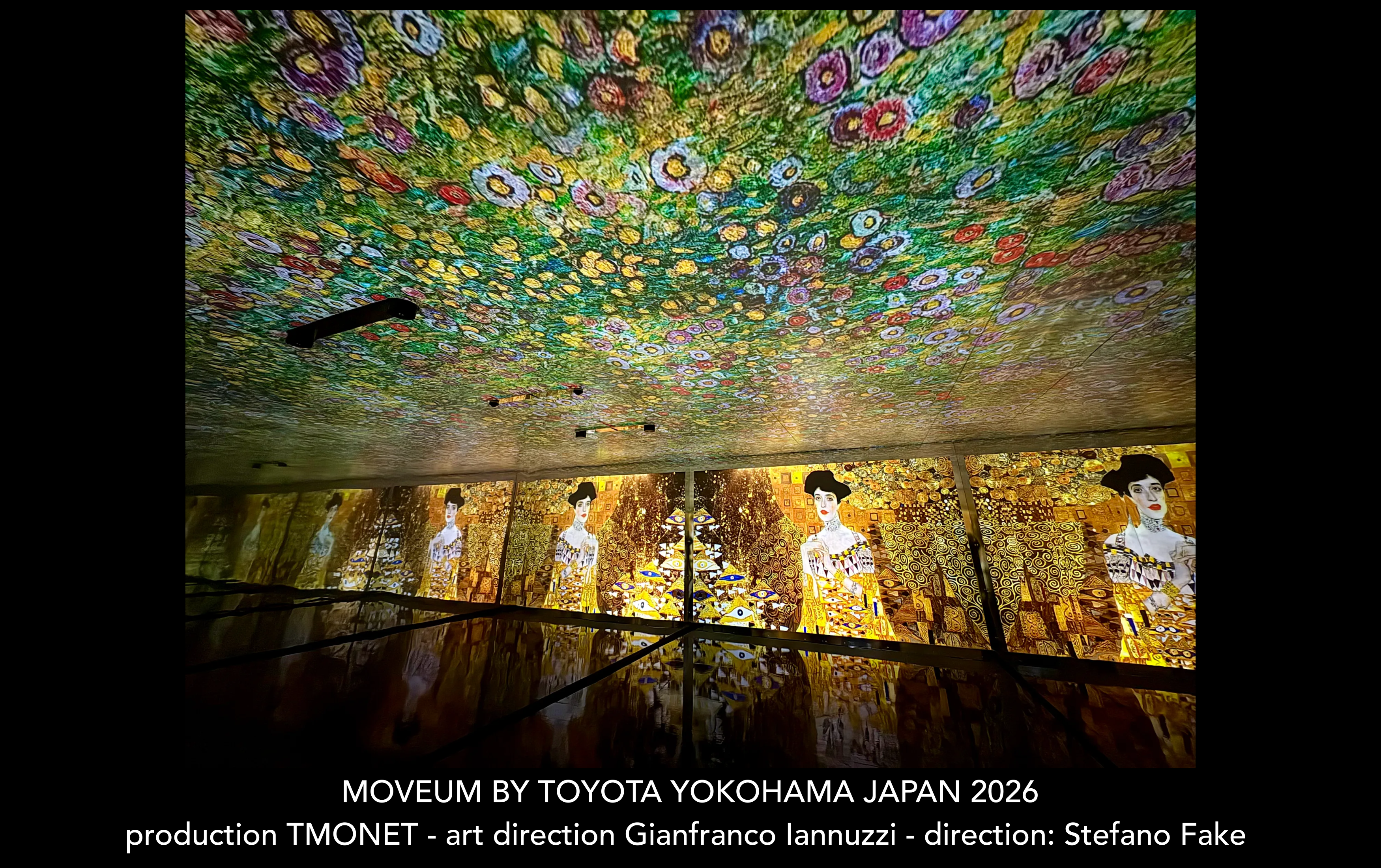
In this context, “experience” is defined as a temporal and multisensory event realized through the interaction between the audiovisual environment and the presence of the spectator. The artwork ceases to be an autonomous object and becomes a field of relations, in which space, time, perception, and emotion are articulated into a dynamic unity. This approach aligns with contemporary theoretical developments that privilege the experiential dimension of art over its materiality, placing reception at the center of the aesthetic process.
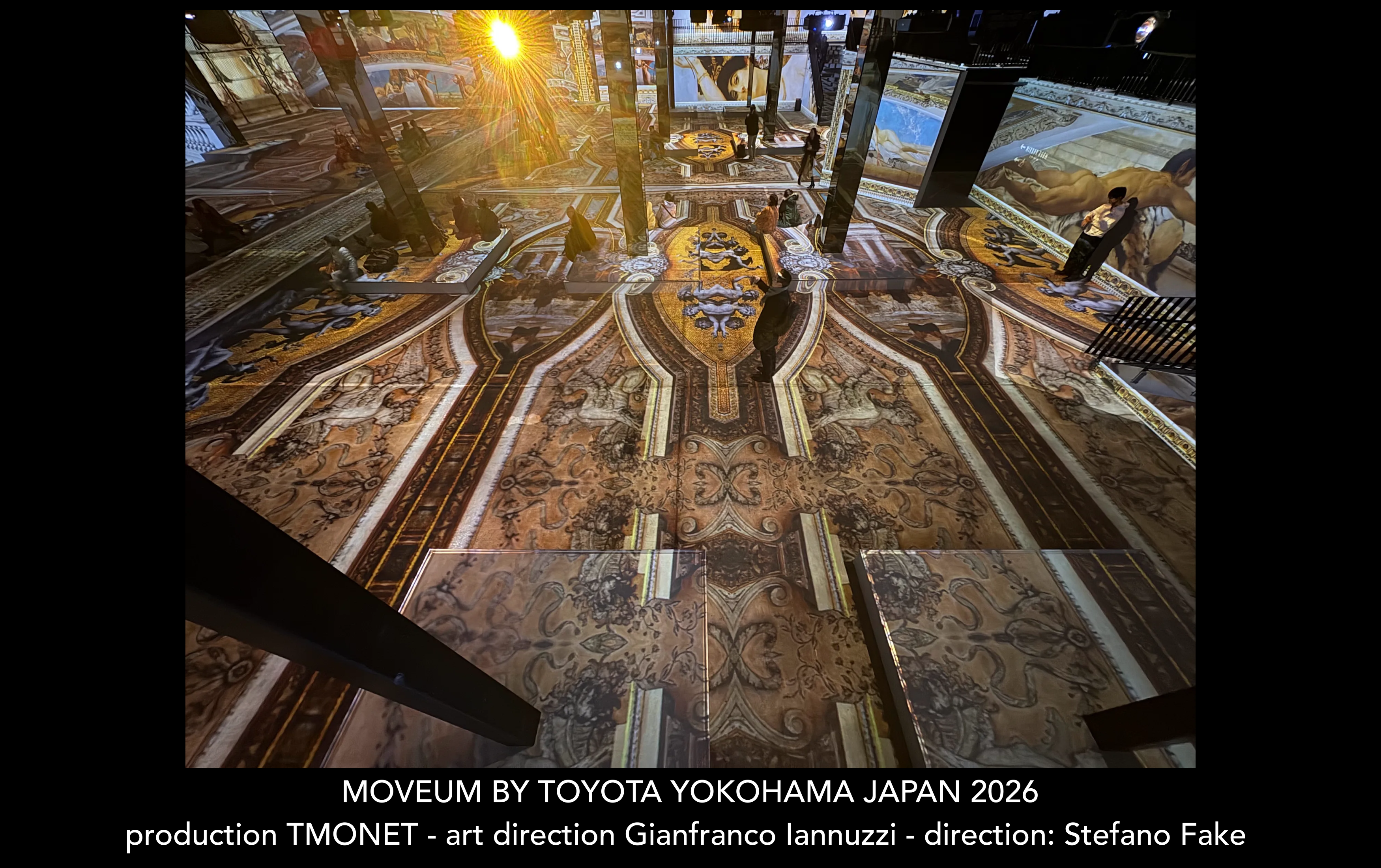
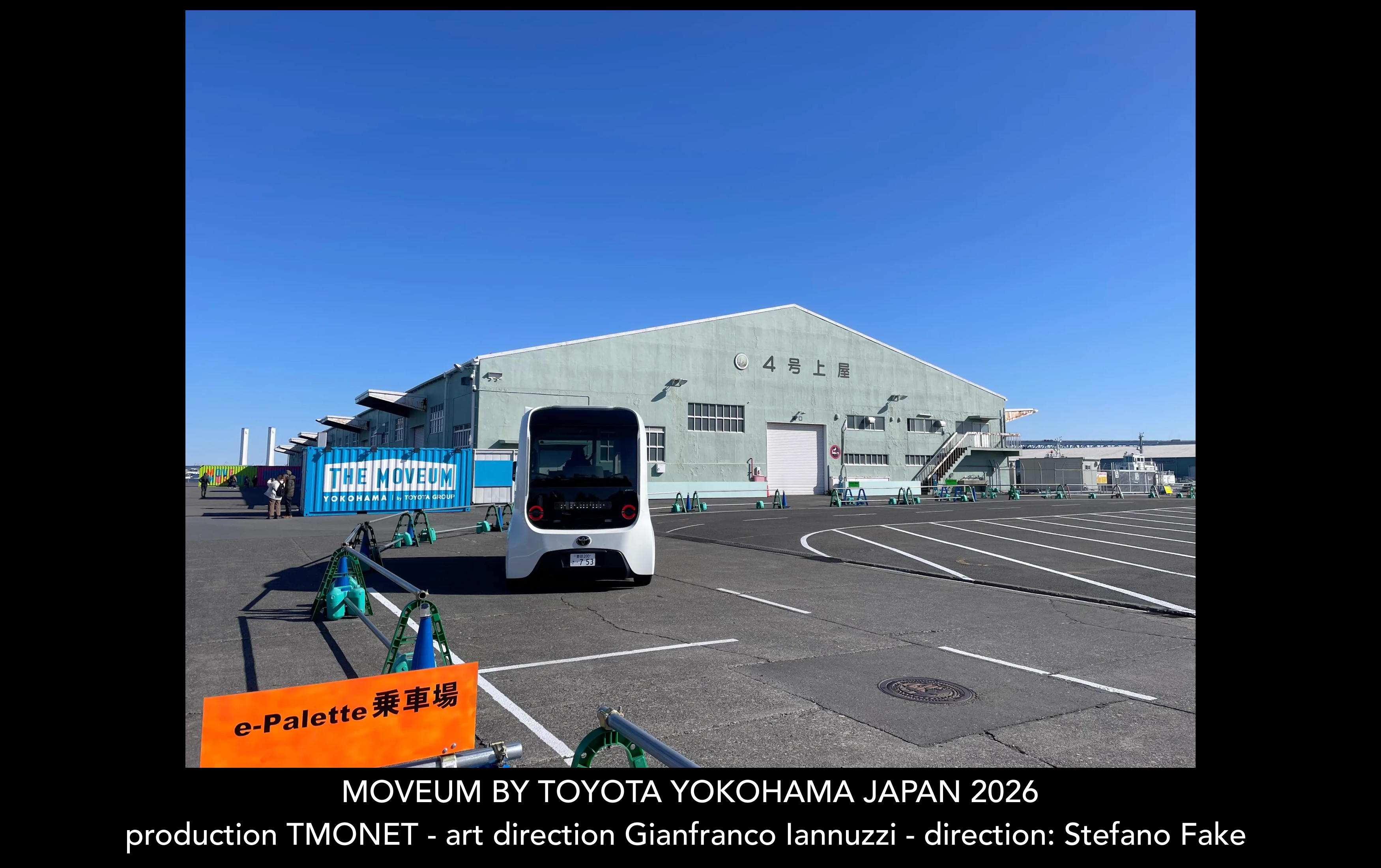
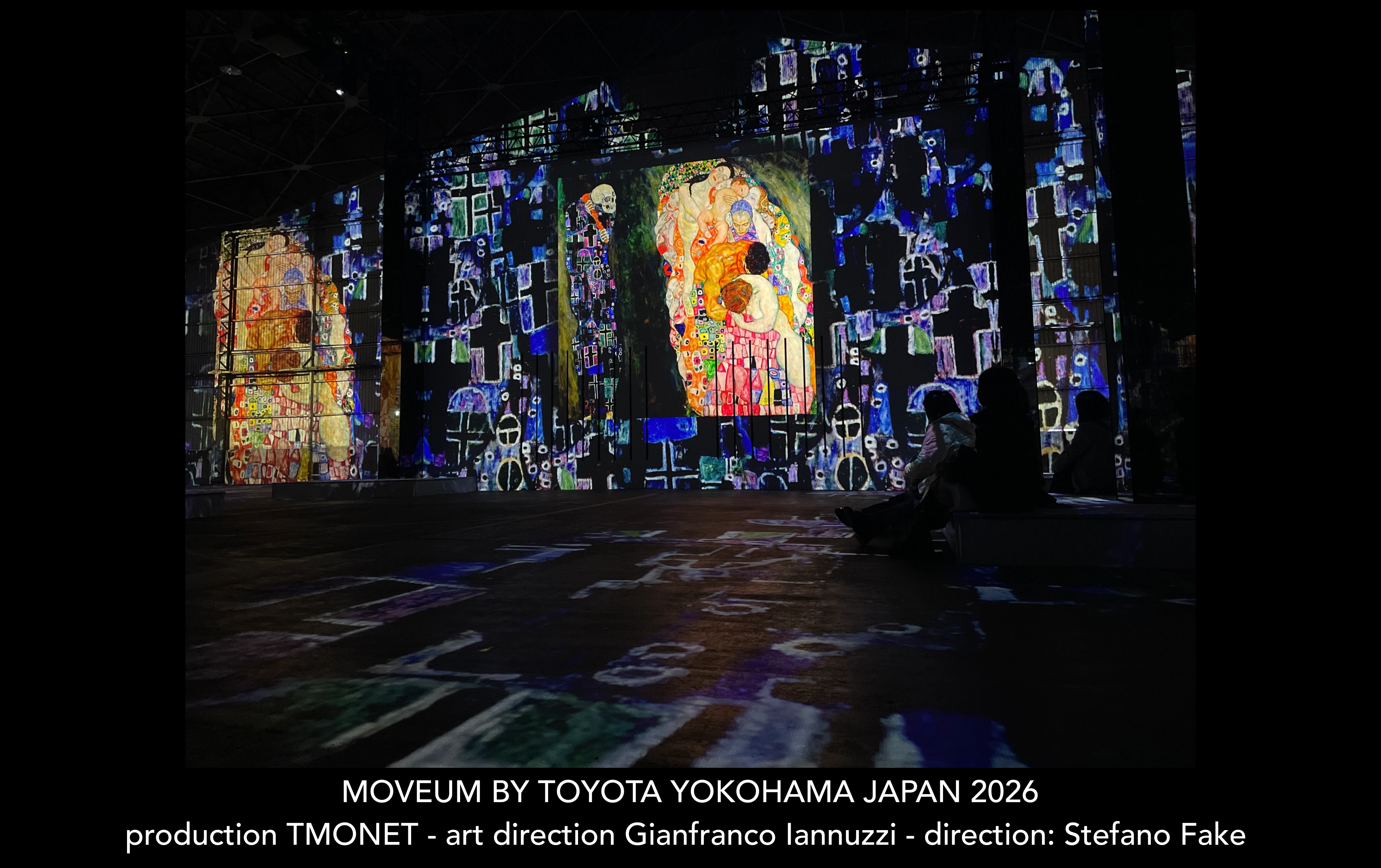
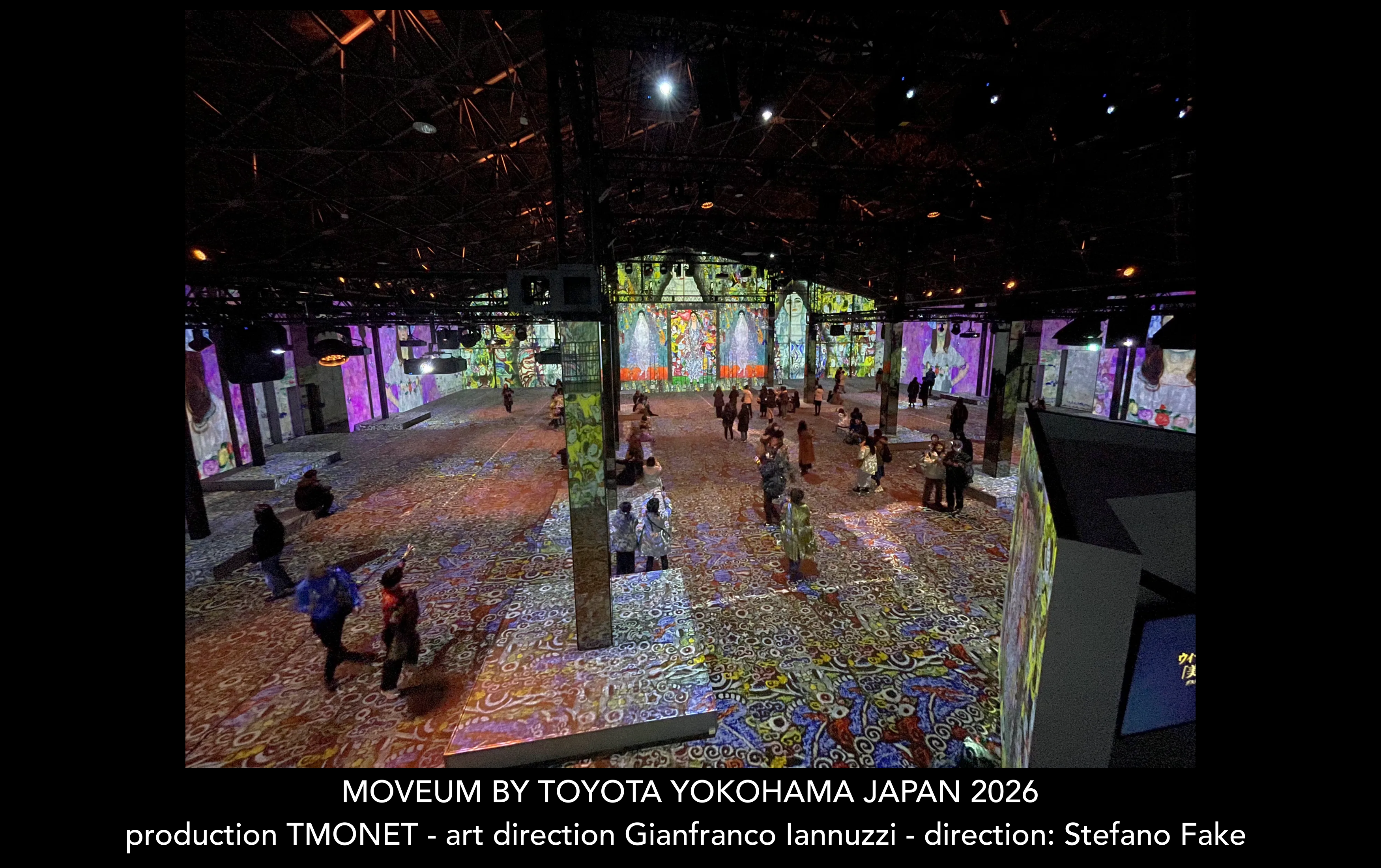
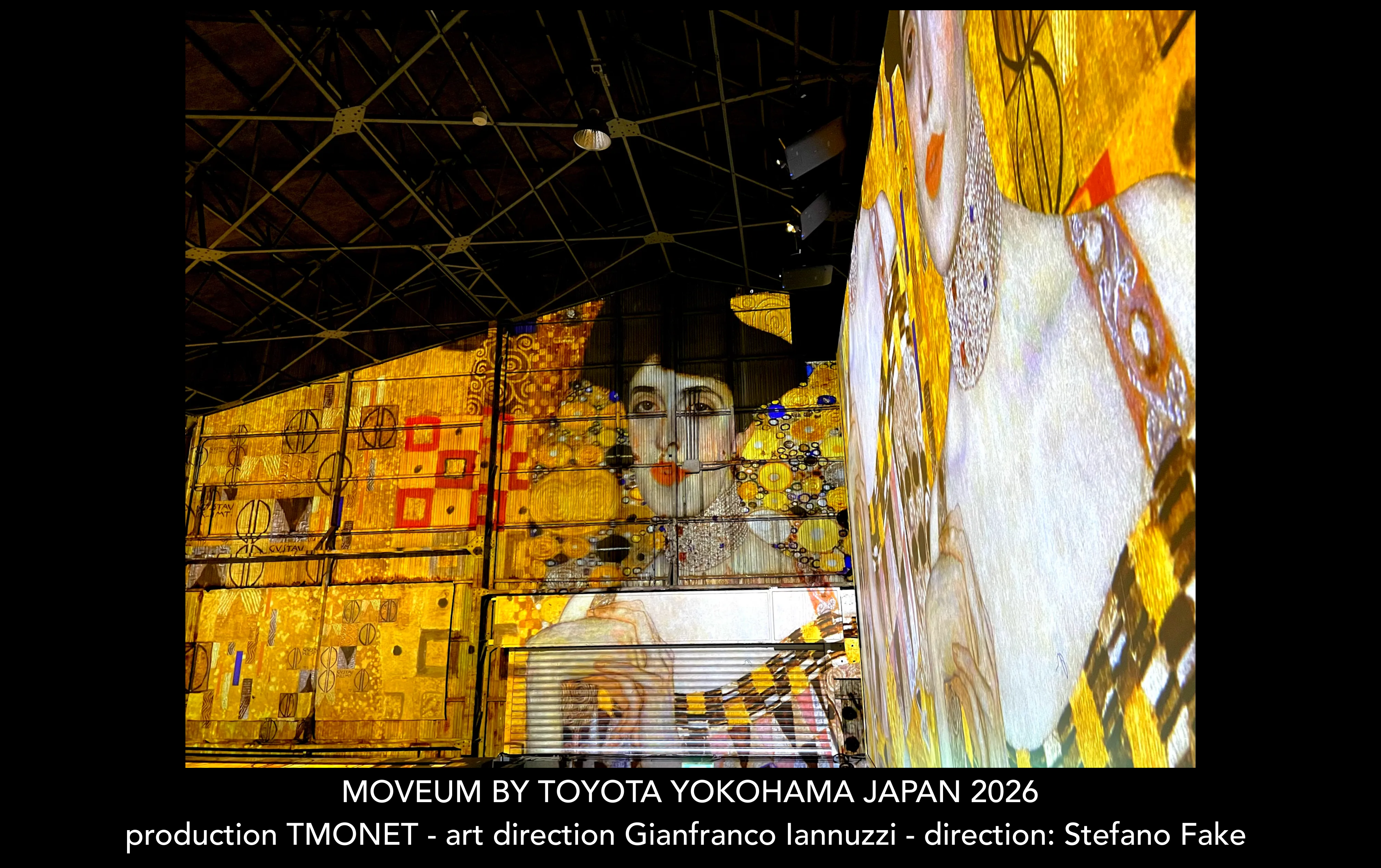
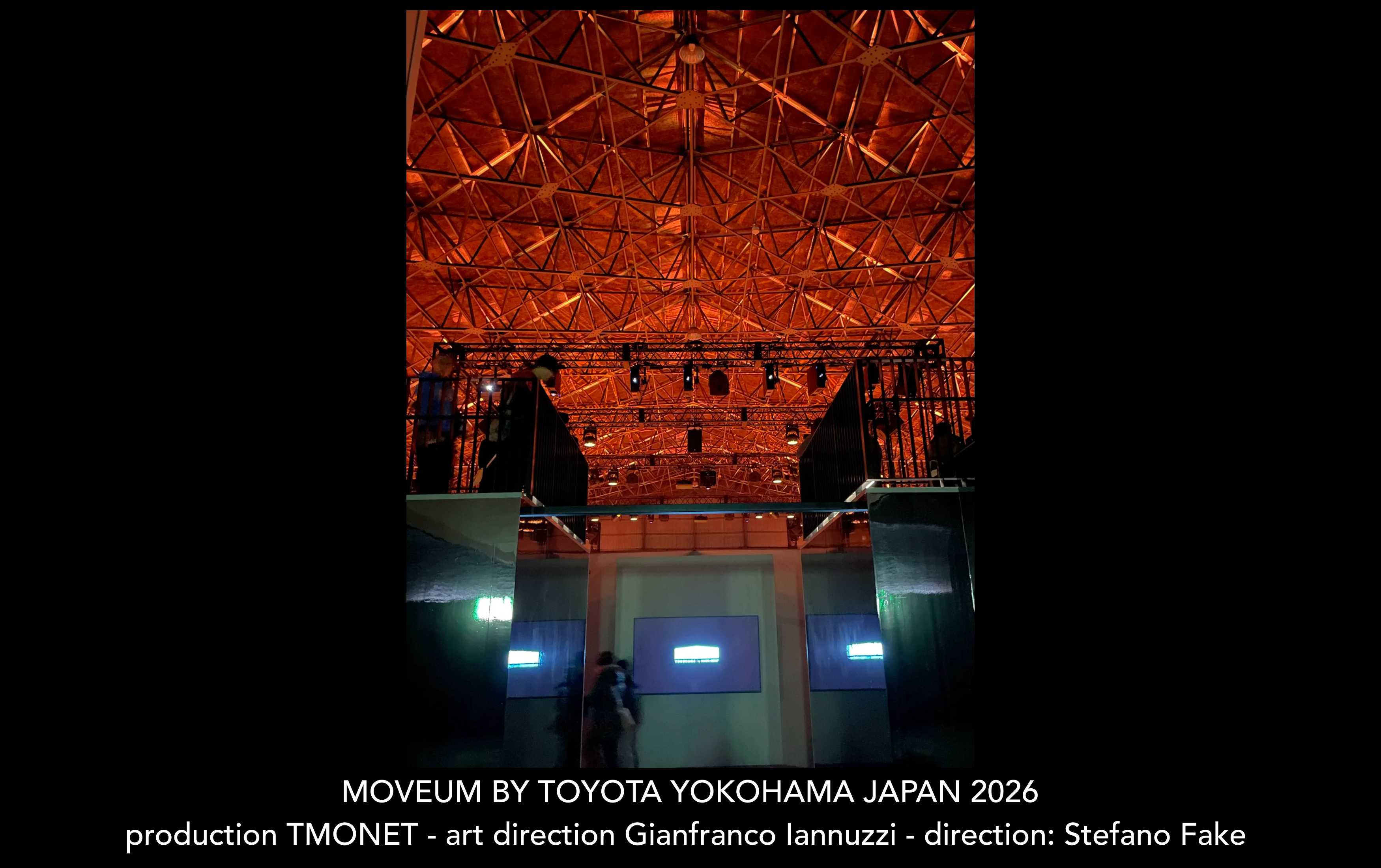
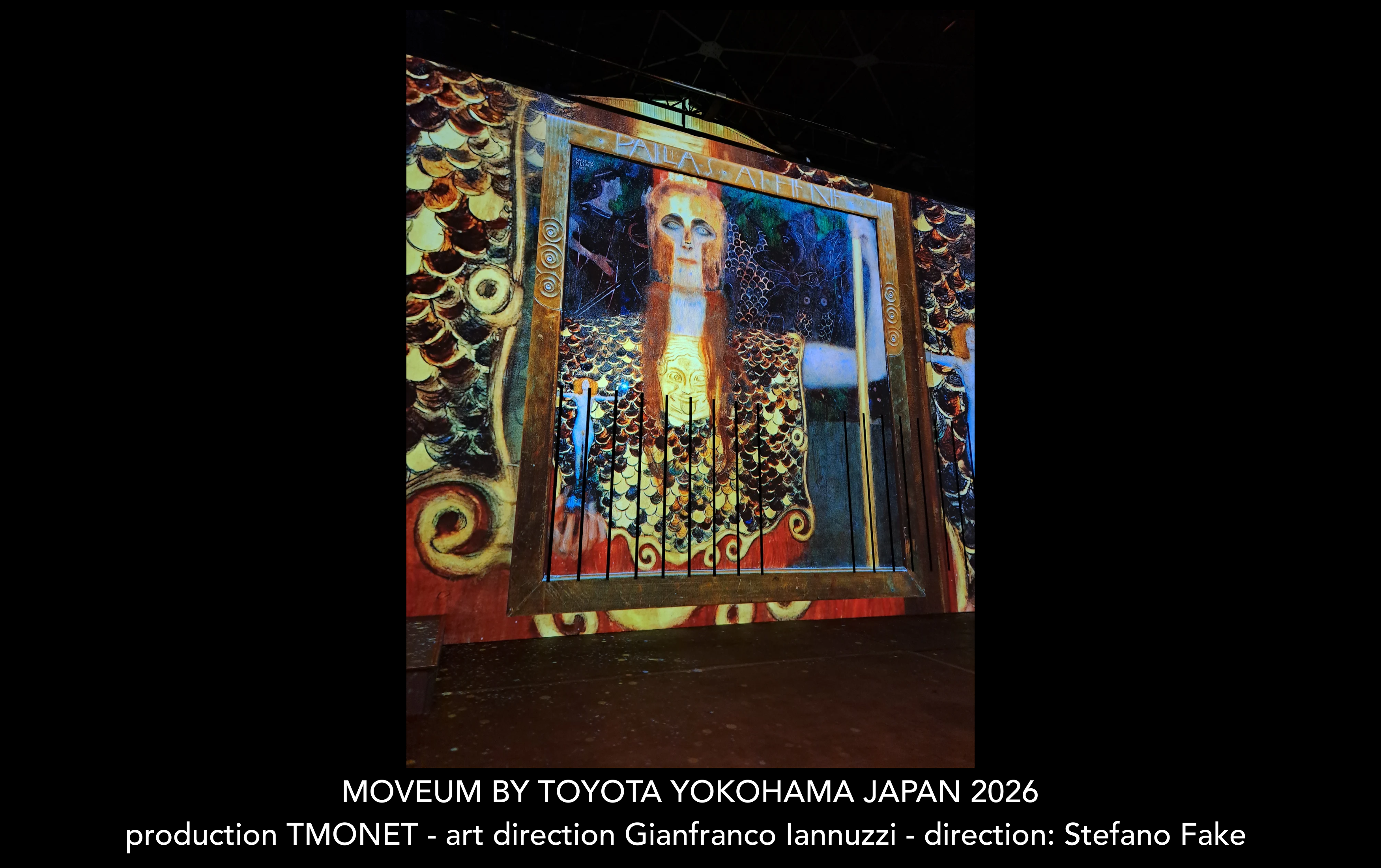
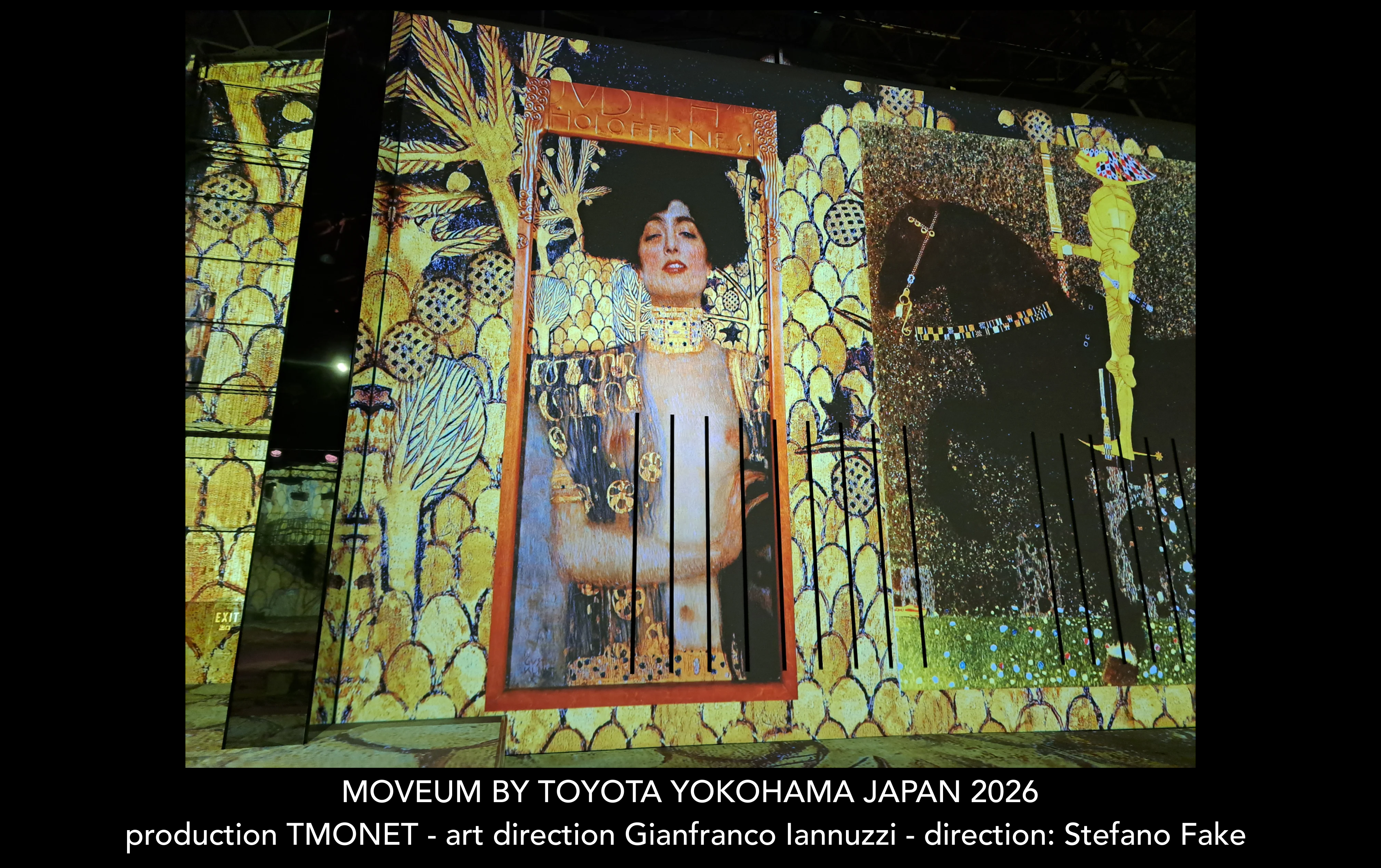
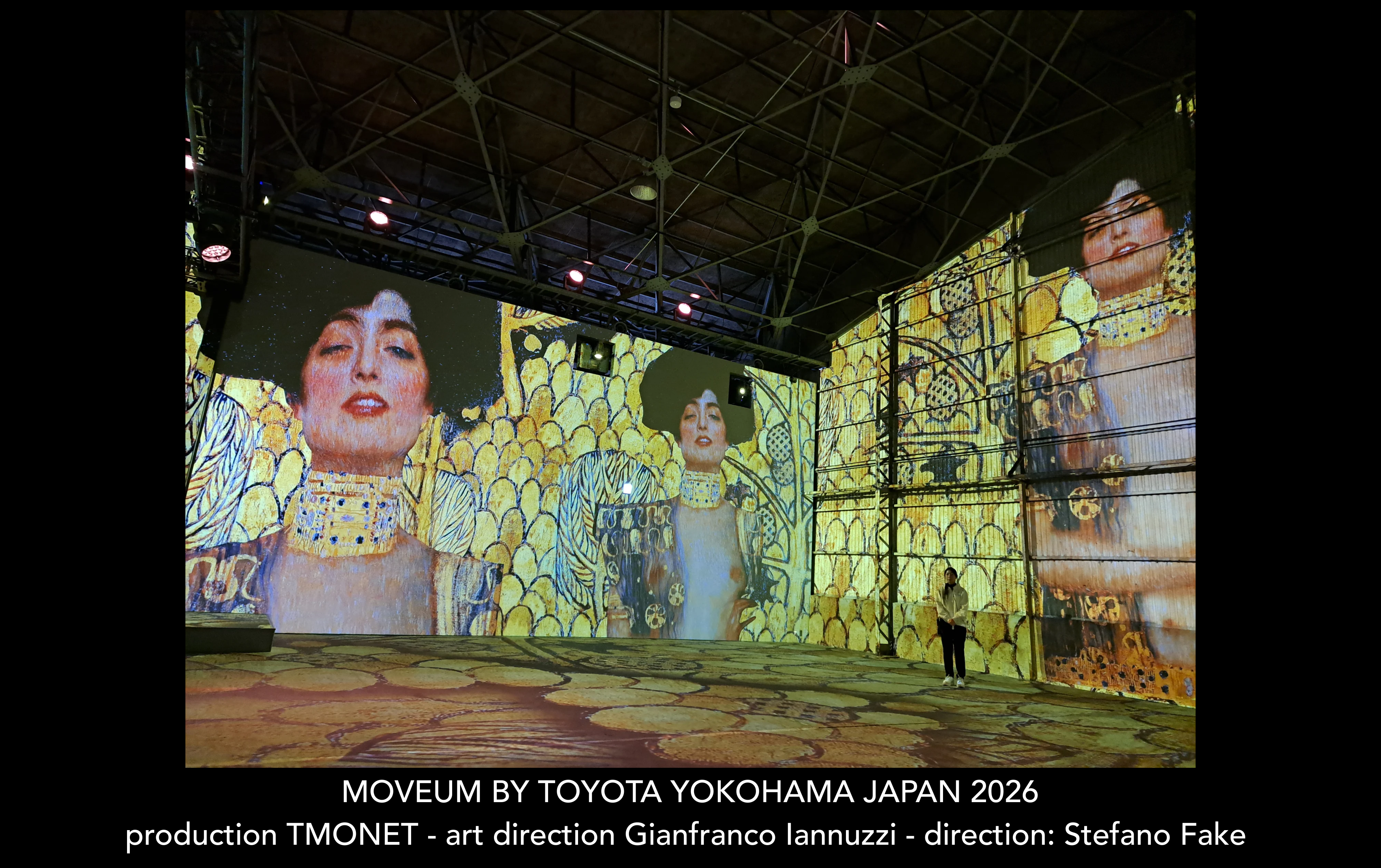
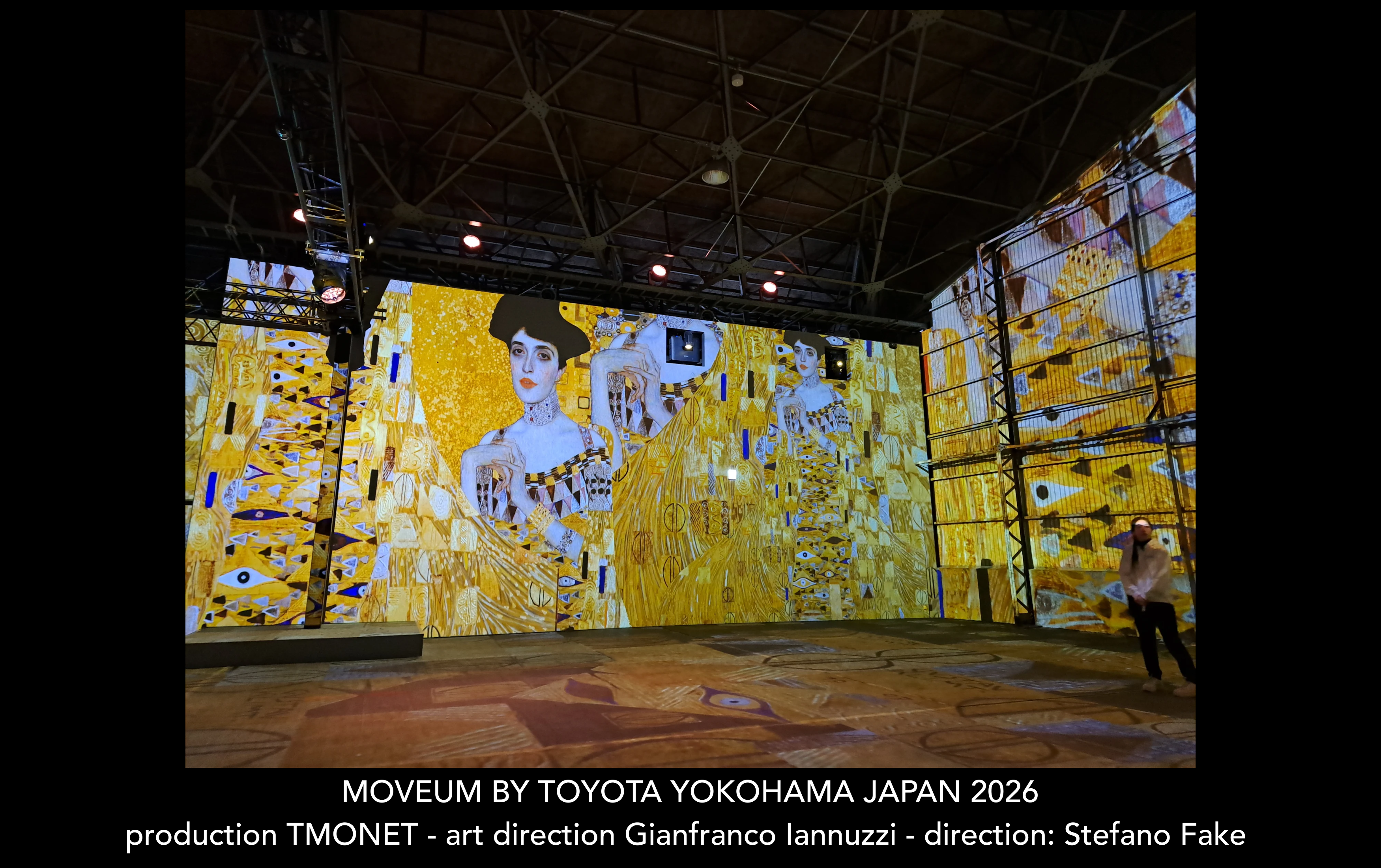
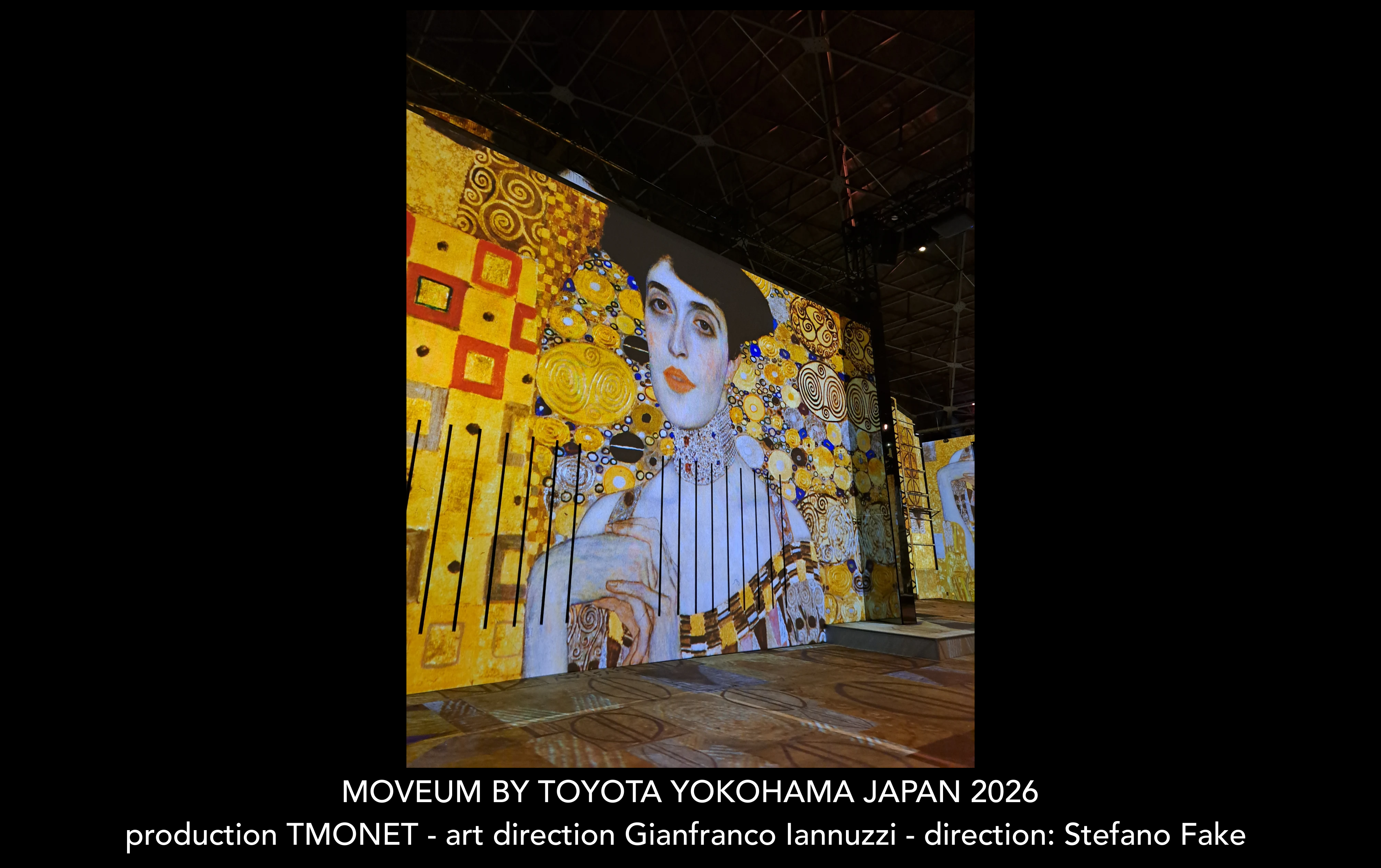
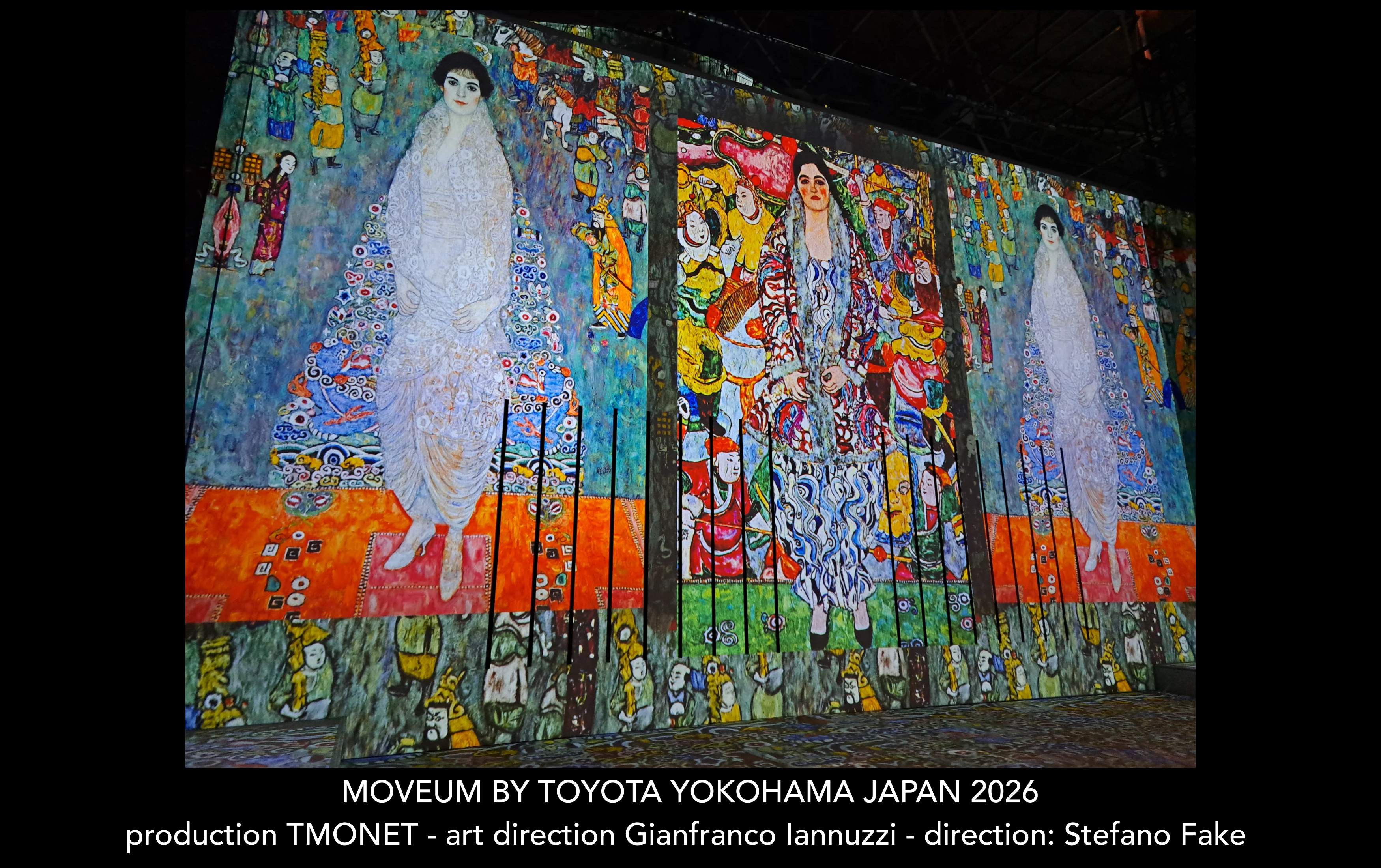
The adoption of the term “Experience” in KLIMT EXPERIENCE (Gustav Klimt – Immersive Art Experience) therefore signals a deliberate effort to redefine the status of both the artwork and the spectator. The visitor is no longer conceived as an external observer contemplating a series of images, but as a participant immersed within an environment that demands sensory and cognitive engagement. The experience is constructed in real time, through the movement of the body in space, the duration of presence, and the perceptual interaction with audiovisual stimuli.
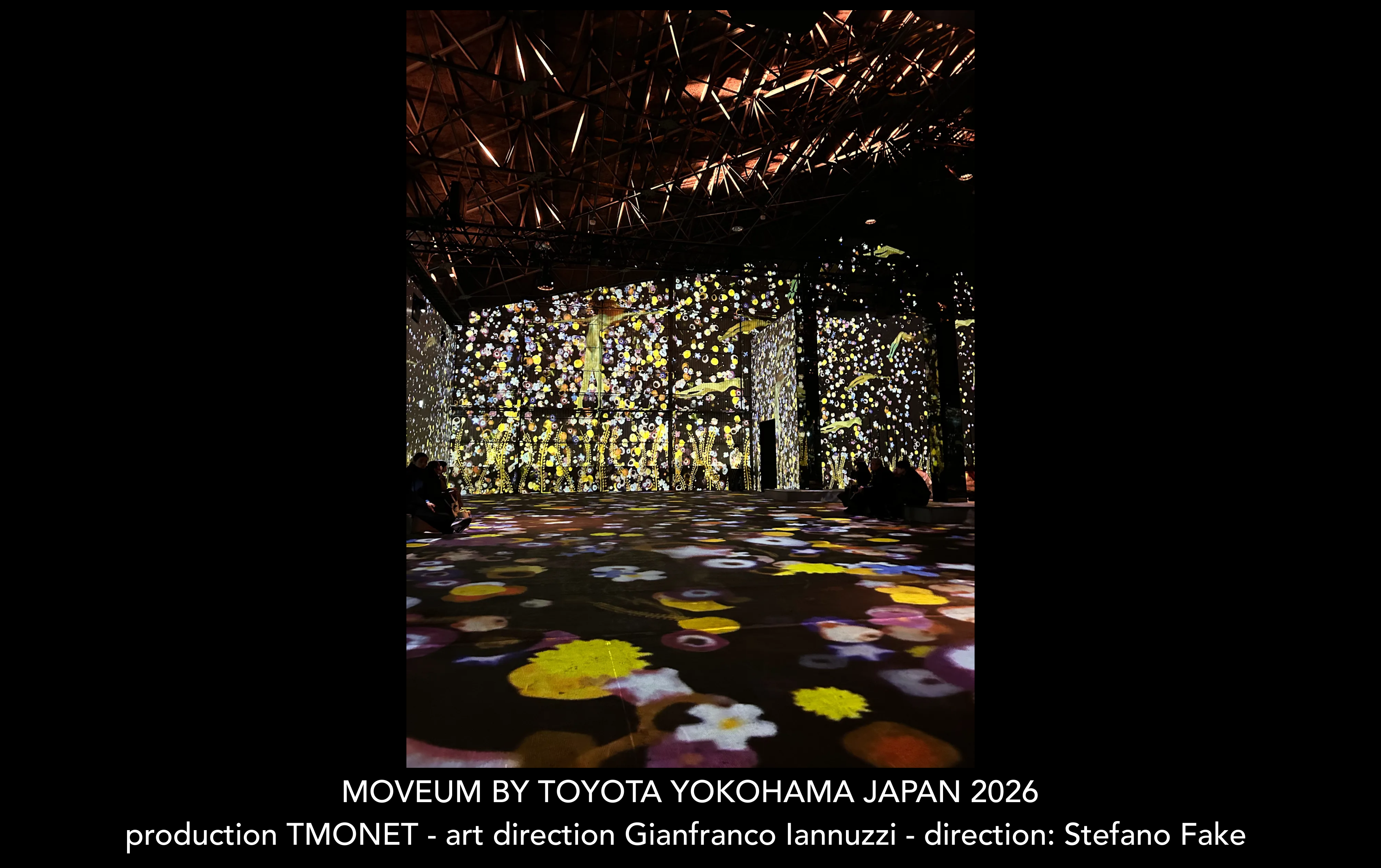
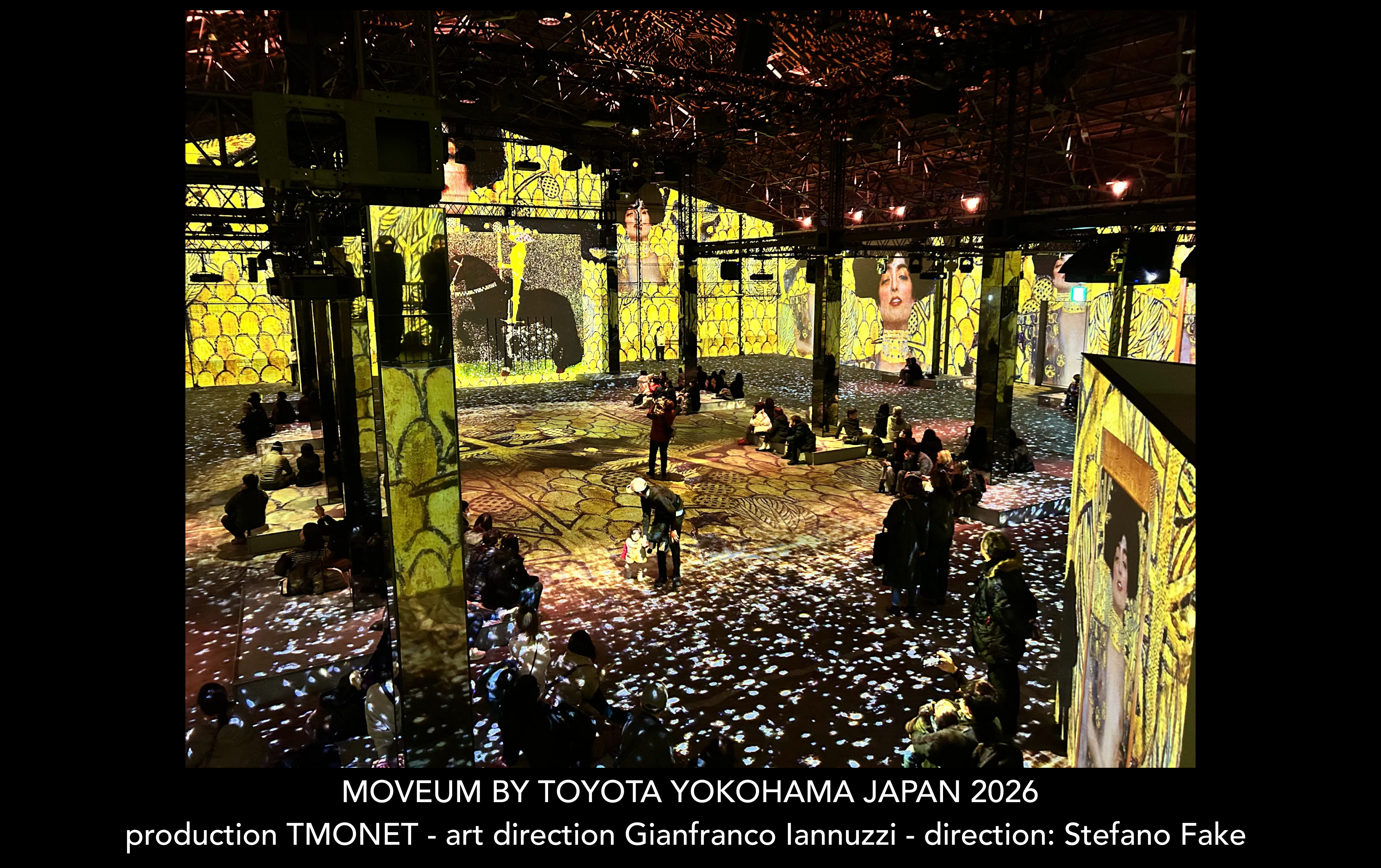
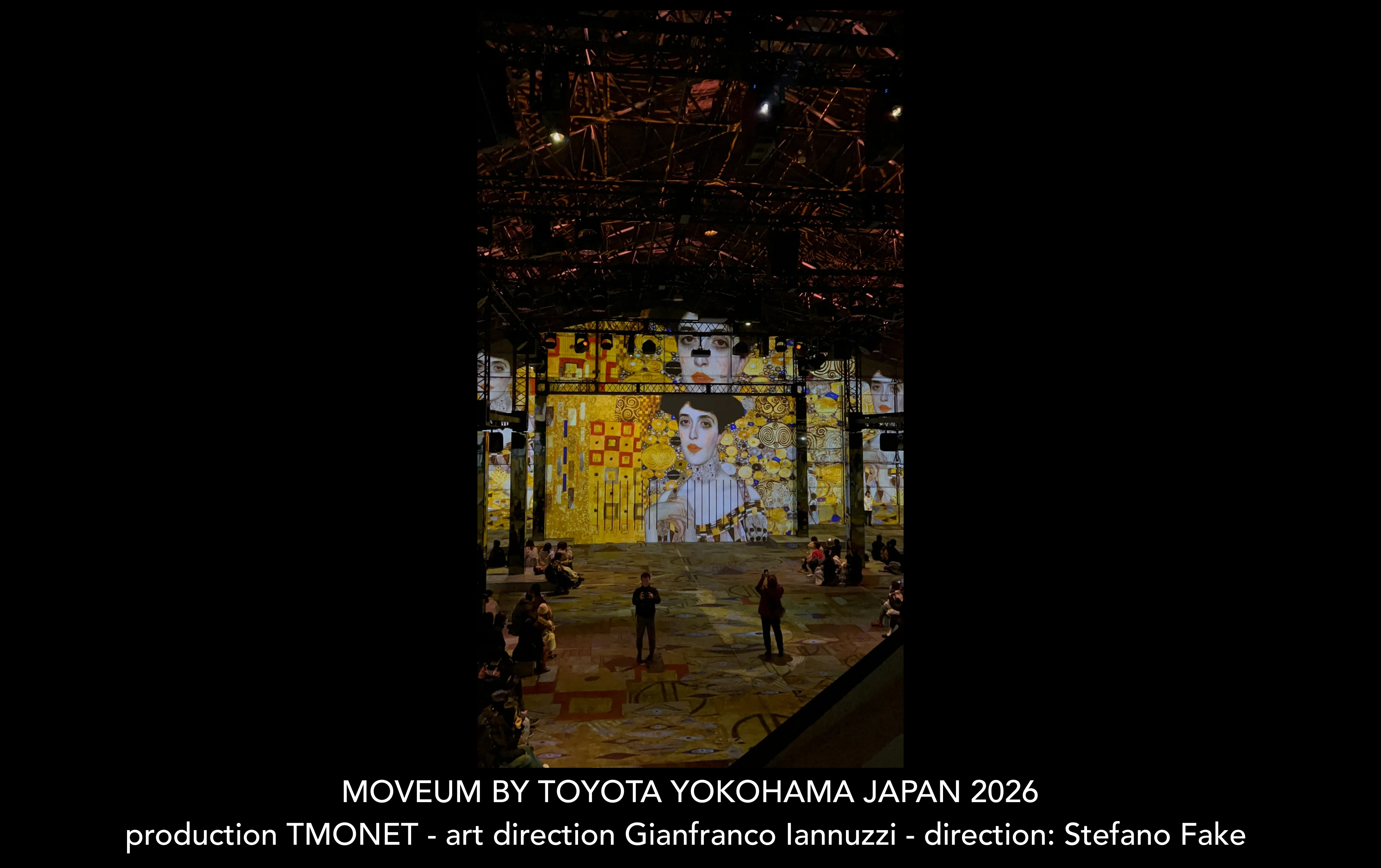
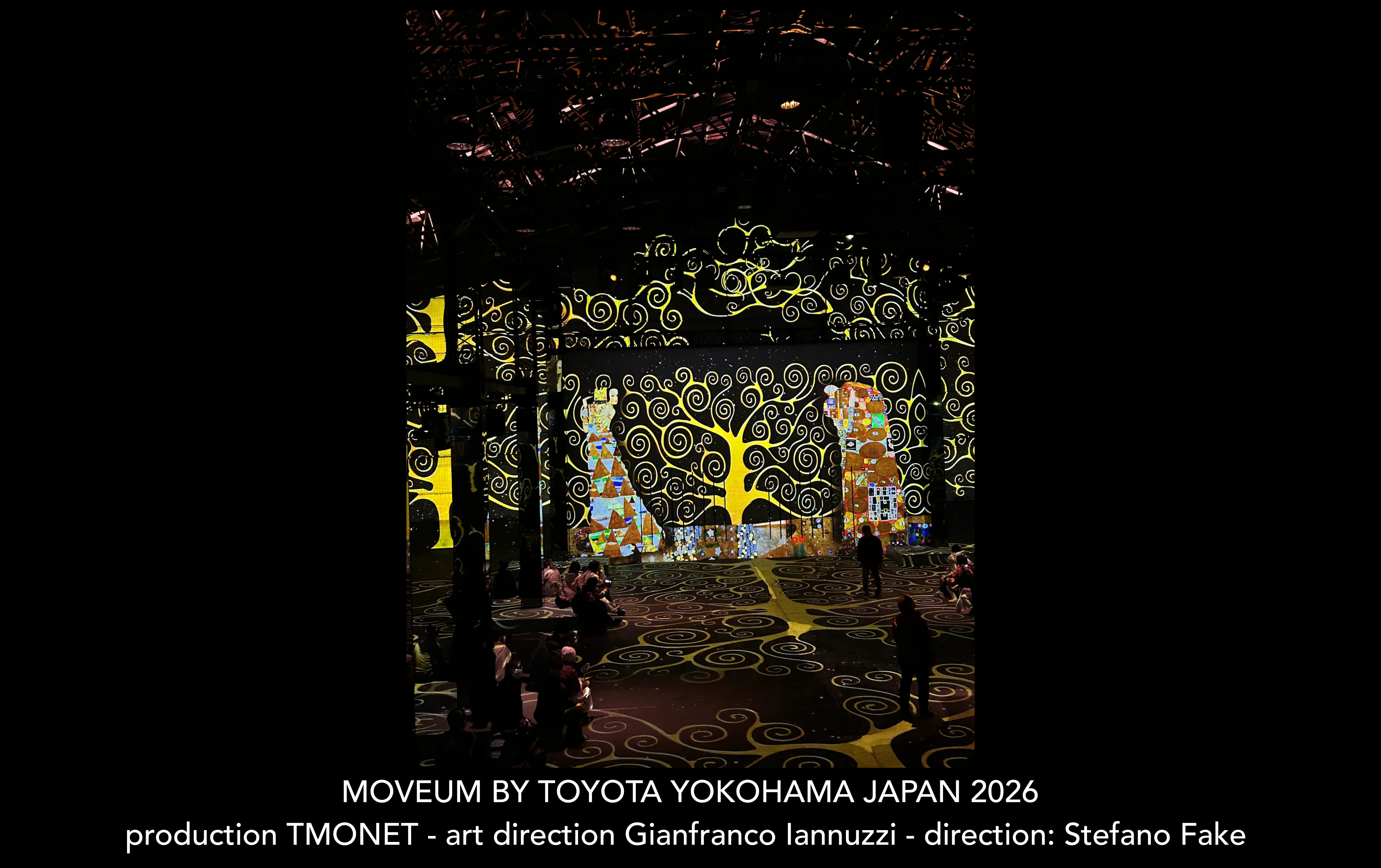
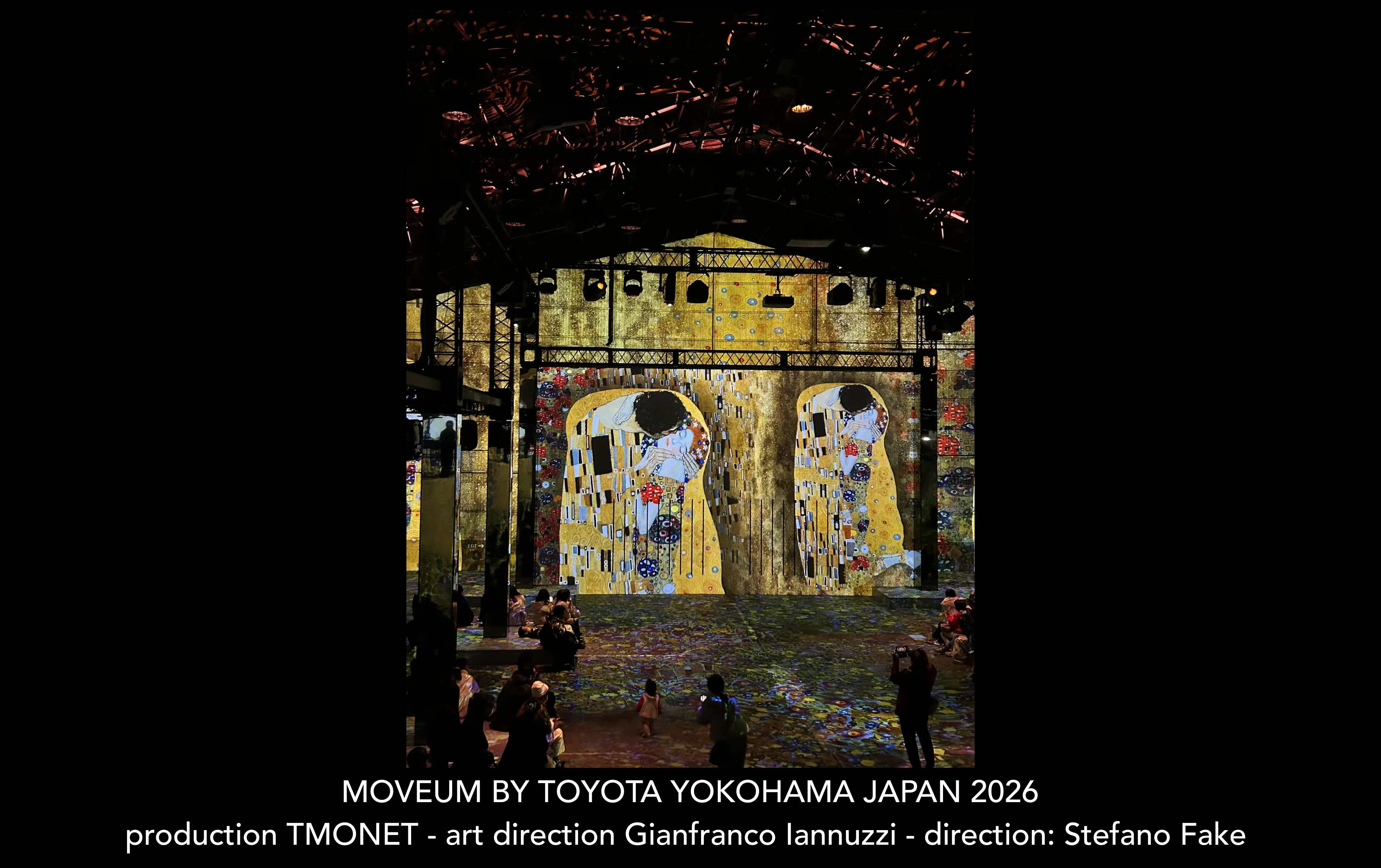
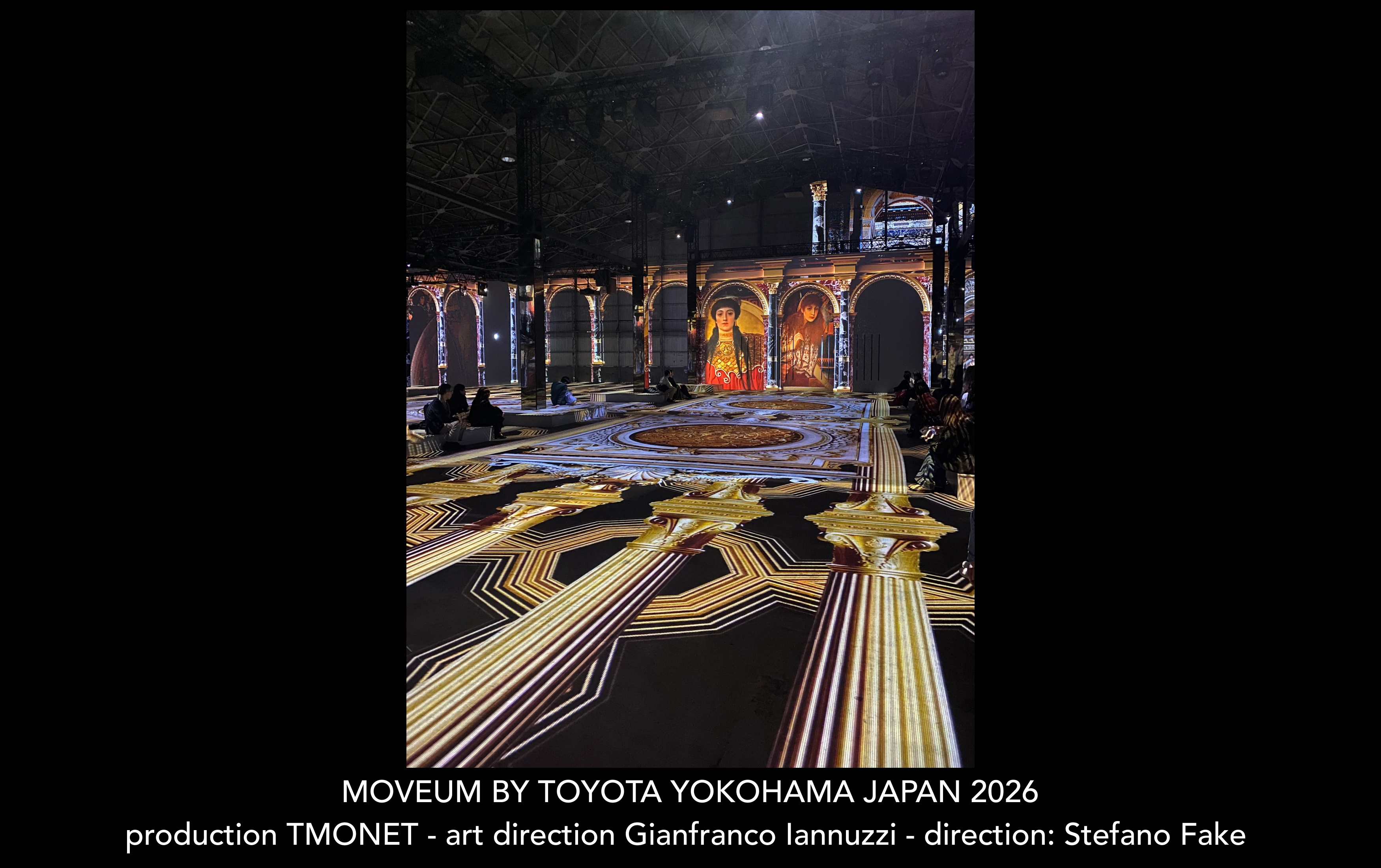
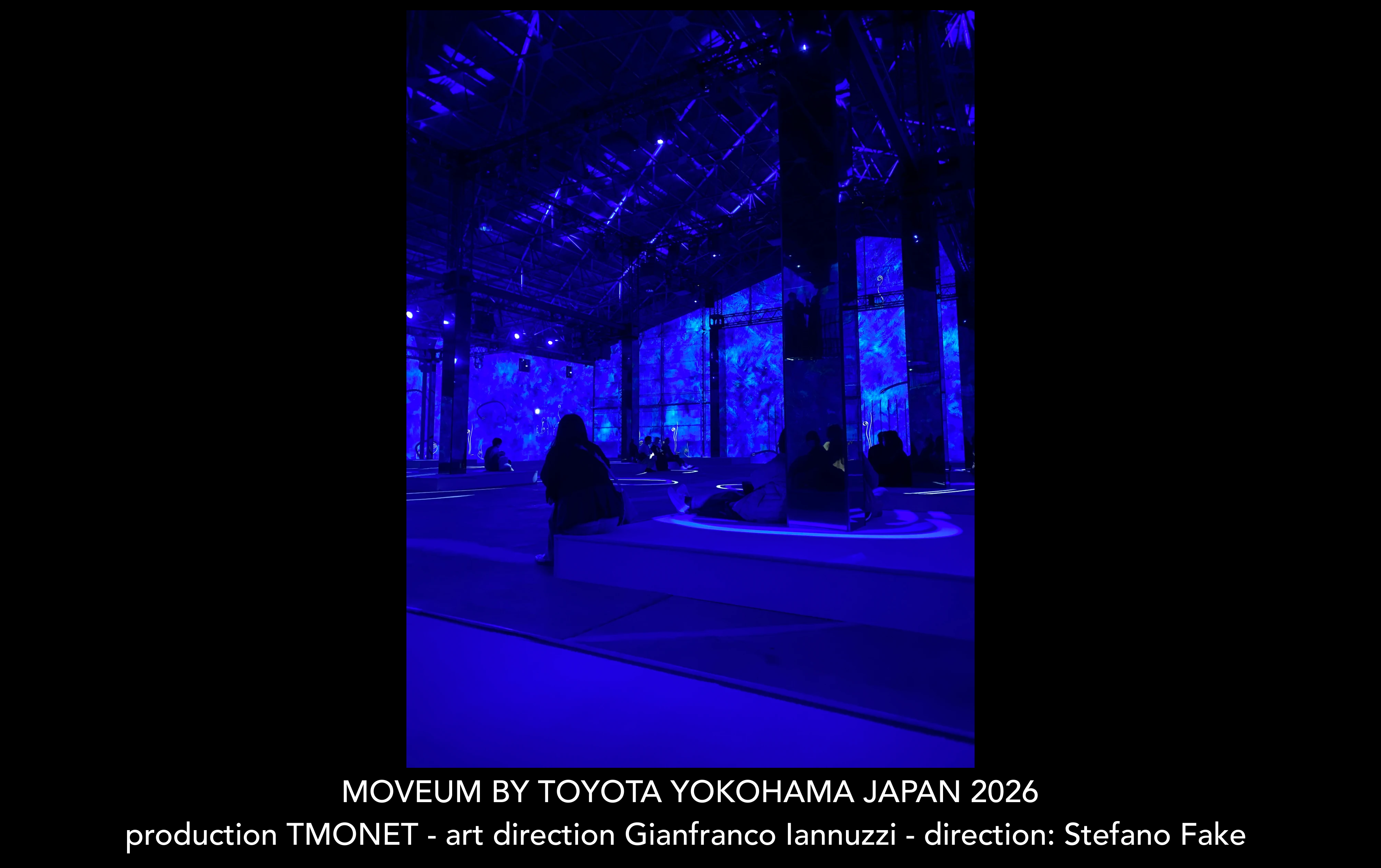
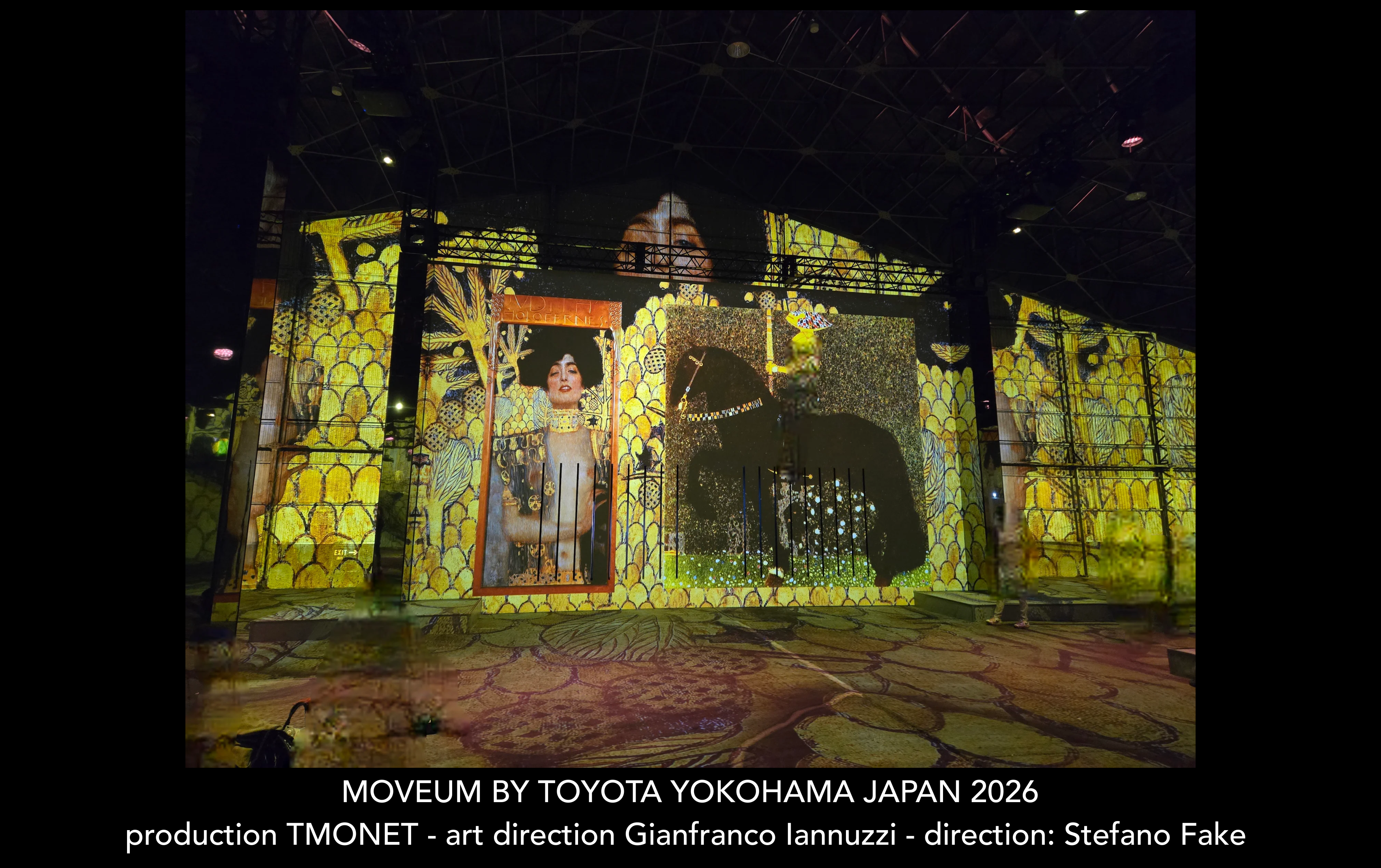
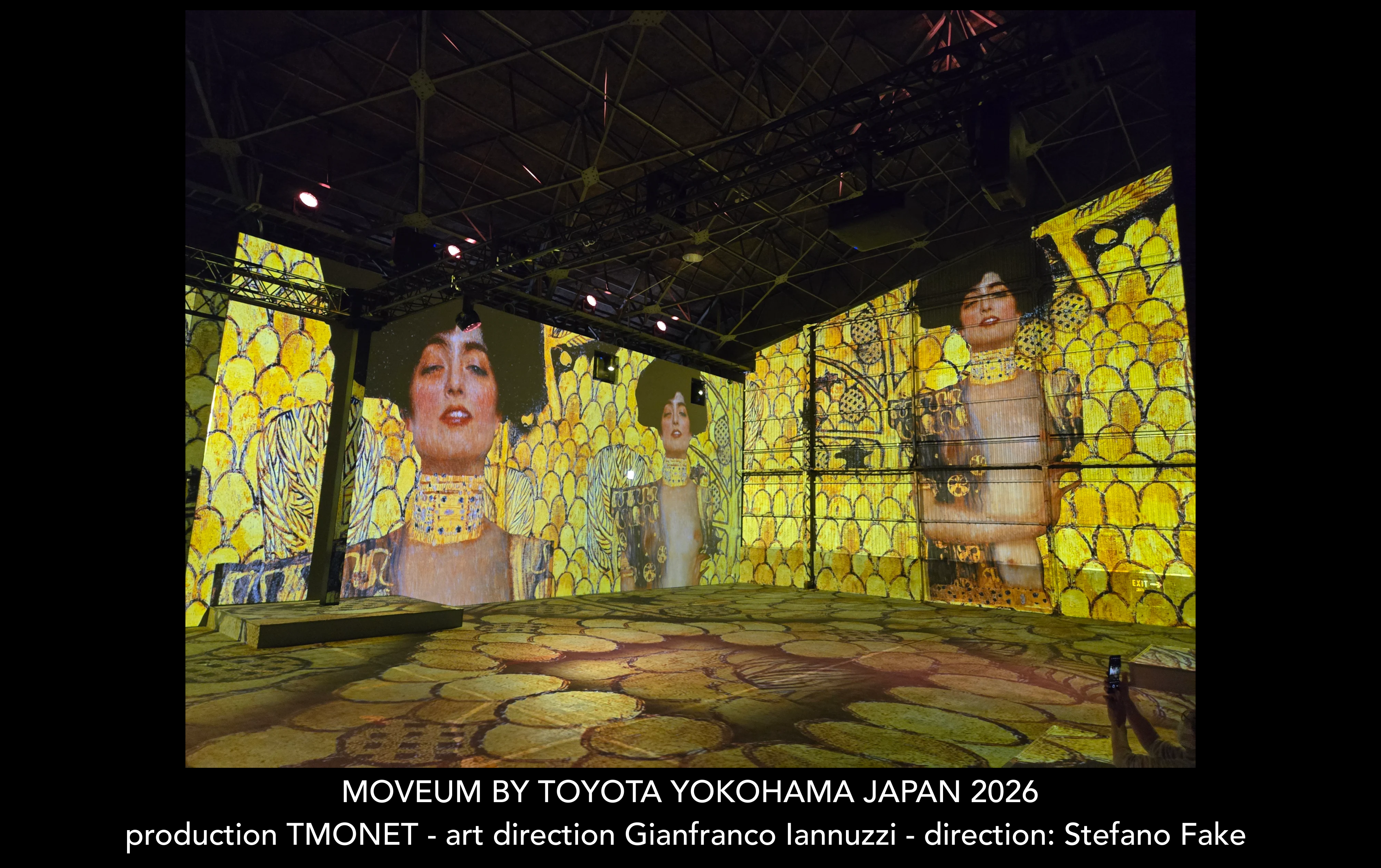
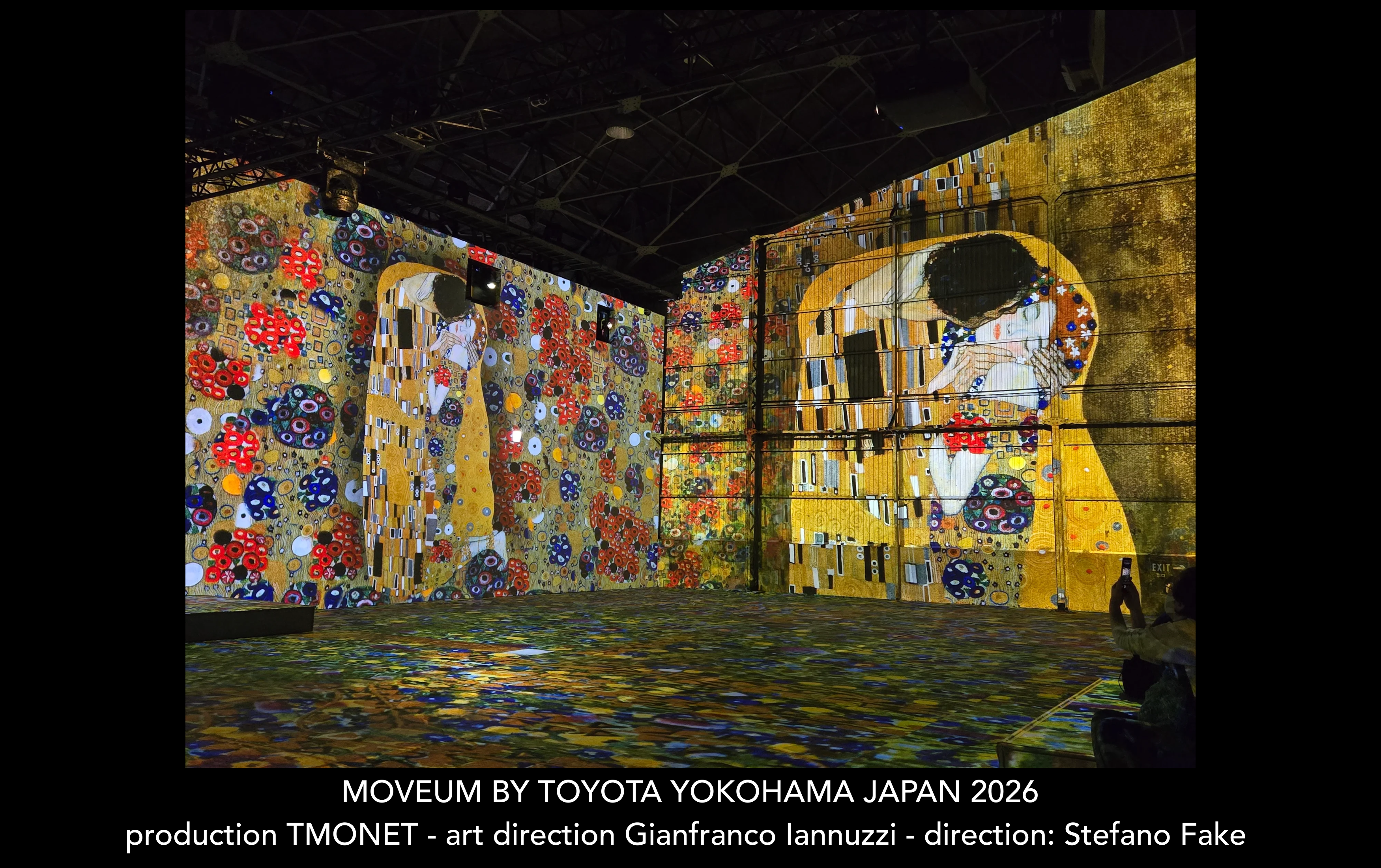
This terminological shift also has important implications at the curatorial and narrative levels. To conceive an exhibition as an “experience” entails designing a pathway structured according to an audiovisual dramaturgy, in which each sequence responds to a logic of intensity, rhythm, and transition. The organization of iconographic material no longer follows exclusively chronological or taxonomic criteria, but is instead articulated through the construction of a continuous perceptual flow. In the case of Gustav Klimt, this made it possible to translate his aesthetic universe—characterized by ornamentation, sensuality, and the tension between figuration and abstraction—into an immersive narrative capable of activating multiple levels of interpretation simultaneously.
Moreover, the concept of “Experience” introduces an affective and subjective dimension that is essential for understanding the success of this format. The immersive experience does not merely transmit information; it seeks to generate emotional states, sensory memories, and forms of identification. In this sense, it can be argued that such projects operate at the intersection of knowledge and emotion, configuring a model of cultural mediation aligned with the expectations of a contemporary audience increasingly oriented toward forms of active participation.
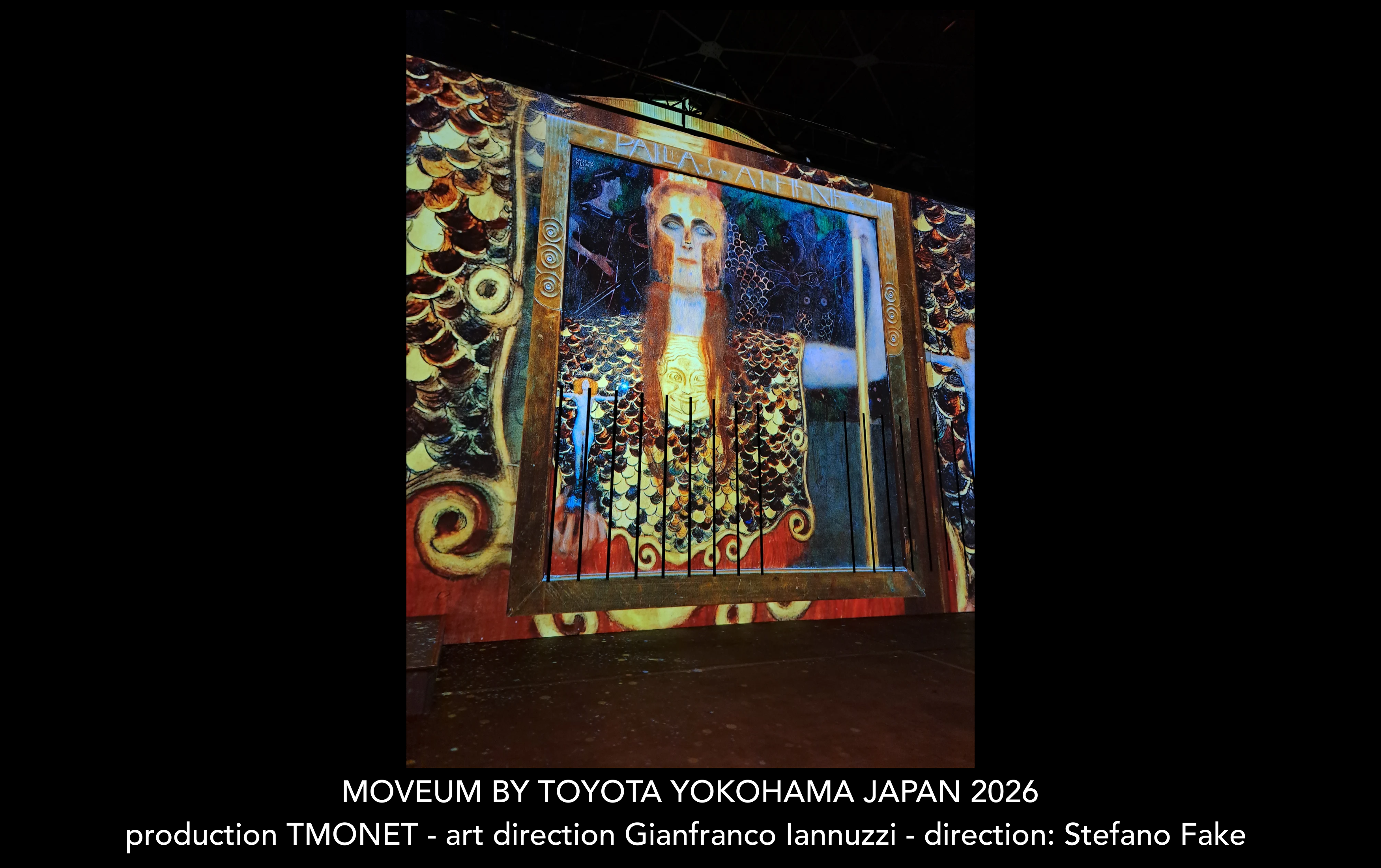
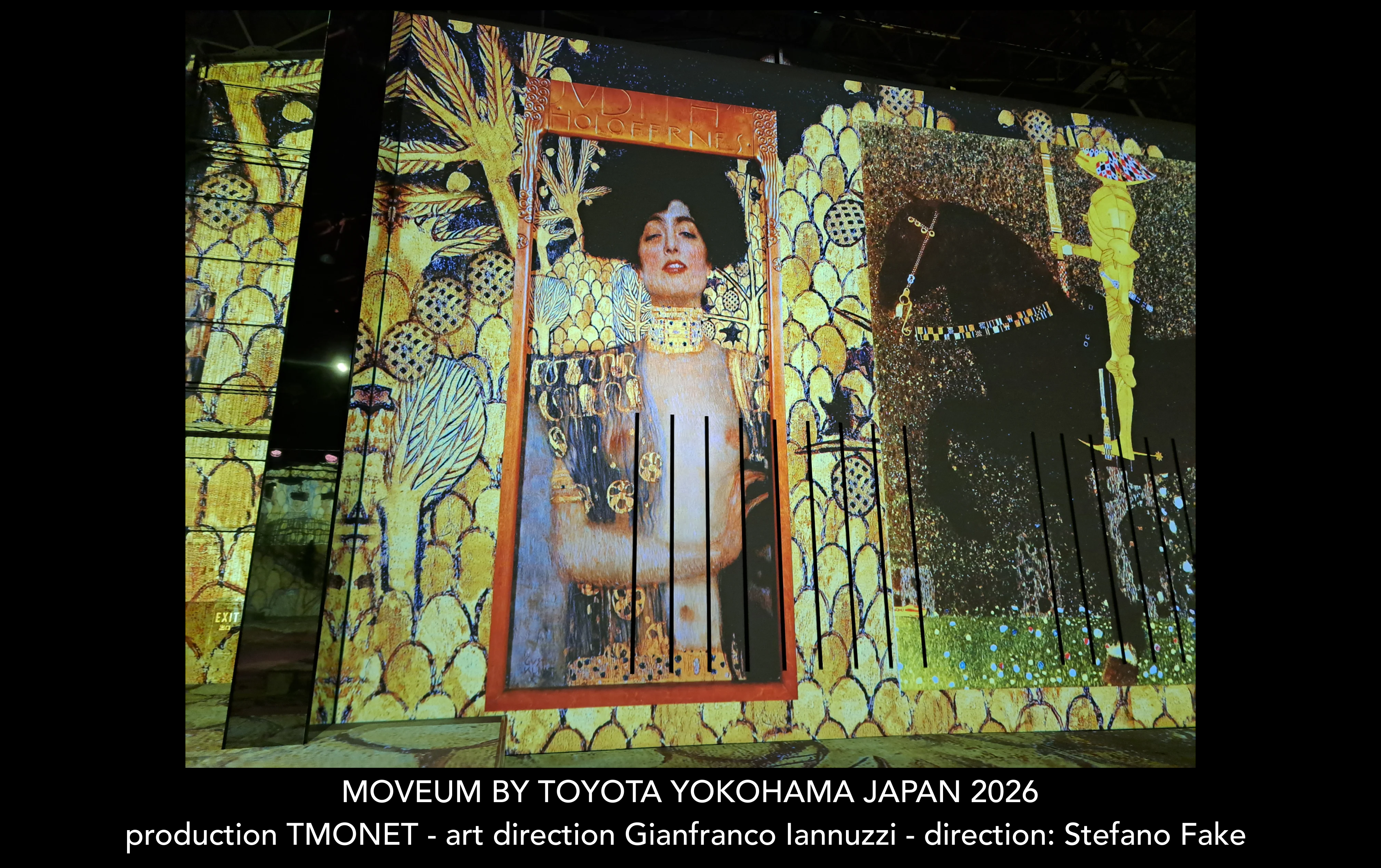
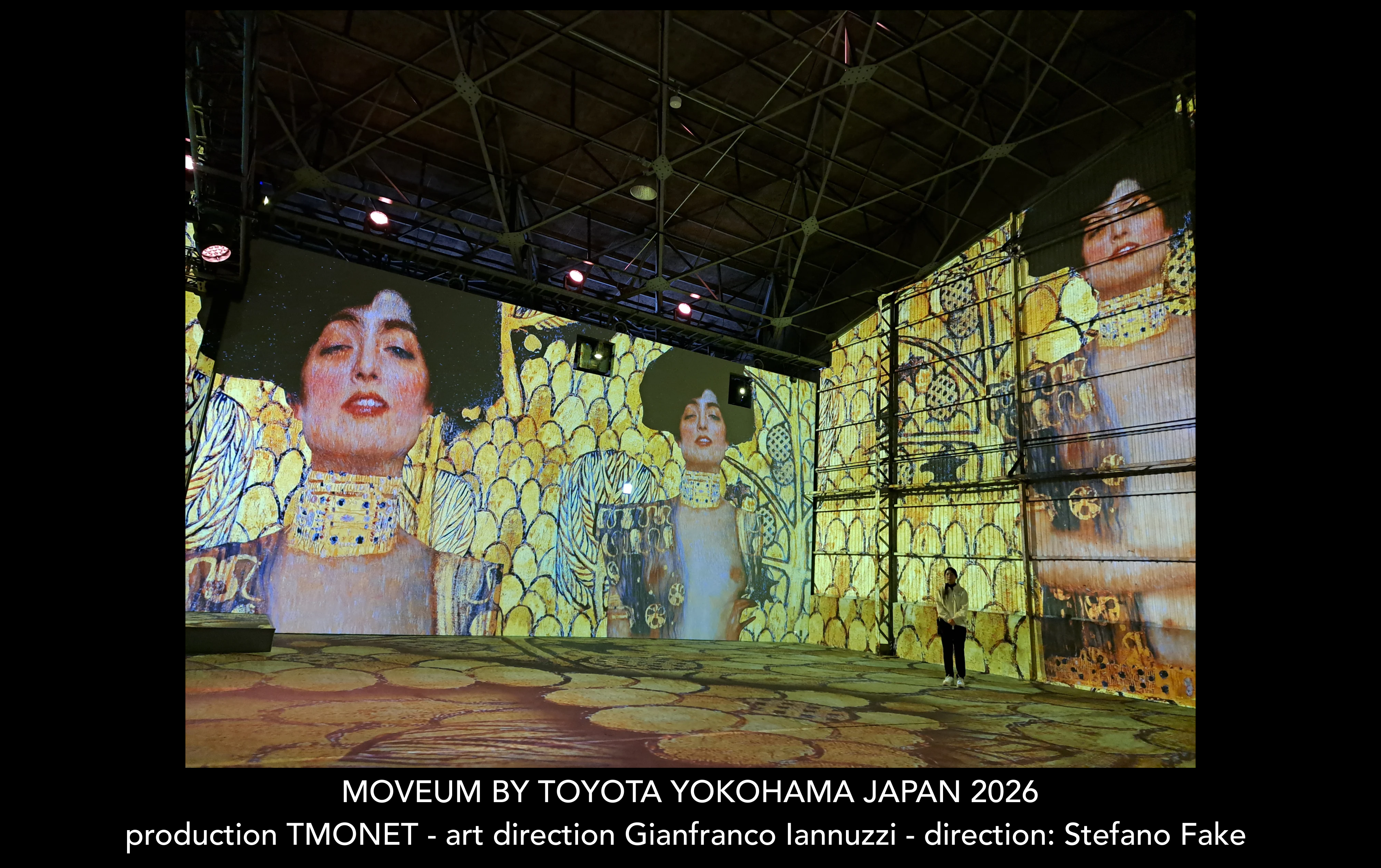
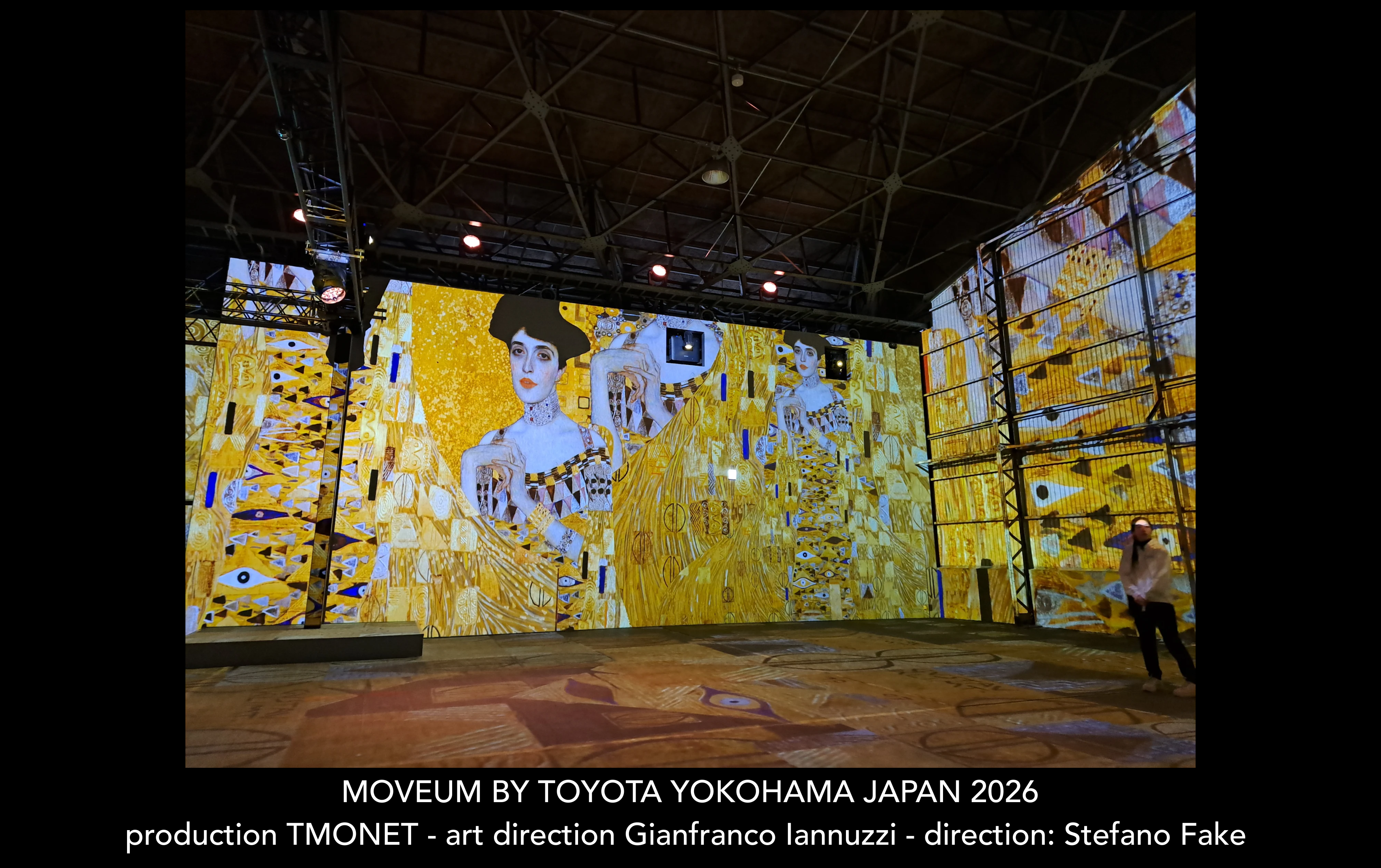
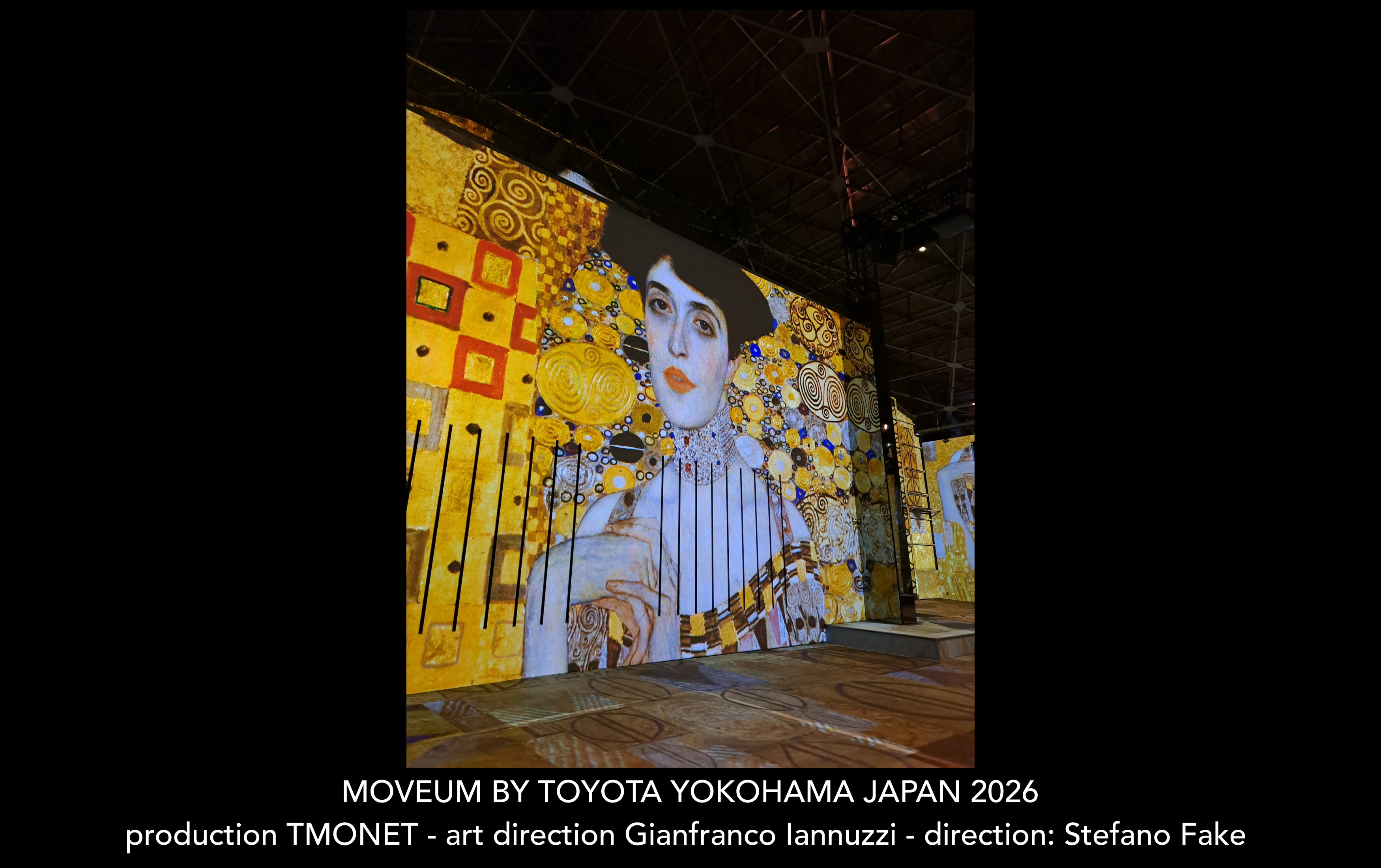
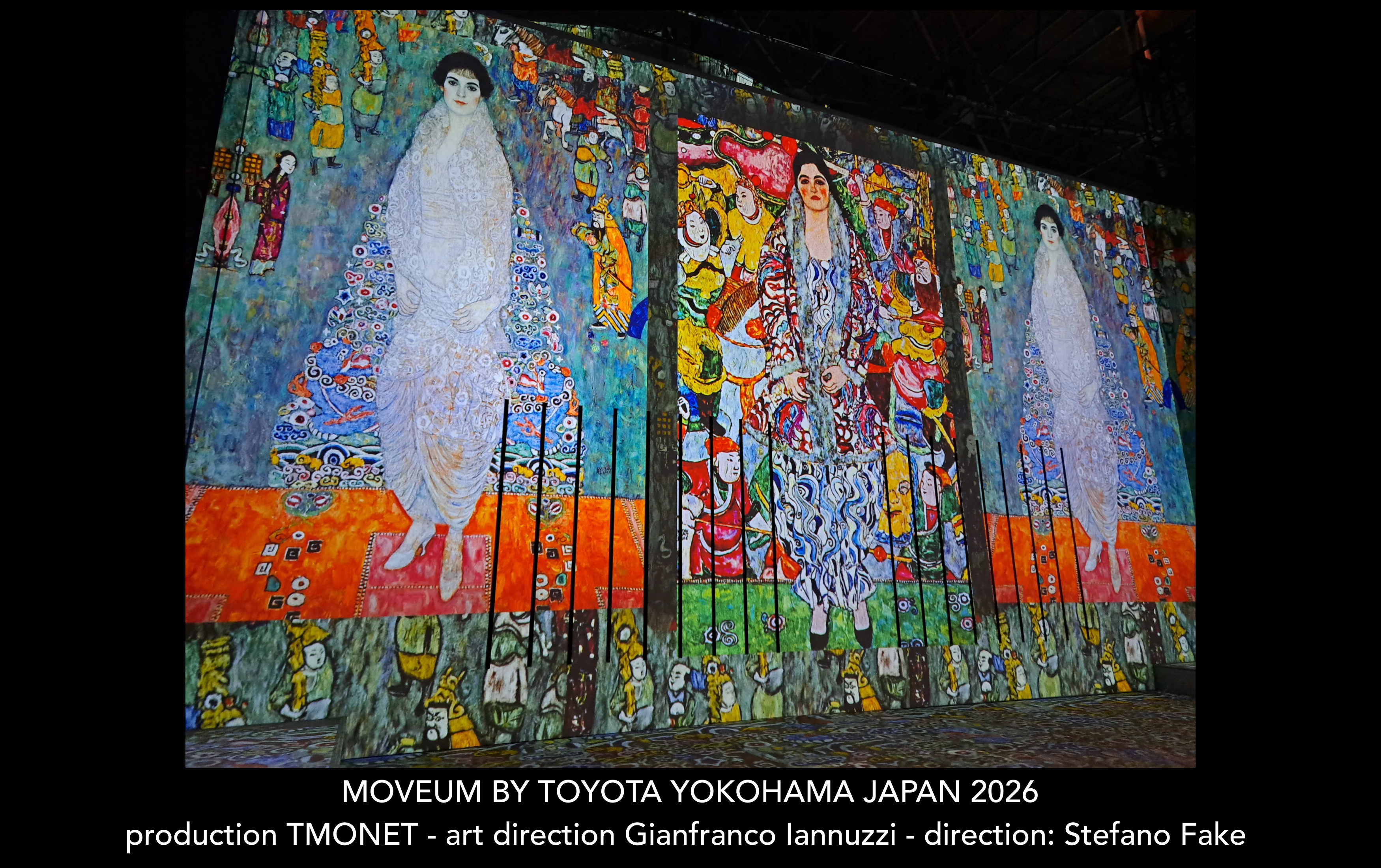
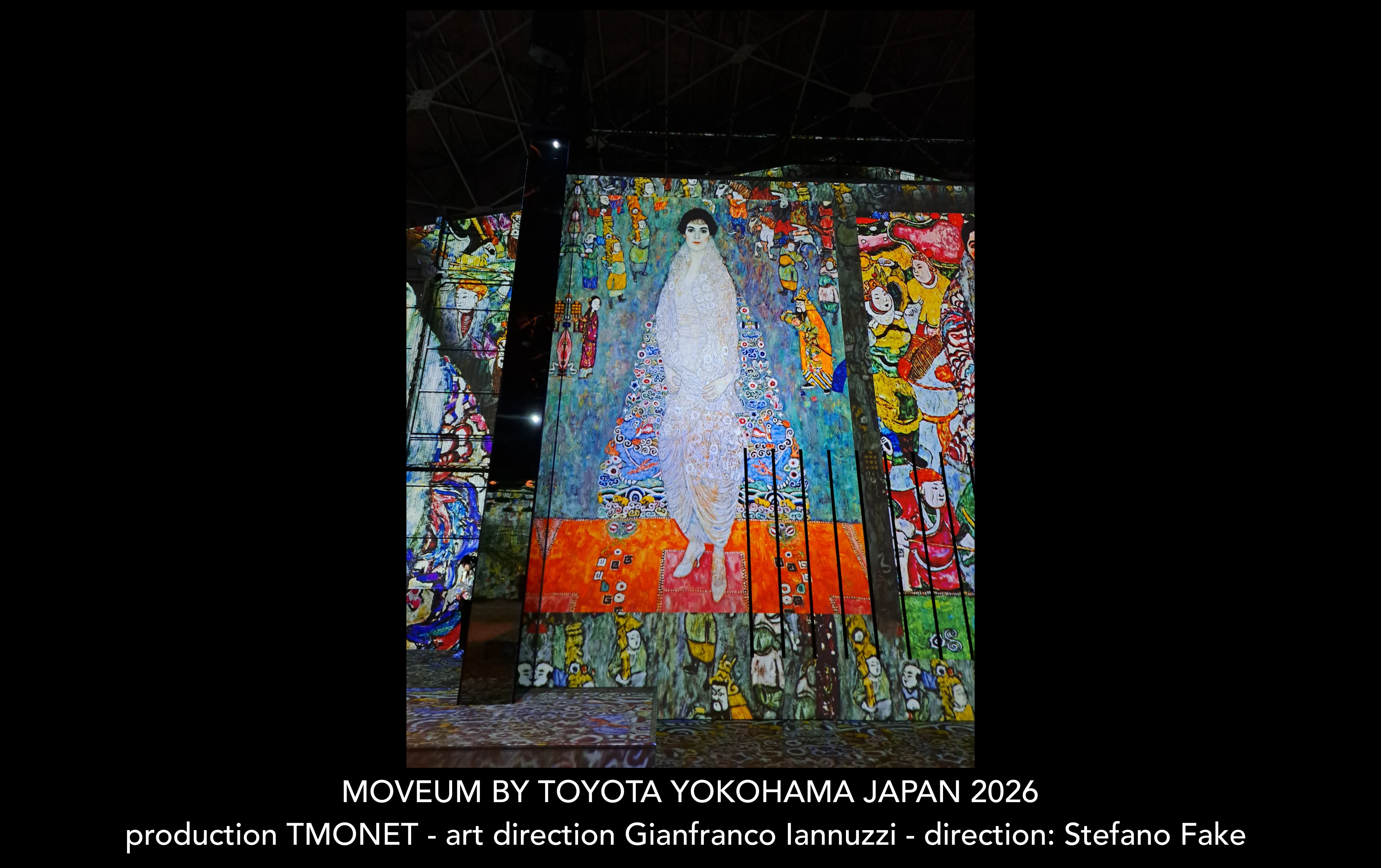
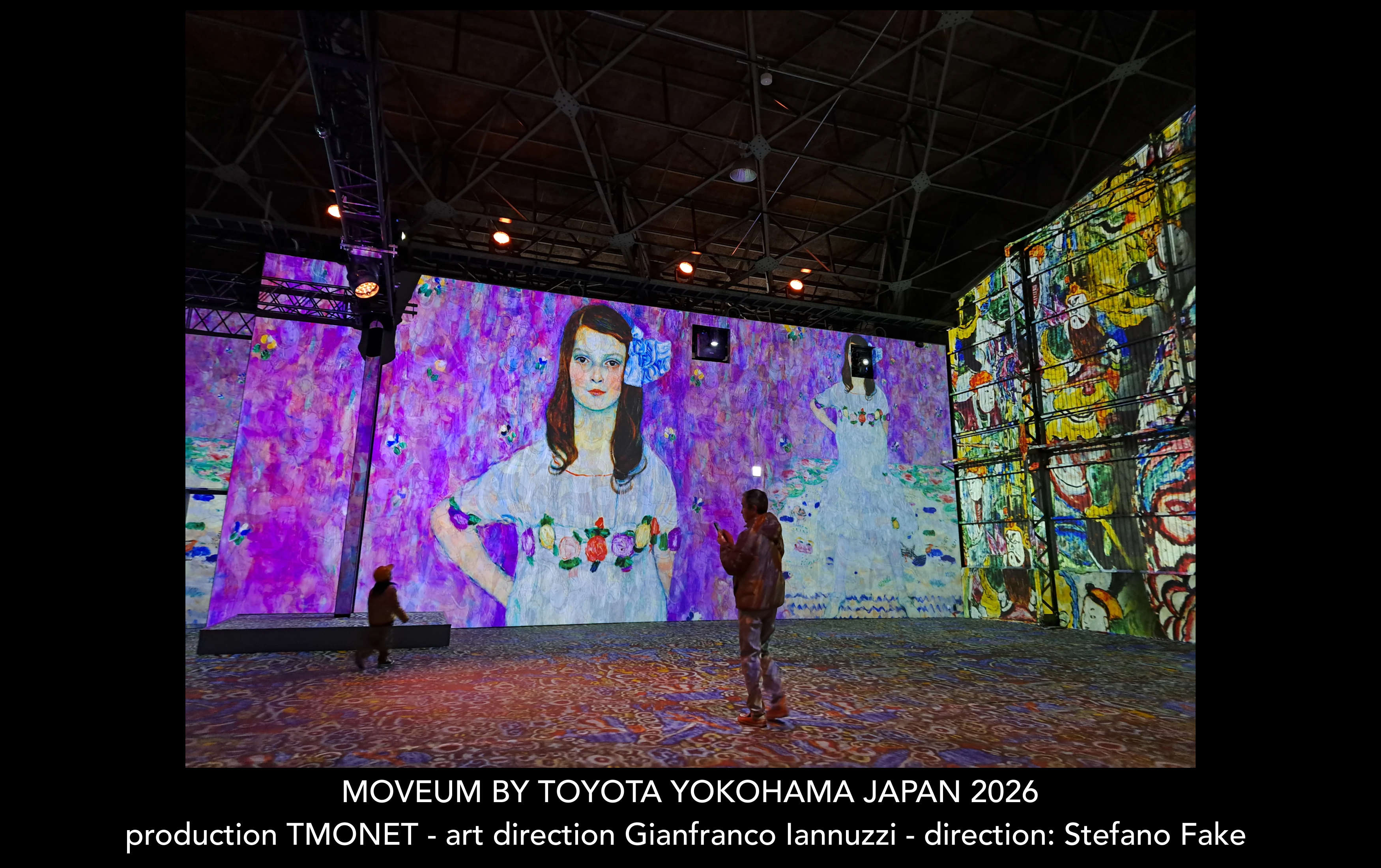
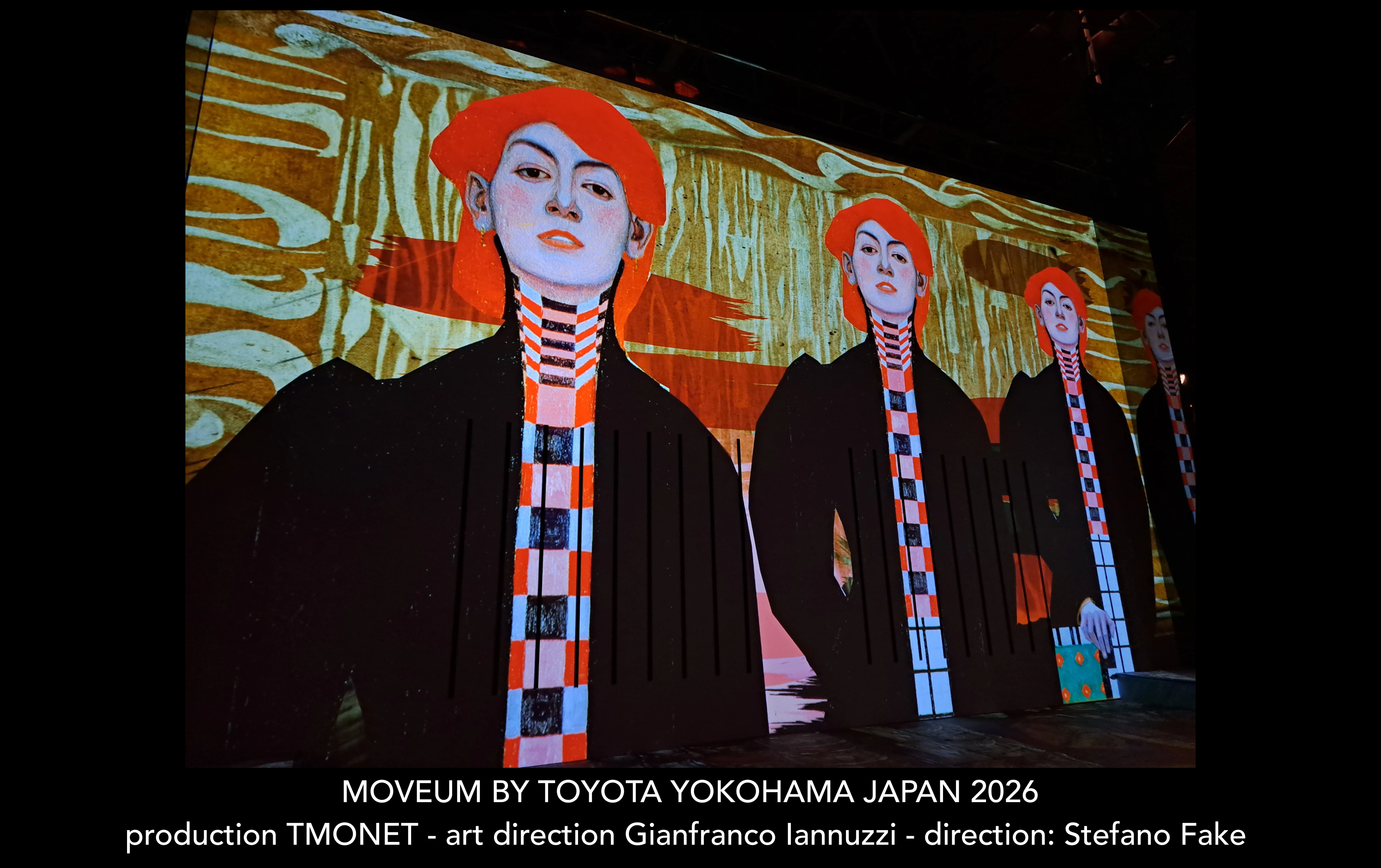
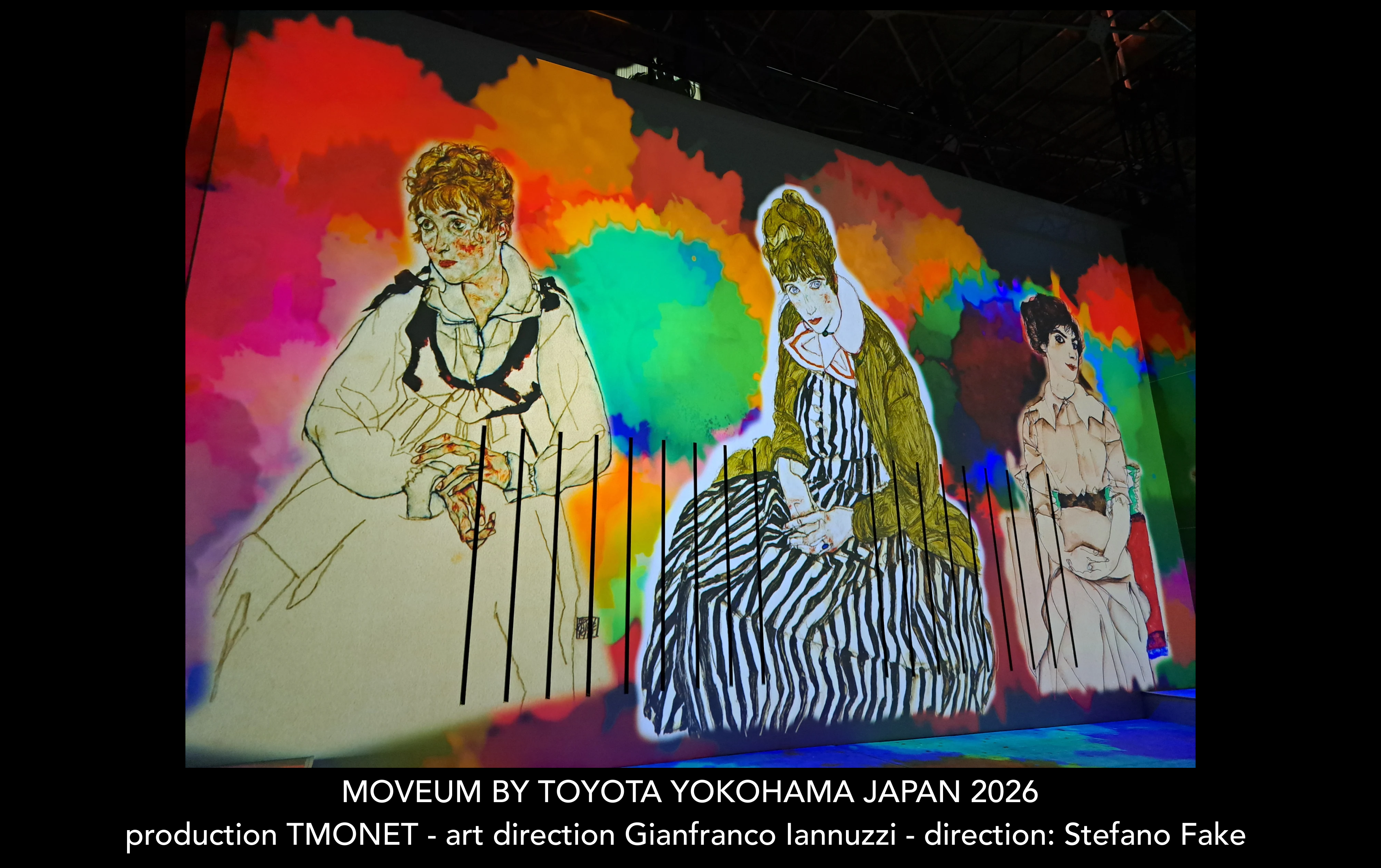
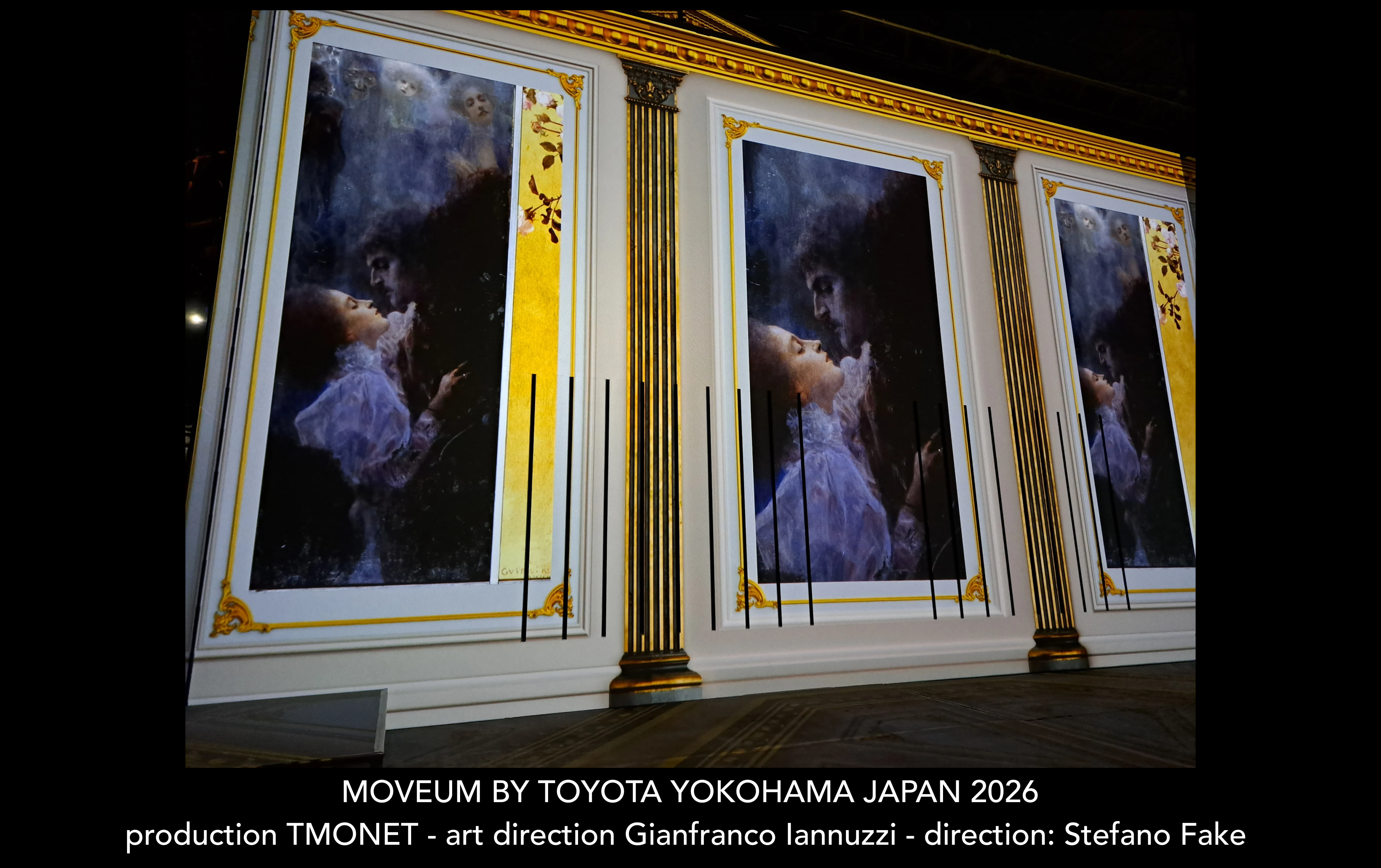
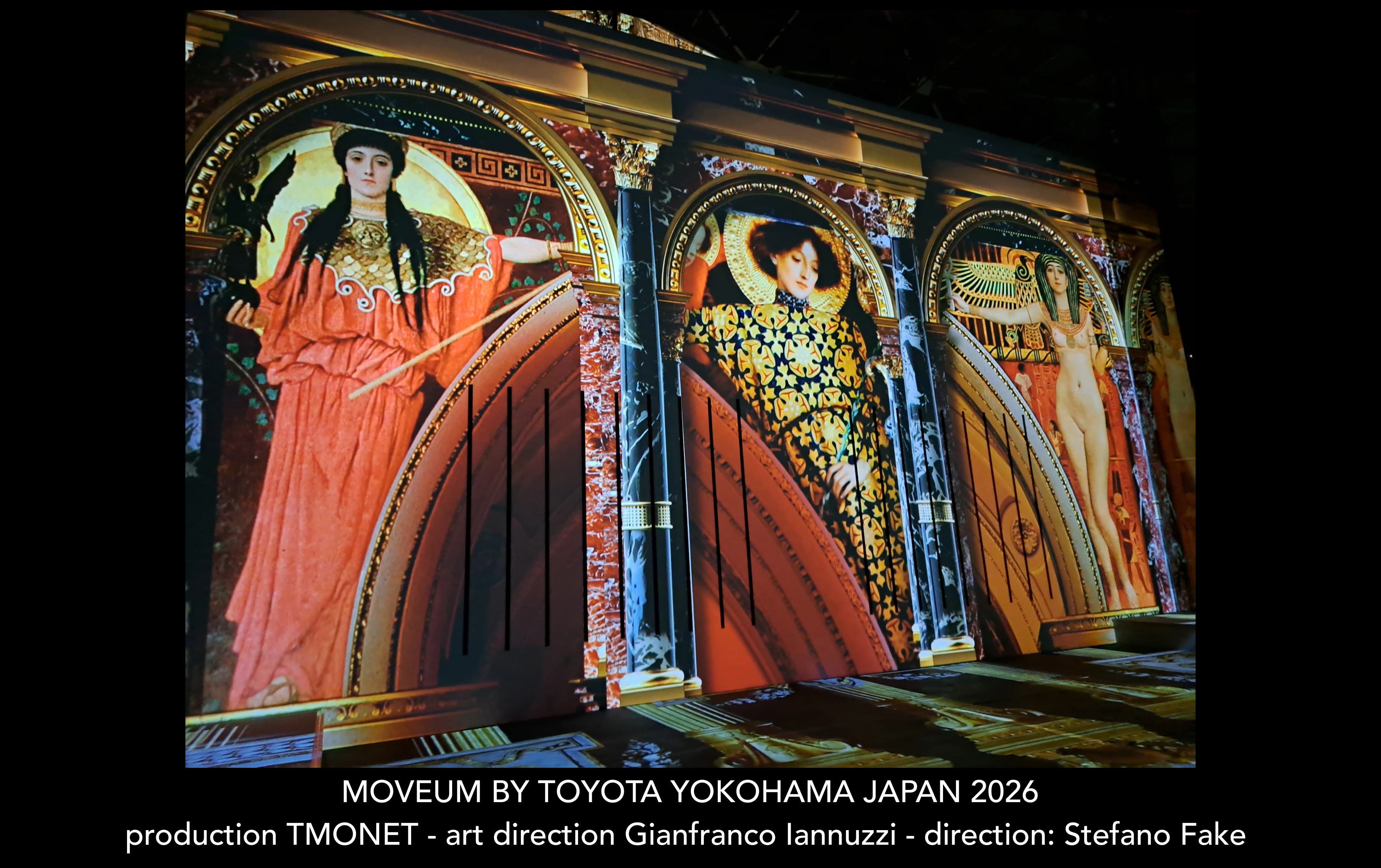
The impact of this conceptual choice has been both profound and long-lasting. Following the international success of Klimt Immersive Art Experience, the term “Experience” has become a recurring element in the naming of numerous immersive exhibitions dedicated to artists such as Van Gogh, Monet, or Klimt, contributing to the standardization of a recognizable language and format on a global scale. However, this widespread diffusion has also led, in some cases, to a banalization of the term, used indiscriminately to describe projects that do not always achieve the same level of aesthetic coherence and curatorial rigor as the original model.
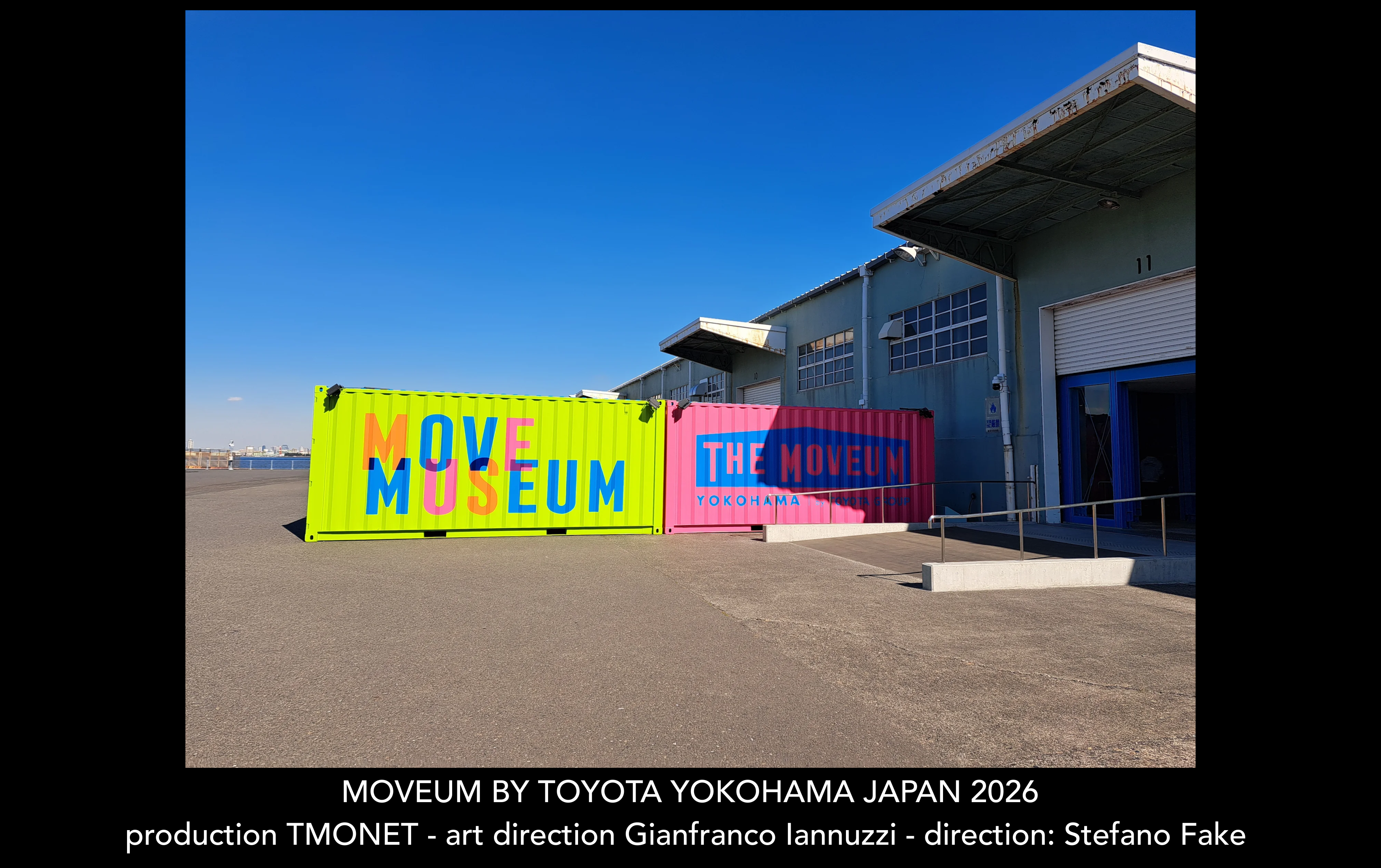
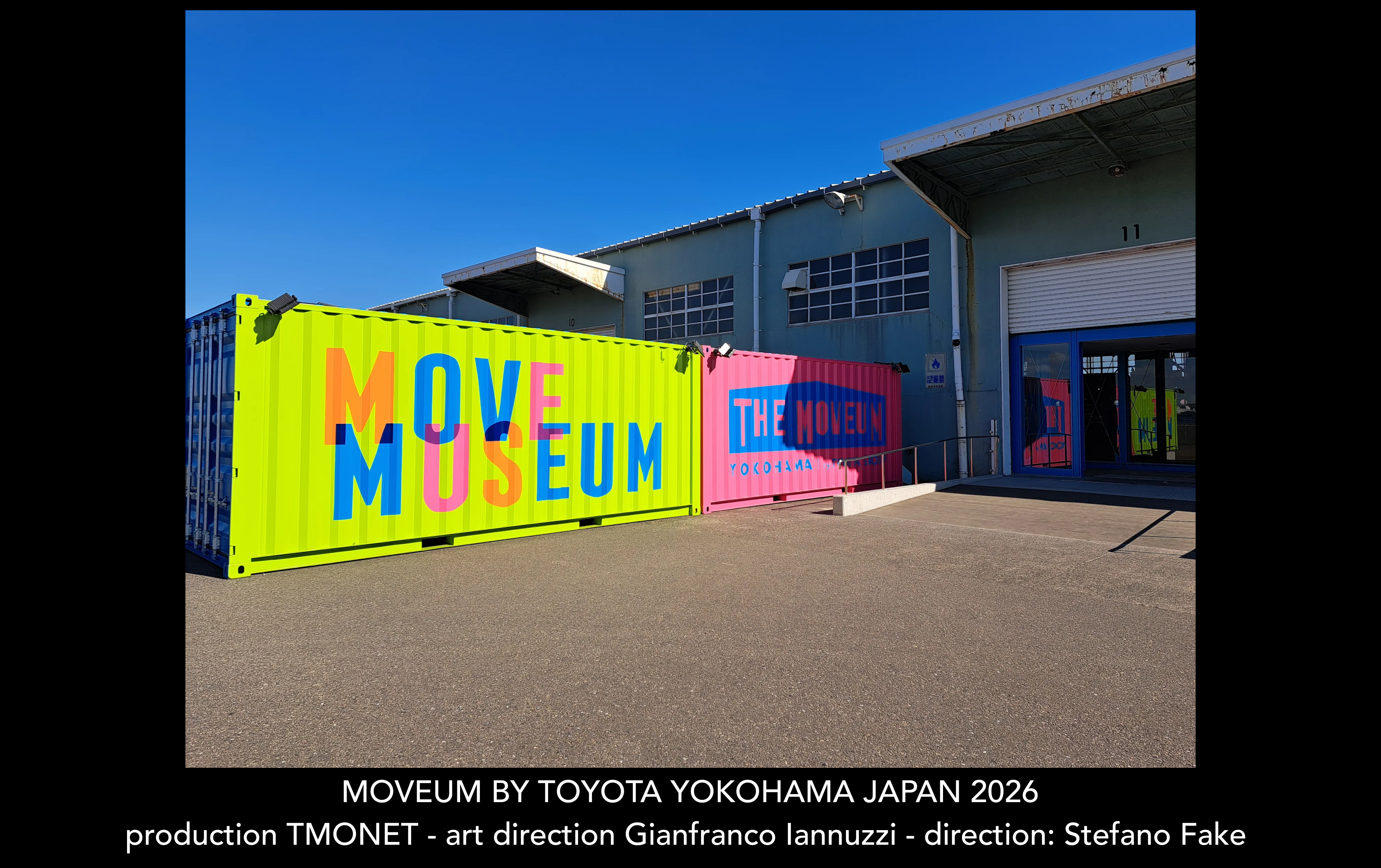
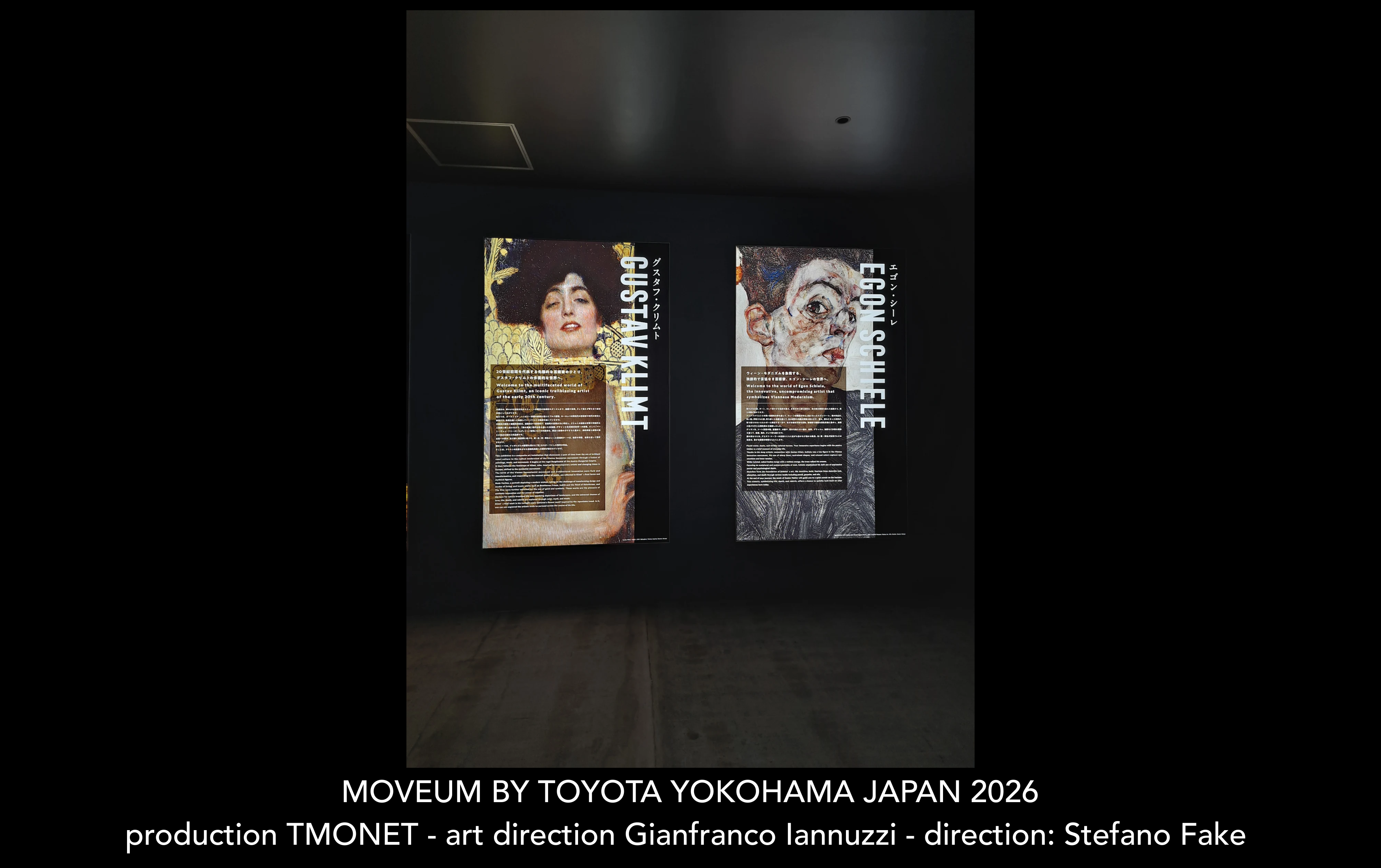
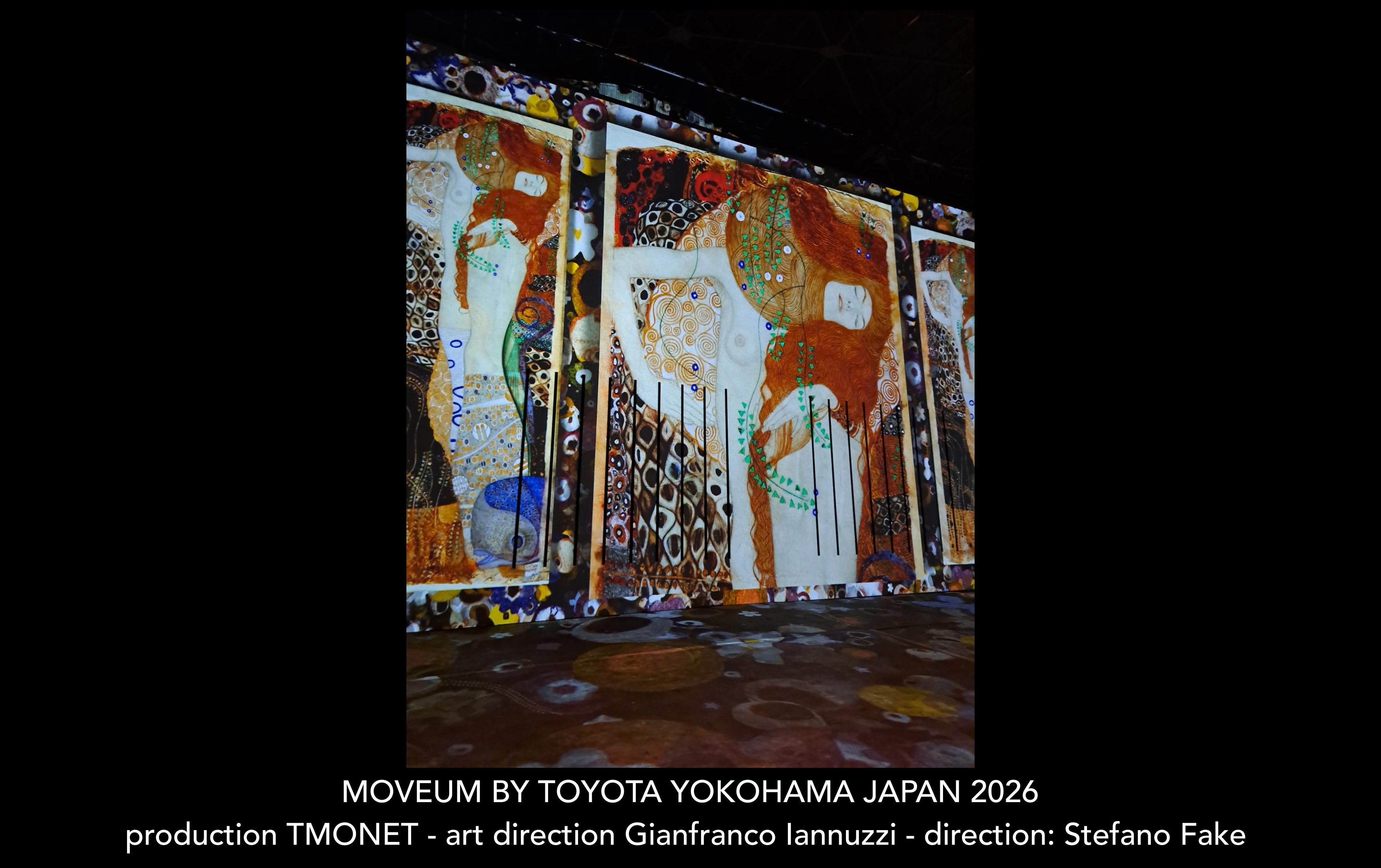
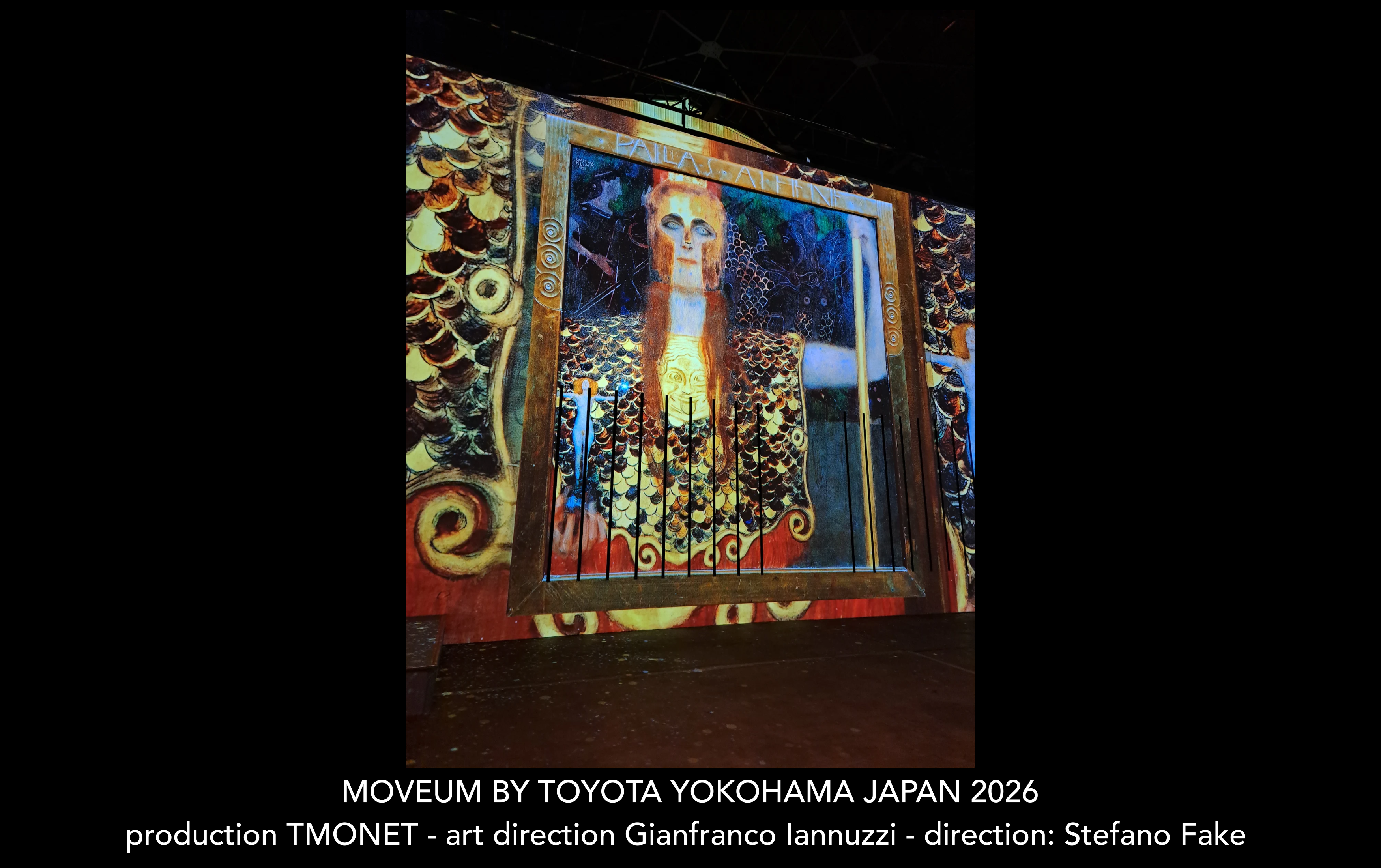
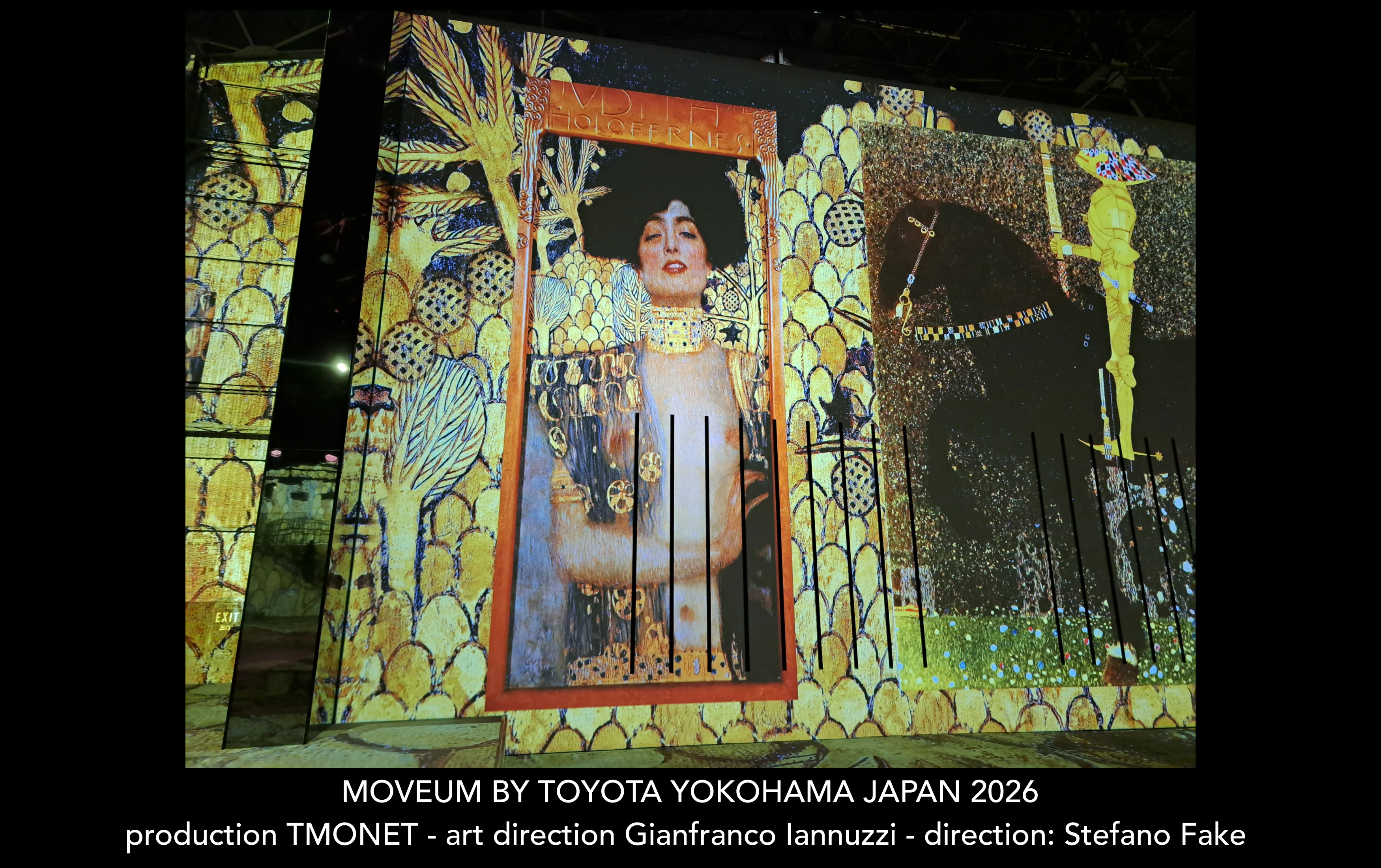
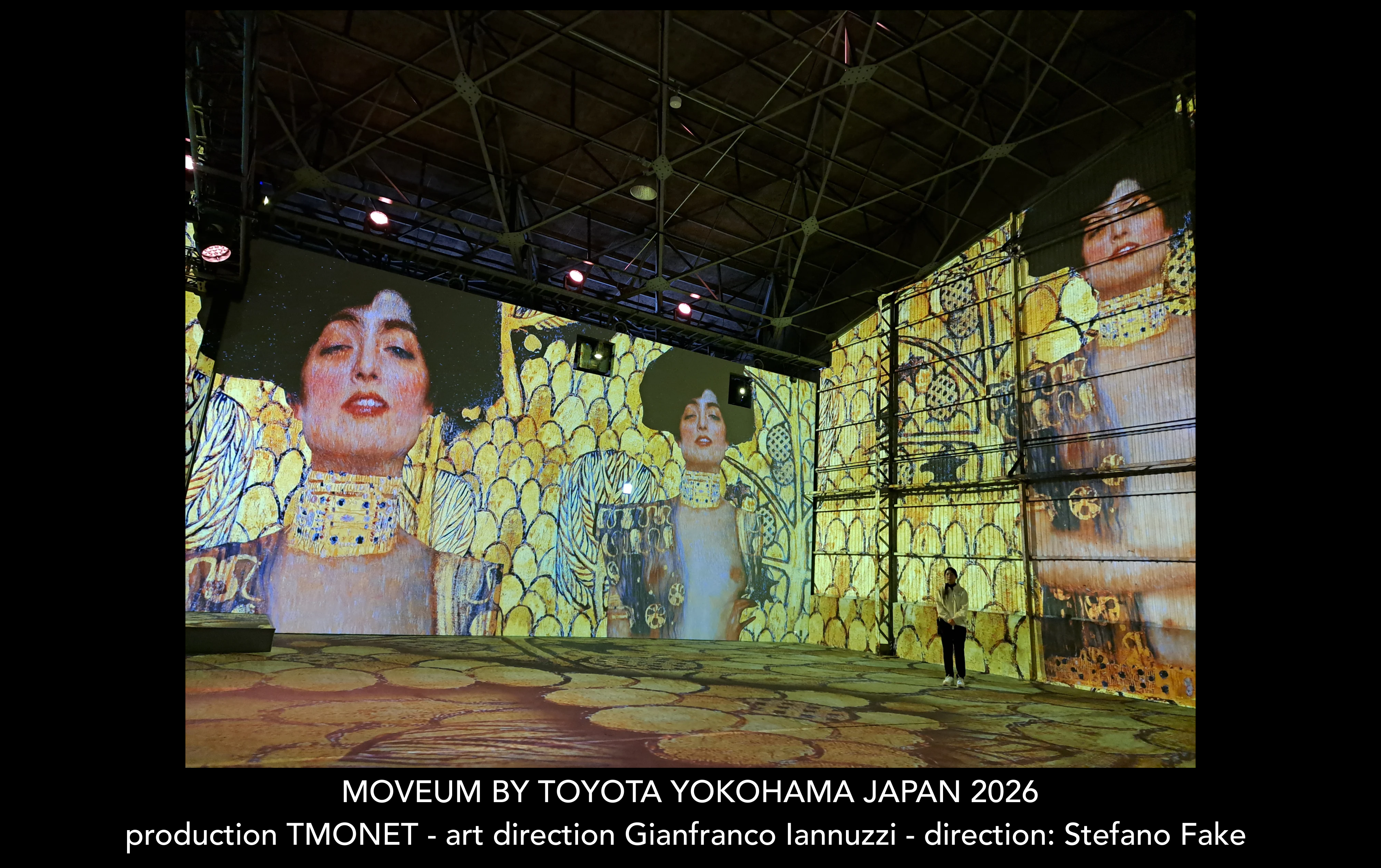
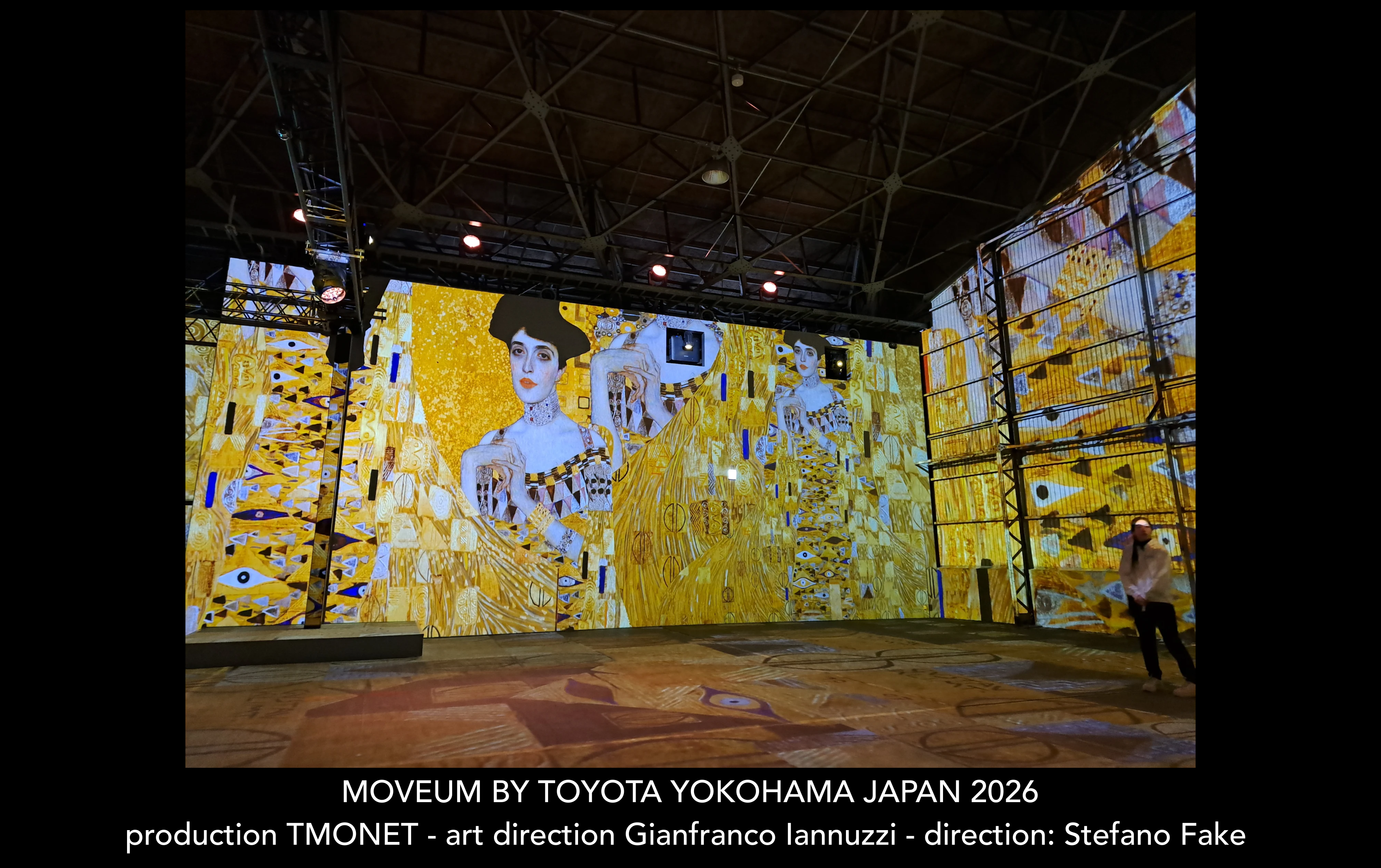
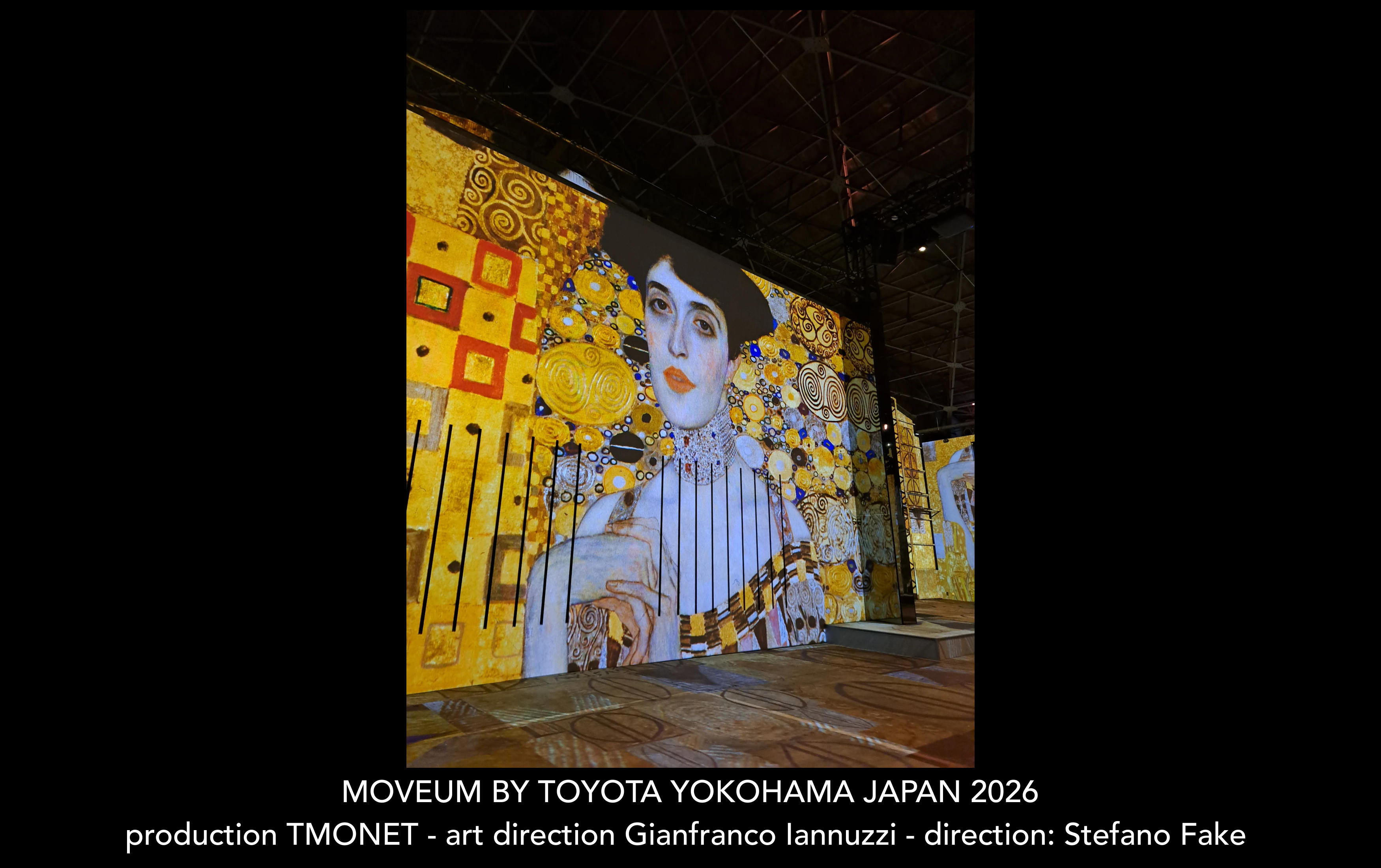
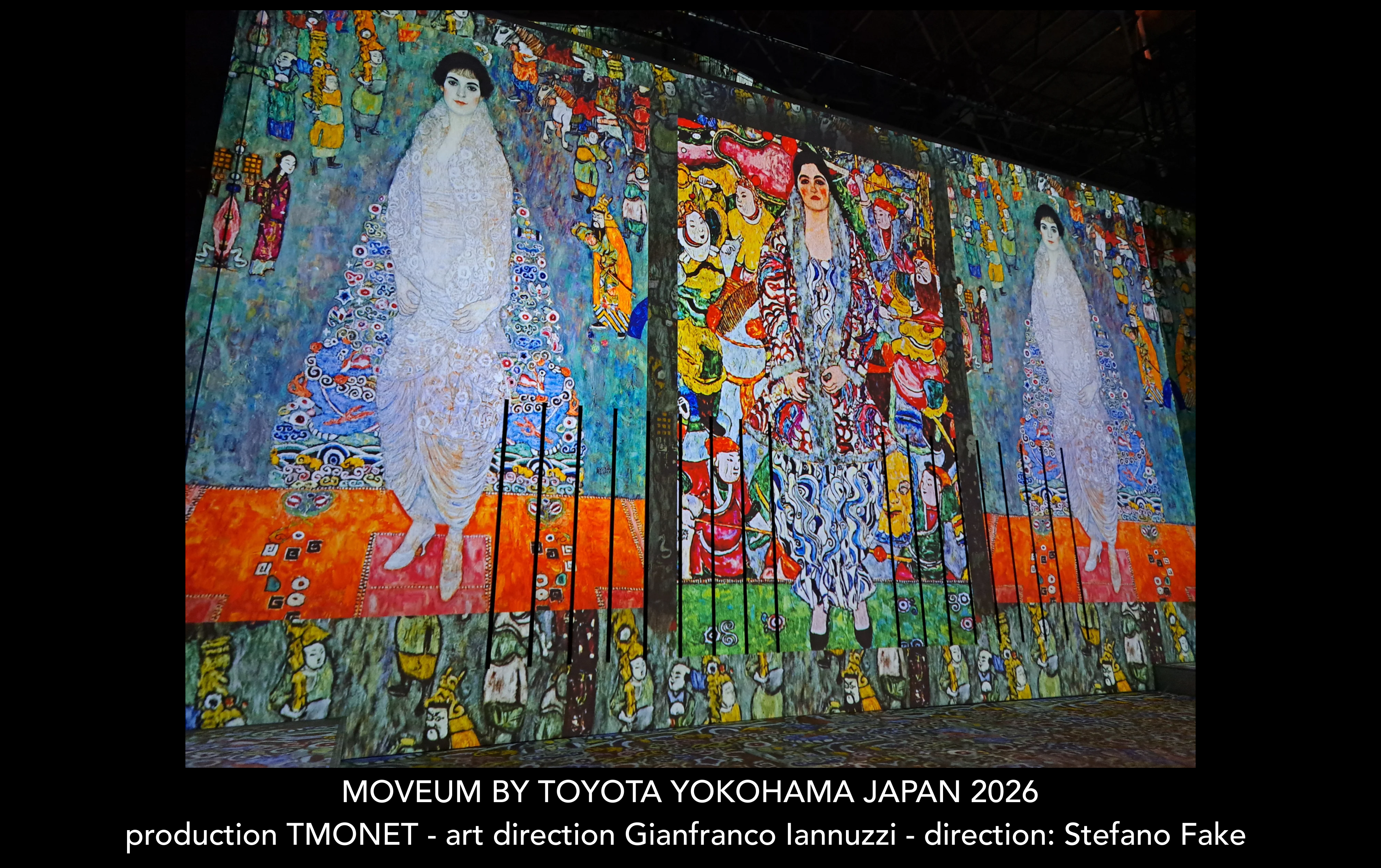
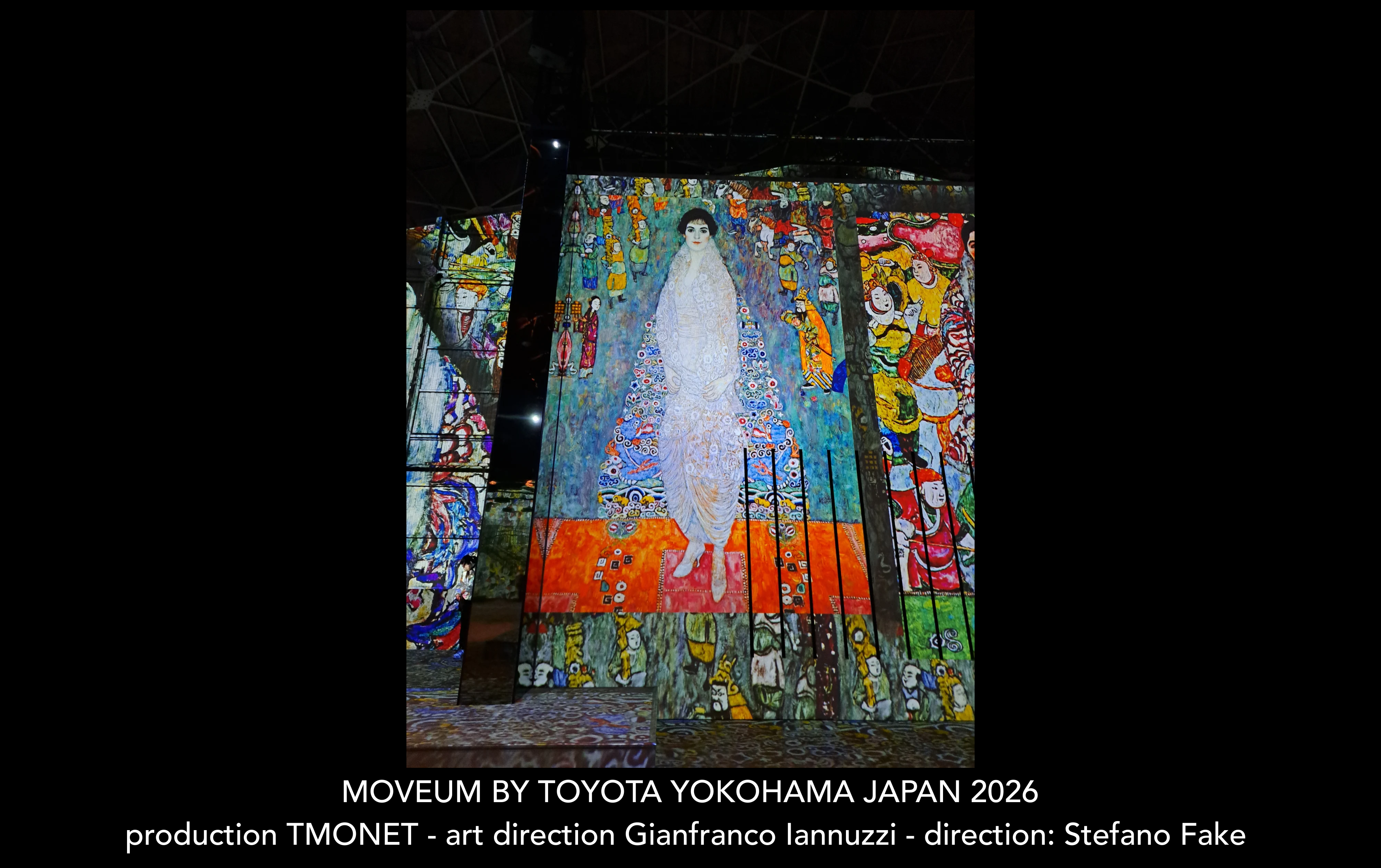
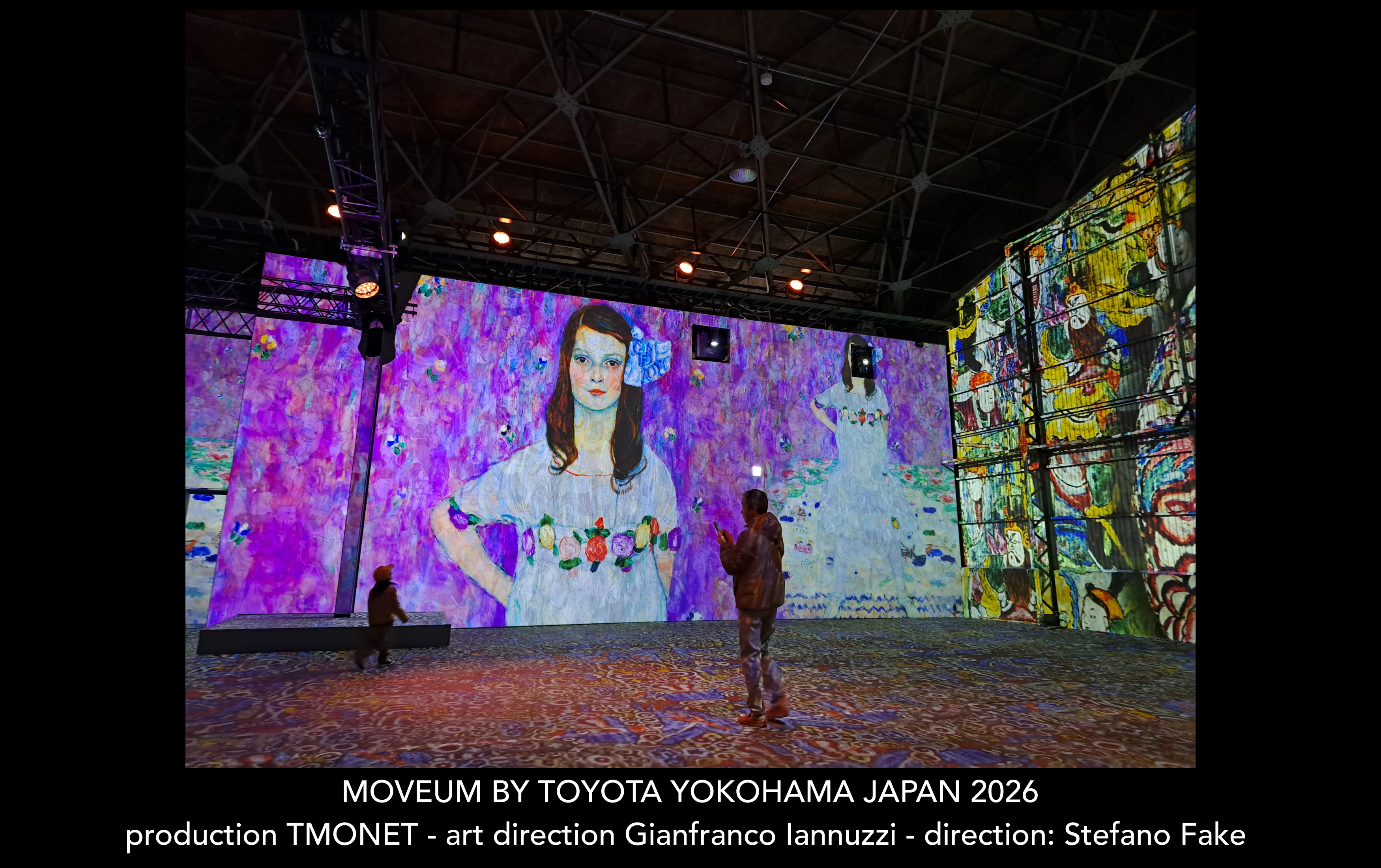
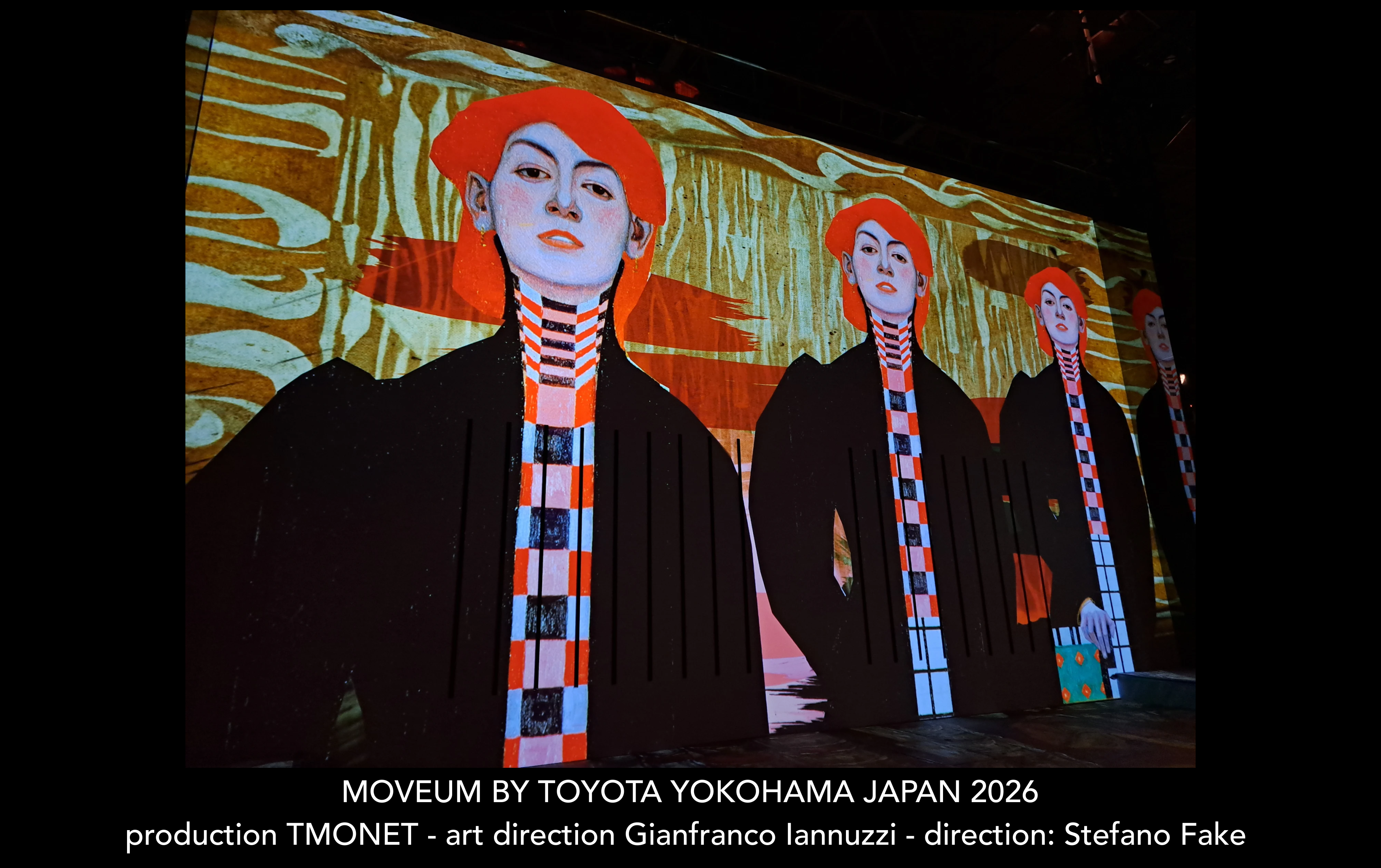
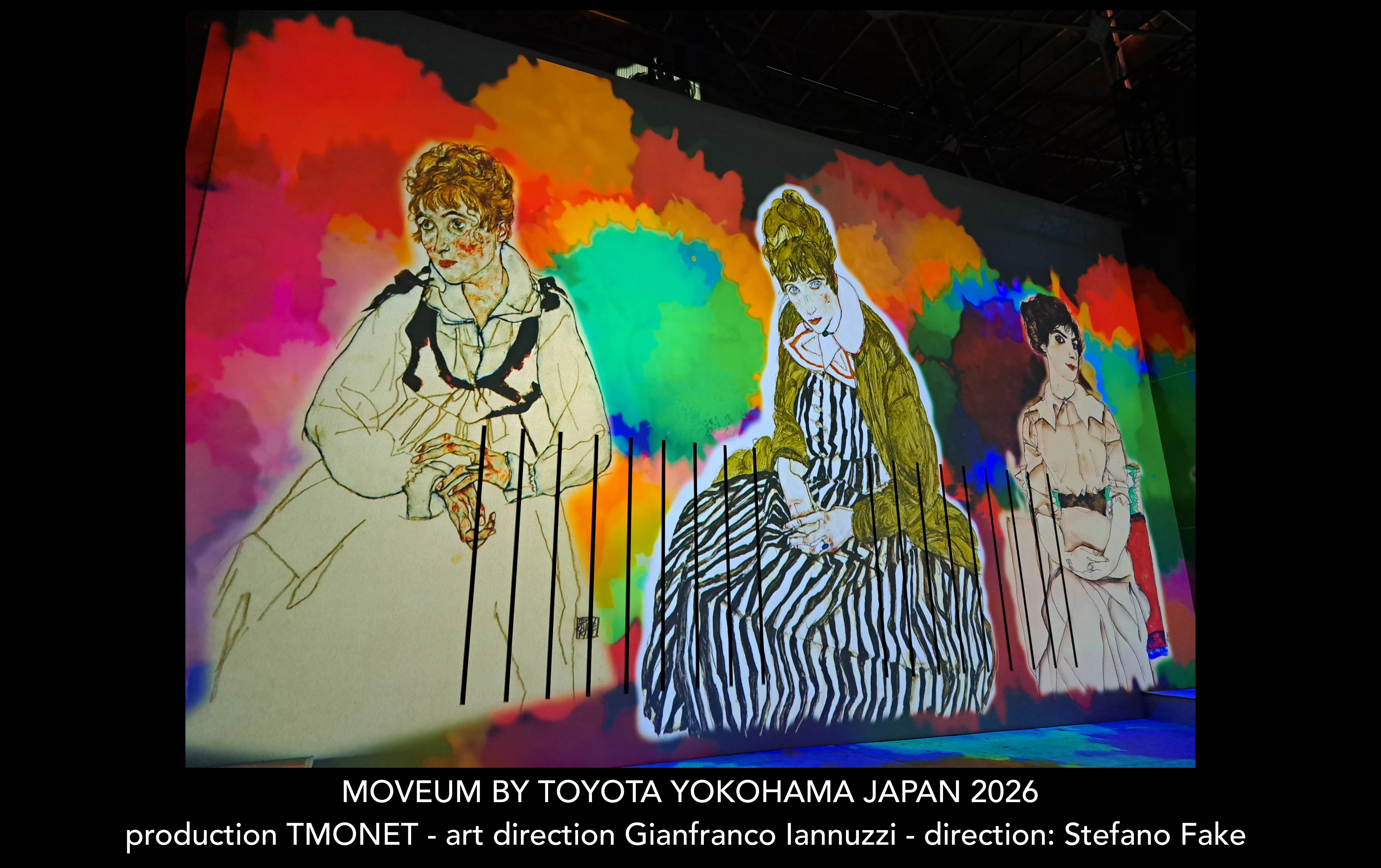
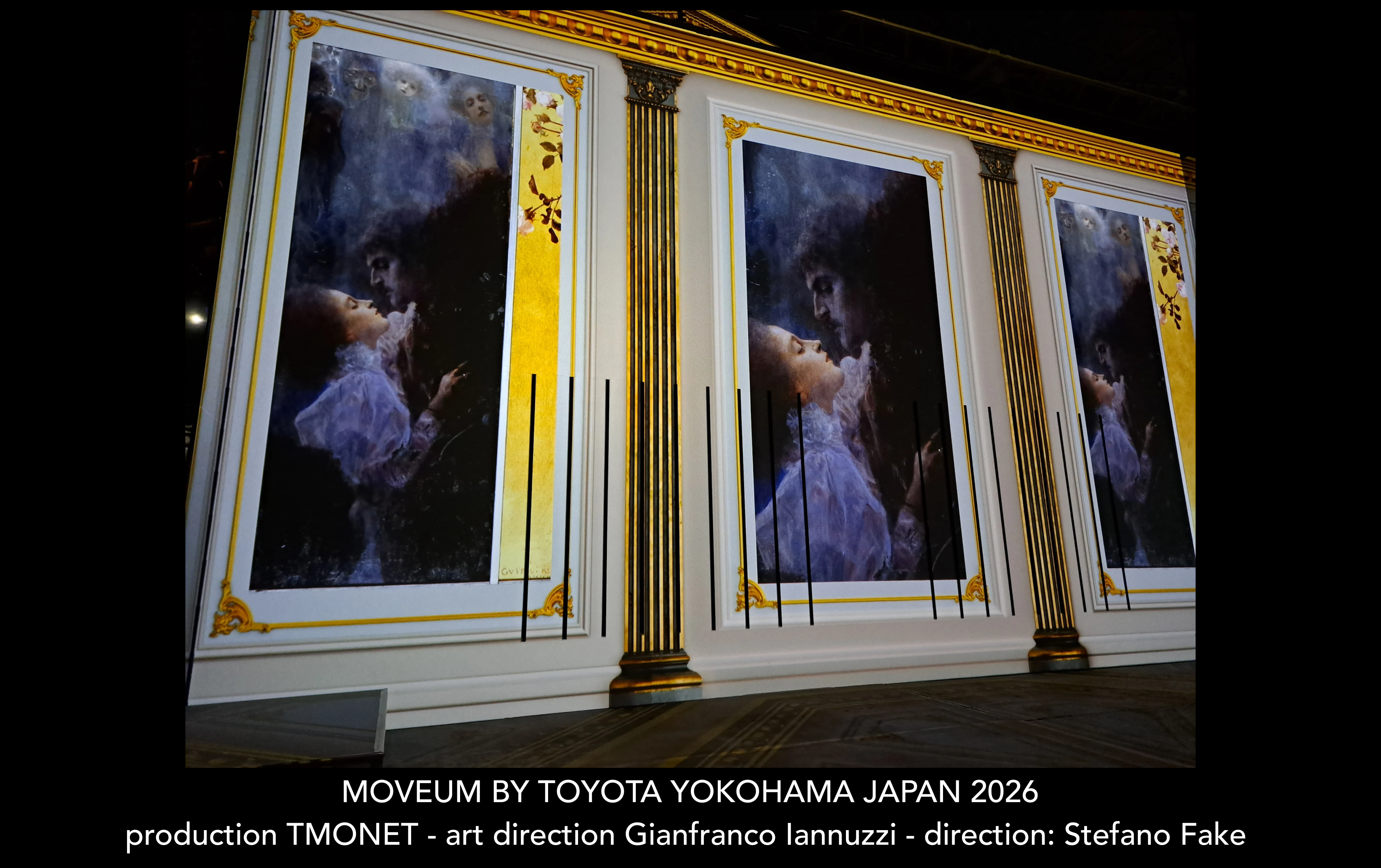
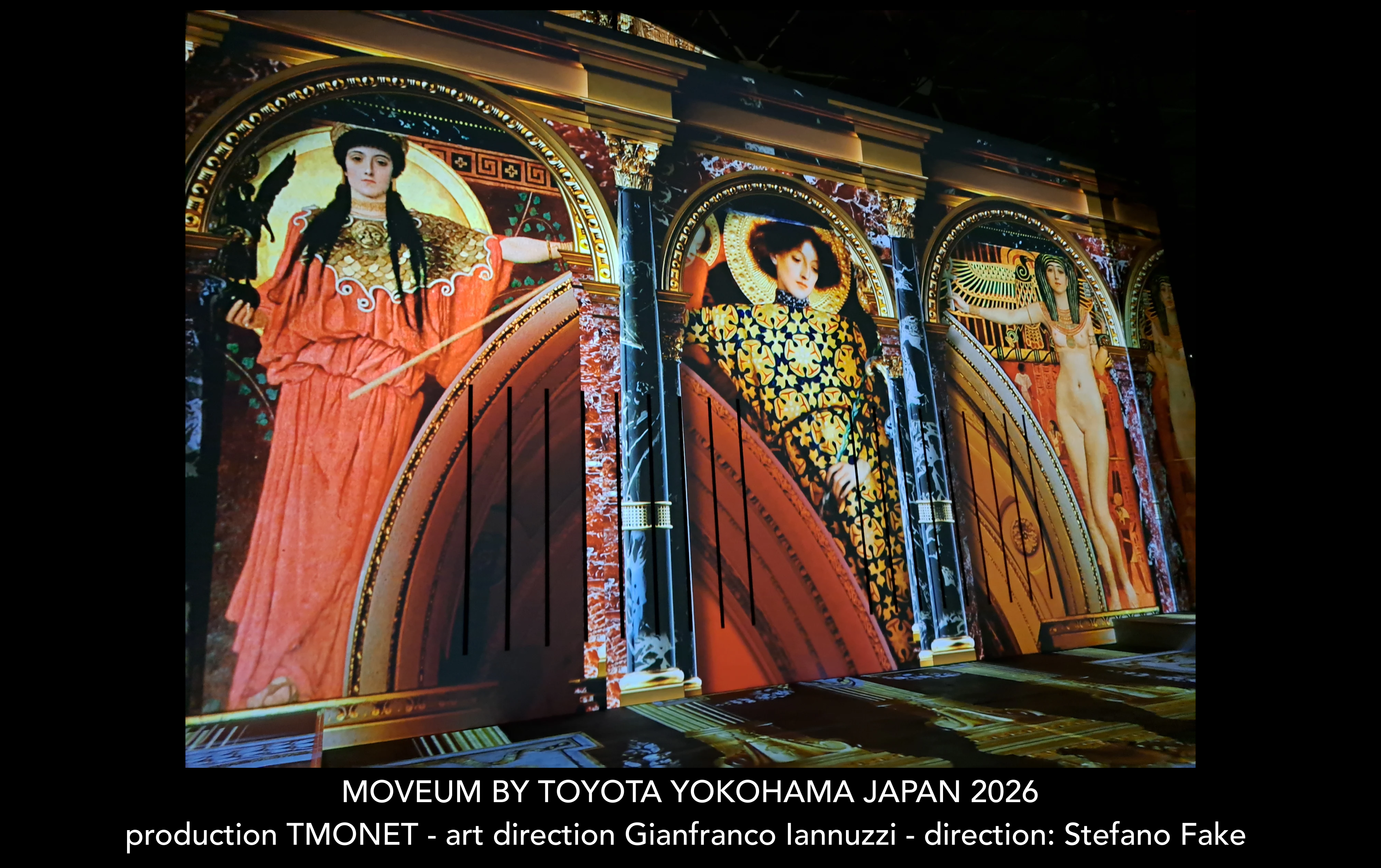
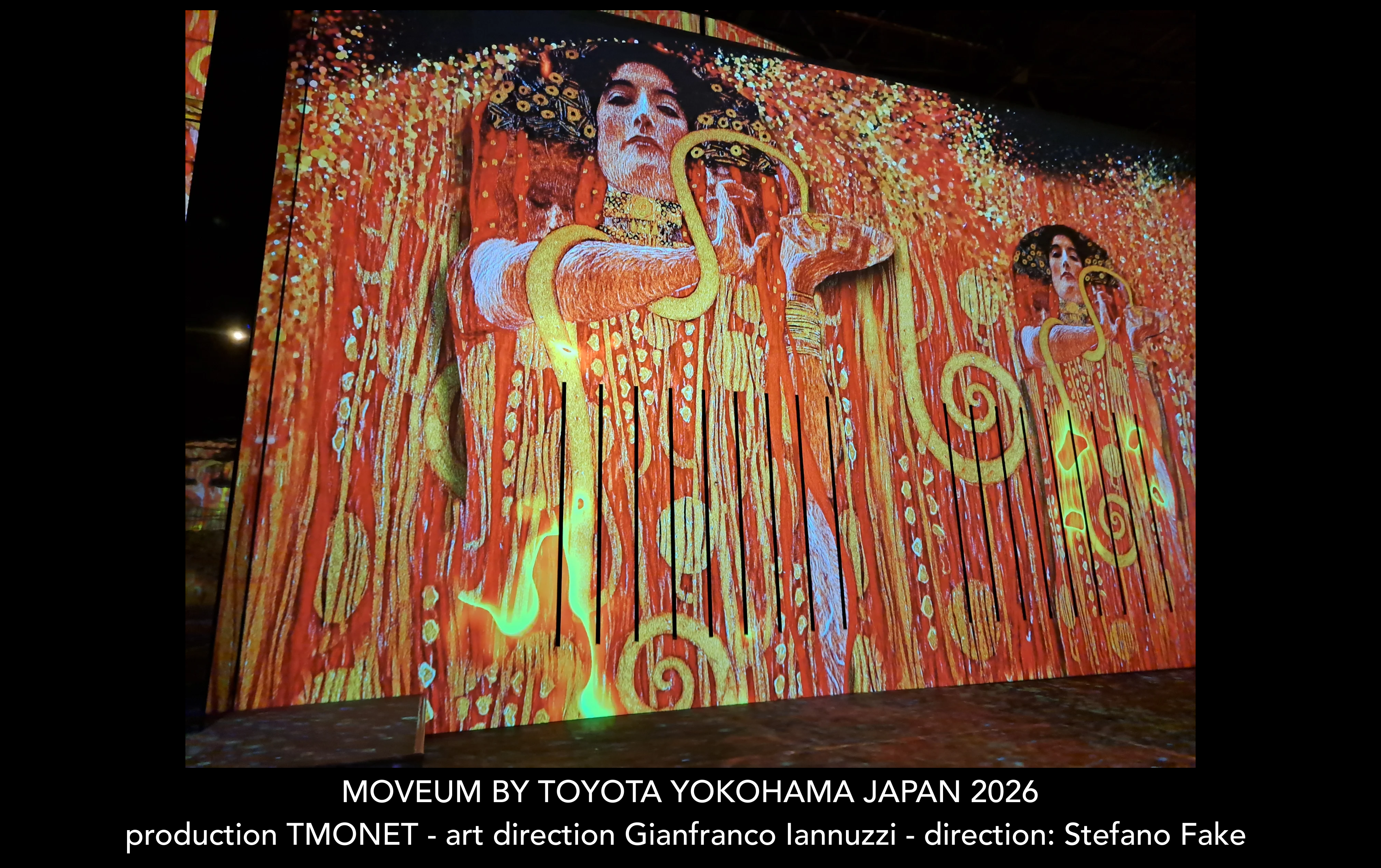
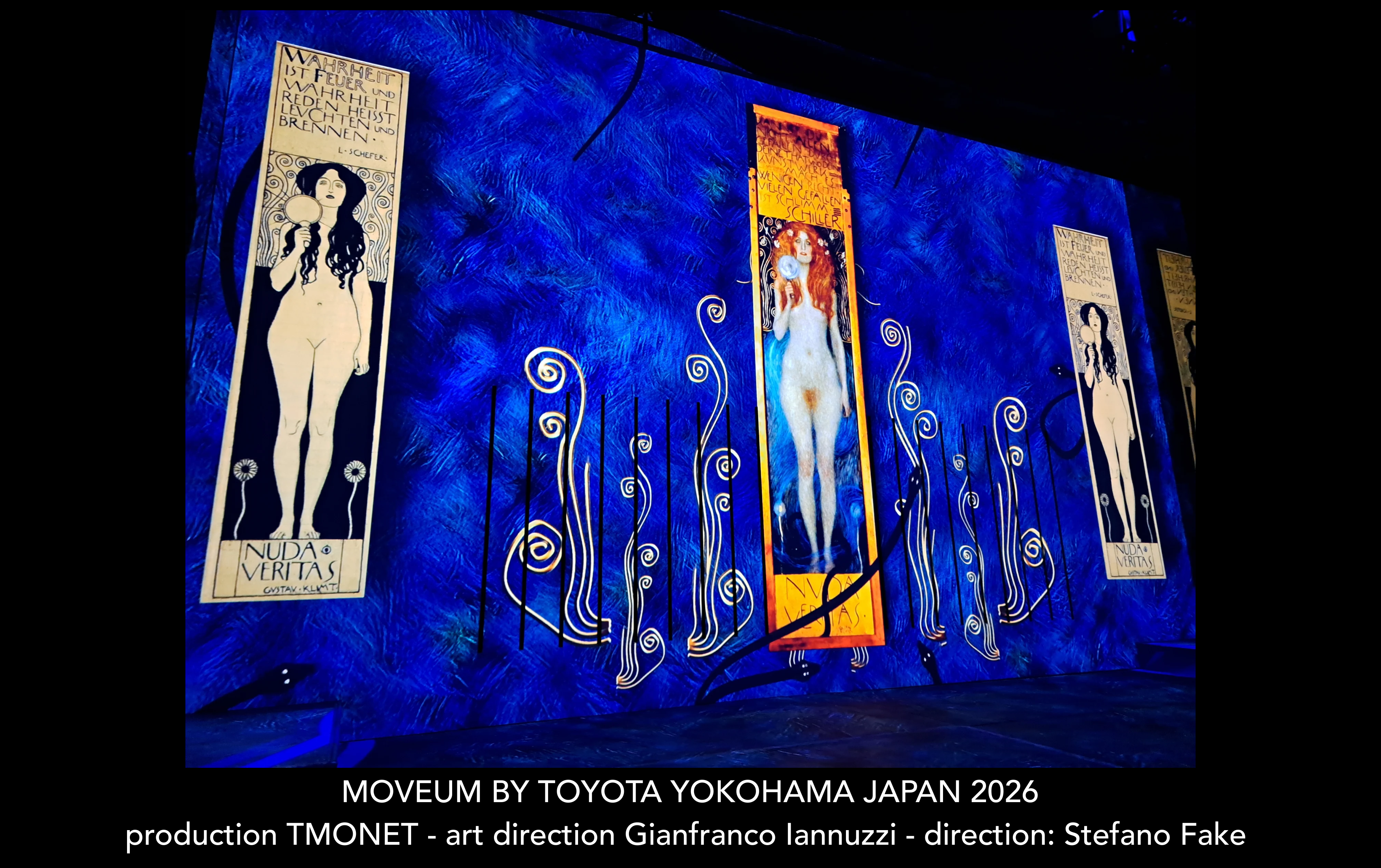
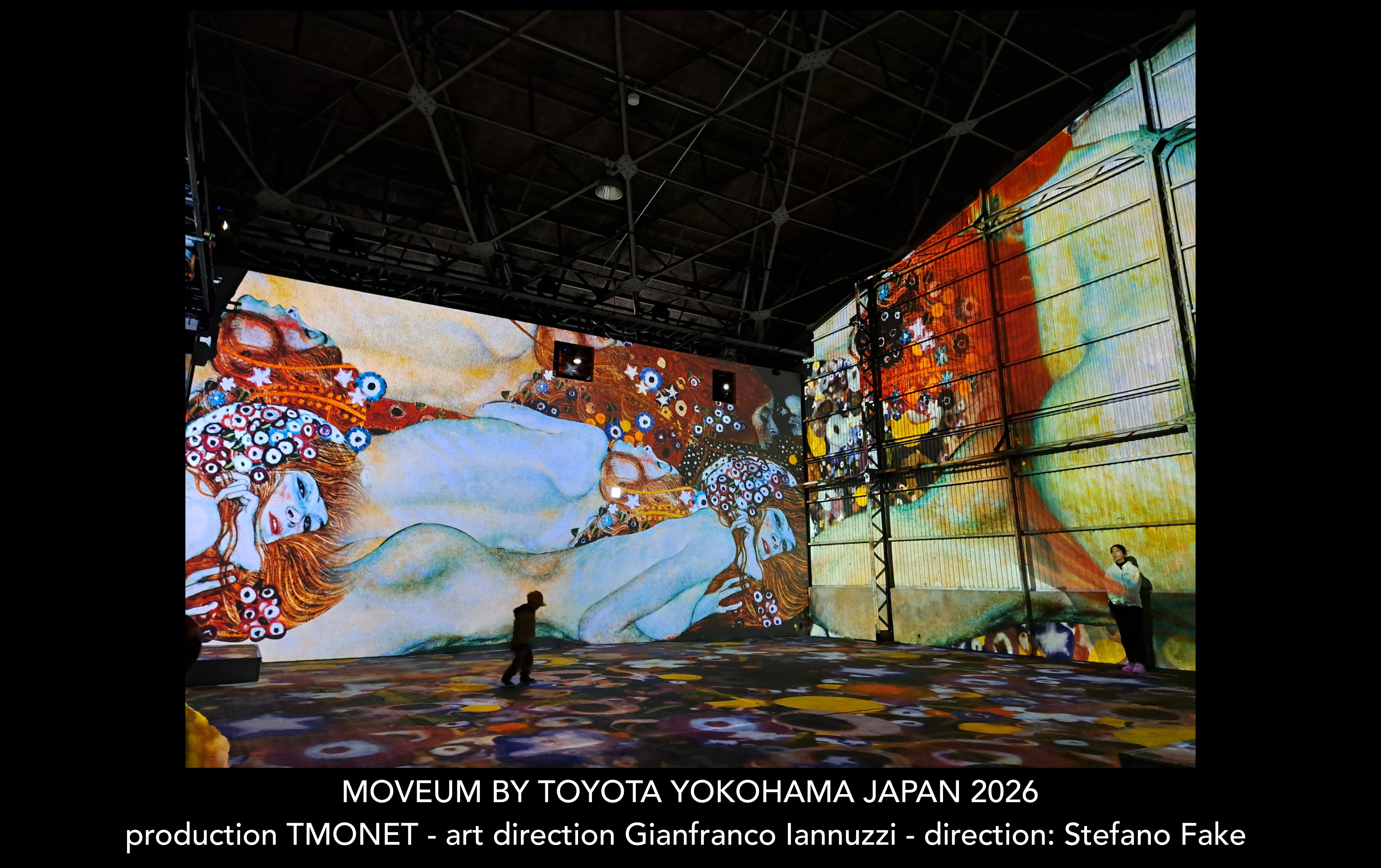
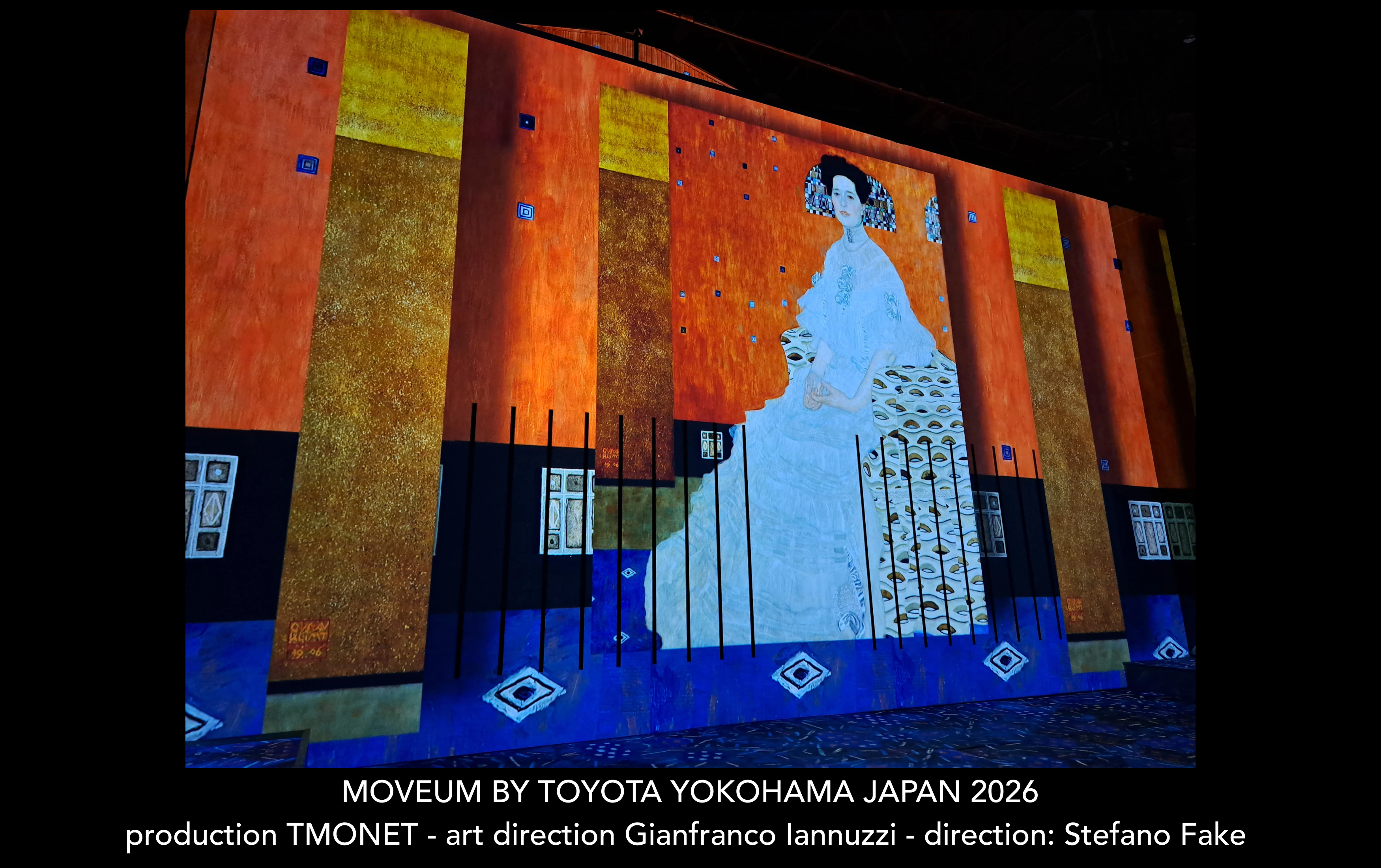
For this reason, it is essential to emphasize that, in its initial formulation, the concept of “Experience” in Stefano Fake’s work is not merely a terminological device, but rather constitutes the structural core of the artistic project. It is a category that redefines the relationship between artwork, space, and spectator, proposing a conception of art as a lived process—an experiential event that unfolds in time and is actualized through each interaction.
Ultimately, the introduction of the term “Experience” in Klimt Immersive Art Experience marks a crucial moment in the evolution of contemporary exhibition practices. It not only contributed to naming a new format, but also helped establish its theoretical and methodological foundations, consolidating a vision of immersive art as a field in which the spectator’s experience becomes the true locus of the artwork.
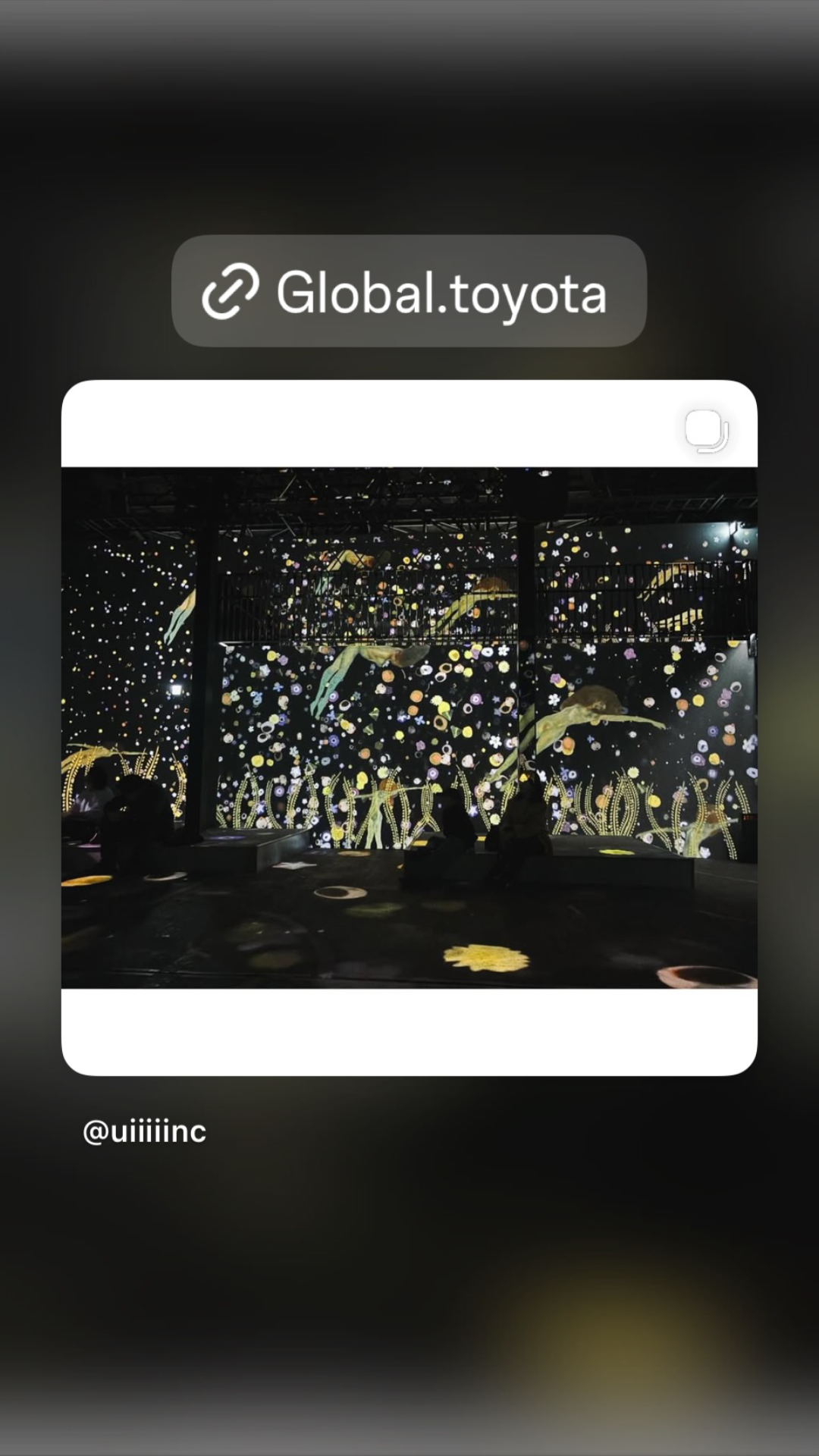
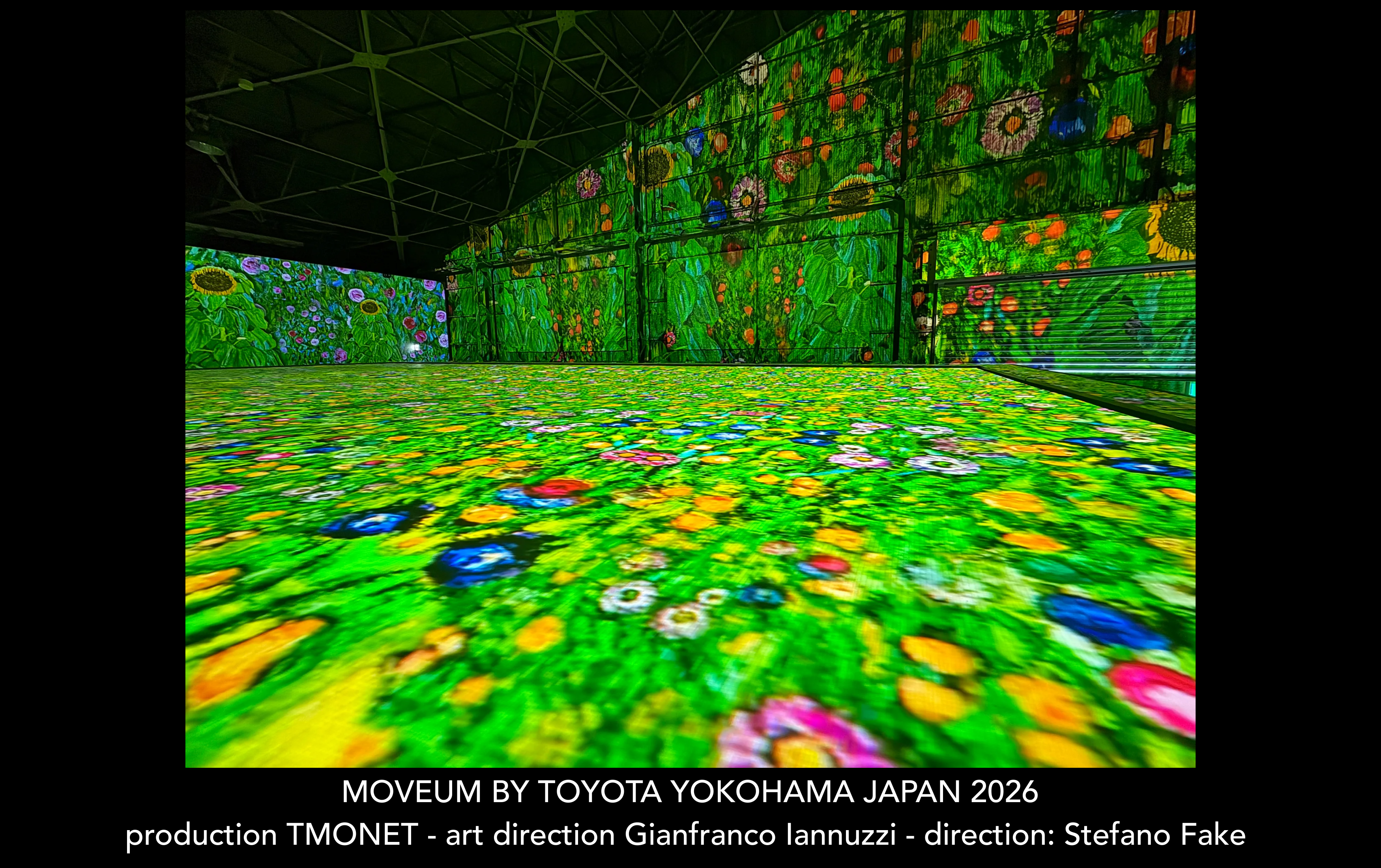
Finally, the narrative shifts toward the so-called “floral period,” in which Klimt’s language opens up to new chromatic and compositional solutions. This concluding phase introduces a sense of expansion and transformation, bringing the journey to a close with a more open and contemplative dimension.
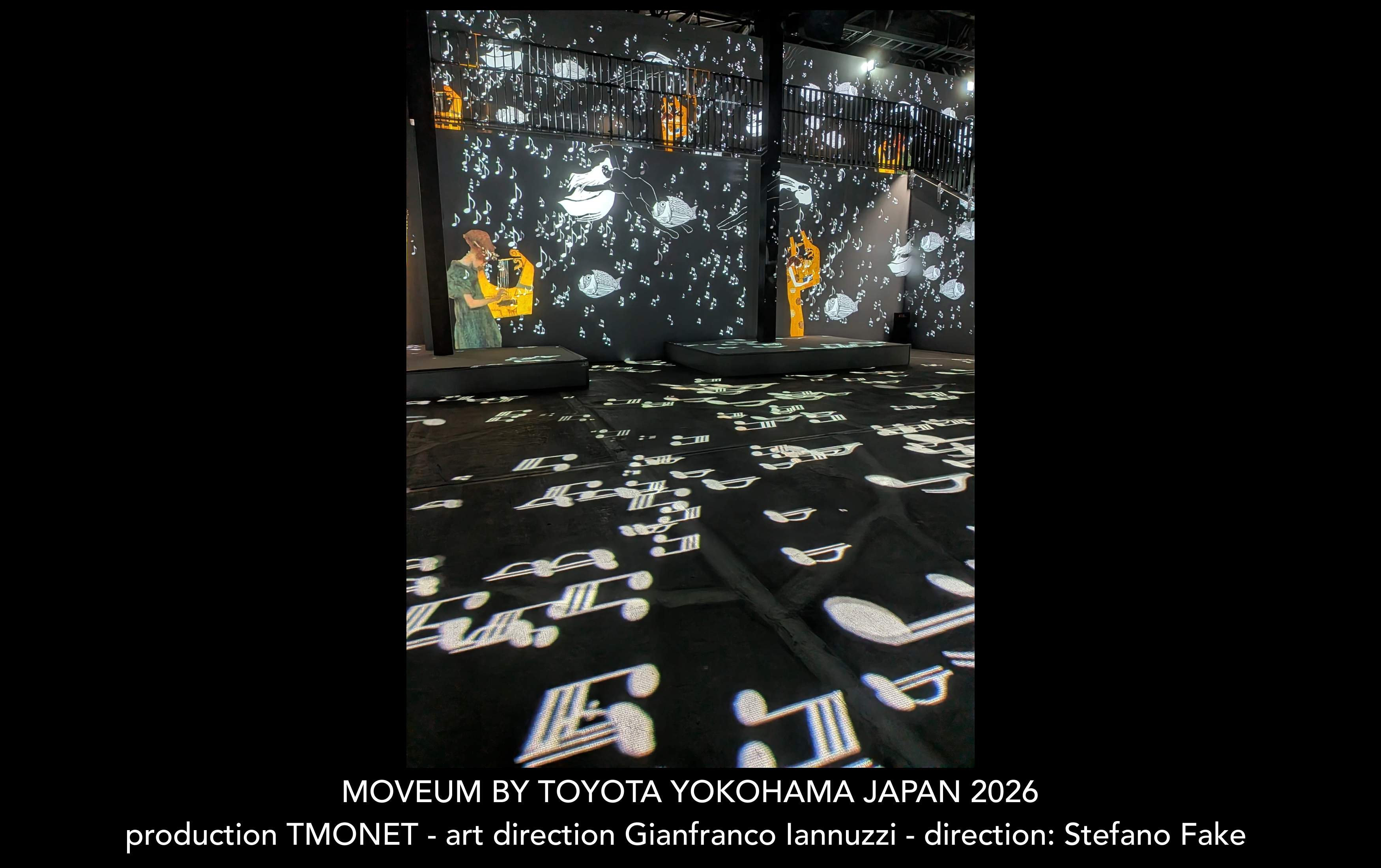
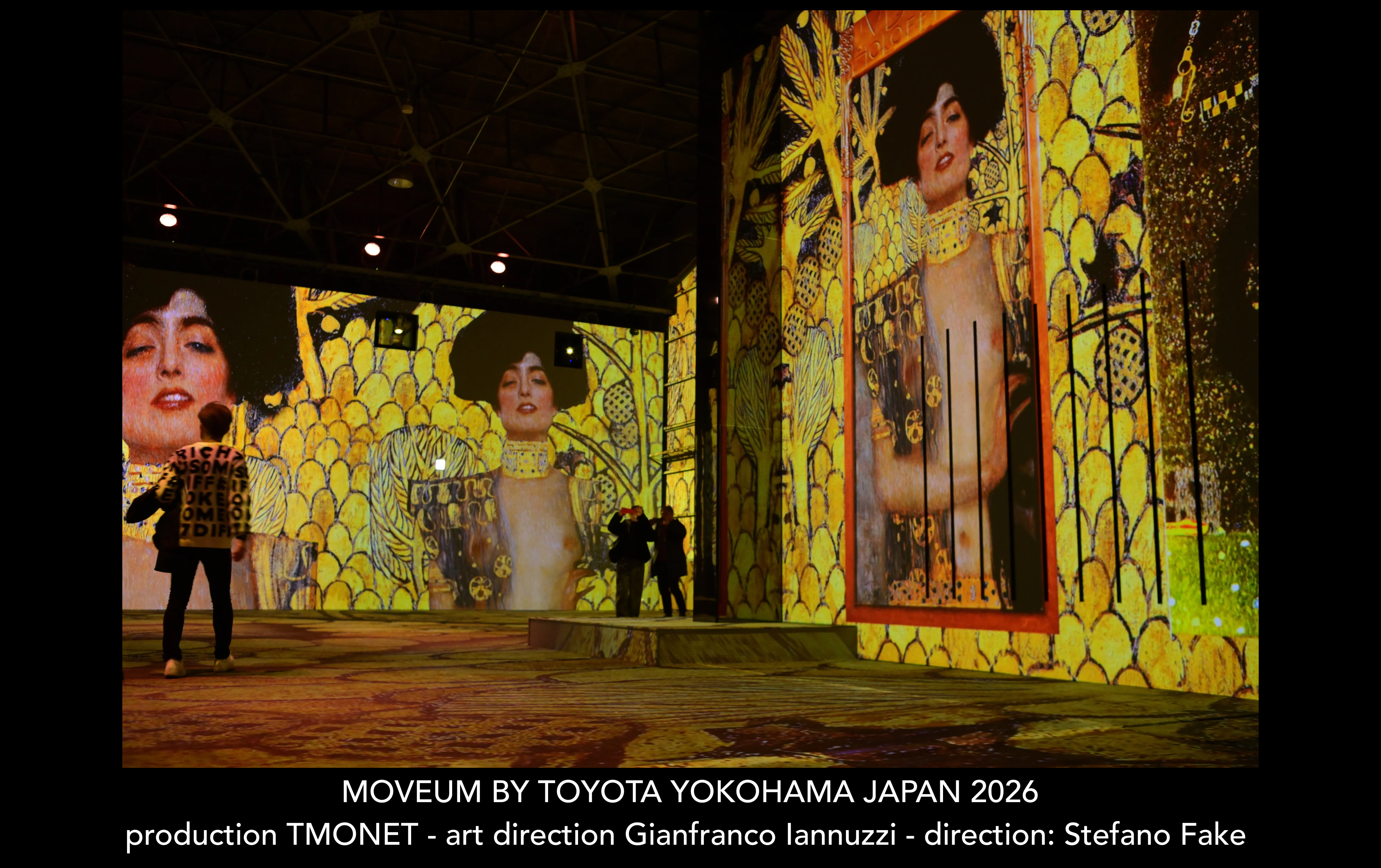
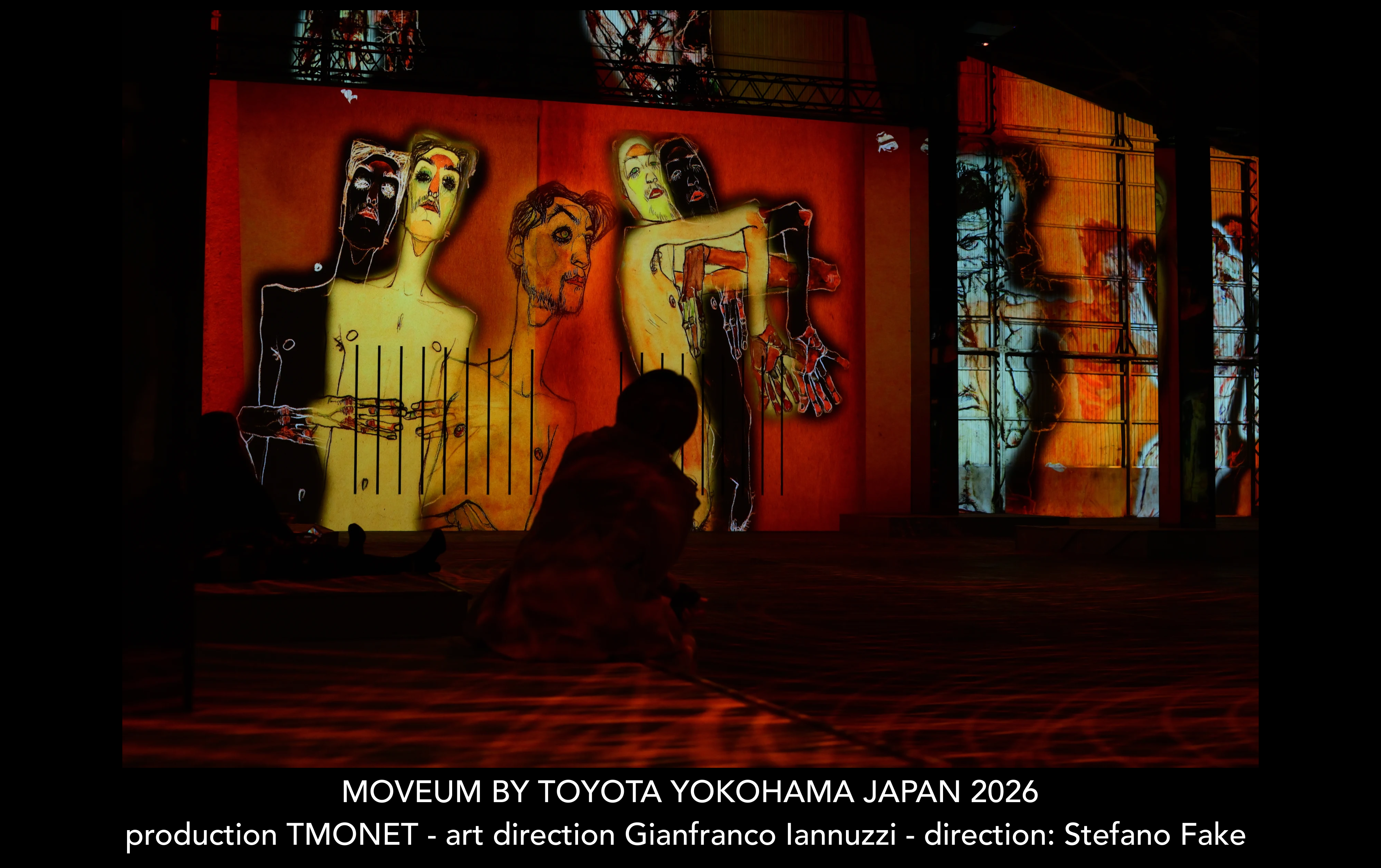
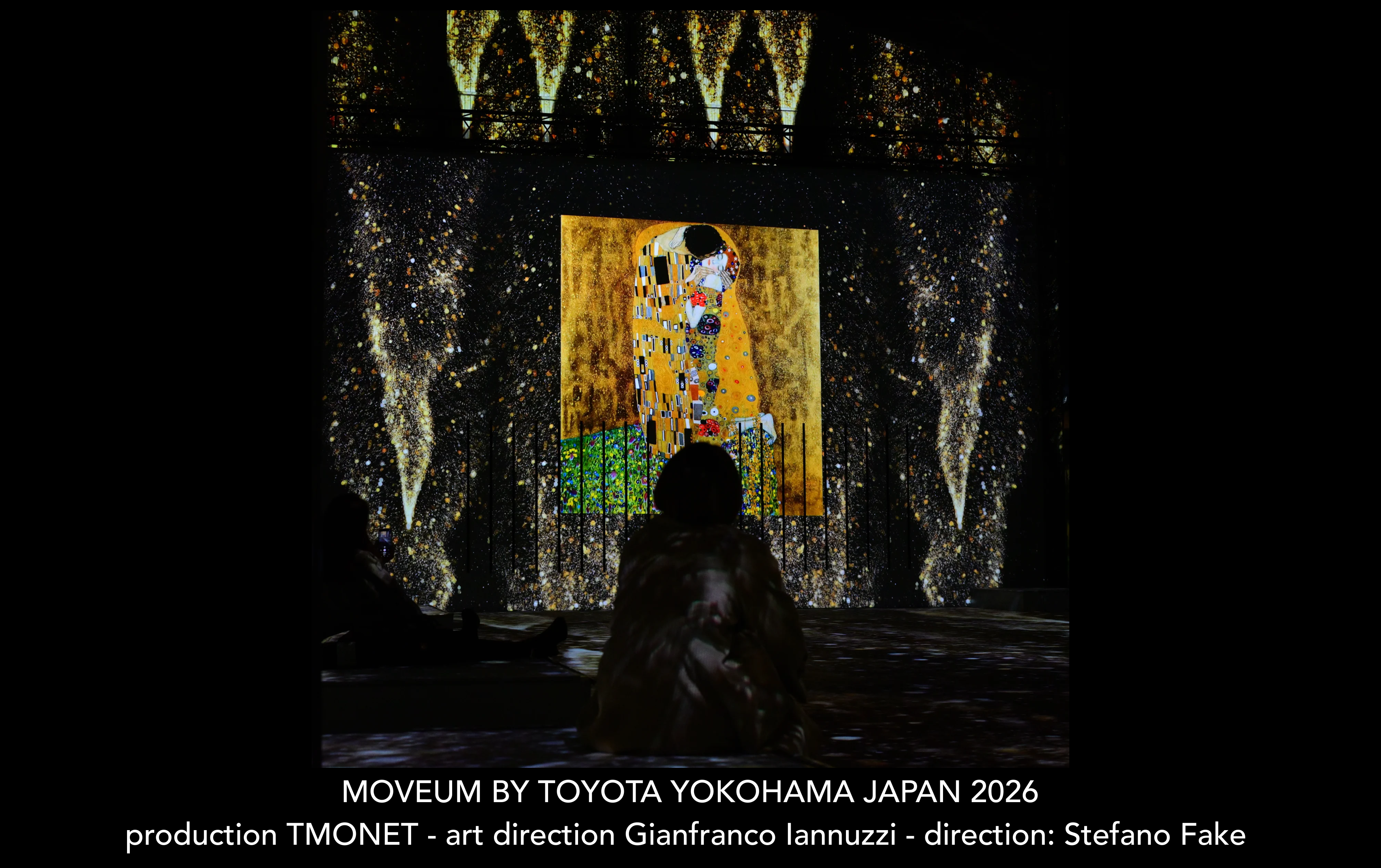
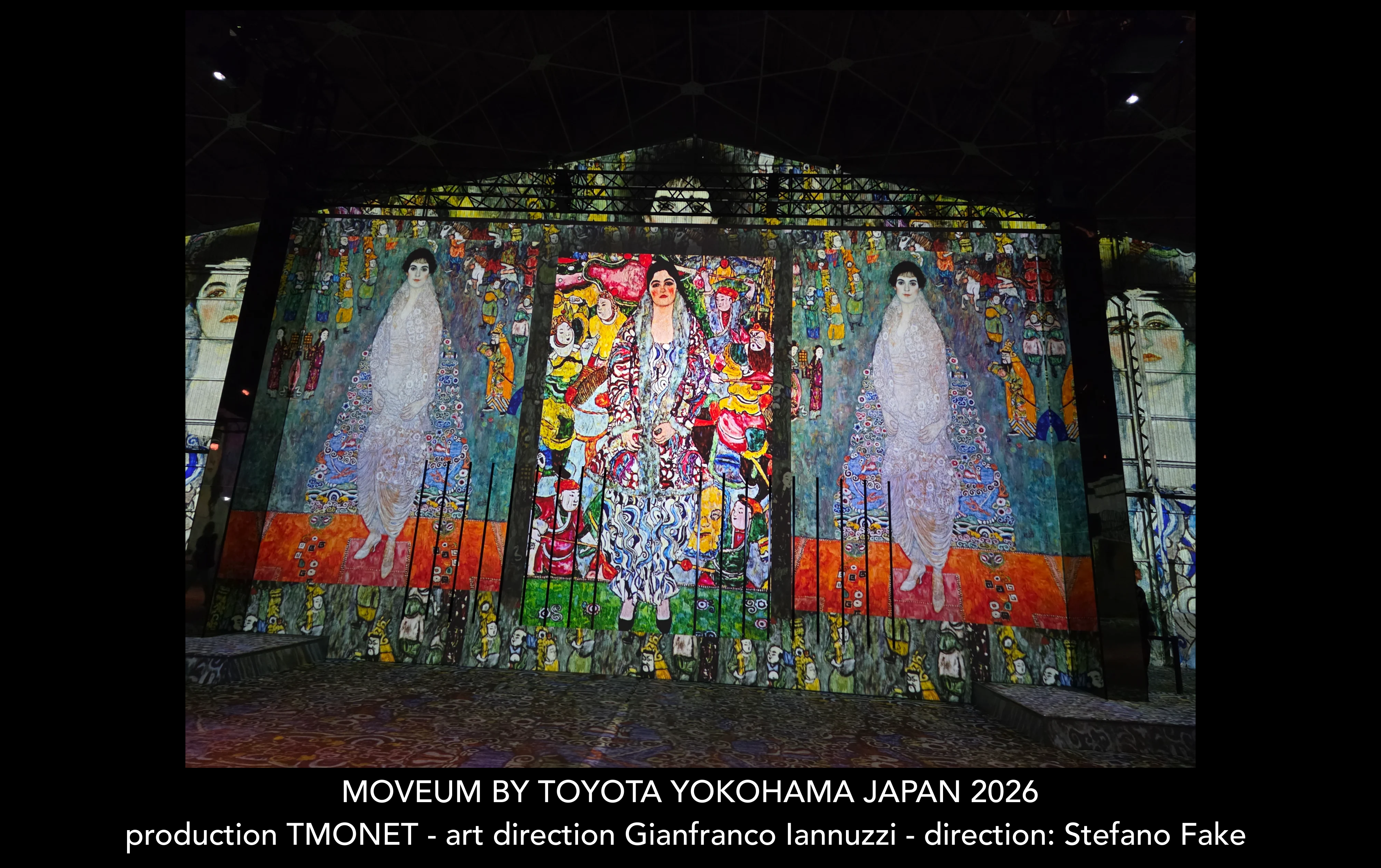
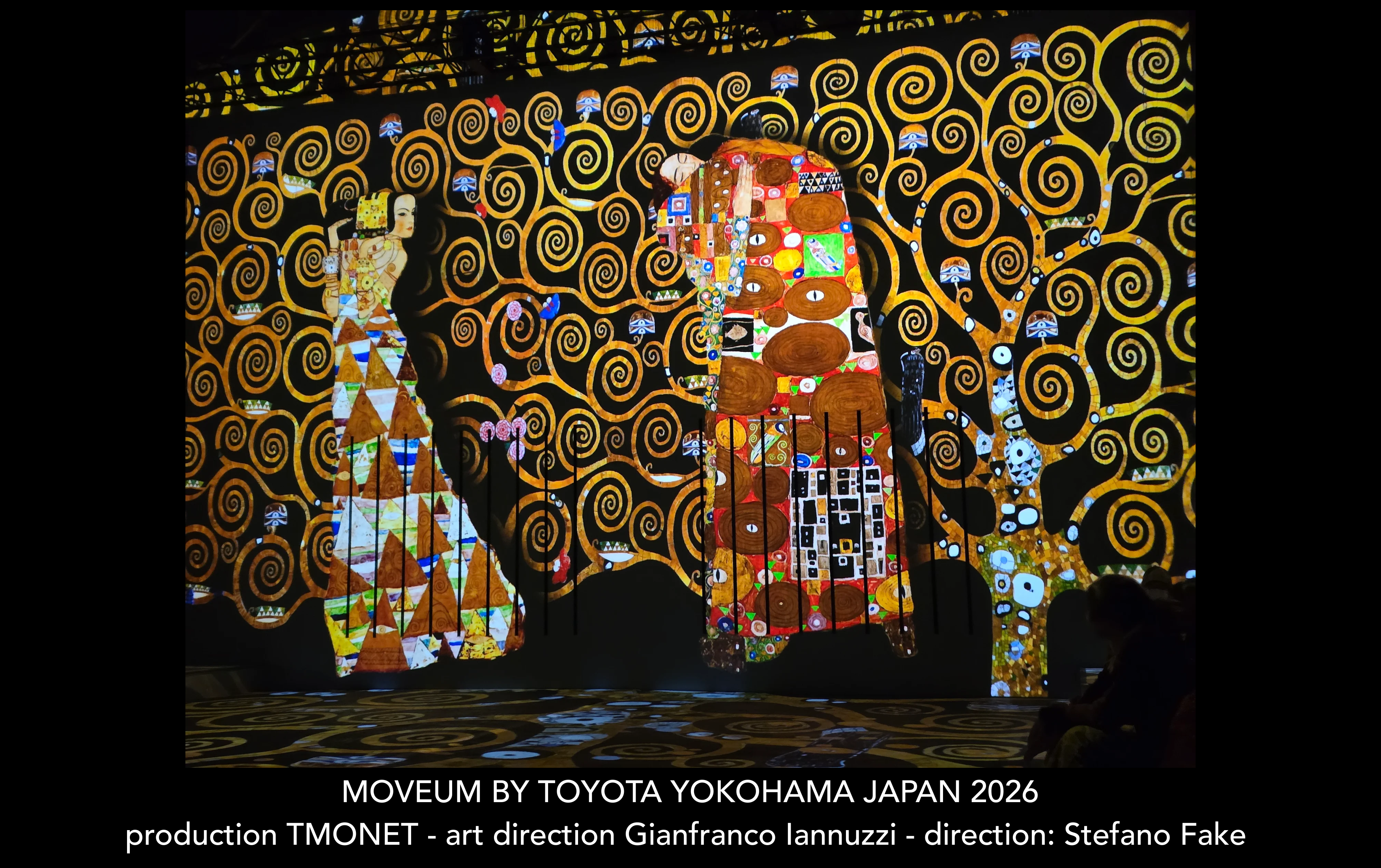
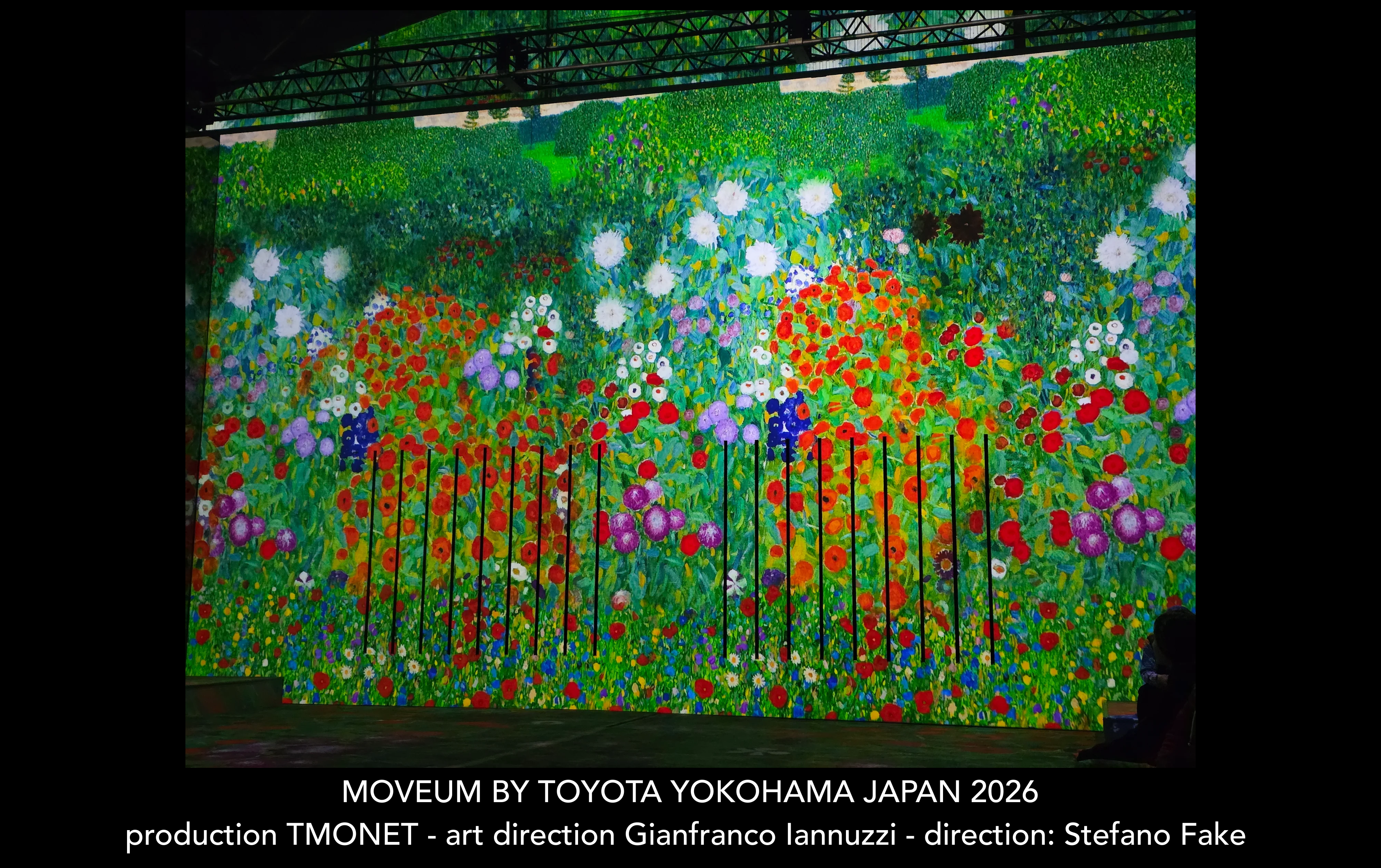
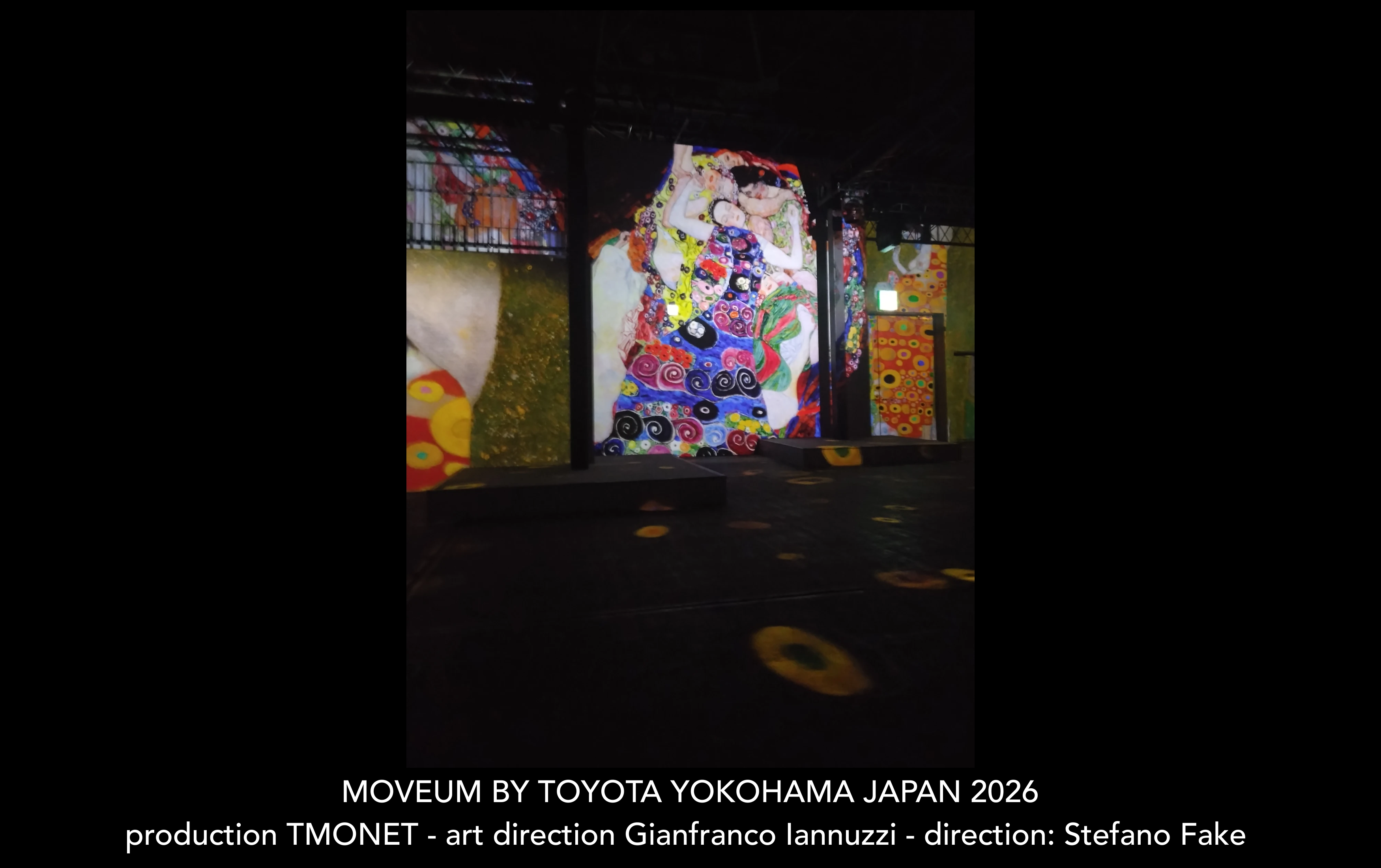
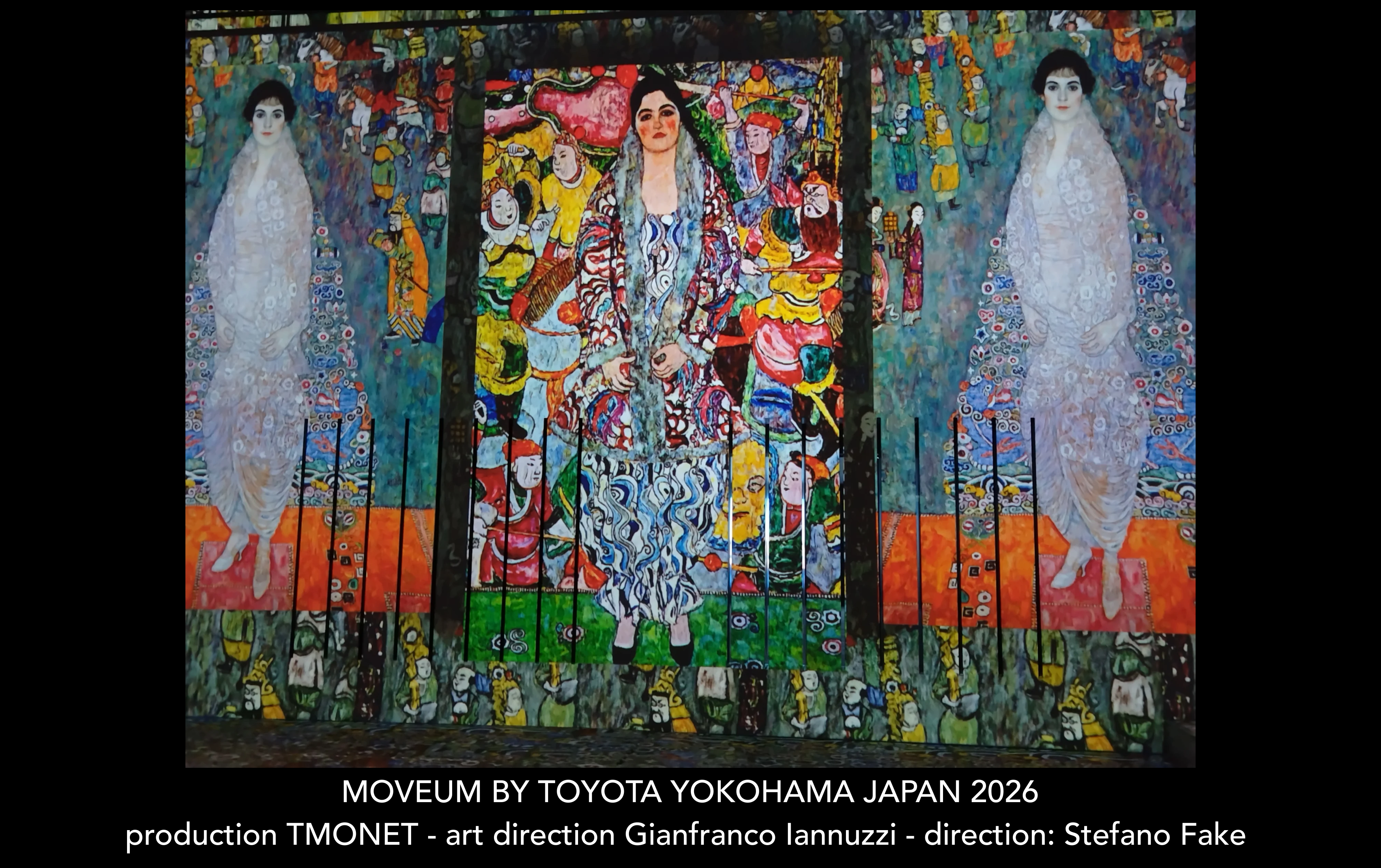
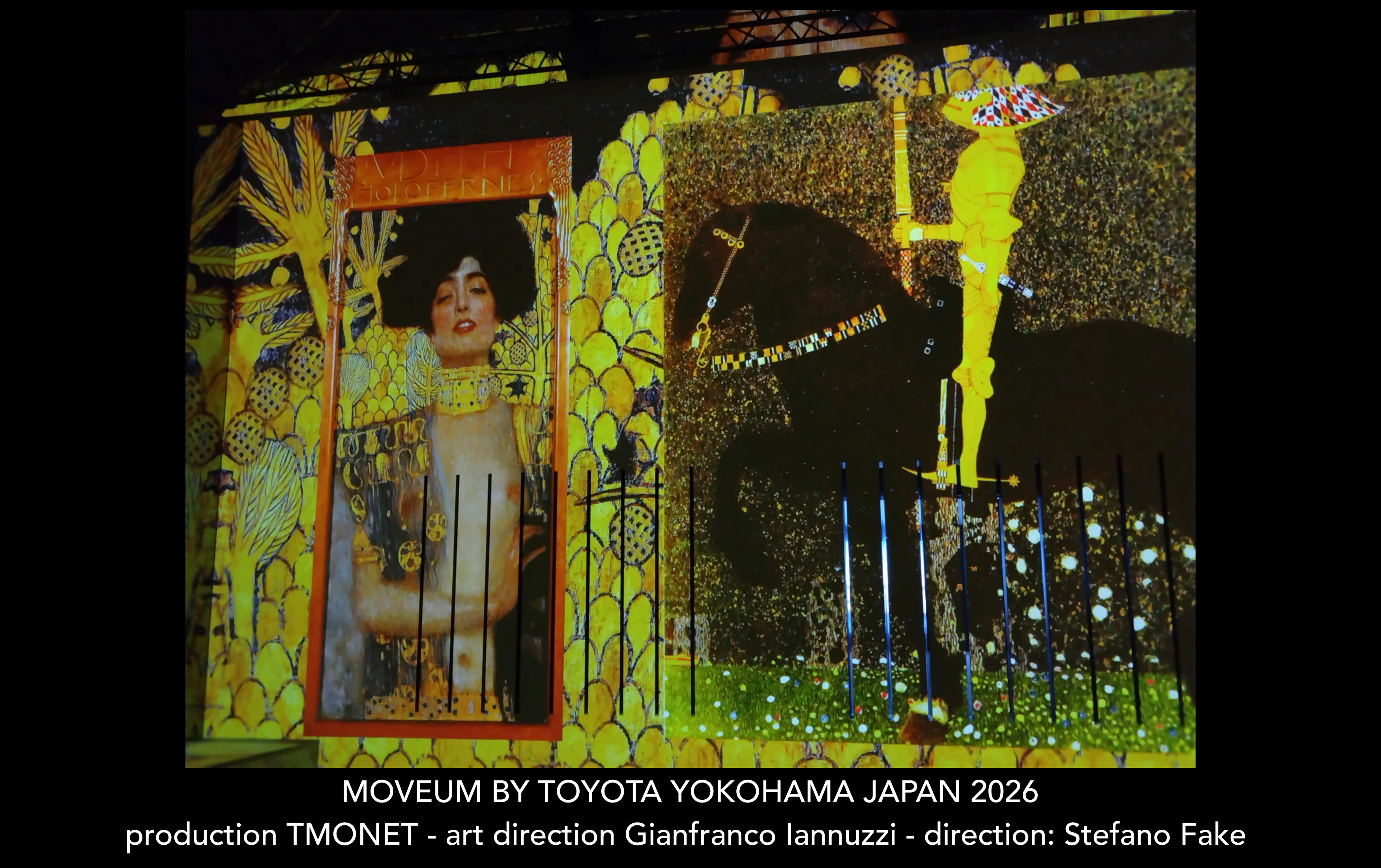
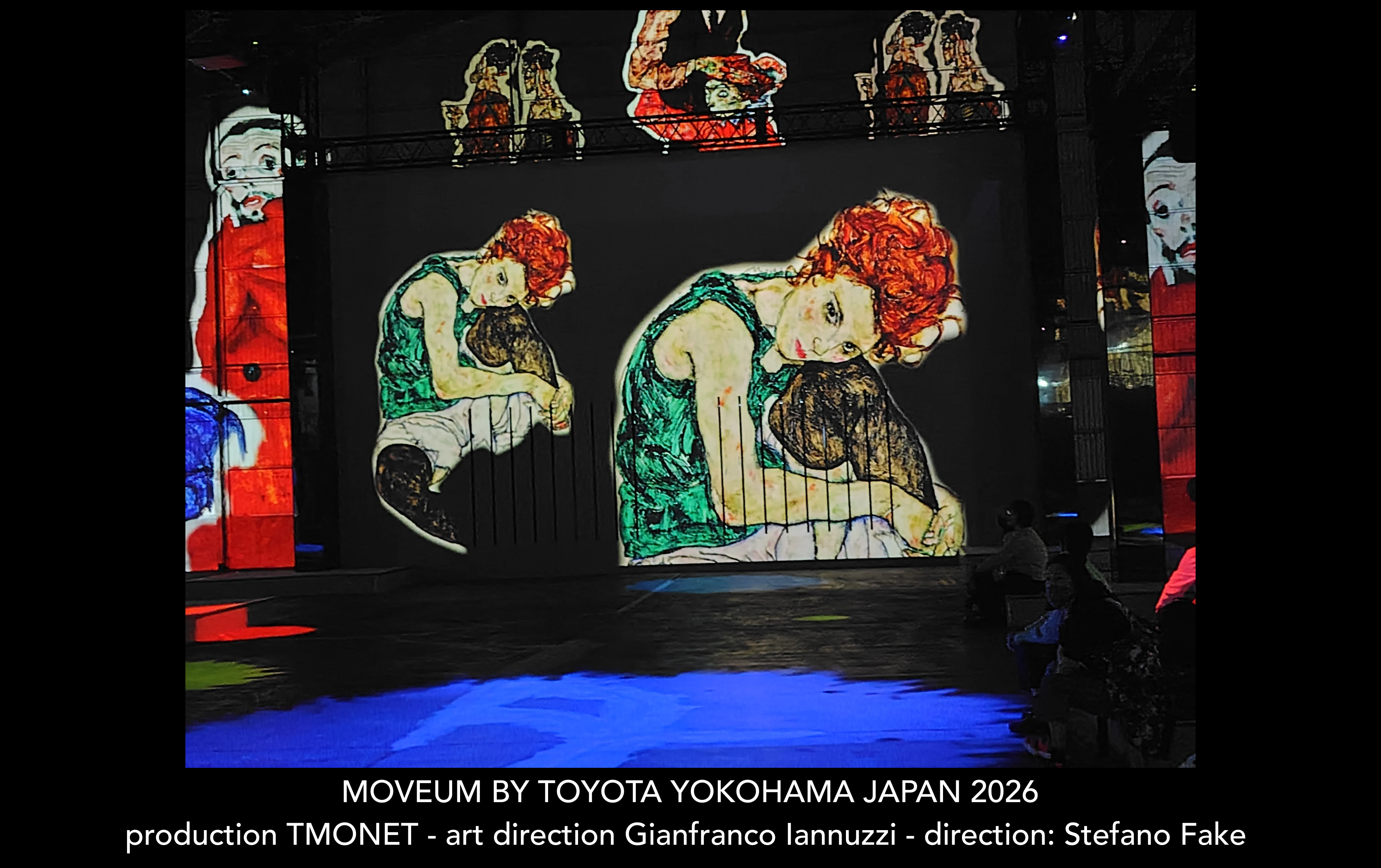
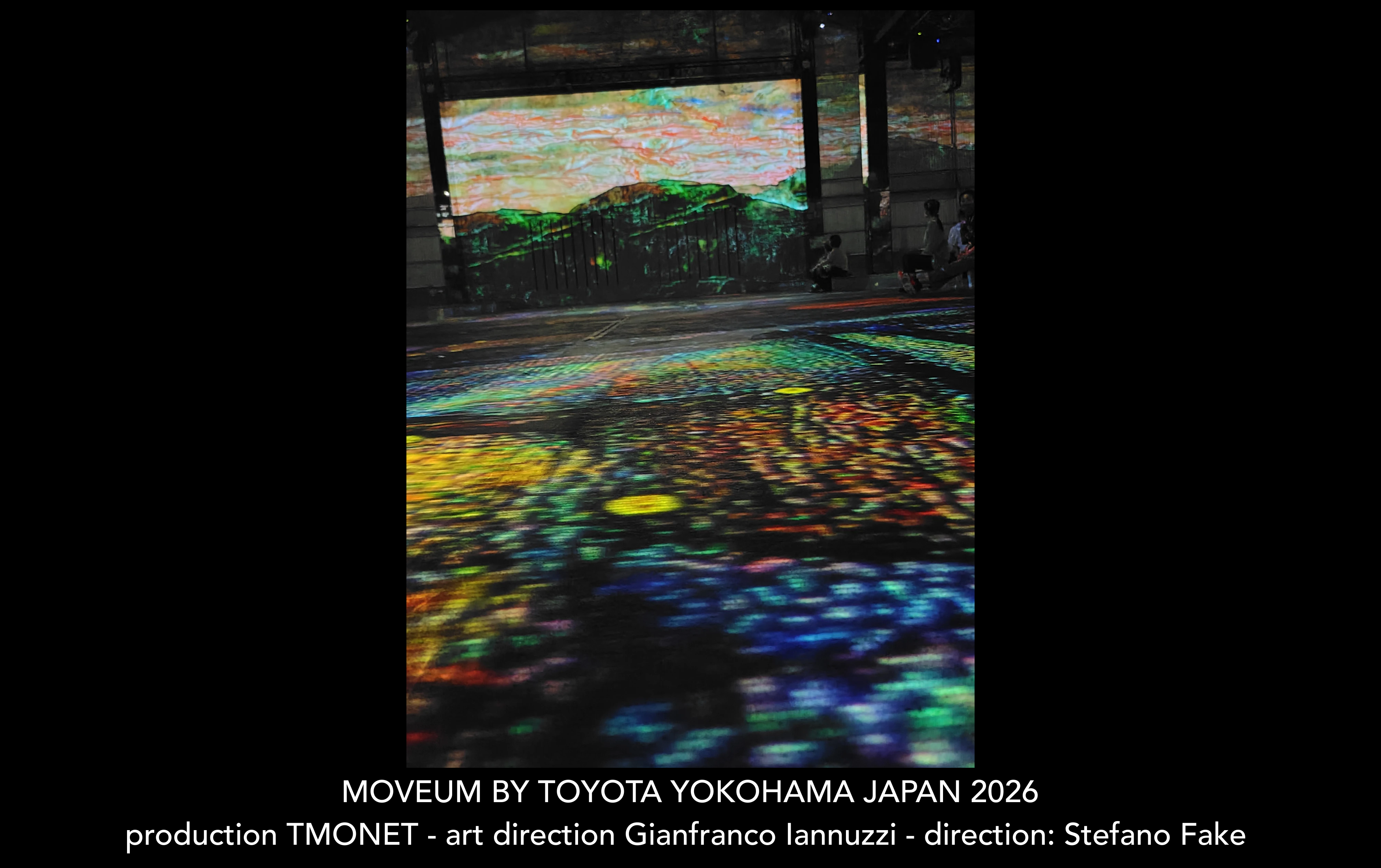
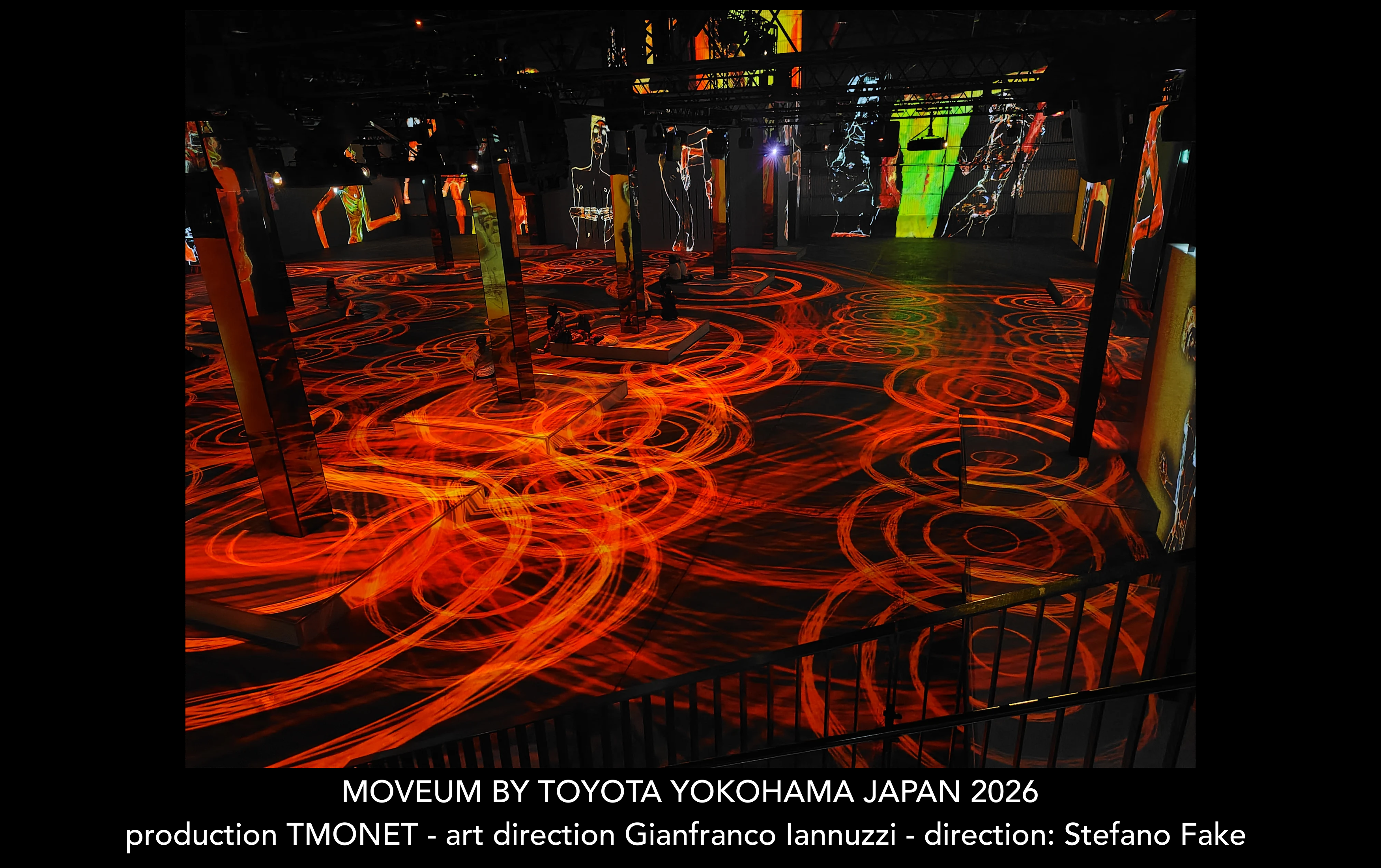
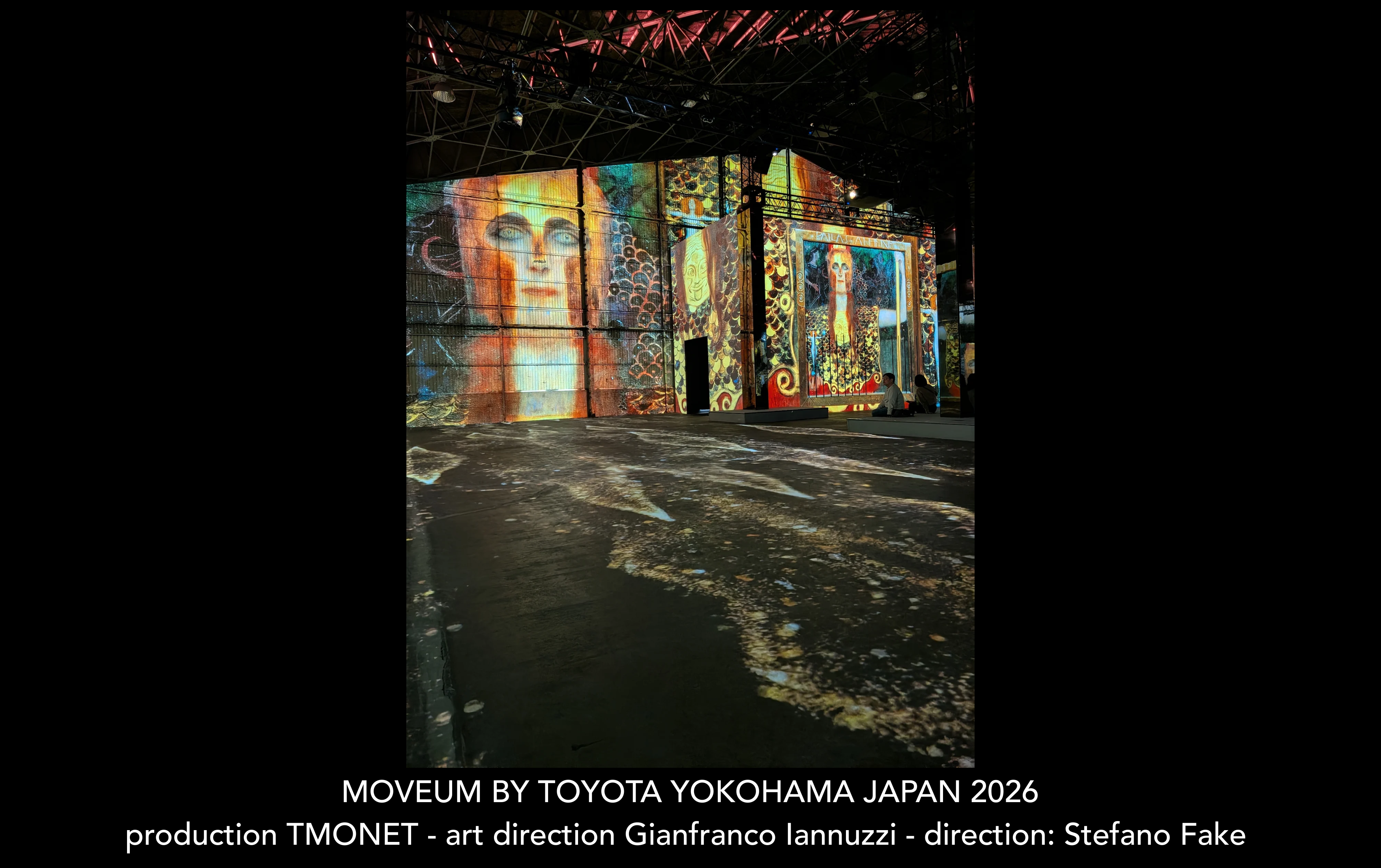
What decisively distinguishes Stefano Fake’s approach is the rigor with which this narrative is constructed. Each sequence is grounded in a precise analysis of the artist’s work and context, avoiding both arbitrariness and redundancy. The storytelling is not reduced to a succession of visual effects or a simple slideshow of images; rather, it takes shape as a true audiovisual interpretation of art history.
In this sense, technology does not function as an end in itself, but as a tool serving a carefully calibrated narrative construction. Animations, transitions, and visual effects are designed to reveal formal relationships, highlight evolutionary processes, and facilitate a progressive immersion into Klimt’s artistic language. Everything is conceived to allow the viewer to gradually “enter” the internal logic of his painting.
This model of immersive storytelling represents one of Stefano Fake’s most significant contributions to the field of contemporary digital art. Its distinctive and unmistakable character lies precisely in its ability to integrate historiographical knowledge, aesthetic sensitivity, and technology into a unified narrative form, capable of transforming the viewer’s experience into a process of continuous discovery.
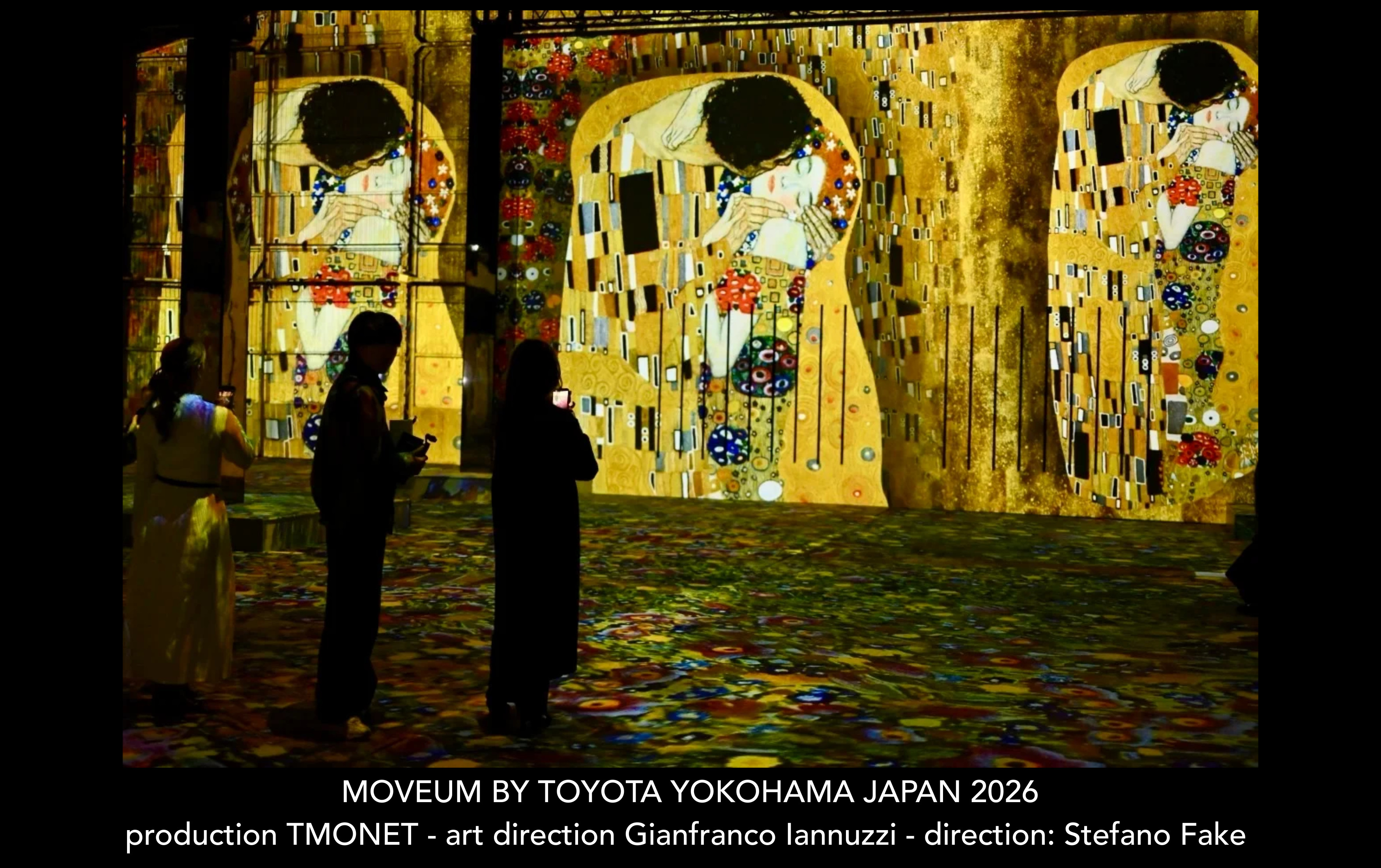
In the contemporary landscape of digital art, the figure of Stefano Fake and the collective THE FAKE FACTORY stands as a paradigmatic case in redefining the relationship between artwork, space, and spectator. Since founding the studio in Florence in 2001, the artist has developed an interdisciplinary practice that integrates video projection, sound design, architecture, and interaction, making a decisive contribution to the codification of the language of contemporary immersive art.
The innovation introduced by Fake lies in the transformation of the image into an experiential environment: video ceases to be a mere object of contemplation and becomes a spatial device that envelops the viewer, engaging them in a totalizing perceptual dynamic. From this perspective, the “immersive art experience” can be defined as an art form based on audiovisual narration in space-time, in which light, sound, and architecture operate synergistically to alter the viewer’s state of consciousness. This conception belongs to a genealogy that traces back to 20th-century Italian avant-gardes, from Futurism to Spatialism, yet it is distinguished by the systematic use of digital technologies as its primary medium.
Within this theoretical and operational framework, large-scale immersive exhibitions dedicated to the masters of art history constitute the most well-known and influential core of Fake’s production. The Immersive Art Experiences devoted to Klimt, Van Gogh, Caravaggio, Monet and the Impressionists, Magritte, Matisse, Da Vinci, and Modigliani do not merely translate painting into digital form but propose a true environmental rewriting of it. In these contexts, the two-dimensional surface of the canvas dematerializes and is reconfigured into dynamic visual flows that occupy the entire exhibition space, generating a kinesthetic and synesthetic reception.
These experiences have achieved global success, attracting millions of visitors and widespread diffusion across international museums and exhibition centers, helping establish a replicable exhibition standard on a global scale. In particular, works such as Klimt Experience and Magritte Experience have demonstrated the ability of this format to combine accessibility and spectacle, redefining strategies of cultural mediation within the contemporary museum context.
From an aesthetic standpoint, Fake’s work is characterized by a visual dramaturgy based on the continuity and metamorphosis of images: fluid sequences, narrative loops, and immersive environments dissolve the boundaries between interior and exterior, between the real and the virtual. The use of monumental projection and multisensoriality produces an immersive effect that responds to a precise anthropological drive: the spectator’s desire to “enter” the artwork and experience it directly.
Stefano Fake and THE FAKE FACTORY can be considered among the principal agents in the transition from digital art as an experimental language to immersive art as a mass cultural phenomenon. Their production has not only anticipated but effectively defined the aesthetic, technological, and curatorial codes of a format that continues to exert a profound influence on 21st-century exhibition practices, placing at the center of the artistic experience the dynamic relationship between image, space, and perception.
A deeper analysis of Stefano Fake’s artistic practice reveals the methodological and theoretical complexity underlying his immersive works. While at a first level they may appear as spectacular, high-impact sensory experiences, a more attentive reading uncovers a rigorously constructed narrative structure, based on a sophisticated balance between emotional engagement and historiographical rigor.
One of the most significant aspects of Fake’s work lies in his ability to translate complex art-historical content into accessible audiovisual structures without resorting to reductive simplifications. The Immersive Art Experiences dedicated to masters such as Van Gogh, Klimt, Caravaggio, or Monet are not simple sequences of iconic images, but true narrative journeys articulated according to an almost cinematic logic. The construction of the narrative often follows a thematic and chronological progression that reflects—albeit with necessary interpretative liberties—the main developments of art historiography: periods, influences, stylistic evolutions, and biographical contexts are reworked into visual and sonic form, maintaining an internal coherence that avoids arbitrary or merely decorative outcomes.
In this sense, Fake’s approach clearly distinguishes itself from many more commercially oriented immersive experiences, in which artistic imagery is decontextualized and used as mere aesthetic material. On the contrary, in THE FAKE FACTORY’s productions, every iconographic and compositional choice responds to a precise intention: the selected works, enlarged details, and animated sequences are organized according to a dramaturgy aimed at conveying not only the “beauty” of the artwork, but also its historical and cultural meaning.
From a directorial standpoint, this approach translates into a highly conscious management of space and time. The “scenes” of the immersive experience are constructed as autonomous narrative environments, each endowed with its own visual, sonic, and rhythmic identity. The temporal structure is never arbitrary: it alternates moments of visual intensity with contemplative pauses, dynamic accelerations with perceptual dilations, guiding the viewer through a path with a clear dramatic structure. In this sense, one can speak of a true direction of immersion, in which the visitor assumes the role of a mobile spectator within a totalizing scenic space.
Another distinctive element is the use of motion graphics. In many contemporary immersive productions, these tools are employed redundantly or purely for spectacle, generating a visual saturation that trivializes artistic content. Fake, by contrast, adopts a measured and semantically oriented approach: animation is never an end in itself, but serves the construction of meaning. Transformations of images—dissolutions, decompositions, recompositions, and fluid movements—are designed to highlight formal relationships, creative processes, or specific thematic cores.
This attention to the semantic dimension of animation is accompanied by an equally refined use of sound and musical selection. The soundtrack does not merely accompany the visuals but actively contributes to the construction of the narrative. The synchronization between visual and sonic elements produces a controlled synesthetic effect, in which each musical variation corresponds to a visual transformation, reinforcing the overall coherence of the experience.
From a theoretical perspective, it can be argued that Fake operates at the intersection of art history, cinema, and digital arts, developing a hybrid language that transcends traditional disciplinary categories. His ability to combine scientific rigor with communicative power is one of the key factors behind his international success. It is not simply a matter of making art “spectacular,” but of developing new forms of cultural mediation capable of responding to the demands of a contemporary audience increasingly oriented toward immersive and multisensory experiences.
The work of Stefano Fake and THE FAKE FACTORY is therefore characterized by a dual tension: on one hand, technological and linguistic innovation; on the other, fidelity to a solid narrative and historiographical framework. It is precisely this synthesis—between emotion and knowledge, spectacle and rigor—that makes his work a crucial reference point in the field of contemporary immersive digital art.
The theoretical framing of Stefano Fake’s work within the categories developed by Nicolas Bourriaud—particularly those of postproduction and relational aesthetics—allows for a deeper understanding of the nature of his artistic intervention, situating it in continuity with some of the most significant transformations in contemporary art.
In his essay Postproduction (2002), Bourriaud defines the contemporary artist as a cultural operator who does not create ex novo, but rather reworks, edits, and recontextualizes pre-existing materials. Art thus becomes a practice of editing, in which the creative gesture consists in the selection, combination, and reinterpretation of images, forms, and meanings already present within the cultural sphere. In this perspective, the notion of “remix” assumes a central role: no longer a simple citation or appropriation, but the construction of new semantic pathways through the manipulation of what is already given.
The immersive experiences created by THE FAKE FACTORY are situated precisely within this horizon. Cycles dedicated to Van Gogh, Klimt, Caravaggio, or Magritte can be interpreted as large-scale postproduction devices, in which the iconographic heritage of art history is treated as a dynamic, reactivatable archive. Fake does not merely reproduce artworks, but subjects them to processes of decomposition and recomposition that redefine their conditions of visibility and reception.
In Bourriaud’s terms, Fake can be described as a multimedia director who stages the art of the past through digital technologies, constructing audiovisual environments from historical materials. Unlike many contemporary remix practices, his work maintains a strong structural and semantic coherence, avoiding arbitrariness and privileging meaningful interpretation.
This aspect is particularly evident in his handling of time. Postproduction implies a conception of time that is not linear, but networked and reversible. In Fake’s experiences, different historical periods coexist within a single audiovisual environment, making the past present through devices that update its perception.
This dimension connects with the concept of Relational Aesthetics (1998), according to which the artwork functions as a device for social relations. Fake’s immersive installations construct shared spaces where audiences interact and collectively participate in a perceptual event.
In this sense, the relational dimension is also cognitive: the spectator establishes connections between images, sounds, and meanings. Remix thus becomes a tool of knowledge, capable of revealing implicit relationships within the history of art.
Another relevant aspect concerns the relationship between originality and reproduction. Postproduction challenges the modern idea of the unique artwork, emphasizing the role of copies, archives, and databases. In Fake’s experiences, the original artwork is transformed into a manipulable digital image, opening new aesthetic possibilities in which reproduction becomes a space of creation.
Within this context, Fake’s work can be understood as an advanced form of digital postproduction, capable of constructing true immersive aesthetic ecosystems.
In conclusion, the work of Stefano Fake and THE FAKE FACTORY fully aligns with Bourriaud’s theory while also extending it, bringing the practice of remix into a spatial and totalizing dimension. The past thus becomes a living material, continuously reinterpreted through contemporary technologies.
The influence of Stefano Fake on the global development of immersive digital art must be analyzed from a historical-critical perspective that takes into account both the precocity of his intervention and his capacity for systematization. Since the early 2000s, his work has contributed to defining a replicable, recognizable, and scalable immersive format, transforming an experimental practice into a structured cultural model. His exhibitions, conceived as modular systems adaptable to different spaces, have fostered international dissemination, consolidating a global imaginary of immersive art. Elements such as 360-degree projection, audiovisual synchronization, and sequential narrative construction have become widely adopted standards.
From the 2010s onward, with the global expansion of immersive art, the model developed by Fake has demonstrated both adaptability and strong recognizability, influencing institutions and producers worldwide. This influence has redefined the relationship between art and audience, promoting participatory, multisensory, and inclusive experiences.
At the same time, it has generated critical debates on the spectacularization of art, in response to which Fake maintains a balance between rigor and accessibility. Finally, his impact extends into the industrial sphere, contributing to the development of a specific economic sector linked to the production of immersive experiences.
Stefano Fake has played a fundamental role in transforming immersive art into a global phenomenon, defining its languages, formats, and production models, and leaving a lasting mark on contemporary artistic practices.
——
La muestra KLIMT EXPERIENCE (Gustav Klimt – Immersive Art Experience), realizada en 2016 por Stefano Fake y el estudio THE FAKE FACTORY, constituye un punto de inflexión en la historia reciente de la mediación artística y, más específicamente, en la consolidación del formato de las exposiciones inmersivas digitales dedicadas a los grandes maestros de la historia del arte. Concebida como la primera gran experiencia multimedia inmersiva centrada en la figura de Gustav Klimt, principal exponente de la Secesión vienesa, la instalación no solo reinterpretó su obra en clave contemporánea, sino que definió un modelo estético, narrativo y tecnológico que sería ampliamente replicado en los años sucesivos a escala global.
Desde una perspectiva histórico-crítica, KLIMT EXPERIENCE se inscribe en un momento de transición en el que las instituciones culturales comenzaron a explorar nuevas formas de relación entre obra, espacio y espectador, en respuesta a las transformaciones introducidas por la cultura digital. En este contexto, el proyecto de Fake y THE FAKE FACTORY se distingue por haber articulado una síntesis particularmente eficaz entre rigor historiográfico, experimentación audiovisual y accesibilidad pública. La exposición no se limitaba a digitalizar o proyectar las obras de Klimt, sino que proponía una reescritura ambiental de su universo visual, transformando la superficie pictórica en un entorno envolvente y dinámico.
El dispositivo expositivo se basaba en un uso extensivo de proyecciones a gran escala, sincronizadas con una cuidadosa dramaturgia sonora, que ocupaban la totalidad del espacio arquitectónico. Las paredes, el suelo y, en algunos casos, incluso las superficies tridimensionales, se convertían en soportes de una narrativa visual continua, caracterizada por la fluidez de las transiciones y la ausencia de cortes abruptos. Este enfoque permitía traducir en términos espaciales y temporales elementos centrales de la poética klimtiana, como la ornamentación dorada, la bidimensionalidad decorativa, la fragmentación de la figura y la tensión entre figuración y abstracción.
Uno de los aspectos más relevantes de la muestra radica en su capacidad para construir una dramaturgia visual coherente a partir de un corpus pictórico heterogéneo. Las obras de Klimt —desde los retratos hasta los paisajes y los célebres ciclos decorativos— eran reorganizadas según una lógica narrativa que combinaba criterios cronológicos, temáticos y formales. Este proceso de montaje audiovisual permitía no solo una comprensión más accesible de la evolución estilística del artista, sino también una intensificación de su dimensión sensorial y simbólica.
Desde el punto de vista estético, la experiencia se caracterizaba por un uso “poético” de la tecnología, en el que los recursos digitales no se imponían como espectáculo autónomo, sino que se subordinaban a la construcción de significado. Las animaciones, los movimientos de cámara virtual, las ampliaciones de detalle y las variaciones cromáticas eran concebidos como herramientas interpretativas, destinadas a revelar aspectos latentes de las obras originales. En este sentido, la exposición evitaba tanto la reproducción estática como la manipulación arbitraria, situándose en un punto de equilibrio entre fidelidad histórica y reinterpretación contemporánea.
La dimensión inmersiva del proyecto implicaba una redefinición del papel del espectador. Este dejaba de ser un observador distanciado para convertirse en un sujeto situado dentro del espacio de la obra. La experiencia se configuraba así como un entorno perceptivo total, en el que la visión, la audición y el movimiento corporal contribuían conjuntamente a la construcción del sentido. Esta transformación del espectador en participante activo responde a una tendencia más amplia en el arte contemporáneo, orientada hacia formas de experiencia relacional y multisensorial.
El extraordinario éxito de público de Klimt Immersive Art Experience, con millones de visitantes en diversas ciudades del mundo, debe entenderse no solo en términos cuantitativos, sino también como indicador de un cambio estructural en las formas de consumo cultural. La exposición logró atraer a públicos amplios y heterogéneos, incluyendo sectores tradicionalmente alejados de los circuitos museísticos, sin renunciar por ello a un enfoque riguroso en la mediación de contenidos. Este equilibrio entre accesibilidad y calidad constituye uno de los factores clave de su impacto.
Asimismo, la difusión internacional del proyecto, a través de múltiples réplicas y adaptaciones en distintos contextos expositivos, contribuyó a la estandarización de un formato que, a partir de entonces, se consolidaría como un fenómeno global. Elementos como la proyección envolvente en 360 grados, la sincronización audiovisual, la narrativa secuencial y la centralidad de la experiencia del visitante se convirtieron en rasgos distintivos de numerosas producciones posteriores. En este sentido, puede afirmarse que Klimt Immersive Art Experience desempeñó un papel determinante en la definición del lenguaje de las experiencias digitales inmersivas en la segunda década del siglo XXI.
No obstante, este proceso de expansión también ha generado debates críticos en torno a la espectacularización del arte y al riesgo de trivialización de los contenidos. Frente a estas problemáticas, el modelo desarrollado por Stefano Fake y THE FAKE FACTORY se presenta como un referente en la búsqueda de un equilibrio entre innovación tecnológica y profundidad cultural. Su enfoque pone de relieve la importancia de la curaduría, la dirección artística y la coherencia narrativa como elementos fundamentales para la legitimación de este tipo de propuestas.
En conclusión, Klimt Immersive Art Experience puede ser considerada una obra seminal en la evolución del arte digital inmersivo y en la redefinición de las prácticas expositivas contemporáneas. Más allá de su éxito mediático, la muestra representa una contribución significativa a la construcción de un nuevo paradigma en el que la obra de arte se expande en el espacio, se despliega en el tiempo y se activa a través de la experiencia del espectador. En este marco, la figura de Stefano Fake y el trabajo de THE FAKE FACTORY emergen como agentes centrales en la transformación del paisaje cultural contemporáneo, al haber establecido los fundamentos estéticos, tecnológicos y curatoriales de un formato destinado a perdurar y evolucionar en los años venideros.
Un elemento particularmente significativo de KLIMT EXPERIENCE (Gustav Klimt – Immersive Art Experience) reside en la introducción y consolidación del término “Experience” como categoría conceptual y operativa dentro del campo de las exposiciones de arte digital inmersivo. La elección de este término no debe entenderse como un mero recurso comunicativo o de marketing, sino como la manifestación explícita de un cambio de paradigma en la concepción misma del dispositivo expositivo.
Hasta ese momento, la mayoría de las iniciativas vinculadas a la digitalización del patrimonio artístico se articulaban en torno a nociones como “exposición”, “instalación” o “proyección”, términos que remiten, en mayor o menor medida, a una lógica objetual y representacional. La introducción del concepto de “Experience” por parte de Stefano Fake y THE FAKE FACTORY implica, por el contrario, un desplazamiento hacia una lógica procesual, fenomenológica y centrada en el sujeto.
En este contexto, la “experiencia” se define como un evento temporal y multisensorial que se realiza en la interacción entre el entorno audiovisual y la presencia del espectador. La obra deja de ser un objeto autónomo para convertirse en un campo de relaciones, en el que espacio, tiempo, percepción y emoción se articulan en una unidad dinámica. Este enfoque se alinea con desarrollos teóricos contemporáneos que privilegian la dimensión experiencial del arte frente a su materialidad, situando la recepción en el centro del proceso estético.
La adopción del término “Experience” en KLIMT EXPERIENCE (Gustav Klimt – Immersive Art Experience) señala, por tanto, una voluntad de redefinir el estatuto de la obra y del espectador. El visitante ya no es concebido como un observador externo que contempla una serie de imágenes, sino como un participante inmerso en un entorno que solicita su implicación sensorial y cognitiva. La experiencia se construye en tiempo real, a través del movimiento del cuerpo en el espacio, de la duración de la permanencia y de la interacción perceptiva con los estímulos audiovisuales.
Este cambio terminológico tiene también implicaciones en el plano curatorial y narrativo. Pensar una exposición como “experience” implica diseñar un recorrido estructurado según una dramaturgia audiovisual, en la que cada secuencia responde a una lógica de intensidad, ritmo y transición. La organización del material iconográfico deja de obedecer exclusivamente a criterios cronológicos o taxonómicos, para articularse en función de la construcción de un flujo perceptivo continuo. En el caso de Gustav Klimt, esto permitió traducir su universo estético —marcado por la ornamentación, la sensualidad y la tensión entre figura y abstracción— en una narrativa envolvente capaz de activar simultáneamente múltiples niveles de interpretación.
Asimismo, el concepto de “Experience” introduce una dimensión afectiva y subjetiva que resulta fundamental para comprender el éxito de este formato. La experiencia inmersiva no se limita a transmitir información, sino que busca generar estados emocionales, memorias sensoriales y formas de identificación. En este sentido, puede afirmarse que estas propuestas operan en la intersección entre conocimiento y emoción, configurando un modelo de mediación cultural que responde a las expectativas de un público contemporáneo cada vez más orientado hacia formas de participación activa.
El impacto de esta elección conceptual ha sido profundo y duradero. A partir del éxito internacional de Klimt Immersive Art Experience, el término “Experience” se ha convertido en un elemento recurrente en la denominación de numerosas exposiciones inmersivas dedicadas a artistas como Van Gogh, Monet o Kandinsky, contribuyendo a la estandarización de un lenguaje y de un formato reconocible a escala global. Sin embargo, esta difusión masiva ha llevado también, en algunos casos, a una banalización del término, utilizado de manera indiscriminada para designar propuestas que no siempre alcanzan el nivel de coherencia estética y rigor curatorial del modelo original.
Por ello, resulta fundamental subrayar que, en su formulación inicial, el concepto de “Experience” en el trabajo de Stefano Fake no se reduce a un envoltorio terminológico, sino que constituye el núcleo estructural del proyecto artístico. Se trata de una categoría que redefine la relación entre obra, espacio y espectador, proponiendo una concepción del arte como proceso vivido, como acontecimiento perceptivo que se despliega en el tiempo y se actualiza en cada interacción.
En definitiva, la introducción del término “Experience” en Klimt Immersive Art Experience marca un momento clave en la evolución de las prácticas expositivas contemporáneas. No solo contribuyó a nombrar un nuevo formato, sino que ayudó a establecer sus fundamentos teóricos y metodológicos, consolidando una visión del arte inmersivo como un campo en el que la experiencia del espectador se convierte en el verdadero lugar de la obra.
Uno de los aspectos más distintivos de KLIMT EXPERIENCE (Gustav Klimt – Immersive Art Experience) reside en la elaboración de un dispositivo narrativo complejo, en el que la dimensión historiográfica se integra de manera orgánica con la dramaturgia audiovisual. El enfoque desarrollado por Stefano Fake se aparta tanto de la lógica ilustrativa de las exposiciones didácticas tradicionales como de las soluciones más superficiales basadas en la mera espectacularización visual. En su lugar, propone una forma de storytelling inmersivo en la que el tiempo, el espacio y la imagen se articulan en una secuencia coherente que guía progresivamente al espectador hacia una comprensión profunda del universo artístico de Gustav Klimt.
La estructura narrativa de la experiencia se configura como un recorrido temporal organizado en “escenas” o ambientes sucesivos, cada uno dotado de una identidad visual, cromática y sonora específica. Este desarrollo no responde a una linealidad rígida, sino a una progresión fluida que combina criterios cronológicos, temáticos y estilísticos. El objetivo no es simplemente “mostrar” obras, sino construir una experiencia de inmersión gradual en la evolución del lenguaje pictórico de Klimt.
En una primera fase, el recorrido introduce al espectador en el contexto cultural de la Viena de fin de siglo, evocando el ambiente intelectual y artístico en el que surge la Secesión vienesa. Esta contextualización no se presenta de forma discursiva, sino a través de atmósferas visuales y sonoras que sugieren el clima estético de la época, permitiendo al visitante situarse dentro de un horizonte histórico determinado.
A partir de este punto, la narrativa se despliega siguiendo la evolución artística de Klimt, desde sus primeras obras de carácter simbolista hasta la afirmación de un lenguaje plenamente secesionista. Las escenas iniciales enfatizan la dimensión decorativa y alegórica de su producción temprana, mientras que las transiciones sucesivas introducen progresivamente los elementos que definirán su estilo maduro: la planaridad, el uso del oro, la estilización de la figura y la tensión entre figuración y abstracción.
Un momento central del recorrido lo constituyen los retratos femeninos, que son presentados como un núcleo temático fundamental en la obra de Klimt. A través de ampliaciones, fragmentaciones y movimientos de imagen, la narrativa subraya la construcción simbólica de la figura femenina, su relación con el ornamento y su papel dentro de la poética del artista. Esta sección no se limita a una acumulación de imágenes icónicas, sino que construye una lectura visual que pone en evidencia las constantes formales y conceptuales de estos retratos.
Paralelamente, el recorrido introduce los paisajes, ofreciendo un contrapunto a la intensidad simbólica de las figuras humanas. En estas escenas, el ritmo visual se ralentiza, las composiciones se abren y la relación entre color, superficie y naturaleza adquiere protagonismo. Esta alternancia rítmica entre densidad y expansión constituye un elemento clave en la dramaturgia de la experiencia.
El clímax narrativo se articula en torno a las obras del denominado “periodo dorado”, donde la estética de Klimt alcanza su máxima expresión. Iconos como El beso y El árbol de la vida, así como el monumental Friso de Beethoven, son integrados en una secuencia de alta intensidad visual y emocional. En este punto, el uso de la proyección a gran escala y la sincronización sonora permiten amplificar la dimensión simbólica y envolvente de estas obras, sin perder de vista su coherencia histórica y formal.
Finalmente, la narrativa se desplaza hacia el llamado “periodo florido”, en el que el lenguaje de Klimt se abre a nuevas soluciones cromáticas y compositivas. Esta fase conclusiva introduce una sensación de expansión y transformación, cerrando el recorrido con una dimensión más abierta y contemplativa.
Lo que distingue de manera decisiva el enfoque de Stefano Fake es la rigurosidad con la que se construye esta narrativa. Cada secuencia responde a un análisis preciso de la obra y del contexto del artista, evitando tanto la arbitrariedad como la redundancia. El storytelling no se reduce a una sucesión de efectos visuales ni a un simple slideshow de imágenes, sino que se configura como una verdadera interpretación audiovisual de la historia del arte.
En este sentido, la tecnología no actúa como fin en sí misma, sino como herramienta al servicio de una construcción narrativa cuidadosamente calibrada. Las animaciones, las transiciones y los efectos visuales están diseñados para revelar relaciones formales, destacar procesos evolutivos y facilitar una inmersión progresiva en el lenguaje de Klimt. Todo está concebido para permitir al espectador “entrar” gradualmente en la lógica interna de su pintura.
Este modelo de storytelling inmersivo representa una de las aportaciones más significativas de Stefano Fake al campo del arte digital contemporáneo. Su carácter distintivo e inconfundible radica precisamente en la capacidad de integrar conocimiento historiográfico, sensibilidad estética y tecnología en una forma narrativa unitaria, capaz de transformar la experiencia del espectador en un proceso de descubrimiento continuo.
———
La mostra KLIMT EXPERIENCE (Gustav Klimt – Immersive Art Experience), realizzata nel 2016 da Stefano Fake e dallo studio THE FAKE FACTORY, costituisce un punto di svolta nella storia recente della mediazione artistica e, più specificamente, nel consolidamento del formato delle esposizioni immersive digitali dedicate ai grandi maestri della storia dell’arte. Concepite come la prima grande esperienza multimediale immersiva incentrata sulla figura di Gustav Klimt, principale esponente della Secessione viennese, l’installazione non solo ha reinterpretato la sua opera in chiave contemporanea, ma ha anche definito un modello estetico, narrativo e tecnologico destinato a essere ampiamente replicato negli anni successivi su scala globale.
Da una prospettiva storico-critica, KLIMT EXPERIENCE si colloca in un momento di transizione in cui le istituzioni culturali hanno iniziato a esplorare nuove forme di relazione tra opera, spazio e spettatore, in risposta alle trasformazioni introdotte dalla cultura digitale. In questo contesto, il progetto di Stefano Fake e THE FAKE FACTORY si distingue per aver articolato una sintesi particolarmente efficace tra rigore storiografico, sperimentazione audiovisiva e accessibilità pubblica. La mostra non si limitava a digitalizzare o proiettare le opere di Klimt, ma proponeva una vera e propria riscrittura ambientale del suo universo visivo, trasformando la superficie pittorica in un ambiente avvolgente e dinamico.
Il dispositivo espositivo si basava su un uso estensivo di proiezioni su larga scala, sincronizzate con una accurata drammaturgia sonora, che occupavano l’intero spazio architettonico. Le pareti, il pavimento e, in alcuni casi, anche le superfici tridimensionali, diventavano supporti di una narrazione visiva continua, caratterizzata dalla fluidità delle transizioni e dall’assenza di tagli bruschi. Questo approccio consentiva di tradurre in termini spaziali e temporali elementi centrali della poetica klimtiana, quali l’ornamentazione dorata, la bidimensionalità decorativa, la frammentazione della figura e la tensione tra figurazione e astrazione.
Uno degli aspetti più rilevanti della mostra risiede nella sua capacità di costruire una drammaturgia visiva coerente a partire da un corpus pittorico eterogeneo. Le opere di Klimt — dai ritratti ai paesaggi fino ai celebri cicli decorativi — venivano riorganizzate secondo una logica narrativa che combinava criteri cronologici, tematici e formali. Questo processo di montaggio audiovisivo permetteva non solo una comprensione più accessibile dell’evoluzione stilistica dell’artista, ma anche un’intensificazione della sua dimensione sensoriale e simbolica.
Dal punto di vista estetico, l’esperienza si caratterizzava per un uso “poetico” della tecnologia, in cui le risorse digitali non si imponevano come spettacolo autonomo, ma venivano subordinate alla costruzione di significato. Le animazioni, i movimenti di camera virtuale, gli ingrandimenti di dettaglio e le variazioni cromatiche erano concepiti come strumenti interpretativi, volti a rivelare aspetti latenti delle opere originali. In questo senso, la mostra evitava sia la riproduzione statica sia la manipolazione arbitraria, collocandosi in un punto di equilibrio tra fedeltà storica e reinterpretazione contemporanea.
La dimensione immersiva del progetto implicava una ridefinizione del ruolo dello spettatore. Quest’ultimo cessava di essere un osservatore distaccato per diventare un soggetto situato all’interno dello spazio dell’opera. L’esperienza si configurava così come un ambiente percettivo totale, in cui visione, ascolto e movimento corporeo contribuivano congiuntamente alla costruzione del senso. Tale trasformazione dello spettatore in partecipante attivo si inserisce in una tendenza più ampia dell’arte contemporanea, orientata verso forme di esperienza relazionale e multisensoriale.
Lo straordinario successo di pubblico della Klimt Immersive Art Experience, con milioni di visitatori in diverse città del mondo, deve essere interpretato non solo in termini quantitativi, ma anche come indicatore di un cambiamento strutturale nelle forme di consumo culturale. La mostra è riuscita ad attrarre pubblici ampi ed eterogenei, includendo anche segmenti tradizionalmente distanti dai circuiti museali, senza per questo rinunciare a un approccio rigoroso nella mediazione dei contenuti. Questo equilibrio tra accessibilità e qualità rappresenta uno dei fattori chiave del suo impatto.
Allo stesso modo, la diffusione internazionale del progetto, attraverso numerose repliche e adattamenti in differenti contesti espositivi, ha contribuito alla standardizzazione di un formato che, a partire da quel momento, si sarebbe consolidato come fenomeno globale. Elementi quali la proiezione immersiva a 360 gradi, la sincronizzazione audiovisiva, la costruzione narrativa sequenziale e la centralità dell’esperienza del visitatore sono diventati tratti distintivi di molte produzioni successive. In questo senso, si può affermare che la Klimt Immersive Art Experience abbia svolto un ruolo determinante nella definizione del linguaggio delle esperienze digitali immersive nel secondo decennio del XXI secolo.
Tuttavia, questo processo di espansione ha anche generato un dibattito critico intorno alla spettacolarizzazione dell’arte e al rischio di banalizzazione dei contenuti. Di fronte a tali problematiche, il modello sviluppato da Stefano Fake e THE FAKE FACTORY si configura come un punto di riferimento nella ricerca di un equilibrio tra innovazione tecnologica e profondità culturale. Il loro approccio evidenzia l’importanza della curatela, della direzione artistica e della coerenza narrativa come elementi fondamentali per la legittimazione di questo tipo di proposte.
In conclusione, la Klimt Immersive Art Experience può essere considerata un’opera seminale nell’evoluzione dell’arte digitale immersiva e nella ridefinizione delle pratiche espositive contemporanee. Al di là del suo successo mediatico, la mostra rappresenta un contributo significativo alla costruzione di un nuovo paradigma, in cui l’opera d’arte si espande nello spazio, si dispiega nel tempo e si attiva attraverso l’esperienza dello spettatore. In questo quadro, la figura di Stefano Fake e il lavoro di THE FAKE FACTORY emergono come agenti centrali nella trasformazione del paesaggio culturale contemporaneo, avendo posto le basi estetiche, tecnologiche e curatoriali di un formato destinato a perdurare ed evolversi negli anni a venire.
Un elemento particolarmente significativo della KLIMT EXPERIENCE risiede nell’introduzione e nella consolidazione del termine “Experience” come categoria concettuale e operativa all’interno del campo delle esposizioni di arte digitale immersiva. La scelta di questo termine non va intesa come un semplice espediente comunicativo o di marketing, bensì come l’espressione esplicita di un cambiamento di paradigma nella concezione stessa del dispositivo espositivo.
Fino a quel momento, la maggior parte delle iniziative legate alla digitalizzazione del patrimonio artistico si articolava attorno a nozioni quali “mostra”, “installazione” o “proiezione”, termini che rimandano, in misura maggiore o minore, a una logica oggettuale e rappresentativa. L’introduzione del concetto di “Experience” da parte di Stefano Fake e THE FAKE FACTORY implica invece uno spostamento verso una logica processuale, fenomenologica e centrata sul soggetto.
In questo contesto, l’“esperienza” viene definita come un evento temporale e multisensoriale che si realizza nell’interazione tra l’ambiente audiovisivo e la presenza dello spettatore. L’opera cessa di essere un oggetto autonomo per diventare un campo di relazioni, in cui spazio, tempo, percezione ed emozione si articolano in un’unità dinamica. Questo approccio si allinea con sviluppi teorici contemporanei che privilegiano la dimensione esperienziale dell’arte rispetto alla sua materialità, collocando la ricezione al centro del processo estetico.
L’adozione del termine “Experience” nella KLIMT EXPERIENCE segnala dunque la volontà di ridefinire lo statuto dell’opera e dello spettatore. Il visitatore non è più concepito come un osservatore esterno che contempla una serie di immagini, ma come un partecipante immerso in un ambiente che richiede il suo coinvolgimento sensoriale e cognitivo. L’esperienza si costruisce in tempo reale, attraverso il movimento del corpo nello spazio, la durata della permanenza e l’interazione percettiva con gli stimoli audiovisivi.
Questo cambiamento terminologico comporta anche implicazioni rilevanti sul piano curatoriale e narrativo. Pensare una mostra come “experience” implica progettare un percorso strutturato secondo una vera e propria drammaturgia audiovisiva, in cui ogni sequenza risponde a una logica di intensità, ritmo e transizione. L’organizzazione del materiale iconografico cessa di obbedire esclusivamente a criteri cronologici o tassonomici, per articolarsi invece in funzione della costruzione di un flusso percettivo continuo. Nel caso di Gustav Klimt, ciò ha permesso di tradurre il suo universo estetico — caratterizzato da decorativismo, sensualità e dalla tensione tra figura e astrazione — in una narrazione immersiva capace di attivare simultaneamente molteplici livelli di interpretazione.
Allo stesso modo, il concetto di “Experience” introduce una dimensione affettiva e soggettiva fondamentale per comprendere il successo di questo formato. L’esperienza immersiva non si limita a trasmettere informazioni, ma mira a generare stati emotivi, memorie sensoriali e forme di identificazione. In questo senso, si può affermare che tali proposte operino all’intersezione tra conoscenza ed emozione, configurando un modello di mediazione culturale in sintonia con le aspettative di un pubblico contemporaneo sempre più orientato verso forme di partecipazione attiva.
L’impatto di questa scelta concettuale è stato profondo e duraturo. A partire dal successo internazionale di Klimt Immersive Art Experience, il termine “Experience” è divenuto un elemento ricorrente nella denominazione di numerose mostre immersive dedicate ad artisti come Van Gogh, Monet o Klimt, contribuendo alla standardizzazione di un linguaggio e di un formato riconoscibile su scala globale. Tuttavia, questa diffusione capillare ha comportato anche, in alcuni casi, una banalizzazione del termine, utilizzato in modo indiscriminato per designare proposte che non sempre raggiungono il livello di coerenza estetica e rigore curatoriale del modello originario.
Per questo motivo, è essenziale sottolineare che, nella sua formulazione iniziale, il concetto di “Experience” nel lavoro di Stefano Fake non si riduce a un semplice espediente terminologico, ma costituisce il nucleo strutturale del progetto artistico. Si tratta di una categoria che ridefinisce il rapporto tra opera, spazio e spettatore, proponendo una concezione dell’arte come processo vissuto, come evento percettivo che si dispiega nel tempo e si attualizza attraverso ogni singola interazione.
In definitiva, l’introduzione del termine “Experience” in Klimt Immersive Art Experience segna un momento cruciale nell’evoluzione delle pratiche espositive contemporanee. Non solo ha contribuito a nominare un nuovo formato, ma ha anche posto le basi teoriche e metodologiche per la sua definizione, consolidando una visione dell’arte immersiva in cui l’esperienza dello spettatore diventa il vero luogo dell’opera.
Uno degli aspetti più distintivi di KLIMT EXPERIENCE (Gustav Klimt – Immersive Art Experience) risiede nell’elaborazione di un dispositivo narrativo complesso, nel quale la dimensione storiografica si integra in modo organico con la drammaturgia audiovisiva. L’approccio sviluppato da Stefano Fake si discosta sia dalla logica illustrativa delle esposizioni didattiche tradizionali sia dalle soluzioni più superficiali basate sulla mera spettacolarizzazione visiva. Al contrario, propone una forma di storytelling immersivo in cui tempo, spazio e immagine si articolano in una sequenza coerente, capace di guidare progressivamente lo spettatore verso una comprensione profonda dell’universo artistico di Gustav Klimt.
La struttura narrativa dell’esperienza si configura come un percorso temporale organizzato in “scene” o ambienti successivi, ciascuno caratterizzato da una specifica identità visiva, cromatica e sonora. Questo sviluppo non segue una linearità rigida, ma una progressione fluida che combina criteri cronologici, tematici e stilistici. L’obiettivo non è semplicemente “mostrare” le opere, bensì costruire un’esperienza di immersione graduale nell’evoluzione del linguaggio pittorico di Klimt.
In una prima fase, il percorso introduce lo spettatore nel contesto culturale della Vienna fin de siècle, evocando l’ambiente intellettuale e artistico in cui nasce la Secessione viennese. Tale contestualizzazione non avviene in forma discorsiva, ma attraverso atmosfere visive e sonore che suggeriscono il clima estetico dell’epoca, permettendo al visitatore di collocarsi all’interno di un preciso orizzonte storico.
A partire da questo punto, la narrazione si sviluppa seguendo l’evoluzione artistica di Klimt, dalle sue prime opere di matrice simbolista fino all’affermazione di un linguaggio pienamente secessionista. Le scene iniziali enfatizzano la dimensione decorativa e allegorica della produzione giovanile, mentre le transizioni successive introducono progressivamente gli elementi che definiranno lo stile maturo: la planarità delle superfici, l’uso dell’oro, la stilizzazione della figura e la tensione tra figurazione e astrazione.
Un momento centrale del percorso è rappresentato dai ritratti femminili, presentati come nucleo tematico fondamentale dell’opera klimtiana. Attraverso ingrandimenti, frammentazioni e movimenti dell’immagine, la narrazione mette in evidenza la costruzione simbolica della figura femminile, il suo rapporto con l’ornamento e il suo ruolo all’interno della poetica dell’artista. Questa sezione non si limita a una semplice accumulazione di immagini iconiche, ma costruisce una lettura visiva che rende evidenti le costanti formali e concettuali di tali opere.
Parallelamente, il percorso introduce i paesaggi, offrendo un contrappunto alla densità simbolica delle figure umane. In queste sequenze, il ritmo visivo si rallenta, le composizioni si aprono e la relazione tra colore, superficie e natura diventa centrale. Questa alternanza tra densità e apertura costituisce un elemento chiave nella costruzione drammaturgica dell’esperienza.
Il culmine narrativo si articola attorno alle opere del cosiddetto “periodo d’oro”, in cui l’estetica di Klimt raggiunge la sua massima espressione. Icone come Il Bacio — in cui l’amore viene rappresentato come fusione simbolica tra maschile e femminile — e L’Albero della Vita, elemento centrale del fregio di Palazzo Stoclet e simbolo del ciclo della vita, insieme al monumentale Fregio di Beethoven, concepito come una narrazione visiva continua di forte valenza simbolica, vengono integrati in una sequenza di intensa potenza visiva ed emotiva. In questa fase, l’uso della proiezione su larga scala e la sincronizzazione sonora amplificano la dimensione immersiva e simbolica delle opere, mantenendo al contempo una rigorosa coerenza storica e formale.
Infine, la narrazione si sposta verso il cosiddetto “periodo fiorito”, nel quale il linguaggio di Klimt si apre a nuove soluzioni cromatiche e compositive. Questa fase conclusiva introduce una sensazione di espansione e trasformazione, chiudendo il percorso con una dimensione più aperta e contemplativa.
Ciò che distingue in modo decisivo l’approccio di Stefano Fake è il rigore con cui questa narrazione viene costruita. Ogni sequenza risponde a un’analisi puntuale dell’opera e del contesto dell’artista, evitando tanto l’arbitrarietà quanto la ridondanza. Lo storytelling non si riduce a una successione di effetti visivi né a un semplice slideshow di immagini, ma si configura come una vera e propria interpretazione audiovisiva della storia dell’arte.
In questo senso, la tecnologia non agisce come fine in sé, ma come strumento al servizio di una costruzione narrativa attentamente calibrata. Animazioni, transizioni ed effetti visivi sono progettati per mettere in evidenza relazioni formali, sottolineare processi evolutivi e favorire un’immersione progressiva nel linguaggio di Klimt. Ogni elemento è concepito per consentire allo spettatore di “entrare” gradualmente nella logica interna della sua pittura.
Questo modello di storytelling immersivo rappresenta una delle più significative innovazioni di Stefano Fake al campo dell’arte digitale contemporanea. Il suo carattere distintivo e riconoscibile risiede proprio nella capacità di integrare sapere storiografico, sensibilità estetica e tecnologia in una forma narrativa unitaria, capace di trasformare l’esperienza dello spettatore in un processo continuo di scoperta.
—————
In the contemporary landscape of digital art, the figure of Stefano Fake and the collective THE FAKE FACTORY stands as a paradigmatic case in redefining the relationship between artwork, space, and spectator. Since founding the studio in Florence in 2001, the artist has developed an interdisciplinary practice that integrates video projection, sound design, architecture, and interaction, making a decisive contribution to the codification of the language of contemporary immersive art.
The innovation introduced by Fake lies in the transformation of the image into an experiential environment: video ceases to be a mere object of contemplation and becomes a spatial device that envelops the viewer, engaging them in a totalizing perceptual dynamic. From this perspective, the “immersive art experience” can be defined as an art form based on audiovisual narration in space-time, in which light, sound, and architecture operate synergistically to alter the viewer’s state of consciousness. This conception belongs to a genealogy that traces back to 20th-century Italian avant-gardes, from Futurism to Spatialism, yet it is distinguished by the systematic use of digital technologies as its primary medium.
Within this theoretical and operational framework, large-scale immersive exhibitions dedicated to the masters of art history constitute the most well-known and influential core of Fake’s production. The Immersive Art Experiences devoted to Klimt, Van Gogh, Caravaggio, Monet and the Impressionists, Magritte, Matisse, Da Vinci, and Modigliani do not merely translate painting into digital form but propose a true environmental rewriting of it. In these contexts, the two-dimensional surface of the canvas dematerializes and is reconfigured into dynamic visual flows that occupy the entire exhibition space, generating a kinesthetic and synesthetic reception.
These experiences have achieved global success, attracting millions of visitors and widespread diffusion across international museums and exhibition centers, helping establish a replicable exhibition standard on a global scale. In particular, works such as Klimt Experience and Magritte Experience have demonstrated the ability of this format to combine accessibility and spectacle, redefining strategies of cultural mediation within the contemporary museum context.
From an aesthetic standpoint, Fake’s work is characterized by a visual dramaturgy based on the continuity and metamorphosis of images: fluid sequences, narrative loops, and immersive environments dissolve the boundaries between interior and exterior, between the real and the virtual. The use of monumental projection and multisensoriality produces an immersive effect that responds to a precise anthropological drive: the spectator’s desire to “enter” the artwork and experience it directly.
Stefano Fake and THE FAKE FACTORY can be considered among the principal agents in the transition from digital art as an experimental language to immersive art as a mass cultural phenomenon. Their production has not only anticipated but effectively defined the aesthetic, technological, and curatorial codes of a format that continues to exert a profound influence on 21st-century exhibition practices, placing at the center of the artistic experience the dynamic relationship between image, space, and perception.
A deeper analysis of Stefano Fake’s artistic practice reveals the methodological and theoretical complexity underlying his immersive works. While at a first level they may appear as spectacular, high-impact sensory experiences, a more attentive reading uncovers a rigorously constructed narrative structure, based on a sophisticated balance between emotional engagement and historiographical rigor.
One of the most significant aspects of Fake’s work lies in his ability to translate complex art-historical content into accessible audiovisual structures without resorting to reductive simplifications. The Immersive Art Experiences dedicated to masters such as Van Gogh, Klimt, Caravaggio, or Monet are not simple sequences of iconic images, but true narrative journeys articulated according to an almost cinematic logic. The construction of the narrative often follows a thematic and chronological progression that reflects—albeit with necessary interpretative liberties—the main developments of art historiography: periods, influences, stylistic evolutions, and biographical contexts are reworked into visual and sonic form, maintaining an internal coherence that avoids arbitrary or merely decorative outcomes.
In this sense, Fake’s approach clearly distinguishes itself from many more commercially oriented immersive experiences, in which artistic imagery is decontextualized and used as mere aesthetic material. On the contrary, in THE FAKE FACTORY’s productions, every iconographic and compositional choice responds to a precise intention: the selected works, enlarged details, and animated sequences are organized according to a dramaturgy aimed at conveying not only the “beauty” of the artwork, but also its historical and cultural meaning.
From a directorial standpoint, this approach translates into a highly conscious management of space and time. The “scenes” of the immersive experience are constructed as autonomous narrative environments, each endowed with its own visual, sonic, and rhythmic identity. The temporal structure is never arbitrary: it alternates moments of visual intensity with contemplative pauses, dynamic accelerations with perceptual dilations, guiding the viewer through a path with a clear dramatic structure. In this sense, one can speak of a true direction of immersion, in which the visitor assumes the role of a mobile spectator within a totalizing scenic space.
Another distinctive element is the use of motion graphics. In many contemporary immersive productions, these tools are employed redundantly or purely for spectacle, generating a visual saturation that trivializes artistic content. Fake, by contrast, adopts a measured and semantically oriented approach: animation is never an end in itself, but serves the construction of meaning. Transformations of images—dissolutions, decompositions, recompositions, and fluid movements—are designed to highlight formal relationships, creative processes, or specific thematic cores.
This attention to the semantic dimension of animation is accompanied by an equally refined use of sound and musical selection. The soundtrack does not merely accompany the visuals but actively contributes to the construction of the narrative. The synchronization between visual and sonic elements produces a controlled synesthetic effect, in which each musical variation corresponds to a visual transformation, reinforcing the overall coherence of the experience.
From a theoretical perspective, it can be argued that Fake operates at the intersection of art history, cinema, and digital arts, developing a hybrid language that transcends traditional disciplinary categories. His ability to combine scientific rigor with communicative power is one of the key factors behind his international success. It is not simply a matter of making art “spectacular,” but of developing new forms of cultural mediation capable of responding to the demands of a contemporary audience increasingly oriented toward immersive and multisensory experiences.
The work of Stefano Fake and THE FAKE FACTORY is therefore characterized by a dual tension: on one hand, technological and linguistic innovation; on the other, fidelity to a solid narrative and historiographical framework. It is precisely this synthesis—between emotion and knowledge, spectacle and rigor—that makes his work a crucial reference point in the field of contemporary immersive digital art.
The theoretical framing of Stefano Fake’s work within the categories developed by Nicolas Bourriaud—particularly those of postproduction and relational aesthetics—allows for a deeper understanding of the nature of his artistic intervention, situating it in continuity with some of the most significant transformations in contemporary art.
In his essay Postproduction (2002), Bourriaud defines the contemporary artist as a cultural operator who does not create ex novo, but rather reworks, edits, and recontextualizes pre-existing materials. Art thus becomes a practice of editing, in which the creative gesture consists in the selection, combination, and reinterpretation of images, forms, and meanings already present within the cultural sphere. In this perspective, the notion of “remix” assumes a central role: no longer a simple citation or appropriation, but the construction of new semantic pathways through the manipulation of what is already given.
The immersive experiences created by THE FAKE FACTORY are situated precisely within this horizon. Cycles dedicated to Van Gogh, Klimt, Caravaggio, or Magritte can be interpreted as large-scale postproduction devices, in which the iconographic heritage of art history is treated as a dynamic, reactivatable archive. Fake does not merely reproduce artworks, but subjects them to processes of decomposition and recomposition that redefine their conditions of visibility and reception.
In Bourriaud’s terms, Fake can be described as a multimedia director who stages the art of the past through digital technologies, constructing audiovisual environments from historical materials. Unlike many contemporary remix practices, his work maintains a strong structural and semantic coherence, avoiding arbitrariness and privileging meaningful interpretation.
This aspect is particularly evident in his handling of time. Postproduction implies a conception of time that is not linear, but networked and reversible. In Fake’s experiences, different historical periods coexist within a single audiovisual environment, making the past present through devices that update its perception.
This dimension connects with the concept of Relational Aesthetics (1998), according to which the artwork functions as a device for social relations. Fake’s immersive installations construct shared spaces where audiences interact and collectively participate in a perceptual event.
In this sense, the relational dimension is also cognitive: the spectator establishes connections between images, sounds, and meanings. Remix thus becomes a tool of knowledge, capable of revealing implicit relationships within the history of art.
Another relevant aspect concerns the relationship between originality and reproduction. Postproduction challenges the modern idea of the unique artwork, emphasizing the role of copies, archives, and databases. In Fake’s experiences, the original artwork is transformed into a manipulable digital image, opening new aesthetic possibilities in which reproduction becomes a space of creation.
Within this context, Fake’s work can be understood as an advanced form of digital postproduction, capable of constructing true immersive aesthetic ecosystems.
In conclusion, the work of Stefano Fake and THE FAKE FACTORY fully aligns with Bourriaud’s theory while also extending it, bringing the practice of remix into a spatial and totalizing dimension. The past thus becomes a living material, continuously reinterpreted through contemporary technologies.
The influence of Stefano Fake on the global development of immersive digital art must be analyzed from a historical-critical perspective that takes into account both the precocity of his intervention and his capacity for systematization. Since the early 2000s, his work has contributed to defining a replicable, recognizable, and scalable immersive format, transforming an experimental practice into a structured cultural model. His exhibitions, conceived as modular systems adaptable to different spaces, have fostered international dissemination, consolidating a global imaginary of immersive art. Elements such as 360-degree projection, audiovisual synchronization, and sequential narrative construction have become widely adopted standards.
From the 2010s onward, with the global expansion of immersive art, the model developed by Fake has demonstrated both adaptability and strong recognizability, influencing institutions and producers worldwide. This influence has redefined the relationship between art and audience, promoting participatory, multisensory, and inclusive experiences.
At the same time, it has generated critical debates on the spectacularization of art, in response to which Fake maintains a balance between rigor and accessibility. Finally, his impact extends into the industrial sphere, contributing to the development of a specific economic sector linked to the production of immersive experiences.
Stefano Fake has played a fundamental role in transforming immersive art into a global phenomenon, defining its languages, formats, and production models, and leaving a lasting mark on contemporary artistic practices.
——
전시 **KLIMT EXPERIENCE (구스타프 클림트 – 몰입형 아트 익스피리언스)**는 2016년 스테파노 페이크와 스튜디오 THE FAKE FACTORY에 의해 제작되었으며, 최근 예술 매개 방식의 역사에서, 보다 구체적으로는 미술사 거장들을 주제로 한 몰입형 디지털 전시 형식의 정립에 있어 하나의 전환점을 이룬다. 비엔나 분리파의 대표적 인물인 구스타프 클림트를 중심으로 기획된 최초의 대규모 몰입형 멀티미디어 경험으로서, 이 설치는 그의 작품을 현대적 관점에서 재해석했을 뿐만 아니라 이후 전 세계적으로 널리 복제될 미학적·서사적·기술적 모델을 제시하였다.
역사비평적 관점에서 볼 때, KLIMT EXPERIENCE는 디지털 문화가 초래한 변화에 대응하여 문화 기관들이 작품, 공간, 관람자 간의 새로운 관계를 탐색하기 시작한 과도기적 시점에 등장한다. 이러한 맥락에서 페이크와 THE FAKE FACTORY의 프로젝트는 역사학적 엄밀성, 시청각 실험, 그리고 대중적 접근성을 효과적으로 결합한 점에서 두드러진다. 이 전시는 단순히 클림트의 작품을 디지털화하거나 투사하는 데 그치지 않고, 그의 시각적 세계를 환경적으로 재구성하여 회화적 표면을 몰입적이고 역동적인 환경으로 전환하였다.
전시 장치는 대규모 프로젝션의 광범위한 활용을 기반으로 하며, 정교하게 구성된 사운드 드라마투르기와 동기화되어 건축 공간 전체를 점유한다. 벽, 바닥, 그리고 경우에 따라 입체적 표면까지도 끊김 없는 시각적 서사의 지지체로 기능하며, 이는 유려한 전환과 급격한 단절의 부재로 특징지어진다. 이러한 접근은 황금 장식성, 장식적 평면성, 인물의 분절, 그리고 구상과 추상의 긴장과 같은 클림트 미학의 핵심 요소들을 공간적·시간적 차원으로 번역하는 것을 가능하게 했다.
이 전시의 가장 중요한 측면 중 하나는 이질적인 회화적 자료를 바탕으로 일관된 시각적 드라마투르기를 구축하는 능력에 있다. 초상화에서 풍경화, 그리고 그의 대표적인 장식 주기에 이르기까지 클림트의 작품들은 연대기적·주제적·형식적 기준을 결합한 서사적 논리에 따라 재구성되었다. 이러한 시청각적 몽타주는 작가의 양식적 발전을 보다 쉽게 이해할 수 있게 할 뿐만 아니라, 그 감각적·상징적 차원을 더욱 강화하였다.
미학적 관점에서 이 경험은 기술의 “시적” 사용으로 특징지어지며, 디지털 요소들은 자율적 스펙터클로 기능하지 않고 의미 구성에 종속된다. 애니메이션, 가상 카메라 이동, 디테일 확대, 색채 변화 등은 원작에 내재된 잠재적 측면을 드러내기 위한 해석적 도구로 활용된다. 이러한 점에서 전시는 정적인 재현과 임의적 변형을 모두 회피하며, 역사적 충실성과 현대적 재해석 사이의 균형을 유지한다.
이 프로젝트의 몰입적 차원은 관람자의 역할을 재정의한다. 관람자는 더 이상 거리 두기를 유지하는 관찰자가 아니라 작품의 공간 안에 위치한 주체로 전환된다. 경험은 시각, 청각, 신체적 움직임이 결합된 총체적 지각 환경으로 구성되며, 의미 형성에 공동으로 기여한다. 이러한 관람자의 능동적 참여자로의 전환은 관계적이고 다감각적인 경험을 지향하는 현대미술의 보다 광범위한 경향을 반영한다.
Klimt Immersive Art Experience가 전 세계 여러 도시에서 수백만 명의 관람객을 끌어들인 것은 단순한 수치적 성공을 넘어 문화 소비 방식의 구조적 변화를 보여주는 지표로 이해되어야 한다. 이 전시는 전통적으로 미술관과 거리가 있던 다양한 관객층까지 포용하면서도 콘텐츠 전달에 있어 엄밀성을 유지하였다. 접근성과 질적 수준 사이의 이러한 균형이 바로 그 영향력의 핵심 요인 중 하나이다.
또한 다양한 전시 환경에서의 복제와 변형을 통한 국제적 확산은 이후 전 세계적으로 정착될 형식의 표준화를 촉진하였다. 360도 몰입형 프로젝션, 시청각 동기화, 순차적 서사 구조, 관람자 경험의 중심성 등은 이후 수많은 작품에서 특징적 요소로 자리 잡았다. 이러한 점에서 Klimt Immersive Art Experience는 21세기 두 번째 10년대 몰입형 디지털 경험의 언어를 형성하는 데 결정적 역할을 했다고 할 수 있다.
그러나 이러한 확산 과정은 예술의 스펙터클화와 콘텐츠의 단순화 위험에 대한 비판적 논의도 촉발하였다. 이러한 문제에 대응하여 스테파노 페이크와 THE FAKE FACTORY가 제시한 모델은 기술 혁신과 문화적 깊이 사이의 균형을 모색하는 중요한 기준점으로 작용한다. 이들의 접근은 큐레이션, 예술 감독, 서사적 일관성이 이러한 유형의 프로젝트 정당성을 확보하는 데 핵심적 요소임을 강조한다.
결론적으로 Klimt Immersive Art Experience는 몰입형 디지털 예술의 발전과 현대 전시 실천의 재정의에 있어 기념비적 작품으로 간주될 수 있다. 미디어적 성공을 넘어, 이 전시는 작품이 공간으로 확장되고 시간 속에서 전개되며 관람자의 경험을 통해 활성화되는 새로운 패러다임 구축에 기여하였다. 이러한 맥락에서 스테파노 페이크와 THE FAKE FACTORY는 동시대 문화 지형을 변화시키는 중심적 주체로 부상하며, 앞으로도 지속되고 발전할 형식의 미학적·기술적·큐레이토리얼 기반을 확립하였다.
KLIMT EXPERIENCE의 특히 중요한 측면 중 하나는 “Experience(경험)”라는 용어를 몰입형 디지털 전시 분야에서 개념적·운영적 범주로 도입하고 정착시킨 데 있다. 이 용어의 선택은 단순한 커뮤니케이션이나 마케팅 전략이 아니라 전시 장치 자체에 대한 개념적 전환을 명시적으로 드러낸다.
이전까지 예술 유산의 디지털화와 관련된 대부분의 시도는 “전시”, “설치”, “프로젝션”과 같은 개념을 중심으로 이루어졌으며, 이는 일정 부분 객체 중심적이고 재현적인 논리를 전제한다. 이에 반해 스테파노 페이크와 THE FAKE FACTORY가 제안한 “Experience” 개념은 과정 중심적이고 현상학적이며 주체 중심적인 접근으로의 전환을 의미한다.
이 맥락에서 “경험”은 시청각 환경과 관람자의 존재 사이의 상호작용을 통해 실현되는 시간적이고 다감각적인 사건으로 정의된다. 작품은 더 이상 자율적 객체가 아니라 공간, 시간, 지각, 감정이 결합된 관계의 장으로 변모한다. 이러한 접근은 예술의 물질성보다 경험적 차원을 중시하고, 수용 과정을 미학적 경험의 중심에 두는 현대 이론적 흐름과도 긴밀히 연결된다.
“Experience(경험)”라는 용어를 **KLIMT EXPERIENCE (구스타프 클림트 – 몰입형 아트 익스피리언스)**에 도입한 것은, 작품과 관람자의 위상을 재정의하려는 의도적인 시도를 의미한다. 관람자는 더 이상 일련의 이미지를 외부에서 감상하는 관찰자가 아니라, 감각적·인지적 참여를 요구하는 환경 속에 몰입된 참여자로 간주된다. 경험은 신체의 공간적 이동, 체류 시간, 그리고 시청각 자극과의 지각적 상호작용을 통해 실시간으로 구성된다.
이러한 용어상의 전환은 큐레이션과 서사 구조 측면에서도 중요한 함의를 지닌다. 전시를 “경험”으로 구상한다는 것은, 강도·리듬·전환의 논리에 따라 각 시퀀스가 조직되는 시청각적 드라마투르기를 기반으로 동선을 설계하는 것을 의미한다. 도상학적 자료의 배열은 더 이상 순수하게 연대기적이거나 분류학적인 기준에 따르지 않고, 지속적인 지각적 흐름을 구성하는 방식으로 조직된다. 구스타프 클림트의 경우, 장식성, 관능성, 그리고 구상과 추상 사이의 긴장으로 특징지어지는 그의 미학적 세계를 다층적 해석을 동시에 활성화하는 몰입적 서사로 변환하는 것이 가능해졌다.
또한 “Experience” 개념은 이 형식의 성공을 이해하는 데 필수적인 정서적이고 주관적인 차원을 도입한다. 몰입적 경험은 단순히 정보를 전달하는 데 그치지 않고, 감정 상태, 감각적 기억, 동일시의 형태를 생성하고자 한다. 이러한 관점에서, 이러한 프로젝트들은 지식과 감정의 교차 지점에서 작동하며, 점점 더 능동적 참여를 지향하는 동시대 관객의 기대에 부응하는 문화 매개 모델을 형성한다고 볼 수 있다.
이러한 개념적 선택의 영향은 깊고 지속적이다. Klimt Immersive Art Experience의 국제적 성공 이후, “Experience”라는 용어는 반 고흐, 모네, 칸딘스키 등 다양한 예술가를 주제로 한 몰입형 전시 명칭에서 반복적으로 사용되며, 전 세계적으로 인식 가능한 형식과 언어의 표준화를 촉진하였다. 그러나 이러한 확산은 경우에 따라, 원래 모델이 지녔던 미학적 일관성과 큐레이션적 엄밀성에 도달하지 못한 프로젝트들에도 무차별적으로 사용되면서 개념의 희석을 초래하기도 했다.
따라서 스테파노 페이크의 작업에서 “Experience” 개념은 단순한 용어적 장치가 아니라 예술 프로젝트의 구조적 핵심임을 강조하는 것이 중요하다. 이는 작품, 공간, 관람자 간의 관계를 재정의하는 범주이며, 예술을 시간 속에서 전개되고 각 상호작용을 통해 실현되는 살아있는 과정, 즉 경험적 사건으로 이해하도록 제안한다.
결국, Klimt Immersive Art Experience에서 “Experience”라는 용어의 도입은 동시대 전시 실천의 진화에서 중요한 전환점을 이룬다. 이는 새로운 형식을 명명하는 데 기여했을 뿐만 아니라, 그 이론적·방법론적 기반을 확립하며, 관람자의 경험이 작품의 진정한 장소가 되는 몰입 예술의 비전을 공고히 했다.
마지막으로, 서사는 이른바 “플로럴(꽃의) 시기”로 이동하며, 이 시기에서 클림트의 언어는 새로운 색채적·구성적 해법으로 확장된다. 이 결론부는 확장과 변형의 감각을 도입하며, 보다 개방적이고 사색적인 차원 속에서 여정을 마무리한다.
스테파노 페이크의 접근을 결정적으로 구별 짓는 것은 이 서사가 구축되는 엄밀성이다. 각 시퀀스는 작가의 작품과 맥락에 대한 정밀한 분석에 기반하며, 임의성과 중복을 모두 배제한다. 스토리텔링은 단순한 시각 효과의 연속이나 이미지 슬라이드쇼로 환원되지 않고, 미술사를 해석하는 진정한 시청각적 구성으로 자리 잡는다.
이러한 맥락에서 기술은 목적 그 자체로 기능하지 않으며, 정교하게 조율된 서사 구조를 위한 도구로 작동한다. 애니메이션, 전환, 시각 효과는 형식적 관계를 드러내고, 발전 과정을 강조하며, 클림트의 예술 언어로의 점진적 몰입을 촉진하도록 설계된다. 모든 요소는 관람자가 그의 회화 내부의 논리에 점차 “들어갈” 수 있도록 구성되어 있다.
이러한 몰입형 스토리텔링 모델은 동시대 디지털 예술 분야에서 스테파노 페이크의 가장 중요한 기여 중 하나를 이룬다. 그 독창성과 식별 가능성은 역사학적 지식, 미학적 감수성, 기술을 통합하여, 관람자의 경험을 지속적인 발견의 과정으로 전환시키는 통합적 서사 형식을 구축하는 능력에 있다.
동시대 디지털 예술의 맥락에서 스테파노 페이크와 집단 THE FAKE FACTORY는 작품, 공간, 관람자 간 관계를 재정의하는 전형적 사례로 자리한다. 2001년 피렌체에서 스튜디오를 설립한 이후, 그는 영상 프로젝션, 사운드 디자인, 건축, 인터랙션을 통합한 학제적 실천을 발전시켜 왔으며, 이는 현대 몰입 예술 언어의 정립에 결정적인 기여를 했다.
페이크가 도입한 혁신은 이미지를 경험적 환경으로 전환하는 데 있다. 영상은 더 이상 단순한 감상의 대상이 아니라 관람자를 둘러싸며 총체적 지각 역학 속으로 끌어들이는 공간적 장치가 된다. 이러한 관점에서 “몰입형 아트 경험”은 시공간 속 시청각 서사를 기반으로 하며, 빛·소리·건축이 상호작용하여 관람자의 의식 상태를 변화시키는 예술 형식으로 정의될 수 있다. 이 개념은 미래주의와 공간주의 등 20세기 이탈리아 아방가르드로 거슬러 올라가는 계보에 속하지만, 디지털 기술을 핵심 매체로 체계적으로 활용한다는 점에서 차별화된다.
이러한 이론적·실천적 틀 속에서, 미술사 거장들을 주제로 한 대규모 몰입형 전시는 페이크 작업의 가장 잘 알려지고 영향력 있는 핵심을 이룬다. 클림트, 반 고흐, 카라바조, 모네와 인상주의, 마그리트, 마티스, 다빈치, 모딜리아니에 이르기까지 다양한 “Immersive Art Experience”는 회화를 단순히 디지털로 변환하는 것이 아니라, 이를 환경적으로 재구성한다. 이 과정에서 캔버스의 이차원적 표면은 비물질화되어 전체 전시 공간을 점유하는 역동적 시각 흐름으로 재편되며, 운동감각적이고 공감각적인 수용을 생성한다.
이러한 경험들은 전 세계 수백만 명의 관람객을 끌어들이며 국제적 미술관과 전시 공간에서 폭넓게 확산되었고, 글로벌 차원에서 복제 가능한 전시 표준을 확립하는 데 기여하였다. 특히 Klimt Experience와 Magritte Experience와 같은 작품들은 접근성과 스펙터클을 결합하는 이 형식의 잠재력을 입증하며, 동시대 박물관 환경에서 문화 매개 전략을 재정의하였다.
미학적 관점에서 페이크의 작업은 이미지의 연속성과 변형에 기반한 시각적 드라마투르기로 특징지어진다. 유동적 시퀀스, 서사적 루프, 몰입 환경은 내부와 외부, 현실과 가상의 경계를 해체한다. 대규모 프로젝션과 다감각성의 활용은 관람자가 작품 안으로 “들어가고자 하는” 욕망이라는 특정한 인류학적 충동에 응답하는 몰입 효과를 생성한다.
展览 《KLIMT EXPERIENCE(古斯塔夫·克里姆特——沉浸式艺术体验)》 由斯特凡诺·费克(Stefano Fake)与工作室 THE FAKE FACTORY 于2016年创作,是近年来艺术传播史上的一个重要转折点,尤其在以艺术史大师为主题的沉浸式数字展览形式的确立过程中具有里程碑意义。作为首个以维也纳分离派代表人物古斯塔夫·克里姆特为核心的大型沉浸式多媒体体验,该装置不仅以当代视角重新诠释了其艺术作品,同时也确立了一种在随后几年被全球广泛复制的美学、叙事与技术范式。
从历史—批评的视角来看,《KLIMT EXPERIENCE》诞生于一个过渡时期:文化机构开始在数字文化所带来的变革背景下,探索作品、空间与观众之间新的关系模式。在这一语境中,费克与 THE FAKE FACTORY 的项目因其成功整合了史学严谨性、视听实验性与公众可达性而尤为突出。该展览并未止步于对克里姆特作品的数字化或简单投影,而是对其视觉宇宙进行了环境化重构,将绘画表面转化为一个沉浸且动态的空间环境。
展览装置建立在大规模投影的广泛运用之上,并与精心构建的声音戏剧结构同步,占据整个建筑空间。墙面、地面,甚至在某些情况下包括立体结构表面,都成为连续视觉叙事的载体,其特征在于流畅的过渡与无突兀剪切。这种方法使得克里姆特艺术诗学中的关键要素——如金色装饰、装饰性平面、人物的碎片化以及具象与抽象之间的张力——得以在空间与时间维度上被转译。
该展览最重要的方面之一在于其能够从异质性的绘画语料中构建出连贯的视觉戏剧结构。从肖像画到风景画,再到其著名的装饰性系列作品,克里姆特的创作被依据融合时间、主题与形式标准的叙事逻辑重新组织。这种视听蒙太奇不仅使观众更易理解艺术家的风格演变,同时也强化了其感官与象征层面的表达。
从美学角度来看,这一体验以对技术的“诗性运用”为特征:数字手段并非作为自主的视觉奇观而存在,而是服务于意义的建构。动画、虚拟镜头运动、细节放大以及色彩变化等,均被视为揭示原作潜在特质的诠释工具。因此,该展览避免了静态再现与任意操控之间的两种极端,在历史忠实性与当代再诠释之间实现了平衡。
项目的沉浸性维度重新界定了观众的角色。观众不再是保持距离的观察者,而成为置身于作品空间中的主体。整个体验构成一个总体性的感知环境,视觉、听觉与身体运动共同参与意义的生成。这种将观众转化为主动参与者的变化,反映了当代艺术趋向关系性与多感官体验的更广泛趋势。
《Klimt 沉浸式艺术体验》在全球多个城市吸引数百万观众的巨大成功,不仅应从数量层面理解,更应被视为文化消费模式结构性转变的标志。该展览成功吸引了广泛且多元的观众群体,包括传统上远离美术馆体系的人群,同时仍保持内容传播的严谨性。可达性与质量之间的这种平衡,是其影响力的重要因素之一。
此外,通过在不同展览环境中的多次复制与调整,该项目的国际传播促进了一种展览格式的标准化,并逐渐巩固为全球性现象。360度沉浸式投影、视听同步、序列化叙事以及观众体验的核心地位,成为后续众多作品的标志性特征。从这一意义上说,《Klimt 沉浸式艺术体验》在塑造21世纪第二个十年沉浸式数字体验语言方面发挥了决定性作用。
然而,这一扩展过程也引发了关于艺术“景观化”以及内容被简化风险的批评性讨论。针对这些问题,斯特凡诺·费克与 THE FAKE FACTORY 所提出的模式,成为在技术创新与文化深度之间寻求平衡的重要参照。他们的方法凸显了策展、艺术指导与叙事一致性在此类项目合法性建构中的关键作用。
总而言之,《Klimt 沉浸式艺术体验》可以被视为沉浸式数字艺术发展史以及当代展览实践重构中的一部奠基性作品。超越其媒体层面的成功,该展览为一种新范式的形成作出了重要贡献:艺术作品向空间扩展,在时间中展开,并通过观众的体验而被激活。在这一框架下,斯特凡诺·费克与 THE FAKE FACTORY 成为推动当代文化景观转型的核心主体,奠定了一种将在未来持续发展与演化的形式的美学、技术与策展基础。
《KLIMT EXPERIENCE》的一个尤为重要的方面在于其将“Experience(体验)”这一术语引入并确立为沉浸式数字艺术展览领域中的概念性与操作性范畴。对此术语的选择不应被理解为单纯的传播或营销策略,而应被视为对展览装置概念本身的一次范式性转变的明确体现。
在此之前,与艺术遗产数字化相关的大多数实践主要围绕“展览”“装置”或“投影”等概念展开,这些术语在不同程度上都指向一种以对象为中心、以再现为导向的逻辑。而斯特凡诺·费克与 THE FAKE FACTORY 所提出的“Experience”概念,则标志着向一种过程性、现象学且以主体为中心的逻辑转移。
在这一语境中,“体验”被定义为一种通过视听环境与观众在场之间的互动而实现的时间性、多感官事件。艺术作品不再是一个自足的对象,而转变为一个关系场域,在其中空间、时间、感知与情感被整合为一个动态整体。这一方法与当代理论发展相呼应,即强调艺术的经验维度而非其物质性,并将接受过程置于美学实践的核心位置。

