“THE TASTE OF ITALY” – IMMERSIVE DINING EXPERIENCE
Live a total immersion in an environment that enfolds you with images, music and sounds: the scenario takes shape and becomes a total experience of food & beauty.
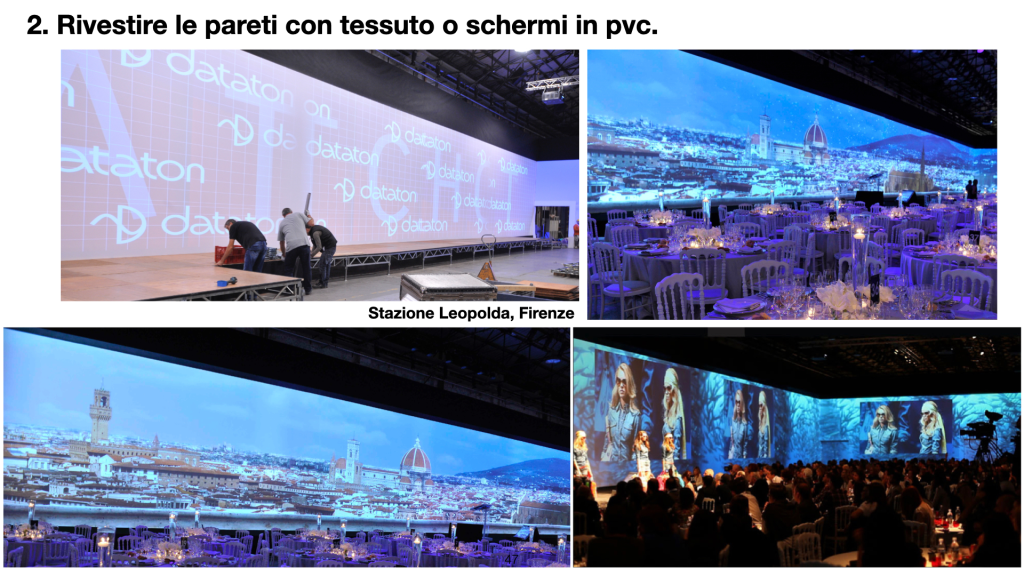
GUESS RETAIL EUROPEAN MEETING : IMMERSIVE DINING EXPERIENCE STAZIONE LEOPOLDA FIRENZE 2012







THE FAKE FACTORY “IMMERSIVE DINING EXPERIENCE”
immersive multi sensory experience (2012)
design&direction: STEFANO FAKE & THE FAKE FACTORY
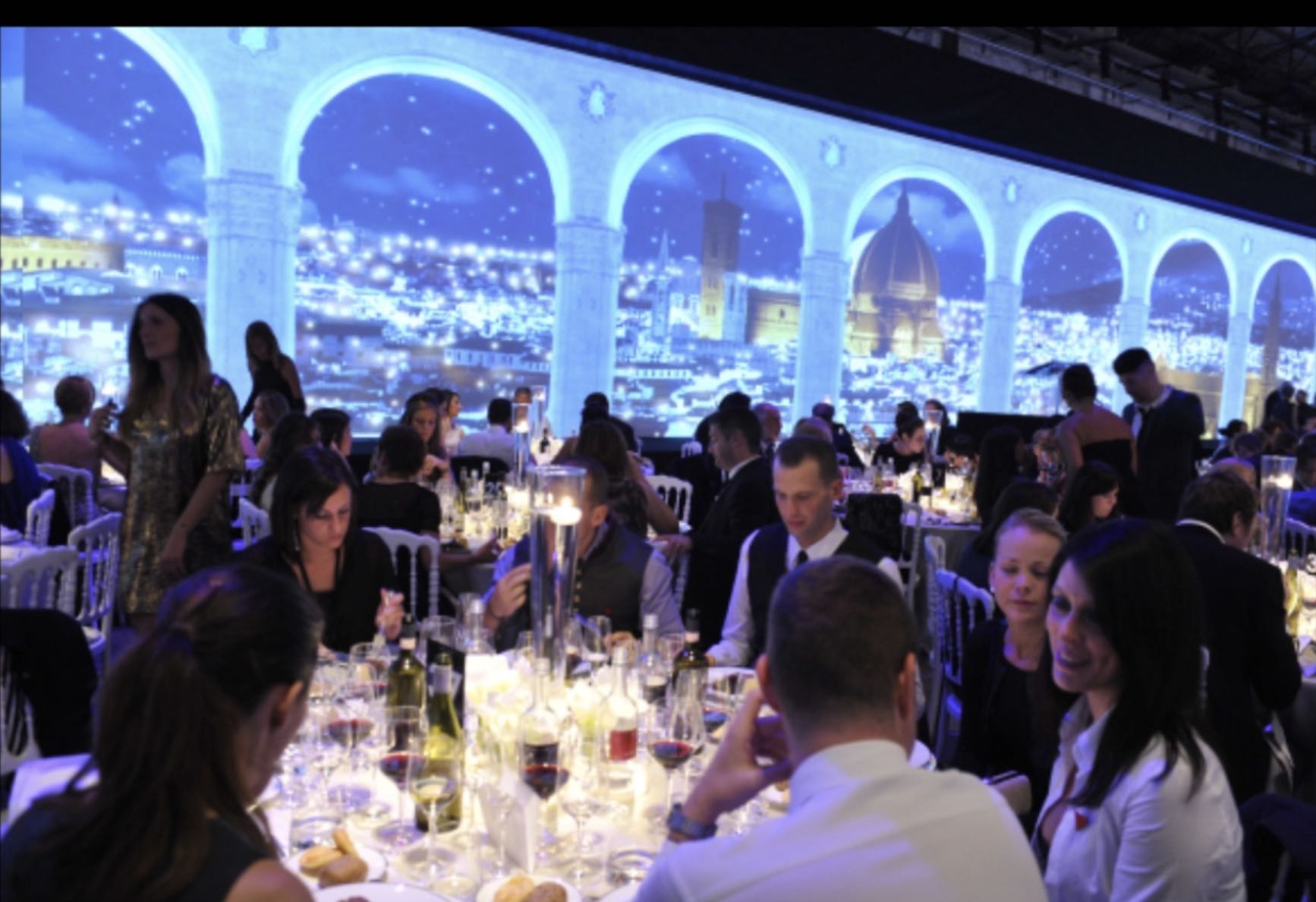
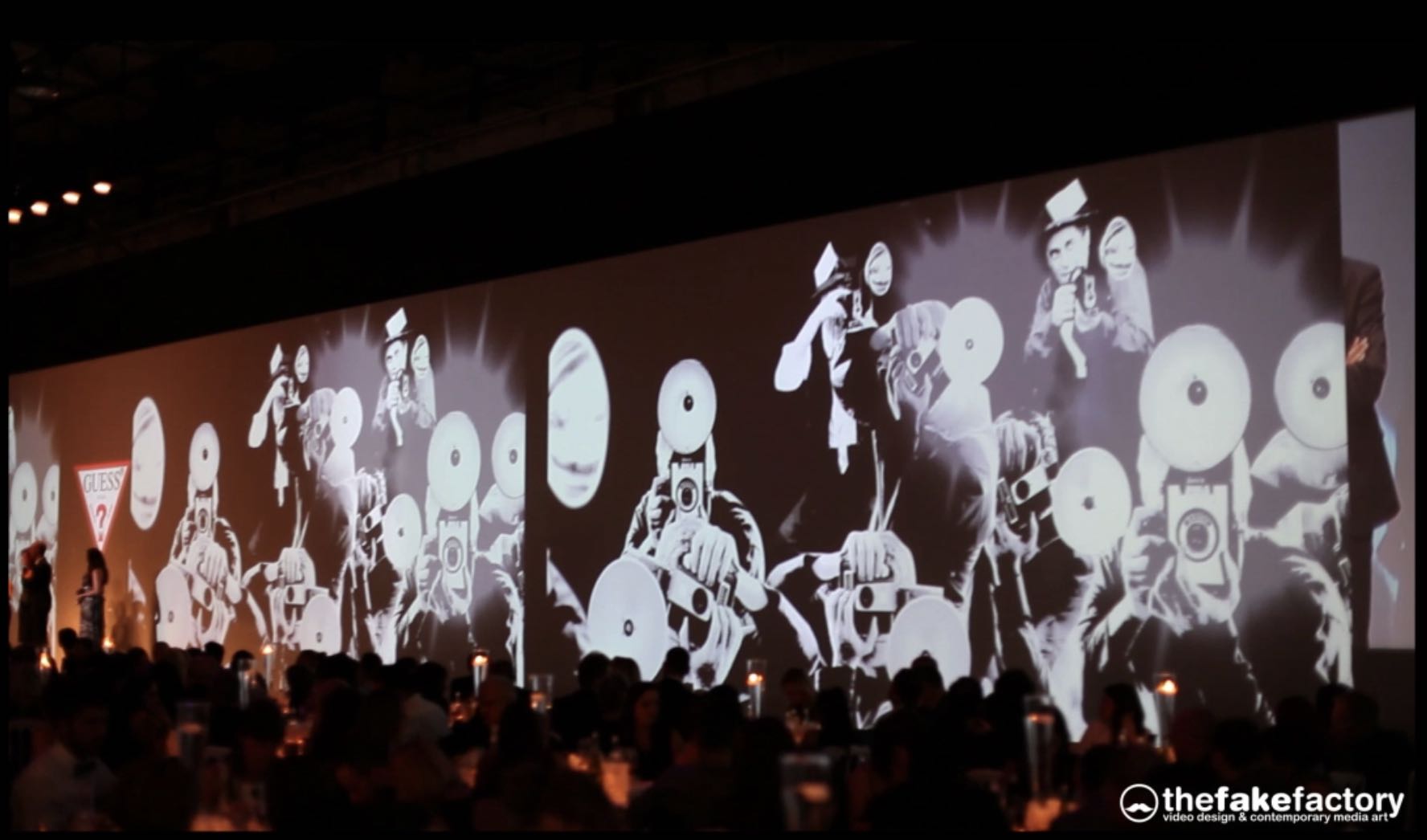
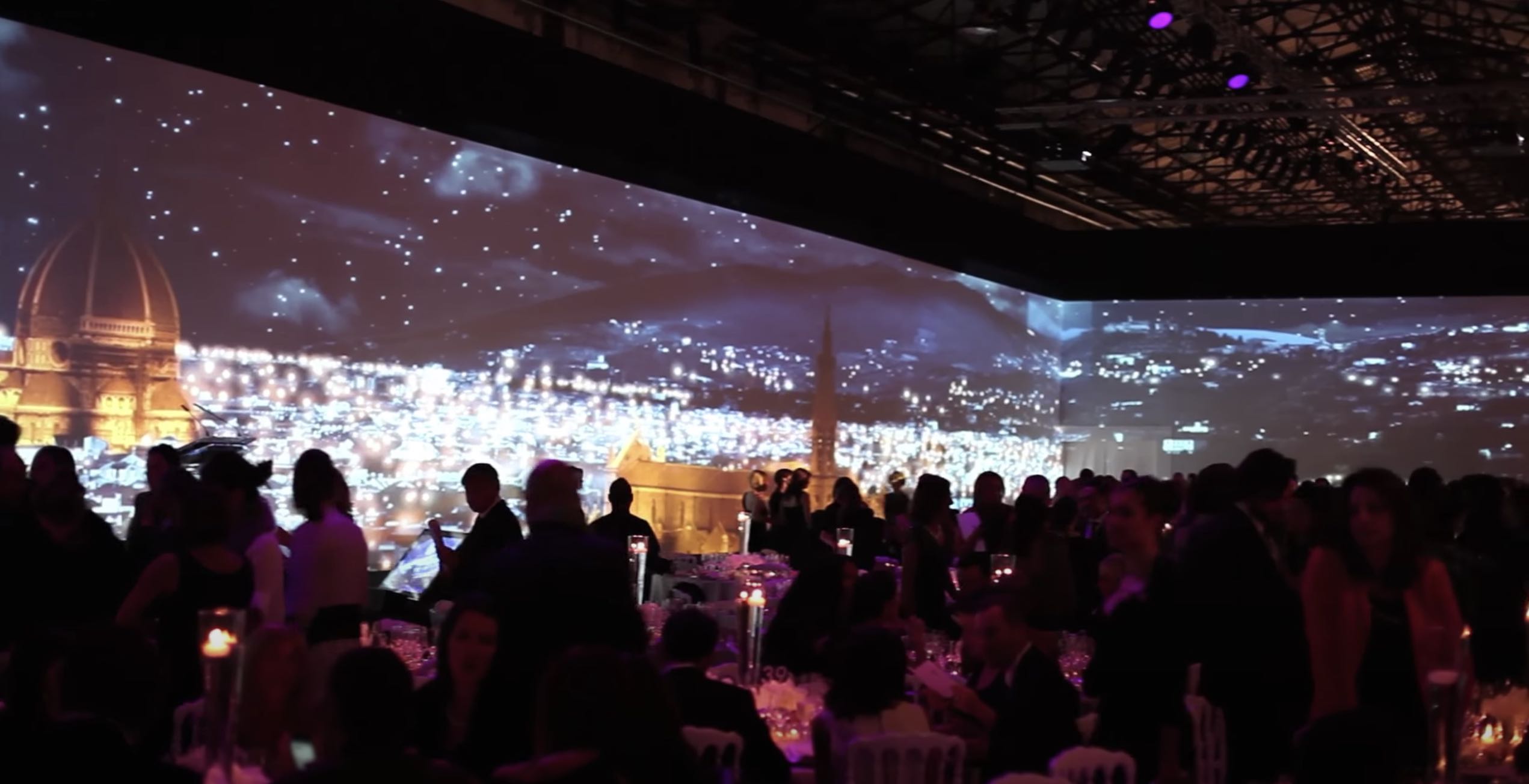
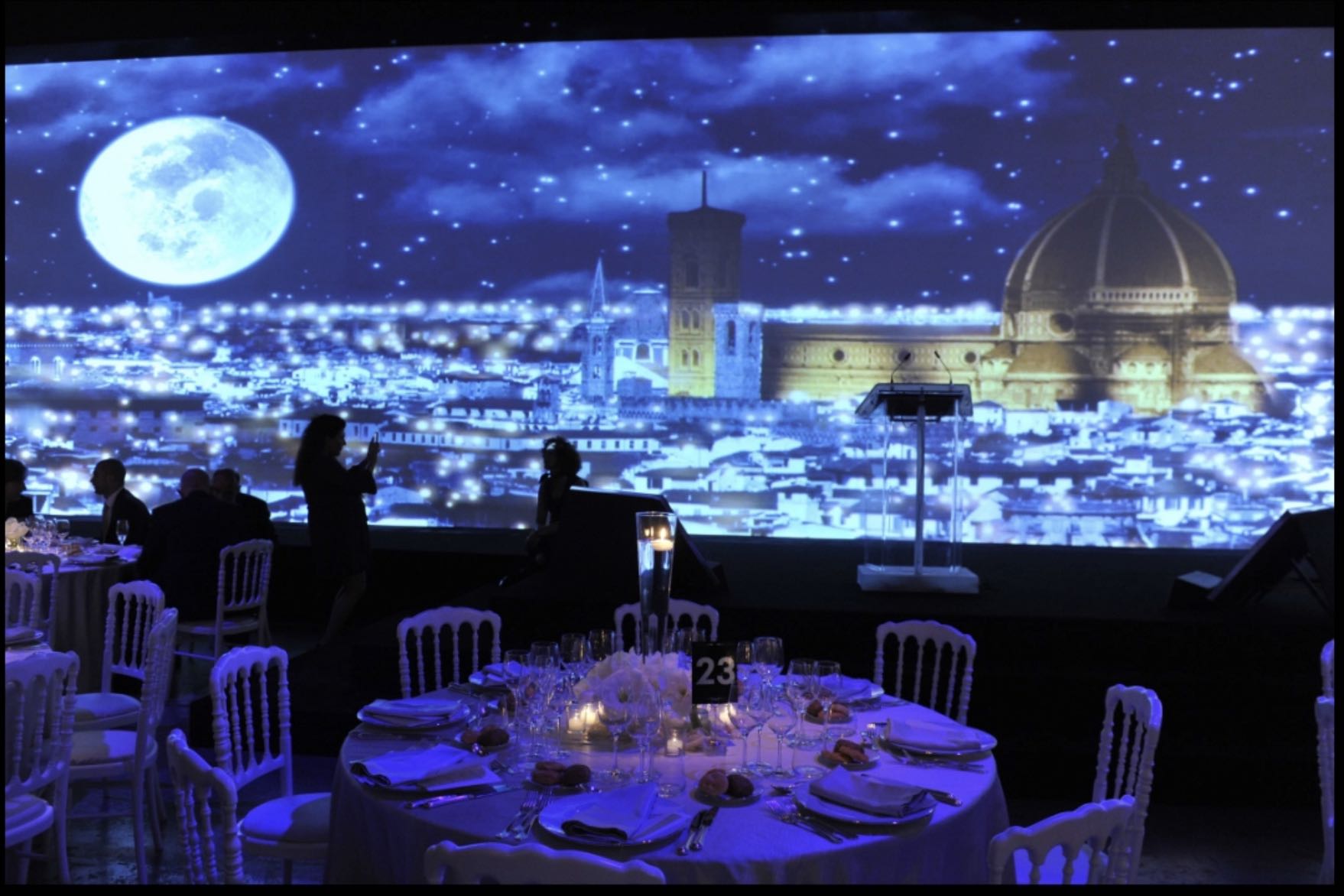
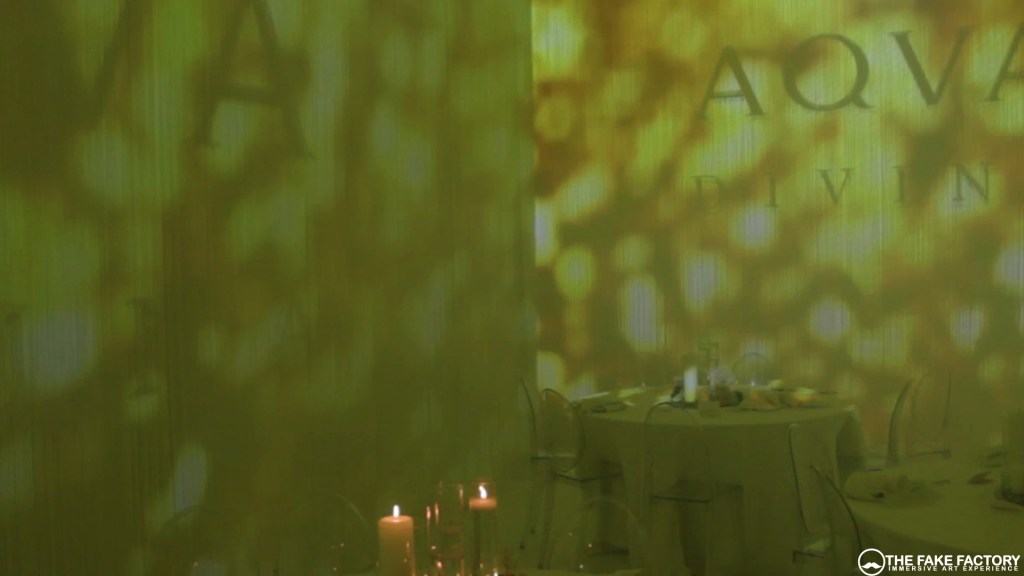
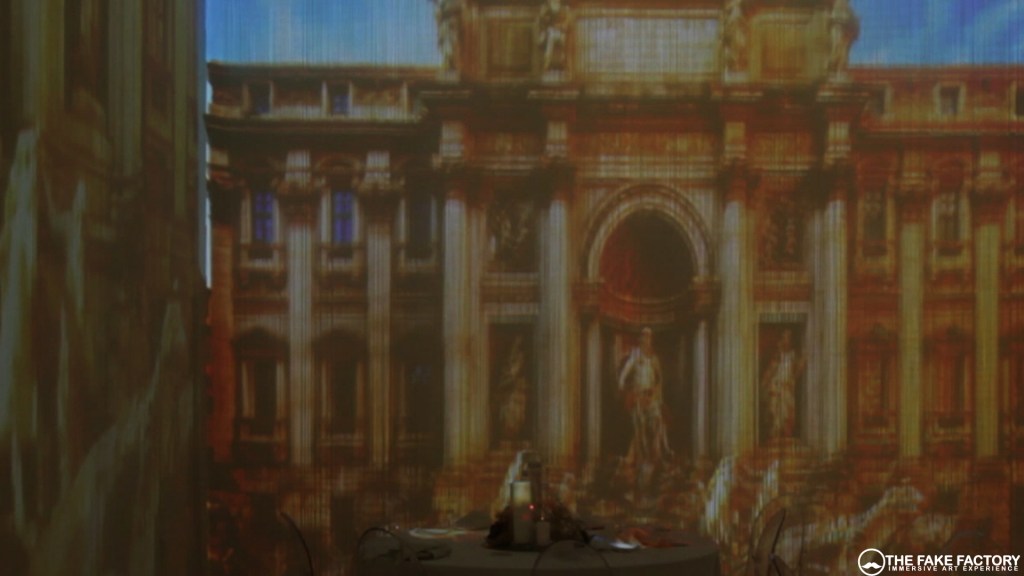
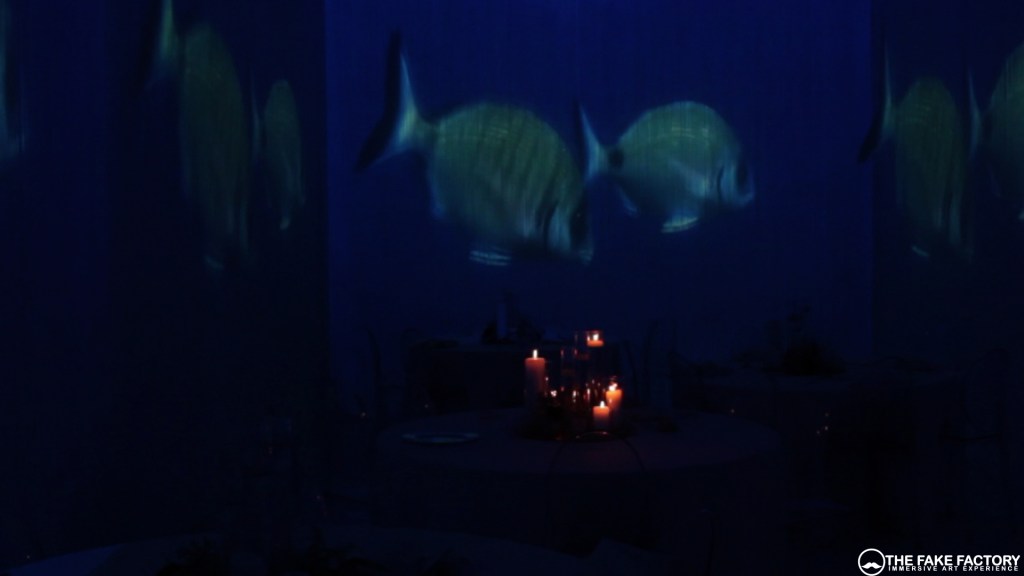
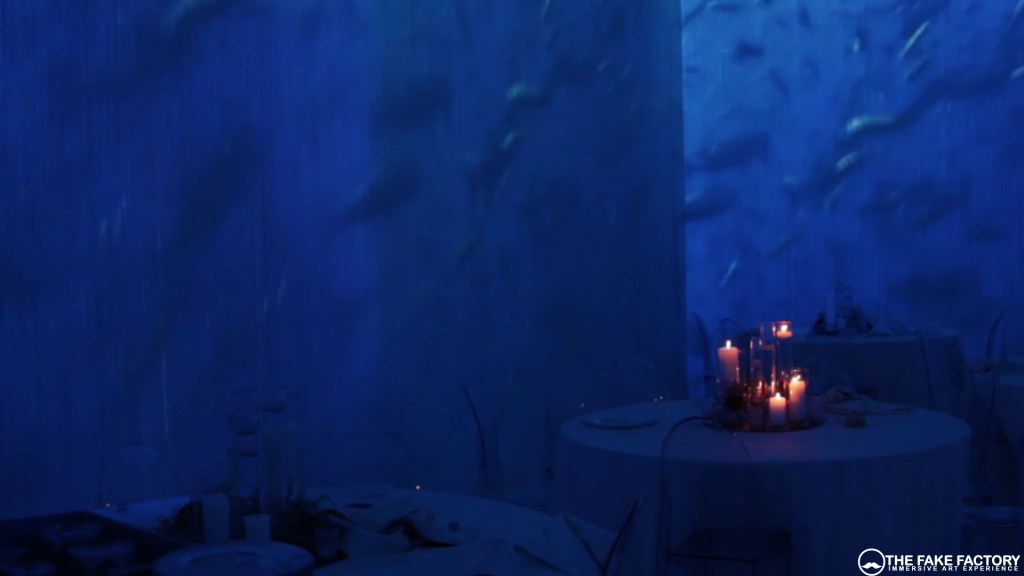
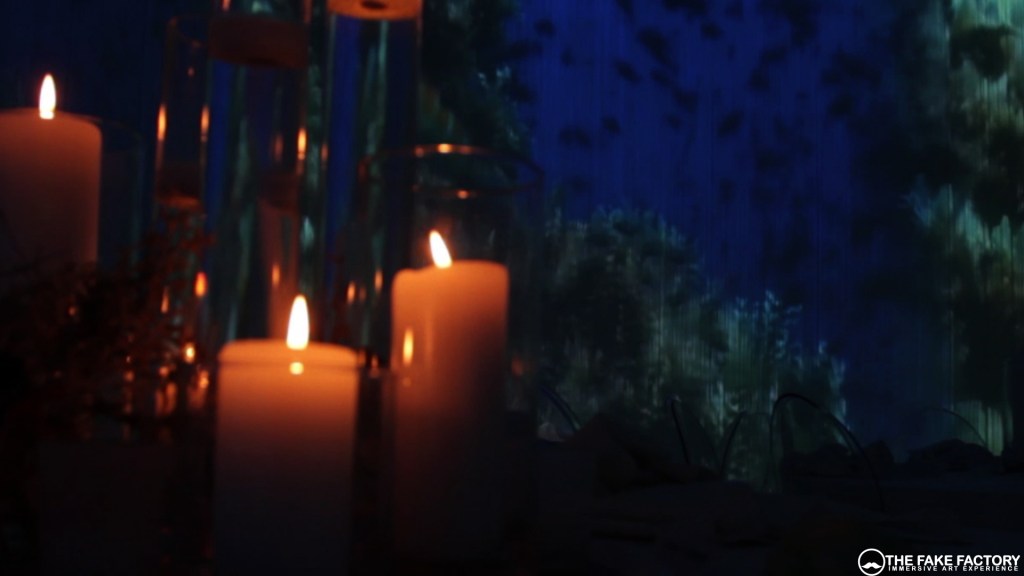
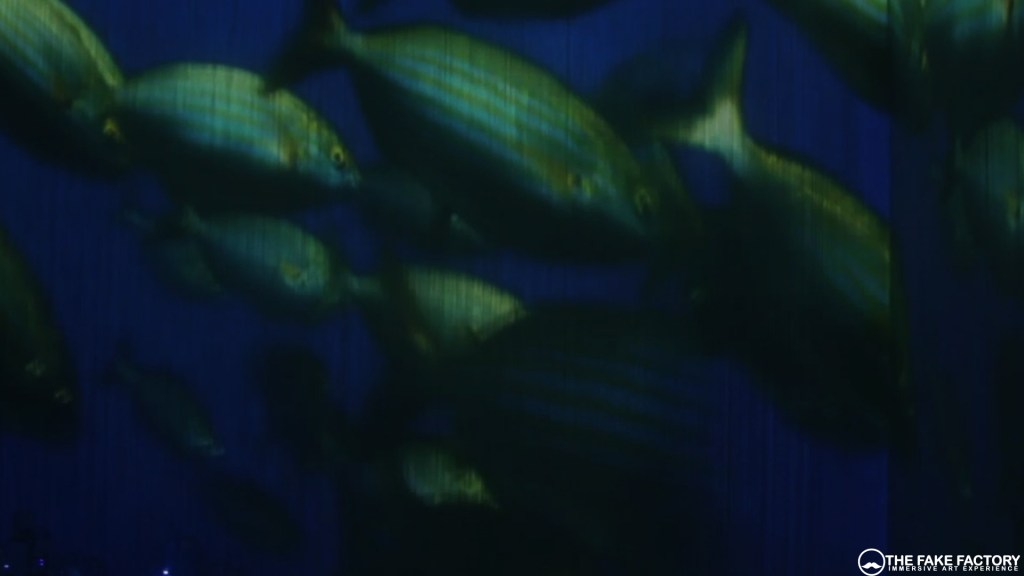
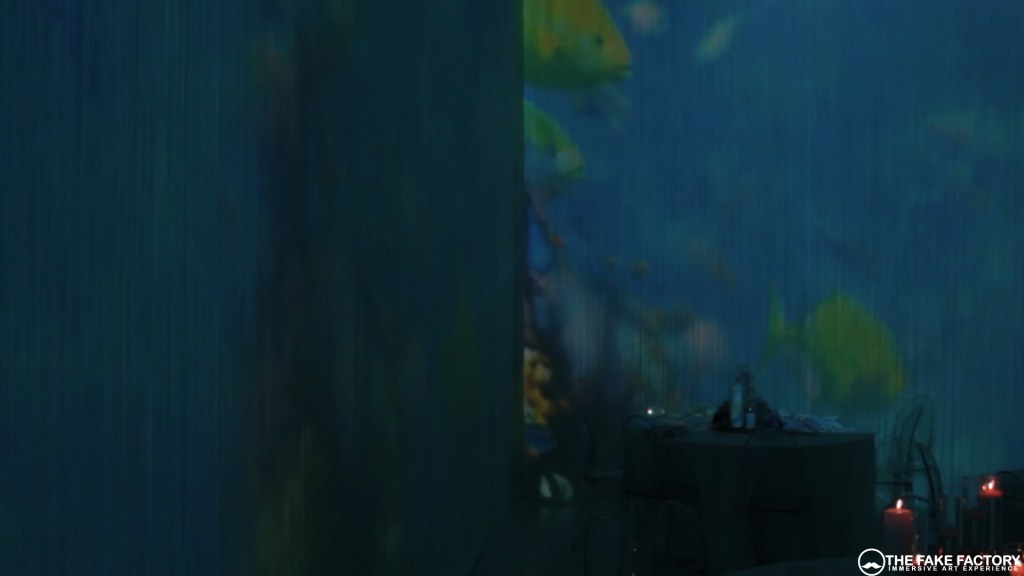
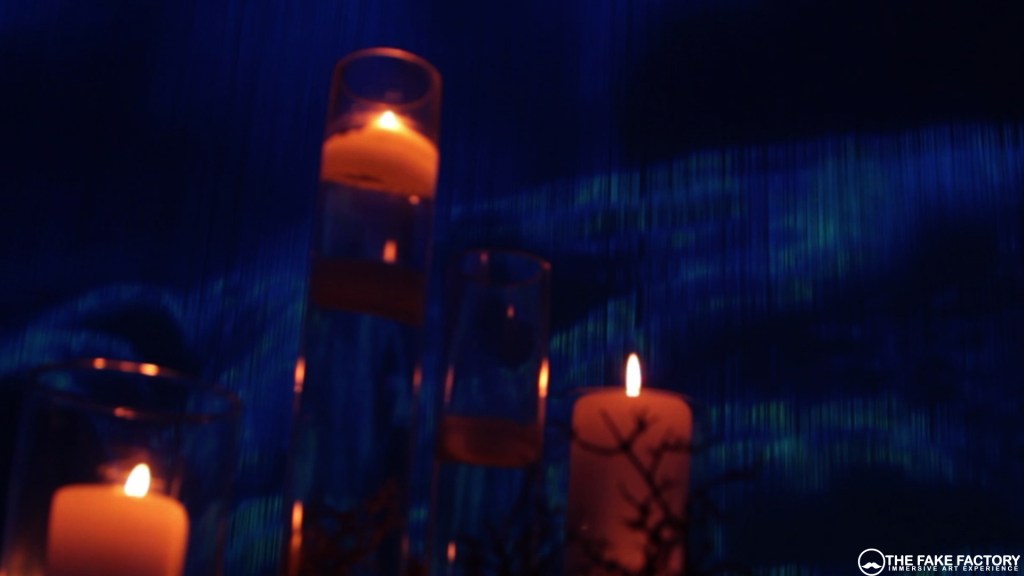
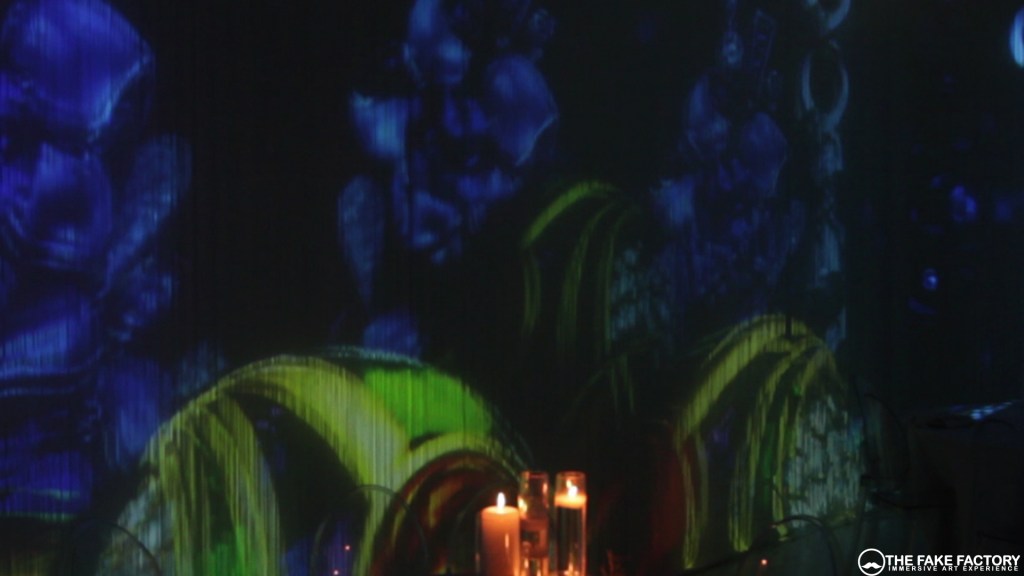
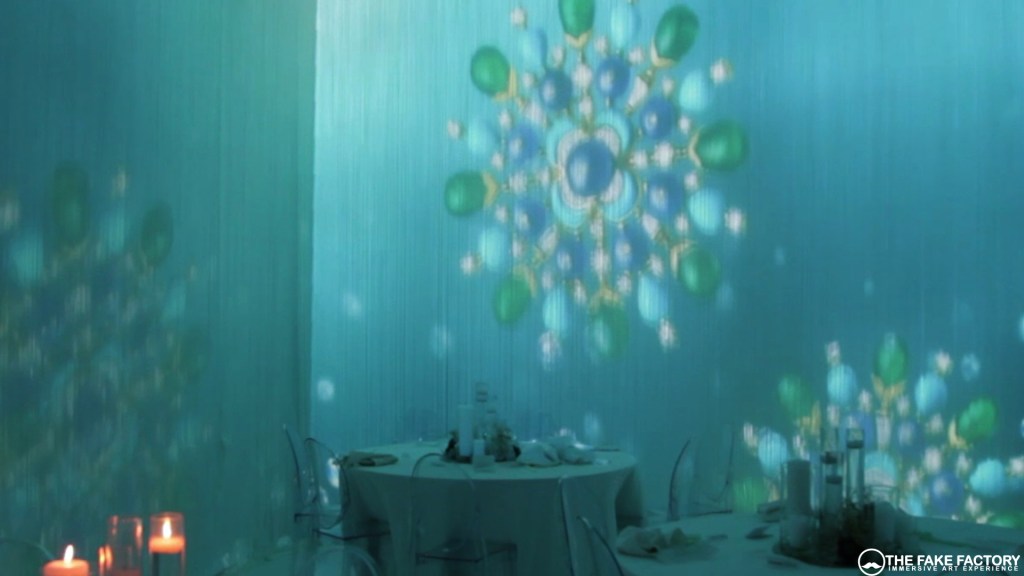
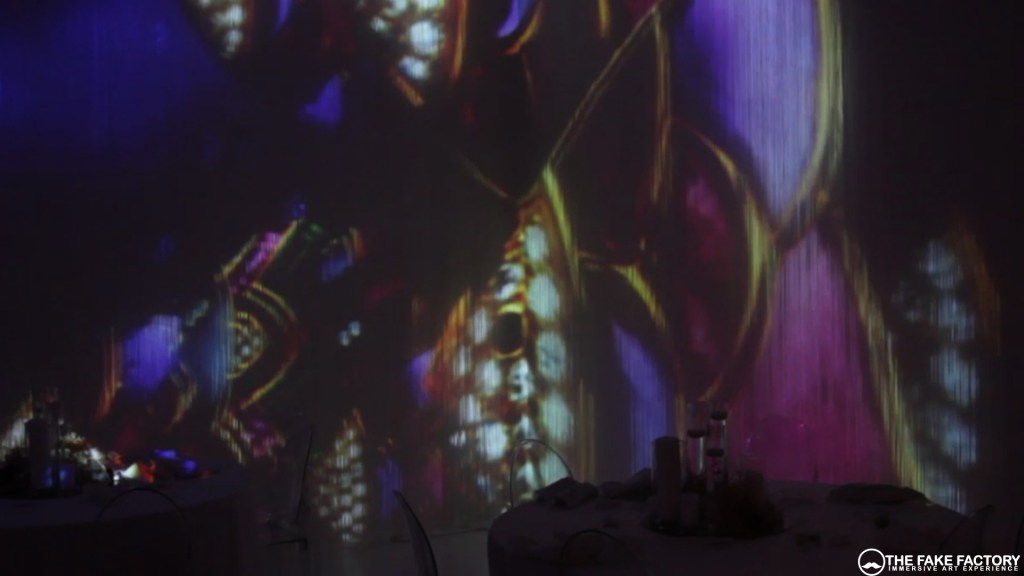
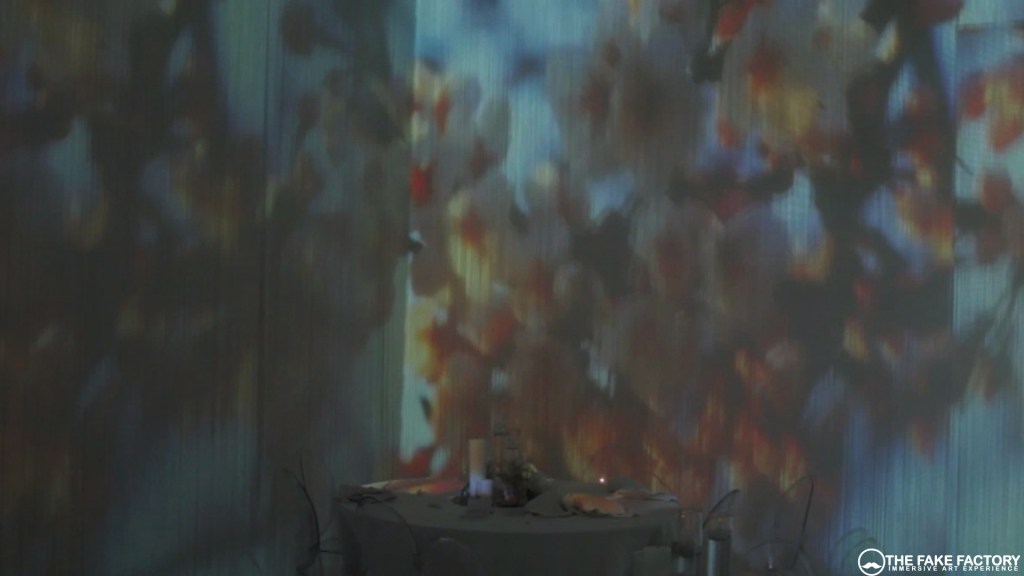
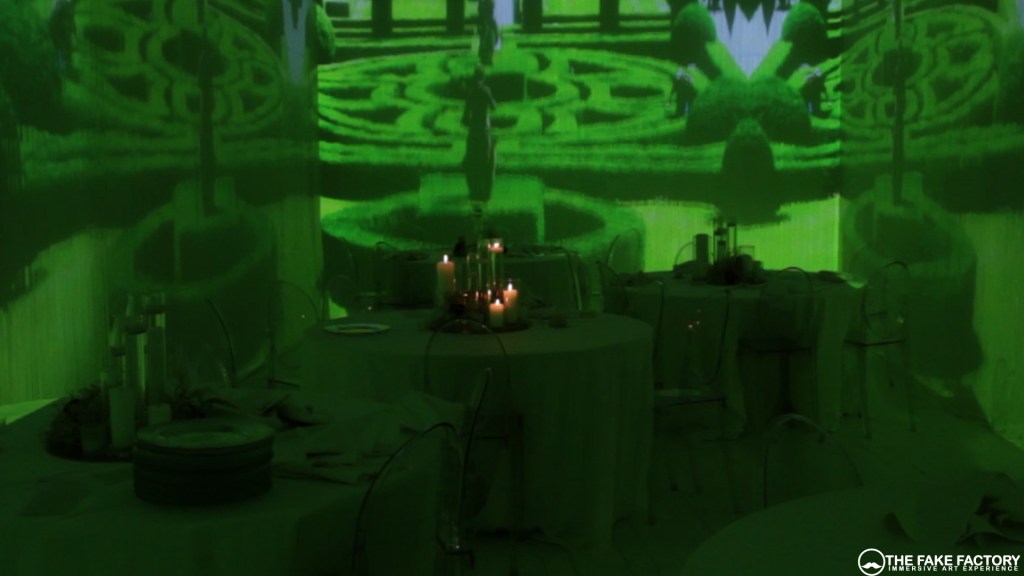
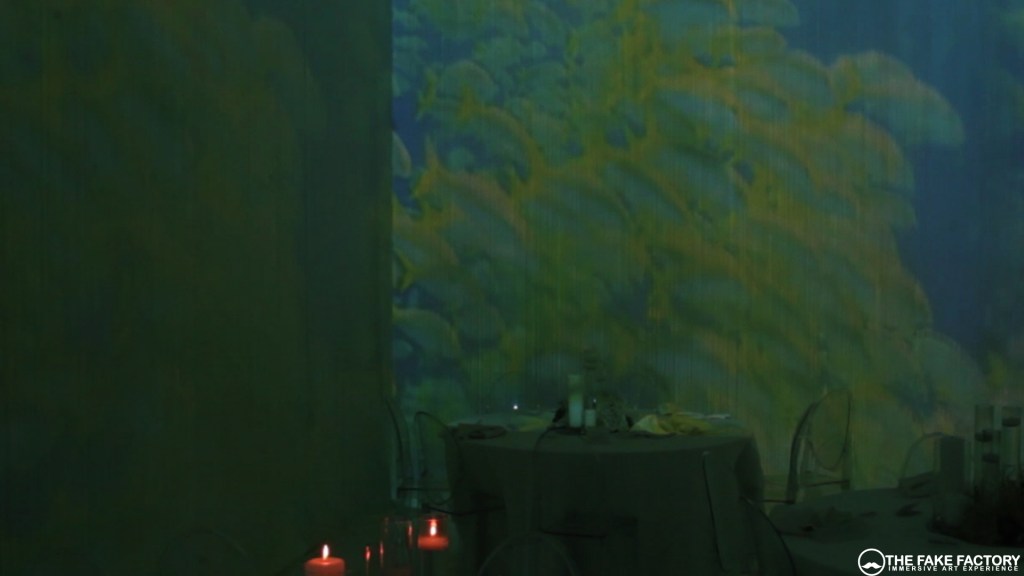
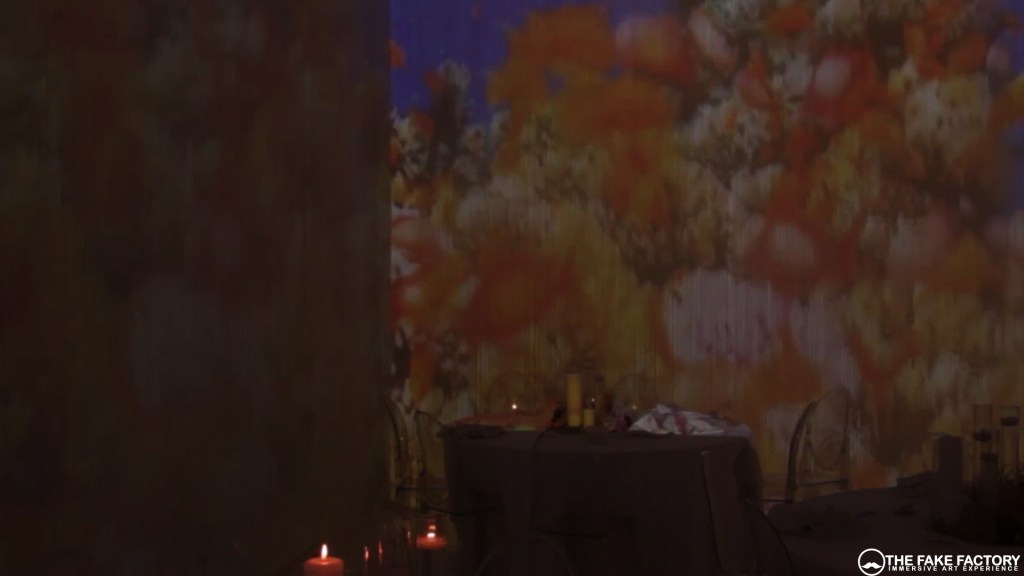
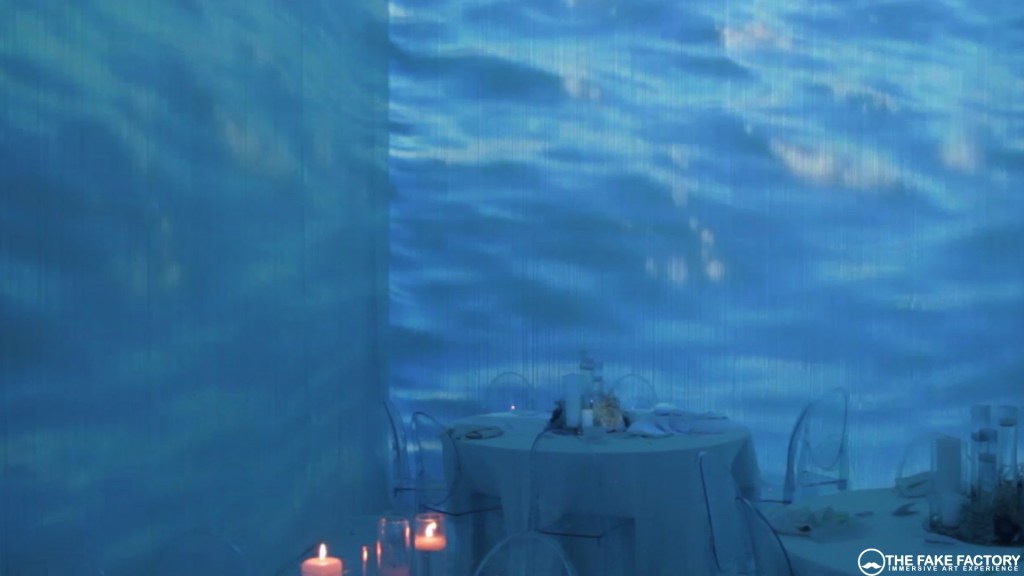
The Immersive Dining Experience, created by Stefano Fake & The Fake Factory in 2012 at the Stazione Leopolda in Florence, was one of the boldest and most innovative experiments in the field of immersive installations, combining digital art, video mapping, and a unique gastronomic experience. The Immersive Dining Experience was designed to immerse guests in a completely projected environment, where all elements were transformed through images and sounds. The Stazione Leopolda, a spacious and evocative venue, was used as a giant canvas for a visual and sensory experience that engaged over 1,000 guests simultaneously. The central idea of the installation was to create an environment where time, space, and taste merged into a single sensory experience. Light and video projection were used to transform the entire room into a visual landscape that changed throughout the evening, alternating scenarios, atmospheres, and emotions, synchronized with the moments of the meal and product presentations. The video projection was not merely a decorative element but an integral part of an experience that shifted and adapted in real-time, following the flow of the dinner and the interaction with the guests.
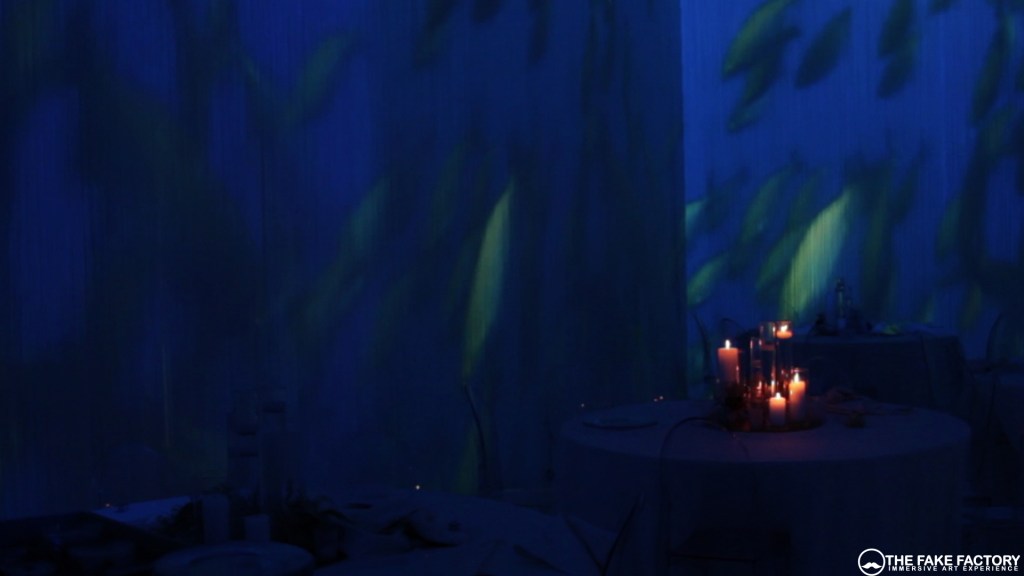
Light, as a visual and atmospheric element, was used to create an intense feeling of immersion, as if the entire space were a sort of “giant screen” that enveloped the participants, making them feel as part of a visual narrative coming to life around them. Each sequence of images and sounds was designed to evoke emotions, stimulate sensory perception, and, at the same time, interact with the rhythm and timing of the meal.
One of the most fascinating aspects of the installation was its ability to integrate with the culinary process. The projected images interacted with the dishes served, creating a synesthesia between the visual and the gustatory. Each course was accompanied by a variation of the projected scene, which altered the atmosphere of the room and stimulated a different sensory response. The idea was to blend the experience of food with that of the visual, where the perception of flavor was amplified by visual and auditory stimulation. In such a context, visual art was not just an aesthetic complement but became part of the culinary narrative, where each dish and each moment of the meal was linked to changes in the surrounding environment. The final result was an experience that challenged the boundaries between art, gastronomy, and space.
This installation had a significant impact on the world of immersive art and sensory experiences. The Immersive Dining Experience brought video mapping out of traditional exhibition spaces and integrated it with a daily experience such as lunch or dinner, paving the way for new forms of cultural consumption and social interaction. Beyond this artistic innovation, the event highlighted how technology can be creatively used to transform physical environments into fluid, interactive spaces, making the audience not just passive observers but active participants within a work that evolved in real-time.
The Immersive Dining Experience of 2012 at the Stazione Leopolda represents a turning point in digital art and immersive installations. It allowed the exploration of new territories where video mapping, gastronomy, and physical space intertwine, offering a unique experience that marked a change in the way we think about artistic and sensory experiences. With over 1,000 guests involved, this installation showcased the potential of video mapping as a tool to create immersive sensory experiences that go beyond visual art, engaging all the senses in a continuous flow of transformations and perceptions.
L’Immersive Dining Experience realizzata da Stefano Fake & The Fake Factory nel 2012 alla Stazione Leopolda di Firenze è stata una delle sperimentazioni più audaci e innovative nel campo delle installazioni immersive, combinando arte digitale, video mapping e un’esperienza gastronomica unica.
La Immersive Dining Experience è stata progettata per immergere gli ospiti in un ambiente completamente proiettato, dove tutti gli elementi erano trasformati attraverso immagini e suoni. La Stazione Leopolda, uno spazio ampio e suggestivo, è stata utilizzata come una grande tela per un’esperienza visiva e sensoriale che ha coinvolto oltre 1.000 ospiti contemporaneamente.
L’idea centrale dell’installazione era quella creare un ambiente in cui il tempo, lo spazio e il gusto si fondono in un’unica esperienza sensoriale. La luce e la proiezione video venivano usate per trasformare l’intera stanza in un paesaggio visivo che cambiava durante il corso della serata, alternando scenari, atmosfere e emozioni, sincronizzandosi con i momenti del pasto e gli intermezzi di presentazione dei prodotti. La video proiezione non era un semplice elemento decorativo, ma parte integrante di un’esperienza che cambiava e si adattava in tempo reale, seguendo il flusso della cena e l’interazione con gli ospiti.
La luce, come elemento visivo e atmosferico, veniva utilizzata per creare un’intensa sensazione di immersione, come se l’intero spazio fosse una sorta di “schermo gigante” che avvolgeva i partecipanti, facendoli sentire come parte di una narrativa visiva che prendeva vita attorno a loro. Ogni sequenza di immagini e suoni era studiata per evocare emozioni, stimolare la percezione sensoriale e, allo stesso tempo, interagire con il ritmo e la temporalità del pasto.
Uno degli aspetti più affascinanti dell’installazione era la capacità di integrarsi con il processo culinario. Le immagini proiettate interagivano con i piatti serviti, creando una sinestesia tra visivo e gustativo. Ogni portata era accompagnata da una variazione della scena proiettata, che modificava l’atmosfera della sala e stimolava una risposta sensoriale diversa. L’idea era di fondere l’esperienza del cibo con quella visiva, dove la percezione del sapore veniva amplificata dalla stimolazione visiva e uditiva. In un contesto del genere, l’arte visiva non era solo un complemento estetico, ma diventava parte della narrativa culinaria, dove ogni piatto e ogni momento del pasto erano legati a cambiamenti nell’ambiente circostante. Il risultato finale era un’esperienza che sfidava i confini tra arte, gastronomia e spazio.
Questa installazione ha avuto un impatto significativo nel mondo dell’arte immersiva e delle esperienze sensoriali. “Immersive Dining Experience” ha portato l’arte del video mapping fuori dai tradizionali spazi espositivi e l’ha integrata con un’esperienza quotidiana come quella del pranzo o della cena, aprendo la strada a nuove forme di fruizione culturale e interazione sociale. Oltre a questa innovazione artistica, l’evento ha messo in evidenza come la tecnologia possa essere utilizzata in modo creativo per trasformare ambienti fisici in spazi fluidi e interattivi, facendo sì che il pubblico non fosse solo un osservatore, ma un partecipante attivo all’interno di un’opera che si evolveva in tempo reale.
L’Immersive Dining Experience del 2012 alla Stazione Leopolda rappresenta un punto di svolta nell’arte digitale e nelle installazioni immersive. Ha permesso di esplorare nuovi territori in cui video mapping, gastronomia e spazio fisico si intrecciano, offrendo un’esperienza unica che ha segnato un cambiamento nel modo in cui pensiamo alle esperienze artistiche e sensoriali. Con oltre 1.000 ospiti coinvolti, questa installazione ha mostrato il potenziale del video mapping come strumento per creare esperienze sensoriali immersive che vanno oltre l’arte visiva, coinvolgendo tutti i sensi in un flusso continuo di trasformazioni e percezioni.













 IMMERSIVE ART EXPERIENCE