STEFANO FAKE & THE FAKE FACTORY
MONET – IMMERSIVE ART EXPERIENCE
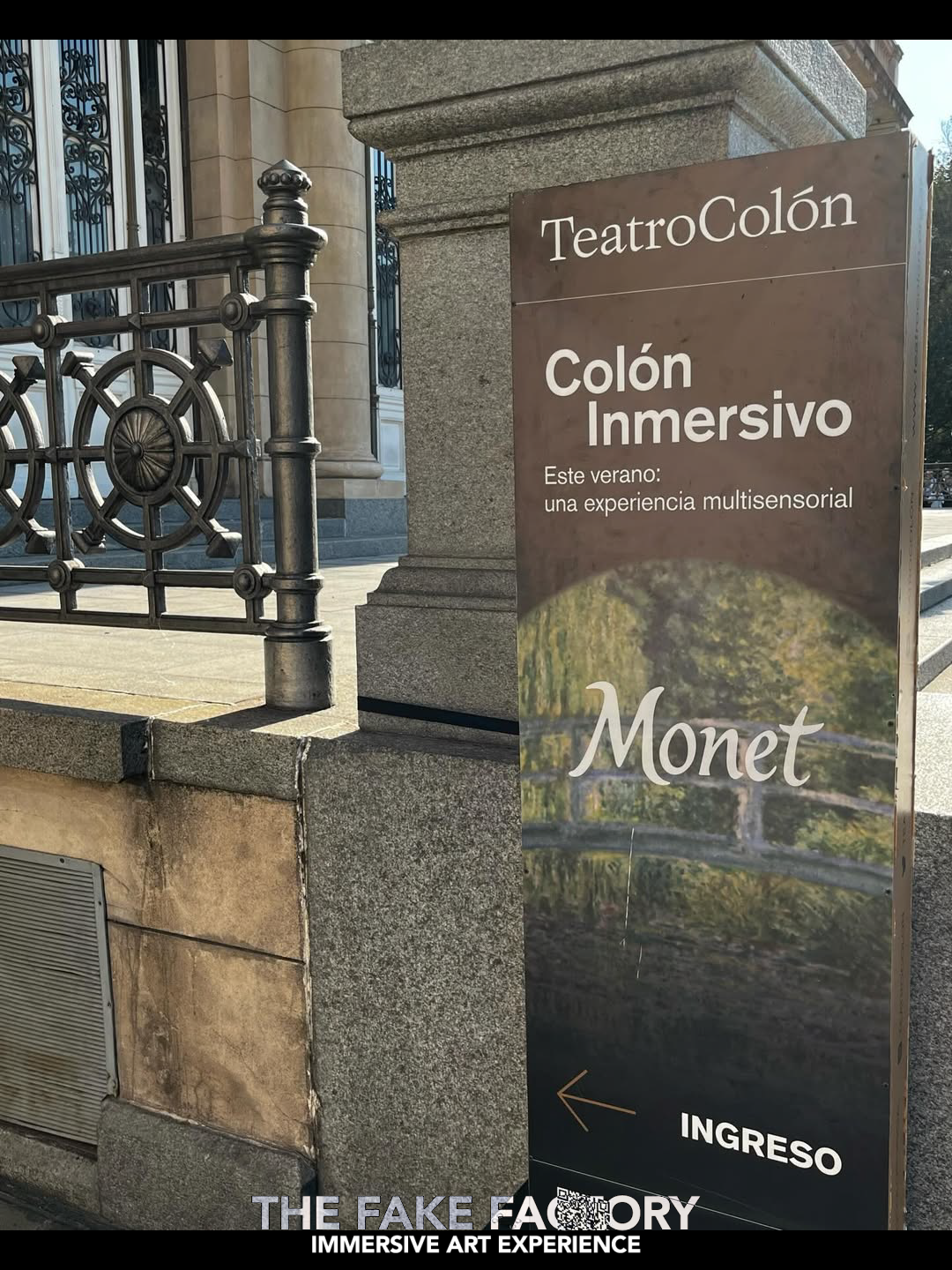
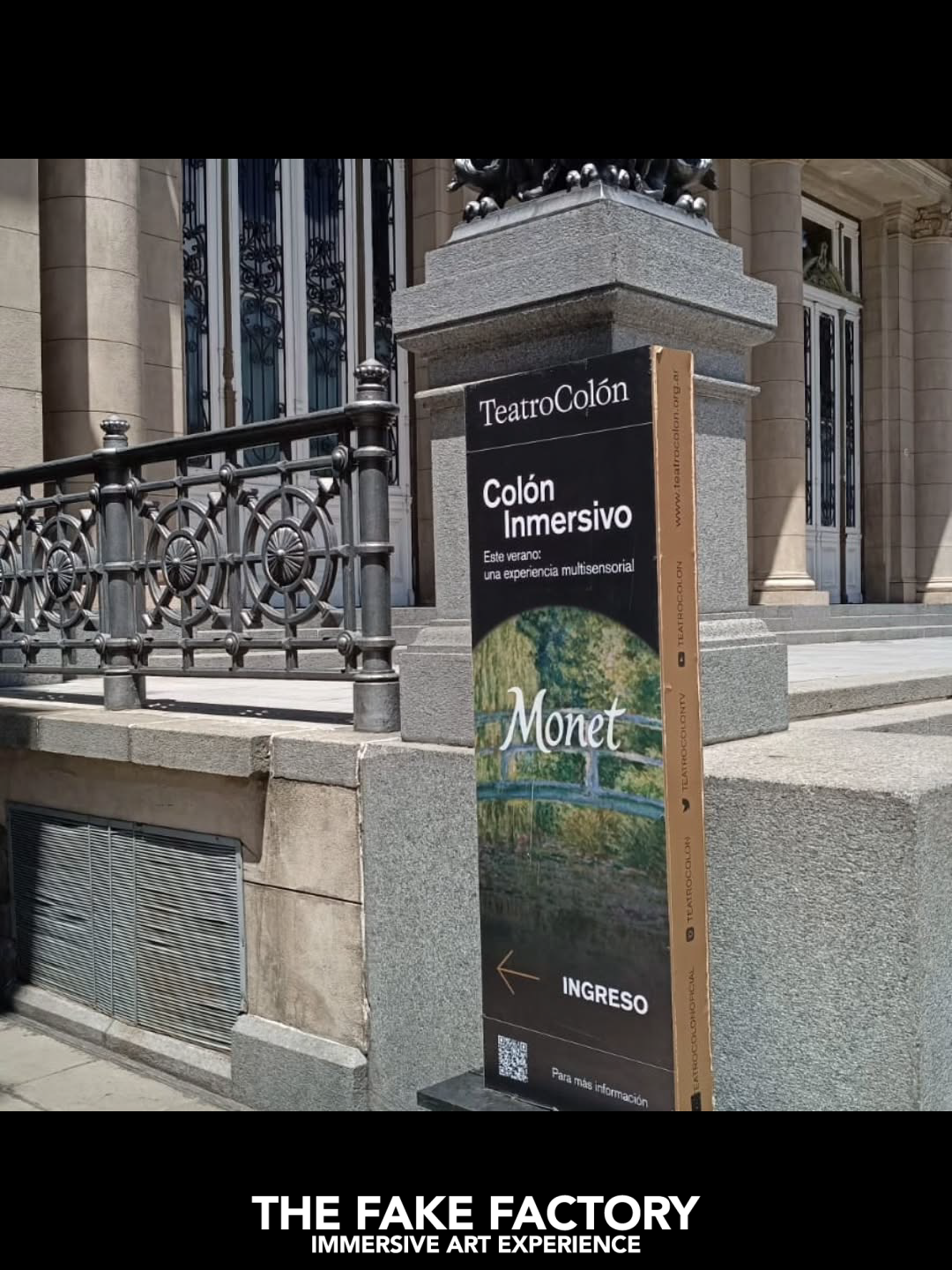
“MONET INMERSIVO” – Teatro Colón de Buenos Aires 2025/2026
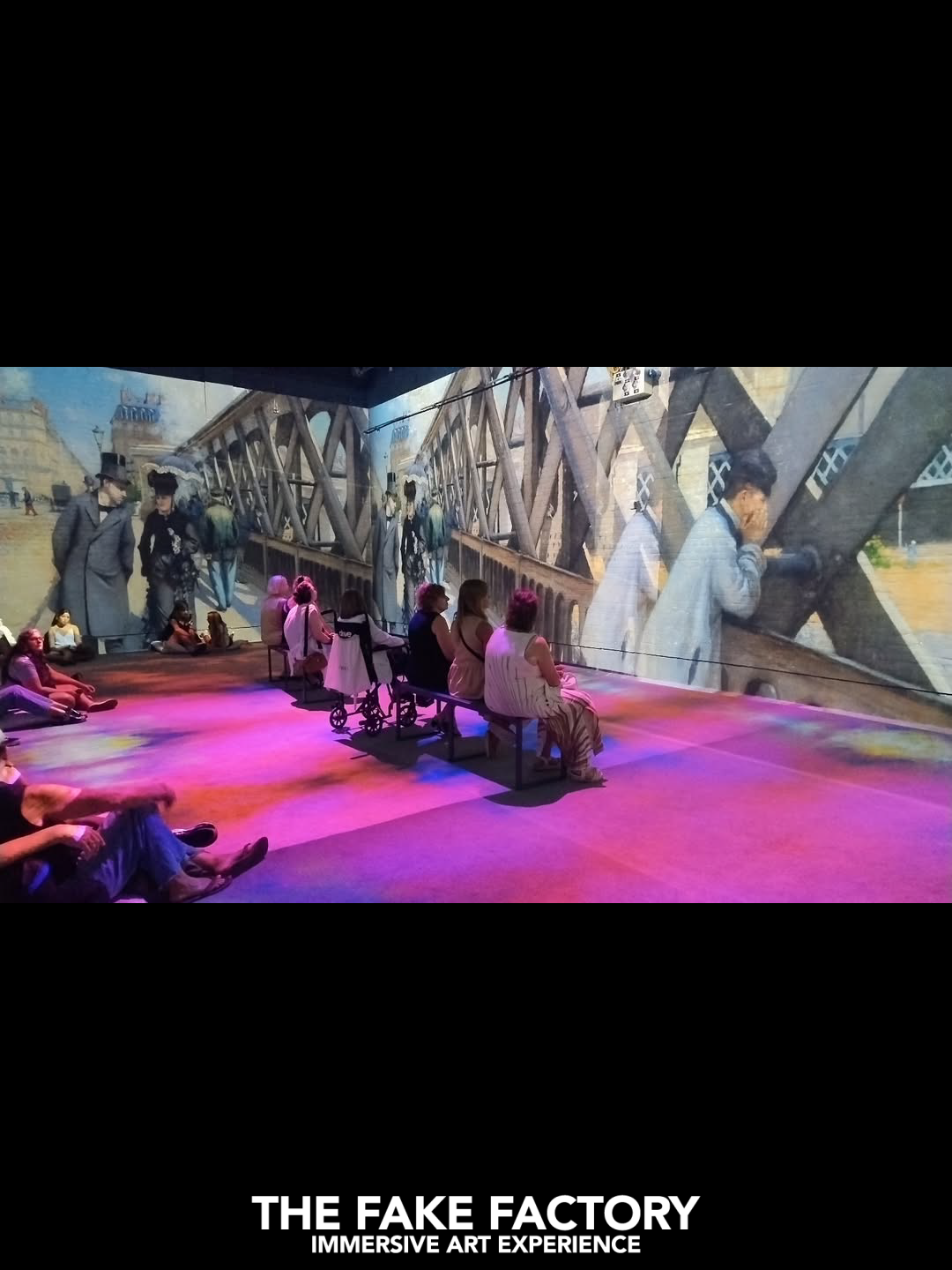
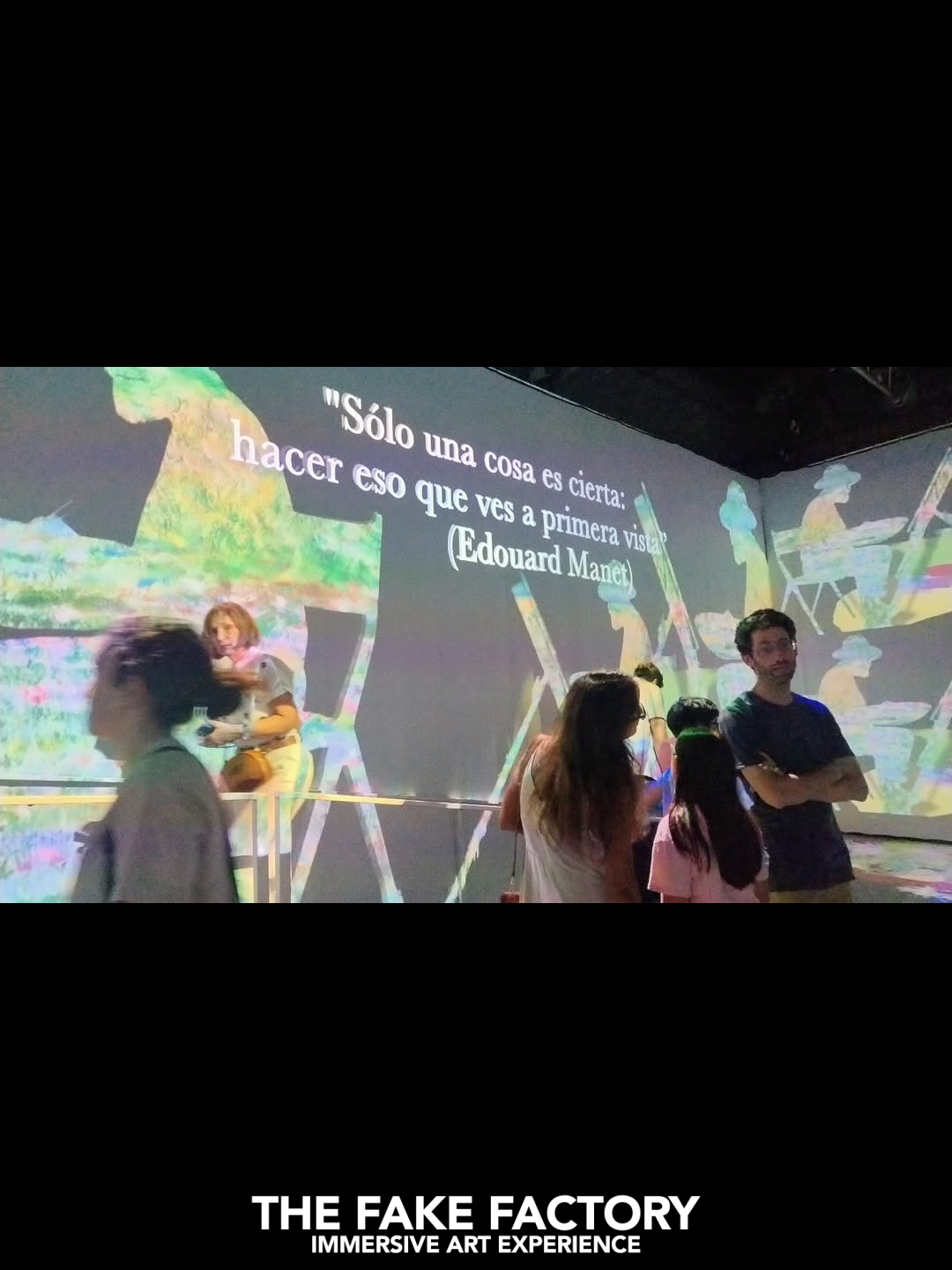
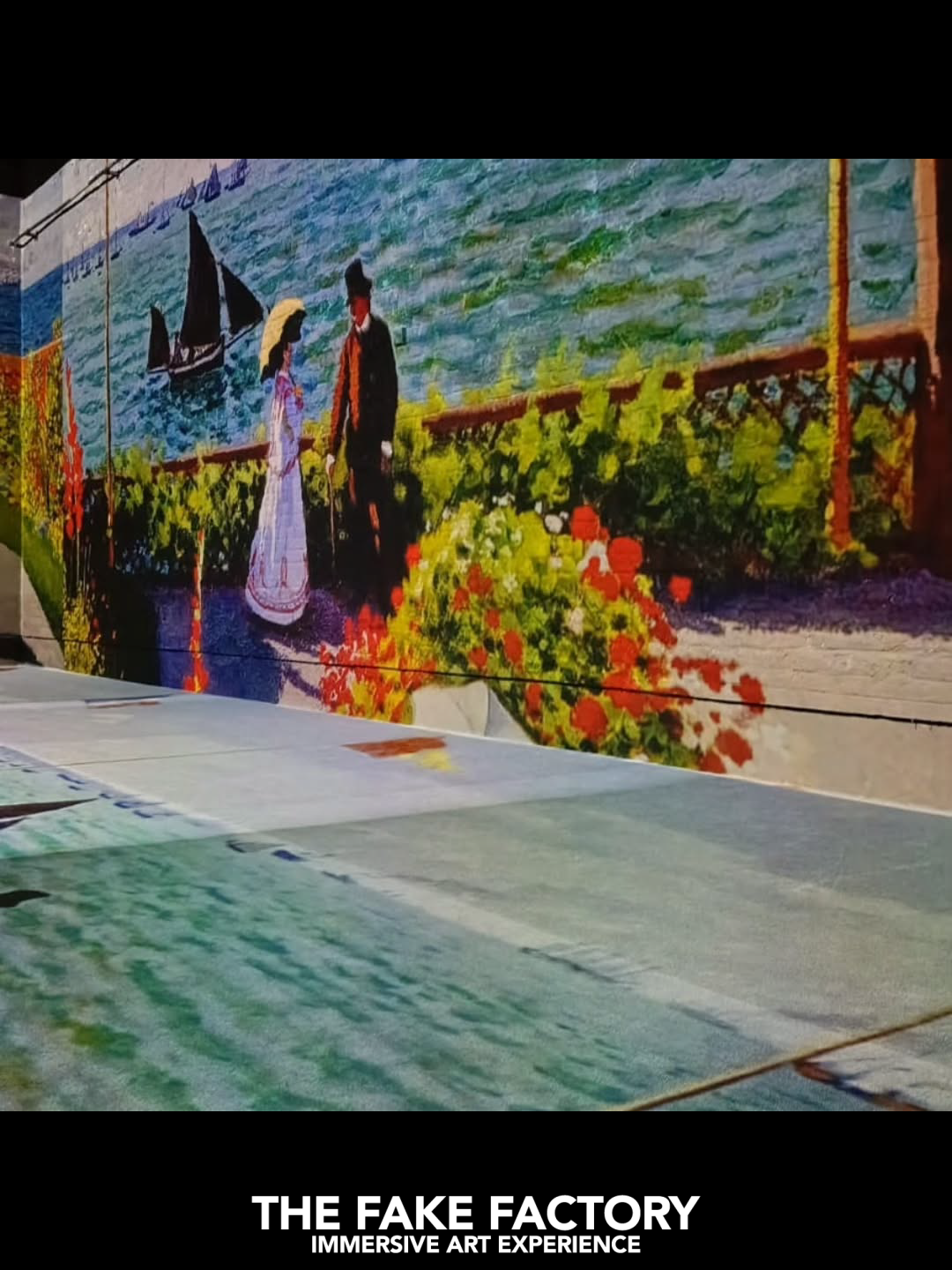
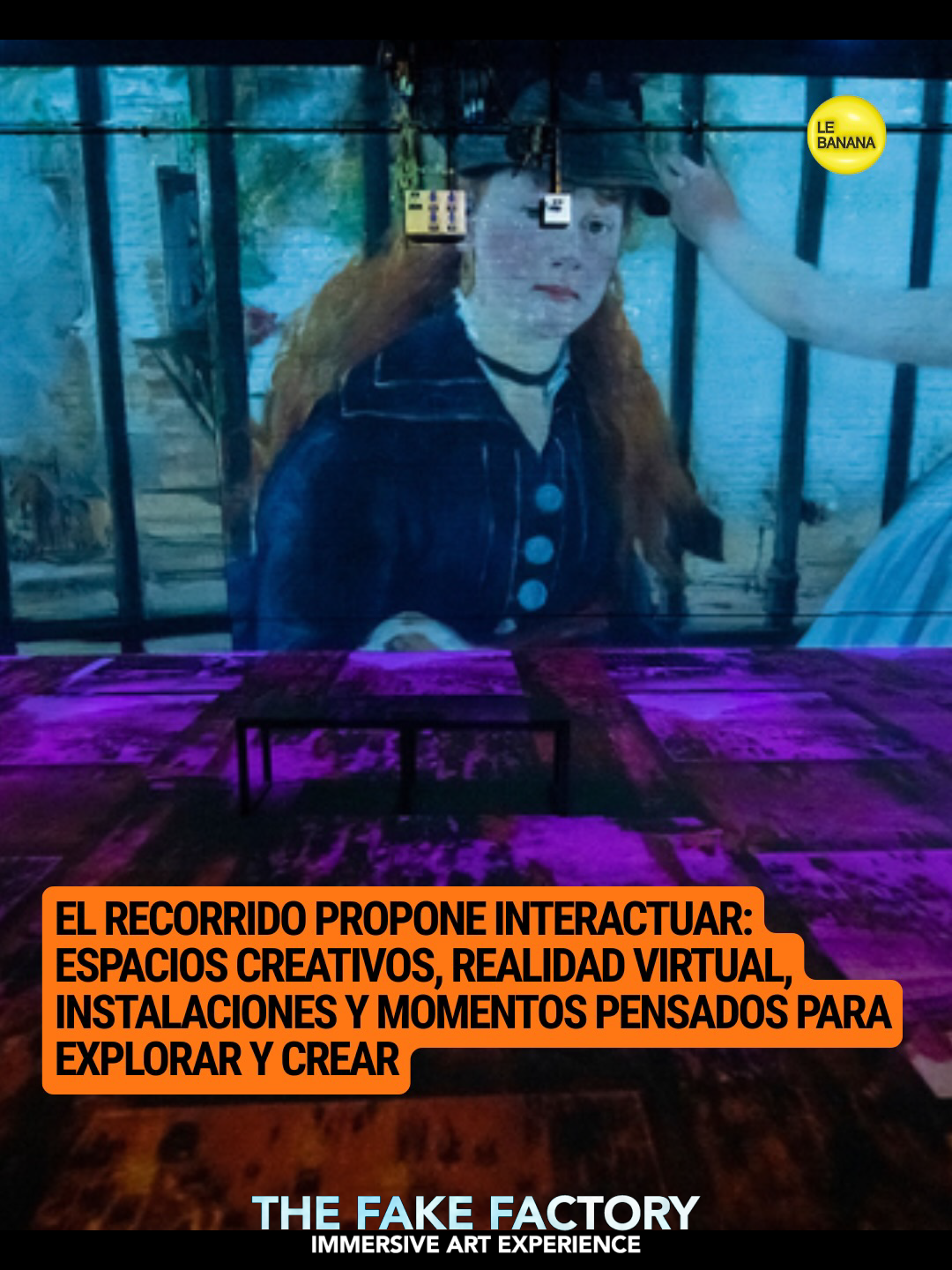
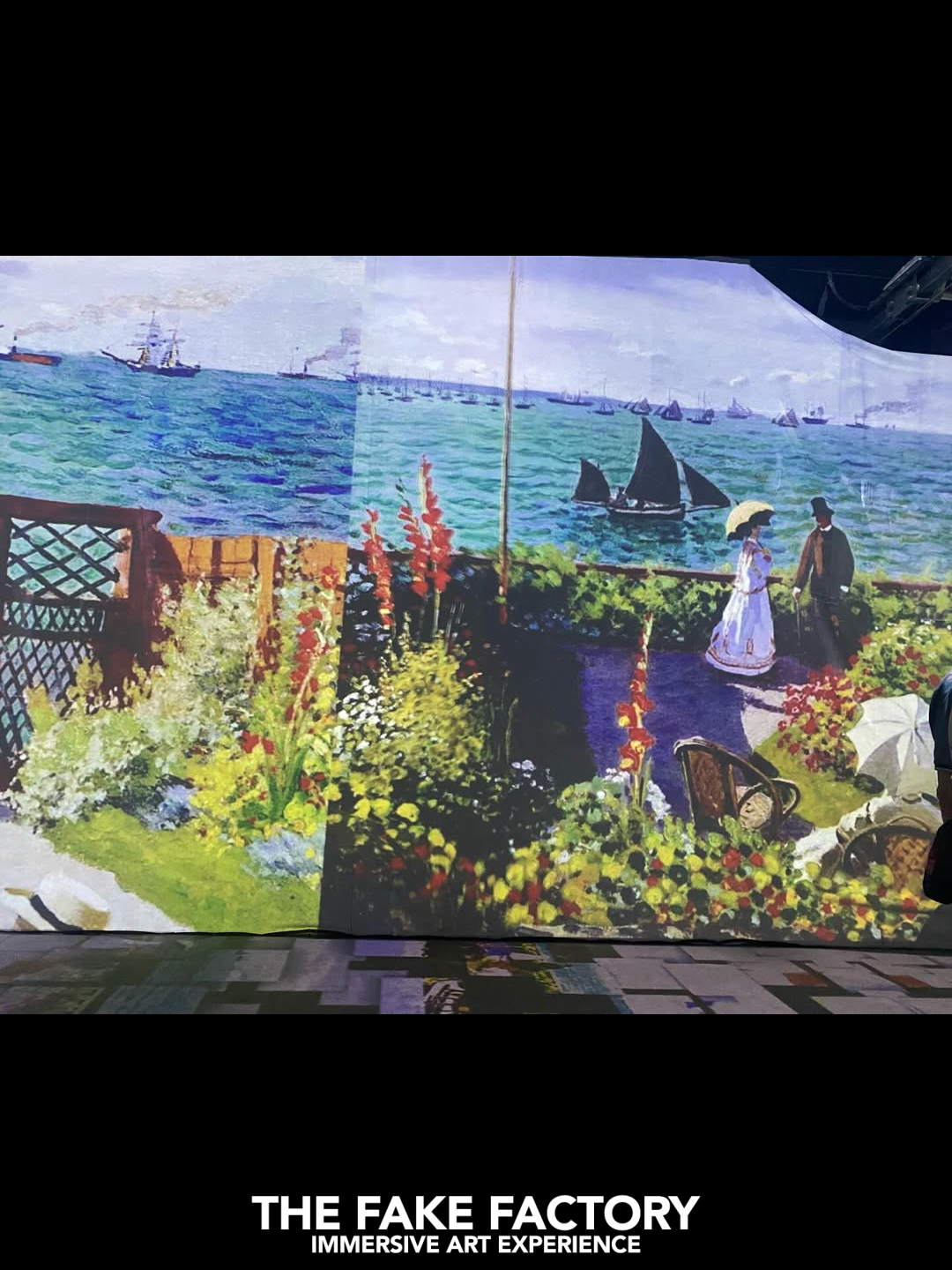
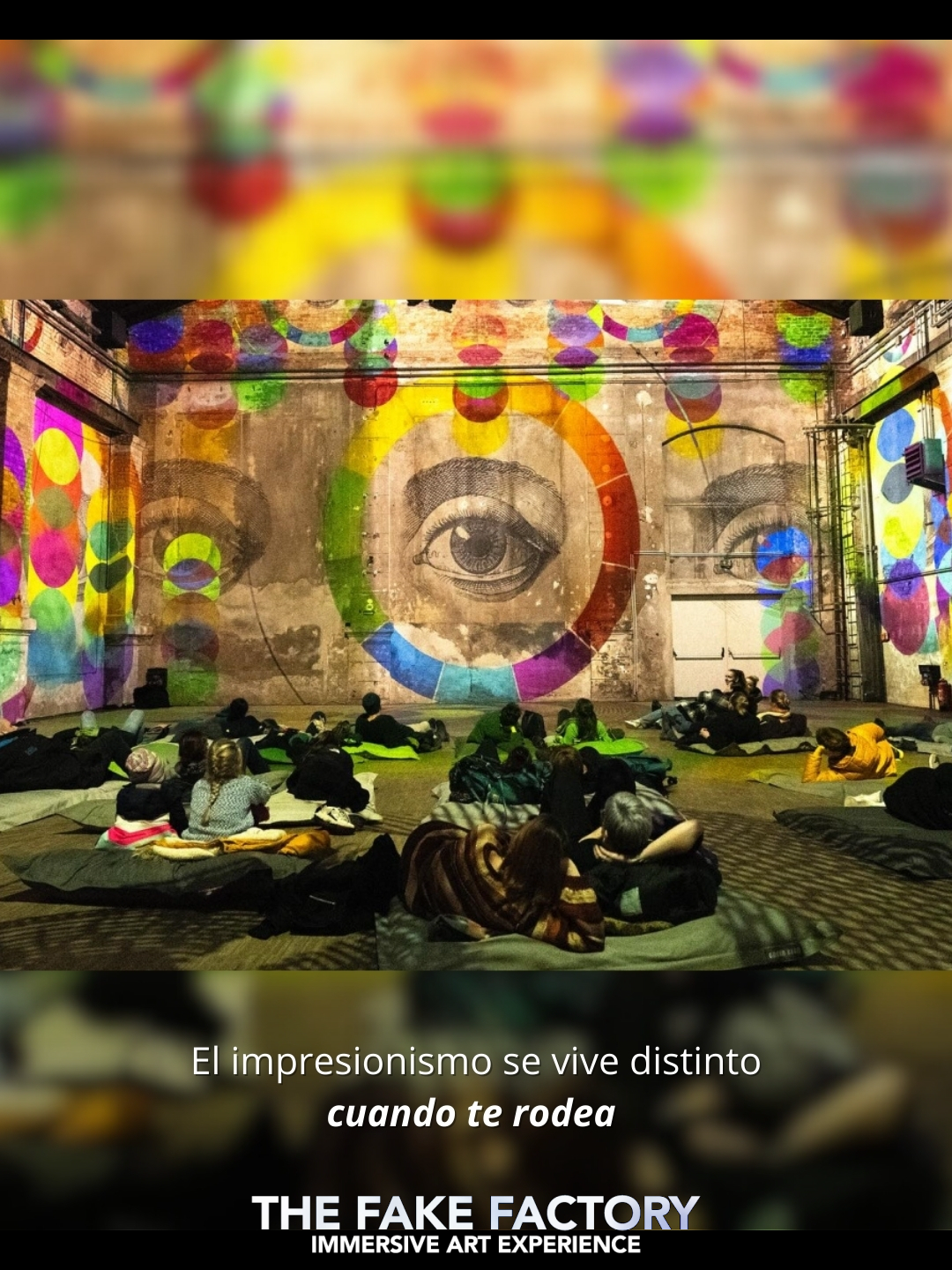
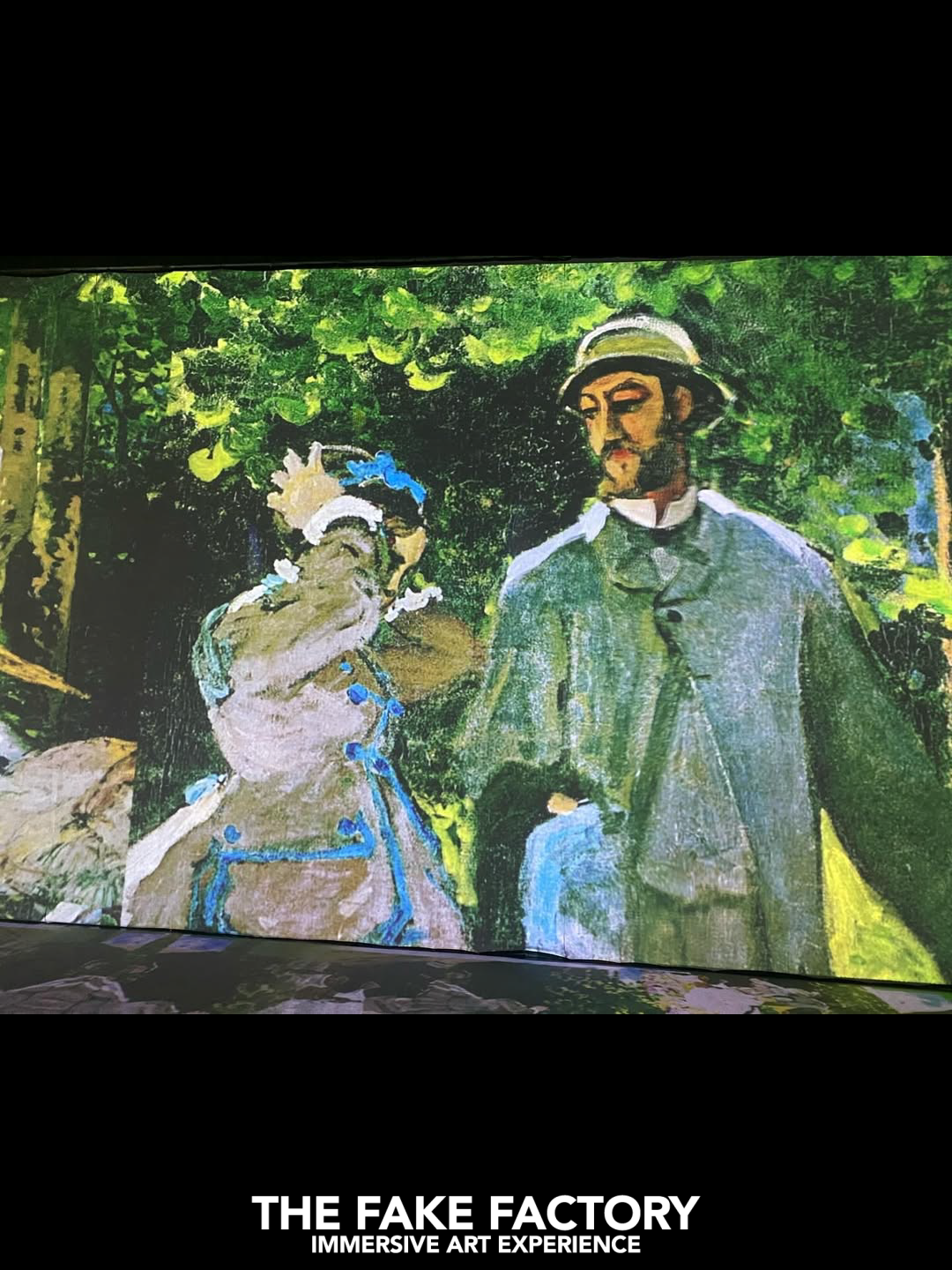
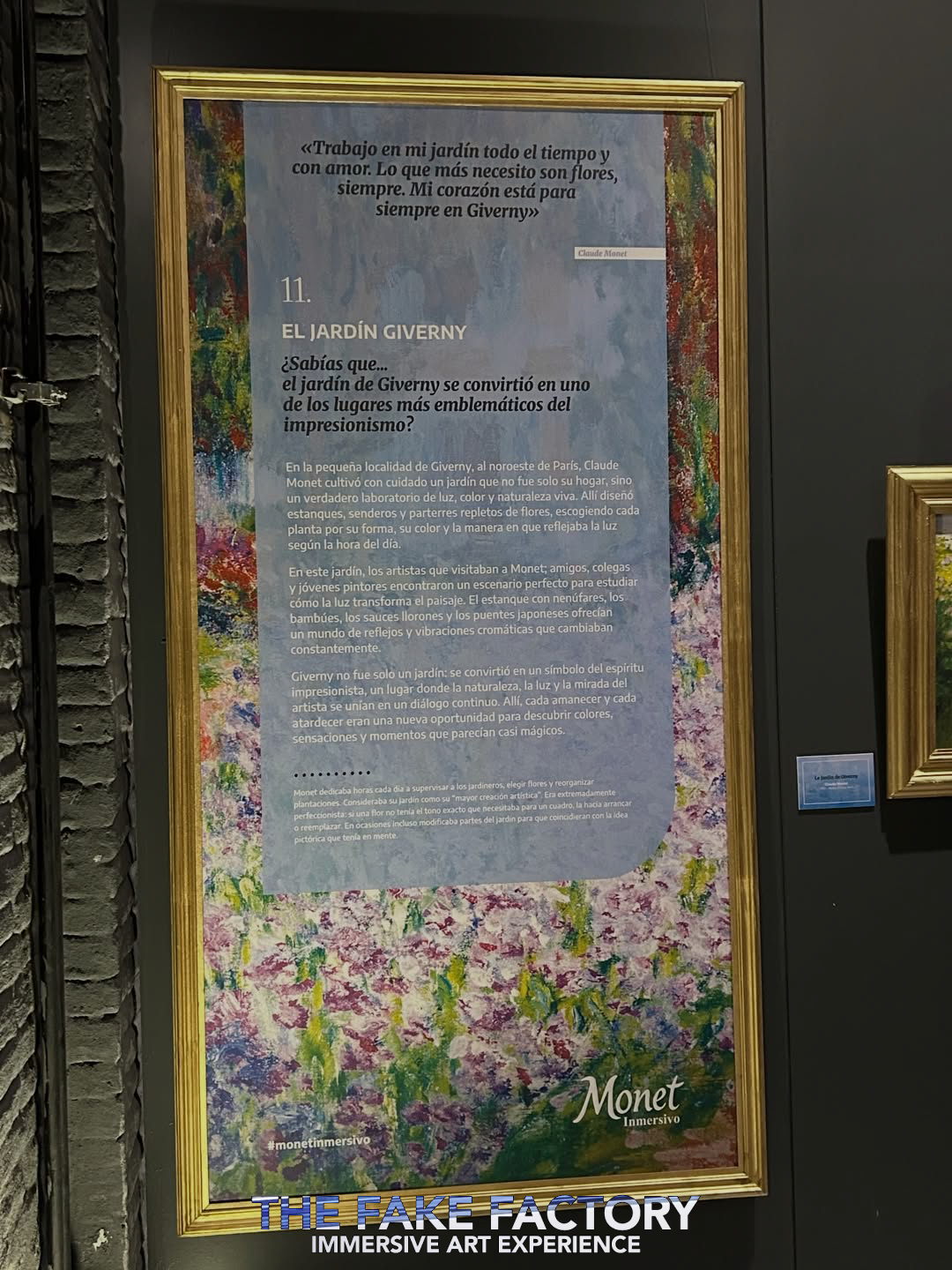
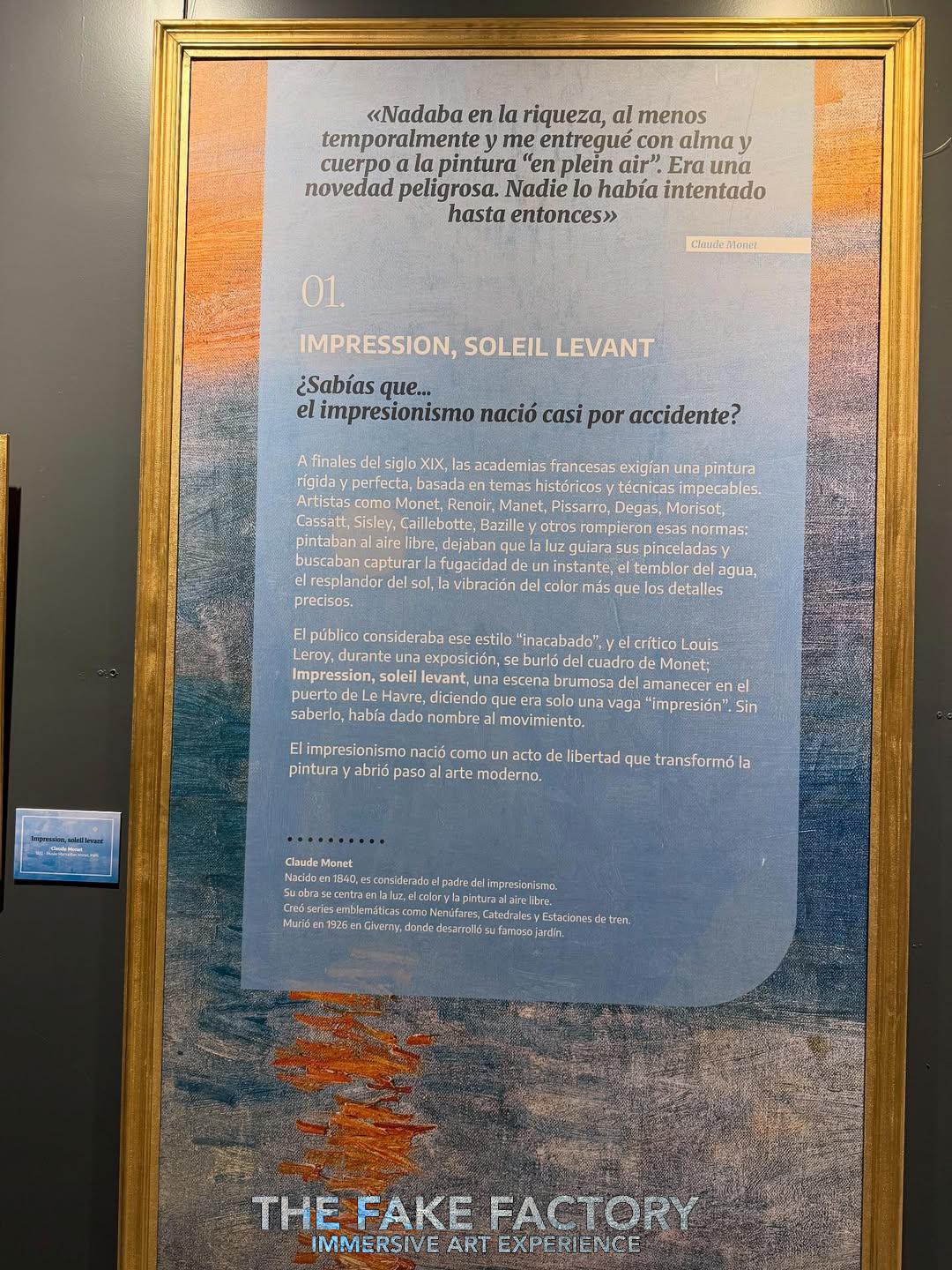
La experiencia de arte inmersivo dedicada a Monet y a los impresionistas franceses es un relato de 30 minutos que nos introduce literalmente en la revolución técnica y estilística que este grupo de artistas generó en la Francia de finales del siglo XIX. La narración se articula en una serie de escenas, cada una dedicada a un tema o a una técnica específica: el concepto de pintura en plein air, los estudios modernos sobre la síntesis del color, la noción de impresión y la velocidad de ejecución de los nuevos pintores impresionistas, el amor y la familia, la vida social en París y el tiempo libre, así como la naturaleza y el transcurso del tiempo y de las estaciones.
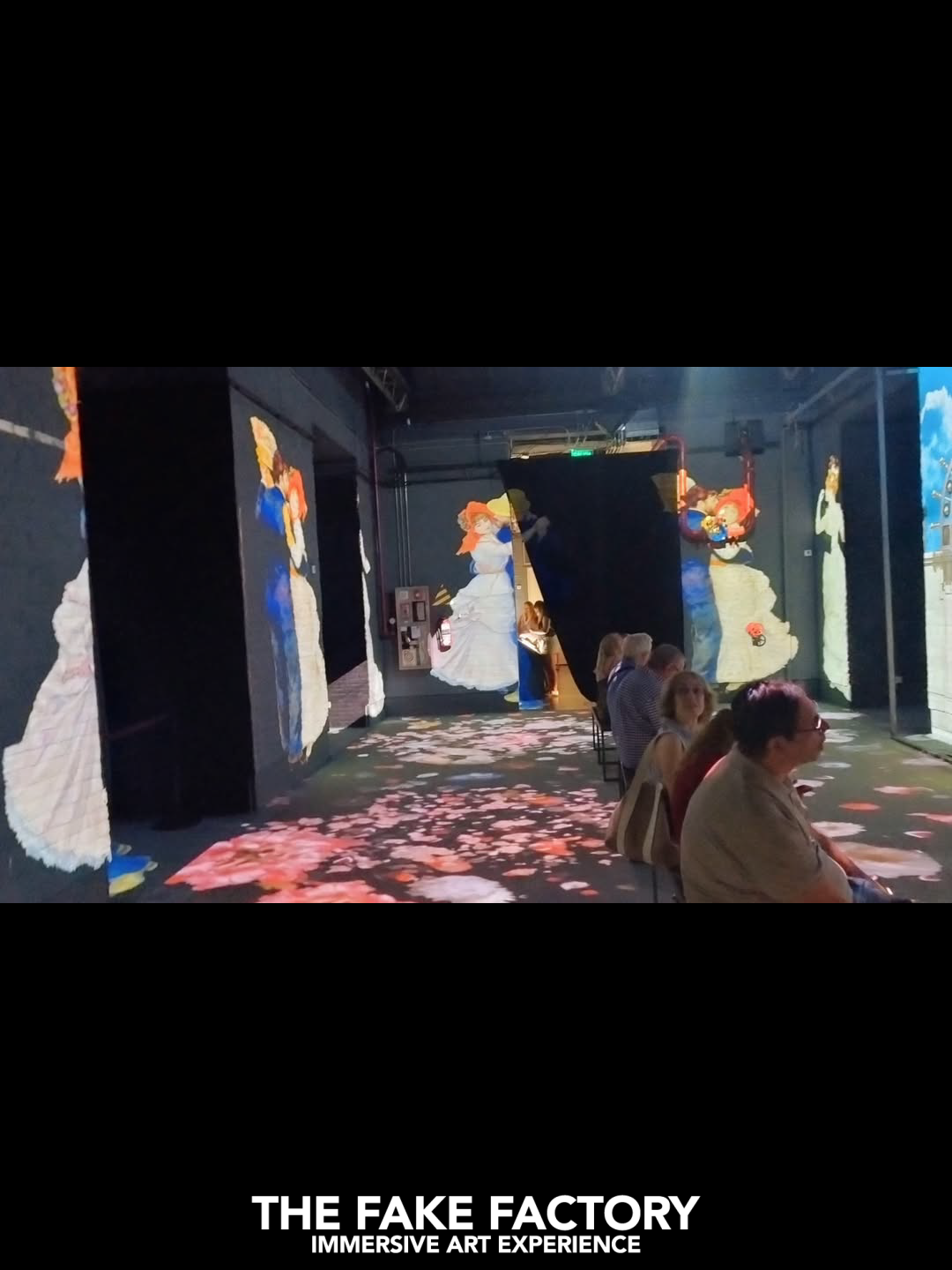
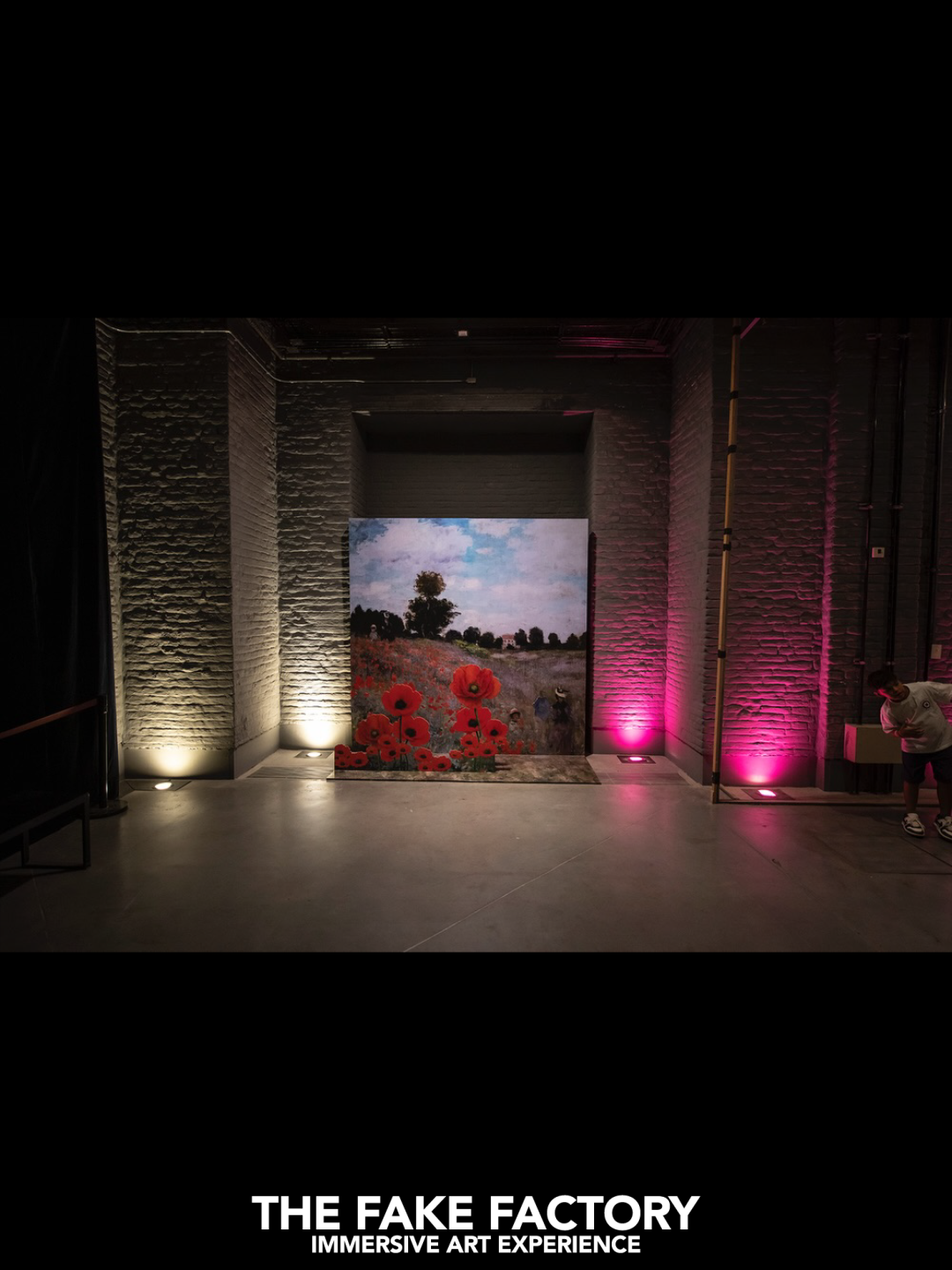
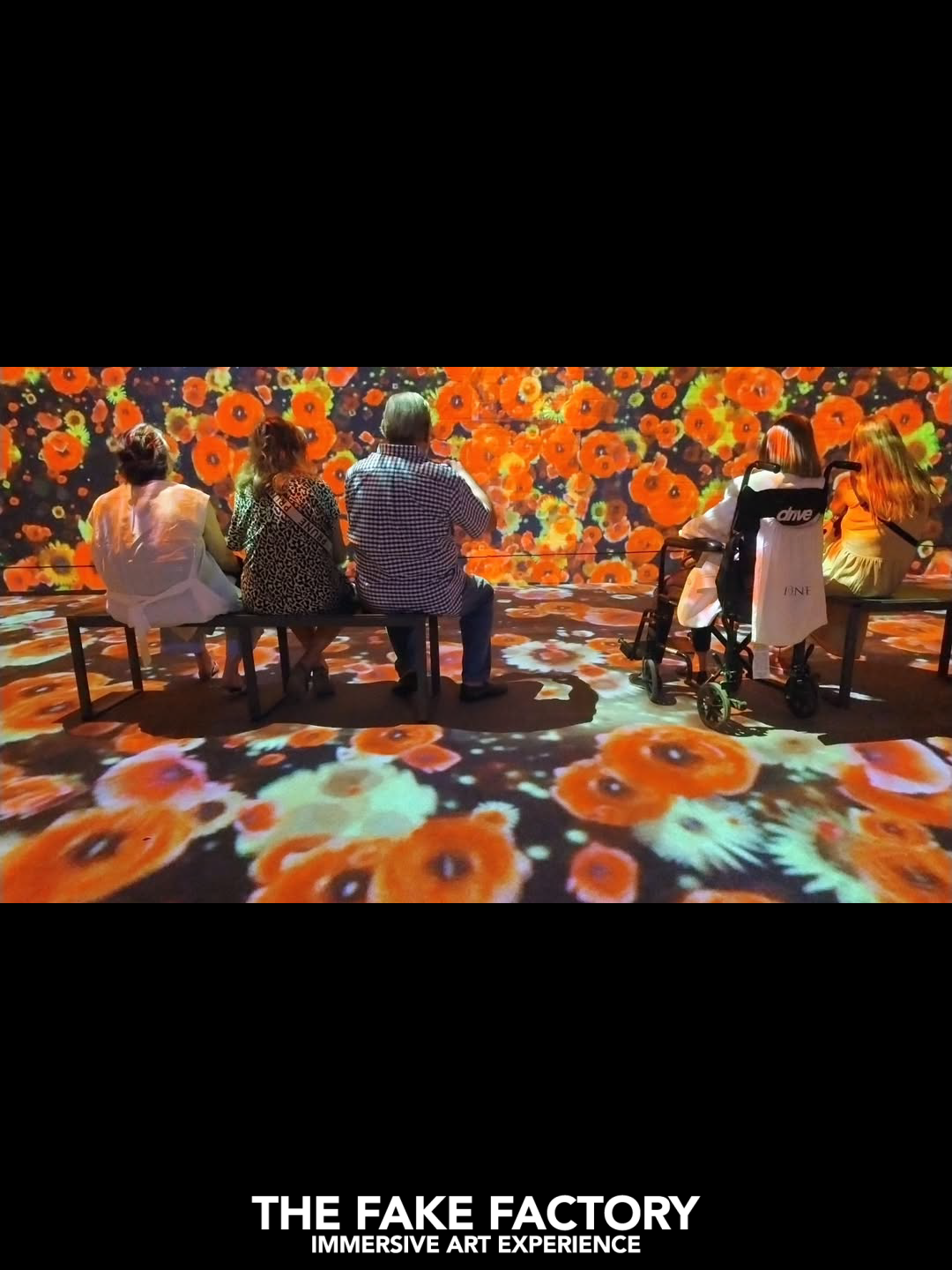
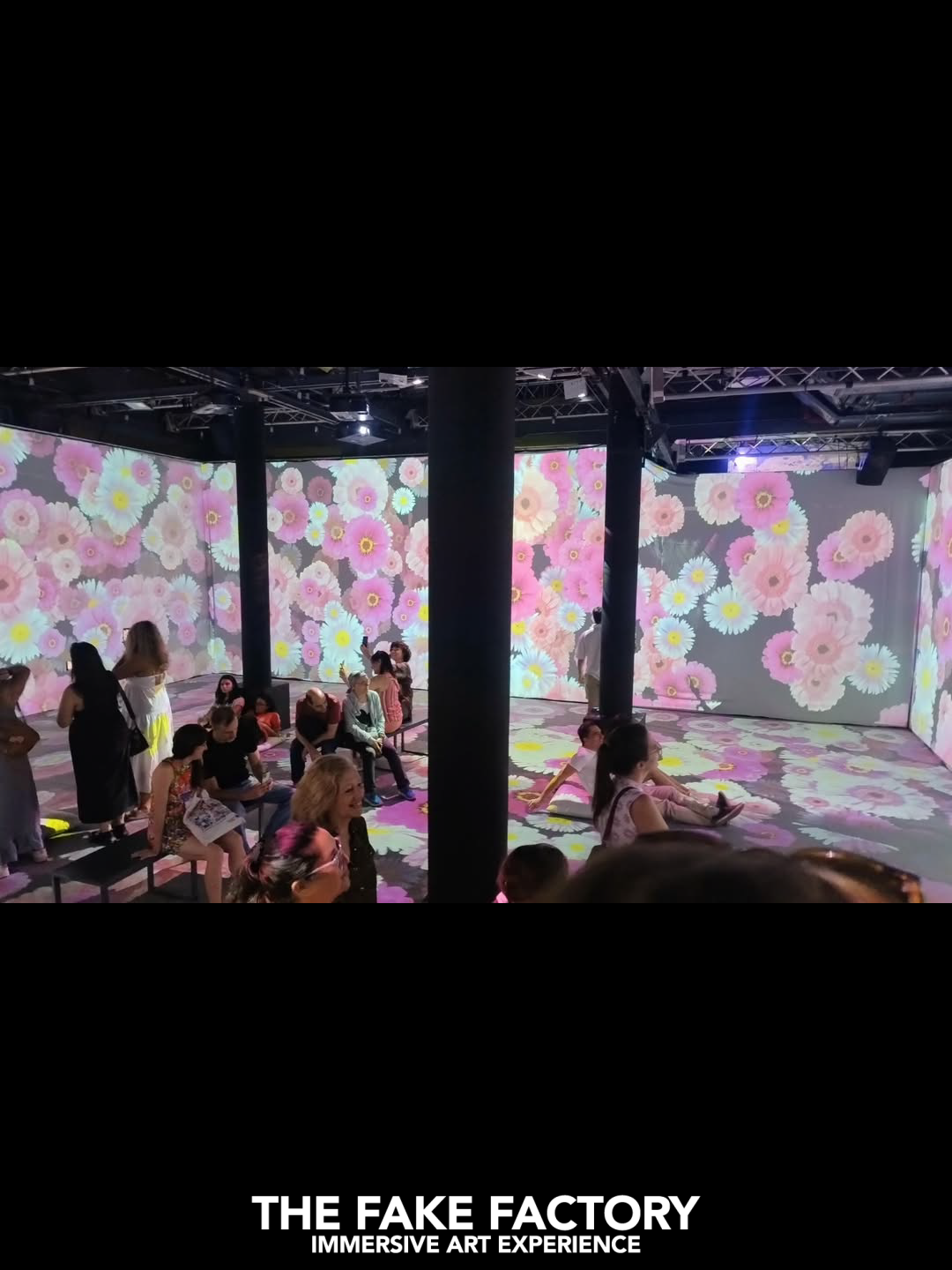
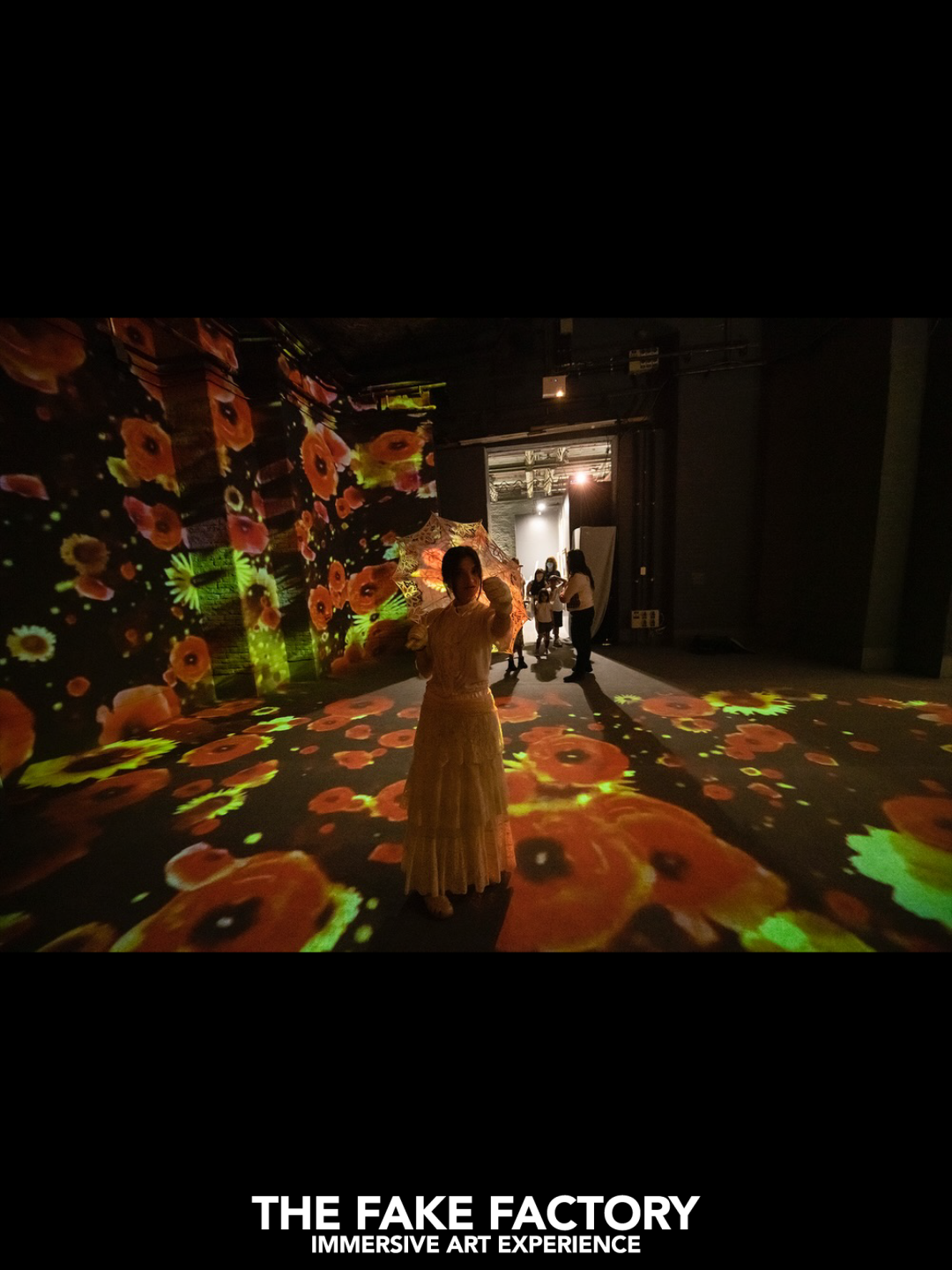
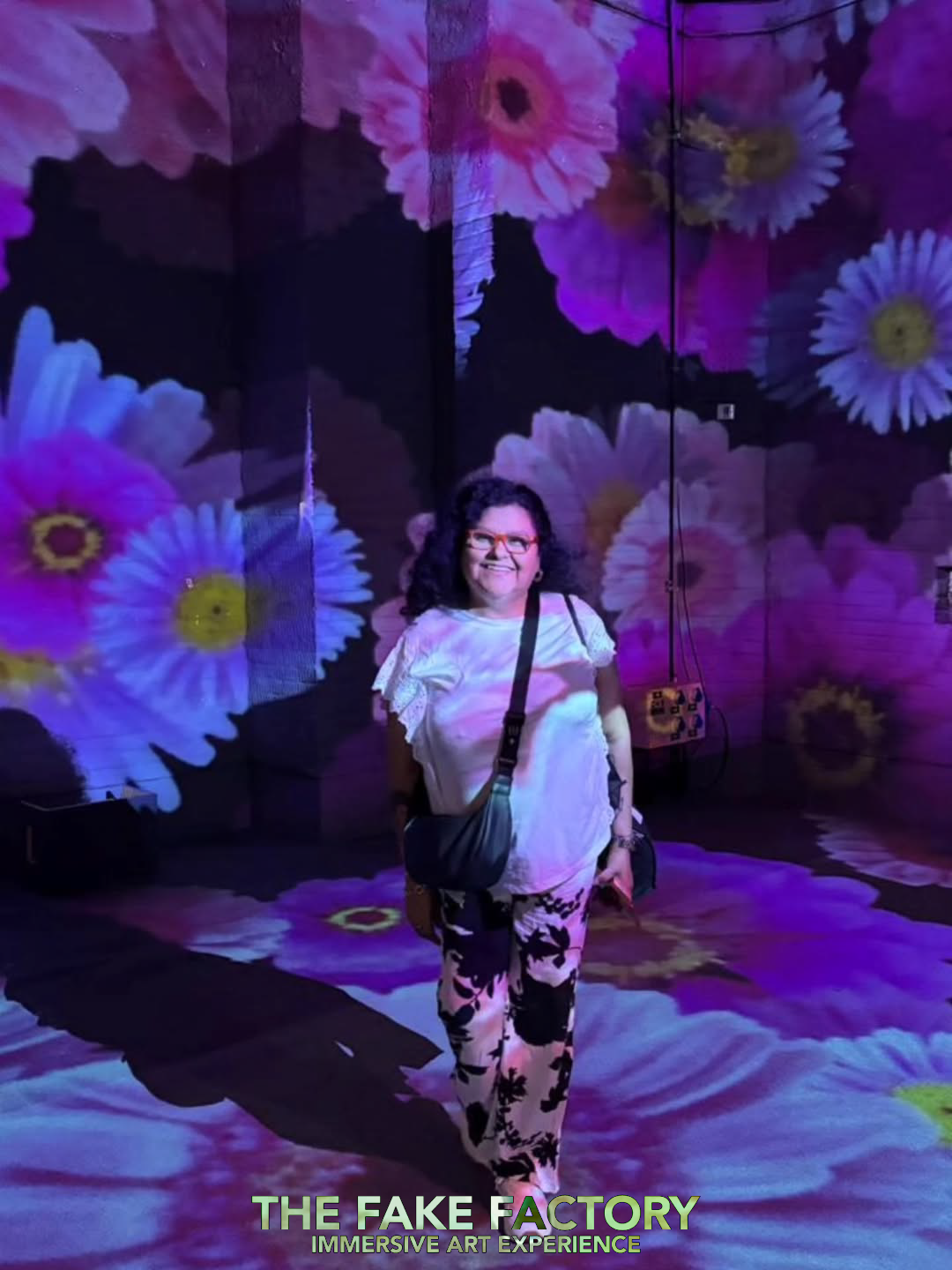
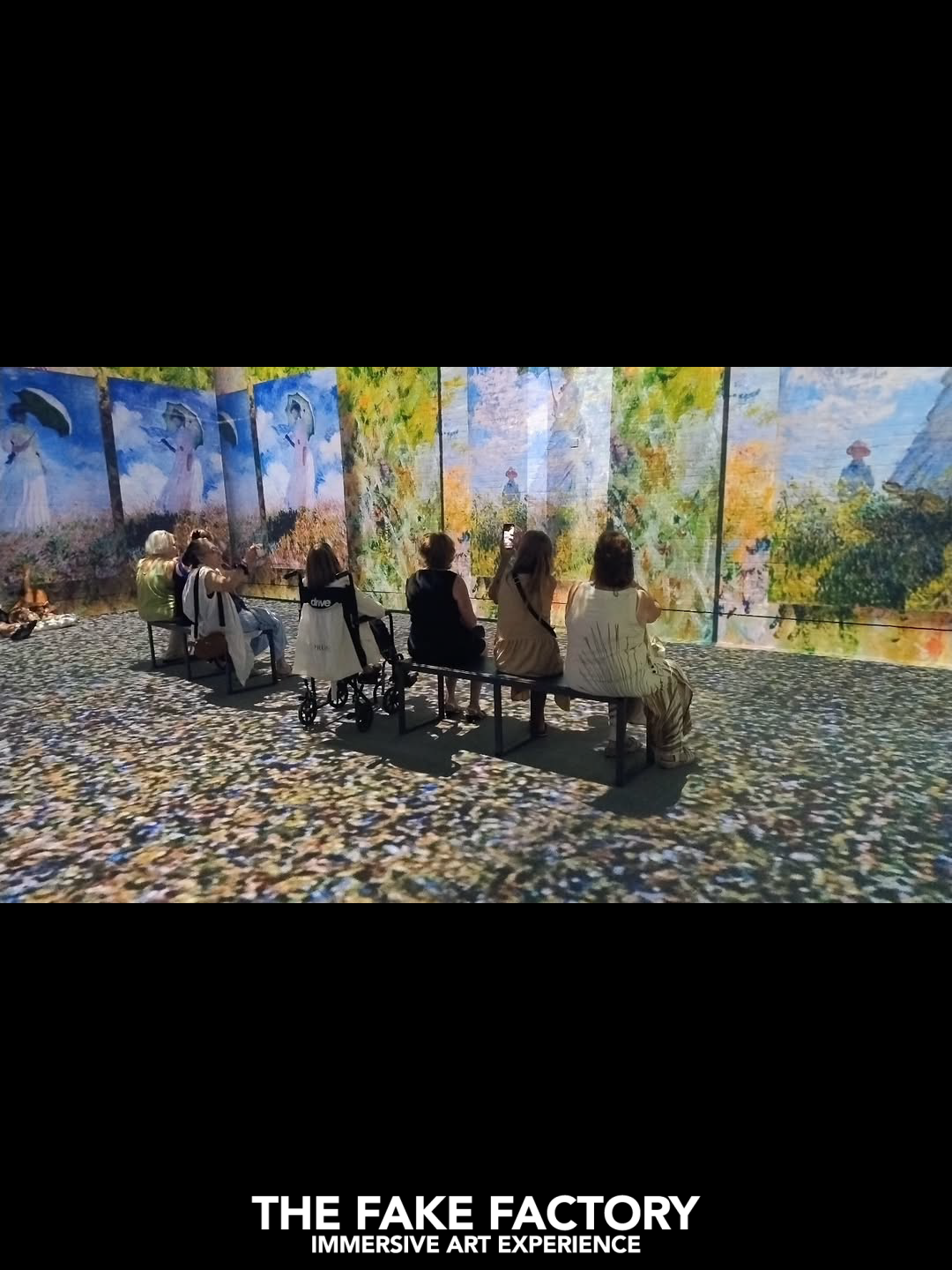
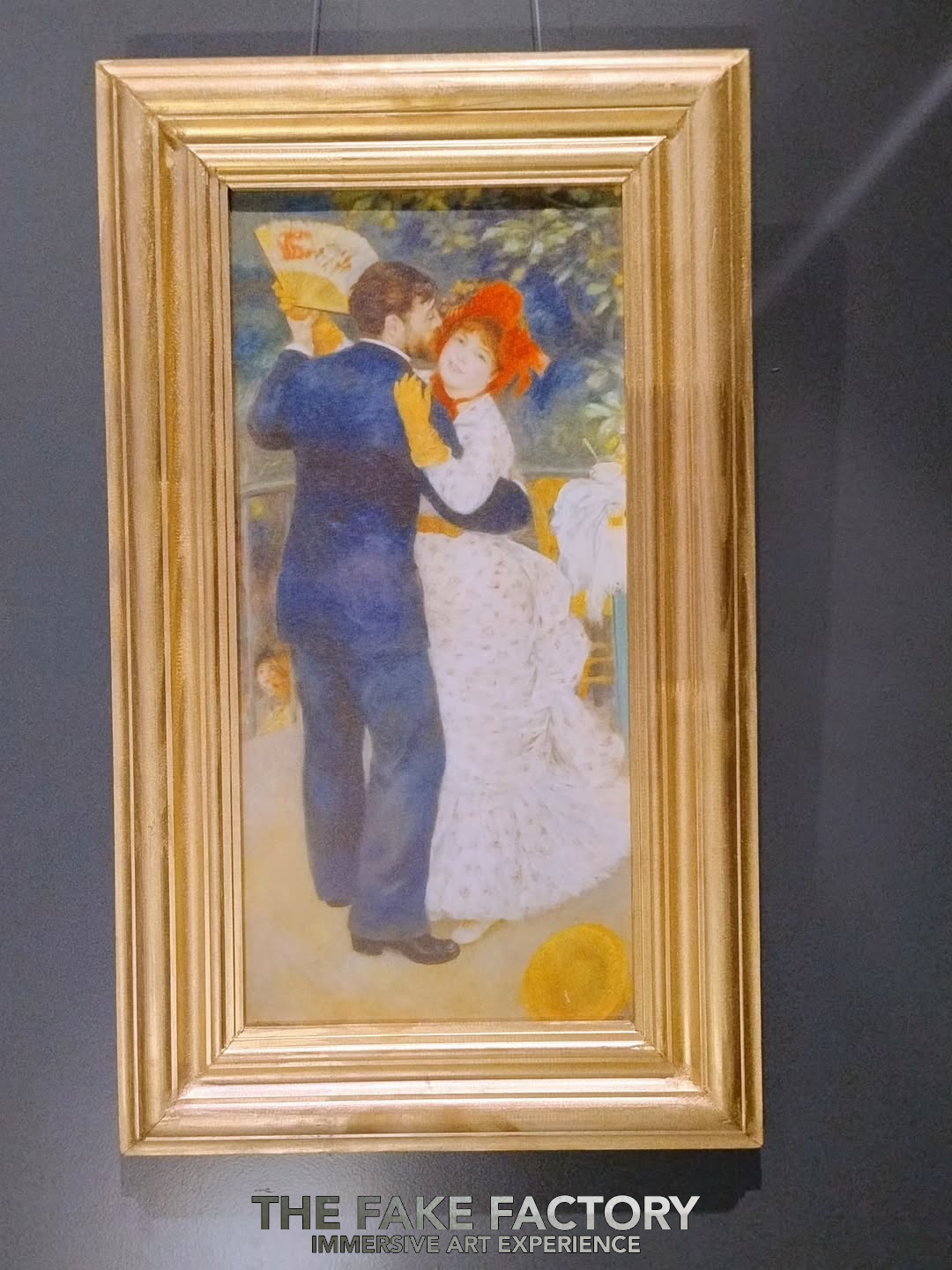
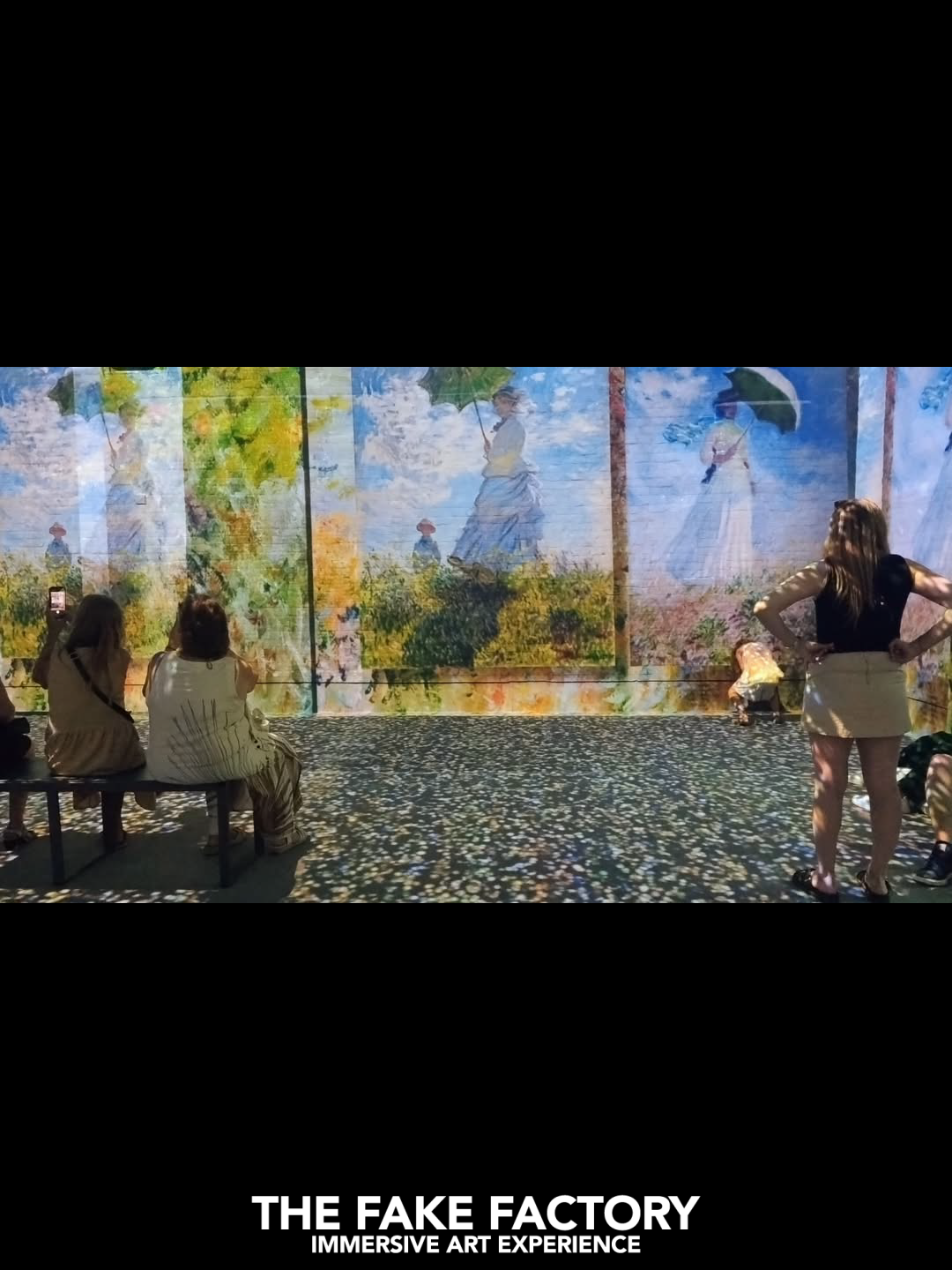
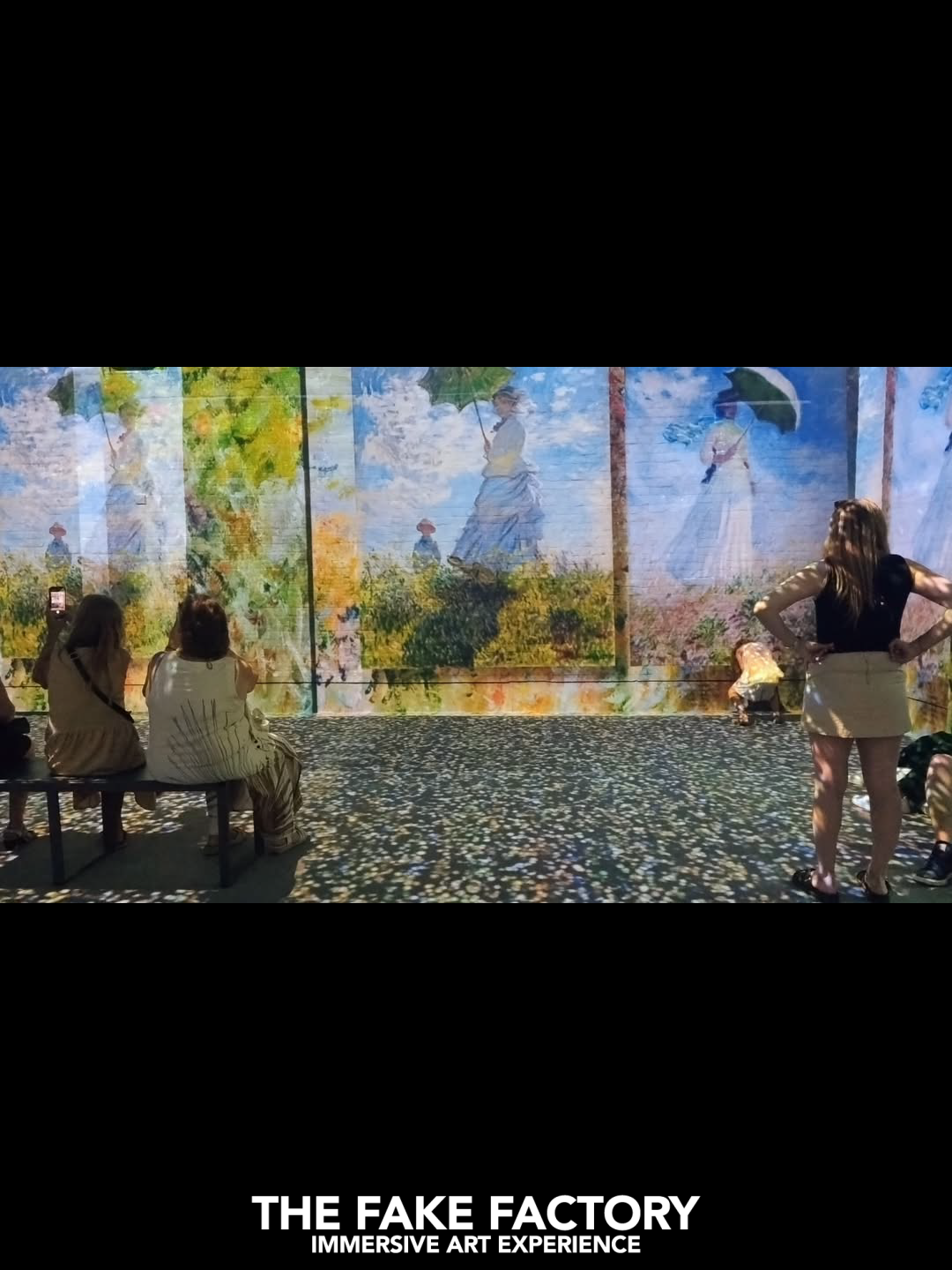
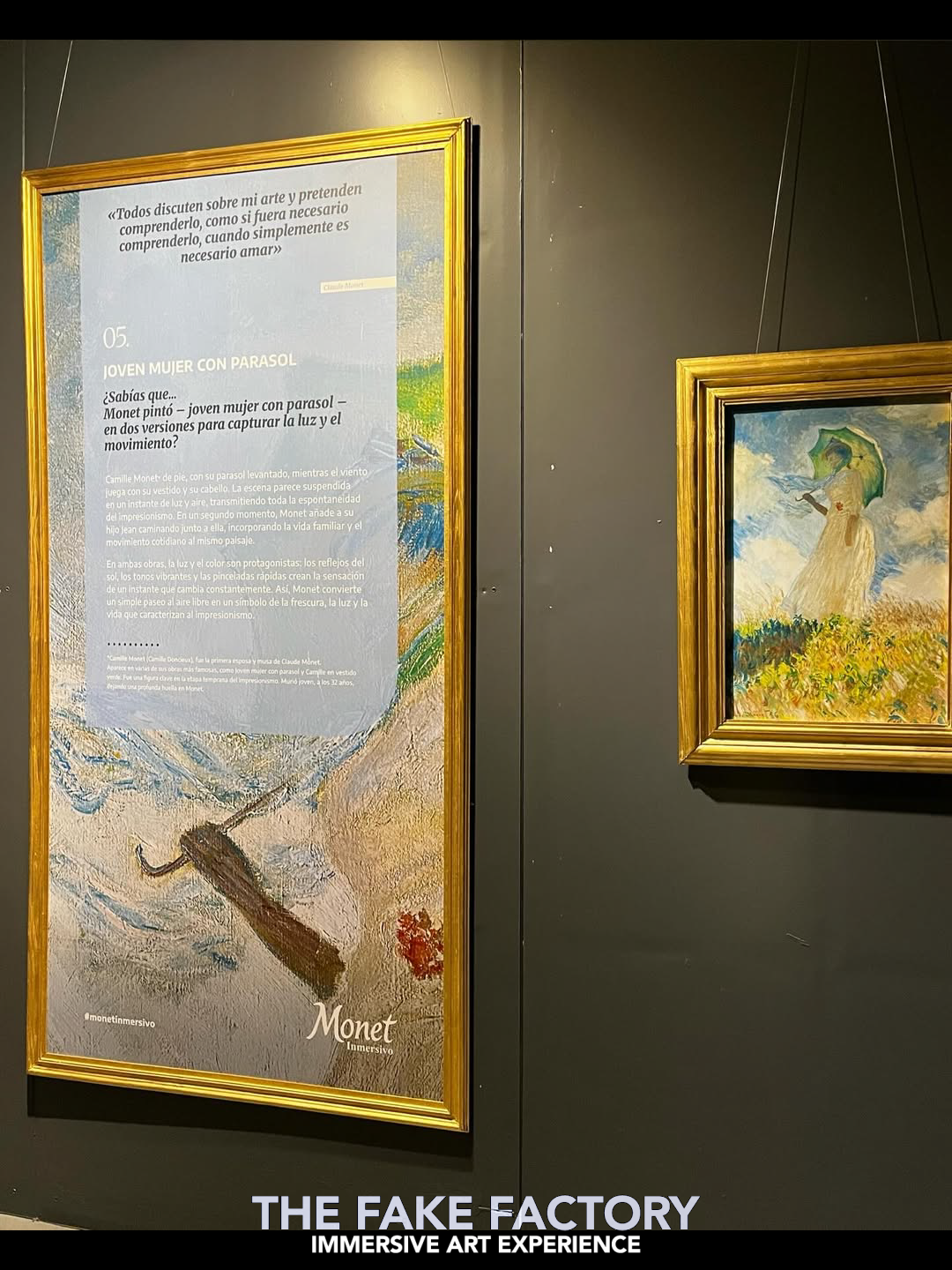
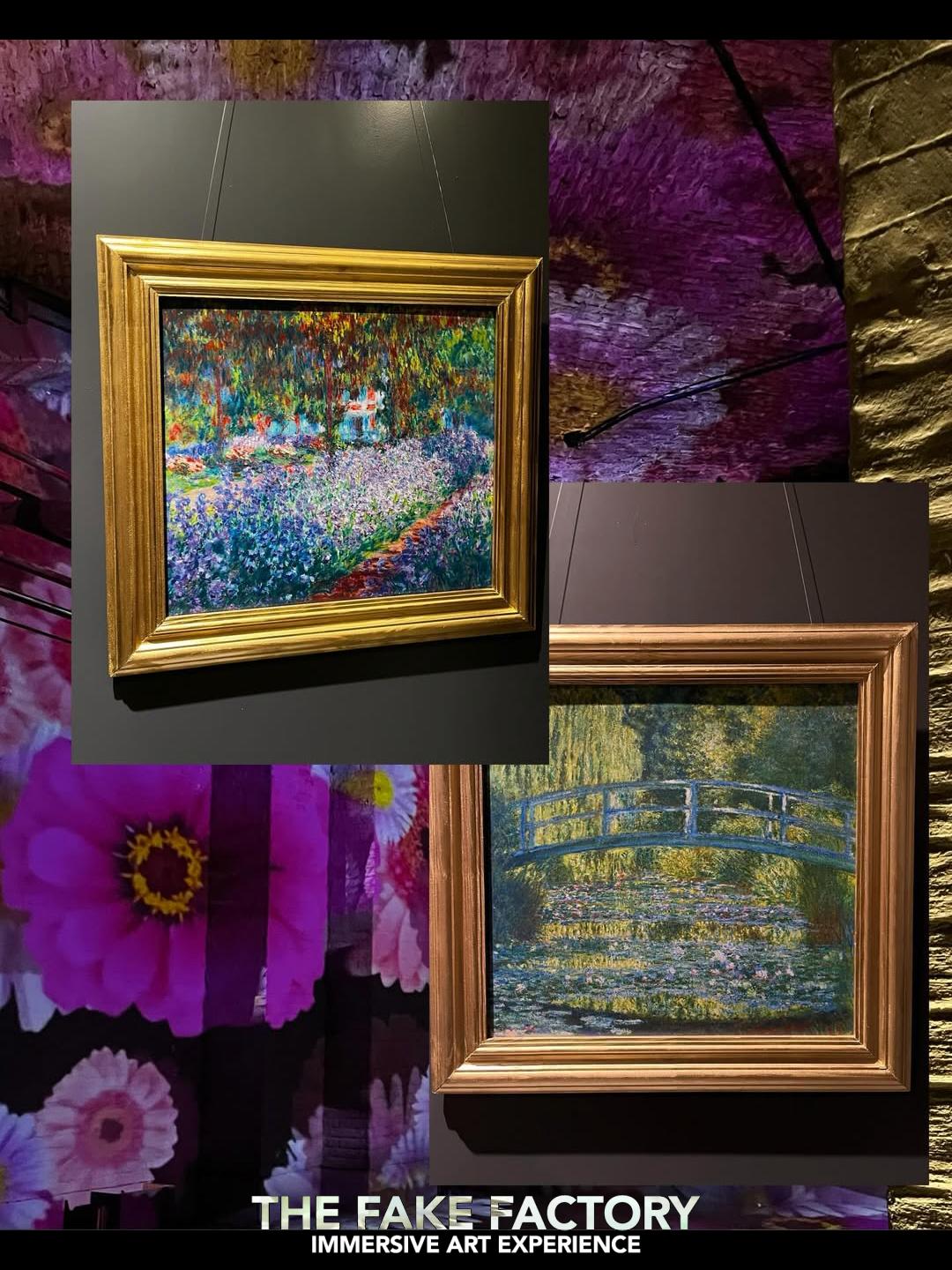
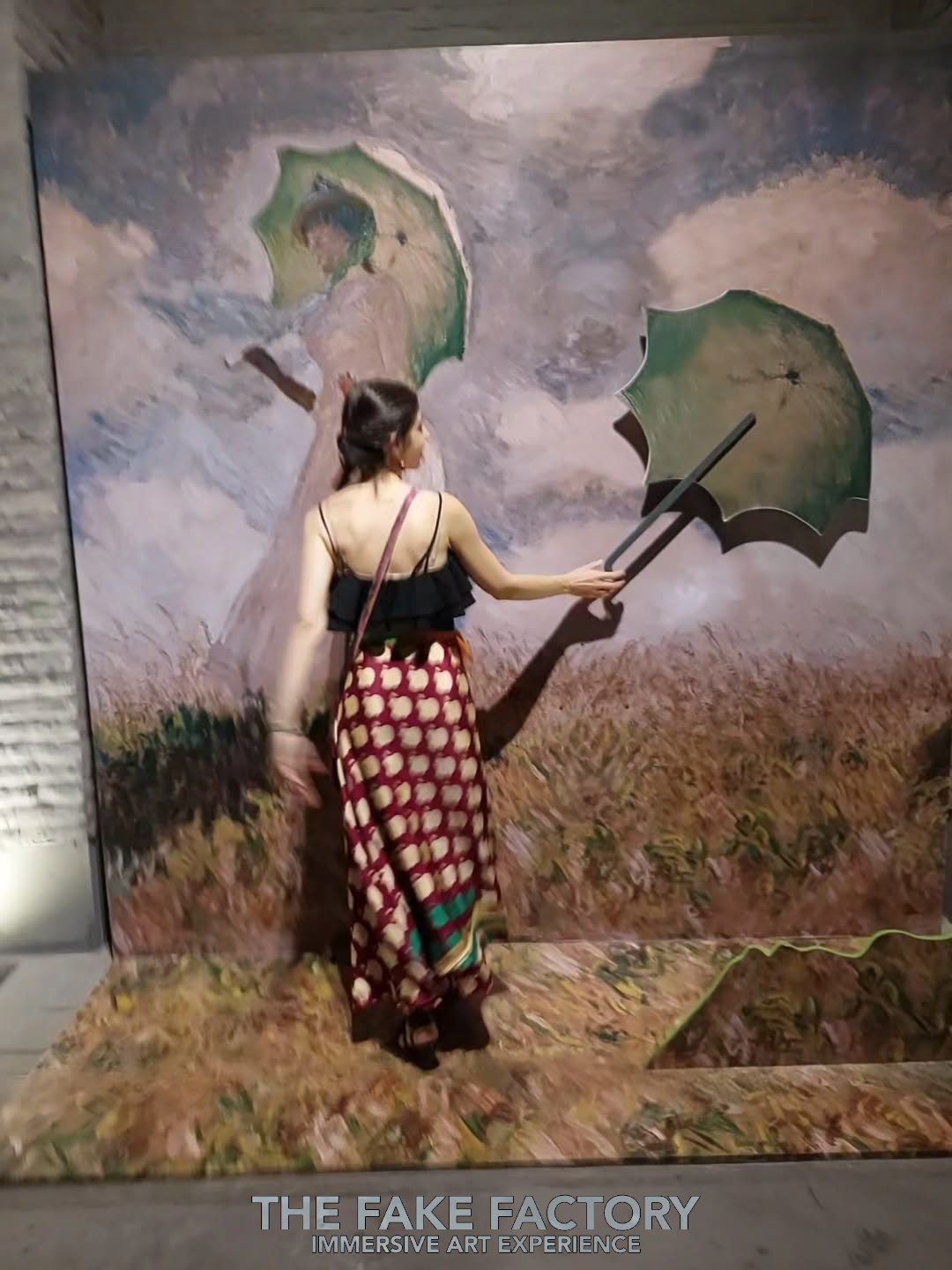
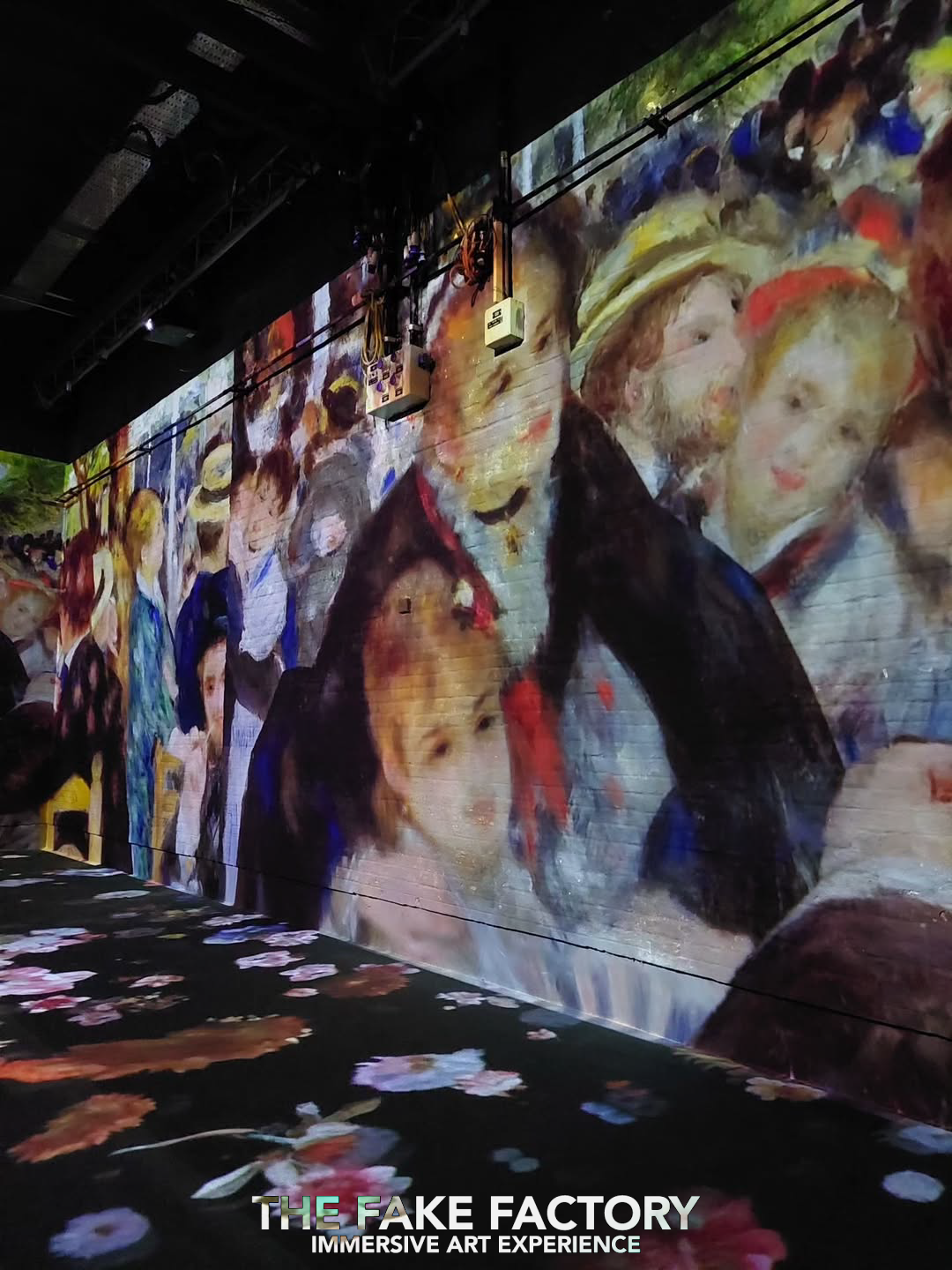
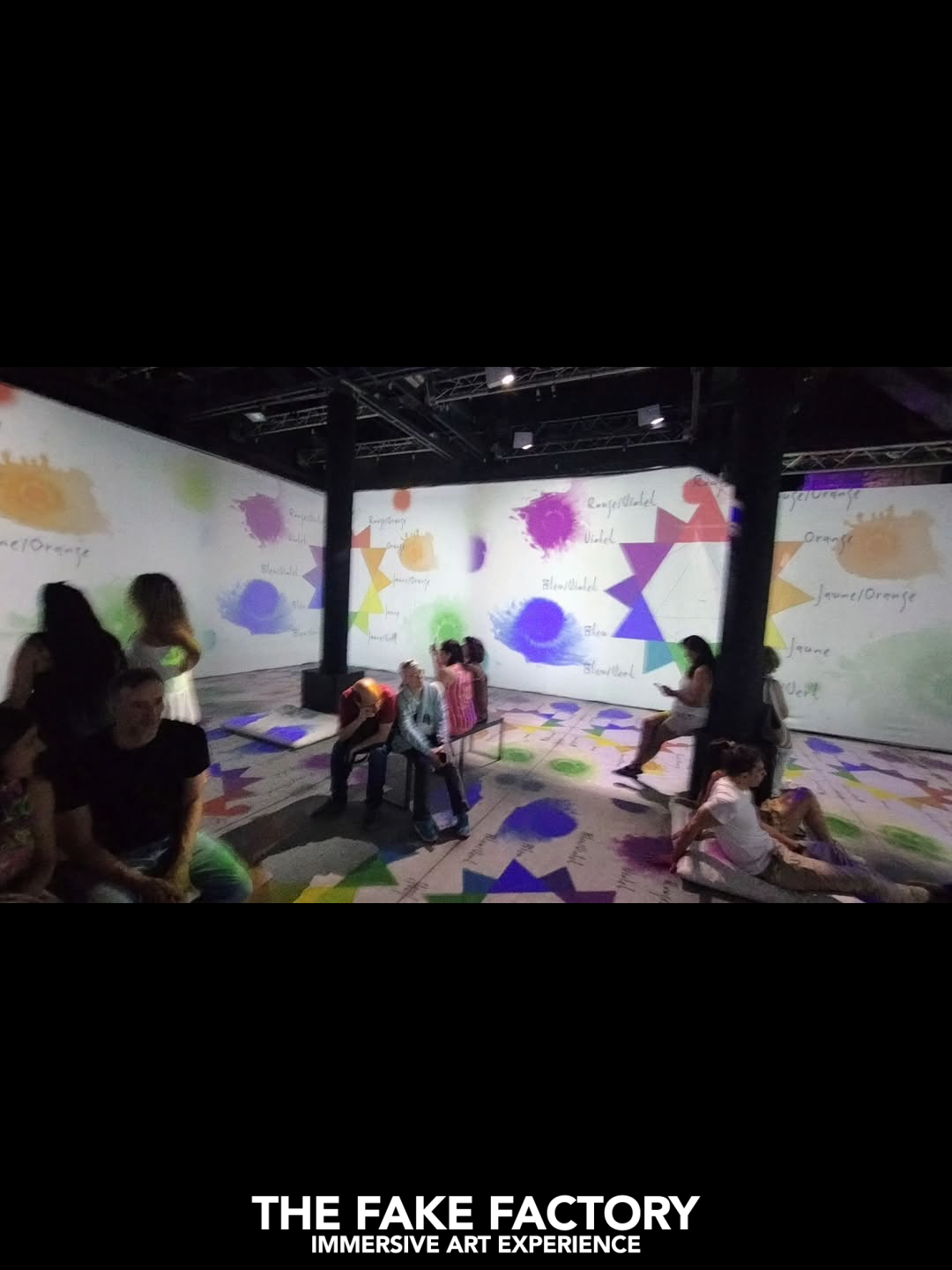
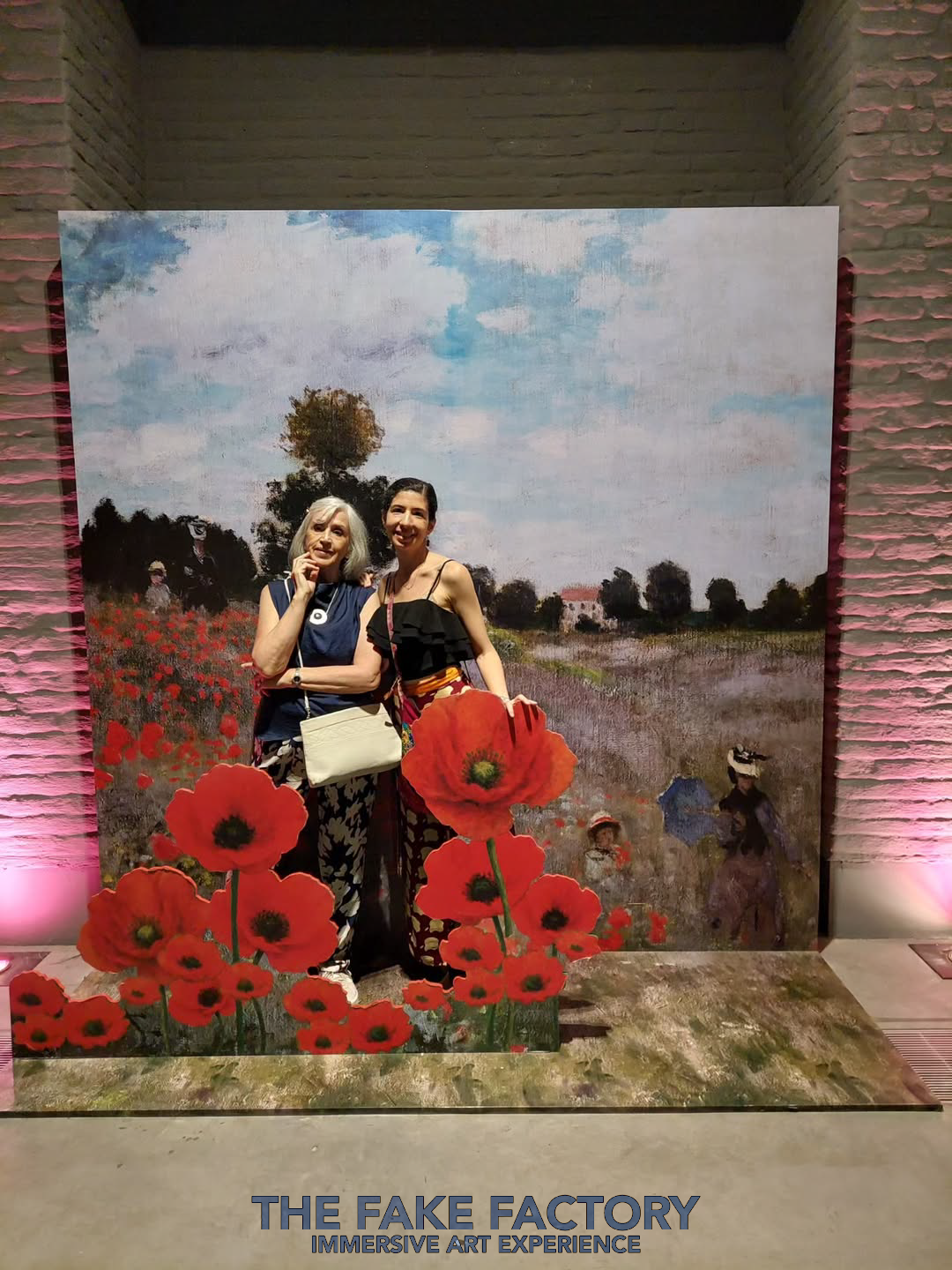
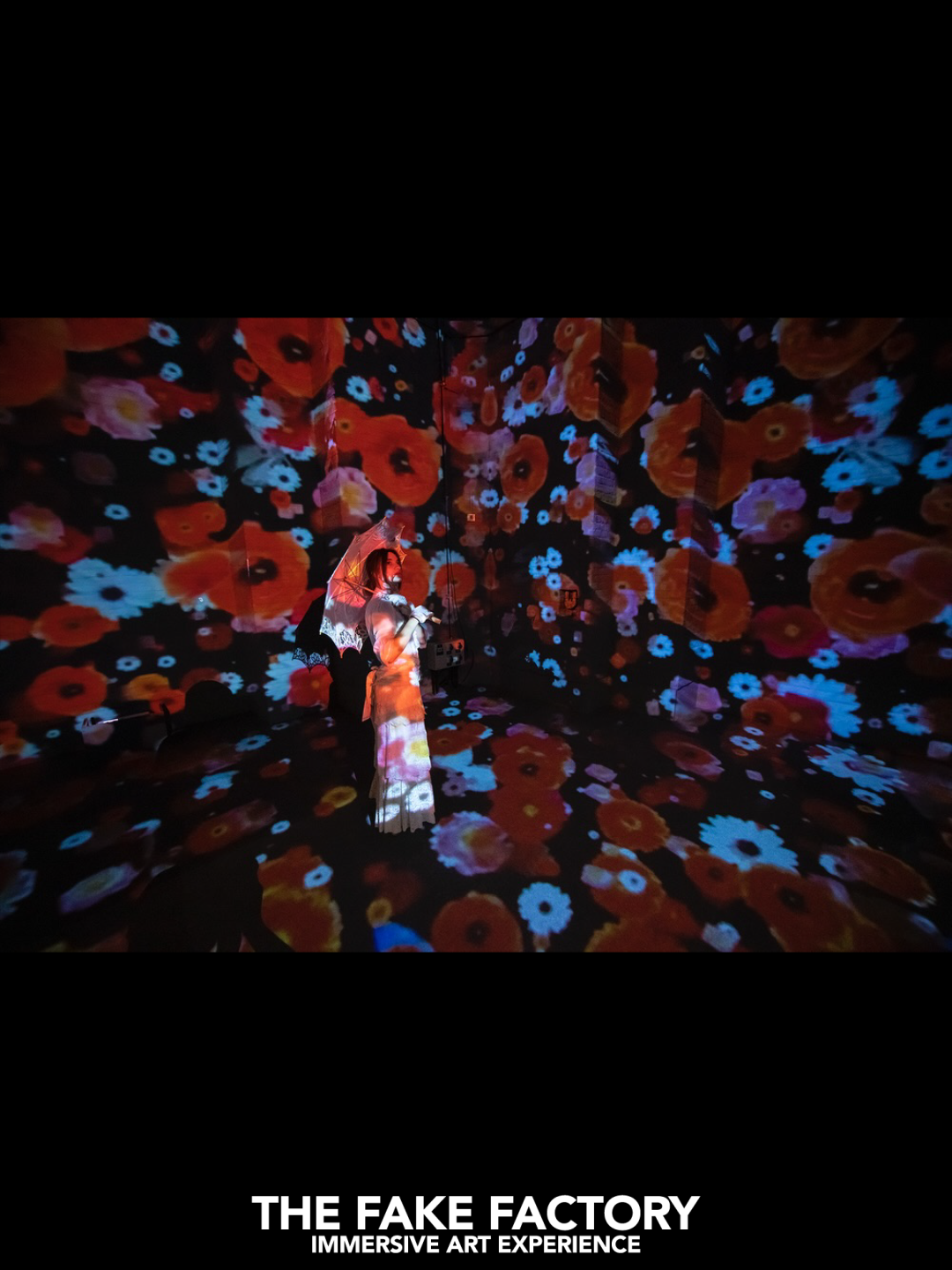
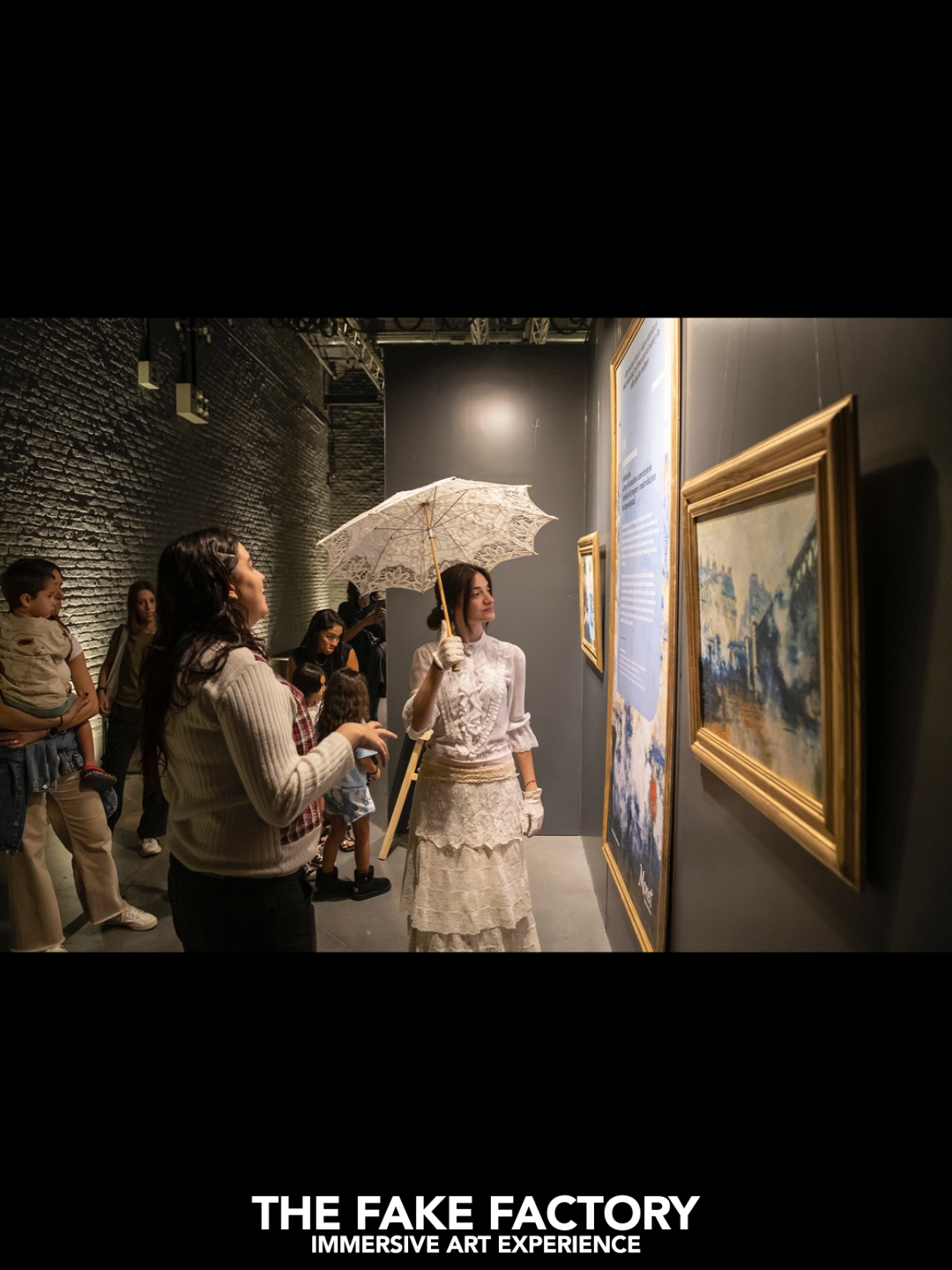
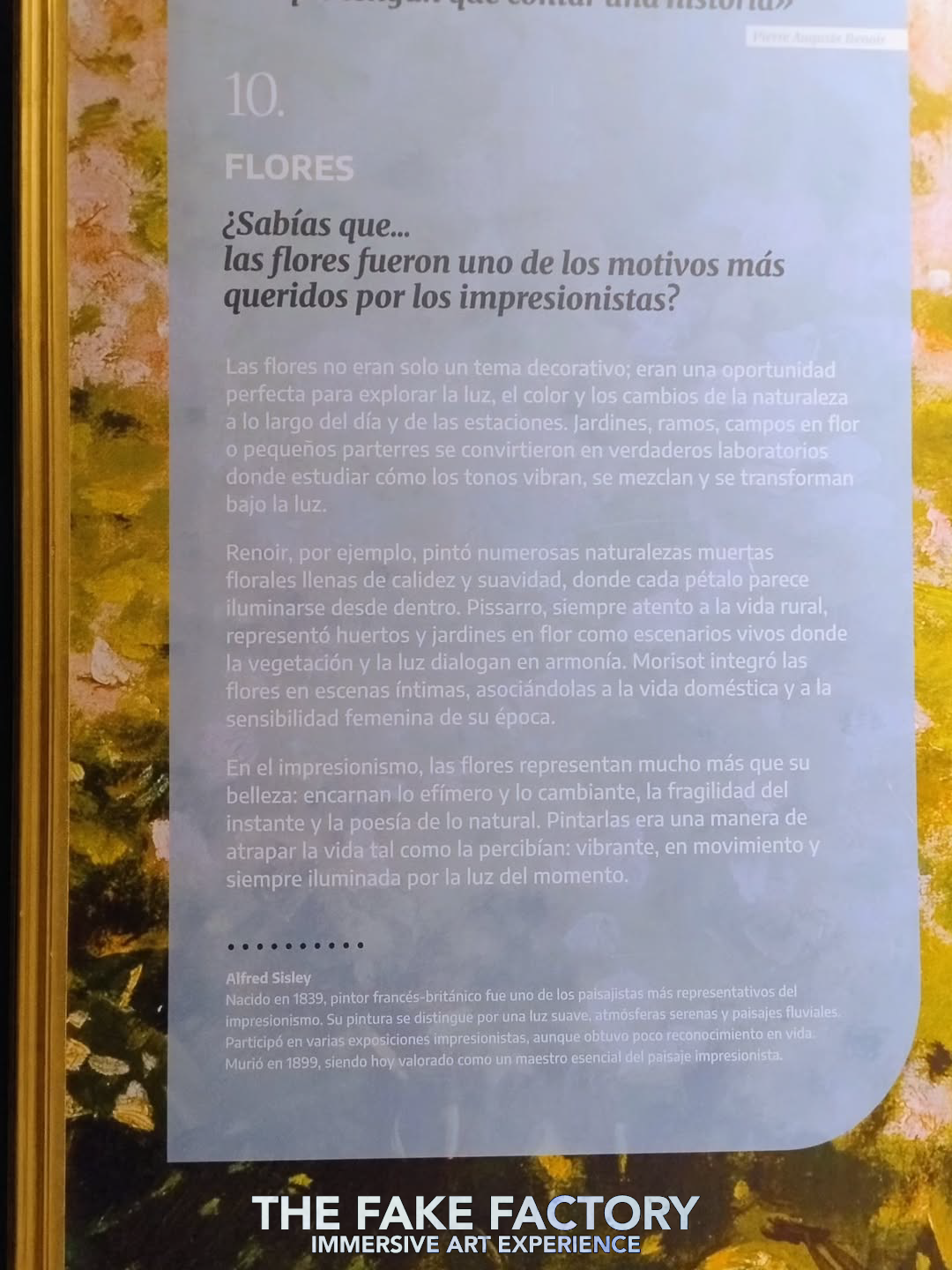
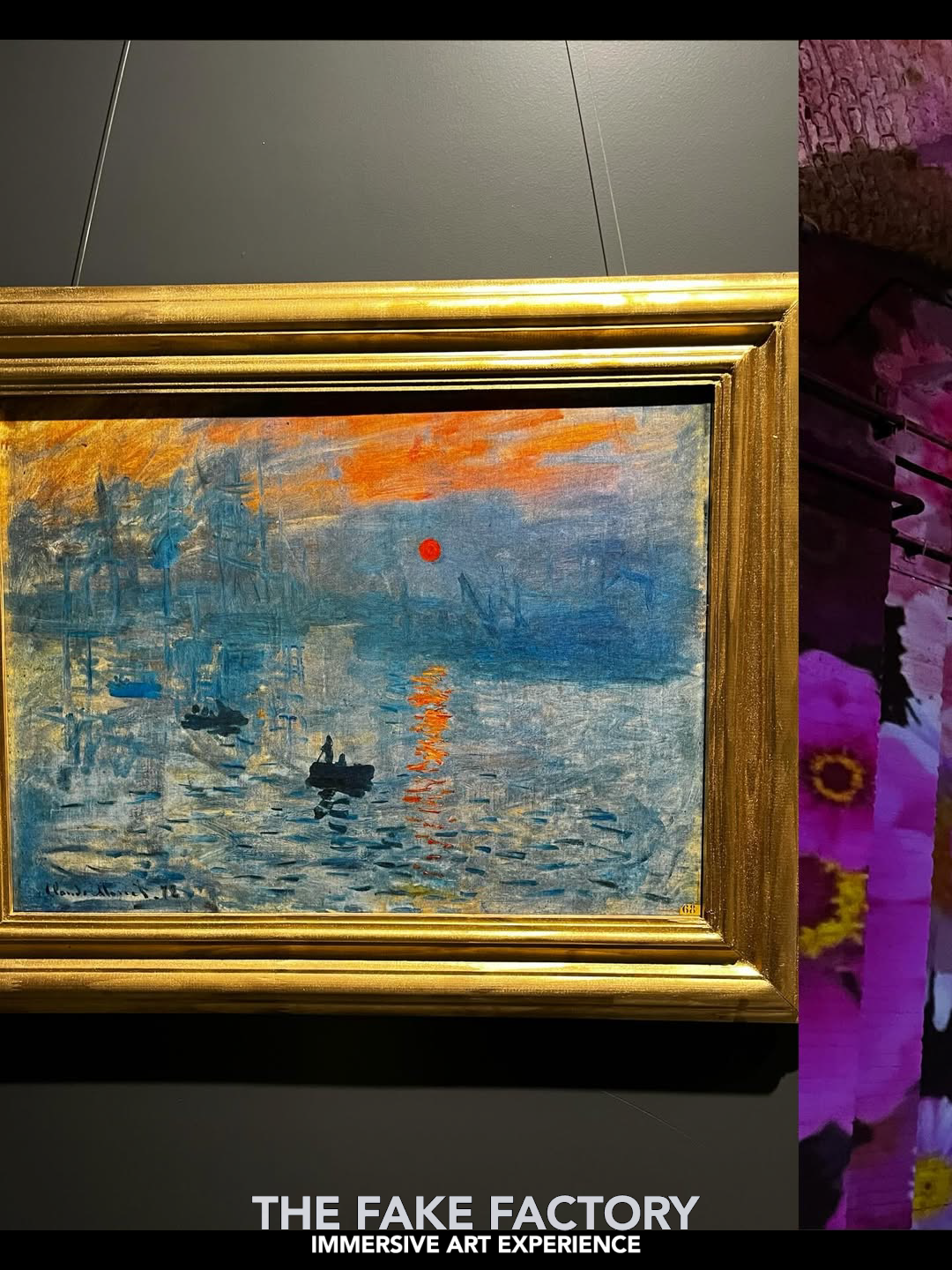
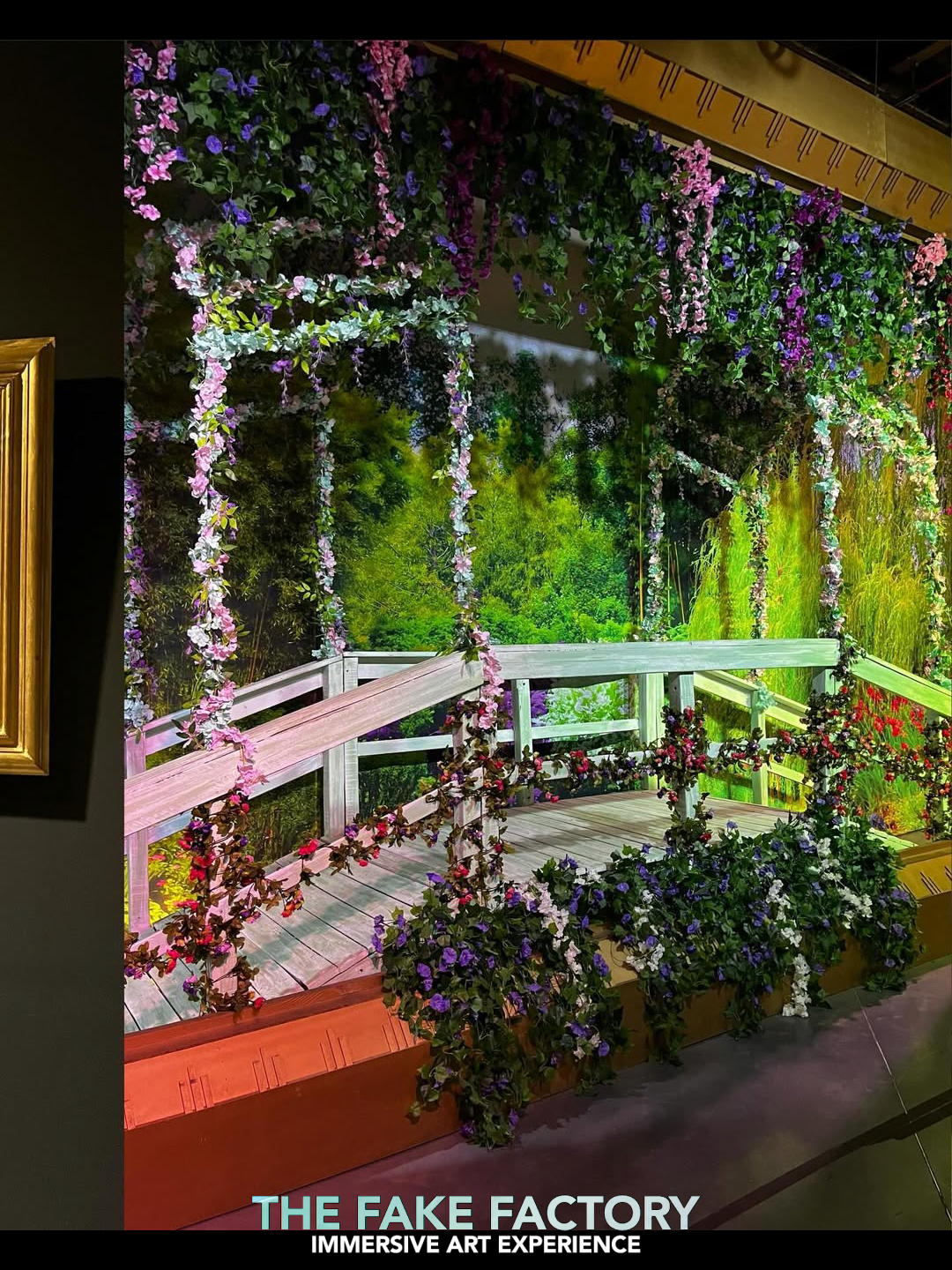
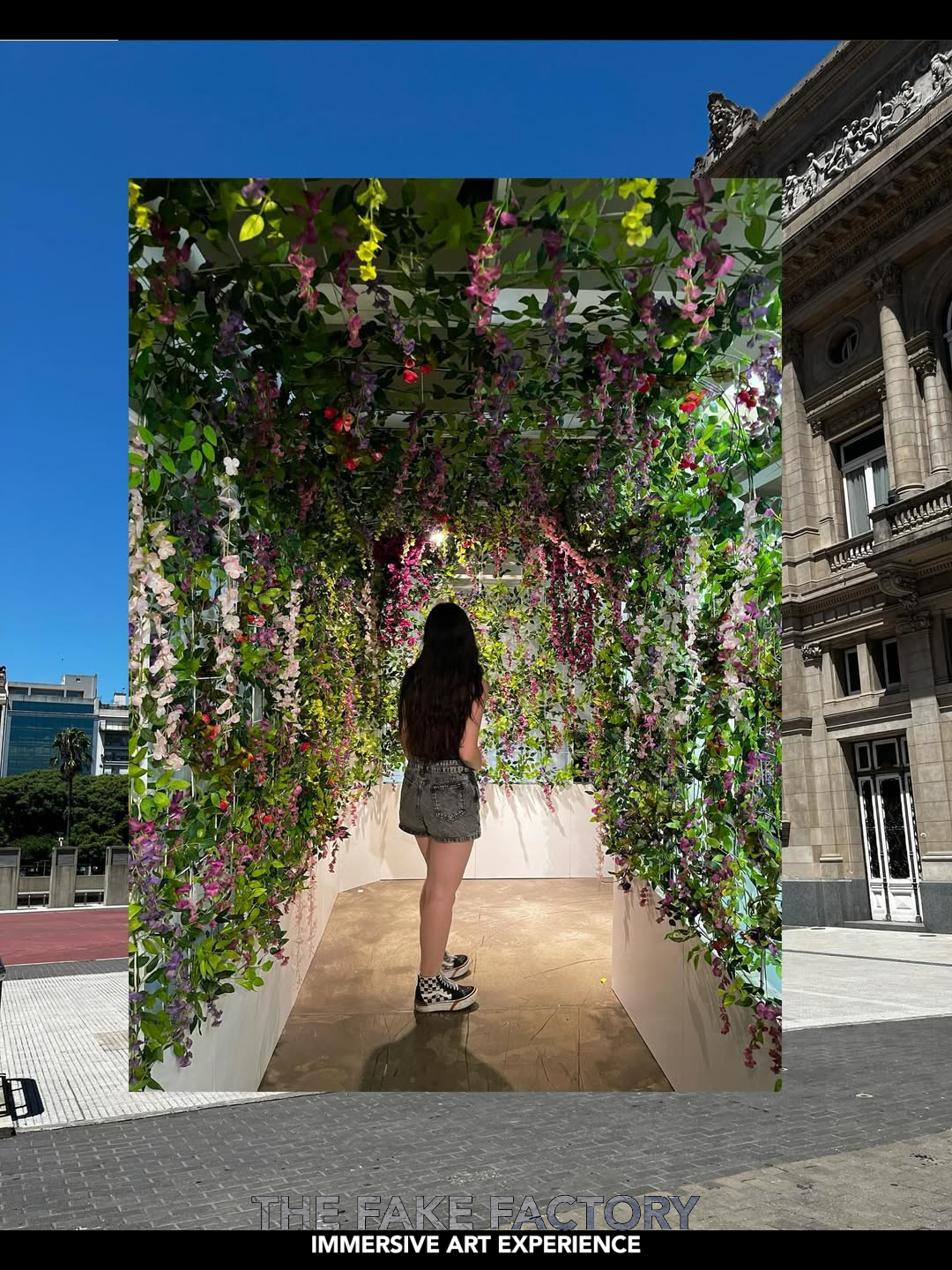
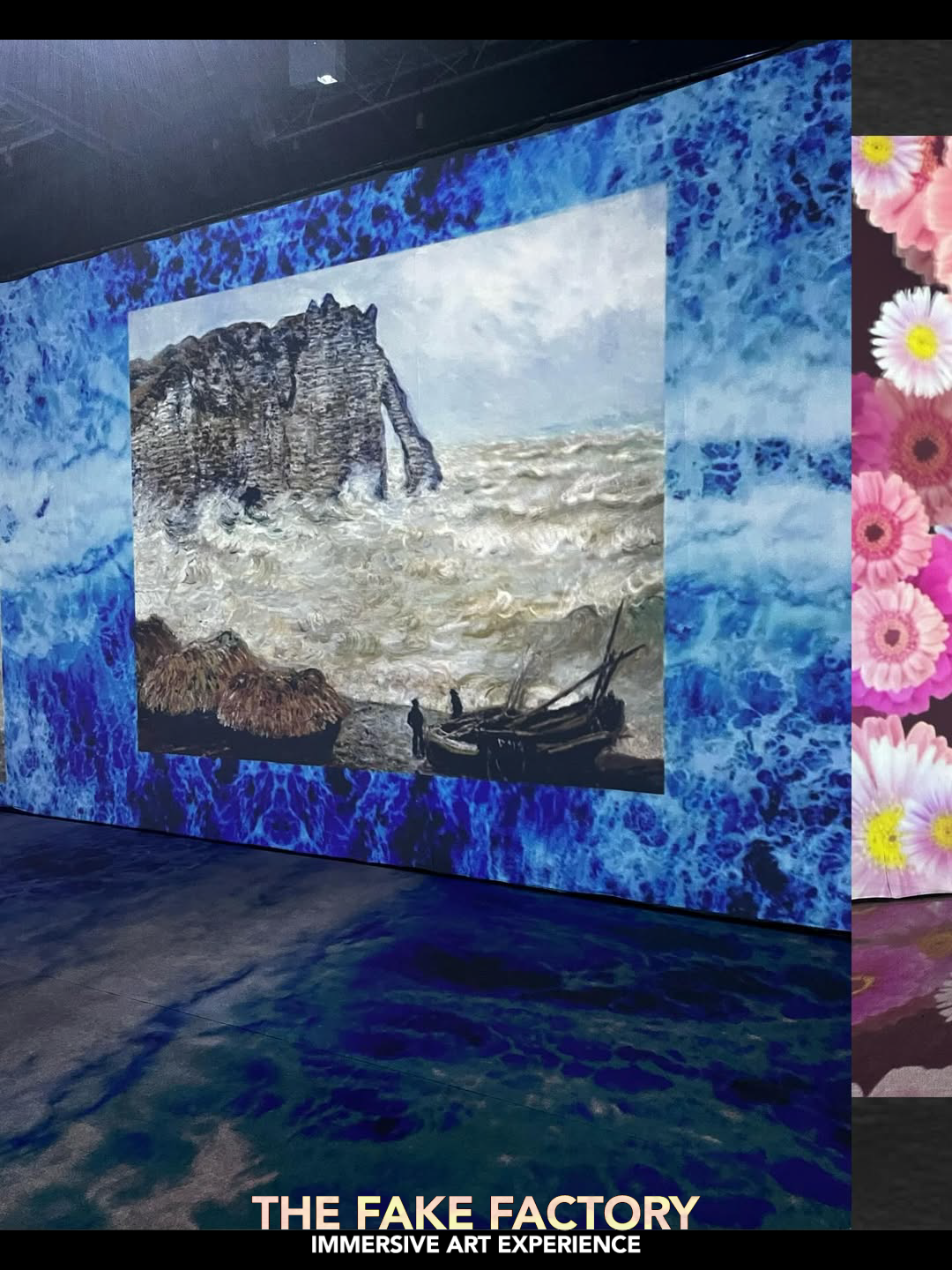
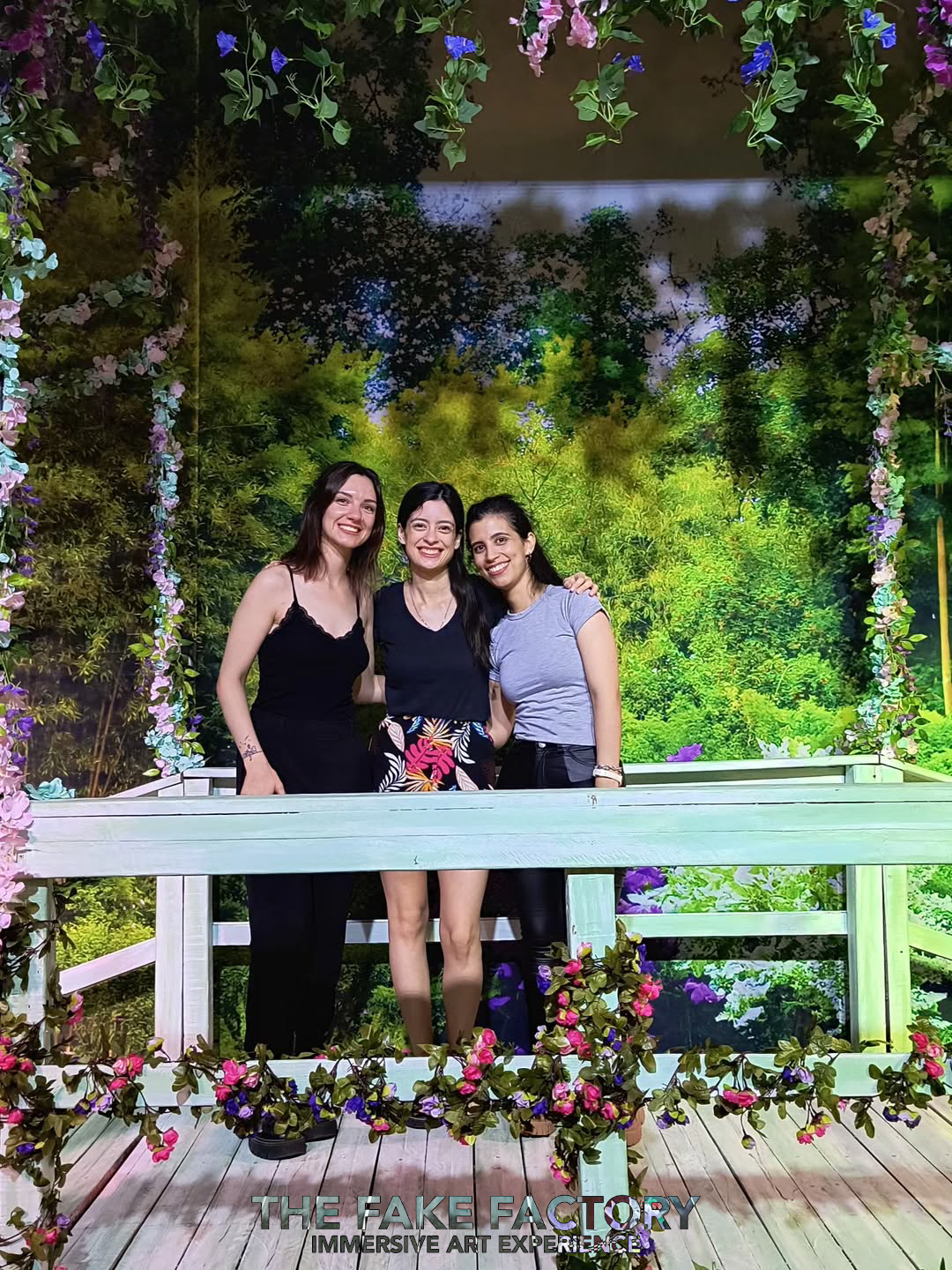
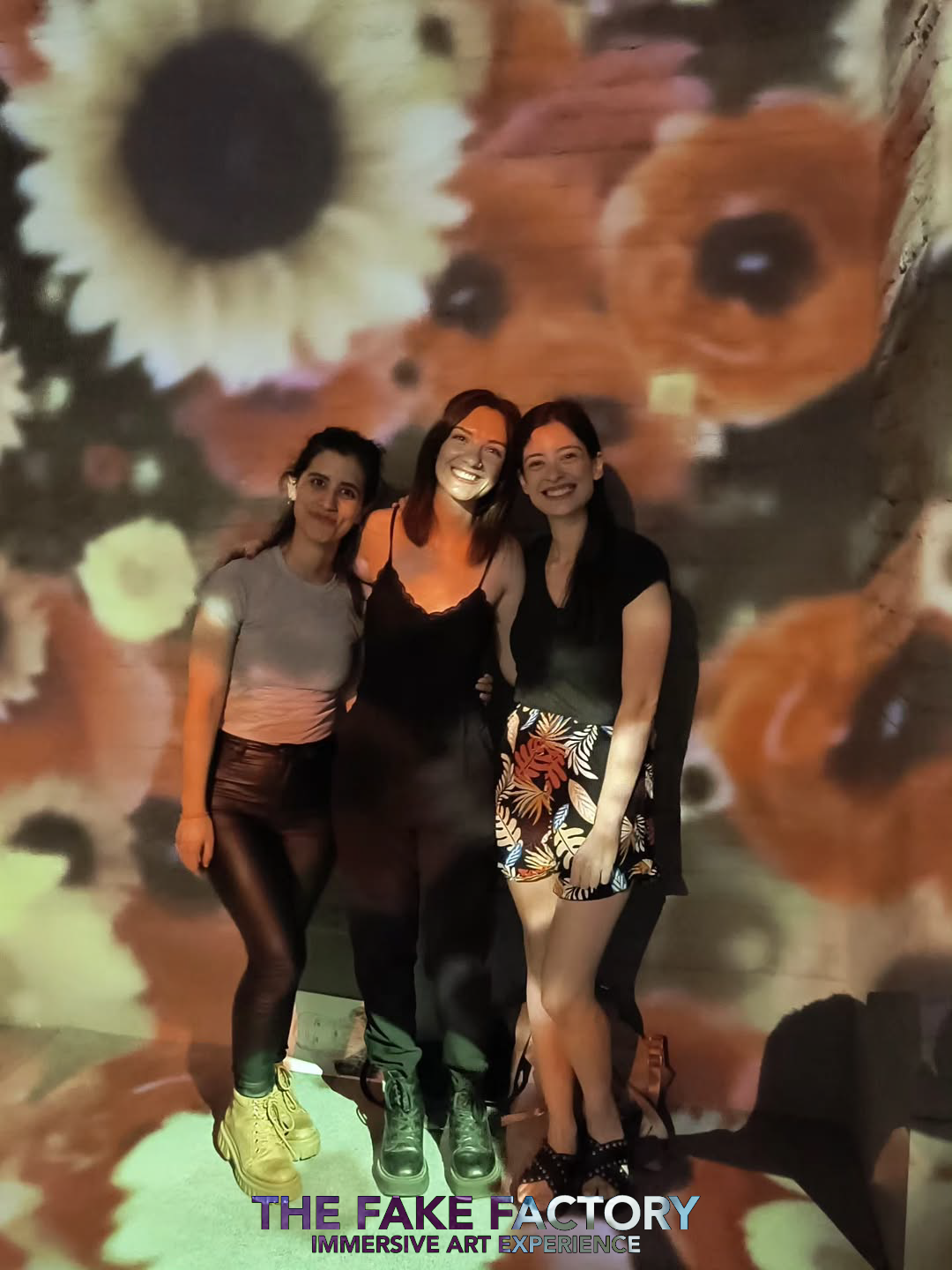
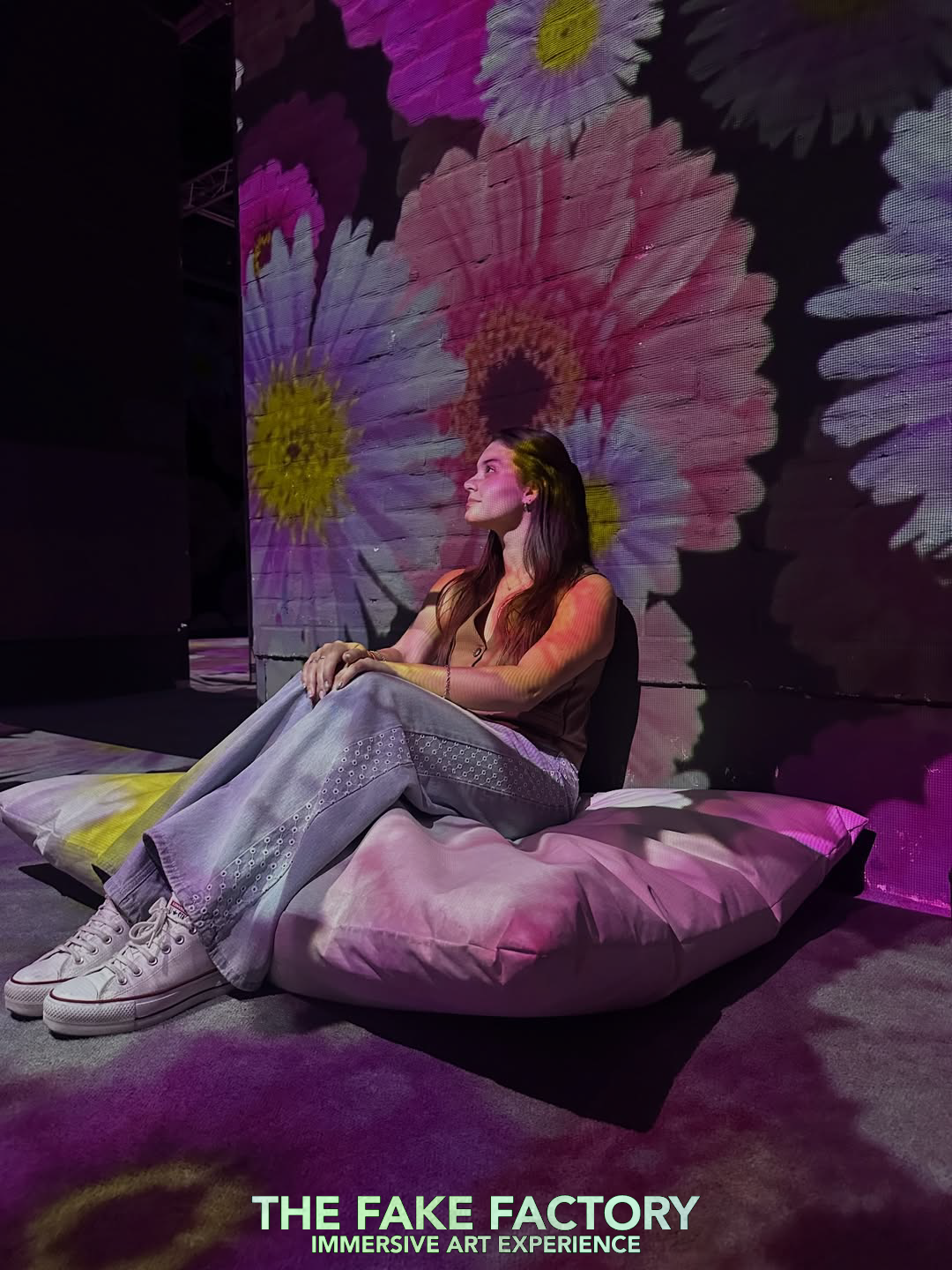
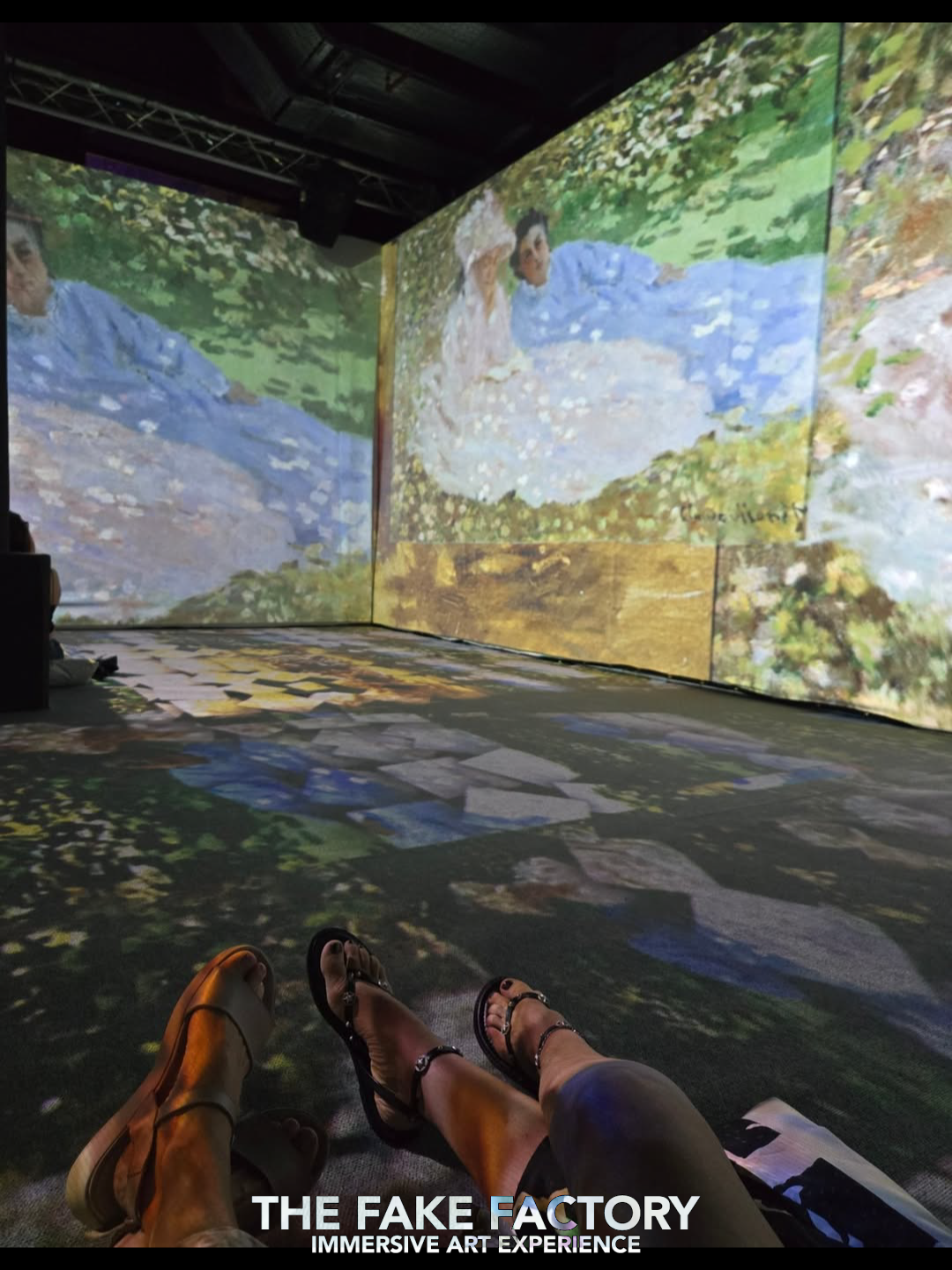
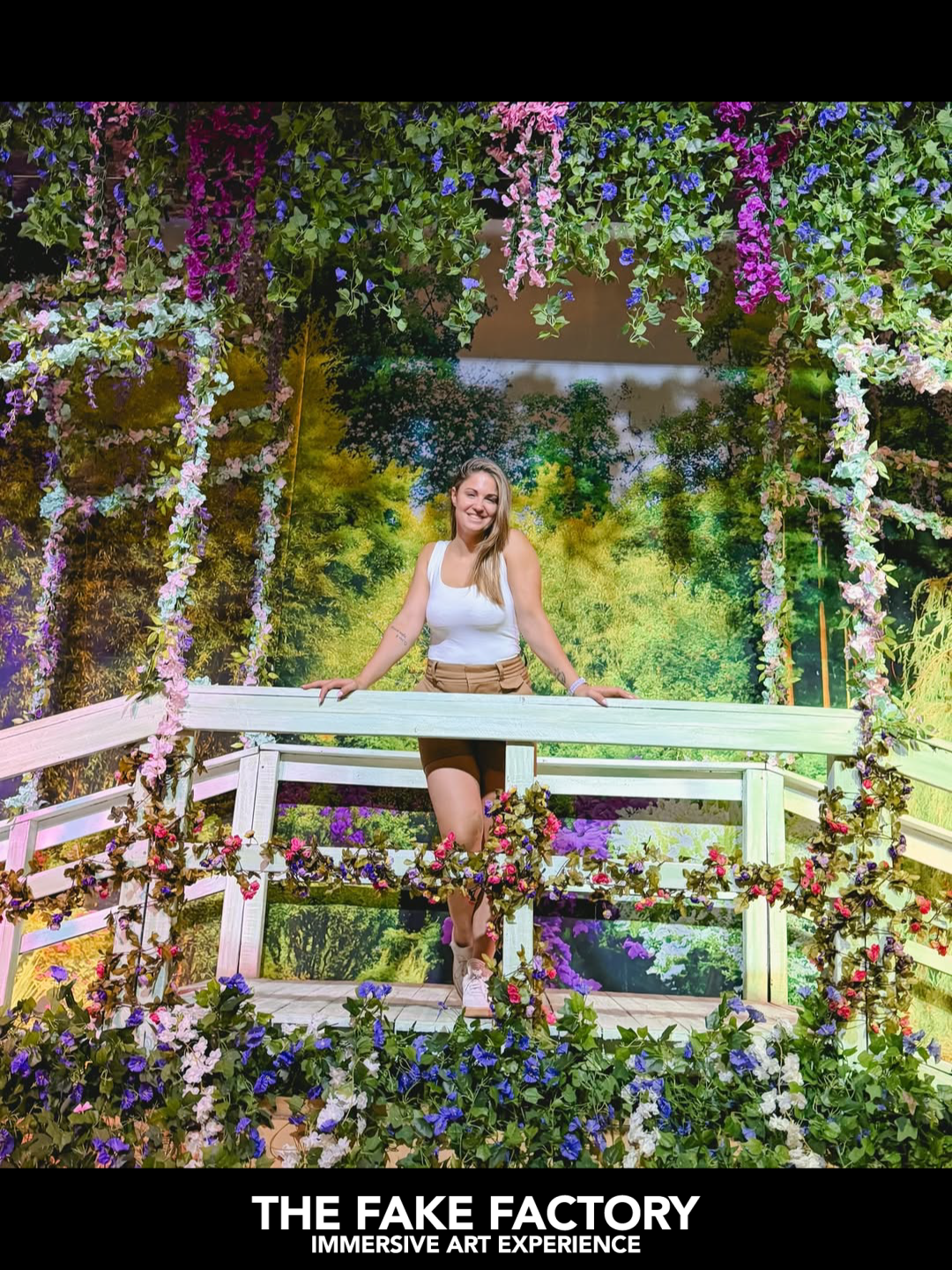
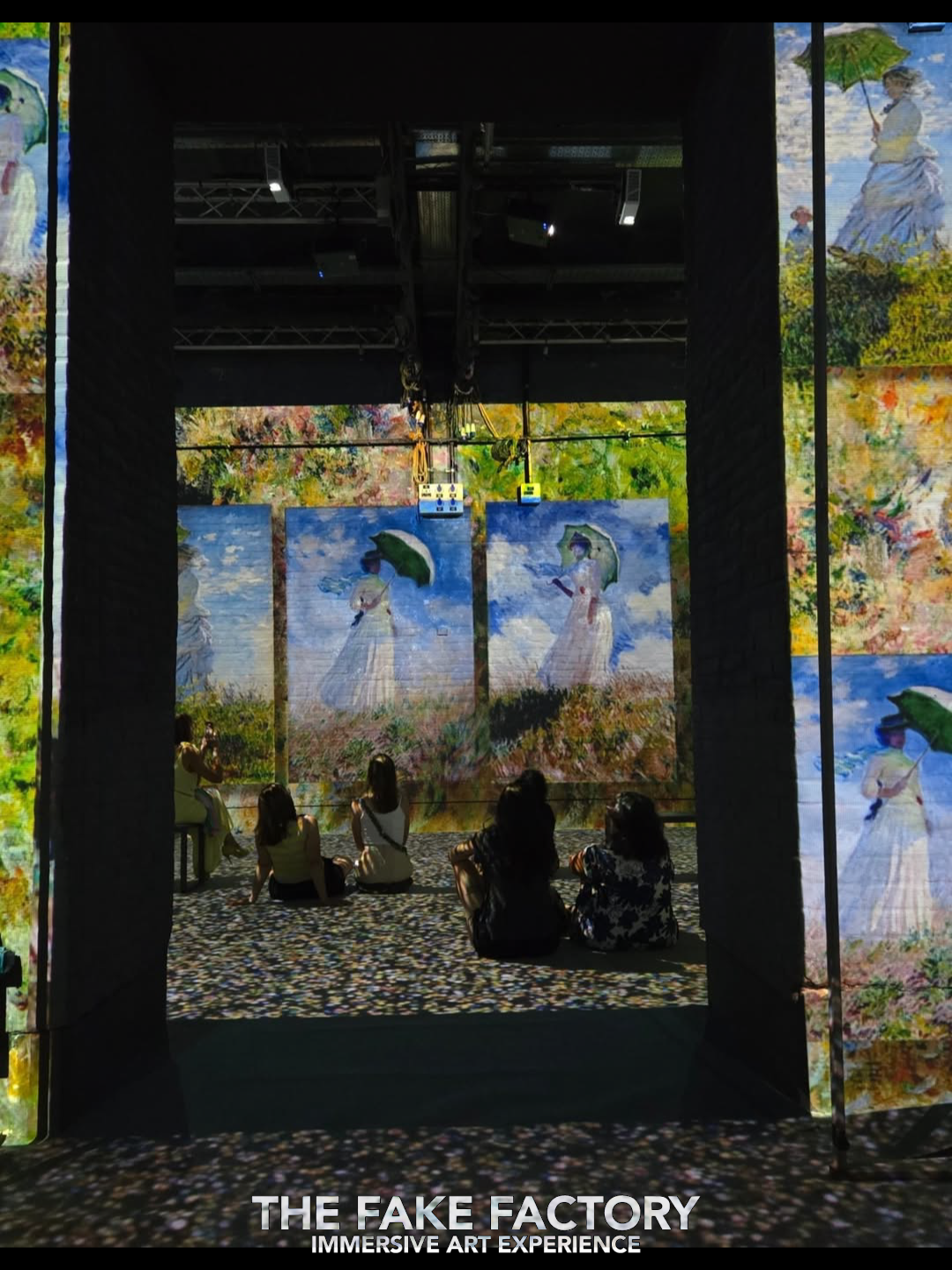
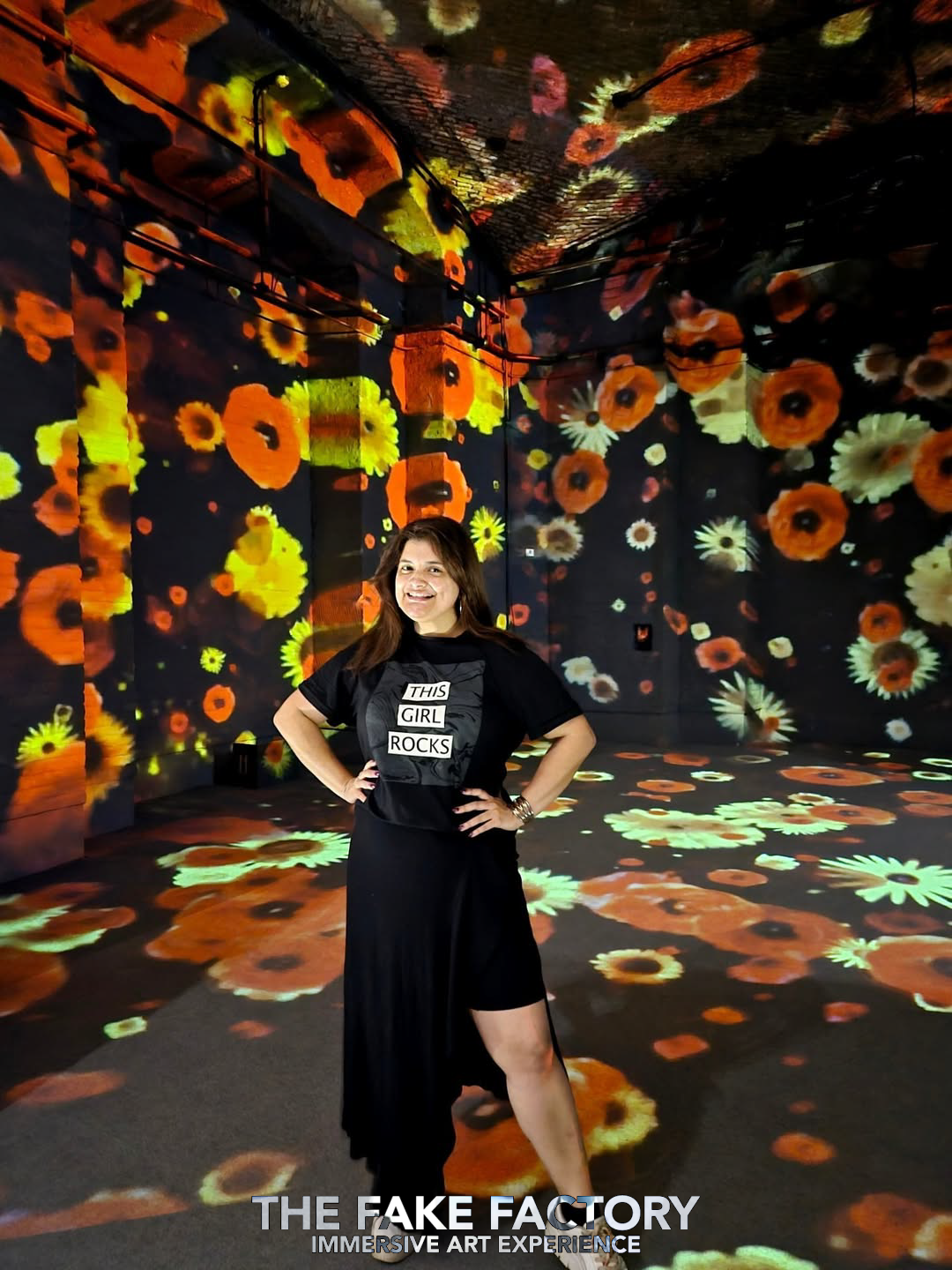
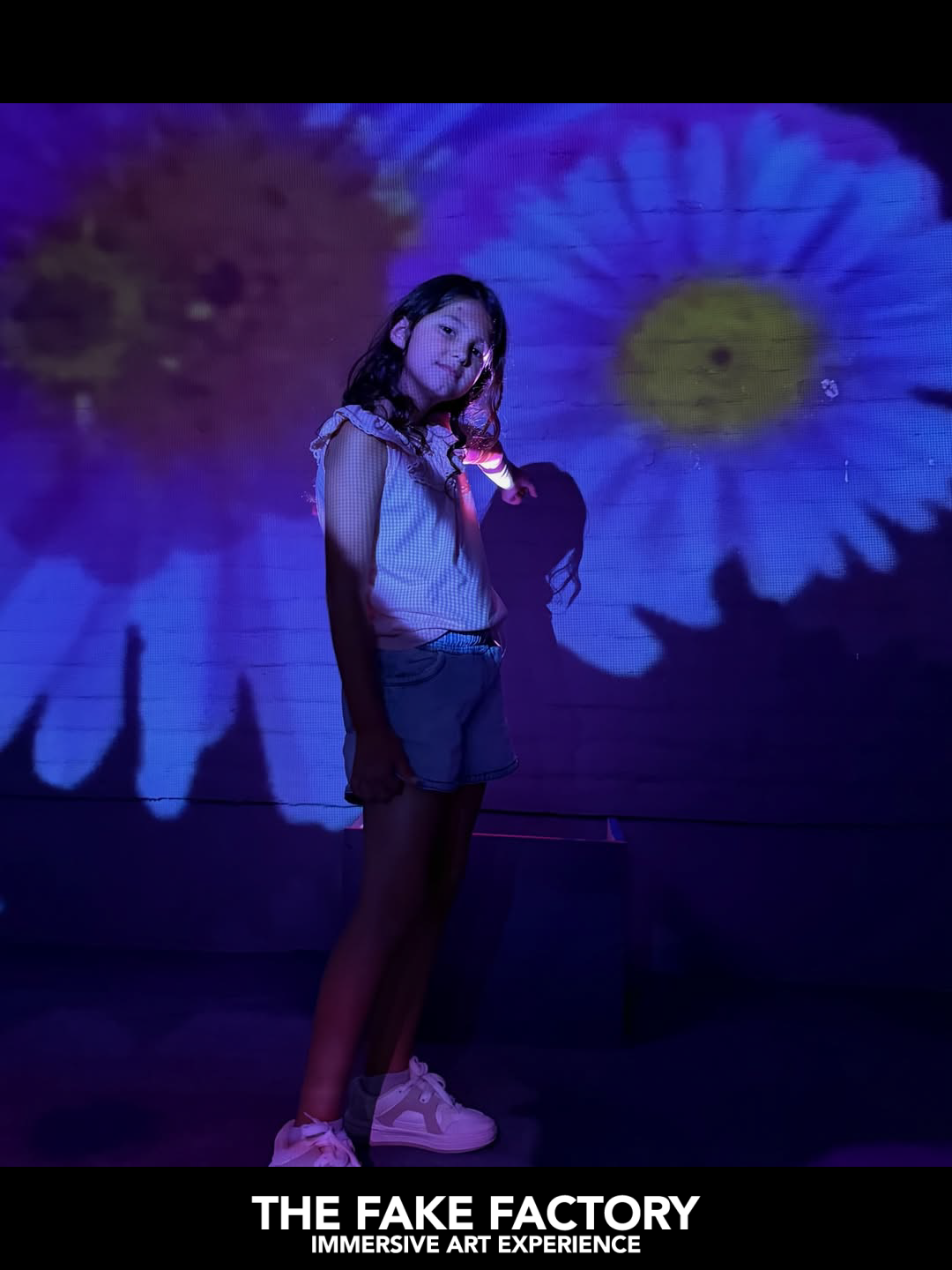
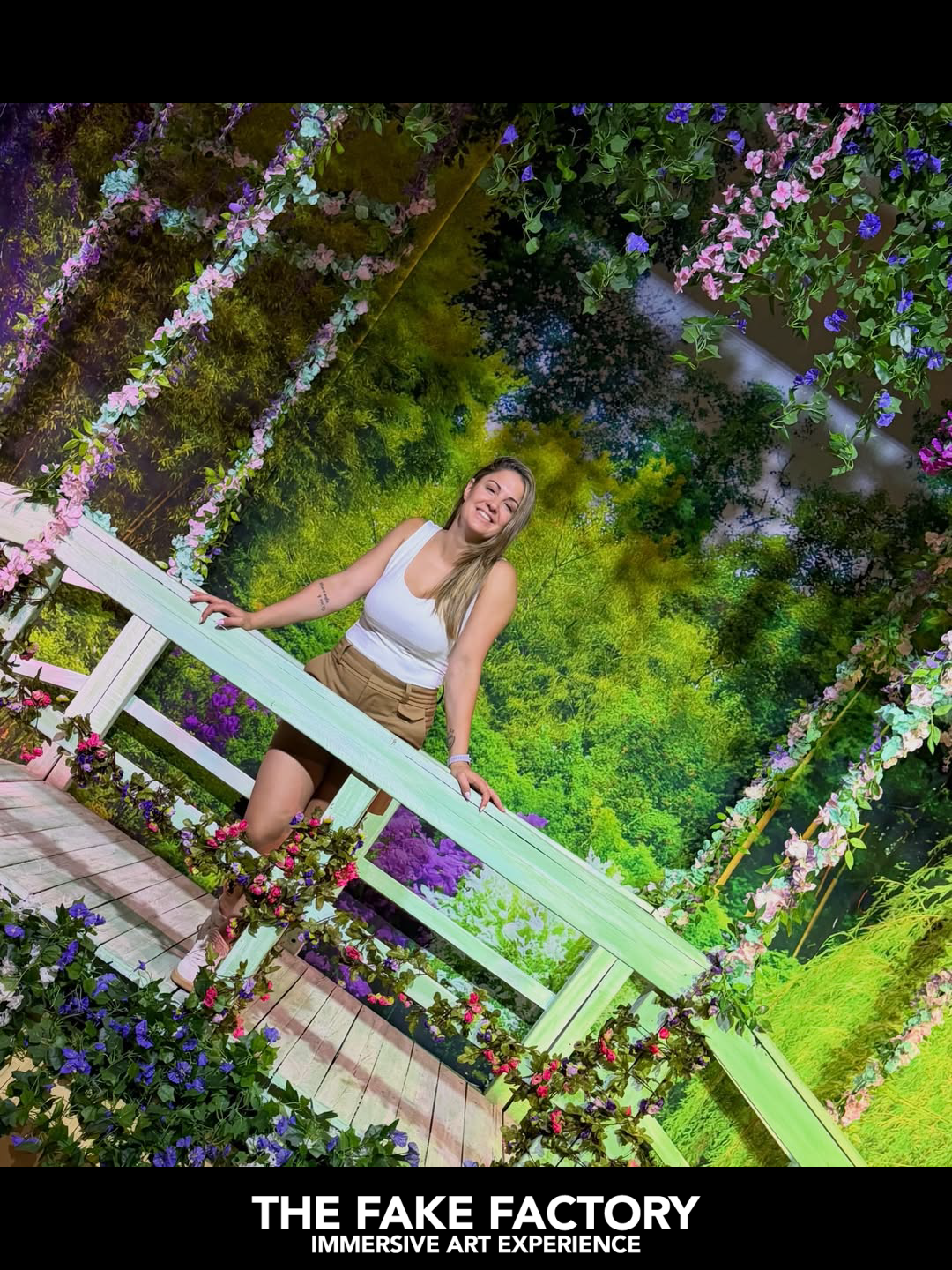
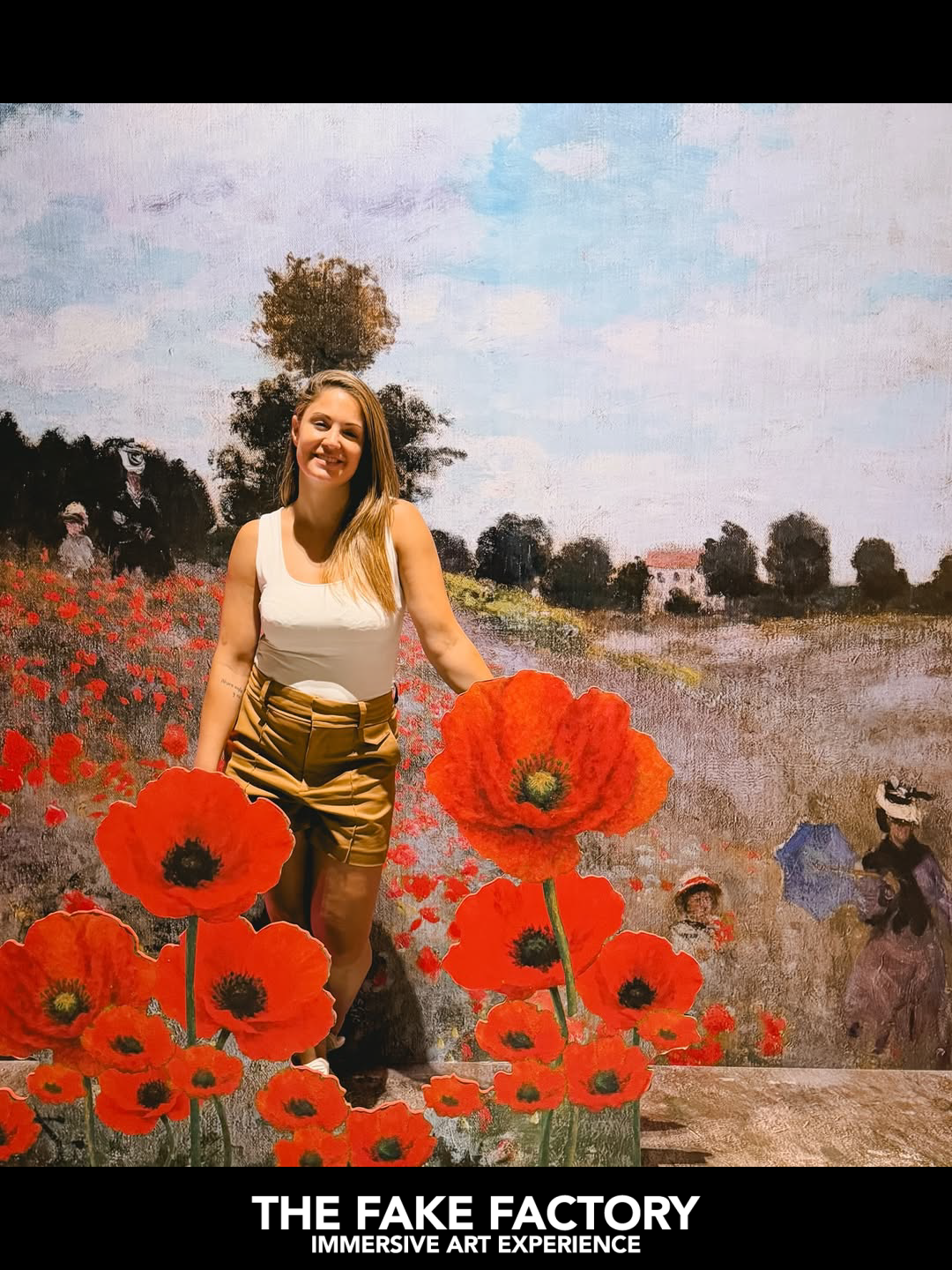
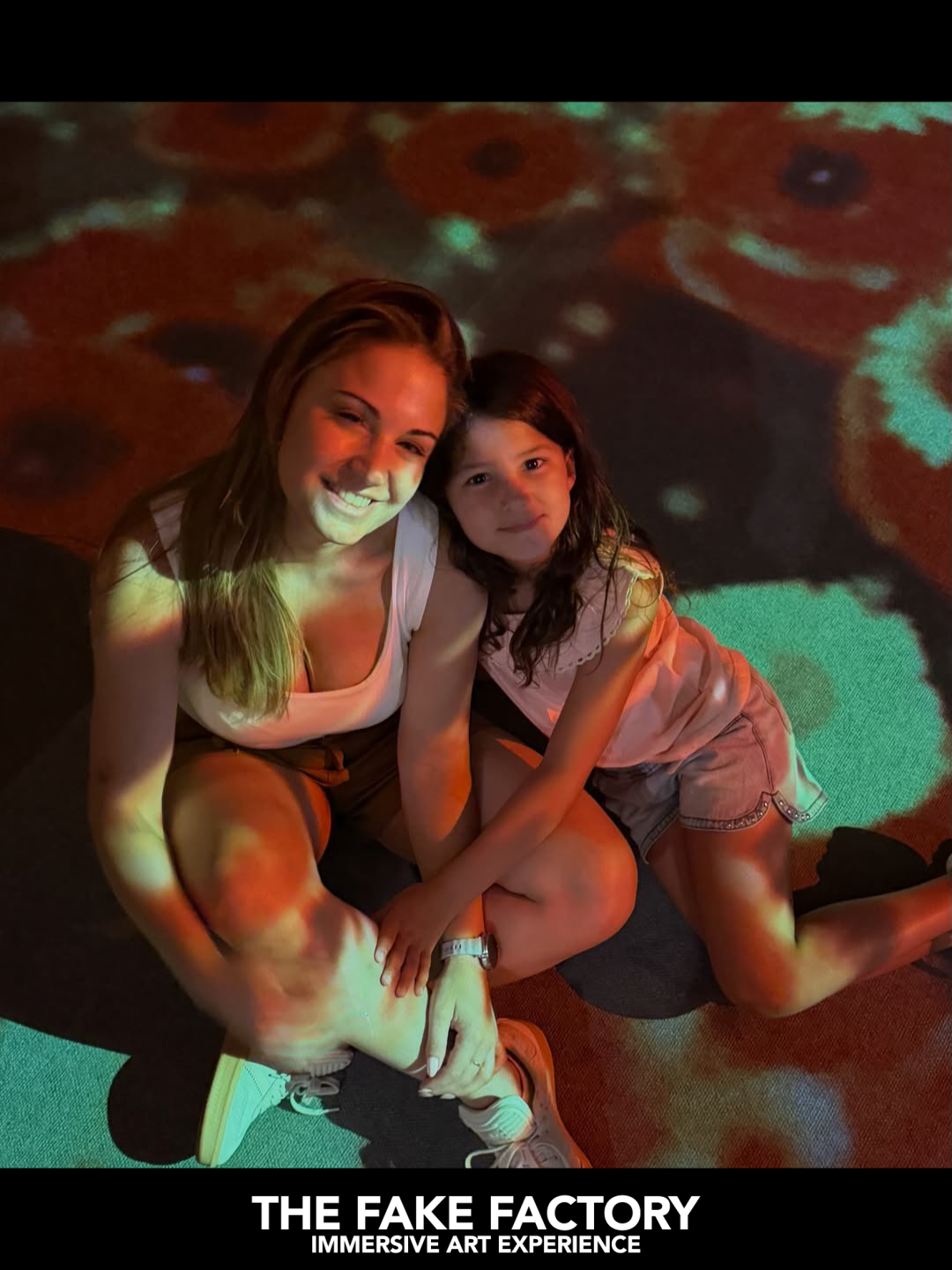
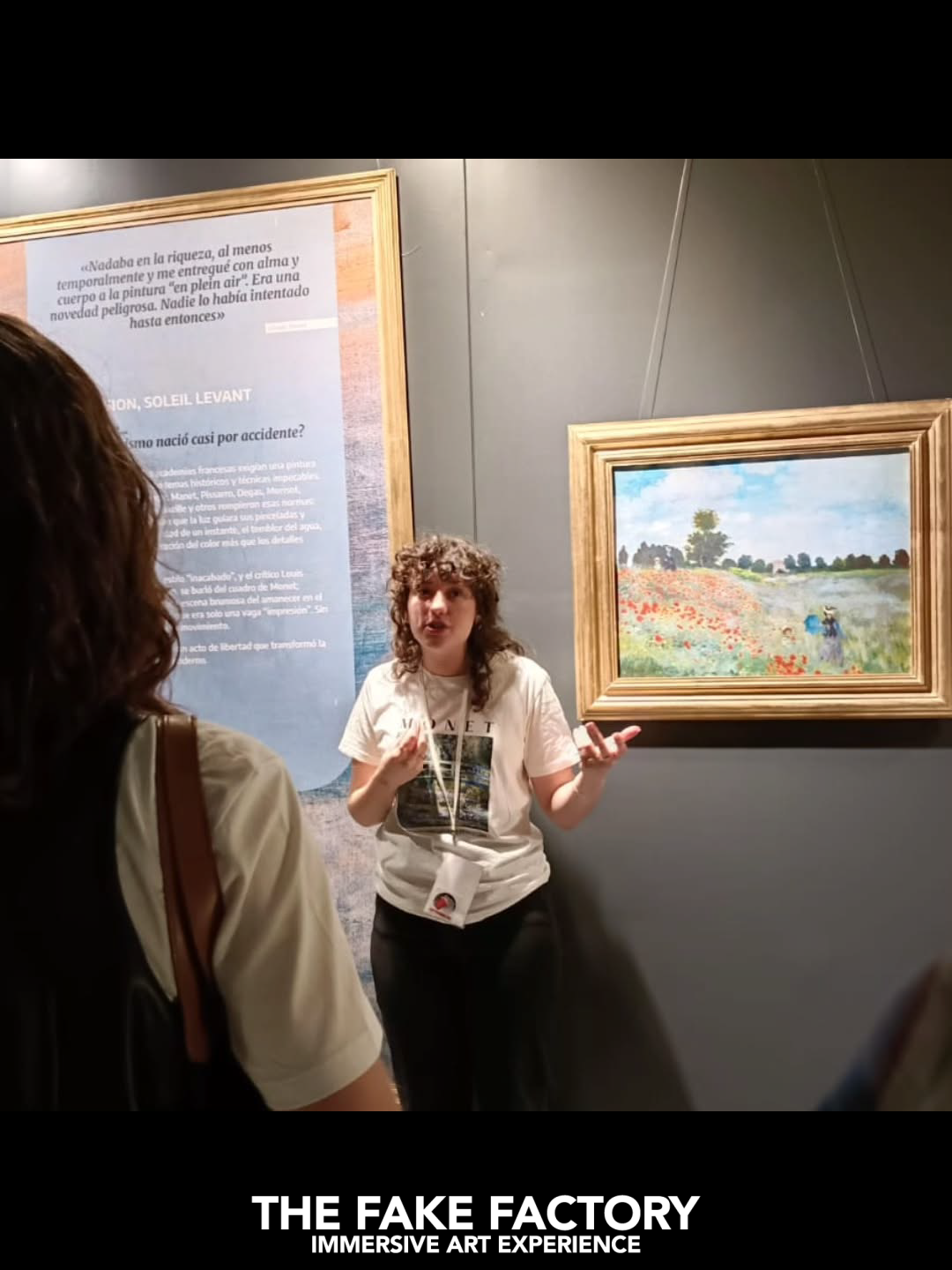
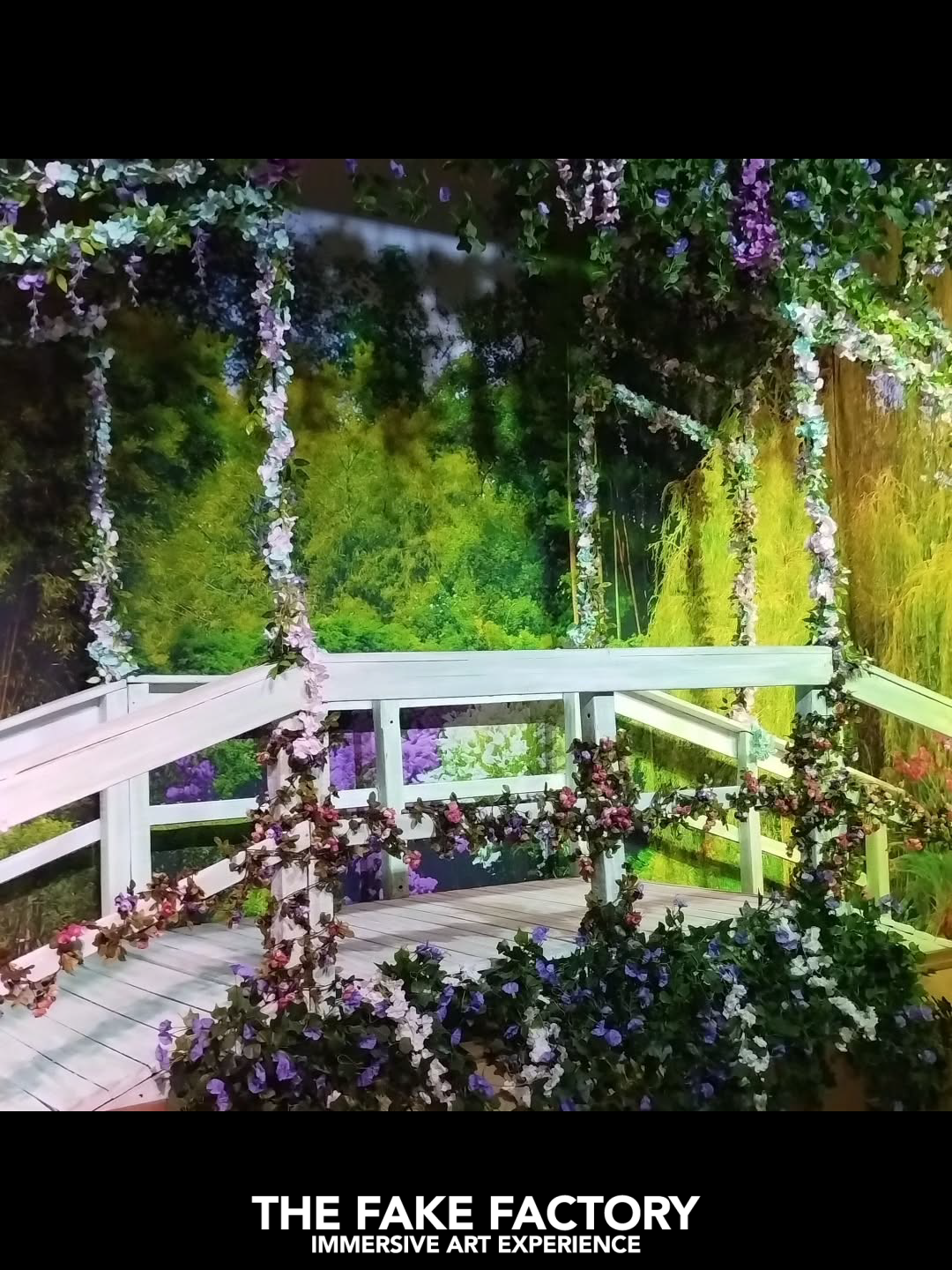
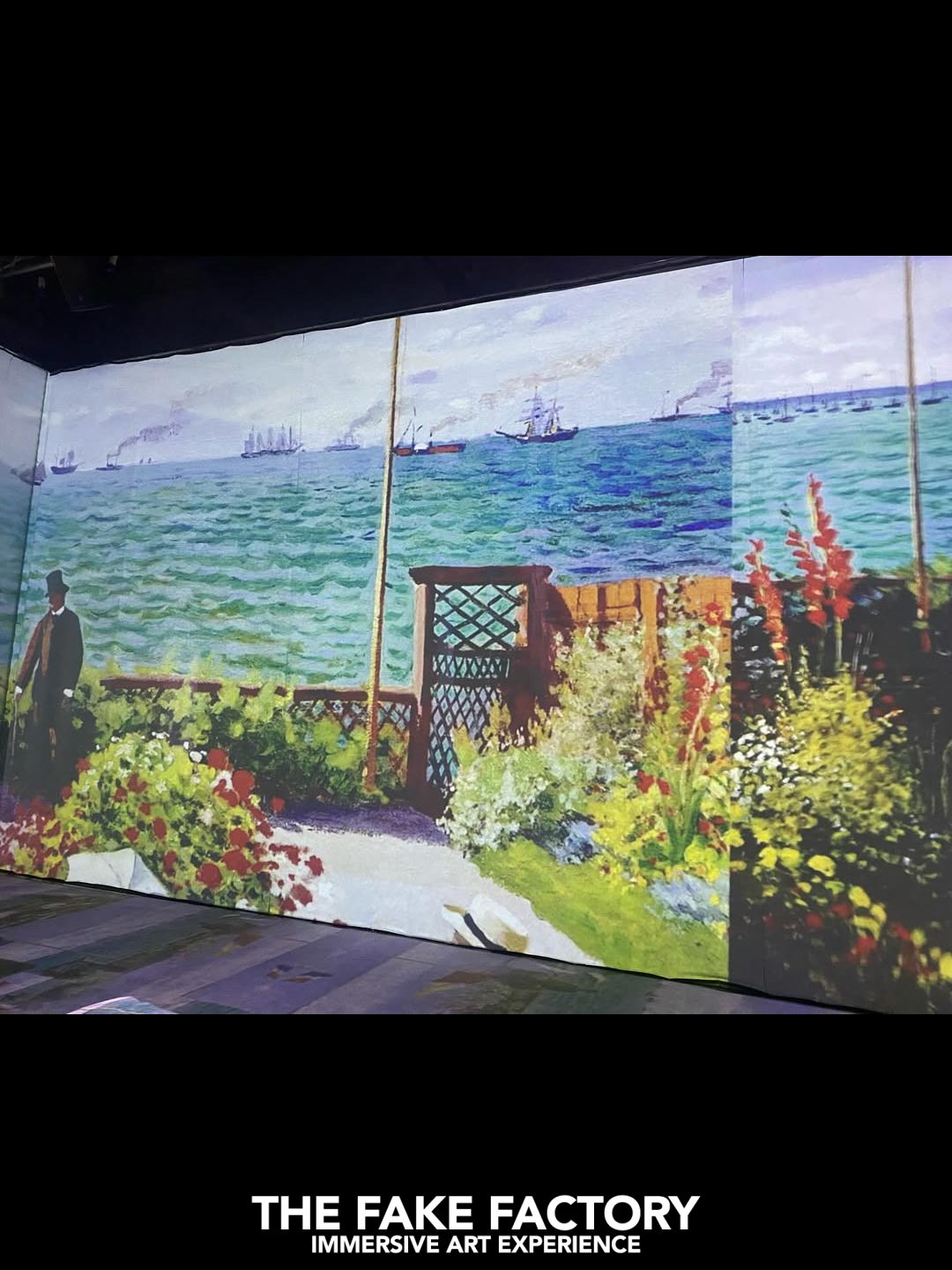
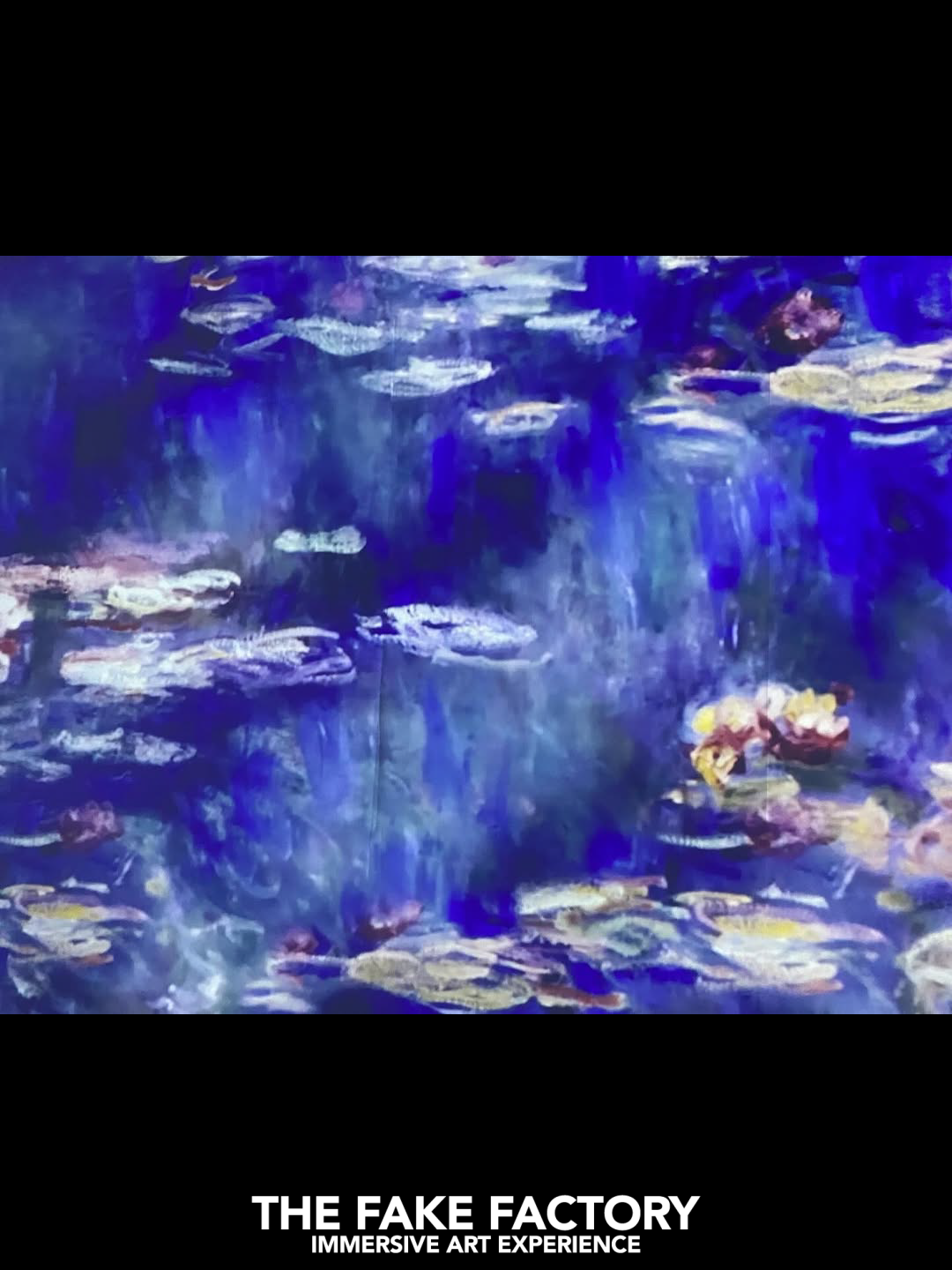
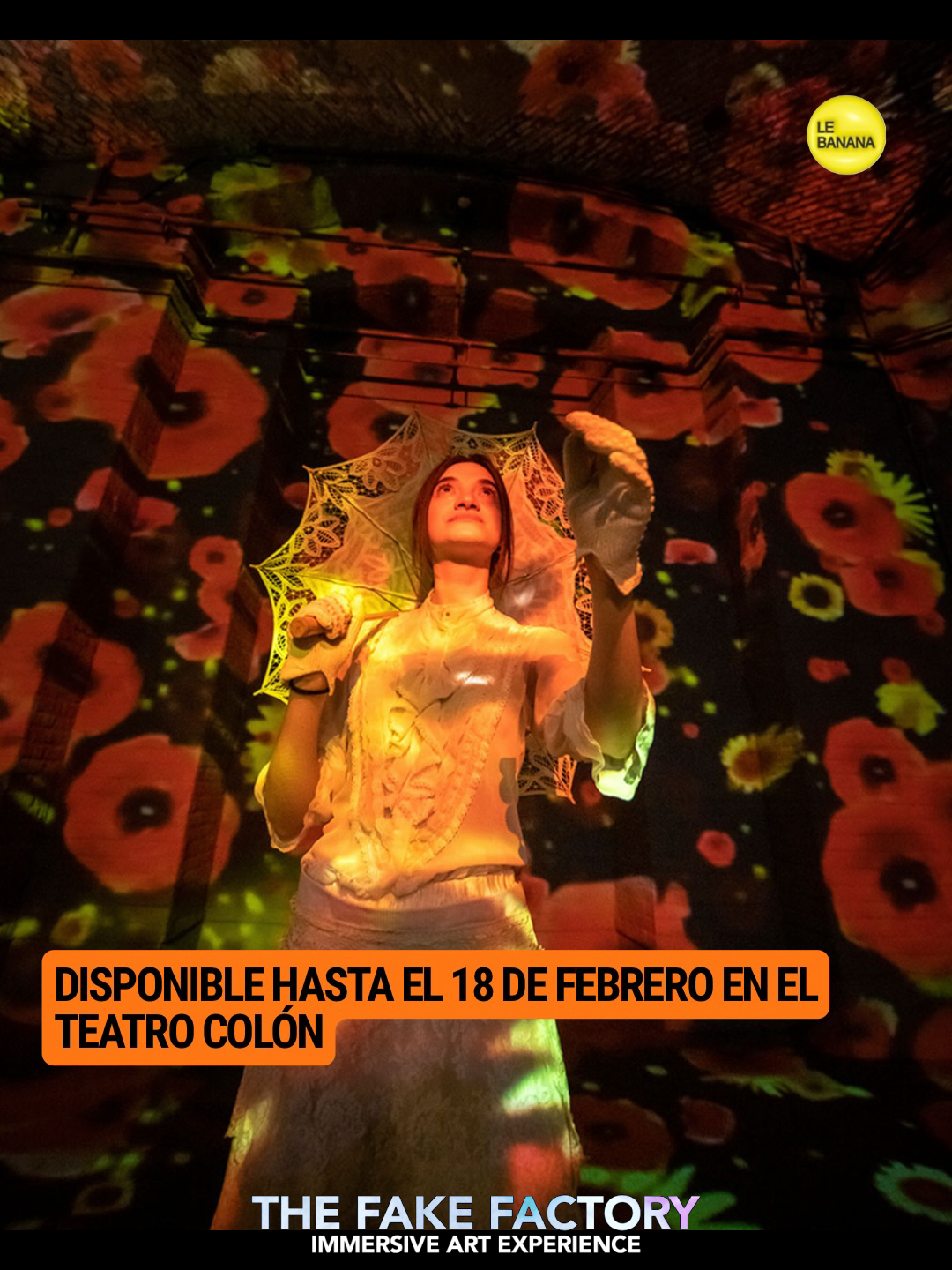
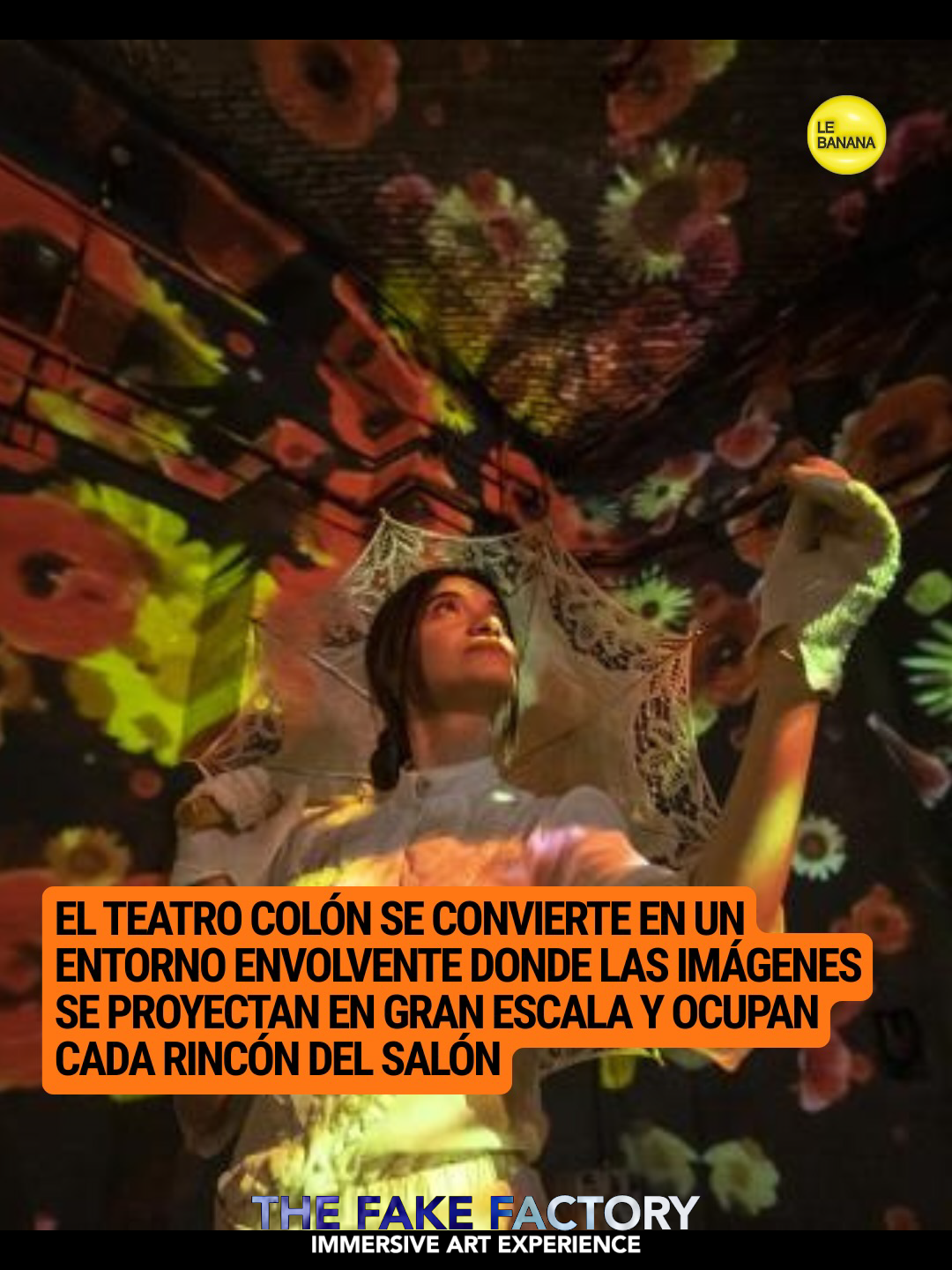
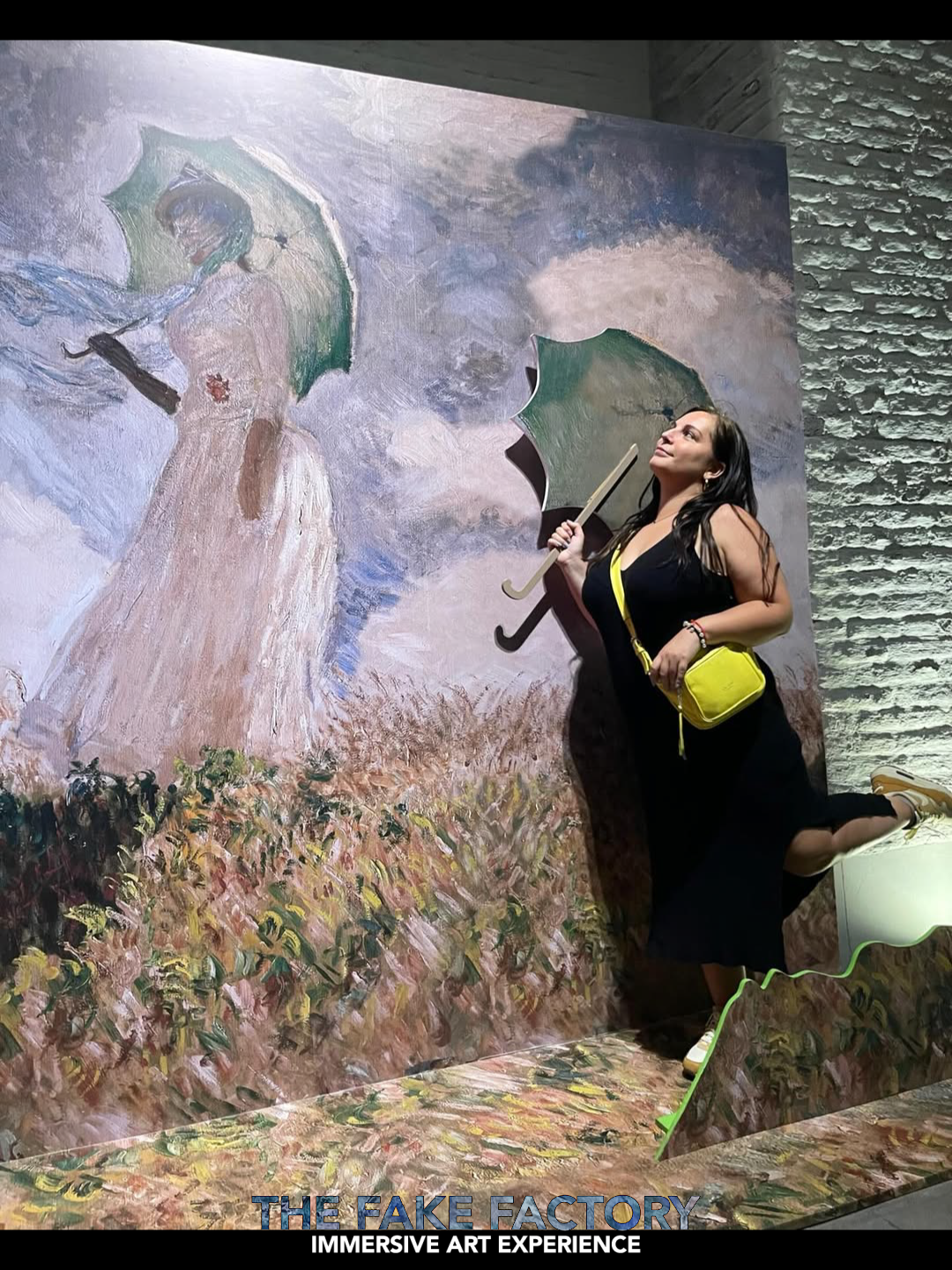
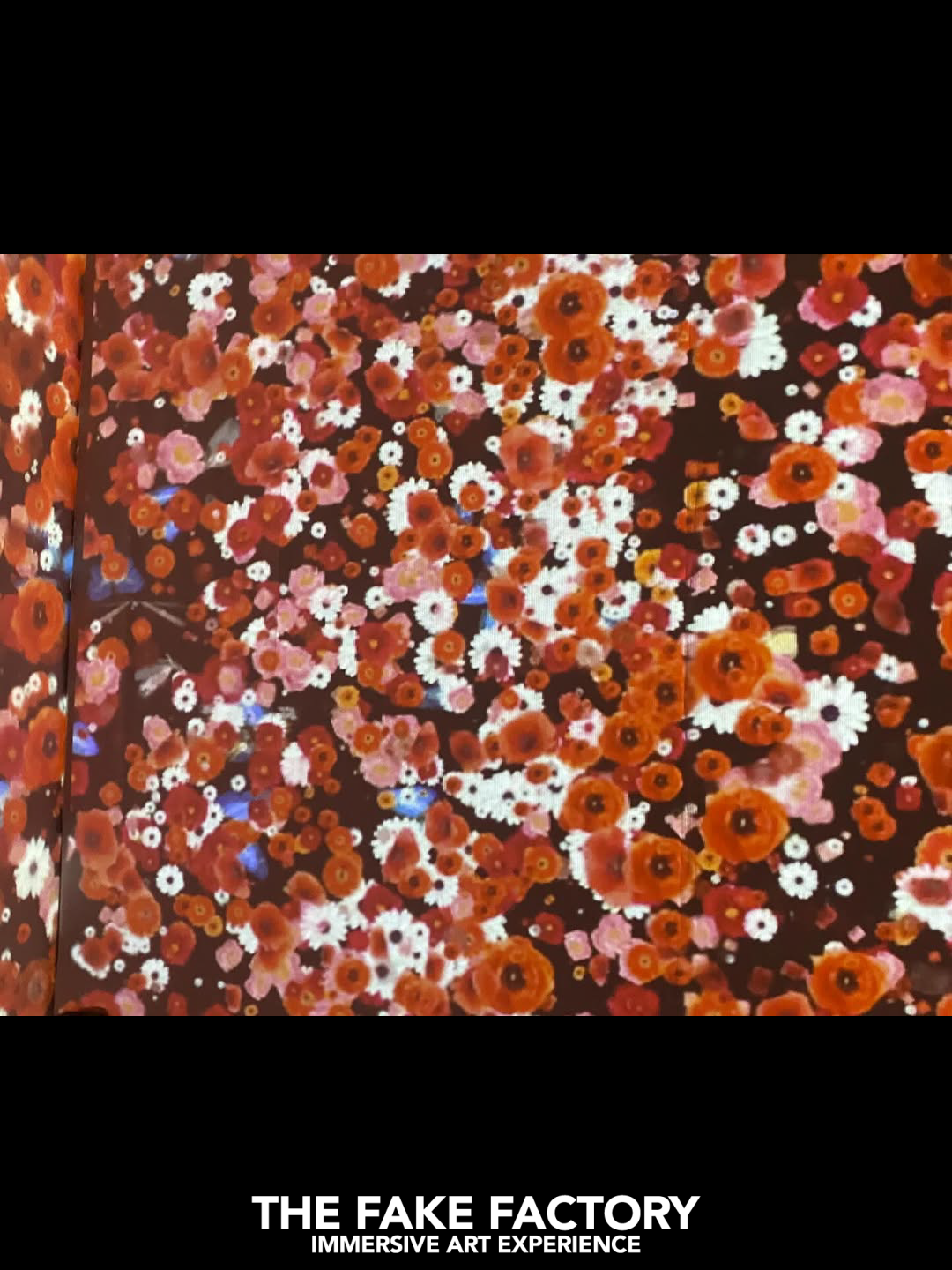
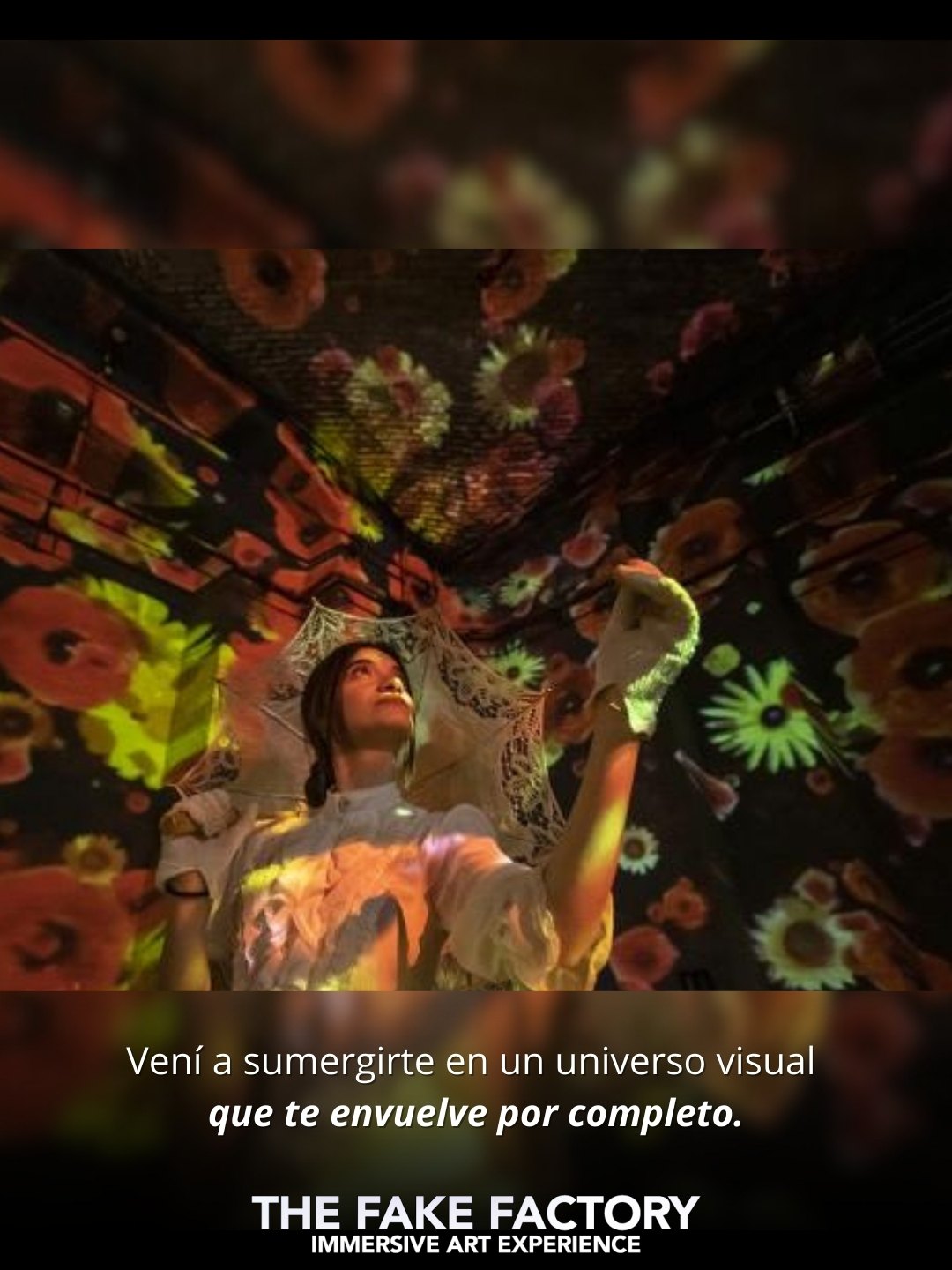
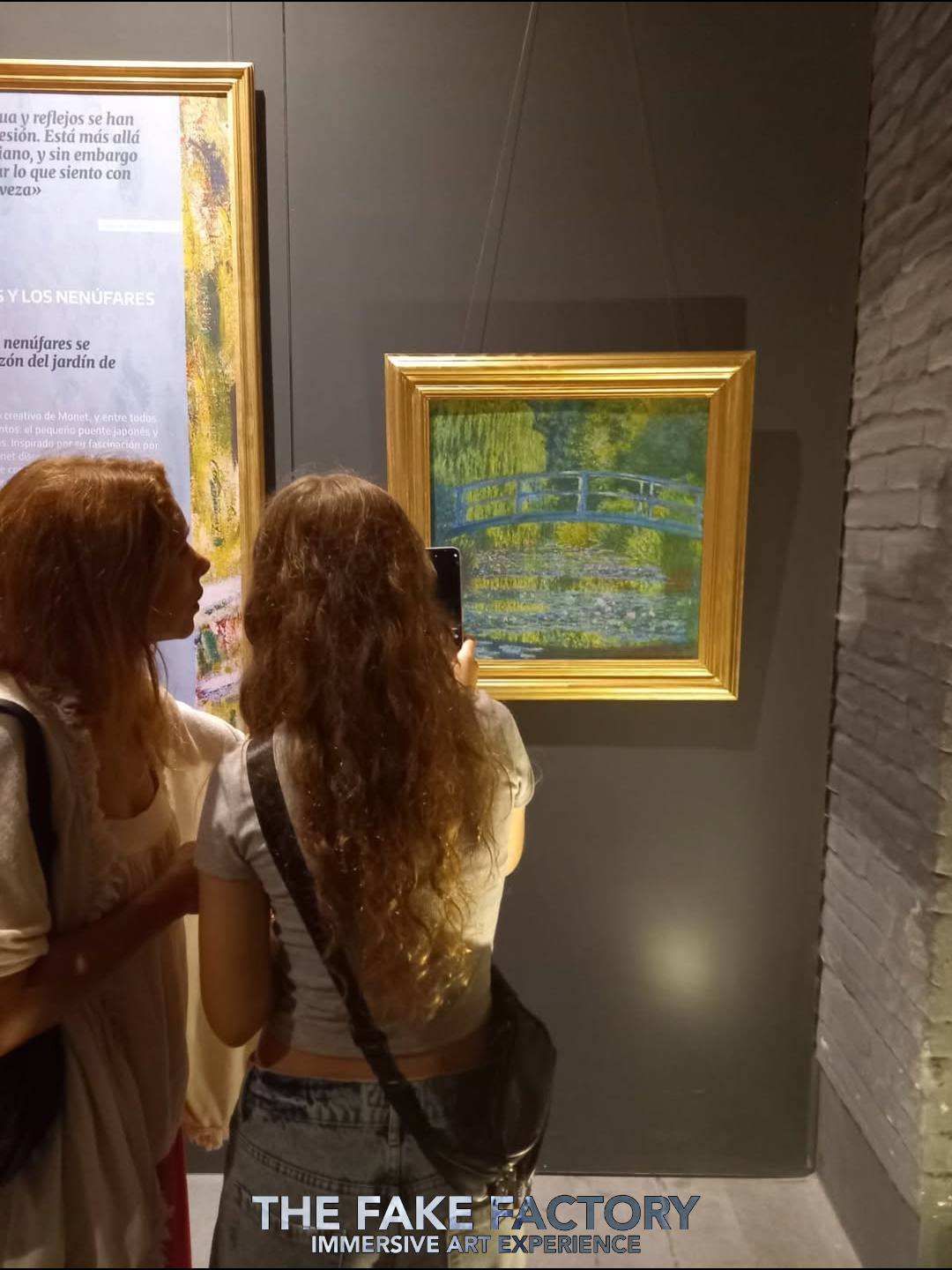
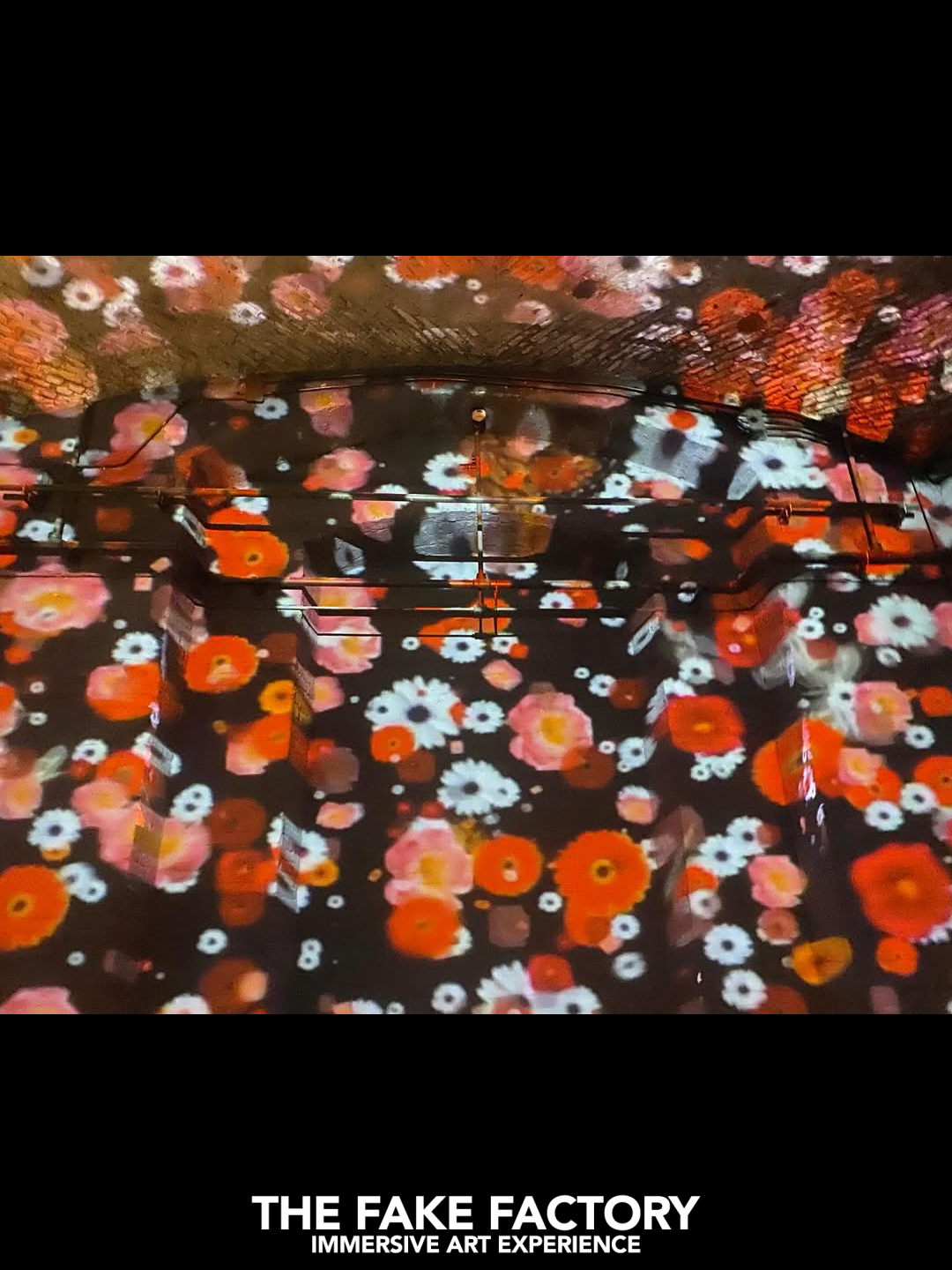
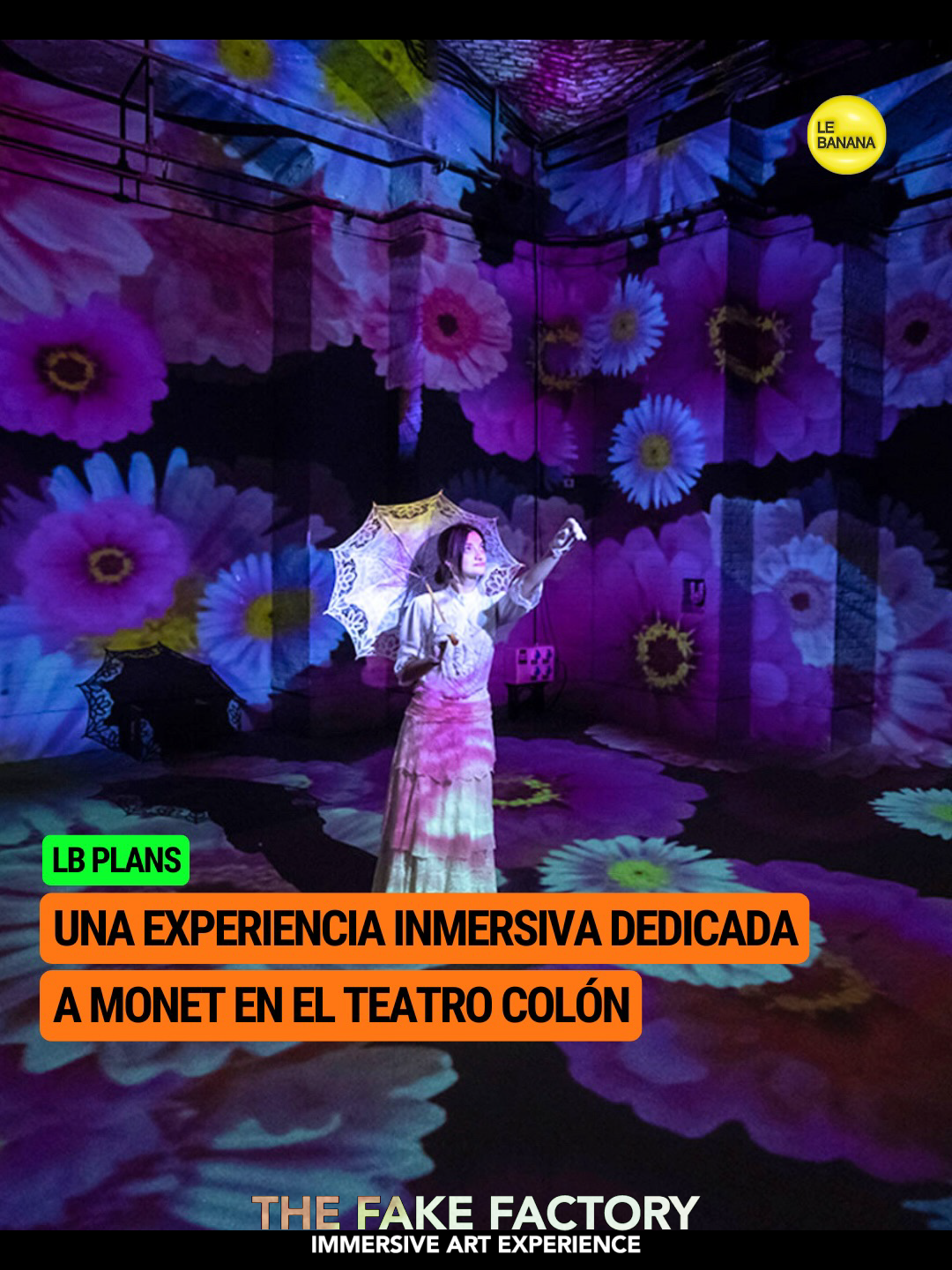
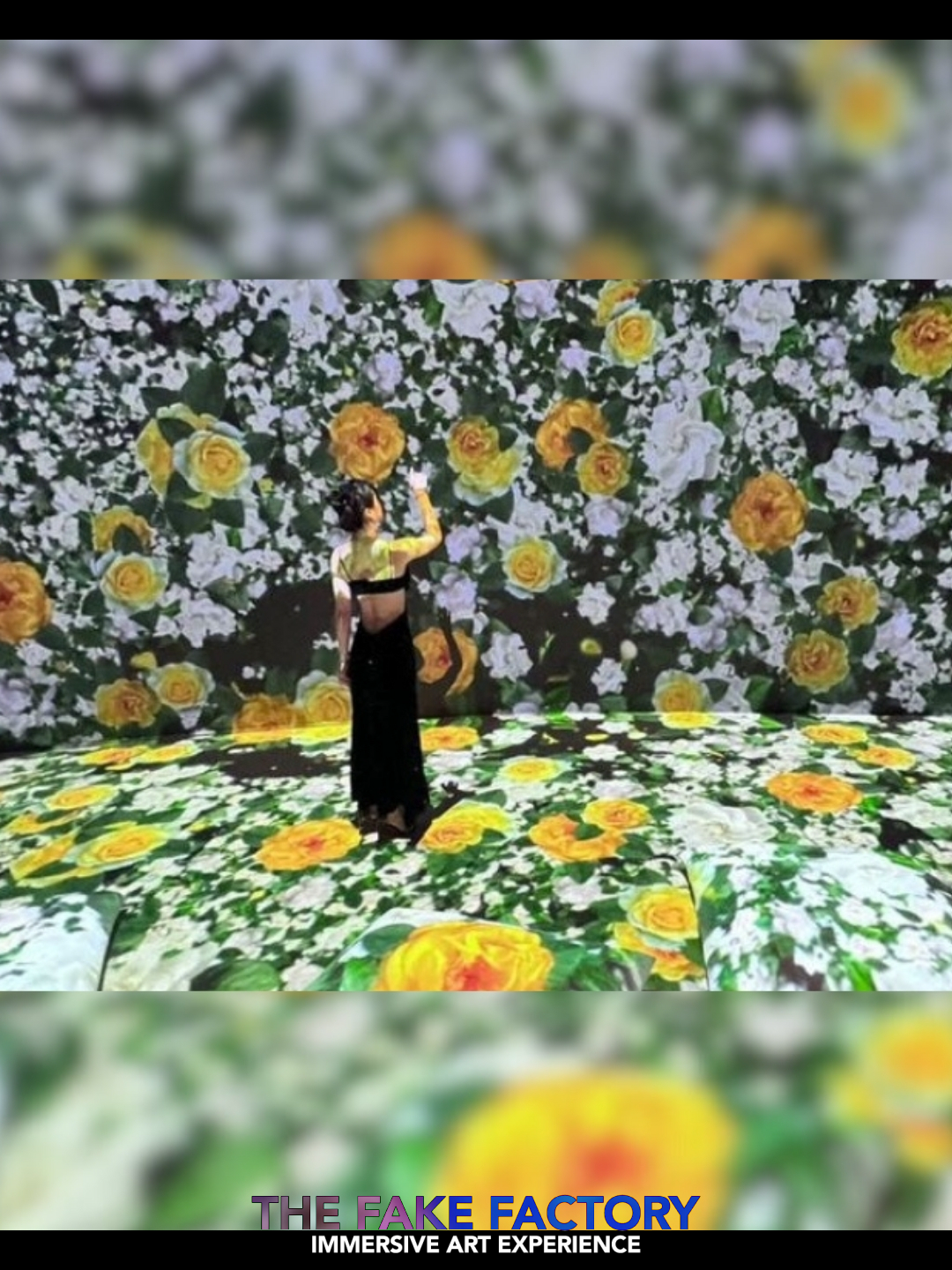
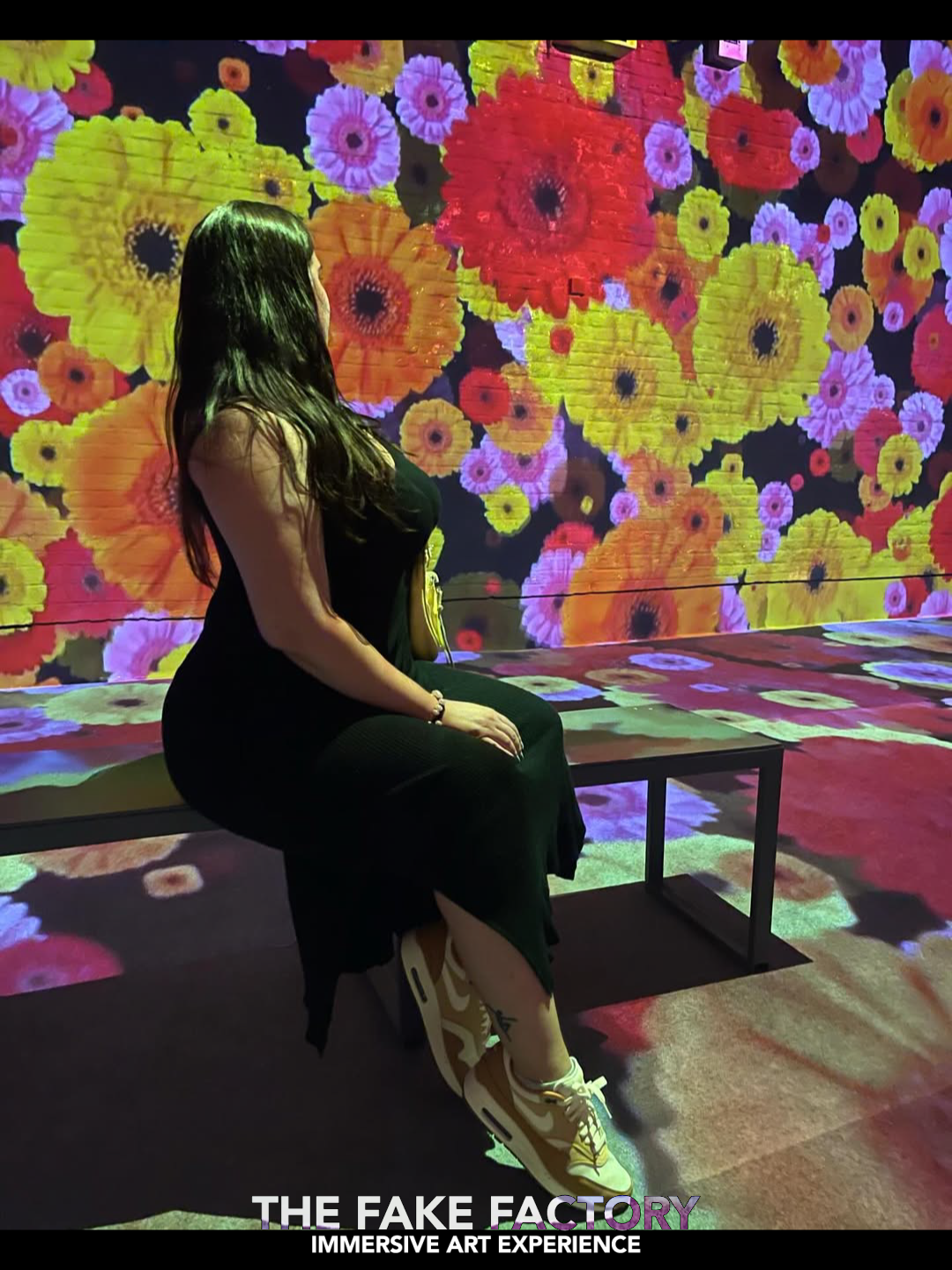
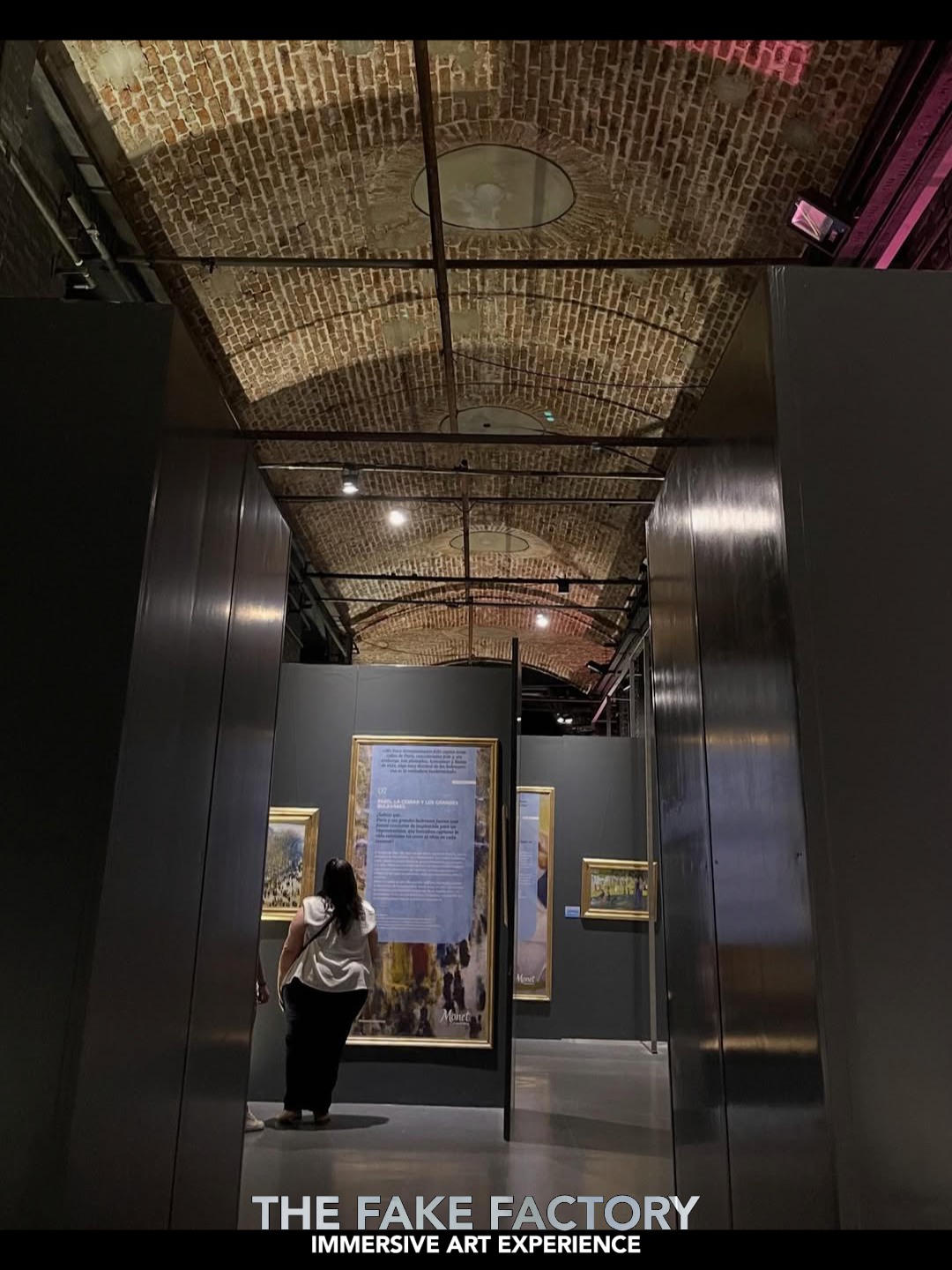
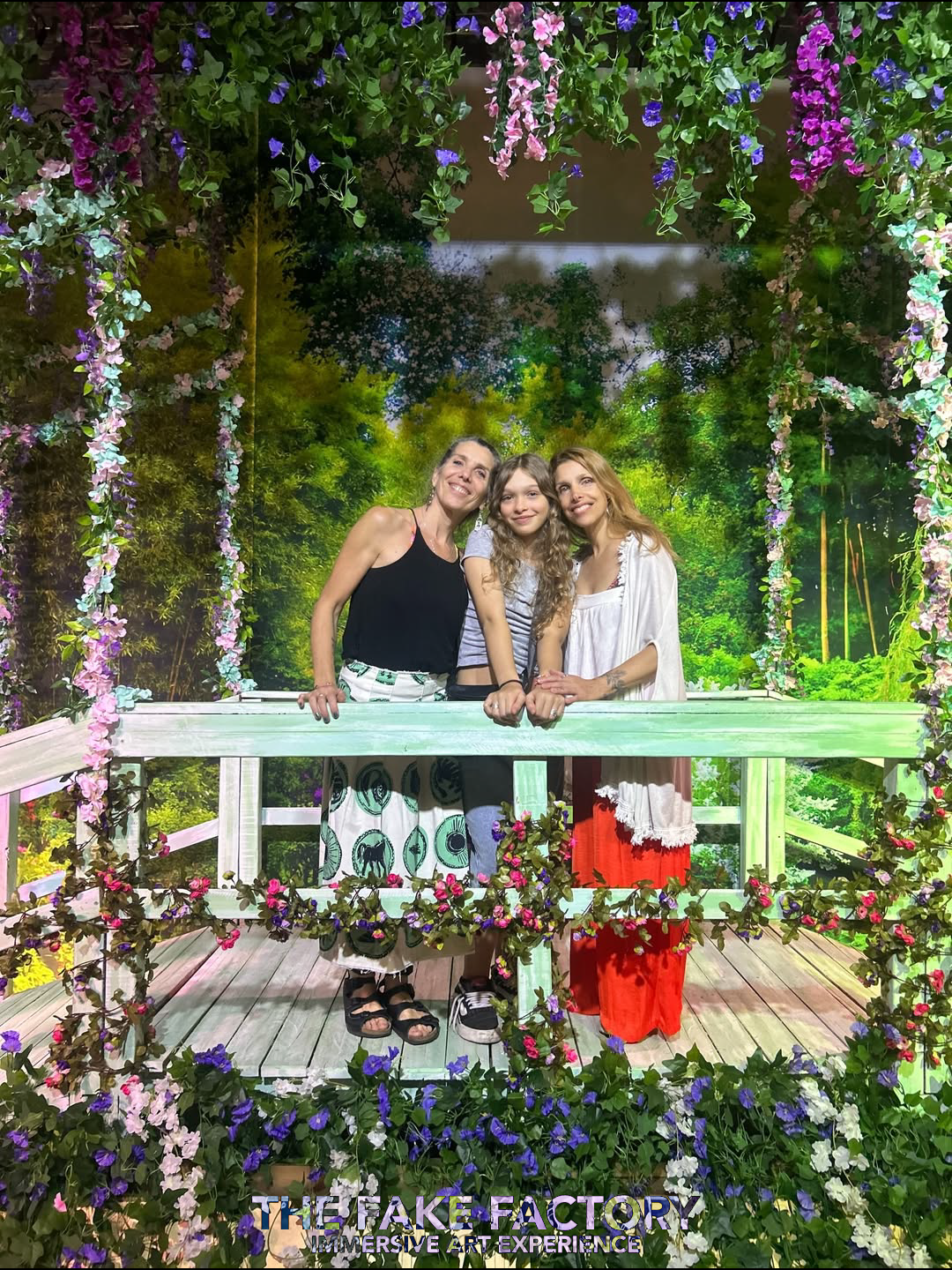
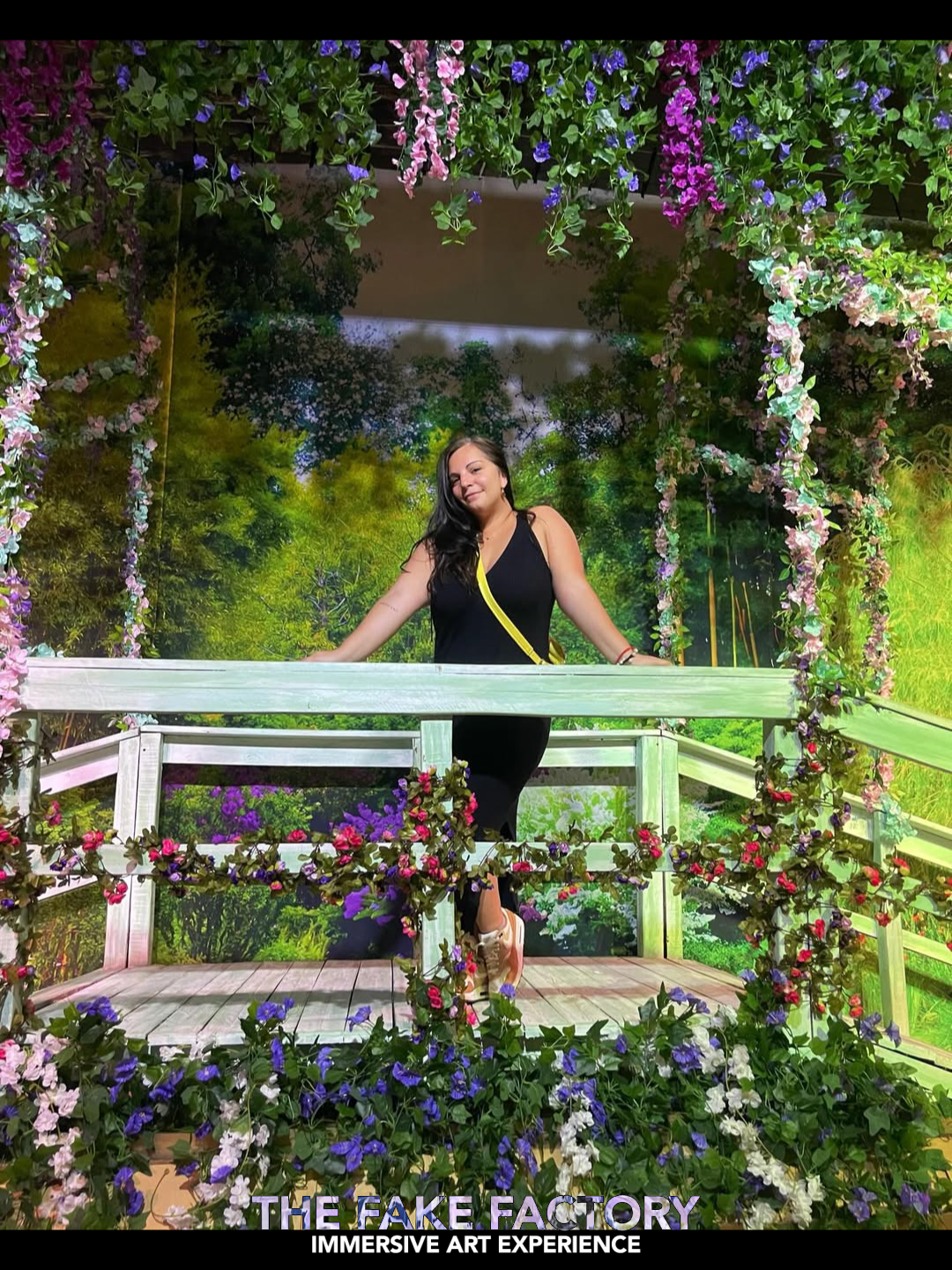
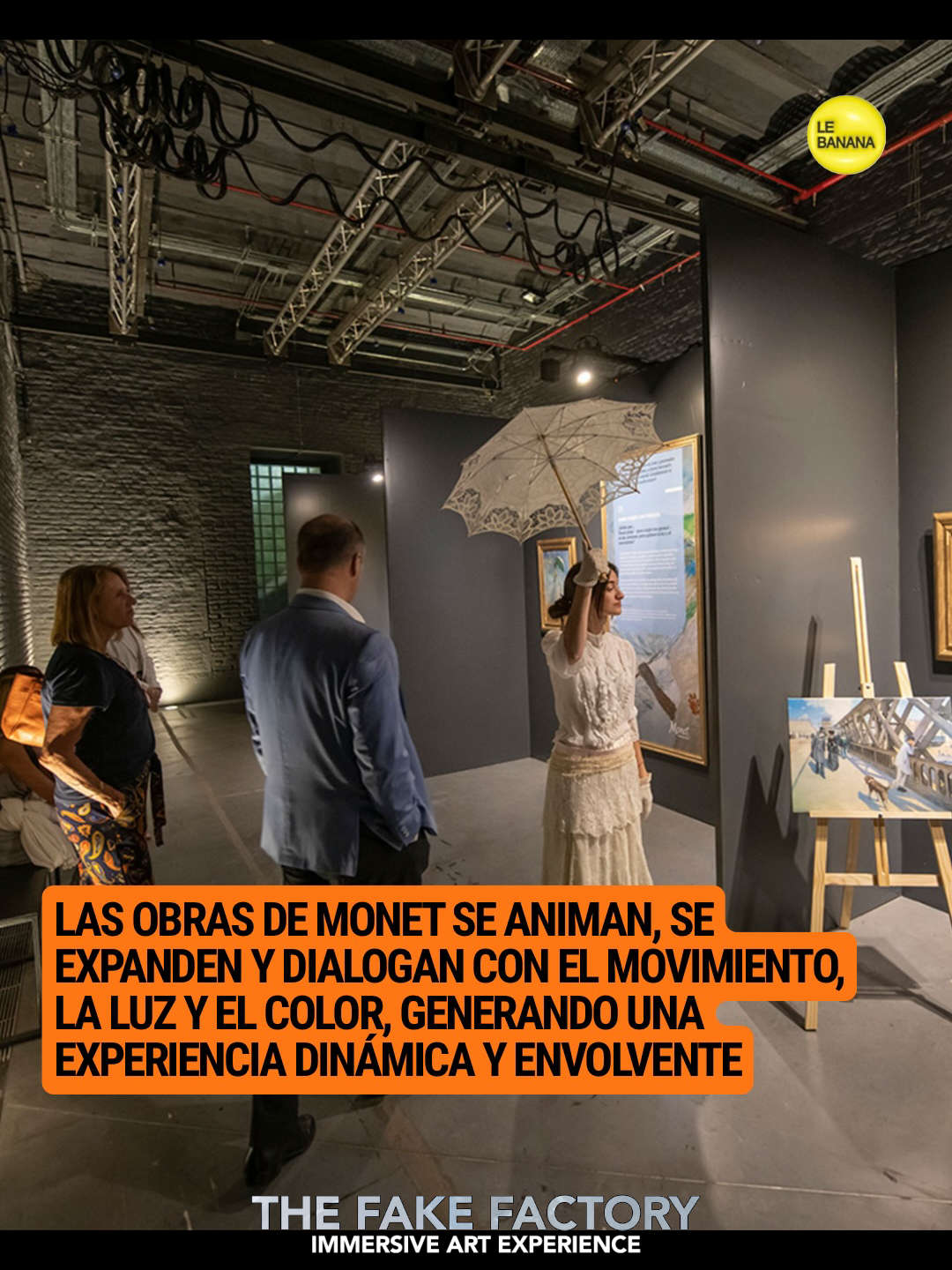
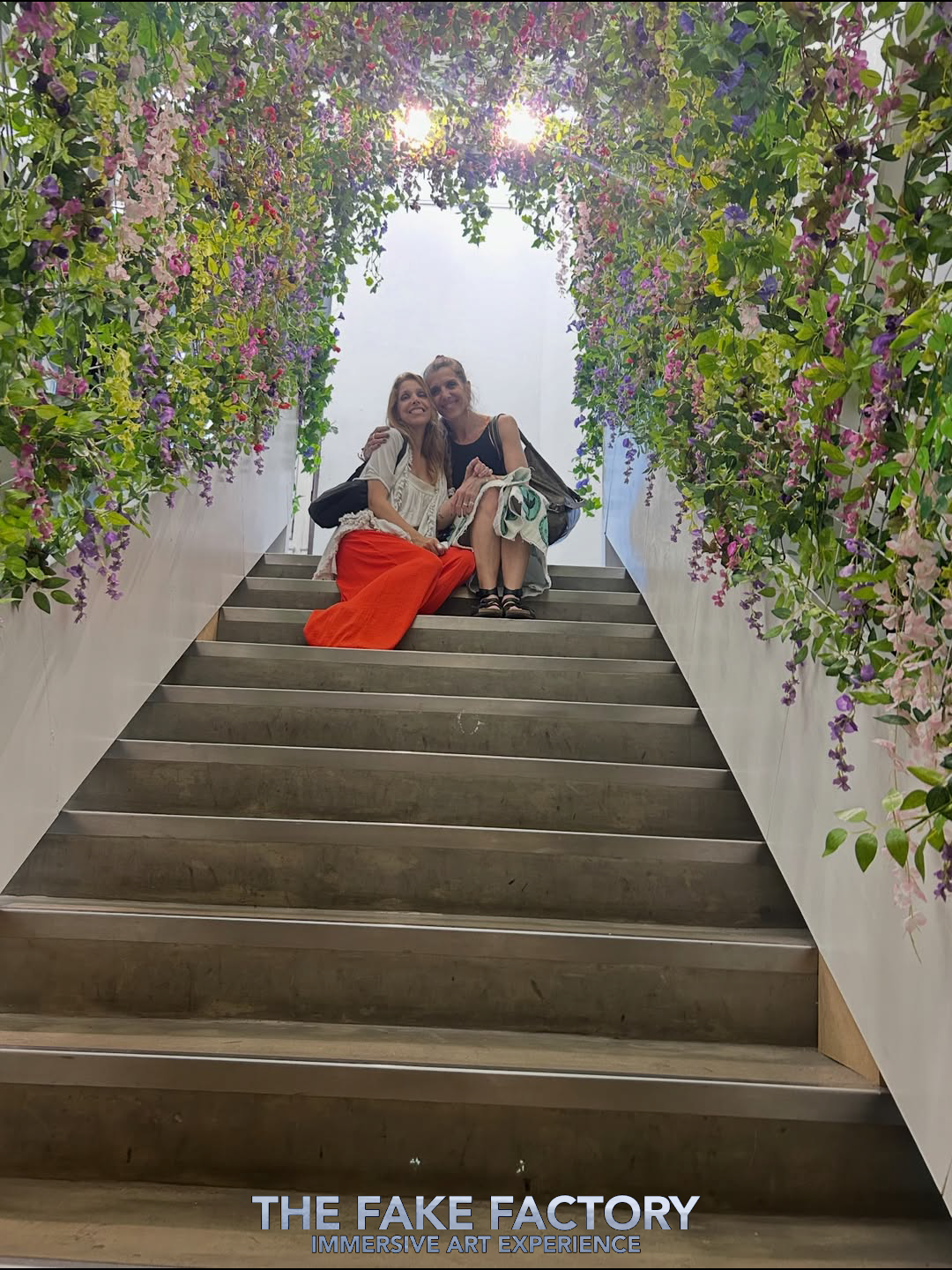
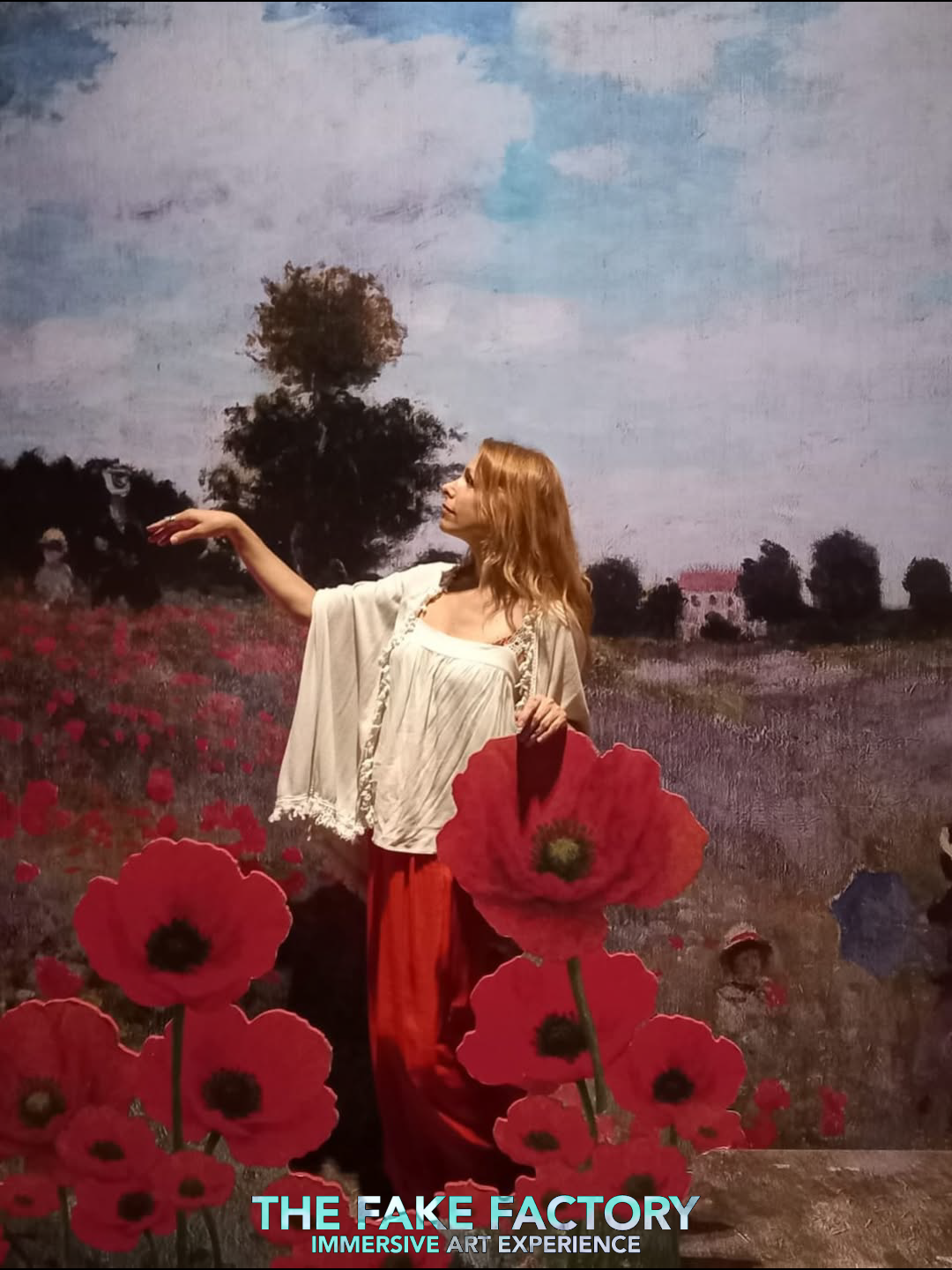
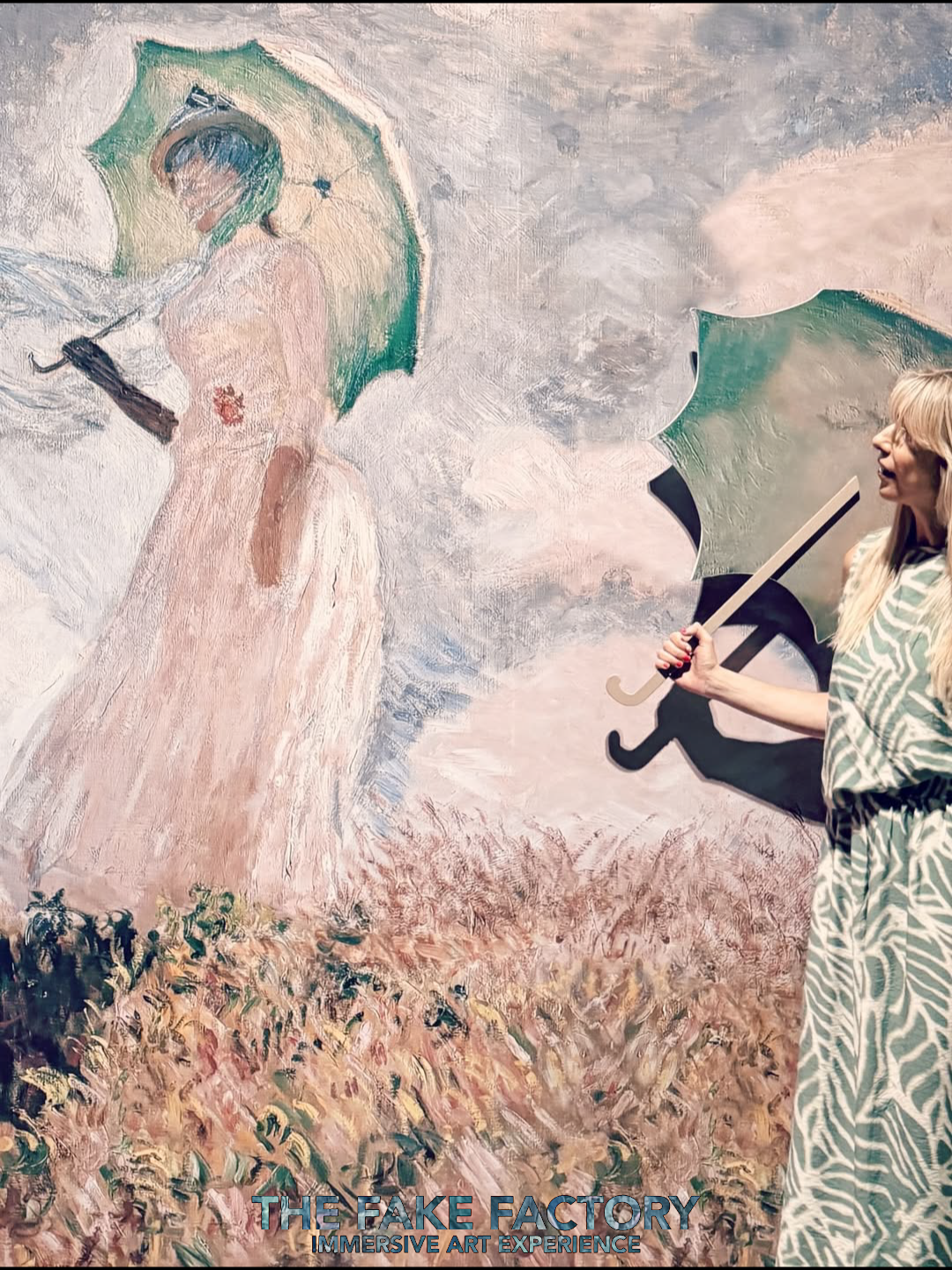
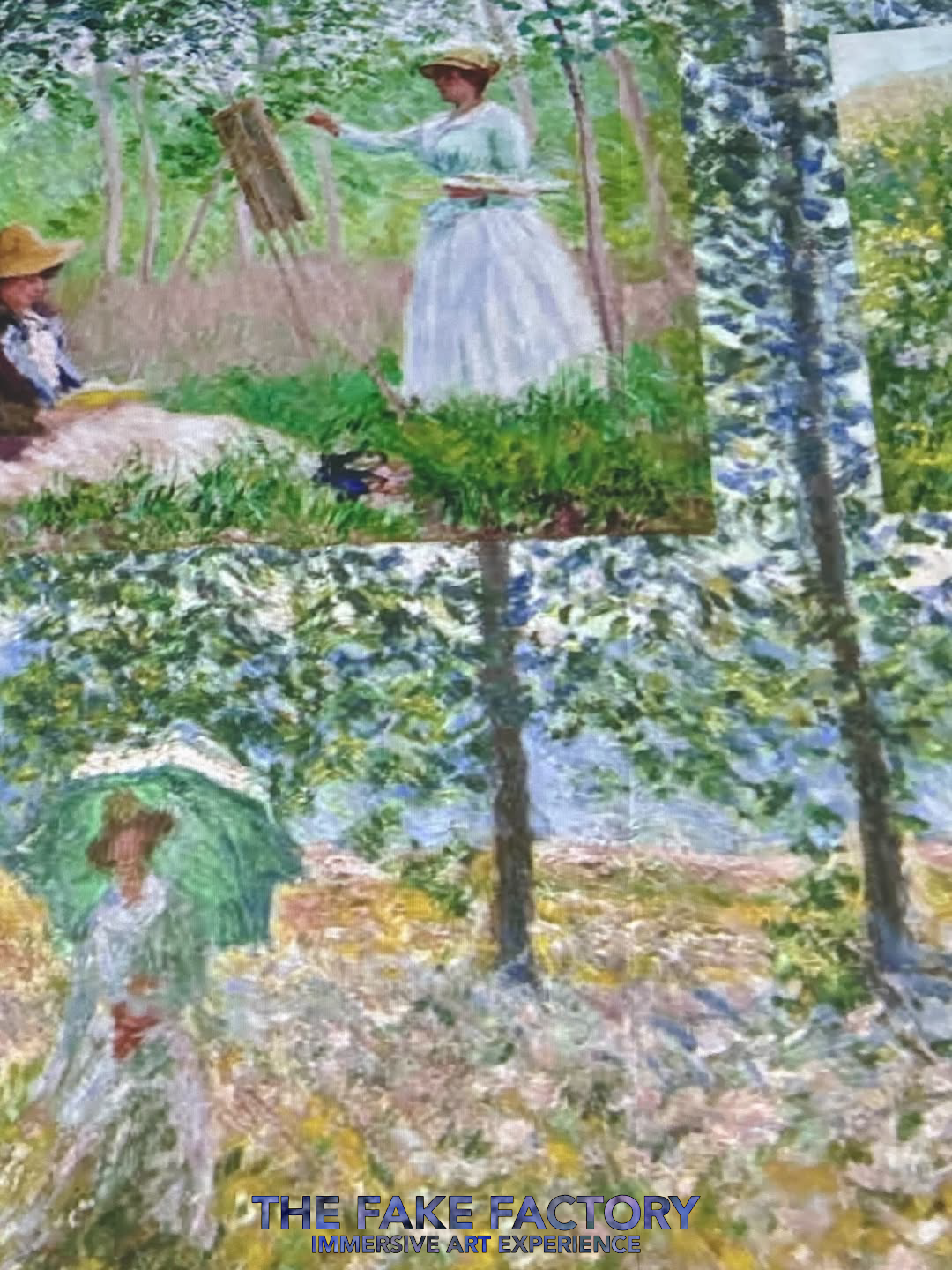
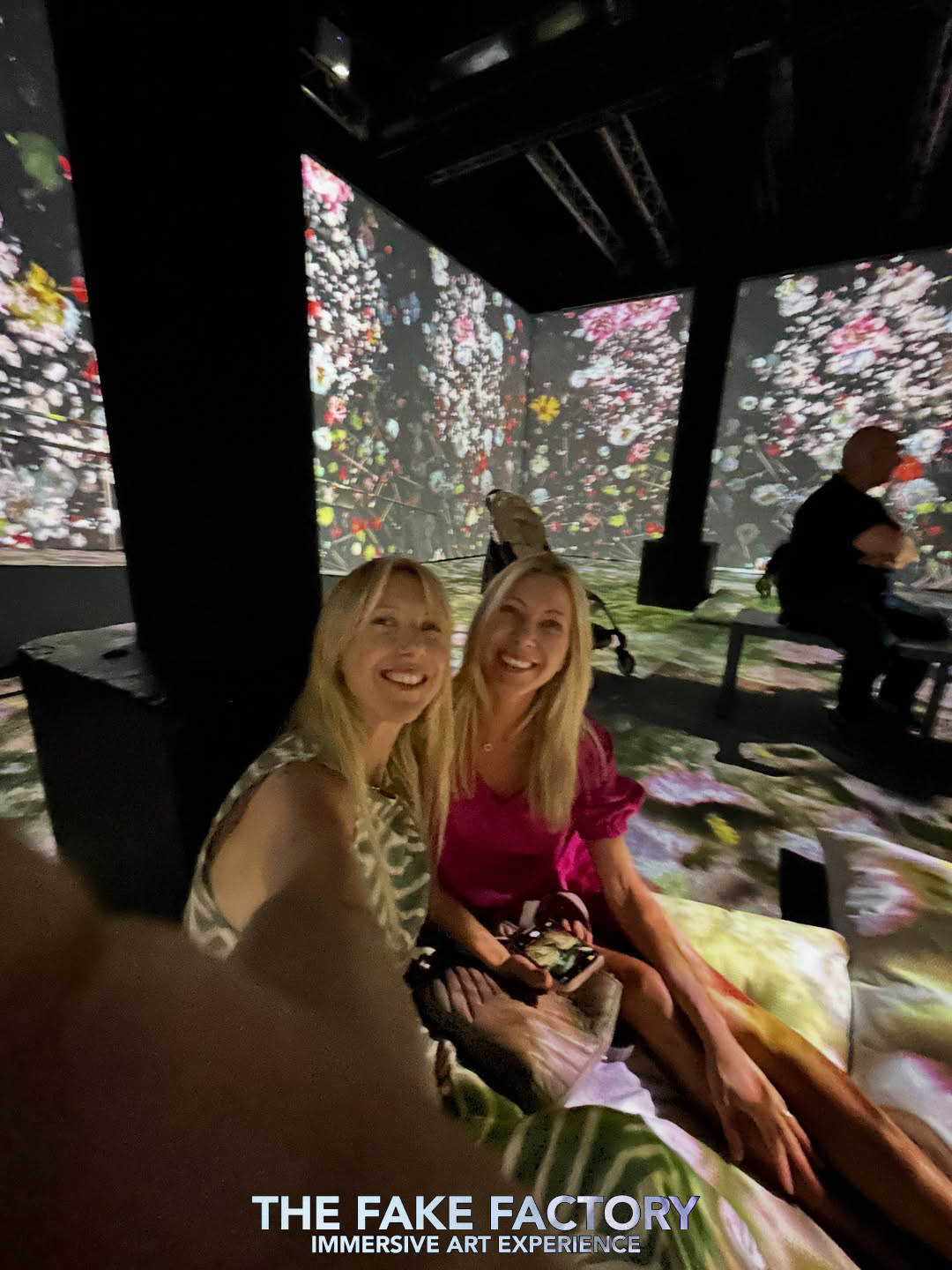
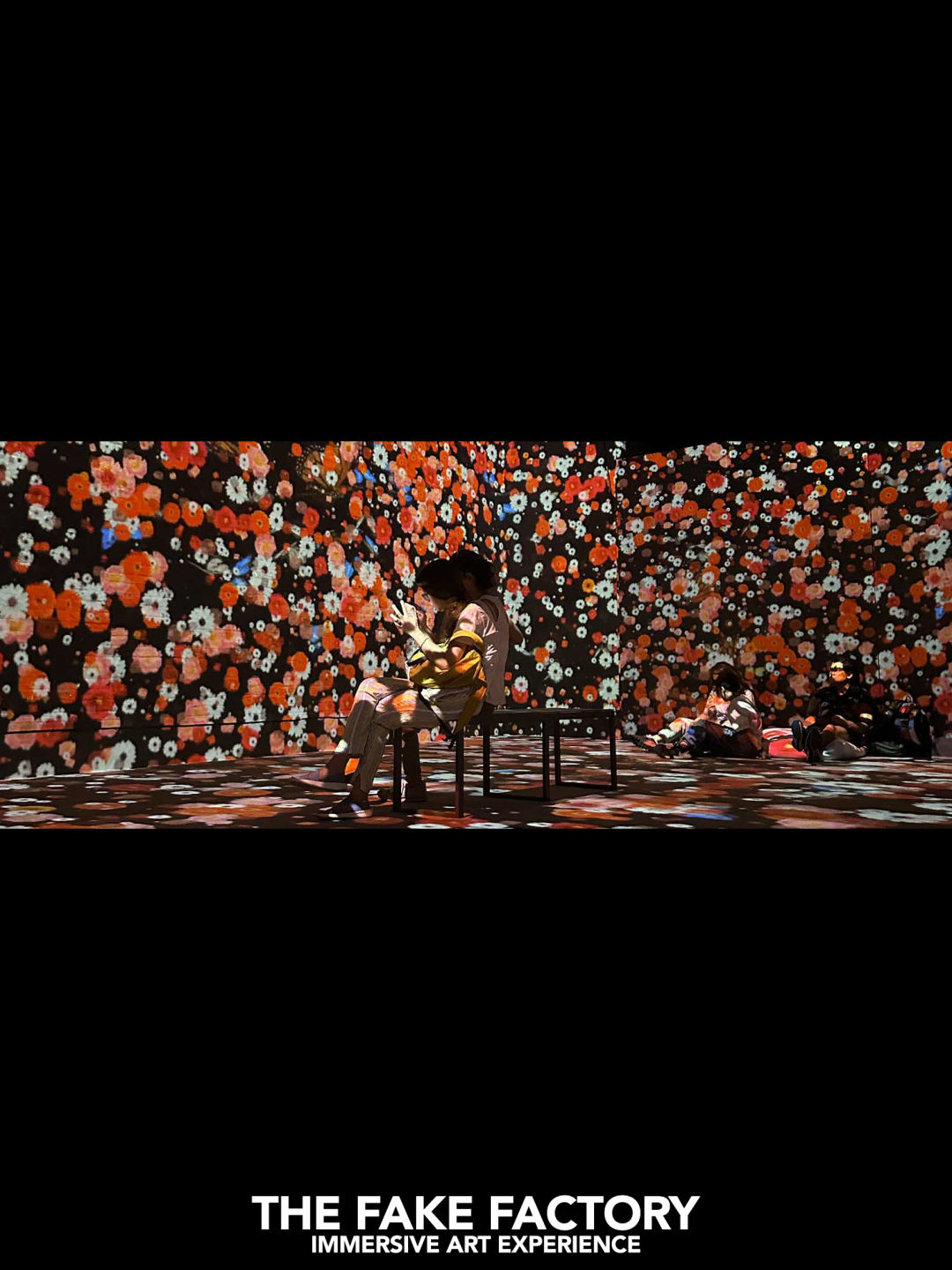
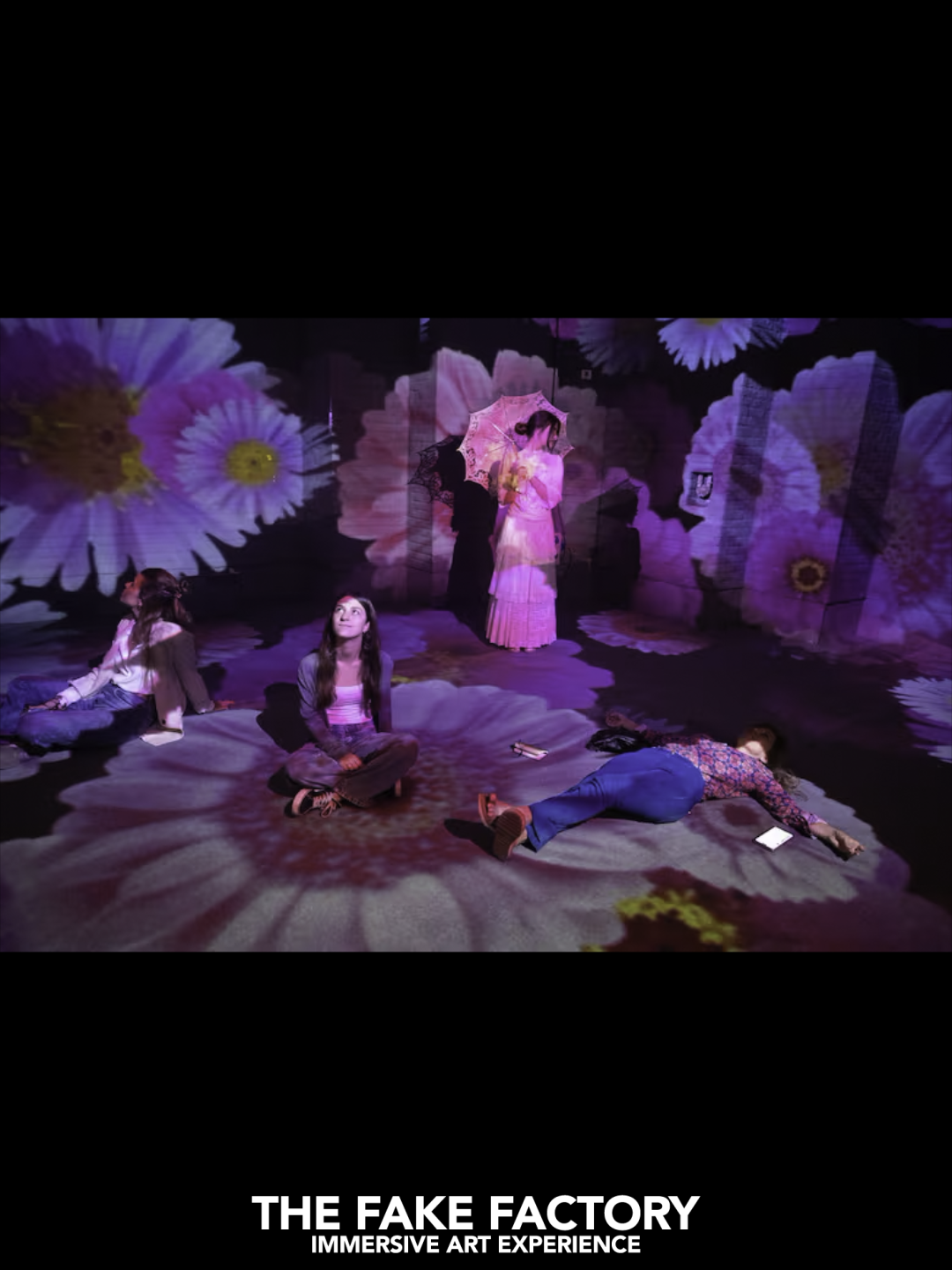
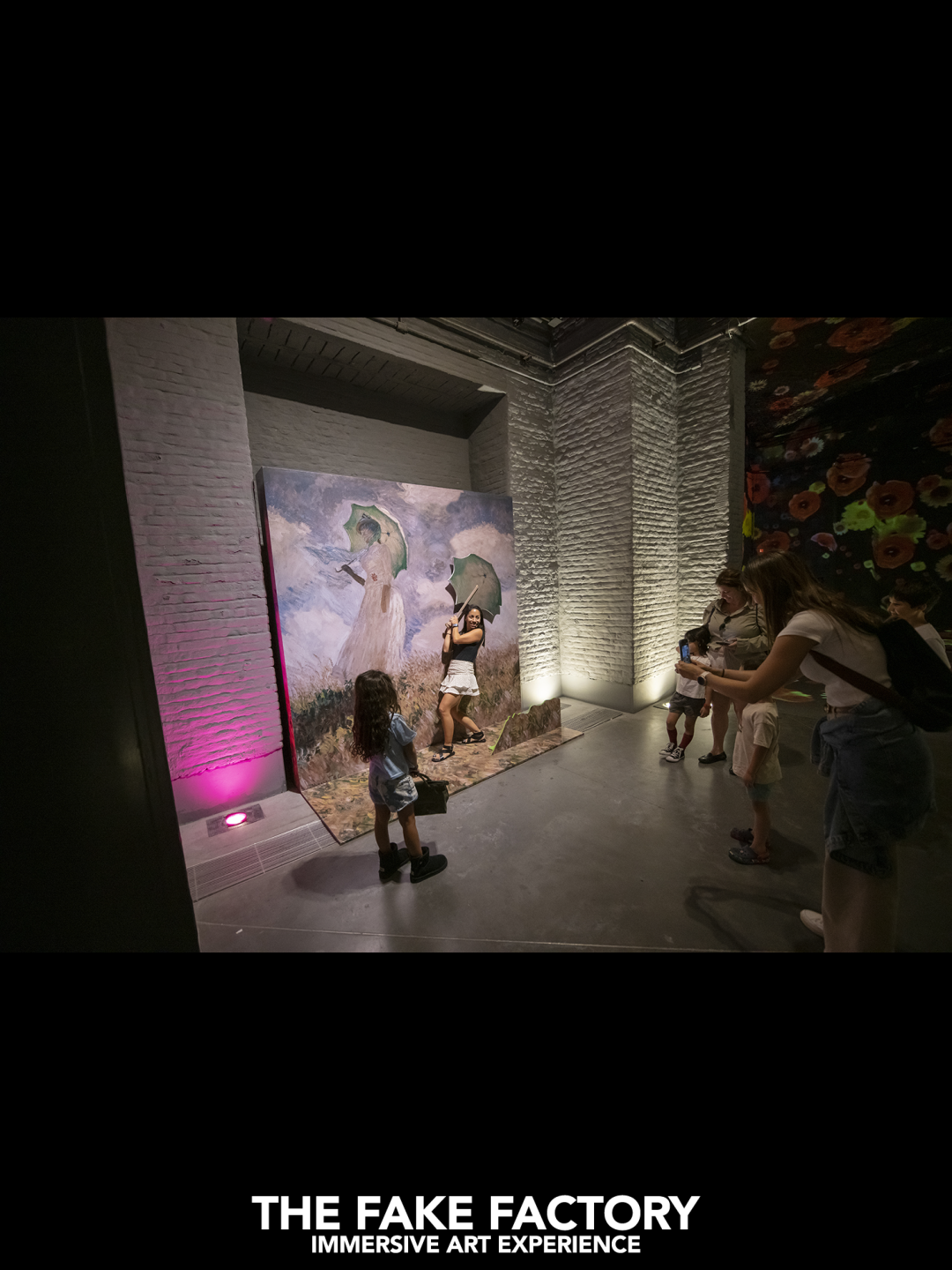
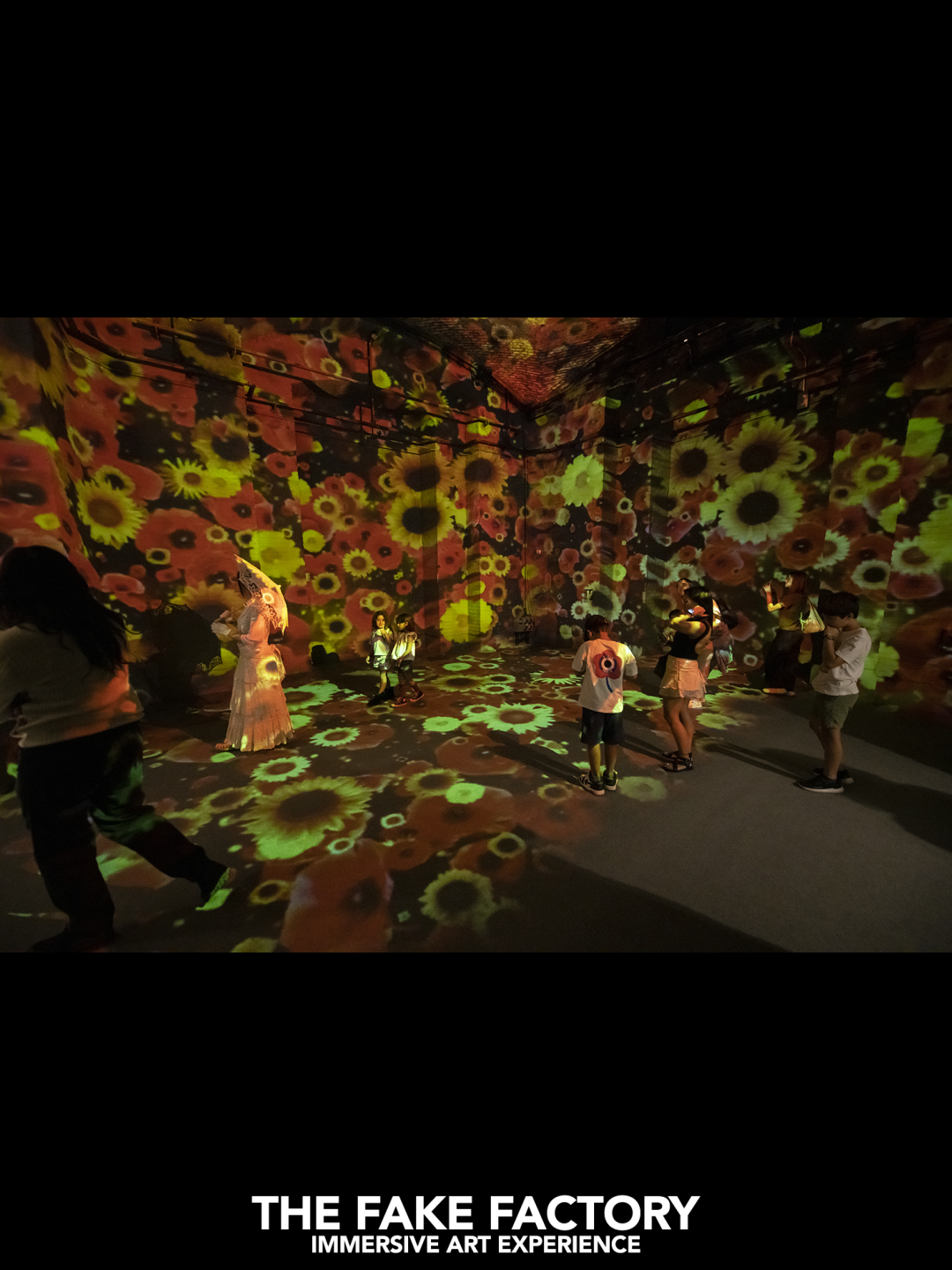
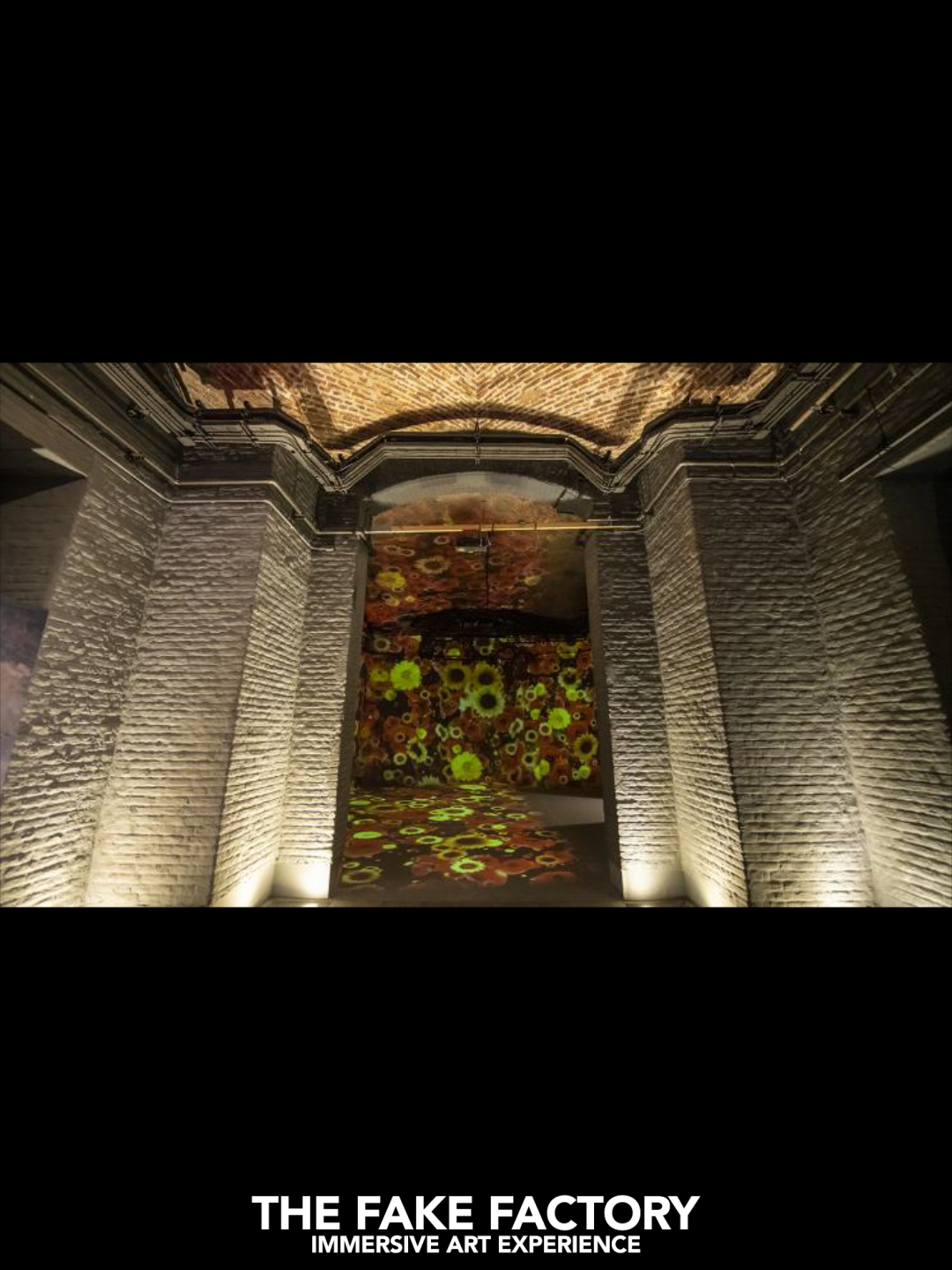
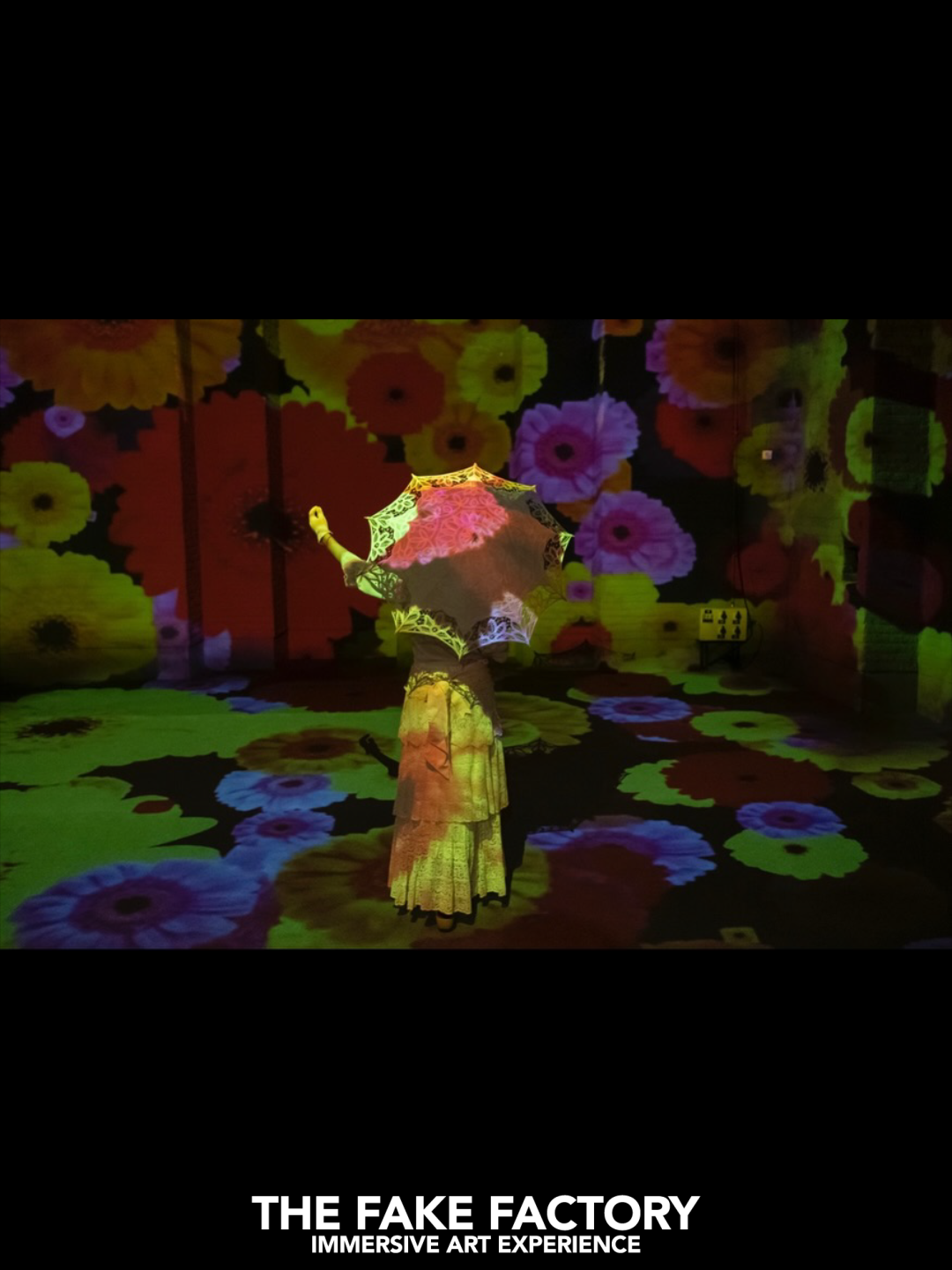
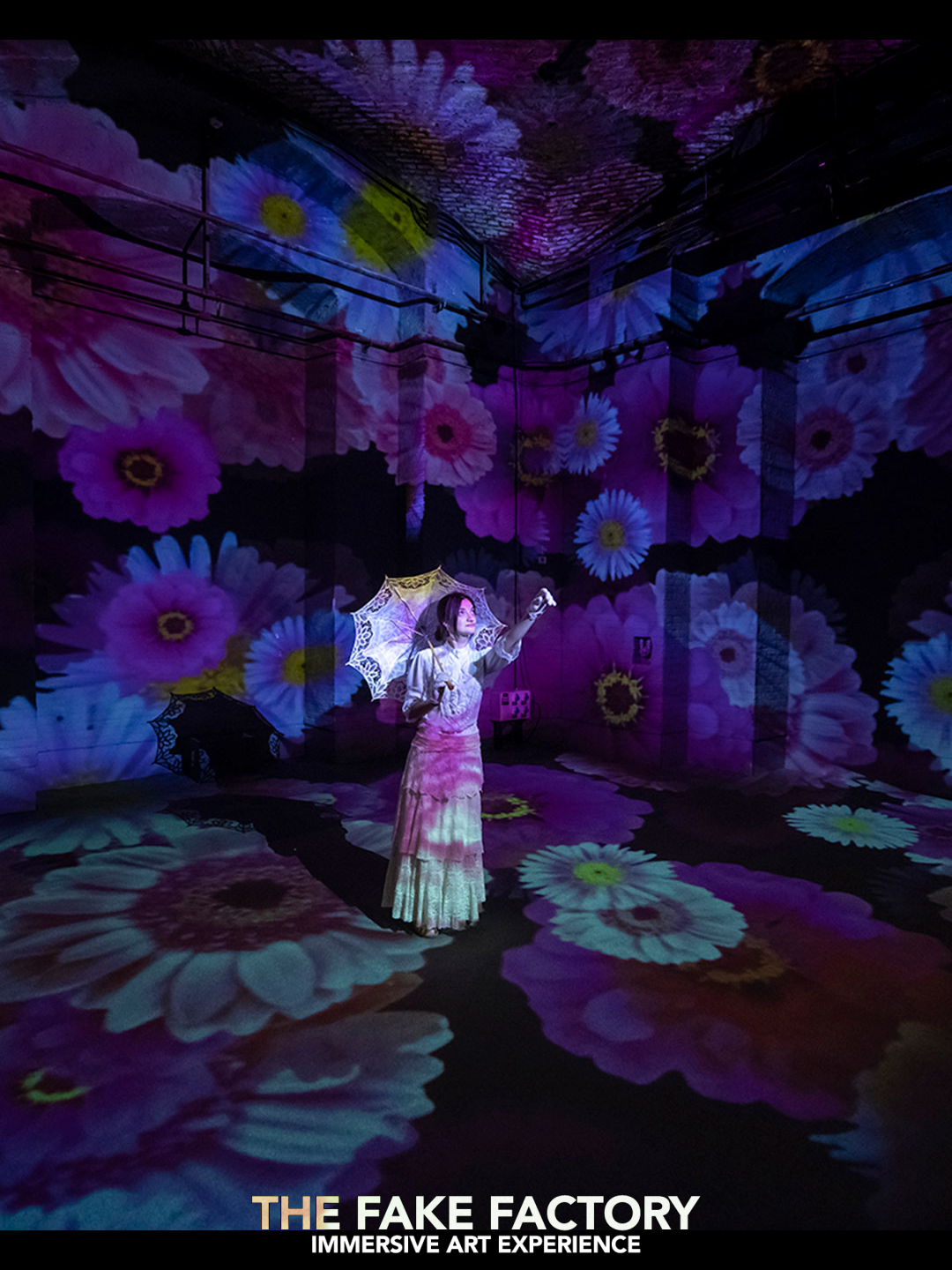
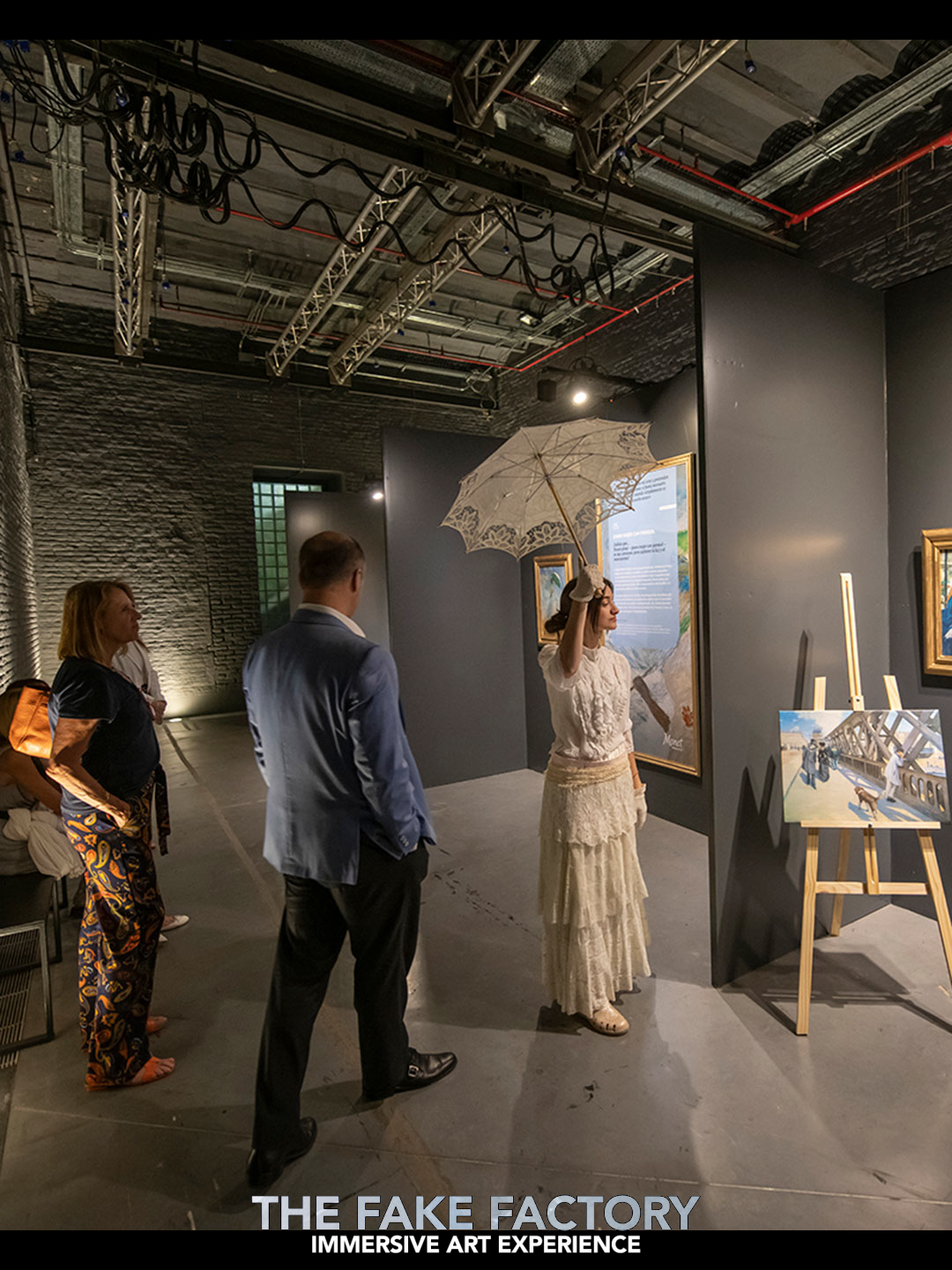
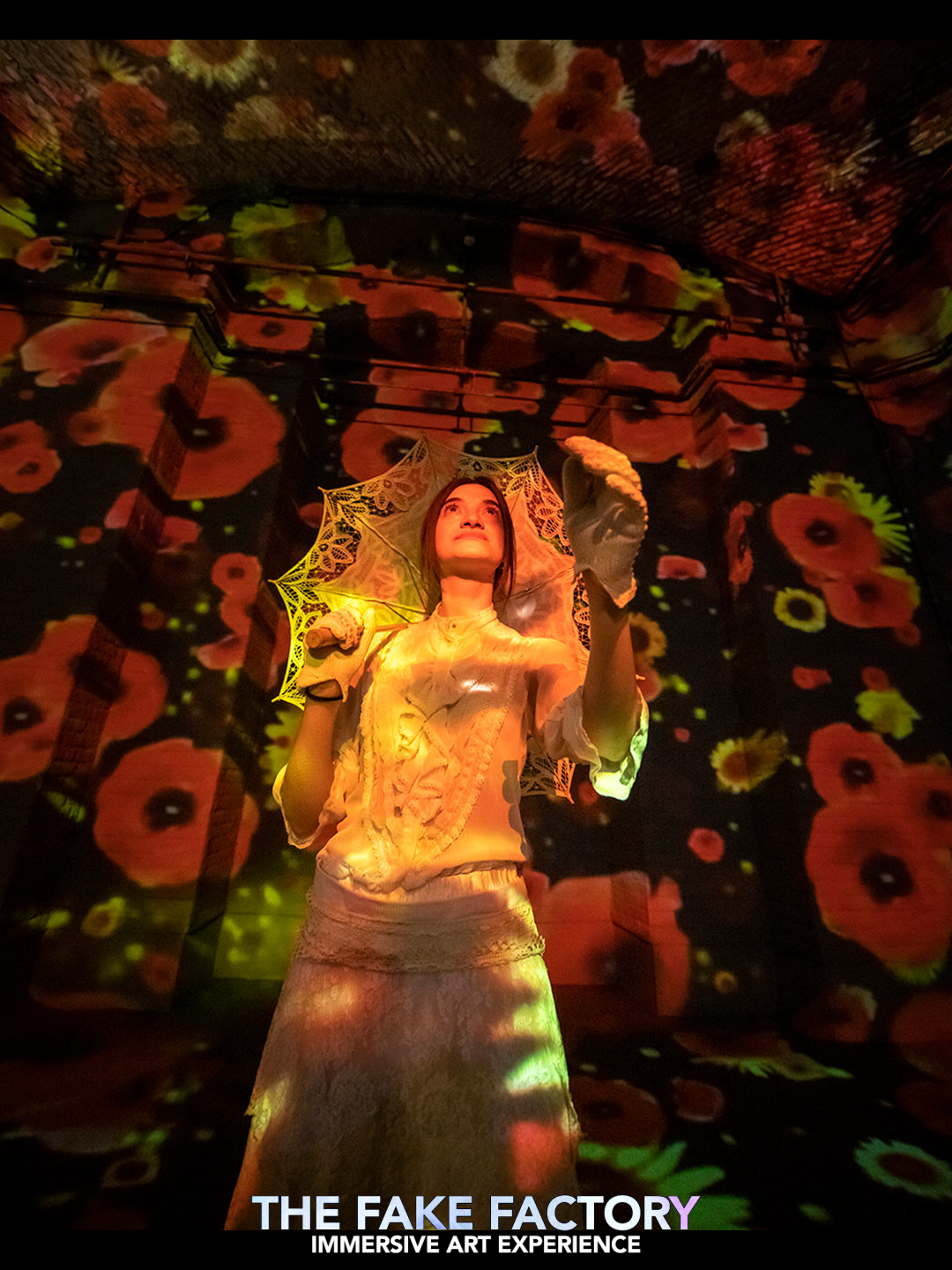
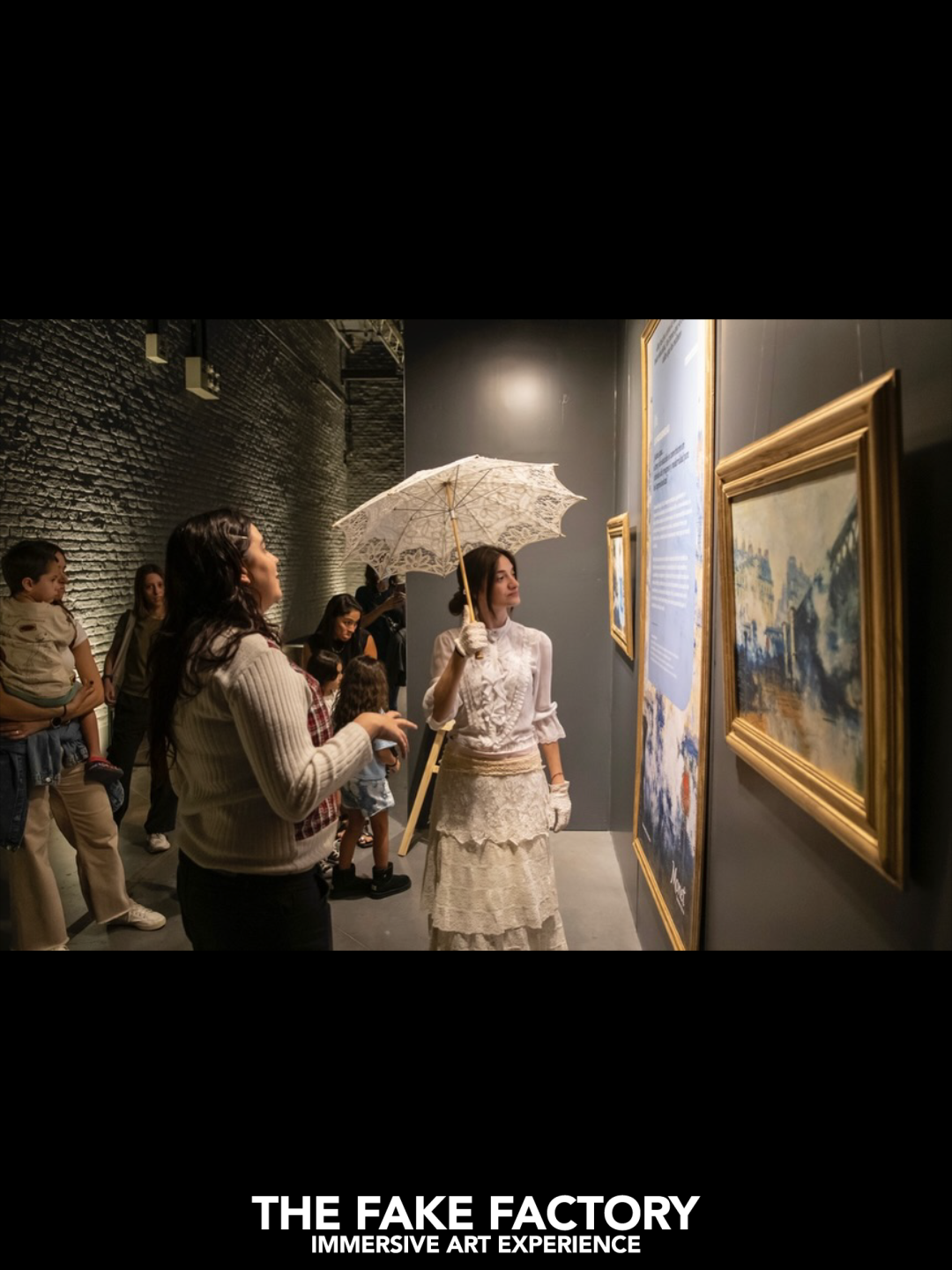
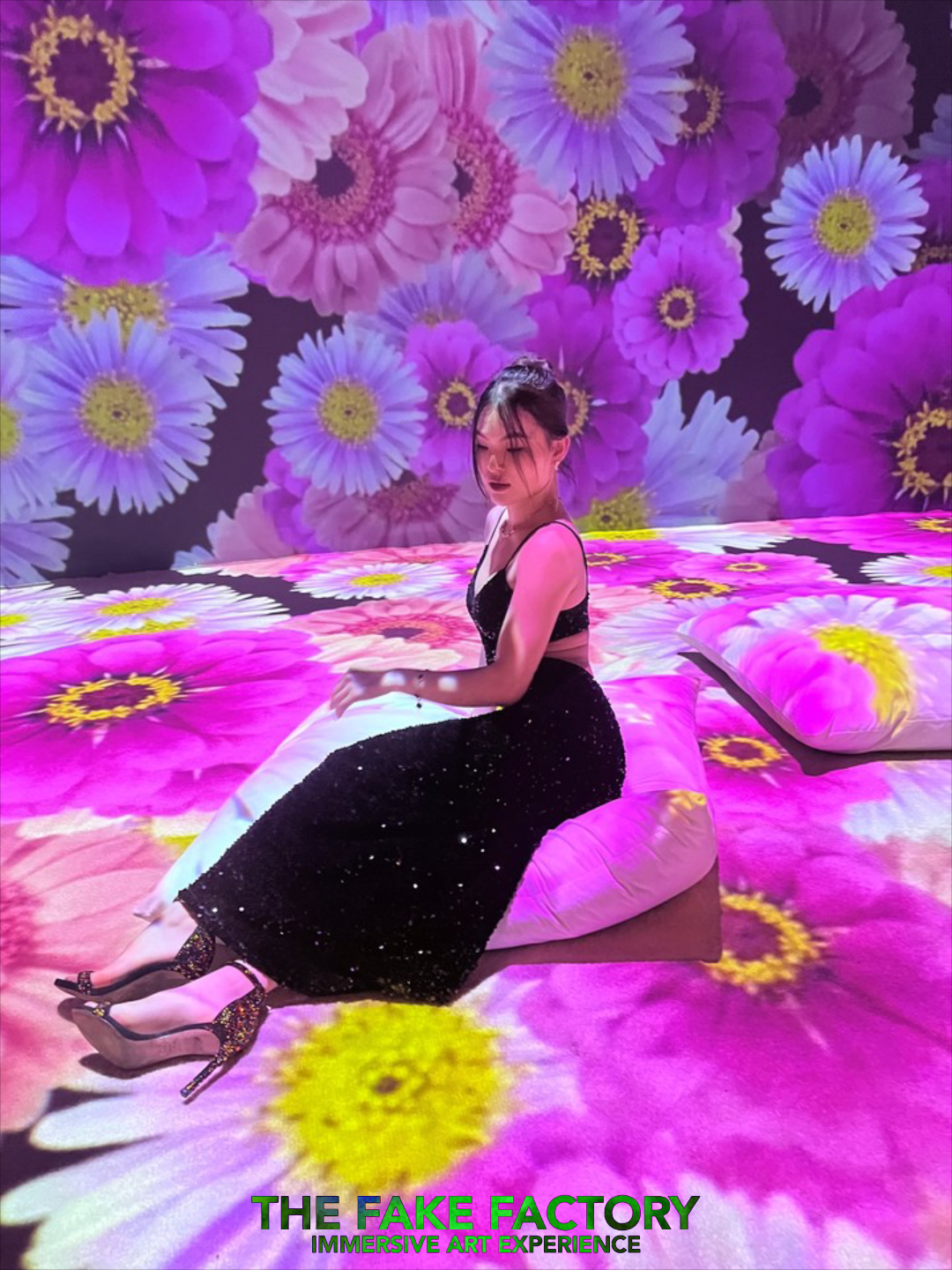
La selección de más de 100 obras pictóricas de los impresionistas fue realizada precisamente con el fin de mostrar al público estos temas de la manera más completa posible. La exposición, en su conjunto, se configura como un recorrido que permite adentrarse progresivamente en el arte impresionista. Comienza con una sección didáctica que presenta diversas reproducciones a escala de las obras más importantes de Monet y del movimiento impresionista. A continuación, se proponen dispositivos escenográficos que permiten interactuar con los elementos constitutivos de algunas de las obras más icónicas, como el puente japonés o la mujer con sombrilla. Otras salas están dedicadas al tema de las flores, y permiten al público sumergirse en un flujo ininterrumpido de composiciones florales de colores, haciendo posible experimentar, por un instante, la sensación de convertirse en modelos impresionistas completamente envueltos por una naturaleza viva y cromáticamente intensa.
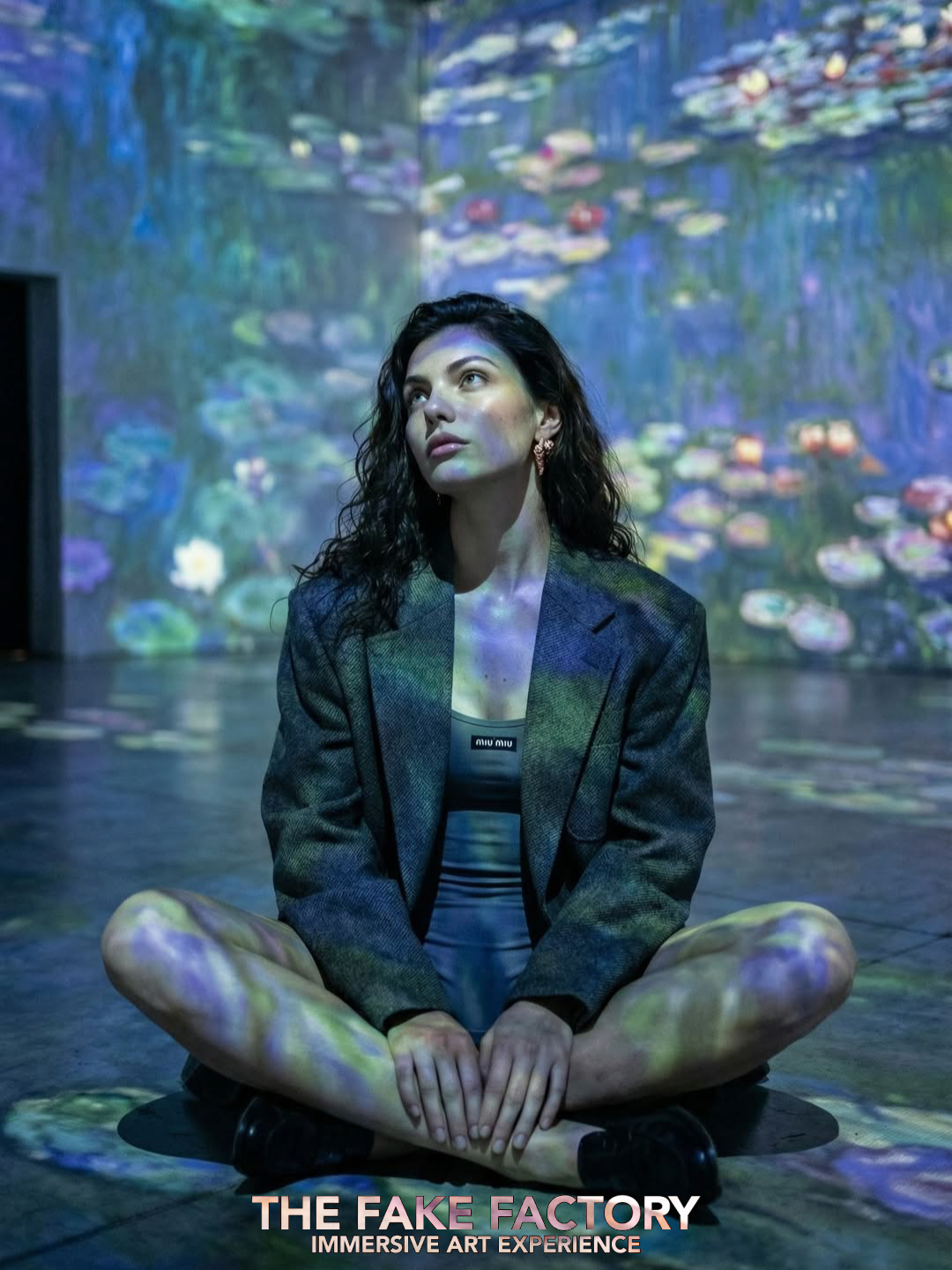
El legado de Monet y de los impresionistas atraviesa el trabajo de Stefano Fake y The Fake Factory como una lección fundamental sobre la mirada. Estos artistas nos enseñaron que cada ser humano percibe la realidad de manera única y que el arte no consiste en reproducir el mundo con perfección técnica, sino en capturar impresiones fugaces, emociones inmediatas y puntos de vista personales. También demostraron que el arte está en permanente transformación y que los creadores deben atreverse a seguir su propio camino, más allá de las convenciones y las críticas, explorando la realidad —sobre todo sus aspectos nuevos y cambiantes— como materia viva para la creación.
El impresionismo, una de las vanguardias más rupturistas de su tiempo, nos recuerda que la función esencial del arte es ofrecer nuevas formas de ver el mundo. En las experiencias digitales inmersivas, ese espíritu se traduce a un lenguaje contemporáneo: las pinceladas vibrantes se transforman en texturas animadas, en microfluctuaciones digitales que mantienen las superficies en constante movimiento. La animación suave reproduce la vitalidad de lo efímero, mientras que el color, entendido como una experiencia temporal, se expresa a través de gradientes vivos, modulaciones cromáticas y efectos de difusión que hacen que cada escena respire, como si estuviera siendo pintada una y otra vez en tiempo real.
Monet pintaba desde dentro del paisaje, inmerso en la luz y en la atmósfera que lo rodeaban. Las instalaciones digitales inmersivas retoman esa idea y la llevan más lejos, envolviendo por completo al espectador para devolverle una sensación de presencia física total. Ya no se trata de observar un paisaje a distancia, sino de habitarlo. De este modo, la fugacidad deja de ser solo una percepción visual y se convierte en una experiencia corporal. El lenguaje digital no busca copiar lo que Monet veía, sino prolongar su intención más profunda: invitar al público a sentir que la luz está cambiando aquí y ahora, justo frente a sus ojos.
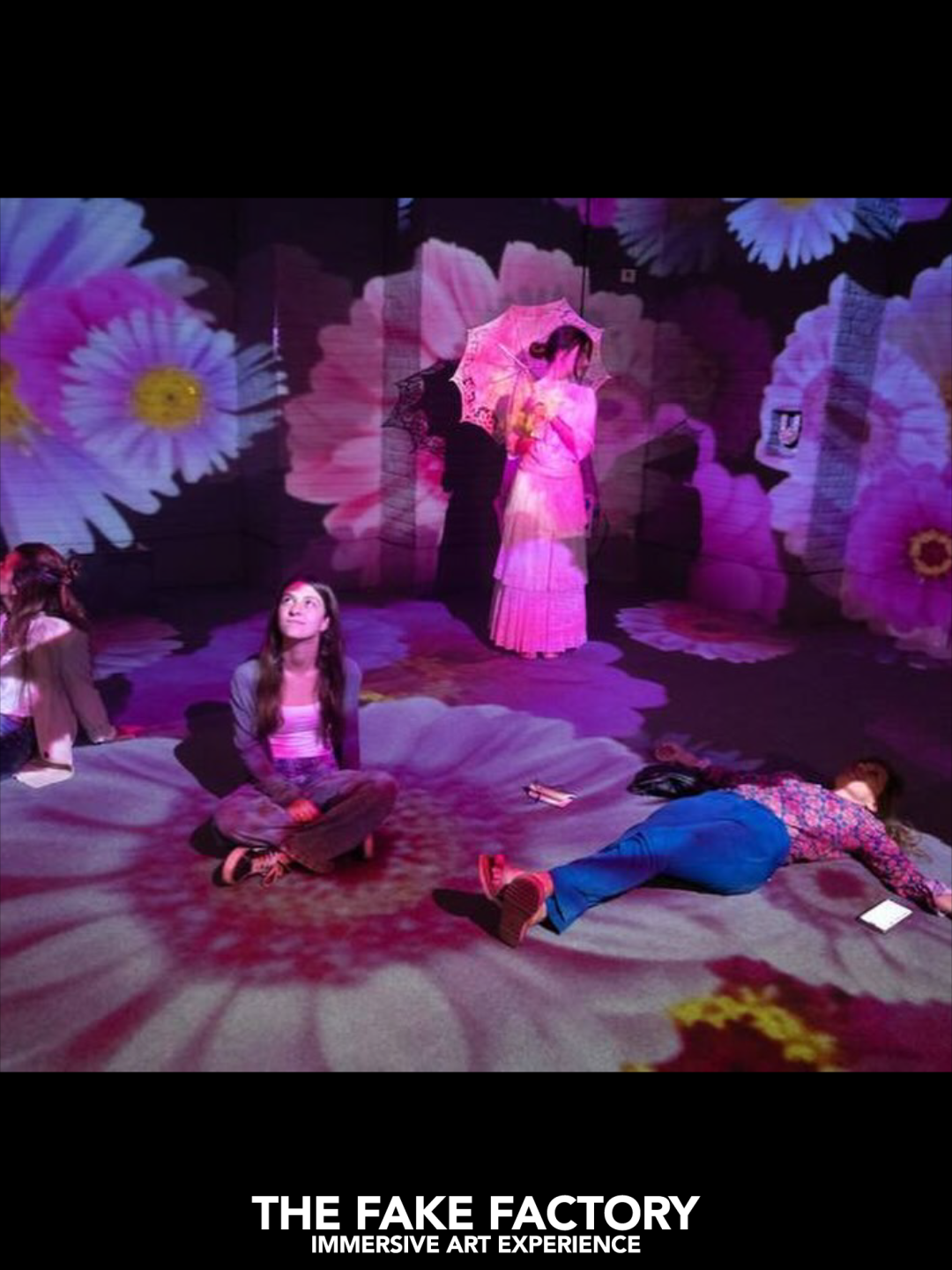
El trabajo de Stefano Fake y The Fake Factory afronta un desafío curatorial fundamental: traducir la poética de lo efímero propia de Monet al lenguaje digital sin perder su integridad conceptual y estética. La obra de Monet no se limita a representar paisajes o figuras, sino que explora el tiempo, las variaciones de la luz y la transformación constante de la atmósfera. Llevar esta sensibilidad a una experiencia inmersiva implica ir más allá de la simple reproducción de las pinturas para reconstruir la manera en que el artista percibía la naturaleza: su trabajo en plein air, su investigación cromática y su relación con el agua, los reflejos y los ciclos de las estaciones.
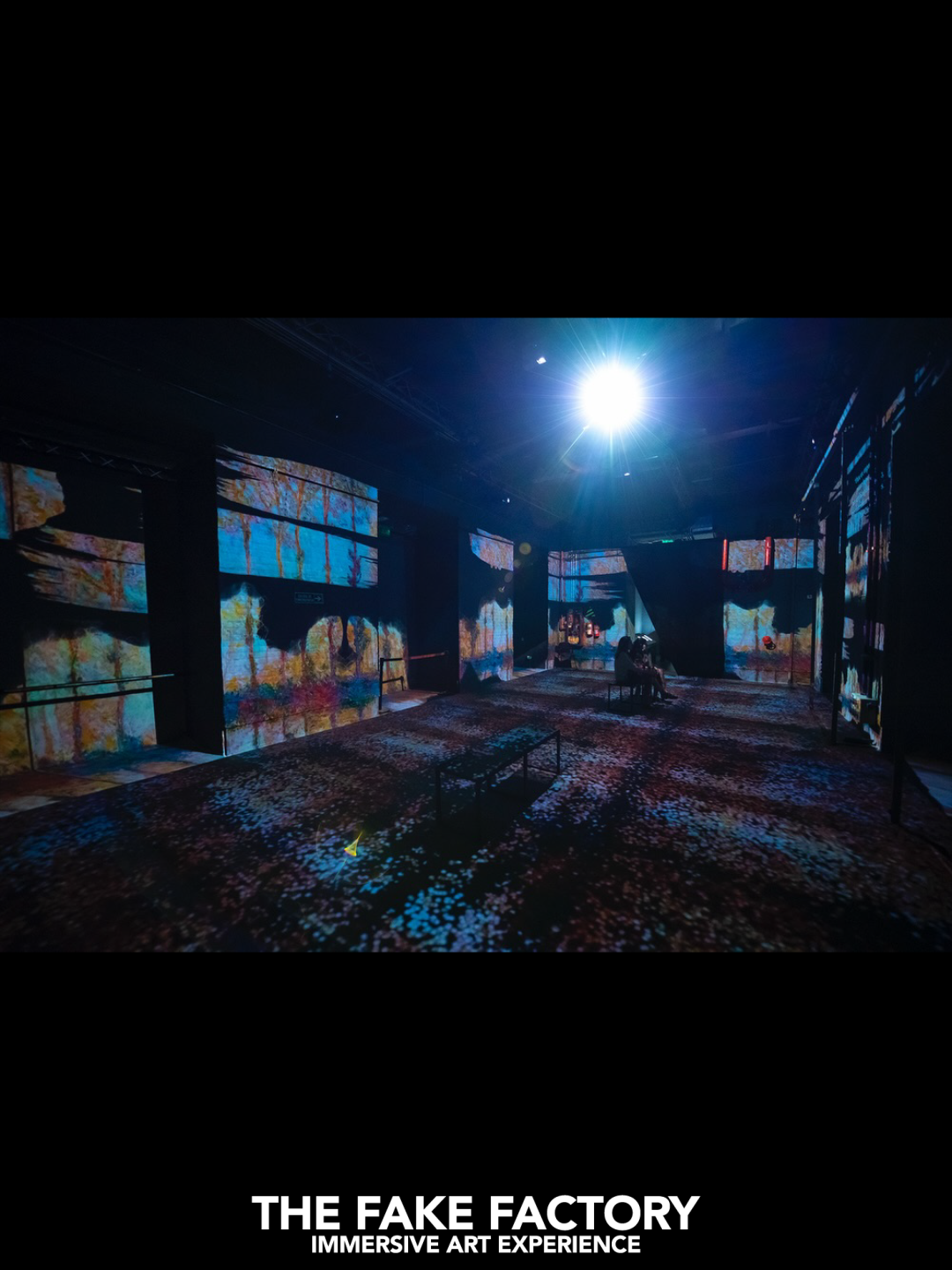
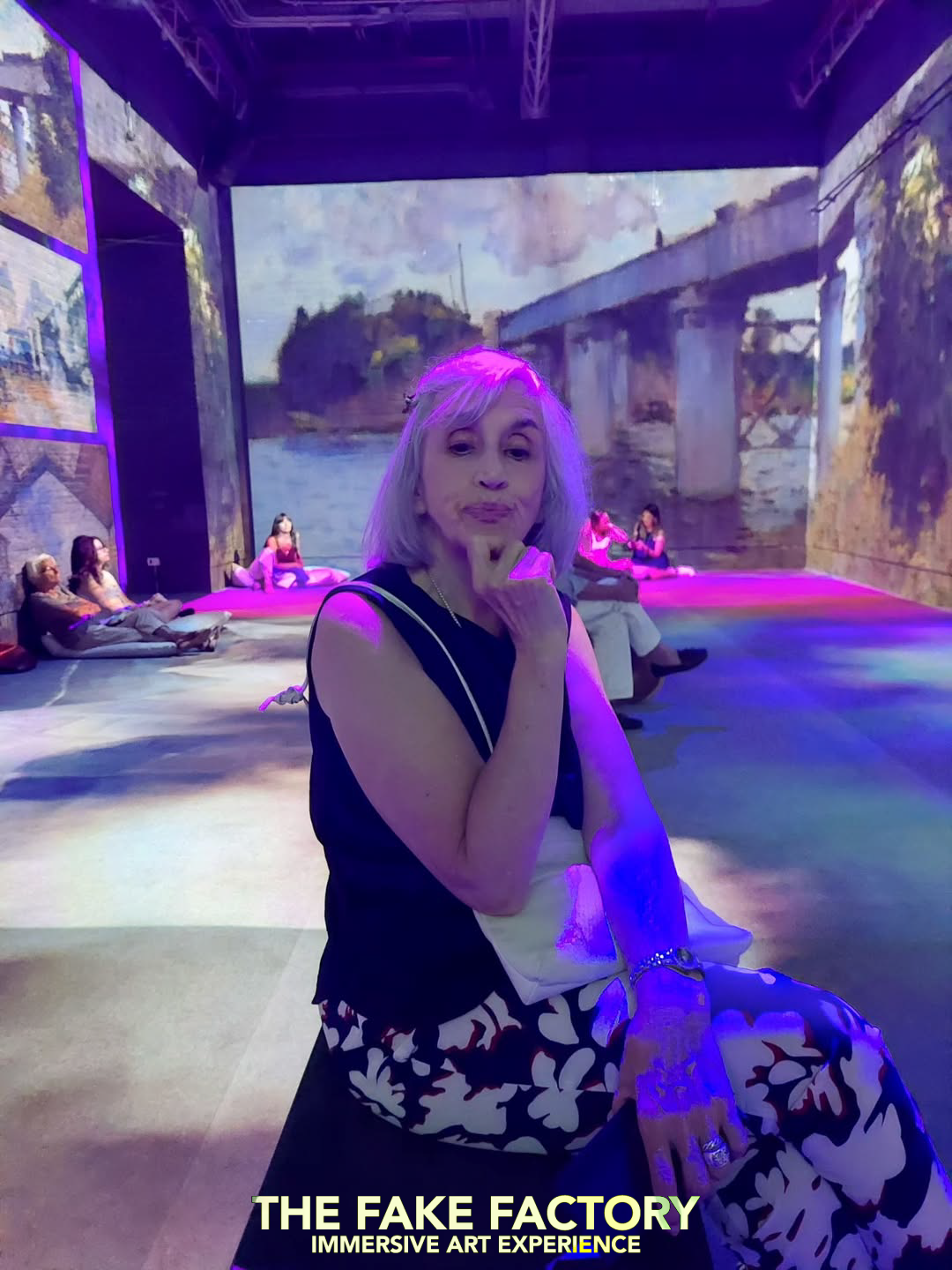
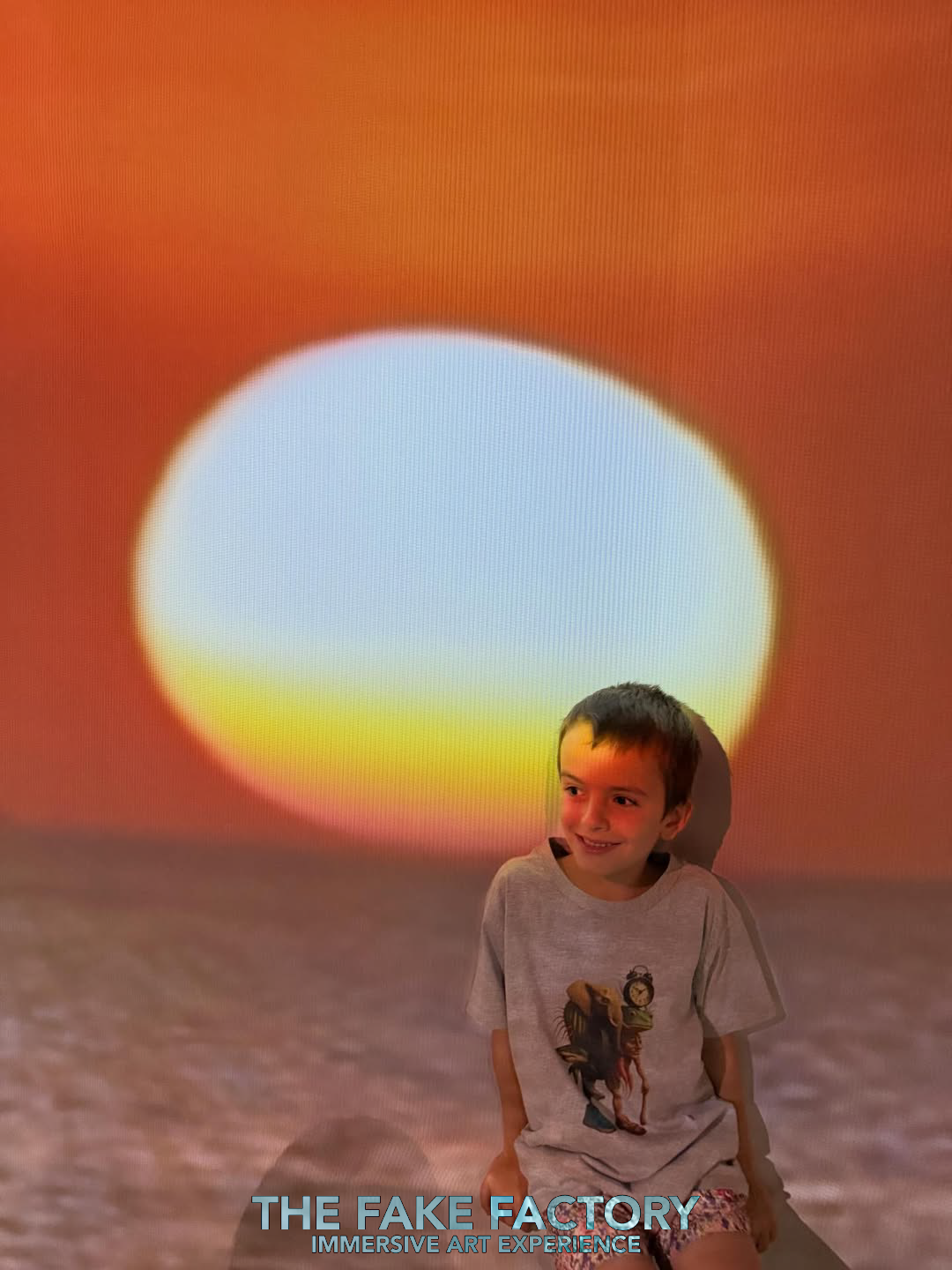
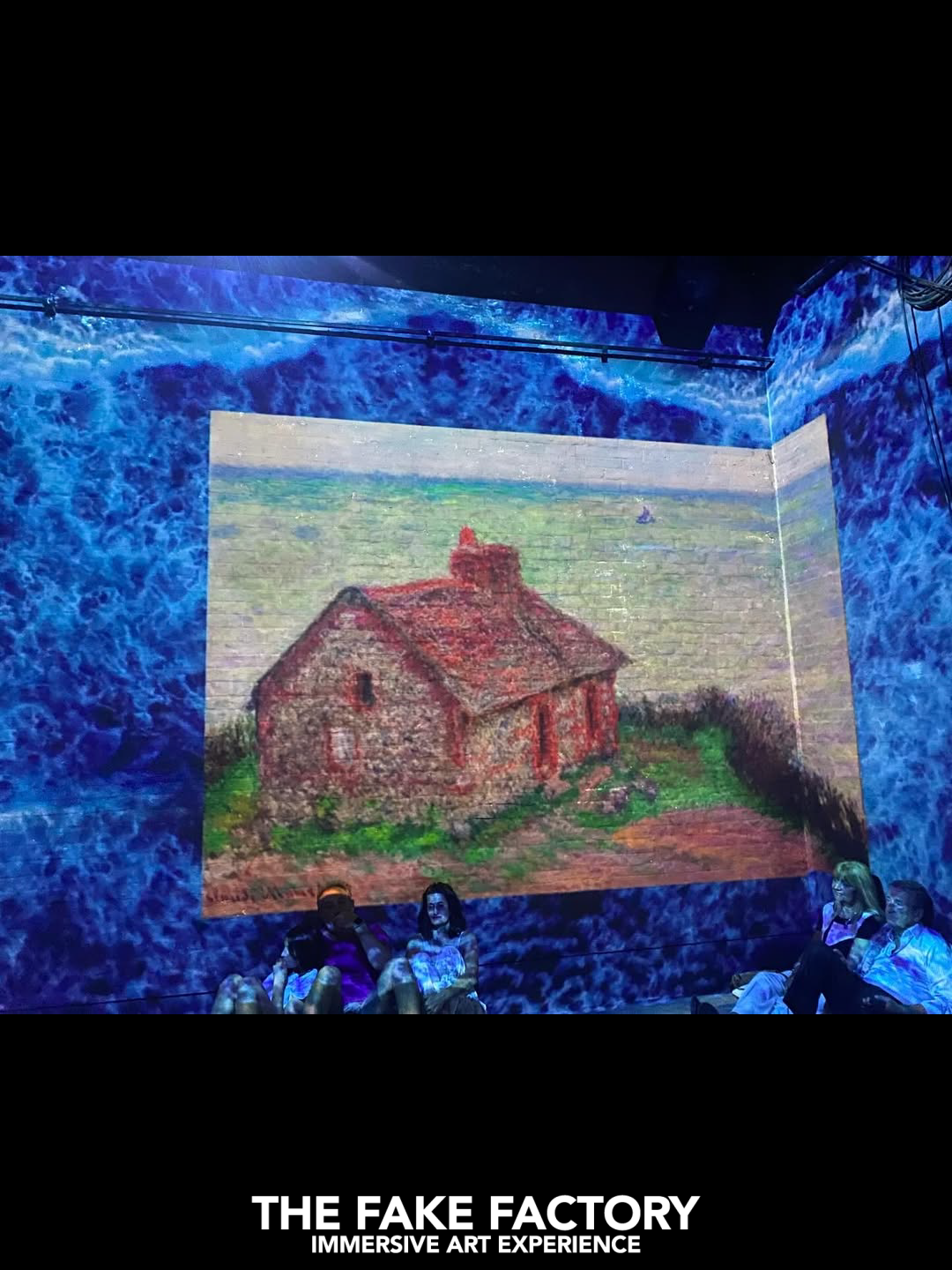
La instalación se concibe así como una narración visual orientada a explicar su mirada y su proceso creativo, y no como un espectáculo de imágenes aisladas. Para ello, se crean entornos que evocan situaciones naturales dentro del espacio expositivo, permitiendo que el público se sienta en una playa al amanecer, en un jardín en flor o rodeado por el movimiento del mar. El objetivo es despertar sensaciones semejantes a las que pudieron experimentar los pintores impresionistas durante el acto de pintar.
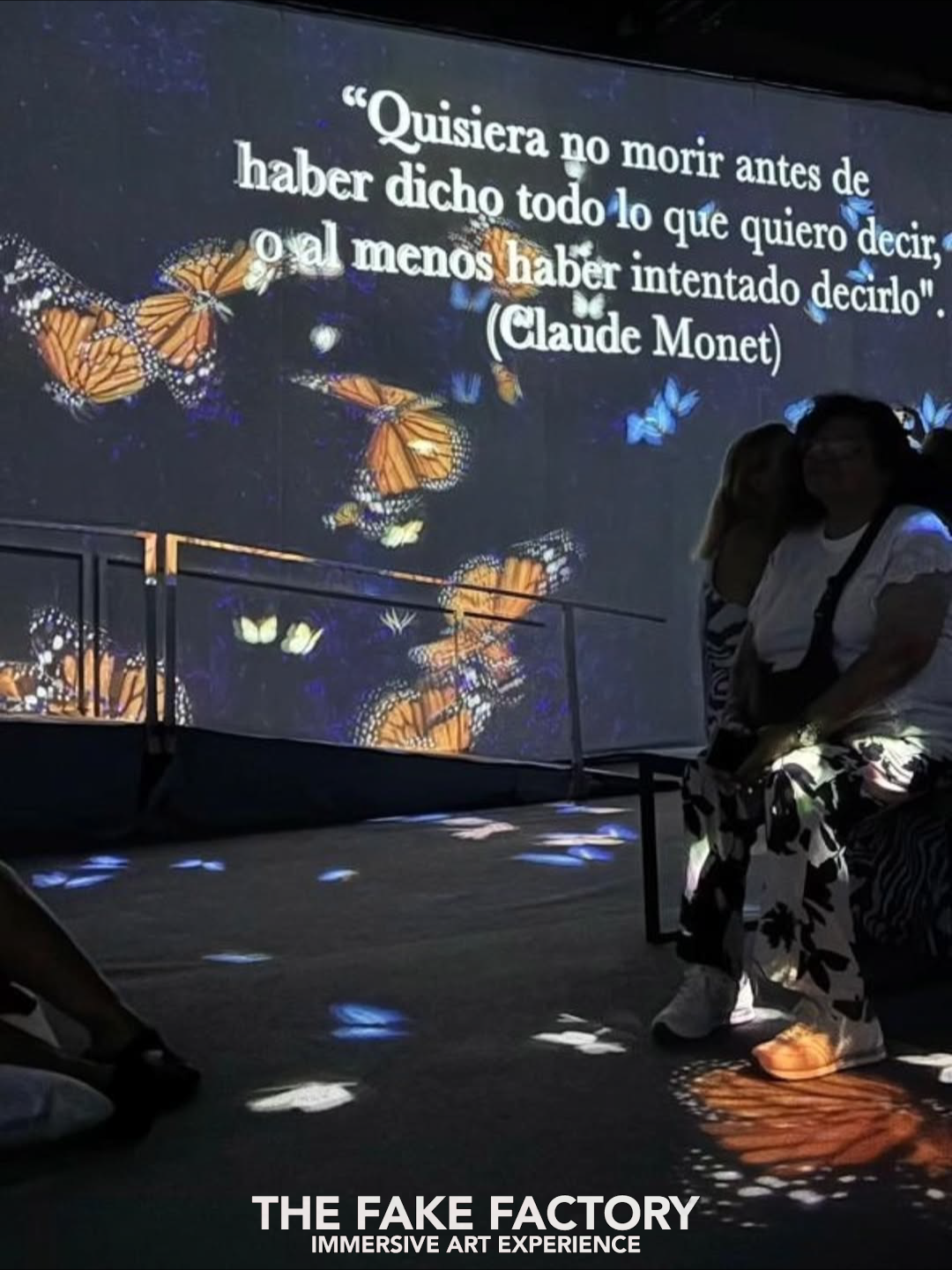
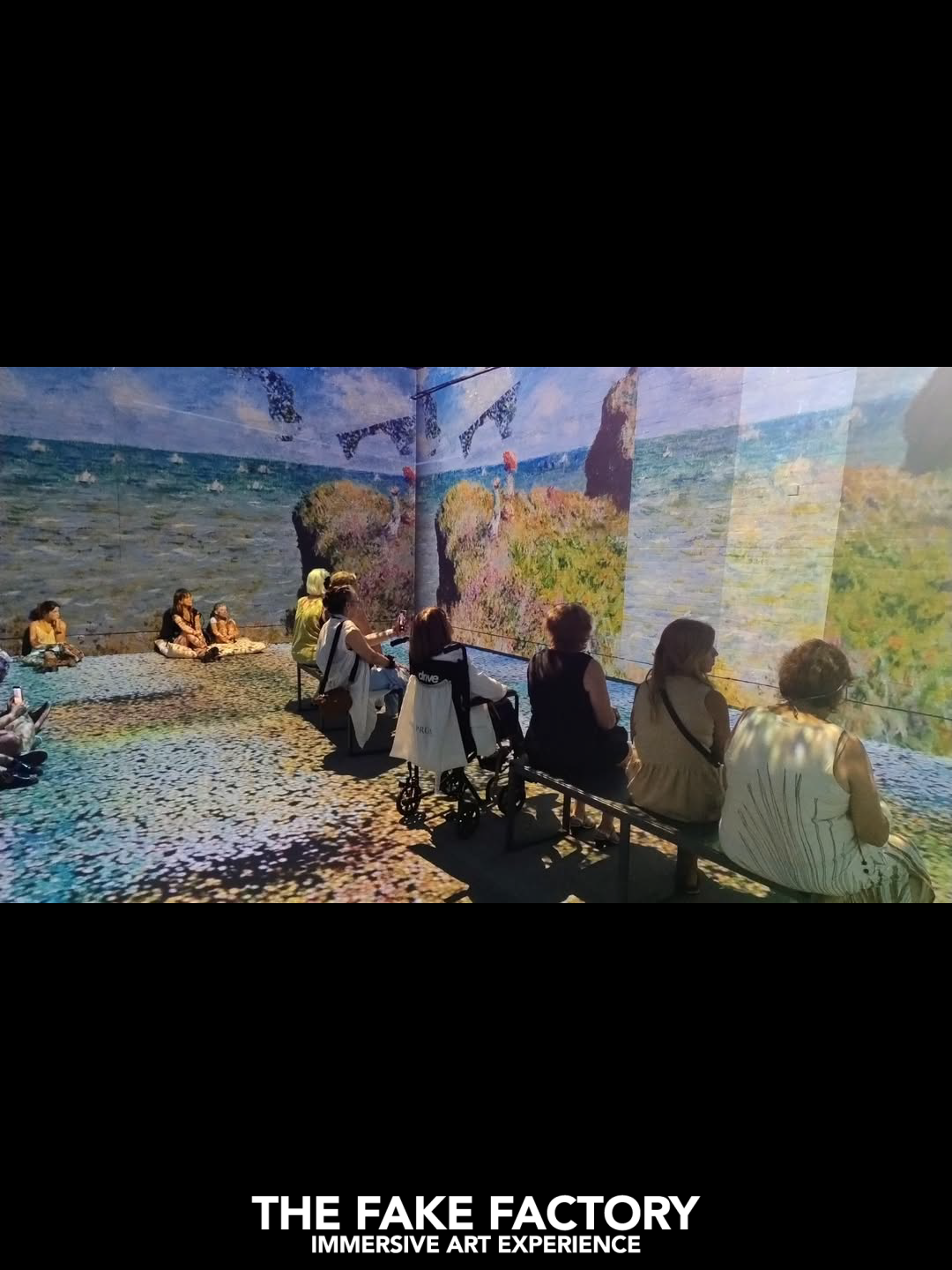
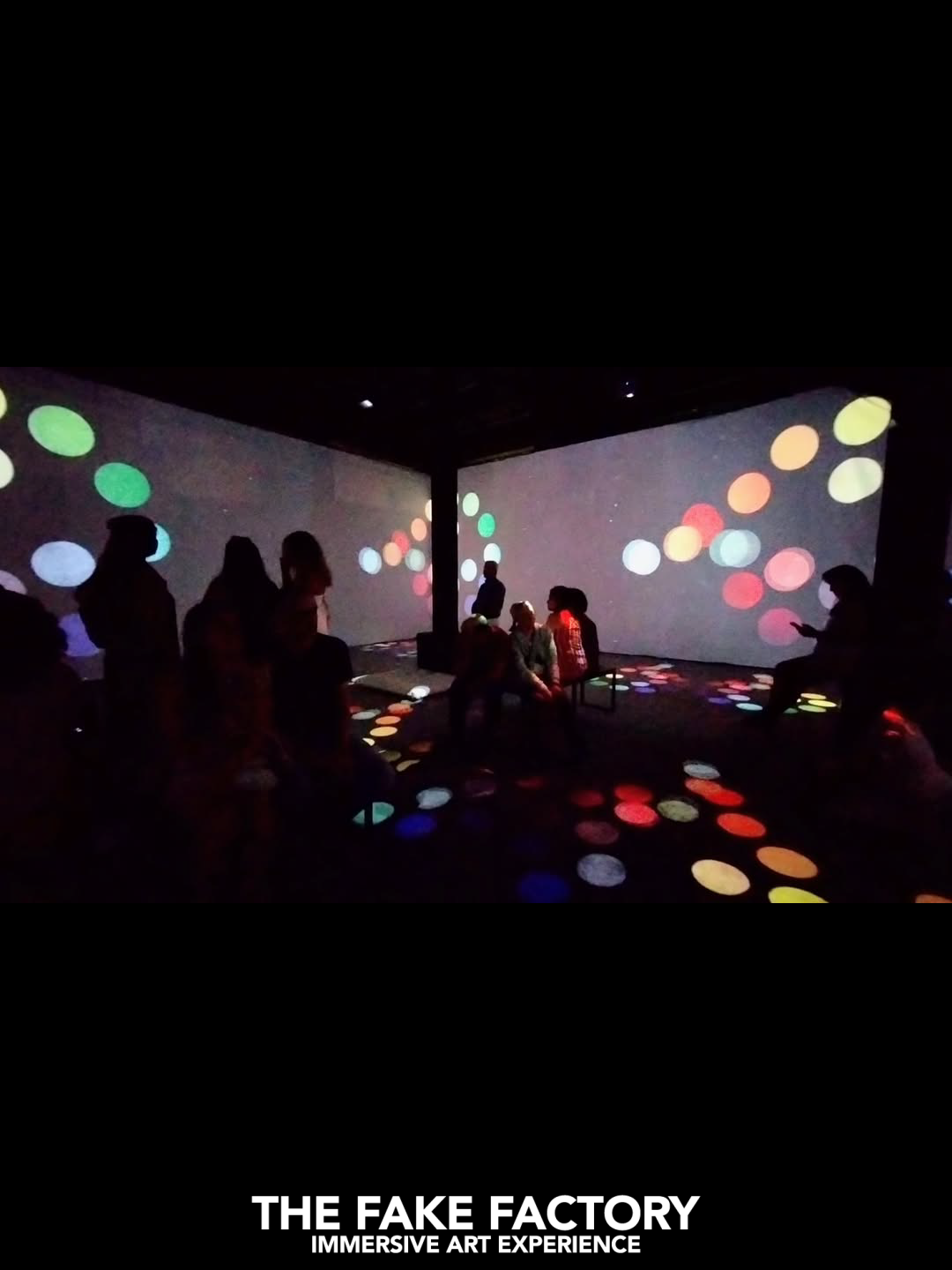
Desde el punto de vista curatorial, el reto consiste en construir un recorrido que conserve la coherencia histórica y formal de las obras, evitando que la tecnología se imponga sobre el contenido artístico. Este enfoque se apoya en lo que The Fake Factory define como un “uso poético de la videoproyección”, donde la luz digital adquiere un comportamiento orgánico, cercano a la cualidad viva de la luz natural que Monet buscaba capturar.
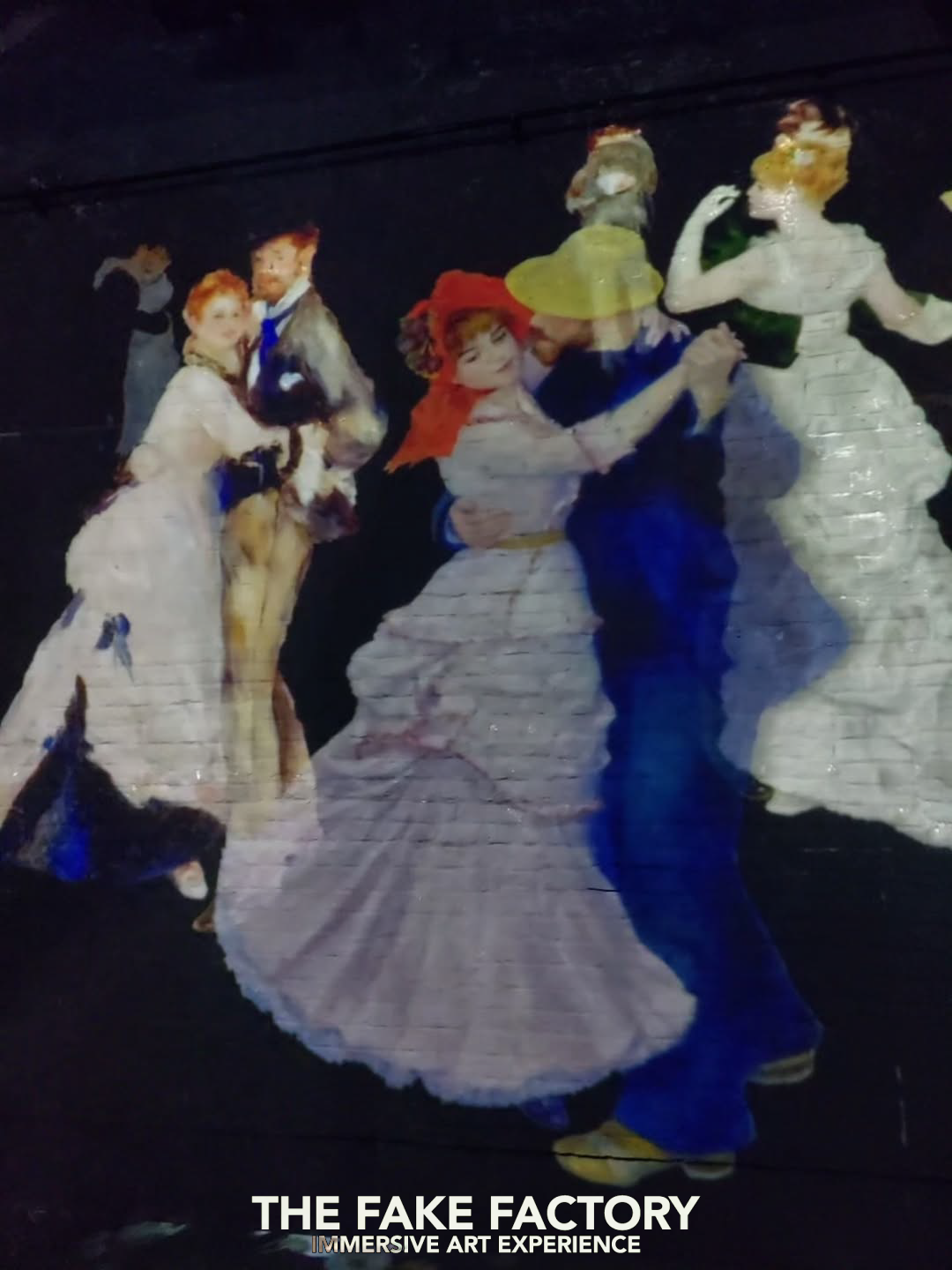
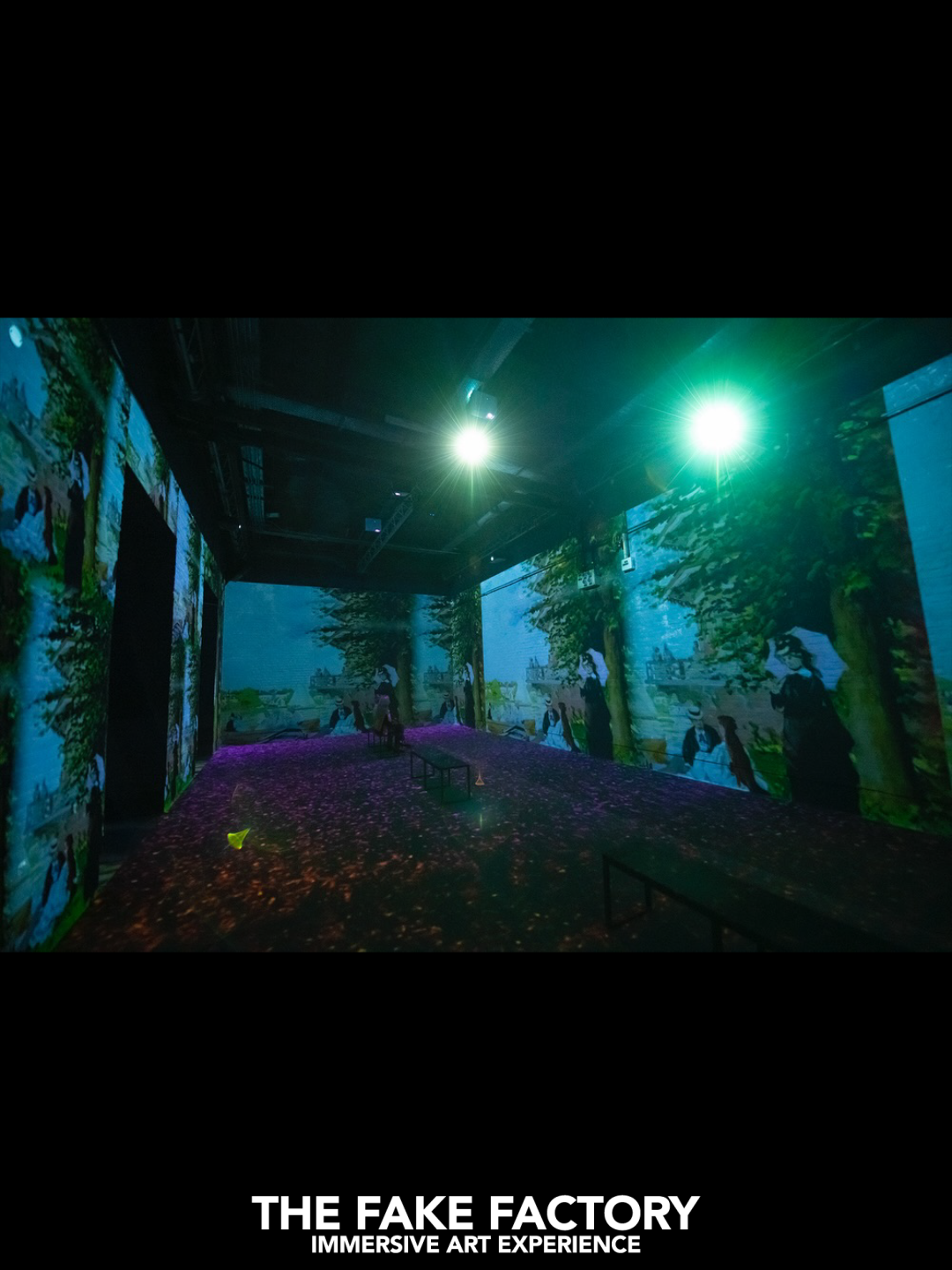
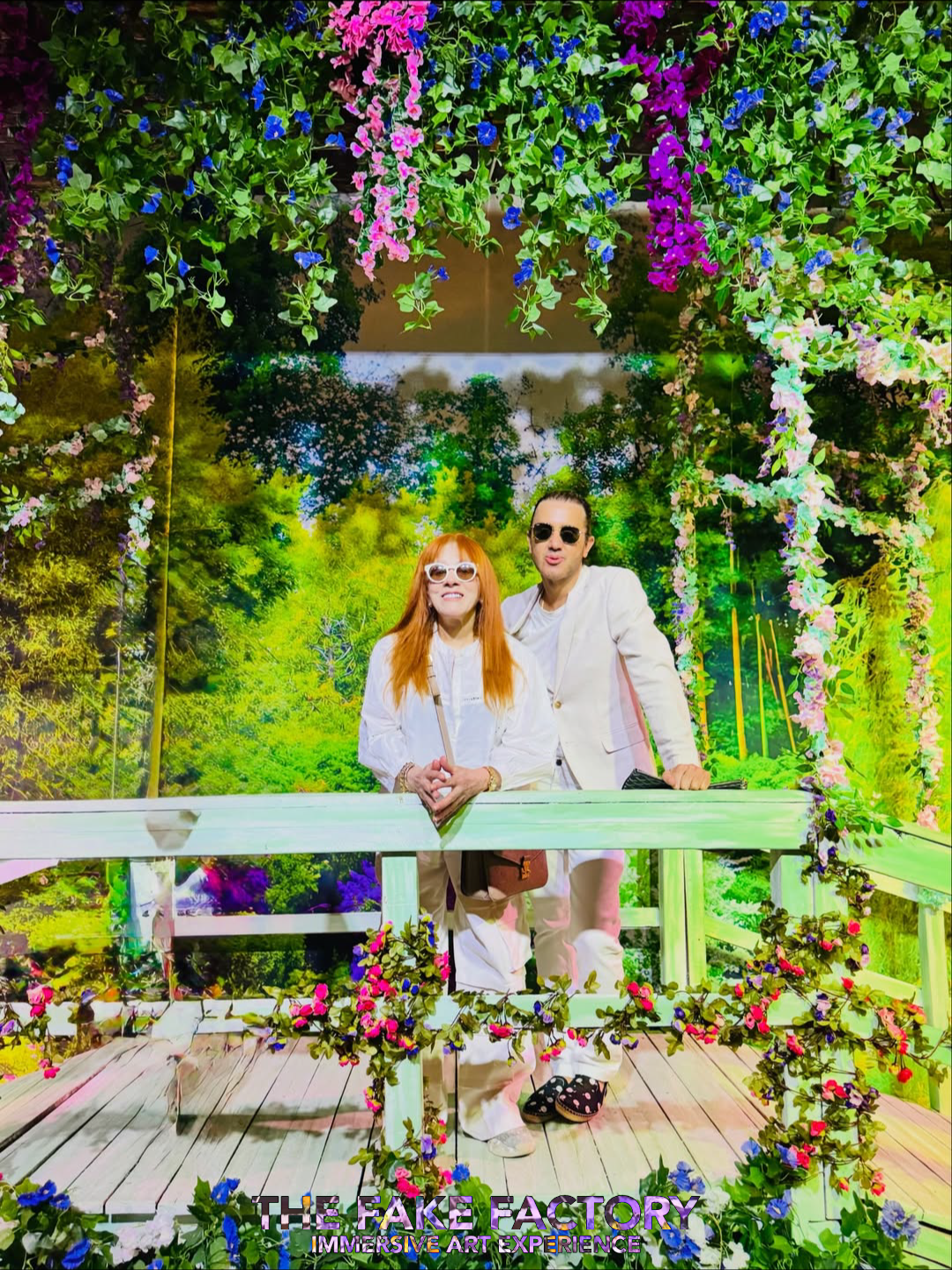
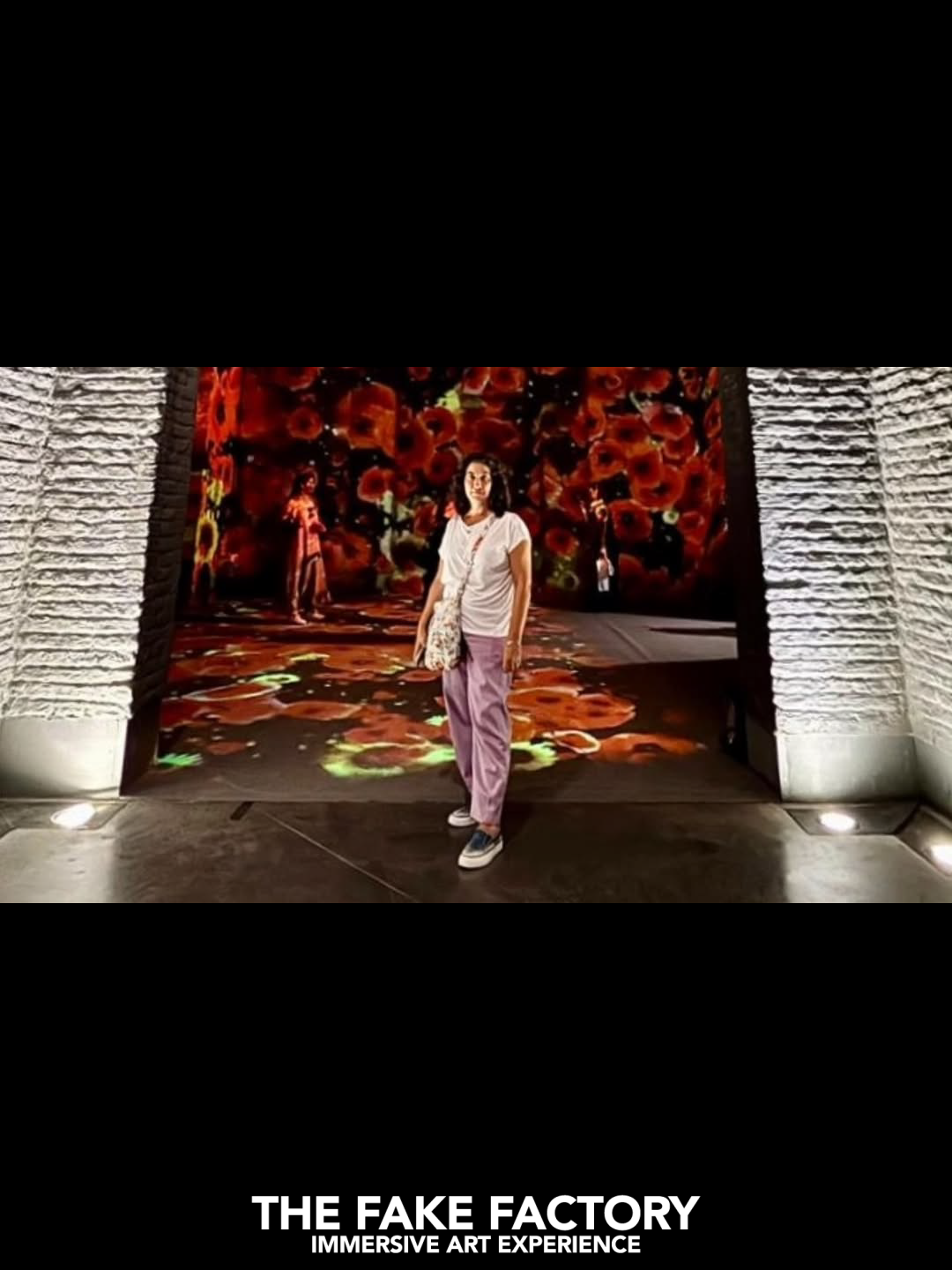
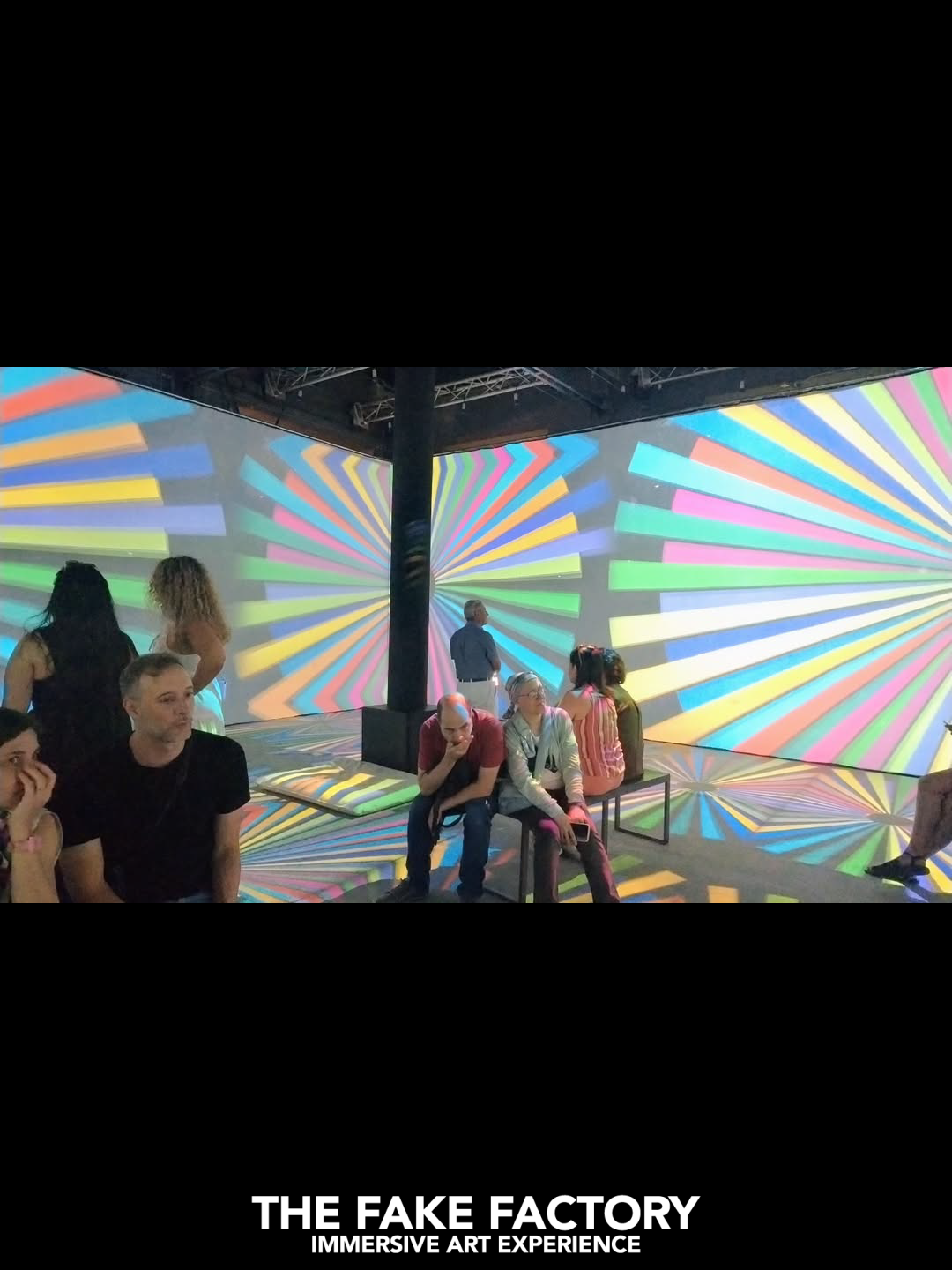
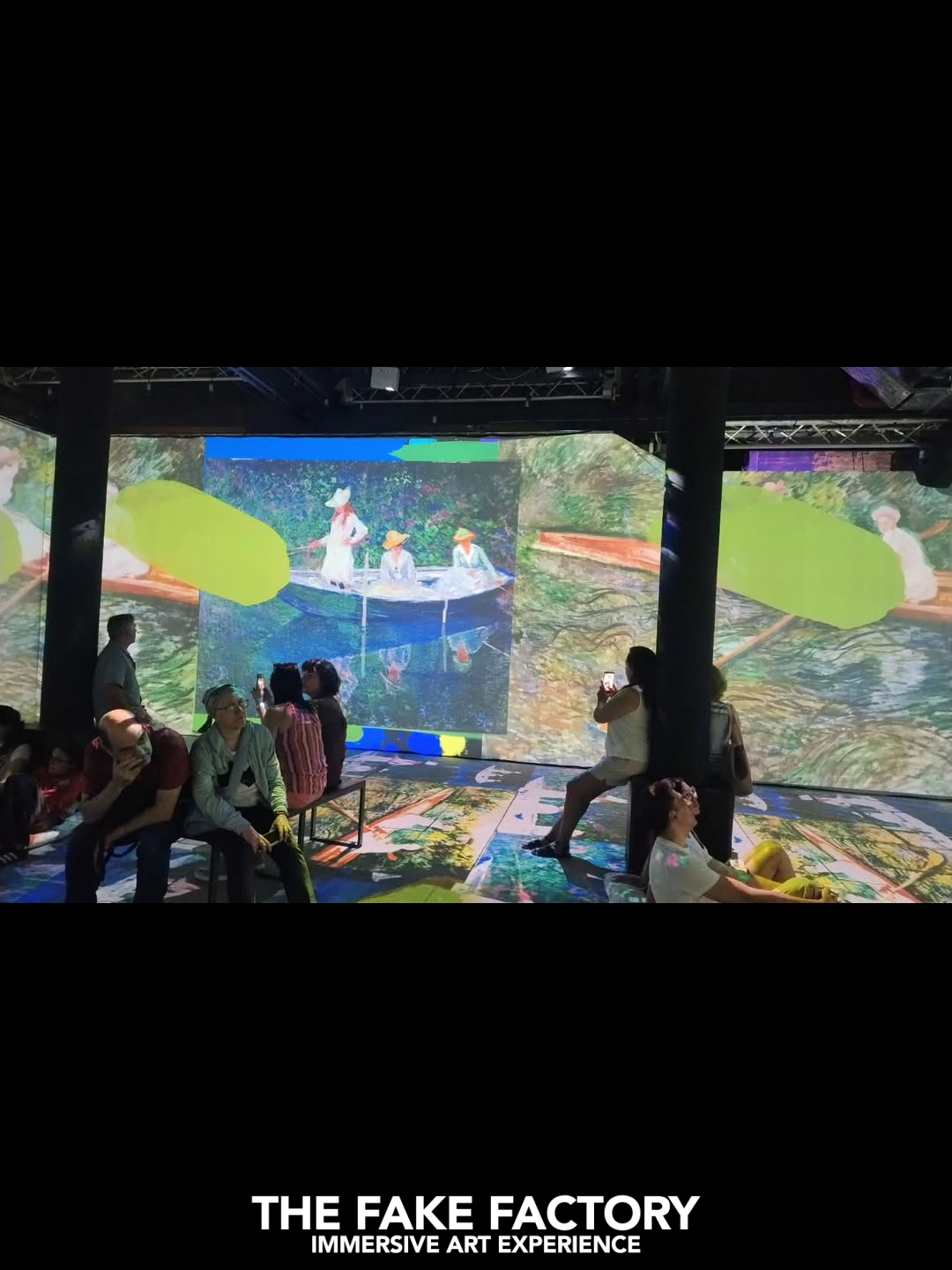
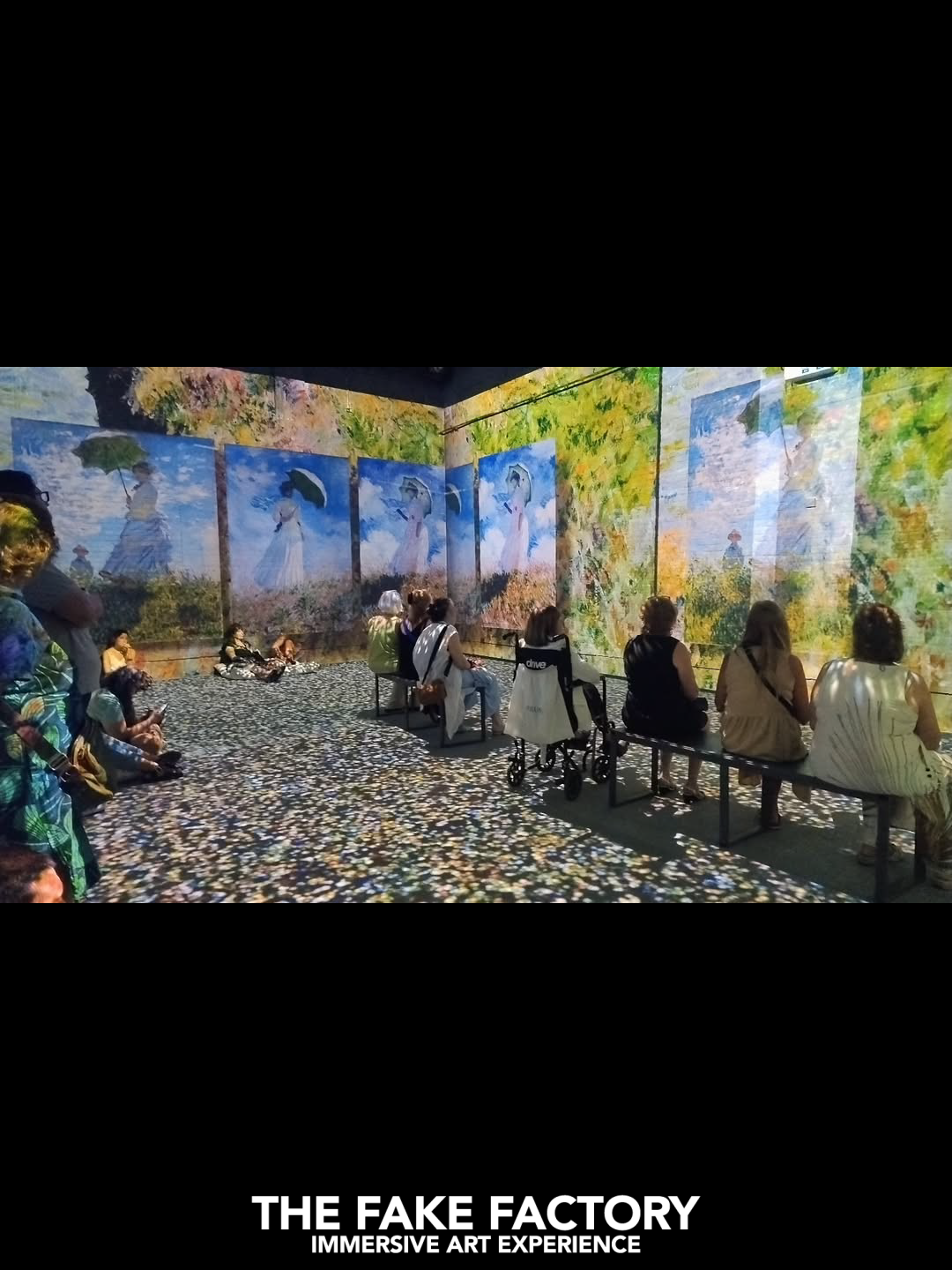
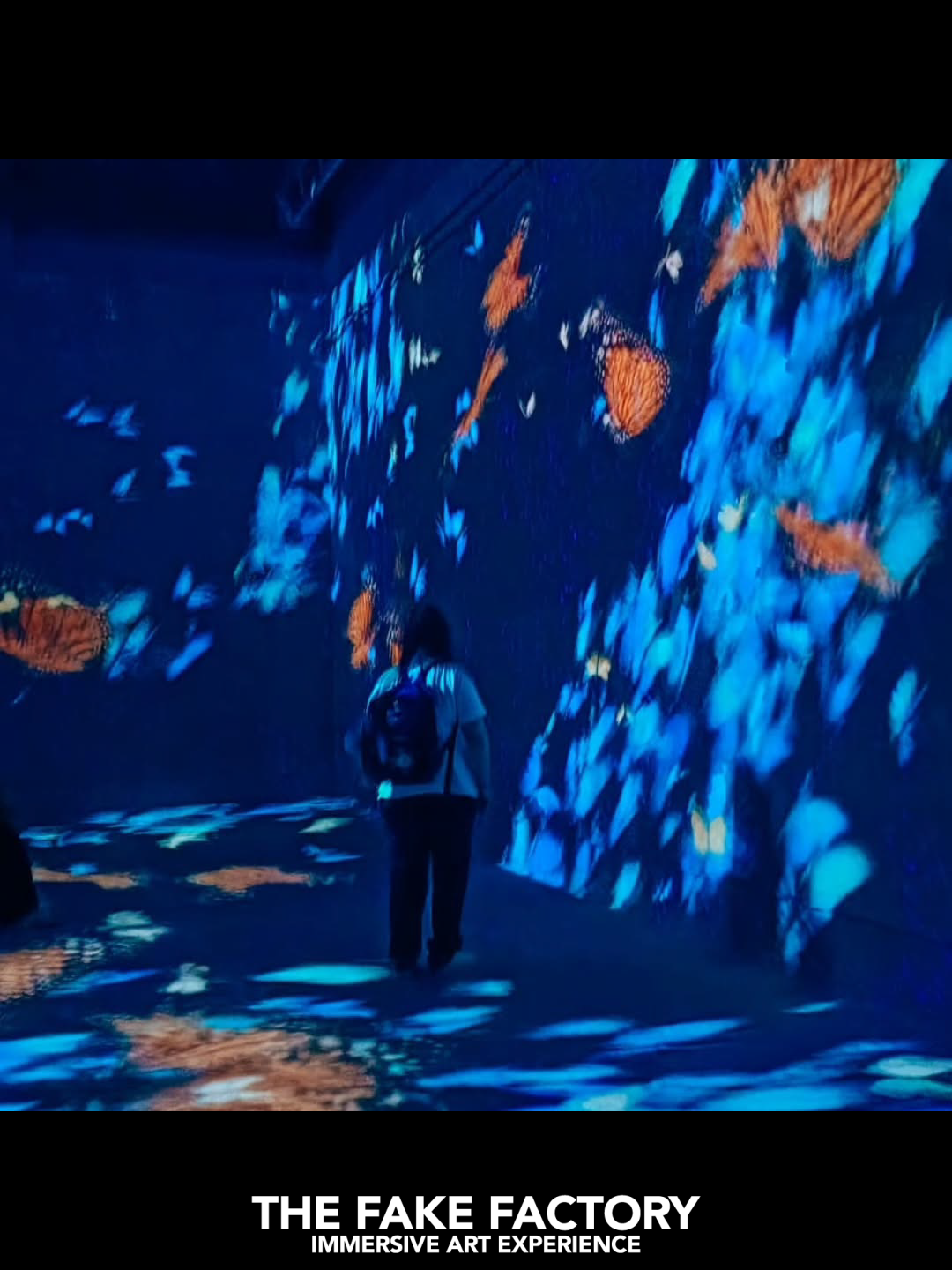
Mediante flujos continuos de proyecciones, animaciones suaves, modulaciones cromáticas progresivas y ritmos visuales lentos, se genera una percepción de impermanencia acorde con su pintura. No se pretende simular la naturaleza, sino evocar la experiencia emocional de estar inmerso en ella, permitiendo al espectador vivir de manera corporal y sensorial esa misma atención íntima que Monet dedicaba a la luz y al paisaje.
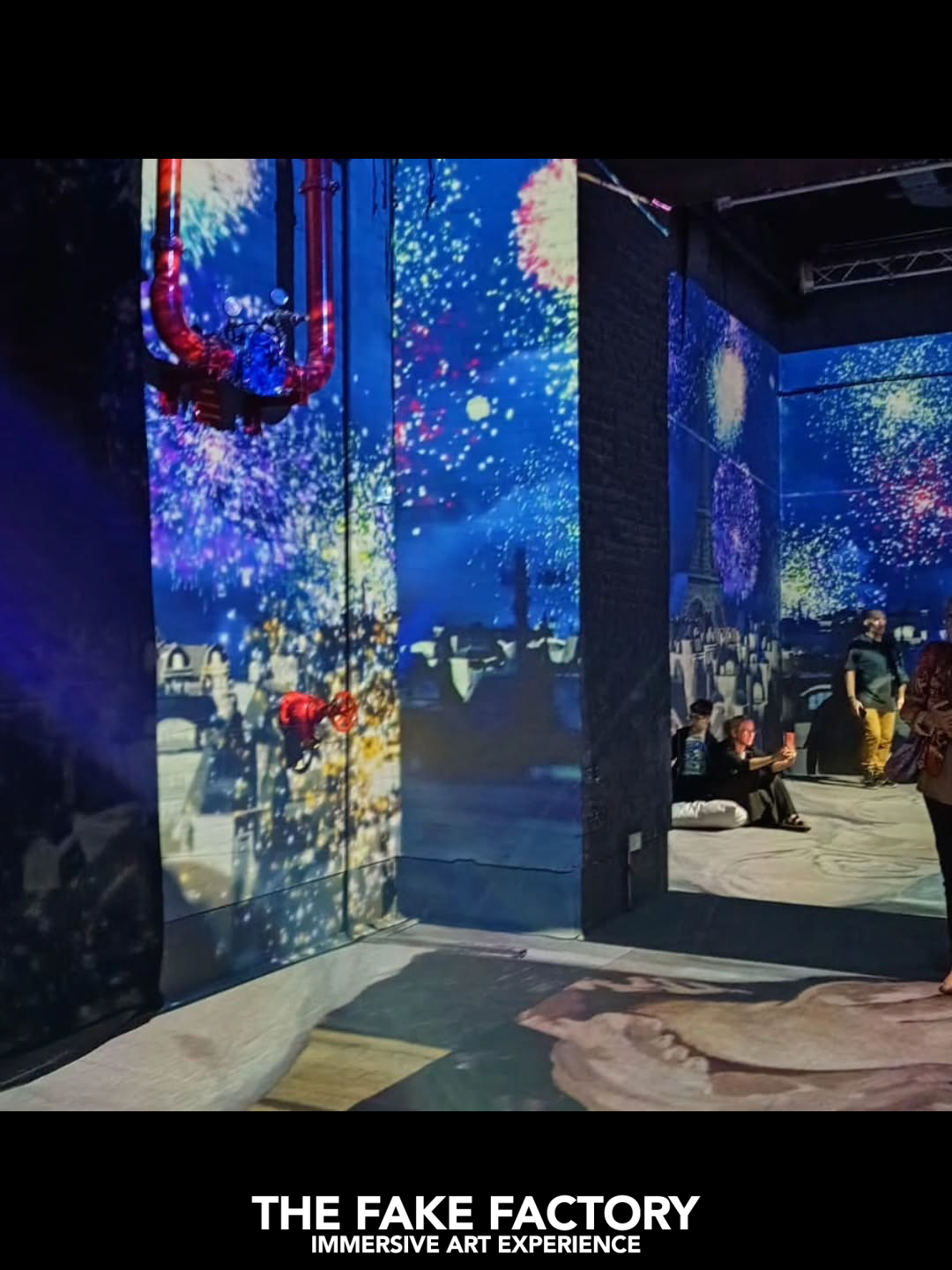
En el trabajo de Stefano Fake y The Fake Factory, la experiencia inmersiva responde a una necesidad contemporánea: encontrar una nueva forma de encuentro con el arte. Vivimos rodeados de imágenes, pero pocas veces esas imágenes generan una vivencia profunda. Las instalaciones inmersivas buscan devolver al espectador una relación más intensa con la pintura, basada no solo en la comprensión intelectual, sino en el tiempo, el cuerpo y la emoción. No se trata únicamente de reconocer obras famosas o aprender datos históricos, sino de establecer un contacto más íntimo con la atmósfera de la obra y con el pensamiento del artista.
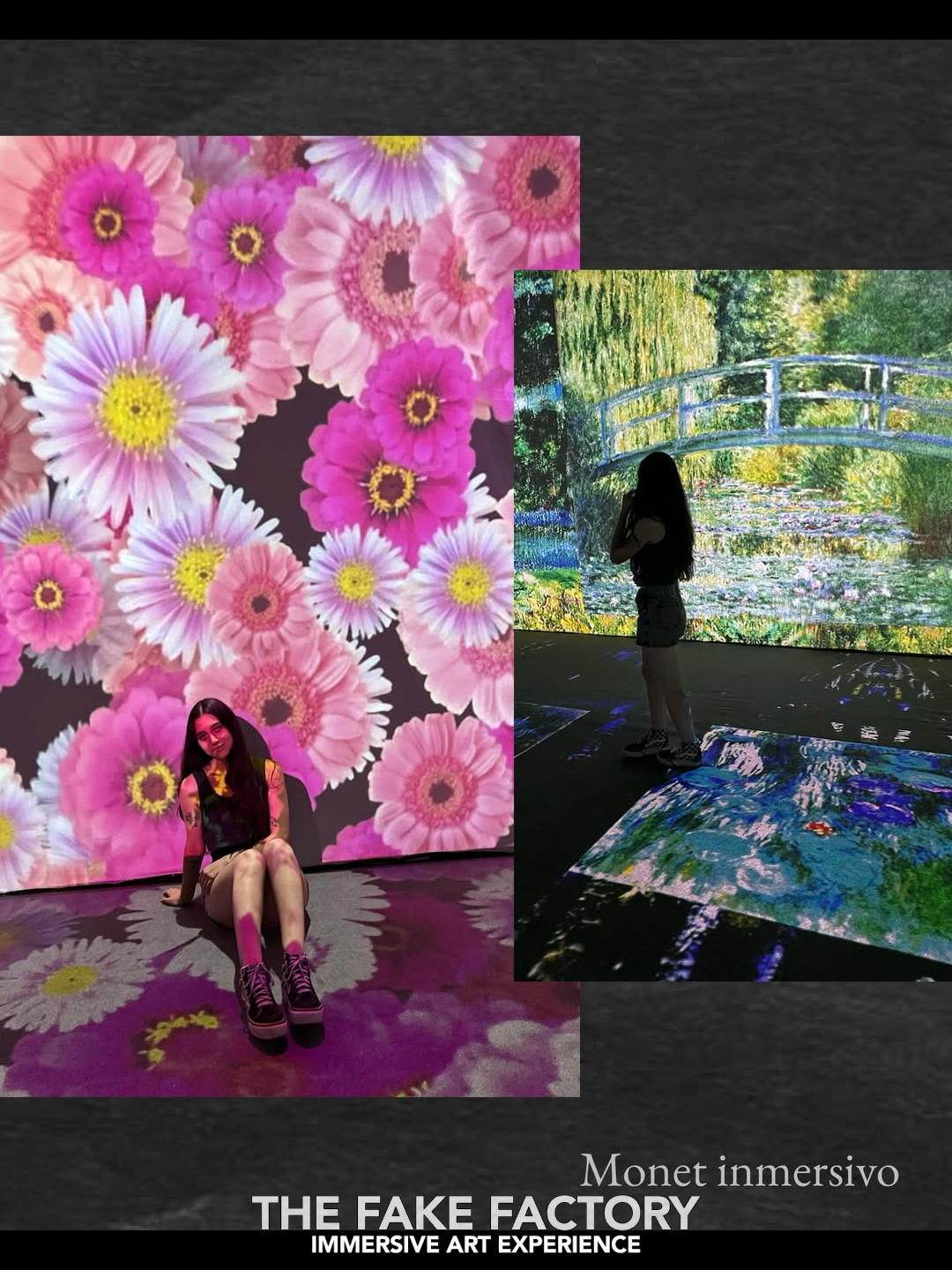
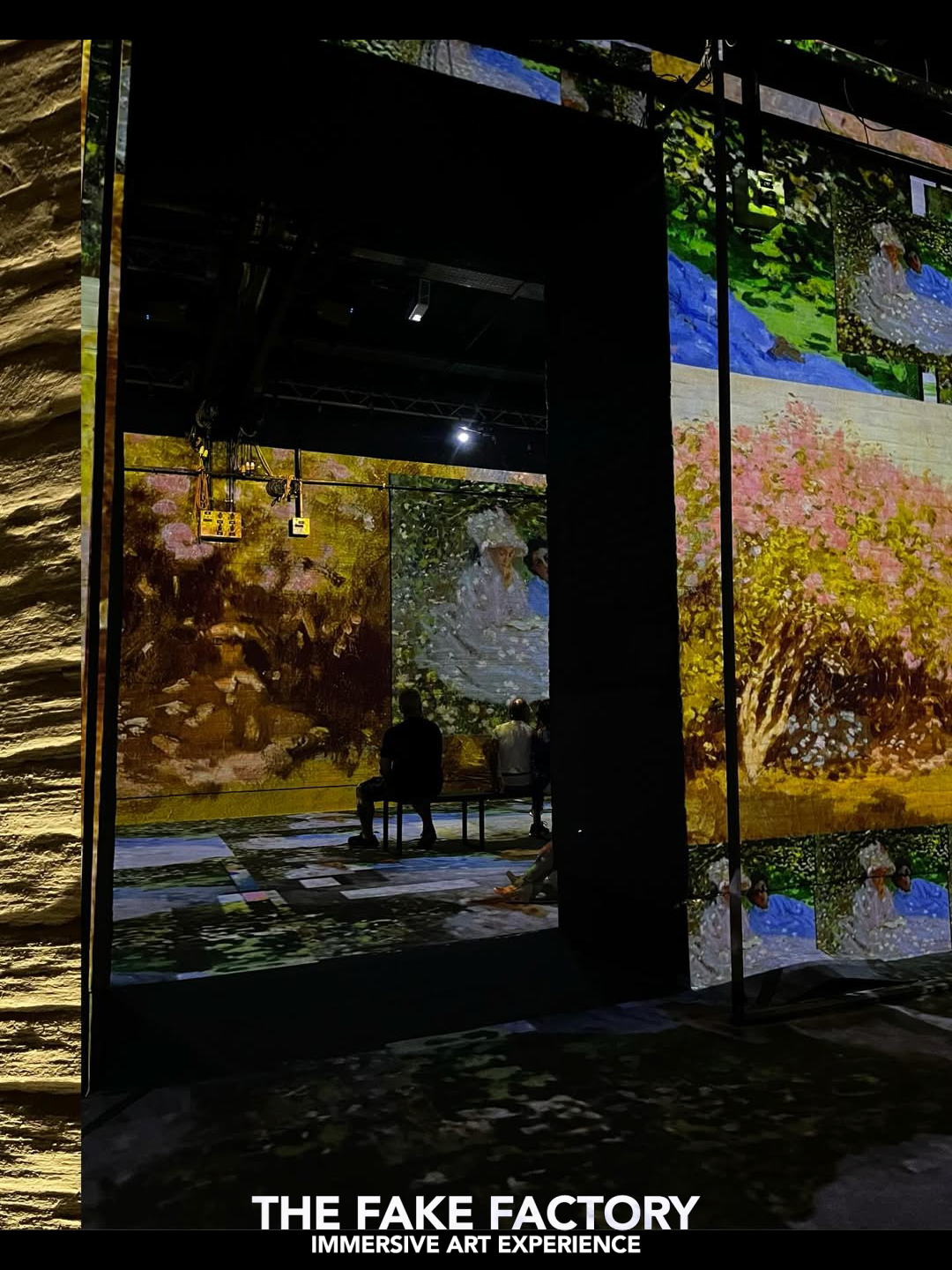
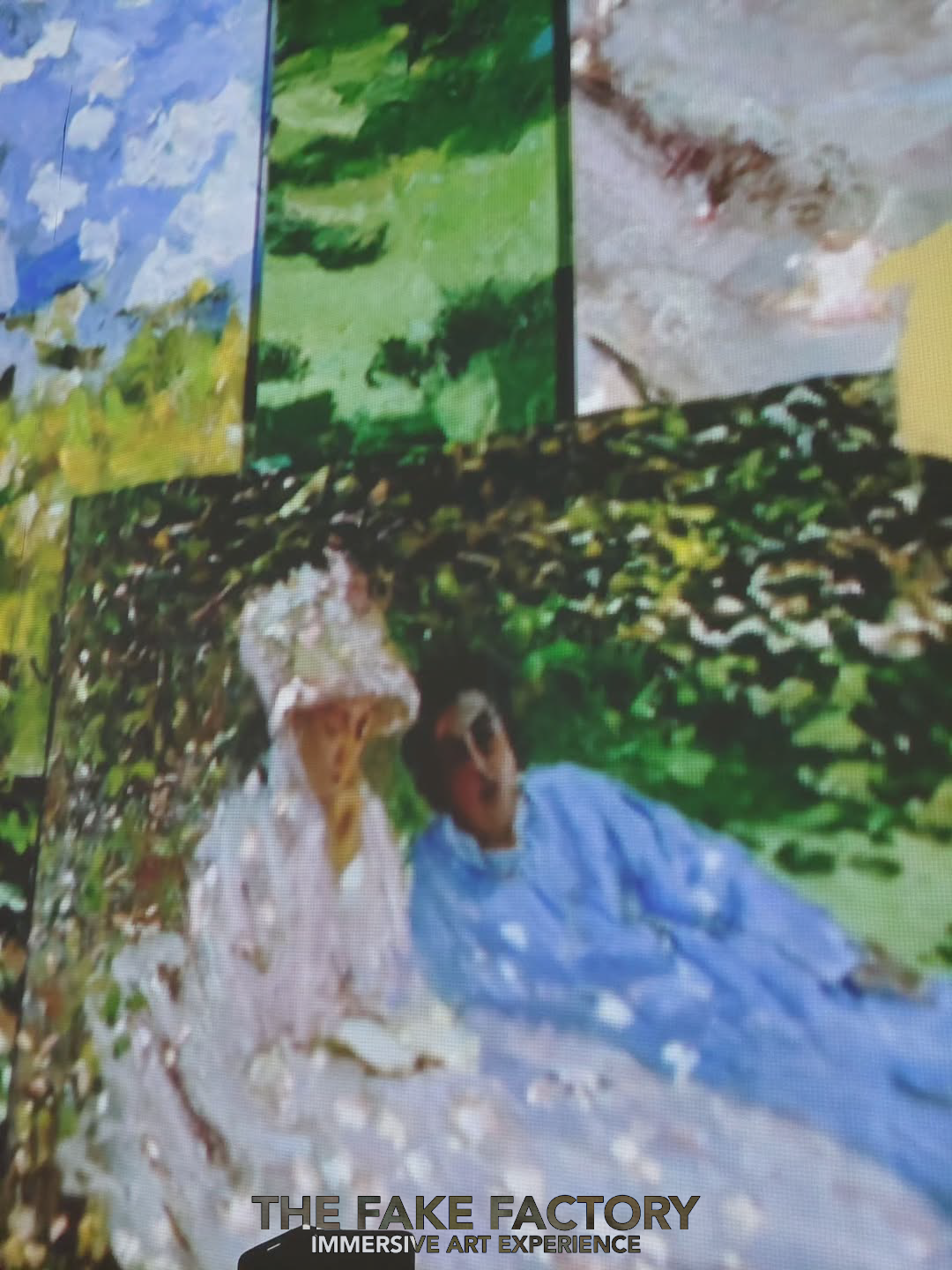
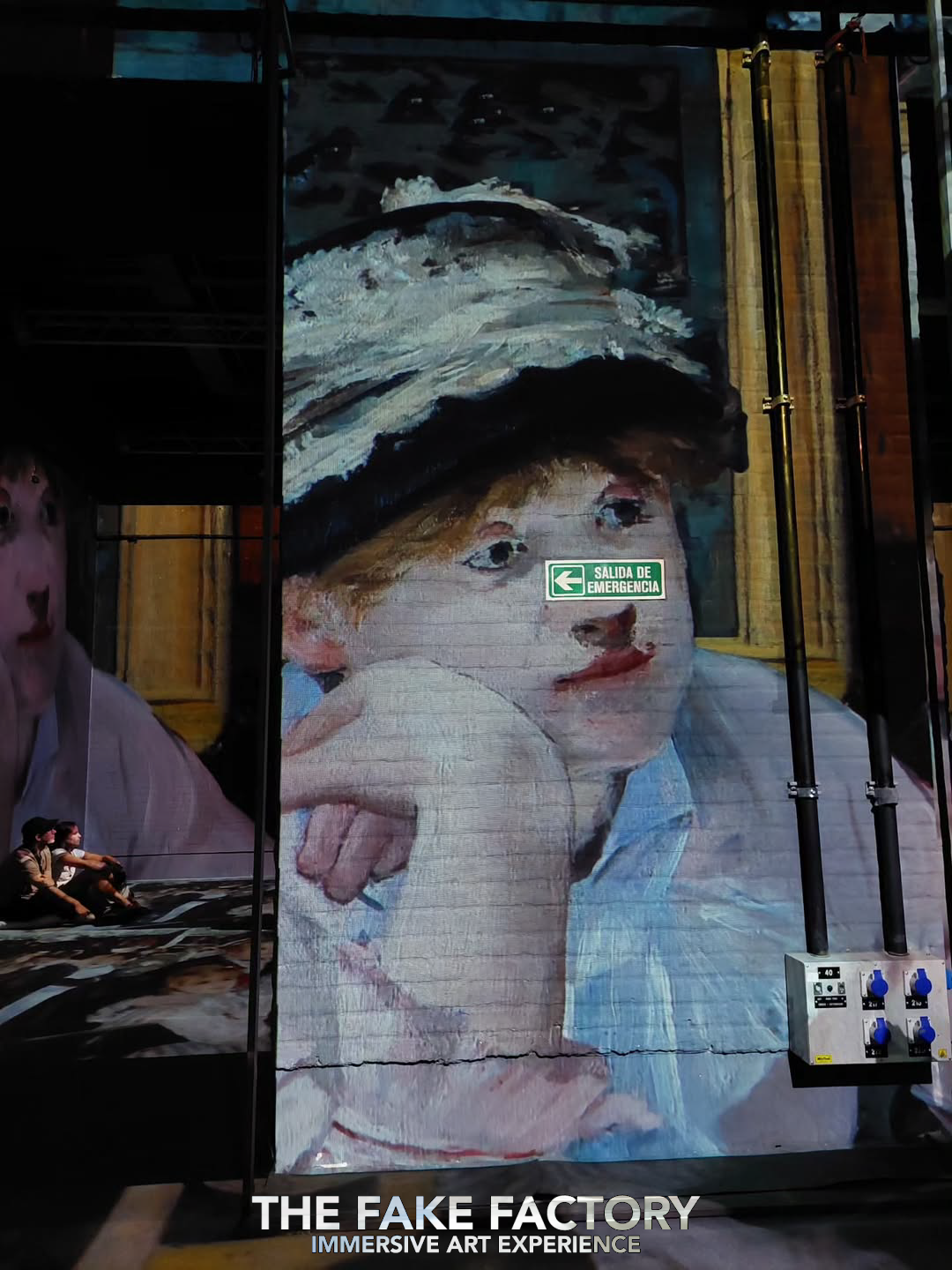
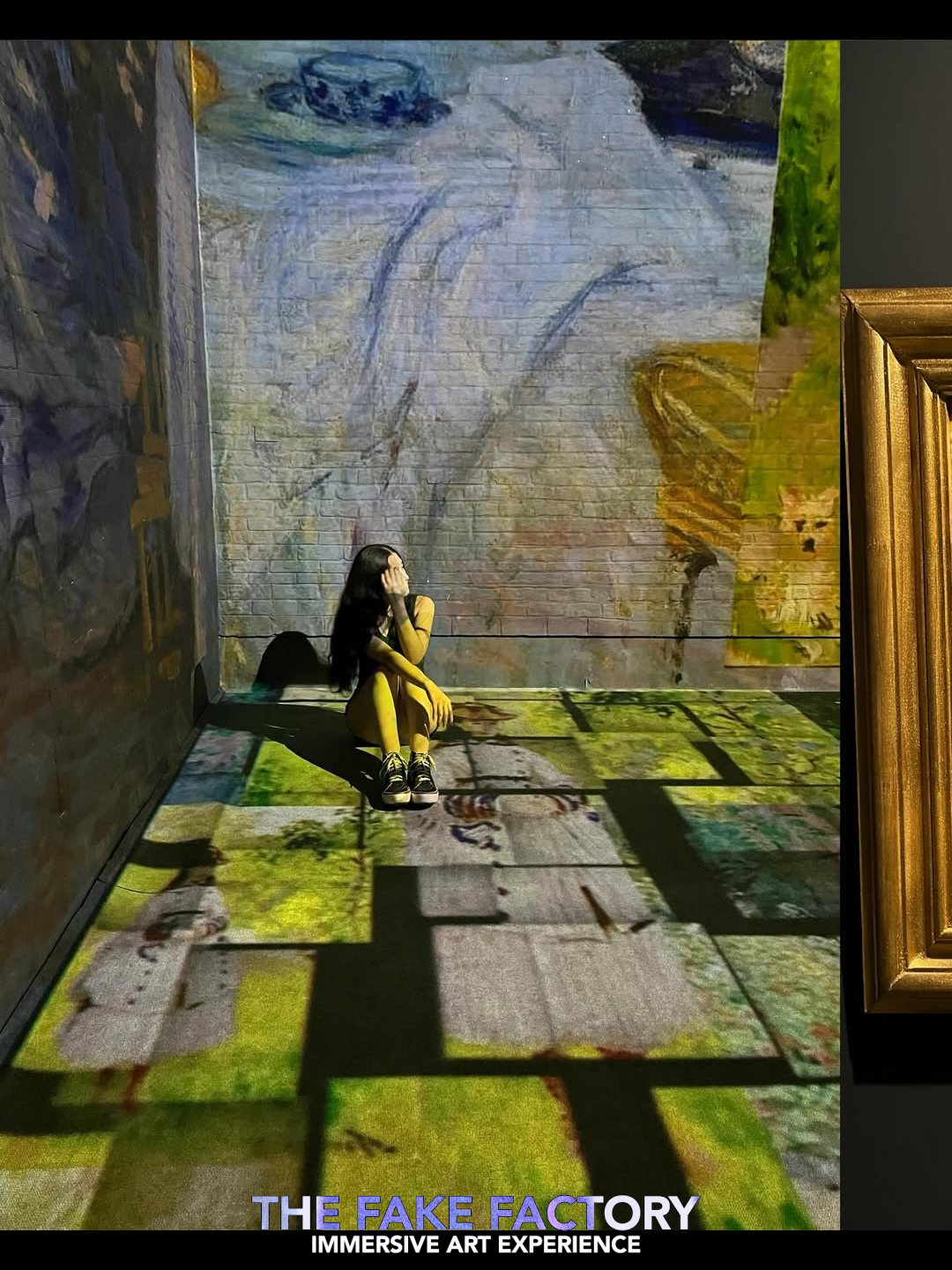
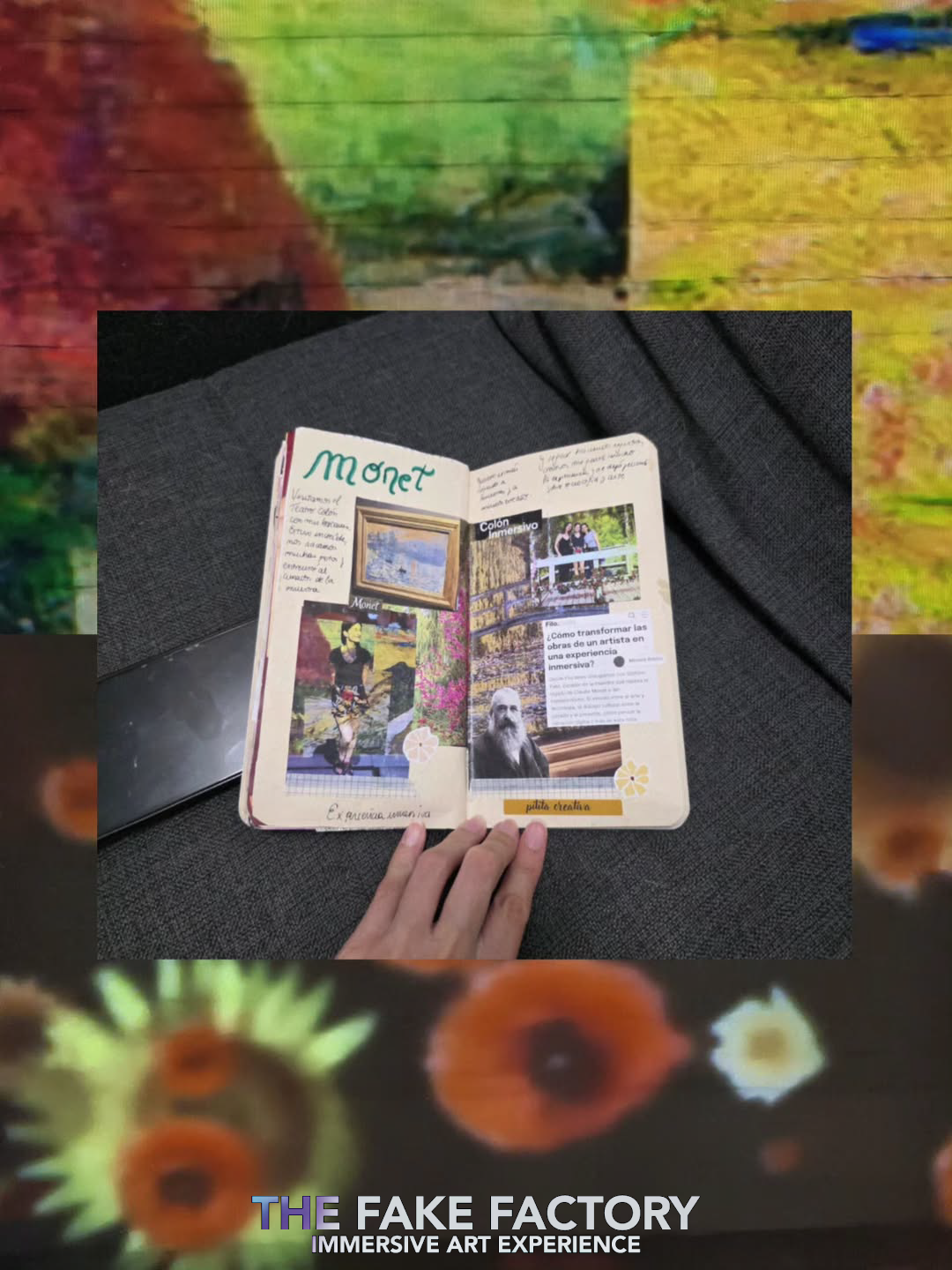
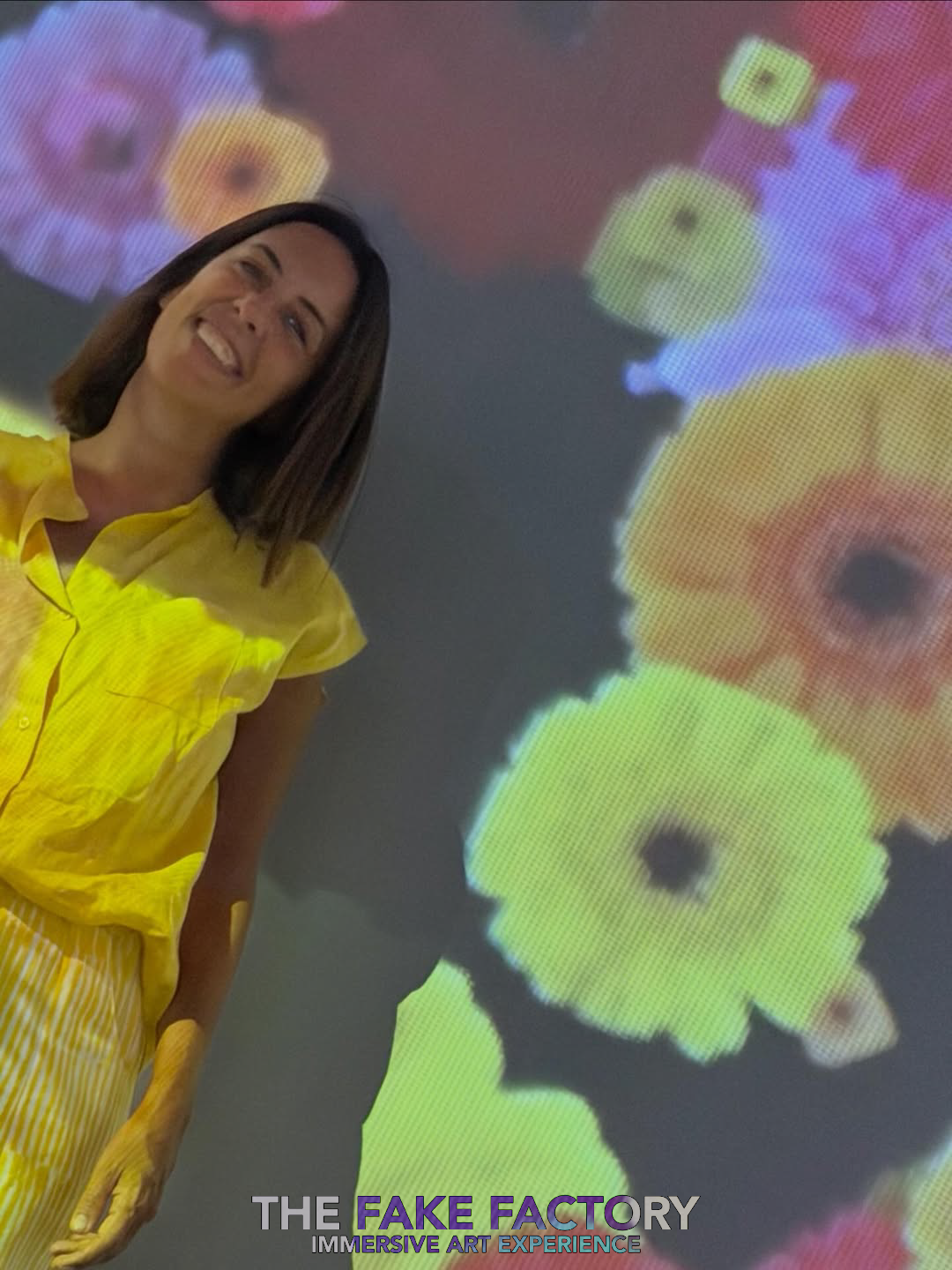
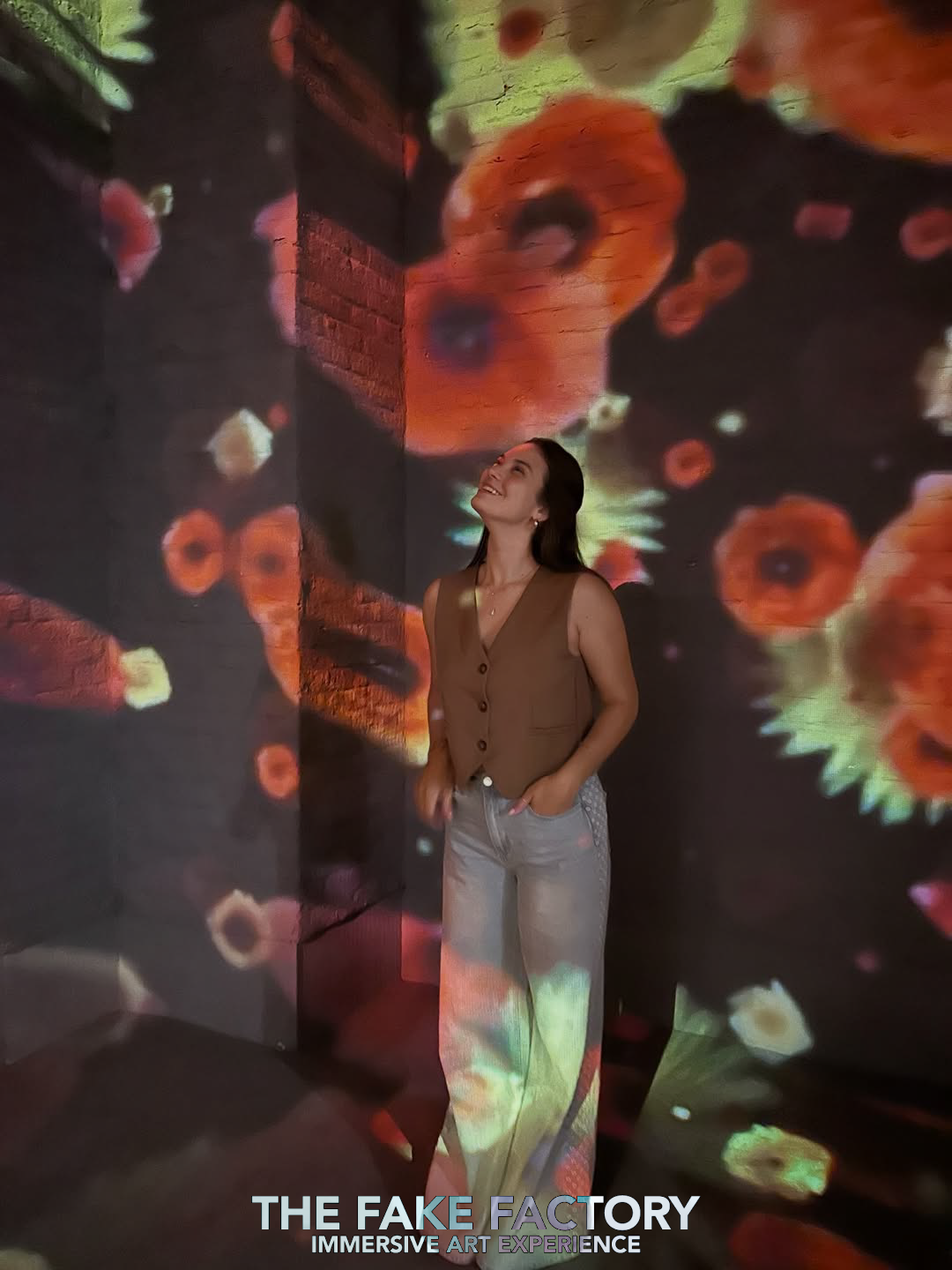
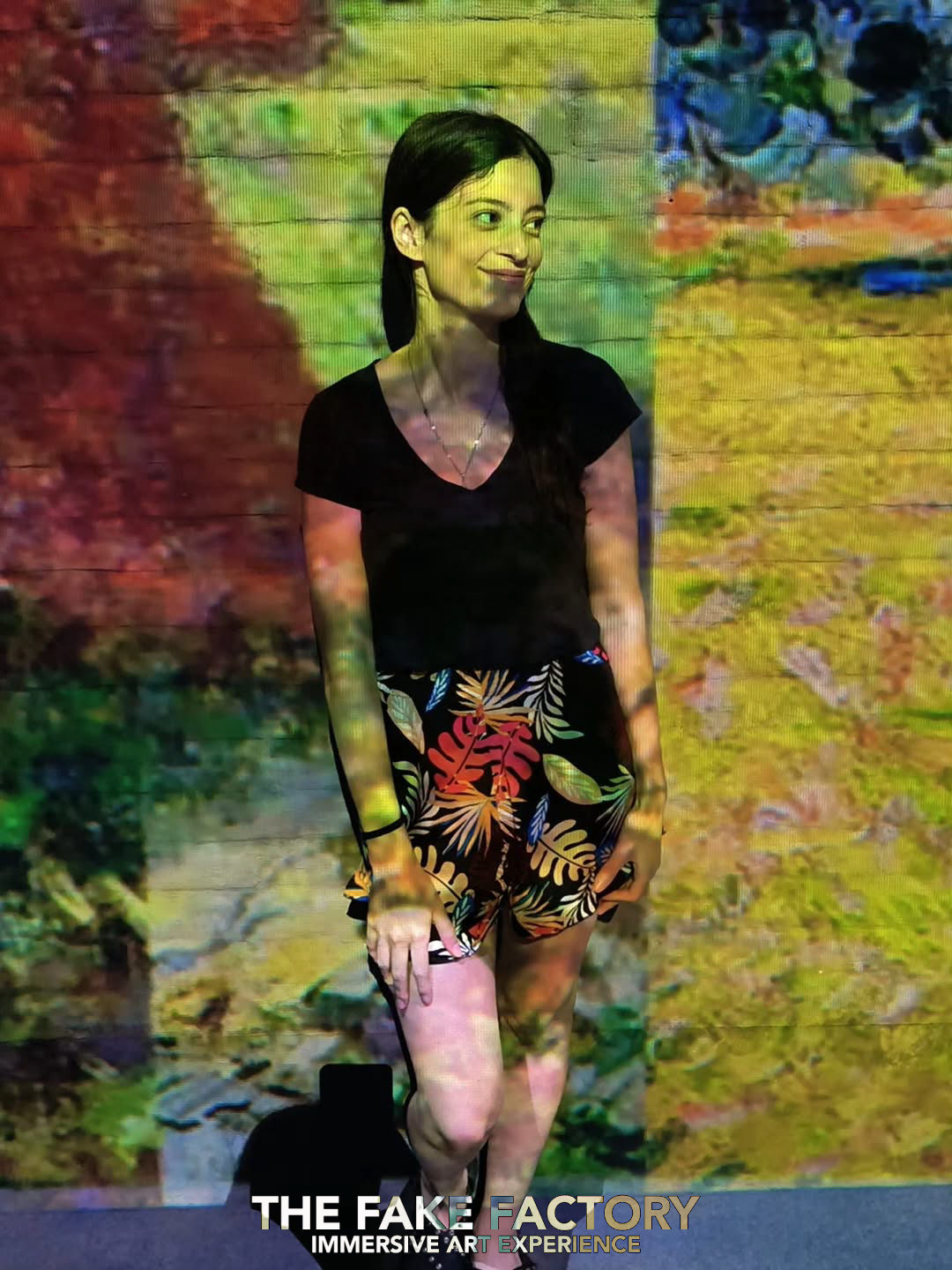
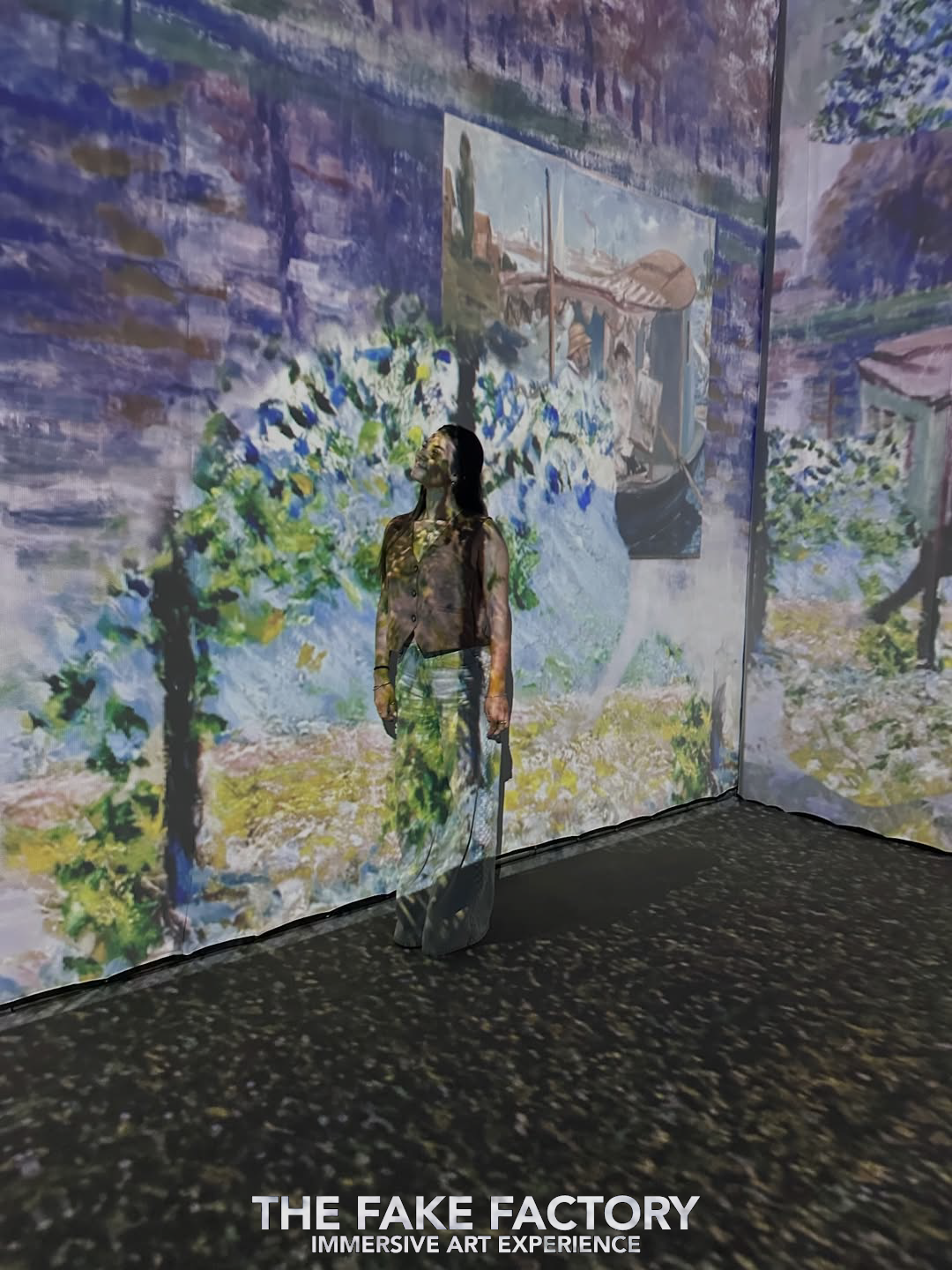
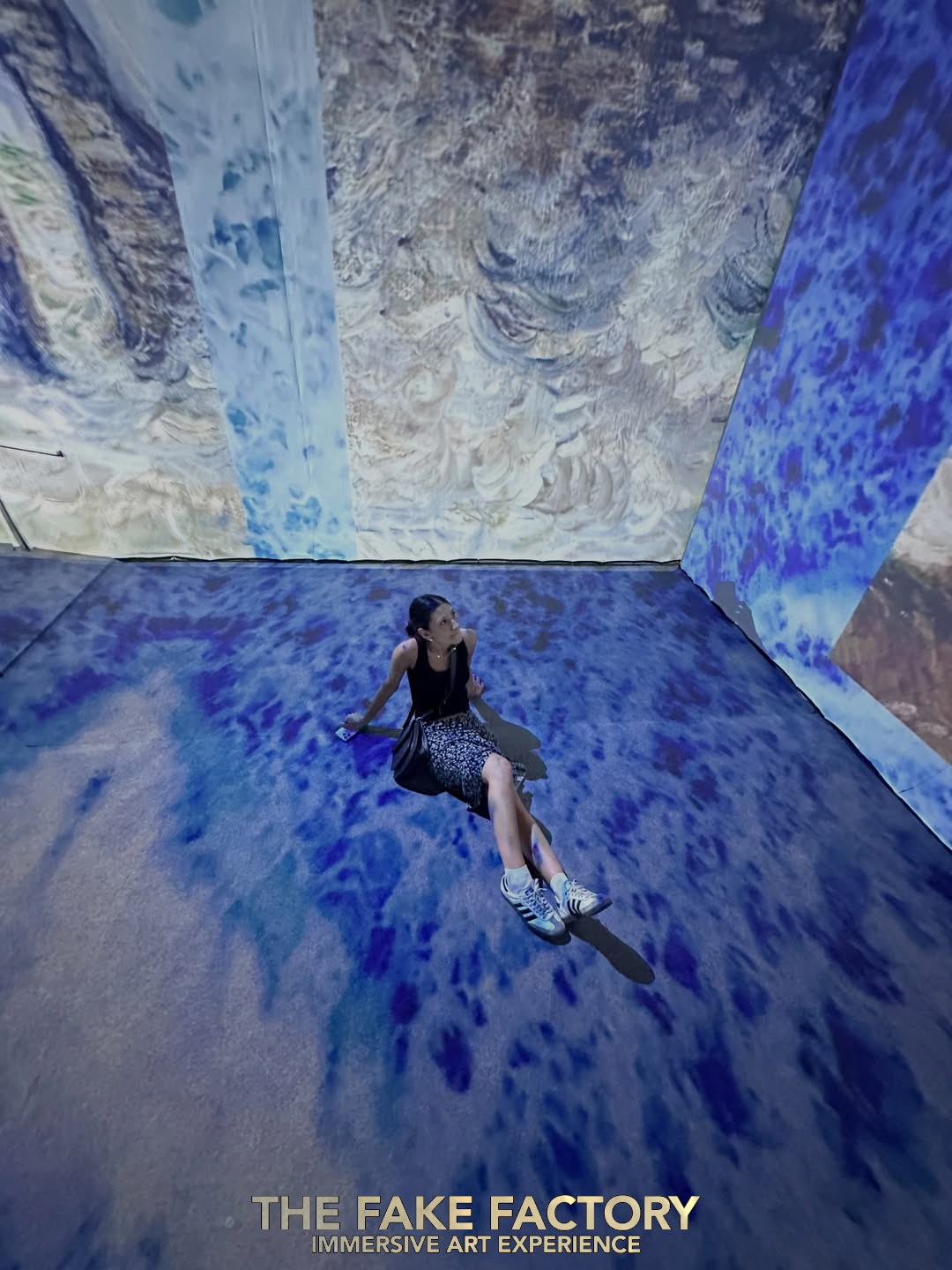
En Monet Inmersivo, el público no solo intenta comprender por qué Monet fue tan decisivo en la historia del arte, sino también experimentar lo que él sentía frente a la naturaleza: la atención a la luz, al cambio continuo, a lo efímero. La experiencia propone un ritmo lento, una pausa dentro de la aceleración de la vida contemporánea, y ofrece una forma de contemplación activa, profundamente sensorial, donde el espectador se sumerge en un tiempo distinto.
El objetivo no es que el visitante conserve solo un recuerdo visual, sino que modifique su manera de percibir el mundo. La instalación busca despertar una sensibilidad más atenta hacia el entorno cotidiano: la luz del atardecer, los reflejos sobre el agua, las variaciones del cielo, los pequeños detalles que suelen pasar desapercibidos. Si al salir del espacio expositivo el público observa la realidad con mayor atención y con una disposición emocional más abierta, la experiencia ha cumplido su función.


Estas propuestas no se plantean como sustitutas del arte clásico, sino como mediaciones capaces de reactivar el interés por él. Invitan a volver al museo, a mirar una pintura con mayor detenimiento y a comprender que la pintura no es un vestigio del pasado, sino una forma de pensamiento visual todavía viva. Ese es, en última instancia, el sentido más profundo de las experiencias inmersivas dedicadas a los grandes maestros de la historia del arte: renovar la mirada del espectador y reconectar el arte con la vida.
El trabajo de Stefano Fake y The Fake Factory se inscribe en una relación histórica entre arte y tecnología que atraviesa los siglos. Si entendemos la tecnología como toda innovación técnica aplicada por el ser humano a los materiales y a su entorno, basta recordar la evolución de los pigmentos y de las técnicas pictóricas —del fresco al óleo, de la acuarela a los acrílicos o a la impresión— para comprender que el desarrollo artístico siempre ha estado ligado al progreso técnico.
La historia de la humanidad es una historia de transformaciones tecnológicas, y los artistas han actuado como catalizadores de esas novedades, buscando nuevos formatos para representar lo real. Hoy el mundo se compone de una mezcla de realidad física y virtualidad digital: cada persona habita simultáneamente su entorno concreto y su infosfera digital. El arte digital inmersivo pone en escena esta relación, creando un espacio “physital” donde lo físico y lo digital coexisten en un mismo plano perceptivo.
El principal desafío de este trabajo consiste en lograr que la tecnología amplíe las obras del pasado sin sustituirlas. Se trata de construir un espacio inmersivo donde la estética clásica dialogue con el lenguaje digital, manteniendo autenticidad, intensidad expresiva y coherencia emocional con la intención original de los artistas. Las tecnologías contemporáneas permiten reunir en un mismo lugar disciplinas diversas: espacio, luz, música, imágenes y narración se combinan en una alquimia artística que debe mantenerse en equilibrio para favorecer una experiencia de contemplación profunda.
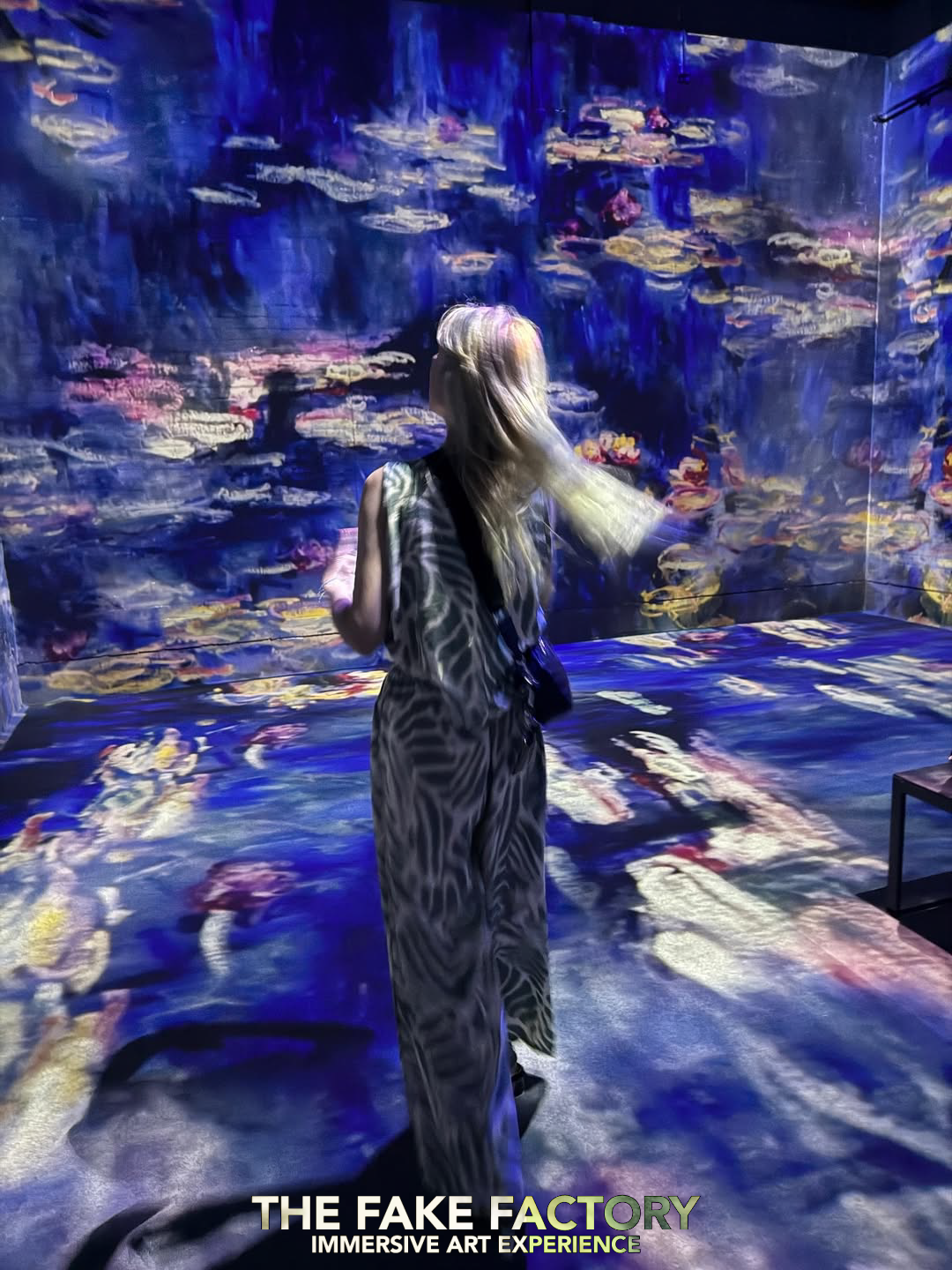
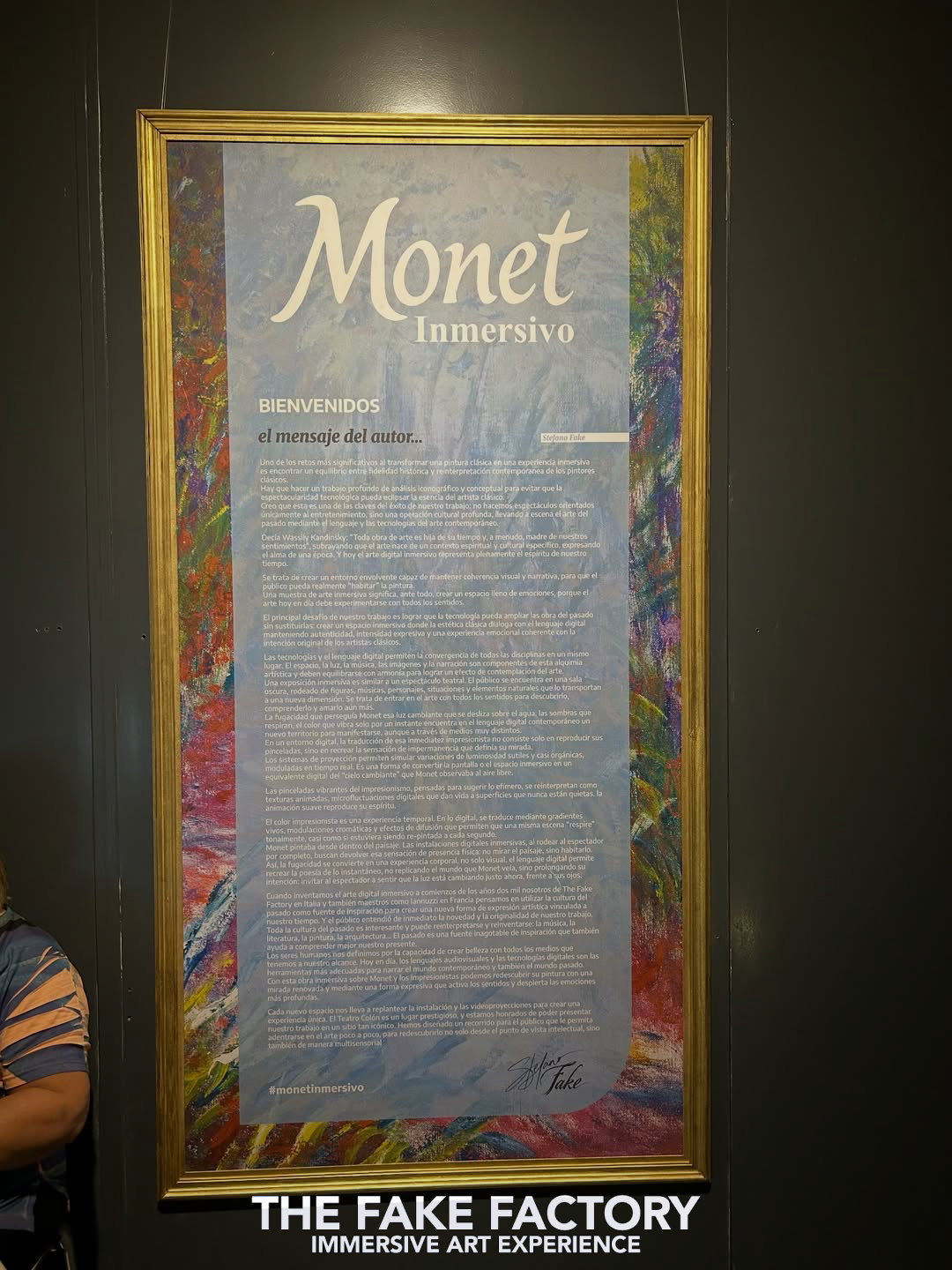
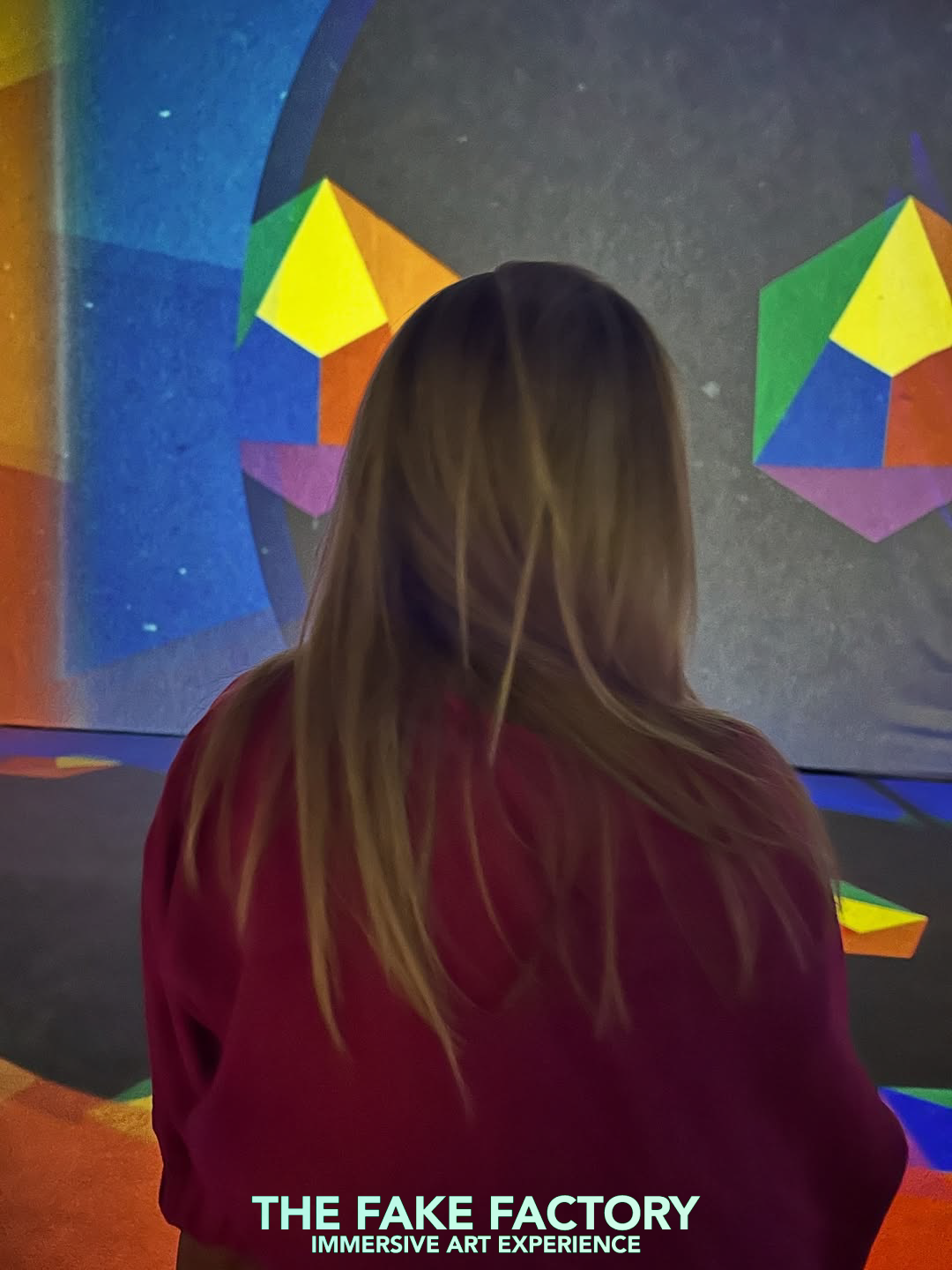
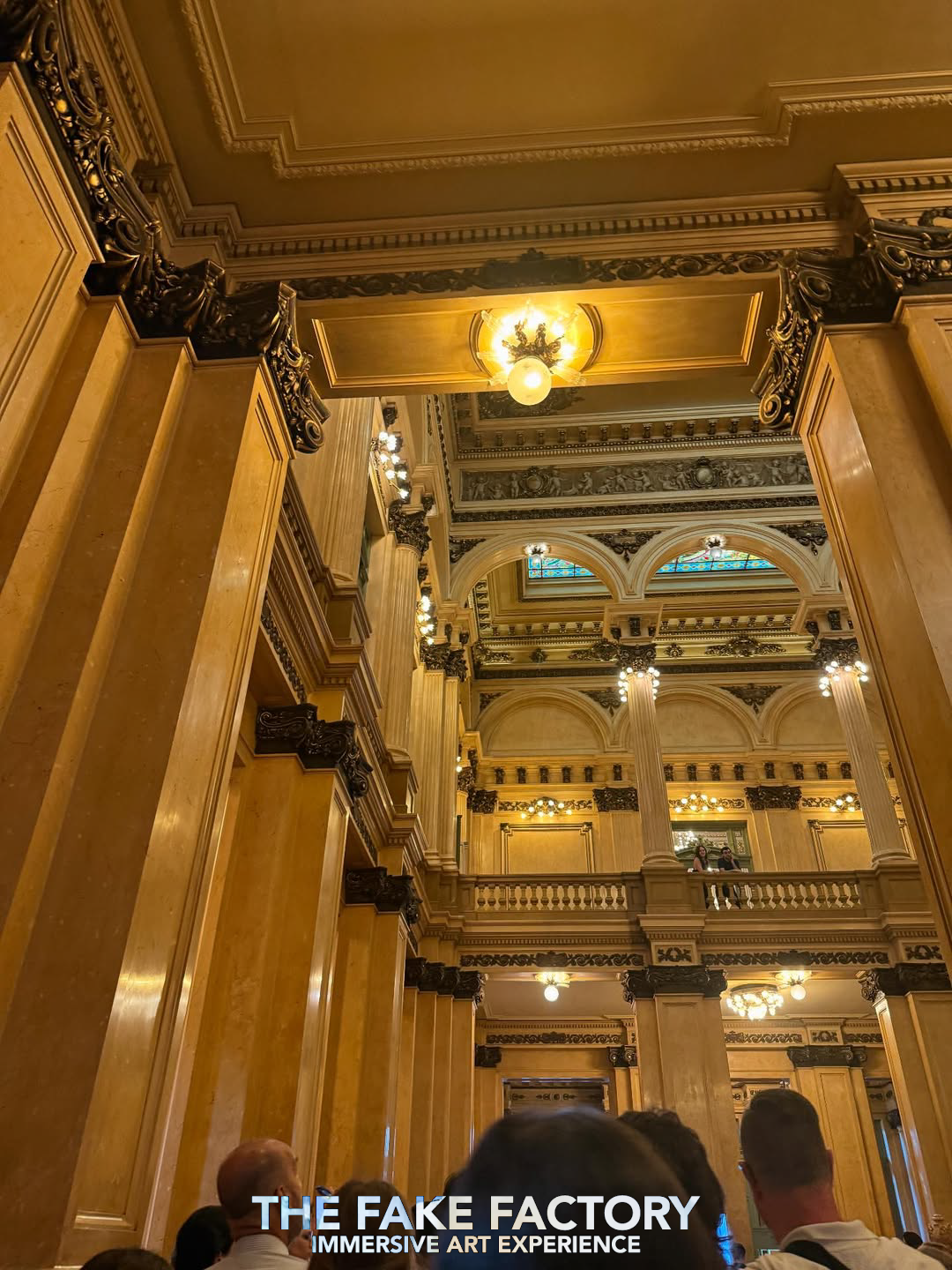
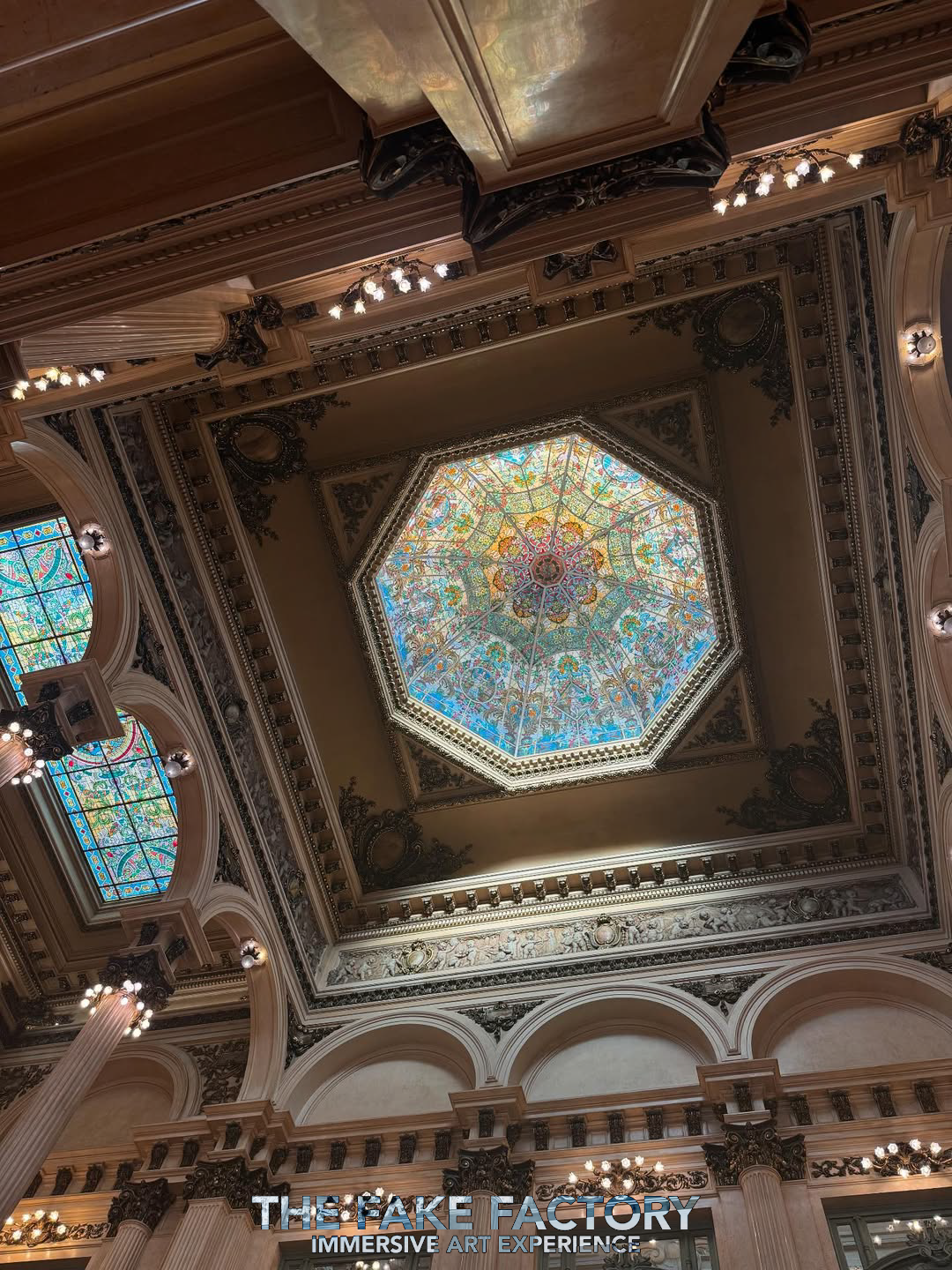
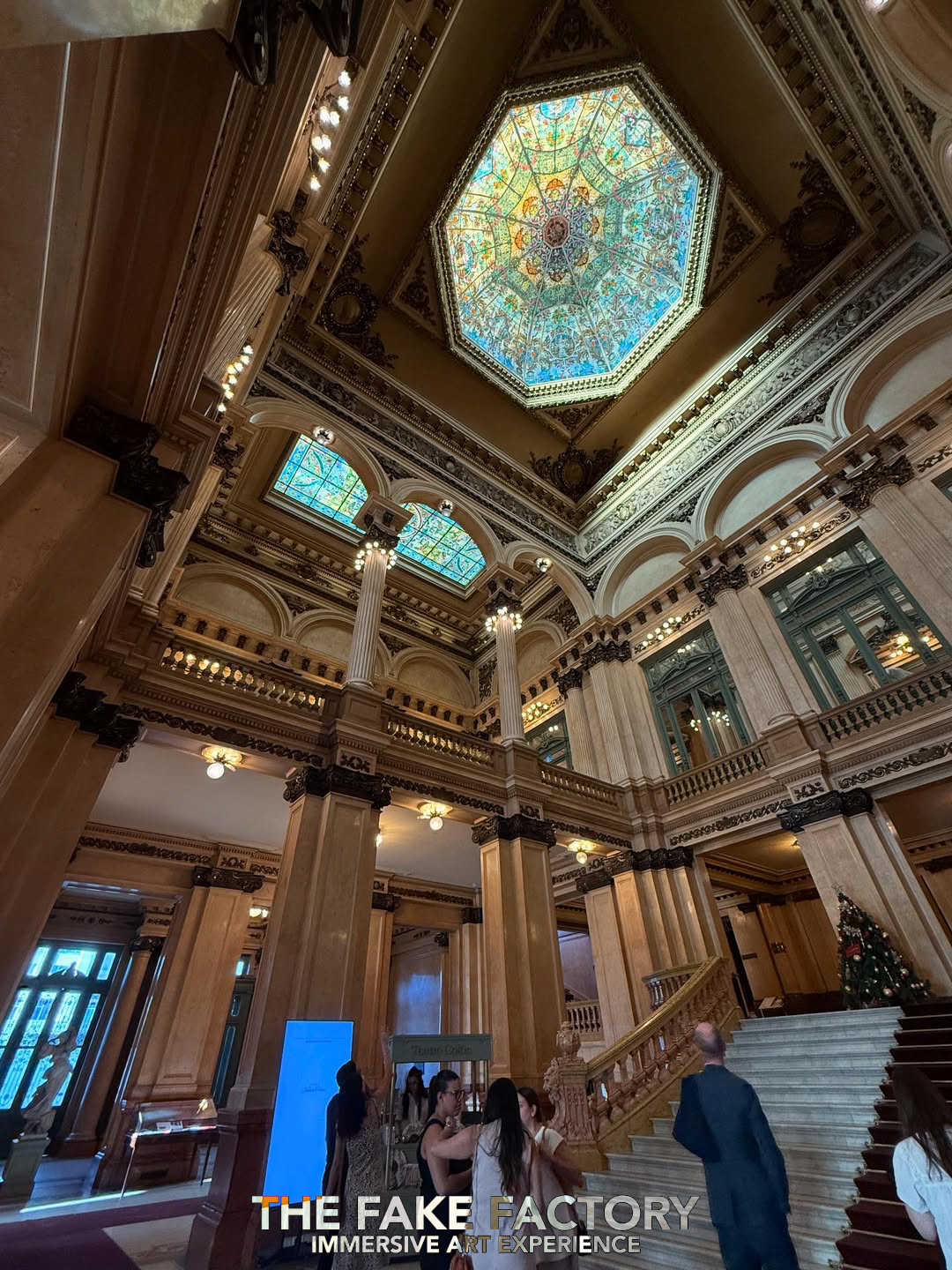
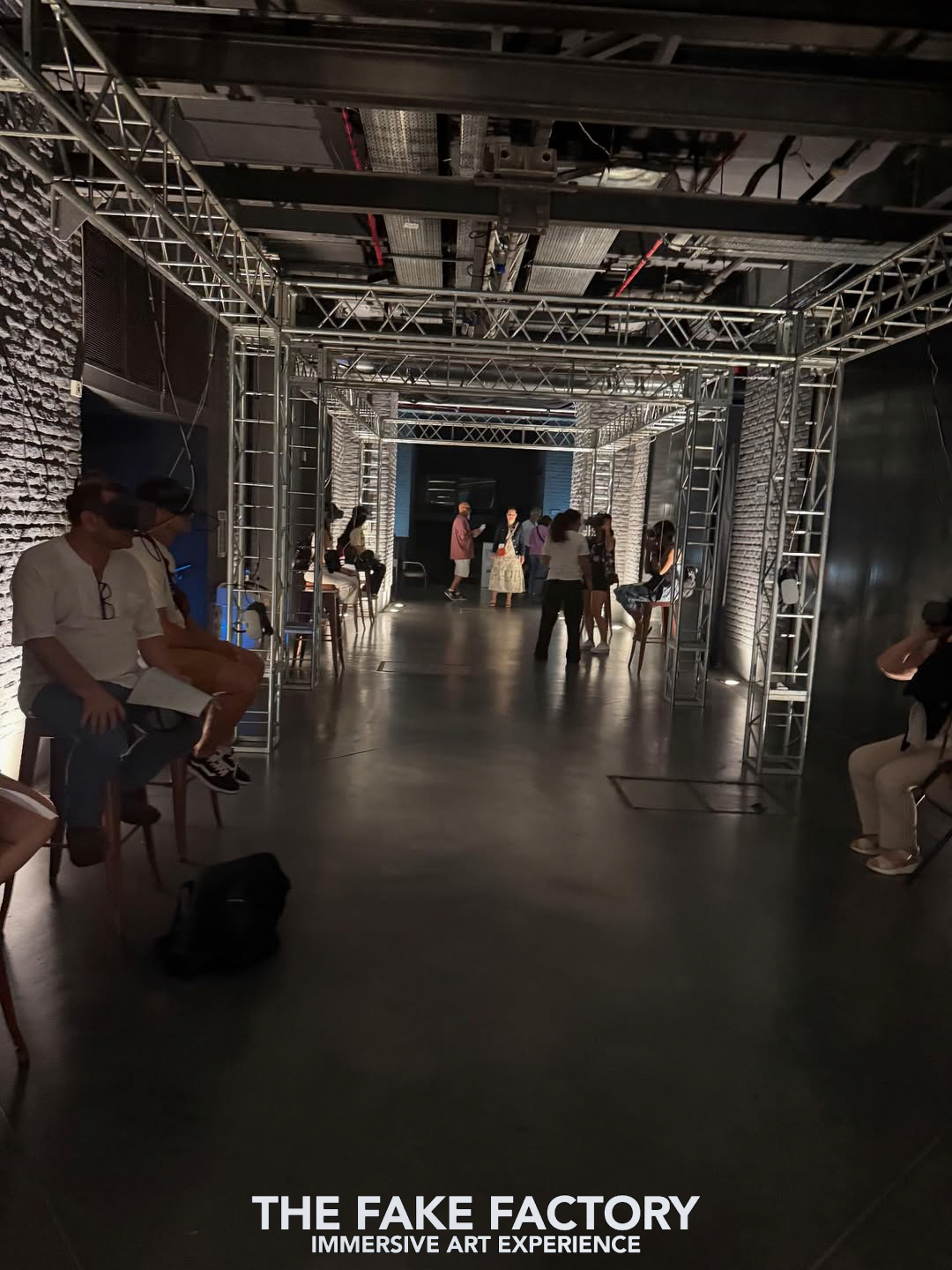
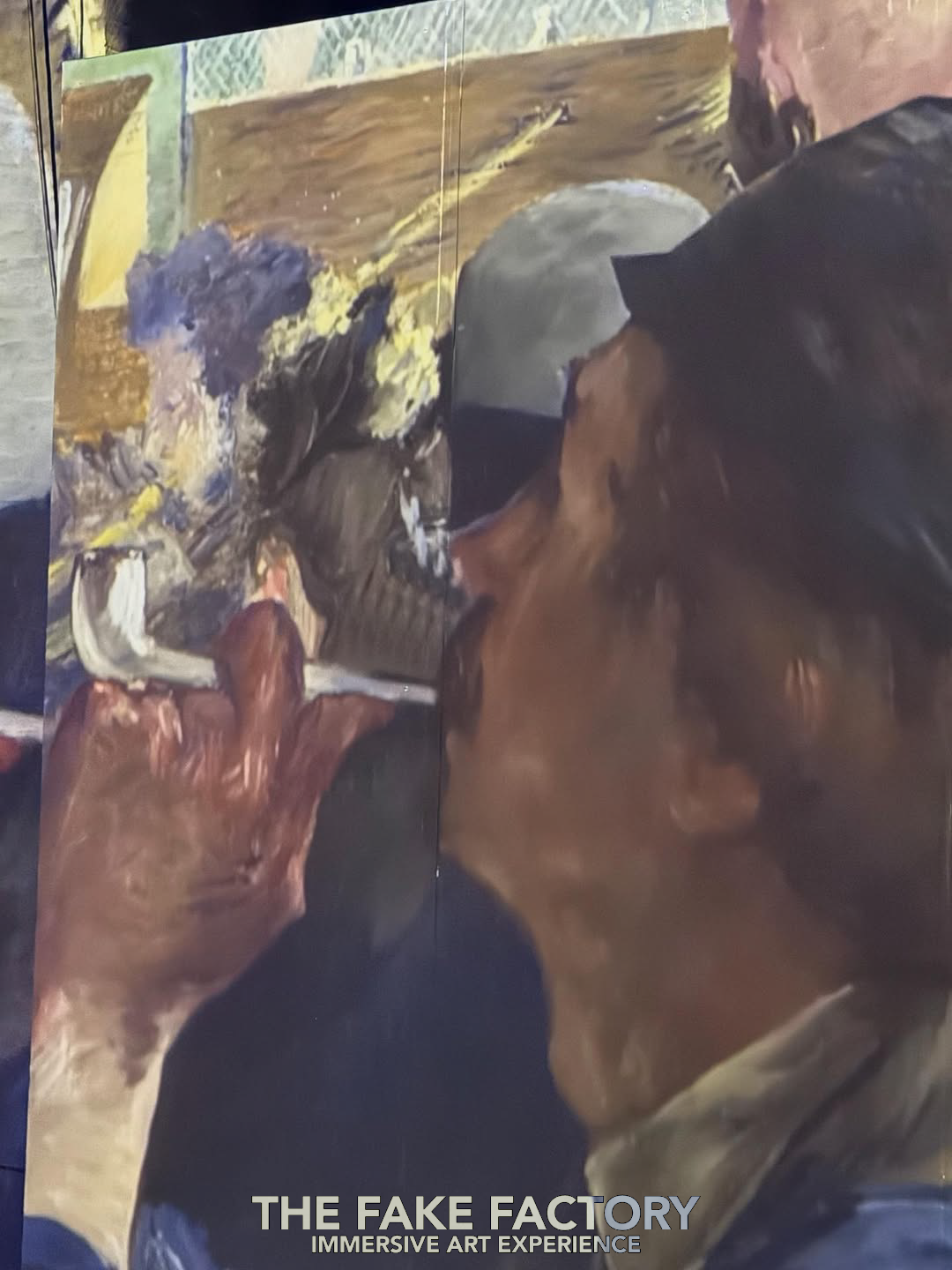
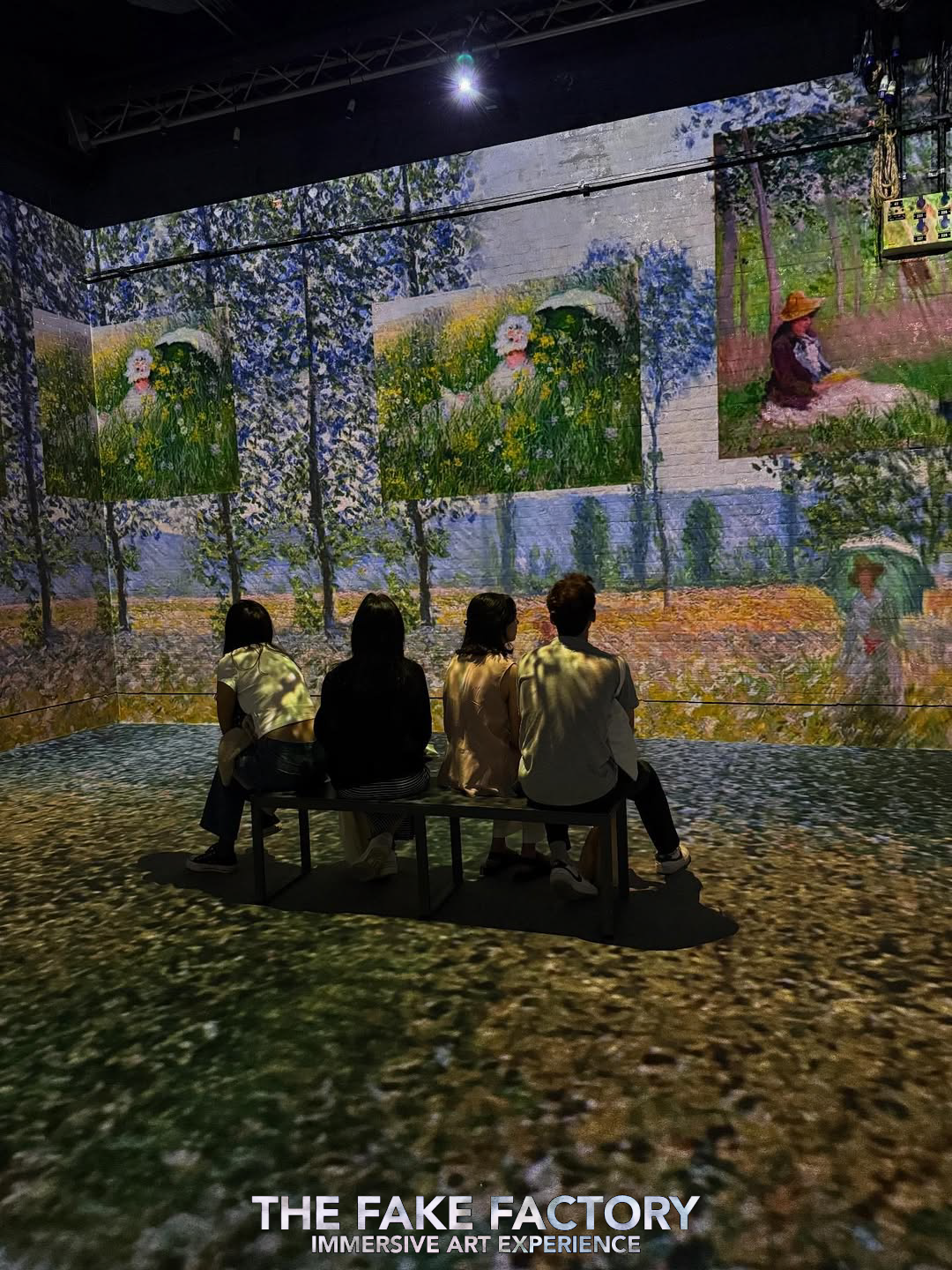
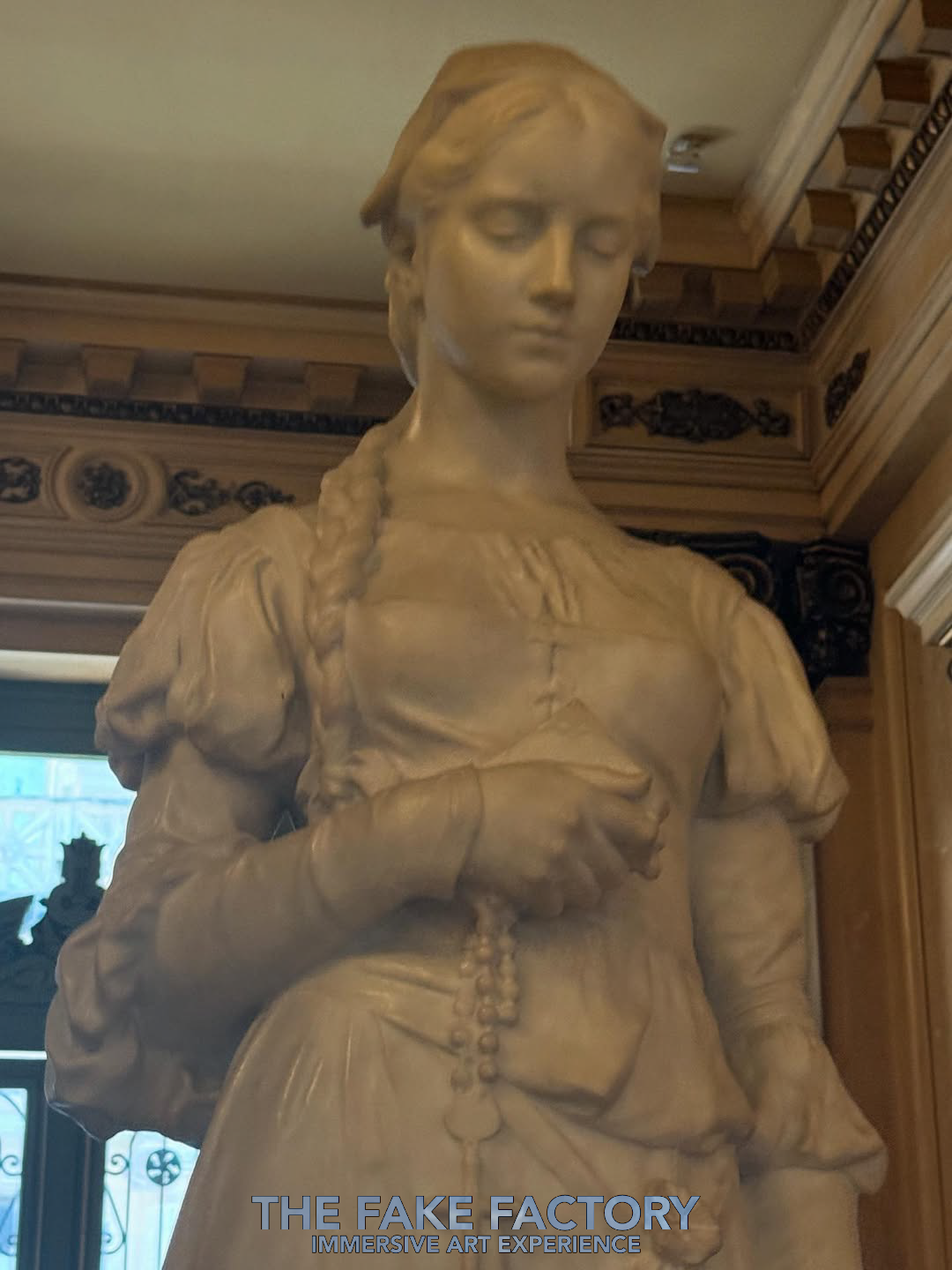
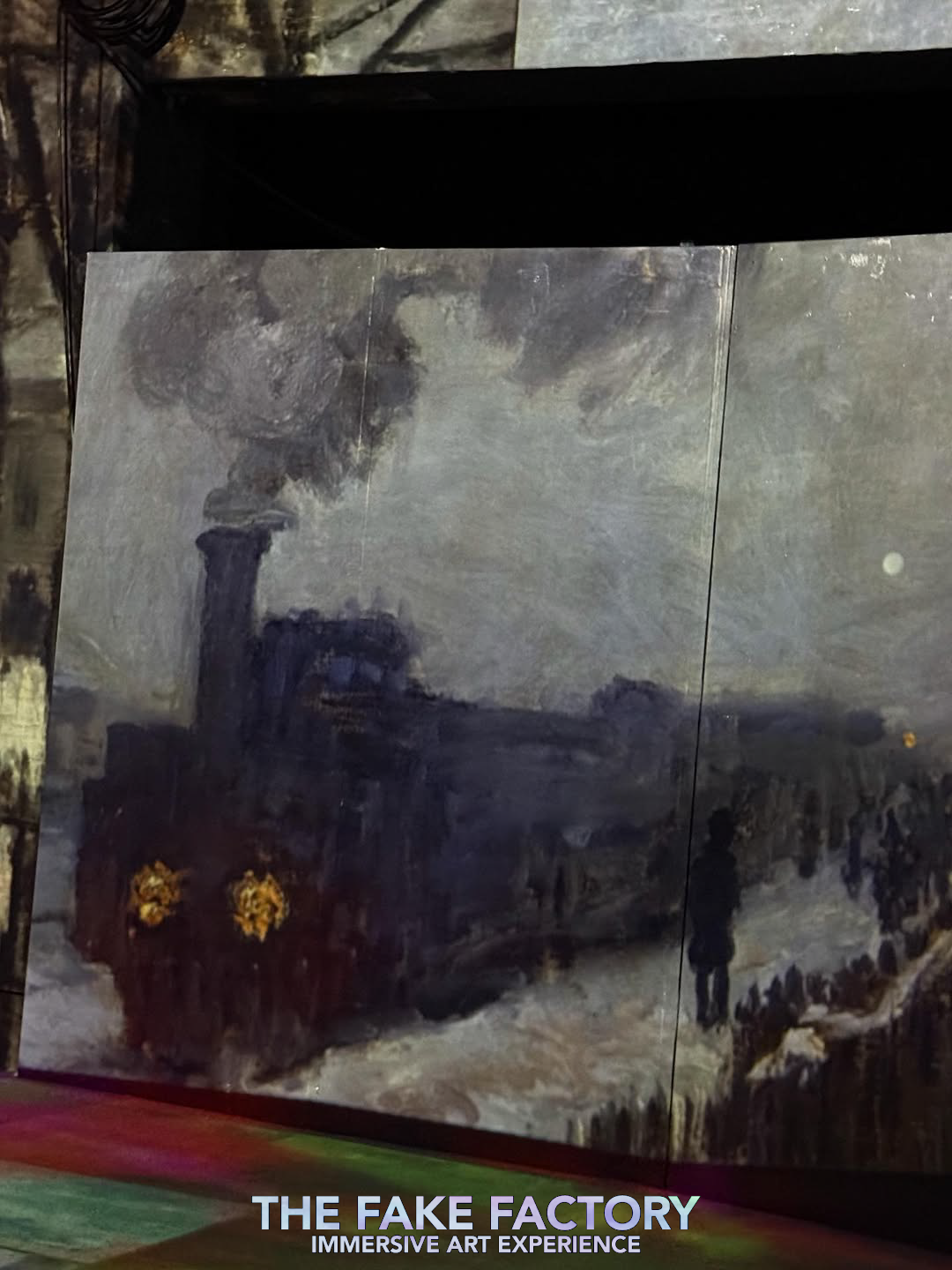
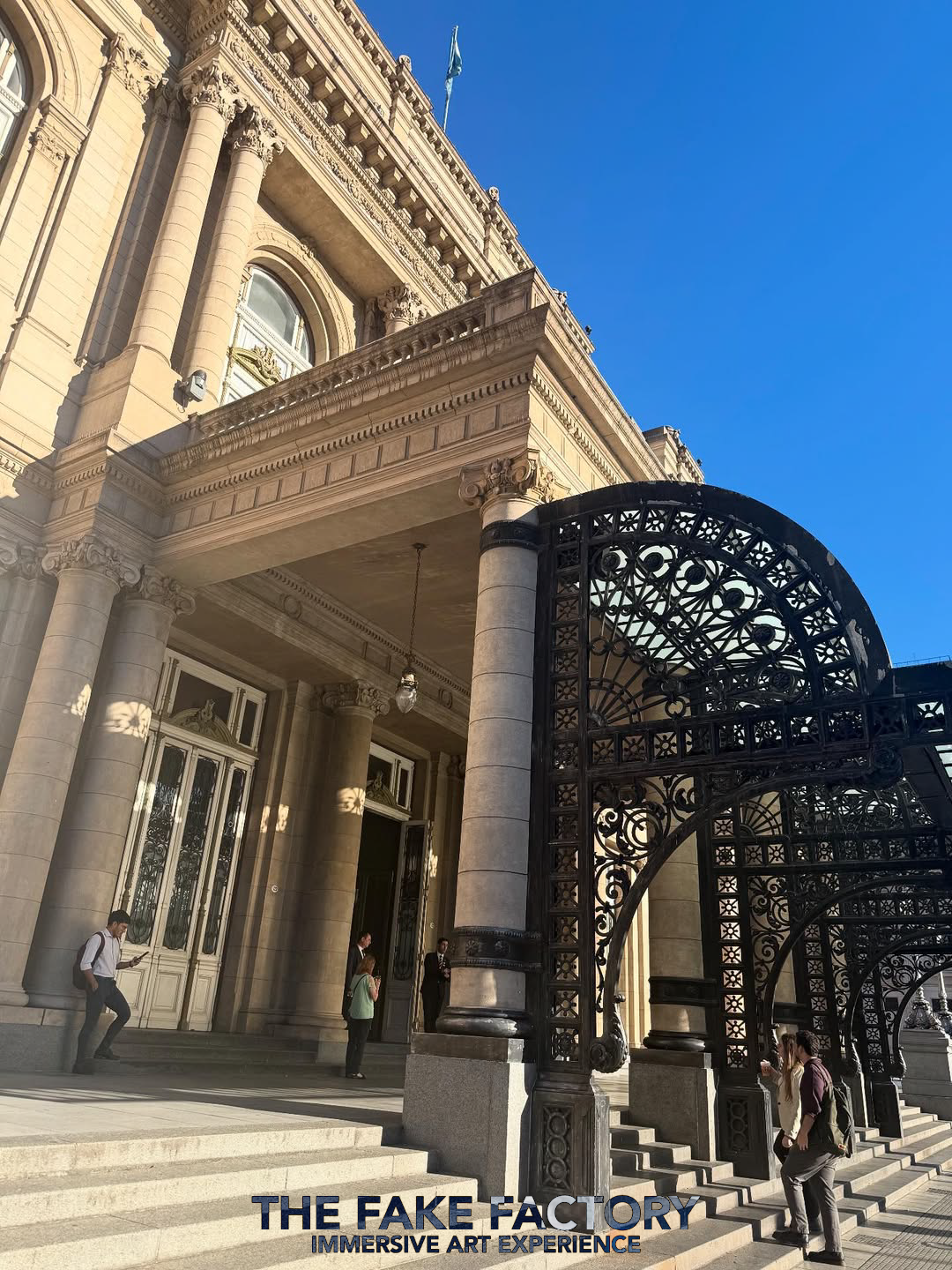
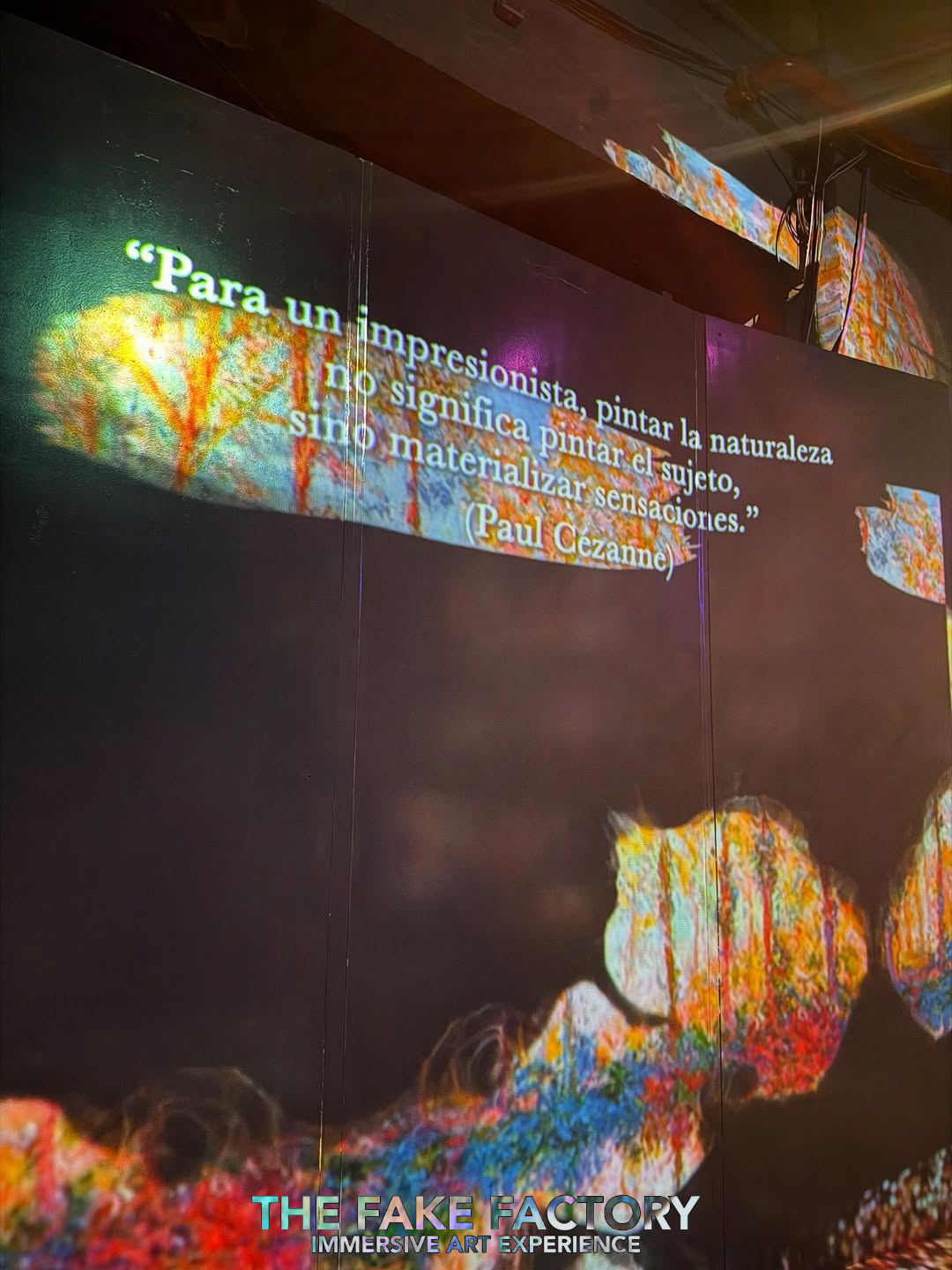
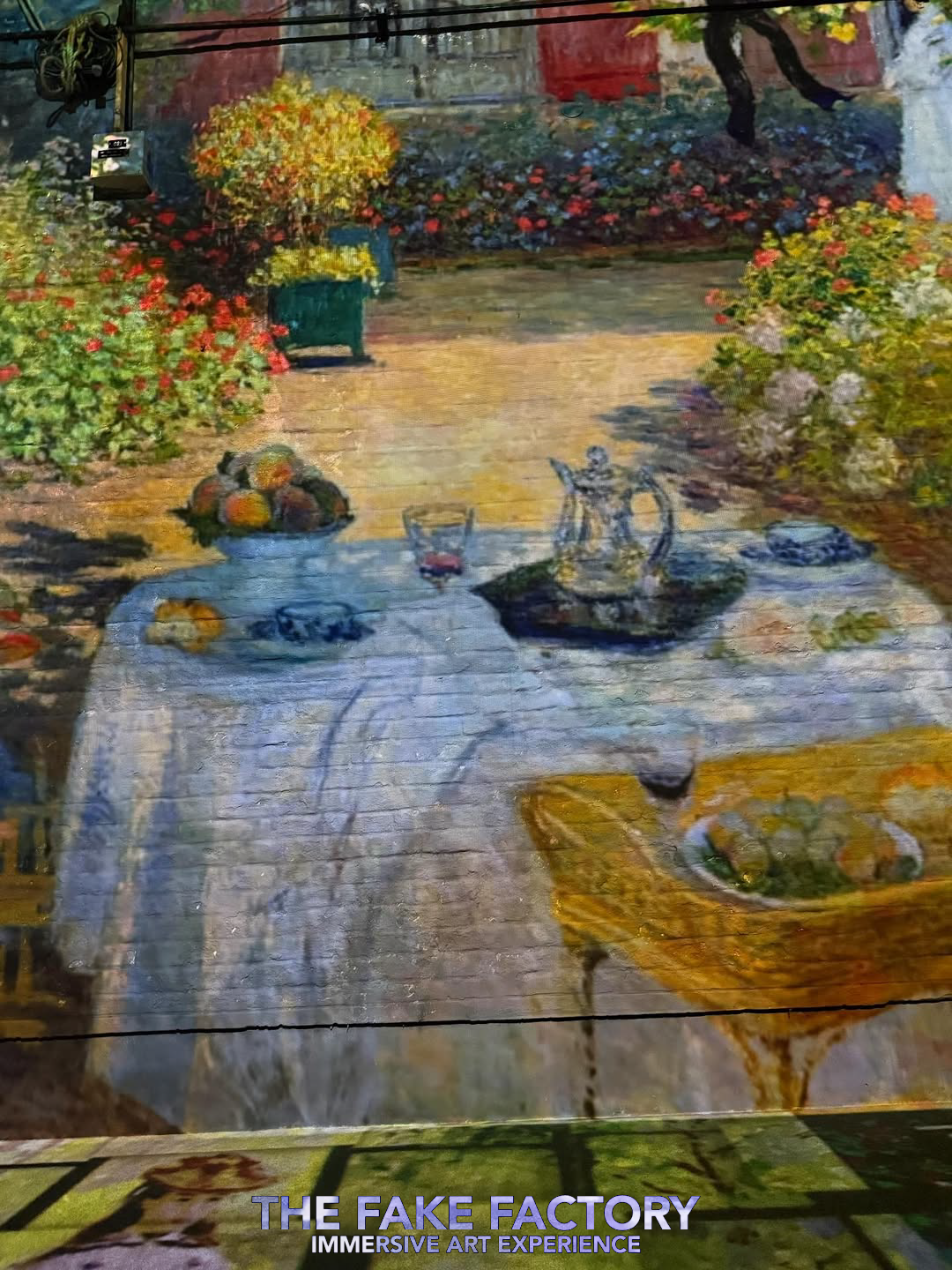
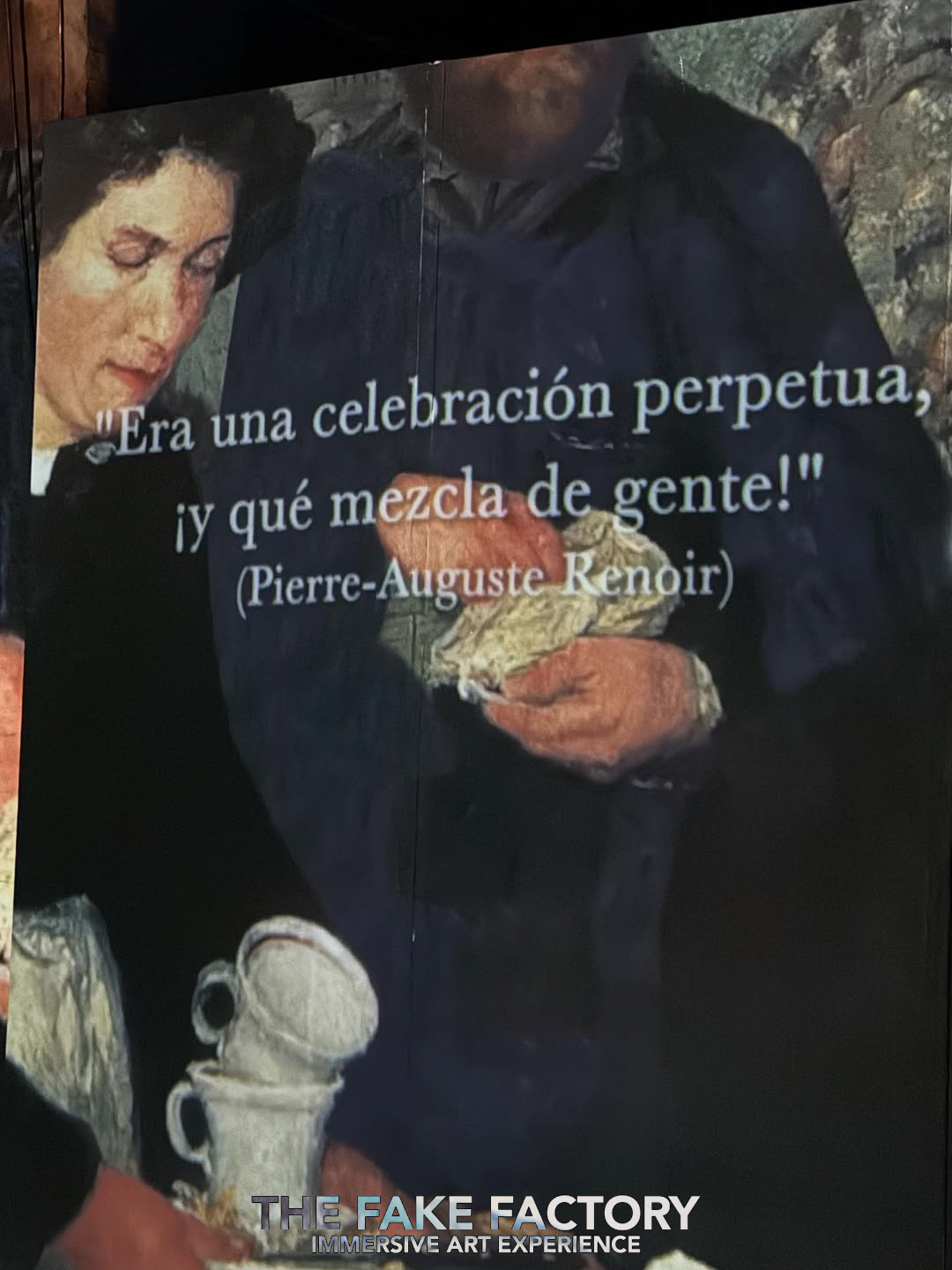
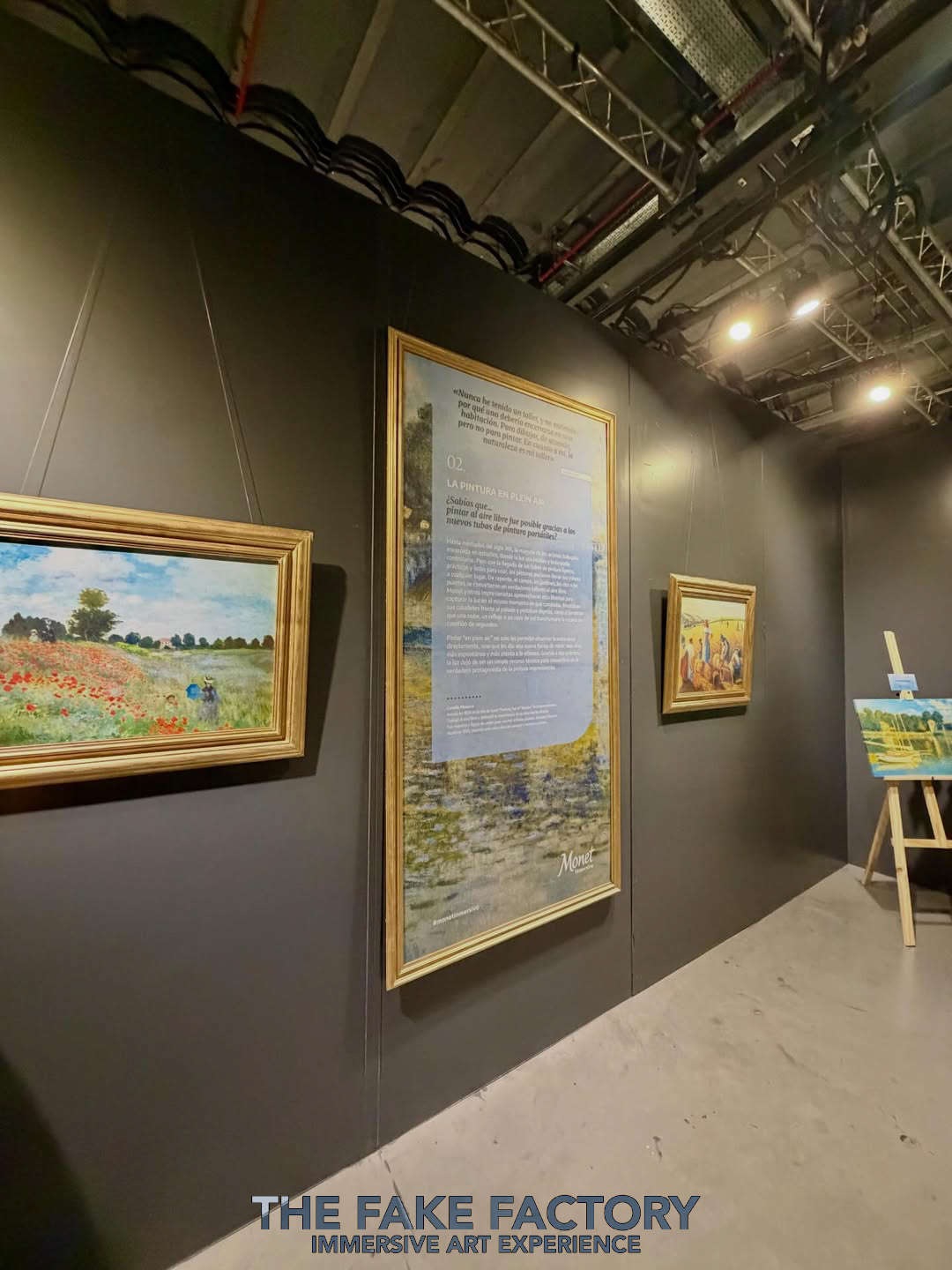
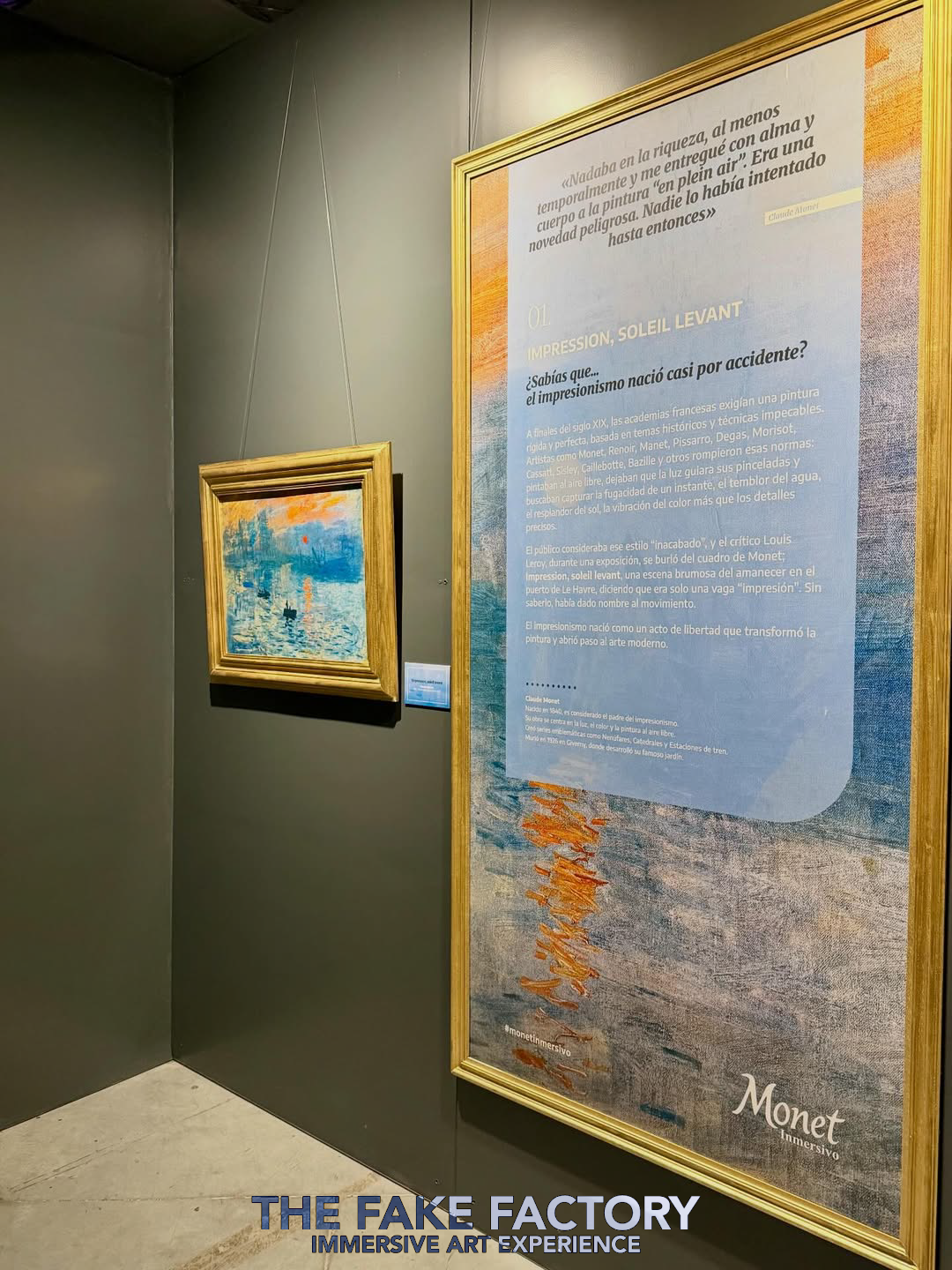
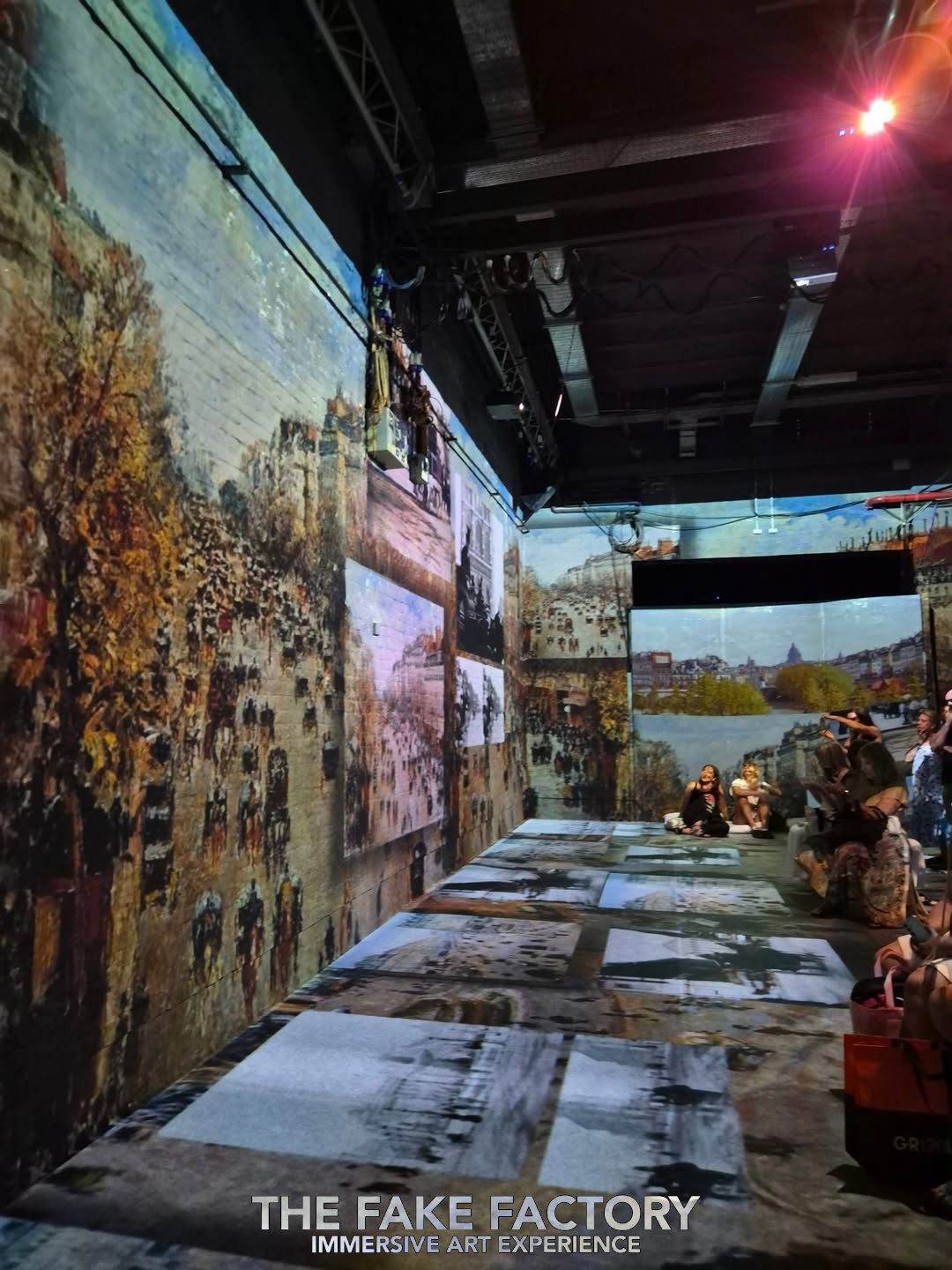
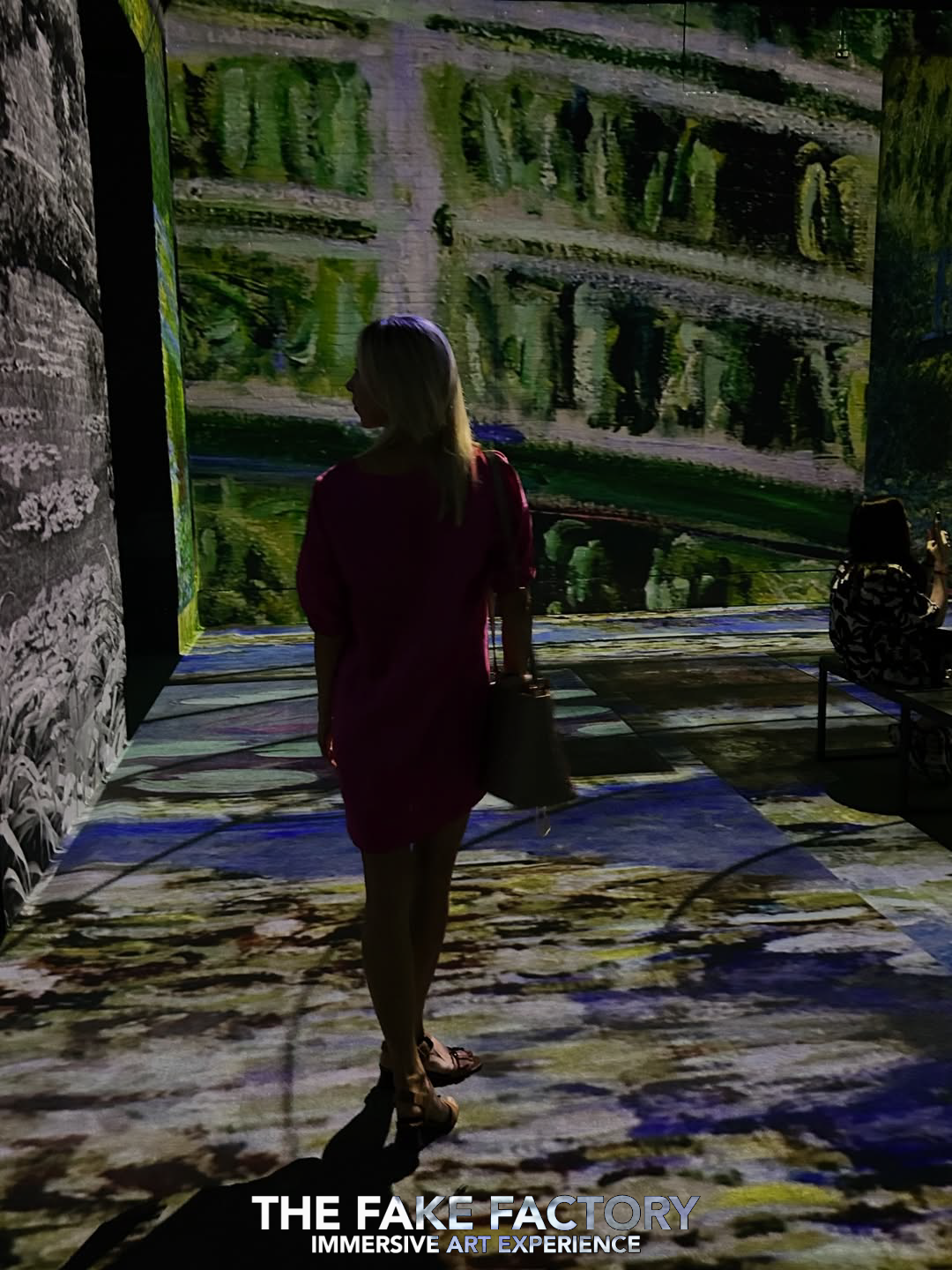
Una exposición inmersiva se asemeja a un espectáculo teatral. El público se encuentra en una sala oscura, rodeado de figuras, sonidos, personajes y paisajes que lo transportan a otra dimensión. Entrar en el arte con todos los sentidos significa descubrirlo, comprenderlo y amarlo de una manera más intensa.
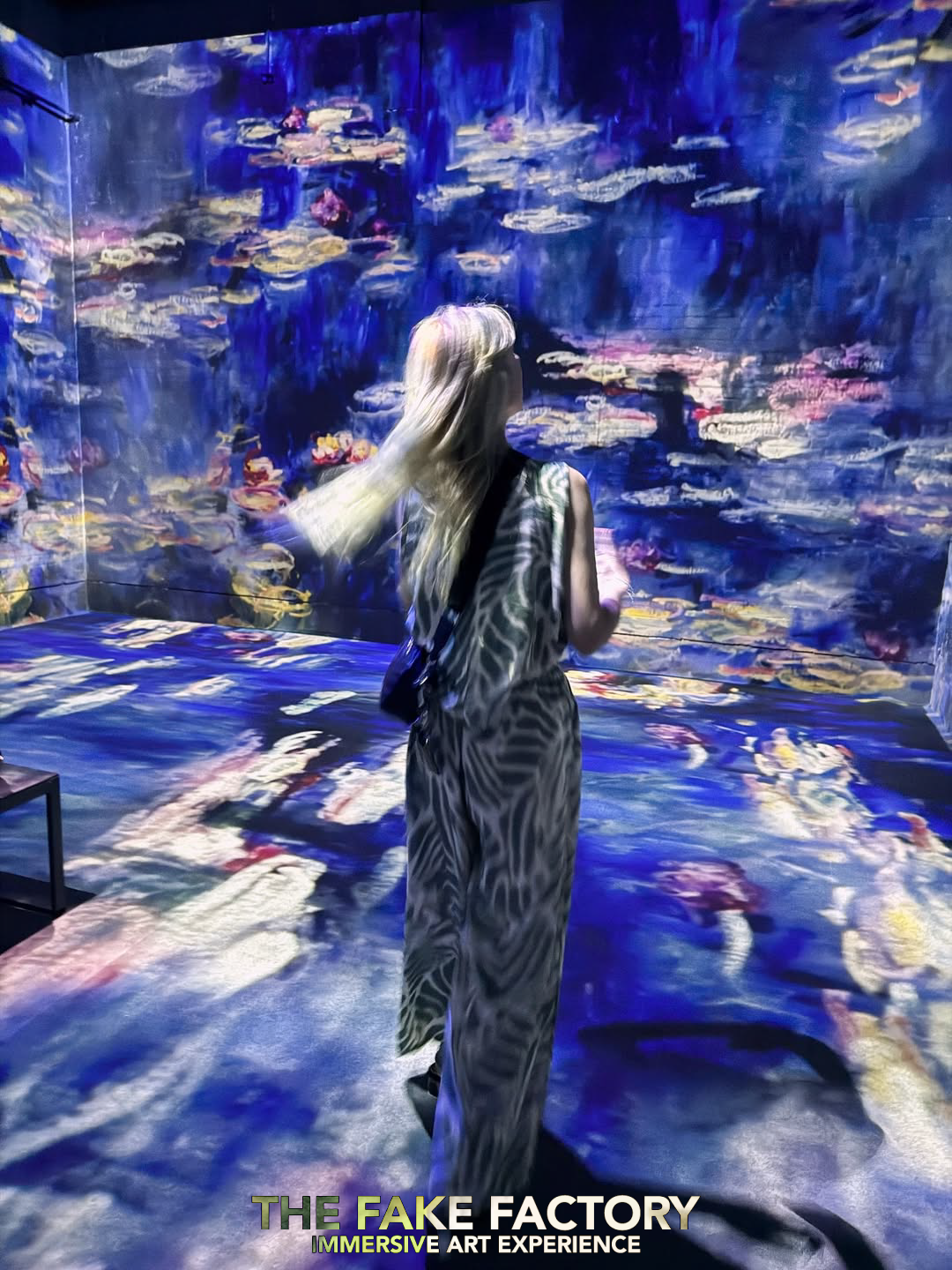
La fugacidad que Monet buscaba —la luz que se desliza sobre el agua, las sombras que respiran, el color que vibra por un instante— encuentra en el lenguaje digital contemporáneo un nuevo territorio para manifestarse. En el entorno digital, traducir esa inmediatez impresionista no implica reproducir simplemente sus pinceladas, sino recrear la sensación de impermanencia que definía su mirada. Los sistemas de proyección permiten simular variaciones de luz sutiles y casi orgánicas, moduladas en tiempo real, convirtiendo el espacio inmersivo en un equivalente digital de ese “cielo cambiante” que Monet observaba al aire libre.
El arte digital inmersivo nace con una vocación universal, para dirigirse a públicos de todas las edades y de cualquier procedencia social y cultural.
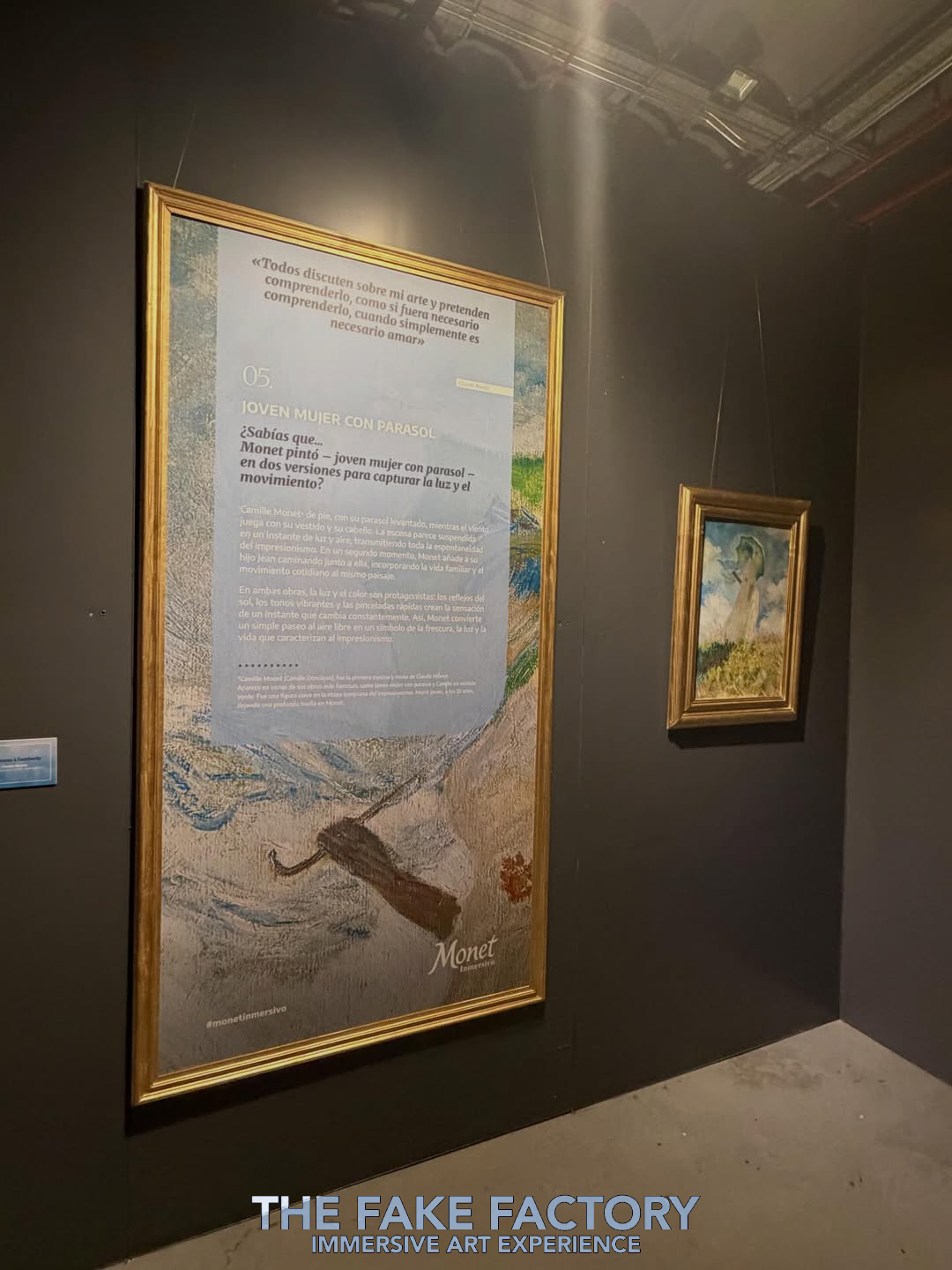
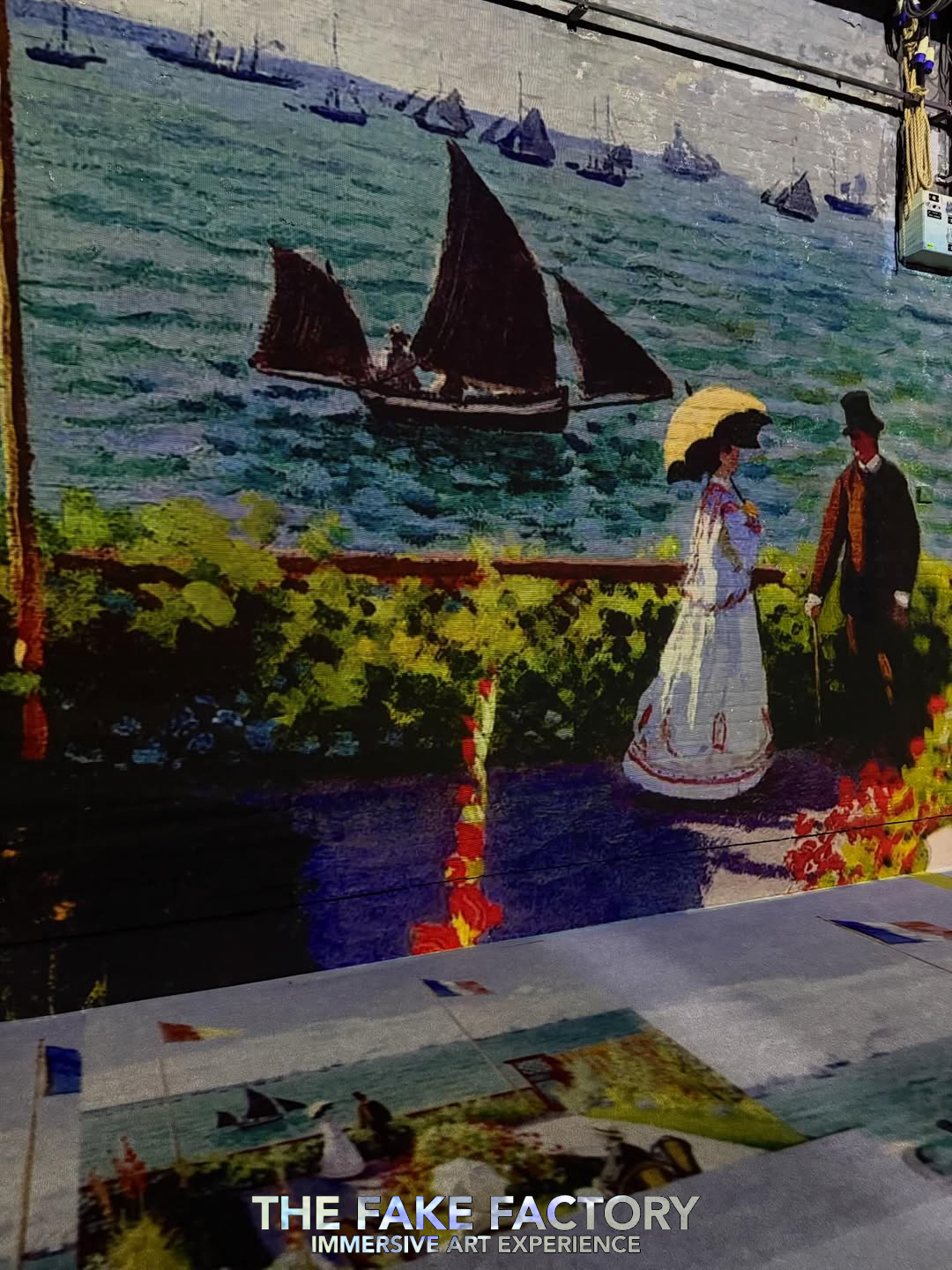
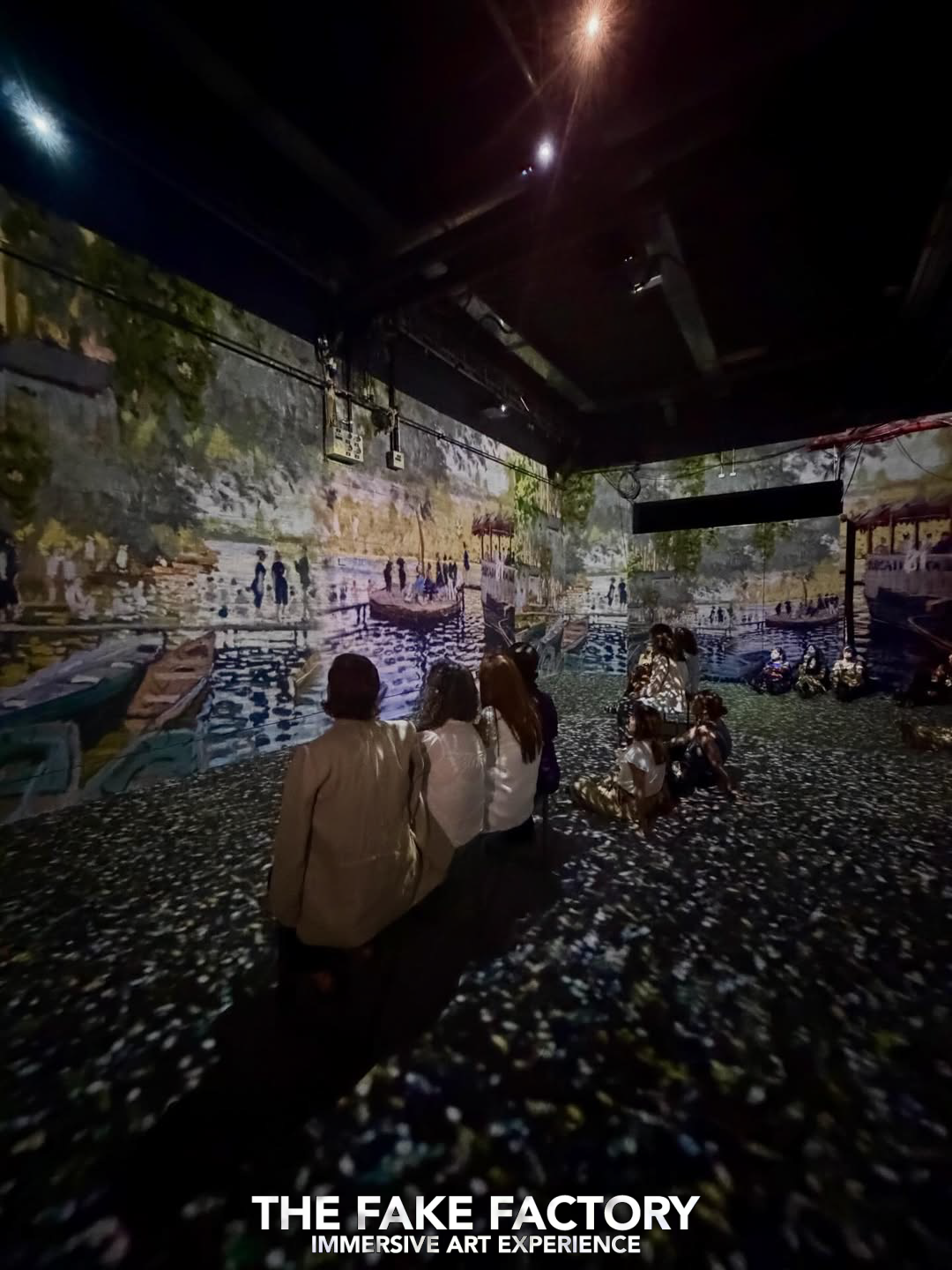
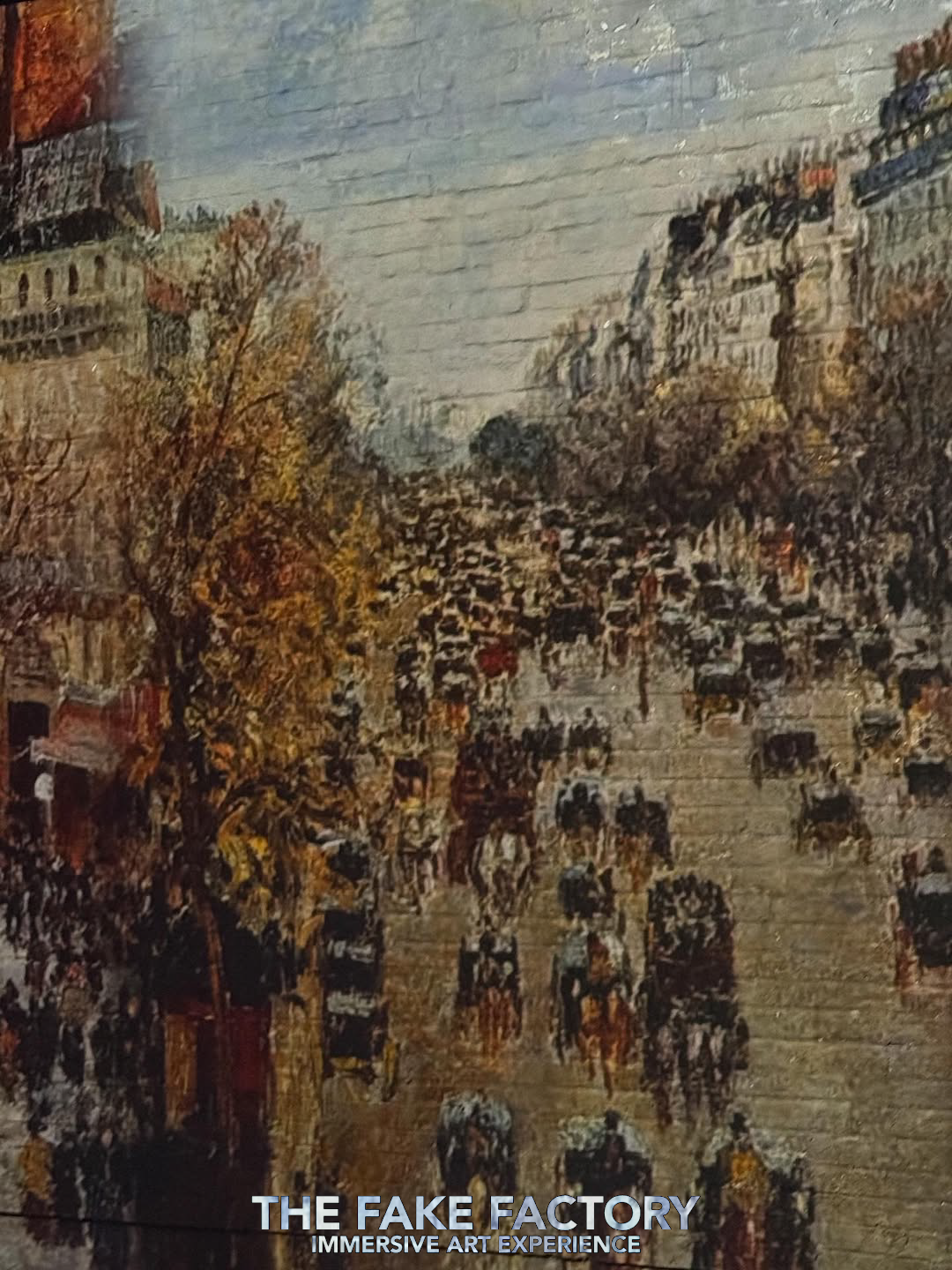
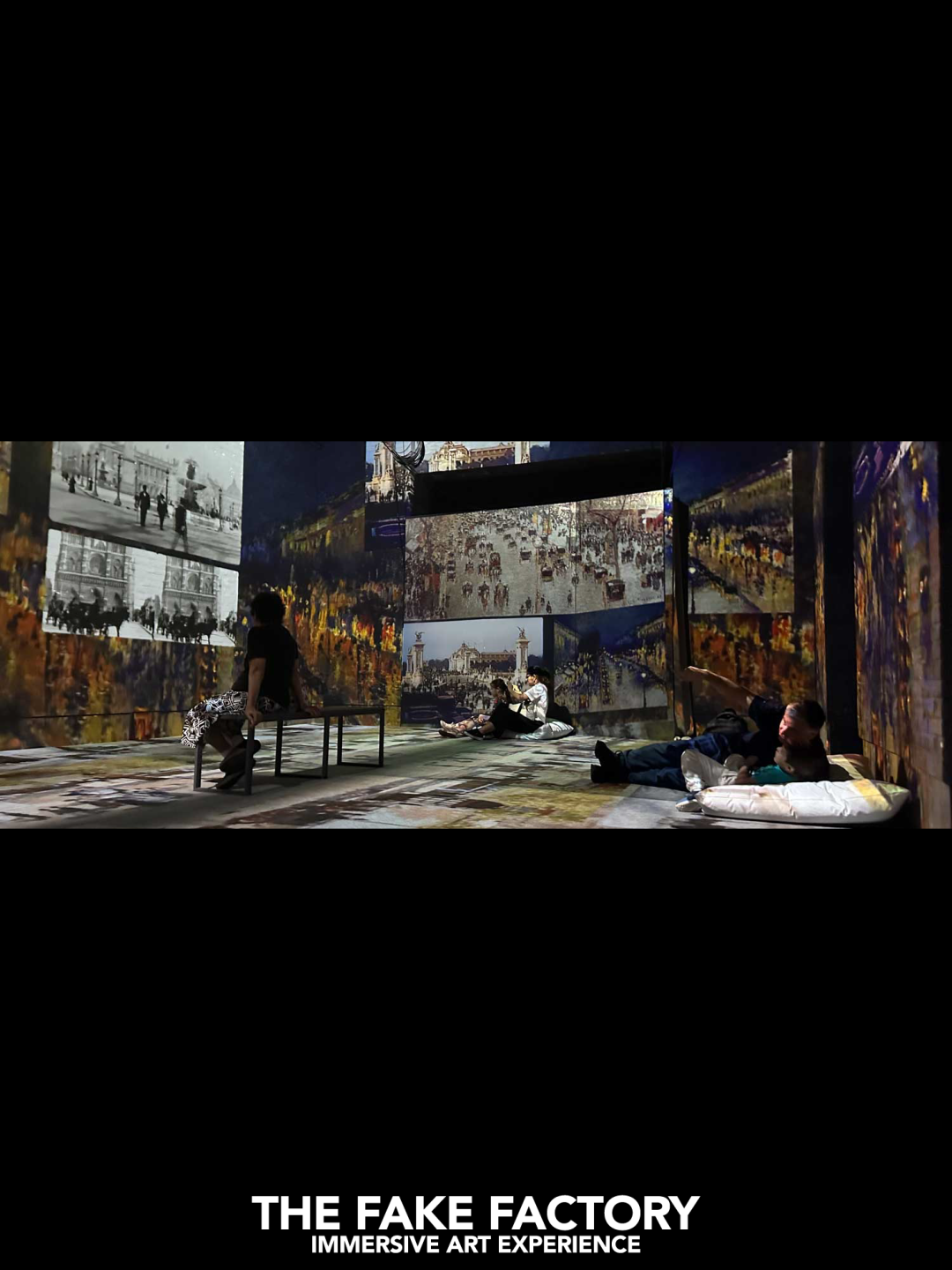
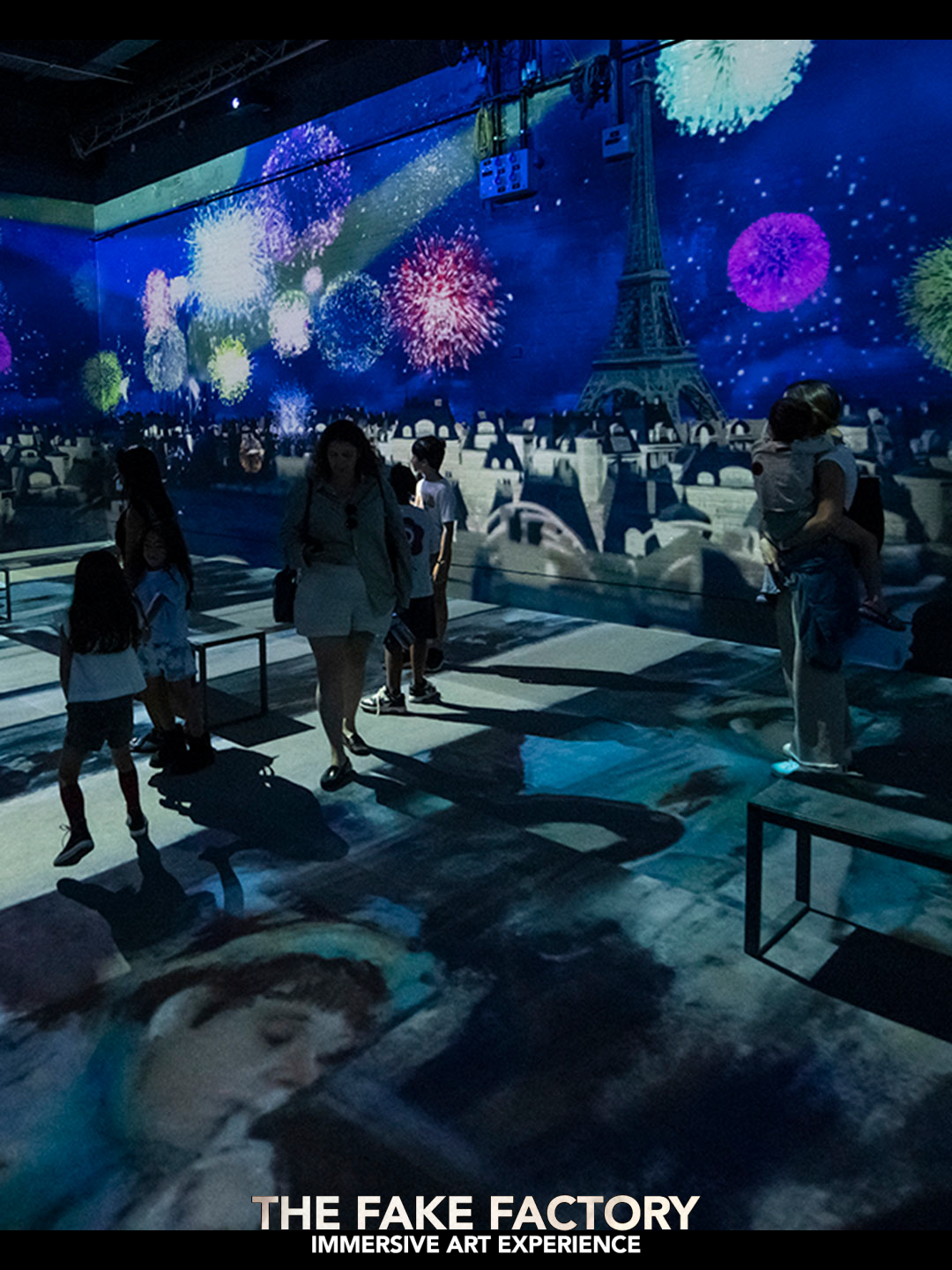
The immersive art experience dedicated to Monet and the French Impressionists is a 30-minute narrative that literally introduces us to the technical and stylistic revolution this group of artists generated in late nineteenth-century France. The story unfolds through a series of scenes, each devoted to a specific theme or technique: the concept of plein air painting, modern studies on color synthesis, the notion of “impression” and the speed of execution of the new Impressionist painters, love and family life, social life in Paris and leisure time, as well as nature and the passage of time and the seasons. The selection of more than 100 Impressionist works was made precisely in order to present these themes to the public as fully as possible.
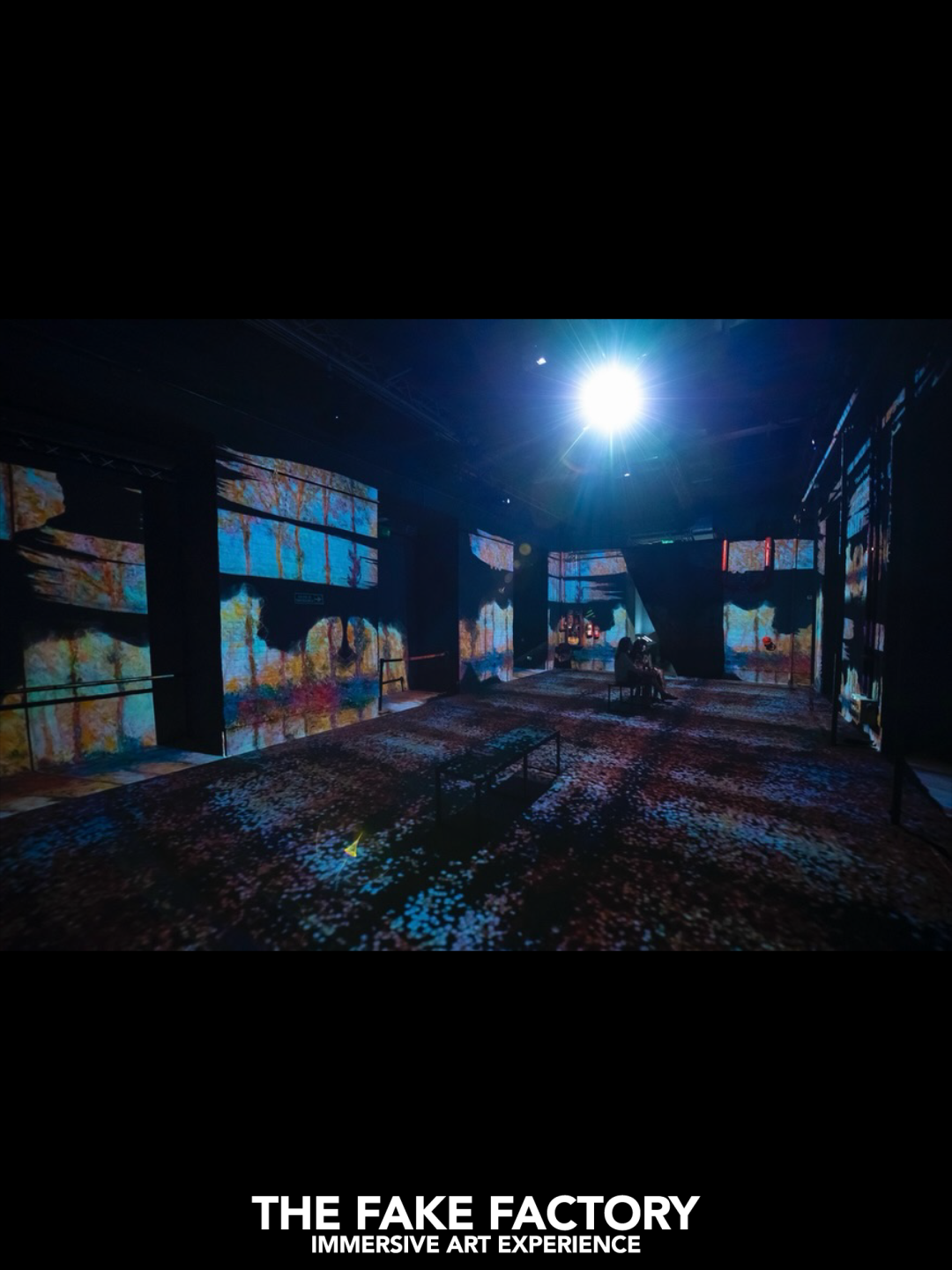
The exhibition as a whole is conceived as a journey that allows visitors to gradually immerse themselves in Impressionist art. It begins with an educational section presenting scaled reproductions of the most important works by Monet and of the Impressionist movement. This is followed by scenic devices that allow interaction with the constituent elements of some of the most iconic works, such as the Japanese bridge or the woman with a parasol. Other rooms are devoted to the theme of flowers and allow the public to immerse themselves in a continuous flow of colorful floral compositions, making it possible, for a moment, to experience the sensation of becoming Impressionist models completely surrounded by a living, chromatically intense nature.
The legacy of Monet and the Impressionists runs through the work of Stefano Fake and The Fake Factory as a fundamental lesson about vision. These artists taught us that each human being perceives reality in a unique way and that art does not consist in reproducing the world with technical perfection, but in capturing fleeting impressions, immediate emotions, and personal points of view. They also showed that art is in constant transformation and that creators must dare to follow their own path, beyond conventions and criticism, exploring reality—especially its new and changing aspects—as living material for creation.
Impressionism, one of the most radically innovative avant-garde movements of its time, reminds us that the essential function of art is to offer new ways of seeing the world. In immersive digital experiences, this spirit is translated into a contemporary language: vibrant brushstrokes become animated textures, digital microfluctuations that keep surfaces in constant motion. Gentle animation reproduces the vitality of the ephemeral, while color, understood as a temporal experience, is expressed through living gradients, chromatic modulations, and diffusion effects that allow each scene to “breathe,” as if it were being repainted again and again in real time.
Monet painted from within the landscape, immersed in the light and atmosphere that surrounded him. Immersive digital installations take up this idea and carry it further, completely surrounding the viewer to restore a sense of total physical presence. It is no longer a matter of observing a landscape from a distance, but of inhabiting it. In this way, transience ceases to be merely a visual perception and becomes a bodily experience. Digital language does not seek to copy what Monet saw, but to extend his deeper intention: to invite the public to feel that the light is changing here and now, right before their eyes.
The work of Stefano Fake and The Fake Factory faces a fundamental curatorial challenge: translating Monet’s poetics of the ephemeral into digital language without losing its conceptual and aesthetic integrity. Monet’s work does not simply depict landscapes or figures; it explores time, variations of light, and the constant transformation of the atmosphere. Bringing this sensibility into an immersive experience means going beyond the mere reproduction of paintings to reconstruct the way the artist perceived nature: his plein air practice, his chromatic research, and his relationship with water, reflections, and the cycles of the seasons.
The installation is thus conceived as a visual narrative aimed at explaining his gaze and creative process, rather than as a spectacle of isolated images. To this end, environments are created that evoke natural situations within the exhibition space, allowing the public to feel as if they are on a beach at dawn, in a garden in bloom, or surrounded by the movement of the sea. The goal is to awaken sensations similar to those experienced by the Impressionist painters during the act of painting.
From a curatorial perspective, the challenge lies in building a path that preserves the historical and formal coherence of the works, preventing technology from overpowering the artistic content. This approach is based on what The Fake Factory defines as a “poetic use of videoprojection,” through which digital light takes on an organic behavior, close to the living quality of natural light that Monet sought to capture.
Through continuous flows of projections, gentle animations, progressive chromatic modulations, and slow visual rhythms, a perception of impermanence consistent with his painting is generated. The aim is not to simulate nature, but to evoke the emotional experience of being immersed in it, allowing the viewer to experience bodily and sensorially that same intimate attention Monet devoted to light and landscape.
In the work of Stefano Fake and The Fake Factory, the immersive experience responds to a contemporary need: finding a new way to encounter art. We live surrounded by images, but these images rarely generate a deep experience. Immersive installations seek to restore a more intense relationship with painting, based not only on intellectual understanding but on time, the body, and emotion. It is not simply a matter of recognizing famous works or learning historical facts, but of establishing a more intimate contact with the atmosphere of the work and with the artist’s thought.
In Monet Immersive, the public not only seeks to understand why Monet was so decisive in the history of art, but also to experience what he felt in front of nature: attention to light, to constant change, to the ephemeral. The experience proposes a slow rhythm, a pause within the acceleration of contemporary life, and offers a form of active, deeply sensorial contemplation in which the viewer immerses themselves in a different time.
The aim is not for the visitor to retain only a visual memory, but to modify their way of perceiving the world. The installation seeks to awaken a more attentive sensitivity to the everyday environment: the light of dusk, reflections on water, variations of the sky, and the small details that usually go unnoticed. If, upon leaving the exhibition space, the public observes reality with greater attention and a more open emotional disposition, the experience has fulfilled its function.
These proposals are not conceived as substitutes for classical art, but as mediations capable of reactivating interest in it. They invite people back to the museum, to look at a painting more carefully, and to understand that painting is not a relic of the past, but a form of visual thought that is still alive. This is, ultimately, the deepest meaning of immersive experiences dedicated to the great masters of art history: to renew the viewer’s gaze and reconnect art with life.
The work of Stefano Fake and The Fake Factory is part of a historical relationship between art and technology that spans the centuries. If we understand technology as every technical innovation applied by human beings to materials and to their environment, it is enough to recall the evolution of pigments and pictorial techniques—from fresco to oil, from watercolor to acrylics or printing—to understand that artistic development has always been linked to technical progress.
Human history is a history of technological transformations, and artists have acted as catalysts of these novelties, seeking new formats to represent reality. Today the world is composed of a mixture of physical reality and digital virtuality: each person simultaneously inhabits their concrete environment and their digital infosphere. Immersive digital art stages this relationship, creating a “phygital” space in which the physical and the digital coexist on the same perceptual plane.
The main challenge of this work is to ensure that technology expands the works of the past without replacing them. It is about building an immersive space in which classical aesthetics dialogue with digital language, maintaining authenticity, expressive intensity, and emotional coherence with the original intention of the artists. Contemporary technologies allow diverse disciplines to come together in one place: space, light, music, images, and narrative combine in an artistic alchemy that must remain in balance in order to foster a deep contemplative experience.
An immersive exhibition resembles a theatrical performance. The public finds itself in a dark room, surrounded by figures, sounds, characters, and landscapes that transport it to another dimension. Entering art with all the senses means discovering it, understanding it, and loving it more intensely.
The transience Monet sought—the light sliding over water, the breathing shadows, the color vibrating for an instant—finds in contemporary digital language a new territory in which to manifest itself. In the digital environment, translating this Impressionist immediacy does not mean simply reproducing brushstrokes, but recreating the sensation of impermanence that defined his gaze. Projection systems make it possible to simulate subtle, almost organic variations of light, modulated in real time, turning the immersive space into a digital equivalent of that “changing sky” Monet observed in the open air.
Immersive digital art is born with a universal vocation, addressing audiences of all ages and of every social and cultural background.
 IMMERSIVE ART EXPERIENCE